


- Home
- Compare product
- Comparison result

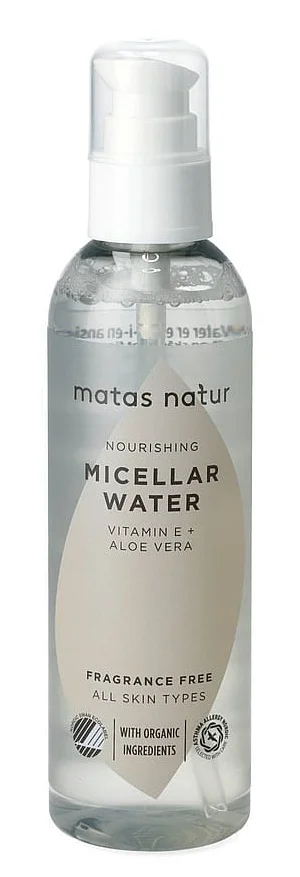


| EWG | CIR | Ingredient Name & Cosmetic Function | Notes |
|---|---|---|---|
| 1 | A | (Masking, Fragrance, Denaturant ) | |
| 3 | - | (Solvent, Fragrance, Denaturant ) |  |
| EWG | CIR | Ingredient Name & Cosmetic Function | Notes |
|---|---|---|---|
| 1 | - | (Solvent) | |
| 1 4 | B | (Skin Conditioning, Emollient, Emulsifying, Surfactant) |  |
| 1 | B | (Humectant, Hair Conditioning, Skin Conditioning, Viscosity Controlling, Antistatic Agent) | |
| 1 | A | (Hair Conditioning, Skin Conditioning, Smoothing) | |


Denatonium Benzoate
1. Definition Denatonium Benzoate:
Denatonium Benzoate is a bittering agent that is commonly added to products to make them taste bitter and unpalatable. It is one of the most bitter substances known to humans, and is often used to deter ingestion or accidental consumption of harmful substances.2. Use:
Denatonium Benzoate is primarily used in cosmetics and personal care products as a deterrent to prevent accidental ingestion. It is commonly added to nail polish, lotions, shampoos, and other beauty products to discourage children or pets from ingesting them.3. Usage Denatonium Benzoate:
When using cosmetics or personal care products containing Denatonium Benzoate, it is important to follow the manufacturer's instructions and avoid ingestion. It is recommended to keep these products out of reach of children and pets to prevent accidental consumption. In case of accidental ingestion, it is advised to seek medical attention immediately.4. References:
- "Denatonium Benzoate." Cosmetics Info, www.cosmeticsinfo.org/ingredient/denatonium-benzoate.
- "Denatonium Benzoate." The Good Scents Company, www.thegoodscentscompany.com/data/rw1004391.html.
- "Denatonium Benzoate." PubChem, pubchem.ncbi.nlm.nih.gov/compound/Denatonium-benzoate.
Acetone
1. Definition Acetone:
Acetone is a colorless, volatile liquid solvent that is commonly used in cosmetics as a nail polish remover. It is also known as propanone and is a key ingredient in many personal care products.2. Use:
Acetone is primarily used in cosmetics as a solvent to dissolve other substances, such as nail polish. It is highly effective at removing nail polish quickly and efficiently, making it a popular choice for consumers looking to change their nail color. Acetone is also used in some skincare products as a degreasing agent to remove oils and fats from the skin.3. Usage Acetone:
When using acetone in cosmetics, it is important to take precautions to avoid skin irritation or other adverse effects. It is recommended to use acetone in a well-ventilated area to prevent inhalation of fumes. Additionally, it is important to avoid contact with the eyes and skin, as acetone can cause irritation and dryness. It is also recommended to wash hands thoroughly after using acetone to remove any residue.4. References:
- "Acetone in Cosmetics: Safety and Regulatory Considerations" by J. J. Scrafford and M. A. Maronpot
- "The Role of Acetone in Cosmetics and Personal Care Products" by M. A. Kline
- "Acetone: A Versatile Solvent in Cosmetics" by S. M. Smith
Aqua
1. Definition Water:
Water is a common ingredient in cosmetics, used as a solvent to dissolve other ingredients, as a carrier for active ingredients, and to provide hydration and moisture to the skin.2. Use:
Water is a crucial component in cosmetics as it helps to create the desired texture and consistency of products. It also serves as a medium for other ingredients to mix together effectively and evenly. Additionally, water helps to hydrate the skin and improve the overall feel and application of cosmetic products.3. Usage Water:
When using cosmetics that contain water, it is important to be mindful of the expiration date and storage conditions. Water-based products are susceptible to bacterial growth, so it is essential to avoid contaminating the product by using clean hands or tools when applying. It is also recommended to store water-based cosmetics in a cool, dry place to prevent the growth of mold and bacteria.4. References:
- Draelos, Z. D. (2010). Cosmetic dermatology: products and procedures. John Wiley & Sons.
- Winter, R. (2009). A consumer's dictionary of cosmetic ingredients: complete information about the harmful and desirable ingredients found in cosmetics and cosmeceuticals. Crown.
- Begoun, P. (2003). Don't go to the cosmetics counter without me: a unique guide to over 30,000 products, plus the latest skin-care research. Beginning Press.
Peg 7 Glyceryl Cocoate
1. Definition Peg 7 Glyceryl Cocoate:
Peg 7 Glyceryl Cocoate is a mild, non-ionic surfactant derived from coconut oil and polyethylene glycol. It is commonly used in cosmetics as an emollient and emulsifier.2. Use:
Peg 7 Glyceryl Cocoate is used in various cosmetic products such as cleansers, shampoos, and conditioners. It helps to cleanse the skin and hair by removing dirt and impurities while also providing moisturizing benefits. Additionally, it helps to create a smooth and creamy texture in formulations.3. Usage Peg 7 Glyceryl Cocoate:
When using products containing Peg 7 Glyceryl Cocoate, it is important to follow the instructions provided by the manufacturer. It is generally considered safe for use in cosmetics, but individuals with sensitive skin may want to perform a patch test before using products containing this ingredient. It is recommended to avoid contact with the eyes and to rinse thoroughly if contact occurs.4. References:
- Paula Begoun. (2003). "The Complete Beauty Bible: The Ultimate Guide to Smart Beauty." Rodale Books.
- Personal Care Products Council. (2015). "International Cosmetic Ingredient Dictionary and Handbook." Washington, DC: Personal Care Products Council.
- G. Wypych. (2016). "Handbook of Surfactants." ChemTec Publishing.







