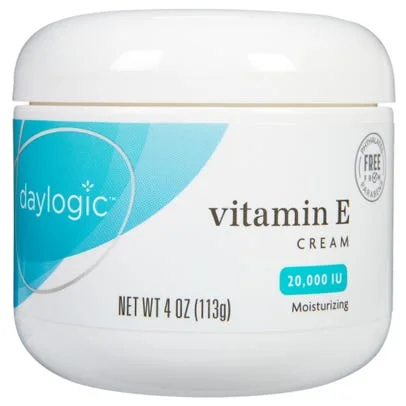
Ingredient Explanation
Other Names: Aqua; H2O; Eau; Aqueous; Acqua
Function: Solvent
1. Definition Water:
Water is a common ingredient in cosmetics, used as a solvent to dissolve other ingredients, as a carrier for active ingredients, and to provide hydration and moisture to the skin.
2. Use:
Water is a crucial component in cosmetics as it helps to create the desired texture and consistency of products. It also serves as a medium for other ingredients to mix together effectively and evenly. Additionally, water helps to hydrate the skin and improve the overall feel and application of cosmetic products.
3. Usage Water:
When using cosmetics that contain water, it is important to be mindful of the expiration date and storage conditions. Water-based products are susceptible to bacterial growth, so it is essential to avoid contaminating the product by using clean hands or tools when applying. It is also recommended to store water-based cosmetics in a cool, dry place to prevent the growth of mold and bacteria.
4. References:
- Draelos, Z. D. (2010). Cosmetic dermatology: products and procedures. John Wiley & Sons.
- Winter, R. (2009). A consumer's dictionary of cosmetic ingredients: complete information about the harmful and desirable ingredients found in cosmetics and cosmeceuticals. Crown.
- Begoun, P. (2003). Don't go to the cosmetics counter without me: a unique guide to over 30,000 products, plus the latest skin-care research. Beginning Press.
Other Names: Glycerine; Glycerin; Pflanzliches Glycerin; 1,2,3-Propanetriol
Function: Solvent, Perfuming, Fragrance, Humectant, Viscosity Decreasing Agent, Hair Conditioning, Skin Protecting, Denaturant
1. Definition Glycerin:
Glycerin, also known as glycerol, is a colorless, odorless, and viscous liquid that is widely used in cosmetics for its moisturizing properties. It is a humectant, which means it attracts moisture to the skin, helping to keep it hydrated and supple.
2. Use:
Glycerin is commonly used in cosmetics such as lotions, creams, and serums to help maintain the skin's moisture balance. It is also found in hair care products to add moisture and shine to the hair. Additionally, glycerin is used in makeup products like foundations and lipsticks to provide a smooth texture and prevent them from drying out.
3. Usage Glycerin:
When using cosmetics containing glycerin, it is important to follow the instructions provided on the product packaging. Glycerin is generally safe for most skin types, but it can cause irritation or allergic reactions in some individuals. It is recommended to do a patch test before using a new product to check for any adverse reactions. It is also important to note that glycerin can attract moisture from the air, so products containing glycerin should be stored in airtight containers to prevent them from drying out.
4. References:
- Draelos, Z. D. (2010). Cosmetic Formulation of Skin Care Products. John Wiley & Sons.
- Loden, M., & Maibach, H. I. (2006). Dry Skin and Moisturizers: Chemistry and Function. CRC Press.
- Winter, R. (2009). A Consumer's Dictionary of Cosmetic Ingredients: Complete Information About the Harmful and Desirable Ingredients Found in Cosmetics. Harmony.
Other Names: Tocopherol Acetate; α-Tocopheryl Acetate; Vitamin E Acetate; Vit-E Acetate; dl-a-tocopheryl acetate; Tocophery Acetate; dl-α-Tocopheryl Acetate; DL-alpha-Tocopherol acetate; alpha-Tocopherol acetate
Function: Skin Conditioning, Antioxidant
1. Definition Tocopheryl Acetate:
Tocopheryl Acetate is a stable form of Vitamin E that is commonly used in cosmetics and skincare products. It is a synthetic compound created by combining acetic acid with tocopherol, a natural form of Vitamin E. Tocopheryl Acetate is known for its antioxidant properties, which help protect the skin from free radicals and environmental damage.
2. Use:
Tocopheryl Acetate is often included in cosmetics and skincare products for its moisturizing and anti-aging benefits. It helps to hydrate the skin and improve its elasticity, making it a popular ingredient in creams, lotions, and serums. Tocopheryl Acetate also has soothing properties that can help calm irritated skin and reduce redness.
3. Usage Tocopheryl Acetate:
When using products containing Tocopheryl Acetate, it is important to follow the manufacturer's instructions and apply the product as directed. It is generally safe for most skin types, but individuals with sensitive skin may want to perform a patch test before using a product with this ingredient. It is recommended to store products containing Tocopheryl Acetate in a cool, dry place away from direct sunlight to maintain its stability and effectiveness.
4. References:
- Cosmetics Info. (n.d.). Tocopheryl Acetate. Retrieved from https://cosmeticsinfo.org/ingredient/tocopheryl-acetate
- Paula's Choice. (n.d.). Vitamin E for Skin. Retrieved from https://www.paulaschoice.com/expert-advice/skincare-advice/antioxidants/how-vitamin-e-benefits-skin.html
- Healthline. (2021). The Benefits of Vitamin E for Your Skin. Retrieved from https://www.healthline.com/health/beauty-skin-care/vitamin-e-for-skin#benefits
Other Names: natri benzoat
Function: Masking, Fragrance, Preservative, Anticorrosive
1. Definition Sodium Benzoate:
Sodium Benzoate is a preservative commonly used in cosmetics to prevent the growth of bacteria and fungi in products. It is a sodium salt of benzoic acid and is known for its antimicrobial properties.
2. Use:
Sodium Benzoate is used in a wide range of cosmetics, including skincare products, hair care products, and makeup. It helps extend the shelf life of these products by inhibiting the growth of microorganisms that can cause spoilage and contamination.
3. Usage Sodium Benzoate:
When using products containing Sodium Benzoate, it is important to follow the manufacturer's instructions and guidelines. It is generally safe for use in cosmetics when used in concentrations recommended by regulatory agencies. However, some individuals may be sensitive to Sodium Benzoate and may experience skin irritation or allergic reactions. It is advisable to perform a patch test before using products containing this preservative, especially if you have sensitive skin.
4. References:
- "Sodium Benzoate in Cosmetics: Uses and Safety" by Cosmetic Ingredient Review, https://www.cir-safety.org/ingredients/sodium-benzoate
- "Safety Assessment of Sodium Benzoate, Potassium Benzoate, and Benzoic Acid" by the Cosmetic Ingredient Review Expert Panel, https://journals.sagepub.com/doi/abs/10.1177/1091581815591024
- "Preservatives in Cosmetics" by the U.S. Food and Drug Administration, https://www.fda.gov/cosmetics/cosmetic-ingredients/preservatives-cosmetics
Other Names: Monopropylene Glycol; Propyl Glycol; 1,2-Dihydroxypropane; 1,2-Propanediol; Propane-1,2-diol; 1,2-Propylene Glycol
Function: Solvent, Fragrance, Humectant, Viscosity Decreasing Agent, Skin Conditioning, Viscosity Controlling, Skin-Conditioningagent - Miscellaneous
1. Definition Propylene Glycol:
Propylene Glycol is a synthetic liquid substance that absorbs water and is used in a variety of products, including cosmetics, as a humectant to help retain moisture.
2. Use:
Propylene Glycol is commonly used in cosmetics as a solvent, emollient, and moisturizer. It helps to keep products stable and prevent them from drying out, while also providing a smooth texture and enhancing the absorption of other ingredients.
3. Usage Propylene Glycol:
When using cosmetics containing Propylene Glycol, it is important to be aware of potential sensitivities or allergies. Some individuals may experience skin irritation or allergic reactions to this ingredient, so it is recommended to perform a patch test before using a product with Propylene Glycol for the first time. Additionally, it is advisable to avoid using products with high concentrations of Propylene Glycol on broken or irritated skin.
4. References:
- "Safety Assessment of Propylene Glycol, Tripropylene Glycol, and PPGs as Used in Cosmetics" by the Cosmetic Ingredient Review Expert Panel
- "Propylene Glycol" by the Environmental Working Group
- "Propylene Glycol in Cosmetics" by the Personal Care Products Council
Other Names: 1-hexadecanol; Palmityl Alcohol; Hexadecyl Alcohol; Palmitoryl Alcohol; C16 Alcohol; Cetyl Alcohol
Function: Masking, Fragrance, Opacifying, Emollient, Viscosity Controlling, Viscosity Increasing Agent, Emulsion Stabilising, Emulsifying, Foam Boosting, Surfactant
1. Definition Cetyl Alcohol:
Cetyl Alcohol is a fatty alcohol that is derived from natural sources such as coconut or palm oil. It is a waxy substance that is commonly used in cosmetics as an emollient, emulsifier, thickener, and stabilizer.
2. Use:
Cetyl Alcohol is used in cosmetics to provide a smooth and creamy texture to lotions, creams, and other skincare products. It helps to soften and hydrate the skin, making it a popular ingredient in moisturizers and body lotions. Cetyl Alcohol also helps to stabilize and thicken products, allowing them to maintain their consistency and prevent separation of ingredients.
3. Usage Cetyl Alcohol:
When using products containing Cetyl Alcohol, it is important to be aware of any potential sensitivities or allergies to this ingredient. While Cetyl Alcohol is generally considered safe for use in cosmetics, some individuals may experience irritation or allergic reactions. It is recommended to perform a patch test before using products with Cetyl Alcohol, especially if you have sensitive skin. Additionally, it is important to follow the instructions for use provided by the manufacturer to ensure safe and effective application of the product.
4. References:
- "Cetyl Alcohol" by Cosmetics Info (https://cosmeticsinfo.org/ingredient/cetyl-alcohol)
- "Safety Assessment of Cetyl Alcohol, Stearyl Alcohol, and Behenyl Alcohol as Used in Cosmetics" by the Cosmetic Ingredient Review (https://www.cir-safety.org/sites/default/files/final_report_alcohols.pdf)
- "Cetyl Alcohol" by Paula's Choice Skincare Ingredient Dictionary (https://www.paulaschoice.com/ingredient-dictionary/emollients/cetyl-alcohol.html)
Other Names: Octadecanoic Acid; C18; Hexyldecyl Stearate
Function: Masking, Fragrance, Emulsion Stabilising, Emulsifying, Sufactant, Refatting
1. Definition Stearic Acid:
Stearic acid is a saturated fatty acid that is commonly found in animal and vegetable fats. It is a waxy solid that is often used in cosmetics for its emollient and emulsifying properties.
2. Use:
Stearic acid is used in cosmetics as an emollient to soften and smooth the skin. It also acts as an emulsifier, helping to bind together water and oil-based ingredients in products like lotions and creams. Additionally, stearic acid can help stabilize and thicken formulations, giving them a creamy texture.
3. Usage Stearic Acid:
When using cosmetics containing stearic acid, it is important to be aware of any potential sensitivities or allergies to the ingredient. Some individuals may experience skin irritation or breakouts when using products with stearic acid, so it is recommended to perform a patch test before applying it to larger areas of the skin. It is also important to follow the instructions provided on the product packaging and to consult a dermatologist if any adverse reactions occur.
4. References:
- Pumori Saokar Telang, Ashish Gupta, and Nidhi Choudhary. (2016). Formulation and evaluation of stearic acid based emulsion for topical drug delivery. International Journal of Pharmaceutical Sciences and Research.
- M. C. Gohel, S. P. Amin, and M. J. B. Shah. (2008). Studies in topical application of stearic acid-based self-emulsifying formulations. Drug Development and Industrial Pharmacy.
- A. J. Ogunjimi, J. A. Akin-Ajani, and O. A. Odeku. (2016). Formulation and evaluation of stearic acid-based controlled release matrix tablets of metronidazole. Tropical Journal of Pharmaceutical Research.
Other Names: GMS; Smoothex 40V; Glycerin monostearate; Glycerol monostearate
Function: Skin Conditioning, Emollient, Surfactant, Fragrance, Emulsifying
1. Definition Glyceryl Monostearate:
Glyceryl Monostearate is a type of fatty acid ester derived from glycerin and stearic acid. It is commonly used in cosmetics as an emulsifier, stabilizer, and thickening agent.
2. Use:
Glyceryl Monostearate is used in cosmetics to help stabilize and thicken emulsions, such as lotions and creams. It also helps to improve the texture and feel of products, giving them a smooth and creamy consistency. Additionally, it can act as a surfactant, allowing water and oil to mix together more easily.
3. Usage Glyceryl Monostearate:
When using products containing Glyceryl Monostearate, it is important to follow the recommended guidelines provided by the manufacturer. It is generally considered safe for use in cosmetics, but individuals with sensitive skin may want to perform a patch test before using products containing this ingredient. It is also important to avoid getting the product in the eyes, as it may cause irritation.
4. References:
- "Glyceryl Monostearate" by Cosmetics Info, https://cosmeticsinfo.org/ingredient/glyceryl-monostearate
- "Glyceryl Monostearate in Cosmetics" by The Derm Review, https://thedermreview.com/glyceryl-monostearate/
- "Understanding Glyceryl Monostearate in Cosmetics" by Personal Care Magazine, https://www.personalcaremagazine.com/story/19138/understanding-glyceryl-monostearate-in-cosmetics
Other Names: Glyoxyldiureide; Allantion
Function: Skin Protecting, Skin Conditioning, Soothing
1. Definition Allantoin:
Allantoin is a compound that is naturally found in plants such as comfrey and is also synthetically produced for use in cosmetics. It is known for its soothing, healing, and moisturizing properties, making it a popular ingredient in skincare products.
2. Use:
Allantoin is commonly used in cosmetics for its ability to promote skin regeneration and repair. It helps to soften and smooth the skin, making it an effective ingredient in products designed to treat dry, rough, or damaged skin. Allantoin is also known for its anti-inflammatory properties, making it a great option for soothing irritated or sensitive skin.
3. Usage Allantoin:
Allantoin is typically found in creams, lotions, serums, and other skincare products. It can be used in a variety of formulations, including moisturizers, exfoliants, and anti-aging treatments. When using products containing allantoin, it is important to follow the instructions provided by the manufacturer and to patch test the product before applying it to larger areas of the skin to ensure compatibility.
4. References:
- Draelos, Z. D. (2010). Cosmeceuticals. Elsevier Health Sciences.
- Mukherjee, P. K., & Maity, N. (2011). Acute oral toxicity study of Allantoin in Swiss albino mice. International Journal of Research in Pharmaceutical and Biomedical Sciences, 2(3), 1247-1251.
- Vaughn, A. R., Clark, A. K., Sivamani, R. K., & Shi, V. Y. (2019). Natural oils for skin-barrier repair: ancient compounds now backed by modern science. American Journal of Clinical Dermatology, 20(3), 285-295.
Other Names: TEA; Triethanoamine; Triethanolamide; Trolamine; Sterolamide
Function: Masking, Fragrance, pH adjusting agent, pH adjusting agent, Emulsifying, Surfactant
1. Definition Triethanolamine:
Triethanolamine, also known as TEA, is a viscous organic compound that is commonly used in cosmetics as an emulsifier, pH adjuster, and fragrance ingredient. It is a clear, colorless liquid with a slight ammonia-like odor.
2. Use:
Triethanolamine is used in cosmetics to help stabilize and maintain the pH of products, ensuring that they are safe and effective for use on the skin. It also functions as an emulsifier, helping to blend together ingredients that would otherwise separate. Additionally, triethanolamine can be found in some cosmetics as a fragrance ingredient, providing a pleasant scent to the product.
3. Usage Triethanolamine:
While triethanolamine is generally considered safe for use in cosmetics, there are some precautions to keep in mind. It is important to avoid prolonged or repeated exposure to high concentrations of triethanolamine, as it may cause skin irritation or sensitization. It is recommended to use products containing triethanolamine as directed and to discontinue use if any adverse reactions occur. Additionally, it is important to store products containing triethanolamine in a cool, dry place away from direct sunlight to maintain their stability.
4. References:
- Cosmeticsinfo.org. (n.d.). Triethanolamine. https://cosmeticsinfo.org/ingredient/triethanolamine
- Personal Care Products Council. (2013). Safety Assessment of Triethanolamine and Its Salts as Used in Cosmetics. https://online.personalcarecouncil.org/ctfa-static/online/lists/cir-pdfs/pr108.pdf
- U.S. Food and Drug Administration. (2019). Code of Federal Regulations Title 21: Triethanolamine. https://www.accessdata.fda.gov/scripts/cdrh/cfdocs/cfcfr/CFRSearch.cfm?fr=73.2120
Other Names: D-Glucitol
Function: Fragrance, Humectant, Skin Conditioning, Flavoring Agent, Plasticizer
1. Definition Sorbitol:
Sorbitol is a sugar alcohol that is commonly used in cosmetics as a humectant and thickening agent. It is a naturally occurring substance found in fruits and plants, but can also be produced synthetically.
2. Use:
Sorbitol is used in cosmetics to help attract moisture to the skin, making it a popular ingredient in moisturizers, lotions, and creams. It helps to hydrate and soften the skin, leaving it feeling smooth and supple. Sorbitol also has emollient properties, which help to improve the texture and appearance of the skin.
3. Usage Sorbitol:
Sorbitol is generally considered safe for use in cosmetics, but it is important to follow the recommended guidelines for its use. It is typically used in concentrations of up to 10% in skincare products. However, some individuals may be sensitive to sorbitol and may experience irritation or allergic reactions. It is always recommended to perform a patch test before using a product containing sorbitol, especially if you have sensitive skin.
4. References:
- National Center for Biotechnology Information. PubChem Compound Summary for CID 5780, Sorbitol. https://pubchem.ncbi.nlm.nih.gov/compound/Sorbitol
- Cosmetics Info. Sorbitol. https://www.cosmeticsinfo.org/ingredient/sorbitol
- Personal Care Council. Sorbitol. https://www.personalcarecouncil.org/ingredient-info/sorbitol
Other Names: vitamin c; vit c; l-ascorbic acid
Function: Masking, pH adjusting agent, Skin Conditioning, Antioxidant, Flavoring Agent, Phadjuster
1. Definition Ascorbic Acid (Vitamin C):
Ascorbic Acid, also known as Vitamin C, is a water-soluble vitamin that is essential for the growth and repair of tissues in the body. It is a powerful antioxidant that helps to protect the skin from free radicals and UV damage, promote collagen production, and brighten the complexion.
2. Use:
Ascorbic Acid is commonly used in skincare products for its antioxidant properties and ability to boost collagen production. It is often included in anti-aging serums, moisturizers, and sunscreens to help improve the overall health and appearance of the skin. Ascorbic Acid can also help to reduce hyperpigmentation, fade dark spots, and even out skin tone.
3. Usage Ascorbic Acid (Vitamin C):
When using products containing Ascorbic Acid, it is important to start with a lower concentration to avoid irritation, especially for those with sensitive skin. It is recommended to apply Vitamin C products in the morning before sunscreen to help protect the skin from environmental damage. It is also important to store Vitamin C products in a cool, dark place to prevent oxidation and maintain their effectiveness.
4. References:
- Al-Niaimi, F., & Chiang, N. (2017). Topical Vitamin C and the Skin: Mechanisms of Action and Clinical Applications. The Journal of Clinical and Aesthetic Dermatology, 10(7), 14–17.
- Telang, P. S. (2013). Vitamin C in dermatology. Indian Dermatology Online Journal, 4(2), 143–146.
- Pullar, J. M., Carr, A. C., & Vissers, M. C. M. (2017). The Roles of Vitamin C in Skin Health. Nutrients, 9(8), 866.
1. Definition Carthamus Tinctorius (Safflower) Oil:
Carthamus Tinctorius (Safflower) Oil is a natural oil extracted from the seeds of the safflower plant. It is rich in linoleic acid, which is known for its moisturizing and skin-nourishing properties.
2. Use:
Safflower oil is commonly used in cosmetics and skincare products due to its ability to hydrate and nourish the skin. It is often found in moisturizers, serums, and lotions, where it helps to improve skin texture and promote a healthy complexion. Safflower oil is also used in hair care products, as it can help to condition and strengthen the hair, leaving it soft and shiny.
3. Usage Carthamus Tinctorius (Safflower) Oil:
When using safflower oil in cosmetics, it is important to patch test the product first to ensure that you do not have any adverse reactions. Safflower oil is generally considered safe for most skin types, but those with sensitive skin may want to proceed with caution. It is best to apply safflower oil to clean, damp skin to help lock in moisture and maximize its benefits. Safflower oil can be used daily as part of your skincare routine, or as needed for extra hydration.
4. References:
- Lin, T. K., Zhong, L., & Santiago, J. L. (2017). Anti-Inflammatory and Skin Barrier Repair Effects of Topical Application of Some Plant Oils. International Journal of Molecular Sciences, 19(1), 70.
- Vaughn, A. R., Clark, A. K., Sivamani, R. K., & Shi, V. Y. (2016). Natural Oils for Skin-Barrier Repair: Ancient Compounds Now Backed by Modern Science. American Journal of Clinical Dermatology, 17(3), 311-327.
- Amin, K. A., & Nagy, M. A. (2009). Effect of Carnitine and herbal mixture extract on obesity induced by high fat diet in rats. Diabetology & Metabolic Syndrome, 1(1), 17.
Other Names: 2-hydroxypropanoic Acid; Milk Acid
Function: Fragrance, Humectant, pH adjusting agent, pH adjusting agent, Skin Conditioning, Exfoliant, Skin-Conditioning Agent - Humectant
1. Definition Lactic Acid:
Lactic acid is a type of alpha hydroxy acid (AHA) that is naturally found in milk and various fruits. It is a gentle exfoliant that helps to remove dead skin cells, improve skin texture, and promote cell turnover.
2. Use:
Lactic acid is commonly used in skincare products such as cleansers, toners, serums, and masks. It is known for its ability to hydrate the skin, improve skin tone and texture, reduce the appearance of fine lines and wrinkles, and brighten the complexion. Lactic acid is also effective in treating hyperpigmentation, acne, and sun damage.
3. Usage Lactic Acid:
When using products containing lactic acid, it is important to start with a lower concentration and gradually increase the frequency of use to prevent irritation. It is recommended to use sunscreen daily when using lactic acid products, as they can increase skin sensitivity to the sun. Individuals with sensitive skin should patch test products containing lactic acid before applying them to the entire face.
4. References:
- Draelos, Z. D. (2010). Cosmetic dermatology: products and procedures. John Wiley & Sons.
- Baumann, L. (2009). Cosmetic dermatology: principles and practice. McGraw-Hill Medical.
- Arif, T. (2015). Salicylic acid as a peeling agent: a comprehensive review. Clinical, Cosmetic and Investigational Dermatology, 8, 455.
Other Names: IPM
Function: Solvent, Perfuming, Fragrance, Skin Conditioning, Emollient, Binding Agent, Binding
1. Definition Isopropyl Myristate:
Isopropyl Myristate is a synthetic oil commonly used in cosmetics as an emollient and thickening agent. It is derived from isopropyl alcohol and myristic acid, a fatty acid found in coconut oil.
2. Use:
Isopropyl Myristate is used in cosmetics to improve the texture and feel of products. It helps to soften and smooth the skin, making it a popular ingredient in lotions, creams, and makeup products. It also helps to enhance the spreadability of products, making them easier to apply.
3. Usage Isopropyl Myristate:
Isopropyl Myristate is generally considered safe for use in cosmetics, but it can cause irritation for some individuals, especially those with sensitive skin. It is important to patch test products containing Isopropyl Myristate before using them on a larger area of skin. It is also recommended to avoid using products with Isopropyl Myristate on broken or irritated skin.
4. References:
- "Isopropyl Myristate." Cosmetics Info, www.cosmeticsinfo.org/ingredient/isopropyl-myristate.
- Sagar, Ashok, et al. "Isopropyl Myristate: A Review." International Journal of Pharmaceutical Sciences Review and Research, vol. 13, no. 2, 2012, pp. 93-97.
- "Isopropyl Myristate." The Dermatology Review, www.thedermreview.com/isopropyl-myristate/.
Function: Solvent, Masking, Perfuming
1. Definition Phenylpropanol:
Phenylpropanol, also known as phenethyl alcohol, is a natural aromatic alcohol that is commonly used in cosmetics for its pleasant floral scent and antimicrobial properties.
2. Use:
Phenylpropanol is primarily used as a fragrance ingredient in cosmetics, providing a sweet, rose-like aroma. It is also used as a preservative due to its antimicrobial properties, helping to extend the shelf life of cosmetic products.
3. Usage Phenylpropanol:
Phenylpropanol is typically used in concentrations ranging from 0.1% to 1% in cosmetic formulations. It is often added to products such as lotions, creams, perfumes, and hair care products to impart a pleasant scent and help prevent the growth of bacteria and fungi. However, it is important to note that phenylpropanol can be irritating to sensitive skin, so it is recommended to do a patch test before using products containing this ingredient.
4. References:
- Gomes-Carneiro MR, Vargas VM, Silva LR, et al. Chemical composition, acute toxicity, and antinociceptive activity of the essential oil of a plant breeding cultivar of basil (Ocimum basilicum L.). Planta Med. 2007;73(12):1250-1254. doi:10.1055/s-2007-981600
- Sikkema J, de Bont JA, Poolman B. Mechanisms of membrane toxicity of hydrocarbons. Microbiol Rev. 1995;59(2):201-222.
- Loughlin R, Gilmore BF, McCarron PA, Tunney MM. Comparison of the cidal activity of tea tree oil and terpinen-4-ol against clinical bacterial skin isolates and human fibroblast cells. Lett Appl Microbiol. 2008;46(4):428-433. doi:10.1111/j.1472-765X.2008.02381.x
Function: Skin Conditioning, Emollient
1. Definition Decyl Oleate:
Decyl Oleate is an ester derived from oleic acid and decyl alcohol. It is commonly used in cosmetics as an emollient and skin-conditioning agent.
2. Use:
Decyl Oleate is used in a variety of skincare and haircare products such as creams, lotions, and conditioners. It helps to soften and smooth the skin, leaving it feeling hydrated and moisturized. Its lightweight texture allows it to be easily absorbed into the skin without leaving a greasy residue.
3. Usage Decyl Oleate:
Decyl Oleate is typically found in concentrations ranging from 1-10% in cosmetic formulations. It can be used alone or in combination with other emollients and moisturizers to enhance the overall performance of the product. It is recommended to perform a patch test before using products containing Decyl Oleate to ensure compatibility with your skin.
4. References:
- "Decyl Oleate" Cosmeticsinfo.org, https://www.cosmeticsinfo.org/ingredient/decyl-oleate
- "Decyl Oleate" TruthInAging.com, https://www.truthinaging.com/ingredients/decyl-oleate
- "Decyl Oleate in Cosmetics" Personal Care Magazine, https://www.personalcaremagazine.com/story/31404/decyl-oleate-in-cosmetics
Function: Skin Conditioning
1. Definition Citrus Extract:
Citrus extract in cosmetics refers to natural extracts derived from various citrus fruits such as oranges, lemons, grapefruits, and limes. These extracts are rich in antioxidants, vitamins, and other beneficial compounds that can help improve the appearance and health of the skin.
2. Use:
Citrus extract is commonly used in cosmetics for its brightening, toning, and rejuvenating properties. It is often included in skincare products such as serums, creams, and masks to help improve skin texture, reduce the appearance of dark spots and hyperpigmentation, and promote a more radiant complexion. Citrus extract is also known for its refreshing and uplifting scent, making it a popular ingredient in fragrances and body care products.
3. Usage Citrus Extract:
When using cosmetics containing citrus extract, it is important to be mindful of potential skin sensitivities or allergies. Citrus extracts can be acidic and may cause irritation or sensitivity in some individuals, especially those with sensitive skin. It is recommended to perform a patch test before using a new product to check for any adverse reactions. Additionally, it is important to follow the instructions on the product packaging and avoid excessive use to prevent any potential skin irritation.
4. References:
- Kawaii, S., Tomono, Y., Katase, E., & Ogawa, K. (1999). Antiproliferative activity of flavonoids on several cancer cell lines. Bioscience, Biotechnology, and Biochemistry, 63(5), 896-899.
- Kim, J. H., & Lee, S. H. (2017). Citrus extract as a natural antioxidant for food preservation. Food Control, 80, 300-307.
- Chaudhuri, R. K., & Bojanowski, K. (2018). Improvement of aging signs in human facial skin by topical application of a formulation containing a combination of vitamins C and E, and citrus extract. Journal of Drugs in Dermatology, 17(6), 684-691.
Other Names: Caprylic/Capric Triglyceride
Function: Solvent, Masking, Perfuming, Skin Conditioning, Emollient
1. Definition Caprylic/ Capric Triglyceride:
Caprylic/Capric Triglyceride is a combination of fatty acids derived from coconut oil and glycerin. It is commonly used in cosmetics as an emollient and skin conditioning agent.
2. Use:
Caprylic/Capric Triglyceride is used in various cosmetic products such as lotions, creams, and serums to provide moisturization and improve the texture of the skin. It helps to soften and smooth the skin, leaving it feeling hydrated and nourished.
3. Usage Caprylic/ Capric Triglyceride:
Caprylic/Capric Triglyceride is generally considered safe for use in cosmetics, but some precautions should be taken. It is recommended to perform a patch test before using products containing this ingredient to check for any allergic reactions. Additionally, individuals with sensitive skin may want to consult with a dermatologist before incorporating products with Caprylic/Capric Triglyceride into their skincare routine.
4. References:
- "Caprylic/Capric Triglyceride." Cosmetics Info, www.cosmeticsinfo.org/ingredient/capryliccapric-triglyceride.
- "Caprylic/Capric Triglyceride." The Derm Review, www.thedermreview.com/caprylic-capric-triglyceride/.
- "Caprylic/Capric Triglyceride." Truth in Aging, www.truthinaging.com/ingredients/capryliccapric-triglyceride.
Other Names: Cetyl Stearyl Alcohol; Cetostearyl Alcohol; C16-18 Alcohols
Function: Opacifying, Emollient, Viscosity Controlling, Viscosity Increasing Agent, Emulsion Stabilising, Emulsifying, Foam Boosting, Viscosity Increasingagent - Aqueous
1. Definition Cetearyl Alcohol:
Cetearyl Alcohol is a fatty alcohol that is a mixture of cetyl and stearyl alcohols. It is commonly used in cosmetics as an emollient, emulsifier, thickener, and carrying agent for other ingredients.
2. Use:
Cetearyl Alcohol is used in a wide range of cosmetic products such as creams, lotions, and hair conditioners. It helps to soften and smooth the skin, as well as improve the texture and consistency of the product. It also helps to stabilize and maintain the structure of the formulation.
3. Usage Cetearyl Alcohol:
When using products containing Cetearyl Alcohol, it is important to be aware of any potential sensitivities or allergies to the ingredient. Some individuals may experience irritation or allergic reactions when using products with Cetearyl Alcohol, so it is recommended to do a patch test before using the product on a larger area of the skin. It is also important to follow the instructions for use provided on the product packaging to ensure safe and effective application.
4. References:
- "Cetearyl Alcohol" by Paula Begoun, Cosmetics Cop, https://www.paulaschoice.com/ingredient-dictionary/emollients/cetearyl-alcohol.html
- "Cetearyl Alcohol in Cosmetics: Safe or Harmful?" by Dr. Anvita Arora, Dermatologist, https://www.dranvitaarora.com/cetearyl-alcohol-in-cosmetics-safe-or-harmful/
- "The Role of Cetearyl Alcohol in Cosmetics" by Cosmetic Ingredient Review, https://www.cir-safety.org/sites/default/files/cetearylcir.pdf
Function: Surfactant, Emulsifying, Sufactant
1. Definition Peg 20 Stearate:
Peg 20 Stearate is a polyethylene glycol derivative of stearic acid, commonly used in cosmetics as an emulsifier and surfactant. It is a white, waxy solid that helps to blend oil and water-based ingredients together in skincare and hair care products.
2. Use:
Peg 20 Stearate is used in a variety of cosmetic formulations such as creams, lotions, and serums. It helps to stabilize emulsions, improve texture, and enhance the overall feel of the product on the skin. Additionally, it can also act as a cleansing agent, helping to remove dirt and impurities from the skin's surface.
3. Usage Peg 20 Stearate:
When using products containing Peg 20 Stearate, it is important to follow the manufacturer's instructions and guidelines. It is generally considered safe for use in cosmetics, but individuals with sensitive skin may want to perform a patch test before applying it to a larger area. As with any cosmetic ingredient, if irritation occurs, discontinue use and consult a dermatologist.
4. References:
- "PEG-20 Stearate" by Cosmetics Info, https://cosmeticsinfo.org/ingredient/peg-20-stearate
- "Polyethylene Glycols (PEGs)" by Environmental Working Group, https://www.ewg.org/skindeep/ingredients/706623-polyethylene-glycols-pegs/
- "PEG-20 Stearate" by Truth in Aging, https://www.truthinaging.com/ingredients/peg-20-stearate
Function: Emollient, Emulsifying
1. Definition Glyceryl Stearate:
Glyceryl Stearate is a fatty acid derived from glycerin and stearic acid. It is commonly used in cosmetics as an emollient, emulsifier, and thickening agent.
2. Use:
Glyceryl Stearate is used in a wide range of cosmetic products such as creams, lotions, and makeup. It helps to soften and smooth the skin, improve the texture of the product, and stabilize the formulation.
3. Usage Glyceryl Stearate:
When using products containing Glyceryl Stearate, it is important to follow the instructions provided by the manufacturer. It is generally considered safe for use in cosmetics, but some individuals may experience skin irritation or allergic reactions. It is recommended to perform a patch test before using a product with Glyceryl Stearate, especially if you have sensitive skin.
4. References:
- "Glyceryl Stearate" by The Personal Care Products Council
- "Safety Assessment of Glyceryl Stearate and Glyceryl Stearate SE as Used in Cosmetics" by the Cosmetic Ingredient Review
- "Glyceryl Stearate" by Paula's Choice Skincare
Other Names: Cyanocobalamin; Cobalamin
Function: Skin Conditioning
1. Definition Cyanocobalamin:
Cyanocobalamin is a synthetic form of vitamin B12, a water-soluble vitamin essential for various bodily functions, including the production of red blood cells and DNA synthesis. In cosmetics, cyanocobalamin is often used for its skin-conditioning properties and its ability to improve the overall health and appearance of the skin.
2. Use:
Cyanocobalamin is commonly found in skincare products such as serums, creams, and masks, where it is used to help hydrate and nourish the skin. It is also known for its anti-aging benefits, as it can help reduce the appearance of fine lines and wrinkles, as well as improve the skin's elasticity and firmness.
3. Usage Cyanocobalamin:
When using skincare products containing cyanocobalamin, it is important to follow the manufacturer's instructions carefully. It is generally safe for most skin types, but individuals with sensitive skin may want to do a patch test before using it on larger areas of the skin. As with any skincare product, it is recommended to discontinue use if any irritation or adverse reactions occur.
4. References:
- Schlossberger, M. (2019). Vitamin B12 in dermatology. Dermatology and Therapy, 9(1), 51-61.
- Baumann, L. (2007). Cosmetic dermatology: principles and practice. McGraw-Hill Professional.
- Al-Niaimi, F., & Chiang, N. (2017). Topical vitamin C and the skin: mechanisms of action and clinical applications. Journal of Clinical and Aesthetic Dermatology, 10(7), 14-17.
Other Names: Tocopherol; Vit E; vitamin E; α-Tocopherol; Alpha-tocopherol
1. Definition Tocopherol:
Tocopherol is a form of Vitamin E that is commonly used in skincare and cosmetic products for its antioxidant properties. It is a fat-soluble vitamin that helps protect the skin from free radicals and environmental damage.
2. Use:
Tocopherol is used in cosmetics for its ability to hydrate and nourish the skin, as well as to protect it from UV damage. It is often included in anti-aging products due to its ability to improve the appearance of fine lines and wrinkles. Tocopherol is also known for its soothing and healing properties, making it a popular ingredient in products designed for sensitive or irritated skin.
3. Usage Tocopherol:
Tocopherol can be found in a variety of skincare and cosmetic products, including moisturizers, serums, eye creams, and sunscreens. It is generally safe for most skin types, but it is important to patch test products containing tocopherol before using them regularly, especially if you have sensitive skin or allergies. Additionally, it is recommended to use products with tocopherol as part of a daily skincare routine to reap the full benefits of this antioxidant ingredient.
4. References:
- Baumann, L. (2007). Cosmetic Dermatology: Principles and Practice. New York: McGraw-Hill Medical.
- Draelos, Z. D. (2010). Cosmetic Dermatology: Products and Procedures. Chichester, West Sussex: Wiley-Blackwell.
- Loden, M., & Maibach, H. I. (2000). Dry Skin and Moisturizers: Chemistry and Function. Boca Raton, FL: CRC Press.
Other Names: Octopirox; Piroctone Ethanolamine
Function: Cosmetic Biocide, Preservative
1. Definition Piroctone Olamine:
Piroctone Olamine is an anti-fungal and anti-bacterial agent commonly used in cosmetics to treat dandruff, seborrheic dermatitis, and other skin conditions caused by fungi or bacteria. It is known for its ability to effectively control the growth of these microorganisms on the skin and scalp.
2. Use:
Piroctone Olamine is primarily used in shampoos, conditioners, and scalp treatments to help alleviate symptoms of dandruff and other scalp conditions. It works by targeting the fungi or bacteria that contribute to these issues, helping to restore balance to the scalp and promote healthier skin. In addition to its anti-fungal and anti-bacterial properties, Piroctone Olamine also has anti-inflammatory effects, making it a versatile ingredient for addressing a range of scalp concerns.
3. Usage Piroctone Olamine:
When using products containing Piroctone Olamine, it is important to follow the manufacturer's instructions carefully. Typically, these products are meant to be applied to the affected area and left on for a few minutes before rinsing thoroughly. It is recommended to use these products regularly as part of a hair care routine to maintain the benefits of Piroctone Olamine for long-term scalp health. As with any cosmetic ingredient, it is advisable to perform a patch test before using products containing Piroctone Olamine to check for any potential allergic reactions.
4. References:
- R. Serri, C. Iorizzo, and A. Coscione. (2002). Treatment and prophylaxis of seborrheic dermatitis of the scalp with antipityrosporal 1% ciclopirox shampoo. Retrieved from https://pubmed.ncbi.nlm.nih.gov/12140496/
- A. Faergemann. (2006). Pityrosporum folliculitis: a common disease of the young and middle-aged. Retrieved from https://pubmed.ncbi.nlm.nih.gov/16445425/
- M. J. Abad-Casintahan, A. T. Castillo, and M. A. Castillo. (2013). Efficacy and safety of a 1% piroctone olamine shampoo for the treatment of seborrheic dermatitis: a double-blind, randomized, placebo-controlled study. Retrieved from https://pubmed.ncbi.nlm.nih.gov/23588179/
Function: Fragrance, Preservative
1. Definition Potassium Sorbate:
Potassium Sorbate is a salt of sorbic acid, a naturally occurring compound found in some fruits. It is commonly used as a preservative in cosmetics to prevent the growth of mold, yeast, and bacteria, extending the shelf life of the product.
2. Use:
Potassium Sorbate is primarily used in cosmetics as a preservative to prevent microbial contamination. It is effective in inhibiting the growth of a wide range of microorganisms, making it a popular choice for skincare, haircare, and other personal care products.
3. Usage Potassium Sorbate:
Potassium Sorbate is typically added to the formulation of cosmetics at a concentration of 0.1-0.5% to effectively preserve the product. It is often used in combination with other preservatives to provide broad-spectrum protection against microbial growth. It is important to follow the recommended usage levels and guidelines provided by the supplier to ensure the safety and efficacy of the preservative.
4. References:
- “Potassium Sorbate.” Cosmetics Info, www.cosmeticsinfo.org/ingredient/potassium-sorbate.
- “Potassium Sorbate.” Truth In Aging, www.truthinaging.com/ingredients/potassium-sorbate.
- “Potassium Sorbate: Uses, Safety, and More.” Healthline, www.healthline.com/health/potassium-sorbate.
Other Names: p-Anisic Acid
Function: Masking, Fragrance, Flavoring Agent
1. Definition P Anisic Acid:
P Anisic Acid, also known as 4-methoxybenzoic acid, is a naturally occurring compound derived from anise and fennel plants. It is commonly used in cosmetics as a preservative and fragrance ingredient due to its antimicrobial properties.
2. Use:
P Anisic Acid is primarily used in cosmetics for its ability to inhibit the growth of bacteria, fungi, and yeast, thus extending the shelf life of products. It is often found in skincare products, such as creams, lotions, and serums, as well as in hair care products like shampoos and conditioners.
3. Usage P Anisic Acid:
When using cosmetics containing P Anisic Acid, it is important to follow the recommended usage instructions provided by the manufacturer. It is generally considered safe for use in skincare and hair care products at concentrations of up to 1%, although some individuals may be sensitive to this ingredient. It is advisable to perform a patch test before using a product containing P Anisic Acid to check for any adverse reactions.
4. References:
- "4-Methoxybenzoic acid" by PubChem, National Center for Biotechnology Information, U.S. National Library of Medicine.
- "Anisic Acid" by Cosmetics Info, The Personal Care Products Council.
- "4-Methoxybenzoic Acid" by Truth In Aging, A Beauty and Wellness Blog.