- Home
- Compare product
- Comparison result



| EWG | CIR | Ingredient Name & Cosmetic Function | Notes |
|---|---|---|---|
| 1 3 | - | (Antiseborrhoeic, Deodorant, Oxidising Agent) | |
| 1 | - | (Solvent) | |
| EWG | CIR | Ingredient Name & Cosmetic Function | Notes |
|---|---|---|---|
| 1 | - | (Solvent) | |
| 1 | B | (Skin Conditioning, Emollient) |  |
| 1 3 | B | (Humectant, Skin Conditioning, Emollient) |  |
| 1 | A | (Fragrance, Skin-Conditioning Agent - Occlusive) |  |


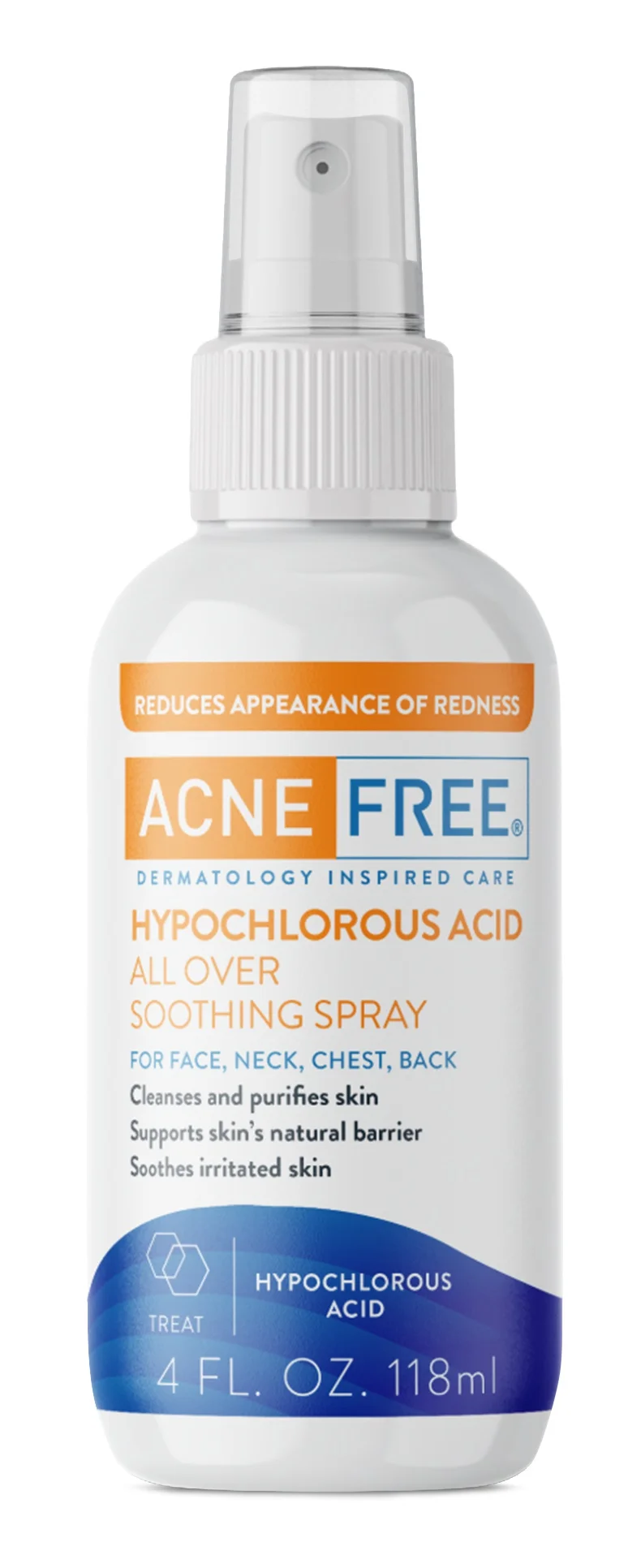
Hypochlorous Acid
1. Definition Hypochlorous Acid:
Hypochlorous Acid is a weak acid that is naturally produced by our white blood cells to help fight off bacteria and viruses. It is a powerful oxidizing agent that is known for its antimicrobial properties.2. Use:
Hypochlorous Acid is commonly used in cosmetics for its antibacterial and antifungal properties. It is often included in skincare products to help treat acne, eczema, and other skin conditions. It can also be used as a disinfectant for makeup brushes and other beauty tools.3. Usage Hypochlorous Acid:
When using skincare products containing Hypochlorous Acid, it is important to follow the instructions provided by the manufacturer. It is generally safe for most skin types, but it is always recommended to do a patch test before using it on your face. It is also important to avoid getting it in your eyes or mouth, as it can cause irritation.4. References:
- Kim, M. S., Kim, J. Y., Lee, J. H., Lee, J. H., & Jung, J. Y. (2018). Antimicrobial effect of hypochlorous acid in acne vulgaris: a randomized, double-blind, placebo-controlled trial. Skin Pharmacology and Physiology, 31(2), 107-113.
- Lee, S. H., Kim, M. S., Lee, J. H., & Jung, J. Y. (2019). The efficacy of hypochlorous acid for the treatment of acne vulgaris: A single-blinded, split-face study. Journal of Dermatological Treatment, 30(1), 37-41.
- Lee, J. H., & Kim, M. S. (2020). Hypochlorous acid: A review. Clinical, Cosmetic and Investigational Dermatology, 13, 157-169.
Water
1. Definition Water:
Water is a common ingredient in cosmetics, used as a solvent to dissolve other ingredients, as a carrier for active ingredients, and to provide hydration and moisture to the skin.2. Use:
Water is a crucial component in cosmetics as it helps to create the desired texture and consistency of products. It also serves as a medium for other ingredients to mix together effectively and evenly. Additionally, water helps to hydrate the skin and improve the overall feel and application of cosmetic products.3. Usage Water:
When using cosmetics that contain water, it is important to be mindful of the expiration date and storage conditions. Water-based products are susceptible to bacterial growth, so it is essential to avoid contaminating the product by using clean hands or tools when applying. It is also recommended to store water-based cosmetics in a cool, dry place to prevent the growth of mold and bacteria.4. References:
- Draelos, Z. D. (2010). Cosmetic dermatology: products and procedures. John Wiley & Sons.
- Winter, R. (2009). A consumer's dictionary of cosmetic ingredients: complete information about the harmful and desirable ingredients found in cosmetics and cosmeceuticals. Crown.
- Begoun, P. (2003). Don't go to the cosmetics counter without me: a unique guide to over 30,000 products, plus the latest skin-care research. Beginning Press.
Ethylhexyl Stearate
1. Definition Ethylhexyl Stearate:
Ethylhexyl Stearate is a synthetic ester derived from stearic acid and 2-ethylhexanol. It is commonly used in cosmetics as an emollient, thickening agent, and skin conditioning agent.2. Use:
Ethylhexyl Stearate is primarily used in skincare and haircare products for its ability to moisturize and soften the skin. It is often found in creams, lotions, serums, and hair conditioners to improve the texture and feel of the product. Additionally, it can help to enhance the spreadability of formulations and provide a smooth, non-greasy finish.3. Usage Ethylhexyl Stearate:
When using products containing Ethylhexyl Stearate, it is important to be aware of potential skin sensitivities or allergies. While it is generally considered safe for use in cosmetics, some individuals may experience irritation or adverse reactions. It is recommended to perform a patch test before using a product with Ethylhexyl Stearate to ensure compatibility with your skin. Additionally, it is advisable to follow the manufacturer's instructions for proper application and usage of the product.4. References:
- "Ethylhexyl Stearate." Cosmetics Info, www.cosmeticsinfo.org/ingredient/ethylhexyl-stearate.
- "Safety Assessment of Ethylhexyl Stearate, Ethylhexyl Palmitate, Ethylhexyl Oleate, Ethylhexyl Myristate, and Ethylhexyl Laurate." International Journal of Toxicology, vol. 24, no. 5, 2005, pp. 51-79.
- "Ethylhexyl Stearate." Truth In Aging, www.truthinaging.com/ingredients/ethylhexyl-stearate.