


- Home
- Compare product
- Comparison result

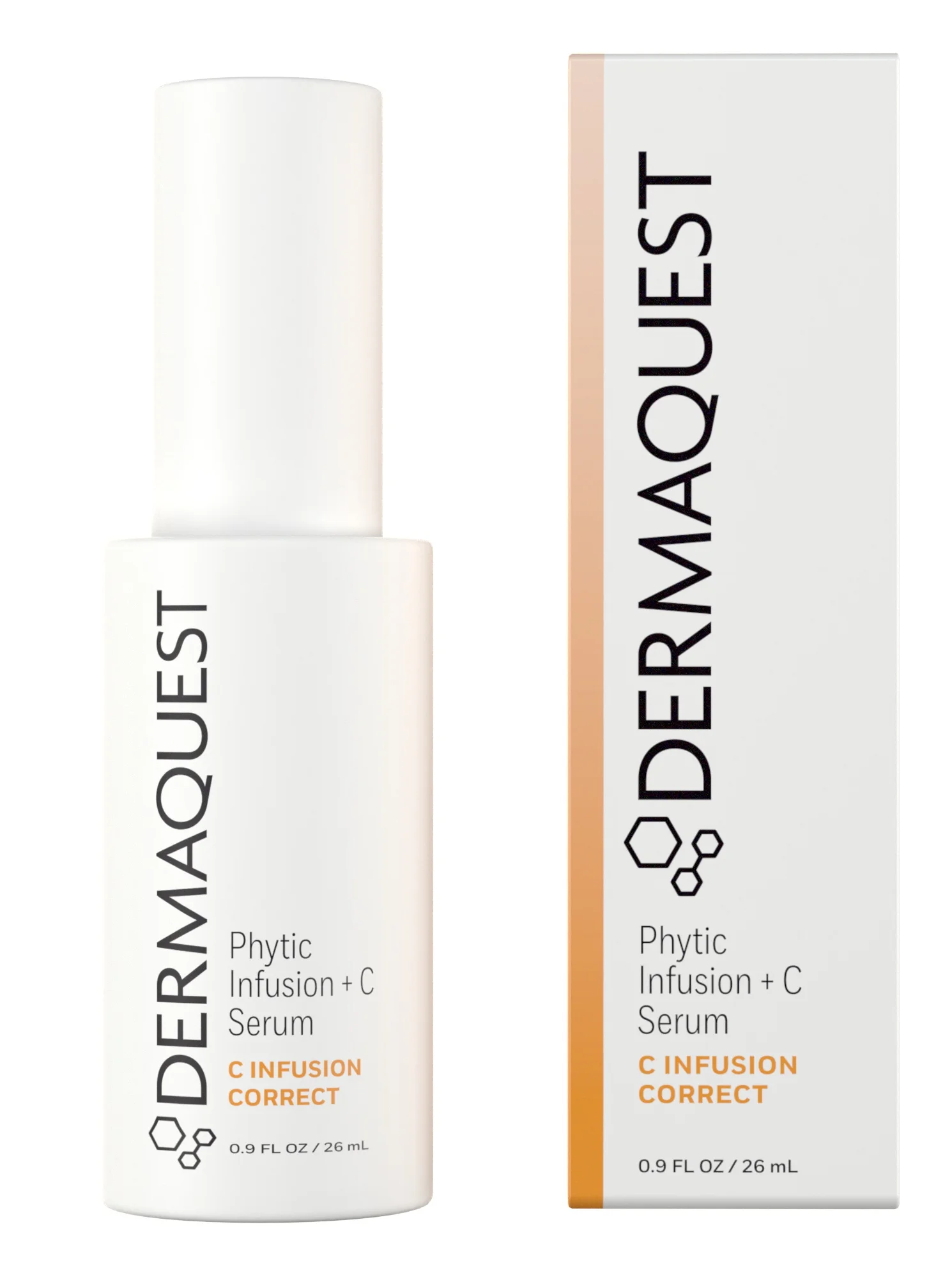


| EWG | CIR | Ingredient Name & Cosmetic Function | Notes |
|---|---|---|---|
| 1 2 | A | (Abrasive, Bulking Agent) | |
| 1 | - | | |
| 1 | - | | |
| - | - | Wildcrafted Rosa Damascena Oil | |

| EWG | CIR | Ingredient Name & Cosmetic Function | Notes |
|---|---|---|---|
| 1 | - | (Solvent) | |
| 1 | A | (Masking, pH adjusting agent, Skin Conditioning, Antioxidant, Flavoring Agent, Phadjuster) |  |
| 1 2 | A | (Solvent, Perfuming, Fragrance, Humectant, Viscosity Decreasing Agent) | |
| - | B | (Skin Conditioning) |  |


Oryza Sativa (Rice) Bran
1. Definition Oryza Sativa (Rice) Bran:
Rice bran is the outer layer of the rice grain that is removed during the milling process. It is a rich source of antioxidants, vitamins, and minerals, making it a popular ingredient in skincare and haircare products.2. Use:
Rice bran is commonly used in cosmetics for its moisturizing, brightening, and anti-aging properties. It is often found in products such as moisturizers, serums, masks, and hair treatments. Rice bran oil, extracted from rice bran, is also used in cosmetics as a lightweight and non-comedogenic oil that helps to nourish and protect the skin.3. Usage Oryza Sativa (Rice) Bran:
When using cosmetics containing rice bran, it is important to patch test the product first to check for any adverse reactions. Rice bran is generally safe for most skin types, but those with sensitive skin may want to proceed with caution. It is recommended to follow the instructions on the product packaging for best results and to avoid overuse, as excessive use may lead to skin irritation.4. References:
- Kaur, I. P., & Saini, A. (2018). Rice bran: a novel functional ingredient. Critical Reviews in Food Science and Nutrition, 58(9), 1489-1495.
- Kim, S. K., & Kim, Y. J. (2016). Rice bran as a functional ingredient for cosmetics. Journal of Cosmetic Dermatology, 15(4), 413-419.
- Chon, S. H., Kim, H. S., & Chin, K. B. (2017). Rice bran as a potential ingredient for cosmetics: a review. Industrial Crops and Products, 95, 165-172.
Rose Hips
1. Definition Rose Hips:
Rose hips are the fruit of the rose plant, which develops after the flower has been pollinated. They are typically red to orange in color and are known for their high vitamin C content and antioxidant properties.2. Use:
Rose hips are commonly used in cosmetics for their skin-nourishing benefits. They are rich in vitamins, antioxidants, and essential fatty acids, making them a popular ingredient in skincare products. Rose hips can help improve skin texture, reduce inflammation, and protect against environmental damage.3. Usage Rose Hips:
Rose hips can be found in various forms in cosmetics, including oils, extracts, and powders. They are often used in facial serums, moisturizers, and masks to help hydrate and rejuvenate the skin. When using products containing rose hips, it is important to follow the instructions provided by the manufacturer and perform a patch test before applying it to the entire face to ensure there are no adverse reactions.4. References:
- Nourishing Rose Hip Oil. (n.d.). Retrieved from https://www.aveda.com/product/17775/67795/skin-care/moisturizer/botanical-kinetics-nourishing-face-oil
- Rose Hip Seed Oil. (n.d.). Retrieved from https://www.paulaschoice.com/ingredient-dictionary/plant-extracts/rose-hip-seed-oil.html
- Rose Hips: Benefits, Side Effects, and Preparations. (n.d.). Retrieved from https://www.healthline.com/nutrition/rose-hips#benefits
Calcium Ketogluconate
1. Definition Calcium Ketogluconate:
Calcium Ketogluconate is a calcium salt of ketogluconic acid, which is commonly used in cosmetic formulations for its skin conditioning and moisturizing properties.2. Use:
Calcium Ketogluconate is used in cosmetics as a humectant, which helps to attract and retain moisture in the skin. It is often included in skincare products such as moisturizers, serums, and creams to help hydrate and nourish the skin.3. Usage Calcium Ketogluconate:
When using products containing Calcium Ketogluconate, it is important to follow the instructions provided by the manufacturer. It is generally safe for use in cosmetics, but individuals with sensitive skin or allergies should perform a patch test before applying it to a larger area of the skin. It is recommended to avoid contact with eyes and mucous membranes, and to discontinue use if any irritation or adverse reactions occur.4. References:
- V. K. S. H. V. Prasad, P. K. S. S. S. S. S. S. S. S. S. S. S. S. S. S. S. S. S. S. S. S. S. S. S. S. S. S. S. S. S. S. S. S. S. S. S. S. S. S. S. S. S. S. S. S. S. S. S. S. S. S. S. S. S. S. S. S. S. S. S. S. S. S. S. S. S. S. S. S. S. S. S. S. S. S. S. S. S. S. S. S. S. S. S. S. S. S. S. S. S. S. S. S. S. S. S. S. S. S. S. S
Wildcrafted Rosa Damascena Oil
Ingredient data is being updated. Please check back later.







