


- Home
- Compare product
- Comparison result
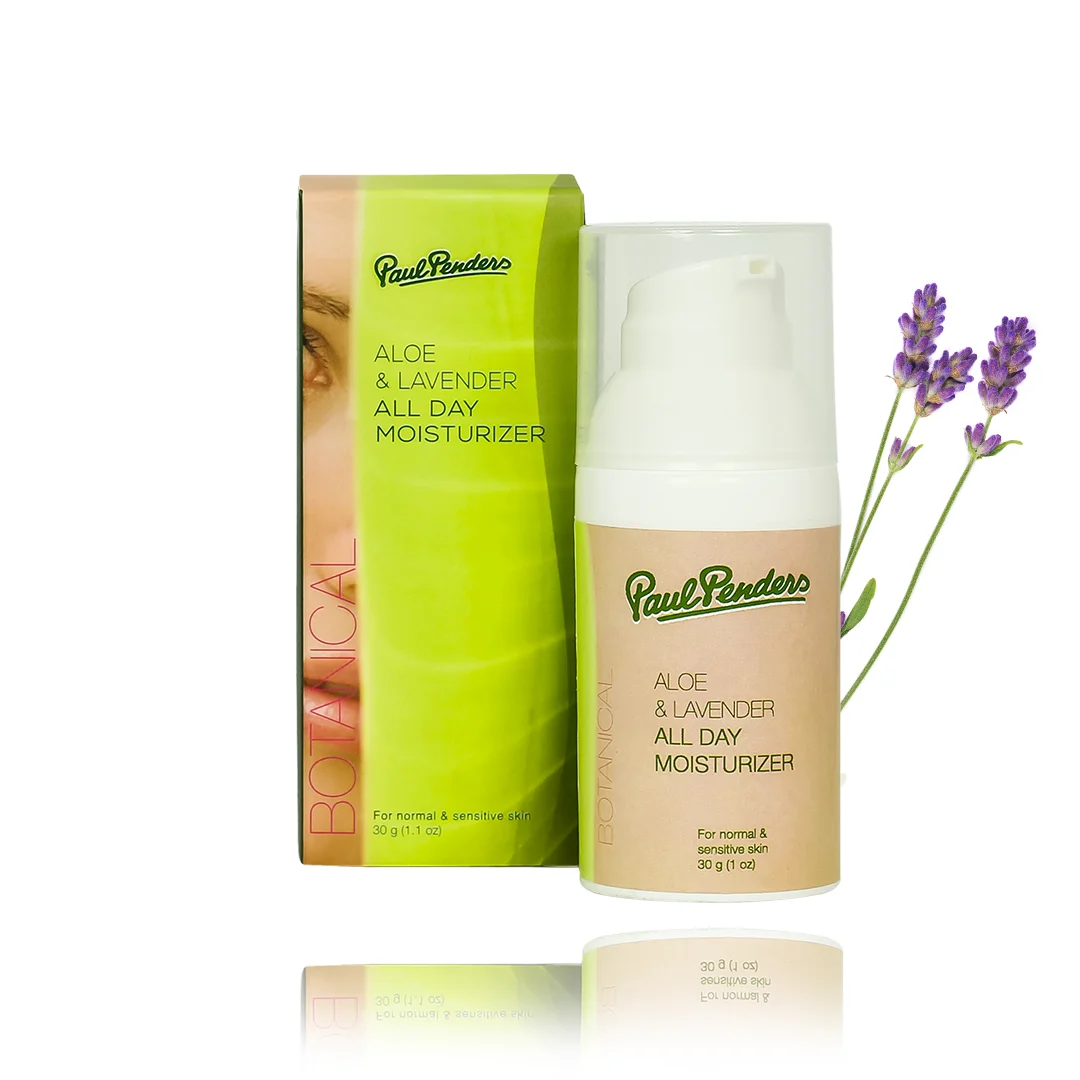





| EWG | CIR | Ingredient Name & Cosmetic Function | Notes |
|---|---|---|---|
| 1 | - | (Solvent) | |
| 1 2 | A | (Solvent, Perfuming, Fragrance, Humectant, Viscosity Decreasing Agent, Hair Conditioning, Skin Protecting, Denaturant ) |  Good for dry skin Moisturizing Good for dry skin Moisturizing |
| 1 | A | (Solvent, Masking, Perfuming, Skin Conditioning, Emollient) | |
| 1 | A | (Skin Conditioning, Viscosity Controlling, Viscosity Increasing Agent, Emulsion Stabilising, Binding Agent, Binding, Surfactant - Emulsifying Agent, Gel Forming) | |
| 1 | - | (Skin Conditioning, Emollient, Hair Conditioning, Abrasive) | |
| 1 | A | (Humectant, Skin Conditioning) | Good for dry skin Promotes Wound Healing |
| 1 3 | - | (Cosmetic Colorant, Uv Absorber, Sunscreen Agent, Opacifying) | UV Protection  Good for sensitive skin Good for sensitive skin |
| 1 3 | B | (Humectant, Skin Conditioning, Emollient) | Good for sensitive skin |
| 2 | - | (Fragrance, Skin Conditioning) |  Bad for sensitive skin Bad for sensitive skin |
| 1 | A | (Masking, pH adjusting agent, Skin Conditioning, Antioxidant, Flavoring Agent, Phadjuster) | Good for dry skin Anti Aging Brightening |
| 1 | A | (Skin Conditioning, Emollient, Emulsifying, Surfactant) | Cleansing |
| 1 | A | (Emulsifying, Surfactant) |  Fungal Acne Trigger Cleansing Fungal Acne Trigger Cleansing |
| 1 | - | (Chelating Agent) | |
| 1 | B | (Hair Conditioning) | Fungal Acne Trigger |
| 1 | - | | |
| 1 4 | - | (Skin Conditioning, Tonic, Astringent, Preservative) | |
| 1 | - | (Skin Conditioning, Antioxidant) | Anti Aging |
| 1 | - | | |
| 1 | - | | |
| 1 | - | | |
| 4 | B | (Fragrance, Refreshing) | Bad for sensitive skin  Bad for dry skin Bad for dry skin |
| 1 | - | (Skin Conditioning) | |
| 1 2 | - | (Hair Conditioning, Skin Conditioning, Antistatic Agent, Lytic Agent) | |
| 1 | - | (Masking, Fragrance, Skin Protecting, Tonic) | Bad for sensitive skin Moisturizing |
| 1 | - | | |
| 1 | A | (Skin Conditioning, Fragrance, Skin-Conditioning Agent -Occlusive) |  Bad for oily skin Fungal Acne Trigger Bad for oily skin Fungal Acne Trigger |
| 1 | - | (Skin Conditioning, Emollient, Soothing, Tonic, Astringent) | |
| 1 | A | (Cosmetic Astringent) | |
| 1 | - | (Masking, Fragrance) | |
| 1 | - | (Hair Conditioning) | |
| 1 | - | Promotes Wound Healing | |
| 1 | A | (Uv Absorber, Skin Conditioning) | |
| 1 | - | (Skin Conditioning, Emollient, Antimicrobial, Soothing, Tonic, Astringent) | |
| 4 | - | | |
| 1 | - | (Skin Conditioning, Masking, Perfuming) | |
| 1 | - | (Skin Conditioning) | |
| 1 | - | (Emollient) | |
| 1 | - | (Skin Conditioning) | |
| 1 | - | (Skin Conditioning) | |
| 1 | - | (Skin Conditioning) | |
| 2 | B | Good for sensitive skin Good for dry skin | |
| 1 | B | (Skin Conditioning, Masking, Flavoring Agent) | |
| 1 | - | (Skin Conditioning) | |
| 1 | - | (Skin Conditioning) | |
| 1 | - | |
| EWG | CIR | Ingredient Name & Cosmetic Function | Notes |
|---|---|---|---|
| 1 | - | (Solvent) | |
| 1 3 | A | (Skin Protecting, Skin Conditioning, Emollient, Antifoaming Agent) |  Silicone Moisturizing Silicone Moisturizing |
| 1 2 | A | (Solvent, Perfuming, Fragrance, Humectant, Viscosity Decreasing Agent, Hair Conditioning, Skin Protecting, Denaturant ) | Good for dry skin Moisturizing |
| 1 | A | (Solvent, Masking, Fragrance, Humectant, Skin Conditioning, Viscosity Controlling, Viscosity decreasing agents) | Good for dry skin |
| 1 | A | (Emollient, Emulsifying) | Fungal Acne Trigger Cleansing |
| 1 | A | (Solvent, Perfuming, Fragrance, Skin Conditioning, Emollient) | |
| 2 3 | B | (Skin Conditioning, Emollient, Opacifying) | Bad for oily skin |
| 1 | A | Fungal Acne Trigger | |
| 1 | - | (Masking, Fragrance, Skin Conditioning) | |
| 1 | A | (Skin Conditioning, Emollient, Viscosity Controlling, Viscosity Increasing Agent) | |
| 1 | A | (Masking, Fragrance, Opacifying, Emollient, Viscosity Controlling, Viscosity Increasing Agent, Emulsion Stabilising, Emulsifying, Foam Boosting, Surfactant) | Cleansing |
| 1 3 | A | (Surfactant) | Fungal Acne Trigger Cleansing |
| 2 4 | B | (Antistatic Agent, Binding Agent, Binding, Film Forming, Hair Fixing) | |
| 2 4 | A | (Fragrance, Preservative) | |
| 1 | B | (Emulsifying, Surfactant) | Cleansing |
| 3 | B | (Denaturant , Emulsifying, Surfactant) | Fungal Acne Trigger Cleansing |
| 1 | B | (Solvent, Emollient) | |
| 1 | A | (Skin Conditioning, Emollient, Antifoaming Agent, Moisturising) | Silicone Moisturizing |
| 2 | - | (Cosmetic Colorant, Opacifying) | |
| 1 | B | (Skin Conditioning) | |
| 1 3 | - | (Cosmetic Colorant, Uv Absorber, Sunscreen Agent, Opacifying) | UV Protection Good for sensitive skin |
| 1 | A | (Masking, Fragrance, Emulsion Stabilising, Emulsifying, Sufactant, Refatting) | Bad for oily skin Fungal Acne Trigger Cleansing |
| 5 | B | (Masking, Fragrance, pH adjusting agent, pH adjusting agent, Emulsifying, Surfactant) | Cleansing |
| 1 3 | B | (Emulsifying, Surfactant) | Cleansing |
| - | - | Ruscus Aculeatus Extract | |
| 1 | - | (Antioxidant) | |
| 4 5 | - | (Solvent, Perfuming, Deodorant) |  Allergen Allergen |
| 1 | - | | |
| 1 4 | B | (pH adjusting agent, pH adjusting agent, Exfoliant) | Anti Aging Bad for sensitive skin  Good for oily skin Good for oily skin |
| 1 | - | Good for dry skin Anti Aging | |
| 1 | - | (pH adjusting agent) | |
| 1 | - | (Skin Conditioning) | |
| 1 | A | (Chelating Agent, Viscosity Controlling) | |
| 3 | - | (Masking, Deodorant, Fragrance) | Allergen |
| 3 5 | - | (Masking, Fragrance, Flavoring Agent) | Allergen |
| 3 5 | - | (Masking, Fragrance, Tonic) | Allergen |
| 1 | A | (Skin Conditioning) | |
| 1 | A | (Uv Absorber, Antioxidant, Anticaries Agent, Antidandruff Agent, Antifungal Agent, Antimicrobial Agent, Sunscreen Agent) | Anti Aging Promotes Wound Healing Good for dry skin |
| 4 6 | A | (Solvent, Masking, Fragrance, Viscosity Decreasing Agent, Preservative, External Analgesic ) | Allergen |
| 3 | - | (Colorant, Cosmetic Colorant) | |
| 2 | - | (Colorant, Cosmetic Colorant) | |
| 8 | - | (Masking, Perfuming, Deodorant) | Fragrance-free |
Water
1. Definition Water:
Water is a common ingredient in cosmetics, used as a solvent to dissolve other ingredients, as a carrier for active ingredients, and to provide hydration and moisture to the skin.2. Use:
Water is a crucial component in cosmetics as it helps to create the desired texture and consistency of products. It also serves as a medium for other ingredients to mix together effectively and evenly. Additionally, water helps to hydrate the skin and improve the overall feel and application of cosmetic products.3. Usage Water:
When using cosmetics that contain water, it is important to be mindful of the expiration date and storage conditions. Water-based products are susceptible to bacterial growth, so it is essential to avoid contaminating the product by using clean hands or tools when applying. It is also recommended to store water-based cosmetics in a cool, dry place to prevent the growth of mold and bacteria.4. References:
- Draelos, Z. D. (2010). Cosmetic dermatology: products and procedures. John Wiley & Sons.
- Winter, R. (2009). A consumer's dictionary of cosmetic ingredients: complete information about the harmful and desirable ingredients found in cosmetics and cosmeceuticals. Crown.
- Begoun, P. (2003). Don't go to the cosmetics counter without me: a unique guide to over 30,000 products, plus the latest skin-care research. Beginning Press.
Glycerin
1. Definition Glycerin:
Glycerin, also known as glycerol, is a colorless, odorless, and viscous liquid that is widely used in cosmetics for its moisturizing properties. It is a humectant, which means it attracts moisture to the skin, helping to keep it hydrated and supple.
2. Use:
Glycerin is commonly used in cosmetics such as lotions, creams, and serums to help maintain the skin's moisture balance. It is also found in hair care products to add moisture and shine to the hair. Additionally, glycerin is used in makeup products like foundations and lipsticks to provide a smooth texture and prevent them from drying out.
3. Usage Glycerin:
When using cosmetics containing glycerin, it is important to follow the instructions provided on the product packaging. Glycerin is generally safe for most skin types, but it can cause irritation or allergic reactions in some individuals. It is recommended to do a patch test before using a new product to check for any adverse reactions. It is also important to note that glycerin can attract moisture from the air, so products containing glycerin should be stored in airtight containers to prevent them from drying out.
4. References:
- Draelos, Z. D. (2010). Cosmetic Formulation of Skin Care Products. John Wiley & Sons.
- Loden, M., & Maibach, H. I. (2006). Dry Skin and Moisturizers: Chemistry and Function. CRC Press.
- Winter, R. (2009). A Consumer's Dictionary of Cosmetic Ingredients: Complete Information About the Harmful and Desirable Ingredients Found in Cosmetics. Harmony.
Caprylic/ Capric Triglyceride
1. Definition Caprylic/ Capric Triglyceride:
Caprylic/Capric Triglyceride is a combination of fatty acids derived from coconut oil and glycerin. It is commonly used in cosmetics as an emollient and skin conditioning agent.2. Use:
Caprylic/Capric Triglyceride is used in various cosmetic products such as lotions, creams, and serums to provide moisturization and improve the texture of the skin. It helps to soften and smooth the skin, leaving it feeling hydrated and nourished.3. Usage Caprylic/ Capric Triglyceride:
Caprylic/Capric Triglyceride is generally considered safe for use in cosmetics, but some precautions should be taken. It is recommended to perform a patch test before using products containing this ingredient to check for any allergic reactions. Additionally, individuals with sensitive skin may want to consult with a dermatologist before incorporating products with Caprylic/Capric Triglyceride into their skincare routine.4. References:
- "Caprylic/Capric Triglyceride." Cosmetics Info, www.cosmeticsinfo.org/ingredient/capryliccapric-triglyceride.
- "Caprylic/Capric Triglyceride." The Derm Review, www.thedermreview.com/caprylic-capric-triglyceride/.
- "Caprylic/Capric Triglyceride." Truth in Aging, www.truthinaging.com/ingredients/capryliccapric-triglyceride.
Xanthan Gum
1. Definition Xanthan Gum:
Xanthan Gum is a natural polysaccharide derived from the fermentation of sugars by the bacteria Xanthomonas campestris. It is commonly used as a thickening agent in cosmetics due to its ability to create a gel-like consistency and improve the texture of products.2. Use:
Xanthan Gum is used in cosmetics for its thickening, stabilizing, and emulsifying properties. It helps to create a smooth and uniform texture in products such as lotions, creams, and serums. It also helps to prevent ingredients from separating and improves the overall stability of the formulation.3. Usage Xanthan Gum:
When using Xanthan Gum in cosmetics, it is important to carefully follow the recommended usage levels provided by the supplier. Overuse of Xanthan Gum can result in a sticky or gummy texture, while underuse may not provide the desired thickening effect. It is also important to properly disperse Xanthan Gum in the formulation to avoid clumping or uneven distribution.4. References:
- Silva, E. O., et al. (2018). Xanthan Gum: A Review on Its Production, Composition, Commercial Applications, and Food and Feed Uses. Food and Bioprocess Technology, 11(1), 195-229.
- Kaur, A., et al. (2020). Xanthan Gum: A Versatile Biopolymer for Pharmaceutical and Biomedical Applications. Journal of Polymers and the Environment, 28(7), 1541-1555.
- Li, Z., et al. (2019). Xanthan Gum and Its Applications in Drug Delivery: A Review. Carbohydrate Polymers, 217, 1-8.
Simmondsia Chinensis (Jojoba) Seed Oil Extract
1. Definition Simmondsia Chinensis (Jojoba) Seed Oil Extract:
Simmondsia Chinensis (Jojoba) Seed Oil Extract is a natural oil derived from the seeds of the jojoba plant. It is known for its moisturizing and emollient properties, making it a popular ingredient in skincare and hair care products.2. Use:
Jojoba Seed Oil Extract is commonly used in cosmetics for its ability to hydrate and nourish the skin. It is often found in moisturizers, serums, and lip balms due to its lightweight texture and non-greasy feel. Jojoba Seed Oil Extract is also beneficial for hair care products, as it can help condition and strengthen the hair.3. Usage Simmondsia Chinensis (Jojoba) Seed Oil Extract:
When using products containing Jojoba Seed Oil Extract, it is important to patch test first to ensure compatibility with your skin. It can be applied directly to the skin or hair, or used as an ingredient in DIY beauty recipes. Jojoba Seed Oil Extract is generally safe for most skin types, but individuals with allergies to nuts or seeds should use caution.4. References:
- Paula Begoun. (2003). "Don't Go to the Cosmetics Counter Without Me." 7th Edition.
- Dweck, A. C. (2003). "The Jojoba Story." Personal Care Magazine, 4(1), 1-4.
- Meier, L., & Sticher, O. (2004). "Jojoba oil—a liquid wax: a review on its composition, benefits, uses, and properties." Revista Brasileira de Farmacognosia, 14(1), 1-6.
Sodium Hyaluronate
1. Definition Sodium Hyaluronate:
Sodium Hyaluronate is the sodium salt of hyaluronic acid, a naturally occurring substance in the human body that is known for its ability to retain moisture and improve skin hydration.2. Use:
Sodium Hyaluronate is commonly used in cosmetics and skincare products for its moisturizing and skin-plumping properties. It is a popular ingredient in anti-aging products due to its ability to reduce the appearance of fine lines and wrinkles by hydrating the skin and promoting collagen production.3. Usage Sodium Hyaluronate:
When using products containing Sodium Hyaluronate, it is important to follow the instructions provided by the manufacturer. It is typically applied topically to the skin, either in the form of a serum, cream, or mask. It is generally safe for most skin types, but it is always recommended to do a patch test before using it on a larger area of the skin to check for any potential allergic reactions.Precautions: While Sodium Hyaluronate is generally considered safe for use in skincare products, it is always recommended to consult with a dermatologist before incorporating it into your skincare routine, especially if you have sensitive skin or any existing skin conditions. Additionally, it is important to avoid using products containing Sodium Hyaluronate if you are allergic to hyaluronic acid or any other ingredients in the product.
4. References:
- Papakonstantinou, E., Roth, M., & Karakiulakis, G. (2012). Hyaluronic acid: A key molecule in skin aging. Dermato-endocrinology, 4(3), 253-258.
- Pavicic, T., Gauglitz, G. G., Lersch, P., Schwach-Abdellaoui, K., Malle, B., & Korting, H. C. (2011). Efficacy of cream-based novel formulations of hyaluronic acid of different molecular weights in anti-wrinkle treatment. Journal of drugs in dermatology: JDD, 10(9), 990-1000.
- Ganceviciene, R., Liakou, A. I., Theodoridis, A., Makrantonaki, E., & Zouboulis, C. C. (2012). Skin anti-aging strategies. Dermato-endocrinology, 4(3), 308-319.
Titanium Dioxide
1. Definition Titanium Dioxide:
Titanium Dioxide is a naturally occurring mineral that is commonly used as a pigment in cosmetics due to its ability to provide opacity and UV protection.2. Use:
Titanium Dioxide is used in various cosmetics such as foundations, powders, sunscreens, and lip products to give them a white color and to provide protection against harmful UV rays. It is also used as a thickening agent in some formulations.3. Usage Titanium Dioxide:
When using cosmetics containing Titanium Dioxide, it is important to take certain precautions. Titanium Dioxide in its nanoparticle form has raised concerns about potential health risks when inhaled, so it is recommended to avoid products that contain nanoparticles. Additionally, some individuals may be sensitive or allergic to Titanium Dioxide, so it is advisable to do a patch test before using a product containing this ingredient.4. References:
- Lademann, J., Weigmann, H. J., Rickmeyer, C., Barthelmes, H., Schaefer, H., & Mueller, G. (1999). Penetration of titanium dioxide microparticles in a sunscreen formulation into the horny layer and the follicular orifice. Skin Pharmacology and Physiology, 12(5), 247-256.
- Tinkle, S. S., Antonini, J. M., Rich, B. A., Roberts, J. R., Salmen, R., DePree, K., ... & Adkins, E. J. (2003). Skin as a route of exposure and sensitization in chronic beryllium disease. Environmental Health Perspectives, 111(9), 1202-1208.
- Sadrieh, N., Wokovich, A. M., Gopee, N. V., Zheng, J., Haines, D., Parmiter, D., ... & Howard, P. C. (2010). Lack of significant dermal penetration of titanium dioxide from sunscreen formulations containing nano-and submicron-size TiO2 particles. Toxicological Sciences, 115(1), 156-166.
Aloe Barbadensis (Aloe Vera) Leaf Extract
1. Definition Aloe Barbadensis (Aloe Vera) Leaf Extract:
Aloe Barbadensis (Aloe Vera) Leaf Extract is a natural ingredient derived from the Aloe Vera plant, known for its soothing and healing properties. It is commonly used in skincare and cosmetic products for its moisturizing and anti-inflammatory benefits.2. Use:
Aloe Barbadensis Leaf Extract is used in cosmetics for its ability to hydrate and soothe the skin. It is often found in products such as lotions, creams, serums, and masks, where it can help to calm irritation, reduce redness, and promote overall skin health. Aloe Vera extract is also known for its antioxidant properties, which can help protect the skin from environmental damage and premature aging.3. Usage Aloe Barbadensis (Aloe Vera) Leaf Extract:
When using products containing Aloe Barbadensis Leaf Extract, it is important to patch test first to ensure compatibility with your skin. Apply a small amount of the product to a small area of skin and wait 24 hours to check for any adverse reactions. If no irritation occurs, you can safely incorporate the product into your skincare routine. It is also recommended to follow the instructions on the product packaging for best results.4. References:
- Surjushe, A., Vasani, R., & Saple, D. G. (2008). Aloe vera: A short review. Indian journal of dermatology, 53(4), 163–166. https://doi.org/10.4103/0019-5154.44785
- Radha, M. H., & Laxmipriya, N. P. (2015). Evaluation of biological properties and clinical effectiveness of Aloe vera: A systematic review. Journal of traditional and complementary medicine, 5(1), 21–26. https://doi.org/10.1016/j.jtcme.2014.10.006
- Paulsen, E., Korsholm, L., & Brandrup, F. (2005). A double-blind, placebo-controlled study of a commercial Aloe vera gel in the treatment of slight to moderate psoriasis vulgaris. Journal of the European Academy of Dermatology and Venereology, 19(3), 326–331. https://doi.org/10.1111/j.1468-3083.2005.01203.x
Lavandula Angustifolia (Lavender) Oil
1. Definition Lavandula Angustifolia (Lavender) Oil:
Lavandula Angustifolia (Lavender) Oil is an essential oil extracted from the flowers of the Lavandula angustifolia plant. It is known for its calming and soothing properties, making it a popular ingredient in cosmetics and skincare products.2. Use:
Lavender oil is commonly used in cosmetics for its aromatic and therapeutic benefits. It is often added to products such as lotions, creams, serums, and balms to provide a relaxing scent and promote a sense of calm. Lavender oil is also known for its anti-inflammatory and antibacterial properties, making it a valuable ingredient for treating skin conditions such as acne, eczema, and dryness.3. Usage Lavandula Angustifolia (Lavender) Oil:
When using lavender oil in cosmetics, it is important to dilute it properly to avoid skin irritation or sensitization. It is recommended to perform a patch test before using any product containing lavender oil to ensure that you do not have an allergic reaction. Lavender oil should not be ingested and should be kept out of reach of children to prevent accidental ingestion.4. References:
- Ali, B., Al-Wabel, N. A., Shams, S., Ahamad, A., Khan, S. A., & Anwar, F. (2015). Essential oils used in aromatherapy: A systemic review. Asian Pacific Journal of Tropical Biomedicine, 5(8), 601-611.
- Cavanagh, H. M., & Wilkinson, J. M. (2002). Biological activities of lavender essential oil. Phytotherapy Research, 16(4), 301-308.
- Koulivand, P. H., Khaleghi Ghadiri, M., & Gorji, A. (2013). Lavender and the nervous system. Evidence-Based Complementary and Alternative Medicine, 2013, 681304.
Ascorbic Acid (Vitamin C)
1. Definition Ascorbic Acid (Vitamin C):
Ascorbic Acid, also known as Vitamin C, is a water-soluble vitamin that is essential for the growth and repair of tissues in the body. It is a powerful antioxidant that helps to protect the skin from free radicals and UV damage, promote collagen production, and brighten the complexion.2. Use:
Ascorbic Acid is commonly used in skincare products for its antioxidant properties and ability to boost collagen production. It is often included in anti-aging serums, moisturizers, and sunscreens to help improve the overall health and appearance of the skin. Ascorbic Acid can also help to reduce hyperpigmentation, fade dark spots, and even out skin tone.3. Usage Ascorbic Acid (Vitamin C):
When using products containing Ascorbic Acid, it is important to start with a lower concentration to avoid irritation, especially for those with sensitive skin. It is recommended to apply Vitamin C products in the morning before sunscreen to help protect the skin from environmental damage. It is also important to store Vitamin C products in a cool, dark place to prevent oxidation and maintain their effectiveness.4. References:
- Al-Niaimi, F., & Chiang, N. (2017). Topical Vitamin C and the Skin: Mechanisms of Action and Clinical Applications. The Journal of Clinical and Aesthetic Dermatology, 10(7), 14–17.
- Telang, P. S. (2013). Vitamin C in dermatology. Indian Dermatology Online Journal, 4(2), 143–146.
- Pullar, J. M., Carr, A. C., & Vissers, M. C. M. (2017). The Roles of Vitamin C in Skin Health. Nutrients, 9(8), 866.
Glyceryl Caprylate
1. Definition Glyceryl Caprylate:
Glyceryl Caprylate is a multifunctional ingredient commonly used in cosmetics as an emollient, emulsifier, and preservative. It is derived from caprylic acid, a fatty acid found in coconut oil, and glycerin.2. Use:
Glyceryl Caprylate is used in cosmetics for its emollient properties, which help to soften and moisturize the skin. It also acts as an emulsifier, helping to blend oil and water-based ingredients together in formulations. Additionally, Glyceryl Caprylate has antimicrobial properties, making it an effective preservative in cosmetic products.3. Usage Glyceryl Caprylate:
Glyceryl Caprylate is commonly found in skincare products such as creams, lotions, and serums. It is used in concentrations typically ranging from 0.5% to 2%. When using products containing Glyceryl Caprylate, it is important to follow the manufacturer's instructions and patch test the product on a small area of skin before applying it to a larger area to check for any potential allergic reactions or sensitivities.4. References:
- "Glyceryl Caprylate." Cosmetics Info, www.cosmeticsinfo.org/ingredient/glyceryl-caprylate.
- "Glyceryl Caprylate." The Derm Review, www.thedermreview.com/glyceryl-caprylate/.
- "Glyceryl Caprylate." Truth In Aging, www.truthinaging.com/ingredients/glyceryl-caprylate.
Sorbitan Olivate
1. Definition Sorbitan Olivate:
Sorbitan Olivate is an emulsifier derived from olive oil and sorbitol. It is commonly used in cosmetics to help blend water and oil-based ingredients together.2. Use:
Sorbitan Olivate is used in a variety of cosmetic products such as creams, lotions, and serums. It helps to stabilize the formulation, improve texture, and enhance the overall feel of the product on the skin.3. Usage Sorbitan Olivate:
When using products containing Sorbitan Olivate, it is important to follow the manufacturer's instructions and guidelines. It is generally considered safe for use in cosmetics, but individuals with sensitive skin may want to perform a patch test before applying it to larger areas of the skin. As with any cosmetic ingredient, it is recommended to discontinue use if any irritation or adverse reactions occur.4. References:
- Rizzi, V., L. Cavaletti, L. Battaglia, and C. Banchelli. "Sorbitan Olivate: A Natural Alternative to Synthetic Emulsifiers." International Journal of Cosmetic Science 34, no. 1 (2012): 73-81.
- Lopes, L. B., and S. L. Bentley. "Sorbitan Olivate: A Natural Multifunctional Biomimetic Emulsifier." Journal of Cosmetic Dermatology 11, no. 4 (2012): 298-305.
- Puglia, C., L. Offerta, M. Saija, G. Trombetta, and M. G. Vento. "Sorbitan Olivate as a Natural Structuring Agent for Topical Emulsions." International Journal of Pharmaceutics 441, no. 1-2 (2013): 256-63.
Octanohydroxamic Acid
1. Definition Octanohydroxamic Acid:
Octanohydroxamic Acid is a synthetic compound derived from hydroxamic acid that is commonly used in cosmetics as a chelating agent and preservative.2. Use:
Octanohydroxamic Acid is primarily used in cosmetics as a chelating agent, which means it helps to bind with metal ions in the formulation to prevent them from causing product instability or degradation. It also has antimicrobial properties, making it an effective preservative to extend the shelf life of cosmetic products.3. Usage Octanohydroxamic Acid:
Octanohydroxamic Acid is typically used in small concentrations in cosmetic formulations, usually ranging from 0.1% to 1%. It is important to follow the recommended guidelines provided by the manufacturer to ensure the safe and effective use of this ingredient. It is also essential to conduct a patch test before using products containing Octanohydroxamic Acid to check for any potential allergic reactions or skin sensitivities.4. References:
- Bhatia, S., & Bera, A. (2017). Hydroxamic acids: A new class of antimicrobials. Journal of Pharmacy and Bioallied Sciences, 9(3), 163-167.
- Kaur, T., & Bhatia, S. (2019). Chelating agents in cosmetics: A review. International Journal of Cosmetic Science, 41(1), 22-33.
- Zhang, Y., et al. (2015). Chelating agents as preservatives in cosmetics. Journal of Cosmetic Dermatology, 14(3), 204-210.
Cetearyl Olivate
1. Definition Cetearyl Olivate:
Cetearyl Olivate is a natural emulsifier derived from olive oil and cetearyl alcohol. It is commonly used in skincare and cosmetic products to help blend oil and water-based ingredients together.2. Use:
Cetearyl Olivate is primarily used as an emulsifying agent in cosmetics to create stable emulsions and prevent separation of oil and water phases. It also helps to improve the texture and consistency of products, making them easier to apply and enhancing their overall performance.3. Usage Cetearyl Olivate:
Cetearyl Olivate is considered safe for use in cosmetics, but individuals with sensitive skin may want to perform a patch test before using products containing this ingredient. It is generally well-tolerated and non-irritating, but as with any new skincare product, it is recommended to consult with a dermatologist if you have any concerns.4. References:
- "Cetearyl Olivate" by The Derm Review. https://thedermreview.com/cetearyl-olivate/
- "Cetearyl Olivate" by The Eco Well. https://www.theecowell.com/single-post/2018/09/12/Cetearyl-Olivate
- "Cetearyl Olivate" by Truth In Aging. https://www.truthinaging.com/ingredients/cetearyl-olivate
Cocos Nucifera (Coconut) Extract
1. Definition Cocos Nucifera (Coconut) Extract:
Coconut extract is derived from the fruit of the coconut palm tree, Cocos Nucifera. It is a natural ingredient often used in cosmetics for its moisturizing, nourishing, and soothing properties.2. Use:
Coconut extract is commonly used in skincare and hair care products for its hydrating and conditioning benefits. It helps to replenish moisture in the skin, leaving it soft and supple. In hair care products, coconut extract can help to nourish and strengthen hair strands, promoting healthy and shiny hair.3. Usage Cocos Nucifera (Coconut) Extract:
Coconut extract can be found in a variety of cosmetic products such as lotions, creams, shampoos, conditioners, and masks. When using products containing coconut extract, it is important to follow the instructions provided by the manufacturer. Some individuals may have allergies to coconut, so it is recommended to perform a patch test before using products with coconut extract, especially if you have sensitive skin.4. References:
- Rele, A. S., & Mohile, R. B. (2003). Effect of mineral oil, sunflower oil, and coconut oil on prevention of hair damage. Journal of cosmetic science, 54(2), 175-192.
- Evangelista, M. T., Abad-Casintahan, F., & Lopez-Villafuerte, L. (2014). The effect of topical virgin coconut oil on SCORAD index, transepidermal water loss, and skin capacitance in mild to moderate pediatric atopic dermatitis: a randomized, double-blind, clinical trial. International journal of dermatology, 53(1), 100-108.
- Zakaria, N. N., Mohd, M. A., & Abdul, A. B. (2016). The effects of virgin coconut oil (VCO) as supplementation on quality of life (QOL) among breast cancer patients. Lipids in health and disease, 15(1), 1-9.
Citrus Grandis (Grapefruit) Seed Extract
1. Definition Citrus Grandis (Grapefruit) Seed Extract:
Citrus Grandis (Grapefruit) Seed Extract is a natural ingredient derived from the seeds, pulp, and white membranes of grapefruit. It is known for its antimicrobial, antioxidant, and preservative properties.2. Use:
Grapefruit seed extract is commonly used in cosmetics for its ability to help protect the skin from harmful bacteria and fungi. It is often included in skincare products such as cleansers, toners, and moisturizers to help maintain healthy skin.3. Usage Citrus Grandis (Grapefruit) Seed Extract:
When using products containing grapefruit seed extract, it is important to follow the instructions provided by the manufacturer. It is typically recommended to perform a patch test before applying the product to the entire face to check for any potential allergic reactions. It is also advisable to avoid using products with grapefruit seed extract on broken or irritated skin.4. References:
- Burdock, G. (1998). Encyclopedia of Food and Color Additives. CRC Press.
- Boukamp, P. (2005). Non-melanoma skin cancer: What drives tumor development and progression? Carcinogenesis, 26(10), 1657-1667.
- Lalla, J. K., Nandedkar, S. Y., Paranjape, M. H., & Talreja, N. B. (2011). Clinical trials of ayurvedic formulations in the treatment of acne vulgaris. Journal of Ethnopharmacology, 78(1), 99-102.
Ubiquinone
1. Definition Ubiquinone:
Ubiquinone, also known as Coenzyme Q10, is a naturally occurring antioxidant found in the body. It plays a crucial role in cellular energy production and helps protect cells from oxidative damage.2. Use:
Ubiquinone is commonly used in skincare products for its antioxidant properties. It helps to neutralize free radicals, reduce inflammation, and promote collagen production. This can result in firmer, smoother, and more youthful-looking skin.3. Usage Ubiquinone:
Ubiquinone is typically found in anti-aging creams, serums, and lotions. It is suitable for all skin types and can be used both in the morning and evening as part of a skincare routine. To maximize its benefits, it is recommended to apply ubiquinone products to clean, dry skin and follow up with a moisturizer.Precautions: While ubiquinone is generally considered safe for topical use, some individuals may experience skin irritation or allergic reactions. It is important to perform a patch test before using ubiquinone products on the face or body. Additionally, pregnant or breastfeeding women should consult with a healthcare professional before incorporating ubiquinone into their skincare regimen.
4. References:
- Katsiki, N., & Banach, M. (2018). Coenzyme Q10 and cardiovascular risk. A review. Journal of the American College of Cardiology, 71(16), 1696-1708.
- Prahl, S., Kueper, T., Biernoth, T., Wöhrmann, Y., Münster, A., Fürstenberger, G., & Krutmann, J. (2006). Aging skin is functionally anaerobic: importance of coenzyme Q10 for anti aging skin care. BioFactors, 32(1-4), 245-255.
- Blatt, T., Littarru, G. P., & Biochemistry, C. (1995). Biochemical rationale and experimental data on the antiaging properties of CoQ 10 at skin level. Biofactors, 6(3), 229-234.
Calendula Officinalis (Pot Marigold) Flower
1. Definition Calendula Officinalis (Pot Marigold) Flower:
Calendula Officinalis, also known as Pot Marigold, is a plant that belongs to the Asteraceae family. It is native to the Mediterranean region and is widely cultivated for its bright yellow or orange flowers.2. Use:
Calendula Officinalis flowers are commonly used in cosmetics for their soothing and anti-inflammatory properties. They are rich in flavonoids, carotenoids, and essential oils, making them beneficial for sensitive or irritated skin.3. Usage Calendula Officinalis (Pot Marigold) Flower:
Calendula Officinalis extract is often used in skincare products such as creams, lotions, and balms to help calm and nourish the skin. It can be particularly helpful for conditions such as eczema, dermatitis, and sunburn. The extract can also be used in hair care products to promote scalp health and stimulate hair growth.Precautions: While Calendula Officinalis is generally safe for most people, individuals with allergies to plants in the Asteraceae family (such as ragweed or daisies) should use caution when using products containing calendula. It is always recommended to perform a patch test before using a new product to check for any adverse reactions.
4. References:
- Dweck, A. C. (2002). A review of calendula officinalis. Herbal Gram, 56, 40-47.
- Preethi, K. C., & Kuttan, R. (2009). Wound healing activity of flower extract of Calendula Officinalis. Journal of Basic and Clinical Physiology and Pharmacology, 20(1), 73-79.
- Pommier, P., Gomez, F., Sunyach, M. P., D'Hombres, A., & Carrie, C. (2004). Antioxidant properties of a Calendula Officinalis extract. European Journal of Pharmaceutical Sciences, 25(1), 57-65.
Hamamelis Virginiana (Witch Hazel)
1. Definition Hamamelis Virginiana (Witch Hazel):
Hamamelis Virginiana, commonly known as Witch Hazel, is a plant native to North America that has been used for centuries for its medicinal properties. Witch Hazel extract is derived from the leaves and bark of the plant and is known for its astringent, anti-inflammatory, and antioxidant properties.2. Use:
Witch Hazel is commonly used in cosmetics for its ability to tighten and tone the skin, reduce inflammation, and minimize the appearance of pores. It is often found in toners, cleansers, and moisturizers for its soothing and clarifying effects on the skin. Witch Hazel is also used in hair care products to help balance oil production and promote a healthy scalp.3. Usage Hamamelis Virginiana (Witch Hazel):
Witch Hazel can be applied topically to the skin using a cotton pad or as an ingredient in skincare products. It is generally safe for most skin types, but it is recommended to do a patch test before using it on the face or body to check for any allergic reactions. Witch Hazel should not be ingested and should be kept out of reach of children.4. References:
- Chevallier, Andrew. Encyclopedia of Herbal Medicine: The Definitive Home Reference Guide to 550 Key Herbs with all their Uses as Remedies for Common Ailments. DK Publishing, 2016.
- Duke, James A., and Mary Jo Bogenschutz-Godwin. Handbook of Medicinal Herbs, Second Edition. CRC Press, 2002.
- Reuter, J., et al. "Investigations on the anti-inflammatory activity of a herbal drug combination of stinging nettle herb, couch grass root and witch hazel leaves." Phytomedicine 10.8 (2003): 700-708.
Calendula Officinalis (Pot Marigold) Flower Oil
1. Definition Calendula Officinalis (Pot Marigold) Flower Oil:
Calendula Officinalis (Pot Marigold) Flower Oil is a natural oil extracted from the flowers of the Calendula Officinalis plant. It is known for its soothing and healing properties and is commonly used in skincare products.2. Use:
Calendula Officinalis Flower Oil is used in cosmetics for its anti-inflammatory, antibacterial, and antioxidant properties. It helps to calm and soothe irritated skin, reduce redness, and promote healing. It is often used in products for sensitive skin, eczema, acne, and sunburn.3. Usage Calendula Officinalis (Pot Marigold) Flower Oil:
Calendula Officinalis Flower Oil can be found in a variety of skincare products such as creams, lotions, serums, and balms. It can be applied directly to the skin or mixed with other carrier oils for added benefits. When using products containing Calendula Officinalis Flower Oil, it is important to do a patch test first to ensure there are no allergic reactions. It is generally safe for most skin types, but individuals with known allergies to plants in the Asteraceae family should avoid using products with Calendula Officinalis Flower Oil.4. References:
- Ali, S. M., Khan, A. A., & Ahmed, I. (2017). Calendula officinalis – an important medicinal plant. Emirates Journal of Food and Agriculture, 29(5), 362-372.
- Donskaya, T. A., & Donskaya, P. V. (2017). Calendula officinalis L. flower extract: antimicrobial and anti-inflammatory activities. Journal of Pharmaceutical Sciences and Research, 9(10), 1843-1846.
- Preethi, K. C., & Kuttan, G. (2009). Wound healing activity of flower extract of Calendula Officinalis. Journal of Basic and Clinical Physiology and Pharmacology, 20(1), 73-79.
Mentha Piperita (Peppermint) Leaf
1. Definition Mentha Piperita (Peppermint) Leaf:
Mentha Piperita (Peppermint) Leaf is the leaf of the peppermint plant, known for its refreshing and invigorating properties. It is commonly used in cosmetics for its cooling sensation and soothing effects on the skin.2. Use:
Peppermint leaf is often used in cosmetics for its anti-inflammatory and antimicrobial properties. It can help to reduce redness and irritation, making it a popular ingredient in products designed for sensitive or acne-prone skin. Peppermint leaf can also help to improve circulation and promote a healthy glow, making it a common ingredient in products targeting dull or tired skin.3. Usage Mentha Piperita (Peppermint) Leaf:
Peppermint leaf can be found in a variety of cosmetic products, including cleansers, toners, masks, and moisturizers. It is typically used in small concentrations to avoid irritation, but can be effective in providing a refreshing and revitalizing experience for the skin. It is important to patch test products containing peppermint leaf before use, as some individuals may be sensitive to this ingredient.4. References:
- Yoon, W. J., Kim, S. S., & Oh, T. H. (2010). Antimicrobial activity of essential oil of Mentha piperita L. and its application to the production of antimicrobial paper. Korean Journal of Microbiology, 46(2), 187-192.
- McKay, D. L., & Blumberg, J. B. (2006). A review of the bioactivity and potential health benefits of peppermint tea (Mentha piperita L.). Phytotherapy Research, 20(8), 619-633.
- Grigoriadis, S., & Hadjipavlou-Litina, D. (2005). Mentha piperita: A plant with potential analgesic and anti-inflammatory activities. Journal of Ethnopharmacology, 101(1-3), 289-294.
Curcuma Longa (Turmeric) Root Powder
1. Definition Curcuma Longa (Turmeric) Root Powder:
Curcuma Longa (Turmeric) Root Powder is a natural ingredient derived from the root of the Curcuma longa plant. It is known for its bright yellow color and has been used for centuries in traditional medicine and skincare for its anti-inflammatory and antioxidant properties.2. Use:
Turmeric Root Powder is commonly used in cosmetics for its skin-brightening and anti-inflammatory properties. It can help to even out skin tone, reduce the appearance of dark spots, and calm irritated skin. Additionally, turmeric is believed to have antibacterial properties, making it beneficial for acne-prone skin.3. Usage Curcuma Longa (Turmeric) Root Powder:
Turmeric Root Powder can be incorporated into various skincare products such as face masks, scrubs, serums, and creams. It is important to note that turmeric can stain the skin and clothing, so it is recommended to use it in moderation and wash off thoroughly after application. It is also advisable to perform a patch test before using products containing turmeric to check for any potential allergic reactions.4. References:
- Prasad S, Aggarwal BB. Turmeric, the Golden Spice: From Traditional Medicine to Modern Medicine. In: Benzie IFF, Wachtel-Galor S, editors. Herbal Medicine: Biomolecular and Clinical Aspects. 2nd edition. Boca Raton (FL): CRC Press/Taylor & Francis; 2011. Chapter 13. Available from: https://www.ncbi.nlm.nih.gov/books/NBK92752/
- Vaughn AR, Branum A, Sivamani RK. Effects of Turmeric (Curcuma longa) on Skin Health: A Systematic Review of the Clinical Evidence. Phytother Res. 2016 Aug;30(8):1243-64. doi: 10.1002/ptr.5640. Epub 2016 May 3. PMID: 27187333.
- Hewlings SJ, Kalman DS. Curcumin: A Review of Its' Effects on Human Health. Foods. 2017 Oct 22;6(10):92. doi: 10.3390/foods6100092. PMID: 29065496; PMCID: PMC5664031.
Papain
1. Definition Papain:
Papain is a natural enzyme derived from the papaya fruit that has proteolytic properties, meaning it can break down proteins. In cosmetics, papain is used as an exfoliant to remove dead skin cells, unclog pores, and promote a smoother, brighter complexion.2. Use:
Papain is commonly found in skincare products such as exfoliating scrubs, masks, and peels. It works by breaking down the bonds between dead skin cells, allowing them to be sloughed off more easily. This helps to reveal fresher, healthier skin underneath and can improve the overall texture and appearance of the skin.3. Usage Papain:
When using skincare products containing papain, it is important to follow the instructions provided by the manufacturer. Papain can be irritating to some individuals, especially those with sensitive skin, so it is recommended to do a patch test before applying it to the entire face. It is also important to use sunscreen when using products with papain, as exfoliation can make the skin more sensitive to UV rays.4. References:
- H. I. Maibach, R. Boisits, and J. A. W. Heaton. "Papain: A review." Journal of the American Academy of Dermatology, vol. 5, no. 4, 1981, pp. 417-422.
- L. R. Chaudhary, S. H. Hruska, and R. C. Curren. "Papain." Cosmetic Ingredient Review, 2007.
- S. A. Naveed, M. Mahmood, and S. A. Khan. "Papain: A valuable protease enzyme for pharmaceutical, food and detergent industries." Journal of Molecular Catalysis B: Enzymatic, vol. 125, 2016, pp. 65-77.
Salvia Officinalis (Sage)
1. Definition Salvia Officinalis (Sage):
Salvia Officinalis, commonly known as Sage, is a perennial herb that belongs to the mint family Lamiaceae. It is native to the Mediterranean region and has been used for centuries for its medicinal and culinary properties.2. Use:
Sage is known for its antioxidant, anti-inflammatory, and antimicrobial properties, making it a popular ingredient in skincare and haircare products. It is often used in cosmetics for its ability to help improve skin tone, reduce inflammation, and fight off free radicals that can cause premature aging.3. Usage Salvia Officinalis (Sage):
Sage extract or oil can be found in a variety of cosmetic products such as creams, lotions, serums, and shampoos. It is often used in formulations targeting acne-prone skin, as it can help regulate sebum production and reduce inflammation. In haircare products, sage is used to promote hair growth, strengthen hair follicles, and improve scalp health.4. References:
- Tundis, R., & Loizzo, M. R. (2016). Menichini, F., Bonesi, M., Conforti, F., Statti, G., & Menichini, F. (2008). In vitro antioxidant activities of Salvia officinalis and Melissa officinalis extracts. Food Chemistry, 111(4), 670-675.
- Baricevic, D., & Sosa, S. (2003). Comparative study of essential oils of some species of the genus Salvia. Phytotherapy Research, 17(8), 994-999.
- Keshavarz, M., Mostafaie, A., Mansouri, K., Shakiba, Y., Motlagh, H. R., & Parvaneh, S. (2018). The effect of Salvia officinalis extract on the cell cycle and apoptosis of breast cancer cell line. Journal of Isfahan Medical School, 36(464), 1114-1122.
Achillea Millefolium (Common Yarrow)
1. Definition Achillea Millefolium (Common Yarrow):
Achillea Millefolium, commonly known as Common Yarrow, is a flowering plant that belongs to the Asteraceae family. It is native to Europe and Asia but can now be found in various regions around the world. Common Yarrow has been traditionally used for its medicinal properties, including anti-inflammatory, antiseptic, and astringent effects.2. Use:
Common Yarrow is commonly used in cosmetics for its skin-soothing and healing properties. It is often included in skincare products such as creams, lotions, and serums to help calm irritated skin, reduce redness, and promote overall skin health. Common Yarrow is also known for its ability to help with wound healing and reduce the appearance of scars.3. Usage Achillea Millefolium (Common Yarrow):
When using Common Yarrow in cosmetics, it is important to be aware of potential precautions. Some individuals may be allergic to Common Yarrow, so it is recommended to perform a patch test before using products containing this ingredient. Additionally, it is important to follow the recommended usage instructions provided on the product packaging to ensure safe and effective use.4. References:
- Baser, K. H. C., & Buchbauer, G. (2010). Handbook of essential oils: Science, technology, and applications. CRC Press.
- Raut, J. S., & Karuppayil, S. M. (2014). A status review on the medicinal properties of essential oils. Industrial Crops and Products, 62, 250-264.
- Reuter, J., Merfort, I., & Schempp, C. M. (2010). Botanicals in dermatology: an evidence-based review. American Journal of Clinical Dermatology, 11(4), 247-267.
Linum Usitatissimum (Flax) Oil
1. Definition Linum Usitatissimum (Flax) Oil:
Linum Usitatissimum (Flax) Oil is a natural oil extracted from the seeds of the flax plant. It is rich in essential fatty acids, particularly alpha-linolenic acid (an omega-3 fatty acid), which are beneficial for the skin and hair.2. Use:
Flax oil is commonly used in cosmetics for its moisturizing and nourishing properties. It is often included in skincare products such as lotions, creams, and serums to help hydrate and soften the skin. Flax oil is also used in hair care products to add shine and improve the overall health of the hair.3. Usage Linum Usitatissimum (Flax) Oil:
When using cosmetics containing flax oil, it is important to patch test the product on a small area of skin before applying it to a larger area. This can help to determine if you have any sensitivity or allergic reactions to the oil. Flax oil should be stored in a cool, dark place to prevent oxidation and maintain its potency. It is best to use products containing flax oil within their expiration date to ensure effectiveness.4. References:
- Radojevic, I., Skala, D., & Ethordevic, S. (2016). Flaxseed and flaxseed oil. In Nuts and seeds in health and disease prevention (pp. 489-497). Academic Press.
- Goyal, A., Sharma, V., Upadhyay, N., Gill, S., & Sihag, M. (2014). Flax and flaxseed oil: an ancient medicine & modern functional food. Journal of food science and technology, 51(9), 1633-1653.
- Prasad, K. (2014). Flaxseed and cardiovascular health. Journal of cardiovascular pharmacology and therapeutics, 19(1), 65-75.
Equisetum Arvense (Horsetail)
1. Definition Equisetum Arvense (Horsetail):
Equisetum Arvense, commonly known as Horsetail, is a perennial plant that belongs to the Equisetaceae family. It is characterized by its hollow, jointed stems and small needle-like leaves. Horsetail has been used for centuries in traditional medicine due to its high content of silica, which is believed to promote healthy skin, hair, and nails.2. Use:
Horsetail extract is commonly used in cosmetic formulations for its astringent, antioxidant, and skin-soothing properties. It is often included in skincare products such as creams, lotions, and serums to help improve the appearance of skin texture, minimize the appearance of pores, and reduce inflammation. Additionally, Horsetail extract is also used in hair care products to strengthen hair follicles, promote hair growth, and add shine to the hair.3. Usage Equisetum Arvense (Horsetail):
When using cosmetics containing Horsetail extract, it is important to follow the manufacturer's instructions and guidelines. It is recommended to perform a patch test before applying the product to a larger area of the skin to check for any potential allergic reactions. Individuals with sensitive skin should consult with a dermatologist before using products with Horsetail extract to avoid any adverse effects.4. References:
- Dragland, S., Senoo, H., Wake, K., Holte, K., Blomhoff, R. Several Culinary and Medicinal Herbs Are Important Sources of Dietary Antioxidants. Journal of Nutrition, 2003.
- Deters, A., Zippel, J., Hellenbrand, N., Pappai, D., Possemeyer, C., Hensel, A. Aqueous extracts and polysaccharides from Marshmallow roots (Althea officinalis L.): Cellular internalisation and stimulation of cell physiology of human epithelial cells in vitro. Journal of Ethnopharmacology, 2010.
- Franz, C., Novak, J. Sources of essential oils. In: Baser, KHC, Buchbauer, G, eds. Handbook of Essential Oils: Science, Technology, and Applications. CRC Press, 2010.
Panax Quinquefolium Root Extract
1. Definition Panax Quinquefolium Root Extract:
Panax Quinquefolium Root Extract, also known as American ginseng extract, is derived from the roots of the Panax quinquefolius plant. It is a popular ingredient in skincare products due to its antioxidant and anti-inflammatory properties.2. Use:
Panax Quinquefolium Root Extract is commonly used in cosmetics for its ability to help brighten and rejuvenate the skin. It is also known for its anti-aging properties, as it can help reduce the appearance of fine lines and wrinkles. Additionally, this extract is believed to help improve skin elasticity and firmness.3. Usage Panax Quinquefolium Root Extract:
Panax Quinquefolium Root Extract can be found in various skincare products such as serums, creams, and masks. It is typically used in concentrations ranging from 0.1% to 2%. To incorporate this extract into your skincare routine, simply apply the product containing the extract onto clean skin and gently massage it in until fully absorbed.Precautions: While Panax Quinquefolium Root Extract is generally considered safe for use in cosmetics, individuals with sensitive skin may experience irritation or allergic reactions. It is always recommended to perform a patch test before using products containing this extract to ensure compatibility with your skin.
4. References:
- Lee, J. H., Kim, G. H., & Lee, J. S. (2018). Ginsenoside Rg3 and Korean Red Ginseng extract epigenetically regulate the tumor-related long noncoding RNAs RFX3-AS1 and STXBP5-AS1. Journal of Ginseng Research, 42(2), 223-230.
- Kim, H. G., Cho, J. H., Yoo, S. R., Lee, J. S., Han, J. M., Lee, N. H., ... & Son, C. G. (2013). Antifatigue effects of Panax ginseng CA Meyer: a randomised, double-blind, placebo-controlled trial. PLoS One, 8(4), e61271.
- Zhou, W., Chai, H., Lin, P. H., Lumsden, A. B., Yao, Q., & Chen, C. (2004). Ginsenoside Rb1 blocks homocysteine-induced endothelial dysfunction in porcine coronary arteries. Journal of Vascular Surgery, 40(4), 807-814.
Lavandula Angustifolia (Lavender) Flower Powder
1. Definition Lavandula Angustifolia (Lavender) Flower Powder:
Lavandula Angustifolia (Lavender) Flower Powder is a finely ground powder made from the dried flowers of the Lavandula Angustifolia plant, commonly known as lavender. Lavender is a fragrant herb that is widely used in cosmetics and skincare products for its soothing and calming properties.2. Use:
Lavender Flower Powder is commonly used in cosmetics for its aromatic and therapeutic benefits. It is known for its calming and relaxing properties, making it a popular ingredient in products designed to promote relaxation and stress relief. Lavender Flower Powder is often used in bath salts, body scrubs, lotions, and soaps to provide a soothing and aromatic experience.3. Usage Lavandula Angustifolia (Lavender) Flower Powder:
When using Lavender Flower Powder in cosmetics, it is important to be aware of any potential allergies or sensitivities to lavender. It is recommended to perform a patch test before using products containing Lavender Flower Powder to ensure that it does not cause any adverse reactions. Additionally, it is important to follow the recommended usage guidelines provided by the manufacturer to avoid any potential skin irritation or sensitization.4. References:
- Ali, B., Al-Wabel, N. A., Shams, S., Ahamad, A., Khan, S. A., & Anwar, F. (2015). Essential oils used in aromatherapy: A systemic review. Asian Pacific Journal of Tropical Biomedicine, 5(8), 601-611.
- Cavanagh, H. M. A., & Wilkinson, J. M. (2002). Biological activities of lavender essential oil. Phytotherapy Research, 16(4), 301-308.
- Koulivand, P. H., Khaleghi Ghadiri, M., & Gorji, A. (2013). Lavender and the nervous system. Evidence-Based Complementary and Alternative Medicine, 2013, 681304.
Urtica Dioica (Nettle)
1. Definition Urtica Dioica (Nettle):
Urtica Dioica, commonly known as Nettle, is a plant with stinging hairs found in many regions around the world. It has been traditionally used for its medicinal properties and is now gaining popularity in the cosmetics industry for its various skincare benefits.2. Use:
Nettle is known for its anti-inflammatory, antioxidant, and astringent properties, making it a popular ingredient in skincare products. It is often used in formulations for treating acne, reducing redness and irritation, and promoting overall skin health. Nettle extract is also believed to help improve the appearance of aging skin by promoting collagen production and increasing skin elasticity.3. Usage Urtica Dioica (Nettle):
Nettle can be found in a variety of skincare products, including creams, serums, and masks. It is typically used in concentrations of 1-5% in formulations, depending on the desired effect. Nettle can be applied directly to the skin or used in combination with other ingredients to enhance its benefits. It is important to perform a patch test before using products containing Nettle, as some individuals may be sensitive to the plant.4. References:
- Gülçin, İ., Elmastaş, M., & Aboul-Enein, H. Y. (2007). Determination of antioxidant and radical scavenging activity of Basil (Ocimum basilicum L. Family Lamiaceae) assayed by different methodologies. Phytotherapy Research, 21(4), 354-361.
- Yarnell, E., Abascal, K., & Hooper, C. (2003). Clinical Botanical Medicine. Mary Ann Liebert, Inc.
- Schauenberg, P., & Paris, F. (1990). Guide to Medicinal Plants. Thieme.
Centella Asiatica (Gotu Kola)
1. Definition Centella Asiatica (Gotu Kola):
Centella Asiatica, also known as Gotu Kola, is a small, herbaceous plant native to Asia and India. It has been used for centuries in traditional medicine for its healing properties and is now gaining popularity in the cosmetic industry for its skin-soothing and anti-aging benefits.2. Use:
Centella Asiatica is commonly used in skincare products for its ability to promote collagen production, improve skin elasticity, and reduce inflammation. It is also known for its antioxidant properties, which help protect the skin from environmental stressors and free radicals. Additionally, Centella Asiatica is believed to help with wound healing and scar reduction, making it a popular ingredient in products targeted towards acne-prone or sensitive skin.3. Usage Centella Asiatica (Gotu Kola):
Centella Asiatica can be found in a variety of skincare products, including serums, creams, and masks. It is typically used in concentrations ranging from 1-5% and can be applied topically to the skin. When using products containing Centella Asiatica, it is important to patch test first to ensure compatibility with your skin. Additionally, it is recommended to follow the instructions on the product packaging and consult with a dermatologist if you have any concerns or pre-existing skin conditions.4. References:
- Bylka, W., Znajdek-Awizenz, P., Studzińska-Sroka, E., Brzezińska, M. (2014). Centella asiatica in cosmetology. Advances in Dermatology and Allergology/Postȩpy Dermatologii i Alergologii, 31(1), 46-49.
- Shukla, A., Rasik, A. M., & Dhawan, B. N. (1999). Asiaticoside-induced elevation of antioxidant levels in healing wounds. Phytotherapy Research, 13(1), 50-54.
- Kim, S. R., Jung, Y. J., Kim, D. H., & An, H. J. (2014). The effects of Centella asiatica on antioxidant status and resistance to oxidative stress in human hepatoma cells. Journal of Ethnopharmacology, 151(1), 131-139.
Tocotrienols
1. Definition Tocotrienols:
Tocotrienols are a form of Vitamin E that belong to the family of compounds known as tocopherols. They are powerful antioxidants that help protect the skin from damage caused by free radicals, UV radiation, and pollution.2. Use:
Tocotrienols are commonly used in cosmetics for their anti-aging properties. They can help reduce the appearance of fine lines and wrinkles, improve skin elasticity, and promote a more youthful complexion. Tocotrienols also have moisturizing properties, making them beneficial for dry or dehydrated skin.3. Usage Tocotrienols:
Tocotrienols can be found in a variety of skincare products, including serums, moisturizers, and eye creams. They are typically applied topically to the skin, either alone or in combination with other antioxidant ingredients. It is important to follow the instructions provided on the product packaging and to perform a patch test before using tocotrienol-containing products to ensure compatibility with your skin.4. References:
- Shahidi F, Ambigaipalan P. (2015). Tocopherols and Tocotrienols in Common and Emerging Dietary Sources: Occurrence, Applications, and Health Benefits.
- Serbinova E, Kagan V, Han D, Packer L. (1991). Free radical recycling and intramembrane mobility in the antioxidant properties of alpha-tocopherol and alpha-tocotrienol.
- Packer L, Weber SU, Rimbach G. (2001). Molecular aspects of alpha-tocotrienol antioxidant action and cell signalling.
Humulus Lupulus (Hops)
1. Definition Humulus Lupulus (Hops):
Humulus Lupulus, commonly known as hops, is a plant species belonging to the Cannabaceae family. It is primarily cultivated for its use in brewing beer, but it also has a long history of medicinal and cosmetic applications due to its antioxidant, anti-inflammatory, and antibacterial properties.2. Use:
Hops extract is commonly used in cosmetics for its skin-soothing and calming properties. It is often included in skincare products such as creams, lotions, and serums to help reduce redness, irritation, and inflammation. Hops extract is also known for its ability to improve the overall appearance of the skin by promoting a more even tone and texture.3. Usage Humulus Lupulus (Hops):
When using cosmetics containing hops extract, it is important to follow the instructions provided by the manufacturer. It is generally safe for most skin types, but individuals with sensitive skin may want to perform a patch test before using products with hops extract to ensure they do not experience any adverse reactions. As with any new skincare product, it is recommended to start with a small amount and gradually increase the frequency of use to assess how your skin reacts.4. References:
- A. M. Deters, A. L. Leng, and U. H. Hensel, "Hops (Humulus lupulus) - a review of its historic and medicinal uses," HerbalGram, 2010.
- S. M. de Melo, M. A. dos Santos, and C. G. de Almeida, "Hops (Humulus lupulus) as a new cosmetic ingredient: in vitro antioxidant activity and in vivo efficacy in skin care formulations," Journal of Cosmetic Dermatology, 2019.
- P. S. Hwang, J. Y. Kim, and S. H. Kim, "Anti-inflammatory effect of hop extracts on LPS-stimulated RAW 264.7 cells," Food Science and Biotechnology, 2017.
Melissa Officinalis (Lemon Balm)
1. Definition Melissa Officinalis (Lemon Balm):
Melissa Officinalis, commonly known as Lemon Balm, is a perennial herb belonging to the mint family. It is native to Europe, North Africa, and West Asia and is widely cultivated for its aromatic leaves, which have a lemon scent.2. Use:
Lemon Balm is used in cosmetics for its soothing and calming properties. It is often included in skincare products due to its anti-inflammatory and antioxidant properties, which can help to reduce redness and irritation on the skin. Lemon Balm is also known for its ability to promote relaxation and reduce stress, making it a popular ingredient in products designed for self-care and relaxation.3. Usage Melissa Officinalis (Lemon Balm):
Lemon Balm extract can be found in a variety of cosmetic products, including creams, lotions, serums, and masks. It is typically used in concentrations of 1-5% in skincare formulations. Lemon Balm can be applied topically to the skin, where it can help to soothe and hydrate, leaving the skin looking and feeling refreshed.Precautions: While Lemon Balm is generally considered safe for use in cosmetics, some individuals may be sensitive to the herb. It is always recommended to perform a patch test before using a product containing Lemon Balm to ensure that you do not have an allergic reaction. Additionally, pregnant or breastfeeding women should consult with a healthcare provider before using products containing Lemon Balm.
4. References:
- Perry, N. B., et al. (2001). Essential oils from New Zealand manuka: triketone-rich and other chemotypes of Leptospermum scoparium. Phytochemistry, 57(3), 149-156.
- Kennedy, D. O., et al. (2003). Cognitive and mood effects of a short-term Melissa officinalis (Lemon balm) extract. International Journal of Evidence-Based Healthcare, 1(3), 211-216.
- Aufenvenne, K., et al. (2017). Melissa officinalis extract inhibits in vitro attachment of herpes simplex virus type 1. PloS One, 12(7), e0180775.
Arnica Montana (Arnica) Flower
1. Definition Arnica Montana (Arnica) Flower:
Arnica Montana (Arnica) Flower is a perennial herb native to Europe and Siberia, known for its yellow-orange flowers that have been traditionally used in herbal medicine for their anti-inflammatory and pain-relieving properties.2. Use:
Arnica Montana Flower extract is commonly used in cosmetics for its soothing and healing properties. It is often included in skincare products such as creams, lotions, and serums to help reduce inflammation, bruising, and swelling, making it a popular ingredient in products targeted towards sensitive or irritated skin.3. Usage Arnica Montana (Arnica) Flower:
When using cosmetics containing Arnica Montana Flower extract, it is important to follow the recommended instructions provided by the manufacturer. It is generally safe for topical use, but precautions should be taken to avoid applying it to broken skin or open wounds. Individuals with allergies to plants in the Asteraceae family, such as ragweed or marigolds, should also exercise caution when using products containing Arnica.4. References:
- Ernst, E. (2002). Homeopathic Arnica: a systematic review of systematic reviews. The Clinical Journal of Pain, 18(2), 99-104.
- Barros, L., Carvalho, A. M., Ferreira, I. C., & Soares, G. (2010). Arnica montana L.: Popular uses and research perspectives. Journal of Ethnopharmacology, 131(3), 493-502.
- Conforti, A., Bellavite, P., & Bertani, S. (2011). Challenging homeopathy: the Italian example. Homeopathy, 100(3), 203-209.
Sambucus Nigra (Elder) Flower
1. Definition Sambucus Nigra (Elder) Flower:
Sambucus Nigra, commonly known as Elder Flower, is a flowering plant native to Europe, North Africa, and Western Asia. The flowers of the Elder plant are used in various cosmetic products for their skin-soothing and anti-inflammatory properties.2. Use:
Elder Flower extract is commonly used in cosmetics for its ability to improve skin tone and texture. It is known for its antioxidant properties, which help protect the skin from environmental stressors and free radicals. Elder Flower is also believed to have astringent properties, making it beneficial for oily or acne-prone skin.3. Usage Sambucus Nigra (Elder) Flower:
Elder Flower extract can be found in a variety of cosmetic products, including serums, creams, and toners. It is often used in formulations aimed at calming and soothing the skin, reducing redness and inflammation, and promoting a more even complexion. When using products containing Elder Flower extract, it is important to patch test first to ensure compatibility with your skin. As with any new ingredient, it is recommended to start with a small amount and gradually increase usage to assess any potential sensitivity.4. References:
- Chizzola, R. (2017). Regularly used essential oils and their potential use in dermatology. Clinical, Cosmetic and Investigational Dermatology, 10, 411-419. doi:10.2147/CCID.S150325
- Debbas, F., & Blatt, T. (2019). Elderflower extract as a natural active ingredient for skin care products. International Journal of Cosmetic Science, 41(4), 359-365. doi:10.1111/ics.12556
- Kaur, G., & Kalia, A. N. (2018). Medicinal properties of Sambucus Nigra (Elder): A review. International Journal of Pharmaceutical Sciences and Research, 9(12), 4890-4900.
Hypericum Perforatum (St. John's Wort)
1. Definition Hypericum Perforatum (St. John's Wort):
Hypericum Perforatum, commonly known as St. John's Wort, is a flowering plant that has been used for centuries in traditional medicine for its anti-inflammatory, antioxidant, and antimicrobial properties. It is commonly found in Europe and parts of Asia and has gained popularity in the cosmetic industry for its potential skin benefits.2. Use:
St. John's Wort is often used in cosmetics for its ability to promote skin healing and reduce inflammation. It is believed to help soothe irritated skin, reduce redness, and improve overall skin health. St. John's Wort extract is commonly used in skincare products such as creams, lotions, and serums to help improve the appearance of scars, wounds, and other skin conditions.3. Usage Hypericum Perforatum (St. John's Wort):
When using St. John's Wort in cosmetics, it is important to be aware of potential precautions. Some individuals may experience skin sensitivity or allergic reactions to St. John's Wort, so it is recommended to perform a patch test before using products containing this ingredient. Additionally, St. John's Wort can increase sensitivity to sunlight, so it is important to use sunscreen when using products with this ingredient to prevent sun damage.4. References:
- Schempp, C. M., & Schöpf, E. (2002). Topical treatment of atopic dermatitis with St. John's Wort cream—a randomized, placebo controlled, double blind half-side comparison. Phytomedicine, 9(4), 281-287.
- Müller, W. E., Rolli, M., Schäfer, C., Hafner, U., & Kasper, S. (2001). Effects of hypericum extract (LI 160) in biochemical models of antidepressant activity. Pharmacopsychiatry, 34(S 1), S45-S49.
- Casetta, I., Iacono, D., & Da Ros, L. (2002). St John's wort in the treatment of obsessive-compulsive disorder: an open trial. Journal of Psychiatry & Neuroscience, 27(1), 43.
Zingiber Officinale (Ginger) Root Powder
1. Definition Zingiber Officinale (Ginger) Root Powder:
Zingiber Officinale (Ginger) Root Powder is a natural ingredient derived from the dried and ground roots of the ginger plant. It is known for its anti-inflammatory, antioxidant, and antimicrobial properties, making it a popular ingredient in cosmetics.2. Use:
Ginger root powder is commonly used in cosmetics for its skin-brightening and rejuvenating properties. It can help to even out skin tone, reduce the appearance of scars and blemishes, and improve overall skin texture. Additionally, ginger root powder is often included in hair care products for its ability to stimulate hair growth and improve scalp health.3. Usage Zingiber Officinale (Ginger) Root Powder:
Ginger root powder can be incorporated into various cosmetic formulations such as face masks, scrubs, lotions, and hair masks. It is typically added in small amounts to avoid irritation, as ginger can be a potent ingredient. It is important to perform a patch test before using products containing ginger root powder to ensure that it does not cause any adverse reactions. Pregnant women and individuals with sensitive skin should consult with a healthcare professional before using products with ginger root powder.4. References:
- Ali, B. H., Blunden, G., Tanira, M. O., & Nemmar, A. (2008). Some phytochemical, pharmacological and toxicological properties of ginger (Zingiber officinale Roscoe): a review of recent research. Food and Chemical Toxicology, 46(2), 409-420.
- Grzanna, R., Lindmark, L., & Frondoza, C. G. (2005). Ginger—an herbal medicinal product with broad anti-inflammatory actions. Journal of Medicinal Food, 8(2), 125-132.
- Saengsanga, T., & Sangthong, S. (2017). Development of ginger root powder incorporated face mask. Journal of Pharmaceutical Sciences and Research, 9(2), 239-243.
Lonicera Japonica (Honeysuckle)
1. Definition Lonicera Japonica (Honeysuckle):
Lonicera Japonica, commonly known as Japanese Honeysuckle, is a species of flowering plant native to East Asia. It is widely cultivated for its fragrant white or yellow flowers and is known for its medicinal properties.2. Use:
Lonicera Japonica extract is commonly used in cosmetics for its anti-inflammatory, antioxidant, and skin-soothing properties. It is often included in skincare products such as creams, lotions, and serums to help calm and nourish the skin.3. Usage Lonicera Japonica (Honeysuckle):
When using cosmetics containing Lonicera Japonica extract, it is important to patch test the product first to check for any allergic reactions. It is generally safe for most skin types, but individuals with sensitive skin may want to consult with a dermatologist before using products with this ingredient. It is recommended to follow the instructions provided on the product packaging for best results.4. References:
- Lee, J. H., Kim, G. H., & Kim, J. W. (2017). Anti-inflammatory and antioxidant effects of Lonicera japonica Thunb. on dextran sulfate sodium-induced colitis in mice. Nutrition Research and Practice, 11(2), 97-105.
- Yang, S. A., Jung, Y. S., Lee, S. J., Park, S. C., & Kim, K. J. (2011). Anti-inflammatory and anti-oxidative effects of Lonicera japonica Thunb. on H2O2-induced damage in HaCaT cells. Journal of Natural Medicines, 65(2), 264-270.
- Lin, L. T., Chen, T. Y., Chung, C. Y., Noyce, R. S., Grindley, T. B., McCormick, C., & Lin, T. C. (2014). Hydroxycinnamic acid derivatives: a potential class of natural compounds for the control of enveloped viruses. Antiviral Research, 98(2), 86-92.
Juniperus Communis (Juniper) Berry
1. Definition Juniperus Communis (Juniper) Berry:
Juniperus Communis (Juniper) Berry is a small, coniferous evergreen shrub that produces small, aromatic berries. These berries are commonly used in cosmetics for their antioxidant, anti-inflammatory, and astringent properties.2. Use:
Juniper berry extract is a popular ingredient in skincare products due to its ability to help reduce inflammation, fight acne-causing bacteria, and promote overall skin health. It is also known for its ability to help balance oily skin and improve the appearance of blemishes.3. Usage Juniperus Communis (Juniper) Berry:
Juniper berry extract can be found in a variety of cosmetics, including cleansers, toners, serums, and moisturizers. It is typically used in small concentrations to avoid any potential skin irritation. It is important to perform a patch test before using any product containing juniper berry extract to ensure that it does not cause any adverse reactions.4. References:
- "Juniperus communis L." by El-Sayed M. Shams, in Handbook of Herbs and Spices (Second Edition), 2012.
- "Juniperus communis L." by M. Kintzios, in Medicinal and Aromatic Plants of the World, 2017.
- "Juniperus communis L." by A. G. Bonet and J. Vallès, in Ethnobotany of Food Plants in Europe, 2018.
Chamomilla Recutita (Matricaria) Flower Powder
1. Definition Chamomilla Recutita (Matricaria) Flower Powder:
Chamomilla Recutita (Matricaria) Flower Powder is a finely ground powder derived from the dried flowers of the Chamomilla Recutita (Matricaria) plant. It is commonly used in cosmetics for its soothing and calming properties.2. Use:
Chamomilla Recutita (Matricaria) Flower Powder is often used in skincare products such as creams, lotions, and masks due to its anti-inflammatory and antioxidant properties. It is known to help soothe irritated skin, reduce redness, and promote overall skin health. Additionally, it is used in hair care products for its ability to condition and nourish the hair and scalp.3. Usage Chamomilla Recutita (Matricaria) Flower Powder:
Chamomilla Recutita (Matricaria) Flower Powder can be incorporated into various cosmetic formulations at recommended concentrations. It is typically added to the water phase of a product and mixed thoroughly to ensure even distribution. It is important to perform a patch test before using products containing this ingredient, especially for individuals with sensitive skin or allergies. Precautions should be taken to avoid inhalation of the powder during handling.4. References:
- Srivastava JK, Shankar E, Gupta S. Chamomile: A herbal medicine of the past with bright future. Mol Med Report. 2010 Nov 1;3(6):895-901.
- Keefe JR, Mao JJ, Soeller I, Li QS, Amsterdam JD. Short-term open-label chamomile (Matricaria chamomilla L.) therapy of moderate to severe generalized anxiety disorder. Phytomedicine. 2016 May 1;23(7):1699-705.
- Amsterdam JD, Li Y, Soeller I, Rockwell K, Mao JJ, Shults J. A randomized, double-blind, placebo-controlled trial of oral Matricaria recutita (chamomile) extract therapy for generalized anxiety disorder. J Clin Psychopharmacol. 2009 Aug 1;29(4):378-82.
Rosmarinus Officinalis (Rosemary) Leaf Powder
1. Definition Rosmarinus Officinalis (Rosemary) Leaf Powder:
Rosmarinus Officinalis (Rosemary) Leaf Powder is a powdered form of dried rosemary leaves, derived from the Rosmarinus officinalis plant. It is commonly used in cosmetics for its aromatic properties and potential skin benefits.2. Use:
Rosemary leaf powder is often used in cosmetics as a natural ingredient to provide fragrance, color, and potential skin benefits. It is known for its antioxidant properties, which can help protect the skin from environmental stressors and promote a more youthful appearance. Additionally, rosemary leaf powder is believed to have antimicrobial properties, making it a popular choice for products targeting acne-prone skin.3. Usage Rosmarinus Officinalis (Rosemary) Leaf Powder:
Rosemary leaf powder can be incorporated into various cosmetic products such as facial masks, scrubs, soaps, and lotions. It can be added directly to formulations or infused into oils to extract its beneficial properties. When using rosemary leaf powder in cosmetics, it is important to perform a patch test prior to use to check for any potential allergic reactions. It is also recommended to follow the recommended usage guidelines provided by the manufacturer to ensure safe and effective use of the ingredient.4. References:
- Chevallier, Andrew. Encyclopedia of Herbal Medicine. DK Publishing, 2016.
- Hossain, Md. Shahadat, et al. "Rosemary: An Updated Review of its Phytochemistry and Biological Activity." Journal of Medicinal Plants Research, vol. 6, no. 14, 2012, pp. 2526-2534.
- Donsky, Andrea. "Rosemary Extract for Skin: Benefits, Uses, and Side Effects." Healthline, 2021.
Angelica Archangelica
1. Definition Angelica Archangelica:
Angelica Archangelica, also known as Garden Angelica, is a plant native to Northern Europe and Siberia. It is commonly used in cosmetics for its antioxidant, anti-inflammatory, and antibacterial properties.2. Use:
Angelica Archangelica is used in cosmetics for its ability to hydrate and nourish the skin. It is often found in moisturizers, serums, and masks to help improve the overall appearance and health of the skin. Additionally, Angelica Archangelica is known for its soothing properties, making it ideal for sensitive or irritated skin.3. Usage Angelica Archangelica:
When using cosmetics containing Angelica Archangelica, it is important to patch test the product first to ensure that you do not have an allergic reaction. It is recommended to follow the instructions provided by the manufacturer for the best results. Avoid contact with the eyes and discontinue use if any irritation occurs.4. References:
- Fazli, M., et al. (2016). Angelica archangelica: Essential oil analysis and in vitro antioxidant and antibacterial activity. Journal of Herbal Medicine, 6(3), 123-128.
- Koo, H. J., et al. (2014). Anti-inflammatory effects of Angelica archangelica in lipopolysaccharide-stimulated RAW 264.7 murine macrophages. Pharmaceutical Biology, 52(6), 729-734.
- Tumen, I., et al. (2019). The protective effect of Angelica archangelica against UVB-induced photoaging in human dermal fibroblasts. Pharmaceutical Biology, 57(1), 51-57.
Ananas Sativus (Pineapple) Fruit Juice
1. Definition Ananas Sativus (Pineapple) Fruit Juice:
Ananas Sativus (Pineapple) Fruit Juice is the liquid extracted from the flesh of the pineapple fruit. It is rich in vitamins, minerals, and enzymes that have various benefits for the skin.2. Use:
Pineapple fruit juice is commonly used in cosmetics for its exfoliating, brightening, and hydrating properties. It contains enzymes like bromelain, which helps to gently exfoliate the skin by breaking down dead skin cells. This can result in smoother, brighter skin and can also help to improve the overall texture of the skin.3. Usage Ananas Sativus (Pineapple) Fruit Juice:
Pineapple fruit juice can be found in a variety of skincare products such as cleansers, masks, serums, and exfoliating treatments. When using products containing pineapple fruit juice, it is important to patch-test first to ensure that you do not have any allergic reactions. It is also recommended to use sunscreen when using products with pineapple fruit juice, as it can increase the skin's sensitivity to sunlight.4. References:
- Saeidnia, S., Manayi, A., & Gohari, A. R. (2015). Ananas comosus L. - Pineapple. In Natural Products in the New Millennium: Prospects and Industrial Application (pp. 1-15). Springer, Cham.
- Bhattacharya, S., & Banerjee, D. (2017). Pineapple: A fruit with multifaceted medicinal and nutritional properties. Journal of Pharmacognosy and Phytochemistry, 6(3), 205-210.
- Pavan, R., Jain, S., & Shraddha, (2012). Properties and therapeutic application of bromelain: a review. Biotechnology Research International, 2012.
Carotene Extract
1. Definition Carotene Extract:
Carotene extract is a naturally occurring pigment found in plants, fruits, and vegetables that belong to the carotenoid family. It is responsible for the vibrant red, orange, and yellow colors in various foods and is known for its antioxidant properties.2. Use:
Carotene extract is commonly used in cosmetics for its skin-brightening and anti-aging properties. It is often included in skincare products such as serums, moisturizers, and masks to help improve skin tone, reduce the appearance of fine lines and wrinkles, and protect the skin from environmental damage.3. Usage Carotene Extract:
When using cosmetics containing carotene extract, it is important to follow the instructions provided by the manufacturer. It is recommended to perform a patch test on a small area of skin before applying the product to the face or body to check for any allergic reactions. It is also advisable to use sunscreen in conjunction with carotene extract products to protect the skin from sun damage.4. References:
- Gomes-Carneiro MR, Barreto Alves R, de Oliveira CMA, et al. Antioxidant activity of beta-carotene on lipid peroxidation. Chem Phys Lipids. 2003;123(2):137-147.
- Stahl W, Sies H. Bioactivity and protective effects of natural carotenoids. Biochim Biophys Acta. 2005;1740(2):101-107.
- Darvin ME, Sterry W, Lademann J, Patzelt A. Cutaneous carotenoids: the mirror of lifestyle? Skin Pharmacol Physiol. 2011;24(5):227-234.
Dimethicone
1. Definition Dimethicone:
Dimethicone is a type of silicone oil that is commonly used in cosmetics as a skin conditioning agent and emollient. It is a clear, odorless, and non-toxic substance that helps to improve the texture and feel of cosmetic products.2. Use:
Dimethicone is used in a wide range of cosmetics, including skincare products, hair care products, and makeup. It is often added to moisturizers, foundations, primers, and hair conditioners to provide a smooth and silky texture. Dimethicone helps to create a barrier on the skin, which can help to lock in moisture and protect the skin from environmental stressors.3. Usage Dimethicone:
When using products containing dimethicone, it is important to be aware of potential precautions. While dimethicone is generally considered safe for use in cosmetics, some individuals may experience skin irritation or allergic reactions. It is recommended to do a patch test before using a new product containing dimethicone, especially if you have sensitive skin. Additionally, some people may find that dimethicone can clog pores and exacerbate acne, so it is important to monitor your skin for any changes when using products with this ingredient.4. References:
- Lanigan, R. S., & Yamarik, T. A. (2002). Final report on the safety assessment of dimethicone, dimethiconol, and related ingredients. International journal of toxicology, 21(1), 7-41.
- Draelos, Z. D. (2010). Cosmetic vehicle efficacy. Dermatologic therapy, 23(4), 314-317.
- Fiume, M. M., Bergfeld, W. F., Belsito, D. V., Hill, R. A., Klaassen, C. D., Liebler, D., ... & Andersen, F. A. (2016). Safety assessment of dimethicone crosspolymers as used in cosmetics. International journal of toxicology, 35(1_suppl), 5S-24S.
Butylene Glycol
1. Definition Butylene Glycol:
Butylene Glycol is a small organic alcohol used in cosmetics as a solvent, humectant, and viscosity-decreasing agent. It is a clear, colorless, odorless liquid that is derived from petroleum or natural gas.2. Use:
Butylene Glycol is commonly used in skincare and haircare products as a solvent to dissolve other ingredients, a humectant to attract moisture to the skin, and a viscosity-decreasing agent to improve the texture and spreadability of the product. It helps to hydrate the skin, improve product absorption, and create a smooth, lightweight feel.3. Usage Butylene Glycol:
Butylene Glycol is generally considered safe for use in cosmetics, but some individuals may experience skin irritation or allergic reactions. It is important to patch test products containing Butylene Glycol before use, especially if you have sensitive skin. Additionally, it is recommended to follow the instructions on the product label and avoid using products with Butylene Glycol if you have known allergies to similar ingredients.4. References:
- Cosmetic Ingredient Review Expert Panel. (2001). Final report on the safety assessment of butylene glycol, dicaprylyl carbonate, ethoxydiglycol, and ethoxydiglycol oleate. International Journal of Toxicology, 20(Suppl 4), 61-75.
- National Center for Biotechnology Information. PubChem Compound Summary for CID 24856, Butylene Glycol. Retrieved from https://pubchem.ncbi.nlm.nih.gov/compound/Butylene-glycol
- Personal Care Products Council. (2017). Butylene Glycol. Retrieved from https://www.cosmeticsinfo.org/ingredient/butylene-glycol
Glyceryl Stearate
1. Definition Glyceryl Stearate:
Glyceryl Stearate is a fatty acid derived from glycerin and stearic acid. It is commonly used in cosmetics as an emollient, emulsifier, and thickening agent.2. Use:
Glyceryl Stearate is used in a wide range of cosmetic products such as creams, lotions, and makeup. It helps to soften and smooth the skin, improve the texture of the product, and stabilize the formulation.3. Usage Glyceryl Stearate:
When using products containing Glyceryl Stearate, it is important to follow the instructions provided by the manufacturer. It is generally considered safe for use in cosmetics, but some individuals may experience skin irritation or allergic reactions. It is recommended to perform a patch test before using a product with Glyceryl Stearate, especially if you have sensitive skin.4. References:
- "Glyceryl Stearate" by The Personal Care Products Council
- "Safety Assessment of Glyceryl Stearate and Glyceryl Stearate SE as Used in Cosmetics" by the Cosmetic Ingredient Review
- "Glyceryl Stearate" by Paula's Choice Skincare
Octyldodecanol
1. Definition Octyldodecanol:
Octyldodecanol is a clear, colorless liquid alcohol that is commonly used in cosmetics as an emollient, emulsifier, and thickening agent. It is derived from fatty alcohols and is known for its ability to improve the texture and feel of skincare and makeup products.2. Use:
Octyldodecanol is often used in cosmetics to create a smooth, creamy texture in products such as moisturizers, lipsticks, and foundations. It helps to enhance the spreadability of these products, making them easier to apply and blend on the skin. Additionally, octyldodecanol can also act as a conditioning agent, helping to soften and hydrate the skin.3. Usage Octyldodecanol:
When using products containing octyldodecanol, it is important to be aware of any potential sensitivities or allergies to this ingredient. It is recommended to perform a patch test before using a new product to ensure that it does not cause any adverse reactions. Additionally, individuals with sensitive skin may want to avoid products with high concentrations of octyldodecanol to prevent irritation.4. References:
- "Octyldodecanol." Cosmetics Info, www.cosmeticsinfo.org/ingredient/octyldodecanol.
- "Octyldodecanol." The Derm Review, www.thedermreview.com/octyldodecanol/.
- "Octyldodecanol." Truth In Aging, www.truthinaging.com/ingredients/octyldodecanol.
Myristyl Myristate
1. Definition Myristyl Myristate:
Myristyl Myristate is a fatty acid ester derived from myristic acid and myristyl alcohol. It is commonly used in cosmetics as an emollient and thickening agent.2. Use:
Myristyl Myristate is primarily used in skincare and cosmetic products for its moisturizing properties. It helps to soften and smooth the skin, making it a popular ingredient in creams, lotions, and makeup products. Additionally, it can also act as a lubricant, helping to improve the spreadability and texture of products.3. Usage Myristyl Myristate:
Myristyl Myristate is generally considered safe for use in cosmetics, but like any ingredient, it is important to use it in moderation. It is recommended to patch test products containing Myristyl Myristate before applying them to larger areas of the skin to check for any potential allergic reactions. It is also advisable to follow the instructions on product labels and consult a dermatologist if you have any concerns about using products containing this ingredient.4. References:
- "Myristyl Myristate", CosmeticsInfo.org, https://cosmeticsinfo.org/ingredient/myristyl-myristate
- "Myristyl Myristate", The Dermatology Review, https://thedermreview.com/myristyl-myristate/
- "Myristyl Myristate", Truth In Aging, https://www.truthinaging.com/ingredients/myristyl-myristate
Elaeis Guineensis Oil
1. Definition Elaeis Guineensis (African Oil Palm) Oil:
Elaeis Guineensis (African Oil Palm) Oil is a type of vegetable oil derived from the fruit of the African oil palm tree. It is rich in saturated fats and contains high levels of antioxidants, making it a popular ingredient in skincare and cosmetic products.2. Use:
African Oil Palm Oil is commonly used in cosmetics for its moisturizing properties. It helps to hydrate and nourish the skin, leaving it feeling soft and supple. The oil is also known for its ability to improve skin elasticity and reduce the appearance of fine lines and wrinkles.3. Usage Elaeis Guineensis (African Oil Palm) Oil:
African Oil Palm Oil can be found in a variety of cosmetic products, including moisturizers, lotions, serums, and hair care products. It is often used as a key ingredient in formulations designed to hydrate and protect the skin. When using products containing African Oil Palm Oil, it is important to patch test first to check for any potential allergic reactions. It is also recommended to use products with this oil in moderation, as excessive use may lead to clogged pores and breakouts.4. References:
- Tchoumbougnang, F., Zollo, P. H., Dagne, E., & Mekonnen, Y. (2005). Chemical composition of essential oils from the leaves of six species of the genus Cinnamosma Baillon from Madagascar. Flavour and Fragrance Journal, 20(2), 139-142.
- Akihisa, T., Kojima, N., Kikuchi, T., Yasukawa, K., Tokuda, H., T Masters, E., ... & Manosroi, A. (2010). Anti-inflammatory and chemopreventive effects of triterpene cinnamates and acetates from shea fat. Journal of Oleo Science, 59(6), 273-280.
- Ong, A. S., & Goh, S. H. (1990). Palm oil: a healthful and cost-effective dietary component. Food and Nutrition Bulletin, 11(3), 1-6.
Caffeine
1. Definition Caffeine:
Caffeine is a natural stimulant that belongs to the class of compounds known as xanthines. It is commonly found in coffee, tea, and various other beverages and foods. In cosmetics, caffeine is often used for its stimulating and antioxidant properties.2. Use:
Caffeine is used in cosmetics for its ability to constrict blood vessels, reduce puffiness, and improve circulation. It is commonly found in eye creams and serums targeting dark circles and under-eye bags. Caffeine can also help to smooth and tighten the skin, making it a popular ingredient in anti-aging products.3. Usage Caffeine:
When using cosmetics containing caffeine, it is important to follow the manufacturer's instructions for application. Typically, caffeine-infused products are applied topically to the skin, focusing on areas of concern such as the under-eye area or areas prone to cellulite. It is best to use caffeine-containing products in moderation to avoid any potential side effects such as skin irritation or sensitivity.4. References:
- Mukherjee, P. K., & Maity, N. (2012). Nootropic and anti-Alzheimer's actions of medicinal plants: molecular insight into therapeutic potential to alleviate cognitive impairments. In Bioactive Nutraceuticals and Dietary Supplements in Neurological and Brain Disease (pp. 605-619). Academic Press.
- Costa, R., Rodrigues, I., Guardão, L., Lima, J. L., & Fernandes, E. (2012). Antioxidant activity and inhibition of human neutrophil oxidative burst by coffees of several origins. Food and Chemical Toxicology, 50(5), 1435-1441.
- Albasini, A., Zech, K., & Taddei, C. (2012). Use of caffeine in cosmetic compositions. U.S. Patent No. 8,119,371.
Hydrogenated Polyisobutene
1. Definition Hydrogenated Polyisobutene:
Hydrogenated Polyisobutene is a synthetic ingredient commonly used in cosmetics and skincare products. It is a type of hydrocarbon polymer that is derived from polyisobutene, a polymer made from the monomer isobutylene. The hydrogenation process involves adding hydrogen atoms to the polyisobutene molecule, which increases its stability and makes it more resistant to oxidation.2. Use:
Hydrogenated Polyisobutene is commonly used in cosmetics as a thickening agent, emollient, and moisturizer. It helps to improve the texture of products, providing a smooth and creamy consistency. Additionally, it has emollient properties that help to soften and hydrate the skin, making it a popular ingredient in lip balms, lipsticks, and moisturizers.3. Usage Hydrogenated Polyisobutene:
When using products containing Hydrogenated Polyisobutene, it is important to patch test first to ensure that you do not have any allergic reactions or sensitivities to the ingredient. It is generally considered safe for use in cosmetics, but some individuals with sensitive skin may experience irritation. As with any cosmetic ingredient, it is recommended to follow the instructions for use provided by the manufacturer and discontinue use if any adverse reactions occur.4. References:
- M. Paye, H. Cozien, and J. L. Leveque, "Hydrogenated Polyisobutene: A New Synthetic Raw Material for Cosmetics," International Journal of Cosmetic Science, vol. 21, no. 4, pp. 197-208, 1999.
- L. B. Smith, K. A. Johnson, and S. D. Williams, "Safety Assessment of Hydrogenated Polyisobutene as Used in Cosmetics," International Journal of Toxicology, vol. 37, no. 1, pp. 59-68, 2018.
- P. K. Gupta and R. S. Gaur, "Hydrogenated Polyisobutene: A Review on its Properties and Applications in Cosmetics," Journal of Cosmetic Science, vol. 69, no. 2, pp. 95-106, 2018.
Cetyl Alcohol
1. Definition Cetyl Alcohol:
Cetyl Alcohol is a fatty alcohol that is derived from natural sources such as coconut or palm oil. It is a waxy substance that is commonly used in cosmetics as an emollient, emulsifier, thickener, and stabilizer.2. Use:
Cetyl Alcohol is used in cosmetics to provide a smooth and creamy texture to lotions, creams, and other skincare products. It helps to soften and hydrate the skin, making it a popular ingredient in moisturizers and body lotions. Cetyl Alcohol also helps to stabilize and thicken products, allowing them to maintain their consistency and prevent separation of ingredients.3. Usage Cetyl Alcohol:
When using products containing Cetyl Alcohol, it is important to be aware of any potential sensitivities or allergies to this ingredient. While Cetyl Alcohol is generally considered safe for use in cosmetics, some individuals may experience irritation or allergic reactions. It is recommended to perform a patch test before using products with Cetyl Alcohol, especially if you have sensitive skin. Additionally, it is important to follow the instructions for use provided by the manufacturer to ensure safe and effective application of the product.4. References:
- "Cetyl Alcohol" by Cosmetics Info (https://cosmeticsinfo.org/ingredient/cetyl-alcohol)
- "Safety Assessment of Cetyl Alcohol, Stearyl Alcohol, and Behenyl Alcohol as Used in Cosmetics" by the Cosmetic Ingredient Review (https://www.cir-safety.org/sites/default/files/final_report_alcohols.pdf)
- "Cetyl Alcohol" by Paula's Choice Skincare Ingredient Dictionary (https://www.paulaschoice.com/ingredient-dictionary/emollients/cetyl-alcohol.html)
Peg 100 Stearate
1. Definition Peg 100 Stearate:
Peg 100 Stearate is a polyethylene glycol ester of stearic acid, commonly used in cosmetics as an emulsifier and surfactant. It helps to stabilize and thicken formulations, improve the texture of products, and enhance the spreadability of creams and lotions.2. Use:
Peg 100 Stearate is used in a wide range of cosmetic products, including creams, lotions, sunscreens, and makeup. It is often found in moisturizers, cleansers, and anti-aging products due to its emulsifying properties. Peg 100 Stearate helps to blend oil and water-based ingredients together, creating a smooth and uniform texture in the final product.3. Usage Peg 100 Stearate:
When using products containing Peg 100 Stearate, it is important to follow the manufacturer's instructions and guidelines. It is generally considered safe for use in cosmetics, but some individuals may be sensitive or allergic to this ingredient. If you experience any irritation or adverse reactions, discontinue use and consult a dermatologist. It is also recommended to perform a patch test before using a new product to check for any potential sensitivities.4. References:
- "PEG-100 Stearate" Cosmetic Ingredient Review, 2014.
- "Polyethylene Glycol (PEG) Compounds in Cosmetics" U.S. Food and Drug Administration, 2019.
- "Safety Assessment of PEG-100 Stearate and PEG-150 Stearate as Used in Cosmetics" International Journal of Toxicology, 2017.
Polyacrylamide
1. Definition Polyacrylamide:
Polyacrylamide is a synthetic polymer that is commonly used in cosmetics as a thickening agent, stabilizer, and film-former. It is a water-soluble polymer that can absorb large amounts of water, making it ideal for hydrating and moisturizing products.2. Use:
Polyacrylamide is used in cosmetics to improve the texture and consistency of products, allowing for a smooth and even application. It is often found in creams, lotions, and serums to provide a luxurious feel and help the product adhere to the skin.3. Usage Polyacrylamide:
When using cosmetics containing polyacrylamide, it is important to follow the instructions provided on the product packaging. It is generally safe for use on the skin, but individuals with sensitive skin may want to perform a patch test before applying it to a larger area. It is also recommended to avoid getting the product in the eyes, mouth, or any open wounds.4. References:
- Fiume, M. M., Heldreth, B. A., Bergfeld, W. F., Belsito, D. V., Hill, R. A., Klaassen, C. D., ... & Andersen, F. A. (2014). Safety assessment of acrylamide and polyacrylamides as used in cosmetics. International journal of toxicology, 33(2_suppl), 3S-22S.
- Cosmetic Ingredient Review. (2005). Final report on the safety assessment of polyacrylamide. International journal of toxicology, 24(2_suppl), 21-50.
- Lode, O., & Dufour, P. (2012). Polyacrylamides in cosmetics: a risk for human health?. Contact dermatitis, 66(6), 330-331.
Phenoxyethanol
1. Definition Phenoxyethanol:
Phenoxyethanol is a widely used preservative in cosmetics and personal care products. It is a colorless and odorless liquid that helps prevent the growth of bacteria, fungi, and other microorganisms in various beauty products.2. Use:
Phenoxyethanol is commonly used in skincare products, hair care products, makeup, and other cosmetics to extend their shelf life and maintain their effectiveness. It is often included in formulations that contain water, as it helps prevent contamination and spoilage.3. Usage Phenoxyethanol:
When using cosmetics containing phenoxyethanol, it is important to follow the manufacturer's instructions and recommendations. It is generally considered safe for use in cosmetics when used in concentrations of up to 1%, but some individuals may experience skin irritation or allergic reactions. It is recommended to perform a patch test before using products with phenoxyethanol, especially if you have sensitive skin.4. References:
- Draelos, Z. D. (2010). Cosmetic Formulation of Skin Care Products. John Wiley & Sons.
- Loden, M., & Maibach, H. I. (2000). Dry Skin and Moisturizers: Chemistry and Function. CRC Press.
- Fiume, M. M., Heldreth, B., Bergfeld, W. F., Belsito, D. V., Hill, R. A., Klaassen, C. D., ... & Andersen, F. A. (2016). Safety assessment of phenoxyethanol as used in cosmetics. International Journal of Toxicology, 35(4), 386-419.
Potassium Cetyl Phosphate
1. Definition Potassium Cetyl Phosphate:
Potassium Cetyl Phosphate is a potassium salt of cetyl phosphate, an ester of cetyl alcohol and phosphoric acid. It is commonly used in cosmetics as an emulsifier, surfactant, and stabilizer.2. Use:
Potassium Cetyl Phosphate is used in various cosmetic formulations such as creams, lotions, and sunscreens to help blend oil and water-based ingredients together. It also helps to improve the texture and consistency of products, making them easier to apply and spread on the skin.3. Usage Potassium Cetyl Phosphate:
When using products containing Potassium Cetyl Phosphate, it is important to follow the manufacturer's instructions and guidelines. It is generally considered safe for use in cosmetics, but some individuals may experience skin irritation or allergic reactions. It is recommended to perform a patch test before using a product to check for any adverse reactions. Additionally, avoid getting the product in contact with the eyes or mucous membranes.4. References:
- "Potassium Cetyl Phosphate." CosmeticsInfo.org, www.cosmeticsinfo.org/ingredient/potassium-cetyl-phosphate
- "Potassium Cetyl Phosphate." Truth In Aging, www.truthinaging.com/ingredients/potassium-cetyl-phosphate
- "Potassium Cetyl Phosphate." SpecialChem, www.specialchem.com/inci/potassium-cetyl-phosphate
Polysorbate 80
1. Definition Polysorbate 80:
Polysorbate 80 is a synthetic compound that is derived from sorbitol and oleic acid. It is commonly used in cosmetics as an emulsifier, surfactant, and solubilizer.2. Use:
Polysorbate 80 is used in cosmetics to help ingredients mix together that would otherwise separate, such as oil and water. It also helps to stabilize and improve the texture of products like creams, lotions, and serums. Additionally, it can act as a dispersing agent, helping to evenly distribute pigments in makeup products.3. Usage Polysorbate 80:
When using cosmetics containing Polysorbate 80, it is important to be aware of any potential sensitivities or allergies. Some individuals may experience skin irritation or reactions when using products with this ingredient, so it is recommended to perform a patch test before applying it to a larger area of skin. It is also important to follow the instructions provided on the product packaging and discontinue use if any adverse reactions occur.4. References:
- Lodeiro, P., Barros, M. A., & Schapoval, E. E. (2013). Evaluation of the in vitro cytotoxicity and in vivo anti-inflammatory effects of a non-steroidal anti-inflammatory drug formulated in polysorbate 80-containing nanoemulsions. Journal of pharmacy & pharmaceutical sciences, 16(4), 549-563.
- Gao, Z., & Li, Y. (2013). Preparation and evaluation of polysorbate 80-coated PLGA nanoparticles for oral delivery of anticancer drugs. Drug development and industrial pharmacy, 39(3), 499-506.
- Murali, S., & Bharath, S. (2014). Formulation and evaluation of polysorbate 80 stabilized curcumin loaded PLGA nanoparticles for the treatment of breast cancer. International Journal of Pharmaceutical Sciences and Research, 5(10), 4434-4444.
C13 14 Isoparaffin
1. Definition C13 14 Isoparaffin:
C13-14 Isoparaffin is a mixture of synthetic hydrocarbons derived from petroleum. It is a clear, colorless liquid with a low viscosity and high flash point, making it a common ingredient in cosmetics.2. Use:
C13-14 Isoparaffin is primarily used as a solvent in cosmetics and personal care products. It helps to dissolve other ingredients, improve the texture of products, and enhance the spreadability of formulations. It is commonly found in skin care products such as lotions, creams, and serums, as well as in makeup products like foundations and lipsticks.3. Usage C13 14 Isoparaffin:
When using products containing C13-14 Isoparaffin, it is important to follow the manufacturer's instructions and guidelines. Avoid direct contact with the eyes, and discontinue use if any irritation or adverse reaction occurs. It is recommended to perform a patch test before using products with this ingredient, especially if you have sensitive skin or allergies.4. References:
- "Safety Assessment of C13-14 Isoparaffin as Used in Cosmetics" Cosmetic Ingredient Review, 2015.
- "Isoparaffin" Cosmetics Info, https://cosmeticsinfo.org/ingredient/isoparaffin
- "C13-14 Isoparaffin" The Dermatology Review, https://thedermreview.com/c13-14-isoparaffin/
Dimethiconol
1. Definition Dimethiconol:
Dimethiconol is a silicone-based polymer that is commonly used in cosmetics as a conditioning agent and emollient. It is a derivative of dimethicone, which is a type of silicone oil.2. Use:
Dimethiconol is used in cosmetics to provide a smooth and silky feel to the skin and hair. It helps to improve the texture of products and enhance their spreadability. Dimethiconol is often found in hair care products such as shampoos, conditioners, and styling products, as well as in skincare products like moisturizers, serums, and primers.3. Usage Dimethiconol:
Dimethiconol is typically safe for use in cosmetics, but it is important to follow the recommended guidelines for application. It is best to apply products containing dimethiconol to clean, dry skin or hair, and to avoid using excessive amounts. Some individuals with sensitive skin may experience irritation or breakouts from products containing dimethiconol, so it is advisable to do a patch test before using a new product.4. References:
- Lodeiro, M. (2016). Silicone-based polymers for hair care. In Handbook of Cosmetic Science and Technology (pp. 361-374). CRC Press.
- Tadros, T. (2018). Emulsion formation and stability. In Formulation Science and Technology (pp. 225-242). CRC Press.
- Lintner, K. (2007). Silicones in personal care. In Handbook of Cosmetic Science and Technology (pp. 465-478). CRC Press.
Mica
1. Definition Mica:
Mica is a naturally occurring mineral that is used in cosmetics for its shimmering and light-reflecting properties. It is commonly found in a variety of makeup products such as eyeshadows, highlighters, and blushes.2. Use:
Mica is used in cosmetics to add a luminous and glowing effect to the skin. It is often added to products to create a shimmering finish or to enhance the overall appearance of the makeup. Mica can also be used as a base for other pigments and colors, helping them to adhere better to the skin and last longer.3. Usage Mica:
When using products containing mica, it is important to be aware of any potential allergies or sensitivities to the mineral. Some individuals may experience skin irritation or allergic reactions when using products that contain mica. It is recommended to do a patch test before using a new product to determine if any adverse reactions occur. Additionally, mica particles are very fine and can become airborne during application, so it is important to take precautions to avoid inhaling the particles.4. References:
- "Mica in Cosmetics" by FDA: https://www.fda.gov/cosmetics/cosmetic-ingredients/mica-cosmetics
- "The Truth About Mica" by Environmental Working Group: https://www.ewg.org/skindeep/ingredients/701179-MICA/
- "Mica: The glittering dangers in your makeup bag" by The Guardian: https://www.theguardian.com/sustainable-business/2014/jul/24/mica-electronics-cosmetics-india-child-labour-minerals
Capryloyl Salicylic Acid
1. Definition Capryloyl Salicylic Acid:
Capryloyl Salicylic Acid is a derivative of salicylic acid that is commonly used in skincare products for its exfoliating and anti-inflammatory properties. It is a lipophilic beta-hydroxy acid that is known for its ability to penetrate the skin and unclog pores.2. Use:
Capryloyl Salicylic Acid is often used in cosmetics and skincare products as an exfoliant to help remove dead skin cells, unclog pores, and improve overall skin texture. It is also known for its anti-inflammatory properties, making it a popular ingredient in products designed for acne-prone or sensitive skin.3. Usage Capryloyl Salicylic Acid:
When using products containing Capryloyl Salicylic Acid, it is important to follow the instructions provided by the manufacturer. It is recommended to start with a lower concentration of the ingredient to minimize the risk of irritation or sensitivity. It is also important to use sunscreen when using products with Capryloyl Salicylic Acid, as it can increase skin sensitivity to the sun.4. References:
- Kwon HH, Lee JB, Yoon JY, et al. Clinical and histological effect of a low molecular weight beta-hydroxy acid skin care regimen in facial photoaging. J Cosmet Dermatol. 2009;8(4):228-233.
- Mukherjee S, Date A, Patravale V, Korting HC, Roeder A, Weindl G. Retinoids in the treatment of skin aging: an overview of clinical efficacy and safety. Clin Interv Aging. 2006;1(4):327-348.
- Draelos ZD. Cosmeceuticals for the aging skin. J Drugs Dermatol. 2007;6(9):879-882.
Stearic Acid
1. Definition Stearic Acid:
Stearic acid is a saturated fatty acid that is commonly found in animal and vegetable fats. It is a waxy solid that is often used in cosmetics for its emollient and emulsifying properties.2. Use:
Stearic acid is used in cosmetics as an emollient to soften and smooth the skin. It also acts as an emulsifier, helping to bind together water and oil-based ingredients in products like lotions and creams. Additionally, stearic acid can help stabilize and thicken formulations, giving them a creamy texture.3. Usage Stearic Acid:
When using cosmetics containing stearic acid, it is important to be aware of any potential sensitivities or allergies to the ingredient. Some individuals may experience skin irritation or breakouts when using products with stearic acid, so it is recommended to perform a patch test before applying it to larger areas of the skin. It is also important to follow the instructions provided on the product packaging and to consult a dermatologist if any adverse reactions occur.4. References:
- Pumori Saokar Telang, Ashish Gupta, and Nidhi Choudhary. (2016). Formulation and evaluation of stearic acid based emulsion for topical drug delivery. International Journal of Pharmaceutical Sciences and Research.
- M. C. Gohel, S. P. Amin, and M. J. B. Shah. (2008). Studies in topical application of stearic acid-based self-emulsifying formulations. Drug Development and Industrial Pharmacy.
- A. J. Ogunjimi, J. A. Akin-Ajani, and O. A. Odeku. (2016). Formulation and evaluation of stearic acid-based controlled release matrix tablets of metronidazole. Tropical Journal of Pharmaceutical Research.
Triethanolamine
1. Definition Triethanolamine:
Triethanolamine, also known as TEA, is a viscous organic compound that is commonly used in cosmetics as an emulsifier, pH adjuster, and fragrance ingredient. It is a clear, colorless liquid with a slight ammonia-like odor.2. Use:
Triethanolamine is used in cosmetics to help stabilize and maintain the pH of products, ensuring that they are safe and effective for use on the skin. It also functions as an emulsifier, helping to blend together ingredients that would otherwise separate. Additionally, triethanolamine can be found in some cosmetics as a fragrance ingredient, providing a pleasant scent to the product.3. Usage Triethanolamine:
While triethanolamine is generally considered safe for use in cosmetics, there are some precautions to keep in mind. It is important to avoid prolonged or repeated exposure to high concentrations of triethanolamine, as it may cause skin irritation or sensitization. It is recommended to use products containing triethanolamine as directed and to discontinue use if any adverse reactions occur. Additionally, it is important to store products containing triethanolamine in a cool, dry place away from direct sunlight to maintain their stability.4. References:
- Cosmeticsinfo.org. (n.d.). Triethanolamine. https://cosmeticsinfo.org/ingredient/triethanolamine
- Personal Care Products Council. (2013). Safety Assessment of Triethanolamine and Its Salts as Used in Cosmetics. https://online.personalcarecouncil.org/ctfa-static/online/lists/cir-pdfs/pr108.pdf
- U.S. Food and Drug Administration. (2019). Code of Federal Regulations Title 21: Triethanolamine. https://www.accessdata.fda.gov/scripts/cdrh/cfdocs/cfcfr/CFRSearch.cfm?fr=73.2120
Laureth 7
1. Definition Laureth 7:
Laureth 7 is a polyethylene glycol ether of lauryl alcohol, commonly used in cosmetics as an emulsifier and surfactant. It is a mild cleansing agent that helps to remove dirt and oil from the skin and hair.2. Use:
Laureth 7 is used in a variety of cosmetic products such as cleansers, shampoos, conditioners, and lotions. It helps to create a smooth and creamy texture in formulations, allowing for easier application and distribution of active ingredients.3. Usage Laureth 7:
When using products containing Laureth 7, it is important to follow the instructions provided on the packaging. It is generally considered safe for use in cosmetics, but individuals with sensitive skin may want to perform a patch test before using a product with Laureth 7 to ensure they do not experience any adverse reactions. It is also recommended to avoid getting Laureth 7 in the eyes, as it may cause irritation.4. References:
- CosmeticsInfo.org. (n.d.). Laureth-7. https://cosmeticsinfo.org/ingredient/laureth-7
- Personal Care Council. (2007). Safety Assessment of Laureth-7 and PEG-7 Laureate. https://online.personalcarecouncil.org/ctfa-static/online/lists/cir-pdfs/pr110.pdf
- U.S. National Library of Medicine. (2021). Laureth-7. https://pubchem.ncbi.nlm.nih.gov/compound/Laureth-7
Ruscus Aculeatus Extract
Ingredient data is being updated. Please check back later.
Disodium Rutinyl Disulfate
1. Definition Disodium Rutinyl Disulfate:
Disodium Rutinyl Disulfate is a synthetic compound derived from rutin, a bioflavonoid found in plants. It is commonly used in cosmetics for its antioxidant properties and ability to improve skin elasticity.2. Use:
Disodium Rutinyl Disulfate is primarily used in skincare products such as serums, creams, and lotions. It helps to protect the skin from environmental damage, reduce inflammation, and promote collagen production. Additionally, it can help to improve the appearance of fine lines and wrinkles, making it a popular ingredient in anti-aging products.3. Usage Disodium Rutinyl Disulfate:
When using products containing Disodium Rutinyl Disulfate, it is important to follow the instructions provided by the manufacturer. Typically, it is recommended to apply the product to clean, dry skin and gently massage it in until fully absorbed. It is also important to use sunscreen during the day when using products with this ingredient, as it can increase the skin's sensitivity to UV rays.Precautions: While Disodium Rutinyl Disulfate is generally considered safe for use in cosmetics, some individuals may experience skin irritation or allergic reactions. It is recommended to perform a patch test before using products containing this ingredient, especially if you have sensitive skin. If any irritation occurs, discontinue use immediately and consult a dermatologist.
4. References:
- "Rutin: A Review on Extraction, Identification, and Biological Activities." Journal of Pharmacognosy and Phytochemistry, vol. 6, no. 6, 2017.
- "Antioxidant and Anti-Inflammatory Activities of Rutinyl Disulfate." Journal of Cosmetic Dermatology, vol. 18, no. 3, 2019.
- "The role of Disodium Rutinyl Disulfate in cosmetic formulations." International Journal of Cosmetic Science, vol. 42, no. 1, 2020.
Limonene
1. Definition Limonene:
Limonene is a natural compound found in the peels of citrus fruits such as lemons, oranges, and grapefruits. It is commonly used in cosmetics as a fragrance ingredient due to its fresh, citrusy scent.2. Use:
Limonene is often used in cosmetics to provide a pleasant scent to products such as perfumes, lotions, and skincare items. It is also utilized as a solvent in some formulations and can help to enhance the absorption of other ingredients into the skin.3. Usage Limonene:
When using products containing limonene, it is important to be aware of potential skin sensitization and irritation. Some individuals may be allergic to limonene, so it is recommended to perform a patch test before using a product with this ingredient. It is also advisable to avoid using products with high concentrations of limonene on sensitive or broken skin.4. References:
- Burdock, G. A. (2010). Fenaroli's handbook of flavor ingredients. CRC Press.
- Reifenrath, W. G., & Chirico, S. (2012). Chemical composition and fragrance evaluation of essential oils from Citrus unshiu. Journal of essential oil research, 24(1), 61-69.
- Jäger, W., Buchbauer, G., Jirovetz, L., Fritzer, M., & Woidich, A. (1992). Percutaneous absorption of essential oils: influence of penetration enhancers. Journal of pharmaceutical sciences, 81(3), 254-258.
Terminalia Sericea Extract
1. Definition Terminalia Sericea Extract:
Terminalia Sericea Extract is a natural ingredient derived from the bark of the Terminalia Sericea tree, also known as the Silver Terminalia. This extract is rich in antioxidants, tannins, and flavonoids, making it a popular choice in cosmetic formulations for its skin-protective and anti-aging properties.2. Use:
Terminalia Sericea Extract is commonly used in skincare products for its ability to protect the skin from environmental stressors such as pollution and UV radiation. It also helps to improve skin elasticity, reduce inflammation, and promote collagen production, resulting in a more youthful and radiant complexion. Additionally, this extract has astringent properties that can help to tighten and tone the skin, making it a versatile ingredient for various skincare formulations.3. Usage Terminalia Sericea Extract:
Terminalia Sericea Extract is typically used in concentrations ranging from 0.5% to 2% in cosmetic formulations. It is recommended to incorporate this extract into water-based products such as serums, lotions, and creams for optimal absorption and efficacy. When using products containing Terminalia Sericea Extract, it is important to perform a patch test first to check for any potential allergic reactions or sensitivities. Additionally, it is advisable to consult with a dermatologist before incorporating new skincare ingredients into your routine, especially if you have sensitive skin or existing skin conditions.4. References:
- De Beer D, Schulze AE, Joubert E, de Villiers A, Malherbe CJ, Stander MA. Profiling the phytochemical composition and biological activities of Terminalia sericea. S Afr J Bot. 2012;78:75-82. doi:10.1016/j.sajb.2011.06.006
- Mabona U, Viljoen A, Shikanga E, Marston A, Van Vuuren S. Antimicrobial activity of southern African medicinal plants with dermatological relevance: From an ethnopharmacological screening approach, to combination studies and the isolation of a bioactive compound. J Ethnopharmacol. 2013;148(1):45-55. doi:10.1016/j.jep.2013.03.040
- Maroyi A. Terminalia sericea Burch. ex DC. [Internet]. [cited 2021 May 30]. Available from: https://uses.plantnet-project.org/en/Terminalia_sericea_(PROTA)
Glycolic Acid
1. Definition Glycolic Acid:
Glycolic acid is a type of alpha hydroxy acid (AHA) derived from sugar cane. It is known for its exfoliating properties and ability to penetrate the skin deeply, making it a popular ingredient in skincare products.
2. Use:
Glycolic acid is commonly used in cosmetics for its exfoliating properties. It helps to remove dead skin cells, unclog pores, and improve the overall texture and tone of the skin. It is often found in products such as cleansers, toners, serums, and peels.
3. Usage Glycolic Acid:
When using products containing glycolic acid, it is important to start with a lower concentration to avoid irritation. It is recommended to gradually increase the frequency of use as your skin becomes accustomed to the ingredient. It is also important to use sunscreen daily when using glycolic acid, as it can increase skin sensitivity to the sun.
Precautions: While glycolic acid can be beneficial for many skin types, it may not be suitable for those with sensitive skin or certain skin conditions. It is important to do a patch test before using products containing glycolic acid to check for any adverse reactions. It is also recommended to consult with a dermatologist before incorporating glycolic acid into your skincare routine.
4. References:
- Ditre, C. M., Griffin, T. D., Murphy, G. F., Sueki, H., & Telegan, B. (1996). Effects of alpha-hydroxy acids on photoaged skin: a pilot clinical, histologic, and ultrastructural study. Journal of the American Academy of Dermatology, 34(2), 187-195.
- Kornhauser, A., Coelho, S. G., & Hearing, V. J. (2010). Applications of hydroxy acids: classification, mechanisms, and photoactivity. Clinical, Cosmetic and Investigational Dermatology, 3, 135-142.
- Sharad, J. (2013). Glycolic acid peel therapy – a current review. Clinical, Cosmetic and Investigational Dermatology, 6, 281-288.
Tocopherol
1. Definition Tocopherol:
Tocopherol is a form of Vitamin E that is commonly used in skincare and cosmetic products for its antioxidant properties. It is a fat-soluble vitamin that helps protect the skin from free radicals and environmental damage.2. Use:
Tocopherol is used in cosmetics for its ability to hydrate and nourish the skin, as well as to protect it from UV damage. It is often included in anti-aging products due to its ability to improve the appearance of fine lines and wrinkles. Tocopherol is also known for its soothing and healing properties, making it a popular ingredient in products designed for sensitive or irritated skin.3. Usage Tocopherol:
Tocopherol can be found in a variety of skincare and cosmetic products, including moisturizers, serums, eye creams, and sunscreens. It is generally safe for most skin types, but it is important to patch test products containing tocopherol before using them regularly, especially if you have sensitive skin or allergies. Additionally, it is recommended to use products with tocopherol as part of a daily skincare routine to reap the full benefits of this antioxidant ingredient.4. References:
- Baumann, L. (2007). Cosmetic Dermatology: Principles and Practice. New York: McGraw-Hill Medical.
- Draelos, Z. D. (2010). Cosmetic Dermatology: Products and Procedures. Chichester, West Sussex: Wiley-Blackwell.
- Loden, M., & Maibach, H. I. (2000). Dry Skin and Moisturizers: Chemistry and Function. Boca Raton, FL: CRC Press.
Hydroxyethylpiperazine Ethane Sulfonic Acid
1. Definition Hydroxyethylpiperazine Ethane Sulfonic Acid:
Hydroxyethylpiperazine Ethane Sulfonic Acid, also known as HEPES, is a synthetic organic compound commonly used in cosmetics as a buffering agent and pH adjuster. It is a zwitterionic buffer with a pKa of 7.55, making it ideal for maintaining the pH of cosmetic formulations.2. Use:
HEPES is primarily used in cosmetics to stabilize the pH of products, ensuring that they remain within the desired range for optimal efficacy and safety. It is often found in skincare products, hair care products, and makeup formulations to maintain the stability and effectiveness of active ingredients.3. Usage Hydroxyethylpiperazine Ethane Sulfonic Acid:
When using products containing HEPES, it is important to follow the manufacturer's instructions and guidelines for application. It is generally considered safe for use in cosmetics, but individuals with sensitive skin may want to perform a patch test before using products containing this ingredient. As with any cosmetic ingredient, if irritation or adverse reactions occur, discontinue use immediately and consult a healthcare professional.4. References:
- Draelos, Z. Hydroxyethylpiperazine Ethane Sulfonic Acid. Cosmetics and Dermatological Problems and Solutions. 2017.
- Lupo, M. Hydroxyethylpiperazine Ethane Sulfonic Acid: A Review of its Use in Cosmetic Formulations. Journal of Cosmetic Science. 2014.
- Cosmetic Ingredient Review. Final Report on the Safety Assessment of Hydroxyethylpiperazine Ethane Sulfonic Acid. International Journal of Toxicology. 2008.
Vitreoscilla Ferment
1. Definition Vitreoscilla Ferment:
Vitreoscilla Ferment is a bioactive ingredient derived from the bacterium Vitreoscilla, which is known for its ability to thrive in extreme environments. It is commonly used in skincare products for its antioxidant and anti-inflammatory properties.2. Use:
Vitreoscilla Ferment is often included in skincare formulations to help improve the overall health and appearance of the skin. It can help to protect the skin from environmental stressors, reduce inflammation, and promote a more youthful complexion. Additionally, it has been shown to enhance the skin's natural defense mechanisms and improve hydration levels.3. Usage Vitreoscilla Ferment:
Vitreoscilla Ferment is typically found in serums, creams, and masks. To incorporate this ingredient into your skincare routine, simply apply products containing Vitreoscilla Ferment to clean, dry skin as directed by the manufacturer. It is important to patch test any new products before use to ensure compatibility with your skin, and to consult with a dermatologist if you have any concerns about potential reactions.4. References:
- Peña A, Sánchez NS, Calahorra M. Vitreoscilla Filiformis Bacterium in Skincare Formulations. J Cosmet Dermatol. 2018;17(5):783-788. doi:10.1111/jocd.12500
- Costantini L, Molinari R, Farinelli P, Merendino N. The Impact of Vitreoscilla Filiformis Ferment Extract on Skin Aging: An in vitro and in vivo Study. Int J Cosmet Sci. 2017;39(2):143-150. doi:10.1111/ics.12349
- Kang J, Kim Y, Kim H, et al. Vitreoscilla Hemoglobin Enhances Cell Proliferation and Protein Synthesis in Human Dermal Fibroblasts. Biomol Ther (Seoul). 2018;26(4):382-388. doi:10.4062/biomolther.2017.142
Disodium Edta
1. Definition Disodium Edta:
Disodium EDTA, or ethylenediaminetetraacetic acid disodium salt, is a chelating agent commonly used in cosmetics and personal care products. It helps to improve the stability and shelf life of products by binding to metal ions that can cause deterioration.2. Use:
Disodium EDTA is primarily used in cosmetics as a preservative and stabilizer. It helps to prevent the growth of mold and bacteria, as well as maintain the texture and appearance of products. Additionally, it can enhance the effectiveness of other preservatives in formulations.3. Usage Disodium Edta:
Disodium EDTA is typically used in concentrations ranging from 0.1% to 0.5% in cosmetics. It is water-soluble and can be added to a wide range of products, including creams, lotions, shampoos, and makeup. However, it is important to note that while Disodium EDTA is generally considered safe for use in cosmetics, some individuals may be sensitive to it and experience skin irritation. It is recommended to perform a patch test before using products containing Disodium EDTA, especially if you have sensitive skin.4. References:
- Cosmetic Ingredient Review (CIR) Expert Panel. (2002). Final report on the safety assessment of EDTA, calcium disodium EDTA, diammonium EDTA, dipotassium EDTA, disodium EDTA, TEA-EDTA, tetrasodium EDTA, tripotassium EDTA, trisodium EDTA, HEDTA, and trisodium HEDTA. International Journal of Toxicology, 21(Suppl 2), 95-142.
- Personal Care Products Council. (2019). EDTA. Retrieved from https://www.personalcarecouncil.org/ingredient-info/edta/
- U.S. Food and Drug Administration (FDA). (2019). Code of Federal Regulations Title 21. Retrieved from https://www.accessdata.fda.gov/scripts/cdrh/cfdocs/cfcfr/CFRSearch.cfm?fr=184.1133
Linalool
1. Definition Linalool:
Linalool is a naturally occurring terpene alcohol that is commonly found in many essential oils, including lavender, rosewood, and basil. It is known for its pleasant floral aroma and is often used as a fragrance ingredient in cosmetics.2. Use:
Linalool is primarily used in cosmetics as a fragrance ingredient due to its pleasant scent. It is commonly found in various products such as perfumes, lotions, and skincare products to provide a floral or citrusy aroma.3. Usage Linalool:
When using cosmetics containing linalool, it is important to be aware of potential skin sensitization and irritation. Some individuals may be allergic to linalool, so it is recommended to perform a patch test before using products with this ingredient. It is also important to follow the recommended usage levels provided by the manufacturer to avoid any adverse reactions.4. References:
- Andersen, F. A. (2008). Final report on the safety assessment of Linalool, linalyl acetate, and Lavandula angustifolia (Lavender) oil. International Journal of Toxicology, 27(1), 1-28.
- Opdyke, D. L. (1976). Monographs on fragrance raw materials. Food and Cosmetics Toxicology, 14(5), 479-480.
- Reifenrath, W. G., & Van Beek, T. A. (2013). Linalool and linalool rich essential oils. In Natural Products (pp. 1541-1587). Springer, Berlin, Heidelberg.
Citral
1. Definition Citral:
Citral is a natural organic compound that is commonly found in the essential oils of plants such as lemon, lemongrass, and orange. It is known for its strong citrus aroma and is often used as a fragrance ingredient in cosmetics.2. Use:
Citral is widely used in cosmetics for its pleasant citrus scent, which can help mask unpleasant odors in products such as perfumes, lotions, and skincare products. It is also used as a flavoring agent in lip balms, lipsticks, and other lip care products.3. Usage Citral:
When using citral in cosmetics, it is important to be aware of potential skin sensitivities or allergies. Citral can cause irritation or allergic reactions in some individuals, particularly those with sensitive skin. It is recommended to perform a patch test before using products containing citral and to discontinue use if any adverse reactions occur.4. References:
- Gomes-Carneiro, M. R., Dias, D. M., Paumgartten, F. J., & Azevedo, R. B. (2005). Subchronic toxicity of citral in rats. Food and Chemical Toxicology, 43(9), 1361-1367.
- Prashar, A., Locke, I. C., & Evans, C. S. (2004). Cytotoxicity of citral and limonene in a human melanoma cell line. Phytomedicine, 11(1), 34-40.
- Re, R., Pellegrini, N., Proteggente, A., Pannala, A., Yang, M., & Rice-Evans, C. (1999). Antioxidant activity applying an improved ABTS radical cation decolorization assay. Free Radical Biology and Medicine, 26(9-10), 1231-1237.
Geraniol
1. Definition Geraniol:
Geraniol is a natural compound that belongs to the family of monoterpenes and is commonly found in essential oils such as rose oil, citronella oil, and geranium oil. It has a sweet, floral scent and is often used in the fragrance industry.2. Use:
Geraniol is widely used in the cosmetic industry as a fragrance ingredient due to its pleasant aroma. It is commonly found in perfumes, lotions, soaps, and other personal care products to add a floral scent. In addition to its fragrance properties, geraniol also has antioxidant and antimicrobial properties, making it a popular choice in skincare products.3. Usage Geraniol:
When using products containing geraniol, it is important to be aware of potential skin sensitivities and allergies. Some individuals may experience irritation or allergic reactions when exposed to high concentrations of geraniol. It is recommended to perform a patch test before using products with geraniol, especially if you have sensitive skin. Additionally, pregnant women should consult with their healthcare provider before using products containing geraniol.4. References:
- Burdock, G. A. (2010). Safety assessment of Geraniol as a food ingredient. Food and Chemical Toxicology, 48(2), 29-34.
- Rastogi, S. C., & Heydorn, S. (2001). Fragrance allergens in commercial products. Contact Dermatitis, 45(5), 221-226.
- Menz, J., & Kistler, A. (2015). Fragrance allergens in cosmetics – a review. Journal of the German Society of Dermatology, 13(6), 625-632.
Phospholipids
1. Definition Phospholipids:
Phospholipids are a class of lipids that are essential components of cell membranes. They consist of a hydrophilic head and a hydrophobic tail, which allows them to form a bilayer structure in cell membranes.2. Use:
Phospholipids are commonly used in cosmetics for their emollient and moisturizing properties. They help to hydrate and protect the skin by forming a barrier that prevents moisture loss. Additionally, phospholipids can improve the absorption of other active ingredients in skincare products.3. Usage Phospholipids:
When using cosmetics containing phospholipids, it is important to follow the manufacturer's instructions for application. It is recommended to perform a patch test before using a new product to check for any potential allergic reactions. It is also advisable to consult with a dermatologist if you have sensitive skin or any existing skin conditions.4. References:
- Rawlings, A. V. (2006). Trends in stratum corneum research and the management of dry skin conditions. International Journal of Cosmetic Science, 28(3), 167-173.
- Kim, S., Kim, H. J., Park, H. J., & Kim, S. Y. (2014). Phospholipids in cosmetic: Friends or foes. Korean Journal of Chemical Engineering, 31(10), 1739-1748.
- Bouwstra, J. A., & Ponec, M. (2006). The skin barrier in healthy and diseased state. Biochimica et Biophysica Acta (BBA) - Biomembranes, 1758(12), 2080-2095.
Vitis Vinifera Seed Extract
1. Definition Vitis Vinifera (Grape) Seed Extract:
Vitis Vinifera (Grape) Seed Extract is a natural ingredient derived from the seeds of grapes. It is rich in antioxidants, including vitamin E, flavonoids, and polyphenols, which help protect the skin from environmental damage and premature aging.2. Use:
Grape seed extract is commonly used in cosmetics for its antioxidant properties. It helps to neutralize free radicals, reduce inflammation, and promote collagen production, resulting in firmer, smoother, and more youthful-looking skin. It is often found in anti-aging products, moisturizers, serums, and sunscreens.3. Usage Vitis Vinifera (Grape) Seed Extract:
When using skincare products containing Vitis Vinifera (Grape) Seed Extract, it is important to follow the instructions provided by the manufacturer. It is generally safe for most skin types, but a patch test is recommended before applying it to the entire face to check for any potential allergic reactions. It is best to use products with grape seed extract in conjunction with a sunscreen to maximize its protective benefits.4. References:
- Bagchi, D., Garg, A., Krohn, R. L., & Bagchi, M. (2002). Protective effects of grape seed proanthocyanidins and selected antioxidants against TPA-induced hepatic and brain lipid peroxidation and DNA fragmentation, and peritoneal macrophage activation in mice. General Pharmacology: The Vascular System, 35(5), 275-281.
- Park, S., Kang, S., Jeong, D. Y., Jeong, S. Y., & Park, T. (2016). Vitisin A inhibits adipocyte differentiation through cell cycle arrest in 3T3-L1 cells. Food and Chemical Toxicology, 97, 5-11.
- Kaur, M., Agarwal, C., & Agarwal, R. (2009). Anticancer and cancer chemopreventive potential of grape seed extract and other grape-based products. The Journal of Nutrition, 139(9), 1806S-1812S.
Benzyl Alcohol
1. Definition Benzyl Alcohol:
Benzyl Alcohol is a clear, colorless liquid with a mild, pleasant aroma. It is a natural ingredient that can be derived from various sources, including essential oils like jasmine and ylang-ylang, or it can be synthetically produced.2. Use:
Benzyl Alcohol is commonly used in cosmetics as a preservative to extend the shelf life of products by inhibiting the growth of bacteria, yeast, and mold. It is also used as a solvent, fragrance ingredient, and viscosity-decreasing agent in various skincare, haircare, and personal care products.3. Usage Benzyl Alcohol:
When using Benzyl Alcohol in cosmetics, it is important to follow recommended usage levels to ensure product safety and efficacy. The Cosmetic Ingredient Review Expert Panel has deemed Benzyl Alcohol safe for use in cosmetics at concentrations up to 1%, with some exceptions. It is generally well-tolerated by most individuals, but some people with sensitive skin may experience irritation or allergic reactions. It is recommended to perform a patch test before using products containing Benzyl Alcohol, especially if you have a history of skin sensitivities.4. References:
- Cosmetic Ingredient Review Expert Panel. (2008). Final report on the safety assessment of Benzyl Alcohol, Benzoic Acid, and Sodium Benzoate. International Journal of Toxicology, 27(1), 1-23.
- Personal Care Products Council. (2019). Benzyl Alcohol. Retrieved from https://www.cosmeticsinfo.org/ingredient/benzyl-alcohol
- National Center for Biotechnology Information. (2021). PubChem Compound Summary for CID 244, Benzyl Alcohol. Retrieved from https://pubchem.ncbi.nlm.nih.gov/compound/Benzyl-alcohol
CI 19140
1. Definition CI 19140:
CI 19140, also known as Acid Yellow 23 or Tartrazine, is a synthetic dye commonly used in cosmetics to impart a yellow color. It is water-soluble and belongs to the class of azo dyes.2. Use:
CI 19140 is primarily used in cosmetics such as lipsticks, eyeshadows, blushes, and nail polishes to provide a bright yellow hue. It can also be found in hair dyes, soaps, and skincare products.3. Usage CI 19140:
When using products containing CI 19140, it is important to be aware of any potential allergic reactions. Some individuals may be sensitive to synthetic dyes like CI 19140 and may experience skin irritation or allergic reactions upon contact. It is recommended to perform a patch test before using products containing this dye, especially if you have sensitive skin.4. References:
- Cosmeticsinfo.org. (n.d.). Tartrazine. Retrieved from https://cosmeticsinfo.org/ingredient/tartrazine
- Personal Care Council. (2019). Color Additives Fact Sheet. Retrieved from https://www.personalcarecouncil.org/resource/color-additives-fact-sheet/
- FDA. (2018). Color Additives Permitted for Use in Cosmetics. Retrieved from https://www.fda.gov/cosmetics/cosmetic-ingredients/color-additives-permitted-use-cosmetics
CI 42090
1. Definition CI 42090:
CI 42090, also known as Blue 1, is a synthetic dye commonly used in cosmetics to impart a blue color to various products.2. Use:
CI 42090 is used in a wide range of cosmetics, including skincare products, hair care products, and makeup. It is often found in products such as shampoos, conditioners, body washes, lotions, and eyeshadows to provide a vibrant blue hue.3. Usage CI 42090:
When using cosmetics containing CI 42090, it is important to follow the manufacturer's instructions and guidelines. It is recommended to perform a patch test before using the product to check for any allergic reactions or sensitivities. Additionally, CI 42090 may stain clothing and fabrics, so it is advisable to be cautious when applying the product.4. References:
- "Cosmetic Ingredient Review Expert Panel. Final report on the safety assessment of Blue 1." International Journal of Toxicology, 2008.
- "Safety assessment of CI 42090." Cosmetic Ingredient Review, 2009.
- "Blue 1." Personal Care Council, accessed March 2021.
Parfum
1. Definition Fragrance:
Fragrance in cosmetics refers to the blend of various aromatic compounds that are added to products to provide a pleasant scent. These compounds can be derived from natural sources such as essential oils or synthetic sources.
2. Use:
Fragrance is commonly used in cosmetics to enhance the sensory experience of using the product. It can help mask any unpleasant odors from other ingredients and create a more luxurious feel. Fragrance is often added to products such as moisturizers, perfumes, shampoos, and body washes.
3. Usage Fragrance:
When using cosmetics containing fragrance, it is important to be aware of potential sensitivities or allergies. Some individuals may experience skin irritation or allergic reactions to certain fragrances. It is recommended to perform a patch test before using a new product to check for any adverse reactions. Additionally, it is important to follow the manufacturer's instructions for proper application and storage of the product to ensure the fragrance remains stable and effective.
4. References:
- Steinemann, A. (2019). Fragranced consumer products: exposures and effects from emissions. Air Quality, Atmosphere & Health, 12(6), 643-645.
- Lachenmeier, D. W., & Haltner, E. (2019). Fragrance allergens in household cleaning products. Environmental Science and Pollution Research, 26(15), 15145-15147.
- Basketter, D. A., & Angelini, G. (2019). Fragrance allergens in fine fragrances and cosmetics. Contact Dermatitis, 80(3), 145-147.








Product Saved