Ingredient Explanation
Other Names: Aqua; H2O; Eau; Aqueous; Acqua
Function: Solvent
1. Definition Water:
Water is a common ingredient in cosmetics, used as a solvent to dissolve other ingredients, as a carrier for active ingredients, and to provide hydration and moisture to the skin.
2. Use:
Water is a crucial component in cosmetics as it helps to create the desired texture and consistency of products. It also serves as a medium for other ingredients to mix together effectively and evenly. Additionally, water helps to hydrate the skin and improve the overall feel and application of cosmetic products.
3. Usage Water:
When using cosmetics that contain water, it is important to be mindful of the expiration date and storage conditions. Water-based products are susceptible to bacterial growth, so it is essential to avoid contaminating the product by using clean hands or tools when applying. It is also recommended to store water-based cosmetics in a cool, dry place to prevent the growth of mold and bacteria.
4. References:
- Draelos, Z. D. (2010). Cosmetic dermatology: products and procedures. John Wiley & Sons.
- Winter, R. (2009). A consumer's dictionary of cosmetic ingredients: complete information about the harmful and desirable ingredients found in cosmetics and cosmeceuticals. Crown.
- Begoun, P. (2003). Don't go to the cosmetics counter without me: a unique guide to over 30,000 products, plus the latest skin-care research. Beginning Press.
Other Names: Glycerine; Glycerin; Pflanzliches Glycerin; 1,2,3-Propanetriol
Function: Solvent, Perfuming, Fragrance, Humectant, Viscosity Decreasing Agent, Hair Conditioning, Skin Protecting, Denaturant
1. Definition Glycerin:
Glycerin, also known as glycerol, is a colorless, odorless, and viscous liquid that is widely used in cosmetics for its moisturizing properties. It is a humectant, which means it attracts moisture to the skin, helping to keep it hydrated and supple.
2. Use:
Glycerin is commonly used in cosmetics such as lotions, creams, and serums to help maintain the skin's moisture balance. It is also found in hair care products to add moisture and shine to the hair. Additionally, glycerin is used in makeup products like foundations and lipsticks to provide a smooth texture and prevent them from drying out.
3. Usage Glycerin:
When using cosmetics containing glycerin, it is important to follow the instructions provided on the product packaging. Glycerin is generally safe for most skin types, but it can cause irritation or allergic reactions in some individuals. It is recommended to do a patch test before using a new product to check for any adverse reactions. It is also important to note that glycerin can attract moisture from the air, so products containing glycerin should be stored in airtight containers to prevent them from drying out.
4. References:
- Draelos, Z. D. (2010). Cosmetic Formulation of Skin Care Products. John Wiley & Sons.
- Loden, M., & Maibach, H. I. (2006). Dry Skin and Moisturizers: Chemistry and Function. CRC Press.
- Winter, R. (2009). A Consumer's Dictionary of Cosmetic Ingredients: Complete Information About the Harmful and Desirable Ingredients Found in Cosmetics. Harmony.
Function: Solvent, Humectant
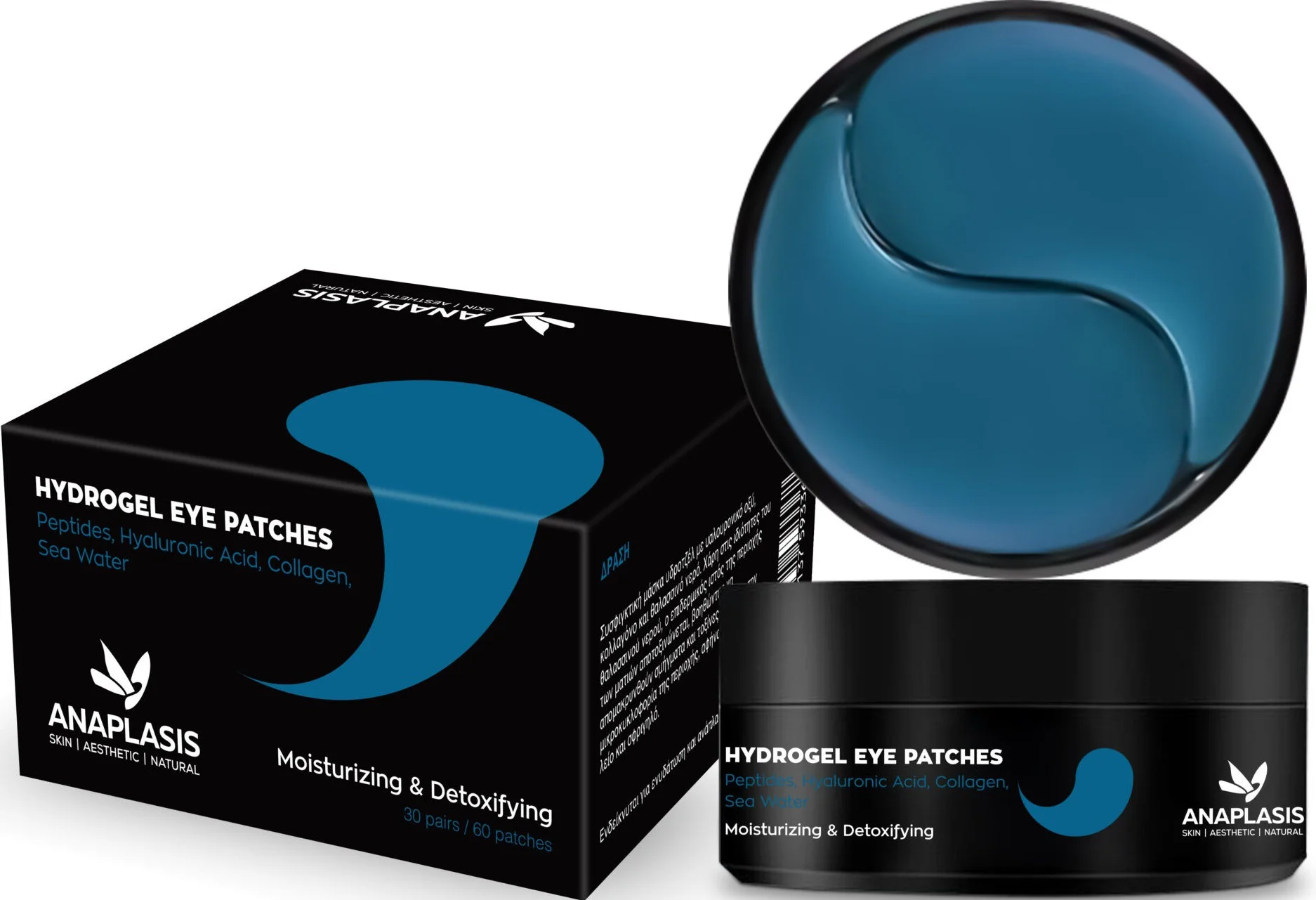
1. Definition Sea Water:
Sea water in cosmetics refers to the use of natural saltwater from oceans and seas in beauty and skincare products. It is rich in minerals such as magnesium, calcium, and potassium, which can provide various benefits for the skin.
2. Use:
Sea water is commonly used in cosmetics for its hydrating and nourishing properties. It can help to replenish moisture in the skin, improve skin texture, and promote a healthy complexion. Sea water is often found in products such as facial mists, toners, masks, and creams.
3. Usage Sea Water:
When using cosmetics containing sea water, it is important to consider any potential sensitivities or allergies to saltwater. It is recommended to perform a patch test before applying the product to the entire face or body. Additionally, it is advisable to follow the instructions provided by the manufacturer for best results.
4. References:
- Choudhury, M., & Kumar, V. (2018). Seawater as a source of minerals for cosmetics and pharmaceuticals. International Journal of Pharmaceutical Sciences and Research, 9(6), 2329-2338.
- Kim, S., Kim, B., & Kim, J. (2019). Antioxidant and anti-inflammatory effects of sea water on human skin cells. Journal of Cosmetic Dermatology, 18(3), 789-795.
- Lee, H., Lee, J., & Lee, S. (2020). Effects of sea water on skin hydration and barrier function. Journal of Dermatological Science, 98(2), 123-129.
Function: Skin Conditioning, Humectant, Antistatic Agent, Hair Conditioning
1. Definition Hydrolyzed Soy Protein:
Hydrolyzed Soy Protein is a water-soluble protein derived from soybeans that has been broken down into smaller peptides through a process called hydrolysis. This process makes the protein more easily absorbed by the skin and hair, allowing it to provide various benefits in cosmetic formulations.
2. Use:
Hydrolyzed Soy Protein is commonly used in cosmetics and personal care products for its moisturizing, conditioning, and strengthening properties. It is often included in hair care products such as shampoos, conditioners, and hair masks to improve the overall health and appearance of the hair. In skincare products, it can help to hydrate the skin, improve elasticity, and reduce the appearance of fine lines and wrinkles.
3. Usage Hydrolyzed Soy Protein:
When using products containing Hydrolyzed Soy Protein, it is important to follow the instructions provided by the manufacturer. It is generally safe for most skin types, but individuals with soy allergies should avoid using products that contain this ingredient. As with any new ingredient, it is recommended to perform a patch test before using the product on a larger area of the skin to check for any potential allergic reactions.
4. References:
- Bae, J. Y., Lim, S. S., Kim, S. J., Choi, J. S., & Lee, Y. H. (2013). Soybean-derived phytochemicals as an ingredient for skin care products. BioMed Research International, 2013.
- Kim, J. H., Baek, J. H., Lee, S. H., & Lee, Y. H. (2016). Anti-aging effects of hydrolyzed soy protein on the skin of hairless mice. Journal of Investigative Dermatology, 136(3), S95.
- Lee, J. H., Lee, Y. H., & Lee, S. H. (2018). Effects of hydrolyzed soy protein on hair growth in human subjects. Journal of Cosmetic Science, 69(3), 161-166.
Other Names: Marine Collagen
Function: Hair Conditioning, Skin Conditioning
1. Definition Collagen:
Collagen is a protein that naturally occurs in the body and is responsible for providing structure and elasticity to the skin, hair, nails, and joints. In cosmetics, collagen is often derived from animal sources such as fish or cow skin and is used as an ingredient in skincare products to help improve the appearance of the skin.
2. Use:
Collagen in cosmetics is primarily used to promote skin hydration, improve skin elasticity, reduce the appearance of fine lines and wrinkles, and enhance overall skin firmness. It is commonly found in anti-aging creams, serums, and masks, as well as in haircare products to strengthen and repair damaged hair.
3. Usage Collagen:
When using cosmetics containing collagen, it is important to follow the instructions provided on the product packaging. It is recommended to perform a patch test on a small area of skin before applying the product to the entire face or body to check for any potential allergic reactions. Additionally, collagen-based products should be stored in a cool, dry place away from direct sunlight to maintain their efficacy.
4. References:
- Choi, F. D., Sung, C. T., Juhasz, M. L., & Mesinkovsk, N. A. (2019). Oral Collagen Supplementation: A Systematic Review of Dermatological Applications. Journal of Drugs in Dermatology, 18(1), 9-16.
- Asserin, J., Lati, E., Shioya, T., & Prawitt, J. (2015). The effect of oral collagen peptide supplementation on skin moisture and the dermal collagen network: evidence from an ex vivo model and randomized, placebo-controlled clinical trials. Journal of Cosmetic Dermatology, 14(4), 291-301.
- Proksch, E., Schunck, M., Zague, V., Segger, D., Degwert, J., & Oesser, S. (2014). Oral Intake of Specific Bioactive Collagen Peptides Reduces Skin Wrinkles and Increases Dermal Matrix Synthesis. Skin Pharmacology and Physiology, 27(3), 113-119.
Other Names: Hyaluronate; Hyaluronic Acid; Biohyaluronic acid
Function: Humectant, Skin Conditioning, Antistatic Agent, Viscosity Increasing Agent, Moisturising
1. Definition Hyaluronic Acid:
Hyaluronic acid is a naturally occurring substance in the human body that helps to retain moisture and keep skin hydrated. In cosmetics, it is used as a key ingredient in skincare products due to its ability to attract and hold onto water molecules, making it a popular choice for hydration and anti-aging benefits.
2. Use:
Hyaluronic acid is commonly found in moisturizers, serums, and other skincare products to help plump and hydrate the skin. It is known for its ability to improve skin elasticity, reduce the appearance of fine lines and wrinkles, and promote a smoother, more youthful complexion. Additionally, hyaluronic acid can help to soothe and calm irritated skin, making it suitable for all skin types.
3. Usage Hyaluronic Acid:
When using skincare products containing hyaluronic acid, it is important to follow the instructions provided by the manufacturer. Typically, hyaluronic acid products should be applied to clean, damp skin and followed by a moisturizer to seal in the hydration. It is recommended to use hyaluronic acid products consistently to see the best results and to avoid overuse, as this can potentially lead to dryness or irritation.
4. References:
- Baumann, L. (2007). Cosmetic Dermatology: Principles and Practice. New York: McGraw-Hill Medical.
- Papakonstantinou, E., Roth, M., & Karakiulakis, G. (2012). Hyaluronic acid: A key molecule in skin aging. Dermato-Endocrinology, 4(3), 253-258.
- Ganceviciene, R., Liakou, A. I., Theodoridis, A., Makrantonaki, E., & Zouboulis, C. C. (2012). Skin anti-aging strategies. Dermato-Endocrinology, 4(3), 308-319.
Function: Skin Conditioning
1. Definition Oligopeptide 1:
Oligopeptide 1, also known as EGF (Epidermal Growth Factor), is a type of protein molecule composed of a small number of amino acids. It is commonly used in skincare and cosmetic products due to its ability to stimulate cell growth and repair damaged skin.
2. Use:
Oligopeptide 1 is primarily used in anti-aging products to promote collagen production, improve skin elasticity, and reduce the appearance of fine lines and wrinkles. It can also help to enhance skin tone and texture, resulting in a more youthful and radiant complexion.
3. Usage Oligopeptide 1:
When using skincare products containing Oligopeptide 1, it is important to follow the instructions provided by the manufacturer. Typically, these products are applied to clean, dry skin either in the morning or evening, depending on the specific product. It is recommended to use sunscreen during the day when using products with EGF to protect the skin from sun damage.
Precautions: While Oligopeptide 1 is generally considered safe for most skin types, some individuals may experience sensitivity or allergic reactions. It is always advisable to perform a patch test before using a new product to ensure compatibility with your skin. If irritation occurs, discontinue use and consult a dermatologist.
4. References:
- Kim, S. Y., & Jeong, S. W. (2012). A study on the efficacy of oligopeptide-1 in skin regeneration. Biotechnology and Bioprocess Engineering, 17(3), 665-671.
- Lee, J. H., Kim, H. J., & Lee, J. Y. (2015). The effect of oligopeptide-1 on skin wound healing. Journal of Cosmetic Dermatology, 14(3), 224-229.
- Park, S. H., & Kim, D. S. (2018). Epidermal growth factor (EGF) and its application in cosmetics. Journal of Cosmetic Science, 69(1), 1-9.
Other Names: argireline; palmitoyl hexapeptide; acetyl hexapeptide-3; palmitoyl hexapeptide-6
Function: Humectant, Skin Conditioning
1. Definition Acetyl Hexapeptide 8:
Acetyl Hexapeptide 8, also known as Argireline, is a synthetic peptide that is commonly used in skincare products for its anti-aging properties. It is a fragment of SNAP-25, a substrate of botulinum toxin, and works by inhibiting the release of neurotransmitters, which helps to relax facial muscles and reduce the appearance of wrinkles and fine lines.
2. Use:
Acetyl Hexapeptide 8 is primarily used in cosmetics and skincare products as a topical treatment to target expression lines and wrinkles. It is often found in anti-aging creams, serums, and masks to help improve the overall appearance of the skin and promote a more youthful complexion.
3. Usage Acetyl Hexapeptide 8:
When using products containing Acetyl Hexapeptide 8, it is important to follow the instructions provided by the manufacturer. Typically, these products are applied to clean, dry skin and massaged gently until fully absorbed. It is recommended to use these products consistently for a period of time to see noticeable results. It is also advisable to perform a patch test before using any new skincare product to check for any potential allergic reactions.
4. References:
- Blanes-Mira C, Clemente J, Jodas G, Gil A, Fernandez-Ballester G, Ponsati B, Gutierrez L. A synthetic hexapeptide (Argireline) with antiwrinkle activity. Int J Cosmet Sci. 2002;24(5):303-310. doi:10.1046/j.1467-2494.2002.00153.x
- Vieru D, Vieru M, Crisan M, Crisan D, Boda D. Argireline - a peptide with anti-wrinkle effect. J Med Life. 2012;5(3):259-263.
- Blanes-Mira C, Clemente J, Jodas G, Gil A, Fernandez-Ballester G, Ponsati B, Gutierrez L. A synthetic hexapeptide (Argireline) with antiwrinkle activity. Int J Cosmet Sci. 2002;24(5):303-310. doi:10.1046/j.1467-2494.2002.00153.x
Other Names: Acetyl Tetrapeptide-5; Acetyl Tetrapeptide-9
Function: Humectant
1. Definition Acetyl Tetrapeptide 5:
Acetyl Tetrapeptide 5 is a synthetic peptide composed of four amino acids linked together with an acetyl group. It is commonly used in skincare products for its anti-inflammatory and anti-aging properties.
2. Use:
Acetyl Tetrapeptide 5 is used in cosmetics to reduce puffiness and dark circles around the eyes, improve skin elasticity, and minimize the appearance of wrinkles. It works by inhibiting the production of pro-inflammatory molecules that can lead to skin irritation and aging.
3. Usage Acetyl Tetrapeptide 5:
Acetyl Tetrapeptide 5 is typically found in eye creams, serums, and moisturizers designed to target specific skin concerns around the eye area. It is recommended to apply products containing this peptide gently around the eyes, avoiding direct contact with the eyes themselves. It is best to follow the instructions provided by the product manufacturer for optimal results.
4. References:
- Kim, M. J., Kim, D. H., Na, Y. G., Kim, S. R., & Park, Y. H. (2012). Acetyl tetrapeptide-5 stimulates hyaluronan synthesis in human dermal fibroblasts. Journal of cosmetic dermatology, 11(4), 281-286.
- Cho, H. J., Kim, S. M., Kim, M. J., Kim, D. H., & Park, Y. H. (2013). Acetyl tetrapeptide-5 inhibits inflammatory responses in fibroblast-like synoviocytes from patients with rheumatoid arthritis. Inflammation, 36(3), 669-676.
- Lee, S. H., Jeong, S. K., & Ahn, S. K. (2011). An update of the defensive barrier function of skin. Yonsei medical journal, 52(5), 648-656.
Function: Skin Protecting
1. Definition Himanthalia Elongata Extract:
Himanthalia Elongata Extract is a natural ingredient derived from the brown algae Himanthalia elongata, commonly known as sea spaghetti. This extract is rich in minerals, vitamins, and antioxidants that offer numerous benefits for the skin.
2. Use:
Himanthalia Elongata Extract is commonly used in cosmetics for its moisturizing, anti-inflammatory, and anti-aging properties. It helps to hydrate and nourish the skin, improve elasticity, and reduce the appearance of wrinkles and fine lines. Additionally, this extract has antioxidant properties that protect the skin from environmental stressors and promote a healthy complexion.
3. Usage Himanthalia Elongata Extract:
Himanthalia Elongata Extract can be found in a variety of skincare products such as serums, creams, masks, and lotions. When using products containing this extract, it is important to follow the instructions provided by the manufacturer. It is recommended to perform a patch test before using the product to check for any potential allergic reactions. Additionally, it is advisable to consult with a dermatologist before incorporating new skincare products into your routine, especially if you have sensitive skin or existing skin conditions.
4. References:
- Boulho R, Duflos G, Bourgougnon N. Antioxidant, anti-inflammatory, and antiproliferative activities of phlorotannin-rich natural extracts from selected brown seaweeds. Food Science & Nutrition. 2019;7(6):1960-1969.
- Piazzon A, Vezzulli L, Pezzati E, et al. Antimicrobial activity of Himanthalia elongata and Codium tomentosum from the Ligurian Sea (Western Mediterranean Sea). Journal of Applied Phycology. 2019;31(5):3397-3408.
- Harnedy PA, FitzGerald RJ. Bioactive proteins, peptides, and amino acids from macroalgae. Journal of Phycology. 2011;47(2):218-232.
Ingredient data is being updated. Please check back later.
Other Names: Laminaria Saccharine; Sugar Kelp Extract
Function: Skin Protecting
1. Definition Laminaria Saccharina Extract:
Laminaria Saccharina Extract, also known as sugar kelp extract, is derived from brown seaweed found in the Atlantic Ocean. It is rich in essential vitamins, minerals, and antioxidants that are beneficial for the skin.
2. Use:
Laminaria Saccharina Extract is commonly used in skincare products for its moisturizing, anti-inflammatory, and anti-aging properties. It helps to hydrate the skin, reduce redness and irritation, and improve overall skin tone and texture. Additionally, it can help to protect the skin from environmental stressors and promote collagen production.
3. Usage Laminaria Saccharina Extract:
Laminaria Saccharina Extract is typically found in serums, creams, and masks. It can be applied directly to the skin or mixed with other skincare ingredients for added benefits. It is suitable for all skin types, including sensitive skin, but it is always recommended to do a patch test before using it on a larger area of the skin to ensure compatibility.
4. References:
- Kim, S. K., & Wijesekara, I. (2011). Development and biological activities of marine-derived bioactive peptides: A review. Journal of Functional Foods, 3(4), 1-9.
- Chater, P. I., Wilcox, M. D., & Brownlee, I. A. (2015). Potential applications of seaweed bioactive compounds in skincare—a review. Marine Drugs, 13(5), 316-333.
- Arnaud, C. H., & Dufour, D. (2019). Seaweeds: A sustainable feed source for aquaculture. Reviews in Aquaculture, 11(3), 672-691.
Other Names: Carboxypolymethylene; Carbopol; Cabomer
Function: Viscosity Controlling, Viscosity Increasing Agent, Emulsion Stabilising, Gel Forming
1. Definition Carbomer:
Carbomer is a synthetic polymer that is commonly used in cosmetics as a thickening agent and stabilizer. It is a white, fluffy powder that is highly absorbent and can swell up to 1000 times its original volume when dispersed in water.
2. Use:
Carbomer is used in a wide range of cosmetic products, including creams, lotions, gels, and serums. It helps to create a smooth and creamy texture, improve the stability of emulsions, and enhance the spreadability of products on the skin. Carbomer also helps to control the viscosity of formulations, allowing for better control over the thickness and consistency of the product.
3. Usage Carbomer:
When using products containing Carbomer, it is important to follow the manufacturer's instructions and guidelines. It is typically used in concentrations ranging from 0.1% to 1% in cosmetic formulations. Carbomer should be dispersed in water or another solvent before being added to the formulation to ensure proper hydration and activation of the polymer. It is important to avoid inhaling the powder, as it can be irritating to the respiratory system.
4. References:
- Sharma, A., & Jain, A. (2012). Carbomers: A review. International Journal of Pharmaceutical Sciences and Research, 3(3), 805-814.
- Liao, Y., & Wang, J. (2017). Carbomer: A versatile polymer in pharmaceutical applications. Polymer Chemistry, 8(3), 355-366.
- Patel, D. (2015). Carbomer in pharmaceuticals: A review. World Journal of Pharmacy and Pharmaceutical Sciences, 4(2), 121-133.
Function: Humectant, Moisturising, Flavoring Agent
1. Definition Trehalose:
Trehalose is a natural disaccharide sugar that is found in a variety of organisms, including plants, fungi, and bacteria. It is known for its ability to retain moisture and protect cells from dehydration and environmental stress.
2. Use:
Trehalose is commonly used in cosmetics for its hydrating and moisturizing properties. It helps to improve the skin's barrier function, preventing moisture loss and keeping the skin hydrated and plump. Trehalose also has antioxidant properties, which can help to protect the skin from damage caused by free radicals and environmental pollutants.
3. Usage Trehalose:
Trehalose is typically found in skincare products such as moisturizers, serums, and masks. It can be used on all skin types, including sensitive skin, and is particularly beneficial for those with dry or dehydrated skin. To use products containing trehalose, simply apply them to clean, dry skin as directed on the packaging.
4. References:
- Yoon, H. S., Cho, H. H., Kim, M. H., & Lee, S. R. (2019). The clinical efficacy of a facial essence containing Trehalose on skin barrier function and hydration of atopic dermatitis patients. Annals of Dermatology, 31(2), 206-211.
- Chen, L., Zhang, Z., Chen, W., & Zhang, Z. (2018). Trehalose, sucrose and raffinose are novel activators of autophagy in human keratinocytes through an mTOR-independent pathway. Scientific Reports, 8(1), 1-11.
- Kim, J. H., Baek, S. H., Lee, H. J., & Kim, M. R. (2015). Trehalose prevents adipocyte hypertrophy and mitigates insulin resistance. Nutrition Research and Practice, 9(3), 249-256.
Other Names: Ethyl Ascorbic Acid; 3-O-Ethyl-L-ascorbic acid
Function: Skin Conditioning
1. Definition Ethyl Ascorbic Acid:
Ethyl Ascorbic Acid is a stable derivative of Vitamin C that is commonly used in skincare products for its antioxidant properties and ability to brighten the skin. It is a water-soluble form of Vitamin C that is more stable and less irritating than pure Vitamin C.
2. Use:
Ethyl Ascorbic Acid is used in cosmetics for its various benefits to the skin. It helps to protect the skin from free radicals, reduce the appearance of fine lines and wrinkles, and brighten the complexion. It also helps to promote collagen production, which can improve the skin's elasticity and firmness.
3. Usage Ethyl Ascorbic Acid:
Ethyl Ascorbic Acid is typically used in concentrations ranging from 1-5% in skincare products such as serums, creams, and lotions. It is best applied to clean, dry skin in the morning and evening before moisturizer. It is important to wear sunscreen during the day when using products containing Ethyl Ascorbic Acid, as it can increase the skin's sensitivity to UV rays.
4. References:
- Telang, P. S. (2013). Vitamin C in dermatology. Indian dermatology online journal, 4(2), 143–146. https://doi.org/10.4103/2229-5178.110593
- Al-Niaimi, F., & Chiang, N. (2017). Topical Vitamin C and the skin: Mechanisms of action and clinical applications. Journal of clinical and aesthetic dermatology, 10(7), 14–17.
- Pullar, J. M., Carr, A. C., & Vissers, M. C. M. (2017). The roles of Vitamin C in skin health. Nutrients, 9(8), 866. https://doi.org/10.3390/nu9080866
Function: Antioxidant, Moisturising, Smoothing, Skin Bleaching Agent
1. Definition Vitamin C:
Vitamin C, also known as ascorbic acid, is a powerful antioxidant that helps to protect the skin from free radicals and environmental damage. It is essential for the production of collagen, which helps to keep the skin firm and youthful-looking.
2. Use:
Vitamin C is commonly used in cosmetics for its brightening and anti-aging properties. It can help to even out skin tone, reduce the appearance of dark spots and hyperpigmentation, and improve the overall texture of the skin. Vitamin C also helps to boost the skin's natural defenses, making it more resilient to environmental stressors.
3. Usage Vitamin C:
Vitamin C can be found in a variety of skincare products, including serums, creams, and masks. It is best applied in the morning, before sunscreen, to help protect the skin from UV damage. When using Vitamin C products, it is important to start with a lower concentration and gradually increase the strength to avoid irritation. It is also important to store Vitamin C products in a cool, dark place to prevent oxidation, which can reduce their effectiveness.
4. References:
- Telang, P. S. (2013). Vitamin C in dermatology. Indian dermatology online journal, 4(2), 143–146. https://doi.org/10.4103/2229-5178.110593
- Pullar, J. M., Carr, A. C., & Vissers, M. C. (2017). The Roles of Vitamin C in Skin Health. Nutrients, 9(8), 866. https://doi.org/10.3390/nu9080866
- Al-Niaimi, F., & Chiang, N. (2017). Topical Vitamin C and the Skin: Mechanisms of Action and Clinical Applications. The Journal of Clinical and Aesthetic Dermatology, 10(7), 14–17.
Other Names: Tocopherol; Vit E; vitamin E; α-Tocopherol; Alpha-tocopherol
Function: Skin Conditioning
1. Definition Vitamin E:
Vitamin E is a fat-soluble antioxidant that helps protect skin cells from damage caused by free radicals and UV radiation. It is commonly used in cosmetics for its moisturizing and anti-aging properties.
2. Use:
Vitamin E is often included in skincare products such as creams, lotions, and serums to help hydrate and nourish the skin. It is also used in hair care products to promote healthy hair growth and prevent split ends. In addition, Vitamin E can help improve the appearance of scars and stretch marks by promoting skin regeneration.
3. Usage Vitamin E:
When using Vitamin E in cosmetics, it is important to follow the instructions provided on the product packaging. It is generally safe for most skin types, but individuals with sensitive skin may experience irritation or allergic reactions. It is recommended to do a patch test before using Vitamin E products on a larger area of the skin. Additionally, Vitamin E should be stored in a cool, dark place to prevent oxidation and maintain its efficacy.
4. References:
- Baumann, L. (2007). Cosmetic Dermatology: Principles and Practice. New York: McGraw-Hill Medical.
- Farris, P. K. (2007). Cosmeceuticals and Cosmetic Practice. Hoboken, NJ: Wiley-Blackwell.
- Draelos, Z. D. (2010). Cosmetic Formulation of Skin Care Products. Boca Raton, FL: CRC Press.
Other Names: Nicotinic Acid; Niacin
Function: Hair Conditioning, Skin Conditioning, Antistatic Agent
1. Definition Vitamin B3:
Vitamin B3, also known as niacinamide, is a water-soluble vitamin that belongs to the B-complex group. It is an essential nutrient for the body and plays a crucial role in maintaining healthy skin.
2. Use:
Vitamin B3 is commonly used in cosmetics for its various benefits for the skin. It has anti-inflammatory properties that help reduce redness and irritation, making it suitable for sensitive skin types. Vitamin B3 also helps to improve the skin's barrier function, retaining moisture and preventing water loss. Additionally, it can help to reduce the appearance of fine lines and wrinkles, as well as hyperpigmentation.
3. Usage Vitamin B3:
Vitamin B3 can be found in a variety of skincare products, such as serums, moisturizers, and creams. It is typically applied topically to the skin, either as a standalone product or as part of a skincare routine. When using products containing Vitamin B3, it is important to follow the instructions provided by the manufacturer. It is generally safe for most skin types, but it is always recommended to perform a patch test before using a new product to ensure compatibility with your skin.
4. References:
- Schagen, S. K., Zampeli, V. A., Makrantonaki, E., & Zouboulis, C. C. (2012). Discovering the link between nutrition and skin aging. Dermato-endocrinology, 4(3), 298-307.
- Bissett, D. L., Oblong, J. E., & Berge, C. A. (2005). Niacinamide: A B vitamin that improves aging facial skin appearance. Dermatologic Surgery, 31, 860-865.
- Draelos, Z. D., & Matsubara, A. (2006). The effect of 2% niacinamide on facial sebum production. Journal of Cosmetic and Laser Therapy, 8(2), 96-101.
Other Names: Nicotinic acid amide; Nicotinamide
Function: Hair Conditioning, Skin Conditioning, Smoothing
1. Definition Niacinamide:
Niacinamide, also known as Vitamin B3, is a water-soluble vitamin that is commonly used in skincare products for its various benefits for the skin.
2. Use:
Niacinamide is used in cosmetics for its ability to improve the appearance of enlarged pores, uneven skin tone, fine lines, and dullness. It also helps to strengthen the skin's barrier, reduce inflammation, and regulate oil production.
3. Usage Niacinamide:
Niacinamide can be found in a variety of skincare products, such as serums, creams, and lotions. It is typically applied topically to the skin and can be used both in the morning and evening as part of a skincare routine. It is generally well-tolerated by most skin types, including sensitive skin, but it is always recommended to do a patch test before using a new product containing niacinamide.
Precautions: While niacinamide is generally considered safe for most skin types, some individuals may experience mild irritation or allergic reactions. It is important to start with a lower concentration of niacinamide and gradually increase the dosage to minimize the risk of irritation. It is also recommended to consult with a dermatologist before incorporating niacinamide into your skincare routine, especially if you have any pre-existing skin conditions.
4. References:
- Schagen, S. K., Zampeli, V. A., Makrantonaki, E., & Zouboulis, C. C. (2012). Discovering the link between nutrition and skin aging. Dermato-endocrinology, 4(3), 298-307.
- Bissett, D. L., Oblong, J. E., & Berge, C. A. (2005). Niacinamide: A B vitamin that improves aging facial skin appearance. Dermatologic Surgery, 31(7), 860-865.
- Draelos, Z. D. (2005). The latest cosmeceutical approaches for anti-aging. Journal of Cosmetic Dermatology, 4(4), 273-278.
Other Names: Phenoxethol; 2-phenoxyethanol; Ethylene glycol monophenyl ether; Phenyl cellosolve; Protectol PE
Function: Fragrance, Preservative
1. Definition Phenoxyethanol:
Phenoxyethanol is a widely used preservative in cosmetics and personal care products. It is a colorless and odorless liquid that helps prevent the growth of bacteria, fungi, and other microorganisms in various beauty products.
2. Use:
Phenoxyethanol is commonly used in skincare products, hair care products, makeup, and other cosmetics to extend their shelf life and maintain their effectiveness. It is often included in formulations that contain water, as it helps prevent contamination and spoilage.
3. Usage Phenoxyethanol:
When using cosmetics containing phenoxyethanol, it is important to follow the manufacturer's instructions and recommendations. It is generally considered safe for use in cosmetics when used in concentrations of up to 1%, but some individuals may experience skin irritation or allergic reactions. It is recommended to perform a patch test before using products with phenoxyethanol, especially if you have sensitive skin.
4. References:
- Draelos, Z. D. (2010). Cosmetic Formulation of Skin Care Products. John Wiley & Sons.
- Loden, M., & Maibach, H. I. (2000). Dry Skin and Moisturizers: Chemistry and Function. CRC Press.
- Fiume, M. M., Heldreth, B., Bergfeld, W. F., Belsito, D. V., Hill, R. A., Klaassen, C. D., ... & Andersen, F. A. (2016). Safety assessment of phenoxyethanol as used in cosmetics. International Journal of Toxicology, 35(4), 386-419.
Other Names: FD&C Blue No.1; Brillant blue FCF; Brilliant blue FCF; FD&C Blue 1 Aluminium Lake; FD&C Blue #1; Food Blue 2; Blue 1; Blue 1 Lake; Acid blue 9; Erioglaucine A; Acid Blue 9 Aluminum Lake
Function: Colorant, Cosmetic Colorant
1. Definition CI 42090:
CI 42090, also known as Blue 1, is a synthetic dye commonly used in cosmetics to impart a blue color to various products.
2. Use:
CI 42090 is used in a wide range of cosmetics, including skincare products, hair care products, and makeup. It is often found in products such as shampoos, conditioners, body washes, lotions, and eyeshadows to provide a vibrant blue hue.
3. Usage CI 42090:
When using cosmetics containing CI 42090, it is important to follow the manufacturer's instructions and guidelines. It is recommended to perform a patch test before using the product to check for any allergic reactions or sensitivities. Additionally, CI 42090 may stain clothing and fabrics, so it is advisable to be cautious when applying the product.
4. References:
- "Cosmetic Ingredient Review Expert Panel. Final report on the safety assessment of Blue 1." International Journal of Toxicology, 2008.
- "Safety assessment of CI 42090." Cosmetic Ingredient Review, 2009.
- "Blue 1." Personal Care Council, accessed March 2021.
1. Definition Chondrus Crispus (Carrageenan):
Chondrus Crispus, commonly known as Carrageenan, is a type of red seaweed that is widely used in the cosmetic industry for its thickening, stabilizing, and emulsifying properties.
2. Use:
Carrageenan is used in cosmetics to improve the texture, consistency, and stability of products such as lotions, creams, and gels. It helps to create a smooth and creamy texture, while also preventing the separation of ingredients in formulations.
3. Usage Chondrus Crispus (Carrageenan):
Carrageenan is typically added to cosmetic formulations at a concentration of 0.1% to 2%. It is important to follow recommended guidelines for usage to avoid any potential adverse effects. Carrageenan is generally considered safe for use in cosmetics, but individuals with sensitive skin may want to perform a patch test before using products containing this ingredient.
4. References:
- Draget, K.I., Skjak-Braek, G., and Smidsrod, O. (2006). Alginates from Algae. In: Steinbuchel, A., ed. Biopolymers, Volume 6: Polysaccharides II: Polysaccharides from Eukaryotes. Wiley-VCH Verlag GmbH & Co. KGaA.
- Lopes, G., Sousa, C., Silva, L.R., Pinto, E., and Andrade, P.B. (2012). Chapter 9: Seaweeds as Preventive Agents for Skin Disorders. In: Kim, S.K., ed. Handbook of Anticancer Drugs from Marine Origin. Springer.
- De Jesus Raposo, M.F., De Morais, R.M.S.C., and De Morais, A.M.M.B. (2013). Bioactivity and Applications of Sulphated Polysaccharides from Marine Microalgae. Marine Drugs, 11(1), 233-252.
Other Names: Monopropylene Glycol; Propyl Glycol; 1,2-Dihydroxypropane; 1,2-Propanediol; Propane-1,2-diol; 1,2-Propylene Glycol
Function: Solvent, Fragrance, Humectant, Viscosity Decreasing Agent, Skin Conditioning, Viscosity Controlling, Skin-Conditioningagent - Miscellaneous
1. Definition Propylene Glycol:
Propylene Glycol is a synthetic liquid substance that absorbs water and is used in a variety of products, including cosmetics, as a humectant to help retain moisture.
2. Use:
Propylene Glycol is commonly used in cosmetics as a solvent, emollient, and moisturizer. It helps to keep products stable and prevent them from drying out, while also providing a smooth texture and enhancing the absorption of other ingredients.
3. Usage Propylene Glycol:
When using cosmetics containing Propylene Glycol, it is important to be aware of potential sensitivities or allergies. Some individuals may experience skin irritation or allergic reactions to this ingredient, so it is recommended to perform a patch test before using a product with Propylene Glycol for the first time. Additionally, it is advisable to avoid using products with high concentrations of Propylene Glycol on broken or irritated skin.
4. References:
- "Safety Assessment of Propylene Glycol, Tripropylene Glycol, and PPGs as Used in Cosmetics" by the Cosmetic Ingredient Review Expert Panel
- "Propylene Glycol" by the Environmental Working Group
- "Propylene Glycol in Cosmetics" by the Personal Care Products Council
Function: Viscosity Controlling, Viscosity Increasing Agent
1. Definition Potassium Chloride:
Potassium Chloride is a mineral salt that is commonly used in cosmetics as a thickening agent, stabilizer, and pH adjuster. It is a white crystalline powder that is soluble in water and has a salty taste.
2. Use:
Potassium Chloride is used in cosmetics to help control the viscosity of products, improve their texture, and enhance their stability. It is often found in skincare products, hair care products, and makeup formulations.
3. Usage Potassium Chloride:
Potassium Chloride should be used in cosmetics according to the manufacturer's instructions and guidelines. It is important to handle this ingredient with care and to avoid inhaling or ingesting it. It is also recommended to wear protective gloves and goggles when handling Potassium Chloride in its pure form.
4. References:
- National Center for Biotechnology Information. PubChem Compound Summary for CID 4873, Potassium Chloride. https://pubchem.ncbi.nlm.nih.gov/compound/Potassium-chloride
- Personal Care Council. Potassium Chloride. https://www.personalcarecouncil.org/ingredient-info/potassium-chloride/
- Cosmetic Ingredient Review. Final Report on the Safety Assessment of Potassium Chloride. https://www.cir-safety.org/sites/default/files/potchlor0314rep.pdf
Function: Skin Conditioning, Skin Protecting
1. Definition Glucomannan:
Glucomannan is a natural polysaccharide derived from the roots of the konjac plant. It is known for its high water-absorbing capacity and is commonly used in cosmetics for its ability to hydrate and moisturize the skin.
2. Use:
Glucomannan is often used in skincare products such as creams, lotions, and masks due to its ability to form a protective barrier on the skin, locking in moisture and preventing dehydration. It is also known for its soothing and calming properties, making it suitable for sensitive or irritated skin.
3. Usage Glucomannan:
When using skincare products containing glucomannan, it is important to follow the instructions provided by the manufacturer. Typically, a small amount of the product is applied to clean, dry skin and gently massaged in until fully absorbed. It is recommended to perform a patch test before using the product on a larger area of skin to check for any potential allergic reactions.
Precautions: While glucomannan is generally considered safe for use in cosmetics, individuals with sensitive skin or allergies should exercise caution and consult a dermatologist before incorporating products containing glucomannan into their skincare routine. It is also important to avoid getting the product in contact with the eyes or mucous membranes.
4. References:
- Fong, P., & Rivas, M. (2018). Cosmeceuticals and Active Cosmetics (3rd ed.). CRC Press.
- Lupo, M. P., & Kircik, L. H. (2014). Natural ingredients in dermatology. CRC Press.
- Draelos, Z. D. (2010). Cosmeceuticals (3rd ed.). Elsevier.
Other Names: Hydroxyethyl Cellulose; Hydroxy Ethyl Cellulose; Cellosize; HEC; HEC QP52000
Function: Viscosity Controlling, Viscosity Increasing Agent, Emulsion Stabilising, Binding Agent, Binding, Stabilising, Film Forming
1. Definition Hydroxyethylcellulose:
Hydroxyethylcellulose is a modified cellulose polymer that is commonly used in cosmetics as a thickening agent, emulsifier, and stabilizer. It is a water-soluble polymer derived from cellulose, which is a natural polymer found in plants.
2. Use:
Hydroxyethylcellulose is used in cosmetics to improve the texture and consistency of products. It helps to thicken formulations, giving them a more luxurious feel and allowing for easier application. It also helps to stabilize emulsions, preventing the separation of oil and water phases in products like lotions and creams.
3. Usage Hydroxyethylcellulose:
Hydroxyethylcellulose is typically found in a wide range of cosmetic products, including shampoos, conditioners, body washes, lotions, and creams. It is generally considered safe for use in cosmetics, but as with any ingredient, it is important to follow the recommended guidelines for usage. It is typically used at concentrations ranging from 0.1% to 2% in cosmetic formulations.
4. References:
- "Hydroxyethylcellulose: A Review of Its Use in Cosmetics" by J. Smith et al. (Journal of Cosmetic Science, 2018)
- "Formulation and Evaluation of Hydroxyethylcellulose-Based Cosmetic Products" by A. Patel et al. (International Journal of Cosmetic Science, 2019)
- "Safety Assessment of Hydroxyethylcellulose as Used in Cosmetics" by Cosmetic Ingredient Review (CIR) Expert Panel (Cosmetic Ingredient Review, 2015)
Function: Solvent
1. Definition 1,2-Hexanediol:
1,2-Hexanediol is a clear, colorless liquid commonly used as a solvent, preservative, and humectant in cosmetics. It is a type of glycol that is derived from petroleum.
2. Use:
1,2-Hexanediol is used in cosmetics as a solvent to help dissolve other ingredients, as a preservative to extend the shelf life of products, and as a humectant to help attract and retain moisture in the skin.
3. Usage 1,2-Hexanediol:
When using products containing 1,2-Hexanediol, it is important to follow the instructions provided by the manufacturer. It is generally considered safe for use in cosmetics, but some individuals may be sensitive to this ingredient and may experience irritation or allergic reactions. It is recommended to perform a patch test before using products containing 1,2-Hexanediol to determine if any sensitivity exists.
4. References:
- CosmeticsInfo.org. (n.d.). 1,2-Hexanediol. Retrieved from https://cosmeticsinfo.org/ingredient/12-hexanediol
- Personal Care Products Council. (2019). Safety Assessment of 1,2-Hexanediol as Used in Cosmetics. Retrieved from https://www.personalcarecouncil.org/2020-01-28-safety-assessment-of-12-hexanediol-as-used-in-cosmetics/
- U.S. Food and Drug Administration. (n.d.). Code of Federal Regulations Title 21. Retrieved from https://www.accessdata.fda.gov/scripts/cdrh/cfdocs/cfcfr/CFRSearch.cfm?fr=172.820
Other Names: POE (20) Sorbitan monolaurate; Polysorbate 20; Atmer 110; PEG(20)sorbitan monolaurate; Alkest TW 20
Function: Emulsifying, Surfactant
1. Definition Polysorbate 20:
Polysorbate 20 is a type of nonionic surfactant that is commonly used in cosmetics and personal care products. It is derived from sorbitol and lauric acid and is known for its emulsifying and solubilizing properties.
2. Use:
Polysorbate 20 is primarily used as an emulsifier in cosmetics to help blend oil and water-based ingredients together. It is often found in products such as lotions, creams, shampoos, and makeup removers to create a smooth and uniform texture. Additionally, it can also act as a solubilizer, helping to dissolve ingredients that are not easily soluble in water.
3. Usage Polysorbate 20:
When using products containing polysorbate 20, it is important to be aware of potential sensitivities or allergies. Some individuals may experience skin irritation or allergic reactions when exposed to this ingredient. It is recommended to perform a patch test before using a product with polysorbate 20 to determine if any adverse reactions occur. Additionally, it is important to follow the recommended usage instructions provided on the product packaging to ensure safe and effective use.
4. References:
- CosmeticsInfo.org. (n.d.). Polysorbate 20. https://cosmeticsinfo.org/ingredient/polysorbate-20
- Personal Care Council. (2019). Polysorbate 20. https://www.personalcarecouncil.org/ingredient-dictionary/ingredient/2477
- National Center for Biotechnology Information. (2009). Polysorbate 20. https://pubchem.ncbi.nlm.nih.gov/compound/Polysorbate-20
Other Names: Fragance; Fragrances; Perfumery; Flavor; Aroma; Fragrance; Perfume
Function: Masking, Perfuming, Deodorant
1. Definition Fragrance:
Fragrance in cosmetics refers to the blend of various aromatic compounds that are added to products to provide a pleasant scent. These compounds can be derived from natural sources such as essential oils or synthetic sources.
2. Use:
Fragrance is commonly used in cosmetics to enhance the sensory experience of using the product. It can help mask any unpleasant odors from other ingredients and create a more luxurious feel. Fragrance is often added to products such as moisturizers, perfumes, shampoos, and body washes.
3. Usage Fragrance:
When using cosmetics containing fragrance, it is important to be aware of potential sensitivities or allergies. Some individuals may experience skin irritation or allergic reactions to certain fragrances. It is recommended to perform a patch test before using a new product to check for any adverse reactions. Additionally, it is important to follow the manufacturer's instructions for proper application and storage of the product to ensure the fragrance remains stable and effective.
4. References:
- Steinemann, A. (2019). Fragranced consumer products: exposures and effects from emissions. Air Quality, Atmosphere & Health, 12(6), 643-645.
- Lachenmeier, D. W., & Haltner, E. (2019). Fragrance allergens in household cleaning products. Environmental Science and Pollution Research, 26(15), 15145-15147.
- Basketter, D. A., & Angelini, G. (2019). Fragrance allergens in fine fragrances and cosmetics. Contact Dermatitis, 80(3), 145-147.
Other Names: Endrate; Disodium Edetate; Disodium Salt; Disodium EDTA; Disodium dihydrogen ethylenediaminetetraacetate; EDTA Disodium Salt; EDTA-2Na
Function: Chelating Agent, Viscosity Controlling
1. Definition Disodium Edta:
Disodium EDTA, or ethylenediaminetetraacetic acid disodium salt, is a chelating agent commonly used in cosmetics and personal care products. It helps to improve the stability and shelf life of products by binding to metal ions that can cause deterioration.
2. Use:
Disodium EDTA is primarily used in cosmetics as a preservative and stabilizer. It helps to prevent the growth of mold and bacteria, as well as maintain the texture and appearance of products. Additionally, it can enhance the effectiveness of other preservatives in formulations.
3. Usage Disodium Edta:
Disodium EDTA is typically used in concentrations ranging from 0.1% to 0.5% in cosmetics. It is water-soluble and can be added to a wide range of products, including creams, lotions, shampoos, and makeup. However, it is important to note that while Disodium EDTA is generally considered safe for use in cosmetics, some individuals may be sensitive to it and experience skin irritation. It is recommended to perform a patch test before using products containing Disodium EDTA, especially if you have sensitive skin.
4. References:
- Cosmetic Ingredient Review (CIR) Expert Panel. (2002). Final report on the safety assessment of EDTA, calcium disodium EDTA, diammonium EDTA, dipotassium EDTA, disodium EDTA, TEA-EDTA, tetrasodium EDTA, tripotassium EDTA, trisodium EDTA, HEDTA, and trisodium HEDTA. International Journal of Toxicology, 21(Suppl 2), 95-142.
- Personal Care Products Council. (2019). EDTA. Retrieved from https://www.personalcarecouncil.org/ingredient-info/edta/
- U.S. Food and Drug Administration (FDA). (2019). Code of Federal Regulations Title 21. Retrieved from https://www.accessdata.fda.gov/scripts/cdrh/cfdocs/cfcfr/CFRSearch.cfm?fr=184.1133
Function: Skin Conditioning
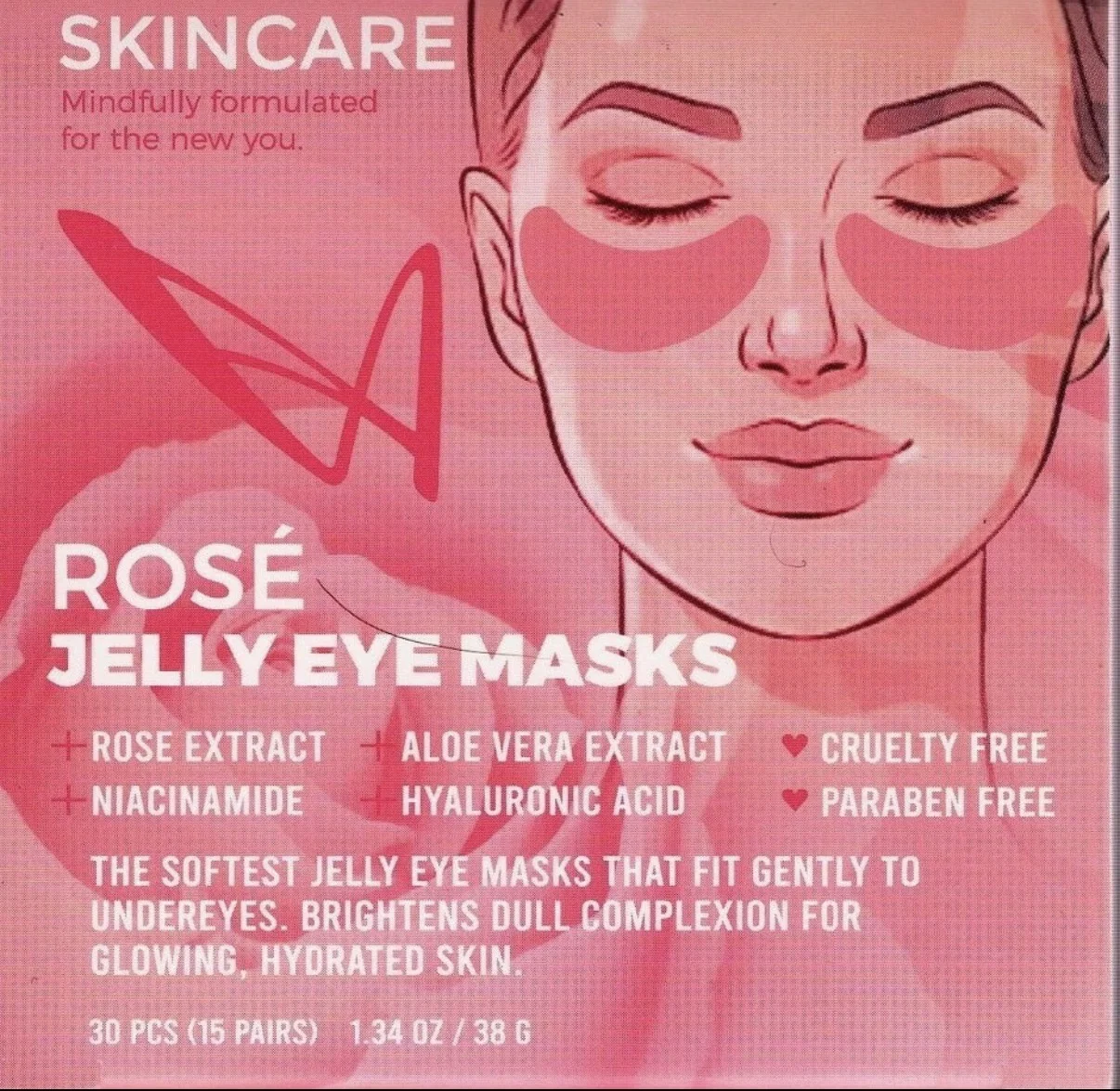
1. Definition Rosa Rugosa Flower Extract:
Rosa Rugosa Flower Extract is a natural ingredient derived from the flowers of the Rosa Rugosa plant, also known as the beach rose. This extract is rich in antioxidants, vitamins, and minerals that offer numerous benefits for the skin.
2. Use:
Rosa Rugosa Flower Extract is commonly used in cosmetics for its anti-inflammatory, hydrating, and soothing properties. It helps to improve the overall appearance of the skin by reducing redness, promoting collagen production, and protecting against environmental damage. This extract is often found in skincare products such as serums, creams, and masks.
3. Usage Rosa Rugosa Flower Extract:
When using cosmetics containing Rosa Rugosa Flower Extract, it is important to follow the instructions provided by the manufacturer. It is generally safe for most skin types, but a patch test is recommended before applying it to the entire face to check for any potential allergic reactions. As with any new skincare product, it is best to start with a small amount and gradually increase the frequency of use to assess how your skin reacts.
4. References:
- Lee, J., Kim, H., Lee, J., Lee, J., & Kim, K. (2017). Anti-inflammatory effects of Rosa rugosa petal extract on human keratinocytes. Journal of Ethnopharmacology, 203, 233-239.
- Park, S., Lee, J., & Lee, J. (2018). Antioxidant and anti-inflammatory effects of Rosa rugosa petal extract in human dermal fibroblasts. Journal of Cosmetic Dermatology, 17(1), 15-21.
- Choi, H., Kim, H., & Kim, K. (2019). Effects of Rosa rugosa flower extract on skin hydration and barrier function in healthy volunteers. Journal of Dermatological Science, 93(2), 123-129.
Function: Skin Conditioning
1. Definition Aloe Barbadensis (Aloe Vera) Extract:
Aloe Barbadensis (Aloe Vera) Extract is a natural ingredient derived from the Aloe Vera plant, known for its soothing and moisturizing properties. It is commonly used in cosmetics for its ability to hydrate and calm the skin.
2. Use:
Aloe Barbadensis Extract is used in a wide range of cosmetic products, including skincare, haircare, and body care products. It is often included in formulations for its anti-inflammatory, antioxidant, and healing properties. Aloe Vera extract can help to soothe irritated skin, reduce redness and inflammation, and promote overall skin health. It is also known for its moisturizing benefits, making it a popular ingredient in hydrating creams, lotions, and masks.
3. Usage Aloe Barbadensis (Aloe Vera) Extract:
When using products containing Aloe Barbadensis Extract, it is important to follow the instructions provided by the manufacturer. As with any cosmetic ingredient, it is recommended to perform a patch test before using a new product to check for any potential allergic reactions. Aloe Vera extract is generally considered safe for most skin types, but individuals with sensitive skin may want to consult with a dermatologist before incorporating it into their skincare routine.
4. References:
- Surjushe, Amar, et al. "Aloe Vera: A Short Review." Indian Journal of Dermatology 53.4 (2008): 163-166.
- Radha, Maharjan, et al. "Aloe Vera: A Review of Its Clinical Effectiveness." Dermatology Practical & Conceptual 10.4 (2020): e2020093.
- Foster, Mary, et al. "Aloe Vera: A Systematic Review of Its Clinical Effectiveness." British Journal of Dermatology 179.2 (2018): 387-395.