


- Home
- Compare product
- Comparison result
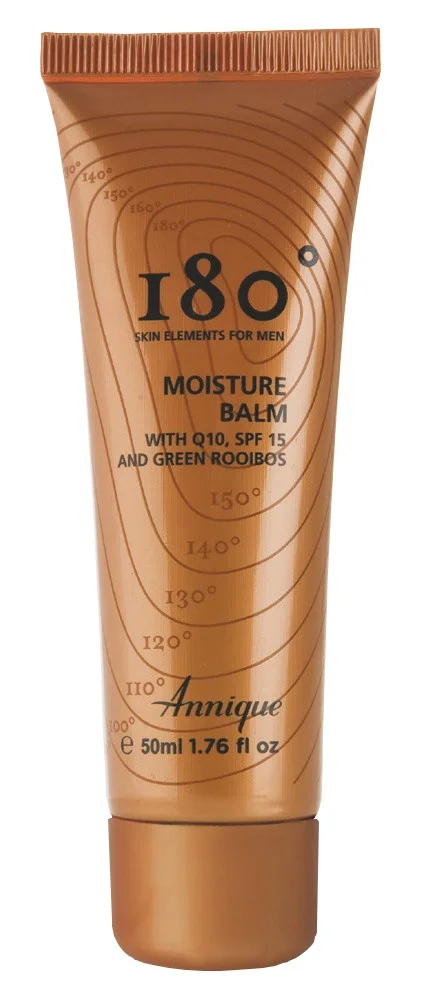
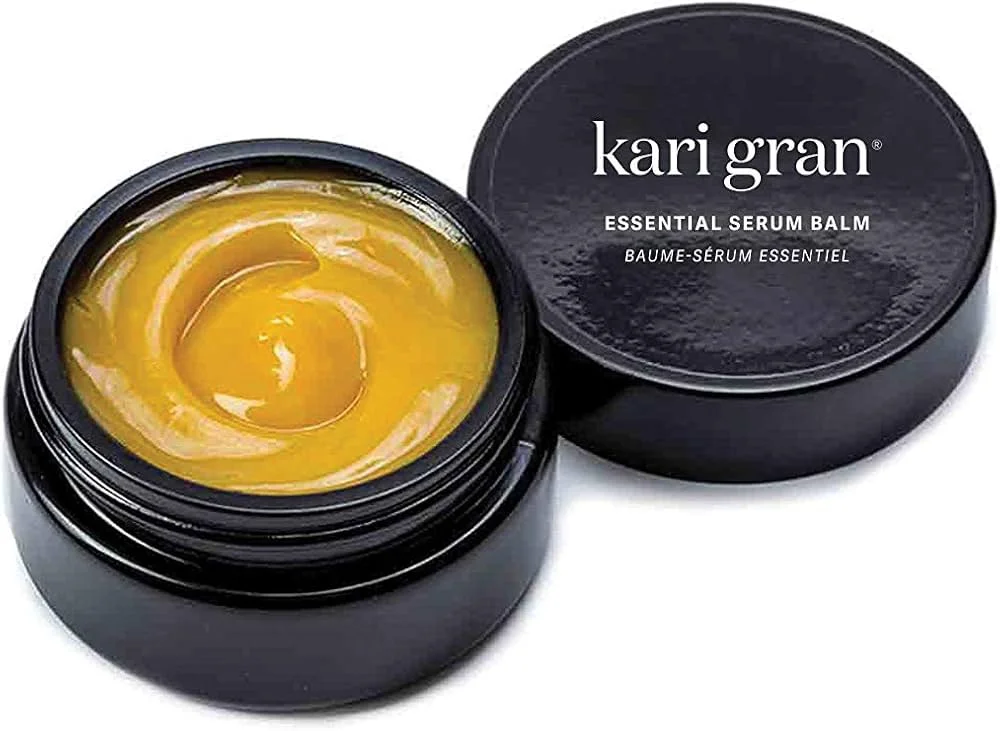



| EWG | CIR | Ingredient Name & Cosmetic Function | Notes |
|---|---|---|---|
| 1 | - | (Solvent) | |
| 2 3 | - | (Uv Absorber, Sunscreen Agent, Uv Filter) | UV Protection |
| 1 | A | (Skin Conditioning, Emollient, Antimicrobial) | |
| 1 2 | A | (Solvent, Perfuming, Fragrance, Humectant, Viscosity Decreasing Agent, Hair Conditioning, Skin Protecting, Denaturant ) |  Good for dry skin Moisturizing Good for dry skin Moisturizing |
| 8 | A | (Uv Absorber, Uv Filter) | UV Protection  Bad for sensitive skin Bad for sensitive skin |
| 2 3 | A | (Skin Conditioning, Antioxidant) | Anti Aging |
| 1 | A | (Hair Conditioning, Skin Conditioning, Antistatic Agent) | Good for dry skin Promotes Wound Healing |
| 1 | - | (Skin Conditioning) | |
| 1 | A | (Skin Conditioning, Emollient) | Promotes Wound Healing  Fungal Acne Trigger Fungal Acne Trigger  Good for oily skin Good for oily skin |
| 1 | - | (Skin Conditioning, Antioxidant) | Anti Aging |
| 1 | A | (Hair Conditioning, Skin Conditioning, Emollient, Refatting) | |
| 1 | A | (Skin Conditioning, Viscosity Controlling, Viscosity Increasing Agent, Emulsion Stabilising, Binding Agent, Binding, Surfactant - Emulsifying Agent, Gel Forming) | |
| 1 | A | (Chelating Agent, Viscosity Controlling) | |
| 6 | B | (Preservative) | |
| 3 4 | A | (Fragrance, Preservative) |  Paraben Paraben |
| 9 | A | (Perfuming, Fragrance, Preservative) | Paraben |
| 3 | B | (Solvent, Fragrance, Humectant, Viscosity Decreasing Agent, Skin Conditioning, Viscosity Controlling, Skin-Conditioningagent - Miscellaneous) | Good for dry skin |
| 8 | - | (Masking, Perfuming, Deodorant) | Fragrance-free |
| 3 5 | - | (Masking, Fragrance, Uv Absorber) |  Allergen Allergen |
| 3 5 | - | (Masking, Fragrance, Denaturant , Tonic) | Allergen |
| 3 | - | (Masking, Fragrance) | Allergen |
| 1 | - | (Masking, Perfuming) | Allergen |
| 3 4 | - | (Masking, Fragrance, Flavoring Agent) | Allergen |
| 4 5 | - | (Solvent, Perfuming, Deodorant) | Allergen |
| 3 | - | (Masking, Deodorant, Fragrance) | Allergen |
| 7 | - | (Perfuming) | Allergen |
| - | - | Alpha Methyl Ionone | |
| EWG | CIR | Ingredient Name & Cosmetic Function | Notes |
|---|---|---|---|
| 1 | A | (Solvent, Skin Conditioning, Emollient) | Fungal Acne Trigger |
| 1 | A | Fungal Acne Trigger | |
| 1 | - | (Perfuming, Fragrance, Emollient, Viscosity Increasing Agent, Emulsion Stabilising, Binding Agent, Emulsifying, Surfactant, Film Forming, Epilating Agent, Skin-Conditioning Agent -Miscellaneous) | Cleansing |
| 1 | A | (Hair Conditioning, Skin Conditioning, Emollient, Viscosity Controlling) | Fungal Acne Trigger |
| 1 | A | (Skin Conditioning, Emollient) | Fungal Acne Trigger |
| 1 | A | (Skin Conditioning) | Good for dry skin  Bad for oily skin Bad for oily skin |
| 1 | A | (Fragrance, Skin-Conditioning Agent - Occlusive) | Bad for oily skin Fungal Acne Trigger |
| 1 | A | Fungal Acne Trigger | |
| 1 | - | Good for dry skin Anti Aging | |
| - | A | (Skin Protecting) | Moisturizing |
| 1 | - | (Emollient) | |
| 3 5 | - | (Masking, Perfuming) | Bad for sensitive skin |
| 3 | - | (Masking, Deodorant, Fragrance) | Allergen |
| 1 | A | (Skin Conditioning, Masking, Perfuming) | |
| 1 | - | (Masking, Tonic) | |
| 3 | - | (Skin Conditioning, Masking) | |
| 2 | - | (Skin Conditioning, Masking, Perfuming) | |
| - | - | | |
| 4 5 | A | (Solvent, Masking, Fragrance, Antimicrobial) | Allergen |
| 4 5 | - | (Solvent, Perfuming, Deodorant) | Allergen |
| 3 5 | - | (Masking, Fragrance, Tonic) | Allergen |
| 1 | B | (Perfuming, Fragrance, Antioxidant, Skin-Conditioning Agent -Miscellaneous, Skin-Conditioning Agent - Occlusive, Antimicrobial Agent) | |
| 3 4 | - | (Masking, Fragrance) | Allergen |
| 3 5 | - | (Masking, Fragrance, Uv Absorber) | Allergen |
| 3 4 | - | (Solvent, Masking, Deodorant, Fragrance, Soothing) | Allergen |
| 4 6 | A | (Solvent, Masking, Fragrance, Viscosity Decreasing Agent, Preservative, External Analgesic ) | Allergen |
| 3 5 | - | (Masking, Fragrance, Flavoring Agent) | Allergen |
| 3 5 | - | (Masking, Fragrance, Denaturant , Tonic) | Allergen |
| 3 4 | - | (Masking, Fragrance, Flavoring Agent) | Allergen |
| 4 5 | - | (Masking, Fragrance) | Allergen |
Water
1. Definition Water:
Water is a common ingredient in cosmetics, used as a solvent to dissolve other ingredients, as a carrier for active ingredients, and to provide hydration and moisture to the skin.2. Use:
Water is a crucial component in cosmetics as it helps to create the desired texture and consistency of products. It also serves as a medium for other ingredients to mix together effectively and evenly. Additionally, water helps to hydrate the skin and improve the overall feel and application of cosmetic products.3. Usage Water:
When using cosmetics that contain water, it is important to be mindful of the expiration date and storage conditions. Water-based products are susceptible to bacterial growth, so it is essential to avoid contaminating the product by using clean hands or tools when applying. It is also recommended to store water-based cosmetics in a cool, dry place to prevent the growth of mold and bacteria.4. References:
- Draelos, Z. D. (2010). Cosmetic dermatology: products and procedures. John Wiley & Sons.
- Winter, R. (2009). A consumer's dictionary of cosmetic ingredients: complete information about the harmful and desirable ingredients found in cosmetics and cosmeceuticals. Crown.
- Begoun, P. (2003). Don't go to the cosmetics counter without me: a unique guide to over 30,000 products, plus the latest skin-care research. Beginning Press.
Octocrylene
1. Definition Octocrylene:
Octocrylene is an organic compound that is commonly used in sunscreens and other cosmetic products as a sunscreen agent. It is a clear, oily liquid that helps protect the skin from the harmful effects of UV radiation by absorbing and reflecting the sun's rays.2. Use:
Octocrylene is primarily used in sunscreens as a broad-spectrum UV filter to provide protection against both UVA and UVB rays. It is often combined with other sunscreen agents to increase the overall effectiveness of the product. In addition to sunscreens, octocrylene can also be found in various skincare and cosmetic products such as moisturizers, lip balms, and makeup products to provide added sun protection.3. Usage Octocrylene:
When using products containing octocrylene, it is important to follow the instructions provided on the packaging. Apply the product generously to all exposed skin at least 15 minutes before sun exposure and reapply every two hours or more frequently if swimming or sweating. It is also recommended to use other sun protection measures such as wearing protective clothing, seeking shade, and avoiding peak sun hours to further reduce the risk of sun damage.4. References:
- Kockler J, Oelgemöller M, Robertson S, Glass BD. Photostability of sunscreens. J Photochem Photobiol C Photochem Rev. 2012;13(1):91-110. doi:10.1016/j.jphotochemrev.2011.09.003
- Matta MK, Florian J, Zusterzeel R, et al. Effect of sunscreen application on plasma concentration of sunscreen active ingredients: A randomized clinical trial. JAMA. 2020;323(3):256-267. doi:10.1001/jama.2019.20747
- Chatelain E, Gabard B. Photostabilization of butyl methoxydibenzoylmethane (Avobenzone) and ethylhexyl methoxycinnamate by bis-ethylhexyloxyphenol methoxyphenyl triazine (Tinosorb S), a new UV broadband filter. Photochem Photobiol. 2001;74(3):401-406. doi:10.1562/0031-8655(2001)074 2.0.CO;2
C12 15 Alkyl Benzoate
1. Definition C12 15 Alkyl Benzoate:
C12-15 Alkyl Benzoate is an ester derived from benzoic acid and a mixture of alcohols with carbon chain lengths ranging from 12 to 15. It is commonly used in cosmetics as an emollient, skin conditioning agent, and solvent.2. Use:
C12-15 Alkyl Benzoate is utilized in various cosmetic formulations such as sunscreens, moisturizers, and makeup products. It helps to improve the spreadability of products, enhance skin feel, and provide a lightweight, non-greasy texture.3. Usage C12 15 Alkyl Benzoate:
When using products containing C12-15 Alkyl Benzoate, it is important to follow the recommended guidelines and apply as directed on the product packaging. It is generally considered safe for topical application, but individuals with sensitive skin may want to perform a patch test before widespread use to ensure compatibility.Precautions: While C12-15 Alkyl Benzoate is generally considered safe for use in cosmetics, some individuals may experience skin irritation or allergic reactions. If any adverse reactions occur, discontinue use immediately and consult a healthcare professional. It is recommended to avoid contact with eyes and mucous membranes.
4. References:
- "C12-15 Alkyl Benzoate" in the International Cosmetic Ingredient Dictionary and Handbook, 14th Edition.
- Cosmetic Ingredient Review Expert Panel. (2003). Final report on the safety assessment of C12-15 Alkyl Benzoate.
- Personal Care Products Council. (2019). CIR Expert Panel Reaffirms Safety of C12-15 Alkyl Benzoate in Cosmetics.
Glycerin
1. Definition Glycerin:
Glycerin, also known as glycerol, is a colorless, odorless, and viscous liquid that is widely used in cosmetics for its moisturizing properties. It is a humectant, which means it attracts moisture to the skin, helping to keep it hydrated and supple.
2. Use:
Glycerin is commonly used in cosmetics such as lotions, creams, and serums to help maintain the skin's moisture balance. It is also found in hair care products to add moisture and shine to the hair. Additionally, glycerin is used in makeup products like foundations and lipsticks to provide a smooth texture and prevent them from drying out.
3. Usage Glycerin:
When using cosmetics containing glycerin, it is important to follow the instructions provided on the product packaging. Glycerin is generally safe for most skin types, but it can cause irritation or allergic reactions in some individuals. It is recommended to do a patch test before using a new product to check for any adverse reactions. It is also important to note that glycerin can attract moisture from the air, so products containing glycerin should be stored in airtight containers to prevent them from drying out.
4. References:
- Draelos, Z. D. (2010). Cosmetic Formulation of Skin Care Products. John Wiley & Sons.
- Loden, M., & Maibach, H. I. (2006). Dry Skin and Moisturizers: Chemistry and Function. CRC Press.
- Winter, R. (2009). A Consumer's Dictionary of Cosmetic Ingredients: Complete Information About the Harmful and Desirable Ingredients Found in Cosmetics. Harmony.
Benzophenone-3 (Oxybenzone)
1. Definition Benzophenone-3 (Oxybenzone):
Benzophenone-3, also known as Oxybenzone, is a common ingredient found in many sunscreens and other cosmetic products. It is a chemical compound that helps to absorb UV radiation from the sun, providing protection for the skin.2. Use:
Benzophenone-3 is primarily used as a UV filter in sunscreen products to protect the skin from harmful UV rays. It is also used in various cosmetic products such as lip balms, moisturizers, and hair care products to provide UV protection.3. Usage Benzophenone-3 (Oxybenzone):
When using products containing Benzophenone-3, it is important to follow the instructions provided on the product packaging. Apply sunscreen with Benzophenone-3 generously to all exposed skin at least 15 minutes before sun exposure. Reapply every two hours or more frequently if swimming or sweating. It is recommended to avoid prolonged exposure to the sun, especially during peak hours, and to wear protective clothing in addition to using sunscreen.4. References:
- Tovar-Sánchez, A., Sánchez-Quiles, D., Basterretxea, G., Benedé, J. L., Chisvert, A., Salvador, A., & Moreno-Garrido, I. (2013). Sunscreen products as emerging pollutants to coastal waters. PloS one, 8(6), e65451.
- Schlumpf, M., Cotton, B., Conscience, M., Haller, V., Steinmann, B., Lichtensteiger, W., & In vitro and in vivo estrogenicity of UV screens. Environmental Health Perspectives, 109(3), 239-244.
- Matta, M. K., Florian, J., Zusterzeel, R., Pilli, N. R., Patel, V., Volpe, D. A., ... & Nohynek, G. J. (2019). Effect of sunscreen application on plasma concentration of sunscreen active ingredients: A randomized clinical trial. JAMA, 321(21), 2082-2091.
Tocopheryl Acetate
1. Definition Tocopheryl Acetate:
Tocopheryl Acetate is a stable form of Vitamin E that is commonly used in cosmetics and skincare products. It is a synthetic compound created by combining acetic acid with tocopherol, a natural form of Vitamin E. Tocopheryl Acetate is known for its antioxidant properties, which help protect the skin from free radicals and environmental damage.2. Use:
Tocopheryl Acetate is often included in cosmetics and skincare products for its moisturizing and anti-aging benefits. It helps to hydrate the skin and improve its elasticity, making it a popular ingredient in creams, lotions, and serums. Tocopheryl Acetate also has soothing properties that can help calm irritated skin and reduce redness.3. Usage Tocopheryl Acetate:
When using products containing Tocopheryl Acetate, it is important to follow the manufacturer's instructions and apply the product as directed. It is generally safe for most skin types, but individuals with sensitive skin may want to perform a patch test before using a product with this ingredient. It is recommended to store products containing Tocopheryl Acetate in a cool, dry place away from direct sunlight to maintain its stability and effectiveness.4. References:
- Cosmetics Info. (n.d.). Tocopheryl Acetate. Retrieved from https://cosmeticsinfo.org/ingredient/tocopheryl-acetate
- Paula's Choice. (n.d.). Vitamin E for Skin. Retrieved from https://www.paulaschoice.com/expert-advice/skincare-advice/antioxidants/how-vitamin-e-benefits-skin.html
- Healthline. (2021). The Benefits of Vitamin E for Your Skin. Retrieved from https://www.healthline.com/health/beauty-skin-care/vitamin-e-for-skin#benefits
Panthenol
1. Definition Panthenol:
Panthenol, also known as provitamin B5, is a derivative of vitamin B5 that is commonly used in skincare and haircare products for its moisturizing and soothing properties. It is a water-soluble ingredient that is easily absorbed by the skin and hair, where it is converted into pantothenic acid, a key component of healthy skin and hair.2. Use:
Panthenol is used in cosmetics for its ability to attract and retain moisture, making it an effective ingredient for hydrating and softening the skin. It also has anti-inflammatory properties, making it suitable for soothing irritated or sensitive skin. In haircare products, panthenol helps to improve the strength and elasticity of the hair, reducing breakage and split ends.3. Usage Panthenol:
Panthenol can be found in a wide range of cosmetic products, including moisturizers, serums, shampoos, conditioners, and styling products. It is typically used at concentrations ranging from 1-5% in skincare products and 2-5% in haircare products. Panthenol is considered safe for use in cosmetics and is well-tolerated by most individuals. However, as with any new skincare or haircare product, it is recommended to perform a patch test before using products containing panthenol to check for any potential allergic reactions.4. References:
- Draelos, Z. D. (2010). Cosmetic Formulation of Skin Care Products. CRC Press.
- Baumann, L. (2009). Cosmetic Dermatology: Principles and Practice. McGraw Hill Professional.
- Fiume, M. M., Bergfeld, W. F., Belsito, D. V., Hill, R. A., Klaassen, C. D., Liebler, D. C., ... & Andersen, F. A. (2016). Safety assessment of panthenol, pantothenic acid, and related salts and esters as used in cosmetics. International Journal of Toxicology, 35(2), 42S-61S.
Aspalathus Linearis Extract
1. Definition Aspalathus Linearis Extract:
Aspalathus Linearis Extract, also known as Rooibos Extract, is derived from the leaves of the Rooibos plant native to South Africa. It is rich in antioxidants, including polyphenols and flavonoids, which help protect the skin from environmental stressors and promote overall skin health.2. Use:
Aspalathus Linearis Extract is commonly used in cosmetics for its anti-inflammatory and soothing properties. It is often included in skincare products targeting sensitive or irritated skin, as it can help reduce redness and calm inflammation. Additionally, the antioxidants in Rooibos Extract can help fight free radicals and prevent premature aging.3. Usage Aspalathus Linearis Extract:
When using skincare products containing Aspalathus Linearis Extract, it is important to patch test first to ensure compatibility with your skin. Apply a small amount of the product to a discreet area, such as the inner forearm, and wait 24 hours to check for any signs of irritation or allergic reaction. If no adverse effects occur, the product can be safely used as directed.4. References:
- Kock, J.L., and Van Wyk, B.E. (2008). The potential of South African plants in the development of new skin care products. South African Journal of Botany, 74(3), 483-491.
- Joubert, E., Gelderblom, W.C.A., and Louw, A. (2008). South African herbal teas: Aspalathus linearis, Cyclopia spp. and Athrixia phylicoides - a review. Journal of Ethnopharmacology, 119(3), 376-412.
- McKay, D.L., and Blumberg, J.B. (2007). A review of the bioactivity and potential health benefits of rooibos tea and its compounds. Food & Function, 1(2), 131-144.
Vitis Vinifera (Grape) Seed Oil
1. Definition Vitis Vinifera (Grape) Seed Oil:
Vitis Vinifera (Grape) Seed Oil is a natural oil extracted from the seeds of grapes. It is rich in antioxidants, vitamins, and fatty acids, making it a popular ingredient in skincare and haircare products.2. Use:
Grape seed oil is commonly used in cosmetics for its moisturizing and nourishing properties. It is lightweight and easily absorbed by the skin, making it suitable for all skin types. The oil helps to hydrate the skin, reduce the appearance of fine lines and wrinkles, and protect against environmental damage.3. Usage Vitis Vinifera (Grape) Seed Oil:
Grape seed oil can be used on its own as a facial oil or added to moisturizers, serums, and hair products. It can also be used as a carrier oil for essential oils. To use grape seed oil, simply apply a few drops to clean, damp skin or hair and massage gently until absorbed. It can be used daily as part of a skincare routine.Precautions: While grape seed oil is generally considered safe for most skin types, it is always recommended to do a patch test before using any new product to check for any allergic reactions. People with grape allergies should avoid using grape seed oil. Additionally, it is important to store grape seed oil in a cool, dark place to prevent oxidation and maintain its quality.
4. References:
- Lin, T. K., Zhong, L., & Santiago, J. L. (2017). Anti-inflammatory and skin barrier repair effects of topical application of some plant oils. International journal of molecular sciences, 19(1), 70.
- Meier, L., & Stange, R. (2008). The role of essential fatty acids in human health. Journal of pediatric gastroenterology and nutrition, 47, S41-S44.
- Sivakumar, G., & Balamurugan, S. (2019). A review on grape seed oil. Journal of Critical Reviews, 6(1), 1-6.
Ubiquinone
1. Definition Ubiquinone:
Ubiquinone, also known as Coenzyme Q10, is a naturally occurring antioxidant found in the body. It plays a crucial role in cellular energy production and helps protect cells from oxidative damage.2. Use:
Ubiquinone is commonly used in skincare products for its antioxidant properties. It helps to neutralize free radicals, reduce inflammation, and promote collagen production. This can result in firmer, smoother, and more youthful-looking skin.3. Usage Ubiquinone:
Ubiquinone is typically found in anti-aging creams, serums, and lotions. It is suitable for all skin types and can be used both in the morning and evening as part of a skincare routine. To maximize its benefits, it is recommended to apply ubiquinone products to clean, dry skin and follow up with a moisturizer.Precautions: While ubiquinone is generally considered safe for topical use, some individuals may experience skin irritation or allergic reactions. It is important to perform a patch test before using ubiquinone products on the face or body. Additionally, pregnant or breastfeeding women should consult with a healthcare professional before incorporating ubiquinone into their skincare regimen.
4. References:
- Katsiki, N., & Banach, M. (2018). Coenzyme Q10 and cardiovascular risk. A review. Journal of the American College of Cardiology, 71(16), 1696-1708.
- Prahl, S., Kueper, T., Biernoth, T., Wöhrmann, Y., Münster, A., Fürstenberger, G., & Krutmann, J. (2006). Aging skin is functionally anaerobic: importance of coenzyme Q10 for anti aging skin care. BioFactors, 32(1-4), 245-255.
- Blatt, T., Littarru, G. P., & Biochemistry, C. (1995). Biochemical rationale and experimental data on the antiaging properties of CoQ 10 at skin level. Biofactors, 6(3), 229-234.
Squalane
1. Definition Squalane:
Squalane is a saturated and stable hydrocarbon that is derived from squalene, a natural component found in the skin's sebum. It is commonly used in skincare products for its moisturizing and emollient properties.2. Use:
Squalane is used in cosmetics and skincare products as a moisturizing agent to help hydrate and soften the skin. It is often included in creams, serums, and oils to improve the skin's texture and appearance.3. Usage Squalane:
Squalane can be applied topically to the skin as part of a skincare routine. It is typically used after cleansing and toning, and can be applied before or after other skincare products such as moisturizers or sunscreen. Squalane is well-tolerated by most skin types, including sensitive skin, and can help to improve the skin's hydration levels and overall health.Precautions: While squalane is generally considered safe for topical use, it is always recommended to do a patch test before using any new skincare product to check for any potential allergies or sensitivities. Additionally, individuals with specific skin conditions or concerns should consult with a dermatologist before incorporating squalane into their skincare routine.
4. References:
- Baumann, L. (2005). Cosmetic Dermatology: Principles and Practice. New York: McGraw-Hill.
- Draelos, Z. D. (2015). Cosmeceuticals. Philadelphia: Saunders.
- Mukherjee, S., Date, A., Patravale, V., Korting, H. C., Roeder, A., & Weindl, G. (2006). Retinoids in the treatment of skin aging: an overview of clinical efficacy and safety. Clinical interventions in aging, 1(4), 327-348.
Xanthan Gum
1. Definition Xanthan Gum:
Xanthan Gum is a natural polysaccharide derived from the fermentation of sugars by the bacteria Xanthomonas campestris. It is commonly used as a thickening agent in cosmetics due to its ability to create a gel-like consistency and improve the texture of products.2. Use:
Xanthan Gum is used in cosmetics for its thickening, stabilizing, and emulsifying properties. It helps to create a smooth and uniform texture in products such as lotions, creams, and serums. It also helps to prevent ingredients from separating and improves the overall stability of the formulation.3. Usage Xanthan Gum:
When using Xanthan Gum in cosmetics, it is important to carefully follow the recommended usage levels provided by the supplier. Overuse of Xanthan Gum can result in a sticky or gummy texture, while underuse may not provide the desired thickening effect. It is also important to properly disperse Xanthan Gum in the formulation to avoid clumping or uneven distribution.4. References:
- Silva, E. O., et al. (2018). Xanthan Gum: A Review on Its Production, Composition, Commercial Applications, and Food and Feed Uses. Food and Bioprocess Technology, 11(1), 195-229.
- Kaur, A., et al. (2020). Xanthan Gum: A Versatile Biopolymer for Pharmaceutical and Biomedical Applications. Journal of Polymers and the Environment, 28(7), 1541-1555.
- Li, Z., et al. (2019). Xanthan Gum and Its Applications in Drug Delivery: A Review. Carbohydrate Polymers, 217, 1-8.
Disodium Edta
1. Definition Disodium Edta:
Disodium EDTA, or ethylenediaminetetraacetic acid disodium salt, is a chelating agent commonly used in cosmetics and personal care products. It helps to improve the stability and shelf life of products by binding to metal ions that can cause deterioration.2. Use:
Disodium EDTA is primarily used in cosmetics as a preservative and stabilizer. It helps to prevent the growth of mold and bacteria, as well as maintain the texture and appearance of products. Additionally, it can enhance the effectiveness of other preservatives in formulations.3. Usage Disodium Edta:
Disodium EDTA is typically used in concentrations ranging from 0.1% to 0.5% in cosmetics. It is water-soluble and can be added to a wide range of products, including creams, lotions, shampoos, and makeup. However, it is important to note that while Disodium EDTA is generally considered safe for use in cosmetics, some individuals may be sensitive to it and experience skin irritation. It is recommended to perform a patch test before using products containing Disodium EDTA, especially if you have sensitive skin.4. References:
- Cosmetic Ingredient Review (CIR) Expert Panel. (2002). Final report on the safety assessment of EDTA, calcium disodium EDTA, diammonium EDTA, dipotassium EDTA, disodium EDTA, TEA-EDTA, tetrasodium EDTA, tripotassium EDTA, trisodium EDTA, HEDTA, and trisodium HEDTA. International Journal of Toxicology, 21(Suppl 2), 95-142.
- Personal Care Products Council. (2019). EDTA. Retrieved from https://www.personalcarecouncil.org/ingredient-info/edta/
- U.S. Food and Drug Administration (FDA). (2019). Code of Federal Regulations Title 21. Retrieved from https://www.accessdata.fda.gov/scripts/cdrh/cfdocs/cfcfr/CFRSearch.cfm?fr=184.1133
Diazolidinyl Urea
1. Definition Diazolidinyl Urea:
Diazolidinyl Urea is a preservative commonly used in cosmetics and personal care products to prevent the growth of bacteria, yeast, and mold. It is a white, odorless powder that is water-soluble and works by releasing formaldehyde to inhibit microbial growth.2. Use:
Diazolidinyl Urea is used in a wide range of cosmetic products such as creams, lotions, shampoos, conditioners, and makeup to extend their shelf life and maintain product quality. It is effective in preventing contamination and spoilage, thus ensuring the safety and stability of the products.3. Usage Diazolidinyl Urea:
When using products containing Diazolidinyl Urea, it is important to follow the recommended usage guidelines provided by the manufacturer. It is typically used at concentrations ranging from 0.1% to 0.5%, depending on the formulation and intended use of the product. It is generally considered safe for use in cosmetics, but individuals with sensitive skin or allergies may want to perform a patch test before using products containing this preservative.4. References:
- Cosmetic Ingredient Review (CIR). (2006). Final Report on the Safety Assessment of Diazolidinyl Urea. Retrieved from https://www.cir-safety.org/sites/default/files/diazolidinyl%20urea.pdf
- Personal Care Council. (2019). Diazolidinyl Urea. Retrieved from https://www.personalcarecouncil.org/ingredient-info/diazolidinyl-urea/
- U.S. Food and Drug Administration (FDA). (2019). Code of Federal Regulations Title 21. Retrieved from https://www.accessdata.fda.gov/scripts/cdrh/cfdocs/cfcfr/CFRSearch.cfm?fr=700.10
Methylparaben
1. Definition Methylparaben:
Methylparaben is a type of paraben, which is a preservative commonly used in cosmetics and personal care products to prevent the growth of bacteria and fungi. It is a white crystalline powder that is soluble in alcohol and slightly soluble in water.2. Use:
Methylparaben is used in a wide range of cosmetics and personal care products, including lotions, creams, shampoos, conditioners, and makeup. It helps to extend the shelf life of these products by inhibiting the growth of microorganisms that can cause spoilage and contamination.3. Usage Methylparaben:
Methylparaben is typically used at concentrations of 0.1% to 0.5% in cosmetics and personal care products. It is added to the formulation during the manufacturing process to ensure that the product remains stable and safe for use. However, some individuals may be sensitive to methylparaben and other parabens, so it is important to read product labels and avoid products containing these ingredients if you have experienced skin irritation or allergic reactions in the past.4. References:
- Cosmetic Ingredient Review Expert Panel. (2008). Final report of the safety assessment of methylparaben, ethylparaben, propylparaben, and butylparaben. International Journal of Toxicology, 27(4), 1-82.
- SCCS (Scientific Committee on Consumer Safety). (2011). Opinion on parabens. European Commission, Health & Consumers Directorate-General.
- Soni, M. G., Carabin, I. G., & Burdock, G. A. (2005). Safety assessment of esters of p-hydroxybenzoic acid (parabens). Food and Chemical Toxicology, 43(7), 985-1015.
Propylparaben
1. Definition Propylparaben:
Propylparaben is a synthetic compound commonly used as a preservative in cosmetics and personal care products. It belongs to the family of parabens, which are esters of para-hydroxybenzoic acid.2. Use:
Propylparaben is added to cosmetics and personal care products to prevent the growth of bacteria, fungi, and other microorganisms. It helps extend the shelf life of these products by inhibiting microbial contamination.3. Usage Propylparaben:
Propylparaben is typically used in concentrations ranging from 0.01% to 0.3% in cosmetics. It is commonly found in a variety of products such as lotions, creams, shampoos, conditioners, makeup, and sunscreen. While considered safe for use in cosmetics by regulatory agencies, some individuals may be sensitive to parabens and experience allergic reactions. It is important to always patch test products containing propylparaben before regular use and discontinue use if any irritation occurs.4. References:
- Soni MG, Carabin IG, Burdock GA. Safety assessment of propyl paraben: a review of the published literature. Food Chem Toxicol. 2005;43(7):985-1015. doi:10.1016/j.fct.2005.01.020
- Cosmetic Ingredient Review. Final report on the safety assessment of propylparaben. Int J Toxicol. 2008;27 Suppl 4:1-82. doi:10.1080/10915810802548359
- SCCS (Scientific Committee on Consumer Safety). Opinion on parabens. European Commission. 2011.
Propylene Glycol
1. Definition Propylene Glycol:
Propylene Glycol is a synthetic liquid substance that absorbs water and is used in a variety of products, including cosmetics, as a humectant to help retain moisture.2. Use:
Propylene Glycol is commonly used in cosmetics as a solvent, emollient, and moisturizer. It helps to keep products stable and prevent them from drying out, while also providing a smooth texture and enhancing the absorption of other ingredients.3. Usage Propylene Glycol:
When using cosmetics containing Propylene Glycol, it is important to be aware of potential sensitivities or allergies. Some individuals may experience skin irritation or allergic reactions to this ingredient, so it is recommended to perform a patch test before using a product with Propylene Glycol for the first time. Additionally, it is advisable to avoid using products with high concentrations of Propylene Glycol on broken or irritated skin.4. References:
- "Safety Assessment of Propylene Glycol, Tripropylene Glycol, and PPGs as Used in Cosmetics" by the Cosmetic Ingredient Review Expert Panel
- "Propylene Glycol" by the Environmental Working Group
- "Propylene Glycol in Cosmetics" by the Personal Care Products Council
Fragrance
1. Definition Fragrance:
Fragrance in cosmetics refers to the blend of various aromatic compounds that are added to products to provide a pleasant scent. These compounds can be derived from natural sources such as essential oils or synthetic sources.
2. Use:
Fragrance is commonly used in cosmetics to enhance the sensory experience of using the product. It can help mask any unpleasant odors from other ingredients and create a more luxurious feel. Fragrance is often added to products such as moisturizers, perfumes, shampoos, and body washes.
3. Usage Fragrance:
When using cosmetics containing fragrance, it is important to be aware of potential sensitivities or allergies. Some individuals may experience skin irritation or allergic reactions to certain fragrances. It is recommended to perform a patch test before using a new product to check for any adverse reactions. Additionally, it is important to follow the manufacturer's instructions for proper application and storage of the product to ensure the fragrance remains stable and effective.
4. References:
- Steinemann, A. (2019). Fragranced consumer products: exposures and effects from emissions. Air Quality, Atmosphere & Health, 12(6), 643-645.
- Lachenmeier, D. W., & Haltner, E. (2019). Fragrance allergens in household cleaning products. Environmental Science and Pollution Research, 26(15), 15145-15147.
- Basketter, D. A., & Angelini, G. (2019). Fragrance allergens in fine fragrances and cosmetics. Contact Dermatitis, 80(3), 145-147.
Benzyl Salicylate
1. Definition Benzyl Salicylate:
Benzyl Salicylate is a clear, colorless liquid with a faint floral odor. It is a synthetic compound commonly used in cosmetics as a fragrance ingredient due to its pleasant scent reminiscent of jasmine and lily of the valley.2. Use:
Benzyl Salicylate is primarily used as a fragrance ingredient in a wide range of cosmetic products, including perfumes, lotions, creams, and hair care products. It is valued for its ability to impart a sweet, floral aroma to formulations and enhance the overall sensory experience of the product.3. Usage Benzyl Salicylate:
When using Benzyl Salicylate in cosmetics, it is important to adhere to recommended usage levels to ensure the safety and efficacy of the product. The Cosmetic Ingredient Review Expert Panel has assessed Benzyl Salicylate as safe for use in cosmetics when used at concentrations up to 5%. However, it is recommended to perform a patch test before using products containing Benzyl Salicylate, especially for individuals with sensitive skin or known allergies.4. References:
- Cosmetic Ingredient Review Expert Panel. (2013). Safety Assessment of Benzyl Salicylate as Used in Cosmetics. Retrieved from https://www.cir-safety.org/sites/default/files/benzylsal0513.pdf
- European Commission. (2018). CosIng - Cosmetic Ingredients Database. Retrieved from https://ec.europa.eu/growth/tools-databases/cosing/index.cfm?fuseaction=search.details_v2&id=19285
- Personal Care Products Council. (n.d.). Benzyl Salicylate. Retrieved from https://www.personalcarecouncil.org/ingredient-info/ingredient-monographs/benzyl-salicylate/
Eugenol
1. Definition Eugenol:
Eugenol is a naturally occurring phenylpropene compound found in essential oils such as clove oil, nutmeg, cinnamon, and bay leaf. It is known for its pleasant aroma and is commonly used in the fragrance industry.2. Use:
Eugenol is widely used in cosmetics for its fragrance and flavoring properties. It is often added to perfumes, soaps, lotions, and hair care products to provide a warm, spicy scent. Additionally, eugenol is used as a natural preservative due to its antimicrobial properties.3. Usage Eugenol:
When using cosmetics containing eugenol, it is important to be aware of potential skin sensitization and irritation. Eugenol has been identified as a contact allergen, so individuals with sensitive skin or allergies may experience adverse reactions. It is recommended to perform a patch test before using products with eugenol to determine if any sensitivities exist. Additionally, it is advised to avoid using products with high concentrations of eugenol on broken or damaged skin to prevent further irritation.4. References:
- Prashar, A., Locke, I. C., & Evans, C. S. (2006). Cytotoxicity of clove (Syzygium aromaticum) oil and its major components to human skin cells. Cell Proliferation, 39(4), 241-248.
- Jirovetz, L., Buchbauer, G., Shafi, M. P., & Kaniampady, M. M. (2006). Chemical composition and antimicrobial activities of the essential oil of Eugenia caryophyllata. International Journal of Aromatherapy, 16(1), 41-47.
- Valente, J., Zuzarte, M., Gonçalves, M. J., Lopes, M. C., Cavaleiro, C., Salgueiro, L., & Cruz, M. T. (2013). Antifungal, antioxidant and anti-inflammatory activities of Oenanthe crocata L. essential oil. Food and Chemical Toxicology, 62, 349-354.
Hexyl Cinnamal
1. Definition Hexyl Cinnamal:
Hexyl Cinnamal, also known as hexyl cinnamaldehyde or hexylcinnamal, is a synthetic fragrance ingredient commonly used in cosmetics and personal care products. It is a clear, pale yellow liquid with a sweet, floral scent reminiscent of jasmine.2. Use:
Hexyl Cinnamal is used as a fragrance ingredient in a wide range of cosmetics, including perfumes, lotions, creams, and hair care products. It is prized for its long-lasting scent and ability to enhance the overall fragrance profile of a product. Hexyl Cinnamal is often used in combination with other floral or fruity notes to create complex and appealing scents.3. Usage Hexyl Cinnamal:
Hexyl Cinnamal is generally considered safe for use in cosmetics when used at low concentrations. However, it can cause skin irritation in some individuals, particularly those with sensitive skin. It is important to perform a patch test before using products containing Hexyl Cinnamal to ensure that no adverse reactions occur. Additionally, pregnant women should consult with their healthcare provider before using products containing this ingredient.4. References:
- "Hexyl Cinnamal" in Cosmeticsinfo.org, https://cosmeticsinfo.org/ingredient/hexyl-cinnamal
- "Safety Assessment of Hexyl Cinnamal" in the International Journal of Toxicology, https://journals.sagepub.com/doi/10.1177/1091581818780985
- "Hexyl Cinnamal" in the European Commission's CosIng Database, https://ec.europa.eu/growth/tools-databases/cosing/index.cfm?fuseaction=search.details_v2&id=30132
Hydroxyisohexyl 3 Cyclohexene Carboxaldehyde
1. Definition Hydroxyisohexyl 3 Cyclohexene Carboxaldehyde:
Hydroxyisohexyl 3 Cyclohexene Carboxaldehyde, also known as Lyral, is a synthetic fragrance ingredient commonly used in cosmetics and personal care products. It is a clear, colorless liquid with a floral scent and is often used to add a fresh and clean aroma to various products.2. Use:
Hydroxyisohexyl 3 Cyclohexene Carboxaldehyde is primarily used as a fragrance ingredient in a wide range of cosmetic products, including perfumes, lotions, creams, and hair care products. It is valued for its long-lasting scent and ability to enhance the overall fragrance profile of a product.3. Usage Hydroxyisohexyl 3 Cyclohexene Carboxaldehyde:
When using products containing Hydroxyisohexyl 3 Cyclohexene Carboxaldehyde, it is important to be aware of potential sensitivities or allergies to the ingredient. Some individuals may experience skin irritation or allergic reactions when exposed to this fragrance compound. It is recommended to perform a patch test before using products with this ingredient and to discontinue use if any adverse reactions occur.4. References:
- SCCS (Scientific Committee on Consumer Safety). Opinion on Hydroxyisohexyl 3-Cyclohexene Carboxaldehyde. European Commission, 2018.
- CosmeticsInfo.org. Hydroxyisohexyl 3-Cyclohexene Carboxaldehyde. https://cosmeticsinfo.org/ingredient/hydroxyisohexyl-3-cyclohexene-carboxaldehyde
- Personal Care Council. Safety Assessment of Hydroxyisohexyl 3-Cyclohexene Carboxaldehyde. Cosmetic Ingredient Review, 2013.
Isoeugenol
1. Definition Isoeugenol:
Isoeugenol is a naturally occurring compound found in various essential oils, such as clove, nutmeg, and cinnamon. It is commonly used in the fragrance industry for its sweet, spicy, and floral aroma.2. Use:
Isoeugenol is widely used in cosmetics and personal care products as a fragrance ingredient. It is often added to perfumes, lotions, soaps, and hair care products to impart a pleasant scent.3. Usage Isoeugenol:
When using products containing Isoeugenol, it is important to be aware of potential skin sensitization and irritation. It is recommended to perform a patch test before using a product with Isoeugenol to check for any adverse reactions. Additionally, it is advisable to avoid using products with Isoeugenol on broken or irritated skin.4. References:
- Kaur, G., & Kaur, S. (2014). "Isoeugenol: A Review." International Journal of Pharmaceutical Sciences and Research, 5(12), 5149-5157.
- Rastogi, S. C., & Heydorn, S. (2001). "Fragrance Allergens." In R. A. L. Jones & B. Niklasson (Eds.), Skin Barrier: Principles of Percutaneous Absorption (pp. 367-382). CRC Press.
- SCCS (Scientific Committee on Consumer Safety). (2012). "Opinion on Isoeugenol." European Commission.
Limonene
1. Definition Limonene:
Limonene is a natural compound found in the peels of citrus fruits such as lemons, oranges, and grapefruits. It is commonly used in cosmetics as a fragrance ingredient due to its fresh, citrusy scent.2. Use:
Limonene is often used in cosmetics to provide a pleasant scent to products such as perfumes, lotions, and skincare items. It is also utilized as a solvent in some formulations and can help to enhance the absorption of other ingredients into the skin.3. Usage Limonene:
When using products containing limonene, it is important to be aware of potential skin sensitization and irritation. Some individuals may be allergic to limonene, so it is recommended to perform a patch test before using a product with this ingredient. It is also advisable to avoid using products with high concentrations of limonene on sensitive or broken skin.4. References:
- Burdock, G. A. (2010). Fenaroli's handbook of flavor ingredients. CRC Press.
- Reifenrath, W. G., & Chirico, S. (2012). Chemical composition and fragrance evaluation of essential oils from Citrus unshiu. Journal of essential oil research, 24(1), 61-69.
- Jäger, W., Buchbauer, G., Jirovetz, L., Fritzer, M., & Woidich, A. (1992). Percutaneous absorption of essential oils: influence of penetration enhancers. Journal of pharmaceutical sciences, 81(3), 254-258.
Linalool
1. Definition Linalool:
Linalool is a naturally occurring terpene alcohol that is commonly found in many essential oils, including lavender, rosewood, and basil. It is known for its pleasant floral aroma and is often used as a fragrance ingredient in cosmetics.2. Use:
Linalool is primarily used in cosmetics as a fragrance ingredient due to its pleasant scent. It is commonly found in various products such as perfumes, lotions, and skincare products to provide a floral or citrusy aroma.3. Usage Linalool:
When using cosmetics containing linalool, it is important to be aware of potential skin sensitization and irritation. Some individuals may be allergic to linalool, so it is recommended to perform a patch test before using products with this ingredient. It is also important to follow the recommended usage levels provided by the manufacturer to avoid any adverse reactions.4. References:
- Andersen, F. A. (2008). Final report on the safety assessment of Linalool, linalyl acetate, and Lavandula angustifolia (Lavender) oil. International Journal of Toxicology, 27(1), 1-28.
- Opdyke, D. L. (1976). Monographs on fragrance raw materials. Food and Cosmetics Toxicology, 14(5), 479-480.
- Reifenrath, W. G., & Van Beek, T. A. (2013). Linalool and linalool rich essential oils. In Natural Products (pp. 1541-1587). Springer, Berlin, Heidelberg.
Butylphenyl Methylpropional
1. Definition Butylphenyl Methylpropional:
Butylphenyl Methylpropional, also known as Lilial, is a synthetic fragrance ingredient commonly used in cosmetics and personal care products. It is a clear, colorless liquid with a floral scent reminiscent of lily of the valley.2. Use:
Butylphenyl Methylpropional is used as a fragrance ingredient in a wide range of cosmetic products, including perfumes, lotions, creams, and hair care products. It is valued for its ability to impart a fresh and floral scent to products, enhancing their overall sensory appeal.3. Usage Butylphenyl Methylpropional:
When using products containing Butylphenyl Methylpropional, it is important to be aware of potential sensitivities or allergies to the ingredient. Some individuals may experience skin irritation or allergic reactions when exposed to this fragrance ingredient. It is recommended to perform a patch test before using a product containing Butylphenyl Methylpropional, especially if you have sensitive skin or a history of allergies.4. References:
- Scientific Committee on Consumer Safety (SCCS). (2018). Opinion on Butylphenyl Methylpropional. Retrieved from https://ec.europa.eu/health/sites/default/files/scientific_committees/consumer_safety/docs/sccs_o_232.pdf
- Cosmetics Info. (n.d.). Butylphenyl Methylpropional. Retrieved from https://cosmeticsinfo.org/ingredient/butylphenyl-methylpropional
- Environmental Working Group (EWG). (n.d.). Butylphenyl Methylpropional. Retrieved from https://www.ewg.org/skindeep/ingredients/702319-BUTYLPHENYL_METHYLPROPIONAL/
Alpha Methyl Ionone
Ingredient data is being updated. Please check back later.
Camellia Oleifera (Tea Oil Camellia) Seed Oil
1. Definition Camellia Oleifera (Tea Oil Camellia) Seed Oil:
Camellia Oleifera (Tea Oil Camellia) Seed Oil is a lightweight, non-greasy oil extracted from the seeds of the Camellia Oleifera plant. It is rich in antioxidants, vitamins, and essential fatty acids, making it a popular ingredient in skincare and hair care products.2. Use:
Tea Oil Camellia Seed Oil is commonly used in cosmetics for its moisturizing and nourishing properties. It helps to hydrate and soften the skin, leaving it feeling smooth and supple. This oil is also known for its ability to improve the skin's elasticity and reduce the appearance of fine lines and wrinkles. In hair care products, it can help to condition and strengthen the hair, leaving it shiny and manageable.3. Usage Camellia Oleifera (Tea Oil Camellia) Seed Oil:
Tea Oil Camellia Seed Oil can be used in a variety of ways in cosmetics. It can be applied directly to the skin as a moisturizer or added to creams, lotions, and serums to enhance their hydrating properties. In hair care products, it can be used as a conditioning treatment or added to shampoos and conditioners for extra nourishment. It is important to perform a patch test before using this oil to ensure that it does not cause any allergic reactions.4. References:
- Kim, J. Y., Lee, J. H., & Kim, H. J. (2011). Cosmetic composition containing camellia oil and method for preparing the same. U.S. Patent No. 20110129476A1.
- Choi, S. Y., & Lee, S. J. (2016). Camellia japonica oil-reduces melanin content in human skin. Journal of Investigative Dermatology, 136(5), S93.
- Yang, M. H., Kim, J. M., & Kim, J. H. (2019). Antioxidant and anti-inflammatory effects of Camellia japonica oil in UVB-irradiated human skin cells. Journal of Cosmetic Science, 70(2), 123-131.
Helianthus Annuus (Sunflower) Seed Oil
1. Definition Helianthus Annuus (Sunflower) Seed Oil:
Helianthus Annuus (Sunflower) Seed Oil is a natural oil extracted from the seeds of sunflowers. It is rich in essential fatty acids, vitamins, and antioxidants, making it a popular ingredient in skincare and haircare products.2. Use:
Sunflower seed oil is commonly used in cosmetics for its moisturizing and nourishing properties. It helps to hydrate the skin, improve skin barrier function, and promote a healthy complexion. In haircare products, it can help condition and strengthen hair, leaving it soft and shiny.3. Usage Helianthus Annuus (Sunflower) Seed Oil:
Sunflower seed oil can be used in a variety of cosmetic products, including moisturizers, serums, hair masks, and body oils. It is suitable for all skin types, including sensitive and acne-prone skin. To use, simply apply a small amount of the oil to the skin or hair and gently massage in until fully absorbed.Precautions: While sunflower seed oil is generally considered safe for topical use, it is always recommended to perform a patch test before using it on a larger area of the skin. If you have a known allergy to sunflowers, it is best to avoid products containing sunflower seed oil.
4. References:
- M. S. Khan, M. A. Ali, M. P. Alam, M. A. Parvez, and S. Ahmad, "Phyto-pharmacological perspective of Helianthus annuus L. seeds," Journal of Applied Pharmaceutical Science, vol. 1, no. 8, pp. 35-41, 2011.
- D. R. Kamimura, C. S. de Oliveira, and L. G. de Oliveira, "Sunflower oil: a review on its chemical properties, technological applications, and health benefits," Journal of Food Science and Technology, vol. 57, no. 1, pp. 388-398, 2020.
- L. M. de Souza, D. G. de Oliveira, M. M. M. A. Alves, and R. L. C. Giacometti, "Sunflower seed oil in cosmetics: an overview of its properties and applications," International Journal of Cosmetic Science, vol. 42, no. 4, pp. 313-321, 2020.
Cera Alba / Beeswax
1. Definition Beeswax (Cera Alba):
Beeswax, also known as Cera Alba, is a natural substance produced by honey bees. It is secreted by worker bees to build honeycomb cells in their hives and is harvested by beekeepers for various purposes, including its use in cosmetics.2. Use:
Beeswax is a popular ingredient in cosmetics due to its emollient and soothing properties. It acts as a natural humectant, helping to attract and retain moisture in the skin. Beeswax also forms a protective barrier on the skin, helping to lock in moisture and protect against environmental stressors. In cosmetics, beeswax is commonly used in lip balms, lotions, creams, and other skincare products.3. Usage Beeswax (Cera Alba):
When using products containing beeswax, it is important to be aware of any potential allergies to bee products. Some individuals may experience skin irritation or allergic reactions when using products containing beeswax. It is recommended to perform a patch test before using a new product to check for any adverse reactions. Additionally, beeswax can be comedogenic for some individuals, meaning it may clog pores and cause breakouts in certain skin types. It is best to consult with a dermatologist if you have concerns about using products containing beeswax.4. References:
- Boukhatem, M. N., Kameli, A., Ferhat, M. A., & Saidi, F. (2014). The effect of beeswax on skin wound healing in rats. Journal of Intercultural Ethnopharmacology, 3(3), 113-118.
- Orafidiya, L. O., Agbani, E. O., & Oyedele, A. O. (2002). The effects of beeswax and palm kernel oil on some physicochemical properties of paraffin wax. Journal of Cosmetic Science, 53(6), 363-374.
- Watanabe, K., & Shinmoto, H. (2005). Evaluation of the skin moisturizing effects of beeswax. Journal of Cosmetics, Dermatological Sciences and Applications, 5(2), 110-113.
Simmondsia Chinensis (Jojoba) Seed Oil
1. Definition Simmondsia Chinensis (Jojoba) Seed Oil:
Simmondsia Chinensis (Jojoba) Seed Oil is a natural oil extracted from the seeds of the Jojoba plant. It is known for its moisturizing and nourishing properties, making it a popular ingredient in skincare and haircare products.2. Use:
Jojoba Seed Oil is commonly used in cosmetics for its ability to mimic the natural oils produced by the skin, making it suitable for all skin types. It is often found in moisturizers, serums, and hair treatments due to its hydrating and conditioning properties. Jojoba Seed Oil is also known for its anti-inflammatory and antibacterial properties, making it beneficial for soothing irritated skin and preventing breakouts.3. Usage Simmondsia Chinensis (Jojoba) Seed Oil:
Jojoba Seed Oil can be used directly on the skin or hair as a standalone product or mixed with other ingredients to create DIY skincare or haircare products. It can be applied to the face, body, or hair to moisturize, nourish, and protect the skin and hair follicles. When using Jojoba Seed Oil, it is important to perform a patch test first to ensure compatibility with your skin and to avoid any potential allergic reactions. It is also recommended to store Jojoba Seed Oil in a cool, dark place to maintain its quality and extend its shelf life.4. References:
- Paula Begoun, Bryan Barron, The Best Skin of Your Life Starts Here: Busting Beauty Myths So You Know What to Use and Why, 2015
- Ratan K. Choudhary, Avinash Kumar, Om Prakash, Mahendra Singh, Handbook of Medicinal Plants: Utilisation and Conservation, 2018
- Jennifer Peace Rhind, Fragrance and Wellbeing: Plant Aromatics and Their Influence on the Psyche, 2013
Rosa Canina (Rosehip) Fruit Oil*
1. Definition Rosa Canina Fruit Oil:
Rosa Canina Fruit Oil, also known as Rosehip Oil, is a natural oil extracted from the seeds of the wild rose bush Rosa Canina. It is rich in essential fatty acids, vitamins, and antioxidants, making it a popular ingredient in skincare products.2. Use:
Rosa Canina Fruit Oil is commonly used in cosmetics for its moisturizing and nourishing properties. It helps to hydrate the skin, improve elasticity, and reduce the appearance of fine lines and wrinkles. Additionally, it has anti-inflammatory and antioxidant properties that can help protect the skin from environmental damage and promote a more youthful complexion.3. Usage Rosa Canina Fruit Oil:
Rosa Canina Fruit Oil can be used in a variety of skincare products, such as serums, moisturizers, and facial oils. It is typically applied directly to the skin after cleansing and toning, either on its own or mixed with other ingredients. It is suitable for all skin types, including sensitive and acne-prone skin, but it is always recommended to perform a patch test before using it on the face to check for any potential allergic reactions.4. References:
- Lin, T. K., Zhong, L., & Santiago, J. L. (2017). Anti-Inflammatory and Skin Barrier Repair Effects of Topical Application of Some Plant Oils. International Journal of Molecular Sciences, 19(1), 70.
- Phetcharat, L., Wongsuphasawat, K., & Winther, K. (2015). The effectiveness of a standardized rose hip powder, containing seeds and shells of Rosa canina, on cell longevity, skin wrinkles, moisture, and elasticity. Clinical Interventions in Aging, 10, 1849-1856.
- Soleymani, S., Zargari, F., & Eshghi, F. (2015). The effect of Rosa canina fruit extract on skin aging. Iranian Journal of Dermatology, 18(2), 58-63.
Persea Gratissima (Avocado) Oil
1. Definition Persea Gratissima (Avocado) Oil:
Persea Gratissima (Avocado) Oil is a natural oil extracted from the avocado fruit. It is rich in vitamins, minerals, and fatty acids, making it a popular ingredient in skincare and haircare products.2. Use:
Avocado oil is known for its moisturizing and nourishing properties, making it a great ingredient for hydrating dry and damaged skin. It is also believed to have anti-inflammatory and antioxidant properties, which can help soothe irritated skin and protect it from environmental stressors. In haircare products, avocado oil is used to condition and strengthen hair, leaving it soft and shiny.3. Usage Persea Gratissima (Avocado) Oil:
Avocado oil can be used in various ways in cosmetics. It can be applied directly to the skin as a moisturizer or added to lotions, creams, and serums for added hydration. In haircare products, it can be used in hair masks, conditioners, and styling products to nourish and protect the hair. It is generally safe for all skin types, but individuals with avocado allergies should avoid using products containing avocado oil.4. References:
- Paula Begoun. (2003). "Don't Go to the Cosmetics Counter Without Me." Beginning Press.
- Lorraine Dallmeier. (2016). "A Comprehensive Guide to Essential Oils." CreateSpace Independent Publishing Platform.
- R. Ranade, R. Nash, R. Dr. (2010). "Handbook of Cosmetic Science and Technology." Informa Healthcare.
Prunus Amygdalus Dulcis (Sweet Almond) Oil
1. Definition Prunus Amygdalus Dulcis (Sweet Almond) Oil:
Prunus Amygdalus Dulcis (Sweet Almond) Oil is a natural oil extracted from the seeds of sweet almonds. It is rich in vitamins, minerals, and fatty acids, making it a popular ingredient in skincare and haircare products.2. Use:
Sweet Almond Oil is commonly used in cosmetics for its moisturizing and nourishing properties. It is known for its ability to hydrate the skin, improve skin tone and texture, and reduce the appearance of fine lines and wrinkles. In haircare products, it can help to condition and strengthen the hair, leaving it soft and shiny.3. Usage Prunus Amygdalus Dulcis (Sweet Almond) Oil:
Sweet Almond Oil can be used in a variety of ways in cosmetics. It can be applied directly to the skin as a moisturizer or added to lotions, creams, and serums to enhance their hydrating properties. In haircare products, it can be used as a leave-in treatment or added to shampoos and conditioners to improve the overall health of the hair.Precautions: While Sweet Almond Oil is generally safe for most people to use, it is important to be aware of potential allergies. Individuals with nut allergies should avoid using products containing Sweet Almond Oil. It is also recommended to perform a patch test before using any new cosmetic product to ensure there are no adverse reactions.
4. References:
- Balakrishnan, A., & Menon, S. (2011). Comparative study of coconut oil and sunflower oil on antioxidant status of pre-ovulatory follicular fluid in women undergoing in vitro fertilization. Journal of Human Reproductive Sciences, 4(1), 24–28.
- Lin, T. K., Zhong, L., & Santiago, J. L. (2017). Anti-inflammatory and skin barrier repair effects of topical application of some plant oils. International Journal of Molecular Sciences, 19(1), 70.
- Ahmad, Z. (2010). The uses and properties of almond oil. Complementary Therapies in Clinical Practice, 16(1), 10–12.
Olea Europaea (Olive) Fruit Oil
1. Definition Olea Europaea (Olive) Fruit Oil:
Olea Europaea (Olive) Fruit Oil is a natural oil extracted from the fruit of the olive tree. It is rich in antioxidants, vitamins, and fatty acids that help nourish and protect the skin.2. Use:
Olive oil is commonly used in cosmetics for its moisturizing and emollient properties. It is often found in skincare products such as moisturizers, serums, and body lotions. Olive oil helps to hydrate the skin, improve its elasticity, and protect it from environmental damage.3. Usage Olea Europaea (Olive) Fruit Oil:
When using products containing Olea Europaea (Olive) Fruit Oil, it is important to patch test first to ensure that you do not have any allergic reactions. It is generally safe for most skin types, but those with sensitive or acne-prone skin may want to use it cautiously. Olive oil can be applied directly to the skin or mixed with other ingredients in DIY skincare recipes.4. References:
- Paula Begoun. (2003). "Don't Go to the Cosmetics Counter Without Me." Beginning Press.
- P. Konstantinidou, et al. (2010). "In vivo nutrigenomic effects of virgin olive oil polyphenols within the frame of the Mediterranean diet: a randomized controlled trial." The FASEB Journal.
- A. Ghanbari, et al. (2012). "Olive oil and cancer." Journal of the American Oil Chemists' Society.
Tocopherol
1. Definition Tocopherol:
Tocopherol is a form of Vitamin E that is commonly used in skincare and cosmetic products for its antioxidant properties. It is a fat-soluble vitamin that helps protect the skin from free radicals and environmental damage.2. Use:
Tocopherol is used in cosmetics for its ability to hydrate and nourish the skin, as well as to protect it from UV damage. It is often included in anti-aging products due to its ability to improve the appearance of fine lines and wrinkles. Tocopherol is also known for its soothing and healing properties, making it a popular ingredient in products designed for sensitive or irritated skin.3. Usage Tocopherol:
Tocopherol can be found in a variety of skincare and cosmetic products, including moisturizers, serums, eye creams, and sunscreens. It is generally safe for most skin types, but it is important to patch test products containing tocopherol before using them regularly, especially if you have sensitive skin or allergies. Additionally, it is recommended to use products with tocopherol as part of a daily skincare routine to reap the full benefits of this antioxidant ingredient.4. References:
- Baumann, L. (2007). Cosmetic Dermatology: Principles and Practice. New York: McGraw-Hill Medical.
- Draelos, Z. D. (2010). Cosmetic Dermatology: Products and Procedures. Chichester, West Sussex: Wiley-Blackwell.
- Loden, M., & Maibach, H. I. (2000). Dry Skin and Moisturizers: Chemistry and Function. Boca Raton, FL: CRC Press.
Hippophae Rhamnoides (Sea Buckthorn) Fruit Oil
1. Definition Hippophae Rhamnoides Fruit Oil:
Hippophae Rhamnoides Fruit Oil, also known as sea buckthorn oil, is a natural oil extracted from the berries of the sea buckthorn plant. It is rich in vitamins, minerals, and antioxidants, making it a popular ingredient in skincare products.2. Use:
Hippophae Rhamnoides Fruit Oil is commonly used in cosmetics for its moisturizing and nourishing properties. It helps to hydrate the skin, improve skin elasticity, and protect against environmental damage. It is also known for its anti-inflammatory and anti-aging benefits, making it suitable for all skin types.3. Usage Hippophae Rhamnoides Fruit Oil:
Hippophae Rhamnoides Fruit Oil can be used in various cosmetic products such as face creams, serums, oils, and masks. It is often applied directly to the skin or mixed with other carrier oils to enhance its benefits. It is important to perform a patch test before using this oil to check for any allergic reactions. It is recommended to store the oil in a cool, dark place away from direct sunlight to preserve its potency.4. References:
- Lee, J. S., Kim, Y. J., Kim, Y. J., Lee, J. K., & Kim, K. H. (2016). Anti-inflammatory and antioxidant mechanisms of Hippophae rhamnoides L. (Sea Buckthorn) on Lipopolysaccharide-Induced Inflammation in RAW264. 7 Cells. Journal of Microbiology and Biotechnology, 26(10), 1515-1523.
- Yang, B., & Kallio, H. (2002). Composition and physiological effects of sea buckthorn (Hippophae) lipids. Trends in Food Science & Technology, 13(5), 160-167.
- Gupta, A., Kumar, R., & Pal, K. (2018). Sea buckthorn (Hippophae rhamnoides L.) oil. In Fruit Oils: Chemistry and Functionality (pp. 203-220). AOCS Press.
Lavandula Hybrida (Lavender) Oil
1. Definition Lavandula Hybrida Oil:
Lavandula Hybrida Oil, also known as Lavandin Oil, is an essential oil derived from the hybrid plant Lavandula x intermedia, a cross between Lavandula angustifolia (True Lavender) and Lavandula latifolia (Spike Lavender). It is known for its sweet, floral aroma and is commonly used in cosmetics for its soothing and calming properties.2. Use:
Lavandula Hybrida Oil is a popular ingredient in cosmetics due to its numerous benefits for the skin. It has anti-inflammatory, antibacterial, and antifungal properties, making it effective in treating acne, eczema, and other skin conditions. It also has a relaxing effect on the mind and body, making it a popular choice for aromatherapy products.3. Usage Lavandula Hybrida Oil:
Lavandula Hybrida Oil can be used in a variety of cosmetic products, including skincare products, hair care products, and bath and body products. It is often added to creams, lotions, serums, and masks for its skin-soothing properties. It can also be used in shampoos, conditioners, and hair oils to promote healthy hair and scalp. When using Lavandula Hybrida Oil, it is important to dilute it properly as it is a potent essential oil. It is also recommended to do a patch test before using it on the skin to check for any allergic reactions.4. References:
- Buchbauer, G., Jirovetz, L., Jager, W., & Plank, C. (1991). Aromatherapy: evidence for sedative effects of the essential oil of lavender after inhalation. Zeitschrift fur Naturforschung C, 46(11-12), 1067-1072.
- Cavanagh, H. M., & Wilkinson, J. M. (2002). Biological activities of lavender essential oil. Phytotherapy Research, 16(4), 301-308.
- Koulivand, P. H., Khaleghi Ghadiri, M., & Gorji, A. (2013). Lavender and the nervous system. Evidence-Based Complementary and Alternative Medicine, 2013.
Cananga Odorata (Ylang Ylang) Flower Oil
1. Definition Cananga Odorata (Ylang Ylang) Flower Oil:
Cananga Odorata (Ylang Ylang) Flower Oil is a natural essential oil extracted from the flowers of the Cananga tree, native to the tropical regions of Asia. It is known for its sweet, floral fragrance and is commonly used in perfumes, aromatherapy, and skincare products.2. Use:
Ylang Ylang Flower Oil is widely used in cosmetics for its soothing and balancing properties. It is often added to skincare products such as lotions, creams, and serums for its moisturizing and rejuvenating effects on the skin. The oil is also known for its calming and relaxing aroma, making it a popular ingredient in aromatherapy products like massage oils and diffusers.3. Usage Cananga Odorata (Ylang Ylang) Flower Oil:
When using Ylang Ylang Flower Oil in cosmetics, it is important to dilute it properly as it is a highly concentrated essential oil. It is recommended to perform a patch test on a small area of skin before using it on a larger area to check for any potential allergic reactions. Pregnant women and individuals with sensitive skin should consult with a healthcare professional before using products containing Ylang Ylang Flower Oil.4. References:
- "Ylang Ylang Essential Oil: Benefits, Uses, and Precautions." Healthline, www.healthline.com/health/ylang-ylang-essential-oil#benefits-and-uses.
- "Ylang Ylang Oil: Benefits and Uses." WebMD, www.webmd.com/vitamins/ai/ingredientmono-697/ylang-ylang-oil.
- "Cananga Odorata (Ylang Ylang) Flower Oil." Cosmetics Info, www.cosmeticsinfo.org/ingredient/cananga-odorata-ylang-ylang-flower-oil.
Calendula Officinalis (Marigold) Flower Extract
1. Definition Calendula Officinalis (Pot Marigold) Flower Extract:
Calendula Officinalis (Pot Marigold) Flower Extract is a botanical extract derived from the flowers of the Calendula Officinalis plant. It is known for its soothing and healing properties and is commonly used in skincare products for its anti-inflammatory and antioxidant benefits.2. Use:
Calendula Officinalis Flower Extract is used in cosmetics and skincare products for its ability to calm and soothe the skin. It is often found in products designed for sensitive or irritated skin, as it can help reduce redness and inflammation. Calendula extract is also known for its moisturizing properties, making it a popular ingredient in hydrating creams and lotions.3. Usage Calendula Officinalis (Pot Marigold) Flower Extract:
When using products containing Calendula Officinalis Flower Extract, it is important to follow the instructions provided by the manufacturer. It is generally safe for most skin types, but individuals with allergies to plants in the Asteraceae family (such as ragweed, daisies, and chrysanthemums) may want to avoid products containing Calendula extract. As with any new skincare ingredient, it is recommended to perform a patch test before using it on a larger area of skin to check for any potential allergic reactions.4. References:
- Dweck, A. C. (2002). Calendula officinalis. International Journal of Cosmetic Science, 24(6), 349-354.
- Preethi, K. C., & Kuttan, G. (2009). Anti-inflammatory activity of flower extract of Calendula officinalis Linn. and its possible mechanism of action. Indian Journal of Experimental Biology, 47(2), 113-120.
- Sur, R., & Nigam, A. (2010). Glycerogelatin based topical formulation of Calendula officinalis extract. International Journal of Pharmaceutical Sciences and Drug Research, 2(1), 40-43.
Boswellia Carterii (White Frankincense) Oil***
1. Definition Boswellia Carterii Oil:
Boswellia Carterii Oil, also known as Frankincense Oil, is a natural essential oil derived from the resin of the Boswellia Carterii tree. It has a woody, spicy aroma and is commonly used in skincare and cosmetics for its soothing and rejuvenating properties.2. Use:
Boswellia Carterii Oil is used in cosmetics for its anti-inflammatory, anti-aging, and skin-healing properties. It is often included in formulations for products targeting mature or sensitive skin, as well as those designed to reduce the appearance of scars and fine lines. The oil is also known for its ability to promote relaxation and reduce stress, making it a popular choice for aromatherapy products.3. Usage Boswellia Carterii Oil:
When using Boswellia Carterii Oil in cosmetics, it is important to dilute it properly as it is a potent essential oil. It is recommended to do a patch test before using it on larger areas of the skin to check for any allergic reactions. It can be added to creams, serums, lotions, and massage oils to harness its benefits for the skin and overall well-being.4. References:
- Tisserand, R., & Young, R. (2014). Essential oil safety: A guide for health care professionals (2nd ed.). Churchill Livingstone.
- Shah, G., Shri, R., Panchal, V., Sharma, N., Singh, B., & Mann, A. S. (2011). Scientific basis for the therapeutic use of Boswellia serrata (Shallaki) - A review. Indian Journal of Traditional Knowledge, 10(4), 699-705.
- Al-Yasiry, A. R. M., & Kiczorowska, B. (2016). Frankincense - therapeutic properties. Advances in Hygiene & Experimental Medicine, 70, 380-391.
Rosa Damascena (Damask Rose) Flower Oil
1. Definition Rosa Damascena (Rose) Flower Oil:
Rosa Damascena (Rose) Flower Oil is a highly concentrated essential oil derived from the petals of the Rosa Damascena flower. It is known for its sweet, floral scent and numerous skincare benefits.2. Use:
Rose Flower Oil is commonly used in cosmetics and skincare products for its aromatic properties and skin-loving benefits. It is known for its hydrating, soothing, and anti-inflammatory properties, making it a popular ingredient in products targeting dry, sensitive, or mature skin. Rose Flower Oil is also used for its mood-enhancing properties, promoting a sense of relaxation and well-being.3. Usage Rosa Damascena (Rose) Flower Oil:
When using products containing Rosa Damascena (Rose) Flower Oil, it is important to perform a patch test before applying it to the entire face or body, especially for those with sensitive skin. Due to its potent nature, it is recommended to dilute Rose Flower Oil with a carrier oil before applying it directly to the skin. It is also advised to avoid contact with the eyes and mucous membranes. Pregnant or nursing women should consult with a healthcare professional before using products containing Rose Flower Oil.4. References:
- Boskabady, M. H., Shafei, M. N., Saberi, Z., & Amini, S. (2011). Pharmacological effects of Rosa damascena. Iranian journal of basic medical sciences, 14(4), 295–307.
- Saikia, J., & Parveen, S. (2018). Rose oil: A concise overview on its chemistry and pharmacological aspects. Asian Pacific Journal of Tropical Biomedicine, 8(12), 1023–1029.
- Babaei, M., Abarghoei, M. E., Ansari, M., & Jafari, S. M. (2020). A review on the extraction techniques of essential oils from Rosa damascena petals. Journal of Food Science and Technology, 57(7), 2335–2344.
Arnica Montana Flower Extract
1. Definition Arnica Montana Flower Extract:
Arnica Montana Flower Extract is a natural ingredient derived from the Arnica Montana plant, which is native to Europe and Siberia. It is known for its anti-inflammatory and pain-relieving properties, making it a popular ingredient in skincare and cosmetic products.2. Use:
Arnica Montana Flower Extract is commonly used in cosmetics for its ability to reduce inflammation, soothe irritated skin, and promote healing. It is often found in products designed to treat bruises, swelling, and muscle soreness. Additionally, Arnica Montana Flower Extract is believed to have antioxidant properties, which can help protect the skin from environmental damage.3. Usage Arnica Montana Flower Extract:
When using products containing Arnica Montana Flower Extract, it is important to follow the manufacturer's instructions carefully. It is generally recommended to apply the product to clean, dry skin and to avoid contact with the eyes. Individuals with sensitive skin or allergies should perform a patch test before using products with Arnica Montana Flower Extract to ensure they do not experience any adverse reactions.4. References:
- Habtemariam, S. (2016). The Therapeutic Potential of Arnica Montana. Pharmacognosy Review, 10(19), 11-14.
- Barros, L., et al. (2017). Chemical Composition and Bioactivity of Arnica montana L. and Artemisia campestris L. Essential Oils. Industrial Crops and Products, 97, 600-610.
- Ramírez, J. M., et al. (2017). Arnica Montana Stimulates Extracellular Matrix Gene Expression in a Macrophage Cell Line Differentiated to Wound-Healing Phenotype. Phytotherapy Research, 31(5), 823-831.
Jasminum Sambac (Jasmine) Flower Extract
1. Definition Jasminum Sambac (Jasmine) Flower Extract:
Jasminum Sambac (Jasmine) Flower Extract is a botanical extract derived from the flowers of the Jasmine plant. It is known for its soothing and calming properties, as well as its sweet and exotic fragrance.2. Use:
Jasmine Flower Extract is commonly used in cosmetics for its skin-brightening, anti-inflammatory, and antioxidant properties. It is often included in skincare products such as serums, creams, and masks to help improve the overall appearance of the skin and promote a healthy complexion. Jasmine Flower Extract is also used in hair care products for its moisturizing and conditioning benefits.3. Usage Jasminum Sambac (Jasmine) Flower Extract:
When using products containing Jasmine Flower Extract, it is important to follow the manufacturer's instructions for application. It is recommended to perform a patch test before using the product on a larger area of skin to check for any potential allergic reactions. Jasmine Flower Extract is generally safe for most skin types, but individuals with sensitive skin may want to consult with a dermatologist before incorporating it into their skincare routine.4. References:
- Choi, J. Y., Park, M. H., & Yoon, S. (2019). Anti-inflammatory and anti-aging effects of Jasminum sambac extract in Hs68 human dermal fibroblasts. Journal of Applied Biological Chemistry, 62(2), 159-166.
- Phetcharat, L., Wongsuphasawat, K., & Winther, K. (2010). The effectiveness of a standardized rose hip powder, containing seeds and shells of Rosa canina, on cell longevity, skin wrinkles, moisture, and elasticity. Clinical Interventions in Aging, 5, 557-567.
- Patel, S., & Sharma, V. (2017). Chewing of betel quid and adverse health outcomes: an umbrella review. Drug and Chemical Toxicology, 40(4), 411-424.
Benzyl Benzoate
1. Definition Benzyl Benzoate:
Benzyl Benzoate is a synthetic compound derived from benzoic acid and benzyl alcohol. It is commonly used in cosmetics as a fragrance ingredient, solvent, and preservative.2. Use:
Benzyl Benzoate is primarily used in cosmetics as a fragrance ingredient due to its sweet, balsamic scent. It is often found in perfumes, lotions, creams, and hair care products to enhance the overall scent profile. Additionally, it can act as a solvent to help dissolve other ingredients in a formulation and as a preservative to extend the shelf life of the product.3. Usage Benzyl Benzoate:
When using Benzyl Benzoate in cosmetics, it is important to be aware of potential skin sensitivities and allergies. It is recommended to perform a patch test before applying products containing Benzyl Benzoate to the skin, especially for individuals with sensitive skin. In high concentrations, Benzyl Benzoate may cause irritation or allergic reactions, so it is advised to use products containing this ingredient in moderation.4. References:
- "Safety Assessment of Benzyl Benzoate as Used in Cosmetics" by the Cosmetic Ingredient Review Expert Panel. (2010). Retrieved from https://www.cir-safety.org/sites/default/files/benzylbenzoate.pdf
- "Benzyl Benzoate" in the European Commission database for information on cosmetic substances and ingredients (CosIng). Retrieved from https://ec.europa.eu/growth/tools-databases/cosing/index.cfm?fuseaction=search.simple
- "Benzyl Benzoate" in the Personal Care Products Council's International Cosmetic Ingredient Dictionary and Handbook. Retrieved from https://www.cas.org/health-and-safety-data/details?Id=120-51-4
Geraniol
1. Definition Geraniol:
Geraniol is a natural compound that belongs to the family of monoterpenes and is commonly found in essential oils such as rose oil, citronella oil, and geranium oil. It has a sweet, floral scent and is often used in the fragrance industry.2. Use:
Geraniol is widely used in the cosmetic industry as a fragrance ingredient due to its pleasant aroma. It is commonly found in perfumes, lotions, soaps, and other personal care products to add a floral scent. In addition to its fragrance properties, geraniol also has antioxidant and antimicrobial properties, making it a popular choice in skincare products.3. Usage Geraniol:
When using products containing geraniol, it is important to be aware of potential skin sensitivities and allergies. Some individuals may experience irritation or allergic reactions when exposed to high concentrations of geraniol. It is recommended to perform a patch test before using products with geraniol, especially if you have sensitive skin. Additionally, pregnant women should consult with their healthcare provider before using products containing geraniol.4. References:
- Burdock, G. A. (2010). Safety assessment of Geraniol as a food ingredient. Food and Chemical Toxicology, 48(2), 29-34.
- Rastogi, S. C., & Heydorn, S. (2001). Fragrance allergens in commercial products. Contact Dermatitis, 45(5), 221-226.
- Menz, J., & Kistler, A. (2015). Fragrance allergens in cosmetics – a review. Journal of the German Society of Dermatology, 13(6), 625-632.
Rosmarinus Officinalis (Rosemary) Leaf Extract
1. Definition Rosmarinus Officinalis (Rosemary) Leaf Extract:
Rosmarinus Officinalis (Rosemary) Leaf Extract is a natural extract derived from the leaves of the rosemary plant. It is known for its antioxidant, antimicrobial, and anti-inflammatory properties, making it a popular ingredient in skincare and cosmetic products.2. Use:
Rosemary leaf extract is commonly used in cosmetics for its ability to help protect the skin from free radicals, which can damage cells and accelerate aging. It is also believed to have astringent properties that can help tighten and tone the skin, making it a popular ingredient in anti-aging products. Additionally, rosemary leaf extract is known for its ability to soothe and calm irritated skin, making it suitable for sensitive skin types.3. Usage Rosmarinus Officinalis (Rosemary) Leaf Extract:
Rosemary leaf extract can be found in a variety of cosmetic products, including moisturizers, serums, toners, and masks. It is typically used in concentrations ranging from 0.1% to 5%, depending on the desired benefits. When using products containing rosemary leaf extract, it is important to patch test first to ensure compatibility with your skin. Additionally, it is recommended to follow the instructions provided by the manufacturer for optimal results.4. References:
- Chevallier, Andrew. Encyclopedia of Herbal Medicine. DK Publishing, 2016.
- Dweck, Anthony C. Handbook of Cosmetic Ingredients. Taylor & Francis, 2014.
- Koleva, Iskra I. et al. "Screening of plant extracts for antioxidant activity: a comparative study on three testing methods." Phytochemical Analysis, vol. 13, no. 1, 2002, pp. 8-17.
Citronellol
1. Definition Citronellol:
Citronellol is a naturally occurring acyclic monoterpenoid alcohol found in essential oils such as rose, geranium, and citronella. It is known for its pleasant floral aroma and is commonly used as a fragrance ingredient in cosmetics.2. Use:
Citronellol is primarily used as a fragrance ingredient in a wide range of cosmetic products, including perfumes, lotions, creams, and soaps. Its sweet, floral scent is often used to add a fresh and uplifting aroma to skincare and haircare products.3. Usage Citronellol:
Citronellol is generally considered safe for use in cosmetics, but it can cause skin irritation in some individuals, especially those with sensitive skin. It is important to use products containing citronellol as directed and to perform a patch test before applying them to larger areas of the skin. Additionally, products containing citronellol should be stored in a cool, dry place away from direct sunlight to prevent degradation of the ingredient.4. References:
- Scientific Committee on Consumer Safety (SCCS). (2013). Opinion on citronellol. European Commission.
- Cosmetic Ingredient Review (CIR) Expert Panel. (2008). Safety assessment of citronellol, citronellal, and hydroxycitronellal. International Journal of Toxicology, 27(1), 21-44.
- Fragrance Materials Association. (2019). Citronellol safety assessment. FMA.
Farnesol
1. Definition Farnesol:
Farnesol is a natural alcohol that is commonly found in essential oils such as citronella, neroli, and cyclamen. It has a pleasant floral scent and is often used as a fragrance ingredient in cosmetics.2. Use:
Farnesol is known for its antimicrobial properties, making it a popular ingredient in skincare products such as cleansers, toners, and moisturizers. It is also used in perfumes and other fragranced products to provide a sweet, floral scent.3. Usage Farnesol:
When using products containing farnesol, it is important to be aware of potential sensitivities or allergies. Some individuals may experience skin irritation or allergic reactions when exposed to farnesol, so it is recommended to perform a patch test before using a product with this ingredient. Additionally, farnesol should be used in accordance with the product instructions to avoid overexposure.4. References:
- Burdock, G. A. (2005). Fenaroli's Handbook of Flavor Ingredients. CRC Press.
- Lalko, J., Api, A. M., & Nardelli, A. (2006). Farnesol. Food and Chemical Toxicology, 44(1), 121-127.
- Andersen, F. A. (2008). Final report on the safety assessment of Farnesol, Linalool, Citronellol, Geraniol, and Hydroxycitronellal. International Journal of Toxicology, 27(4), 1-43.
Benzyl Alcohol
1. Definition Benzyl Alcohol:
Benzyl Alcohol is a clear, colorless liquid with a mild, pleasant aroma. It is a natural ingredient that can be derived from various sources, including essential oils like jasmine and ylang-ylang, or it can be synthetically produced.2. Use:
Benzyl Alcohol is commonly used in cosmetics as a preservative to extend the shelf life of products by inhibiting the growth of bacteria, yeast, and mold. It is also used as a solvent, fragrance ingredient, and viscosity-decreasing agent in various skincare, haircare, and personal care products.3. Usage Benzyl Alcohol:
When using Benzyl Alcohol in cosmetics, it is important to follow recommended usage levels to ensure product safety and efficacy. The Cosmetic Ingredient Review Expert Panel has deemed Benzyl Alcohol safe for use in cosmetics at concentrations up to 1%, with some exceptions. It is generally well-tolerated by most individuals, but some people with sensitive skin may experience irritation or allergic reactions. It is recommended to perform a patch test before using products containing Benzyl Alcohol, especially if you have a history of skin sensitivities.4. References:
- Cosmetic Ingredient Review Expert Panel. (2008). Final report on the safety assessment of Benzyl Alcohol, Benzoic Acid, and Sodium Benzoate. International Journal of Toxicology, 27(1), 1-23.
- Personal Care Products Council. (2019). Benzyl Alcohol. Retrieved from https://www.cosmeticsinfo.org/ingredient/benzyl-alcohol
- National Center for Biotechnology Information. (2021). PubChem Compound Summary for CID 244, Benzyl Alcohol. Retrieved from https://pubchem.ncbi.nlm.nih.gov/compound/Benzyl-alcohol
Citral
1. Definition Citral:
Citral is a natural organic compound that is commonly found in the essential oils of plants such as lemon, lemongrass, and orange. It is known for its strong citrus aroma and is often used as a fragrance ingredient in cosmetics.2. Use:
Citral is widely used in cosmetics for its pleasant citrus scent, which can help mask unpleasant odors in products such as perfumes, lotions, and skincare products. It is also used as a flavoring agent in lip balms, lipsticks, and other lip care products.3. Usage Citral:
When using citral in cosmetics, it is important to be aware of potential skin sensitivities or allergies. Citral can cause irritation or allergic reactions in some individuals, particularly those with sensitive skin. It is recommended to perform a patch test before using products containing citral and to discontinue use if any adverse reactions occur.4. References:
- Gomes-Carneiro, M. R., Dias, D. M., Paumgartten, F. J., & Azevedo, R. B. (2005). Subchronic toxicity of citral in rats. Food and Chemical Toxicology, 43(9), 1361-1367.
- Prashar, A., Locke, I. C., & Evans, C. S. (2004). Cytotoxicity of citral and limonene in a human melanoma cell line. Phytomedicine, 11(1), 34-40.
- Re, R., Pellegrini, N., Proteggente, A., Pannala, A., Yang, M., & Rice-Evans, C. (1999). Antioxidant activity applying an improved ABTS radical cation decolorization assay. Free Radical Biology and Medicine, 26(9-10), 1231-1237.
Coumarin
1. Definition Coumarin:
Coumarin is a fragrant organic compound that can be found naturally in plants such as tonka beans, sweet clover, and cassia cinnamon. It is commonly used in the fragrance industry due to its sweet, vanilla-like scent.2. Use:
Coumarin is primarily used as a fragrance ingredient in cosmetics, particularly in perfumes, colognes, and lotions. Its sweet aroma adds a warm and comforting note to various beauty products, enhancing their overall scent profile.3. Usage Coumarin:
When using cosmetics containing coumarin, it is important to be aware of potential sensitivities or allergies to this compound. Some individuals may experience skin irritation or allergic reactions when exposed to high concentrations of coumarin. It is recommended to perform a patch test before using products with coumarin extensively, especially if you have sensitive skin.4. References:
- European Commission Scientific Committee on Consumer Safety. (2016). Opinion on Coumarin. Retrieved from https://ec.europa.eu/health/scientific_committees/consumer_safety/docs/sccs_o_199.pdf
- Cosmetic Ingredient Review. (2006). Final Report on the Safety Assessment of Coumarin. Retrieved from https://www.cir-safety.org/sites/default/files/coumarin.pdf
- U.S. Food and Drug Administration. (2018). Code of Federal Regulations Title 21. Retrieved from https://www.accessdata.fda.gov/scripts/cdrh/cfdocs/cfcfr/CFRSearch.cfm?fr=310.545








Product Saved