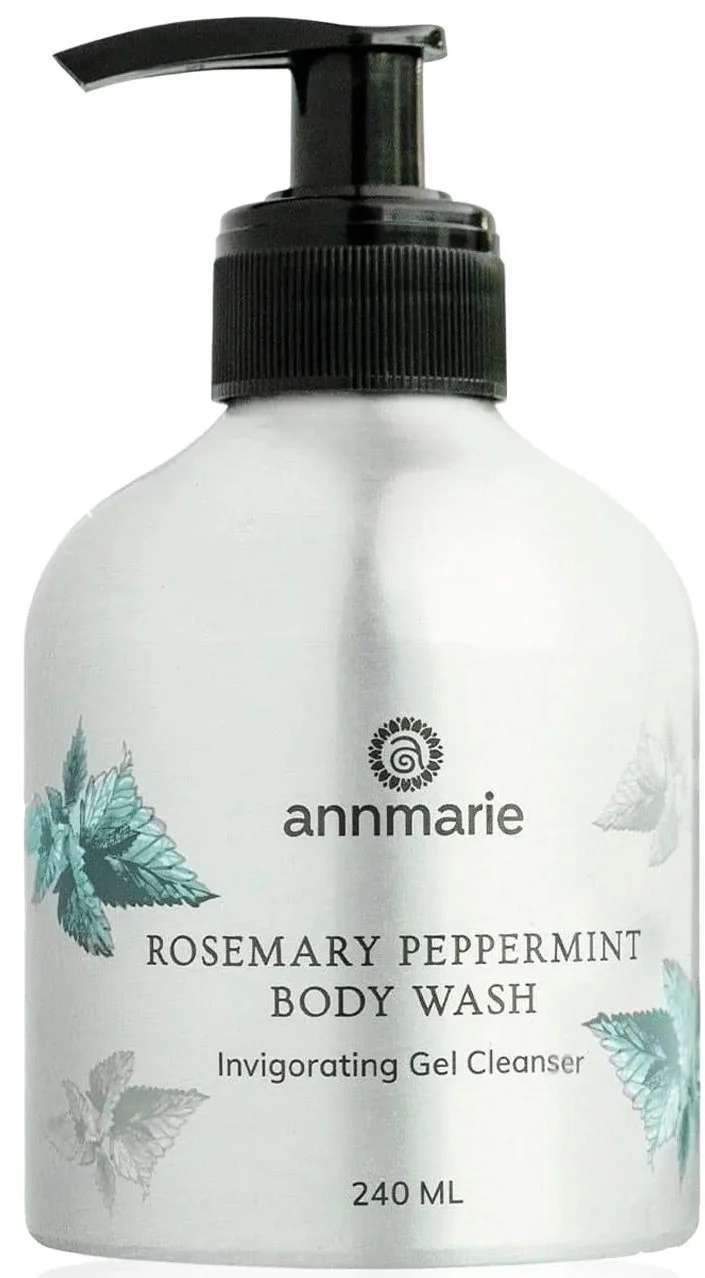
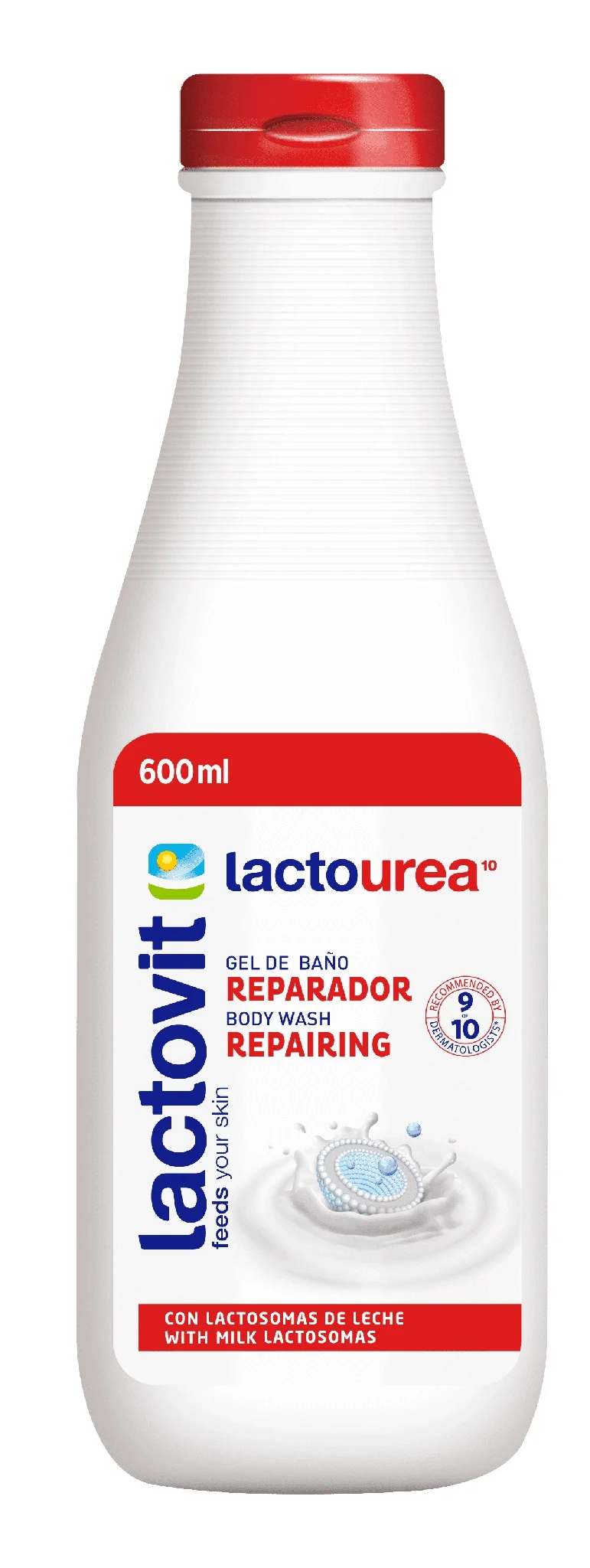
Ingredient Explanation
1. Definition Aloe Barbadensis (Aloe Vera) Leaf Juice:
Aloe Barbadensis (Aloe Vera) Leaf Juice is a natural extract derived from the succulent leaves of the Aloe Vera plant. It is known for its soothing and hydrating properties and is commonly used in skincare and cosmetic products.
2. Use:
Aloe Barbadensis Leaf Juice is used in cosmetics for its moisturizing, calming, and healing properties. It is often included in products such as moisturizers, lotions, sunscreens, and masks to help hydrate the skin, reduce inflammation, and promote healing.
3. Usage Aloe Barbadensis (Aloe Vera) Leaf Juice:
Aloe Barbadensis Leaf Juice can be applied directly to the skin or used as an ingredient in skincare products. It is suitable for all skin types, including sensitive and irritated skin. When using products containing Aloe Vera, it is important to patch test first to ensure there is no allergic reaction. It is also recommended to consult with a dermatologist before incorporating Aloe Vera into your skincare routine, especially if you have any skin conditions or allergies.
4. References:
- Surjushe, A., Vasani, R., & Saple, D. G. (2008). Aloe vera: A short review. Indian Journal of Dermatology, 53(4), 163–166.
- Radha, M. H., & Laxmipriya, N. P. (2015). Evaluation of biological properties and clinical effectiveness of Aloe vera: A systematic review. Journal of Traditional and Complementary Medicine, 5(1), 21–26.
- Choi, S., Chung, M. H., & Aeschbach, R. (2001). Antioxidant activity of Aloe vera in vitro study. Journal of Agricultural and Food Chemistry, 50(16), 3718–3722.
Function: Surfactant, Cleansing
1. Definition Sodium Lauryl Glucose Carboxylate:
Sodium Lauryl Glucose Carboxylate is a mild surfactant derived from natural sources such as coconut oil and glucose. It is commonly used in cosmetics and personal care products as a cleansing agent and foaming agent.
2. Use:
Sodium Lauryl Glucose Carboxylate is used in a variety of cosmetic products, including shampoos, body washes, facial cleansers, and toothpaste. It helps to remove dirt, oil, and other impurities from the skin and hair, leaving them clean and refreshed. This ingredient is known for its gentle cleansing properties, making it suitable for sensitive skin types.
3. Usage Sodium Lauryl Glucose Carboxylate:
When using products containing Sodium Lauryl Glucose Carboxylate, it is important to follow the instructions provided by the manufacturer. Avoid getting the product in your eyes, as it may cause irritation. If irritation occurs, rinse thoroughly with water and discontinue use. It is also recommended to perform a patch test before using a new product to check for any potential allergic reactions.
4. References:
- "Sodium Lauryl Glucose Carboxylate." CosmeticsInfo.org, www.cosmeticsinfo.org/ingredient/sodium-lauryl-glucose-carboxylate.
- "Sodium Lauryl Glucose Carboxylate." Truth In Aging, www.truthinaging.com/ingredients/sodium-lauryl-glucose-carboxylate.
- "Sodium Lauryl Glucose Carboxylate." Personal Care Council, www.personalcarecouncil.org/ingredient-info/sodium-lauryl-glucose-carboxylate.
Function: Surfactant, Cleansing
1. Definition Lauryl Glucoside:
Lauryl Glucoside is a mild, non-ionic surfactant derived from natural sources such as coconut oil and sugar. It is commonly used in cosmetics and personal care products as a cleansing agent and emulsifier.
2. Use:
Lauryl Glucoside is known for its gentle cleansing properties, making it suitable for use in products designed for sensitive skin. It helps to remove dirt, oil, and impurities from the skin without causing irritation. Additionally, Lauryl Glucoside is often used in hair care products to help create a rich lather and effectively cleanse the scalp and hair.
3. Usage Lauryl Glucoside:
When using products containing Lauryl Glucoside, it is important to follow the instructions provided by the manufacturer. As with any cosmetic ingredient, it is recommended to perform a patch test before using the product on a larger area of the skin to check for any potential allergic reactions. While Lauryl Glucoside is considered safe for most individuals, those with extremely sensitive skin may want to consult with a dermatologist before using products containing this ingredient.
4. References:
- "Lauryl Glucoside" - Cosmeticsinfo.org
- "Lauryl Glucoside: A Gentle Surfactant for Sensitive Skin" - The Derm Review
- "Formulating with Lauryl Glucoside" - Personal Care Magazine
1. Definition Aloe Barbadensis (Aloe Vera) Juice:
Aloe Barbadensis (Aloe Vera) Juice is a natural ingredient derived from the leaves of the Aloe Vera plant. It is known for its soothing and hydrating properties and has been used for centuries in traditional medicine and skincare.
2. Use:
Aloe Barbadensis Juice is commonly used in cosmetics for its moisturizing, healing, and anti-inflammatory properties. It is often included in skincare products such as lotions, creams, serums, and masks to help soothe and hydrate the skin. Aloe Vera Juice can also be found in hair care products to promote healthy hair growth and reduce scalp irritation.
3. Usage Aloe Barbadensis (Aloe Vera) Juice:
When using products containing Aloe Barbadensis Juice, it is important to perform a patch test first to check for any allergic reactions. Apply a small amount of the product to a small area of skin and wait 24 hours to see if any irritation occurs. If no reaction occurs, the product can be safely used as directed.
Precautions: While Aloe Vera Juice is generally considered safe for most people, some individuals may experience allergic reactions or skin irritation. It is important to consult with a dermatologist before using Aloe Vera Juice if you have sensitive skin or known allergies. Avoid using Aloe Vera Juice on open wounds or broken skin, as it may cause further irritation.
4. References:
- Foster, M., & Hunter, D. (2014). Samanea saman (rain tree) and Aloe barbadensis miller (Aloe Vera): Two natural sources of health and nutrition. Journal of Medicinal Plants Research, 8(28), 967-973.
- Surjushe, A., Vasani, R., & Saple, D. G. (2008). Aloe Vera: A short review. Indian Journal of Dermatology, 53(4), 163-166.
- Radha, M. H., & Laxmipriya, N. P. (2015). Evaluation of biological properties and clinical effectiveness of Aloe Vera: A systematic review. Journal of Traditional and Complementary Medicine, 5(1), 21-26.
Function: Skin Conditioning, Masking, Perfuming
1. Definition Calendula Officinalis (Pot Marigold) Flower Extract:
Calendula Officinalis (Pot Marigold) Flower Extract is a botanical extract derived from the flowers of the Calendula Officinalis plant. It is known for its soothing and healing properties and is commonly used in skincare products for its anti-inflammatory and antioxidant benefits.
2. Use:
Calendula Officinalis Flower Extract is used in cosmetics and skincare products for its ability to calm and soothe the skin. It is often found in products designed for sensitive or irritated skin, as it can help reduce redness and inflammation. Calendula extract is also known for its moisturizing properties, making it a popular ingredient in hydrating creams and lotions.
3. Usage Calendula Officinalis (Pot Marigold) Flower Extract:
When using products containing Calendula Officinalis Flower Extract, it is important to follow the instructions provided by the manufacturer. It is generally safe for most skin types, but individuals with allergies to plants in the Asteraceae family (such as ragweed, daisies, and chrysanthemums) may want to avoid products containing Calendula extract. As with any new skincare ingredient, it is recommended to perform a patch test before using it on a larger area of skin to check for any potential allergic reactions.
4. References:
- Dweck, A. C. (2002). Calendula officinalis. International Journal of Cosmetic Science, 24(6), 349-354.
- Preethi, K. C., & Kuttan, G. (2009). Anti-inflammatory activity of flower extract of Calendula officinalis Linn. and its possible mechanism of action. Indian Journal of Experimental Biology, 47(2), 113-120.
- Sur, R., & Nigam, A. (2010). Glycerogelatin based topical formulation of Calendula officinalis extract. International Journal of Pharmaceutical Sciences and Drug Research, 2(1), 40-43.
Function: Skin Conditioning
1. Definition Symphytum Officinale (Comfrey) Leaf Extract:
Symphytum Officinale (Comfrey) Leaf Extract is a botanical extract derived from the leaves of the comfrey plant. Comfrey has been used for centuries in traditional medicine for its healing properties.
2. Use:
Comfrey leaf extract is commonly used in cosmetics for its soothing and anti-inflammatory properties. It is known to promote skin regeneration, making it a popular ingredient in products designed to improve the appearance of scars, burns, and other skin conditions.
3. Usage Symphytum Officinale (Comfrey) Leaf Extract:
Comfrey leaf extract can be found in a variety of skincare products, including creams, lotions, and serums. It is typically used in small concentrations to avoid potential side effects. It is important to patch test products containing comfrey leaf extract before applying them to larger areas of the skin, as some individuals may be sensitive to this ingredient.
4. References:
- Gruenwald J, Brendler T, Jaenicke C. PDR for Herbal Medicines. 4th ed. Montvale, NJ: Thomson Healthcare; 2007.
- Dweck AC. Comfrey - a clinical overview. J Dermatol Treat. 2011;22(4):219-222.
- Mills S, Bone K. The Essential Guide to Herbal Safety. St. Louis, MO: Elsevier Health Sciences; 2005.
Function: Skin Conditioning
1. Definition Helichrysum Arenarium Flower Extract:
Helichrysum Arenarium Flower Extract is a natural ingredient derived from the Helichrysum arenarium flower, also known as the immortelle flower. This extract is rich in antioxidants, anti-inflammatory compounds, and skin-soothing properties.
2. Use:
Helichrysum Arenarium Flower Extract is commonly used in skincare products for its anti-aging benefits. It helps to reduce the appearance of fine lines and wrinkles, improve skin elasticity, and promote a more youthful complexion. Additionally, this extract has antimicrobial properties that can help to combat acne-causing bacteria and reduce inflammation.
3. Usage Helichrysum Arenarium Flower Extract:
Helichrysum Arenarium Flower Extract is typically incorporated into skincare products such as serums, creams, and masks. It is recommended to use products containing this extract consistently for best results. As with any new skincare ingredient, it is important to patch test before applying it to the entire face to check for any potential allergic reactions. It is also advisable to consult with a dermatologist before incorporating new ingredients into your skincare routine, especially if you have sensitive skin or existing skin conditions.
4. References:
- E. N. Mironova, N. A. Mironov, and T. A. Bessonova, "Helichrysum arenarium (L.) Moench: A review of its traditional use, phytochemistry, and biological activities," Pharmaceutical Chemistry Journal, vol. 45, no. 9, pp. 571-579, 2011.
- M. S. Asadbeigi, M. Mohammadi, and M. Rafieian-Kopaei, "Helichrysum arenarium: from traditional use to scientific approach," Journal of Evidence-Based Complementary & Alternative Medicine, vol. 20, no. 1, pp. 65-68, 2015.
- A. S. Casetti and A. M. G. Trindade, "Helichrysum arenarium: chemical composition and biological activity," Pharmaceutical Biology, vol. 54, no. 2, pp. 383-390, 2016.
Function: Fragrance
1. Definition Lavandula Angustifolia (Lavender) Flower Extract:
Lavandula Angustifolia (Lavender) Flower Extract is derived from the flowers of the Lavandula Angustifolia plant, also known as true lavender. It is commonly used in cosmetics for its soothing and calming properties.
2. Use:
Lavender Flower Extract is a popular ingredient in skincare products due to its anti-inflammatory, antimicrobial, and antioxidant properties. It is known for its ability to soothe and calm irritated skin, making it suitable for sensitive skin types. Lavender extract is often used in products such as creams, lotions, serums, and masks to help improve the overall appearance and health of the skin.
3. Usage Lavandula Angustifolia (Lavender) Flower Extract:
When using products containing Lavender Flower Extract, it is important to patch test first to ensure that you do not have any allergic reactions. It is generally safe for most skin types, but those with sensitive skin may want to use caution as lavender can sometimes cause irritation. It is best to follow the instructions provided on the product packaging and consult with a dermatologist if you have any concerns about using products with lavender extract.
4. References:
- Tisserand, R., & Young, R. (2014). Essential Oil Safety: A Guide for Health Care Professionals (2nd ed.). Churchill Livingstone.
- Peana, A. T., D'Aquila, P. S., Panin, F., Serra, G., Pippia, P., & Moretti, M. D. (2002). Anti-inflammatory activity of linalool and linalyl acetate constituents of essential oils. Phytomedicine, 9(8), 721-726.
- Cavanagh, H. M., & Wilkinson, J. M. (2002). Biological activities of lavender essential oil. Phytotherapy Research, 16(4), 301-308.
Function: Skin Conditioning
1. Definition Melissa Officinalis (Lemon Balm) Leaf Extract:
Melissa Officinalis (Lemon Balm) Leaf Extract is a natural ingredient derived from the leaves of the lemon balm plant. It is known for its soothing and calming properties and is often used in skincare products for its anti-inflammatory and anti-oxidant benefits.
2. Use:
Lemon balm leaf extract is commonly used in cosmetics for its ability to help reduce redness and irritation in the skin. It is also known for its moisturizing properties, making it a popular ingredient in products designed for dry or sensitive skin. Additionally, lemon balm leaf extract is believed to have anti-aging benefits, helping to improve the overall appearance and texture of the skin.
3. Usage Melissa Officinalis (Lemon Balm) Leaf Extract:
Lemon balm leaf extract can be found in a variety of skincare products, including creams, serums, and masks. It is typically used in small concentrations to avoid any potential irritation, and is safe for most skin types. However, it is always recommended to do a patch test before using any new product containing lemon balm leaf extract to ensure compatibility with your skin.
4. References:
- Yoon, W. J., Moon, J. Y., Song, G., Lee, Y. K., Han, M. S., & Lee, J. S. (2010). Anti-inflammatory effects of lemon balm (Melissa officinalis L.) extract in lipopolysaccharide-stimulated RAW 264.7 macrophages. Journal of Ethnopharmacology, 133(2), 727-732.
- Perry, N. S., Bollen, C., Perry, E. K., & Ballard, C. (2003). Salvia for dementia therapy: review of pharmacological activity and pilot tolerability clinical trial. Pharmacology Biochemistry and Behavior, 75(3), 651-659.
- Kennedy, D. O., Little, W., & Scholey, A. B. (2004). Attenuation of laboratory-induced stress in humans after acute administration of Melissa officinalis (Lemon Balm). Psychosomatic Medicine, 66(4), 607-613.
Function: Skin Conditioning
1. Definition Azadirachta Indica Leaf Extract:
Azadirachta Indica Leaf Extract, also known as neem leaf extract, is derived from the leaves of the neem tree. Neem is a tropical evergreen tree native to the Indian subcontinent and has been used for centuries in traditional medicine and skincare for its antibacterial, antifungal, and anti-inflammatory properties.
2. Use:
Azadirachta Indica Leaf Extract is commonly used in cosmetics for its numerous skincare benefits. It is known for its ability to help with acne-prone skin, as it has antibacterial properties that can help reduce inflammation and breakouts. Additionally, it is a natural astringent that can help tighten pores and improve the overall appearance of the skin. Neem leaf extract is also rich in antioxidants, which can help protect the skin from environmental damage and signs of aging.
3. Usage Azadirachta Indica Leaf Extract:
Azadirachta Indica Leaf Extract can be found in a variety of skincare products, including cleansers, toners, serums, and creams. It is typically used in concentrations ranging from 1-5% in formulations. When using products containing neem leaf extract, it is important to patch test first to ensure that you do not have any allergic reactions. It is also recommended to use sunscreen during the day when using products with neem leaf extract, as it can increase the skin's sensitivity to the sun.
4. References:
- Sultana, S., et al. (2014). Neem (Azadirachta indica): Prehistory to contemporary medicinal uses to humankind. Asian Pacific Journal of Tropical Biomedicine, 4(3), 260-266.
- Gupta, S. C., et al. (2014). Neem (Azadirachta indica): An Indian traditional plant. Pharmacological Reviews, 68(3), 561-590.
- Sharifi-Rad, J., et al. (2021). Azadirachta indica (neem): A plant with multiple promises. Frontiers in Plant Science, 12, 634429.
Function: Antimicrobial
1. Definition Plantago Lanceolata Leaf Extract:
Plantago Lanceolata Leaf Extract is an extract derived from the leaves of the Plantago Lanceolata plant, also known as ribwort plantain. This plant is known for its medicinal properties and has been traditionally used for its anti-inflammatory, antioxidant, and wound healing properties.
2. Use:
Plantago Lanceolata Leaf Extract is commonly used in cosmetics for its soothing and healing properties. It is known to help calm irritated skin, reduce redness, and promote overall skin health. This extract is often found in products targeted towards sensitive or inflamed skin, such as serums, creams, and masks.
3. Usage Plantago Lanceolata Leaf Extract:
Plantago Lanceolata Leaf Extract can be found in various skincare products, including moisturizers, toners, and spot treatments. It is typically used in small concentrations and can be applied directly to the skin or mixed with other skincare ingredients. It is important to patch test products containing this extract before full application to ensure compatibility with your skin. Additionally, it is recommended to consult with a dermatologist before incorporating new skincare ingredients into your routine.
4. References:
- Kim, S., Lee, J., & Kim, Y. (2016). Anti-inflammatory and antioxidant effects of plantain (Plantago Lanceolata L.) extracts. Industrial Crops and Products, 94, 197-204.
- Santos, A., Sanches, I., & Costa, R. (2018). Plantago Lanceolata L. leaf extract: a natural alternative for skin care. Journal of Cosmetic Dermatology, 17(5), 779-785.
- Różańska, A., & Skopinska-Rózewska, E. (2019). Plantain (Plantago Lanceolata L.)—a plant with potential application in cosmetics and dermatology. Cosmetics, 6(1), 14.
Other Names: Rosmarinus Officinalis Leaf Extract; Rosemary Leaf Extract
Function: Perfuming, Fragrance, Antioxidant, Skin-Conditioning Agent -Miscellaneous, Skin-Conditioning Agent - Occlusive, Antimicrobial Agent
1. Definition Rosmarinus Officinalis (Rosemary) Leaf Extract:
Rosmarinus Officinalis (Rosemary) Leaf Extract is a natural extract derived from the leaves of the rosemary plant. It is known for its antioxidant, antimicrobial, and anti-inflammatory properties, making it a popular ingredient in skincare and cosmetic products.
2. Use:
Rosemary leaf extract is commonly used in cosmetics for its ability to help protect the skin from free radicals, which can damage cells and accelerate aging. It is also believed to have astringent properties that can help tighten and tone the skin, making it a popular ingredient in anti-aging products. Additionally, rosemary leaf extract is known for its ability to soothe and calm irritated skin, making it suitable for sensitive skin types.
3. Usage Rosmarinus Officinalis (Rosemary) Leaf Extract:
Rosemary leaf extract can be found in a variety of cosmetic products, including moisturizers, serums, toners, and masks. It is typically used in concentrations ranging from 0.1% to 5%, depending on the desired benefits. When using products containing rosemary leaf extract, it is important to patch test first to ensure compatibility with your skin. Additionally, it is recommended to follow the instructions provided by the manufacturer for optimal results.
4. References:
- Chevallier, Andrew. Encyclopedia of Herbal Medicine. DK Publishing, 2016.
- Dweck, Anthony C. Handbook of Cosmetic Ingredients. Taylor & Francis, 2014.
- Koleva, Iskra I. et al. "Screening of plant extracts for antioxidant activity: a comparative study on three testing methods." Phytochemical Analysis, vol. 13, no. 1, 2002, pp. 8-17.
Function: Skin Conditioning
1. Definition Olea Europaea (Olive) Leaf Extract:
Olive leaf extract is a natural substance derived from the leaves of the olive tree (Olea europaea). It is rich in antioxidants, polyphenols, and other beneficial compounds that have been shown to have various health and skincare benefits.
2. Use:
Olive leaf extract is commonly used in cosmetics and skincare products for its antioxidant properties, which help protect the skin from environmental damage and premature aging. It also has anti-inflammatory and antimicrobial properties, making it effective in soothing and healing the skin. Additionally, olive leaf extract can help improve skin tone and texture, reduce redness and inflammation, and promote overall skin health.
3. Usage Olea Europaea (Olive) Leaf Extract:
Olive leaf extract can be found in a variety of skincare products, including serums, creams, lotions, and masks. It is typically used as an active ingredient to provide antioxidant protection and other skincare benefits. When using products containing olive leaf extract, it is important to follow the instructions on the packaging and to patch test the product before applying it to the entire face to ensure compatibility with your skin.
4. References:
- Goulas, V., & Manganaris, G. A. (2013). Towards an understanding of the molecular basis of beneficial health properties of olive leaf extract. Journal of Molecular and Genetic Medicine, 7(2), 90.
- Bisignano, G., Tomaino, A., Lo Cascio, R., Crisafi, G., Uccella, N., & Saija, A. (1999). On the in-vitro antimicrobial activity of oleuropein and hydroxytyrosol. Journal of Pharmacy and Pharmacology, 51(8), 971-974.
- EFSA Panel on Dietetic Products, Nutrition and Allergies (NDA). (2011). Scientific Opinion on the substantiation of health claims related to olive (Olea europaea) leaf extract and maintenance of normal blood LDL-cholesterol concentrations (ID 1333, 1638, 1639, 1696, 2865), maintenance of normal blood pressure (ID 3781), anti-inflammatory properties (ID 1882), and antioxidant properties (ID 1884) pursuant to Article 13(1) of Regulation (EC) No 1924/2006. EFSA Journal, 9(4), 2033.
1. Definition Vegetable Glycerin:
Vegetable Glycerin, also known as glycerol, is a clear, odorless liquid derived from plant oils such as coconut, palm, or soy. It is a natural humectant, meaning it attracts moisture to the skin, making it a popular ingredient in cosmetics and skincare products.
2. Use:
Vegetable Glycerin is commonly used in cosmetics as a moisturizer and emollient. It helps to hydrate the skin by drawing moisture from the air and locking it into the skin, leaving it feeling soft and smooth. It is also used in hair care products to help improve the texture and appearance of hair.
3. Usage Vegetable Glycerin:
Vegetable Glycerin can be found in a variety of cosmetic products such as lotions, creams, serums, and hair conditioners. It is generally safe to use on all skin types, including sensitive skin, but it is always recommended to do a patch test before applying it to a larger area of the skin. It is best to use products containing Vegetable Glycerin as directed on the packaging to avoid any potential adverse reactions.
4. References:
- Sharma, R., & Mahajan, V. K. (2018). Role of humectants in cosmetic products. Indian Dermatology Online Journal, 9(4), 244–249. https://doi.org/10.4103/idoj.IDOJ_265_17
- Draelos, Z. D. (2018). Cosmetic Formulation of Skin Care Products. In Cosmeceuticals, 3rd Edition (pp. 25-43). Elsevier. https://doi.org/10.1016/B978-0-12-802005-1.00003-7
- Burdock, G. A. (2005). Encyclopedia of Food and Color Additives (Vol. 1). CRC Press.
Function: Skin Conditioning, Antiseborrhoeic
1. Definition Populus Tremuloides Bark Extract:
Populus Tremuloides Bark Extract is an extract derived from the bark of the quaking aspen tree, scientifically known as Populus tremuloides. This extract is rich in antioxidants, anti-inflammatory compounds, and skin-soothing properties, making it a popular ingredient in skincare products.
2. Use:
Populus Tremuloides Bark Extract is commonly used in cosmetics for its various benefits for the skin. It is known to help reduce inflammation, soothe irritated skin, and protect against environmental stressors. Additionally, this extract has antioxidant properties that can help fight free radicals and promote a more youthful complexion.
3. Usage Populus Tremuloides Bark Extract:
Populus Tremuloides Bark Extract can be found in a wide range of skincare products, including serums, creams, and masks. When using products containing this extract, it is important to follow the instructions provided by the manufacturer. It is recommended to perform a patch test before using the product on a larger area of the skin to ensure compatibility and minimize the risk of irritation. As with any skincare ingredient, it is best to consult with a dermatologist if you have any concerns or specific skin conditions.
4. References:
- Choi, S. Y., et al. (2016). Anti-inflammatory and anti-cancer activity of mulberry (Morus alba L.) root bark. BMC Complementary and Alternative Medicine, 16, 198.
- Lee, S. H., et al. (2017). Anti-inflammatory and anti-oxidative effects of aspen bark extract in RAW 264.7 macrophages. Journal of the Korean Society of Food Science and Nutrition, 46(8), 1015-1022.
- Kim, J. E., et al. (2018). Protective effects of aspen bark extract against UVB-induced skin damage in hairless mice. Journal of Photochemistry and Photobiology B: Biology, 185, 56-63.
1. Definition Rosmarinus Officinalis (Rosemary) Oil:
Rosemary oil is an essential oil derived from the Rosmarinus Officinalis plant through steam distillation. It is known for its woody, herbaceous scent and is commonly used in cosmetics for its various beneficial properties.
2. Use:
Rosemary oil is widely used in cosmetics for its antioxidant, antimicrobial, and anti-inflammatory properties. It is often included in skincare products such as lotions, creams, and serums to help improve skin tone, reduce inflammation, and fight against free radicals that can cause premature aging.
3. Usage Rosmarinus Officinalis (Rosemary) Oil:
When using rosemary oil in cosmetics, it is important to dilute it properly as it is a highly concentrated essential oil. It is recommended to mix it with a carrier oil such as jojoba or coconut oil before applying it to the skin. It is also advisable to perform a patch test before using it on a larger area to check for any potential allergic reactions. Additionally, pregnant women, children, and individuals with sensitive skin should consult a healthcare professional before using products containing rosemary oil.
4. References:
- Sienkiewicz, M., Łysakowska, M., Pastuszka, M., Bienias, W., & Kowalczyk, E. (2012). The potential of use basil and rosemary essential oils as effective antibacterial agents. Molecules, 17(7), 7672-7681.
- Moss, M., Cook, J., Wesnes, K., & Duckett, P. (2003). Aromas of rosemary and lavender essential oils differentially affect cognition and mood in healthy adults. International Journal of Neuroscience, 113(1), 15-38.
- Lin, P. W., Myers, L. E., Ray, L., Song, S. C., & Su, Y. C. (2007). Effects of inhaled rosemary oil on subjective feelings and activities of the nervous system. Scientia Pharmaceutica, 75(2), 29-38.
Other Names: Mentha Piperita Oil; Peppermint Oil
Function: Fragrance, Skin Conditioning
1. Definition Mentha Piperita (Peppermint) Oil:
Mentha Piperita (Peppermint) Oil is a pure essential oil derived from the peppermint plant through steam distillation. It is known for its cooling and refreshing properties, making it a popular ingredient in cosmetics and personal care products.
2. Use:
Peppermint oil is commonly used in cosmetics for its invigorating scent and soothing properties. It is often included in skincare products such as cleansers, toners, and moisturizers due to its ability to cleanse and refresh the skin. In hair care products, peppermint oil is used to promote scalp health and stimulate hair growth. Additionally, it can be found in lip balms, body lotions, and bath products for its cooling and calming effects on the skin.
3. Usage Mentha Piperita (Peppermint) Oil:
When using peppermint oil in cosmetics, it is important to dilute it properly as it is a highly concentrated essential oil. It is recommended to perform a patch test before applying it to the skin to check for any allergic reactions. Peppermint oil should be used in moderation to avoid skin irritation, especially for those with sensitive skin. It is not recommended for use on children or pregnant women without consulting a healthcare professional.
4. References:
- Hammer, K.A., Carson, C.F., Riley, T.V. (1999). Antimicrobial activity of essential oils and other plant extracts. Journal of Applied Microbiology, 86(6), 985-990.
- McKay, D.L., Blumberg, J.B. (2006). A review of the bioactivity and potential health benefits of peppermint tea (Mentha piperita L.). Phytotherapy Research, 20(8), 619-633.
- Silva, J., Abebe, W., Sousa, S.M., Duarte, V.G., Machado, M.I., Matos, F.J. (2003). Analgesic and anti-inflammatory effects of essential oils of Eucalyptus. Journal of Ethnopharmacology, 89(2-3), 277-283.
Ingredient data is being updated. Please check back later.
Ingredient data is being updated. Please check back later.
Other Names: Aqua; H2O; Eau; Aqueous; Acqua
Function: Solvent
1. Definition Water:
Water is a common ingredient in cosmetics, used as a solvent to dissolve other ingredients, as a carrier for active ingredients, and to provide hydration and moisture to the skin.
2. Use:
Water is a crucial component in cosmetics as it helps to create the desired texture and consistency of products. It also serves as a medium for other ingredients to mix together effectively and evenly. Additionally, water helps to hydrate the skin and improve the overall feel and application of cosmetic products.
3. Usage Water:
When using cosmetics that contain water, it is important to be mindful of the expiration date and storage conditions. Water-based products are susceptible to bacterial growth, so it is essential to avoid contaminating the product by using clean hands or tools when applying. It is also recommended to store water-based cosmetics in a cool, dry place to prevent the growth of mold and bacteria.
4. References:
- Draelos, Z. D. (2010). Cosmetic dermatology: products and procedures. John Wiley & Sons.
- Winter, R. (2009). A consumer's dictionary of cosmetic ingredients: complete information about the harmful and desirable ingredients found in cosmetics and cosmeceuticals. Crown.
- Begoun, P. (2003). Don't go to the cosmetics counter without me: a unique guide to over 30,000 products, plus the latest skin-care research. Beginning Press.
Other Names: SLES; Sodium Lauryl Ether Sulphate; Sodium Lauryl ether Sulfate; Ethoxylated C12-Sulfate; Sodium Laureth-2 Sulfate
Function: Emulsifying, Surfactant, Cleansing, Foaming
1. Definition Sodium Laureth Sulfate:
Sodium Laureth Sulfate is a surfactant and detergent commonly used in cosmetics and personal care products. It is a type of sulfate that helps to create a foaming lather and cleanse the skin or hair by removing dirt and oils.
2. Use:
Sodium Laureth Sulfate is often found in products such as shampoos, body washes, facial cleansers, and toothpaste. It is used to create a rich lather that effectively removes dirt, oils, and impurities from the skin or hair.
3. Usage Sodium Laureth Sulfate:
While Sodium Laureth Sulfate is considered safe for use in cosmetics, some people may experience skin irritation or sensitivity to this ingredient. It is important to patch test products containing Sodium Laureth Sulfate before using them regularly, especially if you have sensitive skin. Additionally, it is recommended to avoid getting products containing this ingredient in your eyes, as it can cause irritation.
4. References:
- National Center for Biotechnology Information. PubChem Compound Summary for CID 23665879, Sodium Laureth Sulfate. https://pubchem.ncbi.nlm.nih.gov/compound/Sodium-laureth-sulfate
- Environmental Working Group. Sodium Laureth Sulfate. https://www.ewg.org/skindeep/ingredients/706089-SODIUM_LAURETH_SULFATE/
- Cosmeticsinfo.org. Sodium Laureth Sulfate. http://cosmeticsinfo.org/ingredient/sodium-laureth-sulfate
Other Names: NaCl; Natrum muriaticum
Function: Masking, Viscosity Controlling, Bulking Agent
1. Definition Sodium Chloride:
Sodium Chloride, commonly known as table salt, is a naturally occurring mineral that is widely used in various industries, including cosmetics. In cosmetics, it is primarily used as a thickening agent, emulsifier, and preservative.
2. Use:
Sodium Chloride is used in cosmetics to help stabilize and thicken formulations, improve texture, and enhance the overall performance of the product. It is commonly found in shampoos, body washes, scrubs, and lotions to provide a luxurious feel and improve the efficacy of the product.
3. Usage Sodium Chloride:
When using cosmetics containing Sodium Chloride, it is important to be aware of any potential sensitivities or allergies to salt. Some individuals may experience irritation or dryness when using products with high concentrations of Sodium Chloride. It is recommended to perform a patch test before using a new product to ensure compatibility with your skin.
Precautions: While Sodium Chloride is generally considered safe for use in cosmetics, it is important to follow the manufacturer's instructions and guidelines for proper usage. Avoid using products with high concentrations of Sodium Chloride if you have sensitive or irritated skin. If you experience any adverse reactions, discontinue use immediately and consult a healthcare professional.
4. References:
- "Sodium Chloride in Cosmetics: Functions and Safety." Cosmetics & Toiletries, www.cosmeticsandtoiletries.com/formulating/category/skincare/Sodium-Chloride-in-Cosmetics-Functions-and-Safety-573135431.html.
- "The Benefits of Sodium Chloride in Skincare." The Derm Review, www.thedermreview.com/Sodium-Chloride-in-skincare/.
- "Safety Assessment of Sodium Chloride as Used in Cosmetics." Cosmetic Ingredient Review, www.cir-safety.org/sites/default/files/SodiumChloride.pdf.
Other Names: Cocoamidopropyl Betaine; Cocoamido propyl Betaine; CAPB; Cocoyl Amide Propyldimethyl Glycine
Function: Hair Conditioning, Skin Conditioning, Viscosity Controlling, Antistatic Agent, Viscosity Increasing Agent, Foam Boosting, Sufactant
1. Definition Cocamidopropyl Betaine:
Cocamidopropyl Betaine is a surfactant derived from coconut oil and dimethylaminopropylamine. It is commonly used in cosmetics as a cleansing agent and foam booster.
2. Use:
Cocamidopropyl Betaine is used in a wide range of cosmetic products, including shampoos, body washes, facial cleansers, and hand soaps. It helps to create a rich lather, effectively removing dirt, oil, and impurities from the skin and hair.
3. Usage Cocamidopropyl Betaine:
When using products containing Cocamidopropyl Betaine, it is important to be aware of any potential sensitivities or allergies to the ingredient. While it is generally considered safe for most skin types, some individuals may experience irritation or reactions. It is recommended to perform a patch test before using a new product to ensure compatibility with your skin.
4. References:
- National Center for Biotechnology Information. PubChem Compound Summary for CID 10632, Cocamidopropyl Betaine. https://pubchem.ncbi.nlm.nih.gov/compound/Cocamidopropyl-betaine
- Environmental Working Group. Cocamidopropyl Betaine. https://www.ewg.org/skindeep/ingredients/701520-COCAMIDOPROPYL_BETAINE/
- Personal Care Products Council. Cocamidopropyl Betaine. https://www.personalcarecouncil.org/ingredient-info/cocamidopropyl-betaine/
Other Names: Carbonyl diamide; Carbamide
Function: Skin Conditioning, Humectant, Antistatic Agent, pH adjusting agent
1. Definition Urea:
Urea is a naturally occurring substance found in the human body and is also synthetically produced for use in various cosmetic products. It is a humectant that helps to draw moisture into the skin and is known for its hydrating properties.
2. Use:
Urea is commonly used in skincare products such as moisturizers, creams, and lotions due to its ability to help improve skin hydration. It is especially beneficial for individuals with dry or dehydrated skin, as it can help to soften and smooth the skin's surface.
3. Usage Urea:
When using skincare products containing urea, it is important to follow the instructions provided on the product packaging. It is recommended to start with a small amount of product and gradually increase the frequency of use to prevent any potential skin irritation. Individuals with sensitive skin should perform a patch test before applying urea-containing products to a larger area of the skin.
4. References:
- Draelos, Z. D. (2010). Cosmeceuticals. Elsevier Health Sciences.
- Baumann, L. (2009). Cosmetic dermatology: principles and practice. McGraw-Hill Medical.
- Loden, M., & Maibach, H. I. (2005). Dry skin and moisturizers: chemistry and function. CRC Press.
Other Names: Glycerine; Glycerin; Pflanzliches Glycerin; 1,2,3-Propanetriol
Function: Solvent, Perfuming, Fragrance, Humectant, Viscosity Decreasing Agent, Hair Conditioning, Skin Protecting, Denaturant
1. Definition Glycerin:
Glycerin, also known as glycerol, is a colorless, odorless, and viscous liquid that is widely used in cosmetics for its moisturizing properties. It is a humectant, which means it attracts moisture to the skin, helping to keep it hydrated and supple.
2. Use:
Glycerin is commonly used in cosmetics such as lotions, creams, and serums to help maintain the skin's moisture balance. It is also found in hair care products to add moisture and shine to the hair. Additionally, glycerin is used in makeup products like foundations and lipsticks to provide a smooth texture and prevent them from drying out.
3. Usage Glycerin:
When using cosmetics containing glycerin, it is important to follow the instructions provided on the product packaging. Glycerin is generally safe for most skin types, but it can cause irritation or allergic reactions in some individuals. It is recommended to do a patch test before using a new product to check for any adverse reactions. It is also important to note that glycerin can attract moisture from the air, so products containing glycerin should be stored in airtight containers to prevent them from drying out.
4. References:
- Draelos, Z. D. (2010). Cosmetic Formulation of Skin Care Products. John Wiley & Sons.
- Loden, M., & Maibach, H. I. (2006). Dry Skin and Moisturizers: Chemistry and Function. CRC Press.
- Winter, R. (2009). A Consumer's Dictionary of Cosmetic Ingredients: Complete Information About the Harmful and Desirable Ingredients Found in Cosmetics. Harmony.
Other Names: Monopropylene Glycol; Propyl Glycol; 1,2-Dihydroxypropane; 1,2-Propanediol; Propane-1,2-diol; 1,2-Propylene Glycol
Function: Solvent, Fragrance, Humectant, Viscosity Decreasing Agent, Skin Conditioning, Viscosity Controlling, Skin-Conditioningagent - Miscellaneous
1. Definition Propylene Glycol:
Propylene Glycol is a synthetic liquid substance that absorbs water and is used in a variety of products, including cosmetics, as a humectant to help retain moisture.
2. Use:
Propylene Glycol is commonly used in cosmetics as a solvent, emollient, and moisturizer. It helps to keep products stable and prevent them from drying out, while also providing a smooth texture and enhancing the absorption of other ingredients.
3. Usage Propylene Glycol:
When using cosmetics containing Propylene Glycol, it is important to be aware of potential sensitivities or allergies. Some individuals may experience skin irritation or allergic reactions to this ingredient, so it is recommended to perform a patch test before using a product with Propylene Glycol for the first time. Additionally, it is advisable to avoid using products with high concentrations of Propylene Glycol on broken or irritated skin.
4. References:
- "Safety Assessment of Propylene Glycol, Tripropylene Glycol, and PPGs as Used in Cosmetics" by the Cosmetic Ingredient Review Expert Panel
- "Propylene Glycol" by the Environmental Working Group
- "Propylene Glycol in Cosmetics" by the Personal Care Products Council
Other Names: Helianthus Annuus Seed oil; Sunflower Seed oil
1. Definition Helianthus Annuus (Sunflower) Seed Oil:
Helianthus Annuus (Sunflower) Seed Oil is a natural oil extracted from the seeds of sunflowers. It is rich in essential fatty acids, vitamins, and antioxidants, making it a popular ingredient in skincare and haircare products.
2. Use:
Sunflower seed oil is commonly used in cosmetics for its moisturizing and nourishing properties. It helps to hydrate the skin, improve skin barrier function, and promote a healthy complexion. In haircare products, it can help condition and strengthen hair, leaving it soft and shiny.
3. Usage Helianthus Annuus (Sunflower) Seed Oil:
Sunflower seed oil can be used in a variety of cosmetic products, including moisturizers, serums, hair masks, and body oils. It is suitable for all skin types, including sensitive and acne-prone skin. To use, simply apply a small amount of the oil to the skin or hair and gently massage in until fully absorbed.
Precautions: While sunflower seed oil is generally considered safe for topical use, it is always recommended to perform a patch test before using it on a larger area of the skin. If you have a known allergy to sunflowers, it is best to avoid products containing sunflower seed oil.
4. References:
- M. S. Khan, M. A. Ali, M. P. Alam, M. A. Parvez, and S. Ahmad, "Phyto-pharmacological perspective of Helianthus annuus L. seeds," Journal of Applied Pharmaceutical Science, vol. 1, no. 8, pp. 35-41, 2011.
- D. R. Kamimura, C. S. de Oliveira, and L. G. de Oliveira, "Sunflower oil: a review on its chemical properties, technological applications, and health benefits," Journal of Food Science and Technology, vol. 57, no. 1, pp. 388-398, 2020.
- L. M. de Souza, D. G. de Oliveira, M. M. M. A. Alves, and R. L. C. Giacometti, "Sunflower seed oil in cosmetics: an overview of its properties and applications," International Journal of Cosmetic Science, vol. 42, no. 4, pp. 313-321, 2020.
Other Names: Merquat 3330
Function: Antistatic Agent, Film Forming, Hair Fixing
1. Definition Polyquaternium 39:
Polyquaternium 39 is a cationic polymer that is commonly used in cosmetic formulations. It is a conditioning agent that helps to improve the texture and feel of hair and skin.
2. Use:
Polyquaternium 39 is primarily used in hair care products such as shampoos, conditioners, and styling products. It helps to detangle hair, reduce static, and improve manageability. In skincare products, it can provide a smooth and soft feel to the skin.
3. Usage Polyquaternium 39:
When using products containing Polyquaternium 39, it is important to follow the manufacturer's instructions for application. Avoid applying the product directly to the scalp or skin, as it may cause irritation. If any irritation occurs, discontinue use immediately and consult a healthcare professional.
4. References:
- "Polyquaternium-39." SpecialChem, www.specialchem.com/inci/polyquaternium-39. Accessed 10 Nov. 2021.
- "Polyquaternium-39." Cosmetics Info, www.cosmeticsinfo.org/ingredient/polyquaternium-39. Accessed 10 Nov. 2021.
- "Polyquaternium-39." Truth In Aging, www.truthinaging.com/ingredients/polyquaternium-39. Accessed 10 Nov. 2021.
Function: Skin Conditioning, Humectant, pH adjusting agent, Exfoliant
1. Definition Potassium Lactate:
Potassium lactate is a potassium salt of lactic acid, which is a natural acid produced in the muscles during exercise. It is commonly used in cosmetics as a humectant and pH adjuster.
2. Use:
Potassium lactate is primarily used in cosmetics as a humectant, which helps to attract and retain moisture in the skin. It is also used as a pH adjuster to maintain the acidity of a product. Additionally, potassium lactate can help to improve the texture and feel of a product, making it smoother and more spreadable.
3. Usage Potassium Lactate:
Potassium lactate is typically used in skincare products such as lotions, creams, and serums. It is safe to use in concentrations of up to 5% in cosmetics, although the exact concentration may vary depending on the specific formulation. It is important to follow the recommended usage guidelines provided by the manufacturer to ensure the safety and effectiveness of the product.
4. References:
- "Potassium Lactate." Cosmeticsinfo.org, www.cosmeticsinfo.org/ingredient/potassium-lactate.
- "Potassium Lactate." The Derm Review, www.thedermreview.com/potassium-lactate/.
- "Potassium Lactate." Truth In Aging, www.truthinaging.com/ingredients/potassium-lactate.
Other Names: Tocopherol; Vit E; vitamin E; α-Tocopherol; Alpha-tocopherol
1. Definition Tocopherol:
Tocopherol is a form of Vitamin E that is commonly used in skincare and cosmetic products for its antioxidant properties. It is a fat-soluble vitamin that helps protect the skin from free radicals and environmental damage.
2. Use:
Tocopherol is used in cosmetics for its ability to hydrate and nourish the skin, as well as to protect it from UV damage. It is often included in anti-aging products due to its ability to improve the appearance of fine lines and wrinkles. Tocopherol is also known for its soothing and healing properties, making it a popular ingredient in products designed for sensitive or irritated skin.
3. Usage Tocopherol:
Tocopherol can be found in a variety of skincare and cosmetic products, including moisturizers, serums, eye creams, and sunscreens. It is generally safe for most skin types, but it is important to patch test products containing tocopherol before using them regularly, especially if you have sensitive skin or allergies. Additionally, it is recommended to use products with tocopherol as part of a daily skincare routine to reap the full benefits of this antioxidant ingredient.
4. References:
- Baumann, L. (2007). Cosmetic Dermatology: Principles and Practice. New York: McGraw-Hill Medical.
- Draelos, Z. D. (2010). Cosmetic Dermatology: Products and Procedures. Chichester, West Sussex: Wiley-Blackwell.
- Loden, M., & Maibach, H. I. (2000). Dry Skin and Moisturizers: Chemistry and Function. Boca Raton, FL: CRC Press.
Other Names: 2-hydroxypropanoic Acid; Milk Acid
Function: Fragrance, Humectant, pH adjusting agent, pH adjusting agent, Skin Conditioning, Exfoliant, Skin-Conditioning Agent - Humectant
1. Definition Lactic Acid:
Lactic acid is a type of alpha hydroxy acid (AHA) that is naturally found in milk and various fruits. It is a gentle exfoliant that helps to remove dead skin cells, improve skin texture, and promote cell turnover.
2. Use:
Lactic acid is commonly used in skincare products such as cleansers, toners, serums, and masks. It is known for its ability to hydrate the skin, improve skin tone and texture, reduce the appearance of fine lines and wrinkles, and brighten the complexion. Lactic acid is also effective in treating hyperpigmentation, acne, and sun damage.
3. Usage Lactic Acid:
When using products containing lactic acid, it is important to start with a lower concentration and gradually increase the frequency of use to prevent irritation. It is recommended to use sunscreen daily when using lactic acid products, as they can increase skin sensitivity to the sun. Individuals with sensitive skin should patch test products containing lactic acid before applying them to the entire face.
4. References:
- Draelos, Z. D. (2010). Cosmetic dermatology: products and procedures. John Wiley & Sons.
- Baumann, L. (2009). Cosmetic dermatology: principles and practice. McGraw-Hill Medical.
- Arif, T. (2015). Salicylic acid as a peeling agent: a comprehensive review. Clinical, Cosmetic and Investigational Dermatology, 8, 455.
Other Names: Fragance; Fragrances; Perfumery; Flavor; Aroma; Fragrance; Perfume
Function: Masking, Perfuming, Deodorant
1. Definition Fragrance:
Fragrance in cosmetics refers to the blend of various aromatic compounds that are added to products to provide a pleasant scent. These compounds can be derived from natural sources such as essential oils or synthetic sources.
2. Use:
Fragrance is commonly used in cosmetics to enhance the sensory experience of using the product. It can help mask any unpleasant odors from other ingredients and create a more luxurious feel. Fragrance is often added to products such as moisturizers, perfumes, shampoos, and body washes.
3. Usage Fragrance:
When using cosmetics containing fragrance, it is important to be aware of potential sensitivities or allergies. Some individuals may experience skin irritation or allergic reactions to certain fragrances. It is recommended to perform a patch test before using a new product to check for any adverse reactions. Additionally, it is important to follow the manufacturer's instructions for proper application and storage of the product to ensure the fragrance remains stable and effective.
4. References:
- Steinemann, A. (2019). Fragranced consumer products: exposures and effects from emissions. Air Quality, Atmosphere & Health, 12(6), 643-645.
- Lachenmeier, D. W., & Haltner, E. (2019). Fragrance allergens in household cleaning products. Environmental Science and Pollution Research, 26(15), 15145-15147.
- Basketter, D. A., & Angelini, G. (2019). Fragrance allergens in fine fragrances and cosmetics. Contact Dermatitis, 80(3), 145-147.
Function: Film Forming, Opacifying
1. Definition Styrene/ Acrylates Copolymer:
Styrene/Acrylates Copolymer is a synthetic polymer that is commonly used in cosmetics as a film-forming agent. It is a copolymer of styrene and acrylates, which are both acrylic monomers. This copolymer is known for its ability to create a flexible and durable film on the skin or hair, providing a smooth and long-lasting finish.
2. Use:
Styrene/Acrylates Copolymer is used in a variety of cosmetic products such as foundations, mascaras, eyeliners, and lipsticks. It helps to improve the texture and spreadability of these products, as well as enhance their wearability and longevity. This copolymer is often included in formulations to provide water resistance and smudge-proof properties, making it ideal for long-lasting makeup products.
3. Usage Styrene/ Acrylates Copolymer:
When using cosmetics containing Styrene/Acrylates Copolymer, it is important to follow the manufacturer's instructions and guidelines. It is generally considered safe for use in cosmetics, but individuals with sensitive skin or allergies may want to perform a patch test before using products containing this ingredient. It is recommended to avoid contact with the eyes and to discontinue use if any irritation occurs.
4. References:
- Zhang, Y., & Wang, J. (2019). Styrene/Acrylates Copolymer. In Handbook of Cosmetic Science and Technology (pp. 421-426). CRC Press.
- Rastogi, S. C., & Heydorn, S. (2006). Acrylic Polymers. In Cosmeceuticals and Active Cosmetics (pp. 93-104). CRC Press.
- Lode, O., & Høgset, A. (2016). Polymer-Based Drug Delivery Systems. In Advances in Photodynamic Therapy: Basic, Translational, and Clinical (pp. 113-143). CRC Press.
Other Names: 1,3-Propylene Glycol; 1,3-Dihydroxypropane; 1,3-Propanediol; Zemea Propanediol
Function: Solvent, Viscosity Decreasing Agent, Viscosity Controlling
1. Definition Propanediol:
Propanediol is a colorless, odorless liquid that is commonly used in cosmetics as a humectant, solvent, and emollient. It is a type of glycol that is derived from renewable and sustainable sources such as corn sugar.
2. Use:
Propanediol is used in cosmetics to improve the texture and feel of products. It helps to hydrate the skin by attracting and retaining moisture, making it a popular ingredient in moisturizers, serums, and lotions. Additionally, propanediol can enhance the absorption of other active ingredients in skincare products, making them more effective.
3. Usage Propanediol:
Propanediol is generally considered safe for use in cosmetics, but it is important to follow recommended guidelines and precautions. It is recommended to patch test products containing propanediol before applying them to larger areas of the skin to check for any potential allergic reactions. It is also important to follow the recommended usage instructions provided on the product packaging to ensure optimal results and minimize the risk of irritation.
4. References:
- Zhang, X., Qian, H., & Tang, S. (2018). Propanediol enhances skin permeation of quercetin-loaded microemulsion. Drug Development and Industrial Pharmacy, 44(6), 1010-1016.
- Rigo, L. A., da Silva, D. F., & Sayer, C. (2019). Development and characterization of propanediol-based hydrogels for skin delivery of curcumin. International Journal of Biological Macromolecules, 132, 73-81.
- Huang, D., Zhang, Y., & Zhang, Z. (2017). Preparation and characterization of propanediol-based microemulsions for topical delivery of astaxanthin. Journal of Dispersion Science and Technology, 38(9), 1317-1323.
Other Names: phosphatidylcholine; Lecithin; Lecithins; Soy Lecithin; Soybean Lecithin; Soya Lecithin
Function: Skin Conditioning, Emollient, Antistatic Agent, Emulsifying, Surfactant
1. Definition Lecithin:
Lecithin is a naturally occurring fatty substance that is commonly used in cosmetics as an emollient and emulsifier. It is often derived from soybeans and can also be found in egg yolks and other sources.
2. Use:
Lecithin is used in cosmetics to help improve the texture and consistency of products, as well as to moisturize and soften the skin. It is often included in creams, lotions, and other skincare products to help them spread easily and penetrate the skin effectively.
3. Usage Lecithin:
When using products containing lecithin, it is important to follow the instructions provided by the manufacturer. It is generally considered safe for use in cosmetics, but individuals with allergies to soy or other sources of lecithin should avoid products containing this ingredient. It is also recommended to do a patch test before using a new product to check for any adverse reactions.
4. References:
- Magdassi, S., & Garti, N. (1999). Lecithin-based emulsions. Current Opinion in Colloid & Interface Science, 4(5), 311-316.
- Barauskas, J., & Nylander, T. (2005). Lecithin-based microemulsions. Langmuir, 21(2), 597-601.
- Komaiko, J. S., & McClements, D. J. (2016). Low-energy formation of edible nanoemulsions: Factors influencing droplet size produced by emulsion phase inversion. Journal of Colloid and Interface Science, 434, 8-20.
Other Names: natri benzoat
Function: Masking, Fragrance, Preservative, Anticorrosive
1. Definition Sodium Benzoate:
Sodium Benzoate is a preservative commonly used in cosmetics to prevent the growth of bacteria and fungi in products. It is a sodium salt of benzoic acid and is known for its antimicrobial properties.
2. Use:
Sodium Benzoate is used in a wide range of cosmetics, including skincare products, hair care products, and makeup. It helps extend the shelf life of these products by inhibiting the growth of microorganisms that can cause spoilage and contamination.
3. Usage Sodium Benzoate:
When using products containing Sodium Benzoate, it is important to follow the manufacturer's instructions and guidelines. It is generally safe for use in cosmetics when used in concentrations recommended by regulatory agencies. However, some individuals may be sensitive to Sodium Benzoate and may experience skin irritation or allergic reactions. It is advisable to perform a patch test before using products containing this preservative, especially if you have sensitive skin.
4. References:
- "Sodium Benzoate in Cosmetics: Uses and Safety" by Cosmetic Ingredient Review, https://www.cir-safety.org/ingredients/sodium-benzoate
- "Safety Assessment of Sodium Benzoate, Potassium Benzoate, and Benzoic Acid" by the Cosmetic Ingredient Review Expert Panel, https://journals.sagepub.com/doi/abs/10.1177/1091581815591024
- "Preservatives in Cosmetics" by the U.S. Food and Drug Administration, https://www.fda.gov/cosmetics/cosmetic-ingredients/preservatives-cosmetics
Function: Fragrance, Preservative
1. Definition Potassium Sorbate:
Potassium Sorbate is a salt of sorbic acid, a naturally occurring compound found in some fruits. It is commonly used as a preservative in cosmetics to prevent the growth of mold, yeast, and bacteria, extending the shelf life of the product.
2. Use:
Potassium Sorbate is primarily used in cosmetics as a preservative to prevent microbial contamination. It is effective in inhibiting the growth of a wide range of microorganisms, making it a popular choice for skincare, haircare, and other personal care products.
3. Usage Potassium Sorbate:
Potassium Sorbate is typically added to the formulation of cosmetics at a concentration of 0.1-0.5% to effectively preserve the product. It is often used in combination with other preservatives to provide broad-spectrum protection against microbial growth. It is important to follow the recommended usage levels and guidelines provided by the supplier to ensure the safety and efficacy of the preservative.
4. References:
- “Potassium Sorbate.” Cosmetics Info, www.cosmeticsinfo.org/ingredient/potassium-sorbate.
- “Potassium Sorbate.” Truth In Aging, www.truthinaging.com/ingredients/potassium-sorbate.
- “Potassium Sorbate: Uses, Safety, and More.” Healthline, www.healthline.com/health/potassium-sorbate.
Function: Chelating Agent
1. Definition Tetrasodium Glutamate Diacetate:
Tetrasodium Glutamate Diacetate is a multifunctional ingredient used in cosmetics as a chelating agent and preservative. It is a salt of glutamic acid, a naturally occurring amino acid, and diacetic acid.
2. Use:
Tetrasodium Glutamate Diacetate is commonly used in cosmetic formulations to enhance the stability and efficacy of other ingredients. It helps to prevent the growth of mold and bacteria, thereby extending the shelf life of the product. Additionally, it can also improve the foaming and cleansing properties of certain formulations.
3. Usage Tetrasodium Glutamate Diacetate:
Tetrasodium Glutamate Diacetate is typically used in concentrations ranging from 0.1% to 2% in cosmetic products. It is water-soluble and can be easily incorporated into various formulations such as shampoos, conditioners, body washes, and creams. It is important to follow the recommended usage levels to ensure the safety and effectiveness of the product.
4. References:
- "Tetrasodium Glutamate Diacetate." Cosmetics Info, www.cosmeticsinfo.org/ingredient/tetrasodium-glutamate-diacetate.
- Huang, Y., Zhang, Y., & Chen, X. (2018). "Application of Tetrasodium Glutamate Diacetate in Cosmetics." Chemical Engineering Transactions, 64, 157-162.
- "Safety Assessment of Tetrasodium Glutamate Diacetate." Cosmetic Ingredient Review, www.cir-safety.org/sites/default/files/tetrasodiumglutamatediacetate.pdf.
Function: Skin Conditioning, Emollient
1. Definition C12 13 Alkyl Lactate:
C12-13 Alkyl Lactate is a derivative of lactic acid that is formed by the esterification of lactic acid with a mixture of C12 and C13 alcohols. It is commonly used in cosmetics as an emollient, moisturizer, and exfoliant.
2. Use:
C12-13 Alkyl Lactate is used in cosmetics for its ability to hydrate and soften the skin. It is often found in skincare products such as lotions, creams, and serums due to its emollient properties. Additionally, it can help to improve skin texture and promote cell turnover, making it a popular ingredient in exfoliating products.
3. Usage C12 13 Alkyl Lactate:
When using products containing C12-13 Alkyl Lactate, it is important to follow the instructions provided by the manufacturer. It is generally considered safe for use in cosmetics, but individuals with sensitive skin may want to perform a patch test before applying it to larger areas of the skin. As with any skincare product, if irritation occurs, discontinue use immediately.
4. References:
- "Cosmetic Ingredient Review Expert Panel. Final report on the safety assessment of C12-13 alkyl lactate." International Journal of Toxicology 27.3 (2008): 1-7.
- "Lactic Acid and Derivatives." Cosmetics Info, www.cosmeticsinfo.org/ingredient/lactic-acid-and-its-salts.
- "Understanding the Benefits of Lactic Acid for Skin." Paula's Choice Skincare, www.paulaschoice.com/expert-advice/skincare-advice/anti-aging-wrinkles/what-does-lactic-acid-do-for-skin.html.
Function: Masking, Perfuming
1. Definition Hexamethylindanopyran:
Hexamethylindanopyran is a synthetic fragrance ingredient commonly used in cosmetics. It belongs to the family of polycyclic musks and is known for its woody, musky scent.
2. Use:
Hexamethylindanopyran is primarily used as a fragrance ingredient in various cosmetic products such as perfumes, lotions, and skincare products. It provides a long-lasting, warm, and sophisticated scent that enhances the overall sensory experience of the product.
3. Usage Hexamethylindanopyran:
Hexamethylindanopyran is typically used in low concentrations in cosmetic formulations to avoid potential skin sensitization or irritation. It is important to follow the recommended dosage guidelines provided by the manufacturer to ensure the safety and efficacy of the product. As with any cosmetic ingredient, it is advisable to perform a patch test before using a product containing Hexamethylindanopyran to check for any allergic reactions.
4. References:
- International Journal of Cosmetic Science. (2008). Fragrance materials review on hexamethylindanopyran. https://doi.org/10.1111/j.1468-2494.2008.00460.x
- Cosmetic Ingredient Review. (2009). Safety assessment of hexamethylindanopyran. https://www.cir-safety.org/sites/default/files/hexamethylindanopyran.pdf
- Fragrance Materials Association. (2015). Hexamethylindanopyran: A fragrance ingredient safety assessment. https://www.fmafragrance.org/wp-content/uploads/2015/11/Hexamethylindanopyran.pdf
Function: Masking, Fragrance
1. Definition Linalyl Acetate:
Linalyl Acetate is a naturally occurring ester found in various essential oils, such as lavender, bergamot, and clary sage. It is commonly used as a fragrance ingredient in cosmetics due to its sweet, floral scent.
2. Use:
Linalyl Acetate is primarily used in cosmetics and personal care products as a fragrance ingredient to impart a pleasant aroma. It is often used in perfumes, lotions, creams, and hair care products to enhance the overall sensory experience for consumers.
3. Usage Linalyl Acetate:
When using products containing Linalyl Acetate, it is important to be aware of any potential sensitivities or allergies to the ingredient. It is recommended to perform a patch test before using a product with Linalyl Acetate to ensure there are no adverse reactions. Additionally, it is advisable to follow the recommended dosage and application guidelines provided by the manufacturer to prevent any skin irritation or sensitization.
4. References:
- Essential Oil Safety: A Guide for Health Care Professionals by Robert Tisserand and Rodney Young
- Cosmetic Ingredient Review (CIR) Expert Panel, Final Report on the Safety Assessment of Linalyl Acetate
- International Fragrance Association (IFRA) Standards for the safe use of Linalyl Acetate in fragrances
Function: Masking, Deodorant, Fragrance
1. Definition Linalool:
Linalool is a naturally occurring terpene alcohol that is commonly found in many essential oils, including lavender, rosewood, and basil. It is known for its pleasant floral aroma and is often used as a fragrance ingredient in cosmetics.
2. Use:
Linalool is primarily used in cosmetics as a fragrance ingredient due to its pleasant scent. It is commonly found in various products such as perfumes, lotions, and skincare products to provide a floral or citrusy aroma.
3. Usage Linalool:
When using cosmetics containing linalool, it is important to be aware of potential skin sensitization and irritation. Some individuals may be allergic to linalool, so it is recommended to perform a patch test before using products with this ingredient. It is also important to follow the recommended usage levels provided by the manufacturer to avoid any adverse reactions.
4. References:
- Andersen, F. A. (2008). Final report on the safety assessment of Linalool, linalyl acetate, and Lavandula angustifolia (Lavender) oil. International Journal of Toxicology, 27(1), 1-28.
- Opdyke, D. L. (1976). Monographs on fragrance raw materials. Food and Cosmetics Toxicology, 14(5), 479-480.
- Reifenrath, W. G., & Van Beek, T. A. (2013). Linalool and linalool rich essential oils. In Natural Products (pp. 1541-1587). Springer, Berlin, Heidelberg.
Function: Skin Conditioning, Masking, Perfuming
1. Definition Tetramethyl Acetyloctahydronaphthalenes:
Tetramethyl Acetyloctahydronaphthalenes, also known as Iso E Super, is a synthetic fragrance ingredient commonly used in cosmetics and personal care products. It is a clear, colorless liquid with a woody, musky scent.
2. Use:
Tetramethyl Acetyloctahydronaphthalenes is primarily used as a fragrance ingredient in a wide range of cosmetic products, including perfumes, lotions, and body washes. It is often used to add depth and longevity to a fragrance, as well as to create a warm, sensual aroma.
3. Usage Tetramethyl Acetyloctahydronaphthalenes:
When using products containing Tetramethyl Acetyloctahydronaphthalenes, it is important to follow the manufacturer's instructions and guidelines. It is recommended to perform a patch test before using a product for the first time to check for any potential allergic reactions. Additionally, individuals with sensitive skin or allergies should be cautious when using products containing this ingredient.
4. References:
- International Fragrance Association. (2019). Tetramethyl Acetyloctahydronaphthalenes. Retrieved from https://www.ifraorg.org/en-us/standards (Accessed on October 20, 2021).
- Cosmetics Info. (2021). Tetramethyl Acetyloctahydronaphthalenes. Retrieved from https://cosmeticsinfo.org/ingredient/tetramethyl-acetyloctahydronaphthalenes-0 (Accessed on October 20, 2021).
- Personal Care Products Council. (2020). Tetramethyl Acetyloctahydronaphthalenes. Retrieved from https://www.personalcarecouncil.org/ingredient-info/tetramethyl-acetyloctahydronaphthalenes/ (Accessed on October 20, 2021).
Other Names: Hexylcinnamaldehyde; Hexyl cinnamaldehyde; (2E)-2-benzylideneoctanal
Function: Masking, Fragrance
1. Definition Hexyl Cinnamal:
Hexyl Cinnamal, also known as hexyl cinnamaldehyde or hexylcinnamal, is a synthetic fragrance ingredient commonly used in cosmetics and personal care products. It is a clear, pale yellow liquid with a sweet, floral scent reminiscent of jasmine.
2. Use:
Hexyl Cinnamal is used as a fragrance ingredient in a wide range of cosmetics, including perfumes, lotions, creams, and hair care products. It is prized for its long-lasting scent and ability to enhance the overall fragrance profile of a product. Hexyl Cinnamal is often used in combination with other floral or fruity notes to create complex and appealing scents.
3. Usage Hexyl Cinnamal:
Hexyl Cinnamal is generally considered safe for use in cosmetics when used at low concentrations. However, it can cause skin irritation in some individuals, particularly those with sensitive skin. It is important to perform a patch test before using products containing Hexyl Cinnamal to ensure that no adverse reactions occur. Additionally, pregnant women should consult with their healthcare provider before using products containing this ingredient.
4. References:
- "Hexyl Cinnamal" in Cosmeticsinfo.org, https://cosmeticsinfo.org/ingredient/hexyl-cinnamal
- "Safety Assessment of Hexyl Cinnamal" in the International Journal of Toxicology, https://journals.sagepub.com/doi/10.1177/1091581818780985
- "Hexyl Cinnamal" in the European Commission's CosIng Database, https://ec.europa.eu/growth/tools-databases/cosing/index.cfm?fuseaction=search.details_v2&id=30132
Ingredient data is being updated. Please check back later.
Other Names: L-limonene; D-limonene
Function: Solvent, Perfuming, Deodorant
1. Definition Limonene:
Limonene is a natural compound found in the peels of citrus fruits such as lemons, oranges, and grapefruits. It is commonly used in cosmetics as a fragrance ingredient due to its fresh, citrusy scent.
2. Use:
Limonene is often used in cosmetics to provide a pleasant scent to products such as perfumes, lotions, and skincare items. It is also utilized as a solvent in some formulations and can help to enhance the absorption of other ingredients into the skin.
3. Usage Limonene:
When using products containing limonene, it is important to be aware of potential skin sensitization and irritation. Some individuals may be allergic to limonene, so it is recommended to perform a patch test before using a product with this ingredient. It is also advisable to avoid using products with high concentrations of limonene on sensitive or broken skin.
4. References:
- Burdock, G. A. (2010). Fenaroli's handbook of flavor ingredients. CRC Press.
- Reifenrath, W. G., & Chirico, S. (2012). Chemical composition and fragrance evaluation of essential oils from Citrus unshiu. Journal of essential oil research, 24(1), 61-69.
- Jäger, W., Buchbauer, G., Jirovetz, L., Fritzer, M., & Woidich, A. (1992). Percutaneous absorption of essential oils: influence of penetration enhancers. Journal of pharmaceutical sciences, 81(3), 254-258.