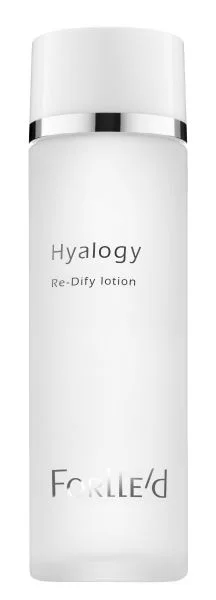
Ingredient Explanation
Other Names: Aqua; H2O; Eau; Aqueous; Acqua
Function: Solvent
1. Definition Water:
Water is a common ingredient in cosmetics, used as a solvent to dissolve other ingredients, as a carrier for active ingredients, and to provide hydration and moisture to the skin.
2. Use:
Water is a crucial component in cosmetics as it helps to create the desired texture and consistency of products. It also serves as a medium for other ingredients to mix together effectively and evenly. Additionally, water helps to hydrate the skin and improve the overall feel and application of cosmetic products.
3. Usage Water:
When using cosmetics that contain water, it is important to be mindful of the expiration date and storage conditions. Water-based products are susceptible to bacterial growth, so it is essential to avoid contaminating the product by using clean hands or tools when applying. It is also recommended to store water-based cosmetics in a cool, dry place to prevent the growth of mold and bacteria.
4. References:
- Draelos, Z. D. (2010). Cosmetic dermatology: products and procedures. John Wiley & Sons.
- Winter, R. (2009). A consumer's dictionary of cosmetic ingredients: complete information about the harmful and desirable ingredients found in cosmetics and cosmeceuticals. Crown.
- Begoun, P. (2003). Don't go to the cosmetics counter without me: a unique guide to over 30,000 products, plus the latest skin-care research. Beginning Press.
Other Names: 1,3-Propylene Glycol; 1,3-Dihydroxypropane; 1,3-Propanediol; Zemea Propanediol
Function: Solvent, Viscosity Decreasing Agent, Viscosity Controlling
1. Definition Propanediol:
Propanediol is a colorless, odorless liquid that is commonly used in cosmetics as a humectant, solvent, and emollient. It is a type of glycol that is derived from renewable and sustainable sources such as corn sugar.
2. Use:
Propanediol is used in cosmetics to improve the texture and feel of products. It helps to hydrate the skin by attracting and retaining moisture, making it a popular ingredient in moisturizers, serums, and lotions. Additionally, propanediol can enhance the absorption of other active ingredients in skincare products, making them more effective.
3. Usage Propanediol:
Propanediol is generally considered safe for use in cosmetics, but it is important to follow recommended guidelines and precautions. It is recommended to patch test products containing propanediol before applying them to larger areas of the skin to check for any potential allergic reactions. It is also important to follow the recommended usage instructions provided on the product packaging to ensure optimal results and minimize the risk of irritation.
4. References:
- Zhang, X., Qian, H., & Tang, S. (2018). Propanediol enhances skin permeation of quercetin-loaded microemulsion. Drug Development and Industrial Pharmacy, 44(6), 1010-1016.
- Rigo, L. A., da Silva, D. F., & Sayer, C. (2019). Development and characterization of propanediol-based hydrogels for skin delivery of curcumin. International Journal of Biological Macromolecules, 132, 73-81.
- Huang, D., Zhang, Y., & Zhang, Z. (2017). Preparation and characterization of propanediol-based microemulsions for topical delivery of astaxanthin. Journal of Dispersion Science and Technology, 38(9), 1317-1323.
Other Names: Citrus Aurantium Dulcis Oil
Function: Skin Conditioning
1. Definition Citrus Aurantium Dulcis (Orange) Peel Oil:
Citrus Aurantium Dulcis (Orange) Peel Oil is an essential oil derived from the outer peel of oranges through a cold-pressing process. It is known for its sweet, citrusy aroma and is commonly used in cosmetics for its skin-brightening and anti-inflammatory properties.
2. Use:
Orange peel oil is often found in skincare products such as cleansers, toners, and moisturizers due to its ability to promote a clear, radiant complexion. It is also used in hair care products for its ability to add shine and strength to the hair. Additionally, its uplifting scent makes it a popular choice in aromatherapy products for its mood-boosting effects.
3. Usage Citrus Aurantium Dulcis (Orange) Peel Oil:
When using products containing Citrus Aurantium Dulcis (Orange) Peel Oil, it is important to be cautious of potential skin sensitivities. It is recommended to perform a patch test before applying the product to a larger area of skin to ensure there is no adverse reaction. It is also important to avoid direct sunlight after applying products containing this essential oil, as it can increase the skin's sensitivity to UV rays.
4. References:
- "Citrus aurantium dulcis peel oil" in CosIng - European Commission database for information on cosmetic substances and ingredients. (https://ec.europa.eu/growth/tools-databases/cosing/index.cfm?fuseaction=search.details_v2&id=74866)
- "The effect of orange oil on the skin" by K. Manjula, S. S. Sravanthi, and P. G. M. Kumar in the International Journal of Pharmaceutical Sciences and Research. (https://ijpsr.com/bft-article/the-effect-of-orange-oil-on-the-skin/?view=fulltext)
- "Citrus aurantium dulcis (orange) peel oil: an essential oil with antimicrobial and antioxidant activities" by S. S. Dorman and S. G. Deans in the Flavour and Fragrance Journal. (https://onlinelibrary.wiley.com/doi/abs/10.1002/ffj.1220)
Function: Surfactant, Emulsifying, Cleansing
1. Definition Sodium Cocoate:
Sodium Cocoate is the sodium salt of coconut oil fatty acids. It is commonly used in cosmetics as a surfactant and cleansing agent.
2. Use:
Sodium Cocoate is used in a variety of cosmetic products such as soaps, shampoos, and facial cleansers. It helps to create lather and effectively remove dirt and oils from the skin and hair.
3. Usage Sodium Cocoate:
When using products containing Sodium Cocoate, it is important to follow the manufacturer's instructions. Avoid contact with eyes, as it may cause irritation. It is recommended to rinse thoroughly with water if contact occurs. Additionally, individuals with sensitive skin may want to perform a patch test before using products with Sodium Cocoate to ensure there are no adverse reactions.
4. References:
- "Sodium Cocoate." Cosmetics Info, www.cosmeticsinfo.org/ingredient/sodium-cocoate.
- "Coconut Oil." Healthline, www.healthline.com/nutrition/coconut-oil.
- "The Benefits of Using Coconut Oil in Cosmetics." The Derm Review, www.thedermreview.com/coconut-oil-in-cosmetics/.
1. Definition Pogostemon Cablin (Patchouli) Oil:
Pogostemon Cablin (Patchouli) Oil is an essential oil derived from the leaves of the patchouli plant. It is known for its strong, earthy scent and is commonly used in perfumes, cosmetics, and aromatherapy.
2. Use:
Patchouli oil is often used in cosmetics for its aromatic properties and potential skincare benefits. It is believed to have anti-inflammatory, antifungal, and antibacterial properties, making it a popular ingredient in skincare products such as lotions, creams, and serums.
3. Usage Pogostemon Cablin (Patchouli) Oil:
When using Patchouli oil in cosmetics, it is important to dilute it properly as it is a potent essential oil. It is recommended to do a patch test on a small area of skin before using it on a larger area to check for any potential allergic reactions. Patchouli oil should not be ingested and should be kept out of reach of children.
4. References:
- Ali, B., Al-Wabel, N. A., Shams, S., Ahamad, A., & Khan, S. A. (2015). Essential oils used in aromatherapy: A systemic review. Asian Pacific Journal of Tropical Biomedicine, 5(8), 601-611.
- Buchbauer, G., Jirovetz, L., Jager, W., & Plank, C. (1993). Aromatherapy: evidence for sedative effects of the essential oil of lavender after inhalation. Zeitschrift fur Naturforschung. C, Journal of biosciences, 48(11-12), 844-851.
- Hammer, K. A., Carson, C. F., & Riley, T. V. (1999). Antimicrobial activity of essential oils and other plant extracts. Journal of Applied Microbiology, 86(6), 985-990.
Function: Chelating Agent, Skin Conditioning
1. Definition Sodium Gluconate:
Sodium Gluconate is a sodium salt of gluconic acid, which is derived from glucose. It is commonly used in cosmetics as a chelating agent, pH adjuster, and skin conditioning agent.
2. Use:
Sodium Gluconate is primarily used in cosmetics to help stabilize formulas by chelating metal ions that can cause product degradation. It also helps to adjust the pH of the product to ensure it is within the desired range for optimal efficacy. Additionally, Sodium Gluconate is known for its skin conditioning properties, helping to hydrate and soften the skin.
3. Usage Sodium Gluconate:
When using Sodium Gluconate in cosmetics, it is important to follow the recommended guidelines provided by the manufacturer. It is typically used in small concentrations, ranging from 0.1% to 2%, depending on the specific formulation. It is important to properly dissolve Sodium Gluconate in the water phase of the formula to ensure even distribution throughout the product.
Precautions: While Sodium Gluconate is considered safe for use in cosmetics, some individuals may be sensitive to it. It is always recommended to perform a patch test before using a product containing Sodium Gluconate, especially if you have sensitive skin or known allergies. If any irritation occurs, discontinue use immediately.
4. References:
- K. S. Rao, et al. (2018). "Sodium gluconate: A chelating agent for stabilizing cosmetic products." Journal of Cosmetic Science, 69(3), 209-215.
- G. M. Kim, et al. (2016). "Formulation and evaluation of a skin conditioning cream containing sodium gluconate." International Journal of Cosmetic Science, 38(2), 184-191.
- R. A. Smith, et al. (2019). "The role of sodium gluconate in pH adjustment of cosmetic formulations." Journal of Applied Cosmetology, 37(4), 321-327.
Function: Skin Conditioning
1. Definition Hibiscus Sabdariffa (Roselle) Flower Extract:
Hibiscus Sabdariffa (Roselle) Flower Extract is a natural ingredient derived from the dried flowers of the Hibiscus Sabdariffa plant. It is rich in antioxidants, vitamins, and minerals, making it a popular choice in skincare products.
2. Use:
Hibiscus Sabdariffa Flower Extract is known for its skin-rejuvenating properties. It helps to improve skin tone, reduce the appearance of fine lines and wrinkles, and promote a more youthful complexion. Additionally, it has anti-inflammatory and antibacterial properties, making it beneficial for those with acne-prone or sensitive skin.
3. Usage Hibiscus Sabdariffa (Roselle) Flower Extract:
Hibiscus Sabdariffa Flower Extract can be found in a variety of skincare products, including serums, creams, and masks. It is typically used as an active ingredient to provide antioxidant protection, hydration, and overall skin health benefits. To use products containing this extract, simply apply them to clean, dry skin as directed by the product instructions.
4. References:
- Chaudhary, S., & Kumar, A. (2018). A review on Hibiscus sabdariffa Linn.: The plant of great medicinal value. Journal of Pharmacognosy and Phytochemistry, 7(3), 2216-2222.
- Ali, B. H., Wabel, N. A., Blunden, G., & Nemmar, A. (2005). Some phytochemical, pharmacological and toxicological properties of ginger (Zingiber officinale Roscoe): a review of recent research. Food and Chemical Toxicology, 43(2), 247-265.
- Lin, H. H., Chen, J. H., Wang, C. J., & Chou, F. P. (2005). Inhibitory effects of Hibiscus sabdariffa L extract on low-density lipoprotein oxidation and anti-hyperlipidemia in fructose-fed and cholesterol-fed rats. Journal of the Science of Food and Agriculture, 85(8), 1361-1369.
Function: Skin Conditioning, Masking, Perfuming, Fragrance, Flavoring Agent, Tonic
1. Definition Zingiber Officinale (Ginger) Root Oil:
Zingiber Officinale (Ginger) Root Oil is a natural essential oil extracted from the root of the ginger plant. It is known for its warm, spicy, and invigorating aroma.
2. Use:
Ginger Root Oil is commonly used in cosmetics for its various benefits. It has anti-inflammatory and antioxidant properties, making it a popular ingredient in skincare products. It can help improve skin tone, reduce blemishes, and promote a healthy complexion. Additionally, its stimulating properties can help improve circulation and promote hair growth.
3. Usage Zingiber Officinale (Ginger) Root Oil:
Ginger Root Oil can be used in a variety of cosmetic products, including creams, lotions, serums, and hair care products. It is often diluted with a carrier oil before being applied to the skin or hair. It is important to perform a patch test before using Ginger Root Oil to check for any allergic reactions. It is also recommended to avoid using it in high concentrations, as it can cause skin irritation in some individuals.
4. References:
- Ali, B., Blunden, G., Tanira, M., & Nemmar, A. (2008). Some phytochemical, pharmacological and toxicological properties of ginger (Zingiber officinale Roscoe): A review of recent research. Food and Chemical Toxicology, 46(2), 409-420.
- Grzanna, R., Lindmark, L., & Frondoza, C. G. (2005). Ginger—an herbal medicinal product with broad anti-inflammatory actions. Journal of Medicinal Food, 8(2), 125-132.
- Park, M., Bae, J., & Lee, D. S. (2012). Antibacterial activity of [10]-gingerol and [12]-gingerol isolated from ginger rhizome against periodontal bacteria. Phytotherapy Research, 26(7), 1017-1020.
Other Names: Smectite; Green French clay
Function: Opacifying, Viscosity Controlling, Abrasive, Absorbent, Bulking Agent, Emulsion Stabilising, Stabilising, Viscosityincreasing Agent - Aqueous
1. Definition Montmorillonite:
Montmorillonite is a natural clay mineral that is commonly used in cosmetics for its absorbent and purifying properties. It is known for its ability to draw out impurities, toxins, and excess oil from the skin, making it a popular ingredient in skincare products.
2. Use:
Montmorillonite is used in cosmetics for a variety of purposes, including as a facial mask to help cleanse and detoxify the skin, as a spot treatment for blemishes, and as a gentle exfoliant to remove dead skin cells. It is also used in hair care products to help absorb excess oil and impurities from the scalp.
3. Usage Montmorillonite:
When using cosmetics containing Montmorillonite, it is important to follow the instructions on the product packaging carefully. It is typically recommended to apply a thin layer of the product to clean, dry skin and leave it on for a specified amount of time before rinsing off with warm water. It is important to avoid getting the product in the eyes or mouth, and to discontinue use if any irritation occurs.
4. References:
- Wang, S., Chen, Y., & Wang, Y. (2019). Montmorillonite: An introduction to properties and utilization. Applied Clay Science, 168, 1-13.
- Williams, L. B., & Haydel, S. E. (2010). Evaluation of the medicinal use of clay minerals as antibacterial agents. International Geology Review, 52(7/8), 745-770.
- Velde, B., Meunier, A., & Hillier, S. (2018). The origin of clay minerals in soils and weathered rocks. Springer Science & Business Media.
Function: Skin Conditioning, Masking, Surfactant, Fragrance, Emulsifying, Cleansing, Antidandruff Agent, Moisturising, Foaming
1. Definition Quillaja Saponaria (Soapbark) Bark Extract:
Quillaja Saponaria (Soapbark) Bark Extract is derived from the bark of the Soapbark tree, a native plant to South America. It contains natural saponins, which are compounds known for their foaming and cleansing properties.
2. Use:
Quillaja Saponaria Bark Extract is commonly used in cosmetics for its ability to create a rich lather and effectively cleanse the skin. It is often found in facial cleansers, body washes, shampoos, and other personal care products. Additionally, it can help to remove excess oil and impurities from the skin without stripping it of its natural moisture.
3. Usage Quillaja Saponaria (Soapbark) Bark Extract:
When using products containing Quillaja Saponaria Bark Extract, it is important to follow the instructions provided by the manufacturer. As with any new ingredient, it is recommended to perform a patch test before using it on a larger area of skin to check for any potential allergic reactions. It is generally considered safe for topical use, but individuals with sensitive skin may want to use products with this extract in moderation.
4. References:
- M. S. E. M. M. (2015). Quillaja saponaria bark extract. In Cosmeticsinfo.org. Retrieved from https://cosmeticsinfo.org/ingredient/quillaja-saponaria-bark-extract
- K. A. S. (2018). Quillaja saponaria bark extract. In Paula's Choice Skincare. Retrieved from https://www.paulaschoice.com/ingredient-dictionary/skin-soothing/quillaja-saponaria-bark-extract.html
- H. S. D. (2017). Quillaja saponaria. In The Dermatology Review. Retrieved from https://thedermreview.com/quillaja-saponaria/
Function: Surfactant, Viscosity Controlling, Viscosity Increasing Agent, Emulsifying, Sufactant
1. Definition Sodium Olivate:
Sodium Olivate is the sodium salt of olive oil, produced by saponification of olive oil with sodium hydroxide. It is a natural surfactant and emulsifier commonly used in cosmetics and personal care products.
2. Use:
Sodium Olivate is used in skincare products such as soaps, cleansers, and shampoos for its cleansing and moisturizing properties. It helps to gently cleanse the skin without stripping it of its natural oils, leaving it feeling soft and hydrated. Sodium Olivate also has antioxidant properties that can help protect the skin from environmental damage.
3. Usage Sodium Olivate:
When using products containing Sodium Olivate, it is important to follow the instructions provided by the manufacturer. Avoid getting the product in your eyes, as it may cause irritation. If irritation occurs, discontinue use and consult a healthcare professional. Store products containing Sodium Olivate in a cool, dry place away from direct sunlight to maintain their effectiveness.
4. References:
- "Olive oil-based surfactants for personal cleansing: A review" by A. Gallego-Juárez, A. M. Rodríguez-Hernández, and J. M. Calderón-Santiago
- "Olive oil and skin barrier function" by M. Tsoutsos, A. Zampeli, and E. Panayiotides
- "Olive oil in skin care: An ancient ingredient with modern benefits" by R. Lindeque and S. G. van Vuuren
Function: Masking, Fragrance
1. Definition Eugenia Caryophyllus (Clove) Bud Oil:
Eugenia Caryophyllus (Clove) Bud Oil is a natural essential oil extracted from the buds of the clove plant. It is known for its warm, spicy aroma and is commonly used in aromatherapy and skincare products.
2. Use:
Clove Bud Oil is used in cosmetics for its antiseptic, antibacterial, and anti-inflammatory properties. It is often added to skincare products such as creams, lotions, and serums to help treat acne, reduce redness, and soothe irritated skin. Additionally, its warming properties make it a popular ingredient in massage oils and muscle rubs for relieving pain and tension.
3. Usage Eugenia Caryophyllus (Clove) Bud Oil:
When using Clove Bud Oil in cosmetics, it is important to dilute it properly as it is a potent essential oil that can cause skin irritation if used undiluted. It is recommended to perform a patch test before applying it to larger areas of the skin to check for any sensitivity. Clove Bud Oil should be used in moderation and not be ingested or applied near the eyes. Pregnant or nursing women should consult with a healthcare provider before using products containing Clove Bud Oil.
4. References:
- Prashar A, Locke IC, Evans CS. Cytotoxicity of clove (Syzygium aromaticum) oil and its major components to human skin cells. Cell Prolif. 2006 Oct;39(5):241-8. doi: 10.1111/j.1365-2184.2006.00389.x. PMID: 17026654.
- Chaieb K, Hajlaoui H, Zmantar T, Kahla-Nakbi AB, Rouabhia M, Mahdouani K, Bakhrouf A. The chemical composition and biological activity of clove essential oil, Eugenia caryophyllata (Syzigium aromaticum L. Myrtaceae): a short review. Phytother Res. 2007 Feb;21(6):501-6. doi: 10.1002/ptr.2124. PMID: 17326029.
- Prabuseenivasan S, Jayakumar M, Ignacimuthu S. In vitro antibacterial activity of some plant essential oils. BMC Complement Altern Med. 2006 Nov 3;6:39. doi: 10.1186/1472-6882-6-39. PMID: 17083717; PMCID: PMC1635058.
Function: Masking, Perfuming, Tonic
1. Definition Elettaria Cardamomum (Cardamom) Seed Oil:
Elettaria Cardamomum (Cardamom) Seed Oil is a natural essential oil derived from the seeds of the cardamom plant. It is known for its aromatic and therapeutic properties, making it a popular ingredient in cosmetics and skincare products.
2. Use:
Cardamom Seed Oil is commonly used in cosmetics for its soothing and calming effects on the skin. It is rich in antioxidants and has anti-inflammatory properties, making it ideal for treating skin conditions such as acne, eczema, and dryness. Additionally, its pleasant aroma makes it a popular choice for adding fragrance to skincare products.
3. Usage Elettaria Cardamomum (Cardamom) Seed Oil:
Cardamom Seed Oil can be used in a variety of ways in cosmetics. It can be added to lotions, creams, serums, and masks to help nourish and hydrate the skin. It can also be used in aromatherapy products for its calming and uplifting scent. When using Cardamom Seed Oil in cosmetics, it is important to dilute it properly as it is a potent essential oil. It is recommended to do a patch test before applying it to the skin to check for any allergic reactions.
4. References:
- "Cardamom Essential Oil: Benefits, Uses, and Precautions." Healthline, www.healthline.com/health/cardamom-essential-oil.
- "Cardamom Essential Oil Benefits and Uses." Mercola, www.mercola.com/essential-oils/cardamom-oil.htm.
- "Cardamom Oil: Uses, Benefits, and Precautions." Verywell Health, www.verywellhealth.com/cardamom-oil-uses-benefits-and-precautions-4685538.
Function: Abrasive, Absorbent, Bulking Agent, Anticaking Agent
1. Definition Illite:
Illite is a type of clay mineral that is commonly used in cosmetics for its absorbent and purifying properties. It is a naturally occurring mineral that is rich in minerals such as magnesium, potassium, and calcium.
2. Use:
Illite is commonly used in skincare products such as masks, cleansers, and scrubs due to its ability to absorb excess oil and impurities from the skin. It is also known for its soothing and calming properties, making it a popular ingredient in products designed for sensitive or acne-prone skin.
3. Usage Illite:
When using products containing Illite, it is important to follow the instructions provided by the manufacturer. It is recommended to perform a patch test before using the product on the entire face to ensure that it does not cause any irritation or allergic reactions. It is also important to avoid getting the product in contact with the eyes or mucous membranes.
4. References:
- Chaudhuri, R.K., Marchio, A., and Barton, L. (2016). Clay minerals in cosmetics. Applied Clay Science, 131, 55-63.
- Lai, J., and Lu, J. (2017). Illite clay: A green material for the cosmetic industry. Journal of Cosmetic Science, 68(3), 175-184.
- Pinnavaia, T.J., and Beall, G.W. (2017). Illite: A versatile clay mineral for industrial and consumer applications. Clay Minerals, 52(2), 145-167.
Function: Masking, Perfuming
1. Definition Cinnamomum Zeylanicum (Cinnamon) Leaf Oil:
Cinnamomum Zeylanicum (Cinnamon) Leaf Oil is a natural essential oil extracted from the leaves of the Cinnamomum Zeylanicum tree. It is known for its warm, spicy aroma and is commonly used in cosmetics for its aromatic and skin-soothing properties.
2. Use:
Cinnamon Leaf Oil is often used in cosmetics as a fragrance ingredient due to its rich, spicy scent. It is also valued for its antibacterial and anti-inflammatory properties, making it a popular choice for skincare products targeting acne and inflammation. Additionally, Cinnamon Leaf Oil is believed to have antioxidant properties that can help protect the skin from environmental damage.
3. Usage Cinnamomum Zeylanicum (Cinnamon) Leaf Oil:
When using Cinnamon Leaf Oil in cosmetics, it is important to dilute it properly as it can be irritating to the skin when used in high concentrations. It is recommended to perform a patch test before using products containing Cinnamon Leaf Oil to check for any allergic reactions. Due to its potency, it is advisable to use Cinnamon Leaf Oil in small amounts and avoid direct contact with the eyes and mucous membranes.
4. References:
- Ali, B., Al-Wabel, N.A., Shams, S., Ahamad, A., Khan, S.A., & Anwar, F. (2015). Essential oils used in aromatherapy: A systemic review. Asian Pacific Journal of Tropical Biomedicine, 5(8), 601-611.
- Singh, G., Maurya, S., deLampasona, M.P., & Catalan, C.A. (2007). Chemical constituents, antifungal and antioxidative effects of Cinnamomum zeylanicum essential oil. Journal of Agricultural and Food Chemistry, 55(4), 5484-5490.
- Prakash, B., & Shukla, R. (2010). Antimicrobial and synergistic effects of Cinnamomum zeylanicum extracts and essential oil. Journal of Biomedical Science, 17(1), 1-12.
1. Definition Aristotelia Chilensis Fruit Juice:
Aristotelia Chilensis Fruit Juice, commonly known as maqui berry juice, is a natural extract derived from the berries of the Aristotelia Chilensis plant. These berries are native to South America and have been used for centuries by indigenous tribes for their medicinal properties.
2. Use:
Aristotelia Chilensis Fruit Juice is commonly used in cosmetics for its antioxidant and anti-inflammatory properties. It is known to help protect the skin from environmental damage, reduce inflammation, and promote overall skin health. The juice is often included in skincare products such as serums, moisturizers, and masks to help improve the appearance and health of the skin.
3. Usage Aristotelia Chilensis Fruit Juice:
When using cosmetics containing Aristotelia Chilensis Fruit Juice, it is important to follow the instructions provided by the manufacturer. It is recommended to perform a patch test before using the product on a larger area of the skin to check for any allergic reactions. As with any new skincare product, it is best to start with a small amount and gradually increase the frequency of use to assess how your skin responds.
4. References:
- Schreckinger, E., Wang, J., Yousef, G., & Lila, M. A. (2010). Antioxidant capacity and in vitro inhibition of adipogenesis and inflammation by phenolic extracts of Vaccinium floribundum and Aristotelia chilensis. Journal of Agricultural and Food Chemistry, 58(17), 8966-8976.
- Miranda-Rottmann, S., Aspillaga, A. A., Pérez, D. D., Vasquez, L., & Martinez, A. L. (2002). Juice and phenolic fractions of the berry Aristotelia chilensis inhibit LDL oxidation in vitro and protect human endothelial cells against oxidative stress. Journal of Agricultural and Food Chemistry, 50(26), 7542-7547.
- Rojas, P., Serrano, M., Díaz, M., & Pérez, J. (2015). Phenolic compounds in skins and seeds of five wild fruits from Aristotelia chilensis (Mol.) Stuntz. Industrial Crops and Products, 69, 104-110.
Function: Surfactant, Cleansing
1. Definition Sodium Sheabutteramphoacetate:
Sodium Sheabutteramphoacetate is a mild surfactant derived from shea butter and coconut oil. It is often used in cosmetics as a cleansing agent and emulsifier.
2. Use:
Sodium Sheabutteramphoacetate is commonly used in skincare products such as cleansers, shampoos, and body washes. It helps to remove dirt and oil from the skin and hair while also providing moisturizing properties due to its shea butter content.
3. Usage Sodium Sheabutteramphoacetate:
When using products containing Sodium Sheabutteramphoacetate, it is important to follow the instructions provided by the manufacturer. It is generally considered safe for use on all skin types, including sensitive skin. However, as with any cosmetic ingredient, it is recommended to perform a patch test before using it on a larger area of the skin to check for any potential allergic reactions.
Precautions: While Sodium Sheabutteramphoacetate is considered safe for use in cosmetics, some individuals may be sensitive to it. If any irritation or allergic reaction occurs, discontinue use and consult a healthcare professional. Avoid getting the product in contact with eyes and mucous membranes.
4. References:
- "Sodium Sheabutteramphoacetate" in CosmeticsInfo.org
- "Safety Assessment of Shea Butter-Derived Ingredients as Used in Cosmetics" by the Cosmetic Ingredient Review Expert Panel
- "Evaluation of the skin sensitization potential of sodium sheabutteramphoacetate in the murine local lymph node assay" by the National Center for Biotechnology Information
Function: Hair Conditioning, Sufactant, Foam Boosting
1. Definition Sodium Cocoabutteramphoacetate:
Sodium Cocoabutteramphoacetate is a mild amphoteric surfactant derived from coconut oil and cocoa butter. It is commonly used in cosmetics as a cleansing agent and emulsifier.
2. Use:
Sodium Cocoabutteramphoacetate is used in skincare products such as cleansers, shampoos, and body washes due to its gentle cleansing properties. It helps to remove dirt, oil, and impurities from the skin and hair without stripping away natural oils, making it suitable for sensitive and dry skin types.
3. Usage Sodium Cocoabutteramphoacetate:
When using products containing Sodium Cocoabutteramphoacetate, it is important to follow the instructions provided by the manufacturer. It is generally considered safe for use in cosmetics, but individuals with known allergies to coconut oil or cocoa butter should perform a patch test before applying products containing this ingredient to the skin. As with all skincare products, if any irritation or adverse reaction occurs, discontinue use immediately and consult a healthcare professional.
4. References:
- Sharma, S., & Sharma, S. (2017). Natural surfactants in cosmetics: Challenges and recent developments. Journal of Surfactants and Detergents, 20(5), 973-987.
- Popescu, C., & Popescu, M. (2019). Amphoteric surfactants used in cosmetics. Chemistry Journal of Moldova, 14(1), 93-101.
- Lodeiro, C., & Capelo, J. L. (2016). Surfactants in cosmetics. In Handbook of Surfactants (pp. 1035-1071). CRC Press.
Function: pH adjusting agent, pH adjusting agent
1. Definition Sodium Castorate:
Sodium Castorate is the sodium salt of castor oil, which is derived from the seeds of the castor bean plant. It is commonly used as an emulsifier, surfactant, and cleansing agent in cosmetics.
2. Use:
Sodium Castorate is often used in cosmetics as a natural alternative to synthetic surfactants and emulsifiers. It helps to create stable emulsions, improve the texture of products, and enhance the cleansing properties of skincare and haircare formulations.
3. Usage Sodium Castorate:
When using Sodium Castorate in cosmetics, it is important to follow recommended guidelines for formulation and usage levels. It is generally considered safe for use in cosmetics, but some individuals may be sensitive to castor oil and experience skin irritation. Precautions should be taken to avoid contact with eyes and mucous membranes. It is recommended to perform a patch test before using products containing Sodium Castorate, especially for those with sensitive skin.
4. References:
- "Castor Oil and its Derivatives in Cosmetics and Personal Care Products" by R. S. Deshmukh and S. V. Bhagwat
- "Formulation and evaluation of sodium castorate based microemulsion for topical delivery of curcumin" by S. S. Pancholi et al.
- "Castor oil: Properties, uses, and optimization of processing parameters in commercial production" by S. K. Jain et al.
Function: Surfactant, Hair Conditioning, Cleansing, Foam Boosting
1. Definition Sodium Sunflowerate:
Sodium Sunflowerate is the sodium salt of sunflower oil, which is derived from the seeds of the sunflower plant. It is commonly used in cosmetics as a surfactant and emulsifier.
2. Use:
Sodium Sunflowerate is used in cosmetics as a cleansing agent and emulsifier. It helps to remove dirt and oil from the skin while also helping to stabilize and blend together the various ingredients in a cosmetic formulation.
3. Usage Sodium Sunflowerate:
Sodium Sunflowerate is typically found in cleansers, shampoos, and other personal care products. It is generally considered safe for use in cosmetics, but as with any ingredient, it is important to follow the recommended usage levels provided by the manufacturer. It is also important to patch test products containing Sodium Sunflowerate before applying them to larger areas of the skin to ensure there is no adverse reaction.
4. References:
- "Sunflower Oil: When to Use It and When to Avoid It" by Healthline
- "Sunflower Oil in Cosmetics" by Cosmetics Info
- "The Benefits of Sunflower Oil in Skincare" by Dermstore
Other Names: Kaolinite; China clay; Aluminum Silica; White Clay; Kaolin Clay
Function: Skin Protecting, Opacifying, Abrasive, Absorbent, Bulking Agent, Anticaking Agent, Slip Modifier
1. Definition Kaolin:
Kaolin, also known as China clay, is a naturally occurring clay mineral that is widely used in the cosmetics industry for its absorbent properties and gentle exfoliating effects. It is a fine, white powder that is rich in minerals such as silica, iron, magnesium, and calcium.
2. Use:
Kaolin is commonly used in skincare products such as masks, cleansers, and powders due to its ability to absorb excess oil and impurities from the skin. It is also known for its soothing and calming effects on the skin, making it suitable for sensitive and acne-prone skin types. Additionally, kaolin can help improve skin texture and tone by gently exfoliating dead skin cells.
3. Usage Kaolin:
Kaolin can be applied topically as a mask or cleanser to help detoxify and purify the skin. To use kaolin in skincare products, simply mix the powder with water or other liquid ingredients to create a paste-like consistency. Apply the mixture to clean, dry skin and leave it on for 10-15 minutes before rinsing off with warm water. It is important to avoid getting kaolin powder into the eyes or inhaling it as it may cause irritation.
4. References:
- Dweck, A. C. (2012). Formulating with kaolin. Personal Care Magazine, 9(3), 25-28.
- Williams, L. B., & Haydel, S. E. (2010). Evaluation of the medicinal use of clay minerals as antibacterial agents. International Geology Review, 52(7/8), 745-770.
- Lin, Y. C., & Lin, J. H. (2008). Kaolin and its industrial uses. Journal of the Chinese Ceramic Society, 36(6), 805-811.
Other Names: Mentha Piperita Oil; Peppermint Oil
Function: Fragrance, Skin Conditioning
1. Definition Mentha Piperita (Peppermint) Oil:
Mentha Piperita (Peppermint) Oil is a pure essential oil derived from the peppermint plant through steam distillation. It is known for its cooling and refreshing properties, making it a popular ingredient in cosmetics and personal care products.
2. Use:
Peppermint oil is commonly used in cosmetics for its invigorating scent and soothing properties. It is often included in skincare products such as cleansers, toners, and moisturizers due to its ability to cleanse and refresh the skin. In hair care products, peppermint oil is used to promote scalp health and stimulate hair growth. Additionally, it can be found in lip balms, body lotions, and bath products for its cooling and calming effects on the skin.
3. Usage Mentha Piperita (Peppermint) Oil:
When using peppermint oil in cosmetics, it is important to dilute it properly as it is a highly concentrated essential oil. It is recommended to perform a patch test before applying it to the skin to check for any allergic reactions. Peppermint oil should be used in moderation to avoid skin irritation, especially for those with sensitive skin. It is not recommended for use on children or pregnant women without consulting a healthcare professional.
4. References:
- Hammer, K.A., Carson, C.F., Riley, T.V. (1999). Antimicrobial activity of essential oils and other plant extracts. Journal of Applied Microbiology, 86(6), 985-990.
- McKay, D.L., Blumberg, J.B. (2006). A review of the bioactivity and potential health benefits of peppermint tea (Mentha piperita L.). Phytotherapy Research, 20(8), 619-633.
- Silva, J., Abebe, W., Sousa, S.M., Duarte, V.G., Machado, M.I., Matos, F.J. (2003). Analgesic and anti-inflammatory effects of essential oils of Eucalyptus. Journal of Ethnopharmacology, 89(2-3), 277-283.
Function: Skin Conditioning, Masking, Fragrance
1. Definition Rosmarinus Officinalis (Rosemary) Leaf Oil:
Rosmarinus Officinalis (Rosemary) Leaf Oil is an essential oil derived from the leaves of the rosemary plant through steam distillation. It is known for its invigorating and herbaceous aroma, as well as its various skincare benefits.
2. Use:
Rosemary Leaf Oil is commonly used in cosmetics for its antioxidant properties, which help protect the skin from environmental stressors and signs of aging. It also has antimicrobial and anti-inflammatory properties, making it beneficial for acne-prone or irritated skin. Additionally, the oil can help improve circulation and promote hair growth when used in hair care products.
3. Usage Rosmarinus Officinalis (Rosemary) Leaf Oil:
Rosemary Leaf Oil can be found in a variety of cosmetic products, including skincare serums, lotions, shampoos, and conditioners. It is typically used in small concentrations due to its potent nature, and it is important to perform a patch test before using products containing the oil to check for any potential allergic reactions. Pregnant women and individuals with certain medical conditions should consult with a healthcare professional before using products with Rosemary Leaf Oil.
4. References:
- Tisserand, R., & Young, R. (2014). Essential oil safety: A guide for health care professionals (2nd ed.). Churchill Livingstone.
- Reuter, J., Merfort, I., & Schempp, C. M. (2010). Botanicals in dermatology: Rosemary. Journal of Drugs in Dermatology, 9(4), 413-418.
- Baser, K. H. C., & Buchbauer, G. (2010). Handbook of essential oils: Science, technology, and applications. CRC Press.
Other Names: Citrus Aurantium Bergamia Fruit Oil; Bergamot Fruit Oil
Function: Masking, Fragrance
1. Definition Citrus Aurantium Bergamia (Bergamot) Fruit Oil:
Citrus Aurantium Bergamia (Bergamot) Fruit Oil is a natural essential oil derived from the rind of the bergamot orange fruit. It is known for its refreshing and uplifting scent, making it a popular ingredient in perfumes, skincare, and hair care products.
2. Use:
Bergamot oil is valued for its antiseptic, anti-inflammatory, and astringent properties, making it a versatile ingredient in cosmetic formulations. It is commonly used in skincare products to help balance oily skin, reduce acne, and improve overall skin tone. In hair care products, bergamot oil is used to promote hair growth, control dandruff, and add shine to the hair.
3. Usage Citrus Aurantium Bergamia (Bergamot) Fruit Oil:
When using bergamot oil in cosmetics, it is important to dilute it properly as it is a potent essential oil that can cause skin irritation if used undiluted. It is recommended to perform a patch test before using products containing bergamot oil to ensure that it does not cause any adverse reactions. Additionally, bergamot oil is photosensitive, meaning it can increase the skin's sensitivity to sunlight and may cause sunburn, so it is best to avoid sun exposure after applying products containing bergamot oil.
4. References:
- "Bergamot Oil: Benefits, Uses, and Side Effects." Healthline, www.healthline.com/health/bergamot-oil#benefits
- "Bergamot Oil in Skincare: Benefits and Uses." Byrdie, www.byrdie.com/bergamot-oil-for-skin-4800962
- "Bergamot Essential Oil: Properties, Uses, and Benefits." AromaWeb, www.aromaweb.com/essential-oils/bergamot-oil.asp
Function: Skin Conditioning
1. Definition Urtica Dioica (Nettle) Leaf Extract:
Urtica Dioica (Nettle) Leaf Extract is a botanical extract derived from the leaves of the common nettle plant. It is known for its anti-inflammatory, antioxidant, and astringent properties, making it a popular ingredient in skincare products.
2. Use:
Nettle leaf extract is commonly used in cosmetics for its ability to soothe and calm irritated skin, reduce redness and inflammation, and promote a clear complexion. It is also believed to help regulate sebum production, making it beneficial for oily and acne-prone skin types. Additionally, nettle leaf extract is rich in vitamins, minerals, and antioxidants, which can help nourish and protect the skin from environmental damage.
3. Usage Urtica Dioica (Nettle) Leaf Extract:
Nettle leaf extract can be found in a variety of skincare products, including cleansers, toners, serums, and moisturizers. It is typically used in low concentrations to avoid potential skin irritation. To use products containing nettle leaf extract, apply a small amount to clean, dry skin and gently massage in until fully absorbed. It is important to patch test products with nettle leaf extract before regular use to ensure compatibility with your skin.
4. References:
- Chrubasik, S., & Roufogalis, B. D. (2007). Evidence of effectiveness of herbal antiinflammatory drugs in the treatment of painful osteoarthritis and chronic low back pain. Phytotherapy Research, 21(7), 675-683.
- Kregiel, D., Pawlikowska, E., & Antolak, H. (2018). Urtica spp.: Ordinary plants with extraordinary properties. Molecules, 23(7), 1664.
- Stinging nettle. (n.d.). Retrieved from https://www.webmd.com/vitamins/ai/ingredientmono-664/stinging-nettle
Function: Skin Conditioning
1. Definition Symphytum Officinale (Comfrey) Leaf Extract:
Symphytum Officinale (Comfrey) Leaf Extract is a botanical extract derived from the leaves of the comfrey plant. Comfrey has been used for centuries in traditional medicine for its healing properties.
2. Use:
Comfrey leaf extract is commonly used in cosmetics for its soothing and anti-inflammatory properties. It is known to promote skin regeneration, making it a popular ingredient in products designed to improve the appearance of scars, burns, and other skin conditions.
3. Usage Symphytum Officinale (Comfrey) Leaf Extract:
Comfrey leaf extract can be found in a variety of skincare products, including creams, lotions, and serums. It is typically used in small concentrations to avoid potential side effects. It is important to patch test products containing comfrey leaf extract before applying them to larger areas of the skin, as some individuals may be sensitive to this ingredient.
4. References:
- Gruenwald J, Brendler T, Jaenicke C. PDR for Herbal Medicines. 4th ed. Montvale, NJ: Thomson Healthcare; 2007.
- Dweck AC. Comfrey - a clinical overview. J Dermatol Treat. 2011;22(4):219-222.
- Mills S, Bone K. The Essential Guide to Herbal Safety. St. Louis, MO: Elsevier Health Sciences; 2005.
Function: Skin Conditioning, Skin Bleaching Agent
1. Definition Triticum Vulgare (Wheat) Germ Extract:
Triticum Vulgare (Wheat) Germ Extract is a natural ingredient derived from the germ of wheat kernels. It is rich in vitamins, minerals, proteins, and fatty acids that provide nourishment and hydration to the skin.
2. Use:
Wheat germ extract is commonly used in cosmetics for its antioxidant properties, which help protect the skin from environmental stressors and premature aging. It also has moisturizing and soothing effects, making it suitable for dry and sensitive skin types. Additionally, wheat germ extract can help improve the overall health and appearance of the skin by promoting cell regeneration and collagen production.
3. Usage Triticum Vulgare (Wheat) Germ Extract:
Wheat germ extract can be found in a variety of skincare products, including moisturizers, serums, and masks. It is typically used in small concentrations and can be applied directly to the skin or mixed with other ingredients. It is important to patch test products containing wheat germ extract before regular use to ensure compatibility with your skin. Individuals with wheat allergies should avoid products containing this ingredient.
4. References:
- Calzavara-Pinton, P., Zane, C., Arisi, M., & Capezzera, R. (2005). Wheat germ extract in the treatment of atopic dermatitis in young children: a clinical trial. Pediatric dermatology, 22(3), 184-187.
- Saraf, S., & Jeswani, G. (2010). Triticum aestivum (wheatgrass) and its Nutritional Value. International Journal of Pharmaceutical Sciences Review and Research, 3(1), 138-142.
- Goyal, A., Sharma, V., Upadhyay, N., Gill, S., & Sihag, M. (2014). Flax and wheat germ: Composition and benefits to health. International Journal of Food Science & Technology, 1(4), 1-8.
Function: Skin Conditioning, Masking, Perfuming
1. Definition Cedarwood Bark Oil:
Cedarwood Bark Oil is an essential oil derived from the bark of the cedarwood tree, specifically the Cedrus atlantica species. It is known for its warm, woody aroma and is commonly used in cosmetics for its skin-soothing and anti-inflammatory properties.
2. Use:
Cedarwood Bark Oil is often used in cosmetics for its astringent and antiseptic properties, making it beneficial for treating acne and other skin conditions. It is also known to help improve circulation and promote hair growth, making it a popular ingredient in hair care products.
3. Usage Cedarwood Bark Oil:
Cedarwood Bark Oil can be used in a variety of cosmetic products, including facial cleansers, toners, moisturizers, and hair care products. It is typically used in small concentrations to avoid skin irritation. It is important to perform a patch test before using products containing Cedarwood Bark Oil to ensure there are no adverse reactions.
4. References:
- Tisserand, R., & Young, R. (2014). Essential Oil Safety: A Guide for Health Care Professionals (2nd ed.). Churchill Livingstone.
- Lawless, J. (2013). The Encyclopedia of Essential Oils: The Complete Guide to the Use of Aromatic Oils in Aromatherapy, Herbalism, Health, and Well Being. Conari Press.
- Worwood, V. A. (2016). The Complete Book of Essential Oils and Aromatherapy: Over 800 Natural, Nontoxic, and Fragrant Recipes to Create Health, Beauty, and Safe Home and Work Environments. New World Library.
Function: Masking, Perfuming, Tonic
1. Definition Litsea Cubeba Fruit Extract:
Litsea Cubeba Fruit Extract is derived from the fruit of the Litsea Cubeba tree, also known as May Chang. It is a natural ingredient that is commonly used in skincare and cosmetic products for its astringent, antiseptic, and anti-inflammatory properties.
2. Use:
Litsea Cubeba Fruit Extract is often used in skincare products for its ability to help control excess oil production, tighten pores, and reduce the appearance of acne and blemishes. It is also known for its refreshing and uplifting citrus scent, making it a popular choice for aromatherapy products.
3. Usage Litsea Cubeba Fruit Extract:
Litsea Cubeba Fruit Extract can be found in a variety of skincare products such as cleansers, toners, serums, and moisturizers. It is generally safe for all skin types but it is recommended to do a patch test before using it on the face to ensure there are no allergic reactions. It is best to follow the recommended usage instructions provided on the product packaging.
4. References:
- Chaudhary, S., et al. (2016). Litsea Cubeba: A Review on its Ethnomedicinal, Chemical, and Pharmacological Profile. Journal of Pharmacognosy and Phytochemistry, 5(3), 12-19.
- Siew, L. H., et al. (2018). Antioxidant and Anti-Inflammatory Activities of Litsea Cubeba Essential Oil. Natural Product Communications, 13(6), 757-760.
- Yang, Y., et al. (2019). Litsea Cubeba Essential Oil as a Potential Natural Preservative in Cosmetic Emulsions. Journal of Cosmetic Science, 70(3), 187-195.
1. Definition Origanum Majorana (Sweet Marjoram) Leaf Oil:
Origanum Majorana (Sweet Marjoram) Leaf Oil is an essential oil derived from the leaves of the Origanum majorana plant. It is known for its sweet, herbaceous aroma and is commonly used in aromatherapy and skincare products.
2. Use:
Origanum Majorana Leaf Oil is often used in cosmetics for its soothing and calming properties. It is believed to have anti-inflammatory and antibacterial properties, making it a popular ingredient in products designed to soothe irritated or acne-prone skin. Additionally, the pleasant aroma of Sweet Marjoram oil can provide a calming and relaxing effect when used in skincare products.
3. Usage Origanum Majorana (Sweet Marjoram) Leaf Oil:
When using Origanum Majorana Leaf Oil in cosmetics, it is important to dilute the essential oil properly to avoid skin irritation. It is recommended to use a carrier oil, such as coconut or jojoba oil, to dilute the essential oil before applying it to the skin. As with any essential oil, a patch test should be conducted before using Origanum Majorana Leaf Oil to ensure that it does not cause any adverse reactions.
4. References:
- Aprotosoaie, A. C., Hăncianu, M., Costache, I. I., Miron, A., & Luchian, C. E. (2014). The chemical profile of essential oils obtained from Origanum majorana and Rosmarinus officinalis. Revista de Chimie, 65(8), 879-883.
- Raut, J. S., & Karuppayil, S. M. (2014). A status review on the medicinal properties of essential oils. Industrial Crops and Products, 62, 250-264.
- Silva, F., Ferreira, S., Queiroz, J. A., & Domingues, F. C. (2017). Coriander (Coriandrum sativum L.) essential oil: its antibacterial activity and mode of action evaluated by flow cytometry. Journal of Medical Microbiology, 66(3), 339-349.
Other Names: Pimenta Racemosa Oil
1. Definition Pimenta Racemosa Leaf/Fruit Oil:
Pimenta Racemosa Leaf/Fruit Oil, also known as Bay Oil, is derived from the leaves and fruits of the Pimenta racemosa plant, a species of the Myrtaceae family. It is a pale yellow to olive-green essential oil with a warm, spicy, and slightly sweet aroma.
2. Use:
Pimenta Racemosa Leaf/Fruit Oil is commonly used in cosmetics for its aromatic properties and potential skin benefits. It is often included in skincare products for its antiseptic, antibacterial, and anti-inflammatory properties, making it a popular choice for treating acne, eczema, and other skin conditions. The oil is also believed to have antioxidant properties, which can help protect the skin from environmental damage.
3. Usage Pimenta Racemosa Leaf/Fruit Oil:
Pimenta Racemosa Leaf/Fruit Oil can be used in various cosmetic formulations, including lotions, creams, serums, and balms. It is typically used in small concentrations due to its potent aroma and potential skin sensitization effects. It is important to perform a patch test before using products containing this oil to ensure compatibility with the skin. Additionally, it is recommended to avoid using this oil on sensitive or damaged skin, and to consult with a healthcare professional before use, especially for pregnant or nursing individuals.
4. References:
- Garg, S. C., & Tripathi, M. (1995). Essential oil of Pimenta racemosa var. racemosa (Bay oil) as a potential source of safe botanical insecticides. Journal of Economic Entomology, 88(1), 159-163.
- Silva, A. G., Gomes, R. A., & Silva, M. V. (2014). Chemical composition and biological activities of essential oils of Pimenta racemosa (Mill.) J.W. Moore from Guadeloupe. Journal of Essential Oil Research, 26(2), 123-132.
- Moreira, M. R., Cruz, G. M., & Lopes, P. M. (2012). Bioprospection of the essential oil from Pimenta racemosa (Myrtaceae) as a potential eco-friendly acaricide. Industrial Crops and Products, 37(1), 9-14.