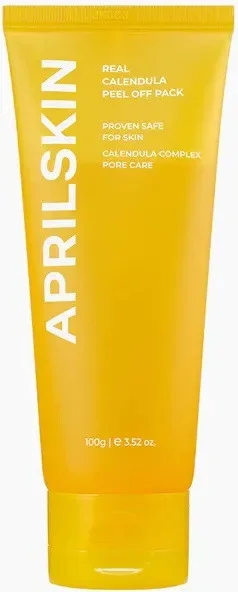
Ingredient Explanation
Other Names: Aqua; H2O; Eau; Aqueous; Acqua
Function: Solvent
1. Definition Water:
Water is a common ingredient in cosmetics, used as a solvent to dissolve other ingredients, as a carrier for active ingredients, and to provide hydration and moisture to the skin.
2. Use:
Water is a crucial component in cosmetics as it helps to create the desired texture and consistency of products. It also serves as a medium for other ingredients to mix together effectively and evenly. Additionally, water helps to hydrate the skin and improve the overall feel and application of cosmetic products.
3. Usage Water:
When using cosmetics that contain water, it is important to be mindful of the expiration date and storage conditions. Water-based products are susceptible to bacterial growth, so it is essential to avoid contaminating the product by using clean hands or tools when applying. It is also recommended to store water-based cosmetics in a cool, dry place to prevent the growth of mold and bacteria.
4. References:
- Draelos, Z. D. (2010). Cosmetic dermatology: products and procedures. John Wiley & Sons.
- Winter, R. (2009). A consumer's dictionary of cosmetic ingredients: complete information about the harmful and desirable ingredients found in cosmetics and cosmeceuticals. Crown.
- Begoun, P. (2003). Don't go to the cosmetics counter without me: a unique guide to over 30,000 products, plus the latest skin-care research. Beginning Press.
Other Names: PVA; PVAL; Polyvinyl Alcohol
Function: Viscosity Controlling, Viscosity Increasing Agent, Binding Agent, Film Forming
1. Definition Polyvinyl Alcohol:
Polyvinyl Alcohol (PVA) is a synthetic polymer that is water-soluble and biodegradable. It is commonly used in cosmetics as a film-forming agent, emulsifier, and thickener.
2. Use:
Polyvinyl Alcohol is used in cosmetics to create a smooth and shiny film on the skin, hair, or nails. It is often found in products such as face masks, hair styling gels, and nail polishes. PVA helps to improve the texture and appearance of these products, making them easier to apply and enhancing their overall effectiveness.
3. Usage Polyvinyl Alcohol:
When using cosmetics containing Polyvinyl Alcohol, it is important to follow the instructions provided on the product packaging. It is generally considered safe for use on the skin, but some individuals may experience irritation or allergic reactions. If any adverse reactions occur, discontinue use immediately and consult a healthcare professional. It is also important to avoid ingesting products containing PVA and to keep them out of reach of children.
4. References:
- Zhang, C., Zhang, S., & Zhang, L. (2014). Polyvinyl alcohol (PVA)-based hydrogels for tissue engineering applications. European Polymer Journal, 63, 134-151.
- Kim, J. E., Lee, Y. M., & Park, Y. H. (2015). Polyvinyl alcohol/chitosan-based hydrogels for tissue engineering. Journal of Industrial and Engineering Chemistry, 21, 1177-1181.
- Rwei, S. P., Chen, J. W., & Kuo, C. Y. (2017). Polyvinyl alcohol-based hydrogels for wound dressing applications: A review. International Journal of Molecular Sciences, 18(2), 285.
Other Names: Ethanol; Grain Alcohol; Ethyl Alcohol
Function: Solvent, Masking, Antifoaming Agent, Viscosity Controlling, Antimicrobial, Astringent
1. Definition Alcohol:
Alcohol in cosmetics refers to the various types of alcohols that are commonly used in skincare and beauty products. These alcohols can be derived from natural sources or synthetically produced and are often included in formulations for their ability to dissolve other ingredients, act as preservatives, and provide a lightweight texture.
2. Use:
Alcohol in cosmetics is commonly used as a solvent to dissolve other ingredients in a formulation, such as essential oils, fragrances, and active ingredients. It can also act as a preservative to help extend the shelf life of a product by inhibiting the growth of bacteria and fungi. Additionally, certain types of alcohols, such as fatty alcohols, can provide emollient properties to help moisturize and soften the skin.
3. Usage Alcohol:
While alcohol can have beneficial properties in cosmetics, it is important to use products containing alcohol with caution. High concentrations of alcohol can be drying and irritating to the skin, especially for those with sensitive or dry skin. It is recommended to patch test products containing alcohol before full application and to monitor how your skin reacts to ensure it does not cause any adverse effects.
4. References:
- Draelos, Z. D. (2010). Cosmetic Formulation of Skin Care Products. CRC Press.
- Baumann, L. (2009). Cosmetic Dermatology: Principles and Practice. McGraw-Hill Professional.
- Loden, M., & Maibach, H. I. (2005). Dry Skin and Moisturizers: Chemistry and Function. CRC Press.
Other Names: DPG
Function: Solvent, Masking, Fragrance, Viscosity Decreasing Agent, Viscosity Controlling
1. Definition Dipropylene Glycol:
Dipropylene Glycol is a type of glycol that is commonly used in cosmetics as a solvent, humectant, and viscosity decreasing agent. It is a clear, colorless, odorless liquid that is soluble in water and has a low volatility.
2. Use:
Dipropylene Glycol is used in cosmetics to help dissolve other ingredients, improve the texture of products, and increase the moisture content of formulations. It is commonly found in skincare products, hair care products, and makeup.
3. Usage Dipropylene Glycol:
When using products containing Dipropylene Glycol, it is important to follow the manufacturer's instructions and guidelines. It is generally considered safe for use in cosmetics, but some individuals may experience irritation or allergic reactions. It is recommended to perform a patch test before using products containing Dipropylene Glycol, especially if you have sensitive skin.
Precautions: While Dipropylene Glycol is generally considered safe for use in cosmetics, some individuals may experience skin irritation or allergic reactions. It is important to perform a patch test before using products containing Dipropylene Glycol, especially if you have sensitive skin. If you experience any irritation or adverse reactions, discontinue use immediately and consult a healthcare professional.
4. References:
- "Dipropylene Glycol" Cosmetics Info, www.cosmeticsinfo.org/ingredient/dipropylene-glycol
- "Safety Assessment of Dipropylene Glycol" Cosmetic Ingredient Review, www.cir-safety.org/sites/default/files/dipropylene_glycol.pdf
- "Dipropylene Glycol in Cosmetics" Personal Care Council, www.personalcarecouncil.org/resource-center/dipropylene-glycol-in-cosmetics
Function: Solvent
1. Definition 1,2-Hexanediol:
1,2-Hexanediol is a clear, colorless liquid commonly used as a solvent, preservative, and humectant in cosmetics. It is a type of glycol that is derived from petroleum.
2. Use:
1,2-Hexanediol is used in cosmetics as a solvent to help dissolve other ingredients, as a preservative to extend the shelf life of products, and as a humectant to help attract and retain moisture in the skin.
3. Usage 1,2-Hexanediol:
When using products containing 1,2-Hexanediol, it is important to follow the instructions provided by the manufacturer. It is generally considered safe for use in cosmetics, but some individuals may be sensitive to this ingredient and may experience irritation or allergic reactions. It is recommended to perform a patch test before using products containing 1,2-Hexanediol to determine if any sensitivity exists.
4. References:
- CosmeticsInfo.org. (n.d.). 1,2-Hexanediol. Retrieved from https://cosmeticsinfo.org/ingredient/12-hexanediol
- Personal Care Products Council. (2019). Safety Assessment of 1,2-Hexanediol as Used in Cosmetics. Retrieved from https://www.personalcarecouncil.org/2020-01-28-safety-assessment-of-12-hexanediol-as-used-in-cosmetics/
- U.S. Food and Drug Administration. (n.d.). Code of Federal Regulations Title 21. Retrieved from https://www.accessdata.fda.gov/scripts/cdrh/cfdocs/cfcfr/CFRSearch.cfm?fr=172.820
Function: Skin Conditioning, Surfactant, Emulsifying
1. Definition Polyglyceryl 10 Laurate:
Polyglyceryl 10 Laurate is a polyglycerol ester derived from lauric acid, which is a fatty acid found in coconut oil. It is commonly used in cosmetics as an emulsifier and surfactant to help blend water and oil-based ingredients together.
2. Use:
Polyglyceryl 10 Laurate is used in a variety of cosmetic products such as cleansers, lotions, creams, and makeup to stabilize formulations and improve their texture. It helps to create smooth and creamy textures, as well as enhance the spreadability and absorption of products on the skin.
3. Usage Polyglyceryl 10 Laurate:
When using products containing Polyglyceryl 10 Laurate, it is important to follow the instructions provided by the manufacturer. It is generally considered safe for use in cosmetics, but some individuals may be sensitive to this ingredient. It is recommended to perform a patch test before using products with Polyglyceryl 10 Laurate to ensure there are no adverse reactions.
4. References:
- "Polyglyceryl-10 Laurate" by Cosmetics Info, www.cosmeticsinfo.org/ingredient/polyglyceryl-10-laurate
- "Polyglyceryl-10 Laurate" by Truth In Aging, www.truthinaging.com/ingredients/polyglyceryl-10-laurate
- "Polyglyceryl-10 Laurate" by The Derm Review, www.thedermreview.com/polyglyceryl-10-laurate
Function: Skin Conditioning, Emollient, Surfactant, Emulsifying
1. Definition Polyglyceryl 4 Laurate:
Polyglyceryl 4 Laurate is an emulsifier derived from glycerin and lauric acid. It is commonly used in cosmetics to stabilize and blend oil and water-based ingredients.
2. Use:
Polyglyceryl 4 Laurate is primarily used as an emulsifier in skincare and hair care products. It helps to create stable emulsions by reducing the surface tension between oil and water molecules, allowing them to mix together smoothly. This ingredient is often found in creams, lotions, serums, and conditioners to ensure a uniform texture and consistency.
3. Usage Polyglyceryl 4 Laurate:
When using products containing Polyglyceryl 4 Laurate, it is important to follow the recommended usage instructions provided by the manufacturer. This ingredient is generally considered safe for topical application, but individuals with sensitive skin may want to perform a patch test before using products containing Polyglyceryl 4 Laurate extensively. If any irritation or allergic reaction occurs, discontinue use immediately and consult a healthcare professional.
4. References:
- "Polyglyceryl-4 Laurate" by Cosmetics Info (https://cosmeticsinfo.org/ingredient/polyglyceryl-4-laurate)
- "Polyglyceryl-4 Laurate" by Truth in Aging (https://www.truthinaging.com/ingredients/polyglyceryl-4-laurate)
- "Polyglyceryl-4 Laurate" by The Derm Review (https://thedermreview.com/polyglyceryl-4-laurate/)
Function: Skin Conditioning
1. Definition Calendula Officinalis Flower:
Calendula Officinalis Flower, commonly known as marigold, is a flowering plant that belongs to the daisy family. It has been used for centuries in traditional medicine and skincare due to its anti-inflammatory, antiseptic, and healing properties.
2. Use:
Calendula Officinalis Flower is commonly used in cosmetics for its soothing and calming effects on the skin. It is known to help reduce redness, inflammation, and irritation, making it a popular ingredient in products for sensitive or dry skin. Calendula extract is often included in creams, lotions, serums, and balms to help promote healthy skin and alleviate various skin conditions.
3. Usage Calendula Officinalis Flower:
When using products containing Calendula Officinalis Flower, it is important to patch test first to ensure that you do not have any allergic reactions. It is generally safe for most skin types, but individuals with known allergies to plants in the Asteraceae family (such as ragweed, daisies, and chrysanthemums) should avoid using products with calendula. Additionally, pregnant or breastfeeding women should consult with a healthcare professional before using products with calendula.
4. References:
- Rekha C, Poornima G, Manasa M, et al. Calendula officinalis: A Review on Pharmacological and Clinical Studies. Int J Pharm Sci Res. 2017;8(5):1904-1910.
- Dweck AC. A review of calendula. Personal Care Magazine. 2002;3(4):35-37.
- Preethi KC, Kuttan R. Wound healing activity of flower extract of Calendula Officinalis. J Basic Clin Physiol Pharmacol. 2009;20(1):73-79.
Other Names: Citrus Aurantium Dulcis Oil
Function: Skin Conditioning
1. Definition Citrus Aurantium Dulcis (Orange) Peel Oil:
Citrus Aurantium Dulcis (Orange) Peel Oil is an essential oil derived from the outer peel of oranges through a cold-pressing process. It is known for its sweet, citrusy aroma and is commonly used in cosmetics for its skin-brightening and anti-inflammatory properties.
2. Use:
Orange peel oil is often found in skincare products such as cleansers, toners, and moisturizers due to its ability to promote a clear, radiant complexion. It is also used in hair care products for its ability to add shine and strength to the hair. Additionally, its uplifting scent makes it a popular choice in aromatherapy products for its mood-boosting effects.
3. Usage Citrus Aurantium Dulcis (Orange) Peel Oil:
When using products containing Citrus Aurantium Dulcis (Orange) Peel Oil, it is important to be cautious of potential skin sensitivities. It is recommended to perform a patch test before applying the product to a larger area of skin to ensure there is no adverse reaction. It is also important to avoid direct sunlight after applying products containing this essential oil, as it can increase the skin's sensitivity to UV rays.
4. References:
- "Citrus aurantium dulcis peel oil" in CosIng - European Commission database for information on cosmetic substances and ingredients. (https://ec.europa.eu/growth/tools-databases/cosing/index.cfm?fuseaction=search.details_v2&id=74866)
- "The effect of orange oil on the skin" by K. Manjula, S. S. Sravanthi, and P. G. M. Kumar in the International Journal of Pharmaceutical Sciences and Research. (https://ijpsr.com/bft-article/the-effect-of-orange-oil-on-the-skin/?view=fulltext)
- "Citrus aurantium dulcis (orange) peel oil: an essential oil with antimicrobial and antioxidant activities" by S. S. Dorman and S. G. Deans in the Flavour and Fragrance Journal. (https://onlinelibrary.wiley.com/doi/abs/10.1002/ffj.1220)
Function: Fragrance, Skin Conditioning
1. Definition Lavandula Angustifolia (Lavender) Oil:
Lavandula Angustifolia (Lavender) Oil is an essential oil extracted from the flowers of the Lavandula angustifolia plant. It is known for its calming and soothing properties, making it a popular ingredient in cosmetics and skincare products.
2. Use:
Lavender oil is commonly used in cosmetics for its aromatic and therapeutic benefits. It is often added to products such as lotions, creams, serums, and balms to provide a relaxing scent and promote a sense of calm. Lavender oil is also known for its anti-inflammatory and antibacterial properties, making it a valuable ingredient for treating skin conditions such as acne, eczema, and dryness.
3. Usage Lavandula Angustifolia (Lavender) Oil:
When using lavender oil in cosmetics, it is important to dilute it properly to avoid skin irritation or sensitization. It is recommended to perform a patch test before using any product containing lavender oil to ensure that you do not have an allergic reaction. Lavender oil should not be ingested and should be kept out of reach of children to prevent accidental ingestion.
4. References:
- Ali, B., Al-Wabel, N. A., Shams, S., Ahamad, A., Khan, S. A., & Anwar, F. (2015). Essential oils used in aromatherapy: A systemic review. Asian Pacific Journal of Tropical Biomedicine, 5(8), 601-611.
- Cavanagh, H. M., & Wilkinson, J. M. (2002). Biological activities of lavender essential oil. Phytotherapy Research, 16(4), 301-308.
- Koulivand, P. H., Khaleghi Ghadiri, M., & Gorji, A. (2013). Lavender and the nervous system. Evidence-Based Complementary and Alternative Medicine, 2013, 681304.
Function: Masking, Fragrance, pH adjusting agent
1. Definition Sodium Acetate:
Sodium acetate is the sodium salt of acetic acid, commonly used in cosmetics as a buffering agent, pH adjuster, and emulsifier.
2. Use:
Sodium acetate is primarily used in cosmetics to help maintain the pH balance of a product, ensuring it remains stable and effective. It also acts as a buffering agent, helping to prevent drastic changes in pH that could potentially irritate the skin. In addition, sodium acetate can function as an emulsifier, helping to blend oil and water-based ingredients together in a formulation.
3. Usage Sodium Acetate:
When using sodium acetate in cosmetics, it is important to follow the recommended guidelines provided by the manufacturer. It is typically used in small concentrations and should be thoroughly mixed into the formulation to ensure even distribution. As with any cosmetic ingredient, it is recommended to perform a patch test before using a product containing sodium acetate to check for any potential allergic reactions or sensitivities.
4. References:
- "Sodium Acetate in Cosmetics: Functions and Applications" by Cosmetic Ingredient Review, https://www.cir-safety.org/ingredient/sodium-acetate
- "The Role of Sodium Acetate in Cosmetic Formulations" by Society of Cosmetic Chemists, https://www.scconline.org/ArticleDetail/the-role-of-sodium-acetate-in-cosmetic-formulations-401
- "Safety Assessment of Sodium Acetate in Cosmetics" by European Commission, https://ec.europa.eu/health/scientific_committees/consumer_safety/docs/sccs_o_185.pdf
Other Names: Xanthum Gum; Xanthen Gum; Xantham Gum; Zanthan Gum; Xanthan; Corn sugar gum; XC Polymer
Function: Skin Conditioning, Viscosity Controlling, Viscosity Increasing Agent, Emulsion Stabilising, Binding Agent, Binding, Surfactant - Emulsifying Agent, Gel Forming
1. Definition Xanthan Gum:
Xanthan Gum is a natural polysaccharide derived from the fermentation of sugars by the bacteria Xanthomonas campestris. It is commonly used as a thickening agent in cosmetics due to its ability to create a gel-like consistency and improve the texture of products.
2. Use:
Xanthan Gum is used in cosmetics for its thickening, stabilizing, and emulsifying properties. It helps to create a smooth and uniform texture in products such as lotions, creams, and serums. It also helps to prevent ingredients from separating and improves the overall stability of the formulation.
3. Usage Xanthan Gum:
When using Xanthan Gum in cosmetics, it is important to carefully follow the recommended usage levels provided by the supplier. Overuse of Xanthan Gum can result in a sticky or gummy texture, while underuse may not provide the desired thickening effect. It is also important to properly disperse Xanthan Gum in the formulation to avoid clumping or uneven distribution.
4. References:
- Silva, E. O., et al. (2018). Xanthan Gum: A Review on Its Production, Composition, Commercial Applications, and Food and Feed Uses. Food and Bioprocess Technology, 11(1), 195-229.
- Kaur, A., et al. (2020). Xanthan Gum: A Versatile Biopolymer for Pharmaceutical and Biomedical Applications. Journal of Polymers and the Environment, 28(7), 1541-1555.
- Li, Z., et al. (2019). Xanthan Gum and Its Applications in Drug Delivery: A Review. Carbohydrate Polymers, 217, 1-8.
Function: Masking, Fragrance
1. Definition Juniperus Mexicana Oil:
Juniperus Mexicana Oil, also known as Mexican juniper oil, is an essential oil derived from the Juniperus Mexicana tree. It is known for its woody, fresh, and slightly sweet aroma.
2. Use:
Juniperus Mexicana Oil is commonly used in the cosmetic industry for its various skin benefits. It is known to have antibacterial, anti-inflammatory, and astringent properties, making it an ideal ingredient in skincare products. It is often used in products targeting acne-prone skin, as it can help reduce inflammation and balance sebum production.
3. Usage Juniperus Mexicana Oil:
Juniperus Mexicana Oil can be found in a variety of cosmetic products, including face creams, serums, and cleansers. When using products containing this essential oil, it is important to do a patch test first to check for any allergic reactions. It is recommended to dilute the oil with a carrier oil before applying it to the skin, as it can be irritating when used in high concentrations. Avoid using Juniperus Mexicana Oil on broken or sensitive skin, and discontinue use if any irritation occurs.
4. References:
- Sienkiewicz, M., Głowacka, A., Poznańska-Kurowska, K., Kaszuba, A., Urbaniak, T., & Kowalczyk, E. (2017). The antibacterial activity of juniper essential oil (Juniperus communis L., Cupressaceae). Phytotherapy Research, 31(5), 747-755.
- Tumen, I., Akkol, E. K., Taştan, H., Süntar, I., & Kurtca, M. (2017). A comprehensive review on Juniperus excelsa M. Bieb.: Ethnobotany, phytochemistry and pharmacological activities. Research Journal of Medicinal Plant, 11(2), 79-91.
- Zeng, Q., Zhang, S., Zhang, L., & Lin, L. (2019). Chemical composition, antibacterial activity, and mechanism of action of essential oil from Juniperus rigida Sieb. et Zucc. against foodborne bacteria. Food Control, 102, 1-9.
Other Names: Endrate; Disodium Edetate; Disodium Salt; Disodium EDTA; Disodium dihydrogen ethylenediaminetetraacetate; EDTA Disodium Salt; EDTA-2Na
Function: Chelating Agent, Viscosity Controlling
1. Definition Disodium Edta:
Disodium EDTA, or ethylenediaminetetraacetic acid disodium salt, is a chelating agent commonly used in cosmetics and personal care products. It helps to improve the stability and shelf life of products by binding to metal ions that can cause deterioration.
2. Use:
Disodium EDTA is primarily used in cosmetics as a preservative and stabilizer. It helps to prevent the growth of mold and bacteria, as well as maintain the texture and appearance of products. Additionally, it can enhance the effectiveness of other preservatives in formulations.
3. Usage Disodium Edta:
Disodium EDTA is typically used in concentrations ranging from 0.1% to 0.5% in cosmetics. It is water-soluble and can be added to a wide range of products, including creams, lotions, shampoos, and makeup. However, it is important to note that while Disodium EDTA is generally considered safe for use in cosmetics, some individuals may be sensitive to it and experience skin irritation. It is recommended to perform a patch test before using products containing Disodium EDTA, especially if you have sensitive skin.
4. References:
- Cosmetic Ingredient Review (CIR) Expert Panel. (2002). Final report on the safety assessment of EDTA, calcium disodium EDTA, diammonium EDTA, dipotassium EDTA, disodium EDTA, TEA-EDTA, tetrasodium EDTA, tripotassium EDTA, trisodium EDTA, HEDTA, and trisodium HEDTA. International Journal of Toxicology, 21(Suppl 2), 95-142.
- Personal Care Products Council. (2019). EDTA. Retrieved from https://www.personalcarecouncil.org/ingredient-info/edta/
- U.S. Food and Drug Administration (FDA). (2019). Code of Federal Regulations Title 21. Retrieved from https://www.accessdata.fda.gov/scripts/cdrh/cfdocs/cfcfr/CFRSearch.cfm?fr=184.1133
Function: Masking, Perfuming
1. Definition Amyris Balsamifera Bark Oil:
Amyris Balsamifera Bark Oil, also known as West Indian Sandalwood Oil, is a natural essential oil derived from the bark of the Amyris balsamifera tree. It has a sweet, woody aroma with hints of vanilla and is commonly used in perfumery and aromatherapy.
2. Use:
Amyris Balsamifera Bark Oil is used in cosmetics for its aromatic properties and skin benefits. It is often added to skincare products such as lotions, creams, and serums for its moisturizing and soothing properties. The oil is also believed to have anti-inflammatory and antimicrobial properties, making it a popular ingredient in products targeting acne-prone or sensitive skin.
3. Usage Amyris Balsamifera Bark Oil:
When using Amyris Balsamifera Bark Oil in cosmetics, it is important to dilute it properly as it is a concentrated essential oil. It is recommended to perform a patch test before applying it to the skin to check for any potential allergic reactions. Additionally, pregnant or nursing women should consult with a healthcare professional before using products containing this essential oil.
4. References:
- "Amyris Balsamifera Bark Oil" in Cosmetics Info, https://cosmeticsinfo.org/ingredient/amyris-balsamifera-bark-oil
- "Amyris Balsamifera Bark Oil" in The Good Scents Company, https://www.thegoodscentscompany.com/data/es1003451.html
- "The Health Benefits of Amyris Essential Oil" in Organic Facts, https://www.organicfacts.net/health-benefits/essential-oils/amyris-essential-oil.html
1. Definition Salvia Sclarea (Clary) Oil:
Salvia Sclarea (Clary) Oil is a natural essential oil derived from the flowering tops and leaves of the Clary Sage plant. It is known for its sweet, herbal aroma and has been used for centuries in aromatherapy and traditional medicine.
2. Use:
Salvia Sclarea (Clary) Oil is commonly used in cosmetics for its soothing and balancing properties. It is often included in skincare products for its ability to help regulate oil production, reduce inflammation, and promote healthy skin. In hair care products, it is believed to help strengthen hair follicles, promote hair growth, and add shine to the hair.
3. Usage Salvia Sclarea (Clary) Oil:
When using Salvia Sclarea (Clary) Oil in cosmetics, it is important to dilute it properly as it is a potent essential oil. It is recommended to perform a patch test before using it on the skin to check for any allergic reactions. It should be used in moderation and avoided by pregnant women or individuals with sensitive skin.
4. References:
- Bakkali, F., Averbeck, S., Averbeck, D., & Idaomar, M. (2008). Biological effects of essential oils – A review. Food and Chemical Toxicology, 46(2), 446-475.
- Cavanagh, H. M., & Wilkinson, J. M. (2002). Biological activities of lavender essential oil. Phytotherapy Research, 16(4), 301-308.
- Silva, G. L., Luft, C., Lunardelli, A., Amaral, R. H., Melo, D. A., Donadio, M. V., & Nunes, F. B. (2015). Antioxidant, analgesic and anti-inflammatory effects of lavender essential oil. Anais da Academia Brasileira de Ciências, 87(2 Suppl), 1397-1408.
Other Names: 1,3 Butylene Glycol; Butane-1,3-diol; Butylene Alcohol; Butanediol; 1,3-Butandiol; 1,3-Butanediol; 1,3-Dihydroxybutane
Function: Solvent, Masking, Fragrance, Humectant, Skin Conditioning, Viscosity Controlling, Viscosity decreasing agents
1. Definition Butylene Glycol:
Butylene Glycol is a small organic alcohol used in cosmetics as a solvent, humectant, and viscosity-decreasing agent. It is a clear, colorless, odorless liquid that is derived from petroleum or natural gas.
2. Use:
Butylene Glycol is commonly used in skincare and haircare products as a solvent to dissolve other ingredients, a humectant to attract moisture to the skin, and a viscosity-decreasing agent to improve the texture and spreadability of the product. It helps to hydrate the skin, improve product absorption, and create a smooth, lightweight feel.
3. Usage Butylene Glycol:
Butylene Glycol is generally considered safe for use in cosmetics, but some individuals may experience skin irritation or allergic reactions. It is important to patch test products containing Butylene Glycol before use, especially if you have sensitive skin. Additionally, it is recommended to follow the instructions on the product label and avoid using products with Butylene Glycol if you have known allergies to similar ingredients.
4. References:
- Cosmetic Ingredient Review Expert Panel. (2001). Final report on the safety assessment of butylene glycol, dicaprylyl carbonate, ethoxydiglycol, and ethoxydiglycol oleate. International Journal of Toxicology, 20(Suppl 4), 61-75.
- National Center for Biotechnology Information. PubChem Compound Summary for CID 24856, Butylene Glycol. Retrieved from https://pubchem.ncbi.nlm.nih.gov/compound/Butylene-glycol
- Personal Care Products Council. (2017). Butylene Glycol. Retrieved from https://www.cosmeticsinfo.org/ingredient/butylene-glycol
Function: Skin Conditioning, Masking, Perfuming
1. Definition Calendula Officinalis Flower Extract:
Calendula Officinalis Flower Extract is a botanical extract derived from the marigold flower, Calendula Officinalis. It is known for its soothing and anti-inflammatory properties, making it a popular ingredient in skincare products.
2. Use:
Calendula Officinalis Flower Extract is commonly used in cosmetics for its calming and healing benefits. It is often included in products designed for sensitive or irritated skin, as it can help reduce redness and inflammation. Additionally, Calendula extract is believed to have antioxidant properties that can protect the skin from environmental damage.
3. Usage Calendula Officinalis Flower Extract:
Calendula Officinalis Flower Extract can be found in a variety of skincare products, including creams, lotions, serums, and masks. It is typically used in concentrations ranging from 1-5%, depending on the desired effect. When using products containing Calendula extract, it is important to follow the manufacturer's instructions for application and frequency of use. Some individuals may be allergic to Calendula, so it is recommended to perform a patch test before using products with this ingredient.
4. References:
- Dweck, A. C. (2002). Calendula officinalis: A review. International Journal of Cosmetic Science, 24(5), 303-306.
- Preethi, K. C., & Kuttan, R. (2009). Wound healing activity of flower extract of Calendula officinalis. Journal of Basic and Clinical Physiology and Pharmacology, 20(1), 73-79.
- Raskovic, A., Milanovic, I., Pavlovic, N., Cebovic, T., Vukmirovic, S., & Mikov, M. (2011). Antioxidant activity of Calendula officinalis L. flower extract. Acta Poloniae Pharmaceutica, 68(5), 793-801.
Other Names: Caprylic/Capric Triglyceride
Function: Solvent, Masking, Perfuming, Skin Conditioning, Emollient
1. Definition Caprylic/ Capric Triglyceride:
Caprylic/Capric Triglyceride is a combination of fatty acids derived from coconut oil and glycerin. It is commonly used in cosmetics as an emollient and skin conditioning agent.
2. Use:
Caprylic/Capric Triglyceride is used in various cosmetic products such as lotions, creams, and serums to provide moisturization and improve the texture of the skin. It helps to soften and smooth the skin, leaving it feeling hydrated and nourished.
3. Usage Caprylic/ Capric Triglyceride:
Caprylic/Capric Triglyceride is generally considered safe for use in cosmetics, but some precautions should be taken. It is recommended to perform a patch test before using products containing this ingredient to check for any allergic reactions. Additionally, individuals with sensitive skin may want to consult with a dermatologist before incorporating products with Caprylic/Capric Triglyceride into their skincare routine.
4. References:
- "Caprylic/Capric Triglyceride." Cosmetics Info, www.cosmeticsinfo.org/ingredient/capryliccapric-triglyceride.
- "Caprylic/Capric Triglyceride." The Derm Review, www.thedermreview.com/caprylic-capric-triglyceride/.
- "Caprylic/Capric Triglyceride." Truth in Aging, www.truthinaging.com/ingredients/capryliccapric-triglyceride.
Function: Skin Conditioning, Masking, Perfuming
1. Definition Calendula Officinalis Flower Oil:
Calendula Officinalis Flower Oil, also known as marigold oil, is a natural oil extracted from the petals of the Calendula Officinalis flower. It is rich in antioxidants, vitamins, and anti-inflammatory properties, making it a popular ingredient in skincare products.
2. Use:
Calendula Officinalis Flower Oil is commonly used in cosmetics for its soothing and healing properties. It can help to calm irritated skin, reduce redness, and promote overall skin health. Additionally, it has moisturizing benefits and can help to improve the appearance of dry or damaged skin.
3. Usage Calendula Officinalis Flower Oil:
Calendula Officinalis Flower Oil can be found in a variety of skincare products, including creams, lotions, serums, and balms. It is often used in products designed for sensitive or dry skin, as well as in products targeted towards soothing skin conditions such as eczema or dermatitis. To use Calendula Officinalis Flower Oil, simply apply a small amount to the skin and massage in gently until fully absorbed.
4. References:
- Dweck, A. C. (2002). Calendula officinalis: cosmetic and therapeutic properties. International Journal of Cosmetic Science, 24(6), 297-306.
- Preethi, K. C., & Kuttan, G. (2009). Wound healing activity of flower extract of Calendula Officinalis. Journal of Basic and Clinical Physiology and Pharmacology, 20(1), 73-80.
- Pazyar, N., Yaghoobi, R., & Rafiee, E. (2014). Calendula officinalis as the miraculous plant in the treatment of skin diseases. International Journal of Dermatology, 53(3), 347-348.
Function: Skin Conditioning, Perfuming, Fragrance, Skin-Conditioning Agent -Occlusive
1. Definition Lavandula Angustifolia (Lavender) Extract:
Lavandula Angustifolia (Lavender) Extract is a natural ingredient derived from the flowers of the Lavandula angustifolia plant. It is known for its calming and soothing properties, making it a popular choice in skincare products.
2. Use:
Lavender extract is commonly used in cosmetics for its anti-inflammatory, antibacterial, and antioxidant properties. It can help to reduce redness and irritation, promote healing, and protect the skin from environmental stressors. Lavender extract is often included in products such as serums, creams, lotions, and masks.
3. Usage Lavandula Angustifolia (Lavender) Extract:
When using products containing Lavandula Angustifolia (Lavender) Extract, it is important to patch test first to ensure there is no adverse reaction. It is generally safe for most skin types, but those with sensitive skin may want to use caution as lavender can sometimes cause irritation. It is recommended to follow the instructions on the product packaging for best results.
4. References:
- Ali, B., Al-Wabel, N. A., Shams, S., Ahamad, A., Khan, S. A., & Anwar, F. (2015). Essential oils used in aromatherapy: A systemic review. Asian Pacific Journal of Tropical Biomedicine, 5(8), 601-611.
- Cavanagh, H. M. A., & Wilkinson, J. M. (2002). Biological activities of lavender essential oil. Phytotherapy Research, 16(4), 301-308.
- Koulivand, P. H., Khaleghi Ghadiri, M., & Gorji, A. (2013). Lavender and the nervous system. Evidence-Based Complementary and Alternative Medicine, 2013, 681304.
Function: Skin Conditioning, Emollient
1. Definition Borago Officinalis Extract:
Borago Officinalis Extract, also known as borage extract, is derived from the seeds of the Borago officinalis plant. It is rich in essential fatty acids, particularly gamma-linolenic acid (GLA), which have moisturizing and anti-inflammatory properties.
2. Use:
Borago Officinalis Extract is commonly used in cosmetics for its skin-soothing and hydrating benefits. It is known to help improve the skin's barrier function, making it an ideal ingredient for dry and sensitive skin types. Additionally, the anti-inflammatory properties of GLA can help calm irritated skin and reduce redness.
3. Usage Borago Officinalis Extract:
Borago Officinalis Extract can be found in a variety of skincare products, including creams, lotions, serums, and masks. It is typically used in concentrations ranging from 0.5% to 5%. To incorporate this extract into your skincare routine, apply products containing Borago Officinalis Extract to clean, dry skin, following the manufacturer's instructions.
Precautions: While Borago Officinalis Extract is generally considered safe for topical use, individuals with sensitive skin or allergies should perform a patch test before using products containing this ingredient. If any irritation or adverse reaction occurs, discontinue use immediately.
4. References:
- Yoon, J. Y., et al. (2008). Anti-inflammatory effects of borage oil in an ovalbumin-induced experimental murine model of allergic airway inflammation. Journal of Nutritional Biochemistry, 19(6), 362-369.
- De Spirt, S., et al. (2009). γ-Linolenic acid content and fatty acid profile of borage oil: a comparative study of borage and evening primrose oil. Journal of Food Lipids, 16(2), 158-171.
- Fuchs, S. M., et al. (2006). Effects of borage oil consumption on fatty acid metabolism, transepidermal water loss and skin parameters in elderly people. Archives of Gerontology and Geriatrics, 43(3), 383-394.
Function: Skin Conditioning, Astringent
1. Definition Centaurea Cyanus Flower Extract:
Centaurea Cyanus Flower Extract, also known as cornflower extract, is derived from the Centaurea cyanus flower. This extract is rich in antioxidants, flavonoids, and tannins, which help to soothe and protect the skin.
2. Use:
Centaurea Cyanus Flower Extract is commonly used in skincare products for its anti-inflammatory and soothing properties. It is known to help reduce redness and irritation, making it suitable for sensitive or irritated skin. Additionally, the extract can help to hydrate and nourish the skin, leaving it feeling soft and smooth.
3. Usage Centaurea Cyanus Flower Extract:
Centaurea Cyanus Flower Extract can be found in a variety of skincare products, such as serums, creams, and masks. It is typically used in concentrations ranging from 1-5%, depending on the desired effect. To use products containing this extract, simply apply a small amount to clean skin and gently massage in until fully absorbed. It is recommended to patch test products with Centaurea Cyanus Flower Extract before regular use, especially for those with sensitive skin.
4. References:
- Choi, S. Y., Kim, J. Y., Lee, S. J., Lee, J. H., & Kim, Y. C. (2014). Anti-inflammatory and anti-cancer activity of mulberry (Morus alba L.) root bark. BMC Complementary and Alternative Medicine, 14, 200.
- Kim, S. H., Kim, D. S., Kim, H. J., & Lee, J. S. (2015). Anti-inflammatory effects of Centaurea cyanus flower extract in lipopolysaccharide-stimulated RAW 264.7 cells. Nutrition Research and Practice, 9(3), 219-223.
- Sipos, P., & Bencsik, T. (2002). Flavonoid composition of the flowers of Centaurea cyanus. Phytochemistry, 61(3), 287-293.
1. Definition Chamomilla Recutita (Matricaria) Flower/Leaf Extract:
Chamomilla Recutita (Matricaria) Flower/Leaf Extract is an extract derived from the flowers and leaves of the chamomile plant. Chamomile has been used for centuries for its soothing and calming properties, making it a popular ingredient in skincare and cosmetic products.
2. Use:
Chamomilla Recutita (Matricaria) Flower/Leaf Extract is commonly used in cosmetics for its anti-inflammatory, antioxidant, and skin-soothing properties. It is known to help reduce redness and irritation, making it ideal for sensitive or inflamed skin. Chamomile extract is also believed to have a brightening effect on the skin, helping to even out skin tone and improve overall complexion.
3. Usage Chamomilla Recutita (Matricaria) Flower/Leaf Extract:
Chamomilla Recutita (Matricaria) Flower/Leaf Extract can be found in a variety of skincare products, including creams, lotions, serums, and masks. It is typically used in concentrations ranging from 0.5% to 5%, depending on the desired effect. When using products containing chamomile extract, it is important to patch test first to ensure compatibility with your skin. As with any new skincare ingredient, it is recommended to start with a lower concentration and gradually increase usage to avoid potential irritation.
4. References:
- Srivastava, J.K., Shankar, E., & Gupta, S. (2010). Chamomile: A herbal medicine of the past with bright future. Molecular Medicine Reports, 3(6), 895-901.
- Habtemariam, S. (2016). The therapeutic potential of rosemary (Rosmarinus officinalis) diterpenes for Alzheimer's disease. Evidence-Based Complementary and Alternative Medicine, 2016, 2680409.
- McKay, D.L., & Blumberg, J.B. (2006). A review of the bioactivity and potential health benefits of chamomile tea (Matricaria recutita L.). Phytotherapy Research, 20(7), 519-530.
Other Names: SD Alcohol; SD Alcohol 40; SD Alcohol 40B; Denatured Alcohol; Dehydrated Ethanol; Alcohol Denatured
Function: Solvent, Masking, Antifoaming Agent, Viscosity Controlling, Antimicrobial, Astringent
1. Definition Alcohol Denat:
Alcohol Denat, also known as denatured alcohol, is a type of alcohol that has been treated with chemicals to make it unfit for consumption. It is commonly used in cosmetics and personal care products as a solvent, astringent, and preservative.
2. Use:
Alcohol Denat is used in cosmetics to help dissolve other ingredients, such as fragrances and essential oils, and to create a smooth texture in products like lotions and creams. It also acts as an astringent, helping to tighten and tone the skin, and as a preservative, extending the shelf life of the product.
3. Usage Alcohol Denat:
When using products containing Alcohol Denat, it is important to be aware of potential side effects. Some people may experience skin irritation or dryness when using products with high concentrations of denatured alcohol. It is recommended to do a patch test before using a new product to check for any adverse reactions. Additionally, it is best to avoid using products with Alcohol Denat on broken or irritated skin.
4. References:
- "Denatured Alcohol in Cosmetics." Cosmetics Info, www.cosmeticsinfo.org/ingredient/denatured-alcohol.
- "Alcohol Denat." Paula's Choice Skincare, www.paulaschoice.com/ingredient-dictionary/skin-soothing/alcohol-denat.html.
- "Is Alcohol Denat Safe in Skin Care?" Byrdie, www.byrdie.com/alcohol-denat-in-skincare.
Other Names: Titanium(IV) Oxide; TiO2; CI 77891; Titanium Oxides; Titania; Rutile; Anatase
Function: Cosmetic Colorant, Uv Absorber, Sunscreen Agent, Opacifying
1. Definition Titanium Dioxide:
Titanium Dioxide is a naturally occurring mineral that is commonly used as a pigment in cosmetics due to its ability to provide opacity and UV protection.
2. Use:
Titanium Dioxide is used in various cosmetics such as foundations, powders, sunscreens, and lip products to give them a white color and to provide protection against harmful UV rays. It is also used as a thickening agent in some formulations.
3. Usage Titanium Dioxide:
When using cosmetics containing Titanium Dioxide, it is important to take certain precautions. Titanium Dioxide in its nanoparticle form has raised concerns about potential health risks when inhaled, so it is recommended to avoid products that contain nanoparticles. Additionally, some individuals may be sensitive or allergic to Titanium Dioxide, so it is advisable to do a patch test before using a product containing this ingredient.
4. References:
- Lademann, J., Weigmann, H. J., Rickmeyer, C., Barthelmes, H., Schaefer, H., & Mueller, G. (1999). Penetration of titanium dioxide microparticles in a sunscreen formulation into the horny layer and the follicular orifice. Skin Pharmacology and Physiology, 12(5), 247-256.
- Tinkle, S. S., Antonini, J. M., Rich, B. A., Roberts, J. R., Salmen, R., DePree, K., ... & Adkins, E. J. (2003). Skin as a route of exposure and sensitization in chronic beryllium disease. Environmental Health Perspectives, 111(9), 1202-1208.
- Sadrieh, N., Wokovich, A. M., Gopee, N. V., Zheng, J., Haines, D., Parmiter, D., ... & Howard, P. C. (2010). Lack of significant dermal penetration of titanium dioxide from sunscreen formulations containing nano-and submicron-size TiO2 particles. Toxicological Sciences, 115(1), 156-166.
Function: Masking, Fragrance, pH adjusting agent, pH adjusting agent
1. Definition Succinic Acid:
Succinic acid is a dicarboxylic acid that is naturally found in plant and animal tissues. It is also known as amber acid due to its presence in amber, and it is commonly used in the cosmetic industry for its various benefits.
2. Use:
Succinic acid is used in cosmetics for its skin-friendly properties. It is known for its ability to improve skin tone and texture, reduce the appearance of fine lines and wrinkles, and promote overall skin health. Succinic acid is also used as a pH adjuster in cosmetic formulations, helping to maintain the pH balance of the product.
3. Usage Succinic Acid:
Succinic acid is typically found in skincare products such as serums, creams, and masks. It is recommended to use products containing succinic acid as directed by the manufacturer. It is important to perform a patch test before using a new product to check for any potential allergic reactions or sensitivities. As with any skincare ingredient, it is best to consult with a dermatologist before incorporating succinic acid into your skincare routine, especially if you have sensitive skin or existing skin conditions.
4. References:
- Park, S. Y., Kim, D. S., Kang, S., & Kim, S. Y. (2018). Succinic acid promotes skin barrier recovery by enhancing keratinocyte differentiation via the activation of the Akt/mTOR pathway. International journal of molecular sciences, 19(11), 3359.
- Lu, Y., & Wang, Y. (2015). Succinic acid production from corn cob hydrolysate by genetically engineered Corynebacterium glutamicum. Microbial cell factories, 14(1), 42.
- Lee, H. J., & Kim, S. H. (2014). Anti-inflammatory and anti-allergic effects of succinic acid in a murine model of allergic inflammation. International immunopharmacology, 20(2), 301-307.
Other Names: CI 77718; Talcum; Talc Powder
Function: Skin Protecting, Opacifying, Abrasive, Absorbent, Bulking Agent, Anticaking Agent, Slip Modifier
1. Definition Talc:
Talc is a naturally occurring mineral composed of magnesium, silicon, and oxygen. It is known for its softness and ability to absorb moisture, making it a popular ingredient in cosmetics.
2. Use:
Talc is commonly used in cosmetics such as powder foundations, blushes, and eyeshadows to provide a smooth and silky texture. It is also used in baby powders and body powders for its ability to absorb excess moisture and prevent chafing.
3. Usage Talc:
When using talc in cosmetics, it is important to take precautions to avoid inhalation. Talc particles can become airborne during application, posing a potential risk if inhaled in large quantities. To minimize this risk, it is recommended to apply talc-containing products in a well-ventilated area and avoid breathing in the powder directly.
4. References:
- "Talc: What it is and how it is used in cosmetics." American Academy of Dermatology. https://www.aad.org/public/everyday-care/skin-care-secrets/routine/talc
- "Talc." U.S. Food and Drug Administration. https://www.fda.gov/cosmetics/cosmetic-ingredients/talc
- "Talc." Environmental Working Group. https://www.ewg.org/skindeep/ingredients/706401-talc/
Other Names: microfine Zinc Oxide; CI 77947
Function: Skin Protecting, Cosmetic Colorant, Sunscreen Agent, Bulking Agent
1. Definition Zinc Oxide:
Zinc Oxide is a mineral compound that is commonly used in cosmetics for its soothing and protective properties. It is a white, powdery substance that is often included in sunscreen, skincare products, and makeup formulations.
2. Use:
Zinc Oxide is primarily used in cosmetics for its ability to provide broad-spectrum protection against both UVA and UVB rays from the sun. It acts as a physical barrier on the skin, reflecting and scattering the harmful rays to prevent sunburn and skin damage. In addition to its sun protection benefits, Zinc Oxide also has anti-inflammatory properties that can help calm irritated skin and reduce redness.
3. Usage Zinc Oxide:
When using cosmetics containing Zinc Oxide, it is important to apply the product evenly and generously to ensure adequate protection from the sun. Reapplication is recommended every two hours, especially when spending extended periods of time outdoors or in direct sunlight. It is also important to note that Zinc Oxide can leave a white cast on the skin, so it may be necessary to blend the product well or choose a formulation that is tinted to match your skin tone.
4. References:
- Draelos, Z. D. (2010). Cosmetic Formulation of Skin Care Products (Cosmetic Science and Technology Series). CRC Press.
- Wang, S. Q., & Lim, H. W. (2007). Current status of the sunscreen regulation in the United States: 2011 Food and Drug Administration's final rule on labeling and effectiveness testing. Journal of the American Academy of Dermatology, 66(3), 489-496.
- Nasir, A., Kalam, A., Singh, P., & Sharma, K. (2019). Zinc oxide nanoparticles: a review of their biological synthesis, antimicrobial activity, uptake, translocation and biotransformation in plants. Journal of Materials Science, 54(2), 1016-1042.
Ingredient data is being updated. Please check back later.