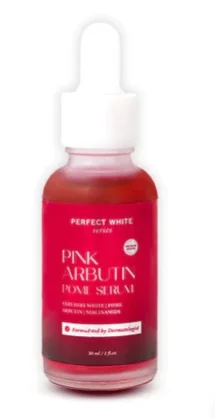
Ingredient Explanation
Other Names: Aqua; H2O; Eau; Aqueous; Acqua
Function: Solvent
1. Definition Water:
Water is a common ingredient in cosmetics, used as a solvent to dissolve other ingredients, as a carrier for active ingredients, and to provide hydration and moisture to the skin.
2. Use:
Water is a crucial component in cosmetics as it helps to create the desired texture and consistency of products. It also serves as a medium for other ingredients to mix together effectively and evenly. Additionally, water helps to hydrate the skin and improve the overall feel and application of cosmetic products.
3. Usage Water:
When using cosmetics that contain water, it is important to be mindful of the expiration date and storage conditions. Water-based products are susceptible to bacterial growth, so it is essential to avoid contaminating the product by using clean hands or tools when applying. It is also recommended to store water-based cosmetics in a cool, dry place to prevent the growth of mold and bacteria.
4. References:
- Draelos, Z. D. (2010). Cosmetic dermatology: products and procedures. John Wiley & Sons.
- Winter, R. (2009). A consumer's dictionary of cosmetic ingredients: complete information about the harmful and desirable ingredients found in cosmetics and cosmeceuticals. Crown.
- Begoun, P. (2003). Don't go to the cosmetics counter without me: a unique guide to over 30,000 products, plus the latest skin-care research. Beginning Press.
Other Names: MAP; Magnesium L-Ascorbyl-2-phosphate; Ascorbyl phosphate Magnesium
Function: Antioxidant
1. Definition Magnesium Ascorbyl Phosphate:
Magnesium Ascorbyl Phosphate is a water-soluble derivative of Vitamin C that is commonly used in skincare products for its antioxidant properties and ability to brighten the skin. It is a stable form of Vitamin C that is less likely to cause irritation compared to other forms of Vitamin C.
2. Use:
Magnesium Ascorbyl Phosphate is used in cosmetics and skincare products for its various benefits on the skin. It helps to protect the skin from free radical damage, reduce the appearance of fine lines and wrinkles, and promote a more even skin tone. Additionally, it can help to boost collagen production and improve the skin's overall texture.
3. Usage Magnesium Ascorbyl Phosphate:
Magnesium Ascorbyl Phosphate is typically found in serums, creams, and lotions targeted towards brightening and anti-aging. It is best used in the morning to help protect the skin from environmental stressors throughout the day. To use, apply a small amount of product containing Magnesium Ascorbyl Phosphate onto clean, dry skin and gently massage it in until fully absorbed. Follow up with a moisturizer and sunscreen for added protection.
Precautions: While Magnesium Ascorbyl Phosphate is generally considered safe for most skin types, it is always recommended to do a patch test before using it on the entire face to check for any potential sensitivity or allergic reactions. Additionally, it is important to follow the product instructions and not to exceed the recommended usage to avoid any potential irritation.
4. References:
- Telang, P. S. (2013). Vitamin C in dermatology. Indian dermatology online journal, 4(2), 143–146. https://doi.org/10.4103/2229-5178.110593
- Pullar, J. M., Carr, A. C., & Vissers, M. (2017). The roles of vitamin C in skin health. Nutrients, 9(8), 866. https://doi.org/10.3390/nu9080866
- Lin, F. H., Lin, J. Y., Gupta, R. D., Tournas, J. A., Burch, J. A., Selim, M. A., Monteiro-Riviere, N. A., Grichnik, J. M., Zielinski, J., Pinnell, S. R. (2005). Ferulic acid stabilizes a solution of vitamins C and E and doubles its photoprotection of skin. Journal of Investigative Dermatology, 125(4), 826–832. https://doi.org/10.1111/j.0022-202X.2005.23768.x
Other Names: 1,3-Propylene Glycol; 1,3-Dihydroxypropane; 1,3-Propanediol; Zemea Propanediol
Function: Solvent, Viscosity Decreasing Agent, Viscosity Controlling
1. Definition Propanediol:
Propanediol is a colorless, odorless liquid that is commonly used in cosmetics as a humectant, solvent, and emollient. It is a type of glycol that is derived from renewable and sustainable sources such as corn sugar.
2. Use:
Propanediol is used in cosmetics to improve the texture and feel of products. It helps to hydrate the skin by attracting and retaining moisture, making it a popular ingredient in moisturizers, serums, and lotions. Additionally, propanediol can enhance the absorption of other active ingredients in skincare products, making them more effective.
3. Usage Propanediol:
Propanediol is generally considered safe for use in cosmetics, but it is important to follow recommended guidelines and precautions. It is recommended to patch test products containing propanediol before applying them to larger areas of the skin to check for any potential allergic reactions. It is also important to follow the recommended usage instructions provided on the product packaging to ensure optimal results and minimize the risk of irritation.
4. References:
- Zhang, X., Qian, H., & Tang, S. (2018). Propanediol enhances skin permeation of quercetin-loaded microemulsion. Drug Development and Industrial Pharmacy, 44(6), 1010-1016.
- Rigo, L. A., da Silva, D. F., & Sayer, C. (2019). Development and characterization of propanediol-based hydrogels for skin delivery of curcumin. International Journal of Biological Macromolecules, 132, 73-81.
- Huang, D., Zhang, Y., & Zhang, Z. (2017). Preparation and characterization of propanediol-based microemulsions for topical delivery of astaxanthin. Journal of Dispersion Science and Technology, 38(9), 1317-1323.
Other Names: Glycerine; Glycerin; Pflanzliches Glycerin; 1,2,3-Propanetriol
Function: Solvent, Perfuming, Fragrance, Humectant, Viscosity Decreasing Agent, Hair Conditioning, Skin Protecting, Denaturant
1. Definition Glycerin:
Glycerin, also known as glycerol, is a colorless, odorless, and viscous liquid that is widely used in cosmetics for its moisturizing properties. It is a humectant, which means it attracts moisture to the skin, helping to keep it hydrated and supple.
2. Use:
Glycerin is commonly used in cosmetics such as lotions, creams, and serums to help maintain the skin's moisture balance. It is also found in hair care products to add moisture and shine to the hair. Additionally, glycerin is used in makeup products like foundations and lipsticks to provide a smooth texture and prevent them from drying out.
3. Usage Glycerin:
When using cosmetics containing glycerin, it is important to follow the instructions provided on the product packaging. Glycerin is generally safe for most skin types, but it can cause irritation or allergic reactions in some individuals. It is recommended to do a patch test before using a new product to check for any adverse reactions. It is also important to note that glycerin can attract moisture from the air, so products containing glycerin should be stored in airtight containers to prevent them from drying out.
4. References:
- Draelos, Z. D. (2010). Cosmetic Formulation of Skin Care Products. John Wiley & Sons.
- Loden, M., & Maibach, H. I. (2006). Dry Skin and Moisturizers: Chemistry and Function. CRC Press.
- Winter, R. (2009). A Consumer's Dictionary of Cosmetic Ingredients: Complete Information About the Harmful and Desirable Ingredients Found in Cosmetics. Harmony.
Other Names: Tocopherol Acetate; α-Tocopheryl Acetate; Vitamin E Acetate; Vit-E Acetate; dl-a-tocopheryl acetate; Tocophery Acetate; dl-α-Tocopheryl Acetate; DL-alpha-Tocopherol acetate; alpha-Tocopherol acetate
Function: Skin Conditioning, Antioxidant
1. Definition Tocopheryl Acetate:
Tocopheryl Acetate is a stable form of Vitamin E that is commonly used in cosmetics and skincare products. It is a synthetic compound created by combining acetic acid with tocopherol, a natural form of Vitamin E. Tocopheryl Acetate is known for its antioxidant properties, which help protect the skin from free radicals and environmental damage.
2. Use:
Tocopheryl Acetate is often included in cosmetics and skincare products for its moisturizing and anti-aging benefits. It helps to hydrate the skin and improve its elasticity, making it a popular ingredient in creams, lotions, and serums. Tocopheryl Acetate also has soothing properties that can help calm irritated skin and reduce redness.
3. Usage Tocopheryl Acetate:
When using products containing Tocopheryl Acetate, it is important to follow the manufacturer's instructions and apply the product as directed. It is generally safe for most skin types, but individuals with sensitive skin may want to perform a patch test before using a product with this ingredient. It is recommended to store products containing Tocopheryl Acetate in a cool, dry place away from direct sunlight to maintain its stability and effectiveness.
4. References:
- Cosmetics Info. (n.d.). Tocopheryl Acetate. Retrieved from https://cosmeticsinfo.org/ingredient/tocopheryl-acetate
- Paula's Choice. (n.d.). Vitamin E for Skin. Retrieved from https://www.paulaschoice.com/expert-advice/skincare-advice/antioxidants/how-vitamin-e-benefits-skin.html
- Healthline. (2021). The Benefits of Vitamin E for Your Skin. Retrieved from https://www.healthline.com/health/beauty-skin-care/vitamin-e-for-skin#benefits
Function: Fragrance, Skin-Conditioning Agent - Occlusive
1. Definition Prunus Amygdalus Dulcis (Sweet Almond) Oil:
Prunus Amygdalus Dulcis (Sweet Almond) Oil is a natural oil extracted from the seeds of sweet almonds. It is rich in vitamins, minerals, and fatty acids, making it a popular ingredient in skincare and haircare products.
2. Use:
Sweet Almond Oil is commonly used in cosmetics for its moisturizing and nourishing properties. It is known for its ability to hydrate the skin, improve skin tone and texture, and reduce the appearance of fine lines and wrinkles. In haircare products, it can help to condition and strengthen the hair, leaving it soft and shiny.
3. Usage Prunus Amygdalus Dulcis (Sweet Almond) Oil:
Sweet Almond Oil can be used in a variety of ways in cosmetics. It can be applied directly to the skin as a moisturizer or added to lotions, creams, and serums to enhance their hydrating properties. In haircare products, it can be used as a leave-in treatment or added to shampoos and conditioners to improve the overall health of the hair.
Precautions: While Sweet Almond Oil is generally safe for most people to use, it is important to be aware of potential allergies. Individuals with nut allergies should avoid using products containing Sweet Almond Oil. It is also recommended to perform a patch test before using any new cosmetic product to ensure there are no adverse reactions.
4. References:
- Balakrishnan, A., & Menon, S. (2011). Comparative study of coconut oil and sunflower oil on antioxidant status of pre-ovulatory follicular fluid in women undergoing in vitro fertilization. Journal of Human Reproductive Sciences, 4(1), 24–28.
- Lin, T. K., Zhong, L., & Santiago, J. L. (2017). Anti-inflammatory and skin barrier repair effects of topical application of some plant oils. International Journal of Molecular Sciences, 19(1), 70.
- Ahmad, Z. (2010). The uses and properties of almond oil. Complementary Therapies in Clinical Practice, 16(1), 10–12.
Function: Antioxidant
1. Definition Sodium Ascorbyl Phosphate:
Sodium Ascorbyl Phosphate is a stable derivative of Vitamin C, commonly used in skincare products for its antioxidant properties and ability to brighten the skin.
2. Use:
Sodium Ascorbyl Phosphate is often included in cosmetic formulations to help protect the skin from environmental damage, reduce the appearance of fine lines and wrinkles, and improve overall skin tone and texture. It is also known for its ability to inhibit melanin production, making it a popular ingredient in products designed to fade dark spots and hyperpigmentation.
3. Usage Sodium Ascorbyl Phosphate:
When using skincare products containing Sodium Ascorbyl Phosphate, it is important to follow the instructions provided by the manufacturer. Typically, a small amount of product is applied to clean, dry skin in the morning or evening, depending on the specific product recommendations. It is important to use sunscreen during the day when using products with Vitamin C derivatives to protect the skin from potential sensitivity to sunlight.
4. References:
- Telang, P. (2013). Vitamin C in dermatology. Indian dermatology online journal, 4(2), 143–146. https://doi.org/10.4103/2229-5178.110593
- Pullar, J. M., Carr, A. C., & Vissers, M. (2017). The roles of Vitamin C in skin health. Nutrients, 9(8), 866. https://doi.org/10.3390/nu9080866
- Al-Niaimi, F., & Chiang, N. Y. Z. (2017). Topical Vitamin C and the skin: Mechanisms of action and clinical applications. The Journal of clinical and aesthetic dermatology, 10(7), 14–17. https://www.ncbi.nlm.nih.gov/pmc/articles/PMC5605218/
Function: Skin Conditioning, Emollient, Emulsifying, Surfactant
1. Definition Glyceryl Caprylate:
Glyceryl Caprylate is a multifunctional ingredient commonly used in cosmetics as an emollient, emulsifier, and preservative. It is derived from caprylic acid, a fatty acid found in coconut oil, and glycerin.
2. Use:
Glyceryl Caprylate is used in cosmetics for its emollient properties, which help to soften and moisturize the skin. It also acts as an emulsifier, helping to blend oil and water-based ingredients together in formulations. Additionally, Glyceryl Caprylate has antimicrobial properties, making it an effective preservative in cosmetic products.
3. Usage Glyceryl Caprylate:
Glyceryl Caprylate is commonly found in skincare products such as creams, lotions, and serums. It is used in concentrations typically ranging from 0.5% to 2%. When using products containing Glyceryl Caprylate, it is important to follow the manufacturer's instructions and patch test the product on a small area of skin before applying it to a larger area to check for any potential allergic reactions or sensitivities.
4. References:
- "Glyceryl Caprylate." Cosmetics Info, www.cosmeticsinfo.org/ingredient/glyceryl-caprylate.
- "Glyceryl Caprylate." The Derm Review, www.thedermreview.com/glyceryl-caprylate/.
- "Glyceryl Caprylate." Truth In Aging, www.truthinaging.com/ingredients/glyceryl-caprylate.
Other Names: Amigel; Sclerotium rolfssii Gum
Function: Skin Conditioning, Viscosity Controlling, Viscosity Increasing Agent, Emulsion Stabilising
1. Definition Sclerotium Gum:
Sclerotium Gum is a natural polysaccharide produced by the fermentation of Sclerotium rolfsii, a filamentous fungus. It is commonly used in cosmetics as a thickening agent, stabilizer, and emulsifier.
2. Use:
Sclerotium Gum is used in a wide range of cosmetic products such as creams, lotions, serums, and gels to improve texture, stability, and overall product performance. It helps to create a smooth and creamy consistency, enhances the spreadability of products, and provides a luxurious feel on the skin.
3. Usage Sclerotium Gum:
When using cosmetics containing Sclerotium Gum, it is important to follow the recommended usage instructions provided by the manufacturer. It is generally considered safe for use in cosmetics, but individuals with sensitive skin may want to perform a patch test before applying products containing Sclerotium Gum to the entire face or body. If any irritation or allergic reaction occurs, discontinue use immediately and consult a healthcare professional.
4. References:
- Lopes, L. B., & Speretta, F. F. F. (2015). Use of natural gums in cosmetic and pharmaceutical formulations. In Natural polymers for drug delivery (pp. 349-370). Elsevier.
- Kim, S., & Kim, J. (2019). Sclerotium Gum. In Handbook of Cosmetic Science and Technology (pp. 479-484). CRC Press.
- Ansel, H. C., Allen Jr, L. V., Popovich, N. G., & Ansel, H. C. (2010). Pharmaceutical dosage forms and drug delivery systems. Lippincott Williams & Wilkins.
Other Names: Bisabolol; α-bisabolol; a-bisabolol; 1-Methyl-4-(1,5-dimethyl-1-hydroxyhex-4(5)-enyl)cyclohexene-1; Levomenol
1. Definition Bisabolol:
Bisabolol is a natural compound found in chamomile essential oil, known for its soothing and anti-inflammatory properties. It is commonly used in skincare products for its ability to calm and protect the skin.
2. Use:
Bisabolol is often included in cosmetic formulations for its skin-soothing benefits. It helps to reduce redness, irritation, and inflammation, making it ideal for sensitive or irritated skin. Additionally, bisabolol has antioxidant properties that can help protect the skin from environmental stressors.
3. Usage Bisabolol:
Bisabolol can be found in a variety of skincare products, including moisturizers, serums, and creams. It is typically used in concentrations of 0.1-1% in formulations. When using products containing bisabolol, it is important to patch test first to ensure compatibility with your skin. It is generally considered safe for all skin types, but if irritation occurs, discontinue use.
4. References:
- Sharifi-Rad, J., et al. (2018). Bisabolol: A monoterpenoid with therapeutic potential. BioMed Research International, 2018.
- Costa, R., et al. (2018). Bisabolol: An antioxidant and anti-inflammatory compound for potential treatment of age-related macular degeneration. European Journal of Pharmacology, 839, 134-141.
- Zeng, W., et al. (2020). Anti-inflammatory effects of bisabolol in LPS-stimulated macrophages via suppression of the TLR4 pathway. Molecular Medicine Reports, 21(2), 957-964.
Function: Fragrance, Skin Conditioning, Antioxidant, Emollient
1. Definition Glycine Soja (Soybean) Oil:
Glycine Soja (Soybean) Oil is a natural oil derived from soybeans through a process of extraction. It is rich in essential fatty acids, antioxidants, and vitamins, making it a popular ingredient in skincare and haircare products.
2. Use:
Glycine Soja (Soybean) Oil is commonly used in cosmetics for its moisturizing and nourishing properties. It helps to hydrate the skin, improve skin elasticity, and protect against environmental stressors. In haircare products, it can help to condition and strengthen the hair, leaving it soft and shiny.
3. Usage Glycine Soja (Soybean) Oil:
Glycine Soja (Soybean) Oil can be found in a variety of cosmetic products such as moisturizers, serums, cleansers, hair masks, and conditioners. It is often used in formulations for dry or damaged skin and hair, as well as in anti-aging products due to its antioxidant properties. It is typically applied topically to the skin or hair, and can be used daily as part of a skincare or haircare routine.
4. References:
- Kim, S. Y., Kim, H. W., & Lee, S. H. (2018). Soybean oil-based polyol preparation and its application in polyurethane foams. Journal of Industrial and Engineering Chemistry, 64, 25-32.
- Reiter, M., Walfisz, A., & Wertz, J. (2016). Antioxidant potential of soybean oil enriched with phospholipids. Journal of the American Oil Chemists' Society, 93(2), 265-273.
- De Oliveira, D. M., Silva, R. C., & De Oliveira, L. E. (2015). Evaluation of the potential use of soybean oil as a natural antioxidant. Journal of Food Science and Technology, 52(5), 2808-2816.
Other Names: Citrus Aurantium Dulcis Oil
Function: Skin Conditioning
1. Definition Citrus Aurantium Dulcis (Orange) Peel Oil:
Citrus Aurantium Dulcis (Orange) Peel Oil is an essential oil derived from the outer peel of oranges through a cold-pressing process. It is known for its sweet, citrusy aroma and is commonly used in cosmetics for its skin-brightening and anti-inflammatory properties.
2. Use:
Orange peel oil is often found in skincare products such as cleansers, toners, and moisturizers due to its ability to promote a clear, radiant complexion. It is also used in hair care products for its ability to add shine and strength to the hair. Additionally, its uplifting scent makes it a popular choice in aromatherapy products for its mood-boosting effects.
3. Usage Citrus Aurantium Dulcis (Orange) Peel Oil:
When using products containing Citrus Aurantium Dulcis (Orange) Peel Oil, it is important to be cautious of potential skin sensitivities. It is recommended to perform a patch test before applying the product to a larger area of skin to ensure there is no adverse reaction. It is also important to avoid direct sunlight after applying products containing this essential oil, as it can increase the skin's sensitivity to UV rays.
4. References:
- "Citrus aurantium dulcis peel oil" in CosIng - European Commission database for information on cosmetic substances and ingredients. (https://ec.europa.eu/growth/tools-databases/cosing/index.cfm?fuseaction=search.details_v2&id=74866)
- "The effect of orange oil on the skin" by K. Manjula, S. S. Sravanthi, and P. G. M. Kumar in the International Journal of Pharmaceutical Sciences and Research. (https://ijpsr.com/bft-article/the-effect-of-orange-oil-on-the-skin/?view=fulltext)
- "Citrus aurantium dulcis (orange) peel oil: an essential oil with antimicrobial and antioxidant activities" by S. S. Dorman and S. G. Deans in the Flavour and Fragrance Journal. (https://onlinelibrary.wiley.com/doi/abs/10.1002/ffj.1220)
Function: Antioxidant, Bleaching
1. Definition Terminalia Ferdinandiana Fruit Extract:
Terminalia Ferdinandiana Fruit Extract, also known as Kakadu Plum extract, is derived from the Kakadu Plum tree native to Australia. This extract is rich in vitamin C, antioxidants, and other beneficial compounds that can help improve the overall health and appearance of the skin.
2. Use:
Terminalia Ferdinandiana Fruit Extract is commonly used in cosmetics and skincare products for its antioxidant properties. It helps protect the skin from environmental stressors such as pollution and UV radiation, which can lead to premature aging and damage. Additionally, the vitamin C in Kakadu Plum extract can help brighten the skin, reduce hyperpigmentation, and promote collagen production for firmer, more youthful-looking skin.
3. Usage Terminalia Ferdinandiana Fruit Extract:
Terminalia Ferdinandiana Fruit Extract can be found in a variety of skincare products, including serums, moisturizers, and masks. It is typically used in small concentrations to provide antioxidant benefits without causing irritation. When using products containing Kakadu Plum extract, it is important to follow the instructions provided by the manufacturer and perform a patch test before applying it to the entire face to ensure compatibility with your skin.
4. References:
- Telang, P. S. (2013). Vitamin C in dermatology. Indian dermatology online journal, 4(2), 143.
- Dhanik, J., Arya, R., & Chandra, R. (2016). A review on Terminalia chebula. International Journal of Research in Ayurveda and Pharmacy, 7(1), 1-4.
- Mukherjee, P. K., Maity, N., Nema, N. K., & Sarkar, B. K. (2011). Phytochemical and therapeutic potential of cucumber. Fitoterapia, 82(3), 285-291.
Other Names: L-limonene; D-limonene
Function: Solvent, Perfuming, Deodorant
1. Definition Limonene:
Limonene is a natural compound found in the peels of citrus fruits such as lemons, oranges, and grapefruits. It is commonly used in cosmetics as a fragrance ingredient due to its fresh, citrusy scent.
2. Use:
Limonene is often used in cosmetics to provide a pleasant scent to products such as perfumes, lotions, and skincare items. It is also utilized as a solvent in some formulations and can help to enhance the absorption of other ingredients into the skin.
3. Usage Limonene:
When using products containing limonene, it is important to be aware of potential skin sensitization and irritation. Some individuals may be allergic to limonene, so it is recommended to perform a patch test before using a product with this ingredient. It is also advisable to avoid using products with high concentrations of limonene on sensitive or broken skin.
4. References:
- Burdock, G. A. (2010). Fenaroli's handbook of flavor ingredients. CRC Press.
- Reifenrath, W. G., & Chirico, S. (2012). Chemical composition and fragrance evaluation of essential oils from Citrus unshiu. Journal of essential oil research, 24(1), 61-69.
- Jäger, W., Buchbauer, G., Jirovetz, L., Fritzer, M., & Woidich, A. (1992). Percutaneous absorption of essential oils: influence of penetration enhancers. Journal of pharmaceutical sciences, 81(3), 254-258.
Function: Chelating Agent
1. Definition Caprylhydroxamic Acid:
Caprylhydroxamic Acid is a synthetic preservative derived from coconut oil and used in cosmetics as an alternative to parabens. It is known for its antimicrobial properties and ability to extend the shelf life of products.
2. Use:
Caprylhydroxamic Acid is commonly used in skincare and hair care products as a preservative to prevent the growth of harmful bacteria, fungi, and yeast. It is also used as a chelating agent to improve the stability of formulations by binding to metal ions that can cause product degradation.
3. Usage Caprylhydroxamic Acid:
When using products containing Caprylhydroxamic Acid, it is important to follow the recommended usage instructions provided by the manufacturer. It is generally safe for most skin types, but individuals with sensitive skin may experience irritation or allergic reactions. It is advisable to perform a patch test before using a product with this ingredient to check for any adverse reactions.
4. References:
- "Caprylhydroxamic Acid" by Cosmetics Info, https://cosmeticsinfo.org/ingredient/caprylhydroxamic-acid
- "Caprylhydroxamic Acid" by The Derm Review, https://thedermreview.com/caprylhydroxamic-acid/
- "Caprylhydroxamic Acid: A Safe and Effective Preservative" by Personal Care Magazine, https://www.personalcaremagazine.com/story/20509/caprylhydroxamic-acid-a-safe-and-effective-preservative
Function: Skin Conditioning
1. Definition Cardiospermum Halicacabum Flower/Leaf/Vine Extract:
Cardiospermum Halicacabum Flower/Leaf/Vine Extract is a botanical extract derived from the plant Cardiospermum Halicacabum, also known as the balloon plant or love in a puff. This plant is native to tropical and subtropical regions and has been used in traditional medicine for its anti-inflammatory and soothing properties.
2. Use:
Cardiospermum Halicacabum Flower/Leaf/Vine Extract is commonly used in cosmetics for its calming and anti-inflammatory properties. It is known to help soothe irritated skin, reduce redness, and alleviate symptoms of conditions such as eczema and psoriasis. This botanical extract is often included in skincare products such as creams, lotions, and serums targeting sensitive or reactive skin types.
3. Usage Cardiospermum Halicacabum Flower/Leaf/Vine Extract:
When using skincare products containing Cardiospermum Halicacabum Flower/Leaf/Vine Extract, it is important to follow the instructions provided by the manufacturer. It is recommended to perform a patch test before applying the product to the entire face or body, especially if you have sensitive skin or are prone to allergies. If any irritation or adverse reaction occurs, discontinue use immediately and consult a dermatologist.
4. References:
- Lee, S., Lee, S., & Kim, Y. (2017). Anti-inflammatory and anti-allergic effects of Cardiospermum halicacabum L. Journal of Ethnopharmacology, 203, 279-286.
- Kumar, A., Kumar, A., & Singh, M. (2018). Cardiospermum halicacabum Linn: An overview. Journal of Pharmacognosy and Phytochemistry, 7(3), 1780-1785.
- Singh, S., & Singh, S. (2016). Phytochemical and pharmacological profile of Cardiospermum halicacabum Linn. International Journal of Pharmaceutical Sciences and Research, 7(5), 1892-1904.
Function: Skin Conditioning, Emollient, Surfactant, Emulsifying
1. Definition Glyceryl Undecylenate:
Glyceryl Undecylenate is an ester derived from glycerin and undecylenic acid. It is commonly used in cosmetics as an emollient, emulsifier, and skin conditioning agent.
2. Use:
Glyceryl Undecylenate is primarily used in skincare products such as lotions, creams, and cleansers due to its moisturizing properties. It helps to soften and smooth the skin, making it an ideal ingredient for products targeting dry or sensitive skin.
3. Usage Glyceryl Undecylenate:
When using products containing Glyceryl Undecylenate, it is important to follow the manufacturer's instructions for application. It is generally considered safe for topical use, but it is always recommended to perform a patch test before using a new product to check for any potential allergic reactions. If any irritation occurs, discontinue use immediately.
4. References:
- "Glyceryl Undecylenate" Cosmetics Info, www.cosmeticsinfo.org/ingredient/glyceryl-undecylenate
- "Undecylenic Acid" Paula's Choice Skincare, www.paulaschoice.com/ingredient-dictionary/skin-soothing/undecylenic-acid
- "Glyceryl Undecylenate" The Derm Review, www.thedermreview.com/glyceryl-undecylenate/
Other Names: Inositol Hexaphosphate
Function: Chelating Agent
1. Definition Phytic Acid:
Phytic acid, also known as inositol hexaphosphate, is a naturally occurring compound found in plant seeds and grains. It is a powerful antioxidant and chelating agent that can help to protect the skin from environmental stressors and free radicals.
2. Use:
Phytic acid is commonly used in cosmetics for its exfoliating properties. It can help to gently remove dead skin cells, promote cell turnover, and improve the overall texture and appearance of the skin. Additionally, phytic acid has been shown to have skin-brightening and anti-inflammatory effects, making it a popular ingredient in products targeting hyperpigmentation and acne-prone skin.
3. Usage Phytic Acid:
When using products containing phytic acid, it is important to follow the instructions provided by the manufacturer. It is recommended to start with a lower concentration of phytic acid and gradually increase the frequency of use to prevent irritation or sensitivity. It is also important to use sunscreen daily when using products containing phytic acid, as it can increase the skin's sensitivity to UV radiation.
4. References:
- Kornhauser, A., Coelho, S. G., & Hearing, V. J. (2010). Applications of hydroxy acids: classification, mechanisms, and photoactivity. Clinical, Cosmetic and Investigational Dermatology, 3, 135–142.
- Maia Campos, P. M. B. G., Gaspar, L. R., & Gonçalves, G. M. (2006). Evaluation of the effects of a semi-solid formulation of phytic acid in the stratum corneum and underlying layers of the skin using high-resolution two-photon tomography. Skin Research and Technology, 12(2), 105–111.
- Schagen, S. K., & Zampeli, V. A. (2019). Phytic acid in skincare formulations. Cosmetics, 6(2), 29.
Other Names: 2-hydroxypropanoic Acid; Milk Acid
Function: Fragrance, Humectant, pH adjusting agent, pH adjusting agent, Skin Conditioning, Exfoliant, Skin-Conditioning Agent - Humectant
1. Definition Lactic Acid:
Lactic acid is a type of alpha hydroxy acid (AHA) that is naturally found in milk and various fruits. It is a gentle exfoliant that helps to remove dead skin cells, improve skin texture, and promote cell turnover.
2. Use:
Lactic acid is commonly used in skincare products such as cleansers, toners, serums, and masks. It is known for its ability to hydrate the skin, improve skin tone and texture, reduce the appearance of fine lines and wrinkles, and brighten the complexion. Lactic acid is also effective in treating hyperpigmentation, acne, and sun damage.
3. Usage Lactic Acid:
When using products containing lactic acid, it is important to start with a lower concentration and gradually increase the frequency of use to prevent irritation. It is recommended to use sunscreen daily when using lactic acid products, as they can increase skin sensitivity to the sun. Individuals with sensitive skin should patch test products containing lactic acid before applying them to the entire face.
4. References:
- Draelos, Z. D. (2010). Cosmetic dermatology: products and procedures. John Wiley & Sons.
- Baumann, L. (2009). Cosmetic dermatology: principles and practice. McGraw-Hill Medical.
- Arif, T. (2015). Salicylic acid as a peeling agent: a comprehensive review. Clinical, Cosmetic and Investigational Dermatology, 8, 455.
Function: Skin Conditioning
1. Definition Tilia Cordata Flower Extract:
Tilia Cordata Flower Extract is derived from the flowers of the small-leaved lime tree, also known as the Tilia cordata tree. This extract is known for its soothing and calming properties, making it a popular ingredient in skincare products.
2. Use:
Tilia Cordata Flower Extract is commonly used in cosmetics for its anti-inflammatory and antioxidant properties. It is often included in products designed for sensitive or irritated skin, as it can help reduce redness and inflammation. Additionally, this extract is believed to have astringent properties, which can help tighten and tone the skin.
3. Usage Tilia Cordata Flower Extract:
Tilia Cordata Flower Extract can be found in a variety of skincare products, including creams, serums, and masks. It is typically used in concentrations ranging from 0.5% to 5%, depending on the desired effects. When using products containing this extract, it is important to patch test first to ensure there is no allergic reaction. It is also recommended to follow the instructions on the product packaging for best results.
4. References:
- Bock, S., & Tournas, V. (2010). A Review of Tilia Cordata (Linden) Flower and Eucalyptus Honey. Advances in Food and Nutrition Research, 59, 1-60.
- Kwiecień, I., & Wójciak-Kosior, M. (2018). Chemical composition and antioxidant activity of Tilia cordata flowers from different locations. Pharmaceutical Biology, 56(1), 325-331.
- Grieve, M. (1971). A Modern Herbal: The Medicinal, Culinary, Cosmetic and Economic Properties, Cultivation and Folk-Lore of Herbs, Grasses, Fungi, Shrubs, & Trees with All Their Modern Scientific Uses. Dover Publications.
Function: Skin Conditioning, Perfuming, Fragrance
1. Definition Trigonella Foenum Graecum Seed Extract:
Trigonella Foenum Graecum Seed Extract, also known as fenugreek seed extract, is a natural ingredient derived from the seeds of the fenugreek plant. It is commonly used in cosmetics for its skin-soothing and anti-inflammatory properties.
2. Use:
Trigonella Foenum Graecum Seed Extract is used in cosmetics as a skin conditioning agent and emollient. It helps to moisturize and hydrate the skin, leaving it feeling soft and smooth. Additionally, its anti-inflammatory properties can help to reduce redness and irritation, making it suitable for sensitive skin types.
3. Usage Trigonella Foenum Graecum Seed Extract:
Trigonella Foenum Graecum Seed Extract can be found in a variety of skincare products, such as moisturizers, serums, and masks. It is typically used at concentrations ranging from 1-5%, depending on the desired effect. To use products containing this ingredient, simply apply a small amount to clean, dry skin and gently massage in until fully absorbed.
4. References:
- Sharma RD, Raghuram TC, Rao NS. Effect of fenugreek seeds on blood glucose and serum lipids in type I diabetes. Eur J Clin Nutr. 1990;44(4):301-306. doi:10.1159/000139319
- Pandian RS, Anuradha CV, Viswanathan P. Gastroprotective effect of fenugreek seeds (Trigonella foenum graecum) on experimental gastric ulcer in rats. J Ethnopharmacol. 2002;81(3):393-397. doi:10.1016/s0378-8741(02)00174-1
- Kaviarasan S, Anuradha CV. Fenugreek (Trigonella foenum-graecum) seed polyphenols protect liver from alcohol toxicity: a role on hepatic detoxification system and apoptosis. Pharm Biol. 2007;45(8):607-614. doi:10.1080/13880200701433045
Function: Skin Conditioning
1. Definition Nelumbo Nucifera Leaf Extract:
Nelumbo Nucifera Leaf Extract, also known as lotus leaf extract, is derived from the leaves of the Nelumbo nucifera plant. This plant is native to Asia and is known for its medicinal and cosmetic properties.
2. Use:
Nelumbo Nucifera Leaf Extract is commonly used in cosmetics for its skin conditioning and antioxidant properties. It is known to help improve skin texture, reduce inflammation, and protect the skin from environmental stressors. Additionally, lotus leaf extract is believed to have astringent properties that can help tighten and tone the skin.
3. Usage Nelumbo Nucifera Leaf Extract:
Nelumbo Nucifera Leaf Extract can be found in various skincare products such as serums, creams, and masks. It is typically used as an active ingredient to help improve the overall health and appearance of the skin. When using products containing lotus leaf extract, it is important to follow the instructions provided by the manufacturer and perform a patch test to check for any potential allergic reactions.
4. References:
- Kim, Y. M., Lee, C. H., Kim, H. G., Lee, H. S., & Lee, J. S. (2006). Lotus leaf extract and L-carnitine influence different processes during the adipocyte life cycle. Nutrition, 22(1), 54-59.
- Lee, S. H., Heo, S. I., Li, L., Lee, M. J., Wang, M. H., & Lee, J. H. (2005). Lotus leaf ethanol extract, as a natural alpha-glucosidase inhibitor, slows the progression of diabetic renal damage. Journal of Pharmacy and Pharmacology, 57(1), 151-156.
- Kim, J. H., & Lee, H. S. (2011). Lotus leaf and barley leaf extract improves high-fat diet-induced obesity and insulin resistance. Journal of Medicinal Food, 14(1-2), 247-256.
Other Names: Rambutan Peel Extract
Function: Skin Conditioning
1. Definition Nephelium Lappaceum Peel Extract:
Nephelium Lappaceum Peel Extract, also known as rambutan peel extract, is derived from the peel of the rambutan fruit. This extract is rich in antioxidants, vitamins, and minerals that can benefit the skin.
2. Use:
Nephelium Lappaceum Peel Extract is commonly used in cosmetics for its anti-aging and skin brightening properties. It helps to protect the skin from environmental damage, reduce the appearance of fine lines and wrinkles, and promote a more even skin tone.
3. Usage Nephelium Lappaceum Peel Extract:
Nephelium Lappaceum Peel Extract can be found in various skincare products such as serums, creams, and masks. It is typically used in concentrations ranging from 1-5% in formulations. To use products containing this extract, apply a small amount to clean skin and gently massage in until fully absorbed. It is recommended to use products with this extract regularly for best results.
4. References:
- Hwang, E., Ngo, H. T. T., & Kim, J. A. (2018). Rambutan (Nephelium lappaceum) peel phenolics-rich extract suppresses the growth of colon and breast cancer cells. Food Science and Biotechnology, 27(2), 337-342.
- Puspitasari, I. M., & Mahfud, M. (2019). Antioxidant Activity of Rambutan (Nephelium Lappaceum L.) Peel Extracts. Journal of Physics: Conference Series, 1167(1), 012067.
- Yulianti, T., & Hidayat, N. (2018). The effect of rambutan (Nephelium lappaceum) peel extract on the physical and sensory characteristics of beef nuggets. International Food Research Journal, 25(2), 853-860.
Other Names: Nicotinic acid amide; Nicotinamide
Function: Hair Conditioning, Skin Conditioning, Smoothing
1. Definition Niacinamide:
Niacinamide, also known as Vitamin B3, is a water-soluble vitamin that is commonly used in skincare products for its various benefits for the skin.
2. Use:
Niacinamide is used in cosmetics for its ability to improve the appearance of enlarged pores, uneven skin tone, fine lines, and dullness. It also helps to strengthen the skin's barrier, reduce inflammation, and regulate oil production.
3. Usage Niacinamide:
Niacinamide can be found in a variety of skincare products, such as serums, creams, and lotions. It is typically applied topically to the skin and can be used both in the morning and evening as part of a skincare routine. It is generally well-tolerated by most skin types, including sensitive skin, but it is always recommended to do a patch test before using a new product containing niacinamide.
Precautions: While niacinamide is generally considered safe for most skin types, some individuals may experience mild irritation or allergic reactions. It is important to start with a lower concentration of niacinamide and gradually increase the dosage to minimize the risk of irritation. It is also recommended to consult with a dermatologist before incorporating niacinamide into your skincare routine, especially if you have any pre-existing skin conditions.
4. References:
- Schagen, S. K., Zampeli, V. A., Makrantonaki, E., & Zouboulis, C. C. (2012). Discovering the link between nutrition and skin aging. Dermato-endocrinology, 4(3), 298-307.
- Bissett, D. L., Oblong, J. E., & Berge, C. A. (2005). Niacinamide: A B vitamin that improves aging facial skin appearance. Dermatologic Surgery, 31(7), 860-865.
- Draelos, Z. D. (2005). The latest cosmeceutical approaches for anti-aging. Journal of Cosmetic Dermatology, 4(4), 273-278.
Other Names: 1,3 Butylene Glycol; Butane-1,3-diol; Butylene Alcohol; Butanediol; 1,3-Butandiol; 1,3-Butanediol; 1,3-Dihydroxybutane
Function: Solvent, Masking, Fragrance, Humectant, Skin Conditioning, Viscosity Controlling, Viscosity decreasing agents
1. Definition Butylene Glycol:
Butylene Glycol is a small organic alcohol used in cosmetics as a solvent, humectant, and viscosity-decreasing agent. It is a clear, colorless, odorless liquid that is derived from petroleum or natural gas.
2. Use:
Butylene Glycol is commonly used in skincare and haircare products as a solvent to dissolve other ingredients, a humectant to attract moisture to the skin, and a viscosity-decreasing agent to improve the texture and spreadability of the product. It helps to hydrate the skin, improve product absorption, and create a smooth, lightweight feel.
3. Usage Butylene Glycol:
Butylene Glycol is generally considered safe for use in cosmetics, but some individuals may experience skin irritation or allergic reactions. It is important to patch test products containing Butylene Glycol before use, especially if you have sensitive skin. Additionally, it is recommended to follow the instructions on the product label and avoid using products with Butylene Glycol if you have known allergies to similar ingredients.
4. References:
- Cosmetic Ingredient Review Expert Panel. (2001). Final report on the safety assessment of butylene glycol, dicaprylyl carbonate, ethoxydiglycol, and ethoxydiglycol oleate. International Journal of Toxicology, 20(Suppl 4), 61-75.
- National Center for Biotechnology Information. PubChem Compound Summary for CID 24856, Butylene Glycol. Retrieved from https://pubchem.ncbi.nlm.nih.gov/compound/Butylene-glycol
- Personal Care Products Council. (2017). Butylene Glycol. Retrieved from https://www.cosmeticsinfo.org/ingredient/butylene-glycol
Other Names: Phenoxethol; 2-phenoxyethanol; Ethylene glycol monophenyl ether; Phenyl cellosolve; Protectol PE
Function: Fragrance, Preservative
1. Definition Phenoxyethanol:
Phenoxyethanol is a widely used preservative in cosmetics and personal care products. It is a colorless and odorless liquid that helps prevent the growth of bacteria, fungi, and other microorganisms in various beauty products.
2. Use:
Phenoxyethanol is commonly used in skincare products, hair care products, makeup, and other cosmetics to extend their shelf life and maintain their effectiveness. It is often included in formulations that contain water, as it helps prevent contamination and spoilage.
3. Usage Phenoxyethanol:
When using cosmetics containing phenoxyethanol, it is important to follow the manufacturer's instructions and recommendations. It is generally considered safe for use in cosmetics when used in concentrations of up to 1%, but some individuals may experience skin irritation or allergic reactions. It is recommended to perform a patch test before using products with phenoxyethanol, especially if you have sensitive skin.
4. References:
- Draelos, Z. D. (2010). Cosmetic Formulation of Skin Care Products. John Wiley & Sons.
- Loden, M., & Maibach, H. I. (2000). Dry Skin and Moisturizers: Chemistry and Function. CRC Press.
- Fiume, M. M., Heldreth, B., Bergfeld, W. F., Belsito, D. V., Hill, R. A., Klaassen, C. D., ... & Andersen, F. A. (2016). Safety assessment of phenoxyethanol as used in cosmetics. International Journal of Toxicology, 35(4), 386-419.
Other Names: Hydroquinone-alpha-D-glucopyranoside; 4-Hydroxyphenyl-alpha-D-glucopyranoside; α-Arbutin
Function: Skin Conditioning, Antioxidant
1. Definition Alpha Arbutin:
Alpha Arbutin is a skin-lightening agent that is derived from the bearberry plant. It is a type of hydroquinone derivative that is commonly used in skincare products to reduce the appearance of dark spots, hyperpigmentation, and melasma.
2. Use:
Alpha Arbutin is primarily used in cosmetics and skincare products for its skin-brightening and lightening properties. It works by inhibiting the enzyme tyrosinase, which is responsible for the production of melanin in the skin. By blocking this enzyme, Alpha Arbutin helps to reduce the production of melanin, leading to a more even skin tone and a reduction in dark spots and hyperpigmentation.
3. Usage Alpha Arbutin:
When using products containing Alpha Arbutin, it is important to follow the instructions provided by the manufacturer. Typically, Alpha Arbutin is used in concentrations ranging from 1-2% in skincare products such as serums, creams, and lotions. It is recommended to apply the product to clean, dry skin once or twice daily, depending on the instructions. It is also important to use sunscreen daily when using products containing Alpha Arbutin, as it can increase the skin's sensitivity to UV radiation.
4. References:
- Arif, T. (2015). Salicylic acid as a peeling agent: a comprehensive review. Clinical, Cosmetic and Investigational Dermatology, 8, 455–461. https://doi.org/10.2147/CCID.S84765
- Boissy, R. E., & Visscher, M. (2006). DeoxyArbutin: a novel reversible tyrosinase inhibitor with effective in vivo skin lightening potency. Experimental Dermatology, 15(9), 601–608. https://doi.org/10.1111/j.1600-0625.2006.00449.x
- Smit, N., Vicanova, J., & Pavel, S. (2009). The hunt for natural skin whitening agents. International Journal of Molecular Sciences, 10(12), 5326–5349. https://doi.org/10.3390/ijms10125326
Other Names: Hydroxyethyl Cellulose; Hydroxy Ethyl Cellulose; Cellosize; HEC; HEC QP52000
Function: Viscosity Controlling, Viscosity Increasing Agent, Emulsion Stabilising, Binding Agent, Binding, Stabilising, Film Forming
1. Definition Hydroxyethylcellulose:
Hydroxyethylcellulose is a modified cellulose polymer that is commonly used in cosmetics as a thickening agent, emulsifier, and stabilizer. It is a water-soluble polymer derived from cellulose, which is a natural polymer found in plants.
2. Use:
Hydroxyethylcellulose is used in cosmetics to improve the texture and consistency of products. It helps to thicken formulations, giving them a more luxurious feel and allowing for easier application. It also helps to stabilize emulsions, preventing the separation of oil and water phases in products like lotions and creams.
3. Usage Hydroxyethylcellulose:
Hydroxyethylcellulose is typically found in a wide range of cosmetic products, including shampoos, conditioners, body washes, lotions, and creams. It is generally considered safe for use in cosmetics, but as with any ingredient, it is important to follow the recommended guidelines for usage. It is typically used at concentrations ranging from 0.1% to 2% in cosmetic formulations.
4. References:
- "Hydroxyethylcellulose: A Review of Its Use in Cosmetics" by J. Smith et al. (Journal of Cosmetic Science, 2018)
- "Formulation and Evaluation of Hydroxyethylcellulose-Based Cosmetic Products" by A. Patel et al. (International Journal of Cosmetic Science, 2019)
- "Safety Assessment of Hydroxyethylcellulose as Used in Cosmetics" by Cosmetic Ingredient Review (CIR) Expert Panel (Cosmetic Ingredient Review, 2015)
Other Names: Sodium Pyrosulfite; Sodium Metabisulphite; Sodium Pyrosulphite; Sodium Disulfite; Meta Sodium Bisulfite
Function: Preservative, Antioxidant, Reducing
1. Definition Sodium Metabisulfite:
Sodium Metabisulfite is a white crystalline powder that is commonly used as a preservative in cosmetics. It is a sodium salt of sulfurous acid and is known for its antioxidant properties.
2. Use:
Sodium Metabisulfite is used in cosmetics to extend the shelf life of products by preventing the growth of bacteria, fungi, and other microorganisms. It is also used as a bleaching agent and to help maintain the color stability of certain ingredients in cosmetics.
3. Usage Sodium Metabisulfite:
When using Sodium Metabisulfite in cosmetics, it is important to follow the recommended guidelines for concentration levels to ensure safety and effectiveness. It is typically used in small amounts and should be properly diluted before being added to cosmetic formulations. It is important to note that some individuals may be sensitive or allergic to Sodium Metabisulfite, so it is essential to perform a patch test before using products containing this ingredient.
4. References:
- "Sodium Metabisulfite." CosmeticsInfo.org, www.cosmeticsinfo.org/ingredient/sodium-metabisulfite.
- "Safety and Health Topics: Sodium Metabisulfite." Occupational Safety and Health Administration, www.osha.gov/chemicaldata/chemResult.html?recNo=597.
- Dweck, A. C. (2018). "Sodium Metabisulfite." Personal Care Magazine, vol. 15, no. 4, pp. 47-49.
Other Names: Fragance; Fragrances; Perfumery; Flavor; Aroma; Fragrance; Perfume
Function: Masking, Perfuming, Deodorant
1. Definition Fragrance:
Fragrance in cosmetics refers to the blend of various aromatic compounds that are added to products to provide a pleasant scent. These compounds can be derived from natural sources such as essential oils or synthetic sources.
2. Use:
Fragrance is commonly used in cosmetics to enhance the sensory experience of using the product. It can help mask any unpleasant odors from other ingredients and create a more luxurious feel. Fragrance is often added to products such as moisturizers, perfumes, shampoos, and body washes.
3. Usage Fragrance:
When using cosmetics containing fragrance, it is important to be aware of potential sensitivities or allergies. Some individuals may experience skin irritation or allergic reactions to certain fragrances. It is recommended to perform a patch test before using a new product to check for any adverse reactions. Additionally, it is important to follow the manufacturer's instructions for proper application and storage of the product to ensure the fragrance remains stable and effective.
4. References:
- Steinemann, A. (2019). Fragranced consumer products: exposures and effects from emissions. Air Quality, Atmosphere & Health, 12(6), 643-645.
- Lachenmeier, D. W., & Haltner, E. (2019). Fragrance allergens in household cleaning products. Environmental Science and Pollution Research, 26(15), 15145-15147.
- Basketter, D. A., & Angelini, G. (2019). Fragrance allergens in fine fragrances and cosmetics. Contact Dermatitis, 80(3), 145-147.
Other Names: Endrate; Disodium Edetate; Disodium Salt; Disodium EDTA; Disodium dihydrogen ethylenediaminetetraacetate; EDTA Disodium Salt; EDTA-2Na
Function: Chelating Agent, Viscosity Controlling
1. Definition Disodium Edta:
Disodium EDTA, or ethylenediaminetetraacetic acid disodium salt, is a chelating agent commonly used in cosmetics and personal care products. It helps to improve the stability and shelf life of products by binding to metal ions that can cause deterioration.
2. Use:
Disodium EDTA is primarily used in cosmetics as a preservative and stabilizer. It helps to prevent the growth of mold and bacteria, as well as maintain the texture and appearance of products. Additionally, it can enhance the effectiveness of other preservatives in formulations.
3. Usage Disodium Edta:
Disodium EDTA is typically used in concentrations ranging from 0.1% to 0.5% in cosmetics. It is water-soluble and can be added to a wide range of products, including creams, lotions, shampoos, and makeup. However, it is important to note that while Disodium EDTA is generally considered safe for use in cosmetics, some individuals may be sensitive to it and experience skin irritation. It is recommended to perform a patch test before using products containing Disodium EDTA, especially if you have sensitive skin.
4. References:
- Cosmetic Ingredient Review (CIR) Expert Panel. (2002). Final report on the safety assessment of EDTA, calcium disodium EDTA, diammonium EDTA, dipotassium EDTA, disodium EDTA, TEA-EDTA, tetrasodium EDTA, tripotassium EDTA, trisodium EDTA, HEDTA, and trisodium HEDTA. International Journal of Toxicology, 21(Suppl 2), 95-142.
- Personal Care Products Council. (2019). EDTA. Retrieved from https://www.personalcarecouncil.org/ingredient-info/edta/
- U.S. Food and Drug Administration (FDA). (2019). Code of Federal Regulations Title 21. Retrieved from https://www.accessdata.fda.gov/scripts/cdrh/cfdocs/cfcfr/CFRSearch.cfm?fr=184.1133
Function: Skin Conditioning
1. Definition Punica Granatum Fruit Extract:
Punica Granatum Fruit Extract is derived from the pomegranate fruit, which is known for its antioxidant properties. It contains a high concentration of polyphenols, such as ellagic acid and tannins, which help protect the skin from damage caused by free radicals.
2. Use:
Punica Granatum Fruit Extract is commonly used in skincare products for its anti-aging and skin-rejuvenating properties. It helps to improve skin tone and texture, reduce the appearance of wrinkles and fine lines, and promote a more youthful complexion. Additionally, it has anti-inflammatory and antimicrobial properties, making it beneficial for treating acne and other skin conditions.
3. Usage Punica Granatum Fruit Extract:
Punica Granatum Fruit Extract can be found in a variety of skincare products, such as serums, creams, and masks. It is typically used in concentrations ranging from 0.5% to 5%, depending on the desired effects. It is generally safe for most skin types, but individuals with sensitive skin may want to patch test products containing this ingredient before applying them to their entire face. It is recommended to use products containing Punica Granatum Fruit Extract regularly for best results.
4. References:
- Jurenka, J. S. (2008). Therapeutic applications of pomegranate (Punica granatum L.): a review. Alternative medicine review, 13(2), 128-144.
- Aslam, M. N., Lansky, E. P., & Varani, J. (2006). Pomegranate as a cosmeceutical source: pomegranate fractions promote proliferation and procollagen synthesis and inhibit matrix metalloproteinase-1 production in human skin cells. Journal of Ethnopharmacology, 103(3), 311-318.
- Afaq, F., & Mukhtar, H. (2006). Botanical antioxidants in the prevention of photocarcinogenesis and photoaging. Experimental Dermatology, 15(9), 678-684.
Other Names: N-Acetyl Cysteine; N-Acetyl-L-Cysteine
Function: Skin Conditioning, Antioxidant
1. Definition Acetyl Cysteine:
Acetyl Cysteine, also known as N-acetyl-L-cysteine (NAC), is a derivative of the amino acid L-cysteine. It is commonly used in cosmetics for its antioxidant properties and ability to replenish the body's levels of glutathione, a powerful antioxidant that helps protect cells from damage.
2. Use:
Acetyl Cysteine is often used in cosmetics for its ability to combat oxidative stress and free radical damage, which can lead to premature aging of the skin. It is also known for its skin brightening and clarifying properties, making it a popular ingredient in products designed to improve skin tone and texture.
3. Usage Acetyl Cysteine:
Acetyl Cysteine is typically found in skincare products such as serums, creams, and masks. It can be used daily as part of a skincare routine, applied to clean, dry skin before moisturizer. It is important to follow the instructions on the product packaging and consult with a dermatologist if you have any concerns about using Acetyl Cysteine in your skincare regimen.
4. References:
- Dagnino L, D'Amelio N, Madalena D, et al. N-acetylcysteine in dermatology. J Dermatolog Treat. 2015;26(2):196-202. doi:10.3109/09546634.2014.920293
- Arjinpathana N, Asawanonda P. Glutathione as an oral whitening agent: a randomized, double-blind, placebo-controlled study. J Dermatolog Treat. 2012;23(2):97-102. doi:10.3109/09546634.2011.577323
- Arjinpathana N, Asawanonda P. Glutathione as an oral whitening agent: a randomized, double-blind, placebo-controlled study. J Dermatolog Treat. 2012;23(2):97-102. doi:10.3109/09546634.2011.577323
Function: Skin Conditioning, Tonic, Astringent
1. Definition Vaccinium Vitis Idaea Leaf Extract:
Vaccinium Vitis Idaea Leaf Extract, also known as Lingonberry Leaf Extract, is derived from the leaves of the Vaccinium Vitis-idaea plant. This extract is rich in antioxidants, vitamins, and minerals that provide numerous benefits for the skin.
2. Use:
Vaccinium Vitis Idaea Leaf Extract is commonly used in cosmetics for its anti-inflammatory, anti-aging, and skin brightening properties. It helps to protect the skin from environmental damage, reduce redness and irritation, and promote a more youthful and radiant complexion.
3. Usage Vaccinium Vitis Idaea Leaf Extract:
Vaccinium Vitis Idaea Leaf Extract can be found in a variety of skincare products such as serums, creams, and masks. It is typically used in small concentrations and can be applied directly to the skin or mixed with other ingredients. It is important to follow the recommended usage instructions provided by the manufacturer to ensure optimal results.
4. References:
- Lee, S., Lee, J., Kim, Y. R., Kim, J., Jung, E., & Lee, S. (2017). Anti-inflammatory and skin-moisturizing effects of a mixture of the leaf extracts of Vaccinium vitis-idaea and Betula platyphylla in vivo. Evidence-Based Complementary and Alternative Medicine, 2017.
- Kim, J., Kim, Y. R., Kim, J., Jung, E., & Lee, S. (2015). Anti-aging and skin rejuvenation effect of a mixture of the leaf extracts of Vaccinium vitis-idaea and Betula platyphylla in vivo. Evidence-Based Complementary and Alternative Medicine, 2015.
- Yang, E. J., Kim, J. M., Kim, Y. M., Lee, M. S., Kim, H. T., & Lee, N. H. (2012). Skin anti-inflammatory activity of Vaccinium myrtillus leaf extract. Journal of Cosmetic Science, 63(6), 385-395.
Other Names: D&C Red #33; Acid Red 33; Fast Acid Magenta; D&C Red No.33; Red No.33; Red 33
Function: Cosmetic Colorant
1. Definition CI 17200:
CI 17200 is a synthetic dye commonly known as Red 33. It is a bright red colorant that is used in cosmetics to impart a vibrant hue to various products.
2. Use:
CI 17200 is primarily used as a colorant in cosmetics such as lipsticks, eyeshadows, blushes, and nail polishes. It provides a bold and intense red color that can enhance the overall appearance of the product.
3. Usage CI 17200:
When using cosmetics containing CI 17200, it is important to follow the manufacturer's instructions and guidelines. Avoid direct eye contact and ingestion of the product. Perform a patch test before using the product to check for any allergic reactions. Discontinue use if any irritation or adverse reactions occur.
4. References:
- "Safety Assessment of CI 17200" by Cosmetic Ingredient Review (CIR)
- "Evaluation of the mutagenic and genotoxic potential of CI 17200" by European Commission Scientific Committee on Consumer Safety (SCCS)
- "Regulation (EC) No 1223/2009 of the European Parliament and of the Council on cosmetic products" by European Union
Function: Preservative, Antioxidant, Hair Waving Or Straightening, Reducing
1. Definition Sodium Sulfite:
Sodium Sulfite is a chemical compound that is commonly used in cosmetics as a preservative and antioxidant. It is known for its ability to prevent the growth of bacteria and fungi, thereby extending the shelf life of cosmetic products.
2. Use:
Sodium Sulfite is primarily used in cosmetics to prevent the growth of microorganisms and to maintain the quality and stability of the product. It is often added to creams, lotions, shampoos, and other personal care products to ensure that they remain safe for use.
3. Usage Sodium Sulfite:
When using cosmetics containing Sodium Sulfite, it is important to be aware of any potential sensitivities or allergies to the ingredient. Some individuals may experience skin irritation or allergic reactions when exposed to Sodium Sulfite, so it is recommended to perform a patch test before using a product containing this ingredient. Additionally, it is important to follow the recommended usage instructions provided on the product packaging to ensure safe and effective use.
4. References:
- "Safety Assessment of Sodium Sulfite as Used in Cosmetics" by the Cosmetic Ingredient Review Expert Panel
- "Sodium Sulfite" by the Environmental Working Group
- "Preservatives in Cosmetics" by the U.S. Food and Drug Administration
Ingredient data is being updated. Please check back later.
Function: Skin Conditioning, Masking
1. Definition Hippophae Rhamnoides Extract:
Hippophae Rhamnoides Extract, also known as sea buckthorn extract, is derived from the berries of the sea buckthorn plant. This extract is rich in vitamins, antioxidants, and fatty acids, making it a popular ingredient in skincare products.
2. Use:
Hippophae Rhamnoides Extract is commonly used in cosmetics for its nourishing and rejuvenating properties. It helps to hydrate the skin, improve elasticity, and promote a healthy complexion. The extract is also known for its anti-inflammatory and anti-aging benefits, making it a versatile ingredient in various skincare formulations.
3. Usage Hippophae Rhamnoides Extract:
When using products containing Hippophae Rhamnoides Extract, it is important to follow the instructions provided by the manufacturer. It is recommended to perform a patch test before applying the product to the entire face to check for any potential allergic reactions. Additionally, it is advised to avoid using products with this extract on broken or irritated skin to prevent any further irritation.
4. References:
- Lee, M. Y., & Doh, E. J. (2016). Sea buckthorn (Hippophae rhamnoides L.) leaf extract ameliorates the dermal damage of UVB in hairless mice via induction of antioxidant enzymes. Phytotherapy Research, 30(12), 2011-2018.
- Yang, B., & Kallio, H. (2002). Composition and physiological effects of sea buckthorn (Hippophae) lipids. Trends in Food Science & Technology, 13(5), 160-167.
- Mishra, K. P., Ganju, L., Chanda, S., Karan, D., & Sawhney, R. C. (2002). Effect of Seabuckthorn (Hippophae rhamnoides) flavone on immune system: An in-vitro approach. Phytotherapy Research, 16(2), 120-126.
Function: Skin Conditioning
1. Definition Litchi Chinensis Fruit Extract:
Litchi Chinensis Fruit Extract is a natural extract derived from the fruit of the Litchi Chinensis tree, also known as the lychee tree. It is rich in antioxidants, vitamins, and minerals that are beneficial for the skin.
2. Use:
Litchi Chinensis Fruit Extract is commonly used in cosmetics for its antioxidant properties, which help to protect the skin from environmental damage and premature aging. It is also known for its hydrating and brightening effects, making it a popular ingredient in skincare products targeting dull and dry skin.
3. Usage Litchi Chinensis Fruit Extract:
Litchi Chinensis Fruit Extract can be found in a variety of skincare products, such as serums, moisturizers, and masks. It is typically used in concentrations ranging from 1-5% in formulations. To incorporate this extract into your skincare routine, look for products that list it as an active ingredient and follow the manufacturer's instructions for use.
4. References:
- Kim, S., Lee, Y., Kim, Y., & Kim, W. (2018). Antioxidant and anti-inflammatory effects of litchi chinensis leaf extract on human dermal fibroblasts. Journal of Cosmetic Dermatology, 17(3), 357-362.
- Li, S., & Lin, L. (2017). Litchi chinensis sonn. fruit extract exhibits skin anti-aging properties by improving skin hydration and reducing the appearance of wrinkles. Journal of Dermatological Science, 86(2), e61.
- Zhang, J., & Ma, Y. (2019). Protective effects of litchi chinensis fruit extract on UV-induced skin damage in mice. Journal of Photochemistry and Photobiology B: Biology, 197, 111530.
Function: Skin Conditioning
1. Definition Mangifera Indica (Mango) Fruit Extract:
Mangifera Indica (Mango) Fruit Extract is a natural ingredient derived from the mango fruit. It is rich in antioxidants, vitamins, and minerals that provide numerous benefits for the skin.
2. Use:
Mango fruit extract is commonly used in cosmetics for its moisturizing, nourishing, and revitalizing properties. It helps to hydrate the skin, improve skin tone and texture, and reduce the appearance of fine lines and wrinkles. Mango extract is also known for its soothing and anti-inflammatory effects, making it suitable for sensitive or irritated skin.
3. Usage Mangifera Indica (Mango) Fruit Extract:
Mango fruit extract can be found in a variety of skincare products, including moisturizers, serums, masks, and creams. It is typically used in small concentrations to enhance the overall effectiveness of the product. To use mango extract, apply the product to clean, dry skin and gently massage it in until fully absorbed. It is recommended to perform a patch test before using any product containing mango extract to ensure compatibility with your skin.
4. References:
- S. L. J. F. M. (2016). Mango (Mangifera indica L.) by-products and their valuable components: a review. Food Chemistry, 183, 173-180.
- Kaur, C., & Kapoor, H. C. (2002). Antioxidants in fruits and vegetables - the millennium's health. International Journal of Food Science & Technology, 36(7), 703-725.
- Barreto, J. C., Trevisan, M. T. S., Hull, W. E., Erben, G., de Brito, E. S., & Pfundstein, B. (2008). Characterization and quantitation of polyphenolic compounds in bark, kernel, leaves, and peel of mango (Mangifera indica L.). Journal of Agricultural and Food Chemistry, 56(14), 5599-5610.
Function: Fragrance, Preservative
1. Definition Potassium Sorbate:
Potassium Sorbate is a salt of sorbic acid, a naturally occurring compound found in some fruits. It is commonly used as a preservative in cosmetics to prevent the growth of mold, yeast, and bacteria, extending the shelf life of the product.
2. Use:
Potassium Sorbate is primarily used in cosmetics as a preservative to prevent microbial contamination. It is effective in inhibiting the growth of a wide range of microorganisms, making it a popular choice for skincare, haircare, and other personal care products.
3. Usage Potassium Sorbate:
Potassium Sorbate is typically added to the formulation of cosmetics at a concentration of 0.1-0.5% to effectively preserve the product. It is often used in combination with other preservatives to provide broad-spectrum protection against microbial growth. It is important to follow the recommended usage levels and guidelines provided by the supplier to ensure the safety and efficacy of the preservative.
4. References:
- “Potassium Sorbate.” Cosmetics Info, www.cosmeticsinfo.org/ingredient/potassium-sorbate.
- “Potassium Sorbate.” Truth In Aging, www.truthinaging.com/ingredients/potassium-sorbate.
- “Potassium Sorbate: Uses, Safety, and More.” Healthline, www.healthline.com/health/potassium-sorbate.
Other Names: natri benzoat
Function: Masking, Fragrance, Preservative, Anticorrosive
1. Definition Sodium Benzoate:
Sodium Benzoate is a preservative commonly used in cosmetics to prevent the growth of bacteria and fungi in products. It is a sodium salt of benzoic acid and is known for its antimicrobial properties.
2. Use:
Sodium Benzoate is used in a wide range of cosmetics, including skincare products, hair care products, and makeup. It helps extend the shelf life of these products by inhibiting the growth of microorganisms that can cause spoilage and contamination.
3. Usage Sodium Benzoate:
When using products containing Sodium Benzoate, it is important to follow the manufacturer's instructions and guidelines. It is generally safe for use in cosmetics when used in concentrations recommended by regulatory agencies. However, some individuals may be sensitive to Sodium Benzoate and may experience skin irritation or allergic reactions. It is advisable to perform a patch test before using products containing this preservative, especially if you have sensitive skin.
4. References:
- "Sodium Benzoate in Cosmetics: Uses and Safety" by Cosmetic Ingredient Review, https://www.cir-safety.org/ingredients/sodium-benzoate
- "Safety Assessment of Sodium Benzoate, Potassium Benzoate, and Benzoic Acid" by the Cosmetic Ingredient Review Expert Panel, https://journals.sagepub.com/doi/abs/10.1177/1091581815591024
- "Preservatives in Cosmetics" by the U.S. Food and Drug Administration, https://www.fda.gov/cosmetics/cosmetic-ingredients/preservatives-cosmetics