


- Home
- Compare product
- Comparison result
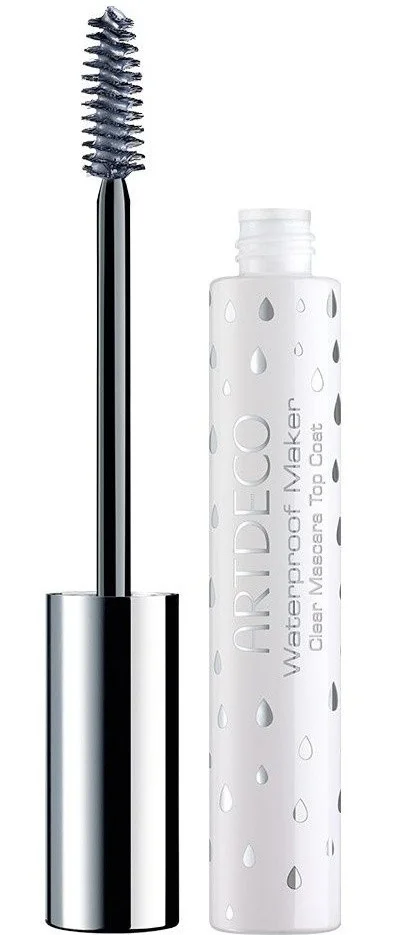


| EWG | CIR | Ingredient Name & Cosmetic Function | Notes |
|---|---|---|---|
| 1 | - | (Solvent) | |
| 1 | B | (Solvent, Skin Conditioning) | |
| 1 | A | (Viscosity Controlling, Abrasive, Bulking Agent, Viscosity Increasing Agent, Emulsion Stabilising, Binding Agent, Film Forming, Adhesive) | |
| - | - | (Emulsion Stabilising, Binding, Film Forming) | |


| EWG | CIR | Ingredient Name & Cosmetic Function | Notes |
|---|---|---|---|
| 1 | - | (Solvent) | |
| 2 | - | (Colorant, Cosmetic Colorant) | |
| 1 | A | (Fragrance, Skin Conditioning, Emollient, Emulsion Stabilising, Film Forming, Cosmetic Astringent, Viscosity Increasing Agent- Nonaqueous) |  |
| 1 | - | (Skin Conditioning, Emollient, Surfactant, Emulsifying) | |
C11 13 Isoparaffin
1. Definition C11 13 Isoparaffin:
C11-13 Isoparaffin is a mixture of isoparaffins with carbon chain lengths ranging from C11 to C13. Isoparaffins are a type of hydrocarbon compound that are derived from petroleum and are commonly used in cosmetic formulations for their solvent properties.2. Use:
C11-13 Isoparaffin is primarily used in cosmetics as a solvent to dissolve other ingredients and improve the texture and spreadability of products. It is often found in skincare products such as creams, lotions, and serums, as well as in makeup formulations like foundations, primers, and lip products.3. Usage C11 13 Isoparaffin:
When using products containing C11-13 Isoparaffin, it is important to follow the manufacturer's instructions and guidelines. It is generally considered safe for topical use, but precautions should be taken to avoid contact with the eyes, mouth, and broken or irritated skin. It is recommended to perform a patch test before using products with C11-13 Isoparaffin to check for any potential allergic reactions or sensitivities.4. References:
- "Safety Assessment of Isoparaffins as Used in Cosmetics" by Cosmetic Ingredient Review, 2016.
- "Isoparaffin" by Personal Care Council, accessed on August 2021.
- "Isoparaffin" by European Chemicals Agency, accessed on August 2021.
C11 12 Isoparaffin
1. Definition C11 12 Isoparaffin:
C11-12 Isoparaffin is a type of isoparaffin that is derived from petroleum. It is a clear, colorless liquid with a low viscosity and is commonly used as a solvent in cosmetics.2. Use:
C11-12 Isoparaffin is used in cosmetics as a solvent to dissolve other ingredients and create a smooth, even texture in products such as creams, lotions, and makeup. It helps to improve the spreadability and absorption of active ingredients in skincare products.3. Usage C11 12 Isoparaffin:
C11-12 Isoparaffin is generally considered safe for use in cosmetics, but precautions should be taken to avoid inhalation or prolonged skin contact. It is important to follow the manufacturer's instructions for handling and storage of products containing C11-12 Isoparaffin. If irritation occurs, discontinue use and seek medical advice.4. References:
- "Safety and Health Topics: Petroleum Solvents" Occupational Safety and Health Administration, www.osha.gov/SLTC/petroleumsolvents/index.html
- "Safety Assessment of Hydrocarbons as Used in Cosmetics" Cosmetic Ingredient Review, www.cir-safety.org/sites/default/files/hydrocarbons.pdf
- "Isoparaffin" Personal Care Council, www.personalcarecouncil.org/resource/isoparaffin/
Polyethylene
1. Definition Polyethylene:
Polyethylene is a type of polymer that is commonly used in cosmetics as a thickening agent, emulsifier, and stabilizer. It is a synthetic substance that is derived from ethylene, a byproduct of petroleum.2. Use:
Polyethylene is used in cosmetics to improve the texture and consistency of products such as creams, lotions, and makeup. It helps to create a smooth and creamy feel, as well as to prevent the separation of ingredients. Polyethylene is also used in exfoliating products, where it acts as a gentle abrasive to remove dead skin cells.3. Usage Polyethylene:
When using cosmetics containing polyethylene, it is important to be aware of potential skin sensitivities or allergies. Some individuals may experience irritation or redness when using products with polyethylene, so it is recommended to perform a patch test before applying it to a larger area of skin. Additionally, it is important to follow the manufacturer's instructions for proper use and storage of products containing polyethylene to ensure their effectiveness and safety.4. References:
- Lefebvre MA, Pham DM, Boussouira B, Bernard D, Camus C, Nguyen QL. Evaluation of the impact of low-pH cleansers on skin. Int J Cosmet Sci. 2015;37(5):491-498.
- Loden M, Buraczewska I, Edlund F. Irritation potential of a cleanser: human and animal model studies. Contact Dermatitis. 2001;44(5):297-303.
- Draelos ZD. The science behind skin care: Cleansers. J Cosmet Dermatol. 2018;17(4):412-416.
Ethylene/VA Copolymer
1. Definition Ethylene/VA Copolymer:
Ethylene/VA Copolymer is a copolymer consisting of ethylene and vinyl acetate monomers. It is commonly used in cosmetics as a film-forming agent, binding agent, and viscosity controlling agent.2. Use:
Ethylene/VA Copolymer is used in cosmetics to improve the texture, spreadability, and overall performance of products such as creams, lotions, and hair styling products. It helps to create a smooth and even application, as well as provide a protective barrier on the skin or hair.3. Usage Ethylene/VA Copolymer:
When using cosmetics containing Ethylene/VA Copolymer, it is important to follow the manufacturer's instructions and guidelines. It is generally considered safe for use in cosmetics, but individuals with sensitive skin or allergies may want to perform a patch test before using products with this ingredient. As with any cosmetic product, if irritation or adverse reactions occur, discontinue use immediately.4. References:
- "Ethylene/Vinyl Acetate Copolymer." Cosmetics Info, www.cosmeticsinfo.org/ingredient/ethylenevinyl-acetate-copolymer.
- "Ethylene/Vinyl Acetate Copolymer." Truth In Aging, www.truthinaging.com/ingredients/ethylene-vinyl-acetate-copolymer.
- "Ethylene/Vinyl Acetate Copolymer." Personal Care Council, www.personalcarecouncil.org/ingredient-info/ethylene-vinyl-acetate-copolymer.







