


- Home
- Compare product
- Comparison result
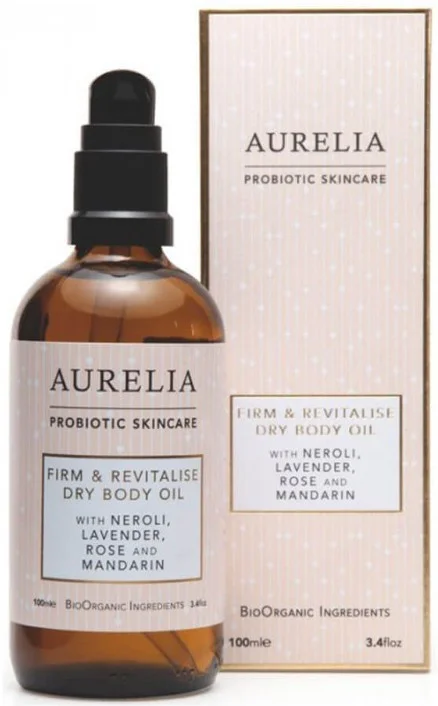
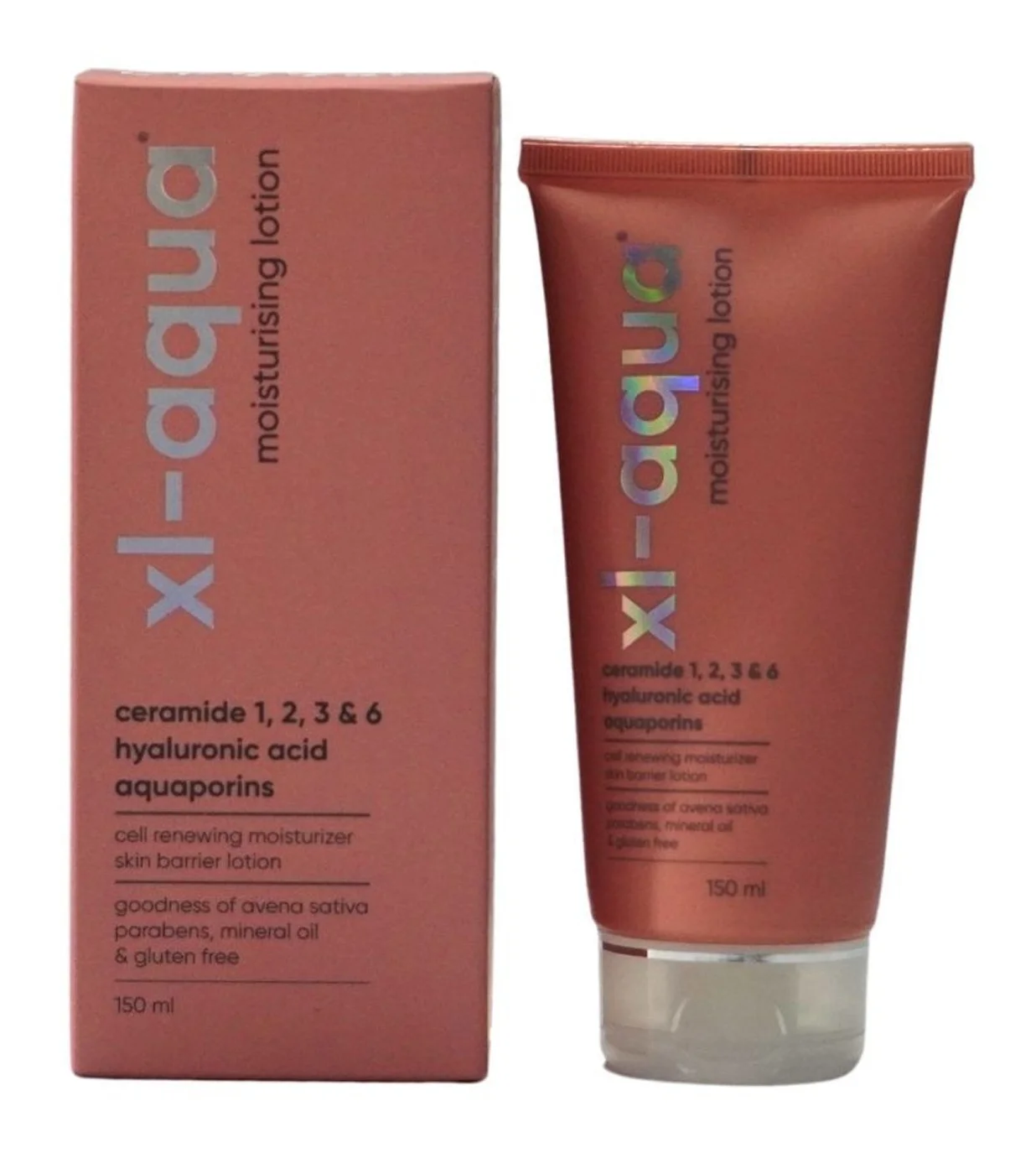


| EWG | CIR | Ingredient Name & Cosmetic Function | Notes |
|---|---|---|---|
| - | B | (Emollient) | |
| 1 | - | (Solvent, Skin Conditioning, Emollient) | |
| 1 | - | (Emollient) |  |
| 1 | A | (Skin Conditioning, Emollient) | |


| EWG | CIR | Ingredient Name & Cosmetic Function | Notes |
|---|---|---|---|
| 1 | - | (Skin Protecting, Abrasive, Absorbent, Bulking Agent) | |
| 1 | A |  | |
| - | - | Aloe Vera Extract | |
| - | - | Jojoba Oil | |
Coco-Caprylate
1. Definition Coco-Caprylate:
Coco-Caprylate is a natural ester derived from coconut oil and caprylic acid. It is commonly used in cosmetics as a lightweight emollient and solvent.2. Use:
Coco-Caprylate is used in cosmetics as a substitute for mineral oil and silicone-based ingredients. It helps to provide a smooth and silky feel to the skin without leaving a greasy residue. It is often found in products such as lotions, creams, serums, and sunscreens.3. Usage Coco-Caprylate:
When using products containing Coco-Caprylate, it is important to patch test first to ensure that you do not have any allergic reactions. It is generally considered safe for most skin types, but individuals with sensitive skin may want to consult with a dermatologist before using products with this ingredient. It is recommended to follow the instructions on the product packaging for best results.4. References:
- "Coco-Caprylate." CosmeticsInfo.org, www.cosmeticsinfo.org/ingredient/coco-caprylate.
- "Coco-Caprylate." The Derm Review, www.thedermreview.com/coco-caprylate/.
- "Coco-Caprylate: A Natural Alternative to Silicones." Formulator Sample Shop, www.formulatorsampleshop.com/product/coco-caprylate.
Dicaprylyl Ether
1. Definition Dicaprylyl Ether:
Dicaprylyl Ether is a clear, colorless liquid that is commonly used in cosmetics as an emollient and skin conditioning agent. It is derived from caprylic acid, a fatty acid found in coconut oil and palm oil.2. Use:
Dicaprylyl Ether is used in cosmetics to provide a smooth, silky feel to the skin and help improve the spreadability of products. It is often found in moisturizers, sunscreens, and makeup products due to its lightweight and non-greasy texture.3. Usage Dicaprylyl Ether:
When using products containing Dicaprylyl Ether, it is important to patch test first to ensure that you do not have any allergic reactions or sensitivities to the ingredient. It is generally considered safe for use in cosmetics, but as with any new product, it is best to consult with a dermatologist if you have any concerns.4. References:
- "Dicaprylyl Ether" Cosmeticsinfo.org, https://cosmeticsinfo.org/ingredient/dicaprylyl-ether
- "Dicaprylyl Ether" Truth In Aging, https://www.truthinaging.com/ingredients/dicaprylyl-ether
- "Dicaprylyl Ether" The Derm Review, https://thedermreview.com/dicaprylyl-ether/
Macadamia Ternifolia (Macadamia) Seed Oil
1. Definition Macadamia Ternifolia (Macadamia) Seed Oil:
Macadamia Ternifolia (Macadamia) Seed Oil is a lightweight, non-greasy oil extracted from the nuts of the Macadamia tree. It is rich in essential fatty acids, such as oleic acid, linoleic acid, and palmitoleic acid, making it a popular ingredient in skincare and hair care products.2. Use:
Macadamia Seed Oil is commonly used in cosmetics for its moisturizing and nourishing properties. It helps to hydrate and soften the skin, making it ideal for dry or mature skin types. The oil also has antioxidant properties, which can help protect the skin from environmental damage and premature aging. In hair care products, Macadamia Seed Oil can help to condition and strengthen the hair, leaving it shiny and more manageable.3. Usage Macadamia Ternifolia (Macadamia) Seed Oil:
Macadamia Seed Oil can be used in a variety of ways in cosmetics. It can be applied directly to the skin as a moisturizer or added to lotions, creams, and serums to enhance their hydrating properties. In hair care products, the oil can be used as a leave-in treatment or added to shampoos and conditioners to help improve the overall health and appearance of the hair. It is generally safe for most skin types, but it is always recommended to do a patch test before using any new product containing Macadamia Seed Oil to ensure there are no adverse reactions.4. References:
- Paula Begoun. (2003). "Don't Go to the Cosmetics Counter Without Me." Beginning Press.
- International Journal of Cosmetic Science. (2017). "Macadamia nut oil." Wiley Online Library.
- G. M. Cragg, D. J. Newman, and J. B. Kingston. (2011). "Anticancer Agents from Natural Products." CRC Press.
Prunus Persica (Peach) Kernel Oil
1. Definition Prunus Persica (Peach) Kernel Oil:
Prunus Persica (Peach) Kernel Oil is a natural oil extracted from the kernels of the peach fruit. It is rich in essential fatty acids, vitamins, and antioxidants, making it a popular ingredient in cosmetics and skincare products.2. Use:
Prunus Persica (Peach) Kernel Oil is commonly used in cosmetics for its moisturizing and nourishing properties. It is known to help improve skin elasticity, reduce inflammation, and promote a healthy complexion. This oil is often found in moisturizers, serums, and hair care products due to its ability to hydrate and soften the skin and hair.3. Usage Prunus Persica (Peach) Kernel Oil:
When using Prunus Persica (Peach) Kernel Oil in cosmetics, it is important to perform a patch test before applying it to the skin to check for any allergic reactions. This oil can be used directly on the skin or mixed with other carrier oils or essential oils for added benefits. It is recommended to store the oil in a cool, dark place away from direct sunlight to preserve its quality and efficacy.4. References:
- Ahmad, Z., & Shah, A. (2017). Peach kernel oil: A potential source of edible oil. Journal of the Saudi Society of Agricultural Sciences, 16(3), 287-293.
- Lee, S., Min, H., & Kim, S. (2017). Antioxidant and anti-inflammatory activities of peach kernel extract. Food Science and Biotechnology, 26(5), 1373-1379.
- Chen, Y., Li, X., & Wang, J. (2019). Characterization and antioxidant activity of peach kernel oil extracted by supercritical CO2. Food Science and Technology, 39(2), 252-257.







