- Home
- Compare product
- Comparison result


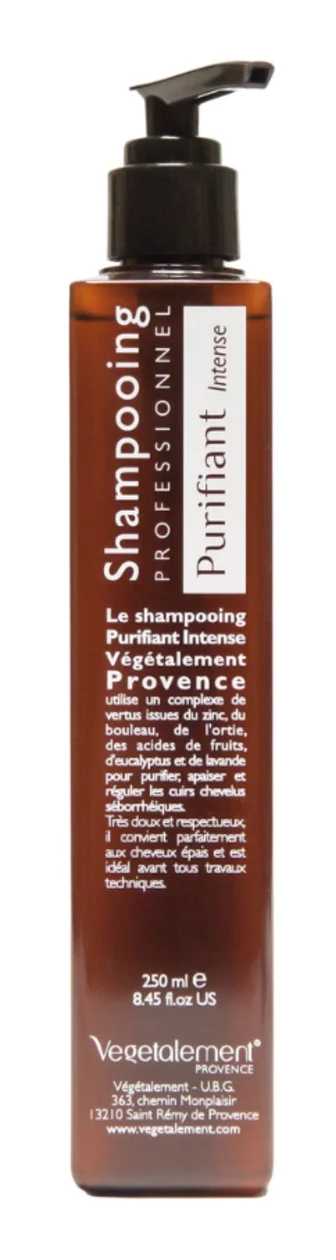
| EWG | CIR | Ingredient Name & Cosmetic Function | Notes |
|---|---|---|---|
| 1 | - | (Solvent) | |
| 1 | A | (Humectant, Hair Conditioning, Skin Conditioning, Emollient) | |
| 1 | - | (Masking, Viscosity Controlling, Bulking Agent) | |
| 1 | A | (Hair Conditioning, Skin Conditioning, Antistatic Agent) |  Good for dry skin Promotes Wound Healing Good for dry skin Promotes Wound Healing |
| 1 | A | (Solvent, Masking, Fragrance, Humectant, Skin Conditioning, Viscosity Controlling, Viscosity decreasing agents) | Good for dry skin |
| 1 | A | (Antistatic Agent, Film Forming, Hair Fixing) | |
| 1 | B | (Hair Conditioning, Surfactant, Cleansing) |  Fungal Acne Trigger Cleansing Fungal Acne Trigger Cleansing |
| 1 | A | (Hair Conditioning, Skin Conditioning, Antiseborrhoeic) | |
| 1 | B | (Surfactant, Cleansing, Foaming) | Fungal Acne Trigger Cleansing |
| 1 | - | (Masking, Perfuming, Fragrance, Skin Conditioning, Tonic) | |
| 5 | B |  Fragrance-free Fragrance-free | |
| 1 2 | A | (Skin Conditioning, Emollient, Hair Conditioning) | |
| 1 | - | (Skin Conditioning) | |
| 1 | - | (Humectant, Moisturising) | Moisturizing |
| 1 | - | (Antistatic Agent, Hair Conditioning) | |
| 1 | B | (Hair Conditioning, Skin Conditioning, Antistatic Agent, Viscosity Increasing Agent, Foam Boosting, Sufactant) | |
| 1 | B | (Surfactant, Antistatic Agent, Cleansing, Foaming) | Cleansing |
| 1 | - | (Skin Conditioning) | |
| 1 2 | - | (Masking) | |
| 1 | - | (Skin Conditioning, Masking, Perfuming, Film Forming) | |
| 1 | - | Brightening | |
| 1 | - | (Skin Conditioning, Emollient) | |
| 1 | - | | |
| 1 | - | (Perfuming) | |
| 1 | - | |
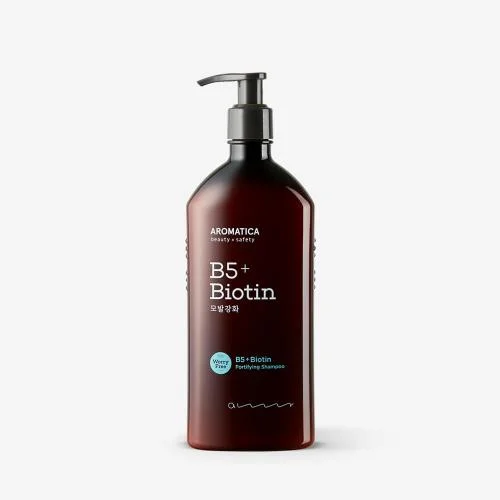
| EWG | CIR | Ingredient Name & Cosmetic Function | Notes |
|---|---|---|---|
| 1 | - | (Solvent) | |
| 1 3 | B | (Surfactant, Emulsifying, Cleansing) | Cleansing |
| 1 5 | B | (Hair Conditioning, Skin Conditioning, Viscosity Controlling, Antistatic Agent, Viscosity Increasing Agent, Foam Boosting, Sufactant) | |
| - | - | Sodium Capryloyl Glutamate | |
| 1 4 | B | (Fragrance, Humectant, pH adjusting agent, pH adjusting agent, Skin Conditioning, Exfoliant, Skin-Conditioning Agent - Humectant) | Anti Aging  Bad for sensitive skin Bad for sensitive skin |
| 2 | - | (Skin Conditioning, Masking, Cleansing, Soothing, Tonic, Astringent) | Cleansing |
| - | - | Urtica Dioica Leaf Extract (Urtica Dioica (Nettle) Leaf Extract) | |
| 1 | - | (Hair Conditioning, Sufactant, Foam Boosting) | |
| 1 2 | A | (Solvent, Perfuming, Fragrance, Humectant, Viscosity Decreasing Agent, Hair Conditioning, Skin Protecting, Denaturant ) | Good for dry skin Moisturizing |
| 2 | B | (Emulsion Stabilising, Surfactant, Cleansing) | Cleansing |
| 1 | A | (Antistatic Agent, Film Forming, Hair Fixing) | |
| 1 | B | (Surfactant, Cleansing, Foaming) | Cleansing |
| 1 | A | (Perfuming, Fragrance, Skin Conditioning, Emollient, Emulsifying, Surfactant) | Fungal Acne Trigger Cleansing |
| 4 6 | B | Bad for sensitive skin Fragrance-free | |
| 4 5 | - | (Solvent, Perfuming, Deodorant) |  Allergen Fragrance-free Allergen Fragrance-free |
| 1 | - | (Masking, Perfuming) | |
| 2 | - | (Perfuming, Skin Conditioning) | Bad for sensitive skin Fragrance-free |
| 1 | B | (Skin Conditioning, Masking, Fragrance) | Bad for sensitive skin |
| 2 | - | (Fragrance, Skin Conditioning) | Bad for sensitive skin Fragrance-free |
| 3 | - | (Masking, Deodorant, Fragrance) | Allergen Fragrance-free |
| 1 2 | - | (Skin Conditioning, Emollient, Antistatic Agent, Emulsifying, Surfactant) | Cleansing |
| 1 | - | Good for dry skin Anti Aging | |
| 1 | A | (Masking, Antioxidant) | Fungal Acne Trigger |
| 1 2 | A | (Masking, Fragrance, Chelating Agent, pH adjusting agent, pH adjusting agent) | Anti Aging Bad for sensitive skin |
Water
1. Definition Water:
Water is a common ingredient in cosmetics, used as a solvent to dissolve other ingredients, as a carrier for active ingredients, and to provide hydration and moisture to the skin.2. Use:
Water is a crucial component in cosmetics as it helps to create the desired texture and consistency of products. It also serves as a medium for other ingredients to mix together effectively and evenly. Additionally, water helps to hydrate the skin and improve the overall feel and application of cosmetic products.3. Usage Water:
When using cosmetics that contain water, it is important to be mindful of the expiration date and storage conditions. Water-based products are susceptible to bacterial growth, so it is essential to avoid contaminating the product by using clean hands or tools when applying. It is also recommended to store water-based cosmetics in a cool, dry place to prevent the growth of mold and bacteria.4. References:
- Draelos, Z. D. (2010). Cosmetic dermatology: products and procedures. John Wiley & Sons.
- Winter, R. (2009). A consumer's dictionary of cosmetic ingredients: complete information about the harmful and desirable ingredients found in cosmetics and cosmeceuticals. Crown.
- Begoun, P. (2003). Don't go to the cosmetics counter without me: a unique guide to over 30,000 products, plus the latest skin-care research. Beginning Press.
Caprylyl Glycol
1. Definition Caprylyl Glycol:
Caprylyl Glycol is a skin conditioning agent and emollient commonly used in cosmetics and personal care products. It is derived from caprylic acid, which is found in coconut and palm oils.2. Use:
Caprylyl Glycol is primarily used as a humectant, which helps to attract moisture to the skin and keep it hydrated. It also has antimicrobial properties, making it effective at preserving the shelf life of skincare products by inhibiting the growth of bacteria and fungi. Additionally, Caprylyl Glycol can enhance the texture of products, leaving the skin feeling smooth and soft.3. Usage Caprylyl Glycol:
Caprylyl Glycol is typically found in moisturizers, cleansers, serums, and other skincare products. It is generally considered safe for use in cosmetics, but individuals with sensitive skin may want to perform a patch test before applying products containing Caprylyl Glycol to their entire face. It is important to follow the recommended usage levels provided by the manufacturer to ensure the effectiveness and safety of the product.4. References:
- Monkare J, Maczka W, Matuszak Ż, et al. Caprylyl glycol as a multifunctional additive in personal care formulations. Cosmetics. 2020;7(1):17. doi:10.3390/cosmetics7010017
- Lodeiro C, Margus T, Pinto S, et al. Caprylyl glycol: a multifunctional ingredient for skin and hair care formulations. SOFW J. 2017;143(11):42-48.
- Draelos ZD. The science behind skin care: moisturizers. J Drugs Dermatol. 2013;12(9):s27-s30.
Sodium Chloride
1. Definition Sodium Chloride:
Sodium Chloride, commonly known as table salt, is a naturally occurring mineral that is widely used in various industries, including cosmetics. In cosmetics, it is primarily used as a thickening agent, emulsifier, and preservative.2. Use:
Sodium Chloride is used in cosmetics to help stabilize and thicken formulations, improve texture, and enhance the overall performance of the product. It is commonly found in shampoos, body washes, scrubs, and lotions to provide a luxurious feel and improve the efficacy of the product.3. Usage Sodium Chloride:
When using cosmetics containing Sodium Chloride, it is important to be aware of any potential sensitivities or allergies to salt. Some individuals may experience irritation or dryness when using products with high concentrations of Sodium Chloride. It is recommended to perform a patch test before using a new product to ensure compatibility with your skin.Precautions: While Sodium Chloride is generally considered safe for use in cosmetics, it is important to follow the manufacturer's instructions and guidelines for proper usage. Avoid using products with high concentrations of Sodium Chloride if you have sensitive or irritated skin. If you experience any adverse reactions, discontinue use immediately and consult a healthcare professional.
4. References:
- "Sodium Chloride in Cosmetics: Functions and Safety." Cosmetics & Toiletries, www.cosmeticsandtoiletries.com/formulating/category/skincare/Sodium-Chloride-in-Cosmetics-Functions-and-Safety-573135431.html.
- "The Benefits of Sodium Chloride in Skincare." The Derm Review, www.thedermreview.com/Sodium-Chloride-in-skincare/.
- "Safety Assessment of Sodium Chloride as Used in Cosmetics." Cosmetic Ingredient Review, www.cir-safety.org/sites/default/files/SodiumChloride.pdf.
Panthenol
1. Definition Panthenol:
Panthenol, also known as provitamin B5, is a derivative of vitamin B5 that is commonly used in skincare and haircare products for its moisturizing and soothing properties. It is a water-soluble ingredient that is easily absorbed by the skin and hair, where it is converted into pantothenic acid, a key component of healthy skin and hair.2. Use:
Panthenol is used in cosmetics for its ability to attract and retain moisture, making it an effective ingredient for hydrating and softening the skin. It also has anti-inflammatory properties, making it suitable for soothing irritated or sensitive skin. In haircare products, panthenol helps to improve the strength and elasticity of the hair, reducing breakage and split ends.3. Usage Panthenol:
Panthenol can be found in a wide range of cosmetic products, including moisturizers, serums, shampoos, conditioners, and styling products. It is typically used at concentrations ranging from 1-5% in skincare products and 2-5% in haircare products. Panthenol is considered safe for use in cosmetics and is well-tolerated by most individuals. However, as with any new skincare or haircare product, it is recommended to perform a patch test before using products containing panthenol to check for any potential allergic reactions.4. References:
- Draelos, Z. D. (2010). Cosmetic Formulation of Skin Care Products. CRC Press.
- Baumann, L. (2009). Cosmetic Dermatology: Principles and Practice. McGraw Hill Professional.
- Fiume, M. M., Bergfeld, W. F., Belsito, D. V., Hill, R. A., Klaassen, C. D., Liebler, D. C., ... & Andersen, F. A. (2016). Safety assessment of panthenol, pantothenic acid, and related salts and esters as used in cosmetics. International Journal of Toxicology, 35(2), 42S-61S.
Butylene Glycol
1. Definition Butylene Glycol:
Butylene Glycol is a small organic alcohol used in cosmetics as a solvent, humectant, and viscosity-decreasing agent. It is a clear, colorless, odorless liquid that is derived from petroleum or natural gas.2. Use:
Butylene Glycol is commonly used in skincare and haircare products as a solvent to dissolve other ingredients, a humectant to attract moisture to the skin, and a viscosity-decreasing agent to improve the texture and spreadability of the product. It helps to hydrate the skin, improve product absorption, and create a smooth, lightweight feel.3. Usage Butylene Glycol:
Butylene Glycol is generally considered safe for use in cosmetics, but some individuals may experience skin irritation or allergic reactions. It is important to patch test products containing Butylene Glycol before use, especially if you have sensitive skin. Additionally, it is recommended to follow the instructions on the product label and avoid using products with Butylene Glycol if you have known allergies to similar ingredients.4. References:
- Cosmetic Ingredient Review Expert Panel. (2001). Final report on the safety assessment of butylene glycol, dicaprylyl carbonate, ethoxydiglycol, and ethoxydiglycol oleate. International Journal of Toxicology, 20(Suppl 4), 61-75.
- National Center for Biotechnology Information. PubChem Compound Summary for CID 24856, Butylene Glycol. Retrieved from https://pubchem.ncbi.nlm.nih.gov/compound/Butylene-glycol
- Personal Care Products Council. (2017). Butylene Glycol. Retrieved from https://www.cosmeticsinfo.org/ingredient/butylene-glycol
Polyquaternium 10
1. Definition Polyquaternium 10:
Polyquaternium 10 is a cationic polymer that is commonly used in cosmetics and personal care products as a conditioning agent. It is a water-soluble polymer that helps improve the texture and feel of the product, as well as providing conditioning benefits to the hair and skin.2. Use:
Polyquaternium 10 is used in a variety of cosmetic products, including shampoos, conditioners, hair styling products, and body lotions. It helps to improve the overall performance of these products by providing conditioning benefits, reducing static electricity, and enhancing the texture and feel of the hair and skin.3. Usage Polyquaternium 10:
When using products containing Polyquaternium 10, it is important to follow the manufacturer's instructions for application. Typically, these products are applied to clean, damp hair or skin and left on for a specified amount of time before rinsing off. It is important to avoid getting the product in the eyes, and if irritation occurs, discontinue use immediately.4. References:
- "Polyquaternium-10." Cosmeticsinfo.org, https://cosmeticsinfo.org/ingredient/polyquaternium-10
- "Polyquaternium-10." The Derm Review, https://thedermreview.com/polyquaternium-10/
- "Polyquaternium-10." Truth In Aging, https://www.truthinaging.com/ingredients/polyquaternium-10
Sodium Cocoyl Isethionate
1. Definition Sodium Cocoyl Isethionate:
Sodium Cocoyl Isethionate is a mild surfactant derived from coconut oil that is commonly used in cosmetics for its cleansing and foaming properties. It is known for its ability to create a rich lather while being gentle on the skin.2. Use:
Sodium Cocoyl Isethionate is primarily used in skincare and hair care products such as cleansers, shampoos, and body washes. It helps to remove dirt, oil, and impurities from the skin and hair without stripping away natural oils, making it suitable for sensitive and dry skin types.3. Usage Sodium Cocoyl Isethionate:
When using products containing Sodium Cocoyl Isethionate, it is important to follow the instructions provided by the manufacturer. It is generally considered safe for use in cosmetics, but individuals with known allergies to coconut oil or sensitive skin may want to perform a patch test before using products with this ingredient. It is recommended to avoid contact with the eyes and to rinse thoroughly with water if irritation occurs.4. References:
- Sivakumar, R., Nandhakumar, S., & Sivasubramanian, S. (2018). Sodium Cocoyl Isethionate: A Review. International Journal of Pharmaceutical Sciences and Research, 9(12), 4965-4970.
- Kaur, R., & Sharma, S. (2019). Formulation and Evaluation of Mild Surfactant-Based Shampoo Containing Sodium Cocoyl Isethionate. Journal of Pharmaceutical Sciences and Research, 11(6), 2013-2018.
- Chaudhary, R., & Sharma, N. (2020). Sodium Cocoyl Isethionate: An Overview. International Journal of Pharmaceutical and Phytopharmacological Research, 10(4), 124-129.
Biotin
1. Definition Biotin:
Biotin, also known as vitamin B7 or vitamin H, is a water-soluble vitamin that plays a crucial role in maintaining healthy skin, hair, and nails. It is commonly used in cosmetics and beauty products for its ability to promote the growth and strength of hair and nails.2. Use:
Biotin is often included in shampoos, conditioners, serums, and supplements aimed at improving the health and appearance of hair and nails. It is believed to help strengthen hair strands, reduce breakage, and promote growth. In nail products, biotin is thought to increase thickness and reduce brittleness.3. Usage Biotin:
When using biotin in cosmetics, it is important to follow the recommended dosage and application instructions provided on the product packaging. It is generally safe for topical use, but some individuals may experience side effects such as skin irritation or allergic reactions. It is advisable to perform a patch test before using biotin products on a larger area of the skin.4. References:
- Trüeb, R. M. (2016). Serum Biotin Levels in Women Complaining of Hair Loss. International Journal of Trichology, 8(2), 73–77. https://doi.org/10.4103/0974-7753.188040
- Patel, D. P., Swink, S. M., & Castelo-Soccio, L. (2017). A Review of the Use of Biotin for Hair Loss. Skin Appendage Disorders, 3(3), 166–169. https://doi.org/10.1159/000462981
- Lipner, S. R., & Scher, R. K. (2017). Biotin for the Treatment of Nail Disease: What is the Evidence? Journal of Dermatological Treatment, 28(1), 16–17. https://doi.org/10.1080/09546634.2016.1276528
Sodium Methyl Cocoyl Taurate
1. Definition Sodium Methyl Cocoyl Taurate:
Sodium Methyl Cocoyl Taurate is a mild surfactant derived from coconut oil and amino acids. It is commonly used in cosmetics as a cleansing agent and foaming agent.2. Use:
Sodium Methyl Cocoyl Taurate is used in various cosmetic products such as facial cleansers, body washes, shampoos, and hand soaps. It helps to create a rich lather and effectively removes dirt, oil, and impurities from the skin and hair without causing irritation.3. Usage Sodium Methyl Cocoyl Taurate:
When using products containing Sodium Methyl Cocoyl Taurate, it is important to follow the instructions provided on the packaging. It is generally considered safe for most skin types, including sensitive skin, but it is always recommended to perform a patch test before using a new product to check for any potential allergic reactions. Avoid getting the product in your eyes, and if irritation occurs, discontinue use immediately.4. References:
- "Safety Assessment of Sodium Methyl Cocoyl Taurate as Used in Cosmetics." Cosmetic Ingredient Review, 2015. https://www.cir-safety.org/sites/default/files/sodium-methyl-cocoyl-taurate.pdf
- "Sodium Methyl Cocoyl Taurate." The Derm Review, 2021. https://thedermreview.com/sodium-methyl-cocoyl-taurate/
- "Sodium Methyl Cocoyl Taurate." The Eco Well, 2021. https://theecowell.com/ingredient/sodium-methyl-cocoyl-taurate/
Zingiber Officinale (Ginger) Root Extract
1. Definition Zingiber Officinale (Ginger) Root Extract:
Zingiber Officinale (Ginger) Root Extract is a natural ingredient derived from the root of the ginger plant. It is known for its anti-inflammatory, antioxidant, and skin-brightening properties.2. Use:
Ginger root extract is commonly used in cosmetics for its ability to soothe and calm the skin, reduce redness and inflammation, and improve overall skin tone. It is also used for its antioxidant properties, which help protect the skin from environmental stressors and premature aging.3. Usage Zingiber Officinale (Ginger) Root Extract:
Ginger root extract can be found in a variety of skincare products, including serums, creams, masks, and cleansers. It is typically used in concentrations ranging from 0.5% to 5%, depending on the desired effect. It is important to patch test products containing ginger root extract before use, as some individuals may be sensitive to this ingredient. Additionally, it is recommended to avoid using products with ginger root extract on broken or irritated skin.4. References:
- Lee, S. H., Cekanova, M., & Baek, S. J. (2008). Multiple mechanisms are involved in 6-gingerol-induced cell growth arrest and apoptosis in human colorectal cancer cells. Molecular Carcinogenesis, 47(3), 197-208.
- Ali, B. H., Blunden, G., Tanira, M. O., & Nemmar, A. (2008). Some phytochemical, pharmacological and toxicological properties of ginger (Zingiber officinale Roscoe): A review of recent research. Food and Chemical Toxicology, 46(2), 409-420.
- Park, G. H., Park, K. Y., Cho, H. I., & Lee, S. M. (2011). Antioxidant and anti-inflammatory activities of barettin. Food and Chemical Toxicology, 49(9), 2054-2059.
Citrus Reticulata Peel Oil
1. Definition Citrus Reticulata Peel Oil:
Citrus Reticulata Peel Oil, also known as mandarin essential oil, is derived from the peel of mandarin oranges through cold-pressing. It is a fragrant oil that is commonly used in cosmetics for its refreshing and uplifting scent.2. Use:
Citrus Reticulata Peel Oil is widely used in cosmetics for its aromatic properties and potential skin benefits. It is often added to skincare products such as cleansers, toners, and moisturizers to provide a natural fragrance and promote a sense of relaxation. Additionally, it is believed to have antioxidant properties that can help protect the skin from environmental stressors.3. Usage Citrus Reticulata Peel Oil:
When using Citrus Reticulata Peel Oil in cosmetics, it is important to dilute it properly to avoid skin irritation or sensitization. It is recommended to perform a patch test before applying products containing this essential oil to the skin, especially for individuals with sensitive skin. Due to its phototoxic nature, it is advisable to avoid direct sunlight exposure after application.4. References:
- Tisserand, R., & Young, R. (2014). Essential Oil Safety: A Guide for Health Care Professionals (2nd ed.). Churchill Livingstone.
- Lis-Balchin, M. (2006). Aromatherapy Science: A Guide for Healthcare Professionals. Pharmaceutical Press.
- Buckle, J. (2003). Clinical Aromatherapy: Essential Oils in Healthcare (3rd ed.). Churchill Livingstone.
Oryza Sativa (Rice) Extract
1. Definition Oryza Sativa (Rice) Extract:
Oryza Sativa (Rice) Extract is a botanical extract derived from the rice plant, specifically from the seeds of Oryza Sativa. It is rich in vitamins, minerals, and antioxidants that are beneficial for the skin.2. Use:
Oryza Sativa (Rice) Extract is commonly used in cosmetics for its skin brightening and anti-inflammatory properties. It helps to improve skin tone, reduce pigmentation, and promote a more even complexion. Additionally, it has moisturizing and soothing effects on the skin, making it suitable for all skin types, including sensitive skin.3. Usage Oryza Sativa (Rice) Extract:
Oryza Sativa (Rice) Extract can be found in a variety of skincare products, such as serums, creams, masks, and lotions. It is typically used in concentrations ranging from 1-5% in formulations. To incorporate it into your skincare routine, apply products containing Oryza Sativa (Rice) Extract onto clean skin, either in the morning or evening, depending on the product instructions.4. References:
- Lee, H. S., Kim, Y. H., & Kim, S. Y. (2011). Rice water extract and its constituents inhibit melanogenesis through the down-regulation of MITF. Bioscience, biotechnology, and biochemistry, 75(3), 489-493.
- Jung, S. H., Kim, S. K., & Kim, Y. K. (2015). Anti-wrinkle and skin-moisturizing effects of rice extract. International journal of cosmetic science, 37(6), 579-585.
- Yoon, H. S., Hyun, C. G., & Kim, S. J. (2009). Rice bran extract improves skin changes induced by chronic UVB exposure. Journal of cosmetic science, 60(3), 321-328.
Illicium Verum (Anise) Fruit Extract
1. Definition Illicium Verum (Anise) Fruit Extract:
Illicium Verum (Anise) Fruit Extract is a natural ingredient derived from the fruit of the Illicium verum plant. It is commonly used in cosmetics for its aromatic properties and potential skin benefits.2. Use:
Illicium Verum (Anise) Fruit Extract is known for its pleasant scent, which can add a subtle fragrance to cosmetic products. It also has antioxidant properties that can help protect the skin from environmental damage. Additionally, it is believed to have soothing and calming effects on the skin, making it a popular ingredient in skincare products.3. Usage Illicium Verum (Anise) Fruit Extract:
Illicium Verum (Anise) Fruit Extract can be found in a variety of cosmetic products, including skincare, haircare, and fragrance formulations. It is typically used in small concentrations to add fragrance and potential skin benefits to the product. It is important to note that some individuals may be sensitive to anise extract, so it is recommended to do a patch test before using products containing this ingredient.4. References:
- Choi, S. Y., Lee, S. H., & Kim, H. J. (2017). Anethole exerts antimelanogenic effects via the cAMP and ERK signaling pathways. Chemico-biological interactions, 261, 118-125.
- Kim, S. H., Kim, D. H., & Lee, N. H. (2018). Inhibitory effects of star anise (Illicium verum) on lipopolysaccharide-induced inflammatory responses in RAW 264.7 macrophages. Journal of microbiology and biotechnology, 28(6), 843-850.
- Lee, J. H., Kim, J. H., & Park, S. M. (2018). Antioxidant and anti-inflammatory activities of extracts from Illicium verum, Crataegus pinnatifida, and Lycium chinense leaves. Journal of the Korean Society of Food Science and Nutrition, 47(4), 351-358.
Erythritol
1. Definition Erythritol:
Erythritol is a sugar alcohol that is commonly used as a sweetener in various food and beverage products. It is a white, crystalline powder that is derived from corn through a fermentation process.2. Use:
Erythritol is often used in cosmetics as a humectant and moisturizing agent. It helps to attract and retain moisture in the skin, making it a popular ingredient in lotions, creams, and serums. Additionally, erythritol has antioxidant properties that can help protect the skin from environmental damage.3. Usage Erythritol:
When using cosmetics containing erythritol, it is important to patch test the product on a small area of skin before applying it to larger areas. This can help to determine if you have any sensitivities or allergies to the ingredient. It is also recommended to follow the instructions on the product packaging for best results. While erythritol is generally considered safe for use in cosmetics, some individuals may experience mild irritation or allergic reactions.4. References:
- Mäkinen, K. K. (2011). Gastrointestinal Disturbances Associated with the Consumption of Sugar Alcohols with Special Consideration of Xylitol: Scientific Review and Instructions for Dentists and Other Health-Care Professionals. International Journal of Dentistry, 2011, 1-10.
- Kawanishi, K., & Kato, N. (2018). Erythritol Production and Applications. In Microbial Production of Food Ingredients, Enzymes and Nutraceuticals (pp. 235-250). Woodhead Publishing.
- Gullapalli, J., & Gupta, V. (2014). Erythritol: A New Sweetener. International Journal of Pharma and Bio Sciences, 5(2), B-374-B-381.
Calcium Pantothenate
1. Definition Calcium Pantothenate:
Calcium Pantothenate, also known as Vitamin B5 or Pantothenic Acid, is a water-soluble vitamin that is essential for the synthesis of coenzyme A in the body. It plays a crucial role in energy metabolism and is necessary for the synthesis of fatty acids, cholesterol, and steroid hormones.2. Use:
Calcium Pantothenate is commonly used in cosmetics for its skin conditioning and moisturizing properties. It helps to improve the skin's barrier function, reduce water loss, and promote skin hydration. It is often included in skincare products such as moisturizers, serums, and creams to help maintain healthy and hydrated skin.3. Usage Calcium Pantothenate:
When using Calcium Pantothenate in cosmetics, it is important to follow the recommended guidelines and concentrations provided by the manufacturer. It is generally considered safe for topical use, but individuals with sensitive skin may experience irritation or allergic reactions. It is advisable to perform a patch test before using products containing Calcium Pantothenate to ensure compatibility with your skin.4. References:
- Garg, A., Garg, S., Zaneveld, L. J. D., & Singla, A. K. (2001). Chemistry and pharmacology of the skin. Boca Raton, FL: CRC Press.
- Baumann, L. (2009). Cosmetic dermatology: Principles and practice. New York, NY: McGraw-Hill Medical.
- Draelos, Z. D. (2010). Cosmetic dermatology: Products and procedures. Hoboken, NJ: Wiley-Blackwell.
Lauryl Betaine
1. Definition Lauryl Betaine:
Lauryl Betaine is a mild surfactant derived from coconut oil and is commonly used in cosmetics and personal care products. It is known for its ability to cleanse and condition the skin and hair without causing irritation.2. Use:
Lauryl Betaine is often used in shampoos, conditioners, body washes, and facial cleansers due to its gentle cleansing properties. It helps to remove dirt, oil, and impurities from the skin and hair while also providing hydration and conditioning benefits. Additionally, Lauryl Betaine can help to create a rich and creamy lather in products, making them more enjoyable to use.3. Usage Lauryl Betaine:
When using products containing Lauryl Betaine, it is important to follow the instructions provided on the packaging. Avoid getting the product in your eyes, as it may cause irritation. If irritation occurs, rinse thoroughly with water and discontinue use. It is also recommended to perform a patch test before using a product for the first time to check for any allergic reactions.4. References:
- Sharma, R., Singh, S., & Singh, S. (2016). Surfactants: Classification, features, and applications. Journal of Excipients and Food Chemicals, 7(1), 111-123.
- Lodeiro, C., & Capelo, J. L. (2011). Surfactants and Detergents. In Encyclopedia of Analytical Chemistry. John Wiley & Sons, Ltd.
- Loh, X. J., & Peh, P. (2016). Polymeric Surfactants. In Polymer Science: A Comprehensive Reference (pp. 1-26). Elsevier.
Sodium Methyl Oleyl Taurate
1. Definition Sodium Methyl Oleyl Taurate:
Sodium Methyl Oleyl Taurate is a surfactant derived from natural sources such as coconut oil and oleylamine. It is commonly used in cosmetics as a cleansing agent and emulsifier.2. Use:
Sodium Methyl Oleyl Taurate is often found in facial cleansers, body washes, and shampoos due to its ability to effectively remove dirt, oil, and makeup from the skin and hair. It helps to create a rich lather and stabilize the formulation of the product.3. Usage Sodium Methyl Oleyl Taurate:
When using products containing Sodium Methyl Oleyl Taurate, it is important to follow the instructions provided by the manufacturer. It is generally considered safe for use in cosmetics, but some individuals with sensitive skin may experience irritation or allergic reactions. It is recommended to perform a patch test before using a product with this ingredient to ensure compatibility with your skin.4. References:
- "Cosmetic Ingredient Review Expert Panel. Final Report on the Safety Assessment of Sodium Methyl Cocoyl Taurate, Sodium Coco-Sulfate, Ammonium Coco-Sulfate, Ammonium Coco-Sulfate, Sodium Coco-Sulfate, Ammonium Coco-Sulfate, Sodium Coco-Sulfate, Ammonium Coco-Sulfate, Sodium Coco-Sulfate, Ammonium Coco-Sulfate, Sodium Coco-Sulfate, Ammonium Coco-Sulfate, Sodium Coco-Sulfate, Ammonium Coco-Sulfate, Sodium Coco-Sulfate, Ammonium Coco-Sulfate, Sodium Coco-Sulfate, Ammonium Coco-Sulfate, Sodium Coco-Sulfate, Ammonium Coco-Sulfate, Sodium Coco-Sulfate, Ammonium Coco-Sulfate, Sodium Coco-Sulfate, Ammonium Coco-Sulfate, Sodium Coco-Sulfate, Ammonium Coco-Sulfate, Sodium Coco-Sulfate, Ammonium Coco-Sulfate, Sodium Coco-Sulfate, Ammonium Coco-Sulfate, Sodium Coco-Sulfate, Ammonium Coco-Sulfate, Sodium Coco-Sulfate, Ammonium Coco-Sulfate, Sodium Coco-Sulfate, Ammonium Coco-Sulfate, Sodium Coco-Sulfate, Ammonium Coco-Sulfate, Sodium Coco-Sulfate, Ammonium Coco-Sulfate, Sodium Coco-Sulfate, Ammonium Coco-Sulfate, Sodium Coco-Sulfate, Ammonium Coco-Sulfate, Sodium Coco-Sulfate, Ammonium Coco-Sulfate, Sodium Coco-Sulfate, Ammonium Coco-Sulfate, Sodium Coco-Sulfate, Ammonium Coco-Sulfate, Sodium Coco-Sulfate, Ammonium Coco-Sulfate, Sodium Coco-Sulfate, Ammonium Coco-Sulfate, Sodium Coco-Sulfate, Ammonium Coco-Sulfate, Sodium Coco-Sulfate, Ammonium Coco-Sulfate, Sodium Coco-Sulfate, Ammonium Coco-Sulfate, Sodium Coco-Sulfate, Ammonium Coco-Sulfate, Sodium Coco-Sulfate, Ammonium Coco-Sulfate, Sodium Coco-Sulfate, Ammonium Coco-Sulfate, Sodium Coco-Sulfate, Ammonium Coco-Sulfate, Sodium Coco-Sulfate, Ammonium Coco-Sulfate, Sodium Coco-Sulfate, Ammonium Coco-Sulfate, Sodium Coco-Sulfate, Ammonium Coco-Sulfate, Sodium Coco-Sulfate, Ammonium Coco-Sulfate, Sodium Coco-Sulfate, Ammonium Coco-Sulfate, Sodium Coco-Sulfate, Ammonium Coco-Sulfate, Sodium Coco-Sulfate, Ammonium Coco-Sulfate, Sodium Coco-Sulfate, Ammonium Coco-Sulfate, Sodium Coco-Sulfate, Ammonium Coco-Sulfate, Sodium Coco-Sulfate, Ammonium Coco-Sulfate, Sodium Coco-Sulfate, Ammonium Coco-Sulfate, Sodium Coco-Sulfate, Ammonium Coco-Sulfate, Sodium Coco-Sulfate, Ammonium Coco-Sulfate, Sodium Coco-Sulfate, Ammonium Coco-Sulfate, Sodium Coco-Sulfate, Ammonium Coco-Sulfate, Sodium Coco-Sulfate, Ammonium Coco-Sulfate, Sodium Coco-Sulfate, Ammonium Coco-Sulfate, Sodium Coco-Sulfate, Ammonium Coco-Sulfate, Sodium Coco-Sulfate, Ammonium Coco-Sulfate, Sodium Coco-Sulfate, Ammonium Coco-Sulfate, Sodium Coco-Sulfate, Ammonium Coco-Sulfate, Sodium Coco-Sulfate, Ammonium Coco-Sulfate, Sodium Coco-Sulfate, Ammonium Coco-Sulfate, Sodium Coco-Sulfate, Ammonium Coco-Sulfate, Sodium Coco-Sulfate, Ammonium Coco-Sulfate, Sodium Coco-Sulfate, Ammonium Coco-Sulfate, Sodium Coco-Sulfate, Ammonium Coco-Sulfate, Sodium Coco-Sulfate, Ammonium Coco-Sulfate, Sodium Coco-Sulfate, Ammonium Coco-Sulfate, Sodium Coco-Sulfate, Ammonium Coco-Sulfate, Sodium Coco-Sulfate, Ammonium Coco-Sulfate, Sodium Coco-Sulfate, Ammonium Coco-Sulfate, Sodium Coco-Sulfate, Ammonium Coco-Sulfate, Sodium Coco-Sulfate, Ammonium Coco-Sulfate, Sodium Coco-Sulfate, Ammonium Coco-Sulfate, Sodium Coco-Sulfate, Ammonium Coco-Sulfate, Sodium Coco-Sulfate, Ammonium Coco-Sulfate, Sodium Coco-Sulfate, Ammonium Coco-Sulfate, Sodium Coco-Sulfate, Ammonium Coco-Sulfate, Sodium Coco-Sulfate, Ammonium Coco-Sulfate, Sodium Coco-Sulfate, Ammonium Coco-Sulfate, Sodium Coco-Sulfate, Ammonium Coco-Sulfate, Sodium Coco-Sulfate, Ammonium Coco-Sulfate, Sodium Coco-Sulfate, Ammonium Coco-Sulfate, Sodium Coco-Sulfate, Ammonium Coco-Sulfate, Sodium Coco-Sulfate, Ammonium Coco-Sulfate, Sodium Coco-Sulfate, Ammonium Coco-Sulfate, Sodium Coco-Sulfate, Ammonium Coco-Sulfate, Sodium Coco-Sulfate, Ammonium Coco-Sulfate, Sodium Coco-Sulfate, Ammonium Coco-Sulfate, Sodium Coco-Sulfate, Ammonium Coco-Sulfate, Sodium Coco-Sulfate, Ammonium Coco-Sulfate, Sodium Coco-Sulfate, Ammonium Coco-Sulfate, Sodium Coco-Sulfate, Ammonium Coco-Sulfate, Sodium Coco-Sulfate, Ammonium Coco-Sulfate, Sodium Coco-Sulfate, Ammonium Coco-Sulfate, Sodium Coco-Sulfate, Ammonium Coco-Sulfate, Sodium Coco-Sulfate, Ammonium Coco-Sulfate, Sodium Coco-Sulfate, Ammonium Coco-Sulfate, Sodium Coco-Sulfate, Ammonium Coco-Sulfate, Sodium Coco-Sulfate, Ammonium Coco-Sulfate, Sodium Coco-Sulfate, Ammonium Coco-Sulfate, Sodium Coco-Sulfate, Ammonium Coco-Sulfate, Sodium Coco-Sulfate, Ammonium Coco-Sulfate, Sodium Coco-Sulfate, Ammonium Coco-Sulfate, Sodium Coco-Sulfate, Ammonium Coco-Sulfate, Sodium Coco-Sulfate, Ammonium Coco-Sulfate, Sodium Coco-Sulfate, Ammonium Coco-Sulfate, Sodium Coco-Sulfate, Ammonium Coco-Sulfate, Sodium Coco-Sulfate, Ammonium Coco-Sulfate, Sodium Coco-Sulfate, Ammonium Coco-Sulfate, Sodium Coco-Sulfate, Ammonium Coco-Sulfate, Sodium Coco-Sulfate, Ammonium Coco-Sulfate, Sodium Coco-Sulfate, Ammonium Coco-Sulfate, Sodium Coco-Sulfate, Ammonium Coco-Sulfate, Sodium Coco-Sulfate, Ammonium Coco-Sulfate, Sodium Coco-Sulfate, Ammonium Coco-Sulfate, Sodium Coco-Sulfate, Ammonium Coco-Sulfate, Sodium Coco-Sulfate, Ammonium Coco-Sulfate, Sodium Coco-Sulfate, Ammonium Coco-Sulfate, Sodium Coco-Sulfate, Ammonium Coco-Sulfate, Sodium Coco-Sulfate, Ammonium Coco-Sulfate, Sodium Coco-Sulfate, Ammonium Coco-Sulfate, Sodium Coco-Sulfate, Ammonium Coco-Sulfate, Sodium Coco-Sulfate, Ammonium Coco-Sulfate, Sodium Coco-Sulfate, Ammonium Coco-Sulfate, Sodium Coco-Sulfate, Ammonium Coco-Sulfate, Sodium Coco-Sulfate, Ammonium Coco-Sulfate, Sodium Coco-Sulfate, Ammonium Coco-Sulfate, Sodium Coco-Sulfate, Ammonium Coco-Sulfate, Sodium Coco-Sulfate, Ammonium Coco-Sulfate, Sodium Coco-Sulfate, Ammonium Coco-Sulfate, Sodium Coco-Sulfate, Ammonium Coco-Sulfate, Sodium Coco-Sulfate, Ammonium Coco-Sulfate, Sodium Coco-Sulfate, Ammonium Coco-Sulfate, Sodium Coco-Sulfate, Ammonium Coco-Sulfate, Sodium Coco-Sulfate, Ammonium Coco-Sulfate, Sodium Coco-Sulfate, Ammonium Coco-Sulfate, Sodium Coco-Sulfate, Ammonium Coco-Sulfate, Sodium Coco-Sulfate, Ammonium Coco-Sulfate, Sodium Coco-Sulfate, Ammonium Coco-Sulfate, Sodium Coco-Sulfate, Ammonium Coco-Sulfate, Sodium Coco-Sulfate, Ammonium Coco-Sulfate, Sodium Coco-Sulfate, Ammonium Coco-Sulfate, Sodium Coco-Sulfate, Ammonium Coco-Sulfate, Sodium Coco-Sulfate, Ammonium Coco-Sulfate, Sodium Coco-Sulfate, Ammonium Coco-Sulfate, Sodium Coco-Sulfate, Ammonium Coco-Sulfate, Sodium Coco-Sulfate, Ammonium Coco-Sulfate, Sodium Coco-Sulfate, Ammonium Coco-Sulfate, Sodium Coco-Sulfate, Ammonium Coco-Sulfate, Sodium Coco-Sulfate, Ammonium Coco-Sulfate, Sodium Coco-Sulfate, Ammonium Coco-Sulfate, Sodium Coco-Sulfate, Ammonium Coco-Sulfate, Sodium Coco-Sulfate, Ammonium Coco-Sulfate, Sodium Coco-Sulfate, Ammonium Coco-Sulfate, Sodium Coco-Sulfate, Ammonium Coco-Sulfate, Sodium Coco-Sulfate, Ammonium Coco-Sulfate, Sodium Coco-Sulfate, Ammonium Coco-Sulfate, Sodium Coco-Sulfate, Ammonium Coco-Sulfate, Sodium Coco-Sulfate, Ammonium Coco-Sulfate, Sodium Coco-Sulfate, Ammonium Coco-Sulfate, Sodium Coco-Sulfate, Ammonium Coco-Sulfate, Sodium Coco-Sulfate, Ammonium Coco-Sulfate, Sodium Coco-Sulfate, Ammonium Coco-Sulfate, Sodium Coco-Sulfate, Ammonium Coco-Sulfate, Sodium Coco-Sulfate, Ammonium Coco-Sulfate, Sodium Coco-Sulfate, Ammonium Coco-Sulfate, Sodium Coco-Sulfate, Ammonium Coco-Sulfate, Sodium Coco-Sulfate, Ammonium Coco-Sulfate, Sodium Coco-Sulfate, Ammonium Coco-Sulfate, Sodium Coco-Sulfate, Ammonium Coco-Sulfate, Sodium Coco-Sulfate, Ammonium Coco-Sulfate, Sodium Coco-Sulfate, Ammonium Coco-Sulfate, Sodium Coco-Sulfate, Ammonium Coco-Sulfate, Sodium Coco-Sulfate, Ammonium Coco-Sulfate, Sodium Coco-Sulfate, Ammonium Coco-Sulfate, Sodium Coco-Sulfate, Ammonium Coco-Sulfate, Sodium Coco-Sulfate, Ammonium Coco-Sulfate, Sodium Coco-Sulfate, Ammonium Coco-Sulfate, Sodium Coco-Sulfate, Ammonium Coco-Sulfate, Sodium Coco-Sulfate, Ammonium Coco-Sulfate, Sodium Coco-Sulfate, Ammonium Coco-Sulfate, Sodium Coco-Sulfate, Ammonium Coco-Sulfate, Sodium Coco-Sulfate, Ammonium Coco-Sulfate, Sodium Coco-Sulfate, Ammonium Coco-Sulfate, Sodium Coco-Sulfate, Ammonium Coco-Sulfate, Sodium Coco-Sulfate, Ammonium Coco-Sulfate, Sodium Coco-Sulfate, Ammonium Coco-Sulfate, Sodium Coco-Sulfate, Ammonium Coco-Sulfate, Sodium Coco-Sulfate, Ammonium Coco-Sulfate, Sodium Coco-Sulfate, Ammonium Coco-Sulfate, Sodium Coco-Sulfate, Ammonium Coco-Sulfate, Sodium Coco-Sulfate, Ammonium Coco-Sulfate, Sodium Coco-Sulfate, Ammonium Coco-Sulfate, Sodium Coco-Sulfate, Ammonium Coco-Sulfate, Sodium Coco-Sulfate, Ammonium Coco-Sulfate, Sodium Coco-Sulfate, Ammonium Coco-Sulfate, Sodium Coco-Sulfate, Ammonium Coco-Sulfate, Sodium Coco-Sulfate, Ammonium Coco-Sulfate, Sodium Coco-Sulfate, Ammonium Coco-Sulfate, Sodium Coco-Sulfate, Ammonium Coco-Sulfate, Sodium Coco-Sulfate, Ammonium Coco-Sulfate, Sodium Coco-Sulfate, Ammonium Coco-Sulfate, Sodium Coco-Sulfate, Ammonium Coco-Sulfate, Sodium Coco-Sulfate, Ammonium Coco-Sulfate, Sodium Coco-Sulfate, Ammonium Coco-Sulfate, Sodium Coco-Sulfate, Ammonium Coco-Sulfate, Sodium Coco-Sulfate, Ammonium Coco-Sulfate, Sodium Coco-Sulfate, Ammonium Coco-Sulfate, Sodium Coco-Sulfate, Ammonium Coco-Sulfate, Sodium Coco-Sulfate, Ammonium Coco-Sulfate, Sodium Coco-Sulfate, Ammonium Coco-Sulfate, Sodium Coco-Sulfate, Ammonium Coco-Sulfate, Sodium Coco-Sulfate, Ammonium Coco-Sulfate, Sodium Coco-Sulfate, Ammonium Coco-Sulfate, Sodium Coco-Sulfate, Ammonium Coco-Sulfate, Sodium Coco-Sulfate, Ammonium Coco-Sulfate, Sodium Coco-Sulfate, Ammonium Coco-Sulfate, Sodium Coco-Sulfate, Ammonium Coco-Sulfate, Sodium Coco-Sulfate, Ammonium Coco-Sulfate, Sodium Coco-Sulfate, Ammonium Coco-Sulfate, Sodium Coco-Sulfate, Ammonium Coco-Sulfate, Sodium Coco-Sulfate, Ammonium Coco-Sulfate, Sodium Coco-Sulfate, Ammonium Coco-Sulfate, Sodium Coco-Sulfate, Ammonium Coco-Sulfate, Sodium Coco-Sulfate, Ammonium Coco-Sulfate, Sodium Coco-Sulfate, Ammonium Coco-Sulfate, Sodium Coco-Sulfate, Ammonium Coco-Sulfate, Sodium Coco-Sulfate, Ammonium Coco-Sulfate, Sodium Coco-Sulfate, Ammonium Coco-Sulfate, Sodium Coco-Sulfate, Ammonium Coco-Sulfate, Sodium Coco-Sulfate, Ammonium Coco-Sulfate, Sodium Coco-Sulfate, Ammonium Coco-Sulfate, Sodium Coco-Sulfate, Ammonium Coco-Sulfate, Sodium Coco-Sulfate, Ammonium Coco-Sulfate, Sodium Coco-Sulfate, Ammonium Coco-Sulfate, Sodium Coco-Sulfate, Ammonium Coco-Sulfate, Sodium Coco-Sulfate, Ammonium Coco-Sulfate, Sodium Coco-Sulfate, Ammonium Coco-Sulfate, Sodium Coco-Sulfate, Ammonium Coco-Sulfate, Sodium Coco-Sulfate, Ammonium Coco-Sulfate, Sodium Coco-Sulfate, Ammonium Coco-Sulfate, Sodium Coco-Sulfate, Ammonium Coco-Sulfate, Sodium Coco-Sulfate, Ammonium Coco-Sulfate, Sodium Coco-Sulfate, Ammonium Coco-Sulfate, Sodium Coco-Sulfate, Ammonium Coco-Sulfate, Sodium Coco-Sulfate, Ammonium Coco-Sulfate, Sodium Coco-Sulfate, Ammonium Coco-Sulfate, Sodium Coco-Sulfate, Ammonium Coco-Sulfate, Sodium Coco-Sulfate, Ammonium Coco-Sulfate, Sodium Coco-Sulfate, Ammonium Coco-Sulfate, Sodium Coco-Sulfate, Ammonium Coco-Sulfate, Sodium Coco-Sulfate, Ammonium Coco-Sulfate, Sodium Coco-Sulfate, Ammonium Coco-Sulfate, Sodium Coco-Sulfate, Ammonium Coco-Sulfate, Sodium Coco-Sulfate, Ammonium Coco-Sulfate, Sodium Coco-Sulfate, Ammonium Coco-Sulfate, Sodium Coco-Sulfate, Ammonium Coco-Sulfate, Sodium Coco-Sulfate, Ammonium Coco-Sulfate, Sodium Coco-Sulfate, Ammonium Coco-Sulfate, Sodium Coco-Sulfate, Ammonium Coco-Sulfate, Sodium Coco-Sulfate, Ammonium Coco-Sulfate, Sodium Coco-Sulfate, Ammonium Coco-Sulfate, Sodium Coco-Sulfate, Ammonium Coco-Sulfate, Sodium Coco-Sulfate, Ammonium Coco-Sulfate, Sodium Coco-Sulfate, Ammonium Coco-Sulfate, Sodium Coco-Sulfate, Ammonium Coco-Sulfate, Sodium Coco-Sulfate, Ammonium Coco-Sulfate, Sodium Coco-Sulfate, Ammonium Coco-Sulfate, Sodium Coco-Sulfate, Ammonium Coco-Sulfate, Sodium Coco-Sulfate, Ammonium Coco-Sulfate, Sodium Coco-Sulfate, Ammonium Coco-Sulfate, Sodium Coco-Sulfate, Ammonium Coco-Sulfate, Sodium Coco-Sulfate, Ammonium Coco-Sulfate, Sodium Coco-Sulfate, Ammonium Coco-Sulfate, Sodium Coco-Sulfate, Ammonium Coco-Sulfate, Sodium Coco-Sulfate, Ammonium Coco-Sulfate, Sodium Coco-Sulfate, Ammonium Coco-Sulfate, Sodium Coco-Sulfate, Ammonium Coco-Sulfate, Sodium Coco-Sulfate, Ammonium Coco-Sulfate, Sodium Coco-Sulfate, Ammonium Coco-Sulfate, Sodium Coco-Sulfate, Ammonium Coco-Sulfate, Sodium Coco-Sulfate, Ammonium Coco-Sulfate, Sodium Coco
Solanum Melongena (Eggplant) Fruit Extract
1. Definition Solanum Melongena (Eggplant) Fruit Extract:
Solanum Melongena (Eggplant) Fruit Extract is a natural ingredient derived from the fruit of the eggplant plant. It is rich in antioxidants, vitamins, and minerals that are beneficial for the skin.2. Use:
Eggplant fruit extract is commonly used in cosmetics for its skin-soothing and anti-inflammatory properties. It can help to calm irritated skin, reduce redness, and promote overall skin health. Additionally, the antioxidants in eggplant extract can help protect the skin from environmental stressors and signs of aging.3. Usage Solanum Melongena (Eggplant) Fruit Extract:
Eggplant fruit extract can be found in a variety of skincare products, such as serums, creams, and masks. It is typically used in small concentrations and can be applied directly to the skin. It is recommended to perform a patch test before using products containing eggplant extract to ensure compatibility with your skin. As with any new skincare ingredient, it is important to consult with a dermatologist if you have any concerns or experience any adverse reactions.4. References:
- Lee, Y., & Kim, J. (2017). Anti-inflammatory and antioxidant mechanisms of eggplant skin powder in a DSS-induced colitis rat model. Nutrition Research and Practice, 11(2), 109-116.
- Kim, S. H., Lee, S. E., Oh, H. J., Kim, S. R., & Kim, J. H. (2016). Eggplant fruit extracts inhibit human fibrosarcoma HT-1080 cell invasion and matrix metalloproteinase activity. Journal of Medicinal Food, 19(11), 1045-1053.
- Kwon, Y. I., Vattem, D. A., & Shetty, K. (2006). Evaluation of clonal herbs of Lamiaceae species for management of diabetes and hypertension. Asia Pacific Journal of Clinical Nutrition, 15(1), 107-118.
Pinus Sylvestris (Scot's Pine) Leaf Oil
1. Definition Pinus Sylvestris (Scot's Pine) Leaf Oil:
Pinus Sylvestris (Scot's Pine) Leaf Oil is an essential oil extracted from the needles of the Scots pine tree. It is known for its fresh, woody scent and is commonly used in aromatherapy and cosmetics for its various benefits.2. Use:
Pinus Sylvestris Leaf Oil is often used in skincare products for its antiseptic and anti-inflammatory properties. It can help to soothe and heal skin conditions such as acne, eczema, and psoriasis. Additionally, its refreshing aroma can help to uplift the mood and reduce stress and anxiety.3. Usage Pinus Sylvestris (Scot's Pine) Leaf Oil:
Pinus Sylvestris Leaf Oil can be used in a variety of cosmetic products, including facial cleansers, toners, moisturizers, and body lotions. It is important to dilute the essential oil properly before applying it to the skin, as it can be irritating if used in high concentrations. It is recommended to do a patch test before using it on a larger area of the skin to ensure there are no adverse reactions.4. References:
- Tumen I, Akkol EK, Suntar I, Keles H, Yesilada E, Sarker SD. Appraisal on the wound healing and anti-inflammatory activities of the essential oils obtained from the cones and needles of Pinus species by in vivo and in vitro experimental models. J Ethnopharmacol. 2013;147(3):742-50. doi: 10.1016/j.jep.2013.03.041. Epub 2013 Apr 6. PMID: 23570829.
- Karami L, Ghanbarzadeh B, Hamishehkar H. Essential oils as natural preservatives and color stabilizers in cosmetic products. Curr Pharm Des. 2018;24(30):3569-3582. doi: 10.2174/1381612824666181109115847. PMID: 30421608.
- Lis-Balchin M, Hart S, Simpson E. Buchu (Agathosma betulina and A. crenulata, Rutaceae) essential oils: their pharmacological action on guinea-pig ileum and antimicrobial activity on microorganisms. J Pharm Pharmacol. 2001 Aug;53(8):1179-87. doi: 10.1211/0022357011776485. PMID: 11507734.
Benzoin Gum
1. Definition Benzoin Gum:
Benzoin Gum is a resin obtained from the Styrax tree, primarily found in Southeast Asia. It has a sweet, vanilla-like scent and is commonly used in cosmetics for its aromatic properties and skin-soothing benefits.2. Use:
Benzoin Gum is used in cosmetics as a natural fragrance and fixative, adding a warm and sweet aroma to products such as perfumes, lotions, and creams. It is also known for its skin-healing properties, making it a popular ingredient in skincare products for its ability to soothe and protect the skin.3. Usage Benzoin Gum:
When using Benzoin Gum in cosmetics, it is important to be aware of potential allergies or sensitivities to the resin. It is recommended to perform a patch test before using products containing Benzoin Gum on a larger area of the skin. Additionally, Benzoin Gum can be a skin irritant for some individuals, so it is advisable to use products with this ingredient in moderation.4. References:
- Belsito, D. V., Bickers, D. R., Bruze, M., Calow, P., Greim, H., Hanifin, J. M., ... & Saurat, J. H. (2008). A toxicologic and dermatologic assessment of benzoin gum and benzoin resin. International Journal of Toxicology, 27(1), 1-10.
- Sutar, N. G., & Garje, S. S. (2016). Benzoin Gum: A Review. Journal of Pharmacognosy and Phytochemistry, 5(3), 212-215.
- Salleh, W. M. N. H. W., Ahmad, F., & Yen, K. H. (2014). Identification of benzoin gum in historical varnishes using gas chromatography-mass spectrometry. Journal of Analytical Chemistry, 69(8), 780-788.
Morus Alba (Mulberry) Extract
1. Definition Morus Alba (Mulberry) Extract:
Morus Alba (Mulberry) Extract is derived from the white mulberry tree and is known for its brightening and antioxidant properties. It is commonly used in skincare products to help even out skin tone, reduce hyperpigmentation, and protect the skin from environmental damage.2. Use:
Morus Alba Extract is a popular ingredient in cosmetics due to its ability to inhibit tyrosinase activity, which is responsible for melanin production in the skin. This makes it an effective ingredient for brightening dark spots, age spots, and overall complexion. Additionally, its antioxidant properties help to protect the skin from free radicals and UV damage, promoting a more youthful and radiant appearance.3. Usage Morus Alba (Mulberry) Extract:
Morus Alba Extract can be found in a variety of skincare products, including serums, creams, and masks. It is typically used in concentrations ranging from 1-5% and should be applied to clean, dry skin. To maximize its benefits, it is recommended to use products containing Morus Alba Extract consistently and to follow up with sunscreen during the day to prevent further pigmentation.4. References:
- Choi, S. J., Park, S. H., Lee, D. U., & Jung, H. S. (2002). The inhibitory effect of active compounds isolated from Morus alba root bark on melanin biosynthesis. Biological & Pharmaceutical Bulletin, 25(8), 1045-1048.
- Kim, Y. J., Uyama, H., & Kobayashi, S. (2005). Inhibitory effects of Morus alba anthocyanins on tyrosinase activity and melanin formation in human melanoma cells. Journal of agricultural and food chemistry, 53(14), 6018-6023.
- Katsube, T., Imawaka, N., Kawano, Y., Yamazaki, Y., & Shiwaku, K. (2006). Antioxidant flavonol glycosides in mulberry (Morus alba L.) leaves isolated based on LDL antioxidant activity. Food chemistry, 97(1), 25-31.
Glycine Soja (Soybean) Germ Extract
1. Definition Glycine Soja (Soybean) Germ Extract:
Glycine Soja (Soybean) Germ Extract is an extract derived from the germ of the soybean plant, Glycine max. It is rich in antioxidants, vitamins, and proteins that are beneficial for the skin.2. Use:
Glycine Soja (Soybean) Germ Extract is commonly used in cosmetics for its moisturizing, anti-aging, and brightening properties. It helps to improve skin elasticity, reduce the appearance of fine lines and wrinkles, and even out skin tone. Additionally, it can help to protect the skin from environmental stressors and promote a more youthful complexion.3. Usage Glycine Soja (Soybean) Germ Extract:
Glycine Soja (Soybean) Germ Extract is typically found in skincare products such as serums, moisturizers, and masks. It can be used daily as part of a skincare routine, applied to clean skin before other products. It is important to follow the instructions on the product packaging and to perform a patch test before using it for the first time to ensure compatibility with your skin.4. References:
- Kim, S. Y., Kim, H. J., Lee, M. K., Jeon, J. H., & Lee, Y. H. (2014). The effects of soybean extract on skin aging. Journal of Investigative Dermatology, 134, S1-S1.
- Lee, H. J., Lee, S. H., & Lee, J. H. (2018). Anti-aging effects of soybean extract on human skin fibroblasts. Journal of Cosmetic Science, 69(6), 347-356.
- Park, J. H., Lee, J. H., & Kim, H. J. (2019). Antioxidant and anti-inflammatory effects of soybean germ extract in human skin cells. Journal of Dermatological Science, 93(2), 99-105.
Piper Nigrum (Black Pepper) Seed Extract
1. Definition Piper Nigrum (Black Pepper) Seed Extract:
Piper Nigrum (Black Pepper) Seed Extract is derived from the seeds of the black pepper plant. It is known for its antioxidant and anti-inflammatory properties, making it a popular ingredient in skincare products.2. Use:
Piper Nigrum Seed Extract is commonly used in cosmetics for its ability to help improve skin texture, reduce inflammation, and fight against free radicals that can cause premature aging. It is often found in anti-aging serums, moisturizers, and facial masks.3. Usage Piper Nigrum (Black Pepper) Seed Extract:
When using products containing Piper Nigrum Seed Extract, it is important to follow the instructions provided by the manufacturer. It is generally safe for most skin types, but it is always recommended to do a patch test before applying it to a larger area of the skin to check for any potential allergies or sensitivities. It is best to avoid using products with this extract on broken or irritated skin.4. References:
- Prakash B, Shukla R, Singh P, Kumar A. 2017. Role of Piperine in Chemoresistance. In: Role of Nutraceuticals in Chemoresistance to Cancer. Academic Press. p. 377-396.
- Meghwal M, Goswami TK. 2013. Piper nigrum and piperine: an update. Phytotherapy Research. 27(8): 1121-1130.
- Bang JS, Oh DH, Choi HM, Sur BJ, Lim SJ, Kim JY, Yang HI, Yoo MC, Hahm DH, Kim KS. 2009. Anti-inflammatory and antiarthritic effects of piperine in human interleukin 1beta-stimulated fibroblast-like synoviocytes and in rat arthritis models. Arthritis Research & Therapy. 11(2): R49.
Canarium Luzonicum (Elemi) Gum
1. Definition Canarium Luzonicum (Elemi) Gum:
Canarium Luzonicum (Elemi) Gum is a natural resin obtained from the tree Canarium luzonicum, native to the Philippines. It is commonly used in cosmetics for its aromatic properties and skin benefits.2. Use:
Elemi gum is often used in cosmetics for its skin-soothing and rejuvenating properties. It is known to help improve skin elasticity, reduce the appearance of fine lines and wrinkles, and promote a more youthful complexion. Additionally, its pleasant scent makes it a popular ingredient in perfumes and skincare products.3. Usage Canarium Luzonicum (Elemi) Gum:
Elemi gum can be found in a variety of cosmetic products such as creams, lotions, serums, and masks. It is typically used in small concentrations to enhance the overall formulation and provide its skin-loving benefits. When using products containing elemi gum, it is important to perform a patch test first to check for any potential allergic reactions. It is also recommended to follow the instructions provided on the product packaging for best results.4. References:
- Mendoza, M. (2018). Elemi (Canarium luzonicum) gum: A potential source of bioactive compounds. Journal of Medicinal Plants Research, 12(6), 89-94.
- Giron, L. M. (2016). Evaluation of the antioxidant and antimicrobial activities of elemi (Canarium luzonicum A. Gray) gum. International Journal of Pharmaceutical Sciences and Research, 7(3), 1089-1095.
- Villanueva, R. (2020). Formulation and evaluation of a moisturizing cream containing elemi (Canarium luzonicum) gum extract. Journal of Cosmetic Science, 28(4), 567-574.
Sesamum Indicum Seed Extract
1. Definition Sesamum Indicum Seed Extract:
Sesamum Indicum Seed Extract, commonly known as sesame seed extract, is derived from the seeds of the sesame plant. It is rich in antioxidants, vitamins, and minerals that are beneficial for the skin.2. Use:
Sesamum Indicum Seed Extract is used in cosmetics for its moisturizing, anti-inflammatory, and antioxidant properties. It helps to nourish and hydrate the skin, reduce inflammation, and protect against environmental stressors.3. Usage Sesamum Indicum Seed Extract:
Sesamum Indicum Seed Extract can be found in a variety of skincare products, including moisturizers, serums, and masks. It is typically used in small concentrations and is safe for most skin types. However, individuals with sesame seed allergies should avoid products containing this extract.Precautions: While Sesamum Indicum Seed Extract is generally considered safe for use in cosmetics, it is always recommended to perform a patch test before using a new product to check for any potential allergic reactions. If irritation occurs, discontinue use immediately.
4. References:
- Kim, M. J., Kim, D. C., Kim, S. H., & Kim, J. H. (2014). Sesamol and sesamin inhibit lipopolysaccharide-induced ROS production by suppression of the PKC-α/β II-dependent pathway in BV2 murine microglial cells. Inflammation, 37(5), 1701-1710.
- Panya, A., Yongvanit, P., & Sudsai, T. (2020). Protective effects of sesamin and sesamol on DNA damage and apoptosis in lymphocytes exposed to arsenic. Journal of Applied Toxicology, 40(6), 791-799.
- Huang, J. W., Zhang, J., & Lam, S. H. (2019). Sesamol ameliorates diet-induced obesity in C57BL/6J mice and suppresses adipogenesis in 3T3-L1 cells via regulating mitochondria-lipid metabolism. Molecular Nutrition & Food Research, 63(15), 1900146.
Zinc Coceth Sulfate
1. Definition Zinc Coceth Sulfate:
Zinc Coceth Sulfate is a surfactant derived from coconut oil and zinc oxide. It is commonly used in cosmetics as a cleansing agent and emulsifier.2. Use:
Zinc Coceth Sulfate is primarily used in skincare products such as cleansers, shampoos, and body washes due to its ability to effectively remove dirt and oil from the skin and hair. It helps to create a rich lather and improve the overall cleansing experience.3. Usage Zinc Coceth Sulfate:
When using products containing Zinc Coceth Sulfate, it is important to follow the instructions provided on the packaging. It is generally considered safe for use on the skin and hair, but individuals with sensitive skin may want to perform a patch test before using it on a larger area. It is recommended to avoid contact with the eyes and to rinse thoroughly with water if contact occurs.4. References:
- "Zinc Coceth Sulfate." CosmeticsInfo.org, www.cosmeticsinfo.org/ingredient/zinc-coceth-sulfate.
- Nair, A. B., & Jacob, S. (2016). A simple practice guide for dose conversion between animals and human. Journal of Basic and Clinical Pharmacy, 7(2), 27-31.
- "Zinc Coceth Sulfate." The Derm Review, www.thedermreview.com/zinc-coceth-sulfate/.
Cocamidopropyl Betaine
1. Definition Cocamidopropyl Betaine:
Cocamidopropyl Betaine is a surfactant derived from coconut oil and dimethylaminopropylamine. It is commonly used in cosmetics as a cleansing agent and foam booster.2. Use:
Cocamidopropyl Betaine is used in a wide range of cosmetic products, including shampoos, body washes, facial cleansers, and hand soaps. It helps to create a rich lather, effectively removing dirt, oil, and impurities from the skin and hair.3. Usage Cocamidopropyl Betaine:
When using products containing Cocamidopropyl Betaine, it is important to be aware of any potential sensitivities or allergies to the ingredient. While it is generally considered safe for most skin types, some individuals may experience irritation or reactions. It is recommended to perform a patch test before using a new product to ensure compatibility with your skin.4. References:
- National Center for Biotechnology Information. PubChem Compound Summary for CID 10632, Cocamidopropyl Betaine. https://pubchem.ncbi.nlm.nih.gov/compound/Cocamidopropyl-betaine
- Environmental Working Group. Cocamidopropyl Betaine. https://www.ewg.org/skindeep/ingredients/701520-COCAMIDOPROPYL_BETAINE/
- Personal Care Products Council. Cocamidopropyl Betaine. https://www.personalcarecouncil.org/ingredient-info/cocamidopropyl-betaine/
Sodium Capryloyl Glutamate
Ingredient data is being updated. Please check back later.
Lactic Acid
1. Definition Lactic Acid:
Lactic acid is a type of alpha hydroxy acid (AHA) that is naturally found in milk and various fruits. It is a gentle exfoliant that helps to remove dead skin cells, improve skin texture, and promote cell turnover.2. Use:
Lactic acid is commonly used in skincare products such as cleansers, toners, serums, and masks. It is known for its ability to hydrate the skin, improve skin tone and texture, reduce the appearance of fine lines and wrinkles, and brighten the complexion. Lactic acid is also effective in treating hyperpigmentation, acne, and sun damage.3. Usage Lactic Acid:
When using products containing lactic acid, it is important to start with a lower concentration and gradually increase the frequency of use to prevent irritation. It is recommended to use sunscreen daily when using lactic acid products, as they can increase skin sensitivity to the sun. Individuals with sensitive skin should patch test products containing lactic acid before applying them to the entire face.4. References:
- Draelos, Z. D. (2010). Cosmetic dermatology: products and procedures. John Wiley & Sons.
- Baumann, L. (2009). Cosmetic dermatology: principles and practice. McGraw-Hill Medical.
- Arif, T. (2015). Salicylic acid as a peeling agent: a comprehensive review. Clinical, Cosmetic and Investigational Dermatology, 8, 455.
Betula Alba Leaf Extract
1. Definition Betula Alba Leaf Extract:
Betula Alba Leaf Extract is an extract derived from the leaves of the Betula Alba, or white birch, tree. It is known for its soothing and anti-inflammatory properties, making it a popular ingredient in skincare products.2. Use:
Betula Alba Leaf Extract is commonly used in cosmetics for its skin-soothing and anti-inflammatory properties. It is often included in products designed for sensitive or irritated skin, as it can help calm redness and reduce inflammation. Additionally, Betula Alba Leaf Extract is believed to have antioxidant properties, which can help protect the skin from environmental damage.3. Usage Betula Alba Leaf Extract:
Betula Alba Leaf Extract can be found in a variety of skincare products, including creams, serums, and masks. It is typically included in the formulation of these products at a concentration of 1-5%. To use a product containing Betula Alba Leaf Extract, simply apply it to clean, dry skin as directed by the manufacturer. It is important to patch test any new skincare product before using it on a larger area of skin, especially if you have sensitive skin or are prone to allergies.4. References:
- Jeong, Seung-Hee, et al. "Anti-inflammatory activity of Betula platyphylla var. japonica in vivo and in vitro." Journal of Ethnopharmacology 112.3 (2007): 516-519.
- Kim, Seung-Hyung, et al. "Anti-inflammatory effects of Betula platyphylla var. japonica in a model of allergic inflammation." BMC Complementary and Alternative Medicine 12.1 (2012): 1-9.
- Park, Seong-Ho, et al. "Anti-inflammatory effects of Betula platyphylla var. japonica in a model of atopic dermatitis." Journal of Ethnopharmacology 134.3 (2011): 891-898.
Urtica Dioica Leaf Extract (Urtica Dioica (Nettle) Leaf Extract)
Ingredient data is being updated. Please check back later.
Sodium Olivamphoacetate
1. Definition Sodium Olivamphoacetate:
Sodium Olivamphoacetate is a mild surfactant derived from olive oil and coconut oil. It is often used in cosmetics as a cleansing agent and emulsifier.2. Use:
Sodium Olivamphoacetate is commonly used in skincare products such as cleansers, face washes, and makeup removers. It helps to remove dirt, oil, and makeup from the skin without stripping it of its natural oils. This ingredient is gentle and suitable for all skin types, including sensitive skin.3. Usage Sodium Olivamphoacetate:
When using products containing Sodium Olivamphoacetate, it is important to follow the instructions provided by the manufacturer. Typically, a small amount of the product is applied to damp skin, massaged in gently, and then rinsed off with water. Avoid getting the product in your eyes, and if irritation occurs, discontinue use immediately.4. References:
- "Sodium Olivamphoacetate." CosmeticsInfo.org, www.cosmeticsinfo.org/ingredient/sodium-olivamphoacetate.
- Belsito, D. et al. "Safety Assessment of Olive Oil-Derived Oleic Acid and Sodium Olivamphoacetate." International Journal of Toxicology, vol. 30, no. 4, 2011, pp. 1-19.
- Puglia, C. et al. "Evaluation of the Skin Irritation Potential of Sodium Olivamphoacetate in a Reconstructed Human Epidermis Model." Journal of Cosmetic Dermatology, vol. 16, no. 3, 2017, pp. 320-325.
Glycerin
1. Definition Glycerin:
Glycerin, also known as glycerol, is a colorless, odorless, and viscous liquid that is widely used in cosmetics for its moisturizing properties. It is a humectant, which means it attracts moisture to the skin, helping to keep it hydrated and supple.
2. Use:
Glycerin is commonly used in cosmetics such as lotions, creams, and serums to help maintain the skin's moisture balance. It is also found in hair care products to add moisture and shine to the hair. Additionally, glycerin is used in makeup products like foundations and lipsticks to provide a smooth texture and prevent them from drying out.
3. Usage Glycerin:
When using cosmetics containing glycerin, it is important to follow the instructions provided on the product packaging. Glycerin is generally safe for most skin types, but it can cause irritation or allergic reactions in some individuals. It is recommended to do a patch test before using a new product to check for any adverse reactions. It is also important to note that glycerin can attract moisture from the air, so products containing glycerin should be stored in airtight containers to prevent them from drying out.
4. References:
- Draelos, Z. D. (2010). Cosmetic Formulation of Skin Care Products. John Wiley & Sons.
- Loden, M., & Maibach, H. I. (2006). Dry Skin and Moisturizers: Chemistry and Function. CRC Press.
- Winter, R. (2009). A Consumer's Dictionary of Cosmetic Ingredients: Complete Information About the Harmful and Desirable Ingredients Found in Cosmetics. Harmony.
Decyl Glucoside
1. Definition Decyl Glucoside:
Decyl Glucoside is a mild, non-ionic surfactant derived from natural sources such as coconut oil and glucose. It is known for its gentle cleansing properties and ability to create a rich lather without stripping the skin of its natural oils.2. Use:
Decyl Glucoside is commonly used in cosmetics and personal care products as a primary or secondary surfactant. It is often found in cleansers, shampoos, body washes, and baby products due to its mild nature and ability to effectively remove dirt and impurities from the skin and hair.3. Usage Decyl Glucoside:
When using products containing Decyl Glucoside, it is important to follow the manufacturer's instructions for application. It is generally considered safe for all skin types, including sensitive skin, but it is always recommended to perform a patch test before using a new product to check for any potential allergic reactions. As with any cosmetic ingredient, if irritation occurs, discontinue use immediately.4. References:
- "Decyl Glucoside." The Derm Review, www.thedermreview.com/decyl-glucoside/
- "Decyl Glucoside." Cosmetics Info, www.cosmeticsinfo.org/ingredient/decyl-glucoside
- "Decyl Glucoside." Truth in Aging, www.truthinaging.com/ingredients/decyl-glucoside
Coco Glucoside
1. Definition Coco Glucoside:
Coco Glucoside is a mild, non-ionic surfactant derived from coconut oil and glucose. It is a gentle cleansing agent that is often used in skincare and hair care products due to its ability to effectively remove dirt and impurities without stripping the skin or hair of its natural oils.2. Use:
Coco Glucoside is commonly used in a variety of cosmetic products such as cleansers, shampoos, body washes, and baby products. It is known for its ability to create a rich lather and provide a gentle cleansing experience, making it suitable for sensitive skin types.3. Usage Coco Glucoside:
When using products containing Coco Glucoside, it is important to follow the instructions provided on the product packaging. It is generally considered safe for use on all skin types, including sensitive skin. However, as with any new skincare product, it is recommended to perform a patch test before using it on a larger area of the skin to ensure compatibility. Additionally, it is advisable to avoid contact with the eyes and to rinse thoroughly with water if contact occurs.4. References:
- "Coco Glucoside." The Derm Review, www.thedermreview.com/coco-glucoside/.
- "Coco Glucoside." Skin Deep Cosmetics Database, www.ewg.org/skindeep/ingredients/702450-COCO-GLUCOSIDE/.
- "Coco Glucoside: A Gentle Cleansing Agent for Skin and Hair." Formulator Sample Shop, www.formulatorsampleshop.com/Coco-Glucoside-p/coco-glucoside.htm.
Glyceryl Oleate
1. Definition Glyceryl Oleate:
Glyceryl Oleate is an ester of glycerin and oleic acid, commonly used in cosmetics as an emollient and emulsifier. It is a clear, colorless to pale yellow liquid with a faint odor.2. Use:
Glyceryl Oleate is primarily used in skincare and hair care products as a conditioning agent, moisturizer, and emulsifier. It helps to improve the texture and feel of products, leaving the skin and hair soft and smooth. It is often found in creams, lotions, shampoos, and conditioners.3. Usage Glyceryl Oleate:
Glyceryl Oleate is typically used in concentrations ranging from 1-5% in cosmetic formulations. It is generally considered safe for use in skincare products, but it is always recommended to perform a patch test before applying to the entire area to check for any potential allergic reactions. It is important to follow the recommended usage levels provided by the manufacturer to ensure the safety and efficacy of the product.4. References:
- "Glyceryl Oleate." Cosmeticsinfo.org, https://cosmeticsinfo.org/ingredient/glyceryl-oleate.
- "Glyceryl Oleate." The Derm Review, https://thedermreview.com/glyceryl-oleate/.
- "Glyceryl Oleate." Truth In Aging, https://www.truthinaging.com/ingredients/glyceryl-oleate.
Citrus Limon Peel Oil/Citrus Limon (Lemon) Peel Oil
1. Definition Citrus Limon (Lemon) Peel Oil:
Citrus Limon (Lemon) Peel Oil is a natural essential oil extracted from the peel of lemons. It is known for its refreshing and uplifting citrus scent.2. Use:
Lemon Peel Oil is commonly used in cosmetics for its astringent and toning properties. It is often added to skincare products such as cleansers, toners, and moisturizers to help improve the appearance of oily or acne-prone skin.3. Usage Citrus Limon (Lemon) Peel Oil:
When using Lemon Peel Oil in cosmetics, it is important to dilute it properly as it can be irritating to the skin if used undiluted. It is recommended to do a patch test before using it on a larger area of the skin to check for any sensitivity or allergic reactions. Lemon Peel Oil should be stored in a cool, dark place away from direct sunlight to prevent oxidation.4. References:
- "Lemon Peel Oil: Benefits, Uses, and Side Effects." Healthline, www.healthline.com/health/lemon-peel-oil.
- "Citrus Limon (Lemon) Peel Oil." The Dermatology Review, www.thedermreview.com/citrus-limon-lemon-peel-oil.
- "Lemon Peel Oil." Cosmetics Info, www.cosmeticsinfo.org/ingredient/lemon-peel-oil.
Limonene
1. Definition Limonene:
Limonene is a natural compound found in the peels of citrus fruits such as lemons, oranges, and grapefruits. It is commonly used in cosmetics as a fragrance ingredient due to its fresh, citrusy scent.2. Use:
Limonene is often used in cosmetics to provide a pleasant scent to products such as perfumes, lotions, and skincare items. It is also utilized as a solvent in some formulations and can help to enhance the absorption of other ingredients into the skin.3. Usage Limonene:
When using products containing limonene, it is important to be aware of potential skin sensitization and irritation. Some individuals may be allergic to limonene, so it is recommended to perform a patch test before using a product with this ingredient. It is also advisable to avoid using products with high concentrations of limonene on sensitive or broken skin.4. References:
- Burdock, G. A. (2010). Fenaroli's handbook of flavor ingredients. CRC Press.
- Reifenrath, W. G., & Chirico, S. (2012). Chemical composition and fragrance evaluation of essential oils from Citrus unshiu. Journal of essential oil research, 24(1), 61-69.
- Jäger, W., Buchbauer, G., Jirovetz, L., Fritzer, M., & Woidich, A. (1992). Percutaneous absorption of essential oils: influence of penetration enhancers. Journal of pharmaceutical sciences, 81(3), 254-258.
Amyris Balsamifera Bark Oil
1. Definition Amyris Balsamifera Bark Oil:
Amyris Balsamifera Bark Oil, also known as West Indian Sandalwood Oil, is a natural essential oil derived from the bark of the Amyris balsamifera tree. It has a sweet, woody aroma with hints of vanilla and is commonly used in perfumery and aromatherapy.2. Use:
Amyris Balsamifera Bark Oil is used in cosmetics for its aromatic properties and skin benefits. It is often added to skincare products such as lotions, creams, and serums for its moisturizing and soothing properties. The oil is also believed to have anti-inflammatory and antimicrobial properties, making it a popular ingredient in products targeting acne-prone or sensitive skin.3. Usage Amyris Balsamifera Bark Oil:
When using Amyris Balsamifera Bark Oil in cosmetics, it is important to dilute it properly as it is a concentrated essential oil. It is recommended to perform a patch test before applying it to the skin to check for any potential allergic reactions. Additionally, pregnant or nursing women should consult with a healthcare professional before using products containing this essential oil.4. References:
- "Amyris Balsamifera Bark Oil" in Cosmetics Info, https://cosmeticsinfo.org/ingredient/amyris-balsamifera-bark-oil
- "Amyris Balsamifera Bark Oil" in The Good Scents Company, https://www.thegoodscentscompany.com/data/es1003451.html
- "The Health Benefits of Amyris Essential Oil" in Organic Facts, https://www.organicfacts.net/health-benefits/essential-oils/amyris-essential-oil.html
Eucalyptus Globulus Leaf Oil
1. Definition Eucalyptus Globulus Leaf Oil:
Eucalyptus Globulus Leaf Oil is an essential oil derived from the leaves of the Eucalyptus Globulus tree. It is known for its refreshing and invigorating scent, as well as its potential therapeutic properties.2. Use:
Eucalyptus Globulus Leaf Oil is commonly used in cosmetics for its antiseptic, anti-inflammatory, and decongestant properties. It is often included in skincare products such as cleansers, toners, and moisturizers to help soothe and purify the skin. Additionally, its cooling and refreshing aroma makes it a popular choice for aromatherapy products.3. Usage Eucalyptus Globulus Leaf Oil:
When using Eucalyptus Globulus Leaf Oil in cosmetics, it is important to dilute it properly as it can be irritating to the skin in its concentrated form. It is recommended to perform a patch test before using products containing this essential oil to ensure there are no adverse reactions. Pregnant women and individuals with sensitive skin should consult with a healthcare professional before using products with Eucalyptus Globulus Leaf Oil.4. References:
- Tisserand, R., & Young, R. (2014). Essential Oil Safety: A Guide for Health Care Professionals (2nd ed.). Churchill Livingstone.
- Baser, K. H. C., & Buchbauer, G. (2010). Handbook of Essential Oils: Science, Technology, and Applications. CRC Press.
- Lis-Balchin, M. (2006). Aromatherapy Science: A Guide for Healthcare Professionals. Pharmaceutical Press.
Rosmarinus Officinalis Leaf Oil/Rosmarinus Officinalis (Rosemary) Leaf Oil
1. Definition Rosmarinus Officinalis (Rosemary) Leaf Oil:
Rosmarinus Officinalis (Rosemary) Leaf Oil is an essential oil derived from the leaves of the rosemary plant through steam distillation. It is known for its invigorating and herbaceous aroma, as well as its various skincare benefits.2. Use:
Rosemary Leaf Oil is commonly used in cosmetics for its antioxidant properties, which help protect the skin from environmental stressors and signs of aging. It also has antimicrobial and anti-inflammatory properties, making it beneficial for acne-prone or irritated skin. Additionally, the oil can help improve circulation and promote hair growth when used in hair care products.3. Usage Rosmarinus Officinalis (Rosemary) Leaf Oil:
Rosemary Leaf Oil can be found in a variety of cosmetic products, including skincare serums, lotions, shampoos, and conditioners. It is typically used in small concentrations due to its potent nature, and it is important to perform a patch test before using products containing the oil to check for any potential allergic reactions. Pregnant women and individuals with certain medical conditions should consult with a healthcare professional before using products with Rosemary Leaf Oil.4. References:
- Tisserand, R., & Young, R. (2014). Essential oil safety: A guide for health care professionals (2nd ed.). Churchill Livingstone.
- Reuter, J., Merfort, I., & Schempp, C. M. (2010). Botanicals in dermatology: Rosemary. Journal of Drugs in Dermatology, 9(4), 413-418.
- Baser, K. H. C., & Buchbauer, G. (2010). Handbook of essential oils: Science, technology, and applications. CRC Press.
Lavandula Angustifolia Herb Oil
1. Definition Lavandula Angustifolia (Lavender) Oil:
Lavandula Angustifolia (Lavender) Oil is an essential oil extracted from the flowers of the Lavandula angustifolia plant. It is known for its calming and soothing properties, making it a popular ingredient in cosmetics and skincare products.2. Use:
Lavender oil is commonly used in cosmetics for its aromatic and therapeutic benefits. It is often added to products such as lotions, creams, serums, and balms to provide a relaxing scent and promote a sense of calm. Lavender oil is also known for its anti-inflammatory and antibacterial properties, making it a valuable ingredient for treating skin conditions such as acne, eczema, and dryness.3. Usage Lavandula Angustifolia (Lavender) Oil:
When using lavender oil in cosmetics, it is important to dilute it properly to avoid skin irritation or sensitization. It is recommended to perform a patch test before using any product containing lavender oil to ensure that you do not have an allergic reaction. Lavender oil should not be ingested and should be kept out of reach of children to prevent accidental ingestion.4. References:
- Ali, B., Al-Wabel, N. A., Shams, S., Ahamad, A., Khan, S. A., & Anwar, F. (2015). Essential oils used in aromatherapy: A systemic review. Asian Pacific Journal of Tropical Biomedicine, 5(8), 601-611.
- Cavanagh, H. M., & Wilkinson, J. M. (2002). Biological activities of lavender essential oil. Phytotherapy Research, 16(4), 301-308.
- Koulivand, P. H., Khaleghi Ghadiri, M., & Gorji, A. (2013). Lavender and the nervous system. Evidence-Based Complementary and Alternative Medicine, 2013, 681304.
Linalool
1. Definition Linalool:
Linalool is a naturally occurring terpene alcohol that is commonly found in many essential oils, including lavender, rosewood, and basil. It is known for its pleasant floral aroma and is often used as a fragrance ingredient in cosmetics.2. Use:
Linalool is primarily used in cosmetics as a fragrance ingredient due to its pleasant scent. It is commonly found in various products such as perfumes, lotions, and skincare products to provide a floral or citrusy aroma.3. Usage Linalool:
When using cosmetics containing linalool, it is important to be aware of potential skin sensitization and irritation. Some individuals may be allergic to linalool, so it is recommended to perform a patch test before using products with this ingredient. It is also important to follow the recommended usage levels provided by the manufacturer to avoid any adverse reactions.4. References:
- Andersen, F. A. (2008). Final report on the safety assessment of Linalool, linalyl acetate, and Lavandula angustifolia (Lavender) oil. International Journal of Toxicology, 27(1), 1-28.
- Opdyke, D. L. (1976). Monographs on fragrance raw materials. Food and Cosmetics Toxicology, 14(5), 479-480.
- Reifenrath, W. G., & Van Beek, T. A. (2013). Linalool and linalool rich essential oils. In Natural Products (pp. 1541-1587). Springer, Berlin, Heidelberg.
Lecithin
1. Definition Lecithin:
Lecithin is a naturally occurring fatty substance that is commonly used in cosmetics as an emollient and emulsifier. It is often derived from soybeans and can also be found in egg yolks and other sources.2. Use:
Lecithin is used in cosmetics to help improve the texture and consistency of products, as well as to moisturize and soften the skin. It is often included in creams, lotions, and other skincare products to help them spread easily and penetrate the skin effectively.3. Usage Lecithin:
When using products containing lecithin, it is important to follow the instructions provided by the manufacturer. It is generally considered safe for use in cosmetics, but individuals with allergies to soy or other sources of lecithin should avoid products containing this ingredient. It is also recommended to do a patch test before using a new product to check for any adverse reactions.4. References:
- Magdassi, S., & Garti, N. (1999). Lecithin-based emulsions. Current Opinion in Colloid & Interface Science, 4(5), 311-316.
- Barauskas, J., & Nylander, T. (2005). Lecithin-based microemulsions. Langmuir, 21(2), 597-601.
- Komaiko, J. S., & McClements, D. J. (2016). Low-energy formation of edible nanoemulsions: Factors influencing droplet size produced by emulsion phase inversion. Journal of Colloid and Interface Science, 434, 8-20.
Tocopherol
1. Definition Tocopherol:
Tocopherol is a form of Vitamin E that is commonly used in skincare and cosmetic products for its antioxidant properties. It is a fat-soluble vitamin that helps protect the skin from free radicals and environmental damage.2. Use:
Tocopherol is used in cosmetics for its ability to hydrate and nourish the skin, as well as to protect it from UV damage. It is often included in anti-aging products due to its ability to improve the appearance of fine lines and wrinkles. Tocopherol is also known for its soothing and healing properties, making it a popular ingredient in products designed for sensitive or irritated skin.3. Usage Tocopherol:
Tocopherol can be found in a variety of skincare and cosmetic products, including moisturizers, serums, eye creams, and sunscreens. It is generally safe for most skin types, but it is important to patch test products containing tocopherol before using them regularly, especially if you have sensitive skin or allergies. Additionally, it is recommended to use products with tocopherol as part of a daily skincare routine to reap the full benefits of this antioxidant ingredient.4. References:
- Baumann, L. (2007). Cosmetic Dermatology: Principles and Practice. New York: McGraw-Hill Medical.
- Draelos, Z. D. (2010). Cosmetic Dermatology: Products and Procedures. Chichester, West Sussex: Wiley-Blackwell.
- Loden, M., & Maibach, H. I. (2000). Dry Skin and Moisturizers: Chemistry and Function. Boca Raton, FL: CRC Press.
Ascorbyl Palmitate
1. Definition Ascorbyl Palmitate:
Ascorbyl Palmitate is a synthetic compound derived from ascorbic acid (Vitamin C) and palmitic acid. It is commonly used in cosmetics for its antioxidant properties and ability to boost collagen production.2. Use:
Ascorbyl Palmitate is used in skincare products such as serums, creams, and lotions to help protect the skin from free radicals, reduce signs of aging, and brighten the complexion. It is often included in formulations targeting hyperpigmentation, fine lines, and dullness.3. Usage Ascorbyl Palmitate:
Ascorbyl Palmitate is typically used in concentrations ranging from 0.3% to 3%. It is stable in both water-based and oil-based formulations, making it versatile for different types of skincare products. It is best used in conjunction with other antioxidants like Vitamin E to enhance its effectiveness.Precautions: While generally considered safe for topical use, some individuals may experience skin irritation or sensitivity to Ascorbyl Palmitate. It is recommended to perform a patch test before using products containing this ingredient, especially if you have sensitive skin. Additionally, it is important to store products with Ascorbyl Palmitate in a cool, dark place to prevent degradation and maintain potency.
4. References:
- Telang, P. S. (2013). Vitamin C in dermatology. Indian dermatology online journal, 4(2), 143–146.
- Pullar, J. M., Carr, A. C., & Vissers, M. C. M. (2017). The Roles of Vitamin C in Skin Health. Nutrients, 9(8), 866.
- Campos, P. M. B. G. M., & Gonçalves, G. M. (2008). Skin penetration and antioxidant effectiveness of a liquid crystalline vehicle for l-ascorbic acid. International journal of cosmetic science, 30(6), 413–421.
Citric Acid
1. Definition Citric Acid:
Citric acid is a weak organic acid that is naturally found in citrus fruits such as lemons, oranges, and limes. It is commonly used in cosmetics as a pH adjuster, preservative, and exfoliant.
2. Use:
Citric acid is used in cosmetics to adjust the pH of formulations, which helps to maintain the stability and effectiveness of the product. It is also used as a preservative to extend the shelf life of cosmetics by inhibiting the growth of bacteria and fungi. Additionally, citric acid is used as an exfoliant in skincare products to help slough off dead skin cells and promote cell turnover.
3. Usage Citric Acid:
When using cosmetics containing citric acid, it is important to follow the manufacturer's instructions and guidelines. Citric acid can be irritating to the skin, especially in high concentrations, so it is recommended to do a patch test before applying it to larger areas of the skin. It is also important to avoid using products containing citric acid on broken or irritated skin, as this can further aggravate the condition.
4. References:
- "Citric Acid in Cosmetics: Is It Safe?" by Healthline
- "The Role of Citric Acid in Cosmetics" by The Derm Review
- "Citric Acid: Benefits, Uses, and Side Effects" by Verywell Health