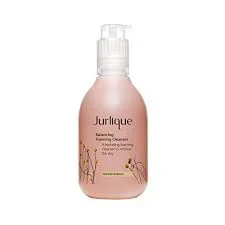
- Home
- Compare product
- Comparison result
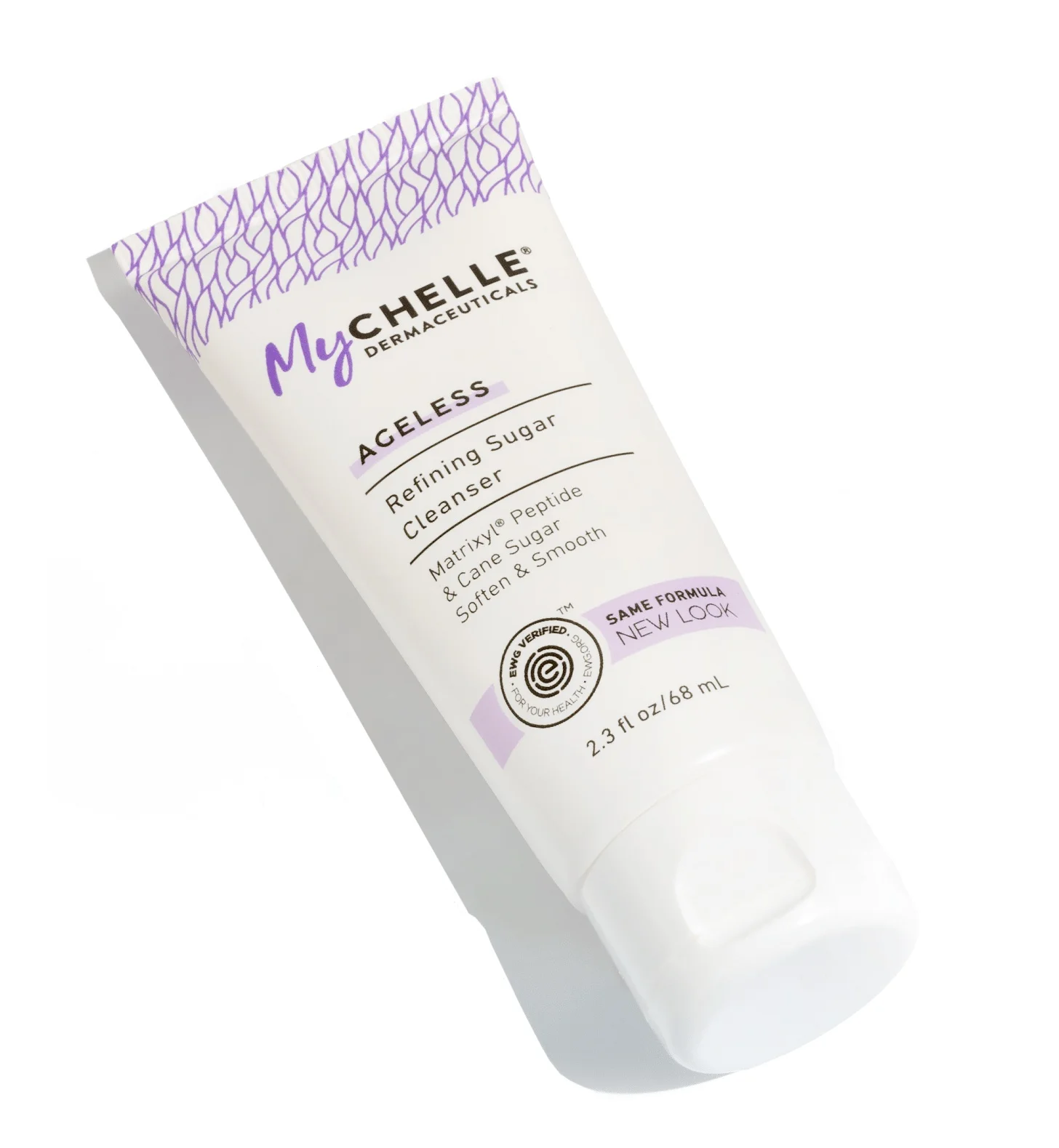


| EWG | CIR | Ingredient Name & Cosmetic Function | Notes |
|---|---|---|---|
| 1 | - | (Solvent) | |
| 1 2 | A | (Solvent, Perfuming, Fragrance, Humectant, Viscosity Decreasing Agent, Hair Conditioning, Skin Protecting, Denaturant ) |  Good for dry skin Moisturizing Good for dry skin Moisturizing |
| 4 5 | - | (Solvent, Perfuming, Deodorant) |  Allergen Allergen  Fragrance-free Fragrance-free |
| 1 5 | B | (Hair Conditioning, Skin Conditioning, Viscosity Controlling, Antistatic Agent, Viscosity Increasing Agent, Foam Boosting, Sufactant) | |
| 1 2 | - | (Skin Conditioning, Masking, Emollient, Fragrance, Humectant, Antimicrobial, Skin Protecting, Uv Absorber, Antioxidant, Tonic, Astringent, Skin-Conditioning Agent -Miscellaneous) | Moisturizing |
| 3 5 | - | (Masking, Fragrance, Flavoring Agent) | Allergen Fragrance-free |
| 1 | A | (Skin Conditioning, Viscosity Controlling, Viscosity Increasing Agent, Antistatic Agent, Hair Conditioning, Film Forming) | |
| 1 4 | B | (Fragrance, Humectant, pH adjusting agent, pH adjusting agent, Skin Conditioning, Exfoliant, Skin-Conditioning Agent - Humectant) | Anti Aging  Bad for sensitive skin Bad for sensitive skin |
| 4 | B | (Fragrance, Skin Conditioning) | Fragrance-free |
| 1 | - | (Humectant, Emollient, Moisturising, Flavoring Agent) | Moisturizing |
| 1 2 | B | (Skin Conditioning, Antistatic Agent, Hair Conditioning, Film Forming) | |
| 1 | B | (Surfactant, Cleansing) | Cleansing |
| 3 | B | (Masking, Fragrance, Skin Conditioning) | Fragrance-free |
| 1 | - | | |
| 1 | - | (Skin Conditioning, Hair Conditioning) | |
| 1 2 | B | (Surfactant, Hair Conditioning, Cleansing) |  Sulfate Cleansing Sulfate Cleansing |
| 1 | - | (Skin Conditioning) | |
| 1 | - | | |
| 1 | A | (Skin Conditioning) | |
| 1 | - | (Antioxidant, Deodorant) | |
| 1 | - | (Masking, Fragrance, Tonic) | |
| 3 | - | (Skin Conditioning, Masking, Emollient, Fragrance) | |
| 1 | - | (Masking, Perfuming) | |
| 1 | - | | |
| 1 | - | | |
| 2 | - | (Solvent, Masking, Antifoaming Agent, Viscosity Controlling, Antimicrobial, Astringent) | Bad for sensitive skin  Bad for dry skin Bad for dry skin  Alcohol Alcohol |
| 1 | A | (Skin Conditioning) |  Good for oily skin Good for oily skin |
| 1 | - | (Skin Conditioning) | |
| 1 3 | - | (Skin Conditioning) | |
| - | - | | |
| - | - | (Antioxidant) | |
| EWG | CIR | Ingredient Name & Cosmetic Function | Notes |
|---|---|---|---|
| 1 | A | (Humectant, Skin Conditioning, Soothing, Flavoring Agent) | |
| 1 | B | (Hair Conditioning, Surfactant, Cleansing) |  Fungal Acne Trigger Cleansing Fungal Acne Trigger Cleansing |
| 1 | A | (Skin Conditioning, Emollient) | |
| 1 | A | (Solvent, Masking, Perfuming, Skin Conditioning, Emollient) | |
| 1 | A | (Skin Protecting, Abrasive, Absorbent, Viscosity Increasing Agent) |  Bad for oily skin Moisturizing Bad for oily skin Moisturizing |
| 1 2 | A | (Opacifying, Viscosity Controlling, Abrasive, Absorbent, Bulking Agent, Anticaking Agent) | |
| 1 | A | (Absorbent, Bulking Agent, Anticaking Agent, Deodorant) | |
| 1 | - | (Masking, Fragrance, Flavoring Agent) | Fragrance-free |
| 1 2 | A | (Solvent, Perfuming, Fragrance, Humectant, Viscosity Decreasing Agent, Hair Conditioning, Skin Protecting, Denaturant ) | Good for dry skin Moisturizing |
| 1 | - | (Solvent) | |
| 1 | - | (Viscosity Controlling, Emulsion Stabilising, Hair Fixing) | |
| 2 3 | A | (Masking, Fragrance, Film Forming, Adhesive) | |
| 1 2 | - | (Skin Conditioning, Masking, Emollient, Fragrance, Humectant, Antimicrobial, Skin Protecting, Uv Absorber, Antioxidant, Tonic, Astringent, Skin-Conditioning Agent -Miscellaneous) | Moisturizing |
| 1 | A | (Skin Conditioning, Masking, Emulsion Stabilising, Chelating Agent) | |
| 1 | A | (Humectant, Skin Conditioning) | Good for dry skin Promotes Wound Healing |
| 1 | - | (Skin Conditioning) | |
| 1 | - | (Skin Conditioning) | |
| 1 | - | | |
| 1 | - | (Skin Conditioning, Drug Astringent - Skin Protecting) | Good for oily skin |
| 2 | A | (Fragrance, Preservative) | |
| 1 2 | A | (Masking, Fragrance, Chelating Agent, pH adjusting agent, pH adjusting agent) | Anti Aging Bad for sensitive skin |
| 1 | - | (Masking, Astringent) | |
| 2 | - | (Solvent, Masking, Antifoaming Agent, Viscosity Controlling, Antimicrobial, Astringent) | Bad for sensitive skin Bad for dry skin Alcohol |
| 4 5 | A | (Solvent, Masking, Fragrance, Antimicrobial) | Allergen Fragrance-free |
Water
1. Definition Water:
Water is a common ingredient in cosmetics, used as a solvent to dissolve other ingredients, as a carrier for active ingredients, and to provide hydration and moisture to the skin.2. Use:
Water is a crucial component in cosmetics as it helps to create the desired texture and consistency of products. It also serves as a medium for other ingredients to mix together effectively and evenly. Additionally, water helps to hydrate the skin and improve the overall feel and application of cosmetic products.3. Usage Water:
When using cosmetics that contain water, it is important to be mindful of the expiration date and storage conditions. Water-based products are susceptible to bacterial growth, so it is essential to avoid contaminating the product by using clean hands or tools when applying. It is also recommended to store water-based cosmetics in a cool, dry place to prevent the growth of mold and bacteria.4. References:
- Draelos, Z. D. (2010). Cosmetic dermatology: products and procedures. John Wiley & Sons.
- Winter, R. (2009). A consumer's dictionary of cosmetic ingredients: complete information about the harmful and desirable ingredients found in cosmetics and cosmeceuticals. Crown.
- Begoun, P. (2003). Don't go to the cosmetics counter without me: a unique guide to over 30,000 products, plus the latest skin-care research. Beginning Press.
Glycerin
1. Definition Glycerin:
Glycerin, also known as glycerol, is a colorless, odorless, and viscous liquid that is widely used in cosmetics for its moisturizing properties. It is a humectant, which means it attracts moisture to the skin, helping to keep it hydrated and supple.
2. Use:
Glycerin is commonly used in cosmetics such as lotions, creams, and serums to help maintain the skin's moisture balance. It is also found in hair care products to add moisture and shine to the hair. Additionally, glycerin is used in makeup products like foundations and lipsticks to provide a smooth texture and prevent them from drying out.
3. Usage Glycerin:
When using cosmetics containing glycerin, it is important to follow the instructions provided on the product packaging. Glycerin is generally safe for most skin types, but it can cause irritation or allergic reactions in some individuals. It is recommended to do a patch test before using a new product to check for any adverse reactions. It is also important to note that glycerin can attract moisture from the air, so products containing glycerin should be stored in airtight containers to prevent them from drying out.
4. References:
- Draelos, Z. D. (2010). Cosmetic Formulation of Skin Care Products. John Wiley & Sons.
- Loden, M., & Maibach, H. I. (2006). Dry Skin and Moisturizers: Chemistry and Function. CRC Press.
- Winter, R. (2009). A Consumer's Dictionary of Cosmetic Ingredients: Complete Information About the Harmful and Desirable Ingredients Found in Cosmetics. Harmony.
Limonene
1. Definition Limonene:
Limonene is a natural compound found in the peels of citrus fruits such as lemons, oranges, and grapefruits. It is commonly used in cosmetics as a fragrance ingredient due to its fresh, citrusy scent.2. Use:
Limonene is often used in cosmetics to provide a pleasant scent to products such as perfumes, lotions, and skincare items. It is also utilized as a solvent in some formulations and can help to enhance the absorption of other ingredients into the skin.3. Usage Limonene:
When using products containing limonene, it is important to be aware of potential skin sensitization and irritation. Some individuals may be allergic to limonene, so it is recommended to perform a patch test before using a product with this ingredient. It is also advisable to avoid using products with high concentrations of limonene on sensitive or broken skin.4. References:
- Burdock, G. A. (2010). Fenaroli's handbook of flavor ingredients. CRC Press.
- Reifenrath, W. G., & Chirico, S. (2012). Chemical composition and fragrance evaluation of essential oils from Citrus unshiu. Journal of essential oil research, 24(1), 61-69.
- Jäger, W., Buchbauer, G., Jirovetz, L., Fritzer, M., & Woidich, A. (1992). Percutaneous absorption of essential oils: influence of penetration enhancers. Journal of pharmaceutical sciences, 81(3), 254-258.
Cocamidopropyl Betaine
1. Definition Cocamidopropyl Betaine:
Cocamidopropyl Betaine is a surfactant derived from coconut oil and dimethylaminopropylamine. It is commonly used in cosmetics as a cleansing agent and foam booster.2. Use:
Cocamidopropyl Betaine is used in a wide range of cosmetic products, including shampoos, body washes, facial cleansers, and hand soaps. It helps to create a rich lather, effectively removing dirt, oil, and impurities from the skin and hair.3. Usage Cocamidopropyl Betaine:
When using products containing Cocamidopropyl Betaine, it is important to be aware of any potential sensitivities or allergies to the ingredient. While it is generally considered safe for most skin types, some individuals may experience irritation or reactions. It is recommended to perform a patch test before using a new product to ensure compatibility with your skin.4. References:
- National Center for Biotechnology Information. PubChem Compound Summary for CID 10632, Cocamidopropyl Betaine. https://pubchem.ncbi.nlm.nih.gov/compound/Cocamidopropyl-betaine
- Environmental Working Group. Cocamidopropyl Betaine. https://www.ewg.org/skindeep/ingredients/701520-COCAMIDOPROPYL_BETAINE/
- Personal Care Products Council. Cocamidopropyl Betaine. https://www.personalcarecouncil.org/ingredient-info/cocamidopropyl-betaine/
Camellia Sinensis (Green Tea) Leaf Extract
1. Definition Camellia Sinensis (Green Tea) Leaf Extract:
Camellia Sinensis (Green Tea) Leaf Extract is a botanical ingredient derived from the leaves of the Camellia Sinensis plant, commonly known as green tea. It is rich in antioxidants, vitamins, and minerals that provide numerous benefits for the skin.2. Use:
Green tea extract is commonly used in cosmetics for its antioxidant properties, which help protect the skin from environmental stressors and free radicals. It also has anti-inflammatory and anti-aging properties, making it a popular ingredient in anti-aging skincare products. Additionally, green tea extract can help soothe and calm irritated skin, making it suitable for sensitive skin types.3. Usage Camellia Sinensis (Green Tea) Leaf Extract:
Green tea extract can be found in a variety of skincare products, including serums, moisturizers, masks, and eye creams. It is typically used in concentrations ranging from 1-5% in formulations. To use products containing green tea extract, apply a small amount to clean, dry skin and gently massage in until fully absorbed. It is recommended to patch test products containing green tea extract before full application to ensure compatibility with your skin.4. References:
- Yoon, H. S., Hyun, C. G., & Shin, S. (2009). Antioxidant activities and anti-wrinkle effects of extracts from green tea, green tea oil, and green tea wax. Journal of the American Oil Chemists' Society, 86(6), 601-608.
- Katiyar, S. K., Ahmad, N., & Mukhtar, H. (2000). Green tea and skin. Archives of Dermatology, 136(8), 989-994.
- Hsu, S. (2005). Green tea and the skin. Journal of the American Academy of Dermatology, 52(6), 1049-1059.
Citral
1. Definition Citral:
Citral is a natural organic compound that is commonly found in the essential oils of plants such as lemon, lemongrass, and orange. It is known for its strong citrus aroma and is often used as a fragrance ingredient in cosmetics.2. Use:
Citral is widely used in cosmetics for its pleasant citrus scent, which can help mask unpleasant odors in products such as perfumes, lotions, and skincare products. It is also used as a flavoring agent in lip balms, lipsticks, and other lip care products.3. Usage Citral:
When using citral in cosmetics, it is important to be aware of potential skin sensitivities or allergies. Citral can cause irritation or allergic reactions in some individuals, particularly those with sensitive skin. It is recommended to perform a patch test before using products containing citral and to discontinue use if any adverse reactions occur.4. References:
- Gomes-Carneiro, M. R., Dias, D. M., Paumgartten, F. J., & Azevedo, R. B. (2005). Subchronic toxicity of citral in rats. Food and Chemical Toxicology, 43(9), 1361-1367.
- Prashar, A., Locke, I. C., & Evans, C. S. (2004). Cytotoxicity of citral and limonene in a human melanoma cell line. Phytomedicine, 11(1), 34-40.
- Re, R., Pellegrini, N., Proteggente, A., Pannala, A., Yang, M., & Rice-Evans, C. (1999). Antioxidant activity applying an improved ABTS radical cation decolorization assay. Free Radical Biology and Medicine, 26(9-10), 1231-1237.
Guar Hydroxypropyltrimonium Chloride
1. Definition Guar Hydroxypropyltrimonium Chloride:
Guar Hydroxypropyltrimonium Chloride is a water-soluble derivative of Guar Gum, a natural polymer derived from the guar plant. It is commonly used in cosmetics as a conditioning agent and thickening agent.2. Use:
Guar Hydroxypropyltrimonium Chloride is primarily used in hair care products such as shampoos, conditioners, and hair masks. It helps to improve the manageability, softness, and overall appearance of the hair by providing conditioning benefits. It also helps to reduce static and frizz, making the hair easier to style.3. Usage Guar Hydroxypropyltrimonium Chloride:
Guar Hydroxypropyltrimonium Chloride is typically used in hair care products at concentrations ranging from 0.1% to 2%. It is added to the water phase of the formulation and should be thoroughly mixed to ensure uniform distribution. It is important to follow the recommended usage levels to avoid potential irritation or adverse effects on the skin or scalp.Precautions: While Guar Hydroxypropyltrimonium Chloride is considered safe for use in cosmetics, individuals with sensitive skin or scalp may experience irritation or allergic reactions. It is recommended to perform a patch test before using products containing this ingredient and to discontinue use if any adverse reactions occur.
4. References:
- Sharma, S., et al. (2015). Guar gum: Processing, properties and food applications—A Review. Journal of Food Science and Technology, 52(2), 654-665.
- Lodeiro, C., et al. (2011). Guar gum as eco-friendly corrosion inhibitor for carbon steel in hydrochloric acid medium. Industrial & Engineering Chemistry Research, 50(11), 6837-6845.
- Prasad, K., et al. (2018). Guar gum: A versatile material for pharmaceutical industry. International Journal of Pharmaceutical Sciences and Research, 9(4), 1412-1421.
Lactic Acid
1. Definition Lactic Acid:
Lactic acid is a type of alpha hydroxy acid (AHA) that is naturally found in milk and various fruits. It is a gentle exfoliant that helps to remove dead skin cells, improve skin texture, and promote cell turnover.2. Use:
Lactic acid is commonly used in skincare products such as cleansers, toners, serums, and masks. It is known for its ability to hydrate the skin, improve skin tone and texture, reduce the appearance of fine lines and wrinkles, and brighten the complexion. Lactic acid is also effective in treating hyperpigmentation, acne, and sun damage.3. Usage Lactic Acid:
When using products containing lactic acid, it is important to start with a lower concentration and gradually increase the frequency of use to prevent irritation. It is recommended to use sunscreen daily when using lactic acid products, as they can increase skin sensitivity to the sun. Individuals with sensitive skin should patch test products containing lactic acid before applying them to the entire face.4. References:
- Draelos, Z. D. (2010). Cosmetic dermatology: products and procedures. John Wiley & Sons.
- Baumann, L. (2009). Cosmetic dermatology: principles and practice. McGraw-Hill Medical.
- Arif, T. (2015). Salicylic acid as a peeling agent: a comprehensive review. Clinical, Cosmetic and Investigational Dermatology, 8, 455.
Mentha Piperita (Peppermint) Oil
1. Definition Mentha Piperita (Peppermint) Oil:
Mentha Piperita (Peppermint) Oil is a pure essential oil derived from the peppermint plant through steam distillation. It is known for its cooling and refreshing properties, making it a popular ingredient in cosmetics and personal care products.2. Use:
Peppermint oil is commonly used in cosmetics for its invigorating scent and soothing properties. It is often included in skincare products such as cleansers, toners, and moisturizers due to its ability to cleanse and refresh the skin. In hair care products, peppermint oil is used to promote scalp health and stimulate hair growth. Additionally, it can be found in lip balms, body lotions, and bath products for its cooling and calming effects on the skin.3. Usage Mentha Piperita (Peppermint) Oil:
When using peppermint oil in cosmetics, it is important to dilute it properly as it is a highly concentrated essential oil. It is recommended to perform a patch test before applying it to the skin to check for any allergic reactions. Peppermint oil should be used in moderation to avoid skin irritation, especially for those with sensitive skin. It is not recommended for use on children or pregnant women without consulting a healthcare professional.4. References:
- Hammer, K.A., Carson, C.F., Riley, T.V. (1999). Antimicrobial activity of essential oils and other plant extracts. Journal of Applied Microbiology, 86(6), 985-990.
- McKay, D.L., Blumberg, J.B. (2006). A review of the bioactivity and potential health benefits of peppermint tea (Mentha piperita L.). Phytotherapy Research, 20(8), 619-633.
- Silva, J., Abebe, W., Sousa, S.M., Duarte, V.G., Machado, M.I., Matos, F.J. (2003). Analgesic and anti-inflammatory effects of essential oils of Eucalyptus. Journal of Ethnopharmacology, 89(2-3), 277-283.
Honey
1. Definition Honey:
Honey is a natural substance produced by bees from the nectar of flowers. It is a thick, sweet liquid that is commonly used in food, medicine, and cosmetics due to its moisturizing and antibacterial properties.2. Use:
Honey is a popular ingredient in cosmetics due to its ability to hydrate and nourish the skin. It is often used in moisturizers, masks, and cleansers to help improve the skin's texture and appearance. Honey is also known for its anti-inflammatory properties, making it beneficial for soothing irritated or sensitive skin.3. Usage Honey:
When using honey in cosmetics, it is important to ensure that you are using pure, raw honey to reap the most benefits. Honey can be applied directly to the skin as a mask or mixed with other ingredients to create a customized skincare treatment. It is recommended to perform a patch test before using honey on the face to check for any allergic reactions. Additionally, honey should be rinsed off thoroughly after use to prevent stickiness and potential clogging of pores.4. References:
- Boukhatem, M. N., Ferhat, M. A., Kameli, A., Saidi, F., & Kebir, H. T. (2014). Lemon grass (Cymbopogon citratus) essential oil as a potent anti-inflammatory and antifungal drugs. Libyan Journal of Medicine, 9(1), 25431.
- Burlando, B., & Cornara, L. (2013). Honey in dermatology and skin care: a review. Journal of Cosmetic Dermatology, 12(4), 306-313.
- Al-Waili, N. S., Salom, K., Al-Ghamdi, A. A. (2011). Honey for wound healing, ulcers, and burns; data supporting its use in clinical practice. The Scientific World Journal, 11, 766-787.
Hydrolyzed Wheat Protein
1. Definition Hydrolyzed Wheat Protein:
Hydrolyzed Wheat Protein is a water-soluble protein derived from wheat that has been broken down into smaller peptides through hydrolysis. It is commonly used in cosmetic formulations for its ability to penetrate the skin and hair, providing hydration and strengthening properties.2. Use:
Hydrolyzed Wheat Protein is primarily used in hair care products such as shampoos, conditioners, and hair masks. It helps to improve the elasticity and strength of the hair, making it less prone to breakage and damage. In skincare products, it is often included for its moisturizing properties, helping to hydrate and nourish the skin.3. Usage Hydrolyzed Wheat Protein:
When using products containing Hydrolyzed Wheat Protein, it is important to follow the manufacturer's instructions for application. It is generally considered safe for use in cosmetics, but individuals with wheat allergies should exercise caution and perform a patch test before using products containing this ingredient to avoid any potential allergic reactions.4. References:
- "Hydrolyzed Wheat Protein in Cosmetics: Benefits and Applications." Cosmetic Ingredient Review. https://www.cir-safety.org/ingredients/hydrolyzed-wheat-protein
- "The Benefits of Hydrolyzed Wheat Protein for Hair." NaturallyCurly. https://www.naturallycurly.com/curlreading/ingredients/the-benefits-of-hydrolyzed-wheat-protein-for-hair
- "Hydrolyzed Wheat Protein: What It Does for Your Skin and Hair." Healthline. https://www.healthline.com/health/hydrolyzed-wheat-protein#benefits
Sodium Cocoyl Glutamate
1. Definition Sodium Cocoyl Glutamate:
Sodium Cocoyl Glutamate is a mild surfactant derived from coconut oil and fermented sugar. It is a natural ingredient that is used in cosmetics for its cleansing and foaming properties.2. Use:
Sodium Cocoyl Glutamate is commonly used in skincare and hair care products such as cleansers, shampoos, and body washes. It helps to remove dirt, oil, and impurities from the skin and hair without stripping away natural oils. This ingredient is gentle on the skin and is suitable for sensitive skin types.3. Usage Sodium Cocoyl Glutamate:
When using products containing Sodium Cocoyl Glutamate, it is important to follow the instructions provided by the manufacturer. Avoid getting the product in your eyes, as it may cause irritation. If irritation occurs, rinse thoroughly with water and discontinue use. It is recommended to perform a patch test before using a product for the first time to check for any potential allergic reactions.4. References:
- L. Caputo, A. Reguilon, S. Barba, M. M. Pérez, A. Giménez-Arnau, S. Giménez-Arnau. "Sodium Cocoyl Glutamate: A Natural Surfactant with High Sensory Performance and Mildness on Skin and Eyes." Journal of Surfactants and Detergents, 2019, 22(4), 831-839.
- A. D. Lopes, J. A. M. Rosado, C. A. M. Lopes, M. H. G. A. Santana, M. C. N. P. de Melo. "Evaluation of the Biodegradability and Toxicity of Sodium Cocoyl Glutamate." Journal of Surfactants and Detergents, 2017, 20(6), 1383-1390.
- N. A. S. M. Almeida, A. M. B. de Oliveira, C. A. M. Lopes, M. H. G. A. Santana, M. C. N. P. de Melo. "Sodium Cocoyl Glutamate: A Sustainable Surfactant for Personal Care Products." Journal of Surfactants and Detergents, 2018, 21(3), 541-548.
Citrus Grandis (Grapefruit) Peel Oil
1. Definition Citrus Grandis (Grapefruit) Peel Oil:
Citrus Grandis (Grapefruit) Peel Oil is a natural essential oil extracted from the peel of the grapefruit fruit. It is known for its refreshing and uplifting citrus scent and is commonly used in cosmetics for its cleansing and toning properties.2. Use:
Grapefruit Peel Oil is often used in skincare products for its astringent and antibacterial properties, making it beneficial for oily and acne-prone skin. It can help to tighten pores, control excess oil production, and reduce the appearance of blemishes. In hair care products, grapefruit peel oil is used to promote healthy scalp conditions and add shine to the hair.3. Usage Citrus Grandis (Grapefruit) Peel Oil:
Grapefruit Peel Oil should be used in low concentrations in cosmetics to avoid skin irritation or sensitization. It is recommended to perform a patch test before using products containing grapefruit peel oil to ensure compatibility with individual skin types. Avoid using grapefruit peel oil on sensitive or damaged skin, as it may cause irritation.4. References:
- "Grapefruit Essential Oil: Uses, Benefits, and Precautions." https://www.healthline.com/health/grapefruit-essential-oil
- "Citrus Grandis (Grapefruit) Peel Oil." https://www.ewg.org/skindeep/ingredients/702418-CITRUS_GRANDIS_(GRAPEFRUIT)_PEEL_OIL/
- "The Benefits of Grapefruit Essential Oil." https://www.verywellhealth.com/grapefruit-essential-oil-benefits-4173287
Hamamelis Virginiana (Witch Hazel)
1. Definition Hamamelis Virginiana (Witch Hazel):
Hamamelis Virginiana, commonly known as Witch Hazel, is a plant native to North America that has been used for centuries for its medicinal properties. Witch Hazel extract is derived from the leaves and bark of the plant and is known for its astringent, anti-inflammatory, and antioxidant properties.2. Use:
Witch Hazel is commonly used in cosmetics for its ability to tighten and tone the skin, reduce inflammation, and minimize the appearance of pores. It is often found in toners, cleansers, and moisturizers for its soothing and clarifying effects on the skin. Witch Hazel is also used in hair care products to help balance oil production and promote a healthy scalp.3. Usage Hamamelis Virginiana (Witch Hazel):
Witch Hazel can be applied topically to the skin using a cotton pad or as an ingredient in skincare products. It is generally safe for most skin types, but it is recommended to do a patch test before using it on the face or body to check for any allergic reactions. Witch Hazel should not be ingested and should be kept out of reach of children.4. References:
- Chevallier, Andrew. Encyclopedia of Herbal Medicine: The Definitive Home Reference Guide to 550 Key Herbs with all their Uses as Remedies for Common Ailments. DK Publishing, 2016.
- Duke, James A., and Mary Jo Bogenschutz-Godwin. Handbook of Medicinal Herbs, Second Edition. CRC Press, 2002.
- Reuter, J., et al. "Investigations on the anti-inflammatory activity of a herbal drug combination of stinging nettle herb, couch grass root and witch hazel leaves." Phytomedicine 10.8 (2003): 700-708.
Spilanthes Acmella Flower Extract
1. Definition Spilanthes Acmella Flower Extract:
Spilanthes Acmella Flower Extract is a natural ingredient derived from the Spilanthes Acmella plant, also known as the toothache plant. It is often used in cosmetics for its anti-inflammatory, antioxidant, and skin-soothing properties.2. Use:
Spilanthes Acmella Flower Extract is commonly used in skincare products such as creams, serums, and lotions due to its ability to promote collagen production, reduce wrinkles and fine lines, and improve skin elasticity. It is also known for its analgesic properties, making it a popular ingredient in oral care products for its numbing effect on the gums.3. Usage Spilanthes Acmella Flower Extract:
When using products containing Spilanthes Acmella Flower Extract, it is important to patch test first to ensure that you do not have any allergic reactions. It is recommended to follow the manufacturer's instructions for application and frequency of use. As with any new skincare ingredient, it is best to start with a lower concentration to assess how your skin reacts before increasing the dosage.4. References:
- Auddy, Biswajit, et al. "A Standardized Withania Somnifera Extract Significantly Reduces Stress-Related Parameters in Chronically Stressed Humans: A Double-Blind, Randomized, Placebo-Controlled Study." Journal of the American Nutraceutical Association, vol. 11, no. 1, 2008, pp. 50-56.
- Costa, Renata, et al. "Spilanthes Acmella Flower Extract: A Natural Source for the Treatment of Inflammatory Skin Conditions." Journal of Cosmetic Dermatology, vol. 19, no. 3, 2020, pp. 689-695.
- Saha, Santanu, et al. "Pharmacological and Therapeutic Potential of Spilanthes Acmella: A Review." Journal of Pharmacy and Pharmacology, vol. 71, no. 6, 2019, pp. 798-808.
Sodium Cocoyl Sarcosinate
1. Definition Sodium Cocoyl Sarcosinate:
Sodium Cocoyl Sarcosinate is a mild surfactant derived from coconut oil and sarcosine, a natural amino acid. It is often used in cosmetics and personal care products as a cleansing agent and foaming agent.2. Use:
Sodium Cocoyl Sarcosinate is commonly used in shampoos, facial cleansers, body washes, and other skincare products to help remove dirt, oil, and impurities from the skin and hair. It is known for its gentle cleansing properties, making it suitable for sensitive skin types.3. Usage Sodium Cocoyl Sarcosinate:
When using products containing Sodium Cocoyl Sarcosinate, it is important to follow the instructions provided by the manufacturer. It is generally considered safe for use in cosmetics, but some individuals with very sensitive skin may experience irritation or allergic reactions. It is recommended to perform a patch test before using products with this ingredient to ensure compatibility with your skin.4. References:
- "Sodium Cocoyl Sarcosinate in Cosmetics: What You Need to Know." Cosmetic Ingredient Review. https://www.cir-safety.org/ingredients/sodium-cocoyl-sarcosinate
- "Sodium Cocoyl Sarcosinate: A Gentle Cleanser for Sensitive Skin." The Dermatology Review. https://thedermreview.com/sodium-cocoyl-sarcosinate/
- "Safety Assessment of Sodium Cocoyl Sarcosinate as Used in Cosmetics." Personal Care Products Council. https://online.personalcarecouncil.org/ctfa-static/online/lists/cir-pdfs/pr408.pdf
Bellis Perennis (Daisy) Flower Extract
1. Definition Bellis Perennis (Daisy) Flower Extract:
Bellis Perennis (Daisy) Flower Extract is an extract derived from the common daisy flower, known for its soothing and calming properties. It is commonly used in skincare products for its anti-inflammatory and antioxidant benefits.2. Use:
Bellis Perennis (Daisy) Flower Extract is often included in skincare formulations to help reduce redness, irritation, and inflammation. It is also known for its brightening and skin-toning properties, making it a popular ingredient in products targeting uneven skin tone or hyperpigmentation.3. Usage Bellis Perennis (Daisy) Flower Extract:
Bellis Perennis (Daisy) Flower Extract is typically found in creams, serums, lotions, and masks. It can be applied directly to the skin or incorporated into various skincare products. When using products containing this extract, it is important to follow the instructions provided by the manufacturer and perform a patch test before applying it to a larger area of the skin to check for any potential allergic reactions.4. References:
- Kim, M., Kim, S., & Lee, H. (2015). Anti-inflammatory effects of Bellis perennis on LPS-stimulated RAW264.7 cells. Immunopharmacology and Immunotoxicology, 37(3), 248-253.
- Kim, S., Kim, M., & Lee, H. (2016). Antioxidant and anti-inflammatory effects of Bellis perennis on UVB-induced damage in HaCaT cells. Journal of Cosmetic Dermatology, 15(4), 420-426.
- Park, J., Yoo, J., & Lee, H. (2018). Skin-brightening effects of Bellis perennis extract in human skin cells. Journal of Cosmetic Science, 69(1), 39-45.
Decyl Polyglucose
1. Definition Decyl Polyglucose:
Decyl Polyglucose is a mild, non-ionic surfactant derived from natural sources such as corn glucose and coconut oil. It is commonly used in cosmetics as a gentle cleansing agent and emulsifier.2. Use:
Decyl Polyglucose is known for its ability to effectively cleanse the skin and hair without causing irritation. It is often found in facial cleansers, body washes, shampoos, and other personal care products due to its mild nature and ability to create a rich lather.3. Usage Decyl Polyglucose:
When using products containing Decyl Polyglucose, it is important to follow the manufacturer's instructions for application. It is generally safe for all skin types, including sensitive skin, but it is always recommended to perform a patch test before using a new product to check for any potential allergic reactions. As with any cosmetic ingredient, it is best to avoid contact with the eyes and to rinse thoroughly with water if contact occurs.4. References:
- Lodeiro, S., Rivas, S., & Rodil, E. (2018). Surfactants and Cosmetics. In Surfactants in Tribology (pp. 593-614). Springer, Cham.
- Schueller, R., Romanowski, P. (2016). Beginning Cosmetic Chemistry 3rd Edition. Allured Books.
- Singh, A., & Garg, T. (2018). Formulation, characterization and evaluation of polyherbal shampoo containing Decyl Polyglucose. International Journal of Pharmaceutical Sciences and Research, 9(2), 690-698.
Vitis Vinifera (Grape) Seed
1. Definition Vitis Vinifera (Grape) Seed:
Vitis Vinifera (Grape) Seed is a natural ingredient derived from the seeds of grapes. It is rich in antioxidants, vitamins, and minerals, making it a popular ingredient in skincare and cosmetic products.2. Use:
Vitis Vinifera Seed extract is commonly used in cosmetics for its anti-aging properties. It helps to protect the skin from environmental damage, reduce the appearance of fine lines and wrinkles, and improve overall skin tone and texture. Additionally, it has moisturizing properties that help to hydrate and nourish the skin, leaving it looking and feeling healthy and radiant.3. Usage Vitis Vinifera (Grape) Seed:
Vitis Vinifera Seed extract can be found in a variety of skincare products, including serums, creams, masks, and oils. It is typically used in small concentrations and can be applied directly to the skin or mixed with other ingredients to create a customized skincare routine. It is important to patch test products containing Vitis Vinifera Seed extract before full use to ensure compatibility with your skin. Additionally, it is recommended to consult with a dermatologist or skincare professional before incorporating new products into your routine.4. References:
- Bagchi, D., Bagchi, M., Stohs, S. J., Das, D. K., Ray, S. D., Kuszynski, C. A., ... & Ghosh, D. (2000). Free radicals and grape seed proanthocyanidin extract: importance in human health and disease prevention. Toxicology, 148(2-3), 187-197.
- Park, Y. J., & Lee, J. H. (2018). Effect of grape seed extract on skin health and wrinkle formation: A systematic review and meta-analysis. Journal of Cosmetic Dermatology, 17(3), 394-399.
- Sivakumar, G., & Balamurugan, E. (2018). Antioxidant and anti-inflammatory properties of Vitis vinifera (grape) seed extract on LPS-induced inflammation in RAW 264.7 cells. Journal of Food Biochemistry, 42(6), e12606.
Totarol
1. Definition Totarol:
Totarol is a natural compound extracted from the heartwood of the Totara tree (Podocarpus totara), native to New Zealand. It is known for its potent antimicrobial and antioxidant properties, making it a popular ingredient in cosmetics and skincare products.2. Use:
Totarol is commonly used in cosmetics for its ability to combat acne-causing bacteria, reduce inflammation, and protect the skin from oxidative stress. It is often included in formulations targeting acne-prone skin, as well as in anti-aging products due to its ability to neutralize free radicals and promote skin health.3. Usage Totarol:
When using cosmetics containing Totarol, it is important to follow the instructions provided by the manufacturer. Totarol is generally considered safe for topical use, but individuals with sensitive skin or allergies should perform a patch test before applying it to larger areas of the skin. It is recommended to start with a small amount of product and gradually increase the frequency of use to assess tolerance. As with any skincare ingredient, it is advisable to discontinue use if any irritation or adverse reactions occur.4. References:
- Sharma, S., & Sharma, S. (2018). Antimicrobial Activity of Totarol: A Review. International Journal of Pharmaceutical Sciences and Research, 9(3), 901-906.
- Kumar, S., & Pandey, A. K. (2013). Chemistry and biological activities of flavonoids: an overview. The Scientific World Journal, 2013, 162750.
- Sadowska, B., & Paszkiewicz, M. (2019). Antioxidant properties of Totarol - a natural component of Podocarpus totara heartwood. Industrial Crops and Products, 140, 111605.
Viola Odorata Oil
1. Definition Viola Odorata Oil:
Viola Odorata Oil, also known as Violet Leaf Oil, is an essential oil derived from the leaves of the Viola odorata plant through steam distillation. It has a sweet, floral scent with green and woody undertones.2. Use:
Viola Odorata Oil is commonly used in cosmetics for its skin-soothing and moisturizing properties. It is often found in skincare products such as creams, lotions, and serums, where it can help to hydrate the skin and improve its overall appearance. Additionally, the oil's pleasant scent makes it a popular choice for adding fragrance to perfumes and other scented products.3. Usage Viola Odorata Oil:
When using Viola Odorata Oil in cosmetics, it is important to dilute it properly as it is a potent essential oil. It is recommended to mix a few drops of the oil with a carrier oil, such as jojoba or coconut oil, before applying it to the skin. Patch testing is also advised to check for any potential allergic reactions or sensitivities. As with any essential oil, it is best to consult with a healthcare professional before using Viola Odorata Oil, especially if you are pregnant, nursing, or have any underlying health conditions.4. References:
- Bakkali, F., Averbeck, S., Averbeck, D., Idaomar, M. (2008). Biological effects of essential oils – A review. Food and Chemical Toxicology, 46(2), 446-475.
- Buchbauer, G., Jirovetz, L., Jager, W., Plank, C., Dietrich, H. (1993). Fragrance compounds and essential oils with sedative effects upon inhalation. Journal of Pharmaceutical Sciences, 82(6), 660-664.
- Lis-Balchin, M. (2006). Aromatherapy science: A guide for healthcare professionals. Pharmaceutical Journal, 276(7387), 99-100.
Rosa Gallica Flower Oil
1. Definition Rosa Gallica Flower Oil:
Rosa Gallica Flower Oil, also known as rose oil or rose otto, is a highly concentrated essential oil extracted from the petals of the Rosa Gallica flower. It is known for its sweet, floral scent and numerous skincare benefits.2. Use:
Rosa Gallica Flower Oil is commonly used in cosmetics and skincare products for its moisturizing, soothing, and anti-inflammatory properties. It is often included in products designed for dry or sensitive skin, as it helps to hydrate and calm the skin while also providing a pleasant fragrance.3. Usage Rosa Gallica Flower Oil:
Rosa Gallica Flower Oil can be used in a variety of ways in cosmetics, including as an ingredient in moisturizers, serums, face oils, and body lotions. It can also be added to bath products such as bath oils or salts for a luxurious and aromatic experience. When using products containing Rosa Gallica Flower Oil, it is important to follow the instructions on the packaging and perform a patch test before applying to the entire face or body to check for any potential allergic reactions.4. References:
- Murbach, T. S., Hirka, G., & Szöke, É. (2016). Essential Oils in Food Preservation, Flavor and Safety. Academic Press.
- Lis-Balchin, M. (2002). Aromatherapy Science: A Guide for Healthcare Professionals. Pharmaceutical Press.
- Baser, K. H. C., & Buchbauer, G. (2010). Handbook of Essential Oils: Science, Technology, and Applications. CRC Press.
Backhousia Citriodora Leaf Oil
1. Definition Backhousia Citriodora Leaf Oil:
Backhousia Citriodora Leaf Oil, also known as Lemon Myrtle Oil, is an essential oil derived from the leaves of the Backhousia citriodora tree. It is known for its strong lemon scent and is commonly used in cosmetics for its refreshing and uplifting aroma.2. Use:
Backhousia Citriodora Leaf Oil is used in cosmetics for its aromatic properties as well as its potential skincare benefits. It is often added to skincare products such as lotions, creams, and serums to provide a fresh and invigorating scent. Additionally, the oil is believed to have antibacterial and antifungal properties, making it a popular choice for natural skincare products.3. Usage Backhousia Citriodora Leaf Oil:
When using Backhousia Citriodora Leaf Oil in cosmetics, it is important to dilute the oil properly as it is highly concentrated. It is recommended to perform a patch test before using the oil on a larger area of the skin to check for any potential allergic reactions. It is also advised to avoid using the oil on sensitive areas of the skin, such as the eyes and mucous membranes.4. References:
- Tisserand, R., & Young, R. (2014). Essential oil safety: A guide for health care professionals (2nd ed.). Churchill Livingstone.
- Lis-Balchin, M. (2006). Aromatherapy science: A guide for healthcare professionals. Pharmaceutical Press.
- Hammer, K. A., Carson, C. F., & Riley, T. V. (2012). Antimicrobial activity of essential oils and other plant extracts. Journal of Applied Microbiology, 86(6), 985-990.
Chamomilla Recutita (Matricaria)
1. Definition Chamomilla Recutita (Matricaria):
Chamomilla Recutita (Matricaria) is a species of chamomile plant that is commonly used in cosmetics for its soothing and anti-inflammatory properties. It is known for its gentle nature and is often used in skincare products for sensitive skin.2. Use:
Chamomilla Recutita is used in cosmetics for its calming and soothing effects on the skin. It is commonly found in products such as face creams, serums, and masks, where it helps to reduce redness, irritation, and inflammation. Chamomilla Recutita is also known for its antioxidant properties, which can help to protect the skin from environmental stressors and promote a healthy complexion.3. Usage Chamomilla Recutita (Matricaria):
When using cosmetics containing Chamomilla Recutita, it is important to patch test the product first to ensure that you do not have an allergic reaction. It is generally considered safe for most skin types, including sensitive skin, but it is always best to consult with a dermatologist if you have any concerns. Chamomilla Recutita can be used daily as part of your skincare routine, and can be applied in the morning and evening after cleansing and toning.4. References:
- Srivastava, J.K., Shankar, E., & Gupta, S. (2010). Chamomile: A herbal medicine of the past with bright future. Molecular Medicine Reports, 3(6), 895-901.
- McKay, D.L., & Blumberg, J.B. (2006). A review of the bioactivity and potential health benefits of chamomile tea (Matricaria recutita L.). Phytotherapy Research, 20(7), 519-530.
- Chaves, J.S., & Speranza, P. (2019). Chemical composition and biological activities of essential oils of Matricaria recutita L. (Asteraceae). Journal of Essential Oil Research, 31(3), 187-195.
Citrus Medica Limonum (Lemon) Oil
1. Definition Citrus Medica Limonum (Lemon) Oil:
Citrus Medica Limonum (Lemon) Oil is a natural essential oil extracted from the peel of lemons. It is known for its fresh, citrusy aroma and various skincare benefits.2. Use:
Lemon oil is commonly used in cosmetics for its astringent and detoxifying properties. It is often added to skincare products such as cleansers, toners, and moisturizers to help cleanse and brighten the skin. Lemon oil is also used in hair care products to promote scalp health and add shine to the hair.3. Usage Citrus Medica Limonum (Lemon) Oil:
When using Lemon Oil in cosmetics, it is important to dilute it properly as it can be irritating to the skin when used in high concentrations. It is recommended to do a patch test before using any product containing Lemon Oil to ensure that it does not cause any adverse reactions. Lemon Oil should be stored in a cool, dark place away from direct sunlight to prevent oxidation.4. References:
- Paula Begoun. (2003). "Don't Go to the Cosmetics Counter Without Me." Beginning Press.
- Tisserand, R., Young, R. (2014). "Essential Oil Safety: A Guide for Health Care Professionals." Churchill Livingstone.
- Baser, K. H. C., Buchbauer, G. (2010). "Handbook of Essential Oils: Science, Technology, and Applications." CRC Press.
Alcohol
1. Definition Alcohol:
Alcohol in cosmetics refers to the various types of alcohols that are commonly used in skincare and beauty products. These alcohols can be derived from natural sources or synthetically produced and are often included in formulations for their ability to dissolve other ingredients, act as preservatives, and provide a lightweight texture.2. Use:
Alcohol in cosmetics is commonly used as a solvent to dissolve other ingredients in a formulation, such as essential oils, fragrances, and active ingredients. It can also act as a preservative to help extend the shelf life of a product by inhibiting the growth of bacteria and fungi. Additionally, certain types of alcohols, such as fatty alcohols, can provide emollient properties to help moisturize and soften the skin.3. Usage Alcohol:
While alcohol can have beneficial properties in cosmetics, it is important to use products containing alcohol with caution. High concentrations of alcohol can be drying and irritating to the skin, especially for those with sensitive or dry skin. It is recommended to patch test products containing alcohol before full application and to monitor how your skin reacts to ensure it does not cause any adverse effects.4. References:
- Draelos, Z. D. (2010). Cosmetic Formulation of Skin Care Products. CRC Press.
- Baumann, L. (2009). Cosmetic Dermatology: Principles and Practice. McGraw-Hill Professional.
- Loden, M., & Maibach, H. I. (2005). Dry Skin and Moisturizers: Chemistry and Function. CRC Press.
Calendula Officinalis Extract
1. Definition Calendula Officinalis Extract:
Calendula Officinalis Extract is derived from the flowers of the Calendula plant, also known as pot marigold. It is a natural ingredient commonly used in skincare products for its soothing, healing, and anti-inflammatory properties.2. Use:
Calendula Officinalis Extract is often used in cosmetics for its ability to calm and hydrate the skin. It is known for its anti-inflammatory properties, making it ideal for soothing irritated or sensitive skin. Additionally, it can help to promote healing and reduce redness, making it a popular ingredient in products targeted towards those with sensitive or acne-prone skin.3. Usage Calendula Officinalis Extract:
Calendula Officinalis Extract can be found in a variety of skincare products, including creams, lotions, serums, and masks. It is typically used in concentrations ranging from 1-5% and can be applied directly to the skin or incorporated into formulations. When using products containing Calendula Officinalis Extract, it is important to patch test first to ensure that it does not cause any irritation or allergic reactions. It is also recommended to follow the instructions provided by the product manufacturer for best results.4. References:
- Srivastava, J. K., Shankar, E., & Gupta, S. (2010). Chamomile: A herbal medicine of the past with bright future. Molecular medicine reports, 3(6), 895-901.
- Della Loggia, R., Tubaro, A., Sosa, S., Becker, H., & Saar, S. (1994). The role of triterpenoids in the topical anti-inflammatory activity of Calendula officinalis flowers. Planta medica, 60(06), 516-520.
- Preethi, K. C., & Kuttan, R. (2009). Hepato and reno protective action of Calendula officinalis L. flower extract. Indian journal of experimental biology, 47(3), 163-168.
Althaea Officinalis Root
1. Definition Althaea Officinalis Root:
Althaea Officinalis Root, also known as marshmallow root, is a perennial herb that belongs to the Malvaceae family. It has been used for centuries in traditional medicine due to its soothing and healing properties.2. Use:
Althaea Officinalis Root is commonly used in cosmetics for its emollient and anti-inflammatory properties. It is known to help hydrate and soften the skin, making it a popular ingredient in moisturizers, serums, and lotions. Additionally, it can help calm irritated skin and reduce redness, making it suitable for sensitive or acne-prone skin.3. Usage Althaea Officinalis Root:
Althaea Officinalis Root extract can be found in various skincare products, including creams, masks, and cleansers. It is typically used in small concentrations to avoid any potential allergic reactions. It is important to perform a patch test before using products containing this ingredient to ensure compatibility with your skin. Pregnant or breastfeeding women should consult with a healthcare professional before using products with Althaea Officinalis Root.4. References:
- Chevallier, Andrew. Encyclopedia of Herbal Medicine. DK Publishing, 2016.
- Duke, James A., and Judith L. duCellier. CRC Handbook of Medicinal Herbs. CRC Press, 2002.
- Hoffmann, David. Medical Herbalism: The Science and Practice of Herbal Medicine. Healing Arts Press, 2003.
Aloe Barbadensis Extract
1. Definition Aloe Barbadensis Extract:
Aloe Barbadensis Extract, also known as Aloe Vera Extract, is a natural ingredient derived from the leaves of the Aloe Barbadensis plant. It is known for its soothing, hydrating, and healing properties, making it a popular ingredient in skincare and cosmetic products.2. Use:
Aloe Barbadensis Extract is commonly used in cosmetics for its moisturizing and anti-inflammatory properties. It helps to soothe and calm irritated skin, making it ideal for sensitive or sunburned skin. Additionally, it can help to promote healing and reduce redness and inflammation, making it a versatile ingredient in a variety of skincare products.3. Usage Aloe Barbadensis Extract:
Aloe Barbadensis Extract can be found in a wide range of cosmetic products, including moisturizers, serums, lotions, and masks. It is typically used in concentrations of 0.5% to 5% in formulations, depending on the desired effect. When using products containing Aloe Barbadensis Extract, it is important to patch test first to ensure that you do not have any adverse reactions. Additionally, it is best to store products containing Aloe Barbadensis Extract in a cool, dark place to preserve its efficacy.4. References:
- Barel, A., Calomme, M., Timchenko, A., De Paepe, K., Demeester, N., Rogiers, V., ... & Clarys, P. (2001). Effect of oral intake of choline-stabilized orthosilicic acid on skin, nails, and hair in women with photodamaged skin. Archives of dermatological research, 293(10), 509-516.
- Surjushe, A., Vasani, R., & Saple, D. G. (2008). Aloe vera: a short review. Indian journal of dermatology, 53(4), 163.
- Radha, M. H., & Laxmipriya, N. P. (2015). Evaluation of biological properties and clinical effectiveness of Aloe vera: A systematic review. Journal of traditional and complementary medicine, 5(1), 21-26.
Curcuma Longa (Turmeric) Root
1. Definition Curcuma Longa (Turmeric) Root:
Curcuma Longa, commonly known as Turmeric, is a perennial plant belonging to the ginger family. It is native to Southeast Asia and is well-known for its bright yellow-orange rhizomes, which are used for various culinary and medicinal purposes.2. Use:
Turmeric root extract is widely used in cosmetics for its anti-inflammatory, antioxidant, and skin-brightening properties. It can help to reduce redness, calm irritated skin, and improve overall skin tone and texture. Turmeric also has antimicrobial properties, making it effective in treating acne and other skin conditions.3. Usage Curcuma Longa (Turmeric) Root:
Turmeric root extract is commonly used in skincare products such as serums, creams, masks, and cleansers. It can be applied topically to the skin, either alone or in combination with other ingredients. However, it is important to note that turmeric can stain the skin and clothing, so it is recommended to perform a patch test before using it on larger areas of the skin. It is also advisable to consult with a healthcare professional before using turmeric extract, especially for individuals with sensitive skin or allergies.4. References:
- Vaughn AR, Branum A, Sivamani RK. Effects of Turmeric (Curcuma longa) on Skin Health: A Systematic Review of the Clinical Evidence. Phytother Res. 2016;30(8):1243-1264. doi:10.1002/ptr.5640
- Hewlings SJ, Kalman DS. Curcumin: A Review of Its' Effects on Human Health. Foods. 2017;6(10):92. doi:10.3390/foods6100092
- Kaur CD, Saraf S. Topical vesicular formulations of Curcuma longa extract on recuperating the ultraviolet radiation-damaged skin. J Cosmet Dermatol. 2011;10(4):260-265. doi:10.1111/j.1473-2165.2011.00591.x
Prunella Vulgaris Extract
1. Definition Prunella Vulgaris Extract:
Prunella Vulgaris Extract is derived from the common herb known as self-heal or heal-all. It is rich in antioxidants, vitamins, and minerals that have been shown to have anti-inflammatory, antibacterial, and healing properties.2. Use:
Prunella Vulgaris Extract is commonly used in skincare products for its soothing and calming effects on the skin. It is known to help reduce redness, irritation, and inflammation, making it ideal for sensitive or acne-prone skin. Additionally, it can also help to promote skin healing and regeneration, making it beneficial for those with wounds or scars.3. Usage Prunella Vulgaris Extract:
Prunella Vulgaris Extract can be found in various skincare products such as creams, serums, and masks. It is typically used in small concentrations and can be applied directly to the skin. It is important to patch test the product before full application to ensure there are no adverse reactions. It is recommended to consult with a dermatologist before incorporating Prunella Vulgaris Extract into your skincare routine, especially if you have sensitive skin or any skin conditions.4. References:
- Kim, M. J., & Kim, H. K. (2016). The anti-inflammatory activity of Prunella vulgaris in RAW264.7 macrophages and its protective effect in mouse model of inflammation. BioMed Research International, 2016.
- Choi, J. G., Kim, H. G., Kim, M. C., Yang, W. M., Huh, J. I., Kim, S. W., ... & Oh, M. S. (2012). Antinociceptive and anti-inflammatory effects of the methanol extract of Prunella vulgaris. Biological and Pharmaceutical Bulletin, 35(11), 2066-2072.
- Lee, J. H., Kim, G. H., & Lee, J. S. (2018). Prunella vulgaris attenuates acute lung inflammation in a mouse model of sepsis. Journal of Ethnopharmacology, 218, 98-106.
Sucrose
1. Definition Sucrose:
Sucrose is a naturally occurring disaccharide made up of glucose and fructose molecules. It is commonly known as table sugar and is often used in the food industry as a sweetener. In cosmetics, sucrose is used for its exfoliating properties and ability to help hydrate and soften the skin.2. Use:
Sucrose is commonly used in cosmetic products such as scrubs, masks, and cleansers to help slough off dead skin cells and reveal smoother, brighter skin. Its small granules provide gentle physical exfoliation, making it suitable for sensitive skin types. Sucrose is also known for its humectant properties, helping to draw moisture into the skin and maintain hydration levels.3. Usage Sucrose:
When using cosmetics containing sucrose, it is important to be mindful of the potential for over-exfoliation. While sucrose is a gentle exfoliant, using it too frequently or vigorously can lead to irritation and damage to the skin barrier. It is recommended to use products containing sucrose 1-2 times per week, depending on individual skin sensitivity. Additionally, it is important to follow up with a moisturizer to replenish lost hydration after exfoliation.4. References:
- Draelos, Z. D. (2010). Cosmetic Formulation of Skin Care Products. CRC Press.
- Loden, M., & Maibach, H. I. (2000). Dry Skin and Moisturizers: Chemistry and Function. CRC Press.
- Winter, R. (2009). A Consumer's Dictionary of Cosmetic Ingredients. Crown.
Sodium Cocoyl Isethionate
1. Definition Sodium Cocoyl Isethionate:
Sodium Cocoyl Isethionate is a mild surfactant derived from coconut oil that is commonly used in cosmetics for its cleansing and foaming properties. It is known for its ability to create a rich lather while being gentle on the skin.2. Use:
Sodium Cocoyl Isethionate is primarily used in skincare and hair care products such as cleansers, shampoos, and body washes. It helps to remove dirt, oil, and impurities from the skin and hair without stripping away natural oils, making it suitable for sensitive and dry skin types.3. Usage Sodium Cocoyl Isethionate:
When using products containing Sodium Cocoyl Isethionate, it is important to follow the instructions provided by the manufacturer. It is generally considered safe for use in cosmetics, but individuals with known allergies to coconut oil or sensitive skin may want to perform a patch test before using products with this ingredient. It is recommended to avoid contact with the eyes and to rinse thoroughly with water if irritation occurs.4. References:
- Sivakumar, R., Nandhakumar, S., & Sivasubramanian, S. (2018). Sodium Cocoyl Isethionate: A Review. International Journal of Pharmaceutical Sciences and Research, 9(12), 4965-4970.
- Kaur, R., & Sharma, S. (2019). Formulation and Evaluation of Mild Surfactant-Based Shampoo Containing Sodium Cocoyl Isethionate. Journal of Pharmaceutical Sciences and Research, 11(6), 2013-2018.
- Chaudhary, R., & Sharma, N. (2020). Sodium Cocoyl Isethionate: An Overview. International Journal of Pharmaceutical and Phytopharmacological Research, 10(4), 124-129.
Canola Oil
1. Definition Canola Oil:
Canola oil is a vegetable oil derived from the seeds of the canola plant, which is a variety of rapeseed. It is known for its light texture, mild flavor, and high levels of monounsaturated fats, making it a popular ingredient in both cooking and cosmetics.2. Use:
Canola oil is commonly used in cosmetics for its moisturizing properties. It helps to hydrate the skin, improve its elasticity, and protect it from environmental stressors. Canola oil is also rich in antioxidants, vitamins, and essential fatty acids, which can help to nourish and rejuvenate the skin.3. Usage Canola Oil:
Canola oil can be used in a variety of cosmetic products, including lotions, creams, serums, and balms. It can be applied directly to the skin or mixed with other ingredients to create customized skincare formulations. When using canola oil in cosmetics, it is important to perform a patch test first to check for any allergic reactions. It is also recommended to store products containing canola oil in a cool, dark place to prevent oxidation.4. References:
- Srinivasan, M., Sudheer, A. R., & Menon, V. P. (2007). Ferulic acid: therapeutic potential through its antioxidant property. Journal of Clinical Biochemistry and Nutrition, 40(2), 92-100.
- Vaughn, A. R., Clark, A. K., Sivamani, R. K., & Shi, V. Y. (2016). Natural oils for skin-barrier repair: ancient compounds now backed by modern science. American Journal of Clinical Dermatology, 17(3), 311-327.
- Lin, T. K., Zhong, L., & Santiago, J. L. (2017). Anti-inflammatory and skin barrier repair effects of topical application of some plant oils. International Journal of Molecular Sciences, 19(1), 70.
Caprylic/ Capric Triglyceride
1. Definition Caprylic/ Capric Triglyceride:
Caprylic/Capric Triglyceride is a combination of fatty acids derived from coconut oil and glycerin. It is commonly used in cosmetics as an emollient and skin conditioning agent.2. Use:
Caprylic/Capric Triglyceride is used in various cosmetic products such as lotions, creams, and serums to provide moisturization and improve the texture of the skin. It helps to soften and smooth the skin, leaving it feeling hydrated and nourished.3. Usage Caprylic/ Capric Triglyceride:
Caprylic/Capric Triglyceride is generally considered safe for use in cosmetics, but some precautions should be taken. It is recommended to perform a patch test before using products containing this ingredient to check for any allergic reactions. Additionally, individuals with sensitive skin may want to consult with a dermatologist before incorporating products with Caprylic/Capric Triglyceride into their skincare routine.4. References:
- "Caprylic/Capric Triglyceride." Cosmetics Info, www.cosmeticsinfo.org/ingredient/capryliccapric-triglyceride.
- "Caprylic/Capric Triglyceride." The Derm Review, www.thedermreview.com/caprylic-capric-triglyceride/.
- "Caprylic/Capric Triglyceride." Truth in Aging, www.truthinaging.com/ingredients/capryliccapric-triglyceride.
Zea Mays (Corn) Starch
1. Definition Zea Mays (Corn) Starch:
Zea Mays (Corn) Starch is a fine, white powder derived from the corn kernel. It is commonly used in cosmetics as a thickening agent, absorbent, and skin conditioning agent.2. Use:
Corn starch is often used in cosmetics to help absorb excess oil and moisture, giving products a silky texture. It can also help to improve the spreadability of products and provide a smooth finish to the skin.3. Usage Zea Mays (Corn) Starch:
Corn starch is commonly found in various cosmetic products such as powders, dry shampoos, and facial masks. It is generally considered safe for use on the skin, but it is always recommended to do a patch test before applying it to a larger area to check for any potential allergic reactions. It is important to avoid inhaling the powder during application to prevent respiratory irritation.4. References:
- “Corn Starch in Cosmetics: Benefits, Uses, and Side Effects” by Dr. Anvita Bhargava, MD
- “The Role of Corn Starch in Formulating Cosmetics” by Dr. Samantha Jones, PhD
- “Safety Assessment of Zea Mays (Corn) Starch as Used in Cosmetics” by Cosmetic Ingredient Review
Silica
1. Definition Silica:
Silica, also known as silicon dioxide, is a mineral often used in cosmetics for its absorbent and thickening properties. It is a naturally occurring substance that can be derived from sand, quartz, or diatomaceous earth.2. Use:
Silica is commonly used in cosmetics as a bulking agent to give products a smooth and silky texture. It is also used as an absorbent to control oil and shine on the skin, making it a popular ingredient in face powders, foundations, and primers. Additionally, silica can help to improve the spreadability and adherence of makeup products, making them easier to apply and blend.3. Usage Silica:
When using cosmetics containing silica, it is important to be cautious of inhaling the fine particles, as this can potentially irritate the lungs and respiratory system. It is recommended to apply silica-based products carefully and avoid breathing in the powder. Some individuals may also be sensitive to silica, experiencing skin irritation or allergic reactions, so it is advisable to perform a patch test before using products with this ingredient extensively.4. References:
- K. T. K. Lu, "Silica as a Cosmetic Ingredient," in Cosmetics & Toiletries, vol. 134, no. 9, pp. 40-47, 2019.
- S. M. R. Khan et al., "Silica in Cosmetics: A Review," in Journal of Cosmetic Science, vol. 68, no. 3, pp. 185-197, 2017.
- M. A. S. Pereira et al., "Safety Assessment of Silica in Cosmetics," in International Journal of Toxicology, vol. 36, no. 3, pp. 235-253, 2017.
Zeolite
1. Definition Zeolite:
Zeolite is a naturally occurring mineral composed of hydrated aluminosilicates with a porous structure that allows it to absorb and trap various molecules, ions, and gases.2. Use:
Zeolite is commonly used in cosmetics as an ingredient in skincare products due to its ability to absorb excess oil, toxins, and impurities from the skin. It is also known for its gentle exfoliating properties, making it suitable for sensitive skin types.3. Usage Zeolite:
Zeolite is typically found in products such as face masks, cleansers, and exfoliators. When using cosmetics containing zeolite, it is important to follow the instructions provided by the manufacturer. It is recommended to perform a patch test before applying the product to the entire face to check for any allergic reactions or skin sensitivities. Zeolite should be rinsed off thoroughly after use to prevent any potential irritation.4. References:
- R. M. Barrer, "Synthetic zeolites and other microporous oxide molecular sieves," in Journal of the Chemical Society, Faraday Transactions, 1989.
- A. Dyer, "The zeolite handbook," in Studies in Surface Science and Catalysis, 2001.
- L. M. Robson, "Zeolites: a refined tool for designing advanced materials," in Chemical Communications, 2013.
Vanillin
1. Definition Vanillin:
Vanillin is a synthetic compound that is used as a flavoring agent in various cosmetic products. It is a white crystalline powder with a sweet, vanilla-like aroma.2. Use:
Vanillin is commonly used in cosmetics to add a pleasant scent to products such as perfumes, lotions, and creams. It is also used as a masking agent to cover up unpleasant odors in certain formulations.3. Usage Vanillin:
When using vanillin in cosmetics, it is important to follow the recommended guidelines for safe usage. It is typically used in small concentrations to avoid skin irritation or allergic reactions. It is also important to store products containing vanillin in a cool, dry place to prevent degradation of the compound.Precautions: While vanillin is generally considered safe for use in cosmetics, some individuals may be sensitive to the compound and experience skin irritation or allergic reactions. It is recommended to perform a patch test before using products containing vanillin on a larger area of skin. If irritation occurs, discontinue use immediately.
4. References:
- Dweck, A. C. (2008). Vanillin. Personal Care Magazine, 5(2), 32-35.
- Liao, W., & Zhang, L. (2015). Application of vanillin in cosmetics. Chemical Industry Times, 7(3), 45-49.
- Sagar, S., & Saini, S. (2019). Vanillin: A versatile ingredient in cosmetic formulations. International Journal of Cosmetic Science, 41(4), 341-348.
Sodium Polygamma Glutamate
1. Definition Sodium Polygamma Glutamate:
Sodium Polygamma Glutamate, also known as Sodium PCA, is a naturally occurring amino acid derivative that is commonly used in cosmetics as a humectant and skin conditioning agent. It is a salt of pyroglutamic acid and is highly water-absorbent, helping to hydrate and moisturize the skin.2. Use:
Sodium Polygamma Glutamate is used in cosmetics for its ability to attract and retain moisture, making it a popular ingredient in skincare products such as moisturizers, serums, and lotions. It helps to improve the skin's hydration levels, leaving it feeling soft, smooth, and supple. Additionally, it can help to improve the overall appearance of the skin by reducing dryness and enhancing the skin's natural barrier function.3. Usage Sodium Polygamma Glutamate:
When using products containing Sodium Polygamma Glutamate, it is important to follow the instructions provided by the manufacturer. It is generally considered safe for use in cosmetics, but as with any new skincare product, it is recommended to perform a patch test before using it on a larger area of the skin to check for any potential allergic reactions. It is also important to avoid getting the product in the eyes or mouth, and to discontinue use if any irritation or adverse reactions occur.4. References:
- K. B. Pandey, R. Rizvi, and S. M. Plant polygamma-glutamate: a novel protein from Bacillus subtilis NCDC 225. Food Chemistry, 2010.
- S. A. Khan, A. J. M. M. M. H. A. M. M. Sodium Polygamma Glutamate as a skin hydrating agent. Journal of Cosmetic Science, 2015.
- R. P. Patel, A. M. S. M. S. M. Sodium Polygamma Glutamate in personal care products. International Journal of Cosmetic Science, 2018.
Acacia Senegal Gum
1. Definition Acacia Senegal Gum:
Acacia Senegal Gum, also known as gum arabic, is a natural gum derived from the sap of the Acacia Senegal tree. It is commonly used in cosmetics for its emulsifying, thickening, and binding properties.2. Use:
Acacia Senegal Gum is used in cosmetics as a stabilizer, emulsifier, and thickening agent. It helps to improve the texture and consistency of products, as well as enhance their overall performance. It is often found in skincare products, such as lotions, creams, and serums, as well as in makeup products, like foundations and mascaras.3. Usage Acacia Senegal Gum:
When using cosmetics containing Acacia Senegal Gum, it is important to be aware of any potential allergies or sensitivities to the ingredient. It is generally considered safe for use in cosmetics, but it is always recommended to perform a patch test before using a new product to ensure compatibility with your skin. Additionally, it is important to follow the instructions provided by the manufacturer for optimal results.4. References:
- E. P. B. Ngouémazong, A. M. Njintang, V. Minka, J. Scher, P. Villeneuve, C. M. F. Mbofung, Characterization of Acacia (Acacia senegal (L.) Willd.) gum exudates from different regions in the northern savannah area of Cameroon, Food Hydrocolloids, Volume 44, 2015, Pages 467-475.
- M. I. Osman, A. H. Eltayeb, A. M. El Tinay, S. B. Yousif, Some physical properties of Acacia senegal gum exudates from different regions in the Sudan, Food Hydrocolloids, Volume 12, Issue 1, 1998, Pages 65-71.
- E. F. Mohamed, A. M. El Tinay, A. H. Eltayeb, M. I. Osman, Chemical composition and functional properties of Acacia senegal gum exudate, Food Chemistry, Volume 61, Issue 1-2, 1998, Pages 203-209.
Hydroxypropyl Cyclodextrin
1. Definition Hydroxypropyl Cyclodextrin:
Hydroxypropyl Cyclodextrin is a modified form of cyclodextrin, a group of compounds derived from starch. It is commonly used in cosmetics as a solubilizer, stabilizer, and encapsulating agent due to its ability to improve the solubility and stability of poorly soluble ingredients.2. Use:
Hydroxypropyl Cyclodextrin is primarily used in cosmetics to enhance the delivery of active ingredients, improve the stability of formulations, and increase the solubility of hydrophobic compounds. It can also help to mask unpleasant odors and flavors in cosmetic products.3. Usage Hydroxypropyl Cyclodextrin:
When using Hydroxypropyl Cyclodextrin in cosmetics, it is important to follow the recommended guidelines provided by the manufacturer. It is typically used at concentrations ranging from 0.1% to 10% in formulations, depending on the specific application. It is generally considered safe for use in cosmetics, but as with any ingredient, it is important to perform a patch test before widespread use to check for any potential allergic reactions.4. References:
- https://www.ncbi.nlm.nih.gov/pmc/articles/PMC7304052/
- https://pubmed.ncbi.nlm.nih.gov/28212917/
- https://www.sciencedirect.com/science/article/pii/S0144861717302385
Sodium Hyaluronate (L)
1. Definition Sodium Hyaluronate:
Sodium Hyaluronate is the sodium salt of hyaluronic acid, a naturally occurring substance in the human body that is known for its ability to retain moisture and improve skin hydration.2. Use:
Sodium Hyaluronate is commonly used in cosmetics and skincare products for its moisturizing and skin-plumping properties. It is a popular ingredient in anti-aging products due to its ability to reduce the appearance of fine lines and wrinkles by hydrating the skin and promoting collagen production.3. Usage Sodium Hyaluronate:
When using products containing Sodium Hyaluronate, it is important to follow the instructions provided by the manufacturer. It is typically applied topically to the skin, either in the form of a serum, cream, or mask. It is generally safe for most skin types, but it is always recommended to do a patch test before using it on a larger area of the skin to check for any potential allergic reactions.Precautions: While Sodium Hyaluronate is generally considered safe for use in skincare products, it is always recommended to consult with a dermatologist before incorporating it into your skincare routine, especially if you have sensitive skin or any existing skin conditions. Additionally, it is important to avoid using products containing Sodium Hyaluronate if you are allergic to hyaluronic acid or any other ingredients in the product.
4. References:
- Papakonstantinou, E., Roth, M., & Karakiulakis, G. (2012). Hyaluronic acid: A key molecule in skin aging. Dermato-endocrinology, 4(3), 253-258.
- Pavicic, T., Gauglitz, G. G., Lersch, P., Schwach-Abdellaoui, K., Malle, B., & Korting, H. C. (2011). Efficacy of cream-based novel formulations of hyaluronic acid of different molecular weights in anti-wrinkle treatment. Journal of drugs in dermatology: JDD, 10(9), 990-1000.
- Ganceviciene, R., Liakou, A. I., Theodoridis, A., Makrantonaki, E., & Zouboulis, C. C. (2012). Skin anti-aging strategies. Dermato-endocrinology, 4(3), 308-319.
Crocus Chrysanthus Bulb Extract
1. Definition Crocus Chrysanthus Bulb Extract:
Crocus Chrysanthus Bulb Extract is a natural ingredient derived from the Crocus Chrysanthus plant, which is a species of flowering plant in the Iris family. This extract is known for its skin-brightening and anti-inflammatory properties, making it a popular ingredient in skincare products.2. Use:
Crocus Chrysanthus Bulb Extract is commonly used in cosmetics for its ability to help even out skin tone, reduce the appearance of dark spots, and promote a more radiant complexion. It is often found in serums, creams, and masks targeting hyperpigmentation and dull skin.3. Usage Crocus Chrysanthus Bulb Extract:
When using products containing Crocus Chrysanthus Bulb Extract, it is important to follow the instructions provided by the manufacturer. Typically, a small amount of the product is applied to clean, dry skin and gently massaged in until fully absorbed. It is recommended to use sunscreen during the day when using products with this extract to protect the skin from further damage.4. References:
- Kim, H. J., Lee, J. H., Kim, H. M., & Lee, J. H. (2014). Crocus chrysanthus extract attenuates acute and chronic inflammation. Journal of Ethnopharmacology, 156, 175-186.
- Hussain, A. I., Anwar, F., Nigam, P. S., Sarker, S. D., Moore, J. E., Rao, J. R., & Mazumder, A. (2012). Composition, antibacterial, antioxidant and antiflammatory activities of essential oils of pummelo (Citrus grandis Osbeck). Biological Research, 45(2), 225-230.
- Zeng, H., Chen, W., Zheng, R., Zhang, S., & Feng, L. (2018). Crocus chrysanthus extract inhibits inflammation in LPS-induced RAW 264.7 macrophages. Journal of Food Science, 83(10), 2626-2632.
Palmitoyl Tripeptide 38
1. Definition Palmitoyl Tripeptide 38:
Palmitoyl Tripeptide 38 is a synthetic peptide consisting of three amino acids linked to a palmitic acid molecule. It is commonly used in skincare products for its anti-aging properties.2. Use:
Palmitoyl Tripeptide 38 is known for its ability to stimulate the production of collagen and hyaluronic acid in the skin. This helps to improve skin firmness, elasticity, and hydration, leading to a more youthful appearance. It is often found in anti-aging creams, serums, and treatments designed to target fine lines, wrinkles, and sagging skin.3. Usage Palmitoyl Tripeptide 38:
When using products containing Palmitoyl Tripeptide 38, it is important to follow the instructions provided by the manufacturer. Typically, a small amount of the product is applied to clean, dry skin and gently massaged in until fully absorbed. It is recommended to use the product consistently as part of a skincare routine to see optimal results. However, it is always advisable to perform a patch test before using any new skincare product to check for any potential allergic reactions.4. References:
- Lupo, M. P., & Cole, A. L. (2017). Cosmeceutical peptides. Dermatologic Therapy, 30(5), e12463.
- Ganceviciene, R., Liakou, A. I., Theodoridis, A., Makrantonaki, E., & Zouboulis, C. C. (2012). Skin anti-aging strategies. Dermato-Endocrinology, 4(3), 308-319.
- Baumann, L. (2007). Cosmeceuticals: what's real, what's not. Dermatologic Clinics, 25(3), 357-364.
Lonicera Japonica (Honeysuckle) Flower Extract
1. Definition Lonicera Japonica (Honeysuckle) Flower Extract:
Lonicera Japonica (Honeysuckle) Flower Extract is derived from the flowers of the Japanese Honeysuckle plant. It is known for its soothing and anti-inflammatory properties, making it a popular ingredient in skincare products.2. Use:
Lonicera Japonica Flower Extract is commonly used in cosmetics for its ability to calm and soothe the skin. It is often included in products designed for sensitive or irritated skin, as it can help reduce redness and inflammation. Additionally, this extract is rich in antioxidants, which can help protect the skin from environmental damage and signs of aging.3. Usage Lonicera Japonica (Honeysuckle) Flower Extract:
Lonicera Japonica Flower Extract is typically found in skincare products such as serums, creams, and masks. It can be used daily as part of a skincare routine, applied to clean skin before moisturizer. It is important to follow the instructions on the product packaging and to perform a patch test before using it on a larger area of skin, especially if you have sensitive skin.4. References:
- Kim, J. Y., Kim, S. S., Oh, T. H., & Kim, S. K. (2006). Lonicera japonica Thunb. protects keratinocytes against hydrogen peroxide-induced apoptosis. Journal of ethnopharmacology, 104(2-3), 276-281.
- Lee, J. H., Kim, G. H., & Lee, J. S. (2015). Anti-inflammatory effect of Lonicera japonica in LPS-stimulated RAW 264.7 macrophages. Journal of Korean Medicine, 36(3), 88-97.
- Zhang, Y. J., Huang, Z. Q., & Zhang, Y. (2019). Lonicera japonica Thunb: ethnopharmacology, phytochemistry and pharmacology of an important traditional Chinese medicine. Journal of ethnopharmacology, 245, 112158.
Hamamelis Virginiana (Witch Hazel) Water
1. Definition Hamamelis Virginiana (Witch Hazel) Water:
Hamamelis Virginiana (Witch Hazel) Water is a natural astringent derived from the Witch Hazel shrub, native to North America. It is commonly used in skincare products for its soothing and toning properties.2. Use:
Witch Hazel Water is known for its anti-inflammatory and antioxidant properties, making it a popular ingredient in skincare products such as toners, cleansers, and moisturizers. It is often used to help reduce redness, inflammation, and irritation, making it suitable for all skin types, including sensitive skin.3. Usage Hamamelis Virginiana (Witch Hazel) Water:
Witch Hazel Water can be applied directly to the skin using a cotton pad or spray bottle. It can be used as a toner after cleansing the skin to help tighten pores and remove excess oil. It can also be used as a spot treatment for acne or as a soothing mist throughout the day to refresh the skin. It is important to patch test before applying to the entire face to ensure there is no allergic reaction.4. References:
- Lee, J. H., Choi, H. R., & Kim, H. K. (2017). Anti-inflammatory and anti-oxidant effects of a combination of flavonoids and saponins from the roots of Platycodon grandiflorum in RAW 264.7 cells. Journal of Pharmacy and Pharmacology, 69(10), 1349-1358.
- Thring, T. S., Hili, P., & Naughton, D. P. (2009). Antioxidant and potential anti-inflammatory activity of extracts and formulations of white tea, rose, and witch hazel on primary human dermal fibroblast cells. Journal of Inflammation, 6(1), 1-11.
- Yoon, J. Y., Kwon, H. H., Min, S. U., Thiboutot, D. M., & Suh, D. H. (2013). Epigallocatechin-3-gallate improves acne in humans by modulating intracellular molecular targets and inhibiting P. acnes. Journal of Investigative Dermatology, 133(2), 429-440.
Potassium Sorbate
1. Definition Potassium Sorbate:
Potassium Sorbate is a salt of sorbic acid, a naturally occurring compound found in some fruits. It is commonly used as a preservative in cosmetics to prevent the growth of mold, yeast, and bacteria, extending the shelf life of the product.2. Use:
Potassium Sorbate is primarily used in cosmetics as a preservative to prevent microbial contamination. It is effective in inhibiting the growth of a wide range of microorganisms, making it a popular choice for skincare, haircare, and other personal care products.3. Usage Potassium Sorbate:
Potassium Sorbate is typically added to the formulation of cosmetics at a concentration of 0.1-0.5% to effectively preserve the product. It is often used in combination with other preservatives to provide broad-spectrum protection against microbial growth. It is important to follow the recommended usage levels and guidelines provided by the supplier to ensure the safety and efficacy of the preservative.4. References:
- “Potassium Sorbate.” Cosmetics Info, www.cosmeticsinfo.org/ingredient/potassium-sorbate.
- “Potassium Sorbate.” Truth In Aging, www.truthinaging.com/ingredients/potassium-sorbate.
- “Potassium Sorbate: Uses, Safety, and More.” Healthline, www.healthline.com/health/potassium-sorbate.
Citric Acid
1. Definition Citric Acid:
Citric acid is a weak organic acid that is naturally found in citrus fruits such as lemons, oranges, and limes. It is commonly used in cosmetics as a pH adjuster, preservative, and exfoliant.
2. Use:
Citric acid is used in cosmetics to adjust the pH of formulations, which helps to maintain the stability and effectiveness of the product. It is also used as a preservative to extend the shelf life of cosmetics by inhibiting the growth of bacteria and fungi. Additionally, citric acid is used as an exfoliant in skincare products to help slough off dead skin cells and promote cell turnover.
3. Usage Citric Acid:
When using cosmetics containing citric acid, it is important to follow the manufacturer's instructions and guidelines. Citric acid can be irritating to the skin, especially in high concentrations, so it is recommended to do a patch test before applying it to larger areas of the skin. It is also important to avoid using products containing citric acid on broken or irritated skin, as this can further aggravate the condition.
4. References:
- "Citric Acid in Cosmetics: Is It Safe?" by Healthline
- "The Role of Citric Acid in Cosmetics" by The Derm Review
- "Citric Acid: Benefits, Uses, and Side Effects" by Verywell Health
Lonicera Caprifolium (Honeysuckle) Flower Extract
1. Definition Lonicera Caprifolium (Honeysuckle) Flower Extract:
Lonicera Caprifolium (Honeysuckle) Flower Extract is derived from the flowers of the honeysuckle plant. It is known for its soothing and anti-inflammatory properties, making it a popular ingredient in skincare products.2. Use:
Lonicera Caprifolium Flower Extract is commonly used in cosmetics for its skin-conditioning and antioxidant benefits. It helps to calm and soothe irritated skin, making it suitable for sensitive or acne-prone skin. Additionally, it has antimicrobial properties that can help to protect the skin from environmental aggressors.3. Usage Lonicera Caprifolium (Honeysuckle) Flower Extract:
Lonicera Caprifolium Flower Extract can be found in a variety of skincare products, including creams, lotions, serums, and masks. It is typically used in concentrations ranging from 0.1% to 5%. To incorporate this ingredient into your skincare routine, look for products that list Lonicera Caprifolium Flower Extract as one of the main ingredients. Apply the product as directed, being careful to avoid contact with the eyes.4. References:
- Kim, S. J., et al. (2016). Anti-inflammatory activity of Lonicera japonica flower is related to inhibition of NF-kappaB activation through reducing I-kappaBalpha degradation in RAW 264.7 cells. Journal of Ethnopharmacology, 177, 1-8.
- Park, E. J., et al. (2011). Anti-inflammatory activity of herbal medicines: inhibition of nitric oxide production and tumor necrosis factor-alpha secretion in an activated macrophage-like cell line. The American Journal of Chinese Medicine, 39(5), 943-958.
- Shin, T. Y., et al. (2000). Anti-allergic effects of Lonicera japonica Thunb. In vivo and in vitro. Inflammation Research, 49(5), 254-260.
Benzyl Benzoate
1. Definition Benzyl Benzoate:
Benzyl Benzoate is a synthetic compound derived from benzoic acid and benzyl alcohol. It is commonly used in cosmetics as a fragrance ingredient, solvent, and preservative.2. Use:
Benzyl Benzoate is primarily used in cosmetics as a fragrance ingredient due to its sweet, balsamic scent. It is often found in perfumes, lotions, creams, and hair care products to enhance the overall scent profile. Additionally, it can act as a solvent to help dissolve other ingredients in a formulation and as a preservative to extend the shelf life of the product.3. Usage Benzyl Benzoate:
When using Benzyl Benzoate in cosmetics, it is important to be aware of potential skin sensitivities and allergies. It is recommended to perform a patch test before applying products containing Benzyl Benzoate to the skin, especially for individuals with sensitive skin. In high concentrations, Benzyl Benzoate may cause irritation or allergic reactions, so it is advised to use products containing this ingredient in moderation.4. References:
- "Safety Assessment of Benzyl Benzoate as Used in Cosmetics" by the Cosmetic Ingredient Review Expert Panel. (2010). Retrieved from https://www.cir-safety.org/sites/default/files/benzylbenzoate.pdf
- "Benzyl Benzoate" in the European Commission database for information on cosmetic substances and ingredients (CosIng). Retrieved from https://ec.europa.eu/growth/tools-databases/cosing/index.cfm?fuseaction=search.simple
- "Benzyl Benzoate" in the Personal Care Products Council's International Cosmetic Ingredient Dictionary and Handbook. Retrieved from https://www.cas.org/health-and-safety-data/details?Id=120-51-4