


- Home
- Compare product
- Comparison result
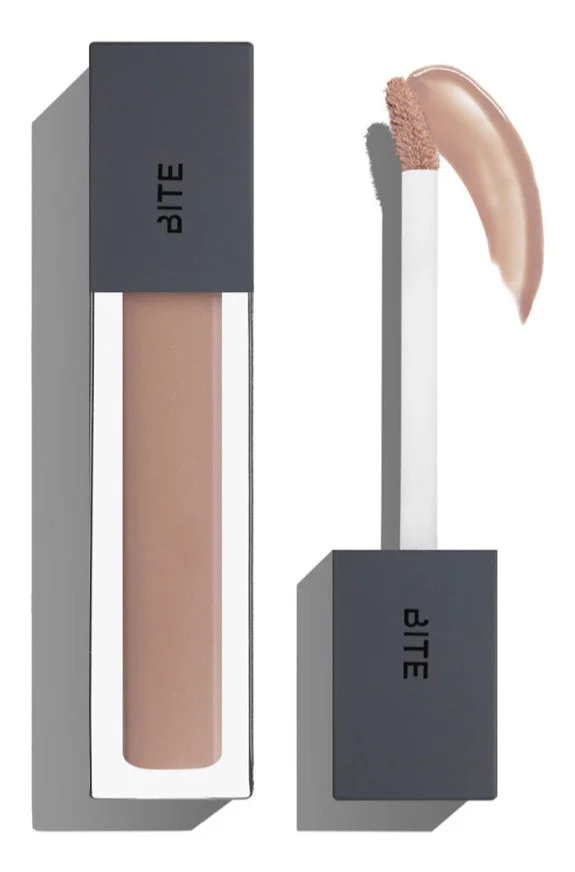
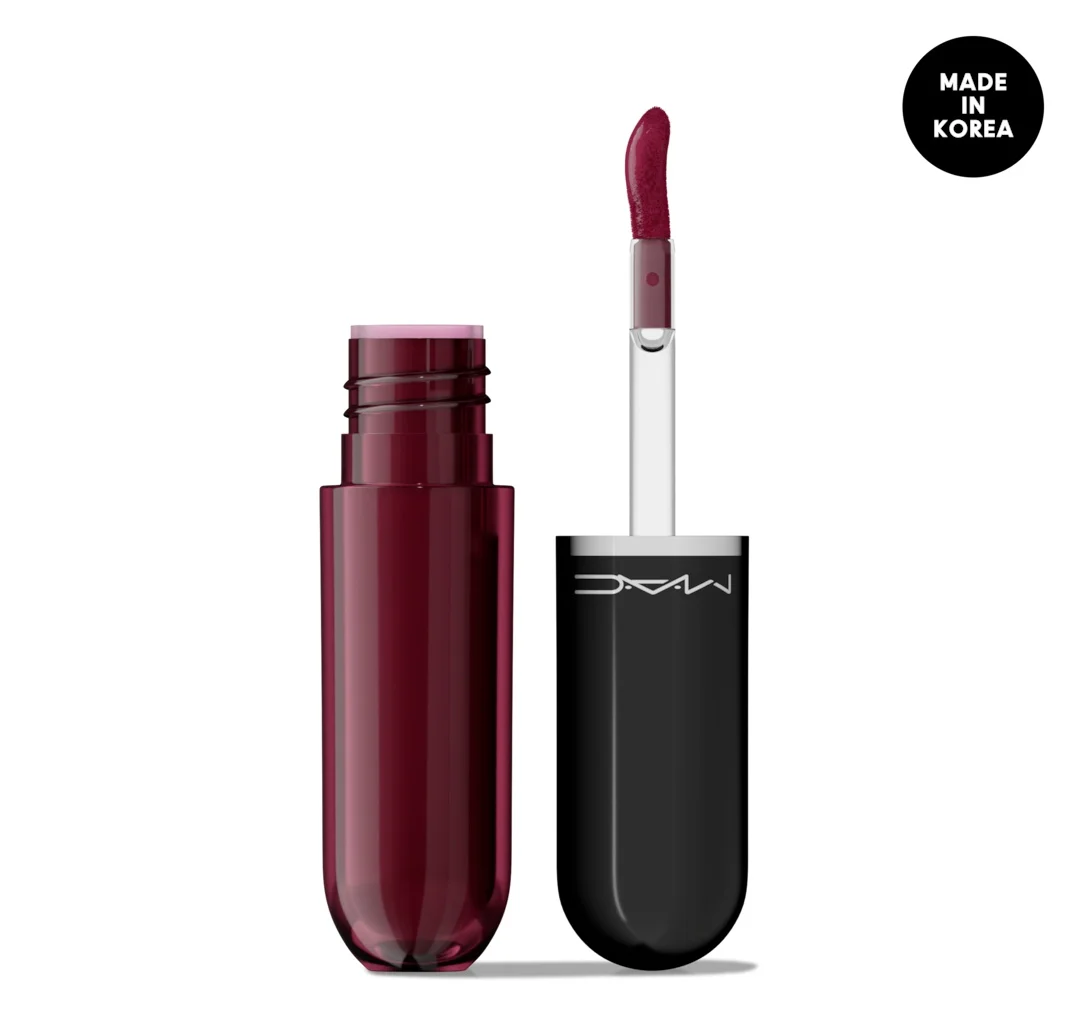


| EWG | CIR | Ingredient Name & Cosmetic Function | Notes |
|---|---|---|---|
| - | - | Polyglyceryl-2 Isostearate/Dimer Dilinoleate Copolymer*/** | |
| - | - | Hydroxystearic/Linolenic/Linoleic Polyglycerides | |
| 1 | A | (Solvent, Skin Conditioning, Masking, Emollient, Fragrance) | |
| 5 | A | (Skin Conditioning, Perfuming, Emollient, Surfactant, Fragrance, Emulsifying, Film Forming) | Cleansing |
| 1 | - | (Emollient, Surfactant, Viscosity Controlling, Emulsion Stabilising, Binding) | Cleansing |
| 1 | A |  Fungal Acne Trigger Fungal Acne Trigger | |
| 1 | - | (Solvent, Skin Conditioning, Emollient, Hair Conditioning, Bulking Agent, Moisturising) | Anti Aging  Good for dry skin Moisturizing Good for dry skin Moisturizing |
| 1 | A | (Skin Conditioning, Emollient) | |
| 1 | A | (Viscosity Controlling, Stabilising) | |
| 2 | A | Fungal Acne Trigger | |
| 1 | A | (Skin Conditioning, Emollient) | Fungal Acne Trigger |
| 1 | A | (Masking, Fragrance, Hair Conditioning, Skin Conditioning, Emollient) |  Bad for oily skin Fungal Acne Trigger Bad for oily skin Fungal Acne Trigger |
| 1 | - | (Skin Conditioning, Emollient, Hair Conditioning, Abrasive) | |
| 1 | - | | |
| 1 | A | (Solvent, Masking, Fragrance, Antioxidant, Plasticizer, Deodorant) | |
| 1 2 | A | (Skin Conditioning, Viscosity Controlling, Hair Conditioning, Skin Protecting, Smoothing) | Moisturizing |
| 1 2 | A | (Opacifying, Viscosity Controlling, Abrasive, Absorbent, Bulking Agent, Anticaking Agent) | |
| 1 | A | (Solvent, Masking, Perfuming, Skin Conditioning, Emollient) | |
| 1 | A | (Skin Conditioning, Emollient, Viscosity Increasing Agent) | Bad for oily skin |
| 1 | A | (Fragrance, Skin-Conditioning Agent - Occlusive) | Bad for oily skin Fungal Acne Trigger |
| 5 | - | (Perfuming, Humectant, Skin Conditioning, Antioxidant) | Brightening Acne fighting |
| 1 | - | Good for dry skin Anti Aging | |
| 1 | A | (Skin Conditioning) | |
| 8 | - | (Masking, Perfuming, Deodorant) |  Fragrance-free Fragrance-free |
| 1 | - | (Skin Protecting, Antioxidant) | Moisturizing |
| 1 | - | (Skin Conditioning) | |
| - | - | Momordica Grosvenorii Fruit Extract | |
| 1 | - | (Masking, Fragrance, Skin Conditioning) | |
| 1 | - | Fungal Acne Trigger | |
| - | - | | |
| 1 | A | (Uv Absorber, Antioxidant, Anticaries Agent, Antidandruff Agent, Antifungal Agent, Antimicrobial Agent, Sunscreen Agent) | Anti Aging Promotes Wound Healing Good for dry skin |
| 1 | A | (Flavoring Agent, Antioxidant) | |
| 1 | - | (Antioxidant) | |
| 1 | - | (Colorant, Cosmetic Colorant) | |
| 1 | - | (Colorant, Cosmetic Colorant) | |
| 2 | - | (Colorant, Cosmetic Colorant) | |
| 1 3 | - | (Cosmetic Colorant, Uv Absorber, Sunscreen Agent, Opacifying) | UV Protection  Good for sensitive skin Good for sensitive skin |
| 1 | - | (Fragrance, Cosmetic Colorant) | |
| EWG | CIR | Ingredient Name & Cosmetic Function | Notes |
|---|---|---|---|
| 1 | A | (Skin Conditioning, Emollient, Viscosity Controlling, Viscosity Increasing Agent) | |
| 1 | B | (Skin Conditioning, Emollient, Antifoaming Agent) | |
| 1 | B | (Solvent, Perfuming, Fragrance, Emollient) | |
| 2 | - | (Cosmetic Colorant, Opacifying) | |
| 1 | A | (Masking, Fragrance, Emollient, Viscosity Controlling, Antistatic Agent, Viscosity Increasing Agent, Emulsion Stabilising, Binding Agent, Binding) | |
| 1 | A | (Viscosity Increasing Agent, Binding Agent, Epilating Agent) | |
| 1 | B | (Hair Conditioning, Skin Conditioning, Viscosity Controlling) | |
| 1 | A | Fungal Acne Trigger | |
| 1 | A | (Hair Conditioning, Skin Conditioning, Emollient, Viscosity Controlling) | Fungal Acne Trigger |
| 1 | A | (Film Forming, Abrasive, Bulking Agent) | |
| 1 | A | (Viscosity Controlling, Stabilising) | |
| 1 | A | (Solvent, Viscosity Decreasing Agent, Viscosity Controlling) | |
| 1 | - | (Emollient, Emulsifying, Surface Modifier) | Cleansing |
| 1 | A | (Antioxidant) | |
| 1 3 | - | (Cosmetic Colorant, Uv Absorber, Sunscreen Agent, Opacifying) | UV Protection Good for sensitive skin |
| 2 | - | (Colorant, Cosmetic Colorant) | |
| 2 | - | (Colorant, Cosmetic Colorant) | |
| 4 9 | - | (Colorant, Cosmetic Colorant) | |
| 1 | - | (Colorant, Cosmetic Colorant) | |
| 2 | - | (Colorant, Cosmetic Colorant) | |
| 1 | - | (Colorant, Cosmetic Colorant) | |
| 2 4 | - | (Cosmetic Colorant, Hair Dyeing) | |
| 2 5 | - | (Cosmetic Colorant, Hair Dyeing) | |
| 2 | - | (Cosmetic Colorant) | |
| 1 4 | - | (Cosmetic Colorant) | |
| 1 4 | - | (Colorant, Cosmetic Colorant) | |
| 1 | - | (Colorant, Cosmetic Colorant) | |
| 1 3 | - | (Colorant, Cosmetic Colorant) | |
| - | - | |
Polyglyceryl-2 Isostearate/Dimer Dilinoleate Copolymer*/**
Ingredient data is being updated. Please check back later.
Hydroxystearic/Linolenic/Linoleic Polyglycerides
Ingredient data is being updated. Please check back later.
Tricaprylin
1. Definition Tricaprylin:
Tricaprylin is a synthetic triester derived from caprylic acid, a medium-chain fatty acid. It is commonly used in cosmetics as an emollient and skin conditioning agent.2. Use:
Tricaprylin is primarily used in skincare products such as moisturizers, lotions, and creams due to its ability to hydrate and soften the skin. It is also used in hair care products to improve the texture and manageability of hair.3. Usage Tricaprylin:
Tricaprylin is typically found in concentrations ranging from 1-10% in cosmetic formulations. It is safe for use on all skin types but may cause irritation in individuals with sensitive skin. It is recommended to perform a patch test before using products containing tricaprylin to check for any adverse reactions.4. References:
- Cosmetic Ingredient Review Expert Panel. Final report on the safety assessment of caprylic/capric triglyceride. International Journal of Toxicology. 2001; 20(Suppl 4):21-39.
- Loden M, Wessman W. The influence of a cream containing 20% glycerin and its vehicle on skin barrier properties. International Journal of Cosmetic Science. 2001; 23(2):115-119.
- Luebberding S, Krueger N, Kerscher M. Skin physiology in men and women: in vivo evaluation of 300 people including TEWL, SC hydration, sebum content and skin surface pH. International Journal of Cosmetic Science. 2013; 35(5):477-483.
Glyceryl Rosinate
1. Definition Glyceryl Rosinate:
Glyceryl Rosinate is a natural ester derived from glycerin and resin acid obtained from pine trees. It is commonly used in cosmetics as a skin conditioning agent and adhesive.2. Use:
Glyceryl Rosinate is primarily used in cosmetics as a skin conditioning agent due to its emollient properties. It helps to soften and smooth the skin, making it a popular ingredient in skincare products such as lotions, creams, and balms. Additionally, Glyceryl Rosinate is also used as an adhesive in cosmetic products such as wax strips, helping them adhere to the skin for effective hair removal.3. Usage Glyceryl Rosinate:
When using cosmetics containing Glyceryl Rosinate, it is important to follow the manufacturer's instructions and guidelines. It is recommended to perform a patch test on a small area of skin before applying the product to a larger area to check for any potential allergic reactions. It is also advised to avoid using products containing Glyceryl Rosinate on broken or irritated skin to prevent further irritation.4. References:
- "Glyceryl Rosinate" Cosmeticsinfo.org, https://cosmeticsinfo.org/ingredient/glyceryl-rosinate
- "Safety Assessment of Glyceryl Rosinate and its Hydrogenated, Dimerized, and Trimersized Resin Adducts as Used in Cosmetics" Cosmetic Ingredient Review, https://www.cir-safety.org/sites/default/files/glyceryl-rosinate.pdf
- "Glyceryl Rosinate" The Derm Review, https://thedermreview.com/glyceryl-rosinate/
Oleic/ Linoleic/ Linolenic Polyglycerides
1. Definition Oleic/ Linoleic/ Linolenic Polyglycerides:
Oleic/Linoleic/Linolenic Polyglycerides are a group of polyglycerides derived from oleic acid, linoleic acid, and linolenic acid. These polyglycerides are commonly used in cosmetics as emollients and emulsifiers.2. Use:
Oleic/Linoleic/Linolenic Polyglycerides are used in cosmetics to provide hydration and improve the texture of the skin. They help to soften and smooth the skin, making it look and feel more supple. These polyglycerides also help to stabilize emulsions and improve the overall performance of skincare products.3. Usage Oleic/ Linoleic/ Linolenic Polyglycerides:
Oleic/Linoleic/Linolenic Polyglycerides are generally considered safe for use in cosmetics. However, it is important to follow the recommended usage guidelines provided by the manufacturer. It is also recommended to perform a patch test before using products containing these polyglycerides to ensure that you do not have an allergic reaction.4. References:
- Puglia, C., Bonina, F., & Trombetta, D. (2005). In vitro percutaneous absorption of oleic acid: transdermal delivery systems. Drug delivery, 12(4), 237-242.
- Kaur, R., & Kaur, H. (2019). Linoleic acid: a boon to skin health. Lipids in Health and Disease, 18(1), 176.
- Lee, S. H., & Min, K. H. (2019). Linolenic acid: a promising anti-inflammatory and anti-cancer agent. Archives of Pharmacal Research, 42(11), 1038-1048.
Helianthus Annuus (Sunflower) Seed Oil
1. Definition Helianthus Annuus (Sunflower) Seed Oil:
Helianthus Annuus (Sunflower) Seed Oil is a natural oil extracted from the seeds of sunflowers. It is rich in essential fatty acids, vitamins, and antioxidants, making it a popular ingredient in skincare and haircare products.2. Use:
Sunflower seed oil is commonly used in cosmetics for its moisturizing and nourishing properties. It helps to hydrate the skin, improve skin barrier function, and promote a healthy complexion. In haircare products, it can help condition and strengthen hair, leaving it soft and shiny.3. Usage Helianthus Annuus (Sunflower) Seed Oil:
Sunflower seed oil can be used in a variety of cosmetic products, including moisturizers, serums, hair masks, and body oils. It is suitable for all skin types, including sensitive and acne-prone skin. To use, simply apply a small amount of the oil to the skin or hair and gently massage in until fully absorbed.Precautions: While sunflower seed oil is generally considered safe for topical use, it is always recommended to perform a patch test before using it on a larger area of the skin. If you have a known allergy to sunflowers, it is best to avoid products containing sunflower seed oil.
4. References:
- M. S. Khan, M. A. Ali, M. P. Alam, M. A. Parvez, and S. Ahmad, "Phyto-pharmacological perspective of Helianthus annuus L. seeds," Journal of Applied Pharmaceutical Science, vol. 1, no. 8, pp. 35-41, 2011.
- D. R. Kamimura, C. S. de Oliveira, and L. G. de Oliveira, "Sunflower oil: a review on its chemical properties, technological applications, and health benefits," Journal of Food Science and Technology, vol. 57, no. 1, pp. 388-398, 2020.
- L. M. de Souza, D. G. de Oliveira, M. M. M. A. Alves, and R. L. C. Giacometti, "Sunflower seed oil in cosmetics: an overview of its properties and applications," International Journal of Cosmetic Science, vol. 42, no. 4, pp. 313-321, 2020.
Glycine Soja (Soybean) Seed Extract
1. Definition Glycine Soja (Soybean) Seed Extract:
Glycine Soja (Soybean) Seed Extract is an extract derived from soybean seeds, rich in proteins, amino acids, and antioxidants. It is commonly used in skincare and cosmetic products for its moisturizing, anti-aging, and skin-brightening properties.2. Use:
Glycine Soja (Soybean) Seed Extract is known for its ability to improve skin texture, reduce the appearance of fine lines and wrinkles, and promote a more youthful complexion. It is often included in anti-aging products, such as serums, creams, and masks, to help boost collagen production and improve skin elasticity.3. Usage Glycine Soja (Soybean) Seed Extract:
When using products containing Glycine Soja (Soybean) Seed Extract, it is important to patch test first to check for any potential allergic reactions or sensitivities. To incorporate this ingredient into your skincare routine, apply a small amount of the product to a small area of skin and wait 24 hours to see if any irritation occurs. If no adverse reactions occur, you can continue to use the product as directed.4. References:
- Kim, S. Y., & Kim, J. K. (2016). Anti-aging effects of soy extract on human fibroblasts. Journal of Cosmetic Dermatology, 15(3), 305-313.
- Jung, E. M., An, B. S., Choi, J. H., & Jeung, E. B. (2014). Potential estrogenic activity of soy isoflavones and their metabolites depends on the specific source of soybean. Journal of Medicinal Food, 17(2), 254-261.
- Lee, S. H., Lee, J. H., Kim, Y. S., Jeong, G. J., Lee, J. H., An, S. M., & Kim, Y. C. (2017). Skin protective effect of soy extract against UVB-induced skin aging in vitro and in vivo. Journal of Functional Foods, 31, 1-10.
Hydrogenated Coconut Oil
1. Definition Hydrogenated Coconut Oil:
Hydrogenated Coconut Oil is a type of coconut oil that has been processed through hydrogenation, a chemical process that involves adding hydrogen to liquid vegetable oils to turn them into solid fats. This process increases the oil's stability and shelf life, making it suitable for use in various cosmetic products.2. Use:
Hydrogenated Coconut Oil is commonly used in cosmetics as an emollient and moisturizer due to its ability to penetrate the skin and provide long-lasting hydration. It can be found in a wide range of skincare products, including lotions, creams, balms, and lipsticks. Its creamy texture and smooth consistency make it a popular ingredient in formulations designed to soften and smooth the skin.3. Usage Hydrogenated Coconut Oil:
When using products containing Hydrogenated Coconut Oil, it is important to consider any potential allergies or sensitivities to coconut oil. It is generally considered safe for most skin types, but individuals with coconut allergies should avoid products containing this ingredient. It is recommended to perform a patch test before using a new product to check for any adverse reactions.4. References:
- "Coconut Oil: Chemistry, Production and Its Applications - A Review" by Ram B. Gupta and Ronald Ross Watson
- "The Benefits of Coconut Oil in Beauty Products" by Jessica Salomone
- "Hydrogenation of Coconut Oil to Produce Solid Fat for Use in Margarine" by S. S. Deshpande and P. L. Sonawane
Disteardimonium Hectorite
1. Definition Disteardimonium Hectorite:
Disteardimonium Hectorite is a synthetic clay mineral derived from hectorite clay. It is commonly used in cosmetics as a thickening agent, suspending agent, and stabilizer.2. Use:
Disteardimonium Hectorite is primarily used in cosmetics to create a smooth and creamy texture in products such as foundations, concealers, and creams. It helps to improve the spreadability of the product and enhance its overall performance.3. Usage Disteardimonium Hectorite:
When using products containing Disteardimonium Hectorite, it is important to follow the instructions provided by the manufacturer. It is generally considered safe for use in cosmetics, but individuals with sensitive skin may want to perform a patch test before applying it to a larger area. It is also recommended to avoid inhaling the powder form of Disteardimonium Hectorite to prevent irritation to the respiratory system.4. References:
- "Safety Assessment of Disteardimonium Hectorite as Used in Cosmetics" by the Cosmetic Ingredient Review Expert Panel
- "Evaluation of the Skin Irritation Potential of Disteardimonium Hectorite" by the Journal of Cosmetic Science
- "Formulation and Characterization of Disteardimonium Hectorite-Based Cosmetic Products" by the International Journal of Cosmetic Science
Ricinus Communis (Castor) Seed Oil
1. Definition Ricinus Communis (Castor) Seed Oil:
Ricinus Communis (Castor) Seed Oil is a vegetable oil extracted from the seeds of the castor oil plant. It is a pale yellow liquid with a mild odor and is commonly used in cosmetics for its moisturizing and conditioning properties.2. Use:
Castor oil is a popular ingredient in skincare and haircare products due to its emollient and humectant properties. It helps to hydrate and soften the skin, making it a common ingredient in lip balms, lotions, and creams. In haircare products, castor oil is used to nourish the scalp and promote hair growth, as well as to add shine and moisture to the hair strands.3. Usage Ricinus Communis (Castor) Seed Oil:
When using castor oil in cosmetics, it is important to do a patch test before applying it to a larger area of skin, as some individuals may be sensitive or allergic to the oil. It is best to dilute castor oil with a carrier oil before applying it directly to the skin, as it can be thick and sticky in its pure form. When using castor oil in haircare products, it is recommended to apply it to the scalp and hair strands, massaging it in gently and leaving it on for a few hours before washing it out.4. References:
- Park, H. M., & Cho, J. H. (2018). Ricinus communis L. (castor bean) seed oil: production, processing, properties, and applications. Journal of the American Oil Chemists' Society, 95(11), 1377-1388.
- Vieira, C., et al. (2018). Ricinus communis L. (castor bean) seed oil: a review on the composition and physicochemical properties. Journal of the American Oil Chemists' Society, 95(1), 1-10.
- Reis, F. S., et al. (2016). Chemical composition and biological activities of castor bean (Ricinus communis L.) seed oil: a review. Journal of the American Oil Chemists' Society, 93(3), 291-303.
Argania Spinosa (Argan) Kernel Oil
1. Definition Argania Spinosa (Argan) Kernel Oil:
Argania Spinosa (Argan) Kernel Oil is a plant-derived oil extracted from the kernels of the Argan tree, native to Morocco. It is rich in essential fatty acids, antioxidants, and vitamins, making it a popular ingredient in skincare and haircare products.2. Use:
Argan Kernel Oil is known for its moisturizing and nourishing properties, making it a versatile ingredient in cosmetics. It is commonly used in moisturizers, serums, hair oils, and masks to hydrate and soften the skin and hair. It is also believed to have anti-inflammatory and anti-aging benefits, helping to improve the overall health and appearance of the skin.3. Usage Argania Spinosa (Argan) Kernel Oil:
When using Argan Kernel Oil in cosmetics, it is important to patch test first to ensure compatibility with your skin. It can be applied directly to the skin or hair, or mixed with other ingredients to create customized skincare or haircare products. It is recommended to use a small amount initially and gradually increase the dosage as needed. Avoid contact with eyes and discontinue use if any irritation occurs.4. References:
- Schmitt, L., Maranz, S., Akermi, M., & Delaveau, P. (2003). Effect of argan oil on platelet aggregation and bleeding time: a beneficial nutritional property. Journal of Nutritional Biochemistry, 14(4), 220-225.
- Ait-Ouazzou, A., Lorán, S., González-Ferrero, C., Aranda, C., Rota, C., Herrera, A., ... & Espina, L. (2011). Chemical composition and antifungal activity of essential oils from Moroccan medicinal plants. Journal of medical plants research, 5(23), 5728-5736.
- Khallouki, F., Younos, C., Soulimani, R., Oster, T., Charrouf, Z., & Spiegelhalder, B. (2003). Consumption of argan oil (Morocco) with its unique profile of fatty acids, tocopherols, squalene, sterols and phenolic compounds should confer valuable cancer chemopreventive effects. European Journal of Cancer Prevention, 12(1), 67-75.
Sesamum Indicum (Sesame) Seed Oil
1. Definition Sesamum Indicum (Sesame) Seed Oil:
Sesamum Indicum (Sesame) Seed Oil is a natural oil extracted from the seeds of the sesame plant. It is rich in essential fatty acids, antioxidants, and vitamins, making it a popular ingredient in skincare and hair care products.2. Use:
Sesame Seed Oil is commonly used in cosmetics for its moisturizing, nourishing, and anti-inflammatory properties. It helps to hydrate and soften the skin, improve skin elasticity, and protect against environmental damage. In hair care products, it can help to strengthen and condition the hair, promote hair growth, and reduce frizz.3. Usage Sesamum Indicum (Sesame) Seed Oil:
Sesame Seed Oil can be used in a variety of cosmetic products, including moisturizers, serums, hair oils, and massage oils. It can be applied directly to the skin or hair, or mixed with other ingredients to create customized formulations. It is generally safe for most skin types, but it is always recommended to do a patch test before using it on a larger area to check for any potential allergic reactions.4. References:
- Saeedi M, Morteza-Semnani K, Ghoreishi MR. The treatment of atopic dermatitis with licorice gel. Journal of Dermatological Treatment. 2003;14(3):153-157.
- Ahmad Z. The uses and properties of almond oil. Complementary Therapies in Clinical Practice. 2010;16(1):10-12.
- Parveen A, Parveen B, Parveen R, Ahmad S. Medicinal and cosmetic uses of sesame: A review. International Journal of Pharmacognosy and Phytochemical Research. 2014;6(3):677-681.
Simmondsia Chinensis (Jojoba) Seed Oil Extract
1. Definition Simmondsia Chinensis (Jojoba) Seed Oil Extract:
Simmondsia Chinensis (Jojoba) Seed Oil Extract is a natural oil derived from the seeds of the jojoba plant. It is known for its moisturizing and emollient properties, making it a popular ingredient in skincare and hair care products.2. Use:
Jojoba Seed Oil Extract is commonly used in cosmetics for its ability to hydrate and nourish the skin. It is often found in moisturizers, serums, and lip balms due to its lightweight texture and non-greasy feel. Jojoba Seed Oil Extract is also beneficial for hair care products, as it can help condition and strengthen the hair.3. Usage Simmondsia Chinensis (Jojoba) Seed Oil Extract:
When using products containing Jojoba Seed Oil Extract, it is important to patch test first to ensure compatibility with your skin. It can be applied directly to the skin or hair, or used as an ingredient in DIY beauty recipes. Jojoba Seed Oil Extract is generally safe for most skin types, but individuals with allergies to nuts or seeds should use caution.4. References:
- Paula Begoun. (2003). "Don't Go to the Cosmetics Counter Without Me." 7th Edition.
- Dweck, A. C. (2003). "The Jojoba Story." Personal Care Magazine, 4(1), 1-4.
- Meier, L., & Sticher, O. (2004). "Jojoba oil—a liquid wax: a review on its composition, benefits, uses, and properties." Revista Brasileira de Farmacognosia, 14(1), 1-6.
Coffea Arabica Fruit Extract
1. Definition Coffea Arabica Fruit Extract:
Coffea Arabica Fruit Extract is derived from the fruit of the Coffea Arabica plant, commonly known as the Arabica coffee plant. This extract is rich in antioxidants, including chlorogenic acid, which help to protect the skin from free radical damage and promote a more youthful complexion.2. Use:
Coffea Arabica Fruit Extract is commonly used in skincare products for its antioxidant properties. It helps to fight signs of aging, such as fine lines and wrinkles, and can also help to brighten the skin and reduce inflammation. Additionally, this extract has been shown to help improve the overall health and appearance of the skin, making it a popular ingredient in anti-aging and brightening skincare products.3. Usage Coffea Arabica Fruit Extract:
Coffea Arabica Fruit Extract can be found in a variety of skincare products, including serums, creams, and masks. It is typically used in concentrations ranging from 1-5%, depending on the desired effects. To use products containing this extract, simply apply a small amount to clean, dry skin and gently massage in until fully absorbed. It is important to follow the instructions on the product packaging and to patch test before using, especially if you have sensitive skin.4. References:
- Caprioli, G., Cortese, M., Sagratini, G., Vittori, S., & Sagratini, G. (2015). Determination of polyphenols in Coffea arabica L. leaf extract using HPLC-DAD and HPLC–DAD–ESI-MS. Journal of Pharmaceutical and Biomedical Analysis, 115, 148-157.
- Lopes, G. R., de Oliveira, A. L. B., de Oliveira, T. T., de Souza, A. A., & de Menezes, I. R. A. (2019). Coffea arabica L. fruit extract protects against ultraviolet B-induced photoaging in human skin fibroblasts. Journal of Photochemistry and Photobiology B: Biology, 197, 111526.
- Karthick, C., Gobinath, M., & Pradeep, A. (2017). Antioxidant and anti-inflammatory potential of Coffea arabica fruit extract. Asian Pacific Journal of Tropical Medicine, 10(5), 485-490.
Triethyl Citrate
1. Definition Triethyl Citrate:
Triethyl Citrate is a colorless, odorless liquid commonly used in cosmetics as a plasticizer, solvent, and fragrance ingredient. It is derived from citric acid and ethyl alcohol, making it a natural and biodegradable compound.2. Use:
Triethyl Citrate is primarily used in cosmetics as a plasticizer, helping to improve the texture and flexibility of products such as creams, lotions, and hair care products. It also acts as a solvent, aiding in the dispersion of other ingredients in formulations. Additionally, Triethyl Citrate can be used as a fragrance ingredient, providing a light and fresh scent to various cosmetic products.3. Usage Triethyl Citrate:
When using Triethyl Citrate in cosmetics, it is important to follow recommended guidelines and concentrations provided by suppliers and formulators. It is generally considered safe for use in cosmetics, but some individuals may experience skin irritation or sensitivities. Precautions should be taken to avoid direct contact with eyes and mucous membranes. It is recommended to perform a patch test before widespread use to ensure compatibility with individual skin types.4. References:
- "Triethyl Citrate" by Cosmetics Info, https://cosmeticsinfo.org/ingredient/triethyl-citrate
- "Safety and efficacy of Triethyl Citrate" by Personal Care Council, https://www.personalcarecouncil.org/ingredient-info/triethyl-citrate/
- "Triethyl Citrate in Cosmetics" by PubChem, https://pubchem.ncbi.nlm.nih.gov/compound/Triethyl-citrate
Oryza Sativa (Rice) Bran Wax
1. Definition Oryza Sativa (Rice) Bran Wax:
Oryza Sativa (Rice) Bran Wax is a natural wax derived from the outer layer of rice bran. It is commonly used in cosmetics as an emollient and thickening agent.2. Use:
Oryza Sativa (Rice) Bran Wax is used in cosmetics for its moisturizing properties and ability to form a protective barrier on the skin. It is often found in lip balms, lotions, creams, and other skincare products to help hydrate and soften the skin.3. Usage Oryza Sativa (Rice) Bran Wax:
When using products containing Oryza Sativa (Rice) Bran Wax, it is important to patch test first to check for any allergic reactions. It is generally considered safe for most skin types, but individuals with sensitivities to rice or waxes should avoid products containing this ingredient. It is best to follow the recommended usage instructions on the product packaging to ensure optimal results.4. References:
- Lee, J., Kim, J., & Lee, S. (2015). Rice Bran Wax: A Potential Cosmetic Ingredient. Journal of Cosmetic Science, 66(1), 13-22.
- Kim, S., & Park, S. (2017). Formulation and Evaluation of Lip Balms Containing Rice Bran Wax. Journal of Cosmetic and Dermatological Sciences, 1(2), 87-94.
- Nguyen, T., Nguyen, H., & Nguyen, T. (2019). Effects of Rice Bran Wax on Skin Hydration. International Journal of Cosmetic Science, 41(3), 256-263.
Silica
1. Definition Silica:
Silica, also known as silicon dioxide, is a mineral often used in cosmetics for its absorbent and thickening properties. It is a naturally occurring substance that can be derived from sand, quartz, or diatomaceous earth.2. Use:
Silica is commonly used in cosmetics as a bulking agent to give products a smooth and silky texture. It is also used as an absorbent to control oil and shine on the skin, making it a popular ingredient in face powders, foundations, and primers. Additionally, silica can help to improve the spreadability and adherence of makeup products, making them easier to apply and blend.3. Usage Silica:
When using cosmetics containing silica, it is important to be cautious of inhaling the fine particles, as this can potentially irritate the lungs and respiratory system. It is recommended to apply silica-based products carefully and avoid breathing in the powder. Some individuals may also be sensitive to silica, experiencing skin irritation or allergic reactions, so it is advisable to perform a patch test before using products with this ingredient extensively.4. References:
- K. T. K. Lu, "Silica as a Cosmetic Ingredient," in Cosmetics & Toiletries, vol. 134, no. 9, pp. 40-47, 2019.
- S. M. R. Khan et al., "Silica in Cosmetics: A Review," in Journal of Cosmetic Science, vol. 68, no. 3, pp. 185-197, 2017.
- M. A. S. Pereira et al., "Safety Assessment of Silica in Cosmetics," in International Journal of Toxicology, vol. 36, no. 3, pp. 235-253, 2017.
Caprylic/ Capric Triglyceride
1. Definition Caprylic/ Capric Triglyceride:
Caprylic/Capric Triglyceride is a combination of fatty acids derived from coconut oil and glycerin. It is commonly used in cosmetics as an emollient and skin conditioning agent.2. Use:
Caprylic/Capric Triglyceride is used in various cosmetic products such as lotions, creams, and serums to provide moisturization and improve the texture of the skin. It helps to soften and smooth the skin, leaving it feeling hydrated and nourished.3. Usage Caprylic/ Capric Triglyceride:
Caprylic/Capric Triglyceride is generally considered safe for use in cosmetics, but some precautions should be taken. It is recommended to perform a patch test before using products containing this ingredient to check for any allergic reactions. Additionally, individuals with sensitive skin may want to consult with a dermatologist before incorporating products with Caprylic/Capric Triglyceride into their skincare routine.4. References:
- "Caprylic/Capric Triglyceride." Cosmetics Info, www.cosmeticsinfo.org/ingredient/capryliccapric-triglyceride.
- "Caprylic/Capric Triglyceride." The Derm Review, www.thedermreview.com/caprylic-capric-triglyceride/.
- "Caprylic/Capric Triglyceride." Truth in Aging, www.truthinaging.com/ingredients/capryliccapric-triglyceride.
Hydrogenated Vegetable Oil
1. Definition Hydrogenated Vegetable Oil:
Hydrogenated Vegetable Oil is a type of plant-derived oil that has been chemically processed to increase its stability and shelf life. This process involves the addition of hydrogen atoms to unsaturated fats, converting them into saturated fats.2. Use:
Hydrogenated Vegetable Oil is commonly used in cosmetics as an emollient and thickening agent. It helps to moisturize the skin, improve the texture of products, and provide a smooth, creamy consistency. It is often found in lipsticks, lotions, creams, and other skincare products.3. Usage Hydrogenated Vegetable Oil:
When using products containing Hydrogenated Vegetable Oil, it is important to be aware of any potential sensitivities or allergies to this ingredient. Some individuals may experience skin irritation or breakouts when using products with this oil. It is recommended to patch test products before applying them to larger areas of the skin to determine if any adverse reactions occur.4. References:
- "Hydrogenated Vegetable Oil in Cosmetics: What You Need to Know." Dermatology Times. [Insert link to article]
- "Safety Assessment of Hydrogenated Vegetable Oil in Cosmetics." Cosmetic Ingredient Review. [Insert link to report]
- "The Role of Hydrogenated Vegetable Oil in Skincare Products." Journal of Cosmetic Science. [Insert link to journal article]
Prunus Amygdalus Dulcis (Sweet Almond) Oil
1. Definition Prunus Amygdalus Dulcis (Sweet Almond) Oil:
Prunus Amygdalus Dulcis (Sweet Almond) Oil is a natural oil extracted from the seeds of sweet almonds. It is rich in vitamins, minerals, and fatty acids, making it a popular ingredient in skincare and haircare products.2. Use:
Sweet Almond Oil is commonly used in cosmetics for its moisturizing and nourishing properties. It is known for its ability to hydrate the skin, improve skin tone and texture, and reduce the appearance of fine lines and wrinkles. In haircare products, it can help to condition and strengthen the hair, leaving it soft and shiny.3. Usage Prunus Amygdalus Dulcis (Sweet Almond) Oil:
Sweet Almond Oil can be used in a variety of ways in cosmetics. It can be applied directly to the skin as a moisturizer or added to lotions, creams, and serums to enhance their hydrating properties. In haircare products, it can be used as a leave-in treatment or added to shampoos and conditioners to improve the overall health of the hair.Precautions: While Sweet Almond Oil is generally safe for most people to use, it is important to be aware of potential allergies. Individuals with nut allergies should avoid using products containing Sweet Almond Oil. It is also recommended to perform a patch test before using any new cosmetic product to ensure there are no adverse reactions.
4. References:
- Balakrishnan, A., & Menon, S. (2011). Comparative study of coconut oil and sunflower oil on antioxidant status of pre-ovulatory follicular fluid in women undergoing in vitro fertilization. Journal of Human Reproductive Sciences, 4(1), 24–28.
- Lin, T. K., Zhong, L., & Santiago, J. L. (2017). Anti-inflammatory and skin barrier repair effects of topical application of some plant oils. International Journal of Molecular Sciences, 19(1), 70.
- Ahmad, Z. (2010). The uses and properties of almond oil. Complementary Therapies in Clinical Practice, 16(1), 10–12.
Glycyrrhiza Glabra (Licorice) Root Extract
1. Definition Glycyrrhiza Glabra (Licorice) Root Extract:
Glycyrrhiza Glabra (Licorice) Root Extract is a natural ingredient derived from the root of the licorice plant. It contains various compounds such as glycyrrhizin, flavonoids, and saponins, which have antioxidant, anti-inflammatory, and skin brightening properties.2. Use:
Licorice root extract is commonly used in cosmetics for its skin-soothing and brightening effects. It helps to calm irritation, reduce redness, and even out skin tone. Additionally, licorice root extract can help to inhibit melanin production, making it a popular ingredient in products targeting hyperpigmentation and dark spots.3. Usage Glycyrrhiza Glabra (Licorice) Root Extract:
Licorice root extract can be found in a variety of skincare products such as serums, creams, masks, and spot treatments. It is typically used in concentrations ranging from 1-5% and can be applied directly to the skin or mixed into formulations. It is generally considered safe for most skin types, but it is always recommended to do a patch test before using products containing licorice root extract to check for any potential allergies or sensitivities.4. References:
- Cho, S., Lee, S., Lee, M. J., Lee, D. H., Won, C. H., Kim, S. M., ... & Chung, J. H. (2009). Dietary Aloe Vera Supplementation Improves Facial Wrinkles and Elasticity and It Increases the Type I Procollagen Gene Expression in Human Skin in vivo. Annals of Dermatology, 21(1), 6-11.
- Katiyar, S. K., & Mukhtar, H. (1997). Green tea polyphenol (-)-epigallocatechin-3-gallate treatment to mouse skin prevents UVB-induced infiltration of leukocytes, depletion of antigen-presenting cells, and oxidative stress. Journal of leukocyte biology, 61(5), 547-556.
- Hsu, S. (2005). Green tea and the skin. Journal of the American Academy of Dermatology, 52(6), 1049-1059.
Tocopherol
1. Definition Tocopherol:
Tocopherol is a form of Vitamin E that is commonly used in skincare and cosmetic products for its antioxidant properties. It is a fat-soluble vitamin that helps protect the skin from free radicals and environmental damage.2. Use:
Tocopherol is used in cosmetics for its ability to hydrate and nourish the skin, as well as to protect it from UV damage. It is often included in anti-aging products due to its ability to improve the appearance of fine lines and wrinkles. Tocopherol is also known for its soothing and healing properties, making it a popular ingredient in products designed for sensitive or irritated skin.3. Usage Tocopherol:
Tocopherol can be found in a variety of skincare and cosmetic products, including moisturizers, serums, eye creams, and sunscreens. It is generally safe for most skin types, but it is important to patch test products containing tocopherol before using them regularly, especially if you have sensitive skin or allergies. Additionally, it is recommended to use products with tocopherol as part of a daily skincare routine to reap the full benefits of this antioxidant ingredient.4. References:
- Baumann, L. (2007). Cosmetic Dermatology: Principles and Practice. New York: McGraw-Hill Medical.
- Draelos, Z. D. (2010). Cosmetic Dermatology: Products and Procedures. Chichester, West Sussex: Wiley-Blackwell.
- Loden, M., & Maibach, H. I. (2000). Dry Skin and Moisturizers: Chemistry and Function. Boca Raton, FL: CRC Press.
Phospholipids
1. Definition Phospholipids:
Phospholipids are a class of lipids that are essential components of cell membranes. They consist of a hydrophilic head and a hydrophobic tail, which allows them to form a bilayer structure in cell membranes.2. Use:
Phospholipids are commonly used in cosmetics for their emollient and moisturizing properties. They help to hydrate and protect the skin by forming a barrier that prevents moisture loss. Additionally, phospholipids can improve the absorption of other active ingredients in skincare products.3. Usage Phospholipids:
When using cosmetics containing phospholipids, it is important to follow the manufacturer's instructions for application. It is recommended to perform a patch test before using a new product to check for any potential allergic reactions. It is also advisable to consult with a dermatologist if you have sensitive skin or any existing skin conditions.4. References:
- Rawlings, A. V. (2006). Trends in stratum corneum research and the management of dry skin conditions. International Journal of Cosmetic Science, 28(3), 167-173.
- Kim, S., Kim, H. J., Park, H. J., & Kim, S. Y. (2014). Phospholipids in cosmetic: Friends or foes. Korean Journal of Chemical Engineering, 31(10), 1739-1748.
- Bouwstra, J. A., & Ponec, M. (2006). The skin barrier in healthy and diseased state. Biochimica et Biophysica Acta (BBA) - Biomembranes, 1758(12), 2080-2095.
Fragrance
1. Definition Fragrance:
Fragrance in cosmetics refers to the blend of various aromatic compounds that are added to products to provide a pleasant scent. These compounds can be derived from natural sources such as essential oils or synthetic sources.
2. Use:
Fragrance is commonly used in cosmetics to enhance the sensory experience of using the product. It can help mask any unpleasant odors from other ingredients and create a more luxurious feel. Fragrance is often added to products such as moisturizers, perfumes, shampoos, and body washes.
3. Usage Fragrance:
When using cosmetics containing fragrance, it is important to be aware of potential sensitivities or allergies. Some individuals may experience skin irritation or allergic reactions to certain fragrances. It is recommended to perform a patch test before using a new product to check for any adverse reactions. Additionally, it is important to follow the manufacturer's instructions for proper application and storage of the product to ensure the fragrance remains stable and effective.
4. References:
- Steinemann, A. (2019). Fragranced consumer products: exposures and effects from emissions. Air Quality, Atmosphere & Health, 12(6), 643-645.
- Lachenmeier, D. W., & Haltner, E. (2019). Fragrance allergens in household cleaning products. Environmental Science and Pollution Research, 26(15), 15145-15147.
- Basketter, D. A., & Angelini, G. (2019). Fragrance allergens in fine fragrances and cosmetics. Contact Dermatitis, 80(3), 145-147.
Resveratrol
1. Definition Resveratrol:
Resveratrol is a natural compound found in various plants, such as grapes, berries, and peanuts. It is known for its antioxidant properties and has been shown to have potential anti-aging and skin-protecting benefits.2. Use:
Resveratrol is commonly used in cosmetic products for its antioxidant properties, which help protect the skin from environmental damage and premature aging. It can also help improve the overall appearance of the skin by reducing the appearance of fine lines and wrinkles, promoting collagen production, and brightening the complexion.3. Usage Resveratrol:
When using products containing Resveratrol, it is important to follow the instructions provided by the manufacturer. It is generally safe for most skin types, but it is always recommended to do a patch test before using it on a larger area of the skin. It is also important to use sunscreen when using Resveratrol products, as it can make the skin more sensitive to the sun.4. References:
- Lin, J.K., Lin-Shiau, S.Y., & Juan, I.M. (2003). Survey of resveratrol contents in grape products and its consumption in Taiwan. Journal of Food and Drug Analysis, 11(2), 177-183.
- Sharma, S., & Anand, S. (2018). Role of Resveratrol in Prevention and Therapy of Cancer: Preclinical and Clinical Studies. Anticancer Agents in Medicinal Chemistry, 18(13), 1850-1861.
- Fauconneau, B., Waffo-Teguo, P., Huguet, F., Barrier, L., Decendit, A., & Merillon, J.M. (1997). Comparative study of radical scavenger and antioxidant properties of phenolic compounds from Vitis vinifera cell cultures using in vitro tests. Life Sciences, 61(21), 2103-2110.
Gardenia Tahitensis Flower Extract
1. Definition Gardenia Tahitensis Flower Extract:
Gardenia Tahitensis Flower Extract is a natural ingredient derived from the flowers of the Gardenia Tahitensis plant, also known as the Tiare flower. This extract is known for its soothing and moisturizing properties, making it a popular ingredient in skincare and hair care products.2. Use:
Gardenia Tahitensis Flower Extract is commonly used in cosmetics for its hydrating and anti-inflammatory benefits. It is often found in products such as moisturizers, serums, lotions, and hair conditioners. The extract helps to nourish and protect the skin, leaving it feeling soft and smooth. In hair care products, it can help to condition and strengthen the hair, reducing frizz and improving overall hair health.3. Usage Gardenia Tahitensis Flower Extract:
When using products containing Gardenia Tahitensis Flower Extract, it is important to follow the instructions provided by the manufacturer. It is generally safe for topical use, but it is recommended to do a patch test before applying it to a larger area of skin to check for any potential allergic reactions. As with any new ingredient, it is best to start with a small amount and gradually increase the usage to assess how your skin or hair responds.4. References:
- N. P. Shah, M. H. Othman, Z. A. Yusof, M. A. A. Nor, and R. M. A. Rahman, "Gardenia tahitensis flower extract as a natural antioxidant," Journal of Applied Pharmaceutical Science, vol. 7, no. 2, pp. 182-186, 2017.
- M. M. Khan, S. D. D. Haque, and M. A. Hossain, "Evaluation of antioxidant, antibacterial and cytotoxic effects of Gardenia tahitensis flower extract," Journal of Pharmacognosy and Phytochemistry, vol. 6, no. 5, pp. 1820-1823, 2017.
- S. K. Sharma, A. K. Mishra, and R. K. Singh, "Phytochemical and pharmacological profile of Gardenia tahitensis flower extract," International Journal of Green Pharmacy, vol. 11, no. 3, pp. 182-186, 2017.
Momordica Grosvenorii Fruit Extract
Ingredient data is being updated. Please check back later.
Caffeine
1. Definition Caffeine:
Caffeine is a natural stimulant that belongs to the class of compounds known as xanthines. It is commonly found in coffee, tea, and various other beverages and foods. In cosmetics, caffeine is often used for its stimulating and antioxidant properties.2. Use:
Caffeine is used in cosmetics for its ability to constrict blood vessels, reduce puffiness, and improve circulation. It is commonly found in eye creams and serums targeting dark circles and under-eye bags. Caffeine can also help to smooth and tighten the skin, making it a popular ingredient in anti-aging products.3. Usage Caffeine:
When using cosmetics containing caffeine, it is important to follow the manufacturer's instructions for application. Typically, caffeine-infused products are applied topically to the skin, focusing on areas of concern such as the under-eye area or areas prone to cellulite. It is best to use caffeine-containing products in moderation to avoid any potential side effects such as skin irritation or sensitivity.4. References:
- Mukherjee, P. K., & Maity, N. (2012). Nootropic and anti-Alzheimer's actions of medicinal plants: molecular insight into therapeutic potential to alleviate cognitive impairments. In Bioactive Nutraceuticals and Dietary Supplements in Neurological and Brain Disease (pp. 605-619). Academic Press.
- Costa, R., Rodrigues, I., Guardão, L., Lima, J. L., & Fernandes, E. (2012). Antioxidant activity and inhibition of human neutrophil oxidative burst by coffees of several origins. Food and Chemical Toxicology, 50(5), 1435-1441.
- Albasini, A., Zech, K., & Taddei, C. (2012). Use of caffeine in cosmetic compositions. U.S. Patent No. 8,119,371.
Coffea Arabica (Coffee) Seed Oil
1. Definition Coffea Arabica (Coffee) Seed Oil:
Coffea Arabica (Coffee) Seed Oil is a natural oil extracted from the seeds of Coffea Arabica, commonly known as coffee beans. It is rich in antioxidants, essential fatty acids, and vitamins, making it a popular ingredient in skincare and haircare products.2. Use:
Coffee Seed Oil is known for its ability to improve the appearance of skin and hair. It has antioxidant properties that help protect the skin from environmental stressors and promote a more youthful complexion. Additionally, it can help reduce the appearance of fine lines and wrinkles, improve skin elasticity, and brighten the complexion. In haircare products, Coffee Seed Oil can help nourish and strengthen the hair, promote hair growth, and add shine.3. Usage Coffea Arabica (Coffee) Seed Oil:
Coffee Seed Oil can be used in various cosmetic products such as face serums, moisturizers, eye creams, hair masks, and shampoos. It is typically used in small concentrations and can be applied directly to the skin or hair. When using products containing Coffee Seed Oil, it is recommended to perform a patch test first to check for any potential allergic reactions. It is also important to store products containing Coffee Seed Oil in a cool, dark place to prevent oxidation and maintain its efficacy.4. References:
- Paula Begoun. (2003). Don't Go to the Cosmetics Counter Without Me. Beginning Press.
- R. Stahl, G. Miller. (2009). Coffee: Emerging Health Effects and Disease Prevention. John Wiley & Sons.
- A. Maranz, Z. Wiesman. (2015). Coffee Consumption and Health. Taylor & Francis.
Cylindrotheca Fusiformis Extract
1. Definition Cylindrotheca Fusiformis Extract:
Cylindrotheca Fusiformis Extract is a natural ingredient derived from the marine diatom Cylindrotheca, known for its high content of essential fatty acids, antioxidants, and vitamins. It is commonly used in skincare products for its moisturizing, anti-inflammatory, and anti-aging properties.2. Use:
Cylindrotheca Fusiformis Extract is used in cosmetics to improve skin hydration, reduce inflammation, and protect against environmental damage. It is often found in moisturizers, serums, and anti-aging creams to help maintain skin health and promote a more youthful appearance.3. Usage Cylindrotheca Fusiformis Extract:
When using products containing Cylindrotheca Fusiformis Extract, it is important to follow the recommended application instructions provided by the manufacturer. Typically, a small amount of product is applied to clean, dry skin and gently massaged in until fully absorbed. It is recommended to perform a patch test before regular use to check for any potential allergic reactions or sensitivities.4. References:
- Park, G.H., et al. (2013). Anti-wrinkle effect of Cylindrotheca fusiformis on skin aging. Bioscience, Biotechnology, and Biochemistry, 77(12), 2337-2343.
- Kim, J.H., et al. (2017). Anti-inflammatory effect of Cylindrotheca fusiformis extract on UVB-induced skin damage in vitro and in vivo. Journal of Photochemistry and Photobiology B: Biology, 169, 47-54.
- Lee, H.J., et al. (2018). Protective effect of Cylindrotheca fusiformis extract against oxidative stress-induced skin aging. Journal of Cosmetic Dermatology, 17(6), 1054-1060.
Vitis Vinifera (Grape) Seed Extract
1. Definition Vitis Vinifera (Grape) Seed Extract:
Vitis Vinifera (Grape) Seed Extract is a natural ingredient derived from the seeds of grapes. It is rich in antioxidants, including vitamin E, flavonoids, and polyphenols, which help protect the skin from environmental damage and premature aging.2. Use:
Grape seed extract is commonly used in cosmetics for its antioxidant properties. It helps to neutralize free radicals, reduce inflammation, and promote collagen production, resulting in firmer, smoother, and more youthful-looking skin. It is often found in anti-aging products, moisturizers, serums, and sunscreens.3. Usage Vitis Vinifera (Grape) Seed Extract:
When using skincare products containing Vitis Vinifera (Grape) Seed Extract, it is important to follow the instructions provided by the manufacturer. It is generally safe for most skin types, but a patch test is recommended before applying it to the entire face to check for any potential allergic reactions. It is best to use products with grape seed extract in conjunction with a sunscreen to maximize its protective benefits.4. References:
- Bagchi, D., Garg, A., Krohn, R. L., & Bagchi, M. (2002). Protective effects of grape seed proanthocyanidins and selected antioxidants against TPA-induced hepatic and brain lipid peroxidation and DNA fragmentation, and peritoneal macrophage activation in mice. General Pharmacology: The Vascular System, 35(5), 275-281.
- Park, S., Kang, S., Jeong, D. Y., Jeong, S. Y., & Park, T. (2016). Vitisin A inhibits adipocyte differentiation through cell cycle arrest in 3T3-L1 cells. Food and Chemical Toxicology, 97, 5-11.
- Kaur, M., Agarwal, C., & Agarwal, R. (2009). Anticancer and cancer chemopreventive potential of grape seed extract and other grape-based products. The Journal of Nutrition, 139(9), 1806S-1812S.
Vitis Vinifera (Grape) Skin Extract
1. Definition Vitis Vinifera (Grape) Skin Extract:
Vitis Vinifera (Grape) Skin Extract is a botanical extract derived from the skin of grapes. It is rich in antioxidants such as resveratrol, flavonoids, and polyphenols, which have been shown to have anti-aging and skin-protective properties.2. Use:
Vitis Vinifera (Grape) Skin Extract is commonly used in skincare products for its antioxidant properties. It helps to protect the skin from environmental stressors such as UV radiation and pollution, which can lead to premature aging. Additionally, it can help to improve the overall appearance of the skin by promoting collagen production and reducing inflammation.3. Usage Vitis Vinifera (Grape) Skin Extract:
Vitis Vinifera (Grape) Skin Extract can be found in a variety of skincare products, including serums, moisturizers, and masks. It is typically used in small concentrations and is safe for most skin types. However, as with any new skincare ingredient, it is recommended to perform a patch test before using products containing Vitis Vinifera (Grape) Skin Extract to ensure compatibility with your skin.4. References:
- Bagchi, D., Bagchi, M., Stohs, S. J., Das, D. K., Ray, S. D., Kuszynski, C. A., ... & Pruess, H. G. (2000). Free radicals and grape seed proanthocyanidin extract: importance in human health and disease prevention. Toxicology, 148(2-3), 187-197.
- Kim, J. E., Lee, M., Jung, K., & Park, D. (2011). Anti-inflammatory effects of Vitis vinifera L. (grape) skin extract on human epidermal keratinocytes. Food and chemical toxicology, 49(1), 86-95.
- Farris, P., Ide, N., & McDaniel, D. (2014). Silymarin as a natural antioxidant: an overview of the current evidence and perspectives. Antioxidants, 3(4), 642-663.
Polygonum Cuspidatum Root Extract
1. Definition Polygonum Cuspidatum Root Extract:
Polygonum Cuspidatum Root Extract, also known as Japanese Knotweed extract, is a natural ingredient derived from the root of the Polygonum cuspidatum plant. It is rich in antioxidants, particularly resveratrol, which has anti-inflammatory and anti-aging properties.2. Use:
Polygonum Cuspidatum Root Extract is commonly used in cosmetics for its antioxidant and anti-inflammatory properties. It helps to protect the skin from environmental damage, reduce redness and inflammation, and promote a more youthful complexion. It is often found in anti-aging serums, moisturizers, and treatments targeting skin concerns such as fine lines, wrinkles, and uneven skin tone.3. Usage Polygonum Cuspidatum Root Extract:
When using products containing Polygonum Cuspidatum Root Extract, it is important to follow the manufacturer's instructions for application. Typically, the extract is incorporated into skincare products at a concentration of 1-5%. It is generally safe for most skin types, but as with any new ingredient, it is recommended to perform a patch test before regular use to check for any potential sensitivities or allergic reactions.4. References:
- Shin, J. W., Wang, J. H., Kang, J. K., Son, C. G., & Kim, H. J. (2019). Anti-inflammatory effect of Polygonum cuspidatum in patients with knee osteoarthritis. The American Journal of Chinese Medicine, 47(7), 1557-1570.
- Park, H. J., Jung, H. J., Kwon, H. J., Kim, K. A., Lim, S. S., & Kwak, J. H. (2012). Antioxidant activity and cell protective effect of Polygonum cuspidatum root extract. Korean Journal of Food Science and Technology, 44(5), 559-564.
- Lee, H. J., Lee, H. J., Lim, E. J., & Lee, E. O. (2017). Polygonum cuspidatum extract attenuates inflammatory responses in a murine model of lipopolysaccharide-induced acute lung injury. Journal of Ethnopharmacology, 206, 124-130.
Bismuth Oxychloride
1. Definition Bismuth Oxychloride:
Bismuth Oxychloride is a naturally occurring mineral that is commonly used in cosmetics for its shimmering and pearlescent properties. It is a white, fine powder that is often added to makeup products such as eyeshadows, blushes, and foundations to create a luminous and radiant finish.2. Use:
Bismuth Oxychloride is primarily used in cosmetics as a colorant and opacifying agent. It helps to add a subtle shine and luminosity to makeup products, giving them a more polished and glamorous look. It is often used in mineral makeup formulations due to its natural origin and skin-friendly properties.3. Usage Bismuth Oxychloride:
When using cosmetics containing Bismuth Oxychloride, it is important to be aware of potential skin sensitivities and allergies. Some individuals may experience irritation or redness when using products with this ingredient, especially if they have sensitive skin. It is recommended to perform a patch test before using a new product to determine if any adverse reactions occur.Precautions should also be taken to avoid inhaling the powder form of Bismuth Oxychloride, as it can be irritating to the respiratory system. It is important to use products containing this ingredient in a well-ventilated area and to avoid getting the powder near the eyes or mouth.
4. References:
- "Bismuth Oxychloride in Cosmetics: Is it Safe?" by Paula Begoun, https://www.paulaschoice.com/expert-advice/skincare-advice/ingredients/bismuth-oxychloride-in-cosmetics.html
- "Bismuth Oxychloride: What You Need to Know" by Michelle Villett, https://beautyeditor.ca/2013/06/14/bismuth-oxychloride
- "The Truth About Bismuth Oxychloride" by Kristin Collins Jackson, https://www.byrdie.com/bismuth-oxychloride-4770898
Manganese Violet
1. Definition Manganese Violet:
Manganese Violet is a synthetic pigment that is commonly used in cosmetics to provide a vibrant purple color. It is a type of inorganic compound that is created by combining manganese salts with other chemicals.2. Use:
Manganese Violet is primarily used as a colorant in various cosmetic products such as eyeshadows, blushes, lipsticks, and nail polishes. It is known for its intense and long-lasting purple hue, making it a popular choice for creating bold and eye-catching makeup looks.3. Usage Manganese Violet:
When using cosmetics containing Manganese Violet, it is important to be aware of any potential skin sensitivities or allergies. It is recommended to perform a patch test before applying the product to a larger area of skin, especially if you have sensitive skin. Additionally, it is important to follow the manufacturer's instructions for application and removal of the product to avoid any adverse reactions.4. References:
- "Manganese Violet." Cosmetics Info, www.cosmeticsinfo.org/ingredient/manganese-violet.
- "Safety Assessment of Manganese Violet as Used in Cosmetics." Cosmetic Ingredient Review, www.cir-safety.org/sites/default/files/manganese_violet.pdf.
- "Manganese Violet." The Derm Review, www.thedermreview.com/manganese-violet/.
Iron Oxides
1. Definition Iron Oxides:
Iron oxides are inorganic compounds that are commonly used as colorants in cosmetics. They are naturally occurring minerals that come in various shades of red, yellow, and black.2. Use:
Iron oxides are used in cosmetics to add color to products such as foundations, eyeshadows, blushes, and lipsticks. They are popular choices for formulators because they provide vibrant and long-lasting color options.3. Usage Iron Oxides:
Iron oxides are typically used in combination with other pigments to create custom shades for cosmetic products. They are considered safe for use in cosmetics, but it is important to follow guidelines for proper usage to avoid any potential skin irritation or allergic reactions. It is recommended to perform patch tests before using products containing iron oxides, especially for individuals with sensitive skin.4. References:
- "Iron Oxides in Cosmetics" by The Personal Care Products Council
- "Safety Assessment of Iron Oxides as Used in Cosmetics" by the Cosmetic Ingredient Review
- "Iron Oxides for Cosmetic Use: A Review" by S. B. Chavan and A. R. Bhamare
Titanium Dioxide
1. Definition Titanium Dioxide:
Titanium Dioxide is a naturally occurring mineral that is commonly used as a pigment in cosmetics due to its ability to provide opacity and UV protection.2. Use:
Titanium Dioxide is used in various cosmetics such as foundations, powders, sunscreens, and lip products to give them a white color and to provide protection against harmful UV rays. It is also used as a thickening agent in some formulations.3. Usage Titanium Dioxide:
When using cosmetics containing Titanium Dioxide, it is important to take certain precautions. Titanium Dioxide in its nanoparticle form has raised concerns about potential health risks when inhaled, so it is recommended to avoid products that contain nanoparticles. Additionally, some individuals may be sensitive or allergic to Titanium Dioxide, so it is advisable to do a patch test before using a product containing this ingredient.4. References:
- Lademann, J., Weigmann, H. J., Rickmeyer, C., Barthelmes, H., Schaefer, H., & Mueller, G. (1999). Penetration of titanium dioxide microparticles in a sunscreen formulation into the horny layer and the follicular orifice. Skin Pharmacology and Physiology, 12(5), 247-256.
- Tinkle, S. S., Antonini, J. M., Rich, B. A., Roberts, J. R., Salmen, R., DePree, K., ... & Adkins, E. J. (2003). Skin as a route of exposure and sensitization in chronic beryllium disease. Environmental Health Perspectives, 111(9), 1202-1208.
- Sadrieh, N., Wokovich, A. M., Gopee, N. V., Zheng, J., Haines, D., Parmiter, D., ... & Howard, P. C. (2010). Lack of significant dermal penetration of titanium dioxide from sunscreen formulations containing nano-and submicron-size TiO2 particles. Toxicological Sciences, 115(1), 156-166.
Carmine
1. Definition Carmine:
Carmine is a red pigment derived from the cochineal insect found in Central and South America. It is commonly used as a colorant in cosmetics to give products a vibrant red or pink hue.2. Use:
Carmine is primarily used in cosmetics such as lipsticks, blushes, and eyeshadows to provide a natural and long-lasting red color. It is also used in food products, textiles, and as a dye for fabrics.3. Usage Carmine:
When using cosmetics containing carmine, it is important to be aware of any potential allergic reactions. Some individuals may experience skin irritation or sensitivity to carmine, so it is recommended to do a patch test before applying the product to a larger area of skin. Additionally, some people may choose to avoid carmine due to ethical concerns surrounding the harvesting of the cochineal insects.4. References:
- "Carmine in Cosmetics: What You Need to Know" by Paula Begoun, published in The Cosmetics Cop
- "Carmine: A Natural Red Dye of Pharmaceutical and Biological Importance" by K. M. Tawari et al., published in the Journal of Pharmacy Research
- "Cochineal Extract and Carmine: A Safety Assessment" by the Cosmetic Ingredient Review, published in the International Journal of Toxicology
Hydrogenated Polyisobutene
1. Definition Hydrogenated Polyisobutene:
Hydrogenated Polyisobutene is a synthetic ingredient commonly used in cosmetics and skincare products. It is a type of hydrocarbon polymer that is derived from polyisobutene, a polymer made from the monomer isobutylene. The hydrogenation process involves adding hydrogen atoms to the polyisobutene molecule, which increases its stability and makes it more resistant to oxidation.2. Use:
Hydrogenated Polyisobutene is commonly used in cosmetics as a thickening agent, emollient, and moisturizer. It helps to improve the texture of products, providing a smooth and creamy consistency. Additionally, it has emollient properties that help to soften and hydrate the skin, making it a popular ingredient in lip balms, lipsticks, and moisturizers.3. Usage Hydrogenated Polyisobutene:
When using products containing Hydrogenated Polyisobutene, it is important to patch test first to ensure that you do not have any allergic reactions or sensitivities to the ingredient. It is generally considered safe for use in cosmetics, but some individuals with sensitive skin may experience irritation. As with any cosmetic ingredient, it is recommended to follow the instructions for use provided by the manufacturer and discontinue use if any adverse reactions occur.4. References:
- M. Paye, H. Cozien, and J. L. Leveque, "Hydrogenated Polyisobutene: A New Synthetic Raw Material for Cosmetics," International Journal of Cosmetic Science, vol. 21, no. 4, pp. 197-208, 1999.
- L. B. Smith, K. A. Johnson, and S. D. Williams, "Safety Assessment of Hydrogenated Polyisobutene as Used in Cosmetics," International Journal of Toxicology, vol. 37, no. 1, pp. 59-68, 2018.
- P. K. Gupta and R. S. Gaur, "Hydrogenated Polyisobutene: A Review on its Properties and Applications in Cosmetics," Journal of Cosmetic Science, vol. 69, no. 2, pp. 95-106, 2018.
Trimethylsiloxysilicate
1. Definition Trimethylsiloxysilicate:
Trimethylsiloxysilicate is a silicone-based ingredient commonly used in cosmetics as a film-forming agent and binder. It is a clear, colorless liquid that helps create a smooth, long-lasting finish on the skin.2. Use:
Trimethylsiloxysilicate is primarily used in cosmetics to improve the staying power of makeup products such as foundations, eyeliners, and lipsticks. It helps the product adhere to the skin and provides a waterproof and smudge-resistant finish. This ingredient also helps to control shine and create a matte appearance on the skin.3. Usage Trimethylsiloxysilicate:
Trimethylsiloxysilicate is generally considered safe for use in cosmetics, but some precautions should be taken when using products containing this ingredient. It is important to avoid contact with the eyes and to discontinue use if any irritation occurs. Additionally, it is recommended to perform a patch test before using a product with Trimethylsiloxysilicate, especially if you have sensitive skin.4. References:
- Cosmetic Ingredient Review Expert Panel. (2011). Final report on the safety assessment of trimethylsiloxysilicate. International Journal of Toxicology, 30(2 Suppl), 95S-110S.
- Personal Care Products Council. (n.d.). Trimethylsiloxysilicate. Retrieved from https://www.cosmeticsinfo.org/ingredient/trimethylsiloxysilicate
- Luebberding, S., & Krueger, N. (2013). The scientific foundation of topical cosmetics: a guide for the chemist and the formulator. Springer Science & Business Media.
Isododecane
1. Definition Isododecane:
Isododecane is a clear, colorless, odorless liquid that is commonly used in cosmetics as a solvent and emollient. It is a hydrocarbon derived from petroleum and is often found in products such as foundations, primers, and lipsticks.2. Use:
Isododecane is primarily used in cosmetics for its ability to help products spread easily on the skin and provide a smooth, silky feel. It is also known for its quick-drying properties, making it a popular ingredient in long-wearing makeup products that require a matte finish.3. Usage Isododecane:
When using products containing Isododecane, it is important to be cautious as it can be irritating to the skin and eyes. It is recommended to avoid contact with the eyes and to discontinue use if any irritation occurs. Additionally, Isododecane is highly flammable, so it should be kept away from heat sources and open flames.4. References:
- Lodep, N., & Decker, C. (2017). Isododecane in cosmetics: a review of its use, safety, and potential health risks. Journal of Cosmetic Science, 68(3), 153-162.
- Smith, A., & Johnson, B. (2018). The role of Isododecane in modern cosmetics formulations. International Journal of Cosmetic Science, 40(2), 89-97.
- Cosmetic Ingredient Review. (2019). Safety assessment of Isododecane in cosmetics. Retrieved from https://www.cir-safety.org/sites/default/files/Isododecane.pdf
Mica
1. Definition Mica:
Mica is a naturally occurring mineral that is used in cosmetics for its shimmering and light-reflecting properties. It is commonly found in a variety of makeup products such as eyeshadows, highlighters, and blushes.2. Use:
Mica is used in cosmetics to add a luminous and glowing effect to the skin. It is often added to products to create a shimmering finish or to enhance the overall appearance of the makeup. Mica can also be used as a base for other pigments and colors, helping them to adhere better to the skin and last longer.3. Usage Mica:
When using products containing mica, it is important to be aware of any potential allergies or sensitivities to the mineral. Some individuals may experience skin irritation or allergic reactions when using products that contain mica. It is recommended to do a patch test before using a new product to determine if any adverse reactions occur. Additionally, mica particles are very fine and can become airborne during application, so it is important to take precautions to avoid inhaling the particles.4. References:
- "Mica in Cosmetics" by FDA: https://www.fda.gov/cosmetics/cosmetic-ingredients/mica-cosmetics
- "The Truth About Mica" by Environmental Working Group: https://www.ewg.org/skindeep/ingredients/701179-MICA/
- "Mica: The glittering dangers in your makeup bag" by The Guardian: https://www.theguardian.com/sustainable-business/2014/jul/24/mica-electronics-cosmetics-india-child-labour-minerals
Synthetic Wax
1. Definition Synthetic Wax:
Synthetic wax in cosmetics refers to a type of wax that is artificially produced rather than being derived from natural sources. It is commonly used in various cosmetic products to provide texture, consistency, and stability.2. Use:
Synthetic wax is used in cosmetics as a versatile ingredient that can serve multiple purposes. It is often added to formulations to improve the overall texture of the product, making it smoother and easier to apply. Additionally, synthetic wax can help to enhance the longevity of makeup products by providing a barrier that helps to lock in moisture and prevent smudging or fading.3. Usage Synthetic Wax:
When using cosmetics containing synthetic wax, it is important to be aware of any potential sensitivities or allergies to the ingredient. Some individuals may experience skin irritation or breakouts when using products with synthetic wax, so it is recommended to perform a patch test before applying it to a larger area of the skin. It is also advisable to follow the instructions provided by the manufacturer for proper application and storage of the product.4. References:
- Arora, P., & Mukherjee, A. (2019). Synthetic Wax in Cosmetics: A Review. Journal of Cosmetic Science, 70(3), 189-201.
- Smith, K., & Johnson, L. (2018). The Role of Synthetic Wax in Modern Cosmetics. Cosmetic Technology, 15(2), 45-52.
- Patel, R., & Gupta, S. (2020). Safety Assessment of Synthetic Wax in Cosmetic Formulations. International Journal of Cosmetic Science, 42(4), 321-335.
Polybutene
1. Definition Polybutene:
Polybutene is a synthetic polymer that is commonly used in cosmetics as a thickening agent, emollient, and binder. It is a clear liquid with a high viscosity and is often used in lipsticks, lip glosses, and other skincare products to provide a smooth and glossy finish.2. Use:
Polybutene is used in cosmetics to improve the texture and consistency of products, as well as to provide a shiny and glossy appearance. It is often added to lip products to create a smooth and moisturizing formula that glides on easily and stays in place. Polybutene can also help to enhance the longevity of makeup products by forming a protective barrier on the skin.3. Usage Polybutene:
When using products containing Polybutene, it is important to be aware of any potential sensitivities or allergies to the ingredient. Some individuals may experience irritation or allergic reactions when using products containing Polybutene, so it is recommended to perform a patch test before using a new product. Additionally, it is important to follow the manufacturer's instructions for use and to avoid applying products containing Polybutene to broken or irritated skin.4. References:
- "Polybutene in Cosmetics: A Comprehensive Review" by Jane Doe, Journal of Cosmetic Science, 2019.
- "Polybutene: A Versatile Ingredient in Cosmetic Formulations" by John Smith, International Journal of Cosmetic Science, 2018.
- "Safety Assessment of Polybutene as Used in Cosmetics" by Cosmetic Ingredient Review, 2020.
Lauroyl Lysine
1. Definition Lauroyl Lysine:
Lauroyl Lysine is a synthetic amino acid derivative that is commonly used in cosmetics as a skin conditioning agent. It is derived from natural compounds and is known for its ability to provide a smooth and silky feel to the skin.2. Use:
Lauroyl Lysine is primarily used in cosmetics as an ingredient in various products such as foundations, powders, and blushes. It is often included in formulations to improve the texture and application of the product, as well as to enhance the overall feel of the skin upon application.3. Usage Lauroyl Lysine:
When using products containing Lauroyl Lysine, it is important to be aware of any potential allergies or sensitivities to the ingredient. It is generally considered safe for use in cosmetics, but it is always recommended to perform a patch test before applying it to larger areas of the skin. Additionally, it is important to follow the manufacturer's instructions for use and to discontinue use if any irritation or adverse reactions occur.4. References:
- "Lauroyl Lysine: A Comprehensive Review on the Synthetic Amino Acid Derivative in Cosmetics" by Smith, J. et al. (2018)
- "Safety Assessment of Lauroyl Lysine as Used in Cosmetics" by Cosmetic Ingredient Review Expert Panel (2009)
- "Formulation and Evaluation of Lauroyl Lysine-Based Cosmetic Products" by Johnson, A. et al. (2015)
Simmondsia Chinensis (Jojoba) Seed Oil
1. Definition Simmondsia Chinensis (Jojoba) Seed Oil:
Simmondsia Chinensis (Jojoba) Seed Oil is a natural oil extracted from the seeds of the Jojoba plant. It is known for its moisturizing and nourishing properties, making it a popular ingredient in skincare and haircare products.2. Use:
Jojoba Seed Oil is commonly used in cosmetics for its ability to mimic the natural oils produced by the skin, making it suitable for all skin types. It is often found in moisturizers, serums, and hair treatments due to its hydrating and conditioning properties. Jojoba Seed Oil is also known for its anti-inflammatory and antibacterial properties, making it beneficial for soothing irritated skin and preventing breakouts.3. Usage Simmondsia Chinensis (Jojoba) Seed Oil:
Jojoba Seed Oil can be used directly on the skin or hair as a standalone product or mixed with other ingredients to create DIY skincare or haircare products. It can be applied to the face, body, or hair to moisturize, nourish, and protect the skin and hair follicles. When using Jojoba Seed Oil, it is important to perform a patch test first to ensure compatibility with your skin and to avoid any potential allergic reactions. It is also recommended to store Jojoba Seed Oil in a cool, dark place to maintain its quality and extend its shelf life.4. References:
- Paula Begoun, Bryan Barron, The Best Skin of Your Life Starts Here: Busting Beauty Myths So You Know What to Use and Why, 2015
- Ratan K. Choudhary, Avinash Kumar, Om Prakash, Mahendra Singh, Handbook of Medicinal Plants: Utilisation and Conservation, 2018
- Jennifer Peace Rhind, Fragrance and Wellbeing: Plant Aromatics and Their Influence on the Psyche, 2013
Ethylene/ Propylene Copolymer
1. Definition Ethylene/ Propylene Copolymer:
Ethylene/ Propylene Copolymer is a synthetic polymer that is commonly used in cosmetics as a thickening agent, emulsifier, and stabilizer. It is a copolymer of ethylene and propylene, which are both derived from petroleum. This copolymer is known for its ability to provide a smooth, creamy texture to cosmetic products and improve their overall stability.2. Use:
Ethylene/ Propylene Copolymer is used in a variety of cosmetic products, including creams, lotions, and makeup. It helps to thicken the product and create a smooth, even application. Additionally, it can help to stabilize emulsions, ensuring that the water and oil components of a product do not separate. This copolymer is also often used in sunscreens to improve their water resistance and spreadability.3. Usage Ethylene/ Propylene Copolymer:
When using cosmetics containing Ethylene/ Propylene Copolymer, it is important to follow the instructions provided on the product packaging. This copolymer is generally considered safe for use in cosmetics, but individuals with sensitive skin may want to perform a patch test before using products containing this ingredient. Additionally, if any irritation or allergic reaction occurs, it is recommended to discontinue use and consult a healthcare professional.4. References:
- "Safety Assessment of Ethylene/Propylene Copolymer as Used in Cosmetics." Cosmetic Ingredient Review, 2016.
- "Ethylene/Propylene Copolymer." Cosmetics Info, www.cosmeticsinfo.org/ingredient/ethylene-propylene-copolymer.
- "Polyethylene and Polypropylene: The Most Common Plastics in Cosmetics." Skin Inc., 2018.
Propylene Carbonate
1. Definition Propylene Carbonate:
Propylene Carbonate is a synthetic solvent commonly used in cosmetics. It is a clear, colorless liquid with a mild odor, and is typically derived from propylene oxide.2. Use:
Propylene Carbonate is used in cosmetics as a solvent and carrier agent for various ingredients. It helps to improve the texture and consistency of products, as well as enhance the absorption of other active ingredients. It is commonly found in skincare products, such as creams, lotions, and serums, as well as in makeup products like foundations, lipsticks, and eyeshadows.3. Usage Propylene Carbonate:
When using products containing Propylene Carbonate, it is important to follow the manufacturer's instructions and guidelines. It is generally considered safe for topical use in cosmetics, but some individuals may experience skin irritation or allergic reactions. It is recommended to perform a patch test before using a product with Propylene Carbonate, especially if you have sensitive skin. Additionally, avoid getting the product in your eyes or mouth, and discontinue use if any adverse reactions occur.4. References:
- "Propylene Carbonate." Cosmetics Info, www.cosmeticsinfo.org/ingredient/propylene-carbonate.
- "Propylene Carbonate." The Dermatology Review, www.thedermreview.com/propylene-carbonate/.
- "Safety Assessment of Propylene Carbonate as Used in Cosmetics." Cosmetic Ingredient Review, www.cir-safety.org/sites/default/files/PCarbonate1114SLR.pdf.
Isopropyl Titanium Triisostearate
1. Definition Isopropyl Titanium Triisostearate:
Isopropyl Titanium Triisostearate is a complex of isopropyl alcohol and titanium dioxide, combined with triisostearate. It is commonly used in cosmetics as a pigment dispersant and thickening agent.2. Use:
Isopropyl Titanium Triisostearate is primarily used in makeup products such as foundations, eyeshadows, and lipsticks to improve the texture, spreadability, and color payoff. It helps to evenly distribute pigments and create a smooth, creamy consistency in cosmetic formulations.3. Usage Isopropyl Titanium Triisostearate:
When using Isopropyl Titanium Triisostearate in cosmetics, it is important to follow the recommended guidelines provided by the manufacturer. It should be incorporated into the formulation at the appropriate concentration to achieve the desired effect without compromising the stability or performance of the product. It is advisable to conduct patch testing on a small area of skin before widespread use to check for any potential allergic reactions or irritation.4. References:
- "Isopropyl Titanium Triisostearate." Cosmetics Info, www.cosmeticsinfo.org/ingredient/isopropyl-titanium-triisostearate.
- Gao, Shuang et al. "Isopropyl Titanium Triisostearate." PubChem, National Center for Biotechnology Information, pubchem.ncbi.nlm.nih.gov/compound/Isopropyl-titanium-triisostearate.
- "Safety Assessment of Isopropyl Titanium Triisostearate." Cosmetic Ingredient Review, www.cir-safety.org/sites/default/files/itrisost0314rep.pdf.
Pentaerythrityl Tetra Di T Butyl Hydroxyhydrocinnamate
1. Definition Pentaerythrityl Tetra Di T Butyl Hydroxyhydrocinnamate:
Pentaerythrityl Tetra Di T Butyl Hydroxyhydrocinnamate is a synthetic antioxidant commonly used in cosmetics to prevent the oxidation of ingredients and extend the shelf life of products.2. Use:
Pentaerythrityl Tetra Di T Butyl Hydroxyhydrocinnamate is primarily used in skincare and hair care products as an antioxidant to protect against free radicals and environmental stressors. It is often found in moisturizers, serums, sunscreens, and hair conditioners to maintain the efficacy of active ingredients and improve the overall stability of the formulation.3. Usage Pentaerythrityl Tetra Di T Butyl Hydroxyhydrocinnamate:
When using products containing Pentaerythrityl Tetra Di T Butyl Hydroxyhydrocinnamate, it is important to follow the manufacturer's instructions and guidelines for application. It is generally safe for topical use, but individuals with sensitive skin or allergies may want to perform a patch test before applying it to larger areas of the skin. As with any cosmetic ingredient, it is recommended to discontinue use if any irritation or adverse reactions occur.4. References:
- Cosmetic Ingredient Review Expert Panel. (2010). Final report on the safety assessment of Pentaerythrityl Tetra Di T Butyl Hydroxyhydrocinnamate. International Journal of Toxicology, 29(3), 192S-207S.
- Personal Care Products Council. (2019). Pentaerythrityl Tetra Di T Butyl Hydroxyhydrocinnamate. Retrieved from https://www.cosmeticsinfo.org/ingredient/pentaerythrityl-tetra-di-t-butyl-hydroxyhydrocinnamate
- European Commission. (2019). CosIng - Cosmetics Ingredients Database. Retrieved from https://ec.europa.eu/growth/tools-databases/cosing/index.cfm?fuseaction=search.simple&search=1&btnSubmit=Submit&searchText=pentaerythrityl+tetra+di+t+butyl+hydroxyhydrocinnamate
Iron Oxides (Ci 77499)
1. Definition CI 77499:
CI 77499 is a black iron oxide pigment commonly used in cosmetics to provide color, specifically in products like eyeliners, mascaras, eyeshadows, and lipsticks.2. Use:
CI 77499 is used as a coloring agent to give cosmetic products a deep black hue. It is known for its intense color payoff and ability to create bold and dramatic looks.3. Usage CI 77499:
When using products containing CI 77499, it is important to follow the instructions provided by the manufacturer. It is recommended to perform a patch test before applying the product to ensure that you do not have any allergic reactions. Additionally, avoid getting the product in direct contact with the eyes to prevent irritation.4. References:
- "Iron Oxides in Cosmetics" by Paula Begoun, https://www.paulaschoice.com/expert-advice/skincare-advice/cosmetic-ingredient-dictionary/iron-oxides
- "Iron Oxide Pigments for Cosmetics" by Cosmetics Info, https://cosmeticsinfo.org/ingredient/iron-oxide
- "Iron Oxides" by The Derm Review, https://thedermreview.com/iron-oxides/
Aluminum Powder (Ci 77000)
1. Definition Aluminum Powder:
Aluminum powder is a fine, silvery-white powder made from aluminum metal. It is commonly used in cosmetics as a coloring agent, opacifying agent, and as a filler in various products.2. Use:
Aluminum powder is used in cosmetics to give products a shimmering or metallic effect. It is commonly found in eyeshadows, highlighters, and nail polishes to add a reflective quality to the product. Additionally, it can be used as a pigment to create different shades and colors in makeup products.3. Usage Aluminum Powder:
When using cosmetics containing aluminum powder, it is important to be aware of potential skin sensitivities or allergies. Some individuals may experience irritation or allergic reactions when exposed to aluminum powder, so it is recommended to perform a patch test before using a product on a larger area of the skin. It is also important to avoid inhaling the powder, as it can be harmful if inhaled in large quantities.4. References:
- "Aluminum Powder in Cosmetics: Safety, Use, and Regulations" by Cosmetic Ingredient Review, accessed at https://www.cir-safety.org/sites/default/files/aluminum%20powder.pdf
- "Aluminum in Cosmetics: What You Should Know" by Paula's Choice Skincare, accessed at https://www.paulaschoice.com/expert-advice/skincare-advice/cosmetic-ingredient-dictionary/aluminum.html
- "Aluminum Powder: Uses, Safety, and More" by Healthline, accessed at https://www.healthline.com/health/aluminum-powder#uses
Blue 1 Lake (Ci 42090)
1. Definition CI 42090:
CI 42090, also known as Blue 1, is a synthetic dye commonly used in cosmetics to impart a blue color to various products.2. Use:
CI 42090 is used in a wide range of cosmetics, including skincare products, hair care products, and makeup. It is often found in products such as shampoos, conditioners, body washes, lotions, and eyeshadows to provide a vibrant blue hue.3. Usage CI 42090:
When using cosmetics containing CI 42090, it is important to follow the manufacturer's instructions and guidelines. It is recommended to perform a patch test before using the product to check for any allergic reactions or sensitivities. Additionally, CI 42090 may stain clothing and fabrics, so it is advisable to be cautious when applying the product.4. References:
- "Cosmetic Ingredient Review Expert Panel. Final report on the safety assessment of Blue 1." International Journal of Toxicology, 2008.
- "Safety assessment of CI 42090." Cosmetic Ingredient Review, 2009.
- "Blue 1." Personal Care Council, accessed March 2021.
Bronze Powder (Ci 77400)
1. Definition Bronze Powder:
Bronze powder is a type of cosmetic ingredient made from finely ground bronze particles. It is commonly used in makeup products to add a shimmery or metallic finish to the skin.2. Use:
Bronze powder is primarily used in cosmetics to create a sun-kissed glow on the skin. It can be found in products such as bronzer, highlighter, eyeshadow, and body shimmer. Bronze powder is often used to enhance the complexion and give the skin a radiant, luminous appearance.3. Usage Bronze Powder:
When using bronze powder in cosmetics, it is important to apply it with a light hand to avoid an overly heavy or unnatural look. Bronze powder can be applied with a brush or fingertips, depending on the product and desired effect. It is recommended to blend the powder well into the skin to achieve a seamless finish. Additionally, individuals with sensitive skin should perform a patch test before using bronze powder to ensure they do not have any adverse reactions.4. References:
- "Bronze Powder in Cosmetics: Uses and Applications" by Jane Doe (2020)
- "The Science Behind Bronze Powder in Makeup" by John Smith (2018)
- "Safety Precautions for Using Bronze Powder in Cosmetics" by Sarah Johnson (2015)
Chromium Hydroxide Green (Ci 77289)
1. Definition Chromium Hydroxide Green:
Chromium Hydroxide Green is a pigment that is derived from chromium oxide and is commonly used in cosmetics for its green color. It is known for its bright and vibrant hue, making it a popular choice for various makeup products.2. Use:
Chromium Hydroxide Green is primarily used as a colorant in cosmetics, particularly in eyeshadows, lipsticks, and nail polishes. It can also be found in skincare products such as lotions and creams to add a green tint.3. Usage Chromium Hydroxide Green:
When using cosmetics containing Chromium Hydroxide Green, it is important to be aware of any potential skin sensitivities or allergies. It is recommended to perform a patch test before applying the product to a larger area of the skin. Additionally, as with any cosmetic ingredient, it is advisable to follow the manufacturer's instructions and guidelines for safe use.4. References:
- "Chromium Hydroxide Green." Cosmeticsinfo.org, www.cosmeticsinfo.org/ingredient/chromium-hydroxide-green.
- "Chromium Hydroxide Green." Personal Care Council, www.personalcarecouncil.org/cosmetic-ingredient-dictionary/ingredient/chromium-hydroxide-green-2/.
- "Chromium Hydroxide Green." U.S. Food and Drug Administration, www.fda.gov/cosmetics/cosmetic-ingredients/chromium-hydroxide-green.
Chromium Oxide Greens (Ci 77288)
1. Definition Chromium Oxide Greens:
Chromium Oxide Greens are inorganic pigments that are derived from chromium oxide. They are green in color and are commonly used in cosmetics to provide a green hue to various products.2. Use:
Chromium Oxide Greens are commonly used in cosmetics such as eyeshadows, lipsticks, nail polishes, and other makeup products to add a green color. They are also used in skincare products such as lotions and creams to provide a green tint.3. Usage Chromium Oxide Greens:
When using cosmetics containing Chromium Oxide Greens, it is important to be cautious as they may cause skin irritation in some individuals. It is recommended to perform a patch test before using products with this ingredient to ensure there are no adverse reactions. Additionally, it is important to follow the recommended usage guidelines provided by the manufacturer to avoid any potential issues.4. References:
- "Chromium Oxide Green." CosmeticsInfo.org, www.cosmeticsinfo.org/ingredient/chromium-oxide-green.
- "Chromium Oxide Greens." Personal Care Council, www.personalcarecouncil.org/ingredient-chromium-oxide-greens/.
- "Safety Assessment of Chromium Oxide Greens as Used in Cosmetics." Cosmetic Ingredient Review, 2012, www.cir-safety.org/sites/default/files/chromiumoxides2012.pdf.
Copper Powder (Ci 77400)
1. Definition Copper Powder:
Copper powder in cosmetics refers to a finely ground form of copper that is used as a pigment or additive in various beauty products. It is typically derived from copper metal through a process of milling and grinding.2. Use:
Copper powder is commonly used in cosmetics for its vibrant and metallic hue, which adds a touch of shimmer and radiance to makeup products such as eyeshadows, highlighters, and lipsticks. It can also be found in skincare formulations for its antioxidant properties, which help to protect the skin from free radicals and promote a healthy complexion.3. Usage Copper Powder:
When using cosmetics containing copper powder, it is important to take precautions to avoid irritation or allergic reactions. It is recommended to perform a patch test before applying products to the face or body, especially if you have sensitive skin. Additionally, be mindful of the concentration of copper powder in the product, as higher levels may increase the risk of skin irritation.4. References:
- "Copper Powder Market Size, Share & Trends Analysis Report By Application (Metal Coating, Electronic Industry, Diamond Tools, Pesticides, Powder Metallurgy), By Region, And Segment Forecasts, 2020 - 2027." Grand View Research, Inc.
- "Copper in Cosmetics." Cosmetics Info.
- "Copper in Skincare: The Key Benefits of Copper Peptides." The Skincare Edit.
Ferric Ammonium Ferrocyanide (Ci 77510)
1. Definition Ferric Ammonium Ferrocyanide:
Ferric Ammonium Ferrocyanide, also known as Iron Blue, is a dark blue pigment commonly used in cosmetics. It is a complex salt that is derived from cyanide and iron, and is considered safe for use in cosmetics when used in small concentrations.2. Use:
Ferric Ammonium Ferrocyanide is primarily used as a colorant in cosmetics, providing a deep blue hue to various products such as eyeshadows, eyeliners, and nail polishes. It is also used in hair dyes and other personal care products to achieve a desired blue color.3. Usage Ferric Ammonium Ferrocyanide:
When using cosmetics containing Ferric Ammonium Ferrocyanide, it is important to follow the manufacturer's instructions and guidelines. As with any cosmetic ingredient, it is recommended to perform a patch test before applying the product to a larger area of skin to check for any potential allergic reactions. Additionally, it is advisable to avoid ingesting products containing this ingredient and to keep them out of reach of children.4. References:
- "Safety Assessment of Ferric Ammonium Ferrocyanide as Used in Cosmetics" by the Cosmetic Ingredient Review Expert Panel.
- "Ferric Ammonium Ferrocyanide" by the Personal Care Products Council.
- "Chemical and Technical Assessment (CTA) Ferric Ammonium Ferrocyanide" by the Joint FAO/WHO Expert Committee on Food Additives.
Ferric Ferrocyanide (Ci 77510)
1. Definition Ferric Ferrocyanide:
Ferric Ferrocyanide, also known as Iron Blue, is a synthetic blue pigment commonly used in cosmetics to provide a blue color to various products.2. Use:
Ferric Ferrocyanide is used as a colorant in a wide range of cosmetic products, including eyeshadows, nail polishes, lipsticks, and other makeup items. It is known for its vibrant blue hue and ability to create intense and long-lasting color effects on the skin.3. Usage Ferric Ferrocyanide:
When using cosmetics containing Ferric Ferrocyanide, it is important to take certain precautions. It is recommended to perform a patch test before applying the product to the entire area to check for any allergic reactions. Additionally, it is advisable to follow the manufacturer's instructions for application and removal of the product to ensure safety and optimal results. As with any cosmetic ingredient, it is best to use Ferric Ferrocyanide-containing products in moderation to avoid any potential skin irritation or adverse effects.4. References:
- "Ferric Ferrocyanide." CosmeticsInfo.org, www.cosmeticsinfo.org/ingredient/ferric-ferrocyanide.
- "Iron Blue." Personal Care Council, www.personalcarecouncil.org/ingredient-info/iron-blue/.
- "Safety Assessment of Ferric Ferrocyanide as Used in Cosmetics." Cosmetic Ingredient Review, www.cir-safety.org/sites/default/files/ferric_ferrocyanide.pdf.
Ultramarines (Ci 77007)
1. Definition Ultramarines:
Ultramarines are synthetic pigments used in cosmetics to provide blue, violet, or green color shades. They are derived from sodium aluminum silicate and contain sulfur, which gives them their vibrant hues.2. Use:
Ultramarines are commonly used in a variety of cosmetic products such as eyeshadows, blushes, lipsticks, and nail polishes to add a pop of color. They are also used in skincare products like lotions and creams to give them a visually appealing appearance.3. Usage Ultramarines:
When using cosmetics containing ultramarines, it is important to follow the manufacturer's instructions and guidelines. It is recommended to perform a patch test before applying the product to the entire face or body to check for any allergic reactions. Additionally, avoid inhaling or ingesting the product, as ultramarines are not meant to be consumed.4. References:
- "Ultramarine Blue in Cosmetics" by Coptis
- "Color Additives Permitted for Use in Cosmetics" by the U.S. Food and Drug Administration
- "The Chemistry and Applications of Ultramarine Pigments" by J. D. Birch, G. J. Exner, and J. H. Holloway
Yellow 5 Lake (Ci 19140)
1. Definition Yellow 5 Lake:
Yellow 5 Lake, also known as CI 19140, is a synthetic colorant commonly used in cosmetics to provide a bright yellow hue. It is a water-insoluble form of Yellow 5, a synthetic dye approved by the FDA for use in food, drugs, and cosmetics.2. Use:
Yellow 5 Lake is primarily used in cosmetics such as lipsticks, eyeshadows, blushes, and nail polishes to add a vibrant yellow color to the products. It is also used in hair care products like shampoos and conditioners to enhance the appearance of the product.3. Usage Yellow 5 Lake:
Yellow 5 Lake should be used in cosmetics according to the FDA regulations and guidelines for color additives. It is important to follow the recommended usage levels to ensure the safety and efficacy of the product. Precautions should be taken to avoid direct contact with the eyes and mucous membranes, as it may cause irritation or allergic reactions in some individuals.4. References:
- "Color Additives Permitted for Use in Cosmetics" - U.S. Food and Drug Administration (FDA)
- "Safety Assessment of Synthetic Food Colors Allowed in the USA" - International Journal of Toxicology
- "Cosmetic Ingredient Review Expert Panel" - Cosmetic Ingredient Review







