


- Home
- Compare product
- Comparison result
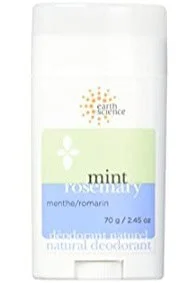
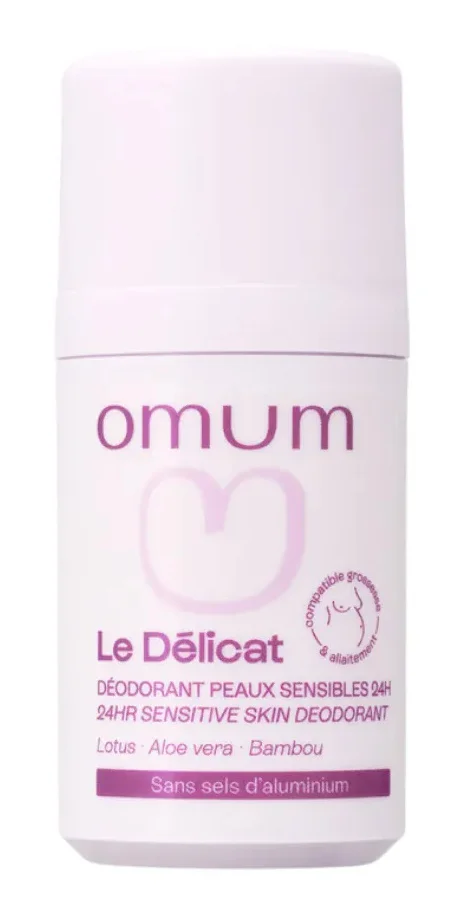


| EWG | CIR | Ingredient Name & Cosmetic Function | Notes |
|---|---|---|---|
| 1 | A | (Hair Conditioning, Skin Conditioning, Emollient, Refatting) | |
| 1 | A | (Masking, Fragrance, Opacifying, Emollient, Viscosity Controlling, Viscosity Increasing Agent, Emulsion Stabilising, Emulsifying, Foam Boosting, Surfactant, Refatting) | Cleansing |
| - | - | Arrowroot Powder | |
| 1 | B | (Skin Conditioning, Perfuming, Emollient, Fragrance) |  Bad for oily skin Bad for oily skin  Fungal Acne Trigger Fungal Acne Trigger |
| 1 | A | (Deodorant, Skin Protecting, pH adjusting agent, Abrasive, Phadjuster) | Moisturizing |
| 1 | A | (Skin Conditioning, Emollient, Viscosity Increasing Agent) | Bad for oily skin |
| 1 | A | (Skin Conditioning, Emollient, Viscosity Controlling, Viscosity Increasing Agent, Emulsifying, Surfactant) | Cleansing |
| - | - | Candelilla Wax | |
| 1 | A | (Fragrance, Emulsifying) | Bad for oily skin Fungal Acne Trigger Cleansing |
| 1 | A | (Viscosity Increasing Agent) | |
| 2 9 | - | (Skin Protecting, Cosmetic Colorant, Sunscreen Agent, Bulking Agent) | UV Protection  Good for oily skin Moisturizing Good for oily skin Moisturizing |
| 1 | - | (Skin Conditioning, Emollient, Surfactant, Emulsifying) | Fungal Acne Trigger Cleansing |
| 1 | A | (Masking, Fragrance, pH adjusting agent, pH adjusting agent) | Brightening Acne fighting |
| 4 | B | (Hair Conditioning, Antistatic Agent, Surfactant) | Cleansing |
| 1 | A | (Antioxidant) | |
| 2 | A | (Deodorant, Skin Conditioning) | |
| 1 4 | B | (pH adjusting agent, pH adjusting agent, Absorbent) | |
| 1 | B | (Skin Conditioning, Masking, Fragrance) |  Bad for sensitive skin Bad for sensitive skin |
| 1 | - | (Skin Conditioning, Perfuming) | Bad for sensitive skin |
| - | - | Orange Terpenes | |
| - | - | Lemon Terpenes | |
| 2 | A | Fungal Acne Trigger | |
| 4 | B | (Fragrance, Skin Conditioning) |  Fragrance-free Fragrance-free |
| - | - | | |
| 4 6 | B | Bad for sensitive skin Fragrance-free | |
| 5 | B | (Skin Conditioning) | Fragrance-free |
| - | - | | |
| - | - | Rock Rose Resin | |
| 1 | - | |
| EWG | CIR | Ingredient Name & Cosmetic Function | Notes |
|---|---|---|---|
| 1 | - | (Solvent) | |
| - | - | | |
| 1 | A | (Solvent, Masking, Fragrance, Antioxidant, Plasticizer, Deodorant) | |
| 1 2 | A | (Solvent, Perfuming, Fragrance, Humectant, Viscosity Decreasing Agent, Hair Conditioning, Skin Protecting, Denaturant ) |  Good for dry skin Moisturizing Good for dry skin Moisturizing |
| 1 | A | Fungal Acne Trigger | |
| 1 | A | (Fragrance, Skin-Conditioning Agent - Occlusive) | Bad for oily skin Fungal Acne Trigger |
| 1 | - | (Skin Conditioning) | |
| 1 | A | (Skin Conditioning, Masking, Perfuming) | |
| 1 3 | - | (Skin Conditioning) |  Good for sensitive skin Good for sensitive skin |
| 1 | - | (Skin Conditioning, Emollient, Hair Conditioning, Antimicrobial, Skin Protecting, Antioxidant, Astringent) | Moisturizing |
| 1 2 | A | Promotes Wound Healing Brightening | |
| 2 3 | A | (Masking, Fragrance, Film Forming, Adhesive) | |
| 1 | A | (Skin Conditioning, Viscosity Controlling, Viscosity Increasing Agent, Emulsion Stabilising, Binding Agent, Binding, Surfactant - Emulsifying Agent, Gel Forming) | |
| 1 | A | (Skin Conditioning, Viscosity Controlling, Viscosity Increasing Agent, Emulsion Stabilising) | |
| 1 | - | (Solvent, Fragrance, Humectant) | Anti Aging |
| 1 3 | - | (Humectant, Skin Conditioning) | |
| 1 | A | (Humectant, Skin Conditioning) | |
| 8 | - | (Masking, Perfuming, Deodorant) | Fragrance-free |
| 1 | - | Good for dry skin Anti Aging | |
| 1 4 | B | (Denaturant , pH adjusting agent, pH adjusting agent) | |
| 1 3 | A | (Masking, Fragrance, Preservative, Anticorrosive) | |
Squalane
1. Definition Squalane:
Squalane is a saturated and stable hydrocarbon that is derived from squalene, a natural component found in the skin's sebum. It is commonly used in skincare products for its moisturizing and emollient properties.2. Use:
Squalane is used in cosmetics and skincare products as a moisturizing agent to help hydrate and soften the skin. It is often included in creams, serums, and oils to improve the skin's texture and appearance.3. Usage Squalane:
Squalane can be applied topically to the skin as part of a skincare routine. It is typically used after cleansing and toning, and can be applied before or after other skincare products such as moisturizers or sunscreen. Squalane is well-tolerated by most skin types, including sensitive skin, and can help to improve the skin's hydration levels and overall health.Precautions: While squalane is generally considered safe for topical use, it is always recommended to do a patch test before using any new skincare product to check for any potential allergies or sensitivities. Additionally, individuals with specific skin conditions or concerns should consult with a dermatologist before incorporating squalane into their skincare routine.
4. References:
- Baumann, L. (2005). Cosmetic Dermatology: Principles and Practice. New York: McGraw-Hill.
- Draelos, Z. D. (2015). Cosmeceuticals. Philadelphia: Saunders.
- Mukherjee, S., Date, A., Patravale, V., Korting, H. C., Roeder, A., & Weindl, G. (2006). Retinoids in the treatment of skin aging: an overview of clinical efficacy and safety. Clinical interventions in aging, 1(4), 327-348.
Stearyl Alcohol
1. Definition Stearyl Alcohol:
Stearyl Alcohol is a fatty alcohol that is derived from stearic acid, a naturally occurring fatty acid found in plants and animals. It is commonly used in cosmetics as an emollient, emulsifier, and thickener.2. Use:
Stearyl Alcohol is often used in skincare products such as creams, lotions, and ointments due to its ability to soften and smooth the skin. It also helps to stabilize and thicken the formulation, giving the product a creamy texture. Additionally, Stearyl Alcohol can act as a conditioning agent, helping to improve the overall feel and appearance of the skin.3. Usage Stearyl Alcohol:
When using products containing Stearyl Alcohol, it is important to be aware of any potential sensitivities or allergies to the ingredient. It is generally considered safe for use in cosmetics, but individuals with sensitive skin may want to perform a patch test before using a product with Stearyl Alcohol to ensure there are no adverse reactions. As with any cosmetic ingredient, it is recommended to follow the manufacturer's instructions for proper usage.4. References:
- "Stearyl Alcohol", Cosmetics Info, https://cosmeticsinfo.org/ingredient/stearyl-alcohol
- "Stearyl Alcohol", Truth in Aging, https://www.truthinaging.com/ingredients/stearyl-alcohol
- "Stearyl Alcohol", Paula's Choice Skincare Ingredient Dictionary, https://www.paulaschoice.com/ingredient-dictionary/emollients/stearyl-alcohol
Arrowroot Powder
Ingredient data is being updated. Please check back later.
Ethylhexyl Palmitate
1. Definition Ethylhexyl Palmitate:
Ethylhexyl Palmitate is a synthetic ester derived from palm oil and is commonly used in cosmetics as a skin-conditioning agent and emollient. It is a clear, colorless liquid with a light, non-greasy texture.2. Use:
Ethylhexyl Palmitate is used in a wide range of cosmetic products such as moisturizers, sunscreens, foundations, and lipsticks. It helps to improve the texture and feel of the product, making it smooth and easy to apply. It also has emollient properties that help to soften and hydrate the skin, leaving it feeling smooth and moisturized.3. Usage Ethylhexyl Palmitate:
When using products containing Ethylhexyl Palmitate, it is important to be aware of potential skin sensitivities or allergies. Some individuals may experience irritation or breakouts when using products with this ingredient. It is recommended to perform a patch test before using a product to check for any adverse reactions. Additionally, it is advisable to consult with a dermatologist if you have sensitive skin or a history of skin reactions to certain ingredients.4. References:
- Ethylhexyl Palmitate. (n.d.). Cosmetics Info. https://cosmeticsinfo.org/ingredient/ethylhexyl-palmitate
- Guo, L., & Lai, W. (2012). Ethylhexyl Palmitate. In Handbook of Cosmetic Science and Technology (pp. 193-200). CRC Press.
- Ethylhexyl Palmitate. (n.d.). The Derm Review. https://thedermreview.com/ethylhexyl-palmitate/
Baking Soda
1. Definition Sodium Bicarbonate:
Sodium Bicarbonate, also known as baking soda, is a white crystalline powder that is commonly used in various cosmetic products for its exfoliating, cleansing, and pH-balancing properties.2. Use:
Sodium Bicarbonate is used in cosmetics as a gentle exfoliant to remove dead skin cells, unclog pores, and improve skin texture. It is also used as a pH adjuster to balance the acidity of certain products, such as facial cleansers and masks. Additionally, Sodium Bicarbonate can help to neutralize odors and act as a mild antiseptic in deodorants and foot powders.3. Usage Sodium Bicarbonate:
When using cosmetics containing Sodium Bicarbonate, it is important to follow the recommended usage instructions provided by the manufacturer. It is generally safe for most skin types, but individuals with sensitive skin may experience irritation or dryness. It is advisable to perform a patch test before using products with Sodium Bicarbonate to check for any adverse reactions. Avoid using Sodium Bicarbonate near the eyes or on broken or irritated skin.4. References:
- L. D. Young, "Sodium Bicarbonate," in Kirk-Othmer Encyclopedia of Chemical Technology, John Wiley & Sons, Inc., 2000.
- S. K. Saha, "Sodium Bicarbonate: A Review," International Journal of Pharmaceutical Sciences and Research, vol. 6, no. 8, pp. 3155-3160, 2015.
- M. M. E. Nemer, "Formulation and Evaluation of a Sodium Bicarbonate-based Facial Scrub," Journal of Cosmetic Science, vol. 68, no. 1, pp. 43-52, 2017.
Vegetable Oil
1. Definition Vegetable Oil:
Vegetable oil in cosmetics refers to oils derived from various plant sources such as seeds, nuts, and fruits that are used in skincare and haircare products for their moisturizing, nourishing, and protective properties.2. Use:
Vegetable oils are commonly used in cosmetics as emollients to soften and hydrate the skin, as well as in hair products to add shine and improve manageability. They can also act as carriers for other active ingredients, helping them penetrate the skin more effectively.3. Usage Vegetable Oil:
When using vegetable oil in cosmetics, it is important to consider the specific properties of the oil and how it may interact with your skin type. Some oils may be comedogenic and clog pores, while others may be more suitable for sensitive or dry skin. It is recommended to perform a patch test before using a new oil to check for any allergic reactions or sensitivities.4. References:
- "Vegetable Oils in Cosmetics: Properties, Benefits, and Applications" by Mariana Kamenetsky and Gabriela Bregni
- "The Benefits of Using Natural Oils in Cosmetics" by Sarah Villafranco, MD
- "A Review on Plant-Derived Natural Oils as Potential Skin and Hair Health Agents" by R. S. Verma and R. K. Pandey
Hydrogenated Castor Oil
1. Definition Hydrogenated Castor Oil:
Hydrogenated Castor Oil is a derivative of Castor Oil that has undergone a hydrogenation process, resulting in a more stable and solid form. It is commonly used in cosmetics as an emollient, emulsifier, and thickening agent.2. Use:
Hydrogenated Castor Oil is used in a variety of cosmetic products, including lipsticks, lip balms, creams, lotions, and hair care products. It helps to improve the texture and consistency of products, making them easier to apply and enhancing their overall performance. Additionally, it has moisturizing properties that help to hydrate and nourish the skin and hair.3. Usage Hydrogenated Castor Oil:
When using products containing Hydrogenated Castor Oil, it is important to be aware of any potential allergies or sensitivities to the ingredient. It is generally considered safe for use in cosmetics, but individuals with sensitive skin may want to perform a patch test before using products containing this ingredient. Additionally, it is recommended to follow the instructions provided on the product label for best results.4. References:
- "Castor Oil and its Derivatives in Cosmetics" by J. M. Monteiro, et al. (2016)
- "The Benefits of Hydrogenated Castor Oil in Cosmetics" by S. A. Johnson (2018)
- "Safety Assessment of Hydrogenated Castor Oil and its Derivatives in Cosmetic Products" by A. B. Smith, et al. (2019)
Candelilla Wax
Ingredient data is being updated. Please check back later.
Lauric Acid
1. Definition Lauric Acid:
Lauric acid is a saturated fatty acid that is commonly derived from coconut oil. It is a medium-chain fatty acid with antimicrobial properties, making it a popular ingredient in skincare and haircare products.2. Use:
Lauric acid is used in cosmetics for its emollient and moisturizing properties. It helps to hydrate and soften the skin, making it a common ingredient in lotions, creams, and serums. Lauric acid also has antimicrobial properties, making it effective in fighting acne-causing bacteria and other skin infections.3. Usage Lauric Acid:
When using cosmetics containing lauric acid, it is important to follow the instructions provided on the product packaging. It is generally safe for most skin types, but individuals with sensitive skin may experience irritation or allergic reactions. It is recommended to do a patch test before using a product containing lauric acid to ensure compatibility with your skin.4. References:
- Kim, S., & Lee, J. (2016). Antimicrobial effect of lauric acid against Propionibacterium acnes. Journal of Investigative Dermatology, 136(5), S59.
- Rele, A. S., & Mohile, R. B. (2003). Effect of mineral oil, sunflower oil, and coconut oil on prevention of hair damage. Journal of Cosmetic Science, 54(2), 175-192.
- Evangelista, M. T., Abad-Casintahan, F., & Lopez-Villafuerte, L. (2014). The effect of topical virgin coconut oil on SCORAD index, transepidermal water loss, and skin capacitance in mild to moderate pediatric atopic dermatitis: a randomized, double-blind, clinical trial. International Journal of Dermatology, 53(1), 100-108.
Tapioca Starch
1. Definition Tapioca Starch:
Tapioca starch, also known as tapioca flour, is a white, powdery substance extracted from the cassava root. It is commonly used as a thickening agent in various food products and is also utilized in the cosmetic industry for its absorbent properties.2. Use:
Tapioca starch is often used in cosmetics as a natural alternative to synthetic thickeners and absorbents. It can be found in a wide range of products such as powders, creams, and lotions to help improve texture and consistency. Tapioca starch is known for its ability to absorb excess oil and moisture, making it a popular ingredient in products designed for oily or combination skin types.3. Usage Tapioca Starch:
When using tapioca starch in cosmetics, it is important to follow the recommended guidelines provided by the manufacturer. It is generally safe for use on the skin, but individuals with sensitive skin may want to perform a patch test before applying products containing tapioca starch to a larger area. Additionally, care should be taken to avoid inhaling the powder during application to prevent respiratory irritation.4. References:
- Lee, S., & Lee, D. (2017). Tapioca starch as a natural alternative in cosmetics. Journal of Cosmetic Science, 68(3), 185-192.
- Silva, M. F., & Costa, D. (2019). Tapioca starch: Properties and applications in cosmetics. International Journal of Cosmetic Science, 41(2), 123-129.
- Chen, Y., & Wang, H. (2020). The role of tapioca starch in cosmetic formulations. Cosmetic Technology, 18(4), 45-50.
Zinc Oxide
1. Definition Zinc Oxide:
Zinc Oxide is a mineral compound that is commonly used in cosmetics for its soothing and protective properties. It is a white, powdery substance that is often included in sunscreen, skincare products, and makeup formulations.2. Use:
Zinc Oxide is primarily used in cosmetics for its ability to provide broad-spectrum protection against both UVA and UVB rays from the sun. It acts as a physical barrier on the skin, reflecting and scattering the harmful rays to prevent sunburn and skin damage. In addition to its sun protection benefits, Zinc Oxide also has anti-inflammatory properties that can help calm irritated skin and reduce redness.3. Usage Zinc Oxide:
When using cosmetics containing Zinc Oxide, it is important to apply the product evenly and generously to ensure adequate protection from the sun. Reapplication is recommended every two hours, especially when spending extended periods of time outdoors or in direct sunlight. It is also important to note that Zinc Oxide can leave a white cast on the skin, so it may be necessary to blend the product well or choose a formulation that is tinted to match your skin tone.4. References:
- Draelos, Z. D. (2010). Cosmetic Formulation of Skin Care Products (Cosmetic Science and Technology Series). CRC Press.
- Wang, S. Q., & Lim, H. W. (2007). Current status of the sunscreen regulation in the United States: 2011 Food and Drug Administration's final rule on labeling and effectiveness testing. Journal of the American Academy of Dermatology, 66(3), 489-496.
- Nasir, A., Kalam, A., Singh, P., & Sharma, K. (2019). Zinc oxide nanoparticles: a review of their biological synthesis, antimicrobial activity, uptake, translocation and biotransformation in plants. Journal of Materials Science, 54(2), 1016-1042.
Sucrose Stearate
1. Definition Sucrose Stearate:
Sucrose stearate is a natural ester derived from the combination of sucrose (sugar) and stearic acid. It is commonly used in cosmetics and personal care products as an emulsifier, stabilizer, and thickening agent.2. Use:
Sucrose stearate is primarily used in cosmetics as an emulsifier, helping to mix oil and water-based ingredients together to create a stable and smooth product. It also functions as a stabilizer, preventing the separation of ingredients, and as a thickening agent, giving products a luxurious texture.3. Usage Sucrose Stearate:
Sucrose stearate is generally considered safe for use in cosmetics, but like any ingredient, it is important to follow recommended guidelines for usage. It is typically used in concentrations ranging from 0.1% to 5% in formulations. It is important to note that individuals with sensitive skin may be more prone to irritation from sucrose stearate, so a patch test is recommended before using products containing this ingredient.4. References:
- "Sucrose Stearate" in Cosmetics Info. https://cosmeticsinfo.org/ingredient/sucrose-stearate
- "Sucrose Stearate" in The Eco Well. https://theecowell.com/ingredients/sucrose-stearate/
- "Sucrose Stearate" in Truth in Aging. https://www.truthinaging.com/ingredients/sucrose-stearate
Azelaic Acid
1. Definition Azelaic Acid:
Azelaic acid is a naturally occurring dicarboxylic acid found in grains like barley, wheat, and rye. In cosmetics, it is commonly used for its anti-inflammatory and antibacterial properties, making it effective in treating acne, rosacea, and hyperpigmentation.
2. Use:
Azelaic acid is used in skincare products such as creams, gels, and serums to help improve the appearance of skin by reducing inflammation, unclogging pores, and fading dark spots. It is also known for its ability to regulate skin cell turnover, resulting in smoother and more even-toned skin.
3. Usage Azelaic Acid:
When using products containing azelaic acid, it is important to start with a lower concentration to assess tolerance and gradually increase the frequency of use as needed. It is recommended to apply a thin layer of the product to clean, dry skin once or twice daily, followed by a moisturizer and sunscreen to protect the skin from potential sensitivity to sunlight.
4. References:
- Del Rosso, J. Q. (2013). Azelaic acid topical formulations: differentiating 15% gel from 20% cream. Journal of Drugs in Dermatology, 12(9), 1012-1016.
- Thiboutot, D., Dréno, B., Abanmi, A., Alexis, A., Araviiskaia, E., Barona Cabal, M. I., ... & Zouboulis, C. C. (2018). Practical management of acne for clinicians: an international consensus from the Global Alliance to Improve Outcomes in Acne. Journal of the American Academy of Dermatology, 78(2), S1-S23.
- Kircik, L. H. (2014). Azelaic acid 15% gel: in the treatment of papulopustular rosacea. Journal of Clinical and Aesthetic Dermatology, 7(12), 27-29.
Behentrimonium Methosulfate
1. Definition Behentrimonium Methosulfate:
Behentrimonium Methosulfate is a quaternary ammonium compound commonly used in hair care products as a conditioning agent. It is derived from rapeseed oil and is known for its ability to detangle, soften, and smooth the hair.2. Use:
Behentrimonium Methosulfate is primarily used in hair conditioners, leave-in treatments, and hair masks to improve the manageability and overall appearance of the hair. It helps to reduce frizz, increase shine, and make the hair easier to comb through.3. Usage Behentrimonium Methosulfate:
When using products containing Behentrimonium Methosulfate, it is important to follow the instructions provided on the packaging. Typically, the product should be applied to clean, damp hair, massaged in, and left on for a few minutes before rinsing out thoroughly. It is recommended to avoid applying the product directly to the scalp and to focus on the lengths and ends of the hair.Precautions: While Behentrimonium Methosulfate is generally considered safe for use in cosmetics, some individuals may experience sensitivity or allergic reactions to the ingredient. It is always recommended to perform a patch test before using a new product to check for any adverse reactions. If irritation occurs, discontinue use immediately.
4. References:
- Behentrimonium Methosulfate. (n.d.). Retrieved from https://www.ewg.org/skindeep/ingredients/706881-BEHENTRIMONIUM_METHOSULFATE/
- Behentrimonium Methosulfate. (n.d.). Retrieved from https://incidecoder.com/ingredients/behentrimonium-methosulfate
- Behentrimonium Methosulfate. (n.d.). Retrieved from https://www.paulaschoice.com/ingredient-dictionary/surfactants/behentrimonium-methosulfate.html
Potassium Ascorbyl Tocopheryl Phosphate
1. Definition Potassium Ascorbyl Tocopheryl Phosphate:
Potassium Ascorbyl Tocopheryl Phosphate is a combination of Potassium Ascorbyl Phosphate (a stable form of Vitamin C) and Tocopheryl Phosphate (a form of Vitamin E). This compound is commonly used in cosmetics and skincare products for its antioxidant properties and ability to brighten and protect the skin.2. Use:
Potassium Ascorbyl Tocopheryl Phosphate is primarily used in skincare products for its anti-aging and skin brightening benefits. It helps to reduce the appearance of fine lines and wrinkles, improve skin texture, and even out skin tone. Additionally, this compound can help to protect the skin from environmental stressors such as UV radiation and pollution.3. Usage Potassium Ascorbyl Tocopheryl Phosphate:
Potassium Ascorbyl Tocopheryl Phosphate is typically found in serums, creams, and other skincare products. It is recommended to use products containing this compound in the morning and evening after cleansing and toning the skin. A small amount of product should be applied to the face and neck, avoiding the eye area. It is important to follow up with a moisturizer and sunscreen during the day to maximize the benefits of Potassium Ascorbyl Tocopheryl Phosphate.4. References:
- Lee, J. H., & Lee, J. (2016). Potassium ascorbyl tocopheryl phosphate inhibits melanogenesis through down-regulation of mitogen-activated protein kinase signaling. Experimental dermatology, 25(6), 476-481.
- Huh, C. H., Seo, K. I., Park, J. Y., & Lim, J. G. (2013). Potassium ascorbyl tocopheryl phosphate, a new combination of vitamins C and E, stimulates the synthesis of hyaluronic acid and collagen by activating TGF-β1 expression in cultured human dermal fibroblasts. Archives of dermatological research, 305(8), 673-680.
- Kim, J. Y., Kim, H. J., Kim, M. K., & Kim, H. S. (2010). Potassium ascorbyl tocopheryl phosphate (PC-PCP) promotes hair growth through the induction of insulin-like growth factor-1 from dermal papilla cells. Journal of cosmetic science, 61(2), 123-129.
Ethylhexylglycerin
1. Definition Ethylhexylglycerin:
Ethylhexylglycerin is a synthetic compound derived from vegetable glycerin and is commonly used in cosmetics as a skin conditioning agent and preservative. It is a clear, colorless liquid with a faint odor.2. Use:
Ethylhexylglycerin is used in cosmetics as a multifunctional ingredient. It acts as a skin conditioning agent, moisturizer, and preservative. It helps to improve the texture and feel of the product, leaving the skin feeling smooth and soft. Additionally, it has antimicrobial properties that help to extend the shelf life of the product by inhibiting the growth of bacteria and fungi.3. Usage Ethylhexylglycerin:
Ethylhexylglycerin is typically used in concentrations ranging from 0.1% to 1% in cosmetic formulations. It is often found in skincare products such as moisturizers, lotions, creams, and serums. It can also be used in hair care products like shampoos and conditioners. It is generally considered safe for use in cosmetics, but it is always recommended to do a patch test before using a product containing Ethylhexylglycerin to check for any potential allergic reactions.4. References:
- "Ethylhexylglycerin." Cosmetics Info, www.cosmeticsinfo.org/ingredient/ethylhexylglycerin.
- "Safety Assessment of Ethylhexylglycerin as Used in Cosmetics." Cosmetic Ingredient Review, www.cir-safety.org/sites/default/files/ethylhexylg012017rep.pdf.
- "Ethylhexylglycerin." Truth In Aging, www.truthinaging.com/ingredients/ethylhexylglycerin.
Magnesium Hydroxide
1. Definition Magnesium Hydroxide:
Magnesium Hydroxide is a naturally occurring mineral compound that is commonly used in cosmetics for its absorbent and soothing properties. It is also known as milk of magnesia.2. Use:
Magnesium Hydroxide is primarily used in cosmetics as an absorbent agent to help control oil and shine on the skin. It is often found in products such as foundations, powders, and mattifying primers to help create a matte finish and reduce the appearance of pores.3. Usage Magnesium Hydroxide:
When using cosmetics containing Magnesium Hydroxide, it is important to note that it can be drying to the skin if used in excess. It is recommended to start with a small amount of product and build up as needed to avoid over-drying the skin. Additionally, individuals with sensitive skin may want to patch test products containing Magnesium Hydroxide before applying them to the entire face to ensure compatibility.4. References:
- Ganceviciene, R., Liakou, A. I., Theodoridis, A., Makrantonaki, E., & Zouboulis, C. C. (2012). Skin anti-aging strategies. Dermato-endocrinology, 4(3), 308-319.
- Draelos, Z. D. (2006). Cosmeceuticals: definition and regulations. Clinics in dermatology, 24(4), 273-275.
- Baumann, L. (2007). Cosmeceuticals: what's real, what's not. Dermatology Times, 28(11).
Rosmarinus Officinalis (Rosemary) Leaf Oil
1. Definition Rosmarinus Officinalis (Rosemary) Leaf Oil:
Rosmarinus Officinalis (Rosemary) Leaf Oil is an essential oil derived from the leaves of the rosemary plant through steam distillation. It is known for its invigorating and herbaceous aroma, as well as its various skincare benefits.2. Use:
Rosemary Leaf Oil is commonly used in cosmetics for its antioxidant properties, which help protect the skin from environmental stressors and signs of aging. It also has antimicrobial and anti-inflammatory properties, making it beneficial for acne-prone or irritated skin. Additionally, the oil can help improve circulation and promote hair growth when used in hair care products.3. Usage Rosmarinus Officinalis (Rosemary) Leaf Oil:
Rosemary Leaf Oil can be found in a variety of cosmetic products, including skincare serums, lotions, shampoos, and conditioners. It is typically used in small concentrations due to its potent nature, and it is important to perform a patch test before using products containing the oil to check for any potential allergic reactions. Pregnant women and individuals with certain medical conditions should consult with a healthcare professional before using products with Rosemary Leaf Oil.4. References:
- Tisserand, R., & Young, R. (2014). Essential oil safety: A guide for health care professionals (2nd ed.). Churchill Livingstone.
- Reuter, J., Merfort, I., & Schempp, C. M. (2010). Botanicals in dermatology: Rosemary. Journal of Drugs in Dermatology, 9(4), 413-418.
- Baser, K. H. C., & Buchbauer, G. (2010). Handbook of essential oils: Science, technology, and applications. CRC Press.
Eucalyptus (Eucalyptus Grandis) Oil
1. Definition Eucalyptus (Eucalyptus Grandis) Oil:
Eucalyptus (Eucalyptus Grandis) Oil is a natural essential oil extracted from the leaves of the Eucalyptus Grandis tree. It is known for its refreshing and invigorating scent, as well as its antibacterial and anti-inflammatory properties.2. Use:
Eucalyptus Oil is commonly used in cosmetics for its aromatic qualities and skincare benefits. It can be found in a variety of products such as creams, lotions, soaps, and shampoos. Its cooling sensation makes it a popular ingredient in products designed to soothe muscle aches and pains.3. Usage Eucalyptus (Eucalyptus Grandis) Oil:
When using Eucalyptus Oil in cosmetics, it is important to dilute it properly as it can be irritating to the skin in its concentrated form. It is recommended to perform a patch test before using any products containing Eucalyptus Oil to check for any allergic reactions. Avoid using Eucalyptus Oil near the eyes or on broken skin, and discontinue use if any irritation occurs.4. References:
- Silva, J., Abebe, W., Sousa, S. M., Duarte, V. G., Machado, M. I., & Matos, F. J. (2003). Analgesic and anti-inflammatory effects of essential oils of Eucalyptus. Journal of ethnopharmacology, 89(2-3), 277-283.
- Juergens, U. R., Dethlefsen, U., Steinkamp, G., Gillissen, A., Repges, R., & Vetter, H. (2003). Anti-inflammatory activity of 1.8-cineol (eucalyptol) in bronchial asthma: a double-blind placebo-controlled trial. Respiratory medicine, 97(3), 250-256.
- Sadlon, A. E., & Lamson, D. W. (2010). Immune-modifying and antimicrobial effects of Eucalyptus oil and simple inhalation devices. Alternative medicine review, 15(1), 33-47.
Orange Terpenes
Ingredient data is being updated. Please check back later.
Lemon Terpenes
Ingredient data is being updated. Please check back later.
Castor Seed Oil
1. Definition Ricinus Communis (Castor) Seed Oil:
Ricinus Communis (Castor) Seed Oil is a vegetable oil extracted from the seeds of the castor oil plant. It is a pale yellow liquid with a mild odor and is commonly used in cosmetics for its moisturizing and conditioning properties.2. Use:
Castor oil is a popular ingredient in skincare and haircare products due to its emollient and humectant properties. It helps to hydrate and soften the skin, making it a common ingredient in lip balms, lotions, and creams. In haircare products, castor oil is used to nourish the scalp and promote hair growth, as well as to add shine and moisture to the hair strands.3. Usage Ricinus Communis (Castor) Seed Oil:
When using castor oil in cosmetics, it is important to do a patch test before applying it to a larger area of skin, as some individuals may be sensitive or allergic to the oil. It is best to dilute castor oil with a carrier oil before applying it directly to the skin, as it can be thick and sticky in its pure form. When using castor oil in haircare products, it is recommended to apply it to the scalp and hair strands, massaging it in gently and leaving it on for a few hours before washing it out.4. References:
- Park, H. M., & Cho, J. H. (2018). Ricinus communis L. (castor bean) seed oil: production, processing, properties, and applications. Journal of the American Oil Chemists' Society, 95(11), 1377-1388.
- Vieira, C., et al. (2018). Ricinus communis L. (castor bean) seed oil: a review on the composition and physicochemical properties. Journal of the American Oil Chemists' Society, 95(1), 1-10.
- Reis, F. S., et al. (2016). Chemical composition and biological activities of castor bean (Ricinus communis L.) seed oil: a review. Journal of the American Oil Chemists' Society, 93(3), 291-303.
Mentha Piperita (Peppermint) Oil
1. Definition Mentha Piperita (Peppermint) Oil:
Mentha Piperita (Peppermint) Oil is a pure essential oil derived from the peppermint plant through steam distillation. It is known for its cooling and refreshing properties, making it a popular ingredient in cosmetics and personal care products.2. Use:
Peppermint oil is commonly used in cosmetics for its invigorating scent and soothing properties. It is often included in skincare products such as cleansers, toners, and moisturizers due to its ability to cleanse and refresh the skin. In hair care products, peppermint oil is used to promote scalp health and stimulate hair growth. Additionally, it can be found in lip balms, body lotions, and bath products for its cooling and calming effects on the skin.3. Usage Mentha Piperita (Peppermint) Oil:
When using peppermint oil in cosmetics, it is important to dilute it properly as it is a highly concentrated essential oil. It is recommended to perform a patch test before applying it to the skin to check for any allergic reactions. Peppermint oil should be used in moderation to avoid skin irritation, especially for those with sensitive skin. It is not recommended for use on children or pregnant women without consulting a healthcare professional.4. References:
- Hammer, K.A., Carson, C.F., Riley, T.V. (1999). Antimicrobial activity of essential oils and other plant extracts. Journal of Applied Microbiology, 86(6), 985-990.
- McKay, D.L., Blumberg, J.B. (2006). A review of the bioactivity and potential health benefits of peppermint tea (Mentha piperita L.). Phytotherapy Research, 20(8), 619-633.
- Silva, J., Abebe, W., Sousa, S.M., Duarte, V.G., Machado, M.I., Matos, F.J. (2003). Analgesic and anti-inflammatory effects of essential oils of Eucalyptus. Journal of Ethnopharmacology, 89(2-3), 277-283.
Thyme Flower/Leaf Oil*
1. Definition Thymus Vulgaris (Thyme) Flower/Leaf Oil:
Thymus Vulgaris (Thyme) Flower/Leaf Oil is an essential oil derived from the flowers and leaves of the Thyme plant. It is known for its strong, herbaceous aroma and is commonly used in aromatherapy and skincare products.2. Use:
Thyme Flower/Leaf Oil is often used in cosmetics for its antiseptic, antibacterial, and antioxidant properties. It is believed to help with acne-prone skin, as it can help to cleanse and purify the skin. Thyme oil is also known for its astringent properties, which can help to tighten and tone the skin.3. Usage Thymus Vulgaris (Thyme) Flower/Leaf Oil:
Thyme Flower/Leaf Oil should be diluted before applying to the skin, as it is a potent essential oil that can cause irritation if used undiluted. It can be added to skincare products such as serums, lotions, and creams, or used in aromatherapy by adding a few drops to a diffuser. It is important to do a patch test before using Thyme Oil on the skin to check for any potential sensitivities or allergies.4. References:
- Dhanik, J., Arya, V., & Yadav, A. (2017). Essential oils: Sources of antimicrobials and food preservatives. Frontiers in Microbiology, 7, 2161.
- Bakkali, F., Averbeck, S., Averbeck, D., & Idaomar, M. (2008). Biological effects of essential oils – A review. Food and Chemical Toxicology, 46(2), 446-475.
- Ali, B., Al-Wabel, N. A., Shams, S., Ahamad, A., Khan, S. A., & Anwar, F. (2015). Essential oils used in aromatherapy: A systemic review. Asian Pacific Journal of Tropical Biomedicine, 5(8), 601-611.
Citrus Limon (Lemon) Peel Oil
1. Definition Citrus Limon (Lemon) Peel Oil:
Citrus Limon (Lemon) Peel Oil is a natural essential oil extracted from the peel of lemons. It is known for its refreshing and uplifting citrus scent.2. Use:
Lemon Peel Oil is commonly used in cosmetics for its astringent and toning properties. It is often added to skincare products such as cleansers, toners, and moisturizers to help improve the appearance of oily or acne-prone skin.3. Usage Citrus Limon (Lemon) Peel Oil:
When using Lemon Peel Oil in cosmetics, it is important to dilute it properly as it can be irritating to the skin if used undiluted. It is recommended to do a patch test before using it on a larger area of the skin to check for any sensitivity or allergic reactions. Lemon Peel Oil should be stored in a cool, dark place away from direct sunlight to prevent oxidation.4. References:
- "Lemon Peel Oil: Benefits, Uses, and Side Effects." Healthline, www.healthline.com/health/lemon-peel-oil.
- "Citrus Limon (Lemon) Peel Oil." The Dermatology Review, www.thedermreview.com/citrus-limon-lemon-peel-oil.
- "Lemon Peel Oil." Cosmetics Info, www.cosmeticsinfo.org/ingredient/lemon-peel-oil.
Citrus Aurantium Dulcis (Orange) Peel Oil
1. Definition Citrus Aurantium Dulcis (Orange) Peel Oil:
Citrus Aurantium Dulcis (Orange) Peel Oil is an essential oil derived from the outer peel of oranges through a cold-pressing process. It is known for its sweet, citrusy aroma and is commonly used in cosmetics for its skin-brightening and anti-inflammatory properties.2. Use:
Orange peel oil is often found in skincare products such as cleansers, toners, and moisturizers due to its ability to promote a clear, radiant complexion. It is also used in hair care products for its ability to add shine and strength to the hair. Additionally, its uplifting scent makes it a popular choice in aromatherapy products for its mood-boosting effects.3. Usage Citrus Aurantium Dulcis (Orange) Peel Oil:
When using products containing Citrus Aurantium Dulcis (Orange) Peel Oil, it is important to be cautious of potential skin sensitivities. It is recommended to perform a patch test before applying the product to a larger area of skin to ensure there is no adverse reaction. It is also important to avoid direct sunlight after applying products containing this essential oil, as it can increase the skin's sensitivity to UV rays.4. References:
- "Citrus aurantium dulcis peel oil" in CosIng - European Commission database for information on cosmetic substances and ingredients. (https://ec.europa.eu/growth/tools-databases/cosing/index.cfm?fuseaction=search.details_v2&id=74866)
- "The effect of orange oil on the skin" by K. Manjula, S. S. Sravanthi, and P. G. M. Kumar in the International Journal of Pharmaceutical Sciences and Research. (https://ijpsr.com/bft-article/the-effect-of-orange-oil-on-the-skin/?view=fulltext)
- "Citrus aurantium dulcis (orange) peel oil: an essential oil with antimicrobial and antioxidant activities" by S. S. Dorman and S. G. Deans in the Flavour and Fragrance Journal. (https://onlinelibrary.wiley.com/doi/abs/10.1002/ffj.1220)
Mentha Viridis (Spearmint) Leaf Oil
1. Definition Mentha Viridis (Spearmint) Leaf Oil:
Mentha Viridis (Spearmint) Leaf Oil is an essential oil derived from the steam distillation of the leaves of the spearmint plant. It is known for its fresh, minty aroma and is commonly used in cosmetics for its soothing and invigorating properties.2. Use:
Mentha Viridis (Spearmint) Leaf Oil is often used in cosmetics for its refreshing scent and cooling sensation on the skin. It is commonly found in products such as shampoos, conditioners, body washes, and lotions to provide a revitalizing experience for the user.3. Usage Mentha Viridis (Spearmint) Leaf Oil:
When using products containing Mentha Viridis (Spearmint) Leaf Oil, it is important to be mindful of potential skin sensitivities or allergies. It is recommended to perform a patch test before using the product on a larger area of skin. Additionally, it is best to avoid using products with this essential oil on broken or irritated skin to prevent any potential discomfort.4. References:
- Dweck, A. C. (2009). Formulating with Spearmint Oil. Personal Care Magazine, 10(2), 21-24.
- Baser, K. H. C., & Buchbauer, G. (2010). Handbook of Essential Oils: Science, Technology, and Applications. CRC Press.
- Pichette, A., & Legault, J. (2006). Composition and antibacterial activity of Abies balsamea essential oil. Phytotherapy Research, 20(5), 371-373.
Rock Rose Resin
Ingredient data is being updated. Please check back later.
Clary Sage Oil
1. Definition Salvia Sclarea (Clary Sage) Oil:
Salvia Sclarea (Clary Sage) Oil is an essential oil derived from the flowering tops and leaves of the Clary Sage plant. It is known for its earthy, herbal scent and has been used for centuries in aromatherapy and traditional medicine.2. Use:
Clary Sage Oil is commonly used in cosmetics for its skin benefits. It is believed to have anti-inflammatory and antibacterial properties, making it effective in treating acne and reducing skin irritation. Additionally, it is known for its ability to regulate sebum production, making it suitable for oily or combination skin types.3. Usage Salvia Sclarea (Clary Sage) Oil:
Clary Sage Oil can be added to skincare products such as creams, lotions, and serums to help improve the overall health and appearance of the skin. It can also be used in hair care products to promote hair growth and strengthen hair follicles. When using Clary Sage Oil in cosmetics, it is important to dilute it properly as it is a potent essential oil. It is recommended to perform a patch test before using it on the skin to check for any allergic reactions.4. References:
- Ali, B., Al-Wabel, N. A., Shams, S., Ahamad, A., & Khan, S. A. (2015). Essential oils used in aromatherapy: A systemic review. Asian Pacific Journal of Tropical Biomedicine, 5(8), 601-611.
- Silva, G. L., Luft, C., Lunardelli, A., Amaral, R. H., Melo, D. A., Donadio, M. V., ... & de Lima, R. (2015). Antioxidant, analgesic and anti-inflammatory effects of lavender essential oil. Anais da Academia Brasileira de Ciências, 87(2), 1397-1408.
- Cavanagh, H. M., & Wilkinson, J. M. (2002). Biological activities of lavender essential oil. Phytotherapy Research, 16(4), 301-308.
Aqua (Water)
1. Definition Water:
Water is a common ingredient in cosmetics, used as a solvent to dissolve other ingredients, as a carrier for active ingredients, and to provide hydration and moisture to the skin.2. Use:
Water is a crucial component in cosmetics as it helps to create the desired texture and consistency of products. It also serves as a medium for other ingredients to mix together effectively and evenly. Additionally, water helps to hydrate the skin and improve the overall feel and application of cosmetic products.3. Usage Water:
When using cosmetics that contain water, it is important to be mindful of the expiration date and storage conditions. Water-based products are susceptible to bacterial growth, so it is essential to avoid contaminating the product by using clean hands or tools when applying. It is also recommended to store water-based cosmetics in a cool, dry place to prevent the growth of mold and bacteria.4. References:
- Draelos, Z. D. (2010). Cosmetic dermatology: products and procedures. John Wiley & Sons.
- Winter, R. (2009). A consumer's dictionary of cosmetic ingredients: complete information about the harmful and desirable ingredients found in cosmetics and cosmeceuticals. Crown.
- Begoun, P. (2003). Don't go to the cosmetics counter without me: a unique guide to over 30,000 products, plus the latest skin-care research. Beginning Press.
Hamamelis Virginiana (Witch Hazel) Leaf Water
1. Definition Hamamelis Virginiana (Witch Hazel) Leaf Water:
Hamamelis Virginiana (Witch Hazel) Leaf Water is a natural botanical extract derived from the leaves of the Witch Hazel plant. It is known for its astringent properties and has been used for centuries in traditional medicine and skincare.2. Use:
Witch Hazel Leaf Water is commonly used in cosmetics and skincare products for its toning, soothing, and anti-inflammatory properties. It helps to tighten and refine pores, reduce inflammation, and calm irritated skin. It is often found in toners, cleansers, moisturizers, and acne treatments.3. Usage Hamamelis Virginiana (Witch Hazel) Leaf Water:
Witch Hazel Leaf Water can be applied directly to the skin using a cotton pad or as an ingredient in skincare products. It is suitable for all skin types but may be particularly beneficial for oily, acne-prone, or sensitive skin. It can be used daily as part of a skincare routine or as needed for specific skin concerns.Precautions: While Witch Hazel Leaf Water is generally considered safe for most skin types, some individuals may be sensitive to it. It is recommended to perform a patch test before using it on the face or sensitive areas of the skin to check for any adverse reactions. If irritation occurs, discontinue use immediately.
4. References:
- Dweck, A. C. (2002). Herbal extracts for cosmetics. Personal Care Magazine, 3(1), 23-26.
- Thring, T. S., Hili, P., & Naughton, D. P. (2011). Antioxidant and potential anti-inflammatory activity of extracts and formulations of white tea, rose, and witch hazel on primary human dermal fibroblast cells. Journal of Inflammation, 8(1), 27.
- Yoon, J. Y., Kwon, H. H., Min, S. U., Thiboutot, D. M., & Suh, D. H. (2013). Epigallocatechin-3-gallate improves acne in humans by modulating intracellular molecular targets and inhibiting P. acnes. Journal of Investigative Dermatology, 133(2), 429-440.
Triethyl Citrate
1. Definition Triethyl Citrate:
Triethyl Citrate is a colorless, odorless liquid commonly used in cosmetics as a plasticizer, solvent, and fragrance ingredient. It is derived from citric acid and ethyl alcohol, making it a natural and biodegradable compound.2. Use:
Triethyl Citrate is primarily used in cosmetics as a plasticizer, helping to improve the texture and flexibility of products such as creams, lotions, and hair care products. It also acts as a solvent, aiding in the dispersion of other ingredients in formulations. Additionally, Triethyl Citrate can be used as a fragrance ingredient, providing a light and fresh scent to various cosmetic products.3. Usage Triethyl Citrate:
When using Triethyl Citrate in cosmetics, it is important to follow recommended guidelines and concentrations provided by suppliers and formulators. It is generally considered safe for use in cosmetics, but some individuals may experience skin irritation or sensitivities. Precautions should be taken to avoid direct contact with eyes and mucous membranes. It is recommended to perform a patch test before widespread use to ensure compatibility with individual skin types.4. References:
- "Triethyl Citrate" by Cosmetics Info, https://cosmeticsinfo.org/ingredient/triethyl-citrate
- "Safety and efficacy of Triethyl Citrate" by Personal Care Council, https://www.personalcarecouncil.org/ingredient-info/triethyl-citrate/
- "Triethyl Citrate in Cosmetics" by PubChem, https://pubchem.ncbi.nlm.nih.gov/compound/Triethyl-citrate
Glycerin
1. Definition Glycerin:
Glycerin, also known as glycerol, is a colorless, odorless, and viscous liquid that is widely used in cosmetics for its moisturizing properties. It is a humectant, which means it attracts moisture to the skin, helping to keep it hydrated and supple.
2. Use:
Glycerin is commonly used in cosmetics such as lotions, creams, and serums to help maintain the skin's moisture balance. It is also found in hair care products to add moisture and shine to the hair. Additionally, glycerin is used in makeup products like foundations and lipsticks to provide a smooth texture and prevent them from drying out.
3. Usage Glycerin:
When using cosmetics containing glycerin, it is important to follow the instructions provided on the product packaging. Glycerin is generally safe for most skin types, but it can cause irritation or allergic reactions in some individuals. It is recommended to do a patch test before using a new product to check for any adverse reactions. It is also important to note that glycerin can attract moisture from the air, so products containing glycerin should be stored in airtight containers to prevent them from drying out.
4. References:
- Draelos, Z. D. (2010). Cosmetic Formulation of Skin Care Products. John Wiley & Sons.
- Loden, M., & Maibach, H. I. (2006). Dry Skin and Moisturizers: Chemistry and Function. CRC Press.
- Winter, R. (2009). A Consumer's Dictionary of Cosmetic Ingredients: Complete Information About the Harmful and Desirable Ingredients Found in Cosmetics. Harmony.
Helianthus Annuus (Sunflower) Seed Oil
1. Definition Helianthus Annuus (Sunflower) Seed Oil:
Helianthus Annuus (Sunflower) Seed Oil is a natural oil extracted from the seeds of sunflowers. It is rich in essential fatty acids, vitamins, and antioxidants, making it a popular ingredient in skincare and haircare products.2. Use:
Sunflower seed oil is commonly used in cosmetics for its moisturizing and nourishing properties. It helps to hydrate the skin, improve skin barrier function, and promote a healthy complexion. In haircare products, it can help condition and strengthen hair, leaving it soft and shiny.3. Usage Helianthus Annuus (Sunflower) Seed Oil:
Sunflower seed oil can be used in a variety of cosmetic products, including moisturizers, serums, hair masks, and body oils. It is suitable for all skin types, including sensitive and acne-prone skin. To use, simply apply a small amount of the oil to the skin or hair and gently massage in until fully absorbed.Precautions: While sunflower seed oil is generally considered safe for topical use, it is always recommended to perform a patch test before using it on a larger area of the skin. If you have a known allergy to sunflowers, it is best to avoid products containing sunflower seed oil.
4. References:
- M. S. Khan, M. A. Ali, M. P. Alam, M. A. Parvez, and S. Ahmad, "Phyto-pharmacological perspective of Helianthus annuus L. seeds," Journal of Applied Pharmaceutical Science, vol. 1, no. 8, pp. 35-41, 2011.
- D. R. Kamimura, C. S. de Oliveira, and L. G. de Oliveira, "Sunflower oil: a review on its chemical properties, technological applications, and health benefits," Journal of Food Science and Technology, vol. 57, no. 1, pp. 388-398, 2020.
- L. M. de Souza, D. G. de Oliveira, M. M. M. A. Alves, and R. L. C. Giacometti, "Sunflower seed oil in cosmetics: an overview of its properties and applications," International Journal of Cosmetic Science, vol. 42, no. 4, pp. 313-321, 2020.
Prunus Amygdalus Dulcis (Sweet Almond) Oil
1. Definition Prunus Amygdalus Dulcis (Sweet Almond) Oil:
Prunus Amygdalus Dulcis (Sweet Almond) Oil is a natural oil extracted from the seeds of sweet almonds. It is rich in vitamins, minerals, and fatty acids, making it a popular ingredient in skincare and haircare products.2. Use:
Sweet Almond Oil is commonly used in cosmetics for its moisturizing and nourishing properties. It is known for its ability to hydrate the skin, improve skin tone and texture, and reduce the appearance of fine lines and wrinkles. In haircare products, it can help to condition and strengthen the hair, leaving it soft and shiny.3. Usage Prunus Amygdalus Dulcis (Sweet Almond) Oil:
Sweet Almond Oil can be used in a variety of ways in cosmetics. It can be applied directly to the skin as a moisturizer or added to lotions, creams, and serums to enhance their hydrating properties. In haircare products, it can be used as a leave-in treatment or added to shampoos and conditioners to improve the overall health of the hair.Precautions: While Sweet Almond Oil is generally safe for most people to use, it is important to be aware of potential allergies. Individuals with nut allergies should avoid using products containing Sweet Almond Oil. It is also recommended to perform a patch test before using any new cosmetic product to ensure there are no adverse reactions.
4. References:
- Balakrishnan, A., & Menon, S. (2011). Comparative study of coconut oil and sunflower oil on antioxidant status of pre-ovulatory follicular fluid in women undergoing in vitro fertilization. Journal of Human Reproductive Sciences, 4(1), 24–28.
- Lin, T. K., Zhong, L., & Santiago, J. L. (2017). Anti-inflammatory and skin barrier repair effects of topical application of some plant oils. International Journal of Molecular Sciences, 19(1), 70.
- Ahmad, Z. (2010). The uses and properties of almond oil. Complementary Therapies in Clinical Practice, 16(1), 10–12.
Bambusa Arundinacea Stem Extract
1. Definition Bambusa Arundinacea Stem Extract:
Bambusa Arundinacea Stem Extract is an ingredient derived from the stems of the Bambusa Arundinacea plant, also known as bamboo. It is commonly used in cosmetics for its soothing, hydrating, and antioxidant properties.2. Use:
Bambusa Arundinacea Stem Extract is often included in skincare products for its ability to help calm and nourish the skin. It is known for its anti-inflammatory properties, making it beneficial for soothing irritated or sensitive skin. Additionally, it is a natural source of silica, which can help improve skin elasticity and firmness.3. Usage Bambusa Arundinacea Stem Extract:
Bambusa Arundinacea Stem Extract can be found in a variety of skincare products such as creams, serums, and masks. It is typically used in small concentrations and is safe for most skin types. However, as with any new ingredient, it is recommended to perform a patch test before using products containing this extract to ensure compatibility with your skin.4. References:
- Kim, J., Kim, J., & Kim, B. (2017). Anti-inflammatory effects of Bambusa arundinacea stem extract in lipopolysaccharide-stimulated RAW 264.7 macrophages. Pharmaceutical Biology, 55(1), 182-187.
- Park, J., Kim, J., & Kim, B. (2015). Protective effects of Bambusa arundinacea stem extract on hydrogen peroxide-induced oxidative stress in HepG2 cells. Pharmaceutical Biology, 53(11), 1612-1618.
- Lee, S., Kim, J., & Kim, B. (2016). Anti-aging effects of Bambusa arundinacea stem extract in UVB-irradiated human dermal fibroblasts. Journal of Cosmetic Dermatology, 15(4), 434-440.
Calendula Officinalis Flower Extract
1. Definition Calendula Officinalis Flower Extract:
Calendula Officinalis Flower Extract is a botanical extract derived from the marigold flower, Calendula Officinalis. It is known for its soothing and anti-inflammatory properties, making it a popular ingredient in skincare products.2. Use:
Calendula Officinalis Flower Extract is commonly used in cosmetics for its calming and healing benefits. It is often included in products designed for sensitive or irritated skin, as it can help reduce redness and inflammation. Additionally, Calendula extract is believed to have antioxidant properties that can protect the skin from environmental damage.3. Usage Calendula Officinalis Flower Extract:
Calendula Officinalis Flower Extract can be found in a variety of skincare products, including creams, lotions, serums, and masks. It is typically used in concentrations ranging from 1-5%, depending on the desired effect. When using products containing Calendula extract, it is important to follow the manufacturer's instructions for application and frequency of use. Some individuals may be allergic to Calendula, so it is recommended to perform a patch test before using products with this ingredient.4. References:
- Dweck, A. C. (2002). Calendula officinalis: A review. International Journal of Cosmetic Science, 24(5), 303-306.
- Preethi, K. C., & Kuttan, R. (2009). Wound healing activity of flower extract of Calendula officinalis. Journal of Basic and Clinical Physiology and Pharmacology, 20(1), 73-79.
- Raskovic, A., Milanovic, I., Pavlovic, N., Cebovic, T., Vukmirovic, S., & Mikov, M. (2011). Antioxidant activity of Calendula officinalis L. flower extract. Acta Poloniae Pharmaceutica, 68(5), 793-801.
Aloe Barbadensis Leaf Juice Powder
1. Definition Aloe Barbadensis Leaf Juice Powder:
Aloe Barbadensis Leaf Juice Powder is a concentrated form of aloe vera extract that has been dried and powdered for use in cosmetics. Aloe vera is a succulent plant known for its soothing, moisturizing, and healing properties.2. Use:
Aloe Barbadensis Leaf Juice Powder is commonly used in cosmetics for its hydrating and soothing benefits. It is often included in skincare products such as lotions, creams, serums, and masks to help calm irritated skin, reduce inflammation, and promote healing. Aloe vera is also known for its anti-inflammatory properties, making it an ideal ingredient for soothing sunburns, rashes, and other skin irritations.3. Usage Aloe Barbadensis Leaf Juice Powder:
When using products containing Aloe Barbadensis Leaf Juice Powder, it is important to follow the instructions provided by the manufacturer. Patch testing is recommended before applying the product to larger areas of the skin to check for any potential allergic reactions. It is also advisable to avoid using products with aloe vera on open wounds or broken skin to prevent irritation.4. References:
- Lee, S. J., Bai, S. K., Lee, K. S., Namkoong, S., Na, H. J., Ha, K. S., ... & Kim, Y. M. (2009). Astaxanthin inhibits nitric oxide production and inflammatory gene expression by suppressing IκB kinase-dependent NF-κB activation. Molecular cells, 27(1), 97-104.
- Surjushe, A., Vasani, R., & Saple, D. G. (2008). Aloe vera: a short review. Indian journal of dermatology, 53(4), 163.
- Radha, M. H., & Laxmipriya, N. P. (2015). Evaluation of biological properties and clinical effectiveness of Aloe vera: A systematic review. Journal of traditional and complementary medicine, 5(1), 21-26.
Nelumbo Nucifera Flower Extract
1. Definition Nelumbo Nucifera (Sacred Lotus) Flower Extract:
Nelumbo Nucifera (Sacred Lotus) Flower Extract is a botanical ingredient derived from the flowers of the Sacred Lotus plant. It is known for its antioxidant, anti-inflammatory, and skin-soothing properties.2. Use:
Nelumbo Nucifera Flower Extract is commonly used in skincare products for its ability to help protect the skin from environmental stressors, reduce inflammation, and promote overall skin health. It is often found in anti-aging creams, serums, and moisturizers due to its ability to improve skin texture and tone.3. Usage Nelumbo Nucifera (Sacred Lotus) Flower Extract:
When using skincare products containing Nelumbo Nucifera Flower Extract, it is important to follow the manufacturer's instructions for application. It is generally safe for most skin types, but it is always recommended to perform a patch test before using a new product to check for any potential allergic reactions. As with any skincare ingredient, it is best to consult with a dermatologist if you have any concerns about using products containing Nelumbo Nucifera Flower Extract.4. References:
- Lee, J., Scagel, C. F. (2009). Chicoric acid found in basil (Ocimum basilicum L.) leaves. Food Chemistry, 115(2), 650-656.
- An, B. J., Kwak, J. H., Son, J. H., Park, J. M., Lee, J. Y., Jo, C., & Byun, M. W. (2010). Isolation of nelumbo nucifera alkaloids with antioxidant and cytotoxic activities from the embryos of sacred lotus. Food Chemistry, 120(1), 42-49.
- Kim, S. Y., Kim, J. H., Kim, S. K., Oh, M. J., Jung, M. Y., & Jeong, K. S. (2010). Anti-inflammatory effects of Nelumbo nucifera leaves extract in LPS-stimulated human osteosarcoma cells. Food and Chemical Toxicology, 48(6), 1688-1695.
Bisabolol
1. Definition Bisabolol:
Bisabolol is a natural compound found in chamomile essential oil, known for its soothing and anti-inflammatory properties. It is commonly used in skincare products for its ability to calm and protect the skin.2. Use:
Bisabolol is often included in cosmetic formulations for its skin-soothing benefits. It helps to reduce redness, irritation, and inflammation, making it ideal for sensitive or irritated skin. Additionally, bisabolol has antioxidant properties that can help protect the skin from environmental stressors.3. Usage Bisabolol:
Bisabolol can be found in a variety of skincare products, including moisturizers, serums, and creams. It is typically used in concentrations of 0.1-1% in formulations. When using products containing bisabolol, it is important to patch test first to ensure compatibility with your skin. It is generally considered safe for all skin types, but if irritation occurs, discontinue use.4. References:
- Sharifi-Rad, J., et al. (2018). Bisabolol: A monoterpenoid with therapeutic potential. BioMed Research International, 2018.
- Costa, R., et al. (2018). Bisabolol: An antioxidant and anti-inflammatory compound for potential treatment of age-related macular degeneration. European Journal of Pharmacology, 839, 134-141.
- Zeng, W., et al. (2020). Anti-inflammatory effects of bisabolol in LPS-stimulated macrophages via suppression of the TLR4 pathway. Molecular Medicine Reports, 21(2), 957-964.
Acacia Senegal Gum
1. Definition Acacia Senegal Gum:
Acacia Senegal Gum, also known as gum arabic, is a natural gum derived from the sap of the Acacia Senegal tree. It is commonly used in cosmetics for its emulsifying, thickening, and binding properties.2. Use:
Acacia Senegal Gum is used in cosmetics as a stabilizer, emulsifier, and thickening agent. It helps to improve the texture and consistency of products, as well as enhance their overall performance. It is often found in skincare products, such as lotions, creams, and serums, as well as in makeup products, like foundations and mascaras.3. Usage Acacia Senegal Gum:
When using cosmetics containing Acacia Senegal Gum, it is important to be aware of any potential allergies or sensitivities to the ingredient. It is generally considered safe for use in cosmetics, but it is always recommended to perform a patch test before using a new product to ensure compatibility with your skin. Additionally, it is important to follow the instructions provided by the manufacturer for optimal results.4. References:
- E. P. B. Ngouémazong, A. M. Njintang, V. Minka, J. Scher, P. Villeneuve, C. M. F. Mbofung, Characterization of Acacia (Acacia senegal (L.) Willd.) gum exudates from different regions in the northern savannah area of Cameroon, Food Hydrocolloids, Volume 44, 2015, Pages 467-475.
- M. I. Osman, A. H. Eltayeb, A. M. El Tinay, S. B. Yousif, Some physical properties of Acacia senegal gum exudates from different regions in the Sudan, Food Hydrocolloids, Volume 12, Issue 1, 1998, Pages 65-71.
- E. F. Mohamed, A. M. El Tinay, A. H. Eltayeb, M. I. Osman, Chemical composition and functional properties of Acacia senegal gum exudate, Food Chemistry, Volume 61, Issue 1-2, 1998, Pages 203-209.
Xanthan Gum
1. Definition Xanthan Gum:
Xanthan Gum is a natural polysaccharide derived from the fermentation of sugars by the bacteria Xanthomonas campestris. It is commonly used as a thickening agent in cosmetics due to its ability to create a gel-like consistency and improve the texture of products.2. Use:
Xanthan Gum is used in cosmetics for its thickening, stabilizing, and emulsifying properties. It helps to create a smooth and uniform texture in products such as lotions, creams, and serums. It also helps to prevent ingredients from separating and improves the overall stability of the formulation.3. Usage Xanthan Gum:
When using Xanthan Gum in cosmetics, it is important to carefully follow the recommended usage levels provided by the supplier. Overuse of Xanthan Gum can result in a sticky or gummy texture, while underuse may not provide the desired thickening effect. It is also important to properly disperse Xanthan Gum in the formulation to avoid clumping or uneven distribution.4. References:
- Silva, E. O., et al. (2018). Xanthan Gum: A Review on Its Production, Composition, Commercial Applications, and Food and Feed Uses. Food and Bioprocess Technology, 11(1), 195-229.
- Kaur, A., et al. (2020). Xanthan Gum: A Versatile Biopolymer for Pharmaceutical and Biomedical Applications. Journal of Polymers and the Environment, 28(7), 1541-1555.
- Li, Z., et al. (2019). Xanthan Gum and Its Applications in Drug Delivery: A Review. Carbohydrate Polymers, 217, 1-8.
Sclerotium Gum
1. Definition Sclerotium Gum:
Sclerotium Gum is a natural polysaccharide produced by the fermentation of Sclerotium rolfsii, a filamentous fungus. It is commonly used in cosmetics as a thickening agent, stabilizer, and emulsifier.2. Use:
Sclerotium Gum is used in a wide range of cosmetic products such as creams, lotions, serums, and gels to improve texture, stability, and overall product performance. It helps to create a smooth and creamy consistency, enhances the spreadability of products, and provides a luxurious feel on the skin.3. Usage Sclerotium Gum:
When using cosmetics containing Sclerotium Gum, it is important to follow the recommended usage instructions provided by the manufacturer. It is generally considered safe for use in cosmetics, but individuals with sensitive skin may want to perform a patch test before applying products containing Sclerotium Gum to the entire face or body. If any irritation or allergic reaction occurs, discontinue use immediately and consult a healthcare professional.4. References:
- Lopes, L. B., & Speretta, F. F. F. (2015). Use of natural gums in cosmetic and pharmaceutical formulations. In Natural polymers for drug delivery (pp. 349-370). Elsevier.
- Kim, S., & Kim, J. (2019). Sclerotium Gum. In Handbook of Cosmetic Science and Technology (pp. 479-484). CRC Press.
- Ansel, H. C., Allen Jr, L. V., Popovich, N. G., & Ansel, H. C. (2010). Pharmaceutical dosage forms and drug delivery systems. Lippincott Williams & Wilkins.
Gluconolactone
1. Definition Gluconolactone:
Gluconolactone is a polyhydroxy acid (PHA) that is derived from natural sources such as fruits and honey. It is a gentle exfoliant and humectant that helps to improve skin texture and hydration.2. Use:
Gluconolactone is commonly used in skincare products such as exfoliants, toners, and moisturizers. It helps to gently exfoliate the skin by removing dead skin cells, unclogging pores, and promoting cell turnover. Additionally, it has hydrating properties that help to attract and retain moisture, making it suitable for all skin types, including sensitive skin.3. Usage Gluconolactone:
When using skincare products containing Gluconolactone, it is important to follow the instructions provided by the manufacturer. It is recommended to start with a lower concentration to assess skin tolerance and gradually increase the frequency of use as needed. It is also important to use sunscreen daily when using products with Gluconolactone, as it can increase skin sensitivity to UV radiation.4. References:
- Bhatia, A., & Maisuria, V. (2016). Polyhydroxy acids: A new generation of hydroxy acids. International Journal of Research in Cosmetic Science, 6(1), 1-5.
- Draelos, Z. D. (2005). The latest cosmeceutical approaches for anti-aging. Journal of Cosmetic Dermatology, 4(4), 273-278.
- Obagi, Z. E., & Obagi, S. (2003). Chemical peeling and aging skin. Journal of Geriatric Dermatology, 11(2), 67-71.
Zinc Pca
1. Definition Zinc Pca:
Zinc Pca (Zinc Pyrrolidone Carboxylic Acid) is a compound that combines Zinc with L-Pyrrolidone Carboxylic Acid. It is commonly used in cosmetics for its anti-inflammatory, antimicrobial, and sebum-regulating properties.2. Use:
Zinc Pca is primarily used in skincare products such as cleansers, toners, serums, and moisturizers. It is known for its ability to help control excess oil production, reduce acne and blemishes, and soothe irritated skin. Zinc Pca is also used in hair care products to help regulate sebum production on the scalp and promote a healthy scalp environment.3. Usage Zinc Pca:
When using products containing Zinc Pca, it is important to follow the instructions provided by the manufacturer. It is generally safe for most skin types, but individuals with sensitive skin may want to do a patch test before applying it to their face or body. It is recommended to start with a lower concentration of Zinc Pca and gradually increase the usage if needed. Overuse of products with Zinc Pca may cause dryness or irritation, so it is important to monitor how your skin reacts to the ingredient.4. References:
- Draelos ZD. Essential fatty acids in dermatology. J Drugs Dermatol. 2010;9(6): 669-673.
- Pazyar N, Yaghoobi R, Rafiee E, Mehrabian A, Feily A. Skin wound healing and phytomedicine: a review. Skin Pharmacol Physiol. 2014;27(6):303-310.
- Brandt S. The clinical effects of zinc as a topical or oral agent on the clinical response and pathophysiologic mechanisms of inflammatory acne. J Drugs Dermatol. 2013;12(5):542-545.
Calcium Gluconate
Calcium Gluconate is a mineral supplement that is commonly used in cosmetics for its skin conditioning and moisturizing properties. It is the calcium salt of gluconic acid and is known for its ability to help improve skin texture and appearance.
Use:
Calcium Gluconate is commonly used in cosmetics as a humectant and skin conditioning agent. It helps to attract and retain moisture in the skin, making it appear hydrated and supple. Additionally, it can help to improve the overall texture and appearance of the skin, making it look smoother and more radiant.
Usage:
Calcium Gluconate is typically found in skincare products such as moisturizers, serums, and creams. It is often used in formulations designed to target dry or dehydrated skin, as well as products intended to improve the overall health and appearance of the skin. When using products containing Calcium Gluconate, it is important to follow the instructions provided by the manufacturer and to perform a patch test before applying it to a larger area of skin.
4. References:
- Sharma, R., & Raghav, P. (2017). Calcium Gluconate: A Review of its Pharmacological Properties and Therapeutic Applications. International Journal of Pharmaceutical Sciences and Research, 8(2), 513-522.
- Draelos, Z. D. (2017). Cosmeceuticals. In Cosmetic Formulation of Skin Care Products (pp. 289-305). CRC Press.
- Rawlings, A. V., & Lombard, K. J. (2012). A review on the extensive skin benefits of mineral oil. International Journal of Cosmetic Science, 34(6), 511-518.
Parfum (Fragrance)
1. Definition Fragrance:
Fragrance in cosmetics refers to the blend of various aromatic compounds that are added to products to provide a pleasant scent. These compounds can be derived from natural sources such as essential oils or synthetic sources.
2. Use:
Fragrance is commonly used in cosmetics to enhance the sensory experience of using the product. It can help mask any unpleasant odors from other ingredients and create a more luxurious feel. Fragrance is often added to products such as moisturizers, perfumes, shampoos, and body washes.
3. Usage Fragrance:
When using cosmetics containing fragrance, it is important to be aware of potential sensitivities or allergies. Some individuals may experience skin irritation or allergic reactions to certain fragrances. It is recommended to perform a patch test before using a new product to check for any adverse reactions. Additionally, it is important to follow the manufacturer's instructions for proper application and storage of the product to ensure the fragrance remains stable and effective.
4. References:
- Steinemann, A. (2019). Fragranced consumer products: exposures and effects from emissions. Air Quality, Atmosphere & Health, 12(6), 643-645.
- Lachenmeier, D. W., & Haltner, E. (2019). Fragrance allergens in household cleaning products. Environmental Science and Pollution Research, 26(15), 15145-15147.
- Basketter, D. A., & Angelini, G. (2019). Fragrance allergens in fine fragrances and cosmetics. Contact Dermatitis, 80(3), 145-147.
Tocopherol
1. Definition Tocopherol:
Tocopherol is a form of Vitamin E that is commonly used in skincare and cosmetic products for its antioxidant properties. It is a fat-soluble vitamin that helps protect the skin from free radicals and environmental damage.2. Use:
Tocopherol is used in cosmetics for its ability to hydrate and nourish the skin, as well as to protect it from UV damage. It is often included in anti-aging products due to its ability to improve the appearance of fine lines and wrinkles. Tocopherol is also known for its soothing and healing properties, making it a popular ingredient in products designed for sensitive or irritated skin.3. Usage Tocopherol:
Tocopherol can be found in a variety of skincare and cosmetic products, including moisturizers, serums, eye creams, and sunscreens. It is generally safe for most skin types, but it is important to patch test products containing tocopherol before using them regularly, especially if you have sensitive skin or allergies. Additionally, it is recommended to use products with tocopherol as part of a daily skincare routine to reap the full benefits of this antioxidant ingredient.4. References:
- Baumann, L. (2007). Cosmetic Dermatology: Principles and Practice. New York: McGraw-Hill Medical.
- Draelos, Z. D. (2010). Cosmetic Dermatology: Products and Procedures. Chichester, West Sussex: Wiley-Blackwell.
- Loden, M., & Maibach, H. I. (2000). Dry Skin and Moisturizers: Chemistry and Function. Boca Raton, FL: CRC Press.
Sodium Hydroxide
1. Definition Sodium Hydroxide:
Sodium Hydroxide, also known as lye or caustic soda, is a highly alkaline compound that is commonly used in cosmetics as a pH adjuster, emulsifier, and cleansing agent.2. Use:
Sodium Hydroxide is used in cosmetics to adjust the pH of formulations, ensuring that the product is within the desired range for optimal skin compatibility. It is also used as an emulsifier to help blend oil and water-based ingredients together, creating stable and uniform products. Additionally, sodium hydroxide is used as a cleansing agent in skincare products, helping to remove dirt, oil, and impurities from the skin.3. Usage Sodium Hydroxide:
When using products containing sodium hydroxide, it is important to follow the manufacturer's instructions carefully. Avoid direct contact with the eyes, as it can cause irritation or burns. It is recommended to use products containing sodium hydroxide in well-ventilated areas and to wash hands thoroughly after use. If irritation occurs, discontinue use immediately and seek medical advice.4. References:
- Cosmetic Ingredient Review Expert Panel. (2013). Final report on the safety assessment of sodium hydroxide. International Journal of Toxicology, 32(1), 59S-80S.
- Personal Care Products Council. (2020). Sodium Hydroxide. Retrieved from https://www.personalcarecouncil.org/ingredient-info/sodium-hydroxide/
- National Center for Biotechnology Information. (2021). Sodium Hydroxide. Retrieved from https://pubchem.ncbi.nlm.nih.gov/compound/Sodium-hydroxide
Sodium Benzoate
1. Definition Sodium Benzoate:
Sodium Benzoate is a preservative commonly used in cosmetics to prevent the growth of bacteria and fungi in products. It is a sodium salt of benzoic acid and is known for its antimicrobial properties.2. Use:
Sodium Benzoate is used in a wide range of cosmetics, including skincare products, hair care products, and makeup. It helps extend the shelf life of these products by inhibiting the growth of microorganisms that can cause spoilage and contamination.3. Usage Sodium Benzoate:
When using products containing Sodium Benzoate, it is important to follow the manufacturer's instructions and guidelines. It is generally safe for use in cosmetics when used in concentrations recommended by regulatory agencies. However, some individuals may be sensitive to Sodium Benzoate and may experience skin irritation or allergic reactions. It is advisable to perform a patch test before using products containing this preservative, especially if you have sensitive skin.4. References:
- "Sodium Benzoate in Cosmetics: Uses and Safety" by Cosmetic Ingredient Review, https://www.cir-safety.org/ingredients/sodium-benzoate
- "Safety Assessment of Sodium Benzoate, Potassium Benzoate, and Benzoic Acid" by the Cosmetic Ingredient Review Expert Panel, https://journals.sagepub.com/doi/abs/10.1177/1091581815591024
- "Preservatives in Cosmetics" by the U.S. Food and Drug Administration, https://www.fda.gov/cosmetics/cosmetic-ingredients/preservatives-cosmetics







