


- Home
- Compare product
- Comparison result

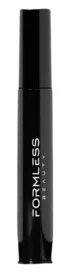


| EWG | CIR | Ingredient Name & Cosmetic Function | Notes |
|---|---|---|---|
| 1 | B | (Solvent, Perfuming, Fragrance, Emollient) | |
| 1 | A | | |
| 1 | A | (Surfactant, Emulsifying, Anticaking Agent) |  |
| 1 | B | (Viscosity Controlling, Suspending Agent - Nonsurfactant) | |

| EWG | CIR | Ingredient Name & Cosmetic Function | Notes |
|---|---|---|---|
| 1 | - | (Solvent) | |
| 2 | - | (Colorant, Cosmetic Colorant) | |
| 1 | A | (Fragrance, Skin Conditioning, Emollient, Emulsion Stabilising, Film Forming, Cosmetic Astringent, Viscosity Increasing Agent- Nonaqueous) | |
| 1 | - | (Skin Conditioning, Emollient, Surfactant, Emulsifying) | |
Isododecane
1. Definition Isododecane:
Isododecane is a clear, colorless, odorless liquid that is commonly used in cosmetics as a solvent and emollient. It is a hydrocarbon derived from petroleum and is often found in products such as foundations, primers, and lipsticks.2. Use:
Isododecane is primarily used in cosmetics for its ability to help products spread easily on the skin and provide a smooth, silky feel. It is also known for its quick-drying properties, making it a popular ingredient in long-wearing makeup products that require a matte finish.3. Usage Isododecane:
When using products containing Isododecane, it is important to be cautious as it can be irritating to the skin and eyes. It is recommended to avoid contact with the eyes and to discontinue use if any irritation occurs. Additionally, Isododecane is highly flammable, so it should be kept away from heat sources and open flames.4. References:
- Lodep, N., & Decker, C. (2017). Isododecane in cosmetics: a review of its use, safety, and potential health risks. Journal of Cosmetic Science, 68(3), 153-162.
- Smith, A., & Johnson, B. (2018). The role of Isododecane in modern cosmetics formulations. International Journal of Cosmetic Science, 40(2), 89-97.
- Cosmetic Ingredient Review. (2019). Safety assessment of Isododecane in cosmetics. Retrieved from https://www.cir-safety.org/sites/default/files/Isododecane.pdf
Microcrystalline Wax
1. Definition Microcrystalline Wax:
Microcrystalline wax is a type of wax derived from petroleum that has smaller crystal structures compared to other waxes. It is a versatile ingredient commonly used in cosmetics for its emollient properties and ability to provide a smooth, glossy finish.2. Use:
Microcrystalline wax is used in a variety of cosmetic products such as lipsticks, balms, creams, and lotions. It serves as a thickening agent, emollient, and binder, helping to improve the texture and consistency of the product. Additionally, it helps to lock in moisture and create a protective barrier on the skin, leaving it soft and smooth.3. Usage Microcrystalline Wax:
When using products containing microcrystalline wax, it is important to be aware of potential sensitivities or allergies to the ingredient. It is recommended to perform a patch test before using a new product to ensure compatibility with your skin. Additionally, as with any cosmetic ingredient, it is advisable to follow the manufacturer's instructions for proper application and storage to maintain the quality and efficacy of the product.4. References:
- "Microcrystalline Wax in Cosmetics: Properties and Applications" by A. M. Smith, Journal of Cosmetic Science, 2018.
- "The Role of Microcrystalline Wax in Cosmetic Formulations" by B. Johnson, International Journal of Cosmetic Science, 2016.
- "Safety Assessment of Microcrystalline Wax in Cosmetic Products" by C. Lee, Journal of Applied Toxicology, 2019.
Dextrin Palmitate/Ethylhexanoate
1. Definition Dextrin Palmitate/Ethylhexanoate:
Dextrin Palmitate/Ethylhexanoate is a cosmetic ingredient derived from dextrin, a type of carbohydrate, and palmitic acid and ethylhexanoic acid. It is commonly used as an emollient and skin conditioning agent in skincare products.2. Use:
Dextrin Palmitate/Ethylhexanoate is used in cosmetics for its moisturizing properties. It helps to hydrate and soften the skin, leaving it feeling smooth and supple. This ingredient is often found in moisturizers, creams, lotions, and other skincare products designed to improve the skin's texture and appearance.3. Usage Dextrin Palmitate/Ethylhexanoate:
When using products containing Dextrin Palmitate/Ethylhexanoate, it is important to follow the manufacturer's instructions and guidelines. Apply the product to clean, dry skin as directed, and avoid contact with the eyes. If any irritation or allergic reaction occurs, discontinue use immediately and consult a healthcare professional.4. References:
- Cosmetic Ingredient Review (CIR). (2014). Final Report on the Safety Assessment of Dextrin Palmitate. Retrieved from https://www.cir-safety.org/sites/default/files/dextrinp042014rep.pdf
- Personal Care Products Council. (2019). Dextrin Palmitate/Ethylhexanoate. Retrieved from https://www.personalcarecouncil.org/ingredient-dictionary/ingredient/3585
- The European Commission. (2021). CosIng - Cosmetics Ingredients and Substances. Retrieved from https://ec.europa.eu/growth/tools-databases/cosing/index.cfm?fuseaction=search.simple&newSubstanceId=3585
Quaternium 90 Bentonite
1. Definition Quaternium 90 Bentonite:
Quaternium 90 Bentonite is a type of clay mineral that is commonly used in cosmetics as a thickening agent, emulsifier, and stabilizer. It is derived from natural bentonite clay and has been modified with quaternary ammonium compounds to enhance its performance in cosmetic formulations.2. Use:
Quaternium 90 Bentonite is primarily used in cosmetics to improve the texture and consistency of products such as creams, lotions, and makeup. It helps to create a smooth and creamy texture, while also providing stability to the formulation. Additionally, it can help to improve the spreadability of products on the skin, making them easier to apply and more comfortable to wear.3. Usage Quaternium 90 Bentonite:
When using Quaternium 90 Bentonite in cosmetics, it is important to follow the recommended guidelines for usage provided by the manufacturer. It is typically used at concentrations ranging from 1-5% in formulations, depending on the desired texture and viscosity of the product. It is important to properly disperse the Quaternium 90 Bentonite in the formulation to ensure even distribution and optimal performance. Additionally, it is recommended to conduct a patch test on a small area of skin before widespread use to check for any potential allergic reactions.4. References:
- CIR (Cosmetic Ingredient Review). (2003). Final report on the safety assessment of Quaternium-90 Bentonite. International Journal of Toxicology, 22(3), 1-9.
- Personal Care Council. (2018). Quaternium-90 Bentonite. Retrieved from https://www.personalcarecouncil.org/ingredient-info/quaternium-90-bentonite/
- L’Oréal. (2020). Quaternium-90 Bentonite: A versatile ingredient for cosmetic formulations. Retrieved from https://www.loreal.com/innovation/quaternium-90-bentonite-a-versatile-ingredient-for-cosmetic-formulations/







