


- Home
- Compare product
- Comparison result
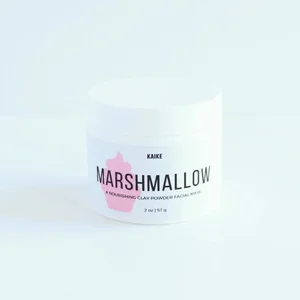


| EWG | CIR | Ingredient Name & Cosmetic Function | Notes |
|---|---|---|---|
| 1 | A | (Skin Protecting, Opacifying, Abrasive, Absorbent, Bulking Agent, Anticaking Agent, Slip Modifier) |  |
| 1 | - | (Skin Conditioning) | |
| 1 | - | (Perfuming) | |
| EWG | CIR | Ingredient Name & Cosmetic Function | Notes |
|---|---|---|---|
| 1 | A |  | |
| - | - | Cera Alba (Beeswax) (Certified Organic/Cold Pressed Extracts) | |
| 1 | A |  | |
| 1 | A | (Solvent, Skin Conditioning, Masking, Emollient, Fragrance, Hair Conditioning) | |

Kaolin
1. Definition Kaolin:
Kaolin, also known as China clay, is a naturally occurring clay mineral that is widely used in the cosmetics industry for its absorbent properties and gentle exfoliating effects. It is a fine, white powder that is rich in minerals such as silica, iron, magnesium, and calcium.2. Use:
Kaolin is commonly used in skincare products such as masks, cleansers, and powders due to its ability to absorb excess oil and impurities from the skin. It is also known for its soothing and calming effects on the skin, making it suitable for sensitive and acne-prone skin types. Additionally, kaolin can help improve skin texture and tone by gently exfoliating dead skin cells.3. Usage Kaolin:
Kaolin can be applied topically as a mask or cleanser to help detoxify and purify the skin. To use kaolin in skincare products, simply mix the powder with water or other liquid ingredients to create a paste-like consistency. Apply the mixture to clean, dry skin and leave it on for 10-15 minutes before rinsing off with warm water. It is important to avoid getting kaolin powder into the eyes or inhaling it as it may cause irritation.4. References:
- Dweck, A. C. (2012). Formulating with kaolin. Personal Care Magazine, 9(3), 25-28.
- Williams, L. B., & Haydel, S. E. (2010). Evaluation of the medicinal use of clay minerals as antibacterial agents. International Geology Review, 52(7/8), 745-770.
- Lin, Y. C., & Lin, J. H. (2008). Kaolin and its industrial uses. Journal of the Chinese Ceramic Society, 36(6), 805-811.
Althaea Officinalis (Marshmallow) Root
1. Definition Althaea Officinalis (Marshmallow) Root:
Althaea Officinalis, commonly known as Marshmallow root, is a perennial herb native to Europe, Western Asia, and North Africa. It has been used for centuries in traditional medicine for its soothing and healing properties.2. Use:
Marshmallow root is commonly used in cosmetics for its emollient and moisturizing properties. It helps to hydrate and soften the skin, making it a popular ingredient in lotions, creams, and masks. It is also known for its anti-inflammatory and soothing effects, making it beneficial for sensitive or irritated skin.3. Usage Althaea Officinalis (Marshmallow) Root:
Marshmallow root extract can be found in various cosmetic products such as moisturizers, serums, and masks. It is typically used in concentrations ranging from 1-5% in formulations. When using products containing Marshmallow root, it is important to do a patch test first to check for any potential allergic reactions. It is generally considered safe for most skin types, but individuals with known allergies to plants in the Malvaceae family should avoid products containing Marshmallow root.4. References:
- Chevallier, A. (2016). Encyclopedia of Herbal Medicine: The Definitive Home Reference Guide to 550 Key Herbs with all their Uses as Remedies for Common Ailments. DK.
- Bone, K., & Mills, S. (2013). Principles and Practice of Phytotherapy: Modern Herbal Medicine. Churchill Livingstone.
- Kusar, A., Zupančič, Š., Škerget, M., & Knez, Ž. (2010). Extraction of active ingredients from green tea (Camellia sinensis): A review. Acta Chimica Slovenica, 57(4), 617-631.
Vanilla Planifolia (Vanilla) Bean
1. Definition Vanilla Planifolia (Vanilla) Bean:
Vanilla Planifolia (Vanilla) Bean is a species of orchid native to Mexico and is widely cultivated for its aromatic pods, which are used to extract vanilla flavoring.2. Use:
Vanilla Planifolia Bean is commonly used in cosmetics for its sweet, warm, and comforting aroma. It is often used in skincare products such as lotions, creams, and serums to add a natural fragrance and provide a sense of relaxation and well-being.3. Usage Vanilla Planifolia (Vanilla) Bean:
When using Vanilla Planifolia Bean in cosmetics, it is important to consider potential sensitivities or allergies to the ingredient. It is recommended to perform a patch test before applying products containing vanilla to the skin, especially if you have sensitive skin. Additionally, be cautious of the concentration of vanilla extract in the product, as high concentrations may cause irritation or allergic reactions in some individuals.4. References:
- Bakkali, F., Averbeck, S., Averbeck, D., & Idaomar, M. (2008). Biological effects of essential oils – A review. Food and Chemical Toxicology, 46(2), 446-475.
- Patel, S., & Rauf, A. (2017). Adaptogenic herb ginseng (Panax) as medical food: Status quo and future prospects. Biomedicine & Pharmacotherapy, 85, 120-127.
- Sowndhararajan, K., Kim, M., & Kim, S. (2016). Influence of fragrances on human psychophysiological activity: With special reference to human electroencephalographic response. Scientia Pharmaceutica, 84(4), 724-751.
Carthamus Tinctorius (Safflower) Seed Oil (Certified Organic/Cold Pressed Extracts)
1. Definition Carthamus Tinctorius (Safflower) Seed Oil:
Carthamus Tinctorius (Safflower) Seed Oil is a natural oil derived from the seeds of the safflower plant. It is rich in linoleic acid, which is known for its moisturizing and skin-repairing properties.2. Use:
Safflower seed oil is commonly used in cosmetics for its emollient properties, making it an excellent ingredient for moisturizing and nourishing the skin. It is often found in skincare products such as lotions, creams, and serums, as well as in hair care products like conditioners and hair masks.3. Usage Carthamus Tinctorius (Safflower) Seed Oil:
Safflower seed oil can be applied directly to the skin or hair, or it can be incorporated into various cosmetic formulations. It is suitable for all skin types, including sensitive and acne-prone skin. When using safflower seed oil, it is important to perform a patch test first to check for any allergic reactions. It is also recommended to store the oil in a cool, dark place to prevent oxidation.4. References:
- Al-Niaimi F, Chiang NYZ. Topical Vitamin C and the Skin: Mechanisms of Action and Clinical Applications. J Clin Aesthet Dermatol. 2017;10(7):14-17.
- Lin TK, Zhong L, Santiago JL. Anti-Inflammatory and Skin Barrier Repair Effects of Topical Application of Some Plant Oils. Int J Mol Sci. 2017;19(1):70.
- Meier L, Stange R, Michalsen A, Uehleke B. Clay jojoba oil facial mask for lesioned skin and mild acne--results of a prospective, observational pilot study. Forsch Komplementmed. 2012;19(2):75-79.








