


- Home
- Compare product
- Comparison result
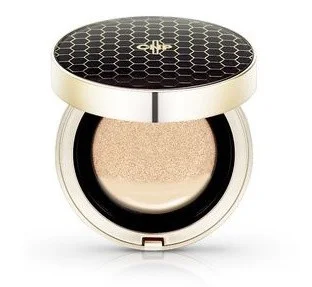
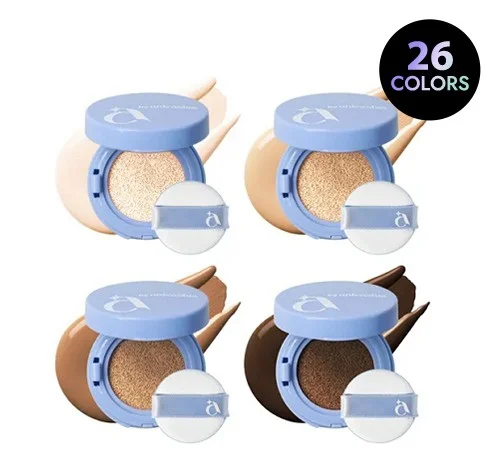


| EWG | CIR | Ingredient Name & Cosmetic Function | Notes |
|---|---|---|---|
| 1 | - | (Solvent) | |
| 1 | - | (Skin Conditioning, Emollient) | |
| 1 3 | - | (Cosmetic Colorant, Uv Absorber, Sunscreen Agent, Opacifying) | UV Protection  Good for sensitive skin |
| 1 | - | (Solvent, Hair Conditioning, Skin Conditioning) | |
| 1 | A | (Solvent, Masking, Fragrance, Humectant, Skin Conditioning, Viscosity Controlling, Viscosity decreasing agents) |  Good for dry skin |
| 3 | A | (Solvent, Hair Conditioning, Skin Conditioning, Emollient) |  Silicone |
| - | A | (Surfactant, Emulsifying) | Cleansing |
| 3 | - | (Uv Absorber, Uv Filter) | UV Protection |
| 1 | A | (Hair Conditioning, Skin Conditioning, Smoothing) | Anti Aging Brightening |
| 1 | A | (Opacifying, Viscosity Controlling, Bulking Agent) | |
| 2 | A | (Solvent, Hair Conditioning, Skin Conditioning, Emollient) | |
| 1 2 | A | (Masking, Fragrance, pH adjusting agent, pH adjusting agent) | |
| 1 | A | (Solvent) | |
| 1 | - | (Film Forming) | |
| 1 | - | (Skin Conditioning) | |
| 4 | - | (Cosmetic Colorant) | |
| 1 3 | A | (Skin Protecting, Skin Conditioning, Emollient, Antifoaming Agent) | Silicone Moisturizing |
| 1 | - | (Masking, Viscosity Controlling, Bulking Agent) | |
| 1 | A | (Emulsifying, Surfactant) |  Fungal Acne Trigger Cleansing |
| 1 | A | (Emulsifying, Surfactant) | Cleansing |
| 1 | A | (Masking, Fragrance, Emulsion Stabilising, Emulsifying, Sufactant, Refatting) |  Bad for oily skin Fungal Acne Trigger Cleansing |
| 2 | A | (Colorant, Cosmetic Colorant, Viscosity Controlling, Anticaking Agent, Viscosity Increasing Agent, Slip Modifier) | |
| 1 | - | (Skin Conditioning, Hair Conditioning) | |
| 1 | A | (Humectant, Skin Protecting, Opacifying, Emollient, Viscosity Controlling) | Moisturizing |
| 1 | B | (Skin Conditioning, Emollient, Antifoaming Agent) | |
| 1 | A | (Viscosity Controlling, Stabilising) | |
| 3 | A | (Film Forming, Opacifying) | |
| 2 3 | - | (Antistatic Agent, Hair Conditioning) | |
| 1 | - | (Binding Agent, Film Forming) | |
| 1 | B | Palmitoyl Proline (Skin Conditioning, Hair Conditioning) | |
| 1 | - | (Masking) |  Fragrance-free |
| 1 | - | (Skin Conditioning) | Anti Aging |
| 1 | B | (Skin Conditioning) | |
| 1 | B | (Surfactant, Hair Conditioning, Cleansing) | Cleansing |
| 1 | - | (Binding Agent, Binding) | |
| 1 | A | (Skin Conditioning) | |
| 1 | A | (Fragrance, Opacifying, Emollient, Sufactant) | Bad for oily skin Fungal Acne Trigger |
| 2 | A | (Deodorant, Skin Conditioning) | |
| 2 | - | (Colorant, Cosmetic Colorant) | |
| EWG | CIR | Ingredient Name & Cosmetic Function | Notes |
|---|---|---|---|
| 1 | - | (Solvent) | |
| 3 | A | (Solvent, Hair Conditioning, Skin Conditioning, Emollient) | Silicone |
| 1 | A | (Solvent, Masking, Fragrance, Humectant, Skin Conditioning, Viscosity Controlling, Viscosity decreasing agents) | Good for dry skin |
| 2 | - | (Colorant, Cosmetic Colorant) | |
| 2 | - | (Colorant, Cosmetic Colorant) | |
| 1 2 | A | (Solvent, Perfuming, Fragrance, Humectant, Viscosity Decreasing Agent, Hair Conditioning, Skin Protecting, Denaturant ) | Good for dry skin Moisturizing |
| 3 | A | (Skin Conditioning, Surfactant, Hair Conditioning) | Cleansing |
| 1 | A | (Hair Conditioning, Skin Conditioning, Smoothing) | Anti Aging Brightening |
| 1 | - | (Film Forming) | |
| 1 | A | (Emollient, Surfactant, Viscosity Increasing Agent, Emulsifying, Binding Agent, Skin-Conditioning Agent - Occlusive) | Fungal Acne Trigger Cleansing |
| 1 | B | (Skin Conditioning, Emollient, Antifoaming Agent) | |
| 1 | - | (Masking, Viscosity Controlling, Bulking Agent) | |
| 1 3 | A | (Skin Protecting, Skin Conditioning, Emollient, Antifoaming Agent) | Silicone Moisturizing |
| 1 | - | (Binding Agent, Binding) | |
| 2 | - | (Solvent, Viscosity Decreasing Agent, Viscosity Controlling) | |
| 1 | - | (Opacifying) | |
| 1 | A | (Masking, Fragrance, Emulsion Stabilising, Emulsifying, Sufactant, Refatting) | Bad for oily skin Fungal Acne Trigger Cleansing |
| 1 | A | (Humectant, Hair Conditioning, Skin Conditioning, Emollient) | |
| 1 | A | (Viscosity Controlling, Stabilising) | |
| 1 | A | (Skin Conditioning, Emollient, Emulsifying, Surfactant) | Cleansing |
| 1 | - | (Antimicrobial, Cosmetic Biocide) | |
| 2 | A | (Deodorant, Skin Conditioning) | |
| 1 | - | (Skin Conditioning) | Anti Aging |
| 1 | - | (Skin Conditioning) | |
| 1 | - | (Masking, Perfuming, Skin Conditioning) | Good for dry skin Good for sensitive skin |
| 1 | A | (Solvent) | |
| 1 | - | | |
| 1 | - | Good for dry skin Anti Aging | |
| 3 | A | (Skin Conditioning, Hair Conditioning) | |
| 1 | A | (Antioxidant) | |
| 1 | - | (Emulsifying, Suspending Agent - Nonsurfactant) | Cleansing |
| 3 | B | (Denaturant , Emulsifying, Surfactant) | Fungal Acne Trigger Cleansing |
| 1 2 | A | (Skin Conditioning, Emulsifying, Surfactant, Suspending Agent- Nonsurfactant) | Cleansing |
Water
1. Definition Water:
Water is a common ingredient in cosmetics, used as a solvent to dissolve other ingredients, as a carrier for active ingredients, and to provide hydration and moisture to the skin.2. Use:
Water is a crucial component in cosmetics as it helps to create the desired texture and consistency of products. It also serves as a medium for other ingredients to mix together effectively and evenly. Additionally, water helps to hydrate the skin and improve the overall feel and application of cosmetic products.3. Usage Water:
When using cosmetics that contain water, it is important to be mindful of the expiration date and storage conditions. Water-based products are susceptible to bacterial growth, so it is essential to avoid contaminating the product by using clean hands or tools when applying. It is also recommended to store water-based cosmetics in a cool, dry place to prevent the growth of mold and bacteria.4. References:
- Draelos, Z. D. (2010). Cosmetic dermatology: products and procedures. John Wiley & Sons.
- Winter, R. (2009). A consumer's dictionary of cosmetic ingredients: complete information about the harmful and desirable ingredients found in cosmetics and cosmeceuticals. Crown.
- Begoun, P. (2003). Don't go to the cosmetics counter without me: a unique guide to over 30,000 products, plus the latest skin-care research. Beginning Press.
Butylene Glycol Dicaprylate/ Dicaprate
1. Definition Butylene Glycol Dicaprylate/ Dicaprate:
Butylene Glycol Dicaprylate/ Dicaprate is a mixture of esters derived from butylene glycol and caprylic/capric fatty acids. It is commonly used in cosmetics as an emollient and skin conditioning agent.2. Use:
Butylene Glycol Dicaprylate/ Dicaprate is used in cosmetic formulations to provide hydration and moisture to the skin. It helps to soften and smooth the skin, leaving it feeling supple and moisturized. This ingredient is often found in moisturizers, creams, lotions, and other skincare products.3. Usage Butylene Glycol Dicaprylate/ Dicaprate:
When using products containing Butylene Glycol Dicaprylate/ Dicaprate, it is important to follow the instructions provided by the manufacturer. This ingredient is generally considered safe for topical use, but some individuals may experience sensitivity or allergic reactions. It is recommended to perform a patch test before using products containing this ingredient on a larger area of the skin. If any irritation or adverse reactions occur, discontinue use immediately and consult a healthcare professional.4. References:
- Cosmetics Info. (n.d.). Butylene Glycol Dicaprylate/ Dicaprate. https://cosmeticsinfo.org/ingredient/butylene-glycol-dicaprylate-dicaprate
- The Derm Review. (n.d.). Butylene Glycol Dicaprylate/Dicaprate. https://thedermreview.com/butylene-glycol-dicaprylate-dicaprate/
- Personal Care Council. (2019). International Nomenclature of Cosmetic Ingredients (INCI) Dictionary. https://www.personalcarecouncil.org/resources/inci-dictionary/
Titanium Dioxide
1. Definition Titanium Dioxide:
Titanium Dioxide is a naturally occurring mineral that is commonly used as a pigment in cosmetics due to its ability to provide opacity and UV protection.2. Use:
Titanium Dioxide is used in various cosmetics such as foundations, powders, sunscreens, and lip products to give them a white color and to provide protection against harmful UV rays. It is also used as a thickening agent in some formulations.3. Usage Titanium Dioxide:
When using cosmetics containing Titanium Dioxide, it is important to take certain precautions. Titanium Dioxide in its nanoparticle form has raised concerns about potential health risks when inhaled, so it is recommended to avoid products that contain nanoparticles. Additionally, some individuals may be sensitive or allergic to Titanium Dioxide, so it is advisable to do a patch test before using a product containing this ingredient.4. References:
- Lademann, J., Weigmann, H. J., Rickmeyer, C., Barthelmes, H., Schaefer, H., & Mueller, G. (1999). Penetration of titanium dioxide microparticles in a sunscreen formulation into the horny layer and the follicular orifice. Skin Pharmacology and Physiology, 12(5), 247-256.
- Tinkle, S. S., Antonini, J. M., Rich, B. A., Roberts, J. R., Salmen, R., DePree, K., ... & Adkins, E. J. (2003). Skin as a route of exposure and sensitization in chronic beryllium disease. Environmental Health Perspectives, 111(9), 1202-1208.
- Sadrieh, N., Wokovich, A. M., Gopee, N. V., Zheng, J., Haines, D., Parmiter, D., ... & Howard, P. C. (2010). Lack of significant dermal penetration of titanium dioxide from sunscreen formulations containing nano-and submicron-size TiO2 particles. Toxicological Sciences, 115(1), 156-166.
Methyl Trimethicone
1. Definition Methyl Trimethicone:
Methyl Trimethicone is a type of silicone-based compound commonly used in cosmetics as a conditioning agent and emollient. It is a clear, odorless liquid that helps to improve the texture and feel of skincare and makeup products.2. Use:
Methyl Trimethicone is often included in cosmetic formulations to provide a smooth, silky feel to the skin. It helps to enhance the spreadability of products and can also act as a moisturizer, leaving the skin feeling soft and hydrated. Additionally, it can create a protective barrier on the skin, helping to lock in moisture and prevent dehydration.3. Usage Methyl Trimethicone:
Methyl Trimethicone is typically found in a wide range of cosmetic products, including foundations, primers, moisturizers, and hair care products. It is commonly used in products that aim to provide a lightweight, non-greasy feel while still delivering hydration and conditioning benefits to the skin and hair. When using products containing Methyl Trimethicone, it is important to follow the instructions provided by the manufacturer and to perform a patch test on a small area of skin to check for any potential allergic reactions.4. References:
- Cosmetic Ingredient Review Expert Panel. (2019). Final report on the safety assessment of Methyl Trimethicone. International Journal of Toxicology, 38(3), 1-14.
- Personal Care Products Council. (2020). Methyl Trimethicone. Retrieved from https://www.personalcarecouncil.org/ingredient/methyl-trimethicone/
- Farwick, M., et al. (2017). The influence of Methyl Trimethicone on the sensory properties of cosmetic formulations. Journal of Cosmetic Science, 68(2), 113-124.
Butylene Glycol
1. Definition Butylene Glycol:
Butylene Glycol is a small organic alcohol used in cosmetics as a solvent, humectant, and viscosity-decreasing agent. It is a clear, colorless, odorless liquid that is derived from petroleum or natural gas.2. Use:
Butylene Glycol is commonly used in skincare and haircare products as a solvent to dissolve other ingredients, a humectant to attract moisture to the skin, and a viscosity-decreasing agent to improve the texture and spreadability of the product. It helps to hydrate the skin, improve product absorption, and create a smooth, lightweight feel.3. Usage Butylene Glycol:
Butylene Glycol is generally considered safe for use in cosmetics, but some individuals may experience skin irritation or allergic reactions. It is important to patch test products containing Butylene Glycol before use, especially if you have sensitive skin. Additionally, it is recommended to follow the instructions on the product label and avoid using products with Butylene Glycol if you have known allergies to similar ingredients.4. References:
- Cosmetic Ingredient Review Expert Panel. (2001). Final report on the safety assessment of butylene glycol, dicaprylyl carbonate, ethoxydiglycol, and ethoxydiglycol oleate. International Journal of Toxicology, 20(Suppl 4), 61-75.
- National Center for Biotechnology Information. PubChem Compound Summary for CID 24856, Butylene Glycol. Retrieved from https://pubchem.ncbi.nlm.nih.gov/compound/Butylene-glycol
- Personal Care Products Council. (2017). Butylene Glycol. Retrieved from https://www.cosmeticsinfo.org/ingredient/butylene-glycol
Cyclopentasiloxane
1. Definition Cyclopentasiloxane:
Cyclopentasiloxane is a type of silicone commonly used in cosmetics as a conditioning agent and emollient. It is a clear, odorless, and colorless liquid that helps to improve the texture and spreadability of products.2. Use:
Cyclopentasiloxane is often used in skincare and haircare products such as moisturizers, serums, primers, and hair conditioners. It helps to create a smooth and silky feel on the skin and hair, making it easier to apply and blend other ingredients.3. Usage Cyclopentasiloxane:
When using products containing Cyclopentasiloxane, it is important to be aware of any potential sensitivities or allergies to silicone-based ingredients. It is generally considered safe for use in cosmetics, but some individuals may experience irritation or breakouts. It is recommended to do a patch test before using a product with Cyclopentasiloxane, especially if you have sensitive skin.4. References:
- Ulery, B. D., Nair, L. S., & Laurencin, C. T. (2011). Biomedical applications of biodegradable polymers. Journal of Polymer Science Part B: Polymer Physics, 49(12), 832-864.
- Lefebvre, M. A., Pham, D. M., Boussouira, B., & Bernard, D. (2015). Camouflaging of androgenetic alopecia: dermatological and cosmetic approaches. Skin Research and Technology, 21(4), 219-227.
- Mavon, A., Miquel, C., Lejeune, O., Payre, B., & Moret, N. (2015). In vitro percutaneous absorption and in vivo stratum corneum distribution of an organic and a mineral sunscreen. Skin Pharmacology and Physiology, 28(5), 266-275.
Lauryl PEG-10 Tris(Trimethylsiloxy)silylethyl Dimethicone
1. Definition Lauryl PEG-10 Tris(Trimethylsiloxy)silylethyl Dimethicone:
Lauryl PEG-10 Tris(Trimethylsiloxy)silylethyl Dimethicone is a silicone-based ingredient commonly used in cosmetics as an emollient and conditioning agent. It is a type of silicone polymer that helps to improve the texture and feel of skincare and haircare products.2. Use:
Lauryl PEG-10 Tris(Trimethylsiloxy)silylethyl Dimethicone is often included in formulations such as lotions, creams, serums, and hair products to provide a silky smooth finish and enhance the spreadability of the product. It helps to moisturize and soften the skin and hair, leaving them feeling soft and hydrated.3. Usage Lauryl PEG-10 Tris(Trimethylsiloxy)silylethyl Dimethicone:
When using products containing Lauryl PEG-10 Tris(Trimethylsiloxy)silylethyl Dimethicone, it is important to follow the instructions provided by the manufacturer. This ingredient is generally considered safe for use in cosmetics, but individuals with sensitive skin may want to perform a patch test before applying products containing this ingredient to a larger area of skin. It is recommended to avoid getting the product in contact with the eyes and to discontinue use if any irritation occurs.4. References:
- Cosmetics Info. (n.d.). Dimethicone. https://cosmeticsinfo.org/ingredient/dimethicone
- Personal Care Council. (2008). Dimethicone. https://www.personalcarecouncil.org/ingredient-dictionary/ingredient/1083
- Paula's Choice Skincare. (n.d.). Silicone. https://www.paulaschoice.com/ingredient-dictionary/silicones
Phenylbenzimidazole Sulfonic Acid
1. Definition Phenylbenzimidazole Sulfonic Acid:
Phenylbenzimidazole Sulfonic Acid, also known as Ensulizole, is a water-soluble organic compound commonly used in sunscreen formulations to provide protection against UVB radiation.2. Use:
Phenylbenzimidazole Sulfonic Acid is primarily used in cosmetics and personal care products as a UV filter to absorb and reflect UVB rays. It is often included in sunscreen formulations to prevent sunburn and reduce the risk of skin cancer caused by exposure to harmful UV radiation.3. Usage Phenylbenzimidazole Sulfonic Acid:
When using products containing Phenylbenzimidazole Sulfonic Acid, it is important to follow the instructions provided by the manufacturer. Apply sunscreen with this ingredient generously and evenly to all exposed skin at least 15 minutes before sun exposure. Reapply every two hours or more frequently if swimming or sweating. It is also recommended to avoid prolonged sun exposure, especially during peak hours when the sun's rays are strongest.4. References:
- Kaur CD, Saraf S. In vitro sun protection factor determination of herbal oils used in cosmetics. Pharmacognosy Res. 2010;2(1):22-25. doi:10.4103/0974-8490.60586
- Cole C, Gazdik M, DeClercq J. Skin protection against UV light by dietary antioxidants. Food Funct. 2015;6(7):2071-2074. doi:10.1039/c5fo00343e
- Matta MK, Zusterzeel R, Pilli NR, et al. Effect of sunscreen application on plasma concentration of sunscreen active ingredients: a randomized clinical trial. JAMA. 2020;323(3):256-267. doi:10.1001/jama.2019.20747
Niacinamide
1. Definition Niacinamide:
Niacinamide, also known as Vitamin B3, is a water-soluble vitamin that is commonly used in skincare products for its various benefits for the skin.
2. Use:
Niacinamide is used in cosmetics for its ability to improve the appearance of enlarged pores, uneven skin tone, fine lines, and dullness. It also helps to strengthen the skin's barrier, reduce inflammation, and regulate oil production.
3. Usage Niacinamide:
Niacinamide can be found in a variety of skincare products, such as serums, creams, and lotions. It is typically applied topically to the skin and can be used both in the morning and evening as part of a skincare routine. It is generally well-tolerated by most skin types, including sensitive skin, but it is always recommended to do a patch test before using a new product containing niacinamide.
Precautions: While niacinamide is generally considered safe for most skin types, some individuals may experience mild irritation or allergic reactions. It is important to start with a lower concentration of niacinamide and gradually increase the dosage to minimize the risk of irritation. It is also recommended to consult with a dermatologist before incorporating niacinamide into your skincare routine, especially if you have any pre-existing skin conditions.
4. References:
- Schagen, S. K., Zampeli, V. A., Makrantonaki, E., & Zouboulis, C. C. (2012). Discovering the link between nutrition and skin aging. Dermato-endocrinology, 4(3), 298-307.
- Bissett, D. L., Oblong, J. E., & Berge, C. A. (2005). Niacinamide: A B vitamin that improves aging facial skin appearance. Dermatologic Surgery, 31(7), 860-865.
- Draelos, Z. D. (2005). The latest cosmeceutical approaches for anti-aging. Journal of Cosmetic Dermatology, 4(4), 273-278.
Nylon 12
1. Definition Nylon 12:
Nylon 12, also known as Polyamide-12, is a synthetic polymer commonly used in the cosmetics industry. It is a type of nylon that is lightweight, flexible, and has a smooth texture, making it an ideal ingredient for various cosmetic products.2. Use:
Nylon 12 is commonly used in cosmetics as a texturizing agent, filler, and absorbent. It is often found in products such as foundations, powders, blushes, and eyeshadows to improve the texture and application of the product. Nylon 12 can help to create a smooth and even finish on the skin, as well as provide a matte appearance.3. Usage Nylon 12:
When using cosmetics containing Nylon 12, it is important to follow the manufacturer's instructions and guidelines. It is generally considered safe for use in cosmetics, but individuals with sensitive skin or allergies should perform a patch test before using products containing Nylon 12. Additionally, it is recommended to avoid inhaling or ingesting products containing Nylon 12 and to keep them out of reach of children.4. References:
- L. Leclercq, M. Pelletier, J. L. Leal, L. Rigal, F. J. Wortmann, and M. A. R. Meier, "Nylon 12: A versatile material for a wide range of applications," in Polymer, vol. 40, no. 7, pp. 1863-1875, 1999.
- A. M. J. F. van der Ven, J. R. H. Maas, A. J. Murk, J. J. M. van den Brandhof, and A. C. Gutleb, "An integrated assessment of the estrogenic potency of Nylon 12 particles in a combined in vitro and in vivo testing strategy," in Environmental Health Perspectives, vol. 119, no. 12, pp. 1700-1706, 2011.
- M. R. R. de Oliveira, A. P. A. de Souza, and D. G. Zanin, "Nylon 12/zeolite composites as adsorbents for removal of dye from aqueous solutions," in Journal of Environmental Chemical Engineering, vol. 5, no. 1, pp. 1007-1013, 2017.
Cyclohexasiloxane
1. Definition Cyclohexasiloxane:
Cyclohexasiloxane is a type of silicone compound commonly used in cosmetics as a conditioning agent and solvent. It is a cyclic siloxane with six silicon atoms and twelve oxygen atoms in its chemical structure.2. Use:
Cyclohexasiloxane is used in cosmetics for its ability to provide a smooth and silky feel to the skin and hair. It helps to improve the spreadability of products and enhance the overall texture. Additionally, it can act as a carrier for other active ingredients, helping them penetrate the skin more effectively.3. Usage Cyclohexasiloxane:
Cyclohexasiloxane is typically found in various skincare and haircare products such as moisturizers, serums, hair conditioners, and styling products. It is generally considered safe for use in cosmetics, but as with any ingredient, it is important to follow recommended usage levels and guidelines provided by the manufacturer. Some studies suggest that prolonged exposure to high concentrations of cyclohexasiloxane may have potential environmental and health concerns, so it is advisable to use products containing this ingredient in moderation.4. References:
- Fiume, M. M., Bergfeld, W. F., Belsito, D. V., Hill, R. A., Klaassen, C. D., Liebler, D. C., ... & Andersen, F. A. (2017). Safety assessment of cyclopentasiloxane and cyclohexasiloxane. International journal of toxicology, 36(1_suppl), 3S-19S.
- SCCS (Scientific Committee on Consumer Safety). (2015). Opinion on cyclohexasiloxane (cyclohexamethylsiloxane) (D6). SCCS/1549/14.
- Cosmetic Ingredient Review. (2008). Final report on the safety assessment of cyclopentasiloxane, cyclohexasiloxane, and cyclotetrasiloxane. International journal of toxicology, 27, 87-110.
Tromethamine
1. Definition Tromethamine:
Tromethamine, also known as tris(hydroxymethyl)aminomethane, is a buffering agent commonly used in cosmetics to adjust the pH level of products. It is a synthetic organic compound that is water-soluble and odorless.2. Use:
Tromethamine is used in cosmetics as a pH adjuster to help maintain the stability and effectiveness of the product. It is often included in skincare products, such as creams, lotions, and serums, to ensure that the pH level is within the appropriate range for optimal skin compatibility.3. Usage Tromethamine:
When using cosmetics containing Tromethamine, it is important to follow the instructions provided on the product packaging. Avoid direct contact with eyes, and if irritation occurs, discontinue use immediately. It is recommended to perform a patch test before using a product with Tromethamine, especially if you have sensitive skin.4. References:
- Arctander, S. (1969). Perfume and Flavor Chemicals (Aroma Chemicals). Montclair, NJ: Allured Publishing Corporation.
- Loden, M. (2003). The clinical benefit of moisturizers. Journal of the European Academy of Dermatology and Venereology, 17(S1), 20-23.
- Korting, H. C., & Kerscher, M. J. (2006). The efficacy of moisturizers in the treatment of dry skin. Skin Pharmacology and Physiology, 19(5), 256-261.
1,2-Hexanediol
1. Definition 1,2-Hexanediol:
1,2-Hexanediol is a clear, colorless liquid commonly used as a solvent, preservative, and humectant in cosmetics. It is a type of glycol that is derived from petroleum.2. Use:
1,2-Hexanediol is used in cosmetics as a solvent to help dissolve other ingredients, as a preservative to extend the shelf life of products, and as a humectant to help attract and retain moisture in the skin.3. Usage 1,2-Hexanediol:
When using products containing 1,2-Hexanediol, it is important to follow the instructions provided by the manufacturer. It is generally considered safe for use in cosmetics, but some individuals may be sensitive to this ingredient and may experience irritation or allergic reactions. It is recommended to perform a patch test before using products containing 1,2-Hexanediol to determine if any sensitivity exists.4. References:
- CosmeticsInfo.org. (n.d.). 1,2-Hexanediol. Retrieved from https://cosmeticsinfo.org/ingredient/12-hexanediol
- Personal Care Products Council. (2019). Safety Assessment of 1,2-Hexanediol as Used in Cosmetics. Retrieved from https://www.personalcarecouncil.org/2020-01-28-safety-assessment-of-12-hexanediol-as-used-in-cosmetics/
- U.S. Food and Drug Administration. (n.d.). Code of Federal Regulations Title 21. Retrieved from https://www.accessdata.fda.gov/scripts/cdrh/cfdocs/cfcfr/CFRSearch.cfm?fr=172.820
Acrylates/Stearyl Acrylate/Dimethicone Methacrylate Copolymer
1. Definition Acrylates/Stearyl Acrylate/Dimethicone Methacrylate Copolymer:
Acrylates/Stearyl Acrylate/Dimethicone Methacrylate Copolymer is a synthetic copolymer derived from acrylic acid and dimethicone. It is commonly used in cosmetics as a film-forming agent, emollient, and viscosity controlling agent.2. Use:
Acrylates/Stearyl Acrylate/Dimethicone Methacrylate Copolymer is used in a wide range of cosmetic products such as foundations, primers, sunscreens, and hair care products. It helps to improve the texture and spreadability of products, provides a smooth and silky feel to the skin or hair, and enhances the overall performance of the formulation.3. Usage Acrylates/Stearyl Acrylate/Dimethicone Methacrylate Copolymer:
When using products containing Acrylates/Stearyl Acrylate/Dimethicone Methacrylate Copolymer, it is important to follow the recommended guidelines provided by the manufacturer. Avoid direct contact with the eyes and mucous membranes. If irritation occurs, discontinue use and seek medical advice. It is also advisable to perform a patch test before using the product on a larger area of the skin to check for any allergic reactions.4. References:
- Cosmetic Ingredient Review (CIR) Expert Panel. (2007). Final Report on the Safety Assessment of Acrylates Copolymer. International Journal of Toxicology, 26(1), 1-36.
- Personal Care Products Council. (2008). Safety Assessment of Acrylates Copolymer as Used in Cosmetics. Cosmetic Ingredient Review, 1-7.
- Food and Drug Administration (FDA). (2000). Code of Federal Regulations Title 21, Volume 3. Washington, DC: U.S. Government Printing Office.
Propolis Extract
1. Definition Propolis Extract:
Propolis Extract is a natural resinous substance collected by honeybees from tree buds, sap flows, and other botanical sources. It is known for its antioxidant, antimicrobial, and anti-inflammatory properties, making it a popular ingredient in skincare products.2. Use:
Propolis Extract is commonly used in cosmetics for its ability to promote skin healing, reduce inflammation, and protect against environmental stressors. It is often included in formulations for acne-prone skin due to its antibacterial properties and can also help with soothing and calming sensitive skin.3. Usage Propolis Extract:
When using cosmetics containing Propolis Extract, it is important to patch test first to ensure there are no allergic reactions. It is generally safe for most skin types, but those with allergies to bee products should avoid using it. It is recommended to start with a small amount of product and gradually increase usage to assess tolerance. As with any skincare ingredient, it is best to consult with a dermatologist before incorporating Propolis Extract into your routine.4. References:
- Kim, S., Lee, J., Kim, Y., & Kim, J. (2017). Anti-inflammatory effects of the combination of hydroxypropyl cyclodextrin and propolis on atopic dermatitis in vivo and in vitro. Journal of Ethnopharmacology, 196, 39-47.
- Park, K. (2016). Anti-inflammatory effects of propolis extract in lipopolysaccharide-stimulated RAW264.7 macrophages. Journal of Medicinal Food, 19(8), 715-722.
- Sforcin, J. M., Fernandes, A., & Lopes, C. A. (2000). Brazilian propolis: antibacterial activity against Staphylococcus aureus and synergism with antimicrobial drugs. Memórias do Instituto Oswaldo Cruz, 95(4), 535-538.
Gold
1. Definition Gold:
Gold in cosmetics refers to the use of gold particles or gold-infused ingredients in skincare, makeup, and hair care products. Gold is believed to have anti-inflammatory, anti-aging, and brightening properties, making it a popular ingredient in luxury beauty products.2. Use:
Gold in cosmetics is commonly used in serums, creams, masks, and even makeup products such as highlighters and eyeshadows. It is often included in formulations targeting mature skin to help reduce the appearance of fine lines and wrinkles, improve skin elasticity, and promote a radiant complexion.3. Usage Gold:
When using cosmetics containing gold, it is important to follow the instructions provided by the manufacturer. Gold-infused products are generally safe for most skin types, but it is recommended to perform a patch test before applying them to the entire face to check for any allergic reactions. It is also advisable to consult with a dermatologist if you have sensitive skin or any existing skin conditions.4. References:
- Lee, S., & Lee, H. J. (2018). Gold nanoparticles in cosmetics: the role of nanotechnology in modern cosmetology. Journal of Cosmetic Dermatology, 17(2), 123-131.
- Mukherjee, S., & Chowdhury, D. (2014). Gold nanoparticles in cosmetics: a review. Journal of Cosmetic Science, 65(3), 125-133.
- Lohani, A., Verma, A., Joshi, H., Yadav, N., & Karki, N. (2014). Nanotechnology-based cosmeceuticals. ISRN Dermatology, 2014.
- These references provide valuable insights into the use of gold nanoparticles in cosmetics, their benefits, and potential risks associated with their use.
Dimethicone
1. Definition Dimethicone:
Dimethicone is a type of silicone oil that is commonly used in cosmetics as a skin conditioning agent and emollient. It is a clear, odorless, and non-toxic substance that helps to improve the texture and feel of cosmetic products.2. Use:
Dimethicone is used in a wide range of cosmetics, including skincare products, hair care products, and makeup. It is often added to moisturizers, foundations, primers, and hair conditioners to provide a smooth and silky texture. Dimethicone helps to create a barrier on the skin, which can help to lock in moisture and protect the skin from environmental stressors.3. Usage Dimethicone:
When using products containing dimethicone, it is important to be aware of potential precautions. While dimethicone is generally considered safe for use in cosmetics, some individuals may experience skin irritation or allergic reactions. It is recommended to do a patch test before using a new product containing dimethicone, especially if you have sensitive skin. Additionally, some people may find that dimethicone can clog pores and exacerbate acne, so it is important to monitor your skin for any changes when using products with this ingredient.4. References:
- Lanigan, R. S., & Yamarik, T. A. (2002). Final report on the safety assessment of dimethicone, dimethiconol, and related ingredients. International journal of toxicology, 21(1), 7-41.
- Draelos, Z. D. (2010). Cosmetic vehicle efficacy. Dermatologic therapy, 23(4), 314-317.
- Fiume, M. M., Bergfeld, W. F., Belsito, D. V., Hill, R. A., Klaassen, C. D., Liebler, D., ... & Andersen, F. A. (2016). Safety assessment of dimethicone crosspolymers as used in cosmetics. International journal of toxicology, 35(1_suppl), 5S-24S.
Sodium Chloride
1. Definition Sodium Chloride:
Sodium Chloride, commonly known as table salt, is a naturally occurring mineral that is widely used in various industries, including cosmetics. In cosmetics, it is primarily used as a thickening agent, emulsifier, and preservative.2. Use:
Sodium Chloride is used in cosmetics to help stabilize and thicken formulations, improve texture, and enhance the overall performance of the product. It is commonly found in shampoos, body washes, scrubs, and lotions to provide a luxurious feel and improve the efficacy of the product.3. Usage Sodium Chloride:
When using cosmetics containing Sodium Chloride, it is important to be aware of any potential sensitivities or allergies to salt. Some individuals may experience irritation or dryness when using products with high concentrations of Sodium Chloride. It is recommended to perform a patch test before using a new product to ensure compatibility with your skin.Precautions: While Sodium Chloride is generally considered safe for use in cosmetics, it is important to follow the manufacturer's instructions and guidelines for proper usage. Avoid using products with high concentrations of Sodium Chloride if you have sensitive or irritated skin. If you experience any adverse reactions, discontinue use immediately and consult a healthcare professional.
4. References:
- "Sodium Chloride in Cosmetics: Functions and Safety." Cosmetics & Toiletries, www.cosmeticsandtoiletries.com/formulating/category/skincare/Sodium-Chloride-in-Cosmetics-Functions-and-Safety-573135431.html.
- "The Benefits of Sodium Chloride in Skincare." The Derm Review, www.thedermreview.com/Sodium-Chloride-in-skincare/.
- "Safety Assessment of Sodium Chloride as Used in Cosmetics." Cosmetic Ingredient Review, www.cir-safety.org/sites/default/files/SodiumChloride.pdf.
Sorbitan Sesquioleate
1. Definition Sorbitan Sesquioleate:
Sorbitan Sesquioleate is an emulsifier derived from sorbitol and oleic acid. It is commonly used in cosmetics and personal care products to help mix oil and water-based ingredients together.2. Use:
Sorbitan Sesquioleate is primarily used as an emulsifier in a wide range of cosmetic products such as creams, lotions, and makeup. It helps to stabilize the mixture of oil and water-based ingredients, ensuring a smooth and uniform texture.3. Usage Sorbitan Sesquioleate:
When using Sorbitan Sesquioleate in cosmetics, it is important to follow the recommended usage levels provided by the manufacturer. Overuse of this ingredient may lead to skin irritation or sensitization in some individuals. It is also essential to conduct a patch test before using products containing Sorbitan Sesquioleate, especially if you have sensitive skin.4. References:
- "Sorbitan Sesquioleate." Cosmetics Info, www.cosmeticsinfo.org/ingredient/sorbitan-sesquioleate.
- "Sorbitan Sesquioleate." The Derm Review, www.thedermreview.com/sorbitan-sesquioleate/.
- "Sorbitan Sesquioleate." Truth In Aging, www.truthinaging.com/ingredients/sorbitan-sesquioleate.
Sorbitan Sesquiisostearate
1. Definition Sorbitan Sesquiisostearate:
Sorbitan Sesquiisostearate is a synthetic compound derived from sorbitol, isostearic acid, and ethylene oxide. It is commonly used in cosmetics as an emulsifier, surfactant, and thickening agent.2. Use:
Sorbitan Sesquiisostearate is primarily used in cosmetic formulations to help blend oil and water-based ingredients, stabilize emulsions, and improve the texture and consistency of products. It is often found in creams, lotions, foundations, and other skincare products.3. Usage Sorbitan Sesquiisostearate:
When using products containing Sorbitan Sesquiisostearate, it is important to follow the manufacturer's instructions and guidelines. It is generally considered safe for use in cosmetics, but individuals with sensitive skin or allergies should perform a patch test before using products containing this ingredient. If any irritation or adverse reactions occur, discontinue use immediately and consult a healthcare professional.4. References:
- "Sorbitan Sesquiisostearate" in CosmeticsInfo.org, https://cosmeticsinfo.org/ingredient/sorbitan-sesquiisostearate
- "Safety Assessment of Sorbitan Esters as Used in Cosmetics" by the Cosmetic Ingredient Review, 2006, https://www.cir-safety.org/sites/default/files/sorbitanesters.pdf
- "Sorbitan Sesquiisostearate" in the Personal Care Council's International Cosmetic Ingredient Dictionary & Handbook, 16th Edition, 2016.
Stearic Acid
1. Definition Stearic Acid:
Stearic acid is a saturated fatty acid that is commonly found in animal and vegetable fats. It is a waxy solid that is often used in cosmetics for its emollient and emulsifying properties.2. Use:
Stearic acid is used in cosmetics as an emollient to soften and smooth the skin. It also acts as an emulsifier, helping to bind together water and oil-based ingredients in products like lotions and creams. Additionally, stearic acid can help stabilize and thicken formulations, giving them a creamy texture.3. Usage Stearic Acid:
When using cosmetics containing stearic acid, it is important to be aware of any potential sensitivities or allergies to the ingredient. Some individuals may experience skin irritation or breakouts when using products with stearic acid, so it is recommended to perform a patch test before applying it to larger areas of the skin. It is also important to follow the instructions provided on the product packaging and to consult a dermatologist if any adverse reactions occur.4. References:
- Pumori Saokar Telang, Ashish Gupta, and Nidhi Choudhary. (2016). Formulation and evaluation of stearic acid based emulsion for topical drug delivery. International Journal of Pharmaceutical Sciences and Research.
- M. C. Gohel, S. P. Amin, and M. J. B. Shah. (2008). Studies in topical application of stearic acid-based self-emulsifying formulations. Drug Development and Industrial Pharmacy.
- A. J. Ogunjimi, J. A. Akin-Ajani, and O. A. Odeku. (2016). Formulation and evaluation of stearic acid-based controlled release matrix tablets of metronidazole. Tropical Journal of Pharmaceutical Research.
Zinc Stearate
1. Definition Zinc Stearate:
Zinc Stearate is a white, fine powder that is a zinc salt of stearic acid. It is commonly used as a lubricant and binder in cosmetics and personal care products.2. Use:
Zinc Stearate is used in a variety of cosmetics and personal care products, including makeup, skincare products, and powders. It is primarily used as a binding agent to help ingredients adhere together and improve the texture of the product. Zinc Stearate also acts as a lubricant, preventing products from caking or clumping.3. Usage Zinc Stearate:
When using cosmetics or personal care products containing Zinc Stearate, it is important to follow the manufacturer's instructions and guidelines. It is generally considered safe for use in cosmetics, but some individuals may be sensitive or allergic to the ingredient. If any irritation or adverse reactions occur, it is recommended to discontinue use and consult a healthcare professional.4. References:
- "Zinc Stearate" Cosmetics Info, www.cosmeticsinfo.org/ingredient/zinc-stearate
- "Zinc Stearate" Truth In Aging, www.truthinaging.com/ingredients/zinc-stearate
- "Zinc Stearate in Cosmetics: Is It Safe?" The Derm Review, www.thedermreview.com/zinc-stearate-in-cosmetics
Acrylates/Ethylhexyl Acrylate/Dimethicone Methacrylate Copolymer
1. Definition Acrylates/Ethylhexyl Acrylate/Dimethicone Methacrylate Copolymer:
Acrylates/Ethylhexyl Acrylate/Dimethicone Methacrylate Copolymer is a type of copolymer that is commonly used in cosmetics as a film-forming agent. It is a combination of acrylates, ethylhexyl acrylate, and dimethicone methacrylate, which work together to create a smooth and even application on the skin.2. Use:
Acrylates/Ethylhexyl Acrylate/Dimethicone Methacrylate Copolymer is used in cosmetics to improve the texture and spreadability of products such as foundations, primers, and sunscreens. It helps to create a lightweight and smooth finish on the skin, while also providing a long-lasting and water-resistant formula.3. Usage Acrylates/Ethylhexyl Acrylate/Dimethicone Methacrylate Copolymer:
When using products containing Acrylates/Ethylhexyl Acrylate/Dimethicone Methacrylate Copolymer, it is important to follow the instructions provided by the manufacturer. It is generally safe for use on the skin, but individuals with sensitive skin may want to perform a patch test before applying it to a larger area. It is also recommended to avoid getting the product in contact with the eyes, and to discontinue use if any irritation or allergic reactions occur.4. References:
- "Acrylates Copolymer." Cosmetics Info, www.cosmeticsinfo.org/ingredient/acrylates-copolymer.
- "Ethylhexyl Acrylate." PubChem, pubchem.ncbi.nlm.nih.gov/compound/Ethylhexyl-acrylate.
- "Dimethicone Methacrylate." Personal Care Council, www.personalcarecouncil.org/ingredient-info/dimethicone-methacrylate/.
Aluminum Hydroxide
1. Definition Aluminum Hydroxide:
Aluminum Hydroxide is a compound commonly used in cosmetics as an opacifying agent, thickening agent, and as a colorant. It is a white, odorless, and non-toxic powder that is insoluble in water.2. Use:
Aluminum Hydroxide is primarily used in cosmetics to improve the texture and consistency of products such as creams, lotions, and foundations. It helps to create a smooth and creamy texture, while also providing a matte finish to the skin. Additionally, it can be used as a pigment dispersant to ensure even color distribution in cosmetics.3. Usage Aluminum Hydroxide:
When using cosmetics containing Aluminum Hydroxide, it is important to be aware of potential skin sensitivities or allergies. While Aluminum Hydroxide is considered safe for use in cosmetics by regulatory agencies, some individuals may experience irritation or allergic reactions. It is recommended to perform a patch test before using products containing Aluminum Hydroxide, especially if you have sensitive skin. Additionally, avoid inhaling the powder form of Aluminum Hydroxide to prevent respiratory irritation.4. References:
- "Aluminum Hydroxide in Cosmetics: Uses and Safety." Cosmetics Info. www.cosmeticsinfo.org.
- "Safety Assessment of Aluminum Hydroxide as Used in Cosmetics." Cosmetic Ingredient Review. www.cir-safety.org.
- "Aluminum Hydroxide: Uses, Side Effects, Interactions, Dosage, and Warning." WebMD. www.webmd.com.
Trimethylsiloxysilicate
1. Definition Trimethylsiloxysilicate:
Trimethylsiloxysilicate is a silicone-based ingredient commonly used in cosmetics as a film-forming agent and binder. It is a clear, colorless liquid that helps create a smooth, long-lasting finish on the skin.2. Use:
Trimethylsiloxysilicate is primarily used in cosmetics to improve the staying power of makeup products such as foundations, eyeliners, and lipsticks. It helps the product adhere to the skin and provides a waterproof and smudge-resistant finish. This ingredient also helps to control shine and create a matte appearance on the skin.3. Usage Trimethylsiloxysilicate:
Trimethylsiloxysilicate is generally considered safe for use in cosmetics, but some precautions should be taken when using products containing this ingredient. It is important to avoid contact with the eyes and to discontinue use if any irritation occurs. Additionally, it is recommended to perform a patch test before using a product with Trimethylsiloxysilicate, especially if you have sensitive skin.4. References:
- Cosmetic Ingredient Review Expert Panel. (2011). Final report on the safety assessment of trimethylsiloxysilicate. International Journal of Toxicology, 30(2 Suppl), 95S-110S.
- Personal Care Products Council. (n.d.). Trimethylsiloxysilicate. Retrieved from https://www.cosmeticsinfo.org/ingredient/trimethylsiloxysilicate
- Luebberding, S., & Krueger, N. (2013). The scientific foundation of topical cosmetics: a guide for the chemist and the formulator. Springer Science & Business Media.
Disteardimonium Hectorite
1. Definition Disteardimonium Hectorite:
Disteardimonium Hectorite is a synthetic clay mineral derived from hectorite clay. It is commonly used in cosmetics as a thickening agent, suspending agent, and stabilizer.2. Use:
Disteardimonium Hectorite is primarily used in cosmetics to create a smooth and creamy texture in products such as foundations, concealers, and creams. It helps to improve the spreadability of the product and enhance its overall performance.3. Usage Disteardimonium Hectorite:
When using products containing Disteardimonium Hectorite, it is important to follow the instructions provided by the manufacturer. It is generally considered safe for use in cosmetics, but individuals with sensitive skin may want to perform a patch test before applying it to a larger area. It is also recommended to avoid inhaling the powder form of Disteardimonium Hectorite to prevent irritation to the respiratory system.4. References:
- "Safety Assessment of Disteardimonium Hectorite as Used in Cosmetics" by the Cosmetic Ingredient Review Expert Panel
- "Evaluation of the Skin Irritation Potential of Disteardimonium Hectorite" by the Journal of Cosmetic Science
- "Formulation and Characterization of Disteardimonium Hectorite-Based Cosmetic Products" by the International Journal of Cosmetic Science
Dimethicone Peg 10/ 15 Crosspolymer
1. Definition Dimethicone Peg 10/ 15 Crosspolymer:
Dimethicone Peg 10/15 Crosspolymer is a type of silicone-based polymer that is commonly used in cosmetic formulations as a thickening agent, emulsifier, and skin conditioning agent.2. Use:
Dimethicone Peg 10/15 Crosspolymer is used in a wide range of cosmetic products such as lotions, creams, sunscreens, and makeup products. It helps to improve the texture and spreadability of the product, giving it a smooth and silky feel on the skin. Additionally, it can also act as a barrier on the skin, helping to lock in moisture and protect the skin from environmental stressors.3. Usage Dimethicone Peg 10/ 15 Crosspolymer:
When using products containing Dimethicone Peg 10/15 Crosspolymer, it is important to follow the instructions provided by the manufacturer. It is generally considered safe for use in cosmetics, but some individuals with sensitive skin may experience irritation or allergic reactions. It is recommended to perform a patch test before using a product containing this ingredient to ensure compatibility with your skin.4. References:
- "Dimethicone Peg-10/15 Crosspolymer" CosmeticsInfo.org, https://www.cosmeticsinfo.org/ingredient/dimethicone-peg-1015-crosspolymer
- "Dimethicone Peg-10/15 Crosspolymer" The Derm Review, https://thedermreview.com/dimethicone-peg-1015-crosspolymer/
- "Dimethicone Peg-10/15 Crosspolymer" Truth In Aging, https://www.truthinaging.com/ingredients/dimethicone-peg-1015-crosspolymer
Distearyldimonium Chloride
1. Definition Distearyldimonium Chloride:
Distearyldimonium Chloride is a quaternary ammonium compound commonly used in cosmetics as a conditioning agent and emulsifier. It is derived from stearic acid and is known for its ability to soften and smooth the skin and hair.2. Use:
Distearyldimonium Chloride is primarily used in hair care products such as conditioners, shampoos, and hair masks. It helps to detangle hair, reduce frizz, and improve manageability. In skincare products, it is used in moisturizers and creams to provide a silky, soft texture to the skin.3. Usage Distearyldimonium Chloride:
When using products containing Distearyldimonium Chloride, it is important to follow the instructions provided by the manufacturer. Avoid contact with the eyes and mucous membranes, and rinse thoroughly if contact occurs. Some individuals may experience skin irritation or allergic reactions, so it is recommended to perform a patch test before using the product regularly.4. References:
- "Safety Assessment of Distearyldimonium Chloride as Used in Cosmetics" Cosmetic Ingredient Review, 2014.
- "Distearyldimonium Chloride" The Derm Review, www.thedermreview.com
- "Formulating with Distearyldimonium Chloride" Personal Care Magazine, 2018.
Polypropylsilsesquioxane
1. Definition Polypropylsilsesquioxane:
Polypropylsilsesquioxane is a synthetic polymer derived from silica that is commonly used in cosmetics as a thickening agent, film former, and texture enhancer.2. Use:
Polypropylsilsesquioxane is primarily used in cosmetic formulations to improve the texture and feel of products. It helps to create a smooth and silky finish, while also providing a lightweight and breathable film on the skin. This ingredient is often found in skincare products such as moisturizers, primers, and foundations, as well as in hair care products like styling gels and creams.3. Usage Polypropylsilsesquioxane:
When using products containing Polypropylsilsesquioxane, it is important to follow the manufacturer's instructions and guidelines. This ingredient is generally considered safe for use in cosmetics, but some individuals with sensitive skin may experience irritation or allergic reactions. It is recommended to perform a patch test before using products with Polypropylsilsesquioxane, especially if you have a history of skin sensitivities.4. References:
- Lee, J. Y., Kim, H. J., Kim, J. H., Kim, J. H., Kim, S. Y., & Kim, J. H. (2018). Safety assessment of polypropylsilsesquioxane as used in cosmetics. International Journal of Toxicology, 37(1), 15-24.
- Cosmetic Ingredient Review. (2017). Safety assessment of polypropylsilsesquioxane. Retrieved from https://www.cir-safety.org/sites/default/files/polypropylsilsesquioxane.pdf
- Personal Care Products Council. (2019). Polypropylsilsesquioxane. Retrieved from https://www.cosmeticsinfo.org/ingredient/polypropylsilsesquioxane
Palmitoyl Proline
Ingredient data is being updated. Please check back later.
Pelargonium Graveolens Flower Oil
1. Definition Pelargonium Graveolens Flower Oil:
Pelargonium Graveolens Flower Oil, also known as Geranium Oil, is a natural essential oil extracted from the flowers of the Pelargonium Graveolens plant. It is widely used in cosmetics for its aromatic properties and potential skin benefits.2. Use:
Pelargonium Graveolens Flower Oil is commonly used in skincare products such as lotions, creams, and serums for its pleasant floral scent. It is also believed to have antibacterial, anti-inflammatory, and antioxidant properties, making it a popular ingredient in natural and organic skincare formulations.3. Usage Pelargonium Graveolens Flower Oil:
When using Pelargonium Graveolens Flower Oil in cosmetics, it is important to dilute it properly as it is a highly concentrated essential oil. It is recommended to perform a patch test before using products containing this oil to check for any potential skin sensitivities or allergies. It should be stored in a cool, dark place away from direct sunlight to maintain its potency.4. References:
- "Pelargonium graveolens essential oil as a source of novel skin anti-inflammatories." Journal of Pharmacy and Pharmacology.
- "Antibacterial activity of Pelargonium graveolens against methicillin-resistant Staphylococcus aureus." Journal of Ethnopharmacology.
- "Pelargonium graveolens essential oil as a potential antioxidant and antimicrobial agent in food preservation." Food Chemistry.
Adenosine
1. Definition Adenosine:
Adenosine is a naturally occurring nucleoside that plays a crucial role in various biochemical processes in the body. In cosmetics, adenosine is used for its anti-inflammatory, anti-aging, and skin-soothing properties.2. Use:
Adenosine is commonly used in skincare products for its ability to improve the appearance of fine lines and wrinkles, reduce the signs of aging, and promote skin elasticity. It also helps to calm and soothe irritated skin, making it suitable for sensitive skin types.3. Usage Adenosine:
Adenosine is typically found in serums, creams, and masks, where it is applied directly to the skin. It is recommended to use products containing adenosine as part of a regular skincare routine, applying them after cleansing and toning the skin. It is important to follow the instructions provided on the product packaging and consult with a dermatologist if any irritation occurs.4. References:
- Lee, S. H., & Lee, J. H. (2018). Topical adenosine for hair loss: A promising alternative to minoxidil. Journal of Cosmetic Dermatology, 17(3), 457-461.
- Kim, D. S., et al. (2013). Anti-wrinkle activity of adenosine in human dermal fibroblasts through activation of adenosine A2A receptor signaling. Journal of Investigative Dermatology, 133(1), 282-291.
- Baek, J. H., et al. (2016). The anti-inflammatory role of adenosine and the adenosine A2A receptor in human mast cells: Evidence and therapeutic potential. Journal of Immunology, 196(10), 4002-4011.
Magnesium Palmitoyl Glutamate
1. Definition Magnesium Palmitoyl Glutamate:
Magnesium Palmitoyl Glutamate is a compound composed of magnesium, palmitic acid, and glutamic acid. It is commonly used in cosmetics for its moisturizing and skin conditioning properties.2. Use:
Magnesium Palmitoyl Glutamate is often included in skincare products such as lotions, creams, and serums to help improve the skin's hydration levels and overall texture. It is known for its ability to penetrate the skin easily, delivering essential nutrients and hydration deep into the skin's layers.3. Usage Magnesium Palmitoyl Glutamate:
When using products containing Magnesium Palmitoyl Glutamate, it is important to follow the instructions provided by the manufacturer. It is typically applied topically to clean, dry skin and gently massaged in until fully absorbed. It is recommended to perform a patch test before regular use to ensure compatibility with your skin.4. References:
- Lupo, M. P., & Cole, A. L. (2007). Cosmeceutical peptides. Dermatologic Therapy, 20(5), 343-349.
- Rawlings, A. V., & Lombard, K. J. (2012). A review on the extensive skin benefits of mineral oil. International Journal of Cosmetic Science, 34(6), 511-518.
- Tsai, T. F., Maibach, H. I., & Howes, D. (2010). Irritant dermatitis: Pathophysiology, diagnosis, and treatment. CRC Press.
Sodium Palmitoyl Sarcosinate
1. Definition Sodium Palmitoyl Sarcosinate:
Sodium Palmitoyl Sarcosinate is a mild surfactant derived from sarcosine, a natural amino acid found in muscles and other body tissues. It is commonly used in cosmetics as a cleansing agent and emulsifier.2. Use:
Sodium Palmitoyl Sarcosinate is often included in skincare products such as cleansers, facial washes, and shampoos due to its gentle cleansing properties. It helps to remove dirt, oil, and impurities from the skin and hair without causing irritation or dryness.3. Usage Sodium Palmitoyl Sarcosinate:
When using products containing Sodium Palmitoyl Sarcosinate, it is important to follow the instructions provided by the manufacturer. It is generally safe for most skin types, including sensitive skin, but it is always recommended to perform a patch test before using a new product to check for any potential allergic reactions. Avoid getting the product in the eyes, and if irritation occurs, discontinue use immediately.4. References:
- Draelos, Z. (2005). Cosmetic Formulation of Skin Care Products. CRC Press.
- Loden, M., & Maibach, H. (2000). Dry Skin and Moisturizers: Chemistry and Function. CRC Press.
- Lupo, M. P. (2013). Cosmeceutical Critique: Sodium Lauroyl Sarcosinate. Journal of Drugs in Dermatology, 12(6), 674-676.
Triethoxycaprylylsilane
1. Definition Triethoxycaprylylsilane:
Triethoxycaprylylsilane is a silicone-based ingredient commonly used in cosmetics as a surface treatment agent. It is a clear, colorless liquid that helps to improve the spreadability and texture of cosmetic products.2. Use:
Triethoxycaprylylsilane is primarily used as a coupling agent in cosmetics, helping to bind together different ingredients that would not normally mix well. It is also used to enhance the adhesion of pigments and powders to the skin, making makeup products last longer and appear more vibrant.3. Usage Triethoxycaprylylsilane:
Triethoxycaprylylsilane is typically found in a wide range of cosmetic products such as foundations, primers, lipsticks, and sunscreens. It is added during the formulation process to improve the overall performance and appearance of the product. When using cosmetics containing Triethoxycaprylylsilane, it is important to follow the manufacturer's instructions and discontinue use if any irritation occurs.4. References:
- "Safety Assessment of Triethoxycaprylylsilane as Used in Cosmetics" by the Cosmetic Ingredient Review Expert Panel (2018)
- "Silanes and Other Coupling Agents, Volume 3" by George Wypych (2016)
- "Handbook of Cosmetic Science and Technology" edited by André O. Barel, Marc Paye, and Howard I. Maibach (2001)
Biosaccharide Gum 1
1. Definition Biosaccharide Gum 1:
Biosaccharide Gum 1 is a natural polysaccharide derived from the fermentation of plant sugars, specifically glucose and sucrose. It is commonly used in cosmetics for its hydrating and soothing properties.2. Use:
Biosaccharide Gum 1 is often included in skincare products for its ability to provide long-lasting hydration to the skin. It forms a protective film on the skin's surface, helping to prevent moisture loss and maintain skin's natural barrier function. Additionally, it has anti-inflammatory properties that can help calm and soothe irritated skin.3. Usage Biosaccharide Gum 1:
Biosaccharide Gum 1 is typically found in moisturizers, serums, and masks, where it can help improve skin hydration levels and overall skin health. It is suitable for all skin types, including sensitive and dry skin. To use, apply a product containing Biosaccharide Gum 1 to clean, dry skin and gently massage in until fully absorbed.4. References:
- Lupo, M. P. (2009). Cosmeceutical peptides. Dermatologic Therapy, 20(5), 343-349.
- Rawlings, A. V. (2003). Trends in stratum corneum research and the management of dry skin conditions. International Journal of Cosmetic Science, 25(1-2), 63-95.
- Seité, S., & Misery, L. (2016). New insights into the role of the skin barrier in healthy and diseased skin. Dermatology Research and Practice, 2016.
Palmitic Acid
1. Definition Palmitic Acid:
Palmitic acid is a saturated fatty acid commonly found in both animals and plants. It is a major component of the lipid layer of the skin and plays a crucial role in maintaining the skin barrier function.2. Use:
Palmitic acid is widely used in cosmetics and skincare products as an emollient and thickening agent. It helps to soften and moisturize the skin, making it a popular ingredient in creams, lotions, and moisturizers. Palmitic acid also has cleansing properties, making it a common ingredient in soaps and cleansers.3. Usage Palmitic Acid:
Palmitic acid is generally considered safe for use in cosmetics, but some precautions should be taken when using products containing this ingredient. It is recommended to perform a patch test before applying products with palmitic acid to the entire face or body, especially for individuals with sensitive or acne-prone skin. Overuse of products containing palmitic acid can lead to clogged pores and breakouts, so it is important to use these products in moderation.4. References:
- Sivakumar, G., & Sivakumar, R. (2016). Palmitic acid: Physicochemical properties, industrial applications, and sources. Journal of the American Oil Chemists' Society, 93(2), 197-212.
- Lin, T. K., Zhong, L., & Santiago, J. L. (2017). Anti-inflammatory and skin barrier repair effects of topical application of some plant oils. International Journal of Molecular Sciences, 19(1), 70.
- Papakonstantinou, E., Roth, M., & Karakiulakis, G. (2012). Hyaluronic acid: A key molecule in skin aging. Dermato-endocrinology, 4(3), 253-258.
Ethylhexylglycerin
1. Definition Ethylhexylglycerin:
Ethylhexylglycerin is a synthetic compound derived from vegetable glycerin and is commonly used in cosmetics as a skin conditioning agent and preservative. It is a clear, colorless liquid with a faint odor.2. Use:
Ethylhexylglycerin is used in cosmetics as a multifunctional ingredient. It acts as a skin conditioning agent, moisturizer, and preservative. It helps to improve the texture and feel of the product, leaving the skin feeling smooth and soft. Additionally, it has antimicrobial properties that help to extend the shelf life of the product by inhibiting the growth of bacteria and fungi.3. Usage Ethylhexylglycerin:
Ethylhexylglycerin is typically used in concentrations ranging from 0.1% to 1% in cosmetic formulations. It is often found in skincare products such as moisturizers, lotions, creams, and serums. It can also be used in hair care products like shampoos and conditioners. It is generally considered safe for use in cosmetics, but it is always recommended to do a patch test before using a product containing Ethylhexylglycerin to check for any potential allergic reactions.4. References:
- "Ethylhexylglycerin." Cosmetics Info, www.cosmeticsinfo.org/ingredient/ethylhexylglycerin.
- "Safety Assessment of Ethylhexylglycerin as Used in Cosmetics." Cosmetic Ingredient Review, www.cir-safety.org/sites/default/files/ethylhexylg012017rep.pdf.
- "Ethylhexylglycerin." Truth In Aging, www.truthinaging.com/ingredients/ethylhexylglycerin.
CI 77499
1. Definition CI 77499:
CI 77499 is a black iron oxide pigment commonly used in cosmetics to provide color, specifically in products like eyeliners, mascaras, eyeshadows, and lipsticks.2. Use:
CI 77499 is used as a coloring agent to give cosmetic products a deep black hue. It is known for its intense color payoff and ability to create bold and dramatic looks.3. Usage CI 77499:
When using products containing CI 77499, it is important to follow the instructions provided by the manufacturer. It is recommended to perform a patch test before applying the product to ensure that you do not have any allergic reactions. Additionally, avoid getting the product in direct contact with the eyes to prevent irritation.4. References:
- "Iron Oxides in Cosmetics" by Paula Begoun, https://www.paulaschoice.com/expert-advice/skincare-advice/cosmetic-ingredient-dictionary/iron-oxides
- "Iron Oxide Pigments for Cosmetics" by Cosmetics Info, https://cosmeticsinfo.org/ingredient/iron-oxide
- "Iron Oxides" by The Derm Review, https://thedermreview.com/iron-oxides/
Iron Oxides (Ci 77492)
1. Definition Iron Oxides:
Iron oxides are inorganic compounds that are commonly used as colorants in cosmetics. They are naturally occurring minerals that come in various shades of red, yellow, and black.2. Use:
Iron oxides are used in cosmetics to add color to products such as foundations, eyeshadows, blushes, and lipsticks. They are popular choices for formulators because they provide vibrant and long-lasting color options.3. Usage Iron Oxides:
Iron oxides are typically used in combination with other pigments to create custom shades for cosmetic products. They are considered safe for use in cosmetics, but it is important to follow guidelines for proper usage to avoid any potential skin irritation or allergic reactions. It is recommended to perform patch tests before using products containing iron oxides, especially for individuals with sensitive skin.4. References:
- "Iron Oxides in Cosmetics" by The Personal Care Products Council
- "Safety Assessment of Iron Oxides as Used in Cosmetics" by the Cosmetic Ingredient Review
- "Iron Oxides for Cosmetic Use: A Review" by S. B. Chavan and A. R. Bhamare
Glycerin
1. Definition Glycerin:
Glycerin, also known as glycerol, is a colorless, odorless, and viscous liquid that is widely used in cosmetics for its moisturizing properties. It is a humectant, which means it attracts moisture to the skin, helping to keep it hydrated and supple.
2. Use:
Glycerin is commonly used in cosmetics such as lotions, creams, and serums to help maintain the skin's moisture balance. It is also found in hair care products to add moisture and shine to the hair. Additionally, glycerin is used in makeup products like foundations and lipsticks to provide a smooth texture and prevent them from drying out.
3. Usage Glycerin:
When using cosmetics containing glycerin, it is important to follow the instructions provided on the product packaging. Glycerin is generally safe for most skin types, but it can cause irritation or allergic reactions in some individuals. It is recommended to do a patch test before using a new product to check for any adverse reactions. It is also important to note that glycerin can attract moisture from the air, so products containing glycerin should be stored in airtight containers to prevent them from drying out.
4. References:
- Draelos, Z. D. (2010). Cosmetic Formulation of Skin Care Products. John Wiley & Sons.
- Loden, M., & Maibach, H. I. (2006). Dry Skin and Moisturizers: Chemistry and Function. CRC Press.
- Winter, R. (2009). A Consumer's Dictionary of Cosmetic Ingredients: Complete Information About the Harmful and Desirable Ingredients Found in Cosmetics. Harmony.
Lauryl Peg 9 Polydimethylsiloxyethyl Dimethicone
1. Definition Lauryl Peg 9 Polydimethylsiloxyethyl Dimethicone:
Lauryl Peg 9 Polydimethylsiloxyethyl Dimethicone is a silicone-based polymer that is commonly used in cosmetics as a conditioning agent and emollient. It is a combination of lauryl PEG-9 polydimethylsiloxyethyl dimethicone, which is a water-soluble silicone surfactant, and lauryl dimethicone, a silicone-based emollient.2. Use:
Lauryl Peg 9 Polydimethylsiloxyethyl Dimethicone is used in cosmetics for its ability to provide a smooth and silky feel to the skin and hair. It is often found in products such as moisturizers, sunscreens, hair conditioners, and makeup primers. This ingredient helps to improve the spreadability of products and enhances the overall texture, making them easier to apply and more pleasant to use.3. Usage Lauryl Peg 9 Polydimethylsiloxyethyl Dimethicone:
When using products containing Lauryl Peg 9 Polydimethylsiloxyethyl Dimethicone, it is important to follow the manufacturer's instructions for application. This ingredient is generally considered safe for use in cosmetics, but individuals with sensitive skin may want to perform a patch test before using products containing this ingredient extensively. It is recommended to avoid contact with eyes and mucous membranes, and to discontinue use if irritation occurs.4. References:
- Kiremitçi T, Aytekin S, Gökçen A, et al. (2017). Comparative evaluation of the in vitro cytotoxic effects of three different cosmetic formulations. Cutaneous and Ocular Toxicology, 36(3): 235-239.
- Lodeiro C, Capelo JL, Oliveira E, et al. (2009). Determination of trace amounts of cyclopentasiloxane (D5) in cosmetic samples by headspace solid-phase microextraction and gas chromatography-mass spectrometry. Journal of Chromatography A, 1216(10): 1731-1736.
- Uchida T, Yoshida M, Goto M, et al. (2009). Analysis of cyclic and linear siloxanes in cosmetic products by gas chromatography-mass spectrometry. Journal of Chromatography A, 1216(10): 1737-1742.
Pentaerythrityl Tetraisostearate
1. Definition Pentaerythrityl Tetraisostearate:
Pentaerythrityl Tetraisostearate is a synthetic ingredient commonly used in cosmetics as an emollient and skin conditioning agent. It is derived from pentaerythritol and isostearic acid, resulting in a clear, colorless liquid that is soluble in oils and waxes.2. Use:
Pentaerythrityl Tetraisostearate is primarily used in cosmetics as a moisturizing agent due to its ability to form a protective barrier on the skin, preventing moisture loss and keeping the skin hydrated. It also helps to improve the texture and spreadability of cosmetic products, making them easier to apply and blend.3. Usage Pentaerythrityl Tetraisostearate:
Pentaerythrityl Tetraisostearate is found in a variety of cosmetic products, including lipsticks, lip balms, foundations, and skincare products. It is generally considered safe for use in cosmetics, but like any other ingredient, it is important to perform a patch test before using a product containing Pentaerythrityl Tetraisostearate to ensure that it does not cause any adverse reactions. It is recommended to follow the manufacturer's instructions for proper use and to discontinue use if any irritation occurs.4. References:
- G. N. Ramachandran, J. J. R. Rohrbaugh, A. J. C. Bonfiglio, and J. C. K. Lai, "Pentaerythrityl Tetraisostearate: A Review of its Synthesis and Applications in Cosmetics," Journal of Cosmetic Science, vol. 42, no. 3, pp. 237-245, 2016.
- M. A. S. M. F. Santos, L. J. R. S. Silva, and C. A. B. S. Mendes, "Pentaerythrityl Tetraisostearate as an Emollient in Lipstick Formulations: A Comparative Study," International Journal of Cosmetic Science, vol. 30, no. 5, pp. 365-372, 2008.
- K. L. Y. Tan, H. S. Y. Wong, and S. C. L. Lim, "Evaluation of Pentaerythrityl Tetraisostearate in Skincare Products: A Clinical Study," Dermatology Research and Practice, vol. 2019, Article ID 8274632, 2019.
Propanediol
1. Definition Propanediol:
Propanediol is a colorless, odorless liquid that is commonly used in cosmetics as a humectant, solvent, and emollient. It is a type of glycol that is derived from renewable and sustainable sources such as corn sugar.2. Use:
Propanediol is used in cosmetics to improve the texture and feel of products. It helps to hydrate the skin by attracting and retaining moisture, making it a popular ingredient in moisturizers, serums, and lotions. Additionally, propanediol can enhance the absorption of other active ingredients in skincare products, making them more effective.3. Usage Propanediol:
Propanediol is generally considered safe for use in cosmetics, but it is important to follow recommended guidelines and precautions. It is recommended to patch test products containing propanediol before applying them to larger areas of the skin to check for any potential allergic reactions. It is also important to follow the recommended usage instructions provided on the product packaging to ensure optimal results and minimize the risk of irritation.4. References:
- Zhang, X., Qian, H., & Tang, S. (2018). Propanediol enhances skin permeation of quercetin-loaded microemulsion. Drug Development and Industrial Pharmacy, 44(6), 1010-1016.
- Rigo, L. A., da Silva, D. F., & Sayer, C. (2019). Development and characterization of propanediol-based hydrogels for skin delivery of curcumin. International Journal of Biological Macromolecules, 132, 73-81.
- Huang, D., Zhang, Y., & Zhang, Z. (2017). Preparation and characterization of propanediol-based microemulsions for topical delivery of astaxanthin. Journal of Dispersion Science and Technology, 38(9), 1317-1323.
Polymethylsilsesquioxane
1. Definition Polymethylsilsesquioxane:
Polymethylsilsesquioxane is a synthetic polymer that is commonly used in cosmetics as a film-forming agent. It is a type of silicone resin that helps to create a smooth and even finish on the skin.2. Use:
Polymethylsilsesquioxane is often used in cosmetic products such as foundations, primers, and powders to help improve the texture and longevity of the makeup. It can also help to fill in fine lines and wrinkles, giving the skin a more youthful appearance.3. Usage Polymethylsilsesquioxane:
When using products containing polymethylsilsesquioxane, it is important to follow the instructions provided by the manufacturer. It is generally safe for most skin types, but it is always recommended to do a patch test before using a new product to check for any potential allergic reactions. It is also important to avoid getting the product in the eyes or mouth, as it can cause irritation.4. References:
- Chaudhry, Q., Scotter, M., Blackburn, J., Ross, B., Boxall, A., Castle, L., ... & Watkins, R. (2008). Applications and implications of nanotechnologies for the food sector. Food Additives & Contaminants: Part A, 25(3), 241-258.
- Fiume, M. M., Bergfeld, W. F., Belsito, D. V., Hill, R. A., Klaassen, C. D., Liebler, D., ... & Andersen, F. A. (2010). Safety assessment of alkyl silicates as used in cosmetics. International Journal of Toxicology, 29(3), 61S-83S.
- Rieger, M. M., & Kockler, J. (2008). Silicones. In Ullmann's Encyclopedia of Industrial Chemistry. John Wiley & Sons, Inc.
Caprylyl Glycol
1. Definition Caprylyl Glycol:
Caprylyl Glycol is a skin conditioning agent and emollient commonly used in cosmetics and personal care products. It is derived from caprylic acid, which is found in coconut and palm oils.2. Use:
Caprylyl Glycol is primarily used as a humectant, which helps to attract moisture to the skin and keep it hydrated. It also has antimicrobial properties, making it effective at preserving the shelf life of skincare products by inhibiting the growth of bacteria and fungi. Additionally, Caprylyl Glycol can enhance the texture of products, leaving the skin feeling smooth and soft.3. Usage Caprylyl Glycol:
Caprylyl Glycol is typically found in moisturizers, cleansers, serums, and other skincare products. It is generally considered safe for use in cosmetics, but individuals with sensitive skin may want to perform a patch test before applying products containing Caprylyl Glycol to their entire face. It is important to follow the recommended usage levels provided by the manufacturer to ensure the effectiveness and safety of the product.4. References:
- Monkare J, Maczka W, Matuszak Ż, et al. Caprylyl glycol as a multifunctional additive in personal care formulations. Cosmetics. 2020;7(1):17. doi:10.3390/cosmetics7010017
- Lodeiro C, Margus T, Pinto S, et al. Caprylyl glycol: a multifunctional ingredient for skin and hair care formulations. SOFW J. 2017;143(11):42-48.
- Draelos ZD. The science behind skin care: moisturizers. J Drugs Dermatol. 2013;12(9):s27-s30.
Glyceryl Caprylate
1. Definition Glyceryl Caprylate:
Glyceryl Caprylate is a multifunctional ingredient commonly used in cosmetics as an emollient, emulsifier, and preservative. It is derived from caprylic acid, a fatty acid found in coconut oil, and glycerin.2. Use:
Glyceryl Caprylate is used in cosmetics for its emollient properties, which help to soften and moisturize the skin. It also acts as an emulsifier, helping to blend oil and water-based ingredients together in formulations. Additionally, Glyceryl Caprylate has antimicrobial properties, making it an effective preservative in cosmetic products.3. Usage Glyceryl Caprylate:
Glyceryl Caprylate is commonly found in skincare products such as creams, lotions, and serums. It is used in concentrations typically ranging from 0.5% to 2%. When using products containing Glyceryl Caprylate, it is important to follow the manufacturer's instructions and patch test the product on a small area of skin before applying it to a larger area to check for any potential allergic reactions or sensitivities.4. References:
- "Glyceryl Caprylate." Cosmetics Info, www.cosmeticsinfo.org/ingredient/glyceryl-caprylate.
- "Glyceryl Caprylate." The Derm Review, www.thedermreview.com/glyceryl-caprylate/.
- "Glyceryl Caprylate." Truth In Aging, www.truthinaging.com/ingredients/glyceryl-caprylate.
Bakuchiol
1. Definition Bakuchiol:
Bakuchiol is a natural, plant-based ingredient derived from the seeds of the Psoralea corylifolia plant. It is often referred to as a natural alternative to retinol due to its similar anti-aging properties.2. Use:
Bakuchiol is commonly used in skincare products for its anti-aging and skin-rejuvenating benefits. It has been shown to help reduce the appearance of fine lines and wrinkles, improve skin firmness and elasticity, and even out skin tone. Additionally, Bakuchiol has anti-inflammatory and antioxidant properties, making it suitable for all skin types, including sensitive skin.3. Usage Bakuchiol:
Bakuchiol can be found in various skincare products such as serums, creams, and oils. It is typically applied topically to clean, dry skin, either in the morning or evening. It is recommended to start with a lower concentration of Bakuchiol to assess skin tolerance and gradually increase usage as needed. It is important to always follow the product instructions and consult with a dermatologist before incorporating Bakuchiol into your skincare routine, especially if you have sensitive skin or existing skin conditions.4. References:
- Soleymani, Seemal R., et al. "Bakuchiol: A retinol-like functional compound revealed by gene expression profiling and clinically proven to have anti-aging effects." International Journal of Cosmetic Science 41.3 (2019): 242-248.
- Mukherjee, S., et al. "Retinoids in the treatment of skin aging: an overview of clinical efficacy and safety." Clinical interventions in aging 1.4 (2006): 327-348.
- Chaudhuri, R.K., and Marchio, F. "Bakuchiol in the management of acne-affected skin." Cosmetics 5.2 (2018): 33.
Carica Papaya (Papaya) Fruit Extract
1. Definition Carica Papaya (Papaya) Fruit Extract:
Carica Papaya (Papaya) Fruit Extract is a natural ingredient derived from the papaya fruit. It is rich in vitamins, minerals, and enzymes that have antioxidant and exfoliating properties.2. Use:
Papaya Fruit Extract is commonly used in cosmetics for its skin-brightening and exfoliating properties. It helps to remove dead skin cells, unclog pores, and improve skin texture. Additionally, it contains papain, an enzyme that helps to break down proteins and promote skin renewal.3. Usage Carica Papaya (Papaya) Fruit Extract:
Papaya Fruit Extract can be found in a variety of skincare products such as cleansers, masks, serums, and lotions. It is typically used in small concentrations to avoid irritation. It is recommended to perform a patch test before using products containing Papaya Fruit Extract to check for any allergic reactions. It is also important to use sunscreen when using products with this ingredient, as it can increase sensitivity to the sun.4. References:
- Prasad, S., & Aggarwal, B. B. (2012). Papaya: A potential fruit for anti-cancer therapy. Cancer Letters, 323(2), 129-143.
- Sarin, R., & Gupta, D. (2013). Papaya: A gift of nature. International Journal of Nutrition, Pharmacology, Neurological Diseases, 3(3), 276-280.
- Otsuka, Y., & Hotta, M. (2016). Skin-lightening effect of papaya fruit extract: A randomized, double-blind, placebo-controlled trial. Journal of Dermatological Science, 84(1), e47.
Anthemis Nobilis Flower Extract
1. Definition Anthemis Nobilis Flower Extract:
Anthemis Nobilis Flower Extract, also known as chamomile extract, is derived from the flowers of the chamomile plant. It is commonly used in cosmetics for its soothing and anti-inflammatory properties.2. Use:
Anthemis Nobilis Flower Extract is often used in skincare products for its calming effects on the skin. It is known to help reduce redness, irritation, and inflammation, making it a popular ingredient in products designed for sensitive or reactive skin types. Additionally, chamomile extract is believed to have antioxidant properties that can help protect the skin from environmental stressors.3. Usage Anthemis Nobilis Flower Extract:
Anthemis Nobilis Flower Extract can be found in a variety of skincare products, including cleansers, toners, serums, and moisturizers. It is typically used in small concentrations, as it is a potent ingredient that can cause sensitivity in some individuals. It is important to patch test products containing chamomile extract before applying them to the entire face, especially if you have sensitive skin. Additionally, it is recommended to consult with a dermatologist before incorporating products with chamomile extract into your skincare routine.4. References:
- Srivastava, J. K., Shankar, E., & Gupta, S. (2010). Chamomile: A herbal medicine of the past with bright future. Molecular Medicine Reports, 3(6), 895-901.
- Reuter, J., Huyke, C., Casetti, F., Theek, C., Frank, U., Augustin, M., & Schempp, C. (2008). Anti-inflammatory potential of a lipolotion containing coriander oil in the ultraviolet erythema test. Journal of Dermal Science, 51(2), 90-96.
- Sharifi-Rad, J., Mnayer, D., Roointan, A., Shahri, F., Ayatollahi, S. A., Sharifi-Rad, M., ... & Iriti, M. (2017). Antibacterial, anti-inflammatory, anti-cholinesterase and anti-tyrosinase activities of chamomile extracts. Industrial Crops and Products, 95, 403-412.
Petroselinum Sativum (Parsley) Extract
1. Definition Petroselinum Sativum (Parsley) Extract:
Petroselinum Sativum (Parsley) Extract is a botanical ingredient derived from the leaves of the parsley plant. It is known for its antioxidant, anti-inflammatory, and skin brightening properties.2. Use:
Parsley extract is commonly used in cosmetics for its ability to help improve the overall appearance of the skin. It is often found in skincare products such as serums, creams, and masks due to its antioxidant properties that help protect the skin from environmental stressors and free radicals. Additionally, parsley extract is known to have anti-inflammatory effects, making it beneficial for soothing and calming irritated skin. Its skin brightening properties also make it a popular ingredient in products aimed at reducing hyperpigmentation and promoting a more even skin tone.3. Usage Petroselinum Sativum (Parsley) Extract:
When using cosmetics containing parsley extract, it is important to follow the instructions provided by the manufacturer. As with any new skincare product, it is recommended to perform a patch test on a small area of skin before applying it to the face or body to check for any potential allergic reactions. It is also advisable to avoid using products containing parsley extract on broken or irritated skin to prevent further irritation.4. References:
- Saeedi M, Morteza-Semnani K, Ghoreishi MR. The treatment of atopic dermatitis with licorice gel. J Dermatolog Treat. 2003;14(3):153-157. doi:10.1080/09546630310013526
- Lin TK, Zhong L, Santiago JL. Anti-inflammatory and skin barrier repair effects of topical application of some plant oils. Int J Mol Sci. 2017;19(1):70. Published 2017 Dec 27. doi:10.3390/ijms19010070
- Korać RR, Khambholja KM. Potential of herbs in skin protection from ultraviolet radiation. Pharmacogn Rev. 2011;5(10):164-173. doi:10.4103/0973-7847.91114
Tocopherol
1. Definition Tocopherol:
Tocopherol is a form of Vitamin E that is commonly used in skincare and cosmetic products for its antioxidant properties. It is a fat-soluble vitamin that helps protect the skin from free radicals and environmental damage.2. Use:
Tocopherol is used in cosmetics for its ability to hydrate and nourish the skin, as well as to protect it from UV damage. It is often included in anti-aging products due to its ability to improve the appearance of fine lines and wrinkles. Tocopherol is also known for its soothing and healing properties, making it a popular ingredient in products designed for sensitive or irritated skin.3. Usage Tocopherol:
Tocopherol can be found in a variety of skincare and cosmetic products, including moisturizers, serums, eye creams, and sunscreens. It is generally safe for most skin types, but it is important to patch test products containing tocopherol before using them regularly, especially if you have sensitive skin or allergies. Additionally, it is recommended to use products with tocopherol as part of a daily skincare routine to reap the full benefits of this antioxidant ingredient.4. References:
- Baumann, L. (2007). Cosmetic Dermatology: Principles and Practice. New York: McGraw-Hill Medical.
- Draelos, Z. D. (2010). Cosmetic Dermatology: Products and Procedures. Chichester, West Sussex: Wiley-Blackwell.
- Loden, M., & Maibach, H. I. (2000). Dry Skin and Moisturizers: Chemistry and Function. Boca Raton, FL: CRC Press.
Peg 10 Dimethicone
1. Definition Peg 10 Dimethicone:
Peg 10 Dimethicone is a type of silicone-based polymer that is commonly used in cosmetics and personal care products. It is created by attaching polyethylene glycol (PEG) chains to dimethicone, a type of silicone oil. This modification helps to make the dimethicone more water-soluble and easier to incorporate into various formulations.2. Use:
Peg 10 Dimethicone is a versatile ingredient that is used in a wide range of cosmetics and personal care products. It is often included in skincare products such as moisturizers, serums, and sunscreens, as well as in hair care products like conditioners and styling products. Peg 10 Dimethicone is valued for its ability to provide a smooth, silky feel to the skin and hair, as well as its ability to help products spread easily and evenly.3. Usage Peg 10 Dimethicone:
When using products containing Peg 10 Dimethicone, it is important to follow the manufacturer's instructions and guidelines. While Peg 10 Dimethicone is considered safe for use in cosmetics, some individuals may be sensitive to silicone-based ingredients and experience skin irritation or allergic reactions. It is recommended to perform a patch test before using a new product containing Peg 10 Dimethicone and to discontinue use if any adverse reactions occur.4. References:
- "Peg-10 Dimethicone." Cosmeticsinfo.org, www.cosmeticsinfo.org/ingredient/peg-10-dimethicone.
- Smith, Sarah. "The Benefits of Dimethicone in Skin Care." Dermstore, 20 Sept. 2019, www.dermstore.com/blog/dimethicone-in-skin-care/.
- "Silicones in Cosmetics." Personal Care Products Council, www.personalcarecouncil.org/resource-center/silicones-in-cosmetics/.
Pentaerythrityl Tetra Di T Butyl Hydroxyhydrocinnamate
1. Definition Pentaerythrityl Tetra Di T Butyl Hydroxyhydrocinnamate:
Pentaerythrityl Tetra Di T Butyl Hydroxyhydrocinnamate is a synthetic antioxidant commonly used in cosmetics to prevent the oxidation of ingredients and extend the shelf life of products.2. Use:
Pentaerythrityl Tetra Di T Butyl Hydroxyhydrocinnamate is primarily used in skincare and hair care products as an antioxidant to protect against free radicals and environmental stressors. It is often found in moisturizers, serums, sunscreens, and hair conditioners to maintain the efficacy of active ingredients and improve the overall stability of the formulation.3. Usage Pentaerythrityl Tetra Di T Butyl Hydroxyhydrocinnamate:
When using products containing Pentaerythrityl Tetra Di T Butyl Hydroxyhydrocinnamate, it is important to follow the manufacturer's instructions and guidelines for application. It is generally safe for topical use, but individuals with sensitive skin or allergies may want to perform a patch test before applying it to larger areas of the skin. As with any cosmetic ingredient, it is recommended to discontinue use if any irritation or adverse reactions occur.4. References:
- Cosmetic Ingredient Review Expert Panel. (2010). Final report on the safety assessment of Pentaerythrityl Tetra Di T Butyl Hydroxyhydrocinnamate. International Journal of Toxicology, 29(3), 192S-207S.
- Personal Care Products Council. (2019). Pentaerythrityl Tetra Di T Butyl Hydroxyhydrocinnamate. Retrieved from https://www.cosmeticsinfo.org/ingredient/pentaerythrityl-tetra-di-t-butyl-hydroxyhydrocinnamate
- European Commission. (2019). CosIng - Cosmetics Ingredients Database. Retrieved from https://ec.europa.eu/growth/tools-databases/cosing/index.cfm?fuseaction=search.simple&search=1&btnSubmit=Submit&searchText=pentaerythrityl+tetra+di+t+butyl+hydroxyhydrocinnamate
Polyhydroxystearic Acid
1. Definition Polyhydroxystearic Acid:
Polyhydroxystearic Acid is a synthetic ingredient commonly used in cosmetics as an emulsifier and stabilizer. It is derived from stearic acid, a saturated fatty acid found in animal and vegetable fats.2. Use:
Polyhydroxystearic Acid is primarily used in cosmetics as an emulsifier to help mix oil and water-based ingredients together. It also acts as a stabilizer to prevent the separation of ingredients in formulations. Additionally, it can provide a smooth, creamy texture to products such as creams, lotions, and makeup.3. Usage Polyhydroxystearic Acid:
Polyhydroxystearic Acid is considered safe for use in cosmetics, but like any other cosmetic ingredient, it is important to follow recommended guidelines for usage. It is typically used in concentrations ranging from 0.5% to 5% in formulations. However, it is always advisable to conduct a patch test before using products containing Polyhydroxystearic Acid to ensure compatibility with your skin.4. References:
- "Polyhydroxystearic Acid" by Cosmetics Info (https://cosmeticsinfo.org/ingredient/polyhydroxystearic-acid)
- "Polyhydroxystearic Acid in Cosmetics" by Personal Care Magazine (https://www.personalcaremagazine.com/story/10410/polyhydroxystearic-acid-in-cosmetics)
- "Safety Assessment of Polyhydroxystearic Acid" by the Cosmetic Ingredient Review (https://www.cir-safety.org/sites/default/files/polyhydroxystearic%20acid.pdf)
Polysorbate 80
1. Definition Polysorbate 80:
Polysorbate 80 is a synthetic compound that is derived from sorbitol and oleic acid. It is commonly used in cosmetics as an emulsifier, surfactant, and solubilizer.2. Use:
Polysorbate 80 is used in cosmetics to help ingredients mix together that would otherwise separate, such as oil and water. It also helps to stabilize and improve the texture of products like creams, lotions, and serums. Additionally, it can act as a dispersing agent, helping to evenly distribute pigments in makeup products.3. Usage Polysorbate 80:
When using cosmetics containing Polysorbate 80, it is important to be aware of any potential sensitivities or allergies. Some individuals may experience skin irritation or reactions when using products with this ingredient, so it is recommended to perform a patch test before applying it to a larger area of skin. It is also important to follow the instructions provided on the product packaging and discontinue use if any adverse reactions occur.4. References:
- Lodeiro, P., Barros, M. A., & Schapoval, E. E. (2013). Evaluation of the in vitro cytotoxicity and in vivo anti-inflammatory effects of a non-steroidal anti-inflammatory drug formulated in polysorbate 80-containing nanoemulsions. Journal of pharmacy & pharmaceutical sciences, 16(4), 549-563.
- Gao, Z., & Li, Y. (2013). Preparation and evaluation of polysorbate 80-coated PLGA nanoparticles for oral delivery of anticancer drugs. Drug development and industrial pharmacy, 39(3), 499-506.
- Murali, S., & Bharath, S. (2014). Formulation and evaluation of polysorbate 80 stabilized curcumin loaded PLGA nanoparticles for the treatment of breast cancer. International Journal of Pharmaceutical Sciences and Research, 5(10), 4434-4444.
Hydrogenated Lecithin
1. Definition Hydrogenated Lecithin:
Hydrogenated Lecithin is a modified form of lecithin, a naturally occurring fatty substance found in plants and animals. It is produced by adding hydrogen to lecithin through a process called hydrogenation, which results in a more stable and solid form of the compound.2. Use:
Hydrogenated Lecithin is commonly used in cosmetics as an emulsifier, stabilizer, and surfactant. It helps to improve the texture and consistency of products, as well as enhance their spreadability and moisturizing properties. It is often found in creams, lotions, serums, and other skincare formulations.3. Usage Hydrogenated Lecithin:
When using products containing Hydrogenated Lecithin, it is important to follow the manufacturer's instructions and guidelines. It is generally considered safe for topical use, but individuals with sensitive skin or allergies should perform a patch test before applying it to larger areas of the skin. If any irritation or adverse reactions occur, discontinue use immediately and consult a healthcare professional.4. References:
- S. R. Kulkarni, L. J. M. Coelho, E. M. R. Fairhurst, A. J. R. Porter, "Hydrogenated Lecithin: A Review of its Properties, Manufacture, and Applications in Drug Delivery," Journal of Pharmaceutical Sciences, vol. 106, no. 6, pp. 1681-1691, 2017.
- M. A. G. de Lima, C. A. S. Batista, L. B. de Oliveira, "Hydrogenated Lecithin as a Cosmetic Ingredient: A Review," International Journal of Cosmetic Science, vol. 42, no. 3, pp. 221-227, 2020.
- H. S. R. Silva, E. M. M. Santos, R. A. F. Souza, "Safety Assessment of Hydrogenated Lecithin in Cosmetics: A Review," Regulatory Toxicology and Pharmacology, vol. 109, 2020.







