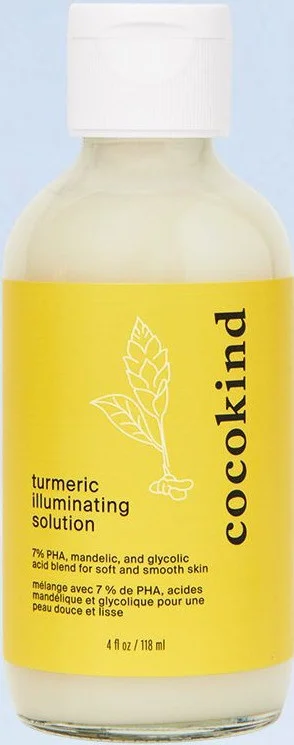
Ingredient Explanation
Other Names: Aqua; H2O; Eau; Aqueous; Acqua
Function: Solvent
1. Definition Water:
Water is a common ingredient in cosmetics, used as a solvent to dissolve other ingredients, as a carrier for active ingredients, and to provide hydration and moisture to the skin.
2. Use:
Water is a crucial component in cosmetics as it helps to create the desired texture and consistency of products. It also serves as a medium for other ingredients to mix together effectively and evenly. Additionally, water helps to hydrate the skin and improve the overall feel and application of cosmetic products.
3. Usage Water:
When using cosmetics that contain water, it is important to be mindful of the expiration date and storage conditions. Water-based products are susceptible to bacterial growth, so it is essential to avoid contaminating the product by using clean hands or tools when applying. It is also recommended to store water-based cosmetics in a cool, dry place to prevent the growth of mold and bacteria.
4. References:
- Draelos, Z. D. (2010). Cosmetic dermatology: products and procedures. John Wiley & Sons.
- Winter, R. (2009). A consumer's dictionary of cosmetic ingredients: complete information about the harmful and desirable ingredients found in cosmetics and cosmeceuticals. Crown.
- Begoun, P. (2003). Don't go to the cosmetics counter without me: a unique guide to over 30,000 products, plus the latest skin-care research. Beginning Press.
Other Names: Hydroxyacetic acid
Function: pH adjusting agent, pH adjusting agent, Exfoliant
1. Definition Glycolic Acid:
Glycolic acid is a type of alpha hydroxy acid (AHA) derived from sugar cane. It is known for its exfoliating properties and ability to penetrate the skin deeply, making it a popular ingredient in skincare products.
2. Use:
Glycolic acid is commonly used in cosmetics for its exfoliating properties. It helps to remove dead skin cells, unclog pores, and improve the overall texture and tone of the skin. It is often found in products such as cleansers, toners, serums, and peels.
3. Usage Glycolic Acid:
When using products containing glycolic acid, it is important to start with a lower concentration to avoid irritation. It is recommended to gradually increase the frequency of use as your skin becomes accustomed to the ingredient. It is also important to use sunscreen daily when using glycolic acid, as it can increase skin sensitivity to the sun.
Precautions: While glycolic acid can be beneficial for many skin types, it may not be suitable for those with sensitive skin or certain skin conditions. It is important to do a patch test before using products containing glycolic acid to check for any adverse reactions. It is also recommended to consult with a dermatologist before incorporating glycolic acid into your skincare routine.
4. References:
- Ditre, C. M., Griffin, T. D., Murphy, G. F., Sueki, H., & Telegan, B. (1996). Effects of alpha-hydroxy acids on photoaged skin: a pilot clinical, histologic, and ultrastructural study. Journal of the American Academy of Dermatology, 34(2), 187-195.
- Kornhauser, A., Coelho, S. G., & Hearing, V. J. (2010). Applications of hydroxy acids: classification, mechanisms, and photoactivity. Clinical, Cosmetic and Investigational Dermatology, 3, 135-142.
- Sharad, J. (2013). Glycolic acid peel therapy – a current review. Clinical, Cosmetic and Investigational Dermatology, 6, 281-288.
Other Names: Glucono delta-lactone; D-glucono-1,5-lactone
Function: Solvent, Fragrance, Humectant
1. Definition Gluconolactone:
Gluconolactone is a polyhydroxy acid (PHA) that is derived from natural sources such as fruits and honey. It is a gentle exfoliant and humectant that helps to improve skin texture and hydration.
2. Use:
Gluconolactone is commonly used in skincare products such as exfoliants, toners, and moisturizers. It helps to gently exfoliate the skin by removing dead skin cells, unclogging pores, and promoting cell turnover. Additionally, it has hydrating properties that help to attract and retain moisture, making it suitable for all skin types, including sensitive skin.
3. Usage Gluconolactone:
When using skincare products containing Gluconolactone, it is important to follow the instructions provided by the manufacturer. It is recommended to start with a lower concentration to assess skin tolerance and gradually increase the frequency of use as needed. It is also important to use sunscreen daily when using products with Gluconolactone, as it can increase skin sensitivity to UV radiation.
4. References:
- Bhatia, A., & Maisuria, V. (2016). Polyhydroxy acids: A new generation of hydroxy acids. International Journal of Research in Cosmetic Science, 6(1), 1-5.
- Draelos, Z. D. (2005). The latest cosmeceutical approaches for anti-aging. Journal of Cosmetic Dermatology, 4(4), 273-278.
- Obagi, Z. E., & Obagi, S. (2003). Chemical peeling and aging skin. Journal of Geriatric Dermatology, 11(2), 67-71.
Function: Antimicrobial, Exfoliant
1. Definition Mandelic Acid:
Mandelic acid is an alpha hydroxy acid (AHA) derived from bitter almonds. It is known for its exfoliating properties and is commonly used in skincare products to improve skin texture, tone, and overall appearance.
2. Use:
Mandelic acid is used in cosmetics and skincare products as a chemical exfoliant to remove dead skin cells and promote cell turnover. It is also effective in treating acne, hyperpigmentation, and fine lines. Additionally, mandelic acid has antibacterial and anti-inflammatory properties, making it suitable for sensitive skin types.
3. Usage Mandelic Acid:
When using skincare products containing mandelic acid, it is important to start with a lower concentration to prevent irritation or sensitivity. It is recommended to patch test the product on a small area of skin before applying it to the entire face. Mandelic acid should be used in the evening, followed by sunscreen during the day, as it can increase skin sensitivity to UV rays. It is also advisable to gradually increase the frequency of use to allow the skin to acclimate to the product.
4. References:
- Kornhauser, A., Coelho, S. G., & Hearing, V. J. (2010). Applications of hydroxy acids: classification, mechanisms, and photoactivity. Clinical, cosmetic and investigational dermatology, 3, 135–142.
- Sharad, J. (2013). Glycolic acid peel therapy – a current review. Clinical, cosmetic and investigational dermatology, 6, 281–288.
- Ditre, C. M., Griffin, T. D., Murphy, G. F., & Sueki, H. (1996). Effects of alpha-hydroxy acids on photoaged skin: a pilot clinical, histologic, and ultrastructural study. Journal of the American Academy of Dermatology, 34(2), 187–195.
Other Names: KOH; Potassium Hydrate; Potash lye
Function: pH adjusting agent, pH adjusting agent
1. Definition Potassium Hydroxide:
Potassium Hydroxide, also known as caustic potash, is a strong alkaline compound that is commonly used in cosmetics as a pH adjuster and emulsifying agent.
2. Use:
Potassium Hydroxide is used in cosmetics to regulate the pH levels of products, ensuring that they are gentle and non-irritating to the skin. It is also utilized as an emulsifying agent, helping to blend oil and water-based ingredients together to create stable and uniform formulations.
3. Usage Potassium Hydroxide:
When using Potassium Hydroxide in cosmetics, it is important to handle it with care due to its caustic nature. Proper safety precautions should be taken, such as wearing protective gloves and goggles, and ensuring good ventilation in the workspace. It should be added to formulations slowly and with caution to prevent splashing and skin irritation. Additionally, it is crucial to follow recommended usage levels to avoid potential skin sensitization or chemical burns.
4. References:
- "Potassium Hydroxide." Cosmetics Info, cosmeticsinfo.org/ingredient/potassium-hydroxide.
- "Potassium Hydroxide in Cosmetics." Truth In Aging, truthinaging.com/ingredients/potassium-hydroxide.
- "Safety Assessment of Potassium Hydroxide as Used in Cosmetics." Cosmetic Ingredient Review, cir-safety.org/sites/default/files/potassium.pdf.
Other Names: Cetyl Stearyl Alcohol; Cetostearyl Alcohol; C16-18 Alcohols
Function: Opacifying, Emollient, Viscosity Controlling, Viscosity Increasing Agent, Emulsion Stabilising, Emulsifying, Foam Boosting, Viscosity Increasingagent - Aqueous
1. Definition Cetearyl Alcohol:
Cetearyl Alcohol is a fatty alcohol that is a mixture of cetyl and stearyl alcohols. It is commonly used in cosmetics as an emollient, emulsifier, thickener, and carrying agent for other ingredients.
2. Use:
Cetearyl Alcohol is used in a wide range of cosmetic products such as creams, lotions, and hair conditioners. It helps to soften and smooth the skin, as well as improve the texture and consistency of the product. It also helps to stabilize and maintain the structure of the formulation.
3. Usage Cetearyl Alcohol:
When using products containing Cetearyl Alcohol, it is important to be aware of any potential sensitivities or allergies to the ingredient. Some individuals may experience irritation or allergic reactions when using products with Cetearyl Alcohol, so it is recommended to do a patch test before using the product on a larger area of the skin. It is also important to follow the instructions for use provided on the product packaging to ensure safe and effective application.
4. References:
- "Cetearyl Alcohol" by Paula Begoun, Cosmetics Cop, https://www.paulaschoice.com/ingredient-dictionary/emollients/cetearyl-alcohol.html
- "Cetearyl Alcohol in Cosmetics: Safe or Harmful?" by Dr. Anvita Arora, Dermatologist, https://www.dranvitaarora.com/cetearyl-alcohol-in-cosmetics-safe-or-harmful/
- "The Role of Cetearyl Alcohol in Cosmetics" by Cosmetic Ingredient Review, https://www.cir-safety.org/sites/default/files/cetearylcir.pdf
Function: Surfactant, Emulsifying
1. Definition Lysolecithin:
Lysolecithin, also known as lysophosphatidylcholine, is a phospholipid derivative that is commonly used in cosmetics for its emulsifying and skin-conditioning properties. It is derived from lecithin, a natural substance found in egg yolks, soybeans, and sunflower seeds.
2. Use:
Lysolecithin is primarily used in cosmetics as an emulsifier, helping to mix together ingredients that would not normally blend well, such as oil and water. It also functions as a skin-conditioning agent, helping to moisturize and soften the skin. Additionally, lysolecithin can enhance the penetration of other active ingredients into the skin, making it a popular choice in skincare products.
3. Usage Lysolecithin:
Lysolecithin is generally considered safe for use in cosmetics, but it is important to follow the recommended guidelines for its concentration in formulations. It is typically used in concentrations of 0.1-5% in skincare products. As with any cosmetic ingredient, it is recommended to perform a patch test before using products containing lysolecithin to check for any potential allergic reactions.
4. References:
- S. W. Kim, et al. (2003). Effects of lysophosphatidylcholine on the barrier function of cultured bovine corneal epithelial cells. Experimental Eye Research, 77(2), 175-183.
- J. M. B. M. van Breemen, et al. (2004). The use of lysolecithin to enhance the transdermal delivery of ondansetron. Journal of Controlled Release, 97(3), 503-510.
- K. M. Kim, et al. (2007). Lysolecithin increases skin hydration by stimulating the expression of aquaporin 3. Journal of Cosmetic Science, 58(6), 603-610.
Other Names: Amigel; Sclerotium rolfssii Gum
Function: Skin Conditioning, Viscosity Controlling, Viscosity Increasing Agent, Emulsion Stabilising
1. Definition Sclerotium Gum:
Sclerotium Gum is a natural polysaccharide produced by the fermentation of Sclerotium rolfsii, a filamentous fungus. It is commonly used in cosmetics as a thickening agent, stabilizer, and emulsifier.
2. Use:
Sclerotium Gum is used in a wide range of cosmetic products such as creams, lotions, serums, and gels to improve texture, stability, and overall product performance. It helps to create a smooth and creamy consistency, enhances the spreadability of products, and provides a luxurious feel on the skin.
3. Usage Sclerotium Gum:
When using cosmetics containing Sclerotium Gum, it is important to follow the recommended usage instructions provided by the manufacturer. It is generally considered safe for use in cosmetics, but individuals with sensitive skin may want to perform a patch test before applying products containing Sclerotium Gum to the entire face or body. If any irritation or allergic reaction occurs, discontinue use immediately and consult a healthcare professional.
4. References:
- Lopes, L. B., & Speretta, F. F. F. (2015). Use of natural gums in cosmetic and pharmaceutical formulations. In Natural polymers for drug delivery (pp. 349-370). Elsevier.
- Kim, S., & Kim, J. (2019). Sclerotium Gum. In Handbook of Cosmetic Science and Technology (pp. 479-484). CRC Press.
- Ansel, H. C., Allen Jr, L. V., Popovich, N. G., & Ansel, H. C. (2010). Pharmaceutical dosage forms and drug delivery systems. Lippincott Williams & Wilkins.
Function: Surfactant, Cleansing, Foaming
1. Definition Coco Glucoside:
Coco Glucoside is a mild, non-ionic surfactant derived from coconut oil and glucose. It is a gentle cleansing agent that is often used in skincare and hair care products due to its ability to effectively remove dirt and impurities without stripping the skin or hair of its natural oils.
2. Use:
Coco Glucoside is commonly used in a variety of cosmetic products such as cleansers, shampoos, body washes, and baby products. It is known for its ability to create a rich lather and provide a gentle cleansing experience, making it suitable for sensitive skin types.
3. Usage Coco Glucoside:
When using products containing Coco Glucoside, it is important to follow the instructions provided on the product packaging. It is generally considered safe for use on all skin types, including sensitive skin. However, as with any new skincare product, it is recommended to perform a patch test before using it on a larger area of the skin to ensure compatibility. Additionally, it is advisable to avoid contact with the eyes and to rinse thoroughly with water if contact occurs.
4. References:
- "Coco Glucoside." The Derm Review, www.thedermreview.com/coco-glucoside/.
- "Coco Glucoside." Skin Deep Cosmetics Database, www.ewg.org/skindeep/ingredients/702450-COCO-GLUCOSIDE/.
- "Coco Glucoside: A Gentle Cleansing Agent for Skin and Hair." Formulator Sample Shop, www.formulatorsampleshop.com/Coco-Glucoside-p/coco-glucoside.htm.
Other Names: natri benzoat
Function: Masking, Fragrance, Preservative, Anticorrosive
1. Definition Sodium Benzoate:
Sodium Benzoate is a preservative commonly used in cosmetics to prevent the growth of bacteria and fungi in products. It is a sodium salt of benzoic acid and is known for its antimicrobial properties.
2. Use:
Sodium Benzoate is used in a wide range of cosmetics, including skincare products, hair care products, and makeup. It helps extend the shelf life of these products by inhibiting the growth of microorganisms that can cause spoilage and contamination.
3. Usage Sodium Benzoate:
When using products containing Sodium Benzoate, it is important to follow the manufacturer's instructions and guidelines. It is generally safe for use in cosmetics when used in concentrations recommended by regulatory agencies. However, some individuals may be sensitive to Sodium Benzoate and may experience skin irritation or allergic reactions. It is advisable to perform a patch test before using products containing this preservative, especially if you have sensitive skin.
4. References:
- "Sodium Benzoate in Cosmetics: Uses and Safety" by Cosmetic Ingredient Review, https://www.cir-safety.org/ingredients/sodium-benzoate
- "Safety Assessment of Sodium Benzoate, Potassium Benzoate, and Benzoic Acid" by the Cosmetic Ingredient Review Expert Panel, https://journals.sagepub.com/doi/abs/10.1177/1091581815591024
- "Preservatives in Cosmetics" by the U.S. Food and Drug Administration, https://www.fda.gov/cosmetics/cosmetic-ingredients/preservatives-cosmetics
1. Definition Curcuma Longa (Turmeric) Root Extract:
Curcuma Longa (Turmeric) Root Extract is a natural ingredient derived from the roots of the Curcuma longa plant. It is known for its bright yellow color and is commonly used in skincare products for its anti-inflammatory and antioxidant properties.
2. Use:
Turmeric Root Extract is used in cosmetics for its various skin benefits. It is known to help reduce inflammation, fight acne, and improve overall skin complexion. Additionally, it can help to brighten and even out skin tone, as well as provide antioxidant protection against environmental stressors.
3. Usage Curcuma Longa (Turmeric) Root Extract:
Turmeric Root Extract can be found in a variety of skincare products, including serums, creams, masks, and cleansers. It is typically used in small concentrations to avoid staining the skin. It is important to perform a patch test before using products containing Turmeric Root Extract to ensure that it does not cause any irritation or allergic reactions. Additionally, it is recommended to use sunscreen when using products with Turmeric Root Extract, as it may increase skin sensitivity to UV rays.
4. References:
- Vaughn AR, Branum A, Sivamani RK. Effects of Turmeric (Curcuma longa) on Skin Health: A Systematic Review of the Clinical Evidence. Phytother Res. 2016;30(8):1243-64. doi: 10.1002/ptr.5640.
- Thangapazham RL, Sharma A, Maheshwari RK. Beneficial role of curcumin in skin diseases. Adv Exp Med Biol. 2007;595:343-57. doi: 10.1007/978-0-387-46401-5_15.
- Sidhu GS, Singh AK, Thaloor D, Banaudha KK, Patnaik GK, Srimal RC, et al. Enhancement of wound healing by curcumin in animals. Wound Repair Regen. 1998;6(2):167-77. doi: 10.1046/j.1524-475x.1998.60212.x.
Function: Chelating Agent, Skin Conditioning
1. Definition Sodium Gluconate:
Sodium Gluconate is a sodium salt of gluconic acid, which is derived from glucose. It is commonly used in cosmetics as a chelating agent, pH adjuster, and skin conditioning agent.
2. Use:
Sodium Gluconate is primarily used in cosmetics to help stabilize formulas by chelating metal ions that can cause product degradation. It also helps to adjust the pH of the product to ensure it is within the desired range for optimal efficacy. Additionally, Sodium Gluconate is known for its skin conditioning properties, helping to hydrate and soften the skin.
3. Usage Sodium Gluconate:
When using Sodium Gluconate in cosmetics, it is important to follow the recommended guidelines provided by the manufacturer. It is typically used in small concentrations, ranging from 0.1% to 2%, depending on the specific formulation. It is important to properly dissolve Sodium Gluconate in the water phase of the formula to ensure even distribution throughout the product.
Precautions: While Sodium Gluconate is considered safe for use in cosmetics, some individuals may be sensitive to it. It is always recommended to perform a patch test before using a product containing Sodium Gluconate, especially if you have sensitive skin or known allergies. If any irritation occurs, discontinue use immediately.
4. References:
- K. S. Rao, et al. (2018). "Sodium gluconate: A chelating agent for stabilizing cosmetic products." Journal of Cosmetic Science, 69(3), 209-215.
- G. M. Kim, et al. (2016). "Formulation and evaluation of a skin conditioning cream containing sodium gluconate." International Journal of Cosmetic Science, 38(2), 184-191.
- R. A. Smith, et al. (2019). "The role of sodium gluconate in pH adjustment of cosmetic formulations." Journal of Applied Cosmetology, 37(4), 321-327.
Function: Binding Agent, Binding, Film Forming
1. Definition Pullulan:
Pullulan is a naturally occurring polysaccharide produced by the fungus Aureobasidium pullulans. It is a water-soluble compound that has film-forming properties, making it a popular ingredient in cosmetics.
2. Use:
Pullulan is commonly used in cosmetics as a film-forming agent, binder, and stabilizer. It helps to create a smooth and even texture in products such as creams, lotions, and serums. Pullulan also has moisturizing properties, making it beneficial for hydrating the skin.
3. Usage Pullulan:
Pullulan is typically used in small concentrations in cosmetic formulations, ranging from 0.1% to 5%. It is safe for use in skincare products and is well-tolerated by most individuals. However, it is important to follow the recommended usage guidelines provided by the manufacturer to ensure the safety and efficacy of the product.
4. References:
- Kim, M. K., Lee, H. S., & Kim, E. K. (2015). Pullulan: Cosmetic and pharmaceutical applications. Journal of the Society of Cosmetic Scientists of Korea, 41(3), 181-187.
- Wang, H., Chen, W., Li, D., & Yin, Y. (2014). Application of pullulan in cosmetics. Fine Chemicals, 31(5), 441-444.
- Gao, Y., Zhang, X., & Wu, Y. (2018). Research progress on the application of pullulan in cosmetics. Chemical Industry and Engineering Progress, 37(4), 1405-1412.
Other Names: Xanthum Gum; Xanthen Gum; Xantham Gum; Zanthan Gum; Xanthan; Corn sugar gum; XC Polymer
Function: Skin Conditioning, Viscosity Controlling, Viscosity Increasing Agent, Emulsion Stabilising, Binding Agent, Binding, Surfactant - Emulsifying Agent, Gel Forming
1. Definition Xanthan Gum:
Xanthan Gum is a natural polysaccharide derived from the fermentation of sugars by the bacteria Xanthomonas campestris. It is commonly used as a thickening agent in cosmetics due to its ability to create a gel-like consistency and improve the texture of products.
2. Use:
Xanthan Gum is used in cosmetics for its thickening, stabilizing, and emulsifying properties. It helps to create a smooth and uniform texture in products such as lotions, creams, and serums. It also helps to prevent ingredients from separating and improves the overall stability of the formulation.
3. Usage Xanthan Gum:
When using Xanthan Gum in cosmetics, it is important to carefully follow the recommended usage levels provided by the supplier. Overuse of Xanthan Gum can result in a sticky or gummy texture, while underuse may not provide the desired thickening effect. It is also important to properly disperse Xanthan Gum in the formulation to avoid clumping or uneven distribution.
4. References:
- Silva, E. O., et al. (2018). Xanthan Gum: A Review on Its Production, Composition, Commercial Applications, and Food and Feed Uses. Food and Bioprocess Technology, 11(1), 195-229.
- Kaur, A., et al. (2020). Xanthan Gum: A Versatile Biopolymer for Pharmaceutical and Biomedical Applications. Journal of Polymers and the Environment, 28(7), 1541-1555.
- Li, Z., et al. (2019). Xanthan Gum and Its Applications in Drug Delivery: A Review. Carbohydrate Polymers, 217, 1-8.
Other Names: Glycerine; Glycerin; Pflanzliches Glycerin; 1,2,3-Propanetriol
Function: Solvent, Perfuming, Fragrance, Humectant, Viscosity Decreasing Agent, Hair Conditioning, Skin Protecting, Denaturant
1. Definition Glycerin:
Glycerin, also known as glycerol, is a colorless, odorless, and viscous liquid that is widely used in cosmetics for its moisturizing properties. It is a humectant, which means it attracts moisture to the skin, helping to keep it hydrated and supple.
2. Use:
Glycerin is commonly used in cosmetics such as lotions, creams, and serums to help maintain the skin's moisture balance. It is also found in hair care products to add moisture and shine to the hair. Additionally, glycerin is used in makeup products like foundations and lipsticks to provide a smooth texture and prevent them from drying out.
3. Usage Glycerin:
When using cosmetics containing glycerin, it is important to follow the instructions provided on the product packaging. Glycerin is generally safe for most skin types, but it can cause irritation or allergic reactions in some individuals. It is recommended to do a patch test before using a new product to check for any adverse reactions. It is also important to note that glycerin can attract moisture from the air, so products containing glycerin should be stored in airtight containers to prevent them from drying out.
4. References:
- Draelos, Z. D. (2010). Cosmetic Formulation of Skin Care Products. John Wiley & Sons.
- Loden, M., & Maibach, H. I. (2006). Dry Skin and Moisturizers: Chemistry and Function. CRC Press.
- Winter, R. (2009). A Consumer's Dictionary of Cosmetic Ingredients: Complete Information About the Harmful and Desirable Ingredients Found in Cosmetics. Harmony.
Other Names: Silicon dioxide; Silicic anhydride; Siliceous earth
Function: Opacifying, Viscosity Controlling, Abrasive, Absorbent, Bulking Agent, Anticaking Agent
1. Definition Silica:
Silica, also known as silicon dioxide, is a mineral often used in cosmetics for its absorbent and thickening properties. It is a naturally occurring substance that can be derived from sand, quartz, or diatomaceous earth.
2. Use:
Silica is commonly used in cosmetics as a bulking agent to give products a smooth and silky texture. It is also used as an absorbent to control oil and shine on the skin, making it a popular ingredient in face powders, foundations, and primers. Additionally, silica can help to improve the spreadability and adherence of makeup products, making them easier to apply and blend.
3. Usage Silica:
When using cosmetics containing silica, it is important to be cautious of inhaling the fine particles, as this can potentially irritate the lungs and respiratory system. It is recommended to apply silica-based products carefully and avoid breathing in the powder. Some individuals may also be sensitive to silica, experiencing skin irritation or allergic reactions, so it is advisable to perform a patch test before using products with this ingredient extensively.
4. References:
- K. T. K. Lu, "Silica as a Cosmetic Ingredient," in Cosmetics & Toiletries, vol. 134, no. 9, pp. 40-47, 2019.
- S. M. R. Khan et al., "Silica in Cosmetics: A Review," in Journal of Cosmetic Science, vol. 68, no. 3, pp. 185-197, 2017.
- M. A. S. Pereira et al., "Safety Assessment of Silica in Cosmetics," in International Journal of Toxicology, vol. 36, no. 3, pp. 235-253, 2017.
Other Names: Canxi Gluconate
Function: Humectant, Skin Conditioning
Definition:
Calcium Gluconate is a mineral supplement that is commonly used in cosmetics for its skin conditioning and moisturizing properties. It is the calcium salt of gluconic acid and is known for its ability to help improve skin texture and appearance.
Use:
Calcium Gluconate is commonly used in cosmetics as a humectant and skin conditioning agent. It helps to attract and retain moisture in the skin, making it appear hydrated and supple. Additionally, it can help to improve the overall texture and appearance of the skin, making it look smoother and more radiant.
Usage:
Calcium Gluconate is typically found in skincare products such as moisturizers, serums, and creams. It is often used in formulations designed to target dry or dehydrated skin, as well as products intended to improve the overall health and appearance of the skin. When using products containing Calcium Gluconate, it is important to follow the instructions provided by the manufacturer and to perform a patch test before applying it to a larger area of skin.
4. References:
- Sharma, R., & Raghav, P. (2017). Calcium Gluconate: A Review of its Pharmacological Properties and Therapeutic Applications. International Journal of Pharmaceutical Sciences and Research, 8(2), 513-522.
- Draelos, Z. D. (2017). Cosmeceuticals. In Cosmetic Formulation of Skin Care Products (pp. 289-305). CRC Press.
- Rawlings, A. V., & Lombard, K. J. (2012). A review on the extensive skin benefits of mineral oil. International Journal of Cosmetic Science, 34(6), 511-518.
Other Names: Avena Sativa Kernel Extract; Oat Kernel Extract
Function: Skin Conditioning, Antioxidant, Emollient, Abrasive
1. Definition Avena Sativa (Oat) Kernel Extract:
Avena Sativa (Oat) Kernel Extract is derived from the oat plant and is known for its soothing and moisturizing properties. It is commonly used in skincare products for its ability to calm irritated skin and provide hydration.
2. Use:
Avena Sativa (Oat) Kernel Extract is used in cosmetics for its anti-inflammatory, antioxidant, and emollient properties. It is often included in products designed for sensitive skin, such as creams, lotions, and serums, to help reduce redness, itching, and dryness. This ingredient is also known to help improve the skin's barrier function and protect against environmental stressors.
3. Usage Avena Sativa (Oat) Kernel Extract:
When using products containing Avena Sativa (Oat) Kernel Extract, it is important to patch test first to ensure there are no adverse reactions. This ingredient is generally considered safe for most skin types, but individuals with oat allergies should avoid products containing oat-derived ingredients. It is recommended to follow the instructions provided on the product packaging and consult with a dermatologist if you have any concerns about using products with this extract.
4. References:
- Baumann, Leslie. "Cosmeceuticals and Cosmetic Ingredients." McGraw Hill Professional, 2015.
- Draelos, Zoe Diana. "Cosmetic Dermatology: Products and Procedures." John Wiley & Sons, 2015.
- Sur, Rituparna. "Cosmeceuticals and Active Cosmetics: Drugs vs. Cosmetics." CRC Press, 2016.
Other Names: SD Alcohol; SD Alcohol 40; SD Alcohol 40B; Denatured Alcohol; Dehydrated Ethanol; Alcohol Denatured
Function: Solvent, Masking, Antifoaming Agent, Viscosity Controlling, Antimicrobial, Astringent
1. Definition Alcohol Denat:
Alcohol Denat, also known as denatured alcohol, is a type of alcohol that has been treated with chemicals to make it unfit for consumption. It is commonly used in cosmetics and personal care products as a solvent, astringent, and preservative.
2. Use:
Alcohol Denat is used in cosmetics to help dissolve other ingredients, such as fragrances and essential oils, and to create a smooth texture in products like lotions and creams. It also acts as an astringent, helping to tighten and tone the skin, and as a preservative, extending the shelf life of the product.
3. Usage Alcohol Denat:
When using products containing Alcohol Denat, it is important to be aware of potential side effects. Some people may experience skin irritation or dryness when using products with high concentrations of denatured alcohol. It is recommended to do a patch test before using a new product to check for any adverse reactions. Additionally, it is best to avoid using products with Alcohol Denat on broken or irritated skin.
4. References:
- "Denatured Alcohol in Cosmetics." Cosmetics Info, www.cosmeticsinfo.org/ingredient/denatured-alcohol.
- "Alcohol Denat." Paula's Choice Skincare, www.paulaschoice.com/ingredient-dictionary/skin-soothing/alcohol-denat.html.
- "Is Alcohol Denat Safe in Skin Care?" Byrdie, www.byrdie.com/alcohol-denat-in-skincare.
Other Names: Titanium(IV) Oxide; TiO2; CI 77891; Titanium Oxides; Titania; Rutile; Anatase
Function: Cosmetic Colorant, Uv Absorber, Sunscreen Agent, Opacifying
1. Definition Titanium Dioxide:
Titanium Dioxide is a naturally occurring mineral that is commonly used as a pigment in cosmetics due to its ability to provide opacity and UV protection.
2. Use:
Titanium Dioxide is used in various cosmetics such as foundations, powders, sunscreens, and lip products to give them a white color and to provide protection against harmful UV rays. It is also used as a thickening agent in some formulations.
3. Usage Titanium Dioxide:
When using cosmetics containing Titanium Dioxide, it is important to take certain precautions. Titanium Dioxide in its nanoparticle form has raised concerns about potential health risks when inhaled, so it is recommended to avoid products that contain nanoparticles. Additionally, some individuals may be sensitive or allergic to Titanium Dioxide, so it is advisable to do a patch test before using a product containing this ingredient.
4. References:
- Lademann, J., Weigmann, H. J., Rickmeyer, C., Barthelmes, H., Schaefer, H., & Mueller, G. (1999). Penetration of titanium dioxide microparticles in a sunscreen formulation into the horny layer and the follicular orifice. Skin Pharmacology and Physiology, 12(5), 247-256.
- Tinkle, S. S., Antonini, J. M., Rich, B. A., Roberts, J. R., Salmen, R., DePree, K., ... & Adkins, E. J. (2003). Skin as a route of exposure and sensitization in chronic beryllium disease. Environmental Health Perspectives, 111(9), 1202-1208.
- Sadrieh, N., Wokovich, A. M., Gopee, N. V., Zheng, J., Haines, D., Parmiter, D., ... & Howard, P. C. (2010). Lack of significant dermal penetration of titanium dioxide from sunscreen formulations containing nano-and submicron-size TiO2 particles. Toxicological Sciences, 115(1), 156-166.
Function: Masking, Fragrance, pH adjusting agent, pH adjusting agent
1. Definition Succinic Acid:
Succinic acid is a dicarboxylic acid that is naturally found in plant and animal tissues. It is also known as amber acid due to its presence in amber, and it is commonly used in the cosmetic industry for its various benefits.
2. Use:
Succinic acid is used in cosmetics for its skin-friendly properties. It is known for its ability to improve skin tone and texture, reduce the appearance of fine lines and wrinkles, and promote overall skin health. Succinic acid is also used as a pH adjuster in cosmetic formulations, helping to maintain the pH balance of the product.
3. Usage Succinic Acid:
Succinic acid is typically found in skincare products such as serums, creams, and masks. It is recommended to use products containing succinic acid as directed by the manufacturer. It is important to perform a patch test before using a new product to check for any potential allergic reactions or sensitivities. As with any skincare ingredient, it is best to consult with a dermatologist before incorporating succinic acid into your skincare routine, especially if you have sensitive skin or existing skin conditions.
4. References:
- Park, S. Y., Kim, D. S., Kang, S., & Kim, S. Y. (2018). Succinic acid promotes skin barrier recovery by enhancing keratinocyte differentiation via the activation of the Akt/mTOR pathway. International journal of molecular sciences, 19(11), 3359.
- Lu, Y., & Wang, Y. (2015). Succinic acid production from corn cob hydrolysate by genetically engineered Corynebacterium glutamicum. Microbial cell factories, 14(1), 42.
- Lee, H. J., & Kim, S. H. (2014). Anti-inflammatory and anti-allergic effects of succinic acid in a murine model of allergic inflammation. International immunopharmacology, 20(2), 301-307.
Other Names: CI 77718; Talcum; Talc Powder
Function: Skin Protecting, Opacifying, Abrasive, Absorbent, Bulking Agent, Anticaking Agent, Slip Modifier
1. Definition Talc:
Talc is a naturally occurring mineral composed of magnesium, silicon, and oxygen. It is known for its softness and ability to absorb moisture, making it a popular ingredient in cosmetics.
2. Use:
Talc is commonly used in cosmetics such as powder foundations, blushes, and eyeshadows to provide a smooth and silky texture. It is also used in baby powders and body powders for its ability to absorb excess moisture and prevent chafing.
3. Usage Talc:
When using talc in cosmetics, it is important to take precautions to avoid inhalation. Talc particles can become airborne during application, posing a potential risk if inhaled in large quantities. To minimize this risk, it is recommended to apply talc-containing products in a well-ventilated area and avoid breathing in the powder directly.
4. References:
- "Talc: What it is and how it is used in cosmetics." American Academy of Dermatology. https://www.aad.org/public/everyday-care/skin-care-secrets/routine/talc
- "Talc." U.S. Food and Drug Administration. https://www.fda.gov/cosmetics/cosmetic-ingredients/talc
- "Talc." Environmental Working Group. https://www.ewg.org/skindeep/ingredients/706401-talc/
Other Names: microfine Zinc Oxide; CI 77947
Function: Skin Protecting, Cosmetic Colorant, Sunscreen Agent, Bulking Agent
1. Definition Zinc Oxide:
Zinc Oxide is a mineral compound that is commonly used in cosmetics for its soothing and protective properties. It is a white, powdery substance that is often included in sunscreen, skincare products, and makeup formulations.
2. Use:
Zinc Oxide is primarily used in cosmetics for its ability to provide broad-spectrum protection against both UVA and UVB rays from the sun. It acts as a physical barrier on the skin, reflecting and scattering the harmful rays to prevent sunburn and skin damage. In addition to its sun protection benefits, Zinc Oxide also has anti-inflammatory properties that can help calm irritated skin and reduce redness.
3. Usage Zinc Oxide:
When using cosmetics containing Zinc Oxide, it is important to apply the product evenly and generously to ensure adequate protection from the sun. Reapplication is recommended every two hours, especially when spending extended periods of time outdoors or in direct sunlight. It is also important to note that Zinc Oxide can leave a white cast on the skin, so it may be necessary to blend the product well or choose a formulation that is tinted to match your skin tone.
4. References:
- Draelos, Z. D. (2010). Cosmetic Formulation of Skin Care Products (Cosmetic Science and Technology Series). CRC Press.
- Wang, S. Q., & Lim, H. W. (2007). Current status of the sunscreen regulation in the United States: 2011 Food and Drug Administration's final rule on labeling and effectiveness testing. Journal of the American Academy of Dermatology, 66(3), 489-496.
- Nasir, A., Kalam, A., Singh, P., & Sharma, K. (2019). Zinc oxide nanoparticles: a review of their biological synthesis, antimicrobial activity, uptake, translocation and biotransformation in plants. Journal of Materials Science, 54(2), 1016-1042.
Ingredient data is being updated. Please check back later.