


- Home
- Compare product
- Comparison result

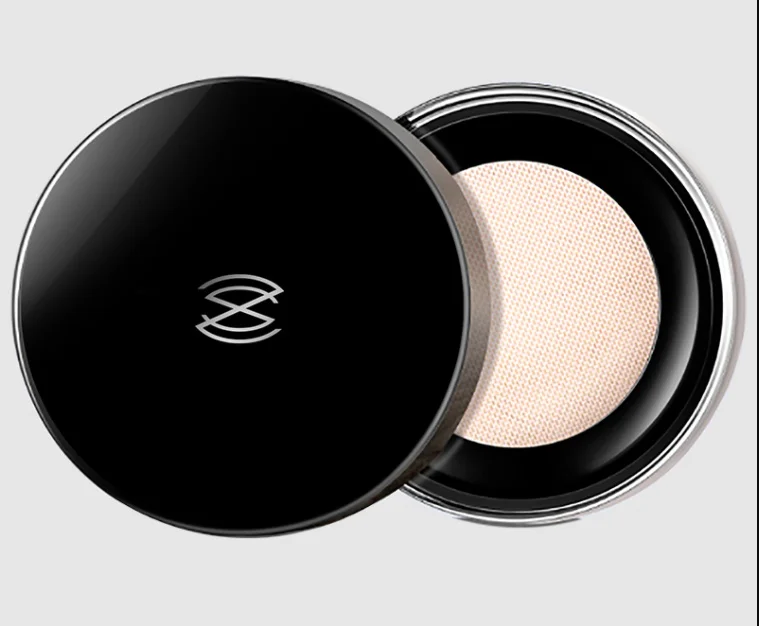


| EWG | CIR | Ingredient Name & Cosmetic Function | Notes |
|---|---|---|---|
| 1 | A | (Skin Protecting, Opacifying, Abrasive, Absorbent, Bulking Agent, Anticaking Agent, Slip Modifier) |  |
| 1 | - | (Smoothing) | |
| 4 | - | | |
| 1 | - | |
| EWG | CIR | Ingredient Name & Cosmetic Function | Notes |
|---|---|---|---|
| 2 | - | (Cosmetic Colorant, Opacifying) | |
| 1 2 | A | (Opacifying, Viscosity Controlling, Abrasive, Absorbent, Bulking Agent, Anticaking Agent) | |
| 1 | A | (Skin Protecting, Abrasive, Absorbent, Viscosity Increasing Agent) |  |
| 1 | A | (Skin Protecting, Opacifying, Abrasive, Absorbent, Bulking Agent, Anticaking Agent, Slip Modifier) | |


Kaolin
1. Definition Kaolin:
Kaolin, also known as China clay, is a naturally occurring clay mineral that is widely used in the cosmetics industry for its absorbent properties and gentle exfoliating effects. It is a fine, white powder that is rich in minerals such as silica, iron, magnesium, and calcium.2. Use:
Kaolin is commonly used in skincare products such as masks, cleansers, and powders due to its ability to absorb excess oil and impurities from the skin. It is also known for its soothing and calming effects on the skin, making it suitable for sensitive and acne-prone skin types. Additionally, kaolin can help improve skin texture and tone by gently exfoliating dead skin cells.3. Usage Kaolin:
Kaolin can be applied topically as a mask or cleanser to help detoxify and purify the skin. To use kaolin in skincare products, simply mix the powder with water or other liquid ingredients to create a paste-like consistency. Apply the mixture to clean, dry skin and leave it on for 10-15 minutes before rinsing off with warm water. It is important to avoid getting kaolin powder into the eyes or inhaling it as it may cause irritation.4. References:
- Dweck, A. C. (2012). Formulating with kaolin. Personal Care Magazine, 9(3), 25-28.
- Williams, L. B., & Haydel, S. E. (2010). Evaluation of the medicinal use of clay minerals as antibacterial agents. International Geology Review, 52(7/8), 745-770.
- Lin, Y. C., & Lin, J. H. (2008). Kaolin and its industrial uses. Journal of the Chinese Ceramic Society, 36(6), 805-811.
Maranta Arundinacea (Arrowroot)
1. Definition Maranta Arundinacea (Arrowroot):
Maranta Arundinacea, commonly known as Arrowroot, is a tropical plant native to South America. The starch extracted from its rhizomes is used in various industries, including cosmetics, due to its soothing and softening properties.2. Use:
Arrowroot is a versatile ingredient in cosmetics, known for its ability to absorb excess oil and moisture, making it a popular choice in skincare products such as powders, lotions, and masks. It is also used in hair care products to add volume and texture, as well as in natural deodorants for its odor-absorbing properties.3. Usage Maranta Arundinacea (Arrowroot):
When using Arrowroot in cosmetics, it is important to be aware of potential precautions. While generally considered safe for most skin types, individuals with sensitive skin may experience irritation or allergic reactions. It is recommended to perform a patch test before using products containing Arrowroot extensively. Additionally, Arrowroot should be stored in a cool, dry place to prevent spoilage.4. References:
- Ribeiro, S. M. R., et al. (2018). Arrowroot (Maranta arundinacea L.) starch as a potential food and pharmaceutical excipient: Extraction, characterization, and utilization. Food Hydrocolloids, 80, 203-213.
- Gomes, C. M. M., et al. (2019). Arrowroot (Maranta arundinacea L.) starch: A potential source of nutraceutical and cosmetic ingredients. Trends in Food Science & Technology, 93, 14-26.
- Bhat, Z. F., et al. (2017). Arrowroot (Maranta arundinacea L.) starch as a potential bioactive polysaccharide for biomedical applications: A review. International Journal of Biological Macromolecules, 104, 986-991.
Anthemis Nobilis (Chamomile)
1. Definition Anthemis Nobilis (Chamomile):
Anthemis Nobilis, commonly known as Chamomile, is a flowering plant belonging to the Asteraceae family. It is known for its soothing and calming properties, making it a popular ingredient in skincare and cosmetic products.2. Use:
Chamomile is often used in cosmetics for its anti-inflammatory, anti-bacterial, and antioxidant properties. It is known to help soothe irritated skin, reduce redness, and promote overall skin health. Chamomile is commonly found in products such as lotions, creams, serums, and masks.3. Usage Anthemis Nobilis (Chamomile):
Chamomile can be found in various cosmetic products, including cleansers, toners, moisturizers, and even makeup. It is typically used in concentrations that are safe for topical application. However, it is important to perform a patch test before using products containing Chamomile, especially for individuals with sensitive skin or allergies. It is recommended to consult a dermatologist or skincare professional before incorporating Chamomile into your skincare routine.4. References:
- Srivastava, J. K., Shankar, E., & Gupta, S. (2010). Chamomile: A herbal medicine of the past with bright future. Molecular medicine reports, 3(6), 895-901.
- McKay, D. L., & Blumberg, J. B. (2006). A review of the bioactivity and potential health benefits of chamomile tea (Matricaria recutita L.). Phytotherapy Research, 20(7), 519-530.
- Reuter, J., Huyke, C., Casetti, F., Theek, C., Frank, U., Augustin, M., & Schempp, C. (2008). Anti-inflammatory potential of a lipolotion containing coriander oil in the ultraviolet erythema test. Journal of Dermo-Science, 50(2), 135-143.
Arctium Lappa (Burdock) Root
1. Definition Arctium Lappa (Burdock) Root:
Arctium Lappa, commonly known as Burdock, is a plant native to Europe and Asia that has been used for centuries in traditional medicine and skincare due to its numerous health benefits.2. Use:
Burdock root is commonly used in cosmetics for its anti-inflammatory, antioxidant, and antibacterial properties. It is known to help improve the overall health and appearance of the skin by reducing inflammation, fighting free radicals, and promoting a clear complexion.3. Usage Arctium Lappa (Burdock) Root:
Burdock root extract is often included in skincare products such as creams, lotions, and serums to help soothe irritated skin, reduce redness, and combat acne. It can also be found in hair care products to promote healthy scalp and hair growth. When using products containing Burdock root, it is important to perform a patch test first to check for any allergic reactions and to follow the recommended usage instructions to avoid any potential side effects.4. References:
- Park, G. H., Park, K. Y., Cho, H. I., & Lee, S. M. (2012). Protective effect of Arctium lappa L. root extracts against hydrogen peroxide-induced cell damage and glutathione depletion in human dermal fibroblasts. Journal of Biomedical Science, 19(1), 73.
- Yoon, J. Y., Al-Reza, S. M., Kang, S. C., & Kim, S. Y. (2010). Evaluation of Arctium lappa root extracts for growth promotion of probiotic, Lactobacillus plantarum. Biotechnology & Biotechnological Equipment, 24(4), 2032-2036.
- Sultana, S., Perwaiz, S., Iqbal, M., Athar, M., & Rehman, M. U. (2016). Arctium lappa root extract induces cell death via mitochondrial-mediated caspase-dependent mechanism in human SH-SY5Y neuroblastoma cells. Biomedicine & Pharmacotherapy, 84, 1070-1077.







