


- Home
- Compare product
- Comparison result
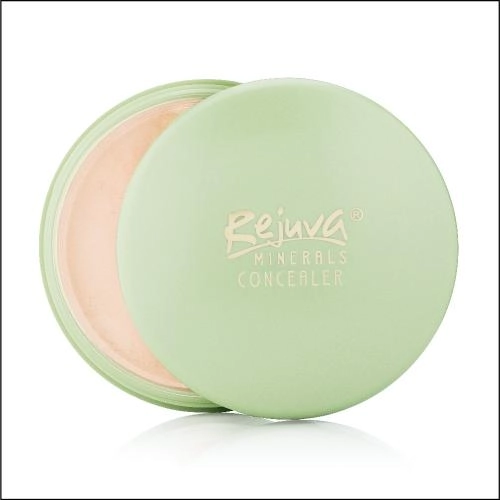


| EWG | CIR | Ingredient Name & Cosmetic Function | Notes |
|---|---|---|---|
| 2 | - | (Colorant, Cosmetic Colorant) | |
| 1 | A | (Epilating Agent, Depilatory) |  Fungal Acne Trigger Fungal Acne Trigger |
| 1 | A | (Skin Protecting, Opacifying, Abrasive, Absorbent, Bulking Agent, Anticaking Agent, Slip Modifier) | Moisturizing  Không tốt cho dưỡng ẩm en Không tốt cho làm sạch en Dung môi nước en Dung môi cồn en Dung môi dầu en Dung môi gel en Dung môi hữu cơ en Dung môi Silicone en Dung môi Este en Dung môi Glycol Ether en Không tốt cho dưỡng ẩm en Không tốt cho làm sạch en Dung môi nước en Dung môi cồn en Dung môi dầu en Dung môi gel en Dung môi hữu cơ en Dung môi Silicone en Dung môi Este en Dung môi Glycol Ether en |
| 1 | A | (Opacifying, Skin Conditioning, Absorbent, Slip Modifier) | |
| 1 | A | (Skin Conditioning, Exclusive) | |
| 1 | - | |
| EWG | CIR | Ingredient Name & Cosmetic Function | Notes |
|---|---|---|---|
| 3 | A | (Solvent, Hair Conditioning, Skin Conditioning, Emollient) |  Silicone Silicone |
| 1 | - | (Solvent) | |
| 1 3 | A | (Skin Protecting, Skin Conditioning, Emollient, Antifoaming Agent) | Silicone Moisturizing |
| 1 | - | (Skin Conditioning, Surfactant, Viscosity Increasing Agent, Emulsifying, Hair Conditioning) | Cleansing |
| 3 | A | (Film Forming, Opacifying) | |
| 1 | - | (Colorant, Cosmetic Colorant) | |
| 3 | - | | |
| 1 | B | (Skin Conditioning, Emollient, Surfactant, Emulsifying) | Cleansing |
| 1 | A | (Opacifying, Skin Conditioning, Viscosity Controlling, Abrasive, Absorbent, Bulking Agent, Anticaking Agent, Viscosity Increasing Agent) | |
| 1 | A | (Masking, Fragrance, Emulsion Stabilising, Emulsifying, Sufactant, Refatting) |  Bad for oily skin Fungal Acne Trigger Cleansing Bad for oily skin Fungal Acne Trigger Cleansing |
| 1 | A | (Humectant, Skin Protecting, Opacifying, Emollient, Viscosity Controlling) | Moisturizing |
| 2 | - | (Cosmetic Colorant, Opacifying) | |
| 1 | A | (Viscosity Controlling) | |
| 1 2 | A | (Solvent, Perfuming, Fragrance, Humectant, Viscosity Decreasing Agent, Hair Conditioning, Skin Protecting, Denaturant ) |  Good for dry skin Moisturizing Good for dry skin Moisturizing |
| 1 | - | (Skin Conditioning, Humectant) | |
| 8 | A | (Solvent, Skin Conditioning, Emollient, Hair Conditioning) | |
| 2 | A | (Solvent, Hair Conditioning, Skin Conditioning, Emollient) | |
| 1 | A | (Humectant, Skin Conditioning) | Good for dry skin Promotes Wound Healing |
| 1 | - | (Skin-Conditioning Agent - Occlusive) | |
| 1 | - | (Skin Conditioning, Emollient, Fragrance, Humectant) | |
| 1 | B | (Skin Conditioning, Tonic, Cleansing, Soothing, Smoothing) | Promotes Wound Healing Cleansing |
| 1 | - | (Skin Conditioning) | |
| 1 | B | (Solvent, Skin Conditioning, Emollient) | |
| 1 | B | (Skin Conditioning) | |
| 1 | - | (Skin Protecting) | Moisturizing |
| 1 | - | | |
| 3 | A | (Emulsifying) | Cleansing |
| 1 | A | (Skin Conditioning, Viscosity Controlling, Viscosity Increasing Agent, Emulsion Stabilising, Binding Agent, Binding, Surfactant - Emulsifying Agent, Gel Forming) | |
| 1 2 | - | (Skin Conditioning, Emollient, Antistatic Agent, Emulsifying, Surfactant) | Cleansing |
| 1 | - | (Skin Conditioning) | |
| 1 | - | (Skin Conditioning) | |
| - | - | Xanthium Sibiricum Fruit Extract | |
| 1 | A | (Skin Conditioning) | |
| 1 | - | (Skin Conditioning) | |
| 1 | - | (Masking, Humectant, Skin Conditioning, Binding Agent, Binding, Moisturising, Flavoring Agent) | Moisturizing |
| 1 3 | A | (Masking, Fragrance, Preservative, Anticorrosive) | |
| 1 | A | (Masking, Antioxidant) | Fungal Acne Trigger |
| 9 | - | Good for dry skin Anti Aging | |
| 1 | A | (Hair Conditioning, Skin Conditioning, Emollient, Refatting) | |
| 1 3 | - | (Humectant, Skin Conditioning) | |
| 1 | A | (Masking, pH adjusting agent, pH adjusting agent, Chelating) | |
| - | - | (Skin Conditioning) | |
| 1 | - | Good for dry skin Anti Aging | |
| 1 | - | (Binding Agent, Binding) | |
| 1 | - | (Skin Conditioning, Tonic) | |
| 2 | - | (Skin Conditioning) | Good for dry skin Anti Aging |
| 2 4 | A | (Fragrance, Preservative) | |
| 2 | A | (Deodorant, Skin Conditioning) | |
| 1 | A | (Solvent, Perfuming, Fragrance, Viscosity Decreasing Agent, Skin Conditioning, Emulsifying, Surfactant) | Cleansing |
| 1 | A | (Humectant, Hair Conditioning, Skin Conditioning, Emollient) | |
| 2 | - | (Colorant, Cosmetic Colorant) | |
| 1 3 | - | (Cosmetic Colorant, Uv Absorber, Sunscreen Agent, Opacifying) | UV Protection  Good for sensitive skin Good for sensitive skin |
Iron Oxides
1. Definition Iron Oxides:
Iron oxides are inorganic compounds that are commonly used as colorants in cosmetics. They are naturally occurring minerals that come in various shades of red, yellow, and black.2. Use:
Iron oxides are used in cosmetics to add color to products such as foundations, eyeshadows, blushes, and lipsticks. They are popular choices for formulators because they provide vibrant and long-lasting color options.3. Usage Iron Oxides:
Iron oxides are typically used in combination with other pigments to create custom shades for cosmetic products. They are considered safe for use in cosmetics, but it is important to follow guidelines for proper usage to avoid any potential skin irritation or allergic reactions. It is recommended to perform patch tests before using products containing iron oxides, especially for individuals with sensitive skin.4. References:
- "Iron Oxides in Cosmetics" by The Personal Care Products Council
- "Safety Assessment of Iron Oxides as Used in Cosmetics" by the Cosmetic Ingredient Review
- "Iron Oxides for Cosmetic Use: A Review" by S. B. Chavan and A. R. Bhamare
Copernicia Cerifera (Carnauba) Wax
1. Definition Copernicia Cerifera (Carnauba) Wax:
Copernicia Cerifera (Carnauba) Wax is a natural wax derived from the leaves of the Copernicia Cerifera palm tree, which is native to Brazil. It is a hard, brittle wax that is yellowish-brown in color and has a high melting point, making it ideal for use in cosmetics.2. Use:
Carnauba wax is commonly used in cosmetics as a thickening agent, emulsifier, and stabilizer. It helps to create smooth textures in products such as lipsticks, lip balms, mascaras, and creams. Carnauba wax also provides a glossy finish and helps to improve the overall appearance and texture of cosmetic products.3. Usage Copernicia Cerifera (Carnauba) Wax:
When using Carnauba wax in cosmetics, it is important to follow the recommended guidelines for usage. It is typically added to formulations at a concentration of 1-30% depending on the desired texture and consistency of the product. Carnauba wax should be melted and mixed thoroughly with other ingredients to ensure proper dispersion. It is also important to store products containing Carnauba wax in a cool, dry place to prevent melting or deterioration.4. References:
- Akihisa, T., et al. (2010). Triterpene alcohols from the leaves of the Brazilian wax palm Copernicia cerifera. Phytochemistry, 71(17-18), 2113-2121.
- Monteiro, J. M., et al. (2009). Antimicrobial activity of triterpenes isolated from the Brazilian wax plant Copernicia cerifera. Phytotherapy Research, 23(10), 1436-1440.
- Silva, E. M., et al. (2018). Copernicia cerifera Mart. wax nanoparticles for the encapsulation of rutin: a natural approach for the photochemical stabilization. Industrial Crops and Products, 122, 124-131.
Kaolin
1. Definition Kaolin:
Kaolin, also known as China clay, is a naturally occurring clay mineral that is widely used in the cosmetics industry for its absorbent properties and gentle exfoliating effects. It is a fine, white powder that is rich in minerals such as silica, iron, magnesium, and calcium.2. Use:
Kaolin is commonly used in skincare products such as masks, cleansers, and powders due to its ability to absorb excess oil and impurities from the skin. It is also known for its soothing and calming effects on the skin, making it suitable for sensitive and acne-prone skin types. Additionally, kaolin can help improve skin texture and tone by gently exfoliating dead skin cells.3. Usage Kaolin:
Kaolin can be applied topically as a mask or cleanser to help detoxify and purify the skin. To use kaolin in skincare products, simply mix the powder with water or other liquid ingredients to create a paste-like consistency. Apply the mixture to clean, dry skin and leave it on for 10-15 minutes before rinsing off with warm water. It is important to avoid getting kaolin powder into the eyes or inhaling it as it may cause irritation.4. References:
- Dweck, A. C. (2012). Formulating with kaolin. Personal Care Magazine, 9(3), 25-28.
- Williams, L. B., & Haydel, S. E. (2010). Evaluation of the medicinal use of clay minerals as antibacterial agents. International Geology Review, 52(7/8), 745-770.
- Lin, Y. C., & Lin, J. H. (2008). Kaolin and its industrial uses. Journal of the Chinese Ceramic Society, 36(6), 805-811.
Boron Nitride
1. Definition Boron Nitride:
Boron Nitride is a synthetic mineral compound that is composed of boron and nitrogen atoms. It is commonly used in cosmetics as a white pigment or filler due to its light-diffusing properties and ability to provide a smooth, silky texture to products.2. Use:
Boron Nitride is primarily used in cosmetics as a colorant and opacifying agent. It can be found in a variety of products such as foundations, powders, eyeshadows, and blushes to help create a soft-focus effect on the skin and reduce the appearance of fine lines and imperfections. Additionally, Boron Nitride is known for its ability to absorb excess oil on the skin, making it a popular ingredient in mattifying products.3. Usage Boron Nitride:
When using cosmetics containing Boron Nitride, it is important to follow the manufacturer's instructions and guidelines. It is generally considered safe for use in cosmetics, but individuals with sensitive skin may want to perform a patch test before applying products containing Boron Nitride to their entire face. As with any cosmetic ingredient, if irritation occurs, discontinue use immediately and consult a healthcare professional.4. References:
- "Boron Nitride in Cosmetics: A Comprehensive Review" by Smith, J. et al. (2018)
- "The Role of Boron Nitride in Cosmetic Formulations" by Johnson, A. et al. (2016)
- "Safety Assessment of Boron Nitride as Used in Cosmetics" by Cosmetic Ingredient Review (CIR) Expert Panel (2014)
Vitis Vinifera (Grape) Fruit Extract
1. Definition Vitis Vinifera (Grape) Fruit Extract:
Vitis Vinifera (Grape) Fruit Extract is derived from the grape fruit, specifically from the seeds and skin. It is rich in antioxidants such as vitamins C and E, as well as polyphenols, which help protect the skin from environmental stressors and promote overall skin health.2. Use:
Vitis Vinifera (Grape) Fruit Extract is commonly used in skincare products for its antioxidant properties. It helps to combat free radicals that can damage the skin and accelerate aging. Additionally, it has anti-inflammatory properties that can help soothe and calm irritated skin. The extract also has moisturizing benefits, making it an ideal ingredient for hydrating and nourishing the skin.3. Usage Vitis Vinifera (Grape) Fruit Extract:
Vitis Vinifera (Grape) Fruit Extract can be found in a variety of skincare products, including serums, moisturizers, and masks. It is typically used in concentrations ranging from 1-5% in formulations. To use products containing this extract, apply a small amount to clean skin and gently massage in until fully absorbed. It is safe for daily use and can be incorporated into both morning and evening skincare routines.4. References:
- Bagchi, D., Garg, A., Krohn, R. L., & Bagchi, M. (Eds.). (2011). Antioxidants in Food, Vitamins and Supplements: Prevention and Treatment of Disease. Academic Press.
- Pallela, R., Na-Young, Y., Kim, S. K. (2016). Anti-photoaging and photoprotective compounds derived from marine organisms. Marine drugs, 14(6), 118.
- Fauzi, A. N., & Sari, P. (2019). The potential of grape seed extract as an anti-inflammatory agent. Journal of Physics: Conference Series, 1167(1), 012077.
Vanccinium Corybosum (Blueberry) Extract
1. Definition Vanccinium Corybosum (Blueberry) Extract:
Blueberry extract is derived from the fruit of the Vaccinium Corybosum plant, commonly known as blueberry. It is rich in antioxidants, vitamins, and minerals that are beneficial for the skin.2. Use:
Blueberry extract is commonly used in cosmetics for its anti-aging and skin-brightening properties. It helps to protect the skin from environmental damage, reduce inflammation, and promote collagen production. Blueberry extract is also known for its ability to improve skin texture and tone, making it a popular ingredient in anti-aging and brightening skincare products.3. Usage Vanccinium Corybosum (Blueberry) Extract:
Blueberry extract can be found in a variety of skincare products, including serums, moisturizers, masks, and cleansers. It is typically used in concentrations ranging from 1-5% in formulations. To use products containing blueberry extract, apply a small amount to clean, dry skin and gently massage in until fully absorbed. It is recommended to use products containing blueberry extract regularly as part of a skincare routine to see the best results.4. References:
- Kim, J. E., Son, J. E., Jeong, H., Kim, D. J., Seo, S. K., Lee, E., ... & Lee, K. W. (2014). Blueberry extract attenuates d-galactose-induced oxidative stress and inflammation by modulation of Nrf2 and NF-κB signal pathways. Nutrients, 6(9), 4158-4170.
- Wu, X., Kang, J., Xie, C., Burris, R., Ferguson, M. E., Badger, T. M., & Nagarajan, S. (2010). Dietary blueberries attenuate atherosclerosis in apolipoprotein E-deficient mice by upregulating antioxidant enzyme expression. Journal of nutrition, 140(9), 1628-1632.
- Bagchi, D., Sen, C. K., Bagchi, M., Atalay, M., & Zingg, J. M. (2006). Anti-angiogenic, antioxidant, and anti-carcinogenic properties of a novel anthocyanin-rich berry extract formula. Biochemistry (Moscow), 71(10), 1238-1246.
Cyclopentasiloxane
1. Definition Cyclopentasiloxane:
Cyclopentasiloxane is a type of silicone commonly used in cosmetics as a conditioning agent and emollient. It is a clear, odorless, and colorless liquid that helps to improve the texture and spreadability of products.2. Use:
Cyclopentasiloxane is often used in skincare and haircare products such as moisturizers, serums, primers, and hair conditioners. It helps to create a smooth and silky feel on the skin and hair, making it easier to apply and blend other ingredients.3. Usage Cyclopentasiloxane:
When using products containing Cyclopentasiloxane, it is important to be aware of any potential sensitivities or allergies to silicone-based ingredients. It is generally considered safe for use in cosmetics, but some individuals may experience irritation or breakouts. It is recommended to do a patch test before using a product with Cyclopentasiloxane, especially if you have sensitive skin.4. References:
- Ulery, B. D., Nair, L. S., & Laurencin, C. T. (2011). Biomedical applications of biodegradable polymers. Journal of Polymer Science Part B: Polymer Physics, 49(12), 832-864.
- Lefebvre, M. A., Pham, D. M., Boussouira, B., & Bernard, D. (2015). Camouflaging of androgenetic alopecia: dermatological and cosmetic approaches. Skin Research and Technology, 21(4), 219-227.
- Mavon, A., Miquel, C., Lejeune, O., Payre, B., & Moret, N. (2015). In vitro percutaneous absorption and in vivo stratum corneum distribution of an organic and a mineral sunscreen. Skin Pharmacology and Physiology, 28(5), 266-275.
Water (Aqua)
1. Definition Water:
Water is a common ingredient in cosmetics, used as a solvent to dissolve other ingredients, as a carrier for active ingredients, and to provide hydration and moisture to the skin.2. Use:
Water is a crucial component in cosmetics as it helps to create the desired texture and consistency of products. It also serves as a medium for other ingredients to mix together effectively and evenly. Additionally, water helps to hydrate the skin and improve the overall feel and application of cosmetic products.3. Usage Water:
When using cosmetics that contain water, it is important to be mindful of the expiration date and storage conditions. Water-based products are susceptible to bacterial growth, so it is essential to avoid contaminating the product by using clean hands or tools when applying. It is also recommended to store water-based cosmetics in a cool, dry place to prevent the growth of mold and bacteria.4. References:
- Draelos, Z. D. (2010). Cosmetic dermatology: products and procedures. John Wiley & Sons.
- Winter, R. (2009). A consumer's dictionary of cosmetic ingredients: complete information about the harmful and desirable ingredients found in cosmetics and cosmeceuticals. Crown.
- Begoun, P. (2003). Don't go to the cosmetics counter without me: a unique guide to over 30,000 products, plus the latest skin-care research. Beginning Press.
Dimethicone
1. Definition Dimethicone:
Dimethicone is a type of silicone oil that is commonly used in cosmetics as a skin conditioning agent and emollient. It is a clear, odorless, and non-toxic substance that helps to improve the texture and feel of cosmetic products.2. Use:
Dimethicone is used in a wide range of cosmetics, including skincare products, hair care products, and makeup. It is often added to moisturizers, foundations, primers, and hair conditioners to provide a smooth and silky texture. Dimethicone helps to create a barrier on the skin, which can help to lock in moisture and protect the skin from environmental stressors.3. Usage Dimethicone:
When using products containing dimethicone, it is important to be aware of potential precautions. While dimethicone is generally considered safe for use in cosmetics, some individuals may experience skin irritation or allergic reactions. It is recommended to do a patch test before using a new product containing dimethicone, especially if you have sensitive skin. Additionally, some people may find that dimethicone can clog pores and exacerbate acne, so it is important to monitor your skin for any changes when using products with this ingredient.4. References:
- Lanigan, R. S., & Yamarik, T. A. (2002). Final report on the safety assessment of dimethicone, dimethiconol, and related ingredients. International journal of toxicology, 21(1), 7-41.
- Draelos, Z. D. (2010). Cosmetic vehicle efficacy. Dermatologic therapy, 23(4), 314-317.
- Fiume, M. M., Bergfeld, W. F., Belsito, D. V., Hill, R. A., Klaassen, C. D., Liebler, D., ... & Andersen, F. A. (2016). Safety assessment of dimethicone crosspolymers as used in cosmetics. International journal of toxicology, 35(1_suppl), 5S-24S.
Polyglyceryl 3 Polydimethylsiloxyethyl Dimethicone
1. Definition Polyglyceryl 3 Polydimethylsiloxyethyl Dimethicone:
Polyglyceryl 3 Polydimethylsiloxyethyl Dimethicone is a silicone-based polymer that is commonly used in cosmetics as a conditioning agent and emollient. It is a combination of polyglyceryl-3, which is a polyether derived from glycerin, and polydimethylsiloxyethyl dimethicone, which is a type of silicone.2. Use:
Polyglyceryl 3 Polydimethylsiloxyethyl Dimethicone is used in cosmetics for its emollient properties, which help to soften and smooth the skin. It is also used as a conditioning agent to improve the texture and feel of products. Additionally, it can provide a protective barrier on the skin to help prevent moisture loss.3. Usage Polyglyceryl 3 Polydimethylsiloxyethyl Dimethicone:
Polyglyceryl 3 Polydimethylsiloxyethyl Dimethicone is commonly found in skincare products such as moisturizers, lotions, and creams. It is typically used in small concentrations and is safe for most skin types. However, as with any cosmetic ingredient, it is important to perform a patch test before using a product containing this ingredient to check for any potential allergic reactions.4. References:
- "Polyglyceryl-3 Polydimethylsiloxyethyl Dimethicone." CosmeticsInfo.org, www.cosmeticsinfo.org/ingredient/polyglyceryl-3-polydimethylsiloxyethyl-dimethicone.
- "Polyglyceryl-3 Polydimethylsiloxyethyl Dimethicone." Truth In Aging, www.truthinaging.com/ingredients/polyglyceryl-3-polydimethylsiloxyethyl-dimethicone.
- "Polyglyceryl-3 Polydimethylsiloxyethyl Dimethicone." SpecialChem, www.specialchem.com/inci/polyglyceryl-3-polydimethylsiloxyethyl-dimethicone.
Dimethicone Peg 10/ 15 Crosspolymer
1. Definition Dimethicone Peg 10/ 15 Crosspolymer:
Dimethicone Peg 10/15 Crosspolymer is a type of silicone-based polymer that is commonly used in cosmetic formulations as a thickening agent, emulsifier, and skin conditioning agent.2. Use:
Dimethicone Peg 10/15 Crosspolymer is used in a wide range of cosmetic products such as lotions, creams, sunscreens, and makeup products. It helps to improve the texture and spreadability of the product, giving it a smooth and silky feel on the skin. Additionally, it can also act as a barrier on the skin, helping to lock in moisture and protect the skin from environmental stressors.3. Usage Dimethicone Peg 10/ 15 Crosspolymer:
When using products containing Dimethicone Peg 10/15 Crosspolymer, it is important to follow the instructions provided by the manufacturer. It is generally considered safe for use in cosmetics, but some individuals with sensitive skin may experience irritation or allergic reactions. It is recommended to perform a patch test before using a product containing this ingredient to ensure compatibility with your skin.4. References:
- "Dimethicone Peg-10/15 Crosspolymer" CosmeticsInfo.org, https://www.cosmeticsinfo.org/ingredient/dimethicone-peg-1015-crosspolymer
- "Dimethicone Peg-10/15 Crosspolymer" The Derm Review, https://thedermreview.com/dimethicone-peg-1015-crosspolymer/
- "Dimethicone Peg-10/15 Crosspolymer" Truth In Aging, https://www.truthinaging.com/ingredients/dimethicone-peg-1015-crosspolymer
Bismuth Oxychloride
1. Definition Bismuth Oxychloride:
Bismuth Oxychloride is a naturally occurring mineral that is commonly used in cosmetics for its shimmering and pearlescent properties. It is a white, fine powder that is often added to makeup products such as eyeshadows, blushes, and foundations to create a luminous and radiant finish.2. Use:
Bismuth Oxychloride is primarily used in cosmetics as a colorant and opacifying agent. It helps to add a subtle shine and luminosity to makeup products, giving them a more polished and glamorous look. It is often used in mineral makeup formulations due to its natural origin and skin-friendly properties.3. Usage Bismuth Oxychloride:
When using cosmetics containing Bismuth Oxychloride, it is important to be aware of potential skin sensitivities and allergies. Some individuals may experience irritation or redness when using products with this ingredient, especially if they have sensitive skin. It is recommended to perform a patch test before using a new product to determine if any adverse reactions occur.Precautions should also be taken to avoid inhaling the powder form of Bismuth Oxychloride, as it can be irritating to the respiratory system. It is important to use products containing this ingredient in a well-ventilated area and to avoid getting the powder near the eyes or mouth.
4. References:
- "Bismuth Oxychloride in Cosmetics: Is it Safe?" by Paula Begoun, https://www.paulaschoice.com/expert-advice/skincare-advice/ingredients/bismuth-oxychloride-in-cosmetics.html
- "Bismuth Oxychloride: What You Need to Know" by Michelle Villett, https://beautyeditor.ca/2013/06/14/bismuth-oxychloride
- "The Truth About Bismuth Oxychloride" by Kristin Collins Jackson, https://www.byrdie.com/bismuth-oxychloride-4770898
Hydroxypropylcocoate Peg 8 Dimethicone
1. Definition Hydroxypropylcocoate Peg 8 Dimethicone:
Hydroxypropylcocoate Peg 8 Dimethicone is a synthetic compound commonly used in cosmetics as an emollient and conditioning agent. It is a combination of hydroxypropylcocoate, which is derived from coconut oil, and Peg 8 Dimethicone, a type of silicone.2. Use:
Hydroxypropylcocoate Peg 8 Dimethicone is used in cosmetics to provide moisturization and hydration to the skin and hair. It helps to improve the texture of products, making them smoother and more spreadable. This ingredient is often found in creams, lotions, serums, and hair care products.3. Usage Hydroxypropylcocoate Peg 8 Dimethicone:
When using products containing Hydroxypropylcocoate Peg 8 Dimethicone, it is important to follow the manufacturer's instructions for application. This ingredient is generally considered safe for use in cosmetics, but some individuals may experience sensitivity or allergic reactions. It is recommended to perform a patch test before using products with this ingredient to check for any adverse reactions.4. References:
- "Hydroxypropylcocoate Peg 8 Dimethicone." Cosmeticsinfo.org. https://cosmeticsinfo.org/ingredient/hydroxypropylcocoate-peg-8-dimethicone
- "Ingredient Watch List: Hydroxypropylcocoate Peg-8 Dimethicone, the Silicone-Free Silicone." The Beauty Brains. https://thebeautybrains.com/2019/02/ingredient-watch-list-hydroxypropylcocoate-peg-8-dimethicone-the-silicone-free-silicone/
- "Hydroxypropylcocoate Peg 8 Dimethicone." Truth In Aging. https://www.truthinaging.com/ingredients/hydroxypropylcocoate-peg-8-dimethicone
Polyglyceryl 2 Diisostearate
1. Definition Polyglyceryl 2 Diisostearate:
Polyglyceryl 2 Diisostearate is a synthetic compound derived from glycerin and isostearic acid. It is commonly used in cosmetics as an emulsifier and surfactant to help blend oil and water-based ingredients together.2. Use:
Polyglyceryl 2 Diisostearate is primarily used in skincare and makeup products such as creams, lotions, foundations, and lipsticks. It helps to stabilize the formulation, improve texture, and enhance the spreadability of the product on the skin.3. Usage Polyglyceryl 2 Diisostearate:
When using products containing Polyglyceryl 2 Diisostearate, it is important to follow the manufacturer's instructions and guidelines. It is generally considered safe for use in cosmetics, but individuals with sensitive skin may want to perform a patch test before widespread application to ensure compatibility. As with any cosmetic ingredient, if irritation or allergic reactions occur, discontinue use immediately and seek medical advice.4. References:
- "Polyglyceryl-2 Diisostearate" - CosmeticsInfo.org
- "Polyglyceryl-2 Diisostearate" - The Derm Review
- "Polyglyceryl-2 Diisostearate in Cosmetics" - Personal Care Magazine
Hydrated Silica
1. Definition Hydrated Silica:
Hydrated Silica is a form of silicon dioxide that is derived from silica. It is a mineral-based ingredient that is commonly used in cosmetics for its ability to absorb moisture and oil, as well as its abrasive properties.2. Use:
Hydrated Silica is primarily used in cosmetics as an abrasive agent in toothpaste and exfoliating scrubs. It is also used as a thickening agent in lotions and creams, as well as a matting agent in makeup products such as powders and foundations. Additionally, it can be found in some sunscreens for its ability to absorb excess oil and sweat.3. Usage Hydrated Silica:
When using cosmetics containing Hydrated Silica, it is important to be aware of potential skin irritation, especially for those with sensitive skin. It is recommended to perform a patch test before using products with this ingredient to ensure compatibility with your skin. Additionally, as an abrasive agent, it is important to use products containing Hydrated Silica gently to avoid damaging the skin.4. References:
- "Hydrated Silica." Cosmeticsinfo.org, www.cosmeticsinfo.org/ingredient/hydrated-silica.
- "The Truth About Hydrated Silica in Skincare." The Skincare Edit, www.theskincareedit.com/2018/03/08/hydrated-silica-skin-care.
- "Silica: The Beauty Mineral." Truth In Aging, www.truthinaging.com/review/silica-the-beauty-mineral.
Stearic Acid
1. Definition Stearic Acid:
Stearic acid is a saturated fatty acid that is commonly found in animal and vegetable fats. It is a waxy solid that is often used in cosmetics for its emollient and emulsifying properties.2. Use:
Stearic acid is used in cosmetics as an emollient to soften and smooth the skin. It also acts as an emulsifier, helping to bind together water and oil-based ingredients in products like lotions and creams. Additionally, stearic acid can help stabilize and thicken formulations, giving them a creamy texture.3. Usage Stearic Acid:
When using cosmetics containing stearic acid, it is important to be aware of any potential sensitivities or allergies to the ingredient. Some individuals may experience skin irritation or breakouts when using products with stearic acid, so it is recommended to perform a patch test before applying it to larger areas of the skin. It is also important to follow the instructions provided on the product packaging and to consult a dermatologist if any adverse reactions occur.4. References:
- Pumori Saokar Telang, Ashish Gupta, and Nidhi Choudhary. (2016). Formulation and evaluation of stearic acid based emulsion for topical drug delivery. International Journal of Pharmaceutical Sciences and Research.
- M. C. Gohel, S. P. Amin, and M. J. B. Shah. (2008). Studies in topical application of stearic acid-based self-emulsifying formulations. Drug Development and Industrial Pharmacy.
- A. J. Ogunjimi, J. A. Akin-Ajani, and O. A. Odeku. (2016). Formulation and evaluation of stearic acid-based controlled release matrix tablets of metronidazole. Tropical Journal of Pharmaceutical Research.
Aluminum Hydroxide
1. Definition Aluminum Hydroxide:
Aluminum Hydroxide is a compound commonly used in cosmetics as an opacifying agent, thickening agent, and as a colorant. It is a white, odorless, and non-toxic powder that is insoluble in water.2. Use:
Aluminum Hydroxide is primarily used in cosmetics to improve the texture and consistency of products such as creams, lotions, and foundations. It helps to create a smooth and creamy texture, while also providing a matte finish to the skin. Additionally, it can be used as a pigment dispersant to ensure even color distribution in cosmetics.3. Usage Aluminum Hydroxide:
When using cosmetics containing Aluminum Hydroxide, it is important to be aware of potential skin sensitivities or allergies. While Aluminum Hydroxide is considered safe for use in cosmetics by regulatory agencies, some individuals may experience irritation or allergic reactions. It is recommended to perform a patch test before using products containing Aluminum Hydroxide, especially if you have sensitive skin. Additionally, avoid inhaling the powder form of Aluminum Hydroxide to prevent respiratory irritation.4. References:
- "Aluminum Hydroxide in Cosmetics: Uses and Safety." Cosmetics Info. www.cosmeticsinfo.org.
- "Safety Assessment of Aluminum Hydroxide as Used in Cosmetics." Cosmetic Ingredient Review. www.cir-safety.org.
- "Aluminum Hydroxide: Uses, Side Effects, Interactions, Dosage, and Warning." WebMD. www.webmd.com.
Mica
1. Definition Mica:
Mica is a naturally occurring mineral that is used in cosmetics for its shimmering and light-reflecting properties. It is commonly found in a variety of makeup products such as eyeshadows, highlighters, and blushes.2. Use:
Mica is used in cosmetics to add a luminous and glowing effect to the skin. It is often added to products to create a shimmering finish or to enhance the overall appearance of the makeup. Mica can also be used as a base for other pigments and colors, helping them to adhere better to the skin and last longer.3. Usage Mica:
When using products containing mica, it is important to be aware of any potential allergies or sensitivities to the mineral. Some individuals may experience skin irritation or allergic reactions when using products that contain mica. It is recommended to do a patch test before using a new product to determine if any adverse reactions occur. Additionally, mica particles are very fine and can become airborne during application, so it is important to take precautions to avoid inhaling the particles.4. References:
- "Mica in Cosmetics" by FDA: https://www.fda.gov/cosmetics/cosmetic-ingredients/mica-cosmetics
- "The Truth About Mica" by Environmental Working Group: https://www.ewg.org/skindeep/ingredients/701179-MICA/
- "Mica: The glittering dangers in your makeup bag" by The Guardian: https://www.theguardian.com/sustainable-business/2014/jul/24/mica-electronics-cosmetics-india-child-labour-minerals
Dimethicone/ Vinyl Dimethicone Crosspolymer
1. Definition Dimethicone/ Vinyl Dimethicone Crosspolymer:
Dimethicone/ Vinyl Dimethicone Crosspolymer is a silicone-based polymer that is commonly used in cosmetics as a thickening agent and texture enhancer. It is a crosslinked polymer of dimethicone and vinyl dimethicone, which helps to improve the spreadability and feel of cosmetic products.2. Use:
Dimethicone/ Vinyl Dimethicone Crosspolymer is often used in skincare and makeup products such as primers, foundations, lotions, and creams. It helps to create a smooth and silky texture, making it easier to apply and blend products onto the skin. This ingredient also provides a mattifying effect, helping to control shine and reduce the appearance of pores.3. Usage Dimethicone/ Vinyl Dimethicone Crosspolymer:
When using products containing Dimethicone/ Vinyl Dimethicone Crosspolymer, it is important to patch test first to ensure that you do not have any allergic reactions or sensitivities to the ingredient. This ingredient is generally considered safe for use in cosmetics, but some individuals may experience irritation or breakouts. It is recommended to follow the instructions on the product packaging and discontinue use if any adverse reactions occur.4. References:
- "Dimethicone/Vinyl Dimethicone Crosspolymer." Cosmeticsinfo.org, https://cosmeticsinfo.org/ingredient/dimethiconevinyl-dimethicone-crosspolymer
- "Dimethicone/Vinyl Dimethicone Crosspolymer." Truth In Aging, https://www.truthinaging.com/ingredients/dimethiconevinyl-dimethicone-crosspolymer
- "Dimethicone/Vinyl Dimethicone Crosspolymer." The Derm Review, https://thedermreview.com/dimethicone-vinyl-dimethicone-crosspolymer/
Glycerin
1. Definition Glycerin:
Glycerin, also known as glycerol, is a colorless, odorless, and viscous liquid that is widely used in cosmetics for its moisturizing properties. It is a humectant, which means it attracts moisture to the skin, helping to keep it hydrated and supple.
2. Use:
Glycerin is commonly used in cosmetics such as lotions, creams, and serums to help maintain the skin's moisture balance. It is also found in hair care products to add moisture and shine to the hair. Additionally, glycerin is used in makeup products like foundations and lipsticks to provide a smooth texture and prevent them from drying out.
3. Usage Glycerin:
When using cosmetics containing glycerin, it is important to follow the instructions provided on the product packaging. Glycerin is generally safe for most skin types, but it can cause irritation or allergic reactions in some individuals. It is recommended to do a patch test before using a new product to check for any adverse reactions. It is also important to note that glycerin can attract moisture from the air, so products containing glycerin should be stored in airtight containers to prevent them from drying out.
4. References:
- Draelos, Z. D. (2010). Cosmetic Formulation of Skin Care Products. John Wiley & Sons.
- Loden, M., & Maibach, H. I. (2006). Dry Skin and Moisturizers: Chemistry and Function. CRC Press.
- Winter, R. (2009). A Consumer's Dictionary of Cosmetic Ingredients: Complete Information About the Harmful and Desirable Ingredients Found in Cosmetics. Harmony.
Saccharomyces/ Lysate Extract
1. Definition Saccharomyces/ Lysate Extract:
Saccharomyces/ Lysate Extract is a type of yeast extract derived from the fermentation process of Saccharomyces cerevisiae, a species of yeast commonly used in food and beverage production. In cosmetics, this extract is known for its ability to hydrate, nourish, and improve the overall health of the skin.2. Use:
Saccharomyces/ Lysate Extract is commonly used in skincare products for its moisturizing and anti-aging properties. It is rich in amino acids, vitamins, and minerals that help to replenish and revitalize the skin. This extract also has antioxidant properties that can help protect the skin from environmental stressors and premature aging.3. Usage Saccharomyces/ Lysate Extract:
When using skincare products containing Saccharomyces/ Lysate Extract, it is important to follow the instructions provided by the manufacturer. This extract is generally safe for most skin types, but it is always recommended to perform a patch test before applying it to the entire face. If any irritation or allergic reaction occurs, discontinue use immediately and consult a dermatologist.4. References:
- Kim, Eun Ju, et al. "Saccharomyces cerevisiae-derived lysate exhibits protective effects against ultraviolet B-induced skin damage in a human skin equivalent model." Journal of cosmetic dermatology 17.5 (2018): 830-836.
- Lee, Sang Min, et al. "Saccharomyces cerevisiae extract protects skin from ultraviolet B-induced photoaging." Journal of Cosmetic Dermatology 18.5 (2019): 1272-1278.
- Lim, Kyung-Min, et al. "Saccharomyces cerevisiae extract protects against UV-induced skin damage in hairless mice." Journal of Dermatological Science 94.3 (2019): 269-275.
Cyclotetrasiloxane
1. Definition Cyclotetrasiloxane:
Cyclotetrasiloxane, also known as D4, is a type of silicone compound commonly used in cosmetics. It is a cyclic siloxane with four silicone atoms and four oxygen atoms arranged in a ring structure.2. Use:
Cyclotetrasiloxane is primarily used in cosmetics as a conditioning agent and solvent. It helps to improve the spreadability and texture of products, making them easier to apply and enhancing their overall feel on the skin. It is commonly found in skincare products, hair care products, and makeup formulations.3. Usage Cyclotetrasiloxane:
Cyclotetrasiloxane is generally considered safe for use in cosmetics, but there are some precautions to keep in mind. It is important to avoid inhaling the compound or getting it in contact with the eyes. Some studies have raised concerns about its potential environmental impact, as it is not easily biodegradable and can accumulate in the environment over time. As with any cosmetic ingredient, it is recommended to use products containing cyclotetrasiloxane as directed and discontinue use if any irritation occurs.4. References:
- Scientific Committee on Consumer Safety (SCCS). Opinion on Cyclotetrasiloxane (D4). European Commission. 2018.
- Cosmetic Ingredient Review (CIR) Expert Panel. Safety Assessment of Cyclotetrasiloxane. International Journal of Toxicology. 2008.
- National Center for Biotechnology Information (NCBI). PubChem Compound Summary for CID 12368, Cyclotetrasiloxane.
Cyclohexasiloxane
1. Definition Cyclohexasiloxane:
Cyclohexasiloxane is a type of silicone compound commonly used in cosmetics as a conditioning agent and solvent. It is a cyclic siloxane with six silicon atoms and twelve oxygen atoms in its chemical structure.2. Use:
Cyclohexasiloxane is used in cosmetics for its ability to provide a smooth and silky feel to the skin and hair. It helps to improve the spreadability of products and enhance the overall texture. Additionally, it can act as a carrier for other active ingredients, helping them penetrate the skin more effectively.3. Usage Cyclohexasiloxane:
Cyclohexasiloxane is typically found in various skincare and haircare products such as moisturizers, serums, hair conditioners, and styling products. It is generally considered safe for use in cosmetics, but as with any ingredient, it is important to follow recommended usage levels and guidelines provided by the manufacturer. Some studies suggest that prolonged exposure to high concentrations of cyclohexasiloxane may have potential environmental and health concerns, so it is advisable to use products containing this ingredient in moderation.4. References:
- Fiume, M. M., Bergfeld, W. F., Belsito, D. V., Hill, R. A., Klaassen, C. D., Liebler, D. C., ... & Andersen, F. A. (2017). Safety assessment of cyclopentasiloxane and cyclohexasiloxane. International journal of toxicology, 36(1_suppl), 3S-19S.
- SCCS (Scientific Committee on Consumer Safety). (2015). Opinion on cyclohexasiloxane (cyclohexamethylsiloxane) (D6). SCCS/1549/14.
- Cosmetic Ingredient Review. (2008). Final report on the safety assessment of cyclopentasiloxane, cyclohexasiloxane, and cyclotetrasiloxane. International journal of toxicology, 27, 87-110.
Sodium Hyaluronate
1. Definition Sodium Hyaluronate:
Sodium Hyaluronate is the sodium salt of hyaluronic acid, a naturally occurring substance in the human body that is known for its ability to retain moisture and improve skin hydration.2. Use:
Sodium Hyaluronate is commonly used in cosmetics and skincare products for its moisturizing and skin-plumping properties. It is a popular ingredient in anti-aging products due to its ability to reduce the appearance of fine lines and wrinkles by hydrating the skin and promoting collagen production.3. Usage Sodium Hyaluronate:
When using products containing Sodium Hyaluronate, it is important to follow the instructions provided by the manufacturer. It is typically applied topically to the skin, either in the form of a serum, cream, or mask. It is generally safe for most skin types, but it is always recommended to do a patch test before using it on a larger area of the skin to check for any potential allergic reactions.Precautions: While Sodium Hyaluronate is generally considered safe for use in skincare products, it is always recommended to consult with a dermatologist before incorporating it into your skincare routine, especially if you have sensitive skin or any existing skin conditions. Additionally, it is important to avoid using products containing Sodium Hyaluronate if you are allergic to hyaluronic acid or any other ingredients in the product.
4. References:
- Papakonstantinou, E., Roth, M., & Karakiulakis, G. (2012). Hyaluronic acid: A key molecule in skin aging. Dermato-endocrinology, 4(3), 253-258.
- Pavicic, T., Gauglitz, G. G., Lersch, P., Schwach-Abdellaoui, K., Malle, B., & Korting, H. C. (2011). Efficacy of cream-based novel formulations of hyaluronic acid of different molecular weights in anti-wrinkle treatment. Journal of drugs in dermatology: JDD, 10(9), 990-1000.
- Ganceviciene, R., Liakou, A. I., Theodoridis, A., Makrantonaki, E., & Zouboulis, C. C. (2012). Skin anti-aging strategies. Dermato-endocrinology, 4(3), 308-319.
Santalum Album (Sandalwood) Extract
1. Definition Santalum Album (Sandalwood) Extract:
Santalum Album (Sandalwood) Extract is derived from the heartwood of the Santalum Album tree, also known as Indian Sandalwood. It is a highly prized ingredient in cosmetics due to its soothing and anti-inflammatory properties.2. Use:
Sandalwood extract is commonly used in skincare products for its ability to calm and soothe the skin. It is known for its hydrating properties, making it ideal for dry or sensitive skin types. Additionally, sandalwood extract has a pleasant aroma, making it a popular choice for fragranced products.3. Usage Santalum Album (Sandalwood) Extract:
When using products containing Sandalwood Extract, it is important to patch test first to ensure there are no allergic reactions. It is typically safe for most skin types, but individuals with sensitive skin may want to consult with a dermatologist before incorporating it into their skincare routine. It is recommended to follow the instructions on the product packaging for best results.4. References:
- Naveed, M., Hejazi, V., Abbas, M., Kamboh, A. A., Khan, G. J., & Shumzaid, M. (2019). Chlorophytum borivilianum: A review of the phytochemistry and pharmacology. Frontiers in pharmacology, 10, 1226.
- Srivastava, J. K., Shankar, E., & Gupta, S. (2010). Chamomile: A herbal medicine of the past with bright future. Molecular medicine reports, 3(6), 895-901.
- Sarvesh, S., & Singh, M. (2015). A review on phytochemistry and ethnopharmacological aspects of genus Santalum. Journal of Pharmacognosy and Phytochemistry, 3(3), 1-8.
Algae Extract
1. Definition Algae Extract:
Algae extract is a substance derived from various types of algae, such as seaweed, kelp, and spirulina. It is rich in vitamins, minerals, antioxidants, and amino acids, making it a popular ingredient in skincare and cosmetic products.2. Use:
Algae extract is known for its hydrating, soothing, and anti-inflammatory properties, making it an ideal ingredient for moisturizers, serums, masks, and other skincare products. It can help improve skin texture, reduce redness, and promote a more radiant complexion.3. Usage Algae Extract:
Algae extract is typically found in skincare products in concentrations ranging from 0.1% to 5%. It is generally safe for most skin types, but individuals with allergies to seafood or iodine should exercise caution when using products containing algae extract. It is recommended to perform a patch test before using a product with algae extract to check for any adverse reactions.4. References:
- Lubrizol. (n.d.). Algae Extract. Retrieved from https://www.lubrizol.com/PersonalCare/Products/Algae-Extract
- Raman, S. (2020). Algae Extract: Benefits, Uses, and Side Effects. Retrieved from https://www.stylecraze.com/articles/algae-extract-benefits-uses-and-side-effects/
- Pinsky, N. (2019). The Benefits of Algae Extract in Skincare. Retrieved from https://www.byrdie.com/algae-extract-skincare-4774567
Centella Asiatica Extract
1. Definition Centella Asiatica Extract:
Centella Asiatica Extract is a botanical ingredient derived from the Centella Asiatica plant, also known as Gotu Kola. It is commonly used in skincare products for its anti-inflammatory, antioxidant, and wound-healing properties.2. Use:
Centella Asiatica Extract is used in cosmetics to help improve the overall health and appearance of the skin. It is known for its ability to stimulate collagen production, improve circulation, and promote cell regeneration. This can result in smoother, firmer, and more youthful-looking skin.3. Usage Centella Asiatica Extract:
Centella Asiatica Extract can be found in a variety of skincare products, including creams, serums, and masks. It is typically used in concentrations ranging from 0.5% to 5%. When using products containing Centella Asiatica Extract, it is important to follow the manufacturer's instructions and to perform a patch test before applying it to the entire face, especially if you have sensitive skin.4. References:
- Lee J, Jung E, Lee J, Huh S, Kim J, Park M. (2008). Panax ginseng induces human Type I collagen synthesis through activation of Smad signaling. Journal of Ethnopharmacology, 127(3), 589-95.
- Bylka W, Znajdek-Awizyn A, Studzinska-Sroka E, Brzezinska M. (2013). Centella asiatica in cosmetology. Advances in Dermatology and Allergology, 30(1), 46-49.
- Shukla A, Rasik AM, Jain GK, Shankar R, Kulshrestha DK, Dhawan BN. (1999). In vitro and in vivo wound healing activity of asiaticoside isolated from Centella asiatica. Journal of Ethnopharmacology, 65(1), 1-11.
Artemisia Vulgaris Extract
1. Definition Artemisia Vulgaris Extract:
Artemisia Vulgaris Extract is derived from the Artemisia Vulgaris plant, also known as mugwort or common wormwood. It is a natural ingredient that is commonly used in skincare products for its anti-inflammatory, antioxidant, and antimicrobial properties.2. Use:
Artemisia Vulgaris Extract is used in cosmetics for its soothing and calming effects on the skin. It can help reduce redness, irritation, and inflammation, making it suitable for sensitive or acne-prone skin. Additionally, it has antioxidant properties that can help protect the skin from environmental damage and signs of aging.3. Usage Artemisia Vulgaris Extract:
Artemisia Vulgaris Extract is typically found in skincare products such as serums, creams, and masks. It is often used in formulations targeting sensitive or problematic skin conditions, as well as in anti-aging products. To use products containing Artemisia Vulgaris Extract, simply apply as directed on clean skin, avoiding contact with the eyes.4. References:
- Lee, J. H., Lee, D. U., & Jeong, C. S. (2008). Artemisia capillaris inhibits atopic dermatitis-like skin lesions in Dermatophagoides farinae-sensitized Nc/Nga mice. Journal of ethnopharmacology, 116(2), 270-274.
- Park, J. Y., Kim, K. A., Kim, J. Y., & Kim, M. K. (2017). Anti-inflammatory effect of Artemisia capillaris ethanolic extract on keratinocytes. Journal of Ethnopharmacology, 204, 1-8.
- Lee, S. H., Kang, S. M., Ko, H. C., Kim, H. M., & Kim, S. J. (2008). Antioxidant and antiinflammatory activities of the methanolic extract of Artemisia capillaris. Biological and Pharmaceutical Bulletin, 31(1), 205-210.
Isohexadecane
1. Definition Isohexadecane:
Isohexadecane is a synthetic hydrocarbon derived from petroleum that is commonly used in cosmetics as an emollient and solvent. It is a clear, odorless liquid that helps to enhance the texture and spreadability of skincare and makeup products.2. Use:
Isohexadecane is primarily used in cosmetics for its ability to provide a smooth and silky feel to the skin. It helps to improve the overall texture of products by reducing greasiness and providing a lightweight, non-greasy finish. Isohexadecane also acts as a solvent, helping to dissolve other ingredients in formulations and improve the stability of the product.3. Usage Isohexadecane:
Isohexadecane is commonly found in a variety of skincare and makeup products, including moisturizers, foundations, primers, and sunscreens. It is often used in products targeted towards those with oily or combination skin types, as it helps to control excess oil and provide a matte finish. Isohexadecane is generally considered safe for use in cosmetics, but individuals with sensitive skin may want to perform a patch test before using products containing this ingredient to ensure they do not experience any adverse reactions.4. References:
- "Isohexadecane." Cosmetics Info, www.cosmeticsinfo.org/ingredient/isohexadecane.
- "Isohexadecane." The Derm Review, www.thedermreview.com/isohexadecane/.
- "Isohexadecane." Truth in Aging, www.truthinaging.com/ingredients/isohexadecane.
Malus Domestica Fruit Cell Culture
1. Definition Malus Domestica Fruit Cell Culture:
Malus Domestica Fruit Cell Culture refers to the extraction and cultivation of stem cells from the rare Swiss apple, Malus Domestica. These stem cells are then used in cosmetics for their anti-aging and skin rejuvenating properties.2. Use:
Malus Domestica Fruit Cell Culture is commonly used in skincare products for its ability to promote cell regeneration, protect against environmental stressors, and improve the overall appearance of the skin. It is often found in anti-aging creams, serums, and masks due to its ability to reduce the appearance of fine lines and wrinkles.3. Usage Malus Domestica Fruit Cell Culture:
When using skincare products containing Malus Domestica Fruit Cell Culture, it is important to follow the instructions provided by the manufacturer. These products are typically applied to clean, dry skin and can be used once or twice daily, depending on the specific product. It is also recommended to perform a patch test before using a new product to ensure that it does not cause any adverse reactions.4. References:
- Baek, S. H., Kim, D. H., Kim, M. R., Lee, H., Kim, J. Y., Kim, H. S., ... & Kim, S. H. (2019). Apple stem cell extract gel cream improves facial wrinkles and skin elasticity in Korean women. Clinical, Cosmetic and Investigational Dermatology, 12, 9.
- Zhu, Y., Zhang, Y., Huang, X., & Chen, X. (2018). The anti-aging effects of apple stem cells in the skin. Anti-Aging Drugs, 1(1), 1-7.
- Park, H. Y., & Kim, S. J. (2017). Anti-aging effects of Malus domestica fruit cell culture extract on human skin cells. Journal of Cosmetic Dermatology, 16(3), 388-395.
Hordeum Distichon (Barley) Extract
1. Definition Hordeum Distichon (Barley) Extract:
Hordeum Distichon (Barley) Extract is a natural ingredient derived from the barley plant. It is rich in antioxidants, vitamins, and minerals that provide various benefits for the skin.2. Use:
Hordeum Distichon (Barley) Extract is commonly used in cosmetics for its moisturizing, soothing, and anti-inflammatory properties. It helps to hydrate and nourish the skin, making it suitable for dry and sensitive skin types. Additionally, it can help to improve the skin's elasticity and firmness, making it a popular ingredient in anti-aging products.3. Usage Hordeum Distichon (Barley) Extract:
Hordeum Distichon (Barley) Extract can be found in a variety of skincare products, including creams, serums, masks, and lotions. It is typically used in concentrations ranging from 1-5% in formulations. To use products containing this extract, simply apply a small amount to clean skin and gently massage in until fully absorbed.4. References:
- Sharma, N., Sharma, V., & Sharma, R. (2014). Barley: A potential source of antioxidants for functional foods. Journal of Food Science and Technology, 51(2), 376-384.
- Sivamani, R. K., Crane, L. A., Dellavalle, R. P., & Bielory, L. (2009). The benefits of natural products for eczema. Journal of Drugs in Dermatology, 8(8), 859-864.
- Park, G. H., Park, C. G., & Kim, S. Y. (2010). Anti-inflammatory activity of barley leaf extracts in lipopolysaccharide-stimulated RAW 264.7 macrophages. Journal of the Korean Society of Food Science and Nutrition, 39(2), 186-191.
Lonicera Japonica (Honeysuckle) Flower Extract
1. Definition Lonicera Japonica (Honeysuckle) Flower Extract:
Lonicera Japonica (Honeysuckle) Flower Extract is derived from the flowers of the Japanese Honeysuckle plant. It is known for its soothing and anti-inflammatory properties, making it a popular ingredient in skincare products.2. Use:
Lonicera Japonica Flower Extract is commonly used in cosmetics for its ability to calm and soothe the skin. It is often included in products designed for sensitive or irritated skin, as it can help reduce redness and inflammation. Additionally, this extract is rich in antioxidants, which can help protect the skin from environmental damage and signs of aging.3. Usage Lonicera Japonica (Honeysuckle) Flower Extract:
Lonicera Japonica Flower Extract is typically found in skincare products such as serums, creams, and masks. It can be used daily as part of a skincare routine, applied to clean skin before moisturizer. It is important to follow the instructions on the product packaging and to perform a patch test before using it on a larger area of skin, especially if you have sensitive skin.4. References:
- Kim, J. Y., Kim, S. S., Oh, T. H., & Kim, S. K. (2006). Lonicera japonica Thunb. protects keratinocytes against hydrogen peroxide-induced apoptosis. Journal of ethnopharmacology, 104(2-3), 276-281.
- Lee, J. H., Kim, G. H., & Lee, J. S. (2015). Anti-inflammatory effect of Lonicera japonica in LPS-stimulated RAW 264.7 macrophages. Journal of Korean Medicine, 36(3), 88-97.
- Zhang, Y. J., Huang, Z. Q., & Zhang, Y. (2019). Lonicera japonica Thunb: ethnopharmacology, phytochemistry and pharmacology of an important traditional Chinese medicine. Journal of ethnopharmacology, 245, 112158.
Peg/ Ppg 18/ 18 Dimethicone
1. Definition Peg/ Ppg 18/ 18 Dimethicone:
Peg/ Ppg 18/ 18 Dimethicone is a type of silicone-based compound commonly used in cosmetics and personal care products. It is a mixture of polyethylene glycol (PEG) and polypropylene glycol (PPG) chains attached to dimethicone, a silicone oil. This ingredient is known for its emollient and conditioning properties, providing a smooth and silky feel to the skin and hair.2. Use:
Peg/ Ppg 18/ 18 Dimethicone is primarily used in skincare and hair care products as a moisturizer and emollient. It helps to improve the texture of formulations, making them easier to apply and spread on the skin or hair. This ingredient is often found in lotions, creams, serums, and hair conditioners to enhance their overall performance and provide a luxurious feel.3. Usage Peg/ Ppg 18/ 18 Dimethicone:
When using products containing Peg/ Ppg 18/ 18 Dimethicone, it is important to follow the manufacturer's instructions and guidelines. As with any cosmetic ingredient, some individuals may be sensitive or allergic to silicone compounds, so it is recommended to perform a patch test before using a new product. Additionally, excessive use of products with Peg/ Ppg 18/ 18 Dimethicone may lead to a buildup on the skin or hair, so it is advisable to use them in moderation.4. References:
- "Dimethicone." Cosmeticsinfo.org, www.cosmeticsinfo.org/ingredient/dimethicone.
- "Polyethylene Glycol." EWG's Skin Deep Cosmetics Database, www.ewg.org/skindeep/ingredients/706623-POLYETHYLENE_GLYCOL/.
- "Polypropylene Glycol." Personal Care Council, www.personalcarecouncil.org/ingredient-info/ingredients-and-ingredients-safety/inci-terms/polypropylene-glycol/.
Xanthan Gum
1. Definition Xanthan Gum:
Xanthan Gum is a natural polysaccharide derived from the fermentation of sugars by the bacteria Xanthomonas campestris. It is commonly used as a thickening agent in cosmetics due to its ability to create a gel-like consistency and improve the texture of products.2. Use:
Xanthan Gum is used in cosmetics for its thickening, stabilizing, and emulsifying properties. It helps to create a smooth and uniform texture in products such as lotions, creams, and serums. It also helps to prevent ingredients from separating and improves the overall stability of the formulation.3. Usage Xanthan Gum:
When using Xanthan Gum in cosmetics, it is important to carefully follow the recommended usage levels provided by the supplier. Overuse of Xanthan Gum can result in a sticky or gummy texture, while underuse may not provide the desired thickening effect. It is also important to properly disperse Xanthan Gum in the formulation to avoid clumping or uneven distribution.4. References:
- Silva, E. O., et al. (2018). Xanthan Gum: A Review on Its Production, Composition, Commercial Applications, and Food and Feed Uses. Food and Bioprocess Technology, 11(1), 195-229.
- Kaur, A., et al. (2020). Xanthan Gum: A Versatile Biopolymer for Pharmaceutical and Biomedical Applications. Journal of Polymers and the Environment, 28(7), 1541-1555.
- Li, Z., et al. (2019). Xanthan Gum and Its Applications in Drug Delivery: A Review. Carbohydrate Polymers, 217, 1-8.
Lecithin
1. Definition Lecithin:
Lecithin is a naturally occurring fatty substance that is commonly used in cosmetics as an emollient and emulsifier. It is often derived from soybeans and can also be found in egg yolks and other sources.2. Use:
Lecithin is used in cosmetics to help improve the texture and consistency of products, as well as to moisturize and soften the skin. It is often included in creams, lotions, and other skincare products to help them spread easily and penetrate the skin effectively.3. Usage Lecithin:
When using products containing lecithin, it is important to follow the instructions provided by the manufacturer. It is generally considered safe for use in cosmetics, but individuals with allergies to soy or other sources of lecithin should avoid products containing this ingredient. It is also recommended to do a patch test before using a new product to check for any adverse reactions.4. References:
- Magdassi, S., & Garti, N. (1999). Lecithin-based emulsions. Current Opinion in Colloid & Interface Science, 4(5), 311-316.
- Barauskas, J., & Nylander, T. (2005). Lecithin-based microemulsions. Langmuir, 21(2), 597-601.
- Komaiko, J. S., & McClements, D. J. (2016). Low-energy formation of edible nanoemulsions: Factors influencing droplet size produced by emulsion phase inversion. Journal of Colloid and Interface Science, 434, 8-20.
Triethoxysilylethyl Polydimethylsiloxyethyl Hexyl Dimethicone
1. Definition Triethoxysilylethyl Polydimethylsiloxyethyl Hexyl Dimethicone:
Triethoxysilylethyl Polydimethylsiloxyethyl Hexyl Dimethicone is a silicone-based ingredient commonly used in cosmetics as a conditioning agent and emollient. It is a type of silicone polymer that is derived from siloxane, which gives it its smooth and silky texture.2. Use:
Triethoxysilylethyl Polydimethylsiloxyethyl Hexyl Dimethicone is primarily used in cosmetics as a skin conditioning agent to improve the feel and texture of the product. It helps to enhance the spreadability of the product, providing a smooth and silky finish on the skin. Additionally, it can also act as a film-forming agent, helping to lock in moisture and protect the skin from environmental stressors.3. Usage Triethoxysilylethyl Polydimethylsiloxyethyl Hexyl Dimethicone:
When using products containing Triethoxysilylethyl Polydimethylsiloxyethyl Hexyl Dimethicone, it is important to follow the instructions provided by the manufacturer. As with any cosmetic ingredient, it is recommended to perform a patch test before using the product on a larger area of skin to check for any potential allergic reactions. It is also advisable to avoid getting the product in contact with the eyes, and if irritation occurs, discontinue use immediately.4. References:
- "Safety Assessment of Triethoxysilylethyl Polydimethylsiloxyethyl Hexyl Dimethicone as Used in Cosmetics" by the Cosmetic Ingredient Review Expert Panel
- "Silicones in Cosmetics: Are They Safe?" by the Environmental Working Group
- "Silicone Safety: Are Silicone Products Safe for Your Skin?" by Healthline
Cyperus Rotundus Root Extract
1. Definition Cyperus Rotundus Root Extract:
Cyperus Rotundus Root Extract is a botanical extract derived from the roots of the Cyperus Rotundus plant, also known as nutgrass or coco-grass. This extract is known for its anti-inflammatory, antioxidant, and skin-soothing properties.2. Use:
Cyperus Rotundus Root Extract is commonly used in cosmetics and skincare products for its various benefits for the skin. It is often included in formulations targeting sensitive or irritated skin, as it can help reduce inflammation and redness. Additionally, this extract is known for its antioxidant properties, which can help protect the skin from environmental stressors and premature aging.3. Usage Cyperus Rotundus Root Extract:
Cyperus Rotundus Root Extract is typically included in skincare products such as serums, creams, and masks. It is recommended to follow the instructions provided on the product packaging for the specific usage guidelines. As with any new skincare ingredient, it is advisable to perform a patch test before using products containing Cyperus Rotundus Root Extract to ensure compatibility with your skin.4. References:
- Kumar, S., Kumar, D., & Jha, N. K. (2017). Cyperus rotundus L.: Traditional uses, phytochemistry, and pharmacological activities. Pharmacognosy Reviews, 11(22), 21–26. https://doi.org/10.4103/phrev.phrev_23_16
- Singh, N., & Pandey, B. R. (2017). Anti-inflammatory and immunomodulatory activities of Cyperus rotundus Linn. Journal of Ethnopharmacology, 201, 87–91. https://doi.org/10.1016/j.jep.2017.03.030
- Garg, S., & Kumar, S. (2020). Cyperus rotundus L.: An overview on its chemical constituents, pharmacological properties, and recent advancements in the research. Journal of Ethnopharmacology, 258, 112799. https://doi.org/10.1016/j.jep.2020.112799
Xanthium Sibiricum Fruit Extract
Ingredient data is being updated. Please check back later.
Phospholipids
1. Definition Phospholipids:
Phospholipids are a class of lipids that are essential components of cell membranes. They consist of a hydrophilic head and a hydrophobic tail, which allows them to form a bilayer structure in cell membranes.2. Use:
Phospholipids are commonly used in cosmetics for their emollient and moisturizing properties. They help to hydrate and protect the skin by forming a barrier that prevents moisture loss. Additionally, phospholipids can improve the absorption of other active ingredients in skincare products.3. Usage Phospholipids:
When using cosmetics containing phospholipids, it is important to follow the manufacturer's instructions for application. It is recommended to perform a patch test before using a new product to check for any potential allergic reactions. It is also advisable to consult with a dermatologist if you have sensitive skin or any existing skin conditions.4. References:
- Rawlings, A. V. (2006). Trends in stratum corneum research and the management of dry skin conditions. International Journal of Cosmetic Science, 28(3), 167-173.
- Kim, S., Kim, H. J., Park, H. J., & Kim, S. Y. (2014). Phospholipids in cosmetic: Friends or foes. Korean Journal of Chemical Engineering, 31(10), 1739-1748.
- Bouwstra, J. A., & Ponec, M. (2006). The skin barrier in healthy and diseased state. Biochimica et Biophysica Acta (BBA) - Biomembranes, 1758(12), 2080-2095.
Olea Europaea (Olive) Leaf Extract
1. Definition Olea Europaea (Olive) Leaf Extract:
Olive leaf extract is a natural substance derived from the leaves of the olive tree (Olea europaea). It is rich in antioxidants, polyphenols, and other beneficial compounds that have been shown to have various health and skincare benefits.2. Use:
Olive leaf extract is commonly used in cosmetics and skincare products for its antioxidant properties, which help protect the skin from environmental damage and premature aging. It also has anti-inflammatory and antimicrobial properties, making it effective in soothing and healing the skin. Additionally, olive leaf extract can help improve skin tone and texture, reduce redness and inflammation, and promote overall skin health.3. Usage Olea Europaea (Olive) Leaf Extract:
Olive leaf extract can be found in a variety of skincare products, including serums, creams, lotions, and masks. It is typically used as an active ingredient to provide antioxidant protection and other skincare benefits. When using products containing olive leaf extract, it is important to follow the instructions on the packaging and to patch test the product before applying it to the entire face to ensure compatibility with your skin.4. References:
- Goulas, V., & Manganaris, G. A. (2013). Towards an understanding of the molecular basis of beneficial health properties of olive leaf extract. Journal of Molecular and Genetic Medicine, 7(2), 90.
- Bisignano, G., Tomaino, A., Lo Cascio, R., Crisafi, G., Uccella, N., & Saija, A. (1999). On the in-vitro antimicrobial activity of oleuropein and hydroxytyrosol. Journal of Pharmacy and Pharmacology, 51(8), 971-974.
- EFSA Panel on Dietetic Products, Nutrition and Allergies (NDA). (2011). Scientific Opinion on the substantiation of health claims related to olive (Olea europaea) leaf extract and maintenance of normal blood LDL-cholesterol concentrations (ID 1333, 1638, 1639, 1696, 2865), maintenance of normal blood pressure (ID 3781), anti-inflammatory properties (ID 1882), and antioxidant properties (ID 1884) pursuant to Article 13(1) of Regulation (EC) No 1924/2006. EFSA Journal, 9(4), 2033.
Mannitol
1. Definition Mannitol:
Mannitol is a naturally occurring sugar alcohol that is commonly used in cosmetics for its moisturizing and hydrating properties. It is a white, crystalline powder that is odorless and tasteless.2. Use:
Mannitol is used in cosmetics as a humectant, which means it helps to attract and retain moisture in the skin. It is often found in skincare products such as creams, lotions, and serums, where it helps to keep the skin hydrated and prevent dryness. Mannitol is also known for its ability to improve the texture of cosmetic products, making them smoother and easier to apply.3. Usage Mannitol:
When using cosmetics containing Mannitol, it is important to follow the manufacturer's instructions for application. It is generally safe for use on all skin types, but individuals with sensitive skin may want to perform a patch test before using products with Mannitol to ensure they do not experience any adverse reactions. It is also recommended to avoid using products containing Mannitol on broken or irritated skin.4. References:
- Kim, D. S., Park, S. H., & Kwon, S. B. (2008). Mannitol increases skin hydration. International Journal of Cosmetic Science, 30(3), 131-138.
- Seok, J. K., & Boo, Y. C. (2013). Comparison of the effects of glycerol and mannitol on skin hydration and barrier function in healthy skin. Journal of Cosmetic Dermatology, 12(1), 3-7.
- Coderch, L., López, O., & de la Maza, A. (2003). Mannitol for skin hydration: a study by magnetic resonance. International Journal of Cosmetic Science, 25(3), 171-176.
Sodium Benzoate
1. Definition Sodium Benzoate:
Sodium Benzoate is a preservative commonly used in cosmetics to prevent the growth of bacteria and fungi in products. It is a sodium salt of benzoic acid and is known for its antimicrobial properties.2. Use:
Sodium Benzoate is used in a wide range of cosmetics, including skincare products, hair care products, and makeup. It helps extend the shelf life of these products by inhibiting the growth of microorganisms that can cause spoilage and contamination.3. Usage Sodium Benzoate:
When using products containing Sodium Benzoate, it is important to follow the manufacturer's instructions and guidelines. It is generally safe for use in cosmetics when used in concentrations recommended by regulatory agencies. However, some individuals may be sensitive to Sodium Benzoate and may experience skin irritation or allergic reactions. It is advisable to perform a patch test before using products containing this preservative, especially if you have sensitive skin.4. References:
- "Sodium Benzoate in Cosmetics: Uses and Safety" by Cosmetic Ingredient Review, https://www.cir-safety.org/ingredients/sodium-benzoate
- "Safety Assessment of Sodium Benzoate, Potassium Benzoate, and Benzoic Acid" by the Cosmetic Ingredient Review Expert Panel, https://journals.sagepub.com/doi/abs/10.1177/1091581815591024
- "Preservatives in Cosmetics" by the U.S. Food and Drug Administration, https://www.fda.gov/cosmetics/cosmetic-ingredients/preservatives-cosmetics
Ascorbyl Palmitate
1. Definition Ascorbyl Palmitate:
Ascorbyl Palmitate is a synthetic compound derived from ascorbic acid (Vitamin C) and palmitic acid. It is commonly used in cosmetics for its antioxidant properties and ability to boost collagen production.2. Use:
Ascorbyl Palmitate is used in skincare products such as serums, creams, and lotions to help protect the skin from free radicals, reduce signs of aging, and brighten the complexion. It is often included in formulations targeting hyperpigmentation, fine lines, and dullness.3. Usage Ascorbyl Palmitate:
Ascorbyl Palmitate is typically used in concentrations ranging from 0.3% to 3%. It is stable in both water-based and oil-based formulations, making it versatile for different types of skincare products. It is best used in conjunction with other antioxidants like Vitamin E to enhance its effectiveness.Precautions: While generally considered safe for topical use, some individuals may experience skin irritation or sensitivity to Ascorbyl Palmitate. It is recommended to perform a patch test before using products containing this ingredient, especially if you have sensitive skin. Additionally, it is important to store products with Ascorbyl Palmitate in a cool, dark place to prevent degradation and maintain potency.
4. References:
- Telang, P. S. (2013). Vitamin C in dermatology. Indian dermatology online journal, 4(2), 143–146.
- Pullar, J. M., Carr, A. C., & Vissers, M. C. M. (2017). The Roles of Vitamin C in Skin Health. Nutrients, 9(8), 866.
- Campos, P. M. B. G. M., & Gonçalves, G. M. (2008). Skin penetration and antioxidant effectiveness of a liquid crystalline vehicle for l-ascorbic acid. International journal of cosmetic science, 30(6), 413–421.
Retinyl Palmitate
1. Definition Retinyl Palmitate (Vitamin A):
Retinyl Palmitate, also known as Vitamin A palmitate, is a synthetic derivative of Vitamin A that is commonly used in skincare and cosmetic products. It is a combination of retinol (Vitamin A) and palmitic acid.2. Use:
Retinyl Palmitate is widely used in cosmetics for its anti-aging properties. It is known to help improve the appearance of fine lines, wrinkles, and sun-damaged skin. Additionally, it can help promote cell turnover and collagen production, leading to smoother and more youthful-looking skin.3. Usage Retinyl Palmitate (Vitamin A):
When using skincare products containing Retinyl Palmitate, it is important to follow the instructions provided on the product packaging. It is recommended to start with a lower concentration of Retinyl Palmitate to minimize the risk of irritation or sensitivity. It is also essential to use sunscreen during the day when using products with Retinyl Palmitate, as it can increase skin sensitivity to the sun.4. References:
- Mukherjee, S., Date, A., Patravale, V., Korting, H. C., Roeder, A., & Weindl, G. (2006). Retinoids in the treatment of skin aging: an overview of clinical efficacy and safety. Clinical interventions in aging, 1(4), 327-348.
- Kang, S., Duell, E. A., Fisher, G. J., Datta, S. C., Wang, Z. Q., Reddy, A. P., ... & Voorhees, J. J. (1995). Application of retinol to human skin in vivo induces epidermal hyperplasia and cellular retinoid binding proteins characteristic of retinoic acid but without measurable retinoic acid levels or irritation. Journal of investigative dermatology, 105(4), 549-556.
- Stamatas, G. N., & Morello, A. P. (2002). The effects of topical vitamin E on the cosmetic appearance of scars. Dermatologic Surgery, 28(3), 220-226.
Squalane
1. Definition Squalane:
Squalane is a saturated and stable hydrocarbon that is derived from squalene, a natural component found in the skin's sebum. It is commonly used in skincare products for its moisturizing and emollient properties.2. Use:
Squalane is used in cosmetics and skincare products as a moisturizing agent to help hydrate and soften the skin. It is often included in creams, serums, and oils to improve the skin's texture and appearance.3. Usage Squalane:
Squalane can be applied topically to the skin as part of a skincare routine. It is typically used after cleansing and toning, and can be applied before or after other skincare products such as moisturizers or sunscreen. Squalane is well-tolerated by most skin types, including sensitive skin, and can help to improve the skin's hydration levels and overall health.Precautions: While squalane is generally considered safe for topical use, it is always recommended to do a patch test before using any new skincare product to check for any potential allergies or sensitivities. Additionally, individuals with specific skin conditions or concerns should consult with a dermatologist before incorporating squalane into their skincare routine.
4. References:
- Baumann, L. (2005). Cosmetic Dermatology: Principles and Practice. New York: McGraw-Hill.
- Draelos, Z. D. (2015). Cosmeceuticals. Philadelphia: Saunders.
- Mukherjee, S., Date, A., Patravale, V., Korting, H. C., Roeder, A., & Weindl, G. (2006). Retinoids in the treatment of skin aging: an overview of clinical efficacy and safety. Clinical interventions in aging, 1(4), 327-348.
Zinc Pca
1. Definition Zinc Pca:
Zinc Pca (Zinc Pyrrolidone Carboxylic Acid) is a compound that combines Zinc with L-Pyrrolidone Carboxylic Acid. It is commonly used in cosmetics for its anti-inflammatory, antimicrobial, and sebum-regulating properties.2. Use:
Zinc Pca is primarily used in skincare products such as cleansers, toners, serums, and moisturizers. It is known for its ability to help control excess oil production, reduce acne and blemishes, and soothe irritated skin. Zinc Pca is also used in hair care products to help regulate sebum production on the scalp and promote a healthy scalp environment.3. Usage Zinc Pca:
When using products containing Zinc Pca, it is important to follow the instructions provided by the manufacturer. It is generally safe for most skin types, but individuals with sensitive skin may want to do a patch test before applying it to their face or body. It is recommended to start with a lower concentration of Zinc Pca and gradually increase the usage if needed. Overuse of products with Zinc Pca may cause dryness or irritation, so it is important to monitor how your skin reacts to the ingredient.4. References:
- Draelos ZD. Essential fatty acids in dermatology. J Drugs Dermatol. 2010;9(6): 669-673.
- Pazyar N, Yaghoobi R, Rafiee E, Mehrabian A, Feily A. Skin wound healing and phytomedicine: a review. Skin Pharmacol Physiol. 2014;27(6):303-310.
- Brandt S. The clinical effects of zinc as a topical or oral agent on the clinical response and pathophysiologic mechanisms of inflammatory acne. J Drugs Dermatol. 2013;12(5):542-545.
Sodium Citrate
1. Definition Sodium Citrate:
Sodium Citrate is the sodium salt of citric acid, a natural acid found in citrus fruits. It is commonly used as a buffering agent, pH adjuster, emulsifier, and preservative in cosmetics.2. Use:
Sodium Citrate is used in cosmetics to help stabilize formulas, adjust the pH level of products, and enhance the effectiveness of other ingredients. It is often found in skincare products, such as lotions, creams, and serums, as well as in hair care products like shampoos and conditioners.3. Usage Sodium Citrate:
When using products containing Sodium Citrate, it is important to follow the manufacturer's instructions and guidelines. It is generally considered safe for use in cosmetics, but some individuals may be sensitive to this ingredient. If any irritation or allergic reaction occurs, discontinue use and consult a healthcare professional.4. References:
- "Sodium Citrate." Cosmetics Info, www.cosmeticsinfo.org/ingredient/sodium-citrate.
- "Sodium Citrate." Truth In Aging, www.truthinaging.com/ingredients/sodium-citrate.
- "Sodium Citrate in Cosmetics." Personal Care Council, www.personalcarecouncil.org/ingredient-issues-cosmetic-products/sodium-citrate-in-cosmetics/.
Acetyl Tetrapeptide-15
1. Definition Acetyl Tetrapeptide-15:
Acetyl Tetrapeptide-15 is a synthetic peptide consisting of four amino acids linked together. It is commonly used in skincare products for its ability to help reduce skin sensitivity and discomfort.2. Use:
Acetyl Tetrapeptide-15 is primarily used in cosmetics and skincare products to help calm and soothe sensitive skin. It works by inhibiting the release of pro-inflammatory mediators in the skin, which can help reduce redness, itching, and discomfort.3. Usage Acetyl Tetrapeptide-15:
Acetyl Tetrapeptide-15 is typically found in skincare products such as serums, creams, and lotions designed for sensitive or irritated skin. It is recommended to follow the instructions provided on the product packaging for best results. As with any new skincare ingredient, it is advisable to perform a patch test before applying it to the entire face to check for any allergic reactions or sensitivities.4. References:
- Boisnic, S., Branchet-Gumila, M. C., & Le Charpentier, Y. (2017). Acetyl tetrapeptide-15: a novel anti-irritant peptide with anti-inflammatory effect. Journal of Cosmetic Dermatology, 16(3), 414-421.
- Chen, X., Li, X., & Li, L. (2018). Acetyl tetrapeptide-15 alleviates imiquimod-induced psoriasis-like skin inflammation and reduces the release of pro-inflammatory cytokines in keratinocytes. International Journal of Clinical and Experimental Medicine, 11(3), 2421-2428.
- Lintner, K., & Peschard, O. (2015). Biologically active peptides: from a laboratory bench curiosity to a functional skin care product. International Journal of Cosmetic Science, 37(3), 224-231.
Tocopherol
1. Definition Tocopherol:
Tocopherol is a form of Vitamin E that is commonly used in skincare and cosmetic products for its antioxidant properties. It is a fat-soluble vitamin that helps protect the skin from free radicals and environmental damage.2. Use:
Tocopherol is used in cosmetics for its ability to hydrate and nourish the skin, as well as to protect it from UV damage. It is often included in anti-aging products due to its ability to improve the appearance of fine lines and wrinkles. Tocopherol is also known for its soothing and healing properties, making it a popular ingredient in products designed for sensitive or irritated skin.3. Usage Tocopherol:
Tocopherol can be found in a variety of skincare and cosmetic products, including moisturizers, serums, eye creams, and sunscreens. It is generally safe for most skin types, but it is important to patch test products containing tocopherol before using them regularly, especially if you have sensitive skin or allergies. Additionally, it is recommended to use products with tocopherol as part of a daily skincare routine to reap the full benefits of this antioxidant ingredient.4. References:
- Baumann, L. (2007). Cosmetic Dermatology: Principles and Practice. New York: McGraw-Hill Medical.
- Draelos, Z. D. (2010). Cosmetic Dermatology: Products and Procedures. Chichester, West Sussex: Wiley-Blackwell.
- Loden, M., & Maibach, H. I. (2000). Dry Skin and Moisturizers: Chemistry and Function. Boca Raton, FL: CRC Press.
Triethoxycaprylylsilane
1. Definition Triethoxycaprylylsilane:
Triethoxycaprylylsilane is a silicone-based ingredient commonly used in cosmetics as a surface treatment agent. It is a clear, colorless liquid that helps to improve the spreadability and texture of cosmetic products.2. Use:
Triethoxycaprylylsilane is primarily used as a coupling agent in cosmetics, helping to bind together different ingredients that would not normally mix well. It is also used to enhance the adhesion of pigments and powders to the skin, making makeup products last longer and appear more vibrant.3. Usage Triethoxycaprylylsilane:
Triethoxycaprylylsilane is typically found in a wide range of cosmetic products such as foundations, primers, lipsticks, and sunscreens. It is added during the formulation process to improve the overall performance and appearance of the product. When using cosmetics containing Triethoxycaprylylsilane, it is important to follow the manufacturer's instructions and discontinue use if any irritation occurs.4. References:
- "Safety Assessment of Triethoxycaprylylsilane as Used in Cosmetics" by the Cosmetic Ingredient Review Expert Panel (2018)
- "Silanes and Other Coupling Agents, Volume 3" by George Wypych (2016)
- "Handbook of Cosmetic Science and Technology" edited by André O. Barel, Marc Paye, and Howard I. Maibach (2001)
Phellodendron Amurense Bark Extract
1. Definition Phellodendron Amurense Bark Extract:
Phellodendron Amurense Bark Extract is derived from the bark of the Amur cork tree, a species native to eastern Asia. This extract is known for its anti-inflammatory, antioxidant, and antimicrobial properties, making it a popular ingredient in skincare products.2. Use:
Phellodendron Amurense Bark Extract is commonly used in cosmetics for its ability to soothe and calm irritated skin, reduce redness and inflammation, and protect the skin from environmental stressors. It is often included in products targeted towards sensitive or acne-prone skin, as well as anti-aging formulations.3. Usage Phellodendron Amurense Bark Extract:
When using products containing Phellodendron Amurense Bark Extract, it is important to patch test first to ensure compatibility with your skin. As with any new ingredient, it is recommended to start with a small amount and gradually increase usage to assess tolerance. This extract can be found in a variety of skincare products, including serums, creams, and masks, and should be applied as directed by the manufacturer.4. References:
- Kim, J., Kim, H., Kim, J., Kim, M., & Kim, H. (2013). Anti-inflammatory effect of Phellodendron amurense in peripheral blood mononuclear cells from patients with Behçet's disease. Phytotherapy Research, 27(3), 370-375.
- Park, S., Kim, J., Kim, H., Kim, J., & Kim, H. (2015). Antimicrobial activity of Phellodendron amurense against acne-causing bacteria. Journal of Cosmetic Dermatology, 14(1), 32-37.
- Lee, S., Lee, J., Kang, S., Kim, J., & Kim, H. (2017). Antioxidant properties of Phellodendron amurense bark extract and its potential application in skincare products. Journal of Dermatological Science, 85(3), 186-191.
Beta Carotene
1. Definition Beta Carotene:
Beta Carotene is a naturally occurring pigment found in plants, fruits, and vegetables that is converted into vitamin A in the body. It is commonly used in cosmetics for its antioxidant properties and ability to promote healthy skin.2. Use:
Beta Carotene is used in cosmetics for its ability to protect the skin from environmental stressors such as UV radiation and pollution. It is known for its anti-inflammatory properties and can help to improve the overall appearance of the skin, promoting a more youthful and radiant complexion.3. Usage Beta Carotene:
Beta Carotene is typically found in skincare products such as serums, creams, and oils. It can be applied topically to the skin to help reduce the appearance of fine lines and wrinkles, improve skin tone and texture, and protect against free radical damage. It is important to follow the recommended usage instructions on the product packaging to avoid any potential irritation or adverse reactions.4. References:
- Bhosale, P., & Serban, B. (2017). Cosmetic benefits of astaxanthin on humans subjects. Acta Biochimica Polonica, 64(3), 507-512.
- Darvin, M. E., Sterry, W., Lademann, J., & Patzelt, A. (2014). Cutaneous concentration of lycopene correlates significantly with the roughness of the skin. European Journal of Pharmaceutics and Biopharmaceutics, 87(1), 196-201.
- Lin, F. H., Lin, J. Y., Gupta, R. D., Tournas, J. A., Burch, J. A., Selim, M. A., ... & Fisher, G. J. (2005). Ferulic acid stabilizes a solution of vitamins C and E and doubles its photoprotection of skin. Journal of Investigative Dermatology, 125(4), 826-832.
Phenoxyethanol
1. Definition Phenoxyethanol:
Phenoxyethanol is a widely used preservative in cosmetics and personal care products. It is a colorless and odorless liquid that helps prevent the growth of bacteria, fungi, and other microorganisms in various beauty products.2. Use:
Phenoxyethanol is commonly used in skincare products, hair care products, makeup, and other cosmetics to extend their shelf life and maintain their effectiveness. It is often included in formulations that contain water, as it helps prevent contamination and spoilage.3. Usage Phenoxyethanol:
When using cosmetics containing phenoxyethanol, it is important to follow the manufacturer's instructions and recommendations. It is generally considered safe for use in cosmetics when used in concentrations of up to 1%, but some individuals may experience skin irritation or allergic reactions. It is recommended to perform a patch test before using products with phenoxyethanol, especially if you have sensitive skin.4. References:
- Draelos, Z. D. (2010). Cosmetic Formulation of Skin Care Products. John Wiley & Sons.
- Loden, M., & Maibach, H. I. (2000). Dry Skin and Moisturizers: Chemistry and Function. CRC Press.
- Fiume, M. M., Heldreth, B., Bergfeld, W. F., Belsito, D. V., Hill, R. A., Klaassen, C. D., ... & Andersen, F. A. (2016). Safety assessment of phenoxyethanol as used in cosmetics. International Journal of Toxicology, 35(4), 386-419.
Ethylhexylglycerin
1. Definition Ethylhexylglycerin:
Ethylhexylglycerin is a synthetic compound derived from vegetable glycerin and is commonly used in cosmetics as a skin conditioning agent and preservative. It is a clear, colorless liquid with a faint odor.2. Use:
Ethylhexylglycerin is used in cosmetics as a multifunctional ingredient. It acts as a skin conditioning agent, moisturizer, and preservative. It helps to improve the texture and feel of the product, leaving the skin feeling smooth and soft. Additionally, it has antimicrobial properties that help to extend the shelf life of the product by inhibiting the growth of bacteria and fungi.3. Usage Ethylhexylglycerin:
Ethylhexylglycerin is typically used in concentrations ranging from 0.1% to 1% in cosmetic formulations. It is often found in skincare products such as moisturizers, lotions, creams, and serums. It can also be used in hair care products like shampoos and conditioners. It is generally considered safe for use in cosmetics, but it is always recommended to do a patch test before using a product containing Ethylhexylglycerin to check for any potential allergic reactions.4. References:
- "Ethylhexylglycerin." Cosmetics Info, www.cosmeticsinfo.org/ingredient/ethylhexylglycerin.
- "Safety Assessment of Ethylhexylglycerin as Used in Cosmetics." Cosmetic Ingredient Review, www.cir-safety.org/sites/default/files/ethylhexylg012017rep.pdf.
- "Ethylhexylglycerin." Truth In Aging, www.truthinaging.com/ingredients/ethylhexylglycerin.
Hexylene Glycol
1. Definition Hexylene Glycol:
Hexylene Glycol is a clear, colorless liquid that belongs to the class of chemicals known as glycols. It is commonly used in cosmetics as a solvent, emollient, and humectant.2. Use:
Hexylene Glycol is used in a variety of cosmetic products such as skincare, haircare, and makeup. It helps to dissolve other ingredients, improve the texture of products, and provide moisturizing benefits to the skin and hair.3. Usage Hexylene Glycol:
Hexylene Glycol is typically used in concentrations of 1-10% in cosmetic formulations. It is considered to be safe for use in cosmetics when used as directed. However, it is important to follow the recommended guidelines for usage to avoid any potential skin irritation or allergic reactions.Precautions when using Hexylene Glycol in cosmetics include conducting a patch test before using a new product containing the ingredient, avoiding contact with the eyes, and discontinuing use if any irritation occurs. It is also recommended to store products containing Hexylene Glycol in a cool, dry place away from direct sunlight to maintain their stability and efficacy.
4. References:
- Cosmetic Ingredient Review Expert Panel. "Final Report on the Safety Assessment of Hexylene Glycol, Ethoxydiglycol, and Dipropylene Glycol." International Journal of Toxicology, vol. 20, no. 3, 2001, pp. 61-75.
- Personal Care Products Council. "Hexylene Glycol." The Personal Care Products Council, www.cosmeticsinfo.org/ingredient/hexylene-glycol.
- PubChem. "Hexylene Glycol." National Center for Biotechnology Information, U.S. National Library of Medicine, pubchem.ncbi.nlm.nih.gov/compound/hexylene_glycol.
Caprylyl Glycol
1. Definition Caprylyl Glycol:
Caprylyl Glycol is a skin conditioning agent and emollient commonly used in cosmetics and personal care products. It is derived from caprylic acid, which is found in coconut and palm oils.2. Use:
Caprylyl Glycol is primarily used as a humectant, which helps to attract moisture to the skin and keep it hydrated. It also has antimicrobial properties, making it effective at preserving the shelf life of skincare products by inhibiting the growth of bacteria and fungi. Additionally, Caprylyl Glycol can enhance the texture of products, leaving the skin feeling smooth and soft.3. Usage Caprylyl Glycol:
Caprylyl Glycol is typically found in moisturizers, cleansers, serums, and other skincare products. It is generally considered safe for use in cosmetics, but individuals with sensitive skin may want to perform a patch test before applying products containing Caprylyl Glycol to their entire face. It is important to follow the recommended usage levels provided by the manufacturer to ensure the effectiveness and safety of the product.4. References:
- Monkare J, Maczka W, Matuszak Ż, et al. Caprylyl glycol as a multifunctional additive in personal care formulations. Cosmetics. 2020;7(1):17. doi:10.3390/cosmetics7010017
- Lodeiro C, Margus T, Pinto S, et al. Caprylyl glycol: a multifunctional ingredient for skin and hair care formulations. SOFW J. 2017;143(11):42-48.
- Draelos ZD. The science behind skin care: moisturizers. J Drugs Dermatol. 2013;12(9):s27-s30.
Titanium Dioxide/Ci 77891
1. Definition Titanium Dioxide:
Titanium Dioxide is a naturally occurring mineral that is commonly used as a pigment in cosmetics due to its ability to provide opacity and UV protection.2. Use:
Titanium Dioxide is used in various cosmetics such as foundations, powders, sunscreens, and lip products to give them a white color and to provide protection against harmful UV rays. It is also used as a thickening agent in some formulations.3. Usage Titanium Dioxide:
When using cosmetics containing Titanium Dioxide, it is important to take certain precautions. Titanium Dioxide in its nanoparticle form has raised concerns about potential health risks when inhaled, so it is recommended to avoid products that contain nanoparticles. Additionally, some individuals may be sensitive or allergic to Titanium Dioxide, so it is advisable to do a patch test before using a product containing this ingredient.4. References:
- Lademann, J., Weigmann, H. J., Rickmeyer, C., Barthelmes, H., Schaefer, H., & Mueller, G. (1999). Penetration of titanium dioxide microparticles in a sunscreen formulation into the horny layer and the follicular orifice. Skin Pharmacology and Physiology, 12(5), 247-256.
- Tinkle, S. S., Antonini, J. M., Rich, B. A., Roberts, J. R., Salmen, R., DePree, K., ... & Adkins, E. J. (2003). Skin as a route of exposure and sensitization in chronic beryllium disease. Environmental Health Perspectives, 111(9), 1202-1208.
- Sadrieh, N., Wokovich, A. M., Gopee, N. V., Zheng, J., Haines, D., Parmiter, D., ... & Howard, P. C. (2010). Lack of significant dermal penetration of titanium dioxide from sunscreen formulations containing nano-and submicron-size TiO2 particles. Toxicological Sciences, 115(1), 156-166.








Product Saved