


- Home
- Compare product
- Comparison result
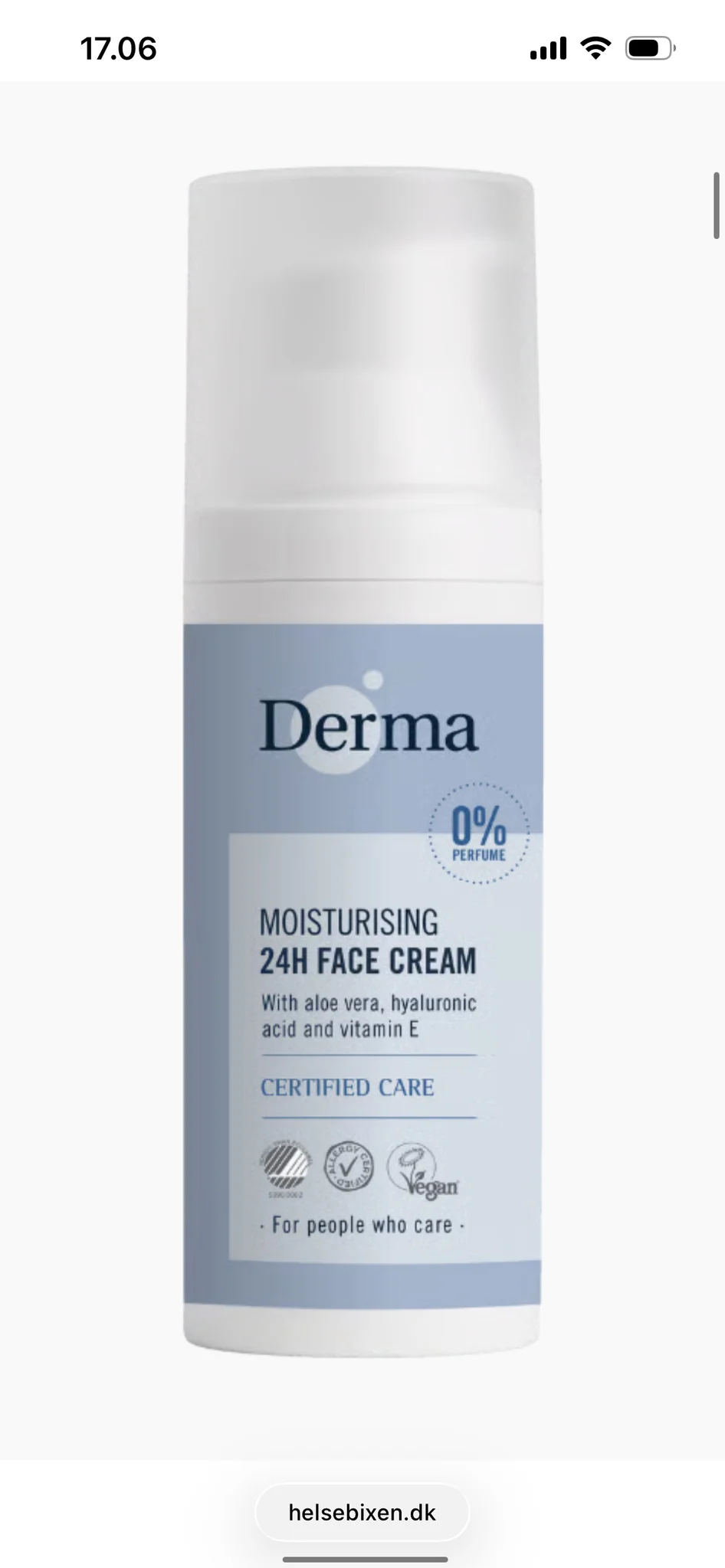


| EWG | CIR | Ingredient Name & Cosmetic Function | Notes |
|---|---|---|---|
| - | - | (Antioxidant, Exfoliant) | |
| 3 | A | (Masking, Fragrance, Antioxidant) | |
| 1 3 | B | (Emulsifying, Surfactant, Cleansing) | |
| - | - | Lanolin Anhydrous | |
| EWG | CIR | Ingredient Name & Cosmetic Function | Notes |
|---|---|---|---|
| 1 | - | (Solvent) | |
| 1 | B | (Skin Conditioning, Emollient) |  |
| 1 3 | B | (Humectant, Skin Conditioning, Emollient) |  |
| 1 | A | (Fragrance, Skin-Conditioning Agent - Occlusive) |  |


Tretinoin
1. Definition Tretinoin:
Tretinoin is a derivative of vitamin A that is commonly used in skincare products for its anti-aging and acne-fighting properties. It works by increasing cell turnover and promoting collagen production, resulting in smoother, clearer, and more youthful-looking skin.
2. Use:
Tretinoin is primarily used in cosmetics to treat acne, reduce the appearance of fine lines and wrinkles, and improve overall skin texture and tone. It is often found in prescription-strength products, such as tretinoin creams or gels, that are applied topically to the skin.
3. Usage Tretinoin:
When using tretinoin in cosmetics, it is important to follow the instructions provided by a healthcare professional or dermatologist. It is typically applied once daily in the evening, after cleansing the skin. It is important to start with a lower concentration and gradually increase the frequency of use to minimize irritation and side effects, such as redness, peeling, and sensitivity to sunlight. It is also recommended to use sunscreen during the day to protect the skin from sun damage.
4. References:
- Mukherjee, S., Date, A., Patravale, V., Korting, H. C., Roeder, A., & Weindl, G. (2006). Retinoids in the treatment of skin aging: an overview of clinical efficacy and safety. Clinical interventions in aging, 1(4), 327–348. https://doi.org/10.2147/ciia.2006.1.4.327
- Fisher, G. J., Talwar, H. S., Lin, J., Lin, P., McPhillips, F., Wang, Z., Li, X., Datta, S., Kang, S., & Voorhees, J. J. (1996). Retinoic acid inhibits induction of c-Jun protein in ultraviolet-irradiated human skin in vivo. Journal of the American Academy of Dermatology, 35(6), 1018–1024. https://doi.org/10.1016/S0190-9622(96)90029-5
- Kang, S., Duell, E. A., Fisher, G. J., Datta, S. C., Wang, Z. Q., Reddy, A. P., Tavakkol, A., Yi, J. Y., Griffiths, C. E., & Elder, J. T. (1995). Application of retinol to human skin in vivo induces epidermal hyperplasia and cellular retinoid binding proteins characteristic of retinoic acid but without measurable retinoic acid levels or irritation. Journal of Investigative Dermatology, 105(4), 549–556. https://doi.org/10.1111/1523-1747.ep12323560
Bht
1. Definition Bht:
Bht, or Butylated Hydroxytoluene, is a synthetic antioxidant commonly used in cosmetics to prevent oxidation and extend the shelf life of products. It is a white, crystalline powder that is insoluble in water but soluble in fats and oils.2. Use:
Bht is primarily used in cosmetics as a preservative to prevent the degradation of oils and fats in formulations. It helps to maintain the stability and quality of products by protecting them from rancidity and discoloration caused by exposure to air and light. Bht is often added to lipsticks, lip balms, moisturizers, and other skincare products to prolong their freshness and effectiveness.3. Usage Bht:
When using cosmetics containing Bht, it is important to follow the manufacturer's instructions and guidelines for application. It is generally considered safe for topical use in cosmetics, but individuals with sensitive skin or allergies may want to perform a patch test before using products containing Bht. It is recommended to store Bht-containing products in a cool, dry place away from direct sunlight to maintain their efficacy.4. References:
- Cosmetic Ingredient Review Expert Panel. (1988). Final report on the safety assessment of BHT. International journal of toxicology, 7(5), 669-735.
- Food and Drug Administration. (2021). CFR - Code of Federal Regulations Title 21. Retrieved from https://www.accessdata.fda.gov/scripts/cdrh/cfdocs/cfcfr/CFRSearch.cfm?fr=172.110
- National Center for Biotechnology Information. (2021). PubChem Compound Summary for CID 31404, Butylated hydroxytoluene. Retrieved from https://pubchem.ncbi.nlm.nih.gov/compound/Butylated-hydroxytoluene
Ceteareth 20
1. Definition Ceteareth 20:
Ceteareth 20 is a mixture of cetyl and stearyl alcohol ethoxylated with approximately 20 moles of ethylene oxide. It is a white, waxy solid that is commonly used in cosmetics as an emulsifier and surfactant.2. Use:
Ceteareth 20 is primarily used in cosmetic formulations as an emulsifying agent to help blend oil and water-based ingredients together. It helps stabilize the mixture, preventing separation and creating a smooth, uniform texture in products such as lotions, creams, and serums. Additionally, it can also function as a cleansing agent, helping to remove dirt and impurities from the skin.3. Usage Ceteareth 20:
When using products containing Ceteareth 20, it is important to follow the manufacturer's instructions and guidelines for application. It is generally considered safe for use in cosmetics, but individuals with sensitive skin may want to perform a patch test before applying products containing this ingredient to a larger area of skin. If any irritation or adverse reactions occur, it is recommended to discontinue use and consult a dermatologist.4. References:
- "Ceteareth-20." Cosmeticsinfo.org, www.cosmeticsinfo.org/ingredient/ceteareth-20.
- "Ceteareth-20." Truth In Aging, www.truthinaging.com/ingredients/ceteareth-20.
- "Ceteareth-20." Personal Care Council, www.personalcarecouncil.org/inci-name/ceteareth-20.
Lanolin Anhydrous
Ingredient data is being updated. Please check back later.








