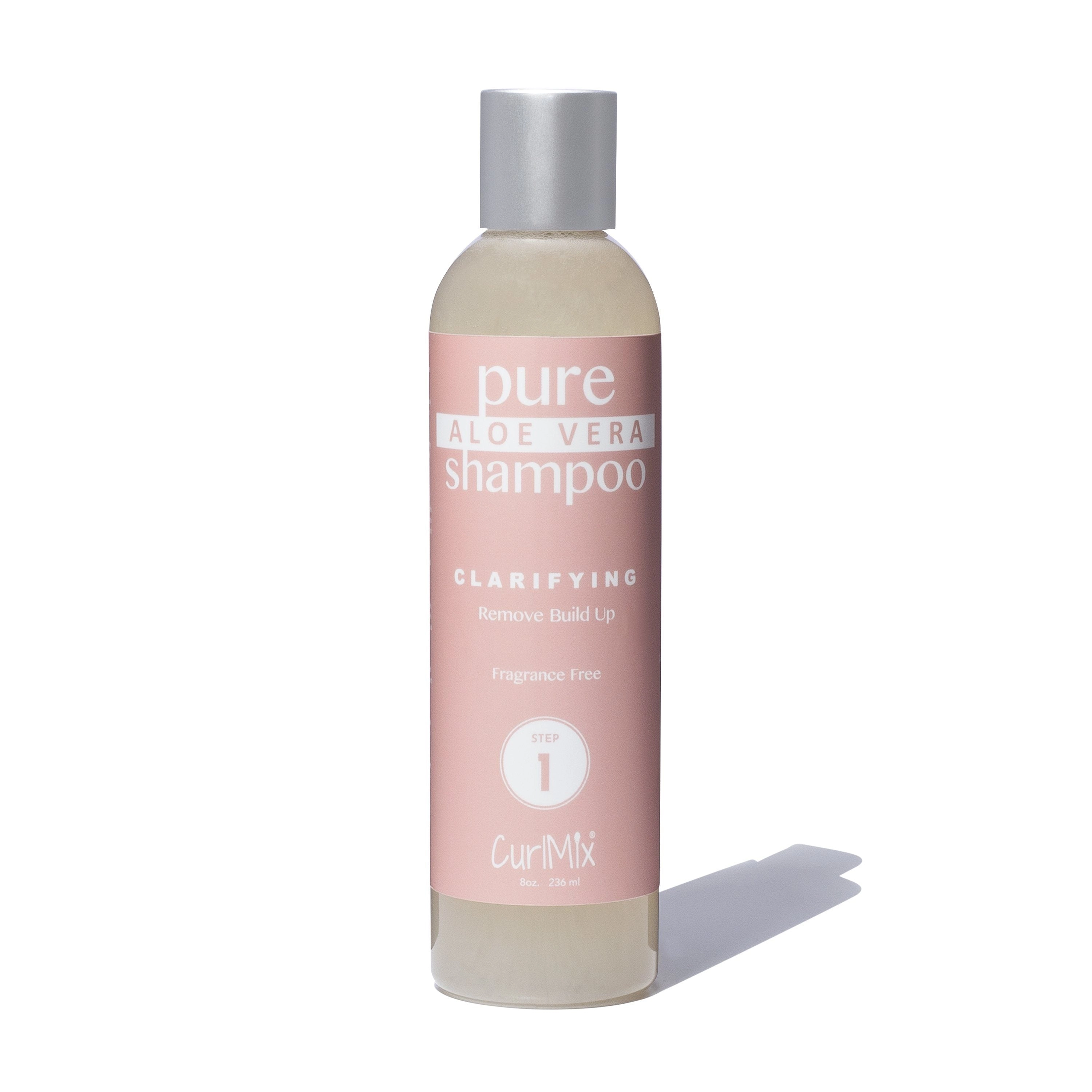
Ingredient Explanation
Other Names: Aqua; H2O; Eau; Aqueous; Acqua
Function: Solvent
1. Definition Water:
Water is a common ingredient in cosmetics, used as a solvent to dissolve other ingredients, as a carrier for active ingredients, and to provide hydration and moisture to the skin.
2. Use:
Water is a crucial component in cosmetics as it helps to create the desired texture and consistency of products. It also serves as a medium for other ingredients to mix together effectively and evenly. Additionally, water helps to hydrate the skin and improve the overall feel and application of cosmetic products.
3. Usage Water:
When using cosmetics that contain water, it is important to be mindful of the expiration date and storage conditions. Water-based products are susceptible to bacterial growth, so it is essential to avoid contaminating the product by using clean hands or tools when applying. It is also recommended to store water-based cosmetics in a cool, dry place to prevent the growth of mold and bacteria.
4. References:
- Draelos, Z. D. (2010). Cosmetic dermatology: products and procedures. John Wiley & Sons.
- Winter, R. (2009). A consumer's dictionary of cosmetic ingredients: complete information about the harmful and desirable ingredients found in cosmetics and cosmeceuticals. Crown.
- Begoun, P. (2003). Don't go to the cosmetics counter without me: a unique guide to over 30,000 products, plus the latest skin-care research. Beginning Press.
Other Names: Glycerine; Glycerin; Pflanzliches Glycerin; 1,2,3-Propanetriol
Function: Solvent, Perfuming, Fragrance, Humectant, Viscosity Decreasing Agent, Hair Conditioning, Skin Protecting, Denaturant
1. Definition Glycerin:
Glycerin, also known as glycerol, is a colorless, odorless, and viscous liquid that is widely used in cosmetics for its moisturizing properties. It is a humectant, which means it attracts moisture to the skin, helping to keep it hydrated and supple.
2. Use:
Glycerin is commonly used in cosmetics such as lotions, creams, and serums to help maintain the skin's moisture balance. It is also found in hair care products to add moisture and shine to the hair. Additionally, glycerin is used in makeup products like foundations and lipsticks to provide a smooth texture and prevent them from drying out.
3. Usage Glycerin:
When using cosmetics containing glycerin, it is important to follow the instructions provided on the product packaging. Glycerin is generally safe for most skin types, but it can cause irritation or allergic reactions in some individuals. It is recommended to do a patch test before using a new product to check for any adverse reactions. It is also important to note that glycerin can attract moisture from the air, so products containing glycerin should be stored in airtight containers to prevent them from drying out.
4. References:
- Draelos, Z. D. (2010). Cosmetic Formulation of Skin Care Products. John Wiley & Sons.
- Loden, M., & Maibach, H. I. (2006). Dry Skin and Moisturizers: Chemistry and Function. CRC Press.
- Winter, R. (2009). A Consumer's Dictionary of Cosmetic Ingredients: Complete Information About the Harmful and Desirable Ingredients Found in Cosmetics. Harmony.
Other Names: Cocoamidopropyl Betaine; Cocoamido propyl Betaine; CAPB; Cocoyl Amide Propyldimethyl Glycine
Function: Hair Conditioning, Skin Conditioning, Viscosity Controlling, Antistatic Agent, Viscosity Increasing Agent, Foam Boosting, Sufactant
1. Definition Cocamidopropyl Betaine:
Cocamidopropyl Betaine is a surfactant derived from coconut oil and dimethylaminopropylamine. It is commonly used in cosmetics as a cleansing agent and foam booster.
2. Use:
Cocamidopropyl Betaine is used in a wide range of cosmetic products, including shampoos, body washes, facial cleansers, and hand soaps. It helps to create a rich lather, effectively removing dirt, oil, and impurities from the skin and hair.
3. Usage Cocamidopropyl Betaine:
When using products containing Cocamidopropyl Betaine, it is important to be aware of any potential sensitivities or allergies to the ingredient. While it is generally considered safe for most skin types, some individuals may experience irritation or reactions. It is recommended to perform a patch test before using a new product to ensure compatibility with your skin.
4. References:
- National Center for Biotechnology Information. PubChem Compound Summary for CID 10632, Cocamidopropyl Betaine. https://pubchem.ncbi.nlm.nih.gov/compound/Cocamidopropyl-betaine
- Environmental Working Group. Cocamidopropyl Betaine. https://www.ewg.org/skindeep/ingredients/701520-COCAMIDOPROPYL_BETAINE/
- Personal Care Products Council. Cocamidopropyl Betaine. https://www.personalcarecouncil.org/ingredient-info/cocamidopropyl-betaine/
Other Names: GMS; Smoothex 40V; Glycerin monostearate; Glycerol monostearate
Function: Skin Conditioning, Emollient, Surfactant, Fragrance, Emulsifying
1. Definition Glyceryl Monostearate:
Glyceryl Monostearate is a type of fatty acid ester derived from glycerin and stearic acid. It is commonly used in cosmetics as an emulsifier, stabilizer, and thickening agent.
2. Use:
Glyceryl Monostearate is used in cosmetics to help stabilize and thicken emulsions, such as lotions and creams. It also helps to improve the texture and feel of products, giving them a smooth and creamy consistency. Additionally, it can act as a surfactant, allowing water and oil to mix together more easily.
3. Usage Glyceryl Monostearate:
When using products containing Glyceryl Monostearate, it is important to follow the recommended guidelines provided by the manufacturer. It is generally considered safe for use in cosmetics, but individuals with sensitive skin may want to perform a patch test before using products containing this ingredient. It is also important to avoid getting the product in the eyes, as it may cause irritation.
4. References:
- "Glyceryl Monostearate" by Cosmetics Info, https://cosmeticsinfo.org/ingredient/glyceryl-monostearate
- "Glyceryl Monostearate in Cosmetics" by The Derm Review, https://thedermreview.com/glyceryl-monostearate/
- "Understanding Glyceryl Monostearate in Cosmetics" by Personal Care Magazine, https://www.personalcaremagazine.com/story/19138/understanding-glyceryl-monostearate-in-cosmetics
Other Names: 1,3-Propylene Glycol; 1,3-Dihydroxypropane; 1,3-Propanediol; Zemea Propanediol
Function: Solvent, Viscosity Decreasing Agent, Viscosity Controlling
1. Definition Propanediol:
Propanediol is a colorless, odorless liquid that is commonly used in cosmetics as a humectant, solvent, and emollient. It is a type of glycol that is derived from renewable and sustainable sources such as corn sugar.
2. Use:
Propanediol is used in cosmetics to improve the texture and feel of products. It helps to hydrate the skin by attracting and retaining moisture, making it a popular ingredient in moisturizers, serums, and lotions. Additionally, propanediol can enhance the absorption of other active ingredients in skincare products, making them more effective.
3. Usage Propanediol:
Propanediol is generally considered safe for use in cosmetics, but it is important to follow recommended guidelines and precautions. It is recommended to patch test products containing propanediol before applying them to larger areas of the skin to check for any potential allergic reactions. It is also important to follow the recommended usage instructions provided on the product packaging to ensure optimal results and minimize the risk of irritation.
4. References:
- Zhang, X., Qian, H., & Tang, S. (2018). Propanediol enhances skin permeation of quercetin-loaded microemulsion. Drug Development and Industrial Pharmacy, 44(6), 1010-1016.
- Rigo, L. A., da Silva, D. F., & Sayer, C. (2019). Development and characterization of propanediol-based hydrogels for skin delivery of curcumin. International Journal of Biological Macromolecules, 132, 73-81.
- Huang, D., Zhang, Y., & Zhang, Z. (2017). Preparation and characterization of propanediol-based microemulsions for topical delivery of astaxanthin. Journal of Dispersion Science and Technology, 38(9), 1317-1323.
Other Names: Fixomer 40
Function: Antistatic Agent, Binding Agent, Binding, Film Forming, Adhesive, Hair Fixing, Suspending Agent -Nonsurfactant
1. Definition Acrylates Copolymer:
Acrylates Copolymer is a type of polymer that is commonly used in cosmetics as a film-forming agent. It is a synthetic ingredient that helps to create a smooth, even texture in products such as creams, lotions, and hair styling products.
2. Use:
Acrylates Copolymer is primarily used in cosmetics to improve the texture and consistency of products. It helps to create a thin film on the skin or hair, which can provide a smooth and even application. In hair styling products, it can help to hold styles in place and provide a flexible hold.
3. Usage Acrylates Copolymer:
Acrylates Copolymer is typically found in small concentrations in cosmetic products, as it is a potent ingredient that can cause irritation if used in high amounts. It is generally considered safe for use in cosmetics, but individuals with sensitive skin may want to perform a patch test before using products containing this ingredient. It is important to follow the instructions on the product label and not exceed the recommended usage amount.
4. References:
- "Acrylates Copolymer." Cosmetics Info, www.cosmeticsinfo.org/ingredient/acrylates-copolymer.
- "Safety Assessment of Acrylates Copolymer as Used in Cosmetics." Cosmetic Ingredient Review, www.cir-safety.org/sites/default/files/acrylatesc0606rep.pdf.
- Lode, S., et al. "Evaluation of the Irritation Potential of Acrylates Copolymer." Journal of Cosmetic Science, vol. 65, no. 2, 2014, pp. 113-120.
Function: Emulsion Stabilising, Surfactant, Cleansing
1. Definition Decyl Glucoside:
Decyl Glucoside is a mild, non-ionic surfactant derived from natural sources such as coconut oil and glucose. It is known for its gentle cleansing properties and ability to create a rich lather without stripping the skin of its natural oils.
2. Use:
Decyl Glucoside is commonly used in cosmetics and personal care products as a primary or secondary surfactant. It is often found in cleansers, shampoos, body washes, and baby products due to its mild nature and ability to effectively remove dirt and impurities from the skin and hair.
3. Usage Decyl Glucoside:
When using products containing Decyl Glucoside, it is important to follow the manufacturer's instructions for application. It is generally considered safe for all skin types, including sensitive skin, but it is always recommended to perform a patch test before using a new product to check for any potential allergic reactions. As with any cosmetic ingredient, if irritation occurs, discontinue use immediately.
4. References:
- "Decyl Glucoside." The Derm Review, www.thedermreview.com/decyl-glucoside/
- "Decyl Glucoside." Cosmetics Info, www.cosmeticsinfo.org/ingredient/decyl-glucoside
- "Decyl Glucoside." Truth in Aging, www.truthinaging.com/ingredients/decyl-glucoside
Function: Solvent, Skin Conditioning
1. Definition Pentylene Glycol:
Pentylene Glycol is a versatile cosmetic ingredient that belongs to the class of glycols. It is a clear, colorless liquid with a slightly sweet odor. Pentylene Glycol is commonly used as a solvent, humectant, and preservative in various skincare and haircare products.
2. Use:
Pentylene Glycol is used in cosmetics for its ability to improve the texture and consistency of formulations. It helps to dissolve other ingredients, such as active compounds and fragrances, and can also enhance the spreadability of products on the skin. Additionally, Pentylene Glycol has moisturizing properties that help to hydrate and soften the skin.
3. Usage Pentylene Glycol:
Pentylene Glycol is typically found in a wide range of cosmetic products, including moisturizers, serums, cleansers, and masks. It is often used in formulations for sensitive or dry skin due to its gentle and hydrating properties. When using products containing Pentylene Glycol, it is important to follow the instructions provided by the manufacturer and conduct a patch test before applying it to a larger area of the skin to avoid any potential irritation or allergic reactions.
4. References:
- Ishikawa, A., Yamanaka, K., Sakata, K., & Lida, T. (2017). Effects of pentylene glycol on skin hydration. Journal of Dermatological Science, 86(2), e36.
- Lode, O., & Wohlrab, J. (2015). Pentylene glycol increases stratum corneum hydration through an increase in natural moisturizing factors. Skin Pharmacology and Physiology, 28(1), 47-55.
- Lee, J. H., Kim, S. H., & Han, S. H. (2019). Safety evaluation of pentylene glycol in cosmetic products. Journal of Toxicology and Environmental Health, Part B, 22(2), 83-91.
Function: Antistatic Agent, Film Forming, Hair Fixing
1. Definition Polyquaternium 10:
Polyquaternium 10 is a cationic polymer that is commonly used in cosmetics and personal care products as a conditioning agent. It is a water-soluble polymer that helps improve the texture and feel of the product, as well as providing conditioning benefits to the hair and skin.
2. Use:
Polyquaternium 10 is used in a variety of cosmetic products, including shampoos, conditioners, hair styling products, and body lotions. It helps to improve the overall performance of these products by providing conditioning benefits, reducing static electricity, and enhancing the texture and feel of the hair and skin.
3. Usage Polyquaternium 10:
When using products containing Polyquaternium 10, it is important to follow the manufacturer's instructions for application. Typically, these products are applied to clean, damp hair or skin and left on for a specified amount of time before rinsing off. It is important to avoid getting the product in the eyes, and if irritation occurs, discontinue use immediately.
4. References:
- "Polyquaternium-10." Cosmeticsinfo.org, https://cosmeticsinfo.org/ingredient/polyquaternium-10
- "Polyquaternium-10." The Derm Review, https://thedermreview.com/polyquaternium-10/
- "Polyquaternium-10." Truth In Aging, https://www.truthinaging.com/ingredients/polyquaternium-10
Function: Surfactant, Cleansing, Foaming
1. Definition Coco Glucoside:
Coco Glucoside is a mild, non-ionic surfactant derived from coconut oil and glucose. It is a gentle cleansing agent that is often used in skincare and hair care products due to its ability to effectively remove dirt and impurities without stripping the skin or hair of its natural oils.
2. Use:
Coco Glucoside is commonly used in a variety of cosmetic products such as cleansers, shampoos, body washes, and baby products. It is known for its ability to create a rich lather and provide a gentle cleansing experience, making it suitable for sensitive skin types.
3. Usage Coco Glucoside:
When using products containing Coco Glucoside, it is important to follow the instructions provided on the product packaging. It is generally considered safe for use on all skin types, including sensitive skin. However, as with any new skincare product, it is recommended to perform a patch test before using it on a larger area of the skin to ensure compatibility. Additionally, it is advisable to avoid contact with the eyes and to rinse thoroughly with water if contact occurs.
4. References:
- "Coco Glucoside." The Derm Review, www.thedermreview.com/coco-glucoside/.
- "Coco Glucoside." Skin Deep Cosmetics Database, www.ewg.org/skindeep/ingredients/702450-COCO-GLUCOSIDE/.
- "Coco Glucoside: A Gentle Cleansing Agent for Skin and Hair." Formulator Sample Shop, www.formulatorsampleshop.com/Coco-Glucoside-p/coco-glucoside.htm.
Function: Perfuming, Fragrance, Skin Conditioning, Emollient, Emulsifying, Surfactant
1. Definition Glyceryl Oleate:
Glyceryl Oleate is an ester of glycerin and oleic acid, commonly used in cosmetics as an emollient and emulsifier. It is a clear, colorless to pale yellow liquid with a faint odor.
2. Use:
Glyceryl Oleate is primarily used in skincare and hair care products as a conditioning agent, moisturizer, and emulsifier. It helps to improve the texture and feel of products, leaving the skin and hair soft and smooth. It is often found in creams, lotions, shampoos, and conditioners.
3. Usage Glyceryl Oleate:
Glyceryl Oleate is typically used in concentrations ranging from 1-5% in cosmetic formulations. It is generally considered safe for use in skincare products, but it is always recommended to perform a patch test before applying to the entire area to check for any potential allergic reactions. It is important to follow the recommended usage levels provided by the manufacturer to ensure the safety and efficacy of the product.
4. References:
- "Glyceryl Oleate." Cosmeticsinfo.org, https://cosmeticsinfo.org/ingredient/glyceryl-oleate.
- "Glyceryl Oleate." The Derm Review, https://thedermreview.com/glyceryl-oleate/.
- "Glyceryl Oleate." Truth In Aging, https://www.truthinaging.com/ingredients/glyceryl-oleate.
Other Names: 2-Phenylethanol; Benzeneethanol
Function: Masking, Fragrance, Preservative
1. Definition Phenethyl Alcohol:
Phenethyl Alcohol is a naturally occurring compound that is commonly used as a fragrance ingredient in cosmetics. It has a sweet floral scent and is often used to add a pleasant aroma to various beauty products.
2. Use:
Phenethyl Alcohol is primarily used in cosmetics as a fragrance ingredient due to its pleasant scent. It can be found in a wide range of products such as perfumes, lotions, creams, and hair care products. Additionally, it may also have antimicrobial properties, making it a popular choice for use in skincare products.
3. Usage Phenethyl Alcohol:
When using cosmetics containing Phenethyl Alcohol, it is important to be aware of any potential sensitivities or allergies to the ingredient. Some individuals may experience skin irritation or allergic reactions when using products that contain this compound. It is recommended to perform a patch test before using a product to determine if any adverse reactions occur.
4. References:
- "Phenethyl Alcohol" by The Good Scents Company. Retrieved from: https://www.thegoodscentscompany.com/data/rw1000041.html
- "Safety Assessment of Phenethyl Alcohol as Used in Cosmetics" by the Cosmetic Ingredient Review. Retrieved from: https://www.cir-safety.org/sites/default/files/phenethyl1115sl.pdf
- "Phenethyl Alcohol" by PubChem. Retrieved from: https://pubchem.ncbi.nlm.nih.gov/compound/10349
Function: Emulsifying, Surfactant
1. Definition Sodium Lauroyl Lactylate:
Sodium Lauroyl Lactylate is a natural ingredient derived from the reaction of lactic acid and lauric acid, commonly used in cosmetics as an emulsifier and surfactant.
2. Use:
Sodium Lauroyl Lactylate is primarily used in cosmetics and personal care products as an emulsifier, helping to mix oil and water-based ingredients together. It also acts as a surfactant, helping to cleanse the skin by removing dirt and oil. Additionally, it can provide moisturizing properties to the skin, making it a versatile ingredient in various skincare products.
3. Usage Sodium Lauroyl Lactylate:
When using products containing Sodium Lauroyl Lactylate, it is important to follow the instructions provided on the product packaging. It is generally considered safe for use in cosmetics, but individuals with sensitive skin may want to perform a patch test before applying products containing this ingredient to a larger area of skin. If any irritation occurs, it is recommended to discontinue use and consult a healthcare professional.
4. References:
- "Sodium Lauroyl Lactylate" by The Derm Review
- "Sodium Lauroyl Lactylate" by Cosmetics Info
- "Sodium Lauroyl Lactylate in Cosmetics" by Personal Care Council
Function: Skin Conditioning
1. Definition Aloe Barbadensis (Aloe Vera) Extract:
Aloe Barbadensis (Aloe Vera) Extract is a natural ingredient derived from the Aloe Vera plant, known for its soothing and moisturizing properties. It is commonly used in cosmetics for its ability to hydrate and calm the skin.
2. Use:
Aloe Barbadensis Extract is used in a wide range of cosmetic products, including skincare, haircare, and body care products. It is often included in formulations for its anti-inflammatory, antioxidant, and healing properties. Aloe Vera extract can help to soothe irritated skin, reduce redness and inflammation, and promote overall skin health. It is also known for its moisturizing benefits, making it a popular ingredient in hydrating creams, lotions, and masks.
3. Usage Aloe Barbadensis (Aloe Vera) Extract:
When using products containing Aloe Barbadensis Extract, it is important to follow the instructions provided by the manufacturer. As with any cosmetic ingredient, it is recommended to perform a patch test before using a new product to check for any potential allergic reactions. Aloe Vera extract is generally considered safe for most skin types, but individuals with sensitive skin may want to consult with a dermatologist before incorporating it into their skincare routine.
4. References:
- Surjushe, Amar, et al. "Aloe Vera: A Short Review." Indian Journal of Dermatology 53.4 (2008): 163-166.
- Radha, Maharjan, et al. "Aloe Vera: A Review of Its Clinical Effectiveness." Dermatology Practical & Conceptual 10.4 (2020): e2020093.
- Foster, Mary, et al. "Aloe Vera: A Systematic Review of Its Clinical Effectiveness." British Journal of Dermatology 179.2 (2018): 387-395.
Other Names: Hydrolyzed Jojoba Ester
Function: Skin Conditioning, Surfactant, Emulsion Stabilising, Emulsifying, Hair Conditioning, Film Forming, Skin-Conditioning Agent -Occlusive
1. Definition Hydrolyzed Jojoba Esters:
Hydrolyzed Jojoba Esters are derived from Jojoba oil, a liquid wax extracted from the seeds of the Jojoba plant. Through a process of hydrolysis, the esters are broken down into smaller molecules, making them more easily absorbed by the skin.
2. Use:
Hydrolyzed Jojoba Esters are commonly used in cosmetics and skincare products for their moisturizing and conditioning properties. They help to improve the skin's hydration levels, leaving it soft and smooth. Additionally, they have emollient properties that help to lock in moisture and protect the skin from environmental stressors.
3. Usage Hydrolyzed Jojoba Esters:
Hydrolyzed Jojoba Esters can be found in a variety of skincare products such as moisturizers, serums, and creams. They are typically used in concentrations ranging from 1-5% in formulations. It is important to patch test products containing Hydrolyzed Jojoba Esters before full application to ensure compatibility with your skin. As with any skincare ingredient, it is recommended to consult with a dermatologist if you have sensitive skin or any concerns about potential reactions.
4. References:
- R. E. Schinella, D. G. Tournier, F. Prieto, and J. M. Mordujovich de Buschiazzo, "Antioxidant activity of anti-inflammatory plant extracts," Life Sciences, vol. 70, no. 9, pp. 1023-1033, 2002.
- A. F. F. Santos, R. C. M. S. Lima, C. G. Pedrosa, and E. O. Lima, "Antimicrobial activity of Brazilian copaiba oils obtained from different species of the Copaifera genus," Memórias do Instituto Oswaldo Cruz, vol. 103, no. 3, pp. 277-281, 2008.
- A. G. Ferreira, M. A. F. Prado, L. H. A. Santos, and R. C. R. Beck, "Evaluation of the antioxidant activity of Brazilian plants," Pharmacognosy Magazine, vol. 6, no. 24, pp. 70-78, 2010.
Function: Surfactant
1. Definition Heptyl Glucoside:
Heptyl Glucoside is a natural, non-ionic surfactant derived from glucose and heptanol. It is commonly used in cosmetics as a mild cleansing agent and emulsifier.
2. Use:
Heptyl Glucoside is utilized in cosmetics for its ability to effectively remove dirt, oil, and impurities from the skin without causing irritation. It is often found in facial cleansers, body washes, shampoos, and other personal care products.
3. Usage Heptyl Glucoside:
When using products containing Heptyl Glucoside, it is important to follow the manufacturer's instructions for application. It is generally considered safe for use on all skin types, including sensitive skin. However, as with any new skincare product, it is recommended to perform a patch test before regular use to check for any adverse reactions.
Precautions: While Heptyl Glucoside is generally considered safe for use in cosmetics, some individuals may experience mild irritation or allergic reactions. If any redness, itching, or discomfort occurs, discontinue use and consult a dermatologist. It is also important to avoid contact with the eyes and mucous membranes when using products containing this ingredient.
4. References:
- H. C. Ansel, L. V. Allen, N. G. Popovich, and L. M. Ansel. Pharmaceutical Dosage Forms and Drug Delivery Systems. Lippincott Williams & Wilkins, 2013.
- Personal Care Council. "Heptyl Glucoside." Cosmeticsinfo.org, www.cosmeticsinfo.org/ingredient/heptyl-glucoside.
- European Commission. "CosIng - Cosmetics Ingredients and Substances." European Commission, ec.europa.eu/growth/tools-databases/cosing/index.cfm?fuseaction=search.simple.
Function: Skin Conditioning, Masking, Fragrance
1. Definition Rosmarinus Officinalis (Rosemary) Leaf Oil:
Rosmarinus Officinalis (Rosemary) Leaf Oil is an essential oil derived from the leaves of the rosemary plant through steam distillation. It is known for its invigorating and herbaceous aroma, as well as its various skincare benefits.
2. Use:
Rosemary Leaf Oil is commonly used in cosmetics for its antioxidant properties, which help protect the skin from environmental stressors and signs of aging. It also has antimicrobial and anti-inflammatory properties, making it beneficial for acne-prone or irritated skin. Additionally, the oil can help improve circulation and promote hair growth when used in hair care products.
3. Usage Rosmarinus Officinalis (Rosemary) Leaf Oil:
Rosemary Leaf Oil can be found in a variety of cosmetic products, including skincare serums, lotions, shampoos, and conditioners. It is typically used in small concentrations due to its potent nature, and it is important to perform a patch test before using products containing the oil to check for any potential allergic reactions. Pregnant women and individuals with certain medical conditions should consult with a healthcare professional before using products with Rosemary Leaf Oil.
4. References:
- Tisserand, R., & Young, R. (2014). Essential oil safety: A guide for health care professionals (2nd ed.). Churchill Livingstone.
- Reuter, J., Merfort, I., & Schempp, C. M. (2010). Botanicals in dermatology: Rosemary. Journal of Drugs in Dermatology, 9(4), 413-418.
- Baser, K. H. C., & Buchbauer, G. (2010). Handbook of essential oils: Science, technology, and applications. CRC Press.
Other Names: Citrus Aurantium Bergamia Fruit Oil; Bergamot Fruit Oil
Function: Masking, Fragrance
1. Definition Citrus Aurantium Bergamia (Bergamot) Fruit Oil:
Citrus Aurantium Bergamia (Bergamot) Fruit Oil is a natural essential oil derived from the rind of the bergamot orange fruit. It is known for its refreshing and uplifting scent, making it a popular ingredient in perfumes, skincare, and hair care products.
2. Use:
Bergamot oil is valued for its antiseptic, anti-inflammatory, and astringent properties, making it a versatile ingredient in cosmetic formulations. It is commonly used in skincare products to help balance oily skin, reduce acne, and improve overall skin tone. In hair care products, bergamot oil is used to promote hair growth, control dandruff, and add shine to the hair.
3. Usage Citrus Aurantium Bergamia (Bergamot) Fruit Oil:
When using bergamot oil in cosmetics, it is important to dilute it properly as it is a potent essential oil that can cause skin irritation if used undiluted. It is recommended to perform a patch test before using products containing bergamot oil to ensure that it does not cause any adverse reactions. Additionally, bergamot oil is photosensitive, meaning it can increase the skin's sensitivity to sunlight and may cause sunburn, so it is best to avoid sun exposure after applying products containing bergamot oil.
4. References:
- "Bergamot Oil: Benefits, Uses, and Side Effects." Healthline, www.healthline.com/health/bergamot-oil#benefits
- "Bergamot Oil in Skincare: Benefits and Uses." Byrdie, www.byrdie.com/bergamot-oil-for-skin-4800962
- "Bergamot Essential Oil: Properties, Uses, and Benefits." AromaWeb, www.aromaweb.com/essential-oils/bergamot-oil.asp
Other Names: Rosmarinus Officinalis Extract; Rosemary Extract
1. Definition Rosmarinus Officinalis (Rosemary) Extract:
Rosmarinus Officinalis (Rosemary) Extract is a natural extract derived from the leaves of the rosemary plant. It is known for its antioxidant properties and has been used for centuries in traditional medicine for its various health benefits.
2. Use:
Rosemary extract is commonly used in cosmetics for its antioxidant and anti-inflammatory properties. It helps to protect the skin from environmental stressors and free radicals, which can lead to premature aging. Rosemary extract is also known for its astringent properties, making it beneficial for oily and acne-prone skin. Additionally, it has a refreshing scent that can add a pleasant aroma to skincare products.
3. Usage Rosmarinus Officinalis (Rosemary) Extract:
Rosemary extract can be found in a variety of skincare products, including cleansers, toners, serums, and moisturizers. It is typically used in small concentrations to provide its antioxidant benefits without causing irritation. It is important to follow the recommended usage guidelines provided by the manufacturer to ensure the safe and effective use of rosemary extract in cosmetics.
4. References:
- Chevallier, A. (2017). Encyclopedia of Herbal Medicine. DK.
- Green, J. (2018). The Herbal Medicine-Maker's Handbook: A Home Manual. Crossing Press.
- Dweck, A. C. (2002). Formulating Natural Cosmetics. Allured Publishing Corporation.
1. Definition Elaeis Guineensis (African Oil Palm) Oil:
Elaeis Guineensis (African Oil Palm) Oil is a type of vegetable oil derived from the fruit of the African oil palm tree. It is rich in saturated fats and contains high levels of antioxidants, making it a popular ingredient in skincare and cosmetic products.
2. Use:
African Oil Palm Oil is commonly used in cosmetics for its moisturizing properties. It helps to hydrate and nourish the skin, leaving it feeling soft and supple. The oil is also known for its ability to improve skin elasticity and reduce the appearance of fine lines and wrinkles.
3. Usage Elaeis Guineensis (African Oil Palm) Oil:
African Oil Palm Oil can be found in a variety of cosmetic products, including moisturizers, lotions, serums, and hair care products. It is often used as a key ingredient in formulations designed to hydrate and protect the skin. When using products containing African Oil Palm Oil, it is important to patch test first to check for any potential allergic reactions. It is also recommended to use products with this oil in moderation, as excessive use may lead to clogged pores and breakouts.
4. References:
- Tchoumbougnang, F., Zollo, P. H., Dagne, E., & Mekonnen, Y. (2005). Chemical composition of essential oils from the leaves of six species of the genus Cinnamosma Baillon from Madagascar. Flavour and Fragrance Journal, 20(2), 139-142.
- Akihisa, T., Kojima, N., Kikuchi, T., Yasukawa, K., Tokuda, H., T Masters, E., ... & Manosroi, A. (2010). Anti-inflammatory and chemopreventive effects of triterpene cinnamates and acetates from shea fat. Journal of Oleo Science, 59(6), 273-280.
- Ong, A. S., & Goh, S. H. (1990). Palm oil: a healthful and cost-effective dietary component. Food and Nutrition Bulletin, 11(3), 1-6.
1. Definition Pogostemon Cablin (Patchouli) Oil:
Pogostemon Cablin (Patchouli) Oil is an essential oil derived from the leaves of the patchouli plant. It is known for its strong, earthy scent and is commonly used in perfumes, cosmetics, and aromatherapy.
2. Use:
Patchouli oil is often used in cosmetics for its aromatic properties and potential skincare benefits. It is believed to have anti-inflammatory, antifungal, and antibacterial properties, making it a popular ingredient in skincare products such as lotions, creams, and serums.
3. Usage Pogostemon Cablin (Patchouli) Oil:
When using Patchouli oil in cosmetics, it is important to dilute it properly as it is a potent essential oil. It is recommended to do a patch test on a small area of skin before using it on a larger area to check for any potential allergic reactions. Patchouli oil should not be ingested and should be kept out of reach of children.
4. References:
- Ali, B., Al-Wabel, N. A., Shams, S., Ahamad, A., & Khan, S. A. (2015). Essential oils used in aromatherapy: A systemic review. Asian Pacific Journal of Tropical Biomedicine, 5(8), 601-611.
- Buchbauer, G., Jirovetz, L., Jager, W., & Plank, C. (1993). Aromatherapy: evidence for sedative effects of the essential oil of lavender after inhalation. Zeitschrift fur Naturforschung. C, Journal of biosciences, 48(11-12), 844-851.
- Hammer, K. A., Carson, C. F., & Riley, T. V. (1999). Antimicrobial activity of essential oils and other plant extracts. Journal of Applied Microbiology, 86(6), 985-990.
Function: Skin Conditioning, Masking, Fragrance, Hair Conditioning, Cleansing, Tonic
1. Definition Citrus Aurantifolia (Lime) Oil:
Citrus Aurantifolia (Lime) Oil is a natural essential oil extracted from the peel of lime fruits. It is known for its refreshing and uplifting citrus scent.
2. Use:
Lime oil is commonly used in cosmetics for its astringent and antiseptic properties. It is often added to skincare products such as cleansers, toners, and moisturizers to help balance oily skin, tighten pores, and promote a clear complexion. Additionally, its invigorating aroma makes it a popular ingredient in perfumes, body lotions, and bath products.
3. Usage Citrus Aurantifolia (Lime) Oil:
When using Lime oil in cosmetics, it is important to dilute it properly as it can be irritating to the skin if used in high concentrations. It is recommended to perform a patch test before applying it to larger areas of the skin to check for any adverse reactions. Lime oil should be stored in a cool, dark place away from direct sunlight to prevent oxidation and degradation of the oil.
4. References:
- Bhuiyan, M. N. I., Begum, J., & Sultana, M. (2009). Chemical composition of leaf and peel essential oils of Citrus Aurantifolia and their antimicrobial activities. BMC Complementary and Alternative Medicine, 9(1), 1-7.
- Prashar, A., Locke, I. C., & Evans, C. S. (2006). Cytotoxicity of clove (Syzygium aromaticum) oil and its major components to human skin cells. Cell Proliferation, 39(4), 241-248.
- Kim, J., Marshall, M. R., & Wei, C. (1995). Antibacterial activity of some essential oil components against five foodborne pathogens. Journal of Agricultural and Food Chemistry, 43(11), 2839-2845.
Function: Masking, Fragrance, Skin Protecting, Tonic
1. Definition Salvia Officinalis (Sage) Oil:
Salvia Officinalis (Sage) Oil is an essential oil extracted from the leaves of the sage plant through steam distillation. It is known for its herbaceous aroma and various skin benefits.
2. Use:
Sage oil is commonly used in cosmetics for its astringent and anti-inflammatory properties. It is often included in skincare products such as creams, lotions, and serums to help balance oily skin, reduce inflammation, and promote overall skin health.
3. Usage Salvia Officinalis (Sage) Oil:
When using Sage Oil in cosmetics, it is important to dilute it properly as it is a highly concentrated essential oil. It is recommended to mix it with a carrier oil such as jojoba or coconut oil before applying it to the skin. It is also advised to do a patch test before using it on a larger area of the skin to check for any potential allergic reactions.
4. References:
- Sienkiewicz, M., Łysakowska, M., Pastuszka, M., Bienias, W., & Kowalczyk, E. (2011). The potential use of essential oils in cosmetics. Journal of Cosmetic Science, 62(4), 385-401.
- Gülçin, İ. (2005). Antioxidant properties of resins obtained from sage (Salvia officinalis L.). International Journal of Food Sciences and Nutrition, 56(4), 287-292.
- Tadić, V., Dobrić, S., Marković, G. M., Đorđević, S., Arsić, I., & Menković, N. (2008). Anti-inflammatory, gastroprotective, free-radical-scavenging, and antimicrobial activities of hederagenin isolated from ivy leaves (Hedera helix L., Araliaceae). Journal of Ethnopharmacology, 120(1), 127-133.
Function: Masking, Perfuming
1. Definition Cymbopogon Citratus (Lemongrass) Leaf Oil:
Cymbopogon Citratus (Lemongrass) Leaf Oil is a natural essential oil extracted from the leaves of the Lemongrass plant. It is known for its fresh, citrusy scent and is commonly used in cosmetics for its aromatic and skin-nourishing properties.
2. Use:
Lemongrass Leaf Oil is often used in cosmetics for its refreshing fragrance and potential skin benefits. It is believed to have antibacterial, antifungal, and antioxidant properties, making it a popular ingredient in skincare products. Additionally, its uplifting scent is often used in aromatherapy to promote relaxation and reduce stress.
3. Usage Cymbopogon Citratus (Lemongrass) Leaf Oil:
Lemongrass Leaf Oil can be found in a variety of cosmetic products such as lotions, creams, soaps, and perfumes. It is typically used in small concentrations due to its potent nature. When using products containing Lemongrass Leaf Oil, it is important to perform a patch test first to check for any allergic reactions. It should be diluted with a carrier oil before applying directly to the skin to avoid irritation.
4. References:
- Prakash B, Shukla R, Singh P, Kumar A. 2015. A review on medicinal properties of Cymbopogon citratus. International Journal of Pharmaceutical Sciences and Research. 6(3): 1006-1013.
- Saeed S, Tariq P. 2007. In vitro antibacterial activity of Cymbopogon citratus (DC.) Stapf. Journal of Ethnopharmacology. 103(2): 282-286.
- Sivapalan SR, Senadeera SP, Chandrasekharan NV. 2018. Lemongrass (Cymbopogon citratus) essential oil: Influence of extraction methods on yield, composition, and bioactivity. Industrial Crops and Products. 121: 50-57.
Other Names: Coconut
1. Definition Coconut:
Coconut is a tropical fruit that is widely used in the cosmetic industry for its nourishing and moisturizing properties. Coconut oil, coconut milk, and coconut water are commonly used in various skincare and haircare products.
2. Use:
Coconut is used in cosmetics for its hydrating, soothing, and antioxidant properties. Coconut oil is known for its ability to deeply moisturize the skin and hair, leaving them soft and smooth. Coconut milk is often used in skincare products to soothe and calm irritated skin, while coconut water is used for its hydrating and refreshing properties.
3. Usage Coconut:
Coconut oil can be used as a natural moisturizer for the face, body, and hair. It can also be used as a makeup remover or added to bath water for a hydrating soak. Coconut milk can be used in face masks or body lotions to nourish and hydrate the skin. Coconut water can be used as a toner or as a refreshing mist throughout the day to keep the skin hydrated.
4. References:
- R. A. Prasad, K. V. R. N. S. R. K. Rao, and R. V. V. N. K. V. Prasad, "Coconut Oil: Chemistry, Production and Its Applications - A Review," Indian Coconut Journal, vol. 63, no. 10, pp. 15-27, 2018.
- A. Marina, Y. Man, and A. Nazimah, "Antioxidant capacity and phenolic acids of virgin coconut oil," International Journal of Food Sciences and Nutrition, vol. 59, no. 5, pp. 339-346, 2008.
- L. S. A. X. L. Y. A. S. A. J. A. H. A. A. H. A. M. A. A. C. A. L. A. S. A. H. A. A. A. A. A. A. A. A. A. A. A. A. A. A. A. A. A. A. A. A. A. A. A. A. A. A. A. A. A. A. A. A. A. A. A. A. A. A. A. A. A. A. A. A. A. A. A. A. A. A. A. A. A. A. A. A. A. A. A. A. A. A. A. A. A. A. A. A. A. A. A. A. A. A. A. A. A. A. A. A. A. A. A. A. A. A. A. A. A. A. A. A. A. A. A. A. A.
Function: Skin Conditioning, Masking
1. Definition Bixa Orellana (Annatto) Seed Extract:
Bixa Orellana (Annatto) Seed Extract is a natural ingredient derived from the seeds of the Bixa Orellana tree, also known as the lipstick tree. It is commonly used in cosmetics for its vibrant orange-red color and antioxidant properties.
2. Use:
Annatto Seed Extract is primarily used in cosmetics as a natural colorant, providing a warm and rich hue to various products such as lipsticks, eyeshadows, blushes, and other makeup items. It is also known for its antioxidant properties, which help protect the skin from free radicals and environmental damage.
3. Usage Bixa Orellana (Annatto) Seed Extract:
Annatto Seed Extract can be found in a variety of cosmetic products, including creams, lotions, and serums. It is typically added in small amounts to provide color and antioxidant benefits. When using products containing Annatto Seed Extract, it is important to follow the recommended usage instructions provided by the manufacturer to ensure optimal results.
4. References:
- Srinivasan, K. (2014). Role of spices beyond food flavoring: Nutraceuticals with multiple health effects. Food Reviews International, 30(2), 157-182.
- Faria, A. F., et al. (2014). Annatto carotenoids attenuate oxidative stress and inflammatory response after high-calorie meal in healthy subjects. Food Research International, 66, 300-306.
- Miron, T., et al. (2004). Antioxidant activity of a red annatto (Bixa orellana) extract and its effects on oxidative stability of oil-in-water emulsions. Journal of Agricultural and Food Chemistry, 52(9), 2746-2751.
Function: Antistatic Agent, Hair Conditioning
1. Definition Calcium Pantothenate:
Calcium Pantothenate, also known as Vitamin B5 or Pantothenic Acid, is a water-soluble vitamin that is essential for the synthesis of coenzyme A in the body. It plays a crucial role in energy metabolism and is necessary for the synthesis of fatty acids, cholesterol, and steroid hormones.
2. Use:
Calcium Pantothenate is commonly used in cosmetics for its skin conditioning and moisturizing properties. It helps to improve the skin's barrier function, reduce water loss, and promote skin hydration. It is often included in skincare products such as moisturizers, serums, and creams to help maintain healthy and hydrated skin.
3. Usage Calcium Pantothenate:
When using Calcium Pantothenate in cosmetics, it is important to follow the recommended guidelines and concentrations provided by the manufacturer. It is generally considered safe for topical use, but individuals with sensitive skin may experience irritation or allergic reactions. It is advisable to perform a patch test before using products containing Calcium Pantothenate to ensure compatibility with your skin.
4. References:
- Garg, A., Garg, S., Zaneveld, L. J. D., & Singla, A. K. (2001). Chemistry and pharmacology of the skin. Boca Raton, FL: CRC Press.
- Baumann, L. (2009). Cosmetic dermatology: Principles and practice. New York, NY: McGraw-Hill Medical.
- Draelos, Z. D. (2010). Cosmetic dermatology: Products and procedures. Hoboken, NJ: Wiley-Blackwell.
1. Definition Carthamnus Tinctorius (Safflower):
Carthamnus Tinctorius, commonly known as Safflower, is a plant native to the Middle East and Africa. It is cultivated for its seeds, which are rich in oil that is commonly used in various industries, including cosmetics.
2. Use:
Safflower oil is widely used in cosmetics for its moisturizing and nourishing properties. It is rich in linoleic acid, which helps to maintain the skin's barrier function and prevent moisture loss. Safflower oil is also known for its anti-inflammatory properties, making it beneficial for soothing irritated skin and reducing redness.
3. Usage Carthamnus Tinctorius (Safflower):
Safflower oil can be found in a variety of cosmetic products, including moisturizers, serums, and hair care products. It is often used in formulations for dry and sensitive skin due to its hydrating and calming properties. Safflower oil can be applied directly to the skin or hair, or incorporated into homemade beauty products.
Precautions: While safflower oil is generally considered safe for most skin types, individuals with allergies to plants in the Asteraceae family, such as ragweed or daisies, may experience allergic reactions to safflower oil. It is always recommended to perform a patch test before using safflower oil on a larger area of the skin to check for any adverse reactions.
4. References:
- Gharachorloo M, et al. (2019). Formulation and characterization of safflower oil nanoemulsion for topical delivery of ciprofloxacin. International Journal of Pharmaceutics, 569: 118611.
- Yoon JY, et al. (2018). Safflower seed oil and vitamin E reduce atherosclerosis in apolipoprotein E-deficient mice. Journal of Medicinal Food, 21(3): 255-263.
- Pazyar N, et al. (2013). Safflower: An overview on its botanical aspects, chemical composition, traditional uses, and pharmacological properties. Phytotherapy Research, 27(4): 475-483.
Function: Skin Conditioning, Antistatic Agent, Hair Conditioning
1. Definition Hydrolyzed Oat Protein:
Hydrolyzed Oat Protein is a natural ingredient derived from oats that has been broken down into smaller peptides through a process called hydrolysis. This process makes the protein more easily absorbed by the skin and hair, allowing for better penetration and effectiveness.
2. Use:
Hydrolyzed Oat Protein is commonly used in cosmetics and personal care products for its moisturizing and conditioning properties. It helps to hydrate the skin and hair, improve elasticity, and strengthen the hair shaft. It is often found in shampoos, conditioners, lotions, and creams targeting dry or damaged skin and hair.
3. Usage Hydrolyzed Oat Protein:
When using products containing Hydrolyzed Oat Protein, it is important to follow the instructions provided on the packaging. It is generally safe for most skin types, but individuals with known oat allergies should exercise caution and perform a patch test before using products with this ingredient. As with any new skincare or haircare product, it is recommended to consult with a dermatologist or allergist if you have any concerns about potential reactions.
4. References:
- Barel, A., Paye, M., & Maibach, H. (2001). Handbook of Cosmetic Science and Technology. CRC Press.
- Draelos, Z. D. (2010). Cosmeceuticals. Elsevier Health Sciences.
- Loden, M., & Maibach, H. (1999). Dry Skin and Moisturizers: Chemistry and Function. CRC Press.
Other Names: sunflower
Function: Skin Conditioning
1. Definition Helianthus Annuus (Sunflower):
Helianthus Annuus, commonly known as Sunflower, is a species of flowering plant in the Asteraceae family. It is native to North America but is now cultivated worldwide for its seeds, oil, and ornamental value.
2. Use:
Sunflower is a versatile ingredient in cosmetics due to its rich content of essential fatty acids, including linoleic acid, which helps maintain the skin barrier and reduce moisture loss. Sunflower oil is commonly used in skincare products such as moisturizers, lotions, and serums for its emollient and nourishing properties.
3. Usage Helianthus Annuus (Sunflower):
Sunflower oil can be applied directly to the skin as a moisturizer or added to DIY skincare formulations. It is suitable for all skin types, including sensitive and acne-prone skin, as it is non-comedogenic and lightweight. When using sunflower oil in cosmetics, it is important to patch test first to check for any allergic reactions. Additionally, be mindful of the source and quality of the oil to ensure its efficacy and safety.
4. References:
- Nourishing Biological Effects of Sunflower Oil: A Review on Recent Advances (https://www.ncbi.nlm.nih.gov/pmc/articles/PMC6487297/)
- Sunflower Seed Oil: When and Why to Use It (https://www.byrdie.com/sunflower-seed-oil-benefits)
- The Benefits of Sunflower Oil in Skincare (https://www.healthline.com/health/beauty-skin-care/sunflower-oil-for-skin)
1. Definition Saponified Castor Oil:
Saponified Castor Oil is a natural ingredient derived from the saponification process of castor oil, which involves mixing the oil with an alkali to create a soap-like substance. This ingredient is commonly used in cosmetics for its cleansing and moisturizing properties.
2. Use:
Saponified Castor Oil is often used in skincare products such as soaps, cleansers, and moisturizers due to its ability to effectively cleanse the skin without stripping it of its natural oils. It is also known for its emollient properties, which help to hydrate and soften the skin.
3. Usage Saponified Castor Oil:
When using products containing Saponified Castor Oil, it is important to follow the instructions provided by the manufacturer. It is generally safe for most skin types, but individuals with sensitive skin may want to perform a patch test before applying it to larger areas of the skin. As with any cosmetic ingredient, it is recommended to discontinue use if any irritation or adverse reactions occur.
4. References:
- "Castor Oil: Properties, Uses, and Optimization of Processing Parameters in Commercial Production." International Journal of Scientific Research and Engineering Studies, vol. 2, no. 7, 2015.
- "Castor Oil and Its Applications." International Journal of Pharmaceutical Sciences and Research, vol. 2, no. 12, 2011.
- "Castor Oil: A Potential Biodiesel Feedstock." Renewable and Sustainable Energy Reviews, vol. 14, no. 8, 2010.