


- Home
- Compare product
- Comparison result
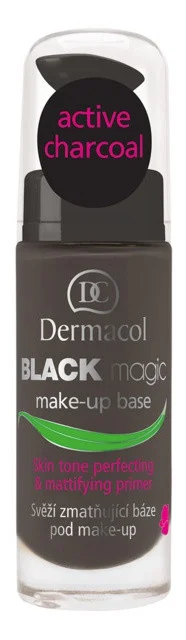
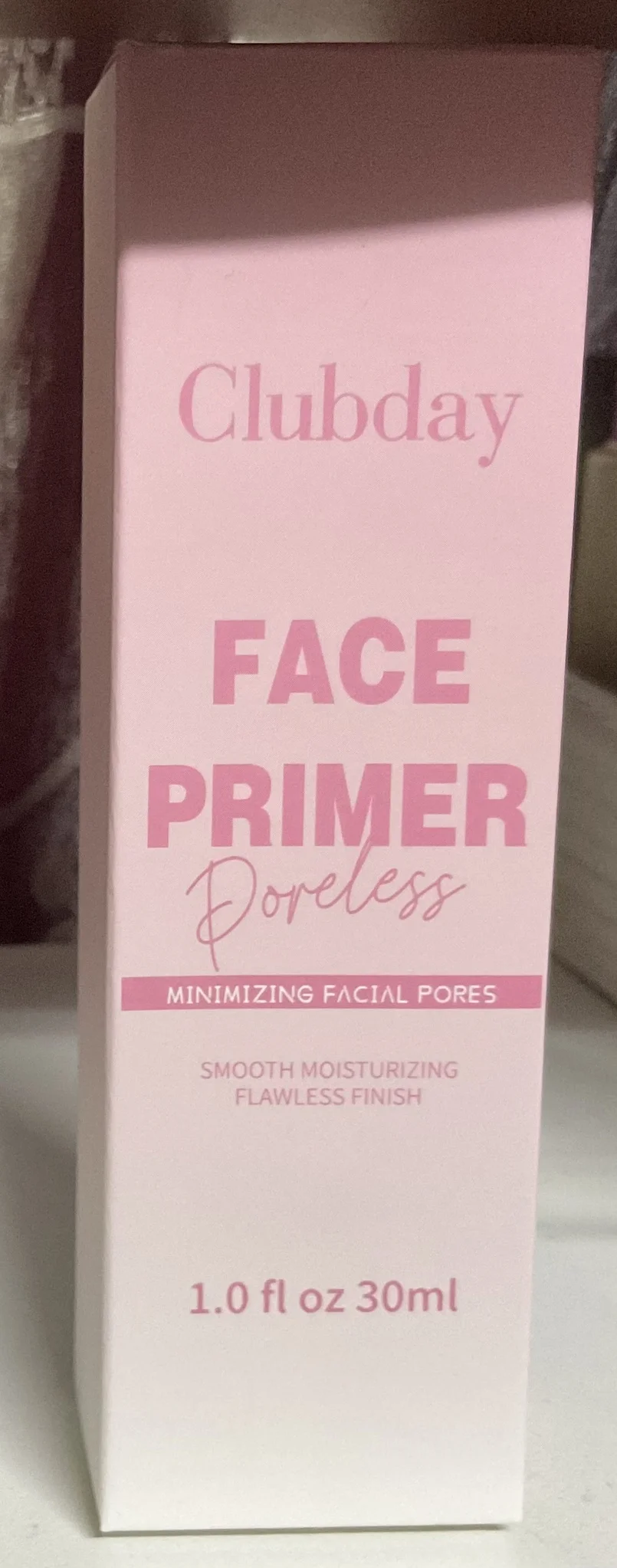



| EWG | CIR | Ingredient Name & Cosmetic Function | Notes |
|---|---|---|---|
| 1 | - | (Solvent) | |
| 2 | - | (Solvent, Viscosity Decreasing Agent, Viscosity Controlling) | |
| 2 | B | (Skin Conditioning, Absorbent, Viscosity Increasing Agent, Emulsion Stabilising, Binding, Film Forming, Hair Fixing, Viscosity Controlling, Skin-Conditioning Agent - Emollient) | |
| 1 | B | (Binding) | |
| EWG | CIR | Ingredient Name & Cosmetic Function | Notes |
|---|---|---|---|
| 1 | - | (Solvent) | |
| 3 | B | (Solvent, Fragrance, Humectant, Viscosity Decreasing Agent, Skin Conditioning, Viscosity Controlling, Skin-Conditioningagent - Miscellaneous) |  |
| 2 | B | (Antistatic Agent, Binding Agent, Binding, Film Forming, Adhesive, Hair Fixing, Suspending Agent -Nonsurfactant) | |
| 5 | B | (Masking, Fragrance, pH adjusting agent, pH adjusting agent, Emulsifying, Surfactant) | |
Water
1. Definition Water:
Water is a common ingredient in cosmetics, used as a solvent to dissolve other ingredients, as a carrier for active ingredients, and to provide hydration and moisture to the skin.2. Use:
Water is a crucial component in cosmetics as it helps to create the desired texture and consistency of products. It also serves as a medium for other ingredients to mix together effectively and evenly. Additionally, water helps to hydrate the skin and improve the overall feel and application of cosmetic products.3. Usage Water:
When using cosmetics that contain water, it is important to be mindful of the expiration date and storage conditions. Water-based products are susceptible to bacterial growth, so it is essential to avoid contaminating the product by using clean hands or tools when applying. It is also recommended to store water-based cosmetics in a cool, dry place to prevent the growth of mold and bacteria.4. References:
- Draelos, Z. D. (2010). Cosmetic dermatology: products and procedures. John Wiley & Sons.
- Winter, R. (2009). A consumer's dictionary of cosmetic ingredients: complete information about the harmful and desirable ingredients found in cosmetics and cosmeceuticals. Crown.
- Begoun, P. (2003). Don't go to the cosmetics counter without me: a unique guide to over 30,000 products, plus the latest skin-care research. Beginning Press.
Propanediol
1. Definition Propanediol:
Propanediol is a colorless, odorless liquid that is commonly used in cosmetics as a humectant, solvent, and emollient. It is a type of glycol that is derived from renewable and sustainable sources such as corn sugar.2. Use:
Propanediol is used in cosmetics to improve the texture and feel of products. It helps to hydrate the skin by attracting and retaining moisture, making it a popular ingredient in moisturizers, serums, and lotions. Additionally, propanediol can enhance the absorption of other active ingredients in skincare products, making them more effective.3. Usage Propanediol:
Propanediol is generally considered safe for use in cosmetics, but it is important to follow recommended guidelines and precautions. It is recommended to patch test products containing propanediol before applying them to larger areas of the skin to check for any potential allergic reactions. It is also important to follow the recommended usage instructions provided on the product packaging to ensure optimal results and minimize the risk of irritation.4. References:
- Zhang, X., Qian, H., & Tang, S. (2018). Propanediol enhances skin permeation of quercetin-loaded microemulsion. Drug Development and Industrial Pharmacy, 44(6), 1010-1016.
- Rigo, L. A., da Silva, D. F., & Sayer, C. (2019). Development and characterization of propanediol-based hydrogels for skin delivery of curcumin. International Journal of Biological Macromolecules, 132, 73-81.
- Huang, D., Zhang, Y., & Zhang, Z. (2017). Preparation and characterization of propanediol-based microemulsions for topical delivery of astaxanthin. Journal of Dispersion Science and Technology, 38(9), 1317-1323.
Sodium Polyacrylate
1. Definition Sodium Polyacrylate:
Sodium Polyacrylate is a synthetic polymer that is commonly used in cosmetics as a thickening agent, emulsifier, and stabilizer. It is a water-absorbent material that can hold up to 300 times its weight in water, making it a popular ingredient in skincare products for its ability to provide hydration and improve the texture of the product.2. Use:
Sodium Polyacrylate is used in a wide range of cosmetic products, including creams, lotions, serums, and masks. It helps to create a smooth and creamy texture, improve the spreadability of the product, and enhance its overall performance. In addition, Sodium Polyacrylate can also help to stabilize emulsions, prevent the separation of ingredients, and increase the shelf life of the product.3. Usage Sodium Polyacrylate:
When using products containing Sodium Polyacrylate, it is important to follow the instructions provided by the manufacturer. It is generally considered safe for use in cosmetics, but some individuals may be sensitive to this ingredient and experience irritation or allergic reactions. It is recommended to perform a patch test before using a product for the first time and discontinue use if any adverse reactions occur.4. References:
- "Polyacrylates in Cosmetics." CosmeticsInfo.org, www.cosmeticsinfo.org/ingredient/polyacrylates.
- "Sodium Polyacrylate." Truth In Aging, www.truthinaging.com/ingredients/sodium-polyacrylate.
- "Safety Assessment of Polyacrylate Polymers as Used in Cosmetics." Cosmetic Ingredient Review, www.cir-safety.org/sites/default/files/polyacrylates.pdf.
Acrylates/Ethylhexyl Acrylate Crosspolymer
1. Definition Acrylates/Ethylhexyl Acrylate Crosspolymer:
Acrylates/Ethylhexyl Acrylate Crosspolymer is a synthetic polymer that is commonly used in cosmetics as a thickening agent, film-forming agent, and emulsifier. It is a cross-linked polymer of acrylates and ethylhexyl acrylate, which helps to improve the texture and stability of cosmetic products.2. Use:
Acrylates/Ethylhexyl Acrylate Crosspolymer is used in a wide range of cosmetic products, including skincare, haircare, and makeup. It is often found in products such as creams, lotions, gels, and serums to provide a smooth and silky texture, enhance spreadability, and improve the overall performance of the product.3. Usage Acrylates/Ethylhexyl Acrylate Crosspolymer:
When using products containing Acrylates/Ethylhexyl Acrylate Crosspolymer, it is important to follow the manufacturer's instructions and guidelines. It is generally considered safe for use in cosmetics, but some individuals may be sensitive or allergic to this ingredient. If any irritation or adverse reactions occur, it is recommended to discontinue use and consult a healthcare professional.4. References:
- "Acrylates/Ethylhexyl Acrylate Crosspolymer." Cosmetics Info, www.cosmeticsinfo.org/ingredient/acrylates-ethylhexyl-acrylate-crosspolymer.
- Lodea, M., et al. "Evaluation of the Safety of Acrylates Copolymer and Ethylhexyl Acrylate for Use in Cosmetic Products." International Journal of Toxicology, vol. 27, no. 2, 2008, pp. 99-116.
- "Ethylhexyl Acrylate Crosspolymer." Personal Care Council, www.personalcarecouncil.org/ingredient-info/ethylhexyl-acrylate-crosspolymer/.







