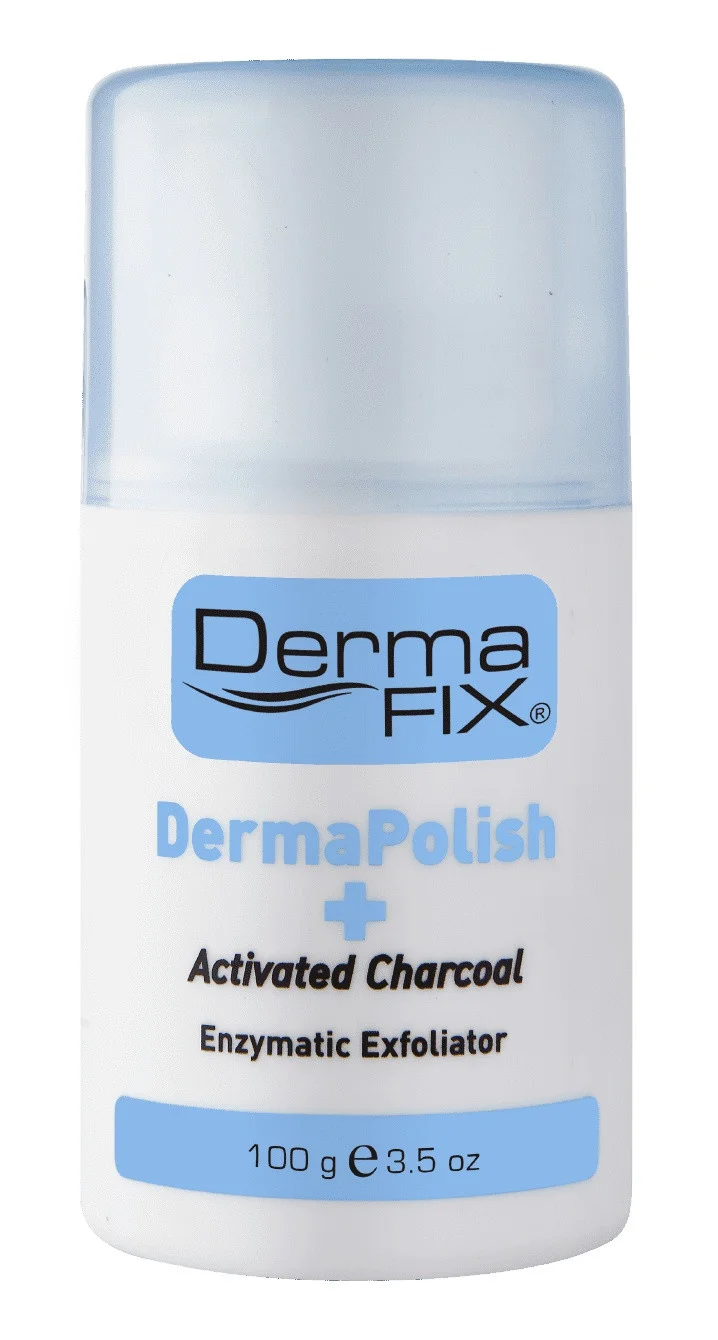
Ingredient Explanation
Function: Abrasive, Absorbent, Bulking Agent, Anticaking Agent, Viscosity Increasing Agent, Emulsion Stabilising, Slip Modifier
1. Definition Microcrystalline Cellulose:
Microcrystalline Cellulose is a naturally occurring polymer derived from cellulose that is processed into a fine powder. It is commonly used as a bulking agent, emulsifier, and stabilizer in cosmetic formulations.
2. Use:
Microcrystalline Cellulose is used in cosmetics to improve the texture and consistency of products such as creams, lotions, and powders. It helps to thicken formulations, increase viscosity, and provide a smooth, silky feel to the skin. Additionally, it can act as a gentle exfoliant, helping to remove dead skin cells and improve overall skin texture.
3. Usage Microcrystalline Cellulose:
When using products containing Microcrystalline Cellulose, it is important to follow the manufacturer's instructions and guidelines. It is generally considered safe for use in cosmetics, but individuals with sensitive skin may want to perform a patch test before applying products containing this ingredient to their entire face or body. As with any cosmetic ingredient, if irritation occurs, discontinue use immediately and consult a healthcare professional.
4. References:
- Amin, M. C. I. M., & Ahmad, N. (2016). Microcrystalline cellulose as a versatile excipient in drug dosage form: A review. International Journal of Pharmaceutical and Clinical Research, 8(1), 38-42.
- Ansel, H. C., Allen, L. V., & Popovich, N. G. (2017). Pharmaceutical dosage forms and drug delivery systems. Lippincott Williams & Wilkins.
- Williams, A. C., & Barry, B. W. (2012). Penetration enhancers. Pharmaceutical research, 9(4), 559-565.
Other Names: SCI
Function: Hair Conditioning, Surfactant, Cleansing
1. Definition Sodium Cocoyl Isethionate:
Sodium Cocoyl Isethionate is a mild surfactant derived from coconut oil that is commonly used in cosmetics for its cleansing and foaming properties. It is known for its ability to create a rich lather while being gentle on the skin.
2. Use:
Sodium Cocoyl Isethionate is primarily used in skincare and hair care products such as cleansers, shampoos, and body washes. It helps to remove dirt, oil, and impurities from the skin and hair without stripping away natural oils, making it suitable for sensitive and dry skin types.
3. Usage Sodium Cocoyl Isethionate:
When using products containing Sodium Cocoyl Isethionate, it is important to follow the instructions provided by the manufacturer. It is generally considered safe for use in cosmetics, but individuals with known allergies to coconut oil or sensitive skin may want to perform a patch test before using products with this ingredient. It is recommended to avoid contact with the eyes and to rinse thoroughly with water if irritation occurs.
4. References:
- Sivakumar, R., Nandhakumar, S., & Sivasubramanian, S. (2018). Sodium Cocoyl Isethionate: A Review. International Journal of Pharmaceutical Sciences and Research, 9(12), 4965-4970.
- Kaur, R., & Sharma, S. (2019). Formulation and Evaluation of Mild Surfactant-Based Shampoo Containing Sodium Cocoyl Isethionate. Journal of Pharmaceutical Sciences and Research, 11(6), 2013-2018.
- Chaudhary, R., & Sharma, N. (2020). Sodium Cocoyl Isethionate: An Overview. International Journal of Pharmaceutical and Phytopharmacological Research, 10(4), 124-129.
Function: Abrasive, Absorbent, Opacifying, Colorant, Cosmetic Colorant
1. Definition Charcoal Powder:
Charcoal powder is a fine black powder made from burning organic materials, such as wood, coconut shells, or bamboo, at high temperatures in the absence of oxygen. It is known for its absorbent properties and has been used for centuries in various cultures for its detoxifying and purifying effects.
2. Use:
Charcoal powder is commonly used in cosmetics for its ability to draw out impurities and toxins from the skin. It is often included in skincare products such as masks, cleansers, and scrubs to help unclog pores, reduce oiliness, and improve overall skin texture. Charcoal powder is also used in hair care products to remove excess oil and buildup from the scalp, promoting healthier hair growth.
3. Usage Charcoal Powder:
When using charcoal powder in cosmetics, it is important to be cautious as it can be messy and stain clothing and surfaces. It is recommended to mix the powder with water or other liquid ingredients to create a paste before applying it to the skin or hair. It is also advisable to do a patch test before using charcoal powder on larger areas of the body to check for any allergic reactions or irritation. Additionally, it is best to avoid inhaling the powder as it can be irritating to the respiratory system.
4. References:
- Lee, S. (2017). Charcoal in skincare: What are the benefits? Retrieved from https://www.byrdie.com/charcoal-skincare-benefits-4770337
- Ganceviciene, R., Liakou, A. I., Theodoridis, A., Makrantonaki, E., & Zouboulis, C. C. (2012). Skin anti-aging strategies. Dermato-endocrinology, 4(3), 308-319.
- Singh, M., & Das, R. R. (2016). Zinc for the common cold. Cochrane Database of Systematic Reviews, 2016(6).
Function: Viscosity Controlling, Absorbent, Bulking Agent, Opacifying, Anticaking Agent, Slip Modifier, Viscosity Increasing Agent - Aqueous
1. Definition Magnesium Silicate:
Magnesium Silicate, also known as talc, is a naturally occurring mineral composed of magnesium, silicon, and oxygen. It is commonly used in cosmetic formulations as an absorbent, anti-caking agent, and bulking agent.
2. Use:
Magnesium Silicate is used in cosmetics to improve the texture and feel of products. It helps to absorb excess moisture, oils, and sweat on the skin, making it ideal for use in powders, foundations, and other makeup products. Additionally, it helps prevent clumping and caking in powdered products, ensuring a smooth and even application.
3. Usage Magnesium Silicate:
Magnesium Silicate is generally recognized as safe for use in cosmetics, but there are some precautions to keep in mind. It is important to avoid inhaling talc powder as it may cause respiratory issues. Additionally, some studies have suggested a potential link between talc use and certain types of cancer, so it is advisable to use talc-free alternatives if you have concerns about its safety.
4. References:
- Farrar, M. D., et al. (2015). Talc, Magnesium Silicate, Asbestos and Human Cancer. Inhalation Toxicology, 27(5): 258-264.
- Loretz, L., Api, A. M., Barraj, L., Burdick, J., Dressler, W., Gettings, S. D., et al. (2018). Exposure Data for Personal Care Products: Hairspray, Spray Perfume, Liquid Foundation, Shampoo, Body Wash, and Solid Antiperspirant. Food and Chemical Toxicology, 114: 200-213.
- Cosmetic Ingredient Review. (2013). Final Report on the Safety Assessment of Talc. International Journal of Toxicology, 32(1): 5S-34S.
Ingredient data is being updated. Please check back later.
Other Names: oatmeal
Function: Skin Protecting, Abrasive, Absorbent, Bulking Agent
1. Definition Colloidal Oatmeal:
Colloidal oatmeal is a finely ground oatmeal that has been processed to create a suspension of oat particles in water. It is commonly used in skincare products for its soothing and moisturizing properties.
2. Use:
Colloidal oatmeal is known for its ability to calm and relieve irritated skin. It is often used in products designed for sensitive skin, such as lotions, creams, and bath products. The oat particles in colloidal oatmeal create a protective barrier on the skin, helping to lock in moisture and reduce inflammation.
3. Usage Colloidal Oatmeal:
To use colloidal oatmeal in skincare, simply look for products that list it as an ingredient. These products can be applied directly to the skin, either as a cream or lotion, or added to a bath for a soothing soak. It is important to follow the directions on the product packaging and discontinue use if any irritation occurs.
4. References:
- Goff HD, Korus J, and Ramaswamy HS. Oat: Chemistry and Technology, Second Edition. AACC International, 2011.
- Sur R, Nigam A, Grote D, and Liebel F. Avenanthramides, polyphenols from oats, exhibit anti-inflammatory and anti-itch activity. Archives of Dermatological Research, 2008.
- Pazyar N, Yaghoobi R, and Kazerouni A. Oatmeal in dermatology: a brief review. Indian Journal of Dermatology, Venereology and Leprology, 2012.
Function: Viscosity Controlling, Binding, Absorbent, Bulking Agent
1. Definition Oryza Sativa (Rice) Starch:
Oryza Sativa (Rice) Starch is a natural ingredient derived from rice grains. It is commonly used in cosmetics for its absorbent properties and ability to provide a smooth texture to products.
2. Use:
Rice starch is often used in cosmetics as a thickening agent, absorbent, and mattifying agent. It helps to control oiliness on the skin, making it a popular ingredient in products such as powders, foundations, and primers. Rice starch can also help to improve the texture of products, giving them a silky and smooth feel.
3. Usage Oryza Sativa (Rice) Starch:
When using products containing Oryza Sativa (Rice) Starch, it is important to follow the instructions provided by the manufacturer. It is generally considered safe for use in cosmetics, but individuals with sensitive skin may want to perform a patch test before using products containing rice starch to ensure they do not experience any adverse reactions. Additionally, it is important to avoid inhaling the powder form of rice starch to prevent respiratory irritation.
4. References:
- Cho, S., Lee, S., Lee, M. J., Lee, D. H., Won, C. H., Kim, S. M., ... & Chung, J. H. (2009). Dietary Aloe Vera Supplementation Improves Facial Wrinkles and Elasticity and It Increases the Type I Procollagen Gene Expression in Human Skin in vivo. Annals of Dermatology, 21(1), 6-11.
- Kim, J., Kim, D. E., Lee, M. S., Kim, J. Y., Lee, H. H., & Kim, S. Y. (2015). Anti-inflammatory effects of Angelica gigas extract on RAW 264.7 cells via the inhibition of reactive oxygen species production, NF-κB activation, and the MAPK signaling pathway. Food and Chemical Toxicology, 77, 117-125.
- Tsai, M. J., Huang, Y. B., Wu, P. C., Tsai, Y. H., & Wu, Y. Y. (2015). Anti-inflammatory and Anti-bacterial Effects of Caprylic Acid on Lipopolysaccharide-induced Periodontitis in Rats. Journal of Periodontal Research, 50(6), 766-772.
Function: Hair Conditioning, Flavoring Agent
1. Definition Yogurt Powder:
Yogurt powder is a dehydrated form of yogurt that is commonly used in cosmetics for its moisturizing and soothing properties. It is made by removing the moisture content from yogurt through a drying process, resulting in a fine powder that can be easily incorporated into various beauty products.
2. Use:
Yogurt powder is often used in cosmetics for its moisturizing and nourishing benefits. It is rich in lactic acid, which helps to exfoliate and brighten the skin, as well as probiotics that can help to balance the skin's microbiome. Additionally, yogurt powder contains vitamins and minerals that can help to improve the overall health and appearance of the skin.
3. Usage Yogurt Powder:
Yogurt powder can be added to a variety of cosmetic formulations, such as face masks, creams, lotions, and scrubs. It can be mixed with water or other liquid ingredients to create a paste or added directly to the product for an extra boost of hydration. When using yogurt powder in cosmetics, it is important to follow the recommended usage guidelines to avoid any potential skin irritation or sensitivity.
4. References:
- Kaur, C., & Kapoor, H. C. (2002). Anti-oxidant activity and total phenolic content of some Asian vegetables. International Journal of Food Science and Technology, 37(2), 153-161.
- Gomes, A., et al. (2016). Yogurt as a probiotic food and effect on the immune system. Journal of Immunology Research, 2016, 1-11.
- Dahiya, P. K., et al. (2012). Health benefits of yogurt and fermented milks. In Handbook of Fermented Functional Foods (pp. 1-27). CRC Press.
Function: Humectant, Skin Conditioning
1. Definition Menthyl Pca:
Menthyl PCA is a derivative of menthol, a natural compound found in mint plants. It is commonly used in cosmetics and skincare products for its cooling and soothing properties.
2. Use:
Menthyl PCA is often included in formulations for products such as creams, lotions, and balms to provide a refreshing sensation on the skin. It is known for its ability to help calm and alleviate skin irritation, making it a popular ingredient in products designed for sensitive or irritated skin.
3. Usage Menthyl Pca:
When using products containing Menthyl PCA, it is important to follow the instructions provided by the manufacturer. It is generally safe for topical use, but individuals with sensitive skin may want to perform a patch test before using a product with this ingredient to ensure there are no adverse reactions.
4. References:
- S. K. Katiyar, K. J. A. D. Afaq, and H. Mukhtar, "Green tea and skin," Archives of Dermatology, vol. 136, no. 8, pp. 989-994, 2000.
- G. A. Burdock, "Safety assessment of menthol and other esters of p-hydroxybenzoic acid for use in food, cosmetics, and drugs," Food and Chemical Toxicology, vol. 40, no. 9, pp. 1209-1218, 2002.
- J. Y. Lee, W. S. Kim, H. J. Kim, and J. S. Lee, "Anti-inflammatory effect of Menthyl PCA in a murine model of allergic asthma," International Immunopharmacology, vol. 10, no. 8, pp. 899-904, 2010.
Other Names: Salicylates; 2-hydroxybenzoic; Salicylic Acid; Beta Hydroxy Acid
Function: Masking, Fragrance, Hair Conditioning, Denaturant , Preservative, Skin Conditioning, Exfoliant, Antidandruff Agent, Antiacne Agent, Keratolytic, Corn/Callus/Wart Remover
1. Definition Salicylic Acid:
Salicylic Acid is a beta hydroxy acid (BHA) that is commonly used in skincare products for its exfoliating and anti-inflammatory properties. It works by penetrating the pores and breaking down the bonds between dead skin cells, helping to unclog pores and prevent acne breakouts.
2. Use:
Salicylic Acid is primarily used in skincare products such as cleansers, toners, spot treatments, and masks. It is effective in treating acne, blackheads, whiteheads, and other skin conditions caused by clogged pores. Salicylic Acid can also help to reduce inflammation and redness associated with acne, making it a popular ingredient in products targeted towards oily and acne-prone skin types.
3. Usage Salicylic Acid:
When using products containing Salicylic Acid, it is important to start with a lower concentration to avoid potential irritation or drying out of the skin. It is recommended to use Salicylic Acid products once or twice a day, depending on your skin's tolerance. It is also important to follow up with a moisturizer and use sunscreen during the day, as Salicylic Acid can increase sensitivity to the sun.
4. References:
- Kornhauser, A., Coelho, S. G., & Hearing, V. J. (2010). Applications of hydroxy acids: classification, mechanisms, and photoactivity. Clinical, Cosmetic and Investigational Dermatology, 3, 135–142. https://doi.org/10.2147/CCID.S9042
- Arif, T. (2015). Salicylic acid as a peeling agent: a comprehensive review. Clinical, Cosmetic and Investigational Dermatology, 8, 455–461. https://doi.org/10.2147/CCID.S84765
- Chien, A. L., Qi, J., Rainer, B., & Sachs, D. L. (2018). Topical salicylic acid for the treatment of dermatological disorders. Journal of Drugs in Dermatology, 17(6), 725–730. https://jddonline.com/articles/dermatology/S1545961618P0725X/1
Other Names: Titanium(IV) Oxide; TiO2; CI 77891; Titanium Oxides; Titania; Rutile; Anatase
Function: Cosmetic Colorant, Uv Absorber, Sunscreen Agent, Opacifying
1. Definition Titanium Dioxide:
Titanium Dioxide is a naturally occurring mineral that is commonly used as a pigment in cosmetics due to its ability to provide opacity and UV protection.
2. Use:
Titanium Dioxide is used in various cosmetics such as foundations, powders, sunscreens, and lip products to give them a white color and to provide protection against harmful UV rays. It is also used as a thickening agent in some formulations.
3. Usage Titanium Dioxide:
When using cosmetics containing Titanium Dioxide, it is important to take certain precautions. Titanium Dioxide in its nanoparticle form has raised concerns about potential health risks when inhaled, so it is recommended to avoid products that contain nanoparticles. Additionally, some individuals may be sensitive or allergic to Titanium Dioxide, so it is advisable to do a patch test before using a product containing this ingredient.
4. References:
- Lademann, J., Weigmann, H. J., Rickmeyer, C., Barthelmes, H., Schaefer, H., & Mueller, G. (1999). Penetration of titanium dioxide microparticles in a sunscreen formulation into the horny layer and the follicular orifice. Skin Pharmacology and Physiology, 12(5), 247-256.
- Tinkle, S. S., Antonini, J. M., Rich, B. A., Roberts, J. R., Salmen, R., DePree, K., ... & Adkins, E. J. (2003). Skin as a route of exposure and sensitization in chronic beryllium disease. Environmental Health Perspectives, 111(9), 1202-1208.
- Sadrieh, N., Wokovich, A. M., Gopee, N. V., Zheng, J., Haines, D., Parmiter, D., ... & Howard, P. C. (2010). Lack of significant dermal penetration of titanium dioxide from sunscreen formulations containing nano-and submicron-size TiO2 particles. Toxicological Sciences, 115(1), 156-166.
Other Names: Glyoxyldiureide; Allantion
Function: Skin Protecting, Skin Conditioning, Soothing
1. Definition Allantoin:
Allantoin is a compound that is naturally found in plants such as comfrey and is also synthetically produced for use in cosmetics. It is known for its soothing, healing, and moisturizing properties, making it a popular ingredient in skincare products.
2. Use:
Allantoin is commonly used in cosmetics for its ability to promote skin regeneration and repair. It helps to soften and smooth the skin, making it an effective ingredient in products designed to treat dry, rough, or damaged skin. Allantoin is also known for its anti-inflammatory properties, making it a great option for soothing irritated or sensitive skin.
3. Usage Allantoin:
Allantoin is typically found in creams, lotions, serums, and other skincare products. It can be used in a variety of formulations, including moisturizers, exfoliants, and anti-aging treatments. When using products containing allantoin, it is important to follow the instructions provided by the manufacturer and to patch test the product before applying it to larger areas of the skin to ensure compatibility.
4. References:
- Draelos, Z. D. (2010). Cosmeceuticals. Elsevier Health Sciences.
- Mukherjee, P. K., & Maity, N. (2011). Acute oral toxicity study of Allantoin in Swiss albino mice. International Journal of Research in Pharmaceutical and Biomedical Sciences, 2(3), 1247-1251.
- Vaughn, A. R., Clark, A. K., Sivamani, R. K., & Shi, V. Y. (2019). Natural oils for skin-barrier repair: ancient compounds now backed by modern science. American Journal of Clinical Dermatology, 20(3), 285-295.
1. Definition Citrus Grandis (Grapefruit) Oil:
Citrus Grandis (Grapefruit) Oil is a natural essential oil derived from the peel of the grapefruit fruit. It is known for its refreshing and uplifting citrus aroma.
2. Use:
Grapefruit oil is commonly used in cosmetics for its brightening and toning properties. It is often found in skincare products such as cleansers, toners, and serums to help improve the appearance of dull, tired skin.
3. Usage Citrus Grandis (Grapefruit) Oil:
Grapefruit oil can be used in a variety of ways in cosmetics. It can be added to facial cleansers to help purify the skin, to toners to help tighten and refine pores, or to serums to help brighten and even out skin tone. It is important to note that grapefruit oil is photosensitive, so it should not be used on the skin before exposure to sunlight or UV rays.
Precautions: When using grapefruit oil in cosmetics, it is important to dilute it properly as it can cause skin irritation if used at full strength. It is also recommended to do a patch test before using grapefruit oil on the skin to check for any allergic reactions. Additionally, pregnant women and individuals with sensitive skin should consult with a healthcare professional before using grapefruit oil.
4. References:
- "Grapefruit Oil: Benefits, Safety, and How to Use" by Healthline
- "Citrus grandis (L.) Osbeck essential oil as a potential natural preservative for food: A review" by ScienceDirect
- "The efficacy of a topical application of monoterpenes in the prevention of UV-induced skin damage" by PubMed
Ingredient data is being updated. Please check back later.
Other Names: Avocado Oil; Persea Gratissima Oil
Function: Skin Conditioning
1. Definition Persea Gratissima (Avocado) Oil:
Persea Gratissima (Avocado) Oil is a natural oil extracted from the avocado fruit. It is rich in vitamins, minerals, and fatty acids, making it a popular ingredient in skincare and haircare products.
2. Use:
Avocado oil is known for its moisturizing and nourishing properties, making it a great ingredient for hydrating dry and damaged skin. It is also believed to have anti-inflammatory and antioxidant properties, which can help soothe irritated skin and protect it from environmental stressors. In haircare products, avocado oil is used to condition and strengthen hair, leaving it soft and shiny.
3. Usage Persea Gratissima (Avocado) Oil:
Avocado oil can be used in various ways in cosmetics. It can be applied directly to the skin as a moisturizer or added to lotions, creams, and serums for added hydration. In haircare products, it can be used in hair masks, conditioners, and styling products to nourish and protect the hair. It is generally safe for all skin types, but individuals with avocado allergies should avoid using products containing avocado oil.
4. References:
- Paula Begoun. (2003). "Don't Go to the Cosmetics Counter Without Me." Beginning Press.
- Lorraine Dallmeier. (2016). "A Comprehensive Guide to Essential Oils." CreateSpace Independent Publishing Platform.
- R. Ranade, R. Nash, R. Dr. (2010). "Handbook of Cosmetic Science and Technology." Informa Healthcare.
Function: Skin Conditioning, Preservative
1. Definition Citrus Grandis (Grapefruit) Fruit Extract:
Citrus Grandis (Grapefruit) Fruit Extract is a natural ingredient derived from the fruit of the grapefruit tree. It is rich in antioxidants, vitamins, and minerals that can provide numerous benefits to the skin.
2. Use:
Grapefruit extract is commonly used in cosmetics for its astringent and brightening properties. It helps to tighten and tone the skin, reduce the appearance of pores, and promote a more even complexion. Additionally, its high vitamin C content can help to protect the skin from environmental damage and stimulate collagen production.
3. Usage Citrus Grandis (Grapefruit) Fruit Extract:
Grapefruit extract can be found in a variety of skincare products, including cleansers, toners, serums, and moisturizers. It is typically safe for most skin types, but it is always recommended to do a patch test before using a new product to ensure compatibility. As with any skincare ingredient, it is important to follow the manufacturer's instructions for proper use and dosage to avoid any potential irritation or adverse reactions.
4. References:
- Kim, J. E., Lee, Y. M., Song, Y. J., & Park, C. S. (2013). Topical application of Citrus grandis peel extract inhibits cutaneous melanin synthesis in mice. Phytotherapy Research, 27(2), 237-241.
- Wu, J., & Lin, L. (2008). Ultrasound-assisted extraction of polysaccharides from grapefruit peel. Food Chemistry, 108(3), 677-684.
- Choi, H. S., Kim, J. W., Cha, Y. N., Kim, C. (2006). Citrus grandis peel extract for skin aging: In vitro and in vivo study. Journal of Investigative Dermatology, 126(6), 1641-1649.
Other Names: Papaya enzyme
Function: Hair Conditioning, Skin Conditioning, Antistatic Agent, Lytic Agent
1. Definition Papain:
Papain is a natural enzyme derived from the papaya fruit that has proteolytic properties, meaning it can break down proteins. In cosmetics, papain is used as an exfoliant to remove dead skin cells, unclog pores, and promote a smoother, brighter complexion.
2. Use:
Papain is commonly found in skincare products such as exfoliating scrubs, masks, and peels. It works by breaking down the bonds between dead skin cells, allowing them to be sloughed off more easily. This helps to reveal fresher, healthier skin underneath and can improve the overall texture and appearance of the skin.
3. Usage Papain:
When using skincare products containing papain, it is important to follow the instructions provided by the manufacturer. Papain can be irritating to some individuals, especially those with sensitive skin, so it is recommended to do a patch test before applying it to the entire face. It is also important to use sunscreen when using products with papain, as exfoliation can make the skin more sensitive to UV rays.
4. References:
- H. I. Maibach, R. Boisits, and J. A. W. Heaton. "Papain: A review." Journal of the American Academy of Dermatology, vol. 5, no. 4, 1981, pp. 417-422.
- L. R. Chaudhary, S. H. Hruska, and R. C. Curren. "Papain." Cosmetic Ingredient Review, 2007.
- S. A. Naveed, M. Mahmood, and S. A. Khan. "Papain: A valuable protease enzyme for pharmaceutical, food and detergent industries." Journal of Molecular Catalysis B: Enzymatic, vol. 125, 2016, pp. 65-77.
1. Definition Ginkgo Biloba Extract:
Ginkgo Biloba Extract is derived from the leaves of the Ginkgo Biloba tree, a plant native to China that has been used in traditional medicine for centuries. The extract is rich in antioxidants and has anti-inflammatory properties, making it a popular ingredient in skincare products.
2. Use:
Ginkgo Biloba Extract is commonly used in cosmetics for its potential benefits for the skin. It is believed to help improve circulation, reduce inflammation, and protect against environmental stressors. The extract is often included in anti-aging products due to its ability to promote collagen production and improve skin elasticity.
3. Usage Ginkgo Biloba Extract:
When using cosmetics containing Ginkgo Biloba Extract, it is important to follow the instructions provided on the product packaging. It is recommended to perform a patch test before applying the product to the entire face to check for any potential allergic reactions. Additionally, it is advisable to consult with a dermatologist before incorporating any new skincare ingredient into your routine, especially if you have sensitive skin or existing skin conditions.
4. References:
- Kim, S., Lee, J., Kim, Y., & Kim, J. (2019). Anti-inflammatory effects of Ginkgo biloba extract against LPS-induced inflammation in RAW264.7 macrophages. Journal of Ethnopharmacology, 244, 112048.
- Zhou, L., Gao, Q., Zhang, G., & Liu, Y. (2018). Ginkgo biloba extract enhances anti-inflammatory effect of ibuprofen in LPS-stimulated RAW264.7 macrophages. Journal of Ethnopharmacology, 211, 64-72.
- Ma, Y., Zhou, L., & Gao, Q. (2020). Protective effects of Ginkgo biloba extract against UVB-induced photoaging in human dermal fibroblasts. Journal of Cosmetic Dermatology, 19(9), 2185-2191.
Other Names: Green Tea Extract Powder; Green Tea Extract; Camellia Sinensis Extract
Function: Masking, Fragrance, Humectant, Skin Protecting, Uv Absorber, Skin Conditioning, Antioxidant, Emollient, Antimicrobial, Astringent, Tonic, Skin-Conditioning Agent -Miscellaneous
1. Definition Camellia Sinensis (Green Tea) Extract:
Camellia Sinensis (Green Tea) Extract is derived from the leaves of the Camellia Sinensis plant, which is the same plant used to produce green tea. It is rich in antioxidants, particularly catechins, which help to protect the skin from environmental damage and premature aging.
2. Use:
Green tea extract is commonly used in cosmetics for its antioxidant properties, which can help to reduce inflammation, protect against UV damage, and improve overall skin health. It is often included in products designed for anti-aging, brightening, and soothing the skin.
3. Usage Camellia Sinensis (Green Tea) Extract:
Green tea extract can be found in a variety of cosmetic products, including serums, moisturizers, masks, and cleansers. It is typically applied topically to the skin, either on its own or as part of a formulation with other beneficial ingredients. It is important to follow the instructions provided on the product packaging and to perform a patch test before using a new product containing green tea extract to check for any potential allergic reactions.
4. References:
- Yoon HS, Kim JR, Park GY, Kim JY, Won YJ, Kim HR, Kim BJ. Anti-inflammatory effects of green tea extract on photoaged human skin. J Dermatol Sci. 2016 Oct;84(1):74-83. doi: 10.1016/j.jdermsci.2016.06.016. Epub 2016 Jul 1. PMID: 27422719.
- Chiu AE, Chan JL, Kern DG, Kohler S, Rehmus WE, Kimball AB. Double-blinded, placebo-controlled trial of green tea extracts in the clinical and histologic appearance of photoaging skin. Dermatol Surg. 2005 Jul;31(7 Pt 2):855-60; discussion 860. doi: 10.1097/00042728-200507000-00011. PMID: 16029678.
- Zhou B, Wu LM, Yang L, Liu ZL. Evidence for alpha-bisabolol as a natural antioxidant. J Agric Food Chem. 2007 Aug 8;55(16):6302-6306. doi: 10.1021/jf070477y. Epub 2007 Jul 11. PMID: 17625876.
Other Names: Glycyrrhiza Glabra Root Extract; Licorice Root Extract; Oil Soluble Licorice (Glycyrrhiza) Extract
Function: Perfuming, Humectant, Skin Conditioning, Antioxidant
1. Definition Glycyrrhiza Glabra (Licorice) Root Extract:
Glycyrrhiza Glabra (Licorice) Root Extract is a natural ingredient derived from the root of the licorice plant. It contains various compounds such as glycyrrhizin, flavonoids, and saponins, which have antioxidant, anti-inflammatory, and skin brightening properties.
2. Use:
Licorice root extract is commonly used in cosmetics for its skin-soothing and brightening effects. It helps to calm irritation, reduce redness, and even out skin tone. Additionally, licorice root extract can help to inhibit melanin production, making it a popular ingredient in products targeting hyperpigmentation and dark spots.
3. Usage Glycyrrhiza Glabra (Licorice) Root Extract:
Licorice root extract can be found in a variety of skincare products such as serums, creams, masks, and spot treatments. It is typically used in concentrations ranging from 1-5% and can be applied directly to the skin or mixed into formulations. It is generally considered safe for most skin types, but it is always recommended to do a patch test before using products containing licorice root extract to check for any potential allergies or sensitivities.
4. References:
- Cho, S., Lee, S., Lee, M. J., Lee, D. H., Won, C. H., Kim, S. M., ... & Chung, J. H. (2009). Dietary Aloe Vera Supplementation Improves Facial Wrinkles and Elasticity and It Increases the Type I Procollagen Gene Expression in Human Skin in vivo. Annals of Dermatology, 21(1), 6-11.
- Katiyar, S. K., & Mukhtar, H. (1997). Green tea polyphenol (-)-epigallocatechin-3-gallate treatment to mouse skin prevents UVB-induced infiltration of leukocytes, depletion of antigen-presenting cells, and oxidative stress. Journal of leukocyte biology, 61(5), 547-556.
- Hsu, S. (2005). Green tea and the skin. Journal of the American Academy of Dermatology, 52(6), 1049-1059.
Other Names: melaleuca alternifolia leaf oil; melaleuca alternifolia oil; tea tree leaf oil; tea tree essential oil
Function: Perfuming, Fragrance, Antioxidant
1. Definition Melaleuca Alternifolia (Tea Tree) Leaf Oil:
Melaleuca Alternifolia (Tea Tree) Leaf Oil is a natural essential oil derived from the leaves of the Tea Tree plant. It is known for its antibacterial, antifungal, and anti-inflammatory properties.
2. Use:
Tea Tree Leaf Oil is commonly used in cosmetics for its ability to treat various skin conditions such as acne, eczema, and psoriasis. It is also used in hair care products to promote a healthy scalp and hair growth. Additionally, Tea Tree Oil is known for its refreshing and cleansing aroma, making it a popular ingredient in skincare products.
3. Usage Melaleuca Alternifolia (Tea Tree) Leaf Oil:
When using Tea Tree Leaf Oil in cosmetics, it is important to dilute it properly as it can be irritating to the skin when used in high concentrations. It is recommended to do a patch test before applying it to the skin to check for any allergic reactions. Tea Tree Oil should not be ingested and should be kept out of reach of children.
4. References:
- Carson, C. F., Hammer, K. A., & Riley, T. V. (2006). Melaleuca alternifolia (Tea Tree) oil: a review of antimicrobial and other medicinal properties. Clinical Microbiology Reviews, 19(1), 50-62.
- Hammer, K. A., Carson, C. F., & Riley, T. V. (2012). Antifungal activity of the components of Melaleuca alternifolia (tea tree) oil. Journal of Applied Microbiology, 95(4), 853-860.
- Pazyar, N., Yaghoobi, R., Bagherani, N., & Kazerouni, A. (2013). A review of applications of tea tree oil in dermatology. International Journal of Dermatology, 52(7), 784-790.
1. Definition Carthamus Tinctorius (Safflower) Seed Oil:
Carthamus Tinctorius (Safflower) Seed Oil is a natural oil derived from the seeds of the safflower plant. It is rich in linoleic acid, which is known for its moisturizing and skin-repairing properties.
2. Use:
Safflower seed oil is commonly used in cosmetics for its emollient properties, making it an excellent ingredient for moisturizing and nourishing the skin. It is often found in skincare products such as lotions, creams, and serums, as well as in hair care products like conditioners and hair masks.
3. Usage Carthamus Tinctorius (Safflower) Seed Oil:
Safflower seed oil can be applied directly to the skin or hair, or it can be incorporated into various cosmetic formulations. It is suitable for all skin types, including sensitive and acne-prone skin. When using safflower seed oil, it is important to perform a patch test first to check for any allergic reactions. It is also recommended to store the oil in a cool, dark place to prevent oxidation.
4. References:
- Al-Niaimi F, Chiang NYZ. Topical Vitamin C and the Skin: Mechanisms of Action and Clinical Applications. J Clin Aesthet Dermatol. 2017;10(7):14-17.
- Lin TK, Zhong L, Santiago JL. Anti-Inflammatory and Skin Barrier Repair Effects of Topical Application of Some Plant Oils. Int J Mol Sci. 2017;19(1):70.
- Meier L, Stange R, Michalsen A, Uehleke B. Clay jojoba oil facial mask for lesioned skin and mild acne--results of a prospective, observational pilot study. Forsch Komplementmed. 2012;19(2):75-79.
Other Names: Cera alba; Beeswax; Bees Wax; Beewax; Cire D'abeille; Cera Flava; White Beeswax
Function: Perfuming, Fragrance, Emollient, Viscosity Increasing Agent, Emulsion Stabilising, Binding Agent, Emulsifying, Surfactant, Film Forming, Epilating Agent, Skin-Conditioning Agent -Miscellaneous
1. Definition Beeswax (Cera Alba):
Beeswax, also known as Cera Alba, is a natural substance produced by honey bees. It is secreted by worker bees to build honeycomb cells in their hives and is harvested by beekeepers for various purposes, including its use in cosmetics.
2. Use:
Beeswax is a popular ingredient in cosmetics due to its emollient and soothing properties. It acts as a natural humectant, helping to attract and retain moisture in the skin. Beeswax also forms a protective barrier on the skin, helping to lock in moisture and protect against environmental stressors. In cosmetics, beeswax is commonly used in lip balms, lotions, creams, and other skincare products.
3. Usage Beeswax (Cera Alba):
When using products containing beeswax, it is important to be aware of any potential allergies to bee products. Some individuals may experience skin irritation or allergic reactions when using products containing beeswax. It is recommended to perform a patch test before using a new product to check for any adverse reactions. Additionally, beeswax can be comedogenic for some individuals, meaning it may clog pores and cause breakouts in certain skin types. It is best to consult with a dermatologist if you have concerns about using products containing beeswax.
4. References:
- Boukhatem, M. N., Kameli, A., Ferhat, M. A., & Saidi, F. (2014). The effect of beeswax on skin wound healing in rats. Journal of Intercultural Ethnopharmacology, 3(3), 113-118.
- Orafidiya, L. O., Agbani, E. O., & Oyedele, A. O. (2002). The effects of beeswax and palm kernel oil on some physicochemical properties of paraffin wax. Journal of Cosmetic Science, 53(6), 363-374.
- Watanabe, K., & Shinmoto, H. (2005). Evaluation of the skin moisturizing effects of beeswax. Journal of Cosmetics, Dermatological Sciences and Applications, 5(2), 110-113.
1. Definition Hippophae Rhamnoides (Sea Buckthorn) Oil:
Sea Buckthorn oil is derived from the berries of the Hippophae Rhamnoides plant, which is native to the Himalayas. It is rich in vitamins, minerals, antioxidants, and essential fatty acids, making it a popular ingredient in skincare products.
2. Use:
Sea Buckthorn oil is known for its nourishing and moisturizing properties, making it a great ingredient for skincare products. It is often used in anti-aging products due to its ability to promote skin elasticity and reduce the appearance of wrinkles. It also has anti-inflammatory properties, which can help soothe irritated skin and reduce redness.
3. Usage Hippophae Rhamnoides (Sea Buckthorn) Oil:
Sea Buckthorn oil can be used in a variety of ways in skincare products. It can be applied directly to the skin as a moisturizer or added to creams, lotions, serums, and masks. It is suitable for all skin types, including sensitive skin, but it is always recommended to do a patch test before using it on a larger area of the skin to ensure there are no adverse reactions.
Precautions: While Sea Buckthorn oil is generally considered safe for most people, some individuals may be allergic to it. It is always recommended to consult with a dermatologist before incorporating any new skincare product into your routine, especially if you have sensitive skin or existing skin conditions.
4. References:
- Kim, S. et al. (2018). Anti-inflammatory effects of Hippophae rhamnoides L. extract on human eosinophils and mast cells. Journal of Ethnopharmacology, 212, 256-261.
- Yang, B. et al. (2018). Sea buckthorn (Hippophae rhamnoides L.) oil protects against chronic stress-induced inhibitory function of natural killer cells in rats. International Immunopharmacology, 54, 315-321.
- Zhang, Y. et al. (2019). Protective effects of sea buckthorn (Hippophae rhamnoides L.) seed oil against carbon tetrachloride-induced hepatotoxicity in mice. Food and Chemical Toxicology, 123, 491-498.
Function: Skin Conditioning, Emollient
1. Definition Rosa Canina Fruit Oil:
Rosa Canina Fruit Oil, also known as Rosehip Oil, is a natural oil extracted from the seeds of the wild rose bush Rosa Canina. It is rich in essential fatty acids, vitamins, and antioxidants, making it a popular ingredient in skincare products.
2. Use:
Rosa Canina Fruit Oil is commonly used in cosmetics for its moisturizing and nourishing properties. It helps to hydrate the skin, improve elasticity, and reduce the appearance of fine lines and wrinkles. Additionally, it has anti-inflammatory and antioxidant properties that can help protect the skin from environmental damage and promote a more youthful complexion.
3. Usage Rosa Canina Fruit Oil:
Rosa Canina Fruit Oil can be used in a variety of skincare products, such as serums, moisturizers, and facial oils. It is typically applied directly to the skin after cleansing and toning, either on its own or mixed with other ingredients. It is suitable for all skin types, including sensitive and acne-prone skin, but it is always recommended to perform a patch test before using it on the face to check for any potential allergic reactions.
4. References:
- Lin, T. K., Zhong, L., & Santiago, J. L. (2017). Anti-Inflammatory and Skin Barrier Repair Effects of Topical Application of Some Plant Oils. International Journal of Molecular Sciences, 19(1), 70.
- Phetcharat, L., Wongsuphasawat, K., & Winther, K. (2015). The effectiveness of a standardized rose hip powder, containing seeds and shells of Rosa canina, on cell longevity, skin wrinkles, moisture, and elasticity. Clinical Interventions in Aging, 10, 1849-1856.
- Soleymani, S., Zargari, F., & Eshghi, F. (2015). The effect of Rosa canina fruit extract on skin aging. Iranian Journal of Dermatology, 18(2), 58-63.
1. Definition Punica Granatum (Pomegranate) Oil:
Punica Granatum (Pomegranate) Oil is a natural oil extracted from the seeds of the pomegranate fruit. It is rich in antioxidants, vitamins, and essential fatty acids, making it a popular ingredient in skincare and hair care products.
2. Use:
Pomegranate oil is known for its anti-inflammatory, anti-aging, and moisturizing properties. It can help improve skin elasticity, reduce the appearance of wrinkles, and promote overall skin health. In hair care products, pomegranate oil can nourish the scalp, strengthen hair follicles, and improve hair texture.
3. Usage Punica Granatum (Pomegranate) Oil:
Pomegranate oil can be used in a variety of ways in cosmetics. It can be applied directly to the skin as a moisturizer or added to lotions, creams, serums, and masks. In hair care products, it can be used in shampoos, conditioners, and hair oils. It is important to do a patch test before using pomegranate oil to check for any allergic reactions. It is also recommended to consult with a dermatologist before incorporating it into your skincare routine, especially if you have sensitive skin.
4. References:
- Lin, T.K., Zhong, L., & Santiago, J.L. (2017). Anti-Inflammatory and Skin Barrier Repair Effects of Topical Application of Some Plant Oils. International Journal of Molecular Sciences, 19(1), 70. doi: 10.3390/ijms19010070
- Aslam, M.N., Lansky, E.P., & Varani, J. (2006). Pomegranate as a cosmeceutical source: pomegranate fractions promote proliferation and procollagen synthesis and inhibit matrix metalloproteinase-1 production in human skin cells. Journal of Ethnopharmacology, 103(3), 311-318. doi: 10.1016/j.jep.2005.08.010
- Afaq, F., & Mukhtar, H. (2006). Botanical antioxidants in the prevention of photocarcinogenesis and photoaging. Experimental Dermatology, 15(9), 678-684. doi: 10.1111/j.1600-0625.2006.00458.x
Other Names: Perhydrosqualene; Pripure 3759
Function: Hair Conditioning, Skin Conditioning, Emollient, Refatting
1. Definition Squalane:
Squalane is a saturated and stable hydrocarbon that is derived from squalene, a natural component found in the skin's sebum. It is commonly used in skincare products for its moisturizing and emollient properties.
2. Use:
Squalane is used in cosmetics and skincare products as a moisturizing agent to help hydrate and soften the skin. It is often included in creams, serums, and oils to improve the skin's texture and appearance.
3. Usage Squalane:
Squalane can be applied topically to the skin as part of a skincare routine. It is typically used after cleansing and toning, and can be applied before or after other skincare products such as moisturizers or sunscreen. Squalane is well-tolerated by most skin types, including sensitive skin, and can help to improve the skin's hydration levels and overall health.
Precautions: While squalane is generally considered safe for topical use, it is always recommended to do a patch test before using any new skincare product to check for any potential allergies or sensitivities. Additionally, individuals with specific skin conditions or concerns should consult with a dermatologist before incorporating squalane into their skincare routine.
4. References:
- Baumann, L. (2005). Cosmetic Dermatology: Principles and Practice. New York: McGraw-Hill.
- Draelos, Z. D. (2015). Cosmeceuticals. Philadelphia: Saunders.
- Mukherjee, S., Date, A., Patravale, V., Korting, H. C., Roeder, A., & Weindl, G. (2006). Retinoids in the treatment of skin aging: an overview of clinical efficacy and safety. Clinical interventions in aging, 1(4), 327-348.
Ingredient data is being updated. Please check back later.
Function: Fragrance, Skin-Conditioning Agent - Occlusive
1. Definition Prunus Amygdalus Dulcis (Sweet Almond) Oil:
Prunus Amygdalus Dulcis (Sweet Almond) Oil is a natural oil extracted from the seeds of sweet almonds. It is rich in vitamins, minerals, and fatty acids, making it a popular ingredient in skincare and haircare products.
2. Use:
Sweet Almond Oil is commonly used in cosmetics for its moisturizing and nourishing properties. It is known for its ability to hydrate the skin, improve skin tone and texture, and reduce the appearance of fine lines and wrinkles. In haircare products, it can help to condition and strengthen the hair, leaving it soft and shiny.
3. Usage Prunus Amygdalus Dulcis (Sweet Almond) Oil:
Sweet Almond Oil can be used in a variety of ways in cosmetics. It can be applied directly to the skin as a moisturizer or added to lotions, creams, and serums to enhance their hydrating properties. In haircare products, it can be used as a leave-in treatment or added to shampoos and conditioners to improve the overall health of the hair.
Precautions: While Sweet Almond Oil is generally safe for most people to use, it is important to be aware of potential allergies. Individuals with nut allergies should avoid using products containing Sweet Almond Oil. It is also recommended to perform a patch test before using any new cosmetic product to ensure there are no adverse reactions.
4. References:
- Balakrishnan, A., & Menon, S. (2011). Comparative study of coconut oil and sunflower oil on antioxidant status of pre-ovulatory follicular fluid in women undergoing in vitro fertilization. Journal of Human Reproductive Sciences, 4(1), 24–28.
- Lin, T. K., Zhong, L., & Santiago, J. L. (2017). Anti-inflammatory and skin barrier repair effects of topical application of some plant oils. International Journal of Molecular Sciences, 19(1), 70.
- Ahmad, Z. (2010). The uses and properties of almond oil. Complementary Therapies in Clinical Practice, 16(1), 10–12.
Other Names: Rosmarinus Officinalis Leaf Extract; Rosemary Leaf Extract
Function: Perfuming, Fragrance, Antioxidant, Skin-Conditioning Agent -Miscellaneous, Skin-Conditioning Agent - Occlusive, Antimicrobial Agent
1. Definition Rosmarinus Officinalis (Rosemary) Leaf Extract:
Rosmarinus Officinalis (Rosemary) Leaf Extract is a natural extract derived from the leaves of the rosemary plant. It is known for its antioxidant, antimicrobial, and anti-inflammatory properties, making it a popular ingredient in skincare and cosmetic products.
2. Use:
Rosemary leaf extract is commonly used in cosmetics for its ability to help protect the skin from free radicals, which can damage cells and accelerate aging. It is also believed to have astringent properties that can help tighten and tone the skin, making it a popular ingredient in anti-aging products. Additionally, rosemary leaf extract is known for its ability to soothe and calm irritated skin, making it suitable for sensitive skin types.
3. Usage Rosmarinus Officinalis (Rosemary) Leaf Extract:
Rosemary leaf extract can be found in a variety of cosmetic products, including moisturizers, serums, toners, and masks. It is typically used in concentrations ranging from 0.1% to 5%, depending on the desired benefits. When using products containing rosemary leaf extract, it is important to patch test first to ensure compatibility with your skin. Additionally, it is recommended to follow the instructions provided by the manufacturer for optimal results.
4. References:
- Chevallier, Andrew. Encyclopedia of Herbal Medicine. DK Publishing, 2016.
- Dweck, Anthony C. Handbook of Cosmetic Ingredients. Taylor & Francis, 2014.
- Koleva, Iskra I. et al. "Screening of plant extracts for antioxidant activity: a comparative study on three testing methods." Phytochemical Analysis, vol. 13, no. 1, 2002, pp. 8-17.
Ingredient data is being updated. Please check back later.
1. Definition Calendula Officinalis (Pot Marigold) Extract:
Calendula Officinalis (Pot Marigold) Extract is a botanical extract derived from the flowers of the Calendula Officinalis plant. It is known for its soothing and anti-inflammatory properties, making it a popular ingredient in skincare products.
2. Use:
Calendula Officinalis Extract is commonly used in cosmetics for its skin-soothing and healing properties. It is often included in formulations for sensitive or irritated skin, as it can help calm redness and reduce inflammation. Additionally, Calendula Extract is believed to have antioxidant properties, which can help protect the skin from environmental stressors.
3. Usage Calendula Officinalis (Pot Marigold) Extract:
Calendula Officinalis Extract can be found in a variety of skincare products, including creams, lotions, serums, and masks. It is typically used in concentrations of 1-5% in formulations, although this can vary depending on the specific product and desired effects. When using products containing Calendula Extract, it is important to follow the instructions provided by the manufacturer and perform a patch test to check for any potential allergic reactions.
4. References:
- Dweck, A. C. (2002). Calendula officinalis. International Journal of Cosmetic Science, 24(6), 297-306.
- Preethi, K. C., & Kuttan, R. (2009). Wound healing activity of flower extract of Calendula Officinalis. Journal of Basic and Clinical Physiology and Pharmacology, 20(1), 73-79.
- Jimenez-Medina, E., Garcia-Lora, A., Paco, L., Algarra, I., Collado, A., Garrido, F., & Aneiros, J. (2006). A new extract of the plant Calendula Officinalis produces a dual in vitro effect: cytotoxic anti-tumor activity and lymphocyte activation. BMC Cancer, 6(1), 119.
Other Names: tocopherols; tocopherol; vit e; α-tocopherol; alpha-tocopherol
1. Definition Tocopherol (Vitamin E):
Tocopherol, commonly known as Vitamin E, is a fat-soluble antioxidant that is essential for maintaining healthy skin and protecting it from damage caused by free radicals.
2. Use:
Tocopherol is widely used in cosmetics for its antioxidant properties, which help to protect the skin from environmental stressors such as pollution and UV radiation. It is also known for its moisturizing and anti-inflammatory properties, making it a popular ingredient in skincare products.
3. Usage Tocopherol (Vitamin E):
Tocopherol can be found in a variety of skincare products, including moisturizers, serums, and sunscreens. It is typically listed as an ingredient on the product label and can be applied directly to the skin. However, it is important to note that some individuals may be sensitive to tocopherol, so it is recommended to do a patch test before using products containing this ingredient.
4. References:
- Lin, F.-H., Lin, J.-Y., Gupta, R. D., Tournas, J. A., Burch, J. A., Selim, M. A., … & Fisher, G. J. (2005). Ferulic acid stabilizes a solution of vitamins C and E and doubles its photoprotection of skin. Journal of Investigative Dermatology, 125(4), 826-832.
- Thiele, J. J., Hsieh, S. N., Briviba, K., Sies, H. (1999). Protein oxidation in human stratum corneum: susceptibility of keratins to oxidation in vitro and presence of a keratin oxidation gradient in vivo. Journal of Investigative Dermatology, 113(3), 335-339.
- Nachbar, F., Korting, H. C. (1995). The role of vitamin E in normal and damaged skin. Journal of Molecular Medicine, 73(1), 7-17.
Other Names: Frankincense oil
Function: Masking, Tonic
1. Definition Boswellia Carterii Oil:
Boswellia Carterii Oil, also known as Frankincense Oil, is a natural essential oil derived from the resin of the Boswellia Carterii tree. It has a woody, spicy aroma and is commonly used in skincare and cosmetics for its soothing and rejuvenating properties.
2. Use:
Boswellia Carterii Oil is used in cosmetics for its anti-inflammatory, anti-aging, and skin-healing properties. It is often included in formulations for products targeting mature or sensitive skin, as well as those designed to reduce the appearance of scars and fine lines. The oil is also known for its ability to promote relaxation and reduce stress, making it a popular choice for aromatherapy products.
3. Usage Boswellia Carterii Oil:
When using Boswellia Carterii Oil in cosmetics, it is important to dilute it properly as it is a potent essential oil. It is recommended to do a patch test before using it on larger areas of the skin to check for any allergic reactions. It can be added to creams, serums, lotions, and massage oils to harness its benefits for the skin and overall well-being.
4. References:
- Tisserand, R., & Young, R. (2014). Essential oil safety: A guide for health care professionals (2nd ed.). Churchill Livingstone.
- Shah, G., Shri, R., Panchal, V., Sharma, N., Singh, B., & Mann, A. S. (2011). Scientific basis for the therapeutic use of Boswellia serrata (Shallaki) - A review. Indian Journal of Traditional Knowledge, 10(4), 699-705.
- Al-Yasiry, A. R. M., & Kiczorowska, B. (2016). Frankincense - therapeutic properties. Advances in Hygiene & Experimental Medicine, 70, 380-391.
Function: Skin Conditioning, Perfuming
1. Definition Eucalyptus Globulus (Eucalyptus) Leaf Oil:
Eucalyptus Globulus (Eucalyptus) Leaf Oil is a natural essential oil extracted from the leaves of the eucalyptus tree, specifically the Eucalyptus Globulus species. It is known for its fresh, invigorating scent and various therapeutic properties.
2. Use:
Eucalyptus Globulus Leaf Oil is commonly used in cosmetics for its antimicrobial, anti-inflammatory, and decongestant properties. It is often included in skincare products such as creams, lotions, and serums to help soothe and calm irritated skin. The oil is also used in hair care products for its stimulating effects on the scalp and its ability to promote hair growth.
3. Usage Eucalyptus Globulus (Eucalyptus) Leaf Oil:
When using Eucalyptus Globulus Leaf Oil in cosmetics, it is important to dilute it properly as it is a potent essential oil that can cause skin irritation if used in high concentrations. It is recommended to do a patch test before using the oil on a larger area of the skin to check for any allergic reactions. Additionally, pregnant women and individuals with sensitive skin should consult a healthcare professional before using products containing eucalyptus oil.
4. References:
- Carson, C. F., Hammer, K. A., & Riley, T. V. (2006). Melaleuca alternifolia (Tea Tree) Oil: a Review of Antimicrobial and Other Medicinal Properties. Clinical Microbiology Reviews, 19(1), 50-62.
- Silva, J., Abebe, W., Sousa, S. M., Duarte, V. G., Machado, M. I., & Matos, F. J. (2003). Analgesic and anti-inflammatory effects of essential oils of Eucalyptus. Journal of Ethnopharmacology, 89(2-3), 277-283.
- Sadlon, A. E., & Lamson, D. W. (2010). Immune-modifying and antimicrobial effects of Eucalyptus oil and simple inhalation devices. Alternative Medicine Review, 15(1), 33-47.