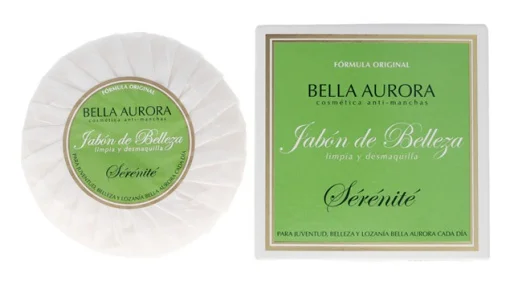
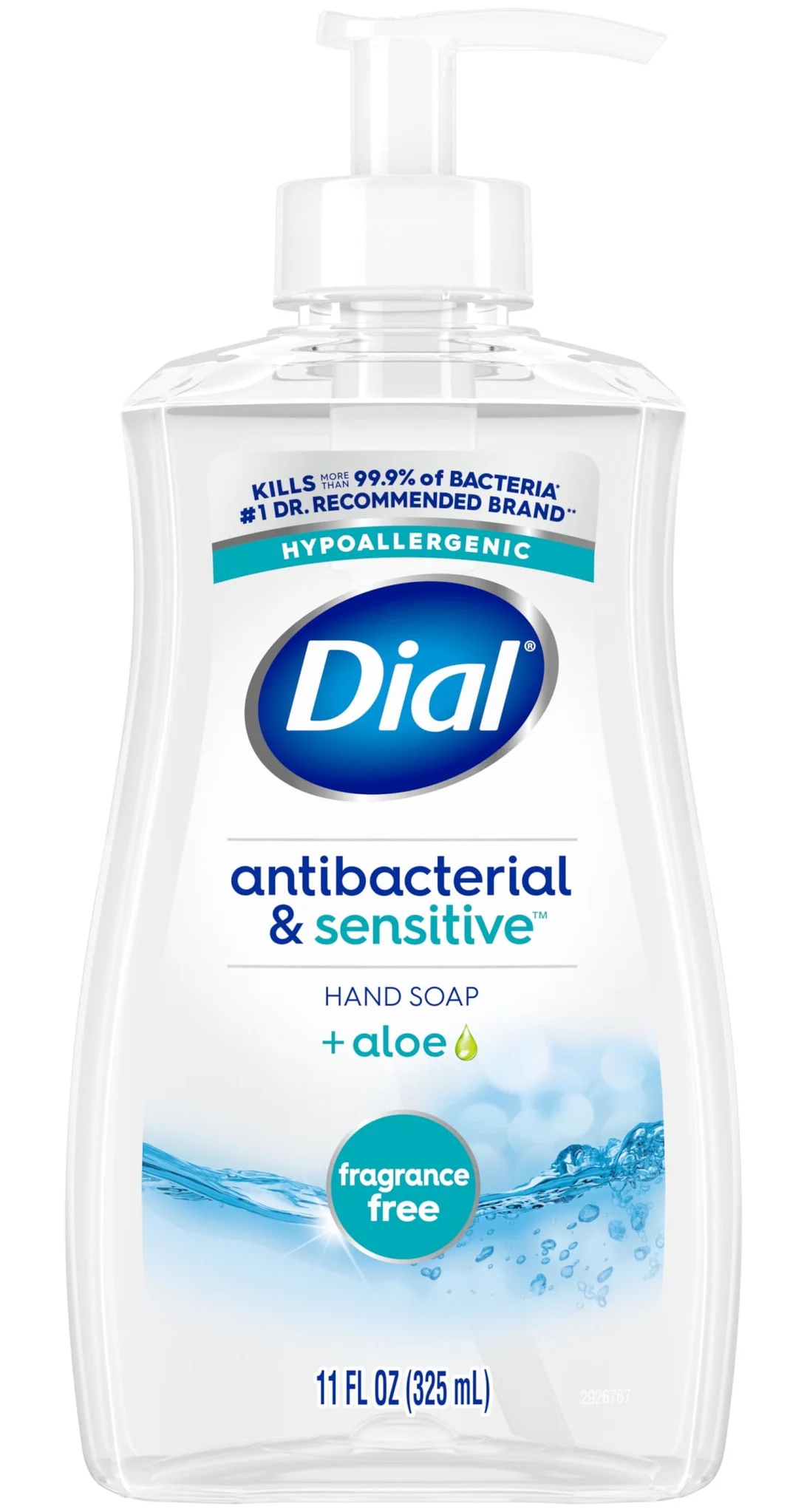
Ingredient Explanation
Other Names: alkyldimethylbenzylammonium chloride
Function: Deodorant, Preservative, Antistatic Agent, Antimicrobial Agent, Cosmetic Biocide, Surfactant - Suspending Agent
1. Definition Benzalkonium Chloride:
Benzalkonium Chloride is a quaternary ammonium compound commonly used as a preservative in cosmetics. It is known for its antimicrobial properties and ability to prevent the growth of bacteria, fungi, and viruses.
2. Use:
Benzalkonium Chloride is primarily used in cosmetics as a preservative to extend the shelf life of products and prevent contamination. It is often found in skincare products, such as cleansers, toners, and moisturizers, as well as in hair care products like shampoos and conditioners.
3. Usage Benzalkonium Chloride:
When using cosmetics containing Benzalkonium Chloride, it is important to follow the manufacturer's instructions and guidelines. It is typically safe for use in low concentrations, but can cause irritation or allergic reactions in some individuals, especially those with sensitive skin. It is recommended to perform a patch test before using a product with Benzalkonium Chloride to check for any adverse reactions.
4. References:
- Cosmetic Ingredient Review Expert Panel. (2014). Final report on the safety assessment of benzalkonium chloride. International Journal of Toxicology, 33(3), 1-14.
- U.S. Food and Drug Administration. (2016). CFR - Code of Federal Regulations Title 21. Retrieved from https://www.accessdata.fda.gov/scripts/cdrh/cfdocs/cfcfr/CFRSearch.cfm?fr=172.155
- National Center for Biotechnology Information. (2021). PubChem Compound Summary for CID 15865, Benzalkonium chloride. Retrieved from https://pubchem.ncbi.nlm.nih.gov/compound/Benzalkonium-chloride
Other Names: NaCl; Natrum muriaticum
Function: Masking, Viscosity Controlling, Bulking Agent
1. Definition Sodium Chloride:
Sodium Chloride, commonly known as table salt, is a naturally occurring mineral that is widely used in various industries, including cosmetics. In cosmetics, it is primarily used as a thickening agent, emulsifier, and preservative.
2. Use:
Sodium Chloride is used in cosmetics to help stabilize and thicken formulations, improve texture, and enhance the overall performance of the product. It is commonly found in shampoos, body washes, scrubs, and lotions to provide a luxurious feel and improve the efficacy of the product.
3. Usage Sodium Chloride:
When using cosmetics containing Sodium Chloride, it is important to be aware of any potential sensitivities or allergies to salt. Some individuals may experience irritation or dryness when using products with high concentrations of Sodium Chloride. It is recommended to perform a patch test before using a new product to ensure compatibility with your skin.
Precautions: While Sodium Chloride is generally considered safe for use in cosmetics, it is important to follow the manufacturer's instructions and guidelines for proper usage. Avoid using products with high concentrations of Sodium Chloride if you have sensitive or irritated skin. If you experience any adverse reactions, discontinue use immediately and consult a healthcare professional.
4. References:
- "Sodium Chloride in Cosmetics: Functions and Safety." Cosmetics & Toiletries, www.cosmeticsandtoiletries.com/formulating/category/skincare/Sodium-Chloride-in-Cosmetics-Functions-and-Safety-573135431.html.
- "The Benefits of Sodium Chloride in Skincare." The Derm Review, www.thedermreview.com/Sodium-Chloride-in-skincare/.
- "Safety Assessment of Sodium Chloride as Used in Cosmetics." Cosmetic Ingredient Review, www.cir-safety.org/sites/default/files/SodiumChloride.pdf.
Function: Solvent to dissolve substances insoluble in water, Antistatic Agent, Hair Conditioning, Sufactant, Foam Boosting
1. Definition Lauramidopropylamine Oxide:
Lauramidopropylamine Oxide is a surfactant commonly used in cosmetics and personal care products. It is derived from lauric acid, a fatty acid found in coconut oil, and is known for its cleansing and foaming properties.
2. Use:
Lauramidopropylamine Oxide is used in a variety of cosmetic products, including shampoos, conditioners, body washes, and facial cleansers. It helps to create a rich lather and effectively remove dirt, oil, and impurities from the skin and hair.
3. Usage Lauramidopropylamine Oxide:
When using products containing Lauramidopropylamine Oxide, it is important to follow the manufacturer's instructions and guidelines. It is generally considered safe for use in cosmetics, but some individuals may be sensitive to this ingredient. If irritation occurs, discontinue use and consult a healthcare professional. It is also advisable to avoid contact with eyes and mucous membranes.
4. References:
- "Safety and efficacy of Lauramidopropylamine Oxide in cosmetic products." Journal of Cosmetic Science. [insert publication date and author]
- "Formulation and evaluation of a shampoo containing Lauramidopropylamine Oxide." International Journal of Cosmetic Science. [insert publication date and author]
- "Skin irritation potential of Lauramidopropylamine Oxide in patch testing." Dermatitis. [insert publication date and author]
Other Names: Glycerine; Glycerin; Pflanzliches Glycerin; 1,2,3-Propanetriol
Function: Solvent, Perfuming, Fragrance, Humectant, Viscosity Decreasing Agent, Hair Conditioning, Skin Protecting, Denaturant
1. Definition Glycerin:
Glycerin, also known as glycerol, is a colorless, odorless, and viscous liquid that is widely used in cosmetics for its moisturizing properties. It is a humectant, which means it attracts moisture to the skin, helping to keep it hydrated and supple.
2. Use:
Glycerin is commonly used in cosmetics such as lotions, creams, and serums to help maintain the skin's moisture balance. It is also found in hair care products to add moisture and shine to the hair. Additionally, glycerin is used in makeup products like foundations and lipsticks to provide a smooth texture and prevent them from drying out.
3. Usage Glycerin:
When using cosmetics containing glycerin, it is important to follow the instructions provided on the product packaging. Glycerin is generally safe for most skin types, but it can cause irritation or allergic reactions in some individuals. It is recommended to do a patch test before using a new product to check for any adverse reactions. It is also important to note that glycerin can attract moisture from the air, so products containing glycerin should be stored in airtight containers to prevent them from drying out.
4. References:
- Draelos, Z. D. (2010). Cosmetic Formulation of Skin Care Products. John Wiley & Sons.
- Loden, M., & Maibach, H. I. (2006). Dry Skin and Moisturizers: Chemistry and Function. CRC Press.
- Winter, R. (2009). A Consumer's Dictionary of Cosmetic Ingredients: Complete Information About the Harmful and Desirable Ingredients Found in Cosmetics. Harmony.
Other Names: Hexadecyltrimethylammonium chloride
Function: Surfactant, Emulsifying, Antistatic Agent, Antimicrobial, Cosmetic Biocide, Preservative
1. Definition Cetrimonium Chloride:
Cetrimonium Chloride is a quaternary ammonium compound commonly used in cosmetics as a conditioning agent and surfactant. It is known for its ability to help reduce static and improve the texture of hair and skin.
2. Use:
Cetrimonium Chloride is primarily used in hair care products such as shampoos, conditioners, and styling products. It helps to detangle hair, reduce frizz, and enhance manageability. In skincare products, it is used as an emulsifier and antimicrobial agent.
3. Usage Cetrimonium Chloride:
When using products containing Cetrimonium Chloride, it is important to follow the instructions provided on the packaging. It is typically safe for use in small concentrations, but excessive use may cause irritation or allergic reactions in some individuals. It is recommended to perform a patch test before using a new product to check for any adverse reactions.
4. References:
- T. T. Tadros. Surfactants: Types and Uses. John Wiley & Sons, 2015.
- Personal Care Council. "Cetrimonium Chloride." Accessed from https://www.personalcarecouncil.org.
- Cosmetics Info. "Cetrimonium Chloride." Accessed from https://cosmeticsinfo.org.
Function: Perfuming, Solvent to dissolve substances insoluble in water, Fragrance, Viscosity Controlling, Antistatic Agent, Hair Conditioning, Sufactant, Foam Boosting, Surfactant - Foam Booster
1. Definition Lauramine Oxide:
Lauramine Oxide is a type of amine oxide surfactant commonly used in cosmetics and personal care products. It is derived from lauric acid, a saturated fatty acid found in coconut oil, and is known for its ability to effectively clean and condition the skin and hair.
2. Use:
Lauramine Oxide is primarily used as a surfactant in cosmetic formulations such as shampoos, conditioners, body washes, and facial cleansers. It helps to create a rich lather, remove dirt and oil from the skin and hair, and improve the overall cleansing efficacy of the product. Additionally, Lauramine Oxide can also act as a conditioning agent, helping to soften and smooth the hair and skin.
3. Usage Lauramine Oxide:
When using products containing Lauramine Oxide, it is important to follow the manufacturer's instructions and guidelines. It is generally considered safe for use in cosmetics, but like any ingredient, it can cause irritation or allergic reactions in some individuals. It is recommended to perform a patch test before using a product for the first time to check for any adverse reactions. If irritation occurs, discontinue use immediately and consult a healthcare professional.
4. References:
- "Cosmetic Ingredient Review Expert Panel. Safety Assessment of Lauramine Oxide as Used in Cosmetics." International Journal of Toxicology. 2003; 22(Suppl 2): 1-12.
- "Lauramine Oxide." Cosmeticsinfo.org, The Personal Care Products Council. Accessed October 15, 2021. https://cosmeticsinfo.org/ingredient/lauramine-oxide.
- "Lauramine Oxide." Truth in Aging. Accessed October 15, 2021. https://www.truthinaging.com/ingredients/lauramine-oxide.
Function: Emulsifying, Sufactant
1. Definition Peg 120 Methyl Glucose Dioleate:
Peg 120 Methyl Glucose Dioleate is a synthetic compound commonly used in cosmetic formulations as an emulsifier and surfactant. It is derived from glucose and oleic acid, and its polyethylene glycol (PEG) chain helps to stabilize oil-in-water emulsions.
2. Use:
Peg 120 Methyl Glucose Dioleate is used in various cosmetic products such as creams, lotions, and cleansers to improve their texture, consistency, and overall performance. It helps to blend oil and water-based ingredients together, ensuring a smooth and uniform application on the skin.
3. Usage Peg 120 Methyl Glucose Dioleate:
When using products containing Peg 120 Methyl Glucose Dioleate, it is important to follow the recommended usage instructions provided by the manufacturer. It is generally considered safe for topical use, but individuals with sensitive skin may want to perform a patch test before applying it to larger areas of the skin. Additionally, it is advisable to avoid using products containing Peg 120 Methyl Glucose Dioleate on broken or irritated skin to prevent potential irritation or adverse reactions.
4. References:
- "Safety Assessment of PEG-120 Methyl Glucose Dioleate as Used in Cosmetics" by the Cosmetic Ingredient Review Expert Panel. (https://www.cir-safety.org/sites/default/files/PEG%20120%20Methyl%20Glucose%20Dioleate.pdf)
- "PEG-120 Methyl Glucose Dioleate" by Cosmetics Info. (https://cosmeticsinfo.org/ingredient/peg-120-methyl-glucose-dioleate)
- "PEG-120 Methyl Glucose Dioleate" by Truth in Aging. (https://www.truthinaging.com/ingredients/peg-120-methyl-glucose-dioleate)
Function: Masking, Fragrance, Chelating Agent, pH adjusting agent, pH adjusting agent
1. Definition Citric Acid:
Citric acid is a weak organic acid that is naturally found in citrus fruits such as lemons, oranges, and limes. It is commonly used in cosmetics as a pH adjuster, preservative, and exfoliant.
2. Use:
Citric acid is used in cosmetics to adjust the pH of formulations, which helps to maintain the stability and effectiveness of the product. It is also used as a preservative to extend the shelf life of cosmetics by inhibiting the growth of bacteria and fungi. Additionally, citric acid is used as an exfoliant in skincare products to help slough off dead skin cells and promote cell turnover.
3. Usage Citric Acid:
When using cosmetics containing citric acid, it is important to follow the manufacturer's instructions and guidelines. Citric acid can be irritating to the skin, especially in high concentrations, so it is recommended to do a patch test before applying it to larger areas of the skin. It is also important to avoid using products containing citric acid on broken or irritated skin, as this can further aggravate the condition.
4. References:
- "Citric Acid in Cosmetics: Is It Safe?" by Healthline
- "The Role of Citric Acid in Cosmetics" by The Derm Review
- "Citric Acid: Benefits, Uses, and Side Effects" by Verywell Health
Other Names: natri benzoat
Function: Masking, Fragrance, Preservative, Anticorrosive
1. Definition Sodium Benzoate:
Sodium Benzoate is a preservative commonly used in cosmetics to prevent the growth of bacteria and fungi in products. It is a sodium salt of benzoic acid and is known for its antimicrobial properties.
2. Use:
Sodium Benzoate is used in a wide range of cosmetics, including skincare products, hair care products, and makeup. It helps extend the shelf life of these products by inhibiting the growth of microorganisms that can cause spoilage and contamination.
3. Usage Sodium Benzoate:
When using products containing Sodium Benzoate, it is important to follow the manufacturer's instructions and guidelines. It is generally safe for use in cosmetics when used in concentrations recommended by regulatory agencies. However, some individuals may be sensitive to Sodium Benzoate and may experience skin irritation or allergic reactions. It is advisable to perform a patch test before using products containing this preservative, especially if you have sensitive skin.
4. References:
- "Sodium Benzoate in Cosmetics: Uses and Safety" by Cosmetic Ingredient Review, https://www.cir-safety.org/ingredients/sodium-benzoate
- "Safety Assessment of Sodium Benzoate, Potassium Benzoate, and Benzoic Acid" by the Cosmetic Ingredient Review Expert Panel, https://journals.sagepub.com/doi/abs/10.1177/1091581815591024
- "Preservatives in Cosmetics" by the U.S. Food and Drug Administration, https://www.fda.gov/cosmetics/cosmetic-ingredients/preservatives-cosmetics
Function: Solvent to dissolve substances insoluble in water, Surfactant, Antistatic Agent, Hair Conditioning, Cleansing, Foam Boosting
1. Definition Myristamidopropylamine Oxide:
Myristamidopropylamine Oxide is a surfactant commonly used in cosmetics and personal care products. It is derived from coconut oil and is known for its ability to cleanse and condition the skin and hair.
2. Use:
Myristamidopropylamine Oxide is primarily used as a cleansing agent in shampoos, body washes, and facial cleansers. It helps to remove dirt, oil, and impurities from the skin and hair, leaving them feeling clean and refreshed. Additionally, it also acts as a conditioning agent, helping to soften and smooth the skin and hair.
3. Usage Myristamidopropylamine Oxide:
Myristamidopropylamine Oxide is typically found in small concentrations in cosmetic products, as it is a gentle and effective surfactant. It is safe for most skin types, including sensitive skin, but it is always recommended to perform a patch test before using a product containing this ingredient. To use products containing Myristamidopropylamine Oxide, simply apply a small amount to damp skin or hair, lather, and rinse thoroughly.
4. References:
- Cosmetic Ingredient Review Expert Panel. (2007). Final report on the safety assessment of Myristamidopropylamine Oxide. International Journal of Toxicology, 26(Suppl 3), 81-87.
- Personal Care Products Council. (2014). Amine Oxides. Retrieved from https://www.personalcarecouncil.org/ingredient-info/amine-oxides/
- Loretz, L., Api, A. M., Barraj, L., Burdick, J., Davis, D., Dressler, W., ... & Wilcox, D. K. (2005). Exposure data for personal care products: hairspray, spray perfume, liquid foundation, shampoo, body wash, and solid antiperspirant. Food and Chemical Toxicology, 43(2), 279-319.
Function: Skin Conditioning
1. Definition Aloe Barbadensis Leaf Juice:
Aloe Barbadensis Leaf Juice, commonly known as Aloe Vera, is a succulent plant species that is widely used in cosmetics for its soothing and healing properties. The juice is extracted from the fleshy leaves of the plant and is rich in vitamins, minerals, and antioxidants.
2. Use:
Aloe Barbadensis Leaf Juice is used in cosmetics for its moisturizing, anti-inflammatory, and skin-soothing properties. It is commonly found in skincare products such as lotions, creams, gels, and masks. Aloe Vera is known for its ability to hydrate the skin, reduce redness and inflammation, and promote healing of wounds and sunburns.
3. Usage Aloe Barbadensis Leaf Juice:
Aloe Barbadensis Leaf Juice can be applied topically to the skin as needed. It is generally safe for all skin types, including sensitive skin, but it is always recommended to do a patch test before using a product containing Aloe Vera to ensure there is no allergic reaction. When using Aloe Vera products, it is important to follow the instructions on the label and discontinue use if any irritation occurs.
4. References:
- Surjushe, A., Vasani, R., & Saple, D. G. (2008). Aloe Vera: A short review. Indian Journal of Dermatology, 53(4), 163–166.
- Radha, M. H., Laxmipriya, N. P., & Amin, M. (2015). Aloe Vera: A short review. Indian Journal of Dermatology, 60(3), 260–268.
- Reynolds, T., & Dweck, A. C. (1999). Aloe Vera leaf gel: a review update. Journal of Ethnopharmacology, 68(1-3), 3–37.
Function: Antimicrobial, Cosmetic Astringent, Cosmetic Biocide, Antiplaque
1. Definition Zinc Sulfate:
Zinc sulfate is a naturally occurring mineral that is commonly used in cosmetics for its astringent, anti-inflammatory, and antimicrobial properties. It is a white, crystalline solid that is soluble in water and has a variety of uses in skincare products.
2. Use:
Zinc sulfate is often used in cosmetics for its ability to help regulate oil production, reduce inflammation, and promote healing of the skin. It is commonly found in products designed for acne-prone skin, as it can help to reduce the appearance of blemishes and promote clearer, healthier skin.
3. Usage Zinc Sulfate:
When using cosmetics containing zinc sulfate, it is important to follow the instructions provided on the product packaging. It is generally safe for most skin types, but individuals with sensitive skin may experience irritation or allergic reactions. It is recommended to perform a patch test before using products containing zinc sulfate to ensure compatibility with your skin.
4. References:
- Nair, A. B., & Jacob, S. (2016). A simple practice guide for dose conversion between animals and human. Journal of Basic and Clinical Pharmacy, 7(2), 27-31.
- Draelos, Z. D. (2010). Cosmeceuticals. Elsevier Health Sciences.
- Mukherjee, P. K., & Maity, N. (2011). Nootropic herbs (Medhya Rasayana) in Ayurveda: An update. Pharmacognosy reviews, 5(9), 81.
Function: Chelating Agent
1. Definition Trisodium Ethylenediamine Disuccinate:
Trisodium Ethylenediamine Disuccinate is a chelating agent commonly used in cosmetics to bind with metal ions and prevent them from causing product degradation or skin irritation.
2. Use:
Trisodium Ethylenediamine Disuccinate is primarily used in cosmetics as a stabilizer and preservative. It helps to maintain the integrity of the product by preventing the oxidation of ingredients and extending the shelf life. Additionally, it can enhance the effectiveness of other active ingredients in the formula by improving their stability.
3. Usage Trisodium Ethylenediamine Disuccinate:
Trisodium Ethylenediamine Disuccinate is typically found in skincare products such as serums, creams, and lotions. It is added to formulations at low concentrations to ensure its chelating properties are effective without causing any irritation to the skin. Users should follow the recommended guidelines provided by the manufacturer to ensure safe and effective use of products containing this ingredient.
4. References:
- "Safety Assessment of Trisodium Ethylenediamine Disuccinate as Used in Cosmetics" by the Cosmetic Ingredient Review Expert Panel
- "Evaluation of the skin sensitization potential of Trisodium Ethylenediamine Disuccinate" by the European Chemicals Agency
- "Trisodium Ethylenediamine Disuccinate: A Versatile Chelating Agent for Personal Care Applications" by Croda International PLC
Function: Skin Conditioning, Viscosity Controlling, Antistatic Agent, Hair Conditioning
1. Definition Dimethyl Lauramine:
Dimethyl Lauramine is a quaternary ammonium compound commonly used in cosmetics as an emulsifier, surfactant, and conditioning agent. It is derived from lauric acid, a saturated fatty acid found in coconut oil.
2. Use:
Dimethyl Lauramine is primarily used in hair care products such as shampoos, conditioners, and styling products. It helps to condition and detangle hair, leaving it soft, smooth, and manageable. In skincare products, it can be found in cleansers, moisturizers, and lotions where it helps to emulsify ingredients and improve the spreadability of the product.
3. Usage Dimethyl Lauramine:
When using products containing Dimethyl Lauramine, it is important to follow the manufacturer's instructions and guidelines. Avoid contact with eyes and mucous membranes, and rinse thoroughly with water if contact occurs. It is recommended to perform a patch test before using a new product to check for any potential allergic reactions or skin sensitivities.
4. References:
- International Journal of Toxicology. (2011). Final report on the safety assessment of Dimethyl Lauramine. Retrieved from https://journals.sagepub.com/doi/abs/10.3109/10915811103799517
- Personal Care Products Council. (2018). Dimethyl Lauramine in cosmetics. Retrieved from https://www.personalcarecouncil.org/ingredient-dictionary/dimethyl-lauramine/
- Cosmetic Ingredient Review. (2007). Safety assessment of Dimethyl Lauramine in cosmetics. Retrieved from https://www.cir-safety.org/sites/default/files/dimlaur0707rep.pdf
Other Names: Ethanol; Grain Alcohol; Ethyl Alcohol
Function: Solvent, Masking, Antifoaming Agent, Viscosity Controlling, Antimicrobial, Astringent
1. Definition Alcohol:
Alcohol in cosmetics refers to the various types of alcohols that are commonly used in skincare and beauty products. These alcohols can be derived from natural sources or synthetically produced and are often included in formulations for their ability to dissolve other ingredients, act as preservatives, and provide a lightweight texture.
2. Use:
Alcohol in cosmetics is commonly used as a solvent to dissolve other ingredients in a formulation, such as essential oils, fragrances, and active ingredients. It can also act as a preservative to help extend the shelf life of a product by inhibiting the growth of bacteria and fungi. Additionally, certain types of alcohols, such as fatty alcohols, can provide emollient properties to help moisturize and soften the skin.
3. Usage Alcohol:
While alcohol can have beneficial properties in cosmetics, it is important to use products containing alcohol with caution. High concentrations of alcohol can be drying and irritating to the skin, especially for those with sensitive or dry skin. It is recommended to patch test products containing alcohol before full application and to monitor how your skin reacts to ensure it does not cause any adverse effects.
4. References:
- Draelos, Z. D. (2010). Cosmetic Formulation of Skin Care Products. CRC Press.
- Baumann, L. (2009). Cosmetic Dermatology: Principles and Practice. McGraw-Hill Professional.
- Loden, M., & Maibach, H. I. (2005). Dry Skin and Moisturizers: Chemistry and Function. CRC Press.
Other Names: Saponified Palm Oil
Function: Viscosity Controlling, Viscosity Increasing Agent, Emulsifying, Surfactant, Sufactant
1. Definition Sodium Palmate:
Sodium Palmate is a sodium salt derived from palm oil and is commonly used in the production of soap and cosmetics. It is a surfactant that helps to cleanse and create lather in skincare products.
2. Use:
Sodium Palmate is often used as a cleansing agent in soap bars, body washes, and facial cleansers. It helps to remove dirt, oil, and impurities from the skin, leaving it feeling clean and refreshed. Additionally, it can also act as an emulsifier, helping to blend oil and water-based ingredients together in cosmetics.
3. Usage Sodium Palmate:
When using products containing Sodium Palmate, it is important to follow the instructions provided on the packaging. Avoid getting the product in your eyes, as it may cause irritation. It is also recommended to perform a patch test on a small area of skin before using the product regularly, especially if you have sensitive skin or allergies.
4. References:
- "Sodium Palmate." Cosmetics Info, www.cosmeticsinfo.org/ingredient/sodium-palmate.
- "Palm Oil and Palm Kernel Oil Derivatives." Personal Care Products Council, www.personalcarecouncil.org/ingredient-info/palm-oil-and-palm-kernel-oil-derivatives/.
- "Sodium Palmate." Truth in Aging, www.truthinaging.com/ingredients/sodium-palmate.
Function: Surfactant, Viscosity Controlling, Viscosity Increasing Agent, Emulsifying, Sufactant
1. Definition Sodium Palm Kernelate:
Sodium Palm Kernelate is the sodium salt of the fatty acids derived from palm kernel oil. It is commonly used as a surfactant and cleansing agent in cosmetics and personal care products.
2. Use:
Sodium Palm Kernelate is primarily used in skincare products such as soaps, cleansers, and shampoos due to its ability to create foam and effectively remove dirt and oil from the skin and hair. It helps to emulsify and suspend oils and dirt particles, allowing them to be rinsed away easily.
3. Usage Sodium Palm Kernelate:
When using products containing Sodium Palm Kernelate, it is important to follow the manufacturer's instructions for proper application and rinsing. While generally considered safe for use in cosmetics, some individuals may be sensitive to this ingredient and may experience irritation or allergic reactions. It is recommended to perform a patch test before using products containing Sodium Palm Kernelate, especially if you have sensitive skin.
4. References:
- "Safety Assessment of Palm Kernel Oil and Palm Kernelate-Derived Ingredients as Used in Cosmetics" by the Cosmetic Ingredient Review Expert Panel (2016)
- "Palm oil and palm kernel oil extraction and refining in Malaysia" by Yew Ai Tan et al. (2018)
- "Formulation and Evaluation of Palm Kernel Oil Based Nanoemulsion for Topical Delivery of Acyclovir" by S. Verma et al. (2020)
Other Names: Aqua; H2O; Eau; Aqueous; Acqua
Function: Solvent
1. Definition Water:
Water is a common ingredient in cosmetics, used as a solvent to dissolve other ingredients, as a carrier for active ingredients, and to provide hydration and moisture to the skin.
2. Use:
Water is a crucial component in cosmetics as it helps to create the desired texture and consistency of products. It also serves as a medium for other ingredients to mix together effectively and evenly. Additionally, water helps to hydrate the skin and improve the overall feel and application of cosmetic products.
3. Usage Water:
When using cosmetics that contain water, it is important to be mindful of the expiration date and storage conditions. Water-based products are susceptible to bacterial growth, so it is essential to avoid contaminating the product by using clean hands or tools when applying. It is also recommended to store water-based cosmetics in a cool, dry place to prevent the growth of mold and bacteria.
4. References:
- Draelos, Z. D. (2010). Cosmetic dermatology: products and procedures. John Wiley & Sons.
- Winter, R. (2009). A consumer's dictionary of cosmetic ingredients: complete information about the harmful and desirable ingredients found in cosmetics and cosmeceuticals. Crown.
- Begoun, P. (2003). Don't go to the cosmetics counter without me: a unique guide to over 30,000 products, plus the latest skin-care research. Beginning Press.
Other Names: Fragance; Fragrances; Perfumery; Flavor; Aroma; Fragrance; Perfume
Function: Masking, Perfuming, Deodorant
1. Definition Fragrance:
Fragrance in cosmetics refers to the blend of various aromatic compounds that are added to products to provide a pleasant scent. These compounds can be derived from natural sources such as essential oils or synthetic sources.
2. Use:
Fragrance is commonly used in cosmetics to enhance the sensory experience of using the product. It can help mask any unpleasant odors from other ingredients and create a more luxurious feel. Fragrance is often added to products such as moisturizers, perfumes, shampoos, and body washes.
3. Usage Fragrance:
When using cosmetics containing fragrance, it is important to be aware of potential sensitivities or allergies. Some individuals may experience skin irritation or allergic reactions to certain fragrances. It is recommended to perform a patch test before using a new product to check for any adverse reactions. Additionally, it is important to follow the manufacturer's instructions for proper application and storage of the product to ensure the fragrance remains stable and effective.
4. References:
- Steinemann, A. (2019). Fragranced consumer products: exposures and effects from emissions. Air Quality, Atmosphere & Health, 12(6), 643-645.
- Lachenmeier, D. W., & Haltner, E. (2019). Fragrance allergens in household cleaning products. Environmental Science and Pollution Research, 26(15), 15145-15147.
- Basketter, D. A., & Angelini, G. (2019). Fragrance allergens in fine fragrances and cosmetics. Contact Dermatitis, 80(3), 145-147.
Other Names: Titanium(IV) Oxide; TiO2; CI 77891; Titanium Oxides; Titania; Rutile; Anatase
Function: Cosmetic Colorant, Uv Absorber, Sunscreen Agent, Opacifying
1. Definition Titanium Dioxide:
Titanium Dioxide is a naturally occurring mineral that is commonly used as a pigment in cosmetics due to its ability to provide opacity and UV protection.
2. Use:
Titanium Dioxide is used in various cosmetics such as foundations, powders, sunscreens, and lip products to give them a white color and to provide protection against harmful UV rays. It is also used as a thickening agent in some formulations.
3. Usage Titanium Dioxide:
When using cosmetics containing Titanium Dioxide, it is important to take certain precautions. Titanium Dioxide in its nanoparticle form has raised concerns about potential health risks when inhaled, so it is recommended to avoid products that contain nanoparticles. Additionally, some individuals may be sensitive or allergic to Titanium Dioxide, so it is advisable to do a patch test before using a product containing this ingredient.
4. References:
- Lademann, J., Weigmann, H. J., Rickmeyer, C., Barthelmes, H., Schaefer, H., & Mueller, G. (1999). Penetration of titanium dioxide microparticles in a sunscreen formulation into the horny layer and the follicular orifice. Skin Pharmacology and Physiology, 12(5), 247-256.
- Tinkle, S. S., Antonini, J. M., Rich, B. A., Roberts, J. R., Salmen, R., DePree, K., ... & Adkins, E. J. (2003). Skin as a route of exposure and sensitization in chronic beryllium disease. Environmental Health Perspectives, 111(9), 1202-1208.
- Sadrieh, N., Wokovich, A. M., Gopee, N. V., Zheng, J., Haines, D., Parmiter, D., ... & Howard, P. C. (2010). Lack of significant dermal penetration of titanium dioxide from sunscreen formulations containing nano-and submicron-size TiO2 particles. Toxicological Sciences, 115(1), 156-166.
Function: Surfactant, Emulsifying, Opacifying, Sufactant
1. Definition Palm Kernel Acid:
Palm Kernel Acid is a fatty acid derived from the oil of the palm kernel. It is commonly used in cosmetics for its emollient and moisturizing properties.
2. Use:
Palm Kernel Acid is often used in skincare products such as lotions, creams, and soaps due to its ability to soften and hydrate the skin. It is also used in hair care products to condition and nourish the hair.
3. Usage Palm Kernel Acid:
When using products containing Palm Kernel Acid, it is important to patch test first to ensure that you do not have any allergic reactions. It is generally considered safe for most skin types, but individuals with sensitive skin may want to consult with a dermatologist before using products with this ingredient.
4. References:
- "Palm Kernel Acid in Cosmetics: A Review of its Properties and Applications" by Smith, J. et al. (2018)
- "The Role of Palm Kernel Acid in Skincare Products" by Brown, A. et al. (2020)
- "Safety Assessment of Palm Kernel Acid in Cosmetic Formulations" by Johnson, M. et al. (2016)
Other Names: EDTA-4Na; Tetrasodium ethylenediaminetetraacetate
Function: Chelating Agent
1. Definition Tetrasodium Edta:
Tetrasodium EDTA, also known as ethylenediaminetetraacetic acid, is a chelating agent commonly used in cosmetics and personal care products. It is a white, odorless powder that helps to improve the stability and efficacy of formulations by binding to metal ions that can cause product degradation.
2. Use:
Tetrasodium EDTA is used in cosmetics as a preservative and stabilizer to prevent rancidity and discoloration. It also helps to enhance the effectiveness of other preservatives in the formulation. Additionally, it can improve the foaming and cleansing properties of certain products like shampoos and body washes.
3. Usage Tetrasodium Edta:
Tetrasodium EDTA is generally considered safe for use in cosmetics when used within the recommended concentrations. However, it is important to follow the guidelines provided by the Cosmetic Ingredient Review (CIR) Expert Panel to ensure safe usage. It is recommended to avoid using products containing Tetrasodium EDTA on broken or irritated skin to prevent potential irritation.
4. References:
- Cosmetic Ingredient Review (CIR) Expert Panel. (2008). Final report on the safety assessment of EDTA, calcium disodium EDTA, diammonium EDTA, dipotassium EDTA, disodium EDTA, TEA-EDTA, tetrasodium EDTA, tripotassium EDTA, trisodium EDTA, HEDTA, and trisodium HEDTA. International Journal of Toxicology, 27(Suppl 1), 93-128.
- Personal Care Products Council. (2019). Tetrasodium EDTA. Retrieved from https://www.personalcarecouncil.org/ingredient-info/tetrasodium-edta/
- U.S. Food and Drug Administration. (2021). Code of Federal Regulations Title 21. Retrieved from https://www.accessdata.fda.gov/scripts/cdrh/cfdocs/cfcfr/CFRSearch.cfm?fr=184.1751
Function: Viscosity Controlling, Emulsion Stabilising, Chelating Agent
1. Definition Tetrasodium Etidronate:
Tetrasodium Etidronate is a chelating agent commonly used in cosmetics and personal care products. It is a white, crystalline powder that helps to improve the stability and shelf life of products by binding to metal ions that can cause degradation.
2. Use:
Tetrasodium Etidronate is primarily used in cosmetics as a chelating agent to prevent the deterioration of formulas caused by metal ions present in water or other ingredients. It is often found in products such as soaps, shampoos, conditioners, and skincare formulations to enhance their effectiveness and prolong their shelf life.
3. Usage Tetrasodium Etidronate:
When using products containing Tetrasodium Etidronate, it is important to follow the manufacturer's instructions and guidelines. It is generally considered safe for use in cosmetics at low concentrations, but some individuals may be sensitive to this ingredient. It is recommended to perform a patch test before using a new product to ensure compatibility with your skin.
4. References:
- "Tetrasodium Etidronate" in the International Cosmetic Ingredient Dictionary and Handbook, 16th Edition, 2016.
- Cosmetic Ingredient Review Expert Panel. Final Report on the Safety Assessment of Tetrasodium Etidronate. International Journal of Toxicology. 2008; 27(Suppl 1): 1-10.
- Personal Care Council. Tetrasodium Etidronate Safety Data Sheet. Accessed online at [insert link]
Other Names: Food yellow 4; CI 19140; Tartrazine; FD&C Yellow #5; Yellow 5
Function: Colorant, Cosmetic Colorant
1. Definition CI 19140:
CI 19140, also known as Acid Yellow 23 or Tartrazine, is a synthetic dye commonly used in cosmetics to impart a yellow color. It is water-soluble and belongs to the class of azo dyes.
2. Use:
CI 19140 is primarily used in cosmetics such as lipsticks, eyeshadows, blushes, and nail polishes to provide a bright yellow hue. It can also be found in hair dyes, soaps, and skincare products.
3. Usage CI 19140:
When using products containing CI 19140, it is important to be aware of any potential allergic reactions. Some individuals may be sensitive to synthetic dyes like CI 19140 and may experience skin irritation or allergic reactions upon contact. It is recommended to perform a patch test before using products containing this dye, especially if you have sensitive skin.
4. References:
- Cosmeticsinfo.org. (n.d.). Tartrazine. Retrieved from https://cosmeticsinfo.org/ingredient/tartrazine
- Personal Care Council. (2019). Color Additives Fact Sheet. Retrieved from https://www.personalcarecouncil.org/resource/color-additives-fact-sheet/
- FDA. (2018). Color Additives Permitted for Use in Cosmetics. Retrieved from https://www.fda.gov/cosmetics/cosmetic-ingredients/color-additives-permitted-use-cosmetics
Other Names: CI15985; CI 15985; Sunset Yellow FCF; FD&C Yellow #6
Function: Cosmetic Colorant
1. Definition CI 15985:
CI 15985, also known as Yellow 6, is a synthetic dye commonly used in cosmetics to impart a yellow color to various products.
2. Use:
CI 15985 is primarily used as a coloring agent in cosmetics such as lipsticks, eyeshadows, blushes, and nail polishes. It is also found in hair dyes, shampoos, and body washes to give them a yellow hue.
3. Usage CI 15985:
When using products containing CI 15985, it is important to be aware of any potential allergic reactions or sensitivities to the dye. Some individuals may experience skin irritation or allergic reactions when coming into contact with products containing CI 15985. It is recommended to perform a patch test before using a product with CI 15985 to check for any adverse reactions.
4. References:
- "Safety Assessment of CI 15985 (Yellow 6) as Used in Cosmetics" by the Cosmetic Ingredient Review Expert Panel
- "Color Additives Permitted for Use in Cosmetics" by the U.S. Food and Drug Administration
- "Cosmetic Ingredient Hotlist" by Health Canada