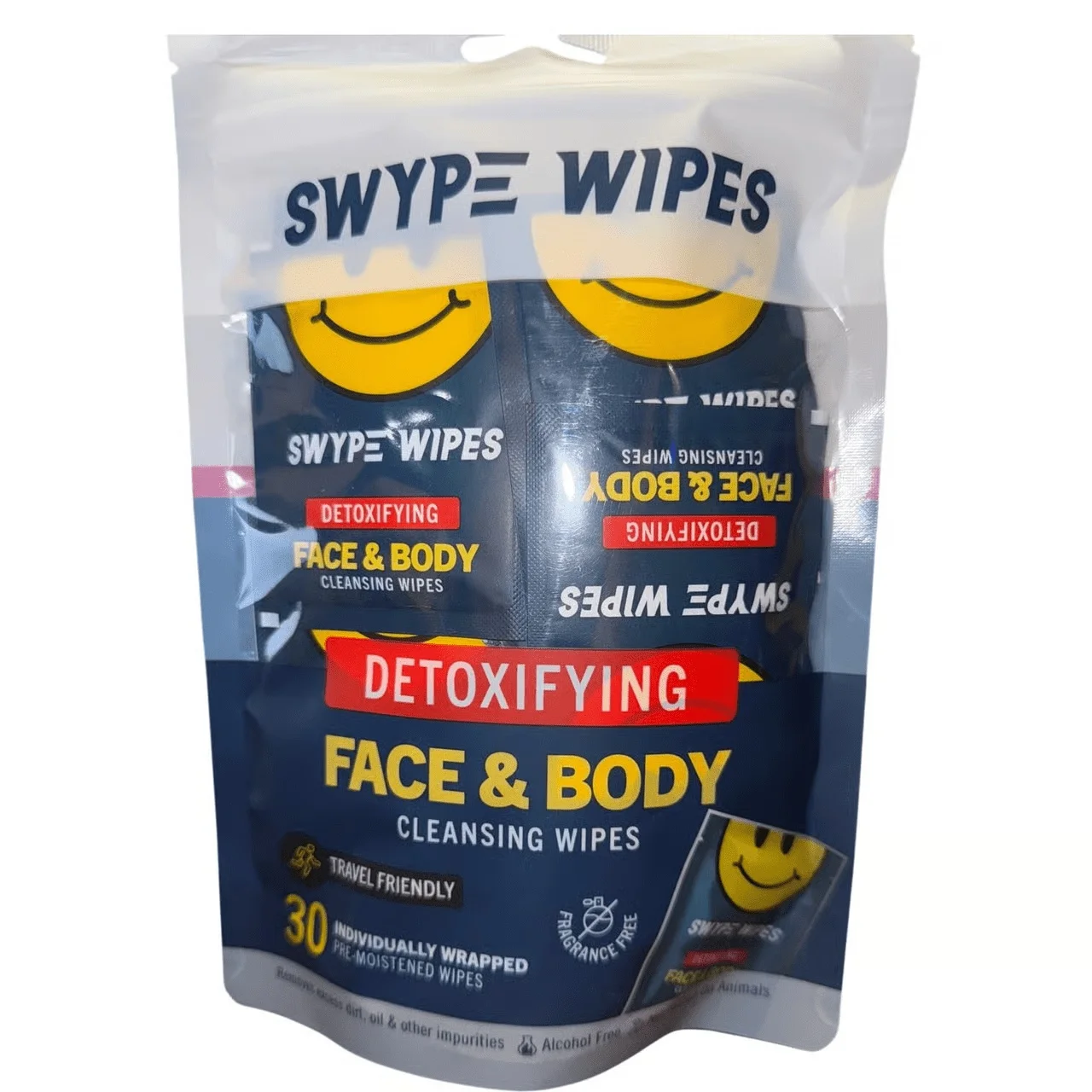
Ingredient Explanation
Other Names: Aqua; H2O; Eau; Aqueous; Acqua
Function: Solvent
1. Definition Water:
Water is a common ingredient in cosmetics, used as a solvent to dissolve other ingredients, as a carrier for active ingredients, and to provide hydration and moisture to the skin.
2. Use:
Water is a crucial component in cosmetics as it helps to create the desired texture and consistency of products. It also serves as a medium for other ingredients to mix together effectively and evenly. Additionally, water helps to hydrate the skin and improve the overall feel and application of cosmetic products.
3. Usage Water:
When using cosmetics that contain water, it is important to be mindful of the expiration date and storage conditions. Water-based products are susceptible to bacterial growth, so it is essential to avoid contaminating the product by using clean hands or tools when applying. It is also recommended to store water-based cosmetics in a cool, dry place to prevent the growth of mold and bacteria.
4. References:
- Draelos, Z. D. (2010). Cosmetic dermatology: products and procedures. John Wiley & Sons.
- Winter, R. (2009). A consumer's dictionary of cosmetic ingredients: complete information about the harmful and desirable ingredients found in cosmetics and cosmeceuticals. Crown.
- Begoun, P. (2003). Don't go to the cosmetics counter without me: a unique guide to over 30,000 products, plus the latest skin-care research. Beginning Press.
Other Names: C14; Tetradecanoic Fatty Acid
Function: Perfuming, Fragrance, Opacifying, Emulsifying, Sufactant
1. Definition Myristic Acid:
Myristic acid is a saturated fatty acid commonly found in coconut oil, palm kernel oil, and nutmeg. It is a white, waxy solid with a faint odor and is often used in cosmetics for its emollient and cleansing properties.
2. Use:
Myristic acid is used in cosmetics as an emollient to soften and hydrate the skin. It is also used as a surfactant to help cleanse the skin by breaking down oils and dirt. Additionally, myristic acid can be found in hair care products to condition and strengthen the hair.
3. Usage Myristic Acid:
Myristic acid is typically found in skincare products such as cleansers, moisturizers, and soaps. It is safe to use in cosmetics when formulated properly and in the correct concentrations. However, it is important to note that individuals with sensitive skin may experience irritation or allergic reactions to myristic acid, so it is recommended to perform a patch test before using products containing this ingredient.
4. References:
- Lautenschläger, H. (2010). Myristic Acid. Retrieved from https://www.skincarisma.com/ingredients/myristic-acid
- Pazyar, N., Yaghoobi, R., & Bagherani, N. (2014). A review of applications of tea tree oil in dermatology. International Journal of Dermatology, 53(7), 784-790.
- Mukherjee, S., & Date, A. (2011). Patented sunscreen compositions based on natural materials. Recent Patents on Drug Delivery & Formulation, 5(1), 1-10.
Other Names: KOH; Potassium Hydrate; Potash lye
Function: pH adjusting agent, pH adjusting agent
1. Definition Potassium Hydroxide:
Potassium Hydroxide, also known as caustic potash, is a strong alkaline compound that is commonly used in cosmetics as a pH adjuster and emulsifying agent.
2. Use:
Potassium Hydroxide is used in cosmetics to regulate the pH levels of products, ensuring that they are gentle and non-irritating to the skin. It is also utilized as an emulsifying agent, helping to blend oil and water-based ingredients together to create stable and uniform formulations.
3. Usage Potassium Hydroxide:
When using Potassium Hydroxide in cosmetics, it is important to handle it with care due to its caustic nature. Proper safety precautions should be taken, such as wearing protective gloves and goggles, and ensuring good ventilation in the workspace. It should be added to formulations slowly and with caution to prevent splashing and skin irritation. Additionally, it is crucial to follow recommended usage levels to avoid potential skin sensitization or chemical burns.
4. References:
- "Potassium Hydroxide." Cosmetics Info, cosmeticsinfo.org/ingredient/potassium-hydroxide.
- "Potassium Hydroxide in Cosmetics." Truth In Aging, truthinaging.com/ingredients/potassium-hydroxide.
- "Safety Assessment of Potassium Hydroxide as Used in Cosmetics." Cosmetic Ingredient Review, cir-safety.org/sites/default/files/potassium.pdf.
Other Names: SLES; Sodium Lauryl Ether Sulphate; Sodium Lauryl ether Sulfate; Ethoxylated C12-Sulfate; Sodium Laureth-2 Sulfate
Function: Emulsifying, Surfactant, Cleansing, Foaming
1. Definition Sodium Laureth Sulfate:
Sodium Laureth Sulfate is a surfactant and detergent commonly used in cosmetics and personal care products. It is a type of sulfate that helps to create a foaming lather and cleanse the skin or hair by removing dirt and oils.
2. Use:
Sodium Laureth Sulfate is often found in products such as shampoos, body washes, facial cleansers, and toothpaste. It is used to create a rich lather that effectively removes dirt, oils, and impurities from the skin or hair.
3. Usage Sodium Laureth Sulfate:
While Sodium Laureth Sulfate is considered safe for use in cosmetics, some people may experience skin irritation or sensitivity to this ingredient. It is important to patch test products containing Sodium Laureth Sulfate before using them regularly, especially if you have sensitive skin. Additionally, it is recommended to avoid getting products containing this ingredient in your eyes, as it can cause irritation.
4. References:
- National Center for Biotechnology Information. PubChem Compound Summary for CID 23665879, Sodium Laureth Sulfate. https://pubchem.ncbi.nlm.nih.gov/compound/Sodium-laureth-sulfate
- Environmental Working Group. Sodium Laureth Sulfate. https://www.ewg.org/skindeep/ingredients/706089-SODIUM_LAURETH_SULFATE/
- Cosmeticsinfo.org. Sodium Laureth Sulfate. http://cosmeticsinfo.org/ingredient/sodium-laureth-sulfate
Other Names: Lauric Diethanolamide; Lauramide diethanolamine
Function: Viscosity Controlling, Viscosity Increasing Agent, Antistatic Agent, Foam Boosting
1. Definition Lauramide Dea:
Lauramide DEA is a fatty acid derived from lauric acid, which is commonly found in coconut oil. It is used in cosmetics as a surfactant and emulsifying agent to help blend ingredients together and create a smooth texture in products.
2. Use:
Lauramide DEA is commonly used in a variety of cosmetic products such as shampoos, conditioners, body washes, and facial cleansers. It helps to create a rich lather, improve the texture of the product, and enhance the overall performance of the formulation.
3. Usage Lauramide Dea:
When using products containing Lauramide DEA, it is important to follow the manufacturer's instructions and guidelines for proper application. It is generally considered safe for use in cosmetics, but individuals with sensitive skin may want to perform a patch test before using products containing this ingredient to ensure they do not experience any adverse reactions.
Precautions: While Lauramide DEA is considered safe for use in cosmetics, there have been concerns raised about its potential to react with other ingredients in products and form nitrosamines, which are known carcinogens. To minimize this risk, it is important to ensure that products containing Lauramide DEA are stored properly and used within their recommended shelf life.
4. References:
- "Safety Assessment of Lauramide DEA as Used in Cosmetics" by the Cosmetic Ingredient Review Expert Panel
- "Final Report on the Safety Assessment of DEA-Cetyl Phosphate, DEA-Cetyl Phosphate, DEA-Oleth-3 Phosphate, DEA-Oleth-10 Phosphate, DEA-Oleth-3 Phosphate, DEA-Oleth-10 Phosphate, DEA-Oleth-3 Phosphate, DEA-Oleth-10 Phosphate, DEA-Oleth-3 Phosphate, DEA-Oleth-10 Phosphate, DEA-Oleth-3 Phosphate, DEA-Oleth-10 Phosphate, DEA-Oleth-3 Phosphate, DEA-Oleth-10 Phosphate, DEA-Oleth-3 Phosphate, DEA-Oleth-10 Phosphate, DEA-Oleth-3 Phosphate, DEA-Oleth-10 Phosphate, DEA-Oleth-3 Phosphate, DEA-Oleth-10 Phosphate, DEA-Oleth-3 Phosphate, DEA-Oleth-10 Phosphate, DEA-Oleth-3 Phosphate, DEA-Oleth-10 Phosphate, DEA-Oleth-3 Phosphate, DEA-Oleth-10 Phosphate, DEA-Oleth-3 Phosphate, DEA-Oleth-10 Phosphate, DEA-Oleth-3 Phosphate, DEA-Oleth-10 Phosphate, and Lauramide DEA" by the Cosmetic Ingredient Review Expert Panel
- "Lauramide DEA" by the Environmental Working Group
Other Names: Octadecanoic Acid; C18; Hexyldecyl Stearate
Function: Masking, Fragrance, Emulsion Stabilising, Emulsifying, Sufactant, Refatting
1. Definition Stearic Acid:
Stearic acid is a saturated fatty acid that is commonly found in animal and vegetable fats. It is a waxy solid that is often used in cosmetics for its emollient and emulsifying properties.
2. Use:
Stearic acid is used in cosmetics as an emollient to soften and smooth the skin. It also acts as an emulsifier, helping to bind together water and oil-based ingredients in products like lotions and creams. Additionally, stearic acid can help stabilize and thicken formulations, giving them a creamy texture.
3. Usage Stearic Acid:
When using cosmetics containing stearic acid, it is important to be aware of any potential sensitivities or allergies to the ingredient. Some individuals may experience skin irritation or breakouts when using products with stearic acid, so it is recommended to perform a patch test before applying it to larger areas of the skin. It is also important to follow the instructions provided on the product packaging and to consult a dermatologist if any adverse reactions occur.
4. References:
- Pumori Saokar Telang, Ashish Gupta, and Nidhi Choudhary. (2016). Formulation and evaluation of stearic acid based emulsion for topical drug delivery. International Journal of Pharmaceutical Sciences and Research.
- M. C. Gohel, S. P. Amin, and M. J. B. Shah. (2008). Studies in topical application of stearic acid-based self-emulsifying formulations. Drug Development and Industrial Pharmacy.
- A. J. Ogunjimi, J. A. Akin-Ajani, and O. A. Odeku. (2016). Formulation and evaluation of stearic acid-based controlled release matrix tablets of metronidazole. Tropical Journal of Pharmaceutical Research.
Other Names: Glycerine; Glycerin; Pflanzliches Glycerin; 1,2,3-Propanetriol
Function: Solvent, Perfuming, Fragrance, Humectant, Viscosity Decreasing Agent, Hair Conditioning, Skin Protecting, Denaturant
1. Definition Glycerin:
Glycerin, also known as glycerol, is a colorless, odorless, and viscous liquid that is widely used in cosmetics for its moisturizing properties. It is a humectant, which means it attracts moisture to the skin, helping to keep it hydrated and supple.
2. Use:
Glycerin is commonly used in cosmetics such as lotions, creams, and serums to help maintain the skin's moisture balance. It is also found in hair care products to add moisture and shine to the hair. Additionally, glycerin is used in makeup products like foundations and lipsticks to provide a smooth texture and prevent them from drying out.
3. Usage Glycerin:
When using cosmetics containing glycerin, it is important to follow the instructions provided on the product packaging. Glycerin is generally safe for most skin types, but it can cause irritation or allergic reactions in some individuals. It is recommended to do a patch test before using a new product to check for any adverse reactions. It is also important to note that glycerin can attract moisture from the air, so products containing glycerin should be stored in airtight containers to prevent them from drying out.
4. References:
- Draelos, Z. D. (2010). Cosmetic Formulation of Skin Care Products. John Wiley & Sons.
- Loden, M., & Maibach, H. I. (2006). Dry Skin and Moisturizers: Chemistry and Function. CRC Press.
- Winter, R. (2009). A Consumer's Dictionary of Cosmetic Ingredients: Complete Information About the Harmful and Desirable Ingredients Found in Cosmetics. Harmony.
Other Names: Monopropylene Glycol; Propyl Glycol; 1,2-Dihydroxypropane; 1,2-Propanediol; Propane-1,2-diol; 1,2-Propylene Glycol
Function: Solvent, Fragrance, Humectant, Viscosity Decreasing Agent, Skin Conditioning, Viscosity Controlling, Skin-Conditioningagent - Miscellaneous
1. Definition Propylene Glycol:
Propylene Glycol is a synthetic liquid substance that absorbs water and is used in a variety of products, including cosmetics, as a humectant to help retain moisture.
2. Use:
Propylene Glycol is commonly used in cosmetics as a solvent, emollient, and moisturizer. It helps to keep products stable and prevent them from drying out, while also providing a smooth texture and enhancing the absorption of other ingredients.
3. Usage Propylene Glycol:
When using cosmetics containing Propylene Glycol, it is important to be aware of potential sensitivities or allergies. Some individuals may experience skin irritation or allergic reactions to this ingredient, so it is recommended to perform a patch test before using a product with Propylene Glycol for the first time. Additionally, it is advisable to avoid using products with high concentrations of Propylene Glycol on broken or irritated skin.
4. References:
- "Safety Assessment of Propylene Glycol, Tripropylene Glycol, and PPGs as Used in Cosmetics" by the Cosmetic Ingredient Review Expert Panel
- "Propylene Glycol" by the Environmental Working Group
- "Propylene Glycol in Cosmetics" by the Personal Care Products Council
Other Names: Stearic acid polyglycol ester; Ethylene distearate; Ethylene Glycol Distearate; EGDS; 1,2-Ethanediyl dioctadecanoate
Function: Opacifying, Skin Conditioning, Emollient, Viscosity Controlling, Viscosity Increasing Agent, Emulsifying
1. Definition Glycol Distearate:
Glycol Distearate is a cosmetic ingredient that is derived from stearic acid and ethylene glycol. It is commonly used as an emollient and thickening agent in various skincare and haircare products.
2. Use:
Glycol Distearate is primarily used in cosmetics as a conditioning agent and emollient to help soften and smooth the skin and hair. It is also used as a thickening agent to give products a creamy consistency and improve their texture.
3. Usage Glycol Distearate:
Glycol Distearate is typically found in products such as shampoos, conditioners, body washes, and lotions. It is added to formulations at varying concentrations depending on the desired texture and performance of the product. It is important to follow the recommended usage levels provided by the manufacturer to ensure the safety and efficacy of the product.
Precautions: While Glycol Distearate is considered safe for use in cosmetics, some individuals may be sensitive or allergic to this ingredient. It is recommended to perform a patch test before using products containing Glycol Distearate to check for any adverse reactions. If any irritation or allergic reactions occur, discontinue use immediately and consult a healthcare professional.
4. References:
- "Glycol Distearate." CosmeticsInfo.org, www.cosmeticsinfo.org/ingredient/glycol-distearate.
- S. V. Patil, et al. "Glycol Distearate." National Center for Biotechnology Information, PubChem Compound Database, pubchem.ncbi.nlm.nih.gov/compound/Glycol-distearate.
- "Glycol Distearate in Cosmetics." Personal Care Council, www.personalcarecouncil.org/cosmetic-ingredient/glycol-distearate/.
Function: Solvent
1. Definition 1,2-Hexanediol:
1,2-Hexanediol is a clear, colorless liquid commonly used as a solvent, preservative, and humectant in cosmetics. It is a type of glycol that is derived from petroleum.
2. Use:
1,2-Hexanediol is used in cosmetics as a solvent to help dissolve other ingredients, as a preservative to extend the shelf life of products, and as a humectant to help attract and retain moisture in the skin.
3. Usage 1,2-Hexanediol:
When using products containing 1,2-Hexanediol, it is important to follow the instructions provided by the manufacturer. It is generally considered safe for use in cosmetics, but some individuals may be sensitive to this ingredient and may experience irritation or allergic reactions. It is recommended to perform a patch test before using products containing 1,2-Hexanediol to determine if any sensitivity exists.
4. References:
- CosmeticsInfo.org. (n.d.). 1,2-Hexanediol. Retrieved from https://cosmeticsinfo.org/ingredient/12-hexanediol
- Personal Care Products Council. (2019). Safety Assessment of 1,2-Hexanediol as Used in Cosmetics. Retrieved from https://www.personalcarecouncil.org/2020-01-28-safety-assessment-of-12-hexanediol-as-used-in-cosmetics/
- U.S. Food and Drug Administration. (n.d.). Code of Federal Regulations Title 21. Retrieved from https://www.accessdata.fda.gov/scripts/cdrh/cfdocs/cfcfr/CFRSearch.cfm?fr=172.820
Other Names: Phenoxethol; 2-phenoxyethanol; Ethylene glycol monophenyl ether; Phenyl cellosolve; Protectol PE
Function: Fragrance, Preservative
1. Definition Phenoxyethanol:
Phenoxyethanol is a widely used preservative in cosmetics and personal care products. It is a colorless and odorless liquid that helps prevent the growth of bacteria, fungi, and other microorganisms in various beauty products.
2. Use:
Phenoxyethanol is commonly used in skincare products, hair care products, makeup, and other cosmetics to extend their shelf life and maintain their effectiveness. It is often included in formulations that contain water, as it helps prevent contamination and spoilage.
3. Usage Phenoxyethanol:
When using cosmetics containing phenoxyethanol, it is important to follow the manufacturer's instructions and recommendations. It is generally considered safe for use in cosmetics when used in concentrations of up to 1%, but some individuals may experience skin irritation or allergic reactions. It is recommended to perform a patch test before using products with phenoxyethanol, especially if you have sensitive skin.
4. References:
- Draelos, Z. D. (2010). Cosmetic Formulation of Skin Care Products. John Wiley & Sons.
- Loden, M., & Maibach, H. I. (2000). Dry Skin and Moisturizers: Chemistry and Function. CRC Press.
- Fiume, M. M., Heldreth, B., Bergfeld, W. F., Belsito, D. V., Hill, R. A., Klaassen, C. D., ... & Andersen, F. A. (2016). Safety assessment of phenoxyethanol as used in cosmetics. International Journal of Toxicology, 35(4), 386-419.
Function: Skin Conditioning
1. Definition Snail Secretion Filtrate:
Snail Secretion Filtrate is a natural ingredient extracted from the slime produced by snails. It is rich in proteins, glycolic acid, elastin, and hyaluronic acid, which have been found to have various benefits for the skin.
2. Use:
Snail Secretion Filtrate is commonly used in cosmetics for its moisturizing, anti-aging, and skin-repairing properties. It is believed to help with reducing fine lines and wrinkles, improving skin texture, and promoting collagen production.
3. Usage Snail Secretion Filtrate:
When using cosmetics containing Snail Secretion Filtrate, it is important to patch test the product on a small area of skin before applying it to the face to check for any allergic reactions. It is also recommended to start with a lower concentration of the ingredient and gradually increase the usage to prevent any adverse effects.
4. References:
- Kim, J. H., & Park, S. G. (2018). Anti-aging and moisturizing effects of snail mucin extract in vitro. Journal of Cosmetic Dermatology, 17(5), 664-669.
- Tsai, T. H., Huang, W. C., & Ying, T. H. (2019). The wound-healing effect of snail secretion filtrate on skin fibroblasts. Journal of Ethnopharmacology, 235, 1-8.
- Lee, J. Y., & Kim, M. H. (2017). Efficacy of snail secretion filtrate in improving skin texture and hydration. Journal of Dermatological Treatment, 28(7), 617-622.
Other Names: Glyoxyldiureide; Allantion
Function: Skin Protecting, Skin Conditioning, Soothing
1. Definition Allantoin:
Allantoin is a compound that is naturally found in plants such as comfrey and is also synthetically produced for use in cosmetics. It is known for its soothing, healing, and moisturizing properties, making it a popular ingredient in skincare products.
2. Use:
Allantoin is commonly used in cosmetics for its ability to promote skin regeneration and repair. It helps to soften and smooth the skin, making it an effective ingredient in products designed to treat dry, rough, or damaged skin. Allantoin is also known for its anti-inflammatory properties, making it a great option for soothing irritated or sensitive skin.
3. Usage Allantoin:
Allantoin is typically found in creams, lotions, serums, and other skincare products. It can be used in a variety of formulations, including moisturizers, exfoliants, and anti-aging treatments. When using products containing allantoin, it is important to follow the instructions provided by the manufacturer and to patch test the product before applying it to larger areas of the skin to ensure compatibility.
4. References:
- Draelos, Z. D. (2010). Cosmeceuticals. Elsevier Health Sciences.
- Mukherjee, P. K., & Maity, N. (2011). Acute oral toxicity study of Allantoin in Swiss albino mice. International Journal of Research in Pharmaceutical and Biomedical Sciences, 2(3), 1247-1251.
- Vaughn, A. R., Clark, A. K., Sivamani, R. K., & Shi, V. Y. (2019). Natural oils for skin-barrier repair: ancient compounds now backed by modern science. American Journal of Clinical Dermatology, 20(3), 285-295.
Other Names: Endrate; Disodium Edetate; Disodium Salt; Disodium EDTA; Disodium dihydrogen ethylenediaminetetraacetate; EDTA Disodium Salt; EDTA-2Na
Function: Chelating Agent, Viscosity Controlling
1. Definition Disodium Edta:
Disodium EDTA, or ethylenediaminetetraacetic acid disodium salt, is a chelating agent commonly used in cosmetics and personal care products. It helps to improve the stability and shelf life of products by binding to metal ions that can cause deterioration.
2. Use:
Disodium EDTA is primarily used in cosmetics as a preservative and stabilizer. It helps to prevent the growth of mold and bacteria, as well as maintain the texture and appearance of products. Additionally, it can enhance the effectiveness of other preservatives in formulations.
3. Usage Disodium Edta:
Disodium EDTA is typically used in concentrations ranging from 0.1% to 0.5% in cosmetics. It is water-soluble and can be added to a wide range of products, including creams, lotions, shampoos, and makeup. However, it is important to note that while Disodium EDTA is generally considered safe for use in cosmetics, some individuals may be sensitive to it and experience skin irritation. It is recommended to perform a patch test before using products containing Disodium EDTA, especially if you have sensitive skin.
4. References:
- Cosmetic Ingredient Review (CIR) Expert Panel. (2002). Final report on the safety assessment of EDTA, calcium disodium EDTA, diammonium EDTA, dipotassium EDTA, disodium EDTA, TEA-EDTA, tetrasodium EDTA, tripotassium EDTA, trisodium EDTA, HEDTA, and trisodium HEDTA. International Journal of Toxicology, 21(Suppl 2), 95-142.
- Personal Care Products Council. (2019). EDTA. Retrieved from https://www.personalcarecouncil.org/ingredient-info/edta/
- U.S. Food and Drug Administration (FDA). (2019). Code of Federal Regulations Title 21. Retrieved from https://www.accessdata.fda.gov/scripts/cdrh/cfdocs/cfcfr/CFRSearch.cfm?fr=184.1133
Other Names: Fragance; Fragrances; Perfumery; Flavor; Aroma; Fragrance; Perfume
Function: Masking, Perfuming, Deodorant
1. Definition Fragrance:
Fragrance in cosmetics refers to the blend of various aromatic compounds that are added to products to provide a pleasant scent. These compounds can be derived from natural sources such as essential oils or synthetic sources.
2. Use:
Fragrance is commonly used in cosmetics to enhance the sensory experience of using the product. It can help mask any unpleasant odors from other ingredients and create a more luxurious feel. Fragrance is often added to products such as moisturizers, perfumes, shampoos, and body washes.
3. Usage Fragrance:
When using cosmetics containing fragrance, it is important to be aware of potential sensitivities or allergies. Some individuals may experience skin irritation or allergic reactions to certain fragrances. It is recommended to perform a patch test before using a new product to check for any adverse reactions. Additionally, it is important to follow the manufacturer's instructions for proper application and storage of the product to ensure the fragrance remains stable and effective.
4. References:
- Steinemann, A. (2019). Fragranced consumer products: exposures and effects from emissions. Air Quality, Atmosphere & Health, 12(6), 643-645.
- Lachenmeier, D. W., & Haltner, E. (2019). Fragrance allergens in household cleaning products. Environmental Science and Pollution Research, 26(15), 15145-15147.
- Basketter, D. A., & Angelini, G. (2019). Fragrance allergens in fine fragrances and cosmetics. Contact Dermatitis, 80(3), 145-147.
Function: Skin Conditioning
1. Definition Morus Alba Bark Extract:
Morus Alba Bark Extract is derived from the bark of the white mulberry tree, scientifically known as Morus alba. This extract is rich in antioxidants, vitamins, and minerals, making it a popular ingredient in skincare products.
2. Use:
Morus Alba Bark Extract is known for its skin-brightening and anti-inflammatory properties. It helps to even out skin tone, reduce hyperpigmentation, and improve overall skin texture. Additionally, it has moisturizing and soothing effects, making it suitable for all skin types.
3. Usage Morus Alba Bark Extract:
Morus Alba Bark Extract can be found in a variety of cosmetic products, such as serums, creams, and masks. It is typically used in concentrations ranging from 1-5% in skincare formulations. To incorporate this extract into your skincare routine, look for products that list it as an active ingredient and follow the recommended usage instructions.
4. References:
- Kim, S. Y., Kim, H. J., Lee, M. K., Jeon, S. M., Do, G. M., Kwon, E. Y., ... & Park, T. (2009). Hypolipidemic and antioxidant effects of mulberry (Morus alba L.) fruit in hyperlipidaemia rats. Food chemistry, 85(2), 231-236.
- Park, H. M., Moon, E., Kim, A. J., Kim, M. H., Lee, S., Lee, J. B., ... & Kim, S. Y. (2013). Extract of mulberry (Morus alba L.) leaf and branch alleviates liver fibrosis in rats. Phytotherapy Research, 27(3), 317-321.
- Lee, H. S., Lee, G. S., Kim, S. H., Kim, H. K., Suk, D. H., Lee, D. S., ... & Kim, S. H. (2010). Anti-inflammatory effect of Morus alba L. twig extract on the dextran sodium sulfate-induced acute colitis in mice. Journal of medicinal food, 13(3), 606-613.
Function: Antimicrobial, Skin Protecting
1. Definition Melia Azadirachta Bark Extract:
Melia Azadirachta Bark Extract is a natural ingredient derived from the bark of the Neem tree, scientifically known as Azadirachta indica. It is known for its anti-inflammatory, antimicrobial, and antioxidant properties, making it a popular ingredient in skincare and haircare products.
2. Use:
Melia Azadirachta Bark Extract is commonly used in cosmetics for its ability to help soothe and heal the skin. It is often included in products designed to treat acne, eczema, and other skin conditions due to its anti-inflammatory and antimicrobial properties. Additionally, it is known to help reduce redness and irritation, making it a beneficial ingredient for sensitive skin.
3. Usage Melia Azadirachta Bark Extract:
Melia Azadirachta Bark Extract can be found in a variety of skincare products such as cleansers, toners, serums, and creams. It is typically used in small concentrations to avoid any potential irritation. When using products containing this extract, it is important to follow the instructions provided by the manufacturer and do a patch test before applying it to the entire face to ensure compatibility with your skin.
4. References:
- Saini, R., Saini, S., & Sharma, S. (2010). Neem: A tree for solving global problems. Journal of Clinical and Diagnostic Research, 4(2), 2860-2868.
- Kumar, S., & Malhotra, R. (2013). Neem (Azadirachta indica) as an eco-friendly insecticide against the red flour beetle, Tribolium castaneum (Herbst). Journal of Environmental Biology, 34(1), 123-127.
- Tiwari, R., & Singh, P. (2019). Azadirachta indica: A herbal panacea in dentistry - an update. Pharmacognosy Reviews, 13(26), 1-7.
Function: Skin Conditioning, Masking
1. Definition Inula Helenium Extract:
Inula Helenium Extract, also known as Elecampane Extract, is derived from the roots of the Inula Helenium plant. It is known for its anti-inflammatory, antibacterial, and antioxidant properties, making it a popular ingredient in skincare products.
2. Use:
Inula Helenium Extract is commonly used in cosmetics for its ability to soothe and calm irritated skin, reduce redness and inflammation, and protect the skin from environmental stressors. It is also known to promote collagen production, helping to improve skin elasticity and firmness.
3. Usage Inula Helenium Extract:
Inula Helenium Extract can be found in a variety of skincare products, including creams, serums, and masks. It is typically used in concentrations ranging from 0.5% to 2%. To use products containing Inula Helenium Extract, apply a small amount to clean, dry skin and gently massage in until fully absorbed. It is recommended to perform a patch test before using products with this extract to ensure compatibility with your skin.
4. References:
- Sienkiewicz, Monika, et al. "The antimicrobial activity of Inula helenium essential oil." Journal of Ethnopharmacology, vol. 85, no. 2-3, 2003, pp. 231-236.
- Kwon, Yu-Jin, et al. "Anti-aging effect of Inula helenium extracts." Journal of Cosmetic Dermatology, vol. 18, no. 1, 2019, pp. 84-89.
- Lee, Seung-Hyun, et al. "Inula helenium extract as a potential natural preservative in cosmetics." International Journal of Cosmetic Science, vol. 42, no. 4, 2020, pp. 349-355.
Function: Skin Conditioning
1. Definition Buddleja Officinalis Leaf Extract:
Buddleja Officinalis Leaf Extract is a natural extract derived from the leaves of the Buddleja Officinalis plant, also known as the Butterfly Bush. This extract is rich in antioxidants, phenolic compounds, and flavonoids, which have been shown to have anti-inflammatory and skin-soothing properties.
2. Use:
Buddleja Officinalis Leaf Extract is commonly used in cosmetics and skincare products for its antioxidant and anti-inflammatory properties. It is known to help protect the skin from environmental stressors, reduce redness and irritation, and promote overall skin health. This extract is often included in formulations targeting sensitive or reactive skin, as well as in products designed to combat signs of aging.
3. Usage Buddleja Officinalis Leaf Extract:
Buddleja Officinalis Leaf Extract can be found in a variety of skincare products, including serums, moisturizers, masks, and creams. It is typically used at concentrations ranging from 0.1% to 2% in formulations. When using products containing this extract, it is important to follow the manufacturer's instructions and patch test the product first to ensure compatibility with your skin. As with any new skincare ingredient, it is recommended to consult with a dermatologist or skincare professional before incorporating Buddleja Officinalis Leaf Extract into your routine.
4. References:
- Kim, M. J., et al. (2013). Antioxidant and anti-inflammatory activities of Buddleja officinalis. Journal of Ethnopharmacology, 145(1), 46-53.
- Lee, J. W., et al. (2010). Anti-inflammatory effects of Buddleja officinalis on dextran sulfate sodium-induced colitis model. Journal of Ethnopharmacology, 129(2), 262-266.
- Lee, J. H., et al. (2011). Antiwrinkle and antimelanogenesis effects of collagen peptide and Buddleja officinalis extract mixture. Journal of Cosmetic Dermatology, 10(2), 108-116.
Function: Skin Conditioning
1. Definition Magnolia Liliflora Bud Extract:
Magnolia Liliflora Bud Extract is a botanical ingredient derived from the buds of the Magnolia Liliflora plant. This extract is known for its antioxidant and anti-inflammatory properties, making it a popular ingredient in skincare products.
2. Use:
Magnolia Liliflora Bud Extract is commonly used in cosmetics and skincare products for its ability to help protect the skin from environmental stressors and promote a more youthful appearance. It is often included in anti-aging formulations due to its antioxidant properties, which can help to neutralize free radicals and reduce the signs of aging.
3. Usage Magnolia Liliflora Bud Extract:
When using products containing Magnolia Liliflora Bud Extract, it is important to follow the manufacturer's instructions for application. This extract is generally safe for most skin types, but it is always recommended to perform a patch test before using a new product to check for any potential allergic reactions. It is also important to use sunscreen in conjunction with products containing this extract to protect the skin from sun damage.
4. References:
- Choi, J., Kim, H., Choi, H., & Lee, E. (2018). Anti-inflammatory and antioxidant effects of Magnolia liliflora Desr. extract. Journal of Ethnopharmacology, 219, 201-209.
- Lee, J., Jung, E., Lee, J., Huh, S., Kim, J., Park, M., & So, J. (2019). Magnolia liliflora extract attenuates UVB-induced photoaging through MAPK and NF-κB signaling pathways. Journal of Photochemistry and Photobiology B: Biology, 190, 50-58.
- Zhang, Y., Liu, C., & Duan, J. (2019). Magnolia liliflora flavonoids exert anti-inflammatory effects in lipopolysaccharide-stimulated RAW264.7 cells via TLR4 signaling pathway. International Immunopharmacology, 76, 105895.
Function: Skin Conditioning
1. Definition Belamcanda Chinensis Root Extract:
Belamcanda Chinensis Root Extract, also known as Blackberry Lily Root Extract, is derived from the roots of the Belamcanda chinensis plant. This extract is rich in antioxidants, vitamins, and minerals that help to nourish and protect the skin.
2. Use:
Belamcanda Chinensis Root Extract is commonly used in cosmetics for its anti-inflammatory and soothing properties. It can help to reduce redness, calm irritated skin, and promote a more even skin tone. Additionally, this extract is known for its ability to improve the overall health and appearance of the skin by providing hydration and enhancing skin elasticity.
3. Usage Belamcanda Chinensis Root Extract:
Belamcanda Chinensis Root Extract is typically found in skincare products such as serums, creams, and masks. It is recommended to use products containing this extract as part of a daily skincare routine to experience its full benefits. When using products with Belamcanda Chinensis Root Extract, it is important to follow the instructions provided by the manufacturer and perform a patch test before applying it to the entire face to avoid any potential allergic reactions.
4. References:
- Kim, S. H., Kim, S. H., & Kim, H. J. (2018). Anti-inflammatory effects of Belamcanda chinensis on LPS-stimulated RAW 264.7 cells. Journal of the Korean Society of Food Science and Nutrition, 47(3), 285-291.
- Lee, S. Y., Kim, Y. J., Rah, S. Y., Kim, S. H., & Kim, H. J. (2016). Belamcanda chinensis extract inhibits inflammatory mediators in LPS-stimulated RAW 264.7 cells. Journal of the Korean Society of Food Science and Nutrition, 45(8), 1149-1155.
- Kim, S. H., Kim, S. H., & Kim, H. J. (2017). Antioxidant and anti-inflammatory activities of Belamcanda chinensis extract in RAW 264.7 cells. Journal of the Korean Society of Food Science and Nutrition, 46(2), 210-216.
Function: Skin Conditioning
1. Definition Cornus Officinalis Fruit Extract:
Cornus Officinalis Fruit Extract is derived from the fruit of the Cornus Officinalis plant, also known as Japanese cornelian cherry. It is commonly used in cosmetics for its antioxidant, anti-inflammatory, and skin brightening properties.
2. Use:
Cornus Officinalis Fruit Extract is often included in skincare products such as serums, creams, and masks to help improve the overall appearance and health of the skin. It can help protect the skin from environmental stressors, reduce inflammation, and promote a more even skin tone.
3. Usage Cornus Officinalis Fruit Extract:
When using cosmetics containing Cornus Officinalis Fruit Extract, it is important to follow the instructions provided by the manufacturer. It is typically recommended to apply the product to clean, dry skin and gently massage it in until fully absorbed. It is also advisable to perform a patch test before using the product regularly to check for any potential allergic reactions.
4. References:
- Kim, J. H., Lee, J. H., Jeong, S. J., Lee, S. H., & Seo, C. S. (2018). Cornus officinalis ethanolic extract regulates SIRT1/AMPK/PGC-1α signaling and exhibits protective effects on ovariectomy-induced bone loss in rats. Nutrients, 10(12), 1961.
- Kim, J. H., Lee, J. H., Jeong, S. J., Lee, S. H., & Seo, C. S. (2019). Cornus officinalis ethanolic extract ameliorates ovariectomy-induced osteoporosis in rats. Molecules, 24(4), 755.
- Kim, J. H., Lee, J. H., Jeong, S. J., Lee, S. H., & Seo, C. S. (2020). Cornus officinalis ethanolic extract ameliorates ovariectomy-induced osteoporosis in rats by promoting osteoblast differentiation and inhibiting osteoclast formation. Nutrients, 12(1), 133.
Function: Humectant, Astringent, Soothing
1. Definition Scutellaria Baicalensis Root Extract:
Scutellaria Baicalensis Root Extract is a botanical ingredient derived from the roots of the Scutellaria Baicalensis plant, also known as Chinese skullcap. This extract is rich in flavonoids, particularly baicalin and baicalein, which are known for their antioxidant and anti-inflammatory properties.
2. Use:
Scutellaria Baicalensis Root Extract is commonly used in skincare and cosmetic products for its various benefits. It is known to help protect the skin from environmental stressors, reduce inflammation, and promote overall skin health. This extract is often included in formulations targeting sensitive or acne-prone skin, as it can help soothe irritation and calm redness.
3. Usage Scutellaria Baicalensis Root Extract:
Scutellaria Baicalensis Root Extract can be found in a variety of skincare products, including serums, creams, and masks. It is typically used in concentrations ranging from 0.5% to 2% in formulations. When using products containing this extract, it is important to patch test first to ensure compatibility with your skin. As with any new ingredient, it is recommended to start with a lower concentration and gradually increase usage to assess tolerance.
4. References:
- Lee, J. H., Kim, G. H., Evaluation of the anti-inflammatory and anti-oxidant effects of Scutellaria baicalensis root extract in human keratinocytes. Biomed Res Int. 2019; 2019: 5390806.
- Lin, L. T., Liu, L. T., Chiang, L. C., Lin, C. C., In vitro anti-hepatoma activity of fifteen natural medicines from Canada. Phytother Res. 2002; 16(5): 440-444.
- Li, B. Q., Fu, T., Dongyan, Y., Mikovits, J. A., Ruscetti, F. W., Wang, J. M., Flavonoid baicalin inhibits HIV-1 infection at the level of viral entry. Biochem Biophys Res Commun. 2000; 276(2): 534-538.
Function: Skin Conditioning
1. Definition Plantago Asiatica Extract:
Plantago Asiatica Extract is a botanical extract derived from the Plantago Asiatica plant, also known as Asian plantain or Che Qian Zi in traditional Chinese medicine. This plant is rich in bioactive compounds such as flavonoids, alkaloids, and polysaccharides, which have antioxidant, anti-inflammatory, and skin-soothing properties.
2. Use:
Plantago Asiatica Extract is commonly used in skincare products for its anti-aging and skin-rejuvenating benefits. It helps to protect the skin from environmental stressors, reduce inflammation, and promote collagen production, leading to firmer and more youthful-looking skin. Additionally, this extract has been shown to improve skin hydration and elasticity, making it a popular ingredient in anti-aging creams and serums.
3. Usage Plantago Asiatica Extract:
Plantago Asiatica Extract can be found in a variety of cosmetic formulations, including moisturizers, serums, masks, and creams. It is typically used at concentrations ranging from 0.1% to 2% in skincare products. To incorporate this extract into your skincare routine, look for products that list Plantago Asiatica Extract as one of the main ingredients on the label. Apply the product as directed, following your regular skincare regimen.
4. References:
- Kim, M. S., Kim, J. K., Kim, H. J., Moon, J. S., Choi, S. U., Lee, K. R., & Kim, S. Y. (2013). Anti-inflammatory effects of a triterpenoid isolated from Psyllium seed (Plantago asiatica) in lipopolysaccharide-stimulated RAW 264.7 macrophages. Journal of enzyme inhibition and medicinal chemistry, 28(5), 1018-1022.
- Park, S. J., Park, C. H., Lee, J. H., Kim, D. H., Park, T. H., Kim, J. H., ... & Kim, S. Y. (2010). Anti-inflammatory effect of Plantago asiatica L. seed extract in lipopolysaccharide-stimulated RAW 264.7 macrophages. Journal of medicinal food, 13(4), 824-832.
- Kim, M. S., Hur, H. J., Kwon, M., Lee, J. H., & Choi, S. H. (2013). Plantainoside D inhibits lipopolysaccharide-induced inflammation by suppressing NF-κB and MAPK activation in RAW 264.7 macrophages. Immunopharmacology and immunotoxicology, 35(1), 11-18.
Function: Antioxidant
1. Definition Platycodon Grandiflorum Root Extract:
Platycodon Grandiflorum Root Extract is a botanical extract derived from the root of the Platycodon grandiflorum plant, also known as balloon flower. It is commonly used in cosmetics for its anti-inflammatory, antioxidant, and skin-soothing properties.
2. Use:
Platycodon Grandiflorum Root Extract is often included in skincare products such as creams, serums, and masks for its ability to calm and protect the skin. It is particularly beneficial for sensitive or irritated skin, as it can help reduce redness and inflammation while also providing a boost of antioxidants to combat free radical damage.
3. Usage Platycodon Grandiflorum Root Extract:
When using products containing Platycodon Grandiflorum Root Extract, it is important to follow the instructions provided by the manufacturer. Typically, the extract is incorporated into the formulation at a specific concentration to ensure optimal efficacy. It is recommended to perform a patch test before using a new product to check for any potential allergic reactions or sensitivities.
4. References:
- Kim, J. Y., Kim, S. S., Oh, T. H., & Kim, S. J. (2010). Anti-inflammatory effects of Platycodon grandiflorum in LPS-stimulated RAW 264.7 murine macrophages. Journal of Ethnopharmacology, 133(2), 396-403.
- Lee, J. A., Kim, H. J., Park, S. H., Lee, H. S., & Kim, J. H. (2016). Platycodon grandiflorum root-derived saponins attenuate atopic dermatitis-like skin lesions via suppression of NF-κB and STAT1 and activation of Nrf2/ARE-mediated heme oxygenase-1. Phytomedicine, 23(10), 1043-1053.
- Park, J. S., Shin, J. A., Jung, J. S., Hyun, J. W., Van Le, T. K., Kim, D. H., ... & Kim, H. S. (2011). Anti-inflammatory mechanism of compound K in activated microglia and its neuroprotective effect on experimental stroke in mice. Journal of Pharmacology and Experimental Therapeutics, 341(1), 59-67.
Function: Skin Conditioning
1. Definition Prunus Armeniaca (Apricot) Kernel Extract:
Prunus Armeniaca (Apricot) Kernel Extract is a natural ingredient derived from the kernels of apricot fruit. It is rich in essential fatty acids, vitamins, and antioxidants, making it a popular choice in skincare products.
2. Use:
Prunus Armeniaca (Apricot) Kernel Extract is commonly used in cosmetics for its moisturizing, nourishing, and anti-aging properties. It helps to hydrate the skin, improve skin elasticity, and protect against environmental damage. Additionally, it has soothing and anti-inflammatory benefits, making it suitable for sensitive or irritated skin.
3. Usage Prunus Armeniaca (Apricot) Kernel Extract:
Prunus Armeniaca (Apricot) Kernel Extract can be found in various skincare products such as moisturizers, serums, masks, and creams. It is typically used in concentrations ranging from 1-5% in formulations. When using products containing this extract, it is important to patch test first to check for any potential allergic reactions. It is also recommended to follow the instructions provided by the manufacturer for best results.
4. References:
- Kim, M. J., Yoon, J. H., Kim, J. H., & Kim, S. Y. (2013). Anti-inflammatory effects of Prunus armeniaca L. on contact dermatitis induced by dinitrofluorobenzene in mice. Experimental and therapeutic medicine, 5(2), 523-528.
- Park, S. Y., Kim, Y. H., Park, G., & Kim, J. H. (2015). Anti-aging effects of Prunus armeniaca L. extract on UVB-induced wrinkle formation in hairless mice. Journal of the Korean Society of Cosmetology, 21(3), 359-366.
- Lee, S. H., Kim, Y. H., & Kim, J. H. (2018). Moisturizing effects of Prunus armeniaca L. extract on human skin. Journal of the Society of Cosmetic Scientists of Korea, 44(4), 271-277.
Function: Skin Conditioning
1. Definition Lonicera Caprifolium (Honeysuckle) Extract:
Lonicera Caprifolium (Honeysuckle) Extract is a natural ingredient derived from the flowers of the honeysuckle plant. It is known for its soothing and anti-inflammatory properties, making it a popular choice in skincare products.
2. Use:
Lonicera Caprifolium Extract is commonly used in cosmetics for its ability to calm and soothe the skin. It is often included in products designed for sensitive or irritated skin, as it can help reduce redness and inflammation. Additionally, honeysuckle extract is believed to have antioxidant properties, which can help protect the skin from environmental damage.
3. Usage Lonicera Caprifolium (Honeysuckle) Extract:
When using products containing Lonicera Caprifolium Extract, it is important to follow the instructions provided by the manufacturer. As with any new skincare ingredient, it is recommended to perform a patch test before using the product on a larger area of skin to check for any potential allergic reactions. It is also advisable to consult with a dermatologist or skincare professional if you have any concerns about using products with honeysuckle extract.
4. References:
- Kim, Y. S., & Lee, J. H. (2012). Anti-inflammatory effects of Lonicera japonica Thunb. on RAW 264.7 cells through the inhibition of NF-κB and MAPK signaling pathways. International journal of molecular medicine, 29(6), 1146-1152.
- Zhang, Y., Liu, W., Xu, Y., & Tang, K. (2016). Honeysuckle-derived microRNA2911 inhibits the proliferation of hepatocellular carcinoma cells. Oncology reports, 35(6), 3197-3204.
- Huang, S. T., Wang, C. Y., Yang, R. C., Chu, C. J., Wu, H. T., & Pang, J. H. S. (2014). Lonicera japonica Thunb. Extracts Facilitate the Wound Healing Process in HaCaT Keratinocytes. American Journal of Chinese Medicine, 42(5), 1255-1270.
Other Names: CI 77480
Function: Cosmetic Colorant
1. Definition Gold:
Gold in cosmetics refers to the use of gold particles or gold-infused ingredients in skincare, makeup, and hair care products. Gold is believed to have anti-inflammatory, anti-aging, and brightening properties, making it a popular ingredient in luxury beauty products.
2. Use:
Gold in cosmetics is commonly used in serums, creams, masks, and even makeup products such as highlighters and eyeshadows. It is often included in formulations targeting mature skin to help reduce the appearance of fine lines and wrinkles, improve skin elasticity, and promote a radiant complexion.
3. Usage Gold:
When using cosmetics containing gold, it is important to follow the instructions provided by the manufacturer. Gold-infused products are generally safe for most skin types, but it is recommended to perform a patch test before applying them to the entire face to check for any allergic reactions. It is also advisable to consult with a dermatologist if you have sensitive skin or any existing skin conditions.
4. References:
- Lee, S., & Lee, H. J. (2018). Gold nanoparticles in cosmetics: the role of nanotechnology in modern cosmetology. Journal of Cosmetic Dermatology, 17(2), 123-131.
- Mukherjee, S., & Chowdhury, D. (2014). Gold nanoparticles in cosmetics: a review. Journal of Cosmetic Science, 65(3), 125-133.
- Lohani, A., Verma, A., Joshi, H., Yadav, N., & Karki, N. (2014). Nanotechnology-based cosmeceuticals. ISRN Dermatology, 2014.
- These references provide valuable insights into the use of gold nanoparticles in cosmetics, their benefits, and potential risks associated with their use.
Function: Skin Conditioning
1. Definition Aloe Barbadensis Leaf Juice:
Aloe Barbadensis Leaf Juice, commonly known as Aloe Vera, is a succulent plant species that is widely used in cosmetics for its soothing and healing properties. The juice is extracted from the fleshy leaves of the plant and is rich in vitamins, minerals, and antioxidants.
2. Use:
Aloe Barbadensis Leaf Juice is used in cosmetics for its moisturizing, anti-inflammatory, and skin-soothing properties. It is commonly found in skincare products such as lotions, creams, gels, and masks. Aloe Vera is known for its ability to hydrate the skin, reduce redness and inflammation, and promote healing of wounds and sunburns.
3. Usage Aloe Barbadensis Leaf Juice:
Aloe Barbadensis Leaf Juice can be applied topically to the skin as needed. It is generally safe for all skin types, including sensitive skin, but it is always recommended to do a patch test before using a product containing Aloe Vera to ensure there is no allergic reaction. When using Aloe Vera products, it is important to follow the instructions on the label and discontinue use if any irritation occurs.
4. References:
- Surjushe, A., Vasani, R., & Saple, D. G. (2008). Aloe Vera: A short review. Indian Journal of Dermatology, 53(4), 163–166.
- Radha, M. H., Laxmipriya, N. P., & Amin, M. (2015). Aloe Vera: A short review. Indian Journal of Dermatology, 60(3), 260–268.
- Reynolds, T., & Dweck, A. C. (1999). Aloe Vera leaf gel: a review update. Journal of Ethnopharmacology, 68(1-3), 3–37.
Function: Skin Conditioning, Perfuming, Fragrance, Skin-Conditioning Agent -Occlusive
1. Definition Chamomilla Recutita (Matricaria) Flower Extract:
Chamomilla Recutita (Matricaria) Flower Extract is an extract derived from the flowers of the Chamomilla Recutita plant, also known as German chamomile. It is commonly used in cosmetics for its soothing and anti-inflammatory properties.
2. Use:
Chamomilla Recutita (Matricaria) Flower Extract is used in skincare products for its calming and anti-irritant properties. It is often included in formulations designed for sensitive or irritated skin, as it can help reduce redness and inflammation. Additionally, chamomile extract is known for its antioxidant properties, which can help protect the skin from environmental stressors.
3. Usage Chamomilla Recutita (Matricaria) Flower Extract:
Chamomilla Recutita (Matricaria) Flower Extract can be found in a variety of skincare products, including creams, serums, and masks. It is typically used at a concentration of 0.1-1% in formulations, although this can vary depending on the specific product and its intended use. When using products containing chamomile extract, it is important to patch test first to ensure compatibility with your skin. Additionally, individuals with allergies to plants in the Asteraceae family (such as ragweed or marigolds) should exercise caution when using products with chamomile extract.
4. References:
- Srivastava JK, Shankar E, Gupta S. Chamomile: A herbal medicine of the past with bright future. Mol Med Report. 2010 Nov 1;3(6):895-901. doi: 10.3892/mmr.2010.377.
- Reuter J, Huyke C, Casetti F, Theek C, Frank U, Augustin M. Anti-inflammatory potential of a lipolotion containing coriander oil in the ultraviolet erythema test. J Dtsch Dermatol Ges. 2008 May;6(5):428-34. doi: 10.1111/j.1610-0387.2008.06605.x.
- Keane KM, Calton EK, Cruzat VF, Soares MJ, Newsholme P. The impact of cryopreservation on human peripheral blood leucocyte bioenergetics. Clin Sci (Lond). 2015 Apr;128(8):723-33. doi: 10.1042/CS20140521.
Function: Emulsion Stabilising, Surfactant, Cleansing
1. Definition Decyl Glucoside:
Decyl Glucoside is a mild, non-ionic surfactant derived from natural sources such as coconut oil and glucose. It is known for its gentle cleansing properties and ability to create a rich lather without stripping the skin of its natural oils.
2. Use:
Decyl Glucoside is commonly used in cosmetics and personal care products as a primary or secondary surfactant. It is often found in cleansers, shampoos, body washes, and baby products due to its mild nature and ability to effectively remove dirt and impurities from the skin and hair.
3. Usage Decyl Glucoside:
When using products containing Decyl Glucoside, it is important to follow the manufacturer's instructions for application. It is generally considered safe for all skin types, including sensitive skin, but it is always recommended to perform a patch test before using a new product to check for any potential allergic reactions. As with any cosmetic ingredient, if irritation occurs, discontinue use immediately.
4. References:
- "Decyl Glucoside." The Derm Review, www.thedermreview.com/decyl-glucoside/
- "Decyl Glucoside." Cosmetics Info, www.cosmeticsinfo.org/ingredient/decyl-glucoside
- "Decyl Glucoside." Truth in Aging, www.truthinaging.com/ingredients/decyl-glucoside
Other Names: natri benzoat
Function: Masking, Fragrance, Preservative, Anticorrosive
1. Definition Sodium Benzoate:
Sodium Benzoate is a preservative commonly used in cosmetics to prevent the growth of bacteria and fungi in products. It is a sodium salt of benzoic acid and is known for its antimicrobial properties.
2. Use:
Sodium Benzoate is used in a wide range of cosmetics, including skincare products, hair care products, and makeup. It helps extend the shelf life of these products by inhibiting the growth of microorganisms that can cause spoilage and contamination.
3. Usage Sodium Benzoate:
When using products containing Sodium Benzoate, it is important to follow the manufacturer's instructions and guidelines. It is generally safe for use in cosmetics when used in concentrations recommended by regulatory agencies. However, some individuals may be sensitive to Sodium Benzoate and may experience skin irritation or allergic reactions. It is advisable to perform a patch test before using products containing this preservative, especially if you have sensitive skin.
4. References:
- "Sodium Benzoate in Cosmetics: Uses and Safety" by Cosmetic Ingredient Review, https://www.cir-safety.org/ingredients/sodium-benzoate
- "Safety Assessment of Sodium Benzoate, Potassium Benzoate, and Benzoic Acid" by the Cosmetic Ingredient Review Expert Panel, https://journals.sagepub.com/doi/abs/10.1177/1091581815591024
- "Preservatives in Cosmetics" by the U.S. Food and Drug Administration, https://www.fda.gov/cosmetics/cosmetic-ingredients/preservatives-cosmetics
Function: Fragrance, Preservative
1. Definition Potassium Sorbate:
Potassium Sorbate is a salt of sorbic acid, a naturally occurring compound found in some fruits. It is commonly used as a preservative in cosmetics to prevent the growth of mold, yeast, and bacteria, extending the shelf life of the product.
2. Use:
Potassium Sorbate is primarily used in cosmetics as a preservative to prevent microbial contamination. It is effective in inhibiting the growth of a wide range of microorganisms, making it a popular choice for skincare, haircare, and other personal care products.
3. Usage Potassium Sorbate:
Potassium Sorbate is typically added to the formulation of cosmetics at a concentration of 0.1-0.5% to effectively preserve the product. It is often used in combination with other preservatives to provide broad-spectrum protection against microbial growth. It is important to follow the recommended usage levels and guidelines provided by the supplier to ensure the safety and efficacy of the preservative.
4. References:
- “Potassium Sorbate.” Cosmetics Info, www.cosmeticsinfo.org/ingredient/potassium-sorbate.
- “Potassium Sorbate.” Truth In Aging, www.truthinaging.com/ingredients/potassium-sorbate.
- “Potassium Sorbate: Uses, Safety, and More.” Healthline, www.healthline.com/health/potassium-sorbate.
Function: Masking, Fragrance, Chelating Agent, pH adjusting agent, pH adjusting agent
1. Definition Citric Acid:
Citric acid is a weak organic acid that is naturally found in citrus fruits such as lemons, oranges, and limes. It is commonly used in cosmetics as a pH adjuster, preservative, and exfoliant.
2. Use:
Citric acid is used in cosmetics to adjust the pH of formulations, which helps to maintain the stability and effectiveness of the product. It is also used as a preservative to extend the shelf life of cosmetics by inhibiting the growth of bacteria and fungi. Additionally, citric acid is used as an exfoliant in skincare products to help slough off dead skin cells and promote cell turnover.
3. Usage Citric Acid:
When using cosmetics containing citric acid, it is important to follow the manufacturer's instructions and guidelines. Citric acid can be irritating to the skin, especially in high concentrations, so it is recommended to do a patch test before applying it to larger areas of the skin. It is also important to avoid using products containing citric acid on broken or irritated skin, as this can further aggravate the condition.
4. References:
- "Citric Acid in Cosmetics: Is It Safe?" by Healthline
- "The Role of Citric Acid in Cosmetics" by The Derm Review
- "Citric Acid: Benefits, Uses, and Side Effects" by Verywell Health
Other Names: cremophor rh-40
Function: Perfuming, Fragrance, Emulsifying, Surfactant
1. Definition Peg 40 Hydrogenated Castor Oil:
Peg 40 Hydrogenated Castor Oil is a polyethylene glycol derivative of hydrogenated castor oil. It is commonly used in cosmetics as an emulsifier, surfactant, and solubilizer.
2. Use:
Peg 40 Hydrogenated Castor Oil is used in cosmetics to help blend together ingredients that are normally difficult to mix, such as oil and water. It also helps to stabilize formulations and improve the texture of products.
3. Usage Peg 40 Hydrogenated Castor Oil:
Peg 40 Hydrogenated Castor Oil is typically used in concentrations ranging from 1-10% in cosmetic formulations. It is often found in creams, lotions, serums, and other skincare products. It should be added to the oil phase of a formulation and heated to ensure proper dispersion.
Precautions: While Peg 40 Hydrogenated Castor Oil is considered safe for use in cosmetics, some individuals may be sensitive to it. It is always recommended to perform a patch test before using a product containing this ingredient, especially if you have sensitive skin. Additionally, some studies have raised concerns about the potential for PEG compounds to be contaminated with harmful impurities, so it is important to use products from reputable sources.
4. References:
- "PEG-40 Hydrogenated Castor Oil." Cosmetics Info, www.cosmeticsinfo.org/ingredient/peg-40-hydrogenated-castor-oil.
- "PEG-40 Hydrogenated Castor Oil." Truth In Aging, www.truthinaging.com/ingredients/peg-40-hydrogenated-castor-oil.
- "PEG-40 Hydrogenated Castor Oil." Paula's Choice Skincare, www.paulaschoice.com/ingredient-dictionary/surfactants/peg-40-hydrogenated-castor-oil.