


- Home
- Compare product
- Comparison result
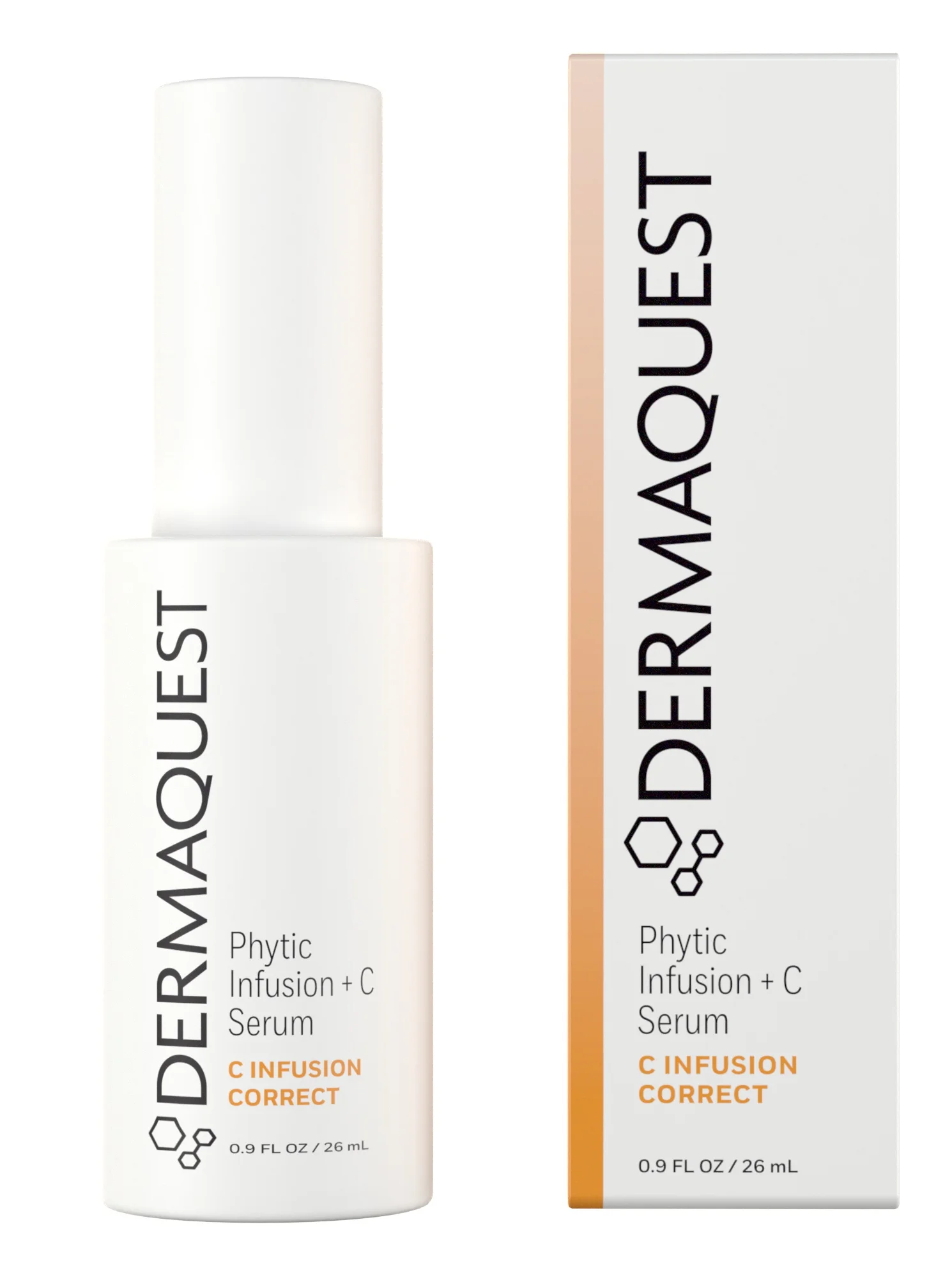


| EWG | CIR | Ingredient Name & Cosmetic Function | Notes |
|---|---|---|---|
| 1 2 | - | (Skin Conditioning, Emollient) |  |
| 1 | A | (Skin Conditioning, Emollient) | |
| 1 | - | (Skin Conditioning) | |
| 1 | B | (Perfuming, Fragrance, Antioxidant, Skin-Conditioning Agent -Miscellaneous, Skin-Conditioning Agent - Occlusive, Antimicrobial Agent) | |
| EWG | CIR | Ingredient Name & Cosmetic Function | Notes |
|---|---|---|---|
| 1 | - | (Solvent) | |
| 1 | A | (Masking, pH adjusting agent, Skin Conditioning, Antioxidant, Flavoring Agent, Phadjuster) |  |
| 1 2 | A | (Solvent, Perfuming, Fragrance, Humectant, Viscosity Decreasing Agent) | |
| - | B | (Skin Conditioning) |  |

Cannabis Sativa (Hemp) Seed Oil
1. Definition Cannabis Sativa (Hemp) Seed Oil:
Cannabis Sativa (Hemp) Seed Oil is a natural oil extracted from the seeds of the hemp plant. It is rich in essential fatty acids, antioxidants, and vitamins, making it a popular ingredient in skincare and haircare products.2. Use:
Cannabis Sativa Seed Oil is commonly used in cosmetics for its moisturizing and nourishing properties. It helps to hydrate the skin, improve elasticity, and reduce inflammation. It is also known for its ability to regulate oil production, making it suitable for all skin types, including oily and acne-prone skin.3. Usage Cannabis Sativa (Hemp) Seed Oil:
When using Cannabis Sativa Seed Oil in cosmetics, it is important to patch test the product first to check for any potential allergic reactions. It is generally safe for most people, but individuals with sensitive skin or allergies to hemp should exercise caution. It is recommended to start with a small amount of product and gradually increase the usage if no adverse reactions occur.4. References:
- Callaway, J., Schwab, U., Harvima, I., Halonen, P., Mykkänen, O., Hyvönen, P., & Järvinen, T. (2005). Efficacy of dietary hempseed oil in patients with atopic dermatitis. Journal of Dermatological Treatment, 16(2), 87-94.
- Del Río-Celestino, M., Ramírez-Boscá, A., Quiles, J. L., & Rivas-García, L. (2020). Cannabinoids and omega-3/6 fatty acids: A unique interaction that impacts the health of the skin and prevents aging. Bioactive Compounds in Health and Disease, 3, 44-57.
- Leizer, C., Ribnicky, D., Poulev, A., Dushenkov, S., & Raskin, I. (2000). The composition of hemp seed oil and its potential as an important source of nutrition. Journal of Nutraceuticals, Functional & Medical Foods, 2(4), 35-53.
Rubus Idaeus (Raspberry) Seed Oil
1. Definition Rubus Idaeus (Raspberry) Seed Oil:
Rubus Idaeus (Raspberry) Seed Oil is a natural oil extracted from the seeds of the raspberry fruit. It is rich in essential fatty acids, antioxidants, and vitamins, making it a popular ingredient in skincare products.2. Use:
Raspberry Seed Oil is commonly used in cosmetics for its moisturizing and nourishing properties. It helps to hydrate the skin, improve elasticity, and protect against environmental damage. It is suitable for all skin types, including sensitive and acne-prone skin.3. Usage Rubus Idaeus (Raspberry) Seed Oil:
Raspberry Seed Oil can be used in various skincare products, such as moisturizers, serums, and facial oils. It can be applied directly to the skin or mixed with other oils or creams. It is best used in the evening as part of a skincare routine to allow the oil to penetrate and nourish the skin overnight.Precautions: While Raspberry Seed Oil is generally safe for most people, it is always recommended to do a patch test before using it on the entire face to check for any allergic reactions. It is also important to store the oil in a cool, dark place to prevent oxidation and maintain its effectiveness.
4. References:
- Lin, T. K., Zhong, L., & Santiago, J. L. (2017). Anti-inflammatory and skin barrier repair effects of topical application of some plant oils. International Journal of Molecular Sciences, 19(1), 70.
- Kamal, R., & El-Sayed, S. (2015). Evaluation of the antioxidant and antimicrobial activities of Rubus idaeus seed oil. Journal of Applied Pharmaceutical Science, 5(8), 064-070.
- Telang, P. S. (2013). Vitamin C in dermatology. Indian Dermatology Online Journal, 4(2), 143.
Hippophae Rhamnoides (Seabuckthorn) Berry Extract
1. Definition Hippophae Rhamnoides (Sea Buckthorn) Fruit Extract:
Hippophae Rhamnoides (Sea Buckthorn) Fruit Extract is a natural ingredient derived from the fruit of the sea buckthorn plant. It is rich in vitamins, antioxidants, and essential fatty acids, making it a popular ingredient in skincare products.2. Use:
Sea Buckthorn Fruit Extract is commonly used in cosmetics for its nourishing and revitalizing properties. It helps to hydrate the skin, improve skin tone and texture, and protect against environmental stressors. It is often found in moisturizers, serums, and anti-aging products.3. Usage Hippophae Rhamnoides (Sea Buckthorn) Fruit Extract:
When using products containing Sea Buckthorn Fruit Extract, it is important to follow the instructions provided by the manufacturer. It is generally safe for most skin types, but it is always recommended to do a patch test before using it on the entire face. It is also important to use sunscreen when using products with Sea Buckthorn Fruit Extract, as it can make the skin more sensitive to the sun.4. References:
- Kim, J. H., Lee, H. J., Jeong, S. J., Lee, M. H., & Kim, S. H. (2009). Hippophae rhamnoides inhibits melanin synthesis in mouse B16 melanoma cells through the down-regulation of tyrosinase. Food and Chemical Toxicology, 47(1), 165-170.
- Yang, B., Kalimo, K. O., Mattila, L. M., Kallio, S. E., & Katajisto, J. K. (2000). Effects of dietary supplementation with sea buckthorn (Hippophaë rhamnoides) seed and pulp oils on atopic dermatitis. Journal of Nutritional Biochemistry, 11(6), 338-340.
- Gupta, A., Kumar, R., & Pal, K. (2008). Sea buckthorn (Hippophae rhamnoides L.) leaf extract ameliorates the gamma radiation mediated DNA damage and hepatic alterations. Food and Chemical Toxicology, 46(7), 2410-2419.
Rosmarinus Officinalis (Rosemary) Leaf Extract
1. Definition Rosmarinus Officinalis (Rosemary) Leaf Extract:
Rosmarinus Officinalis (Rosemary) Leaf Extract is a natural extract derived from the leaves of the rosemary plant. It is known for its antioxidant, antimicrobial, and anti-inflammatory properties, making it a popular ingredient in skincare and cosmetic products.2. Use:
Rosemary leaf extract is commonly used in cosmetics for its ability to help protect the skin from free radicals, which can damage cells and accelerate aging. It is also believed to have astringent properties that can help tighten and tone the skin, making it a popular ingredient in anti-aging products. Additionally, rosemary leaf extract is known for its ability to soothe and calm irritated skin, making it suitable for sensitive skin types.3. Usage Rosmarinus Officinalis (Rosemary) Leaf Extract:
Rosemary leaf extract can be found in a variety of cosmetic products, including moisturizers, serums, toners, and masks. It is typically used in concentrations ranging from 0.1% to 5%, depending on the desired benefits. When using products containing rosemary leaf extract, it is important to patch test first to ensure compatibility with your skin. Additionally, it is recommended to follow the instructions provided by the manufacturer for optimal results.4. References:
- Chevallier, Andrew. Encyclopedia of Herbal Medicine. DK Publishing, 2016.
- Dweck, Anthony C. Handbook of Cosmetic Ingredients. Taylor & Francis, 2014.
- Koleva, Iskra I. et al. "Screening of plant extracts for antioxidant activity: a comparative study on three testing methods." Phytochemical Analysis, vol. 13, no. 1, 2002, pp. 8-17.








