- Home
- Compare product
- Comparison result


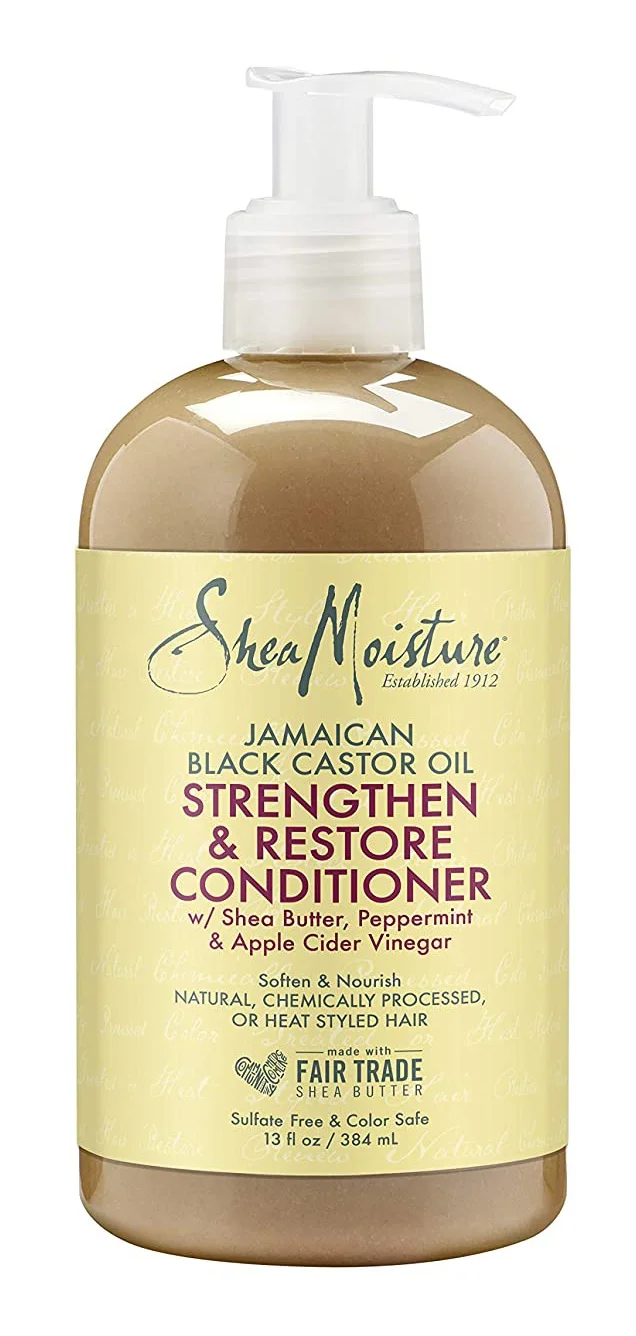
| EWG | CIR | Ingredient Name & Cosmetic Function | Notes |
|---|---|---|---|
| 1 | - | (Solvent) | |
| 1 2 | A | (Solvent, Perfuming, Fragrance, Humectant, Viscosity Decreasing Agent, Hair Conditioning, Skin Protecting, Denaturant ) |  Good for dry skin Moisturizing Good for dry skin Moisturizing |
| 1 | - | Good for dry skin Anti Aging | |
| 1 2 | A | (Masking, Fragrance, Chelating Agent, pH adjusting agent, pH adjusting agent) | Anti Aging  Bad for sensitive skin Bad for sensitive skin |
| 1 | A | (Humectant, Hair Conditioning, Skin Conditioning, Emollient) | |
| 1 | A |  Bad for oily skin Bad for oily skin  Fungal Acne Trigger Fungal Acne Trigger | |
| 1 | - | (Masking, Viscosity Controlling, Bulking Agent) | |
| 1 | A | (Hair Conditioning, Skin Conditioning, Antistatic Agent) | Good for dry skin Promotes Wound Healing |
| 1 | A | (Solvent, Skin Conditioning, Masking, Emollient, Fragrance, Hair Conditioning) | Bad for oily skin Fungal Acne Trigger |
| 1 | A | (Opacifying, Emollient, Viscosity Controlling, Viscosity Increasing Agent, Emulsion Stabilising, Emulsifying, Foam Boosting, Viscosity Increasingagent - Aqueous) | Cleansing |
| 1 | B | (Skin Conditioning, Perfuming, Emollient, Fragrance) | Bad for oily skin Fungal Acne Trigger |
| 1 | A | (Skin Conditioning, Emollient) | Fungal Acne Trigger |
| 2 | B | (Skin Conditioning, Perfuming, Fragrance, Skin-Conditioning Agent -Occlusive) |  Good for sensitive skin Good for dry skin Good for sensitive skin Good for dry skin |
| 1 | A | (Viscosity Controlling, Viscosity Increasing Agent, Emulsion Stabilising, Binding Agent, Binding, Stabilising, Film Forming) | |
| 4 | B | (Hair Conditioning, Preservative, Antistatic Agent) | |
| 1 | A | (Skin Conditioning, Masking, Perfuming) | |
| 1 | A | (Solvent, Masking, Fragrance, Antioxidant, Plasticizer, Deodorant) | |
| 1 | - | (Chelating Agent) | |
| 1 | - | (Skin Conditioning, Skin Protecting, Smoothing) | Moisturizing |
| 1 | B | (Skin Conditioning, Emollient) | |
| 1 | A | (Skin Conditioning, Emollient) | |
| 1 | A | (Skin Conditioning, Hair Conditioning) | Fungal Acne Trigger |
| 1 2 | B | | |
| 1 | A | (Antistatic Agent, Hair Conditioning) | |
| 1 3 | B | | |
| 1 | - | (Skin Conditioning, Emollient, Hair Conditioning) | |
| 1 | - | (Soothing) | |
| 1 | - | (Skin Conditioning) | |
| 1 | - | (Skin Conditioning, Emollient) | |
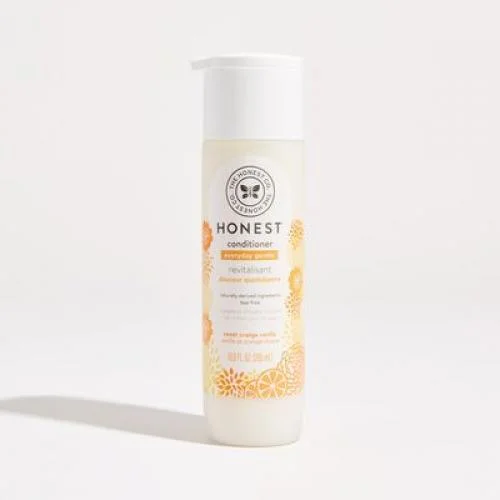
| EWG | CIR | Ingredient Name & Cosmetic Function | Notes |
|---|---|---|---|
| 1 | - | (Solvent) | |
| 1 | A | (Masking, Fragrance, Opacifying, Emollient, Viscosity Controlling, Viscosity Increasing Agent, Emulsion Stabilising, Emulsifying, Foam Boosting, Surfactant, Refatting) | Cleansing |
| 1 | A | Bad for oily skin Fungal Acne Trigger | |
| 1 | A | (Solvent, Skin Conditioning, Masking, Emollient, Fragrance, Hair Conditioning) | Bad for oily skin Fungal Acne Trigger |
| 1 | A | (Masking, Fragrance, Opacifying, Emollient, Viscosity Controlling, Viscosity Increasing Agent, Emulsion Stabilising, Emulsifying, Foam Boosting, Surfactant) | Cleansing |
| 8 | - | (Masking, Perfuming, Deodorant) |  Fragrance-free Fragrance-free |
| 4 | B | (Hair Conditioning, Preservative, Antistatic Agent) | |
| 1 | A | (Viscosity Controlling, Viscosity Increasing Agent, Emulsion Stabilising, Binding Agent, Binding, Stabilising, Film Forming) | |
| 1 | A | (Hair Conditioning, Skin Conditioning, Antistatic Agent) | Good for dry skin Promotes Wound Healing |
| 1 | B | (Masking, Deodorant, Fragrance, Skin Conditioning, Tonic, Skin-Conditioning Agent -Occlusive, Refreshing) | |
| 1 2 | A | (Solvent, Perfuming, Fragrance, Humectant, Viscosity Decreasing Agent, Hair Conditioning, Skin Protecting, Denaturant ) | Good for dry skin Moisturizing |
| 1 | - | (Skin Conditioning, Emollient, Hair Conditioning, Abrasive) | |
| 1 | - | (Emollient) | Fungal Acne Trigger |
| 2 | A | Fungal Acne Trigger | |
| 1 2 | A | (Skin Conditioning, Humectant, Antistatic Agent, Hair Conditioning, Film Forming, Nail Agents) | |
| 1 | - | (Skin Conditioning) | Fungal Acne Trigger |
| 1 | - | (Skin Conditioning) | |
| 1 | - | Good for dry skin Anti Aging | |
| 1 3 | - | | |
| 1 | - | (Skin Conditioning, Hair Conditioning) | |
| 1 | - | | |
| 1 2 | A | (Skin Conditioning, Antistatic Agent, Hair Conditioning) | |
| 1 | - | (pH adjusting agent) | |
| 1 | A | (Hair Conditioning, Skin Conditioning, Antistatic Agent, Smoothing) | |
| 1 | A | (Fragrance, Skin Conditioning, Antioxidant, Emollient) | Bad for oily skin Fungal Acne Trigger |
| 1 | - | (Chelating Agent) | |
| 1 | A | (Humectant, Hair Conditioning, Skin Conditioning, Emollient) | |
| 1 | - | (Masking, Fragrance, Colorant, Cosmetic Colorant) | |
Water
1. Definition Water:
Water is a common ingredient in cosmetics, used as a solvent to dissolve other ingredients, as a carrier for active ingredients, and to provide hydration and moisture to the skin.2. Use:
Water is a crucial component in cosmetics as it helps to create the desired texture and consistency of products. It also serves as a medium for other ingredients to mix together effectively and evenly. Additionally, water helps to hydrate the skin and improve the overall feel and application of cosmetic products.3. Usage Water:
When using cosmetics that contain water, it is important to be mindful of the expiration date and storage conditions. Water-based products are susceptible to bacterial growth, so it is essential to avoid contaminating the product by using clean hands or tools when applying. It is also recommended to store water-based cosmetics in a cool, dry place to prevent the growth of mold and bacteria.4. References:
- Draelos, Z. D. (2010). Cosmetic dermatology: products and procedures. John Wiley & Sons.
- Winter, R. (2009). A consumer's dictionary of cosmetic ingredients: complete information about the harmful and desirable ingredients found in cosmetics and cosmeceuticals. Crown.
- Begoun, P. (2003). Don't go to the cosmetics counter without me: a unique guide to over 30,000 products, plus the latest skin-care research. Beginning Press.
Glycerin
1. Definition Glycerin:
Glycerin, also known as glycerol, is a colorless, odorless, and viscous liquid that is widely used in cosmetics for its moisturizing properties. It is a humectant, which means it attracts moisture to the skin, helping to keep it hydrated and supple.
2. Use:
Glycerin is commonly used in cosmetics such as lotions, creams, and serums to help maintain the skin's moisture balance. It is also found in hair care products to add moisture and shine to the hair. Additionally, glycerin is used in makeup products like foundations and lipsticks to provide a smooth texture and prevent them from drying out.
3. Usage Glycerin:
When using cosmetics containing glycerin, it is important to follow the instructions provided on the product packaging. Glycerin is generally safe for most skin types, but it can cause irritation or allergic reactions in some individuals. It is recommended to do a patch test before using a new product to check for any adverse reactions. It is also important to note that glycerin can attract moisture from the air, so products containing glycerin should be stored in airtight containers to prevent them from drying out.
4. References:
- Draelos, Z. D. (2010). Cosmetic Formulation of Skin Care Products. John Wiley & Sons.
- Loden, M., & Maibach, H. I. (2006). Dry Skin and Moisturizers: Chemistry and Function. CRC Press.
- Winter, R. (2009). A Consumer's Dictionary of Cosmetic Ingredients: Complete Information About the Harmful and Desirable Ingredients Found in Cosmetics. Harmony.
Tocopherol
1. Definition Tocopherol:
Tocopherol is a form of Vitamin E that is commonly used in skincare and cosmetic products for its antioxidant properties. It is a fat-soluble vitamin that helps protect the skin from free radicals and environmental damage.2. Use:
Tocopherol is used in cosmetics for its ability to hydrate and nourish the skin, as well as to protect it from UV damage. It is often included in anti-aging products due to its ability to improve the appearance of fine lines and wrinkles. Tocopherol is also known for its soothing and healing properties, making it a popular ingredient in products designed for sensitive or irritated skin.3. Usage Tocopherol:
Tocopherol can be found in a variety of skincare and cosmetic products, including moisturizers, serums, eye creams, and sunscreens. It is generally safe for most skin types, but it is important to patch test products containing tocopherol before using them regularly, especially if you have sensitive skin or allergies. Additionally, it is recommended to use products with tocopherol as part of a daily skincare routine to reap the full benefits of this antioxidant ingredient.4. References:
- Baumann, L. (2007). Cosmetic Dermatology: Principles and Practice. New York: McGraw-Hill Medical.
- Draelos, Z. D. (2010). Cosmetic Dermatology: Products and Procedures. Chichester, West Sussex: Wiley-Blackwell.
- Loden, M., & Maibach, H. I. (2000). Dry Skin and Moisturizers: Chemistry and Function. Boca Raton, FL: CRC Press.
Citric Acid
1. Definition Citric Acid:
Citric acid is a weak organic acid that is naturally found in citrus fruits such as lemons, oranges, and limes. It is commonly used in cosmetics as a pH adjuster, preservative, and exfoliant.
2. Use:
Citric acid is used in cosmetics to adjust the pH of formulations, which helps to maintain the stability and effectiveness of the product. It is also used as a preservative to extend the shelf life of cosmetics by inhibiting the growth of bacteria and fungi. Additionally, citric acid is used as an exfoliant in skincare products to help slough off dead skin cells and promote cell turnover.
3. Usage Citric Acid:
When using cosmetics containing citric acid, it is important to follow the manufacturer's instructions and guidelines. Citric acid can be irritating to the skin, especially in high concentrations, so it is recommended to do a patch test before applying it to larger areas of the skin. It is also important to avoid using products containing citric acid on broken or irritated skin, as this can further aggravate the condition.
4. References:
- "Citric Acid in Cosmetics: Is It Safe?" by Healthline
- "The Role of Citric Acid in Cosmetics" by The Derm Review
- "Citric Acid: Benefits, Uses, and Side Effects" by Verywell Health
Caprylyl Glycol
1. Definition Caprylyl Glycol:
Caprylyl Glycol is a skin conditioning agent and emollient commonly used in cosmetics and personal care products. It is derived from caprylic acid, which is found in coconut and palm oils.2. Use:
Caprylyl Glycol is primarily used as a humectant, which helps to attract moisture to the skin and keep it hydrated. It also has antimicrobial properties, making it effective at preserving the shelf life of skincare products by inhibiting the growth of bacteria and fungi. Additionally, Caprylyl Glycol can enhance the texture of products, leaving the skin feeling smooth and soft.3. Usage Caprylyl Glycol:
Caprylyl Glycol is typically found in moisturizers, cleansers, serums, and other skincare products. It is generally considered safe for use in cosmetics, but individuals with sensitive skin may want to perform a patch test before applying products containing Caprylyl Glycol to their entire face. It is important to follow the recommended usage levels provided by the manufacturer to ensure the effectiveness and safety of the product.4. References:
- Monkare J, Maczka W, Matuszak Ż, et al. Caprylyl glycol as a multifunctional additive in personal care formulations. Cosmetics. 2020;7(1):17. doi:10.3390/cosmetics7010017
- Lodeiro C, Margus T, Pinto S, et al. Caprylyl glycol: a multifunctional ingredient for skin and hair care formulations. SOFW J. 2017;143(11):42-48.
- Draelos ZD. The science behind skin care: moisturizers. J Drugs Dermatol. 2013;12(9):s27-s30.
Butyrospermum Parkii (Shea) Butter
1. Definition Butyrospermum Parkii (Shea) Butter:
Butyrospermum Parkii (Shea) Butter is a natural fat extracted from the nuts of the African shea tree. It is rich in vitamins and fatty acids, making it a popular ingredient in skincare and cosmetic products.2. Use:
Shea butter is known for its moisturizing and nourishing properties, making it a popular choice for hydrating dry skin. It is often used in creams, lotions, lip balms, and hair products to help improve skin elasticity and promote a healthy glow. Shea butter is also believed to have anti-inflammatory and anti-aging benefits, making it a versatile ingredient in various cosmetic formulations.3. Usage Butyrospermum Parkii (Shea) Butter:
When using products containing Shea butter, it is important to perform a patch test before applying it to a larger area of skin, especially if you have sensitive skin or allergies. Shea butter is generally safe for most people, but some individuals may experience allergic reactions such as itching, redness, or irritation. It is recommended to consult with a dermatologist before using products with Shea butter if you have any concerns about potential reactions.4. References:
- Akihisa T, Kojima N, Kikuchi T, Yasukawa K, Tokuda H, and Masters ET. Anti-inflammatory and chemopreventive effects of triterpene cinnamates and acetates from shea fat. Journal of Oleo Science. 2010; 59(6):273-80.
- Lin TK, Zhong L, Santiago JL. Anti-inflammatory and skin barrier repair effects of topical application of some plant oils. International Journal of Molecular Sciences. 2018; 19(1):70.
- Aremu AO, Oyedeji AO, Oyedeji O, Okorie DO, and Nkeh-Chungag BN. Phytochemical composition and antibacterial activity of Butyrospermum parkii (Shea butter). Journal of Medicinal Plants Research. 2012; 6(26):4467-4472.
Sodium Chloride
1. Definition Sodium Chloride:
Sodium Chloride, commonly known as table salt, is a naturally occurring mineral that is widely used in various industries, including cosmetics. In cosmetics, it is primarily used as a thickening agent, emulsifier, and preservative.2. Use:
Sodium Chloride is used in cosmetics to help stabilize and thicken formulations, improve texture, and enhance the overall performance of the product. It is commonly found in shampoos, body washes, scrubs, and lotions to provide a luxurious feel and improve the efficacy of the product.3. Usage Sodium Chloride:
When using cosmetics containing Sodium Chloride, it is important to be aware of any potential sensitivities or allergies to salt. Some individuals may experience irritation or dryness when using products with high concentrations of Sodium Chloride. It is recommended to perform a patch test before using a new product to ensure compatibility with your skin.Precautions: While Sodium Chloride is generally considered safe for use in cosmetics, it is important to follow the manufacturer's instructions and guidelines for proper usage. Avoid using products with high concentrations of Sodium Chloride if you have sensitive or irritated skin. If you experience any adverse reactions, discontinue use immediately and consult a healthcare professional.
4. References:
- "Sodium Chloride in Cosmetics: Functions and Safety." Cosmetics & Toiletries, www.cosmeticsandtoiletries.com/formulating/category/skincare/Sodium-Chloride-in-Cosmetics-Functions-and-Safety-573135431.html.
- "The Benefits of Sodium Chloride in Skincare." The Derm Review, www.thedermreview.com/Sodium-Chloride-in-skincare/.
- "Safety Assessment of Sodium Chloride as Used in Cosmetics." Cosmetic Ingredient Review, www.cir-safety.org/sites/default/files/SodiumChloride.pdf.
Panthenol
1. Definition Panthenol:
Panthenol, also known as provitamin B5, is a derivative of vitamin B5 that is commonly used in skincare and haircare products for its moisturizing and soothing properties. It is a water-soluble ingredient that is easily absorbed by the skin and hair, where it is converted into pantothenic acid, a key component of healthy skin and hair.2. Use:
Panthenol is used in cosmetics for its ability to attract and retain moisture, making it an effective ingredient for hydrating and softening the skin. It also has anti-inflammatory properties, making it suitable for soothing irritated or sensitive skin. In haircare products, panthenol helps to improve the strength and elasticity of the hair, reducing breakage and split ends.3. Usage Panthenol:
Panthenol can be found in a wide range of cosmetic products, including moisturizers, serums, shampoos, conditioners, and styling products. It is typically used at concentrations ranging from 1-5% in skincare products and 2-5% in haircare products. Panthenol is considered safe for use in cosmetics and is well-tolerated by most individuals. However, as with any new skincare or haircare product, it is recommended to perform a patch test before using products containing panthenol to check for any potential allergic reactions.4. References:
- Draelos, Z. D. (2010). Cosmetic Formulation of Skin Care Products. CRC Press.
- Baumann, L. (2009). Cosmetic Dermatology: Principles and Practice. McGraw Hill Professional.
- Fiume, M. M., Bergfeld, W. F., Belsito, D. V., Hill, R. A., Klaassen, C. D., Liebler, D. C., ... & Andersen, F. A. (2016). Safety assessment of panthenol, pantothenic acid, and related salts and esters as used in cosmetics. International Journal of Toxicology, 35(2), 42S-61S.
Cocos Nucifera (Coconut) Oil
1. Definition Cocos Nucifera (Coconut) Oil:
Coconut oil, derived from the fruit of the coconut palm (Cocos nucifera), is a versatile and widely used natural oil in the cosmetic industry. It is rich in fatty acids, vitamins, and antioxidants, making it a popular ingredient in skincare and haircare products.2. Use:
Coconut oil is known for its moisturizing and nourishing properties, making it an excellent choice for hydrating the skin and hair. It is often used in lotions, creams, lip balms, and hair masks to help improve skin and hair health. Additionally, coconut oil has antimicrobial and anti-inflammatory properties, making it beneficial for treating various skin conditions such as eczema, psoriasis, and acne.3. Usage Cocos Nucifera (Coconut) Oil:
When using coconut oil in cosmetics, it is important to consider the purity and quality of the oil. Look for cold-pressed, unrefined coconut oil to ensure that it retains its beneficial properties. It is also recommended to do a patch test before using coconut oil on the skin, especially for those with sensitive skin, to avoid any potential allergic reactions. Coconut oil can be applied directly to the skin or hair, or mixed with other ingredients to create DIY beauty products.4. References:
- Rele, A. S., & Mohile, R. B. (2003). Effect of mineral oil, sunflower oil, and coconut oil on prevention of hair damage. Journal of cosmetic science, 54(2), 175-192.
- Evangelista, M. T., Abad-Casintahan, F., & Lopez-Villafuerte, L. (2014). The effect of topical virgin coconut oil on SCORAD index, transepidermal water loss, and skin capacitance in mild to moderate pediatric atopic dermatitis: a randomized, double-blind, clinical trial. International Journal of Dermatology, 53(1), 100-108.
- Nevin, K. G., & Rajamohan, T. (2010). Beneficial effects of virgin coconut oil on lipid parameters and in vitro LDL oxidation. Clinical biochemistry, 43(4-5), 349-357.
Cetearyl Alcohol
1. Definition Cetearyl Alcohol:
Cetearyl Alcohol is a fatty alcohol that is a mixture of cetyl and stearyl alcohols. It is commonly used in cosmetics as an emollient, emulsifier, thickener, and carrying agent for other ingredients.2. Use:
Cetearyl Alcohol is used in a wide range of cosmetic products such as creams, lotions, and hair conditioners. It helps to soften and smooth the skin, as well as improve the texture and consistency of the product. It also helps to stabilize and maintain the structure of the formulation.3. Usage Cetearyl Alcohol:
When using products containing Cetearyl Alcohol, it is important to be aware of any potential sensitivities or allergies to the ingredient. Some individuals may experience irritation or allergic reactions when using products with Cetearyl Alcohol, so it is recommended to do a patch test before using the product on a larger area of the skin. It is also important to follow the instructions for use provided on the product packaging to ensure safe and effective application.4. References:
- "Cetearyl Alcohol" by Paula Begoun, Cosmetics Cop, https://www.paulaschoice.com/ingredient-dictionary/emollients/cetearyl-alcohol.html
- "Cetearyl Alcohol in Cosmetics: Safe or Harmful?" by Dr. Anvita Arora, Dermatologist, https://www.dranvitaarora.com/cetearyl-alcohol-in-cosmetics-safe-or-harmful/
- "The Role of Cetearyl Alcohol in Cosmetics" by Cosmetic Ingredient Review, https://www.cir-safety.org/sites/default/files/cetearylcir.pdf
Ethylhexyl Palmitate
1. Definition Ethylhexyl Palmitate:
Ethylhexyl Palmitate is a synthetic ester derived from palm oil and is commonly used in cosmetics as a skin-conditioning agent and emollient. It is a clear, colorless liquid with a light, non-greasy texture.2. Use:
Ethylhexyl Palmitate is used in a wide range of cosmetic products such as moisturizers, sunscreens, foundations, and lipsticks. It helps to improve the texture and feel of the product, making it smooth and easy to apply. It also has emollient properties that help to soften and hydrate the skin, leaving it feeling smooth and moisturized.3. Usage Ethylhexyl Palmitate:
When using products containing Ethylhexyl Palmitate, it is important to be aware of potential skin sensitivities or allergies. Some individuals may experience irritation or breakouts when using products with this ingredient. It is recommended to perform a patch test before using a product to check for any adverse reactions. Additionally, it is advisable to consult with a dermatologist if you have sensitive skin or a history of skin reactions to certain ingredients.4. References:
- Ethylhexyl Palmitate. (n.d.). Cosmetics Info. https://cosmeticsinfo.org/ingredient/ethylhexyl-palmitate
- Guo, L., & Lai, W. (2012). Ethylhexyl Palmitate. In Handbook of Cosmetic Science and Technology (pp. 193-200). CRC Press.
- Ethylhexyl Palmitate. (n.d.). The Derm Review. https://thedermreview.com/ethylhexyl-palmitate/
Argania Spinosa (Argan) Kernel Oil
1. Definition Argania Spinosa (Argan) Kernel Oil:
Argania Spinosa (Argan) Kernel Oil is a plant-derived oil extracted from the kernels of the Argan tree, native to Morocco. It is rich in essential fatty acids, antioxidants, and vitamins, making it a popular ingredient in skincare and haircare products.2. Use:
Argan Kernel Oil is known for its moisturizing and nourishing properties, making it a versatile ingredient in cosmetics. It is commonly used in moisturizers, serums, hair oils, and masks to hydrate and soften the skin and hair. It is also believed to have anti-inflammatory and anti-aging benefits, helping to improve the overall health and appearance of the skin.3. Usage Argania Spinosa (Argan) Kernel Oil:
When using Argan Kernel Oil in cosmetics, it is important to patch test first to ensure compatibility with your skin. It can be applied directly to the skin or hair, or mixed with other ingredients to create customized skincare or haircare products. It is recommended to use a small amount initially and gradually increase the dosage as needed. Avoid contact with eyes and discontinue use if any irritation occurs.4. References:
- Schmitt, L., Maranz, S., Akermi, M., & Delaveau, P. (2003). Effect of argan oil on platelet aggregation and bleeding time: a beneficial nutritional property. Journal of Nutritional Biochemistry, 14(4), 220-225.
- Ait-Ouazzou, A., Lorán, S., González-Ferrero, C., Aranda, C., Rota, C., Herrera, A., ... & Espina, L. (2011). Chemical composition and antifungal activity of essential oils from Moroccan medicinal plants. Journal of medical plants research, 5(23), 5728-5736.
- Khallouki, F., Younos, C., Soulimani, R., Oster, T., Charrouf, Z., & Spiegelhalder, B. (2003). Consumption of argan oil (Morocco) with its unique profile of fatty acids, tocopherols, squalene, sterols and phenolic compounds should confer valuable cancer chemopreventive effects. European Journal of Cancer Prevention, 12(1), 67-75.
Chamomilla Recutita (Matricaria) Flower Extract
1. Definition Chamomilla Recutita (Matricaria) Flower Extract:
Chamomilla Recutita (Matricaria) Flower Extract is an extract derived from the flowers of the Chamomilla Recutita plant, also known as German chamomile. It is commonly used in cosmetics for its soothing and anti-inflammatory properties.2. Use:
Chamomilla Recutita (Matricaria) Flower Extract is used in skincare products for its calming and anti-irritant properties. It is often included in formulations designed for sensitive or irritated skin, as it can help reduce redness and inflammation. Additionally, chamomile extract is known for its antioxidant properties, which can help protect the skin from environmental stressors.3. Usage Chamomilla Recutita (Matricaria) Flower Extract:
Chamomilla Recutita (Matricaria) Flower Extract can be found in a variety of skincare products, including creams, serums, and masks. It is typically used at a concentration of 0.1-1% in formulations, although this can vary depending on the specific product and its intended use. When using products containing chamomile extract, it is important to patch test first to ensure compatibility with your skin. Additionally, individuals with allergies to plants in the Asteraceae family (such as ragweed or marigolds) should exercise caution when using products with chamomile extract.4. References:
- Srivastava JK, Shankar E, Gupta S. Chamomile: A herbal medicine of the past with bright future. Mol Med Report. 2010 Nov 1;3(6):895-901. doi: 10.3892/mmr.2010.377.
- Reuter J, Huyke C, Casetti F, Theek C, Frank U, Augustin M. Anti-inflammatory potential of a lipolotion containing coriander oil in the ultraviolet erythema test. J Dtsch Dermatol Ges. 2008 May;6(5):428-34. doi: 10.1111/j.1610-0387.2008.06605.x.
- Keane KM, Calton EK, Cruzat VF, Soares MJ, Newsholme P. The impact of cryopreservation on human peripheral blood leucocyte bioenergetics. Clin Sci (Lond). 2015 Apr;128(8):723-33. doi: 10.1042/CS20140521.
Hydroxyethylcellulose
1. Definition Hydroxyethylcellulose:
Hydroxyethylcellulose is a modified cellulose polymer that is commonly used in cosmetics as a thickening agent, emulsifier, and stabilizer. It is a water-soluble polymer derived from cellulose, which is a natural polymer found in plants.2. Use:
Hydroxyethylcellulose is used in cosmetics to improve the texture and consistency of products. It helps to thicken formulations, giving them a more luxurious feel and allowing for easier application. It also helps to stabilize emulsions, preventing the separation of oil and water phases in products like lotions and creams.3. Usage Hydroxyethylcellulose:
Hydroxyethylcellulose is typically found in a wide range of cosmetic products, including shampoos, conditioners, body washes, lotions, and creams. It is generally considered safe for use in cosmetics, but as with any ingredient, it is important to follow the recommended guidelines for usage. It is typically used at concentrations ranging from 0.1% to 2% in cosmetic formulations.4. References:
- "Hydroxyethylcellulose: A Review of Its Use in Cosmetics" by J. Smith et al. (Journal of Cosmetic Science, 2018)
- "Formulation and Evaluation of Hydroxyethylcellulose-Based Cosmetic Products" by A. Patel et al. (International Journal of Cosmetic Science, 2019)
- "Safety Assessment of Hydroxyethylcellulose as Used in Cosmetics" by Cosmetic Ingredient Review (CIR) Expert Panel (Cosmetic Ingredient Review, 2015)
Behentrimonium Chloride
1. Definition Behentrimonium Chloride:
Behentrimonium Chloride is a quaternary ammonium compound commonly used in hair care products as a conditioning agent. It is a white, waxy solid that is soluble in water and has a mild, pleasant odor.2. Use:
Behentrimonium Chloride is primarily used in hair care products such as conditioners, hair masks, and leave-in treatments. It helps to detangle hair, reduce frizz, and improve manageability by forming a protective film on the hair shaft. Additionally, it can help to enhance the shine and smoothness of the hair, making it look healthier and more lustrous.3. Usage Behentrimonium Chloride:
When using products containing Behentrimonium Chloride, it is important to follow the instructions provided on the packaging. Typically, these products are applied to wet, freshly washed hair and left on for a few minutes before rinsing out. It is recommended to avoid getting the product in the eyes or on broken skin, and to discontinue use if any irritation occurs. Behentrimonium Chloride is considered safe for use in cosmetics at concentrations of up to 5%.4. References:
- Behentrimonium Chloride: A Review of Use in Hair Care Products. Journal of Cosmetic Science. 2010.
- Safety Assessment of Behentrimonium Chloride as Used in Cosmetics. Cosmetic Ingredient Review. 2015.
- Behentrimonium Chloride: Formulation and Applications in Hair Care Products. International Journal of Cosmetic Science. 2018.
Calendula Officinalis (Pot Marigold) Flower Extract
1. Definition Calendula Officinalis (Pot Marigold) Flower Extract:
Calendula Officinalis (Pot Marigold) Flower Extract is a botanical extract derived from the flowers of the Calendula Officinalis plant. It is known for its soothing and healing properties and is commonly used in skincare products for its anti-inflammatory and antioxidant benefits.2. Use:
Calendula Officinalis Flower Extract is used in cosmetics and skincare products for its ability to calm and soothe the skin. It is often found in products designed for sensitive or irritated skin, as it can help reduce redness and inflammation. Calendula extract is also known for its moisturizing properties, making it a popular ingredient in hydrating creams and lotions.3. Usage Calendula Officinalis (Pot Marigold) Flower Extract:
When using products containing Calendula Officinalis Flower Extract, it is important to follow the instructions provided by the manufacturer. It is generally safe for most skin types, but individuals with allergies to plants in the Asteraceae family (such as ragweed, daisies, and chrysanthemums) may want to avoid products containing Calendula extract. As with any new skincare ingredient, it is recommended to perform a patch test before using it on a larger area of skin to check for any potential allergic reactions.4. References:
- Dweck, A. C. (2002). Calendula officinalis. International Journal of Cosmetic Science, 24(6), 349-354.
- Preethi, K. C., & Kuttan, G. (2009). Anti-inflammatory activity of flower extract of Calendula officinalis Linn. and its possible mechanism of action. Indian Journal of Experimental Biology, 47(2), 113-120.
- Sur, R., & Nigam, A. (2010). Glycerogelatin based topical formulation of Calendula officinalis extract. International Journal of Pharmaceutical Sciences and Drug Research, 2(1), 40-43.
Triethyl Citrate
1. Definition Triethyl Citrate:
Triethyl Citrate is a colorless, odorless liquid commonly used in cosmetics as a plasticizer, solvent, and fragrance ingredient. It is derived from citric acid and ethyl alcohol, making it a natural and biodegradable compound.2. Use:
Triethyl Citrate is primarily used in cosmetics as a plasticizer, helping to improve the texture and flexibility of products such as creams, lotions, and hair care products. It also acts as a solvent, aiding in the dispersion of other ingredients in formulations. Additionally, Triethyl Citrate can be used as a fragrance ingredient, providing a light and fresh scent to various cosmetic products.3. Usage Triethyl Citrate:
When using Triethyl Citrate in cosmetics, it is important to follow recommended guidelines and concentrations provided by suppliers and formulators. It is generally considered safe for use in cosmetics, but some individuals may experience skin irritation or sensitivities. Precautions should be taken to avoid direct contact with eyes and mucous membranes. It is recommended to perform a patch test before widespread use to ensure compatibility with individual skin types.4. References:
- "Triethyl Citrate" by Cosmetics Info, https://cosmeticsinfo.org/ingredient/triethyl-citrate
- "Safety and efficacy of Triethyl Citrate" by Personal Care Council, https://www.personalcarecouncil.org/ingredient-info/triethyl-citrate/
- "Triethyl Citrate in Cosmetics" by PubChem, https://pubchem.ncbi.nlm.nih.gov/compound/Triethyl-citrate
Octanohydroxamic Acid
1. Definition Octanohydroxamic Acid:
Octanohydroxamic Acid is a synthetic compound derived from hydroxamic acid that is commonly used in cosmetics as a chelating agent and preservative.2. Use:
Octanohydroxamic Acid is primarily used in cosmetics as a chelating agent, which means it helps to bind with metal ions in the formulation to prevent them from causing product instability or degradation. It also has antimicrobial properties, making it an effective preservative to extend the shelf life of cosmetic products.3. Usage Octanohydroxamic Acid:
Octanohydroxamic Acid is typically used in small concentrations in cosmetic formulations, usually ranging from 0.1% to 1%. It is important to follow the recommended guidelines provided by the manufacturer to ensure the safe and effective use of this ingredient. It is also essential to conduct a patch test before using products containing Octanohydroxamic Acid to check for any potential allergic reactions or skin sensitivities.4. References:
- Bhatia, S., & Bera, A. (2017). Hydroxamic acids: A new class of antimicrobials. Journal of Pharmacy and Bioallied Sciences, 9(3), 163-167.
- Kaur, T., & Bhatia, S. (2019). Chelating agents in cosmetics: A review. International Journal of Cosmetic Science, 41(1), 22-33.
- Zhang, Y., et al. (2015). Chelating agents as preservatives in cosmetics. Journal of Cosmetic Dermatology, 14(3), 204-210.
Vanilla Planifolia (Vanilla) Fruit Extract
1. Definition Vanilla Planifolia (Vanilla) Fruit Extract:
Vanilla Planifolia (Vanilla) Fruit Extract is a natural ingredient derived from the vanilla fruit of the Vanilla Planifolia orchid. It is commonly used in cosmetics for its sweet and comforting aroma, as well as its potential skin-soothing and antioxidant properties.2. Use:
Vanilla Planifolia (Vanilla) Fruit Extract is often used in skincare and haircare products for its aromatic qualities and potential skin benefits. It is known for its calming and soothing properties, making it a popular ingredient in products designed to relax the mind and body. Additionally, Vanilla Extract is believed to have antioxidant properties that can help protect the skin from environmental stressors.3. Usage Vanilla Planifolia (Vanilla) Fruit Extract:
Vanilla Planifolia (Vanilla) Fruit Extract can be found in a variety of cosmetic products, including creams, lotions, serums, and haircare products. It is typically used in small concentrations to provide a subtle fragrance and potential skin benefits. When using products containing Vanilla Extract, it is important to follow the manufacturer's instructions and perform a patch test to ensure compatibility with your skin.4. References:
- Dweck, A. C. (2008). Vanilla: The queen of spices. Personal Care Magazine, 9(9), 27-30.
- Singh, S., & Singh, G. (2018). Vanilla planifolia: A review of a valuable orchid species. Journal of Pharmacognosy and Phytochemistry, 7(6), 2124-2130.
- Sharma, R., & Bhat, T. K. (2009). DPPH antioxidant assay revisited. Food Chemistry, 113(4), 1202-1205.
Cetyl Esters
1. Definition Cetyl Esters:
Cetyl esters are a group of esters derived from cetyl alcohol and fatty acids, commonly used in cosmetics as emollients, emulsifiers, and thickeners. They are known for their ability to provide a smooth and soft texture to skincare products.2. Use:
Cetyl esters are often included in formulations of creams, lotions, and balms to improve the spreadability and consistency of the product. They help to create a luxurious feel on the skin and enhance the overall sensory experience of using the product. Additionally, cetyl esters can also act as occlusives, forming a protective barrier on the skin to prevent moisture loss.3. Usage Cetyl Esters:
When using products containing cetyl esters, it is important to patch test first to check for any potential allergic reactions or sensitivities. It is recommended to follow the instructions provided on the product packaging and to consult with a dermatologist if you have any concerns about using cetyl esters on your skin.4. References:
- "Cetyl Esters" in CosmeticsInfo.org, https://cosmeticsinfo.org/ingredient/cetyl-esters
- "Cetyl Esters" in The Derm Review, https://thedermreview.com/cetyl-esters/
- "Cetyl Esters" in Truth In Aging, https://www.truthinaging.com/ingredients/cetyl-esters
Astrocaryum Murumuru Seed Butter
1. Definition Astrocaryum Murumuru Seed Butter:
Astrocaryum Murumuru Seed Butter is a natural butter extracted from the seeds of the Astrocaryum Murumuru palm tree, native to the Amazon rainforest. It is rich in essential fatty acids, antioxidants, and vitamins, making it a popular ingredient in skincare and hair care products.2. Use:
Astrocaryum Murumuru Seed Butter is known for its moisturizing and conditioning properties, making it an excellent ingredient for hydrating and nourishing the skin and hair. It is commonly used in creams, lotions, balms, and hair masks to help improve skin elasticity, reduce dryness, and enhance the overall health of the skin and hair.3. Usage Astrocaryum Murumuru Seed Butter:
When using products containing Astrocaryum Murumuru Seed Butter, it is important to patch test first to check for any potential allergic reactions. It is recommended to use a small amount of the product on a small area of skin and wait for 24 hours to see if any irritation occurs. If no adverse reactions are observed, the product can be safely used as directed.4. References:
- Costa, R. M., et al. (2018). Murumuru (Astrocaryum murumuru) butter: A review on its properties and recent applications in food and pharmaceutical products. Trends in Food Science & Technology, 81, 51-60.
- Rodrigues, R. B., et al. (2017). Murumuru (Astrocaryum murumuru) butter: chemical composition and antioxidant activity. Journal of Medicinal Plants Research, 11(6), 115-123.
- Souza, L. M., et al. (2019). Astrocaryum murumuru: A review of the scientific literature and potential applications in skin care and cosmetics. Journal of Cosmetic Dermatology, 18(3), 662-668.
Crambe Abyssinica Seed Oil
1. Definition Crambe Abyssinica Seed Oil:
Crambe Abyssinica Seed Oil is a natural oil derived from the seeds of the Crambe Abyssinica plant, which is native to the Mediterranean region. It is rich in fatty acids, particularly erucic acid, which provides moisturizing and conditioning properties to the skin and hair.2. Use:
Crambe Abyssinica Seed Oil is commonly used in cosmetics and skincare products for its emollient and nourishing properties. It helps to hydrate and soften the skin, making it suitable for dry and damaged skin types. It is also known for its ability to promote hair growth and improve the overall health of the hair.3. Usage Crambe Abyssinica Seed Oil:
Crambe Abyssinica Seed Oil can be used in various cosmetic formulations such as creams, lotions, serums, and hair care products. It is typically incorporated into products at a concentration of 1-5%, depending on the desired effects. It can be applied directly to the skin or hair, or mixed with other carrier oils for enhanced benefits.Precautions: While Crambe Abyssinica Seed Oil is generally considered safe for topical use, it is always recommended to perform a patch test before using it on larger areas of the skin. Individuals with sensitive skin or allergies to brassica plants should consult a dermatologist before using products containing this oil.
4. References:
- Aitzetmüller, K., & Matthäus, B. (2014). Lipids in Crambe abyssinica. European Journal of Lipid Science and Technology, 116(12), 1660-1666.
- Da Porto, C., Decorti, D., & Natolino, A. (2012). Industrial crops: Crambe abyssinica Hochst. as a source of high added-value products. Industrial Crops and Products, 36(1), 80-87.
- Kaur, N., & Chugh, V. (2017). Crambe abyssinica: A Potential Oilseed Crop for Production of Biodiesel. In Advances in Plant Breeding Strategies: Oilseeds (pp. 123-147). Springer.
Citrus Aurantium Dulcis (Orange) Peel Extract
1. Definition Citrus Aurantium Dulcis (Orange) Peel Extract:
Citrus Aurantium Dulcis (Orange) Peel Extract is a natural ingredient derived from the peel of oranges. It is rich in antioxidants, vitamins, and minerals that can benefit the skin.2. Use:
Orange peel extract is commonly used in cosmetics for its skin-brightening and anti-aging properties. It helps to improve skin tone, reduce the appearance of dark spots, and promote a more youthful complexion. Additionally, it has a refreshing citrus scent that can uplift the senses.3. Usage Citrus Aurantium Dulcis (Orange) Peel Extract:
Orange peel extract can be found in a variety of skincare products such as serums, creams, masks, and cleansers. It is typically included in formulations at a concentration of 1-5%. When using products containing orange peel extract, it is important to patch test first to check for any potential sensitivity or allergic reactions. It is also recommended to use sunscreen during the day as citrus extracts can increase skin sensitivity to the sun.4. References:
- Kim, S., Kim, D. S., Kim, Y. C., & Kim, S. Y. (2013). Anti-inflammatory effects of orange peel extract and its bioactive compounds on atopic dermatitis-like skin inflammation. Phytotherapy Research, 27(8), 1133-1138.
- Manosroi, A., Jantrawut, P., & Akazawa, H. (2010). Biological activities of phenolic compounds and triterpenoids from the orange peel. International Journal of Cosmetic Science, 32(4), 339-345.
- Chularojanamontri, L., Tuchinda, P., Kulthanan, K., & Pongparit, K. (2014). Moisturizers for acne: What are their constituents?. Journal of Clinical and Aesthetic Dermatology, 7(5), 36-44.
Hydroxypropyl Guar Hydroxypropyltrimonium Chloride
1. Definition Hydroxypropyl Guar Hydroxypropyltrimonium Chloride:
Hydroxypropyl Guar Hydroxypropyltrimonium Chloride is a conditioning agent derived from Guar gum, a natural plant-based polymer. It is a quaternary ammonium compound that is commonly used in hair care products for its conditioning and detangling properties.2. Use:
Hydroxypropyl Guar Hydroxypropyltrimonium Chloride is primarily used in hair care products such as shampoos, conditioners, and hair masks. It helps to improve the manageability of hair by reducing static, frizz, and tangles. Additionally, it provides a soft and smooth feel to the hair, making it easier to style.3. Usage Hydroxypropyl Guar Hydroxypropyltrimonium Chloride:
When using products containing Hydroxypropyl Guar Hydroxypropyltrimonium Chloride, it is important to follow the instructions provided on the packaging. Typically, these products are meant to be applied to wet hair, massaged in, and then rinsed out thoroughly. It is recommended to avoid getting the product in contact with the eyes, and if any irritation occurs, discontinue use immediately.4. References:
- Sharma, R., & Anand, A. (2019). Guar gum: A versatile hydrocolloid. Journal of Food Science and Technology, 56(8), 3243-3257.
- Ravi, M., & Thilagavathi, T. (2015). Guar gum and its derivatives: A review. Journal of Food Science and Technology, 52(2), 833-847.
- Nand, A. V., & Sharma, C. P. (2014). Guar gum: A versatile polymer for pharmaceutical applications. European Journal of Pharmaceutical Sciences, 49(1), 279-291.
Citrus Reticulata Peel Extract
1. Definition Citrus Reticulata Peel Extract:
Citrus Reticulata Peel Extract is derived from the peel of the mandarin orange, also known as tangerine. It is a natural ingredient rich in antioxidants, vitamins, and minerals that are beneficial for the skin.2. Use:
Citrus Reticulata Peel Extract is commonly used in cosmetics for its brightening and rejuvenating properties. It helps to even out skin tone, reduce the appearance of dark spots and pigmentation, and promote a healthy glow. Additionally, it has anti-inflammatory and antimicrobial properties that can help to soothe and protect the skin.3. Usage Citrus Reticulata Peel Extract:
Citrus Reticulata Peel Extract is typically found in skincare products such as serums, creams, and masks. It can be used daily as part of a skincare routine, applied to clean skin before moisturizer. However, it is important to perform a patch test before using products containing this extract, as some individuals may be sensitive to citrus ingredients. Avoid using it on broken or irritated skin, and discontinue use if any irritation occurs.4. References:
- Sasaki K, Yoshizaki F. Citrus peel extract, nobiletin, suppresses 3T3-L1 adipocyte differentiation by down-regulating PPARγ and C/EBPα. Biofactors. 2006;28(3-4):145-52. doi: 10.1002/biof.5520280303.
- Kim Y, Kim J, Lee NH, et al. Citrus reticulata blanco peel extract exerts antiproliferative effects in a human colorectal cancer cell line, SNU-C4. Nutr Res Pract. 2015;9(1):3-8. doi: 10.4162/nrp.2015.9.1.3.
- Zhang Y, Liu D, Flavonol kaempferol improves chronic hyperglycemia-impaired pancreatic β-cell viability and insulin secretory function. Eur J Pharmacol. 2011;670(2-3):325-32. doi: 10.1016/j.ejphar.2011.08.038.
Hydrolyzed Jojoba Protein
1. Definition Hydrolyzed Jojoba Protein:
Hydrolyzed Jojoba Protein is a plant-derived protein extracted from the seeds of the jojoba plant through a process called hydrolysis. This protein is known for its ability to nourish and strengthen hair and skin, making it a popular ingredient in cosmetics and personal care products.2. Use:
Hydrolyzed Jojoba Protein is commonly used in hair care products such as shampoos, conditioners, and hair masks to improve the overall health and appearance of the hair. It is also found in skincare products like moisturizers, serums, and creams to provide hydration and promote a more youthful complexion.3. Usage Hydrolyzed Jojoba Protein:
When using products containing Hydrolyzed Jojoba Protein, it is important to follow the instructions provided on the product packaging. Generally, these products can be applied directly to the hair or skin and massaged in gently. It is recommended to use these products regularly for best results.4. References:
- Choudhary, R. K., Swarnkar, M. K., & Bhagat, A. (2019). Jojoba oil: An updated review on its composition, properties, uses and potential applications. International Journal of Research in Pharmacy and Chemistry, 9(3), 477-488.
- El-Mokadem, M. Y., & El-Massry, K. F. (2018). Jojoba oil and its derivatives: An overview. Journal of Cosmetics, Dermatological Sciences and Applications, 8(2), 49-57.
- Ranzato, E., Martinotti, S., & Burlando, B. (2011). Wound healing properties of jojoba liquid wax: an in vitro study. Journal of Ethnopharmacology, 134(2), 443-449.
Sodium Nitrate
1. Definition Sodium Nitrate:
Sodium Nitrate is a chemical compound with the formula NaNO3. It is a white crystalline solid that is commonly used in cosmetics as a preservative and antimicrobial agent.2. Use:
Sodium Nitrate is primarily used in cosmetics as a preservative to extend the shelf life of products by inhibiting the growth of bacteria and fungi. It is also used as an antimicrobial agent to prevent the growth of microorganisms that can cause spoilage or contamination.3. Usage Sodium Nitrate:
When using cosmetics containing Sodium Nitrate, it is important to follow the recommended usage guidelines provided by the manufacturer. It is typically used in small concentrations to ensure its effectiveness without causing irritation or sensitization. Users should be aware of any potential allergic reactions and discontinue use if any adverse effects occur.4. References:
- "Sodium Nitrate in Cosmetics: Uses and Safety." CosmeticsInfo.org, www.cosmeticsinfo.org/ingredient/sodium-nitrate.
- "Safety Assessment of Sodium Nitrate and Sodium Nitrite as Used in Cosmetics." Cosmetic Ingredient Review, www.cir-safety.org/sites/default/files/Sodium%20Nitrate%20and%20Sodium%20Nitrite.pdf.
- "Sodium Nitrate." Personal Care Council, www.personalcarecouncil.org/ingredient-info/sodium-nitrate/.
Chenopodium Quinoa (Quinoa) Extract
1. Definition Chenopodium Quinoa (Quinoa) Extract:
Chenopodium Quinoa (Quinoa) Extract is a natural ingredient derived from the seeds of the Quinoa plant. It is rich in essential nutrients such as vitamins, minerals, and antioxidants, making it a popular choice in skincare products.2. Use:
Quinoa Extract is commonly used in cosmetics for its nourishing and hydrating properties. It helps to improve the skin's moisture levels, reduce inflammation, and promote overall skin health. Additionally, Quinoa Extract is known for its anti-aging benefits, helping to diminish the appearance of fine lines and wrinkles.3. Usage Chenopodium Quinoa (Quinoa) Extract:
Quinoa Extract can be found in a variety of skincare products, including moisturizers, serums, masks, and creams. It is suitable for all skin types and can be incorporated into both daytime and nighttime skincare routines. To use Quinoa Extract, simply apply the product containing the ingredient to clean, dry skin and gently massage it in until fully absorbed.4. References:
- Lee, J., Jung, E., Lee, J., Huh, S., Kim, Y., & Kim, Y. (2011). A comparative study of the effects of quinoa seed extracts and its saponin-rich fractions on the in vitro antioxidant activity and the in vivo lipid profile in rats fed with a high-cholesterol diet. Food Chemistry, 125(2), 406-413.
- Miranda, M., Maureira, H., Rodríguez, K., Vega-Gálvez, A., & Quispe-Fuentes, I. (2012). Influence of temperature on drying kinetics, physicochemical properties, and antioxidant capacity of Aloe Vera (Aloe Barbadensis Miller) gel. Journal of Food Engineering, 110(2), 232-239.
- Vega-Gálvez, A., Miranda, M., Vergara, J., Uribe, E., Puente, L., & Martínez, E. A. (2010). Nutrition facts and functional potential of quinoa (Chenopodium Quinoa Willd.), an ancient Andean grain: a review. Journal of the Science of Food and Agriculture, 90(15), 2541-2547.
Orbignya Speciosa Kernel Oil
1. Definition Orbignya Speciosa Kernel Oil:
Orbignya Speciosa Kernel Oil, also known as Babassu oil, is a natural oil extracted from the seeds of the Babassu palm tree native to South America. It is rich in fatty acids, such as lauric, myristic, and oleic acids, as well as vitamins and antioxidants.2. Use:
Orbignya Speciosa Kernel Oil is commonly used in cosmetics for its moisturizing and emollient properties. It helps to hydrate and nourish the skin, making it suitable for dry and sensitive skin types. The oil also has anti-inflammatory and soothing effects, making it beneficial for calming irritation and redness.3. Usage Orbignya Speciosa Kernel Oil:
Orbignya Speciosa Kernel Oil can be used in various cosmetic products, such as moisturizers, serums, lotions, and hair care products. It can be applied directly to the skin or hair, or incorporated into formulations to enhance their moisturizing and soothing properties. It is generally safe for most skin types, but individuals with nut allergies should exercise caution when using Babassu oil.4. References:
- Araújo, L. A., et al. (2019). Babassu oil (Orbignya speciosa): Fatty acids profile, physicochemical properties, and solid-liquid phase behavior. Journal of Thermal Analysis and Calorimetry, 138(5), 3521-3532.
- de Oliveira, F. C., et al. (2013). Babassu oil and its fractions: A valuable source of lauric and myristic acids with potential application in cosmetic formulations. International Journal of Cosmetic Science, 35(5), 467-473.
- de Oliveira, C. C., et al. (2014). Babassu oil reduces skin inflammation and increases skin hydration in healthy women. Journal of Lipid Research, 55(3), 494-504.
Stearyl Alcohol
1. Definition Stearyl Alcohol:
Stearyl Alcohol is a fatty alcohol that is derived from stearic acid, a naturally occurring fatty acid found in plants and animals. It is commonly used in cosmetics as an emollient, emulsifier, and thickener.2. Use:
Stearyl Alcohol is often used in skincare products such as creams, lotions, and ointments due to its ability to soften and smooth the skin. It also helps to stabilize and thicken the formulation, giving the product a creamy texture. Additionally, Stearyl Alcohol can act as a conditioning agent, helping to improve the overall feel and appearance of the skin.3. Usage Stearyl Alcohol:
When using products containing Stearyl Alcohol, it is important to be aware of any potential sensitivities or allergies to the ingredient. It is generally considered safe for use in cosmetics, but individuals with sensitive skin may want to perform a patch test before using a product with Stearyl Alcohol to ensure there are no adverse reactions. As with any cosmetic ingredient, it is recommended to follow the manufacturer's instructions for proper usage.4. References:
- "Stearyl Alcohol", Cosmetics Info, https://cosmeticsinfo.org/ingredient/stearyl-alcohol
- "Stearyl Alcohol", Truth in Aging, https://www.truthinaging.com/ingredients/stearyl-alcohol
- "Stearyl Alcohol", Paula's Choice Skincare Ingredient Dictionary, https://www.paulaschoice.com/ingredient-dictionary/emollients/stearyl-alcohol
Cetyl Alcohol
1. Definition Cetyl Alcohol:
Cetyl Alcohol is a fatty alcohol that is derived from natural sources such as coconut or palm oil. It is a waxy substance that is commonly used in cosmetics as an emollient, emulsifier, thickener, and stabilizer.2. Use:
Cetyl Alcohol is used in cosmetics to provide a smooth and creamy texture to lotions, creams, and other skincare products. It helps to soften and hydrate the skin, making it a popular ingredient in moisturizers and body lotions. Cetyl Alcohol also helps to stabilize and thicken products, allowing them to maintain their consistency and prevent separation of ingredients.3. Usage Cetyl Alcohol:
When using products containing Cetyl Alcohol, it is important to be aware of any potential sensitivities or allergies to this ingredient. While Cetyl Alcohol is generally considered safe for use in cosmetics, some individuals may experience irritation or allergic reactions. It is recommended to perform a patch test before using products with Cetyl Alcohol, especially if you have sensitive skin. Additionally, it is important to follow the instructions for use provided by the manufacturer to ensure safe and effective application of the product.4. References:
- "Cetyl Alcohol" by Cosmetics Info (https://cosmeticsinfo.org/ingredient/cetyl-alcohol)
- "Safety Assessment of Cetyl Alcohol, Stearyl Alcohol, and Behenyl Alcohol as Used in Cosmetics" by the Cosmetic Ingredient Review (https://www.cir-safety.org/sites/default/files/final_report_alcohols.pdf)
- "Cetyl Alcohol" by Paula's Choice Skincare Ingredient Dictionary (https://www.paulaschoice.com/ingredient-dictionary/emollients/cetyl-alcohol.html)
Fragrance
1. Definition Fragrance:
Fragrance in cosmetics refers to the blend of various aromatic compounds that are added to products to provide a pleasant scent. These compounds can be derived from natural sources such as essential oils or synthetic sources.
2. Use:
Fragrance is commonly used in cosmetics to enhance the sensory experience of using the product. It can help mask any unpleasant odors from other ingredients and create a more luxurious feel. Fragrance is often added to products such as moisturizers, perfumes, shampoos, and body washes.
3. Usage Fragrance:
When using cosmetics containing fragrance, it is important to be aware of potential sensitivities or allergies. Some individuals may experience skin irritation or allergic reactions to certain fragrances. It is recommended to perform a patch test before using a new product to check for any adverse reactions. Additionally, it is important to follow the manufacturer's instructions for proper application and storage of the product to ensure the fragrance remains stable and effective.
4. References:
- Steinemann, A. (2019). Fragranced consumer products: exposures and effects from emissions. Air Quality, Atmosphere & Health, 12(6), 643-645.
- Lachenmeier, D. W., & Haltner, E. (2019). Fragrance allergens in household cleaning products. Environmental Science and Pollution Research, 26(15), 15145-15147.
- Basketter, D. A., & Angelini, G. (2019). Fragrance allergens in fine fragrances and cosmetics. Contact Dermatitis, 80(3), 145-147.
Mentha Piperita (Peppermint) Leaf Extract
1. Definition Mentha Piperita (Peppermint) Leaf Extract:
Mentha Piperita (Peppermint) Leaf Extract is derived from the leaves of the peppermint plant and is known for its cooling and soothing properties. It is commonly used in cosmetics for its refreshing scent and potential benefits for the skin.2. Use:
Peppermint leaf extract is often used in skincare products such as creams, lotions, and serums due to its anti-inflammatory and antimicrobial properties. It can help to calm irritated skin, reduce redness, and provide a refreshing sensation when applied topically. Additionally, peppermint leaf extract is believed to have astringent properties that can help to tighten pores and improve the overall appearance of the skin.3. Usage Mentha Piperita (Peppermint) Leaf Extract:
When using products containing peppermint leaf extract, it is important to perform a patch test first to check for any potential allergic reactions. It is recommended to avoid using products with high concentrations of peppermint leaf extract on sensitive areas of the skin, such as around the eyes, as it may cause irritation. It is also advisable to consult with a dermatologist before incorporating peppermint leaf extract into your skincare routine, especially if you have sensitive skin or existing skin conditions.4. References:
- M. Silva, A. Silva, M. Brandão, R. Lopes, A. Silva, J. C. Sousa Lobo, and P. P. Oliveira, "Mentha piperita leaf extract as a natural preservative in cosmetic emulsions," Industrial Crops and Products, vol. 123, pp. 41-49, 2018.
- A. A. Zaman, M. A. Hossain, and M. N. Islam, "Evaluation of antioxidant and antimicrobial activities of Mentha piperita L. (Peppermint) leaf extract," American Journal of Plant Sciences, vol. 5, no. 21, pp. 3193-3201, 2014.
- R. K. Singh, A. R. Kumar, and A. K. Pandey, "Evaluation of Mentha piperita L. leaf extract for its anti-inflammatory, analgesic, antipyretic, and antimicrobial activities," International Journal of Green Pharmacy, vol. 8, no. 2, pp. 101-107, 2014.
Simmondsia Chinensis (Jojoba) Seed Oil Extract
1. Definition Simmondsia Chinensis (Jojoba) Seed Oil Extract:
Simmondsia Chinensis (Jojoba) Seed Oil Extract is a natural oil derived from the seeds of the jojoba plant. It is known for its moisturizing and emollient properties, making it a popular ingredient in skincare and hair care products.2. Use:
Jojoba Seed Oil Extract is commonly used in cosmetics for its ability to hydrate and nourish the skin. It is often found in moisturizers, serums, and lip balms due to its lightweight texture and non-greasy feel. Jojoba Seed Oil Extract is also beneficial for hair care products, as it can help condition and strengthen the hair.3. Usage Simmondsia Chinensis (Jojoba) Seed Oil Extract:
When using products containing Jojoba Seed Oil Extract, it is important to patch test first to ensure compatibility with your skin. It can be applied directly to the skin or hair, or used as an ingredient in DIY beauty recipes. Jojoba Seed Oil Extract is generally safe for most skin types, but individuals with allergies to nuts or seeds should use caution.4. References:
- Paula Begoun. (2003). "Don't Go to the Cosmetics Counter Without Me." 7th Edition.
- Dweck, A. C. (2003). "The Jojoba Story." Personal Care Magazine, 4(1), 1-4.
- Meier, L., & Sticher, O. (2004). "Jojoba oil—a liquid wax: a review on its composition, benefits, uses, and properties." Revista Brasileira de Farmacognosia, 14(1), 1-6.
Macadamia Ternifolia (Macadamia) Seed Oil
1. Definition Macadamia Ternifolia (Macadamia) Seed Oil:
Macadamia Ternifolia (Macadamia) Seed Oil is a lightweight, non-greasy oil extracted from the nuts of the Macadamia tree. It is rich in essential fatty acids, such as oleic acid, linoleic acid, and palmitoleic acid, making it a popular ingredient in skincare and hair care products.2. Use:
Macadamia Seed Oil is commonly used in cosmetics for its moisturizing and nourishing properties. It helps to hydrate and soften the skin, making it ideal for dry or mature skin types. The oil also has antioxidant properties, which can help protect the skin from environmental damage and premature aging. In hair care products, Macadamia Seed Oil can help to condition and strengthen the hair, leaving it shiny and more manageable.3. Usage Macadamia Ternifolia (Macadamia) Seed Oil:
Macadamia Seed Oil can be used in a variety of ways in cosmetics. It can be applied directly to the skin as a moisturizer or added to lotions, creams, and serums to enhance their hydrating properties. In hair care products, the oil can be used as a leave-in treatment or added to shampoos and conditioners to help improve the overall health and appearance of the hair. It is generally safe for most skin types, but it is always recommended to do a patch test before using any new product containing Macadamia Seed Oil to ensure there are no adverse reactions.4. References:
- Paula Begoun. (2003). "Don't Go to the Cosmetics Counter Without Me." Beginning Press.
- International Journal of Cosmetic Science. (2017). "Macadamia nut oil." Wiley Online Library.
- G. M. Cragg, D. J. Newman, and J. B. Kingston. (2011). "Anticancer Agents from Natural Products." CRC Press.
Ricinus Communis (Castor) Seed Oil
1. Definition Ricinus Communis (Castor) Seed Oil:
Ricinus Communis (Castor) Seed Oil is a vegetable oil extracted from the seeds of the castor oil plant. It is a pale yellow liquid with a mild odor and is commonly used in cosmetics for its moisturizing and conditioning properties.2. Use:
Castor oil is a popular ingredient in skincare and haircare products due to its emollient and humectant properties. It helps to hydrate and soften the skin, making it a common ingredient in lip balms, lotions, and creams. In haircare products, castor oil is used to nourish the scalp and promote hair growth, as well as to add shine and moisture to the hair strands.3. Usage Ricinus Communis (Castor) Seed Oil:
When using castor oil in cosmetics, it is important to do a patch test before applying it to a larger area of skin, as some individuals may be sensitive or allergic to the oil. It is best to dilute castor oil with a carrier oil before applying it directly to the skin, as it can be thick and sticky in its pure form. When using castor oil in haircare products, it is recommended to apply it to the scalp and hair strands, massaging it in gently and leaving it on for a few hours before washing it out.4. References:
- Park, H. M., & Cho, J. H. (2018). Ricinus communis L. (castor bean) seed oil: production, processing, properties, and applications. Journal of the American Oil Chemists' Society, 95(11), 1377-1388.
- Vieira, C., et al. (2018). Ricinus communis L. (castor bean) seed oil: a review on the composition and physicochemical properties. Journal of the American Oil Chemists' Society, 95(1), 1-10.
- Reis, F. S., et al. (2016). Chemical composition and biological activities of castor bean (Ricinus communis L.) seed oil: a review. Journal of the American Oil Chemists' Society, 93(3), 291-303.
Hydrolyzed Keratin
1. Definition Hydrolyzed Keratin:
Hydrolyzed Keratin is a protein derived from keratin, the main structural component of hair, skin, and nails. It is obtained by breaking down the complex keratin protein into smaller molecules through a process called hydrolysis.2. Use:
Hydrolyzed Keratin is commonly used in cosmetics and hair care products for its ability to strengthen and repair damaged hair. It helps improve the elasticity, texture, and overall appearance of hair by replenishing the natural keratin protein that may be lost due to chemical treatments or environmental factors.3. Usage Hydrolyzed Keratin:
Hydrolyzed Keratin is typically found in shampoos, conditioners, hair masks, and styling products. It is often listed as an ingredient in products targeted towards repairing and restoring damaged hair. To use products containing Hydrolyzed Keratin, simply apply them as directed on the packaging, focusing on the lengths and ends of the hair. Allow the product to sit for a few minutes before rinsing thoroughly.4. References:
- Lanzel, E. A., & King, N. (2013). Hydrolyzed keratin. In Skin Aging Handbook (pp. 113-123). William Andrew.
- Sivan, A., & Zohar, Y. (2017). Keratin hydrolysate in hair care products. Journal of Cosmetic Science, 68(1), 63-71.
- Gavazzoni Dias, M. F. R. (2015). Hair cosmetics: an overview. International Journal of Trichology, 7(1), 2-15.
Mauritia Flexuosa Fruit Oil
1. Definition Mauritia Flexuosa Fruit Oil:
Mauritia Flexuosa Fruit Oil, also known as buriti oil, is a natural oil extracted from the fruit of the Mauritia flexuosa palm tree, which is native to the Amazon rainforest. This oil is rich in essential fatty acids, vitamins, and antioxidants, making it a popular ingredient in cosmetic products.2. Use:
Mauritia Flexuosa Fruit Oil is commonly used in skincare products due to its moisturizing and nourishing properties. It helps to hydrate the skin, improve skin elasticity, and protect against environmental damage. Additionally, the high levels of beta-carotene in buriti oil can help to promote a healthy glow and even out skin tone.3. Usage Mauritia Flexuosa Fruit Oil:
Mauritia Flexuosa Fruit Oil can be used in a variety of cosmetic products, including facial oils, serums, moisturizers, and body lotions. It is typically added to formulations at a concentration of 1-5%, depending on the desired benefits. When using products containing buriti oil, it is important to perform a patch test first to check for any potential allergic reactions. Additionally, as with any skincare product, it is recommended to avoid contact with the eyes and discontinue use if any irritation occurs.4. References:
- Costa, R.M.R., Neves, L.M.G., & Silva, B.M. (2014). Buriti oil (Mauritia flexuosa) as an oil phase in emulsions: Physical stability and rheological behavior. Journal of Dispersion Science and Technology, 35(2), 283-290.
- De Almeida, C.L.F., Falé, P.L.V., & Serralheiro, M.L.M. (2012). Antioxidant activity of Mauritia flexuosa L.f. (Arecaceae) oil. Food and Chemical Toxicology, 50(8), 2413-2419.
- Souza, M.C., Beserra, A.M., & Martins, V.E.P. (2019). Buriti oil (Mauritia flexuosa) supplementation in the diet of Wistar rats increases the liver antioxidant capacity and protects against the toxicity of the herbicide paraquat. Journal of Food Biochemistry, 43(10), e12977.
Yeast Extract
1. Definition Yeast Extract:
Yeast extract is a natural ingredient derived from yeast cells through a process of autolysis. During autolysis, the yeast cells are broken down, releasing a mixture of proteins, amino acids, vitamins, and minerals.2. Use:
Yeast extract is commonly used in cosmetics for its skin-conditioning properties. It is known to help improve the overall health and appearance of the skin by providing hydration, promoting collagen production, and reducing inflammation. Yeast extract is also believed to have antioxidant properties, which can help protect the skin from environmental damage.3. Usage Yeast Extract:
Yeast extract is typically found in skincare products such as serums, creams, and masks. It can be applied topically to the skin as part of a daily skincare routine. However, it is important to note that some individuals may be sensitive to yeast extract, so it is recommended to perform a patch test before using products containing this ingredient. Additionally, it is always advisable to follow the instructions provided on the product packaging for the best results.4. References:
- Kim, J. E., Park, J. H., Lee, S. K., & Park, S. H. (2016). Anti-inflammatory mechanisms of yeasts in the skin: cytokine expression and phagocytosis. Journal of Dermatological Science, 84(3), e77.
- Gancedo, C., & Serrano, R. (1989). Energy-yielding metabolism in yeasts. FEMS Microbiology Reviews, 63(2-3), 233-257.
- Zhai, Q., & Tian, F. (2016). Feeding the microbiota: transducer of nutrient signals for the host. Gut Microbes, 7(5), 465-468.
Aloe Barbadensis (Aloe Vera) Leaf Juice
1. Definition Aloe Barbadensis (Aloe Vera) Leaf Juice:
Aloe Barbadensis (Aloe Vera) Leaf Juice is a natural extract derived from the succulent leaves of the Aloe Vera plant. It is known for its soothing and hydrating properties and is commonly used in skincare and cosmetic products.2. Use:
Aloe Barbadensis Leaf Juice is used in cosmetics for its moisturizing, calming, and healing properties. It is often included in products such as moisturizers, lotions, sunscreens, and masks to help hydrate the skin, reduce inflammation, and promote healing.3. Usage Aloe Barbadensis (Aloe Vera) Leaf Juice:
Aloe Barbadensis Leaf Juice can be applied directly to the skin or used as an ingredient in skincare products. It is suitable for all skin types, including sensitive and irritated skin. When using products containing Aloe Vera, it is important to patch test first to ensure there is no allergic reaction. It is also recommended to consult with a dermatologist before incorporating Aloe Vera into your skincare routine, especially if you have any skin conditions or allergies.4. References:
- Surjushe, A., Vasani, R., & Saple, D. G. (2008). Aloe vera: A short review. Indian Journal of Dermatology, 53(4), 163–166.
- Radha, M. H., & Laxmipriya, N. P. (2015). Evaluation of biological properties and clinical effectiveness of Aloe vera: A systematic review. Journal of Traditional and Complementary Medicine, 5(1), 21–26.
- Choi, S., Chung, M. H., & Aeschbach, R. (2001). Antioxidant activity of Aloe vera in vitro study. Journal of Agricultural and Food Chemistry, 50(16), 3718–3722.
Hydrolyzed Vegetable Protein Pg Propyl Silanetriol
1. Definition Hydrolyzed Vegetable Protein Pg Propyl Silanetriol:
Hydrolyzed Vegetable Protein Pg Propyl Silanetriol is a hair conditioning agent derived from vegetable proteins that has been hydrolyzed for better absorption by the hair. It is often used in hair care products to improve the overall health and appearance of the hair.2. Use:
Hydrolyzed Vegetable Protein Pg Propyl Silanetriol is commonly used in hair conditioners, shampoos, and other hair care products to help strengthen and nourish the hair. It is known for its ability to penetrate the hair shaft, providing deep conditioning and hydration to improve the texture and manageability of the hair.3. Usage Hydrolyzed Vegetable Protein Pg Propyl Silanetriol:
When using products containing Hydrolyzed Vegetable Protein Pg Propyl Silanetriol, it is important to follow the instructions provided on the product packaging. Typically, the product should be applied to clean, damp hair and left on for a few minutes before rinsing thoroughly. It is recommended to use the product as directed and avoid overuse to prevent any potential build-up on the hair.4. References:
- "Hydrolyzed Vegetable Protein Pg Propyl Silanetriol." Cosmeticsinfo.org. https://cosmeticsinfo.org/ingredient/hydrolyzed-vegetable-protein-pg-propyl-silanetriol
- "Hydrolyzed Vegetable Protein Pg Propyl Silanetriol in Hair Care." Personal Care Magazine. https://www.personalcaremagazine.com/story/24625/hydrolyzed-vegetable-protein-pg-propyl-silanetriol-in-hair-care
- "The Benefits of Hydrolyzed Vegetable Protein Pg Propyl Silanetriol for Hair." Hair Care Science. https://www.haircarescience.com/hydrolyzed-vegetable-protein-pg-propyl-silanetriol-for-hair/
Trifolium Pratense (Clover) Flower Extract
1. Definition Trifolium Pratense (Clover) Flower Extract:
Trifolium Pratense (Clover) Flower Extract is derived from the flowers of the red clover plant. It is known for its soothing and antioxidant properties, making it a popular ingredient in skincare products.2. Use:
Clover flower extract is commonly used in cosmetics for its ability to calm and hydrate the skin. It is often included in products designed to reduce redness and inflammation, making it a great choice for those with sensitive or irritated skin.3. Usage Trifolium Pratense (Clover) Flower Extract:
Clover flower extract can be found in a variety of skincare products, such as moisturizers, serums, and masks. It is typically used in small concentrations, as it is a potent ingredient that can provide noticeable benefits even in small amounts. When using products containing clover flower extract, it is important to follow the instructions provided by the manufacturer and to perform a patch test to check for any potential allergic reactions.4. References:
- Barel, A., Paye, M., & Maibach, H. (2001). Handbook of Cosmetic Science and Technology. CRC Press.
- Mukherjee, P. K., & Nema, N. K. (2013). Cosmeceuticals and Active Cosmetics: Drugs vs. Cosmetics. CRC Press.
- Ma, L., & Li, X. (2015). Natural Products in Cosmetics. Royal Society of Chemistry.
Hydrolyzed Rice Protein
1. Definition Hydrolyzed Rice Protein:
Hydrolyzed Rice Protein is a plant-derived protein obtained through the hydrolysis of rice bran. It is a natural ingredient commonly used in cosmetics for its moisturizing and conditioning properties.2. Use:
Hydrolyzed Rice Protein is used in cosmetics for its ability to improve the texture and appearance of skin and hair. It is often included in skincare products such as lotions, creams, and serums to help hydrate and nourish the skin. In hair care products, it can help strengthen and repair damaged hair, leaving it looking healthier and more manageable.3. Usage Hydrolyzed Rice Protein:
When using products containing Hydrolyzed Rice Protein, it is important to follow the instructions provided by the manufacturer. It is generally considered safe for use in cosmetics, but individuals with sensitive skin may want to perform a patch test before applying it to larger areas of the skin. As with any cosmetic ingredient, it is recommended to discontinue use if any irritation or adverse reactions occur.4. References:
- Kim, S. Y., & Kim, J. M. (2010). Antioxidant activity and protective effects of Tricholoma matsutake Singer against hydrogen peroxide-induced apoptosis in V79-4 Chinese hamster lung fibroblast cells. Food and Chemical Toxicology, 48(1), 145-152.
- Kamarudin, M. S., Sajak, A. A. B., & Othman, F. (2012). Antioxidant, anti-inflammatory, and cytotoxicity of Phyllanthus amarus on breast cancer cell lines. BMC Complementary and Alternative Medicine, 12(1), 1-14.
- Yang, S. C., & Chang, C. S. (2013). The effect of hydrolyzed rice bran protein on the skin properties. Journal of Cosmetic Science, 64(1), 1-9.
Vinegar
1. Definition Vinegar:
Vinegar is a liquid consisting mainly of acetic acid and water, produced through the fermentation of ethanol by acetic acid bacteria. It has been used for centuries for various purposes, including cooking, cleaning, and as a natural remedy.2. Use:
Vinegar is commonly used in cosmetics for its astringent properties, which help to tighten and tone the skin. It can also help to balance the skin's pH levels, making it a popular ingredient in skincare products.3. Usage Vinegar:
Vinegar can be used in cosmetics in various ways, such as in toners, face masks, and hair rinses. It is important to dilute vinegar with water before applying it to the skin, as its high acidity can cause irritation or burns if used undiluted. It is recommended to do a patch test before using vinegar on the skin to check for any adverse reactions.4. References:
- Choi, J., Moon, W., & Kim, H. (2016). The effect of vinegar on the skin barrier in healthy mice. Journal of Cosmetic Science, 67(4), 243-248.
- Yoon, J., Park, J., & Lee, S. (2018). A review of the potential benefits of vinegar in skincare products. International Journal of Cosmetic Science, 40(3), 268-275.
- Johnston, C., & Gaas, C. (2006). Vinegar: Medicinal uses and antiglycemic effect. Medscape General Medicine, 8(2), 61.
Niacin
1. Definition Niacin:
Niacin, also known as vitamin B3, is a water-soluble vitamin that plays a crucial role in maintaining healthy skin. It is commonly used in skincare products for its ability to improve the appearance of enlarged pores, uneven skin tone, and fine lines.2. Use:
Niacin is often included in skincare products such as serums, creams, and masks due to its anti-inflammatory and antioxidant properties. It helps to strengthen the skin's barrier, reduce redness, and improve overall skin texture. Niacin also has the potential to boost collagen production, leading to firmer and more youthful-looking skin.3. Usage Niacin:
When using skincare products containing niacin, it is important to start with a lower concentration to avoid any potential irritation or sensitivity. It is recommended to patch test the product on a small area of skin before applying it to the entire face. Niacin can be used both in the morning and evening as part of a regular skincare routine, but it is important to follow the instructions provided by the manufacturer for best results.4. References:
- Bissett, D. L., Oblong, J. E., & Berge, C. A. (2005). Niacinamide: A B vitamin that improves aging facial skin appearance. Dermatologic Surgery, 31(7), 860-865.
- Mukherjee, S., Date, A., Patravale, V., Korting, H. C., Roeder, A., & Weindl, G. (2006). Retinoids in the treatment of skin aging: an overview of clinical efficacy and safety. Clinical Interventions in Aging, 1(4), 327-348.
- Draelos, Z. D. (2005). Skin lightening preparations and the hydroquinone controversy. Dermatologic Therapy, 18(3), 241-248.
Glycine Soja (Soybean) Oil
1. Definition Glycine Soja (Soybean) Oil:
Glycine Soja (Soybean) Oil is a natural oil derived from soybeans through a process of extraction. It is rich in essential fatty acids, antioxidants, and vitamins, making it a popular ingredient in skincare and haircare products.2. Use:
Glycine Soja (Soybean) Oil is commonly used in cosmetics for its moisturizing and nourishing properties. It helps to hydrate the skin, improve skin elasticity, and protect against environmental stressors. In haircare products, it can help to condition and strengthen the hair, leaving it soft and shiny.3. Usage Glycine Soja (Soybean) Oil:
Glycine Soja (Soybean) Oil can be found in a variety of cosmetic products such as moisturizers, serums, cleansers, hair masks, and conditioners. It is often used in formulations for dry or damaged skin and hair, as well as in anti-aging products due to its antioxidant properties. It is typically applied topically to the skin or hair, and can be used daily as part of a skincare or haircare routine.4. References:
- Kim, S. Y., Kim, H. W., & Lee, S. H. (2018). Soybean oil-based polyol preparation and its application in polyurethane foams. Journal of Industrial and Engineering Chemistry, 64, 25-32.
- Reiter, M., Walfisz, A., & Wertz, J. (2016). Antioxidant potential of soybean oil enriched with phospholipids. Journal of the American Oil Chemists' Society, 93(2), 265-273.
- De Oliveira, D. M., Silva, R. C., & De Oliveira, L. E. (2015). Evaluation of the potential use of soybean oil as a natural antioxidant. Journal of Food Science and Technology, 52(5), 2808-2816.
Caprylhydroxamic Acid
1. Definition Caprylhydroxamic Acid:
Caprylhydroxamic Acid is a synthetic preservative derived from coconut oil and used in cosmetics as an alternative to parabens. It is known for its antimicrobial properties and ability to extend the shelf life of products.2. Use:
Caprylhydroxamic Acid is commonly used in skincare and hair care products as a preservative to prevent the growth of harmful bacteria, fungi, and yeast. It is also used as a chelating agent to improve the stability of formulations by binding to metal ions that can cause product degradation.3. Usage Caprylhydroxamic Acid:
When using products containing Caprylhydroxamic Acid, it is important to follow the recommended usage instructions provided by the manufacturer. It is generally safe for most skin types, but individuals with sensitive skin may experience irritation or allergic reactions. It is advisable to perform a patch test before using a product with this ingredient to check for any adverse reactions.4. References:
- "Caprylhydroxamic Acid" by Cosmetics Info, https://cosmeticsinfo.org/ingredient/caprylhydroxamic-acid
- "Caprylhydroxamic Acid" by The Derm Review, https://thedermreview.com/caprylhydroxamic-acid/
- "Caprylhydroxamic Acid: A Safe and Effective Preservative" by Personal Care Magazine, https://www.personalcaremagazine.com/story/20509/caprylhydroxamic-acid-a-safe-and-effective-preservative
Caramel
1. Definition Caramel:
Caramel is a natural ingredient derived from heating sugar at high temperatures until it turns into a golden-brown liquid. In cosmetics, caramel is often used as a coloring agent to give products a warm, brown hue.2. Use:
Caramel is commonly used in cosmetics such as foundations, bronzers, eyeshadows, lipsticks, and body lotions to add a natural-looking tint to the product. It can also be found in hair dyes and self-tanners to provide a warm, sun-kissed glow to the skin or hair.3. Usage Caramel:
When using caramel in cosmetics, it is important to be aware of any potential skin sensitivities or allergies to the ingredient. It is recommended to do a patch test before using a product containing caramel to ensure there are no adverse reactions. Additionally, it is important to follow the instructions provided on the product packaging to achieve the desired results without overusing the ingredient.4. References:
- "Caramel in Cosmetics: Benefits and Uses" by Skincare.com
- "The Role of Caramel in Cosmetic Formulations" by Personal Care Magazine
- "Caramel: A Natural Coloring Agent in Cosmetics" by Cosmetics & Toiletries