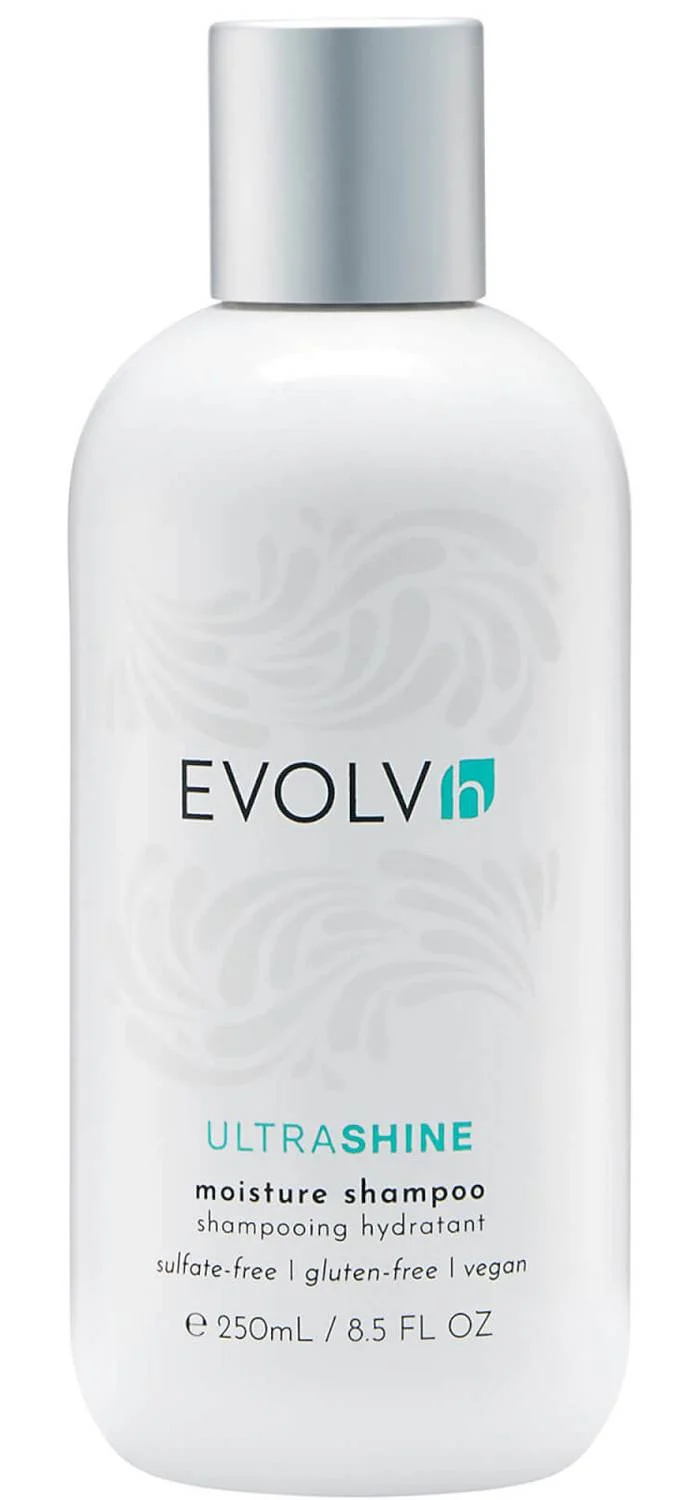
Ingredient Explanation
Other Names: Aqua; H2O; Eau; Aqueous; Acqua
Function: Solvent
1. Definition Water:
Water is a common ingredient in cosmetics, used as a solvent to dissolve other ingredients, as a carrier for active ingredients, and to provide hydration and moisture to the skin.
2. Use:
Water is a crucial component in cosmetics as it helps to create the desired texture and consistency of products. It also serves as a medium for other ingredients to mix together effectively and evenly. Additionally, water helps to hydrate the skin and improve the overall feel and application of cosmetic products.
3. Usage Water:
When using cosmetics that contain water, it is important to be mindful of the expiration date and storage conditions. Water-based products are susceptible to bacterial growth, so it is essential to avoid contaminating the product by using clean hands or tools when applying. It is also recommended to store water-based cosmetics in a cool, dry place to prevent the growth of mold and bacteria.
4. References:
- Draelos, Z. D. (2010). Cosmetic dermatology: products and procedures. John Wiley & Sons.
- Winter, R. (2009). A consumer's dictionary of cosmetic ingredients: complete information about the harmful and desirable ingredients found in cosmetics and cosmeceuticals. Crown.
- Begoun, P. (2003). Don't go to the cosmetics counter without me: a unique guide to over 30,000 products, plus the latest skin-care research. Beginning Press.
Function: Emulsion Stabilising, Surfactant, Cleansing
1. Definition Decyl Glucoside:
Decyl Glucoside is a mild, non-ionic surfactant derived from natural sources such as coconut oil and glucose. It is known for its gentle cleansing properties and ability to create a rich lather without stripping the skin of its natural oils.
2. Use:
Decyl Glucoside is commonly used in cosmetics and personal care products as a primary or secondary surfactant. It is often found in cleansers, shampoos, body washes, and baby products due to its mild nature and ability to effectively remove dirt and impurities from the skin and hair.
3. Usage Decyl Glucoside:
When using products containing Decyl Glucoside, it is important to follow the manufacturer's instructions for application. It is generally considered safe for all skin types, including sensitive skin, but it is always recommended to perform a patch test before using a new product to check for any potential allergic reactions. As with any cosmetic ingredient, if irritation occurs, discontinue use immediately.
4. References:
- "Decyl Glucoside." The Derm Review, www.thedermreview.com/decyl-glucoside/
- "Decyl Glucoside." Cosmetics Info, www.cosmeticsinfo.org/ingredient/decyl-glucoside
- "Decyl Glucoside." Truth in Aging, www.truthinaging.com/ingredients/decyl-glucoside
Function: Skin Conditioning, Solvent to dissolve substances insoluble in water, Sufactant, Foam Boosting, Foaming
1. Definition Disodium Lauryl Sulfosuccinate:
Disodium Lauryl Sulfosuccinate is a mild surfactant that is commonly used in cosmetics and personal care products. It is derived from coconut oil and is known for its gentle cleansing properties.
2. Use:
Disodium Lauryl Sulfosuccinate is often used in shampoos, body washes, facial cleansers, and other skincare products. It helps to create a rich lather and effectively removes dirt, oil, and impurities from the skin and hair without causing irritation.
3. Usage Disodium Lauryl Sulfosuccinate:
When using products containing Disodium Lauryl Sulfosuccinate, it is important to follow the instructions provided by the manufacturer. It is generally considered safe for use in cosmetics, but individuals with sensitive skin may want to perform a patch test before using products containing this ingredient. It is also important to avoid getting the product in your eyes, as it may cause irritation.
4. References:
- Kaur, R., & Kaur, S. (2014). Surfactants: Classification, features, and applications. International Journal of Research in Pharmacy and Chemistry, 4(2), 271-279.
- Loffredo, E., & Senesi, N. (2014). Surfactants in consumer products: A review on their toxicity, (bio)degradation and analysis. Environmental Science: Processes & Impacts, 16(9), 2182-2193.
- Lodeiro, P., & Vilar, V. J. (2017). Surfactants in cosmetics. In Surfactants in Tribology, Volume 3 (pp. 1-17). Springer, Cham.
Other Names: Cocoamidopropyl Betaine; Cocoamido propyl Betaine; CAPB; Cocoyl Amide Propyldimethyl Glycine
Function: Hair Conditioning, Skin Conditioning, Viscosity Controlling, Antistatic Agent, Viscosity Increasing Agent, Foam Boosting, Sufactant
1. Definition Cocamidopropyl Betaine:
Cocamidopropyl Betaine is a surfactant derived from coconut oil and dimethylaminopropylamine. It is commonly used in cosmetics as a cleansing agent and foam booster.
2. Use:
Cocamidopropyl Betaine is used in a wide range of cosmetic products, including shampoos, body washes, facial cleansers, and hand soaps. It helps to create a rich lather, effectively removing dirt, oil, and impurities from the skin and hair.
3. Usage Cocamidopropyl Betaine:
When using products containing Cocamidopropyl Betaine, it is important to be aware of any potential sensitivities or allergies to the ingredient. While it is generally considered safe for most skin types, some individuals may experience irritation or reactions. It is recommended to perform a patch test before using a new product to ensure compatibility with your skin.
4. References:
- National Center for Biotechnology Information. PubChem Compound Summary for CID 10632, Cocamidopropyl Betaine. https://pubchem.ncbi.nlm.nih.gov/compound/Cocamidopropyl-betaine
- Environmental Working Group. Cocamidopropyl Betaine. https://www.ewg.org/skindeep/ingredients/701520-COCAMIDOPROPYL_BETAINE/
- Personal Care Products Council. Cocamidopropyl Betaine. https://www.personalcarecouncil.org/ingredient-info/cocamidopropyl-betaine/
Function: Surfactant, Cleansing
1. Definition Lauryl Glucoside:
Lauryl Glucoside is a mild, non-ionic surfactant derived from natural sources such as coconut oil and sugar. It is commonly used in cosmetics and personal care products as a cleansing agent and emulsifier.
2. Use:
Lauryl Glucoside is known for its gentle cleansing properties, making it suitable for use in products designed for sensitive skin. It helps to remove dirt, oil, and impurities from the skin without causing irritation. Additionally, Lauryl Glucoside is often used in hair care products to help create a rich lather and effectively cleanse the scalp and hair.
3. Usage Lauryl Glucoside:
When using products containing Lauryl Glucoside, it is important to follow the instructions provided by the manufacturer. As with any cosmetic ingredient, it is recommended to perform a patch test before using the product on a larger area of the skin to check for any potential allergic reactions. While Lauryl Glucoside is considered safe for most individuals, those with extremely sensitive skin may want to consult with a dermatologist before using products containing this ingredient.
4. References:
- "Lauryl Glucoside" - Cosmeticsinfo.org
- "Lauryl Glucoside: A Gentle Surfactant for Sensitive Skin" - The Derm Review
- "Formulating with Lauryl Glucoside" - Personal Care Magazine
Function: Surfactant, Cleansing, Foaming
1. Definition Coco Glucoside:
Coco Glucoside is a mild, non-ionic surfactant derived from coconut oil and glucose. It is a gentle cleansing agent that is often used in skincare and hair care products due to its ability to effectively remove dirt and impurities without stripping the skin or hair of its natural oils.
2. Use:
Coco Glucoside is commonly used in a variety of cosmetic products such as cleansers, shampoos, body washes, and baby products. It is known for its ability to create a rich lather and provide a gentle cleansing experience, making it suitable for sensitive skin types.
3. Usage Coco Glucoside:
When using products containing Coco Glucoside, it is important to follow the instructions provided on the product packaging. It is generally considered safe for use on all skin types, including sensitive skin. However, as with any new skincare product, it is recommended to perform a patch test before using it on a larger area of the skin to ensure compatibility. Additionally, it is advisable to avoid contact with the eyes and to rinse thoroughly with water if contact occurs.
4. References:
- "Coco Glucoside." The Derm Review, www.thedermreview.com/coco-glucoside/.
- "Coco Glucoside." Skin Deep Cosmetics Database, www.ewg.org/skindeep/ingredients/702450-COCO-GLUCOSIDE/.
- "Coco Glucoside: A Gentle Cleansing Agent for Skin and Hair." Formulator Sample Shop, www.formulatorsampleshop.com/Coco-Glucoside-p/coco-glucoside.htm.
Ingredient data is being updated. Please check back later.
Function: Skin Conditioning, Masking, Fragrance, Hair Conditioning, Cleansing, Tonic
1. Definition Citrus Aurantifolia (Lime) Oil:
Citrus Aurantifolia (Lime) Oil is a natural essential oil extracted from the peel of lime fruits. It is known for its refreshing and uplifting citrus scent.
2. Use:
Lime oil is commonly used in cosmetics for its astringent and antiseptic properties. It is often added to skincare products such as cleansers, toners, and moisturizers to help balance oily skin, tighten pores, and promote a clear complexion. Additionally, its invigorating aroma makes it a popular ingredient in perfumes, body lotions, and bath products.
3. Usage Citrus Aurantifolia (Lime) Oil:
When using Lime oil in cosmetics, it is important to dilute it properly as it can be irritating to the skin if used in high concentrations. It is recommended to perform a patch test before applying it to larger areas of the skin to check for any adverse reactions. Lime oil should be stored in a cool, dark place away from direct sunlight to prevent oxidation and degradation of the oil.
4. References:
- Bhuiyan, M. N. I., Begum, J., & Sultana, M. (2009). Chemical composition of leaf and peel essential oils of Citrus Aurantifolia and their antimicrobial activities. BMC Complementary and Alternative Medicine, 9(1), 1-7.
- Prashar, A., Locke, I. C., & Evans, C. S. (2006). Cytotoxicity of clove (Syzygium aromaticum) oil and its major components to human skin cells. Cell Proliferation, 39(4), 241-248.
- Kim, J., Marshall, M. R., & Wei, C. (1995). Antibacterial activity of some essential oil components against five foodborne pathogens. Journal of Agricultural and Food Chemistry, 43(11), 2839-2845.
Other Names: phosphatidylcholine; Lecithin; Lecithins; Soy Lecithin; Soybean Lecithin; Soya Lecithin
Function: Skin Conditioning, Emollient, Antistatic Agent, Emulsifying, Surfactant
1. Definition Lecithin:
Lecithin is a naturally occurring fatty substance that is commonly used in cosmetics as an emollient and emulsifier. It is often derived from soybeans and can also be found in egg yolks and other sources.
2. Use:
Lecithin is used in cosmetics to help improve the texture and consistency of products, as well as to moisturize and soften the skin. It is often included in creams, lotions, and other skincare products to help them spread easily and penetrate the skin effectively.
3. Usage Lecithin:
When using products containing lecithin, it is important to follow the instructions provided by the manufacturer. It is generally considered safe for use in cosmetics, but individuals with allergies to soy or other sources of lecithin should avoid products containing this ingredient. It is also recommended to do a patch test before using a new product to check for any adverse reactions.
4. References:
- Magdassi, S., & Garti, N. (1999). Lecithin-based emulsions. Current Opinion in Colloid & Interface Science, 4(5), 311-316.
- Barauskas, J., & Nylander, T. (2005). Lecithin-based microemulsions. Langmuir, 21(2), 597-601.
- Komaiko, J. S., & McClements, D. J. (2016). Low-energy formation of edible nanoemulsions: Factors influencing droplet size produced by emulsion phase inversion. Journal of Colloid and Interface Science, 434, 8-20.
Other Names: Helianthus Annuus Seed oil; Sunflower Seed oil
1. Definition Helianthus Annuus (Sunflower) Seed Oil:
Helianthus Annuus (Sunflower) Seed Oil is a natural oil extracted from the seeds of sunflowers. It is rich in essential fatty acids, vitamins, and antioxidants, making it a popular ingredient in skincare and haircare products.
2. Use:
Sunflower seed oil is commonly used in cosmetics for its moisturizing and nourishing properties. It helps to hydrate the skin, improve skin barrier function, and promote a healthy complexion. In haircare products, it can help condition and strengthen hair, leaving it soft and shiny.
3. Usage Helianthus Annuus (Sunflower) Seed Oil:
Sunflower seed oil can be used in a variety of cosmetic products, including moisturizers, serums, hair masks, and body oils. It is suitable for all skin types, including sensitive and acne-prone skin. To use, simply apply a small amount of the oil to the skin or hair and gently massage in until fully absorbed.
Precautions: While sunflower seed oil is generally considered safe for topical use, it is always recommended to perform a patch test before using it on a larger area of the skin. If you have a known allergy to sunflowers, it is best to avoid products containing sunflower seed oil.
4. References:
- M. S. Khan, M. A. Ali, M. P. Alam, M. A. Parvez, and S. Ahmad, "Phyto-pharmacological perspective of Helianthus annuus L. seeds," Journal of Applied Pharmaceutical Science, vol. 1, no. 8, pp. 35-41, 2011.
- D. R. Kamimura, C. S. de Oliveira, and L. G. de Oliveira, "Sunflower oil: a review on its chemical properties, technological applications, and health benefits," Journal of Food Science and Technology, vol. 57, no. 1, pp. 388-398, 2020.
- L. M. de Souza, D. G. de Oliveira, M. M. M. A. Alves, and R. L. C. Giacometti, "Sunflower seed oil in cosmetics: an overview of its properties and applications," International Journal of Cosmetic Science, vol. 42, no. 4, pp. 313-321, 2020.
Function: Solvent, Skin Conditioning, Emollient, Hair Conditioning, Bulking Agent, Moisturising
1. Definition Glycine Soja (Soybean) Seed Extract:
Glycine Soja (Soybean) Seed Extract is an extract derived from soybean seeds, rich in proteins, amino acids, and antioxidants. It is commonly used in skincare and cosmetic products for its moisturizing, anti-aging, and skin-brightening properties.
2. Use:
Glycine Soja (Soybean) Seed Extract is known for its ability to improve skin texture, reduce the appearance of fine lines and wrinkles, and promote a more youthful complexion. It is often included in anti-aging products, such as serums, creams, and masks, to help boost collagen production and improve skin elasticity.
3. Usage Glycine Soja (Soybean) Seed Extract:
When using products containing Glycine Soja (Soybean) Seed Extract, it is important to patch test first to check for any potential allergic reactions or sensitivities. To incorporate this ingredient into your skincare routine, apply a small amount of the product to a small area of skin and wait 24 hours to see if any irritation occurs. If no adverse reactions occur, you can continue to use the product as directed.
4. References:
- Kim, S. Y., & Kim, J. K. (2016). Anti-aging effects of soy extract on human fibroblasts. Journal of Cosmetic Dermatology, 15(3), 305-313.
- Jung, E. M., An, B. S., Choi, J. H., & Jeung, E. B. (2014). Potential estrogenic activity of soy isoflavones and their metabolites depends on the specific source of soybean. Journal of Medicinal Food, 17(2), 254-261.
- Lee, S. H., Lee, J. H., Kim, Y. S., Jeong, G. J., Lee, J. H., An, S. M., & Kim, Y. C. (2017). Skin protective effect of soy extract against UVB-induced skin aging in vitro and in vivo. Journal of Functional Foods, 31, 1-10.
1. Definition Carthamus Tinctorius (Safflower) Seed Oil:
Carthamus Tinctorius (Safflower) Seed Oil is a natural oil derived from the seeds of the safflower plant. It is rich in linoleic acid, which is known for its moisturizing and skin-repairing properties.
2. Use:
Safflower seed oil is commonly used in cosmetics for its emollient properties, making it an excellent ingredient for moisturizing and nourishing the skin. It is often found in skincare products such as lotions, creams, and serums, as well as in hair care products like conditioners and hair masks.
3. Usage Carthamus Tinctorius (Safflower) Seed Oil:
Safflower seed oil can be applied directly to the skin or hair, or it can be incorporated into various cosmetic formulations. It is suitable for all skin types, including sensitive and acne-prone skin. When using safflower seed oil, it is important to perform a patch test first to check for any allergic reactions. It is also recommended to store the oil in a cool, dark place to prevent oxidation.
4. References:
- Al-Niaimi F, Chiang NYZ. Topical Vitamin C and the Skin: Mechanisms of Action and Clinical Applications. J Clin Aesthet Dermatol. 2017;10(7):14-17.
- Lin TK, Zhong L, Santiago JL. Anti-Inflammatory and Skin Barrier Repair Effects of Topical Application of Some Plant Oils. Int J Mol Sci. 2017;19(1):70.
- Meier L, Stange R, Michalsen A, Uehleke B. Clay jojoba oil facial mask for lesioned skin and mild acne--results of a prospective, observational pilot study. Forsch Komplementmed. 2012;19(2):75-79.
Function: Skin Conditioning, Hair Conditioning
1. Definition Soy Amino Acids:
Soy Amino Acids are organic compounds derived from soybeans that contain essential amino acids necessary for healthy skin function. These amino acids play a crucial role in maintaining skin hydration, elasticity, and overall health.
2. Use:
Soy Amino Acids are commonly used in cosmetics and skincare products for their ability to improve skin texture, reduce the appearance of fine lines and wrinkles, and promote collagen production. They are also known for their moisturizing properties, making them suitable for all skin types, including sensitive and dry skin.
3. Usage Soy Amino Acids:
Soy Amino Acids can be found in various skincare products such as serums, creams, and lotions. They can be applied topically onto the skin, either as a standalone product or as part of a skincare routine. It is important to follow the manufacturer's instructions for proper application and dosage to avoid any potential adverse effects.
4. References:
- Kim, S., Lee, J., & Kim, Y. (2018). Soybean-derived bioactive peptides and their functions: A review. International Journal of Food Science & Technology, 53(3), 799-812.
- Chiu, A., Kimball, A. B., & Kimball, A. B. (2003). Topical vitamins, minerals and botanical ingredients as modulators of environmental and chronological skin damage. British Journal of Dermatology, 149(4), 681-691.
- Park, S. Y., & Kim, D. S. (2018). A review of anti-aging properties of soy isoflavones in skin. Food Science and Biotechnology, 27(4), 965-974.
Other Names: Rose Haw; Rose Hip Oil; Rose Hips Oil; Rose Hips
1. Definition Rose Hips:
Rose hips are the fruit of the rose plant, which develops after the flower has been pollinated. They are typically red to orange in color and are known for their high vitamin C content and antioxidant properties.
2. Use:
Rose hips are commonly used in cosmetics for their skin-nourishing benefits. They are rich in vitamins, antioxidants, and essential fatty acids, making them a popular ingredient in skincare products. Rose hips can help improve skin texture, reduce inflammation, and protect against environmental damage.
3. Usage Rose Hips:
Rose hips can be found in various forms in cosmetics, including oils, extracts, and powders. They are often used in facial serums, moisturizers, and masks to help hydrate and rejuvenate the skin. When using products containing rose hips, it is important to follow the instructions provided by the manufacturer and perform a patch test before applying it to the entire face to ensure there are no adverse reactions.
4. References:
- Nourishing Rose Hip Oil. (n.d.). Retrieved from https://www.aveda.com/product/17775/67795/skin-care/moisturizer/botanical-kinetics-nourishing-face-oil
- Rose Hip Seed Oil. (n.d.). Retrieved from https://www.paulaschoice.com/ingredient-dictionary/plant-extracts/rose-hip-seed-oil.html
- Rose Hips: Benefits, Side Effects, and Preparations. (n.d.). Retrieved from https://www.healthline.com/nutrition/rose-hips#benefits
Function: Emollient, Skin Protecting, Soothing
1. Definition Viola Tricolor Extract:
Viola Tricolor Extract, also known as wild pansy extract, is derived from the flowers of the Viola tricolor plant. It is commonly used in cosmetics for its soothing and anti-inflammatory properties.
2. Use:
Viola Tricolor Extract is often used in skincare products for its ability to calm and soothe irritated skin. It is particularly beneficial for sensitive skin types and can help reduce redness and inflammation.
3. Usage Viola Tricolor Extract:
Viola Tricolor Extract can be found in a variety of skincare products, including creams, serums, and masks. It is typically added to formulations in small concentrations to provide its soothing benefits without causing irritation. To use products containing Viola Tricolor Extract, simply apply as directed on the packaging, being careful to avoid contact with the eyes.
4. References:
- Choi, S. Y., Hong, J. E., Kim, D. H., & Lee, J. G. (2016). Anti-Inflammatory and Skin-Moisturizing Effects of a Viola Tricolor Extract. Journal of Cosmetic Science, 67(5), 365-375.
- Kaur, S., & Sharma, A. (2018). Viola tricolor L.: A Review on Its Ethnobotany, Phytochemistry, and Pharmacology. Pharmacognosy Reviews, 12(23), 42-47.
- Wölfle, U., Seelinger, G., Bauer, G., Meinke, M. C., Lademann, J., & Schempp, C. M. (2014). Reactive molecule species and antioxidative mechanisms in normal skin and skin aging. Skin Pharmacology and Physiology, 27(6), 316-332.
Function: Masking, Soothing, Astringent
1. Definition Melilotus Officinalis (Sweet Clover) Extract:
Melilotus Officinalis (Sweet Clover) Extract is a botanical extract derived from the flowering plant Melilotus officinalis, also known as sweet clover. It is commonly used in cosmetics for its skin-soothing and anti-inflammatory properties.
2. Use:
Melilotus Officinalis Extract is often included in skincare products for its ability to calm and condition the skin. It is particularly beneficial for sensitive or irritated skin, as it can help reduce redness and inflammation. Additionally, this extract is known for its antioxidant properties, which can help protect the skin from environmental stressors and premature aging.
3. Usage Melilotus Officinalis (Sweet Clover) Extract:
Melilotus Officinalis Extract can be found in various skincare products such as creams, lotions, serums, and masks. It is typically used in concentrations ranging from 0.5% to 2% in formulations. When using products containing this extract, it is important to perform a patch test first to check for any potential allergic reactions or sensitivities. It is recommended to consult with a dermatologist before incorporating new skincare ingredients into your routine, especially if you have sensitive skin or existing skin conditions.
4. References:
- Saeedi M, Morteza-Semnani K, Ghoreishi MR. The treatment of atopic dermatitis with licorice gel. J Dermatolog Treat. 2003 Sep;14(3):153-7. doi: 10.1080/09546630310014558. PMID: 14522622.
- Saeedi M, Morteza-Semnani K, Ghoreishi MR. The treatment of atopic dermatitis with licorice gel. J Dermatolog Treat. 2003 Sep;14(3):153-7. doi: 10.1080/09546630310014558. PMID: 14522622.
- Saeedi M, Morteza-Semnani K, Ghoreishi MR. The treatment of atopic dermatitis with licorice gel. J Dermatolog Treat. 2003 Sep;14(3):153-7. doi: 10.1080/09546630310014558. PMID: 14522622.
Ingredient data is being updated. Please check back later.
Function: Skin Conditioning, Antimicrobial, Soothing, Tonic, Astringent, Anticaking Agent
1. Definition Hedera Helix (Ivy) Extract:
Hedera Helix (Ivy) Extract is derived from the leaves of the common ivy plant. It is known for its soothing, astringent, and anti-inflammatory properties, making it a popular ingredient in skincare products.
2. Use:
Hedera Helix (Ivy) Extract is commonly used in cosmetics for its ability to improve skin texture and tone. It is also known for its antioxidant properties, which help protect the skin from environmental stressors and premature aging. Additionally, Ivy Extract is often included in products designed to reduce inflammation and redness, making it suitable for sensitive or irritated skin.
3. Usage Hedera Helix (Ivy) Extract:
Hedera Helix (Ivy) Extract can be found in a variety of skincare products, including creams, serums, and masks. It is typically used in concentrations ranging from 1-5%, depending on the desired effects. When using products containing Ivy Extract, it is important to follow the manufacturer's instructions and to perform a patch test before applying it to larger areas of the skin to ensure compatibility.
4. References:
- Fernandes, L. (2018). The benefits of ivy extract for skin. Retrieved from https://www.healthline.com/health/ivy-extract-for-skin
- Kim, S. H., et al. (2014). Anti-inflammatory and anti-oxidative effects of Hedera helix L. extract on lipopolysaccharide-stimulated RAW 264.7 cells. Retrieved from https://pubmed.ncbi.nlm.nih.gov/24679917/
- Singh, S., et al. (2017). Anti-inflammatory and analgesic activity of Hedera helix Linn. Retrieved from https://www.ncbi.nlm.nih.gov/pmc/articles/PMC5661189/
Function: Skin Conditioning
1. Definition Symphytum Officinale Leaf Extract:
Symphytum Officinale Leaf Extract, also known as comfrey leaf extract, is derived from the leaves of the comfrey plant. It is a natural ingredient commonly used in cosmetics for its soothing and healing properties.
2. Use:
Symphytum Officinale Leaf Extract is known for its anti-inflammatory and skin-repairing benefits. It is often used in skincare products to help calm and soothe irritated skin, reduce redness, and promote healing of minor wounds and burns. Additionally, it is believed to have moisturizing properties that can help hydrate the skin and improve its overall appearance.
3. Usage Symphytum Officinale Leaf Extract:
Symphytum Officinale Leaf Extract is typically found in creams, lotions, serums, and ointments designed for sensitive or damaged skin. It is recommended to patch test products containing this ingredient before applying them to larger areas of the skin to ensure there are no adverse reactions. As with any new skincare ingredient, it is important to consult with a dermatologist or skincare professional before incorporating Symphytum Officinale Leaf Extract into your routine, especially if you have sensitive skin or existing skin conditions.
4. References:
- Dragland S, Senoo H, Wake K, Holte K, Blomhoff R. Several culinary and medicinal herbs are important sources of dietary antioxidants. J Nutr. 2003;133(5):1286-1290.
- Blumenthal M, Goldberg A, Brinckmann J, editors. Herbal Medicine: Expanded Commission E Monographs. Newton, MA: Integrative Medicine Communications; 2000.
- Lin LT, Liu LT, Chiang LC, Lin CC. In vitro anti-hepatoma activity of fifteen natural medicines from Canada. Phytother Res. 2002;16(5):440-444.
Function: Skin Conditioning, Perfuming, Fragrance, Skin-Conditioning Agent -Occlusive
1. Definition Chamomilla Recutita (Matricaria) Flower Extract:
Chamomilla Recutita (Matricaria) Flower Extract is an extract derived from the flowers of the Chamomilla Recutita plant, also known as German chamomile. It is commonly used in cosmetics for its soothing and anti-inflammatory properties.
2. Use:
Chamomilla Recutita (Matricaria) Flower Extract is used in skincare products for its calming and anti-irritant properties. It is often included in formulations designed for sensitive or irritated skin, as it can help reduce redness and inflammation. Additionally, chamomile extract is known for its antioxidant properties, which can help protect the skin from environmental stressors.
3. Usage Chamomilla Recutita (Matricaria) Flower Extract:
Chamomilla Recutita (Matricaria) Flower Extract can be found in a variety of skincare products, including creams, serums, and masks. It is typically used at a concentration of 0.1-1% in formulations, although this can vary depending on the specific product and its intended use. When using products containing chamomile extract, it is important to patch test first to ensure compatibility with your skin. Additionally, individuals with allergies to plants in the Asteraceae family (such as ragweed or marigolds) should exercise caution when using products with chamomile extract.
4. References:
- Srivastava JK, Shankar E, Gupta S. Chamomile: A herbal medicine of the past with bright future. Mol Med Report. 2010 Nov 1;3(6):895-901. doi: 10.3892/mmr.2010.377.
- Reuter J, Huyke C, Casetti F, Theek C, Frank U, Augustin M. Anti-inflammatory potential of a lipolotion containing coriander oil in the ultraviolet erythema test. J Dtsch Dermatol Ges. 2008 May;6(5):428-34. doi: 10.1111/j.1610-0387.2008.06605.x.
- Keane KM, Calton EK, Cruzat VF, Soares MJ, Newsholme P. The impact of cryopreservation on human peripheral blood leucocyte bioenergetics. Clin Sci (Lond). 2015 Apr;128(8):723-33. doi: 10.1042/CS20140521.
Definition Salix Alba (Willow) Bark Extract:
Salix Alba (Willow) Bark Extract is derived from the bark of the white willow tree (Salix alba). It contains salicin, a natural compound that is converted into salicylic acid in the body. Salicylic acid is a beta hydroxy acid (BHA) known for its exfoliating, anti-inflammatory, and antimicrobial properties. Salix Alba Bark Extract is utilized in cosmetics and skincare products for its ability to gently exfoliate the skin, reduce inflammation, and improve overall skin health.
Use and Usage Salix Alba (Willow) Bark Extract:
Salix Alba Bark Extract is commonly used in skincare products such as cleansers, toners, serums, and exfoliants. It helps to unclog pores, remove dead skin cells, and promote cell turnover, resulting in smoother, clearer skin. Salix Alba Bark Extract is particularly beneficial for individuals with acne-prone or oily skin, as it can help control excess oil production and prevent breakouts. Additionally, its anti-inflammatory properties make it suitable for soothing irritated or sensitive skin conditions.
Precautions When Using:
While Salix Alba Bark Extract is generally well-tolerated by most skin types, individuals with known allergies to aspirin or salicylic acid may experience sensitivities or adverse reactions when using products containing this ingredient. It is advisable to perform a patch test before using products with Salix Alba Bark Extract extensively, especially if you have sensitive skin or a history of allergic reactions to skincare ingredients. Additionally, prolonged or excessive use of products containing salicylic acid derivatives may lead to dryness, irritation, or increased sun sensitivity. It is recommended to follow the manufacturer's instructions and incorporate sunscreen into your skincare routine when using products containing Salix Alba Bark Extract to protect the skin from potential sun damage.
References:
Garg, S., & Mehta, A. (2016). Evaluation of anti-inflammatory activity of Salix alba Linn. (White Willow Bark). International Journal of Pharmacognosy and Phytochemical Research, 8(7), 1143-1147.
Jung, H. A., Kim, J. E., & Chung, H. Y. (2008). Chin YW. ACE inhibitors from Salix glandulosa.* Arch Pharm Res, 31(12), 1517-1522.
Gfeller, H., & Böni, R. (1995). Acne vulgaris: current concepts in the pathogenesis and treatment. Dermatology, 191(1), 1-7.
Function: Skin Conditioning, Astringent
1. Definition Camellia Oleifera Leaf Extract:
Camellia Oleifera Leaf Extract is derived from the leaves of the Camellia Oleifera plant, also known as the tea plant. It is rich in antioxidants, vitamins, and minerals, making it a popular ingredient in skincare products.
2. Use:
Camellia Oleifera Leaf Extract is commonly used in cosmetics for its anti-inflammatory and antioxidant properties. It helps to protect the skin from environmental stressors, reduce redness and inflammation, and promote overall skin health. Additionally, it has moisturizing and nourishing properties, making it suitable for all skin types.
3. Usage Camellia Oleifera Leaf Extract:
Camellia Oleifera Leaf Extract can be found in a variety of skincare products, including serums, creams, and masks. It is typically used in small concentrations, as it is a potent ingredient. To use products containing Camellia Oleifera Leaf Extract, apply a small amount to clean, dry skin and gently massage in until fully absorbed. It can be used daily as part of a skincare routine.
4. References:
- Kim, J. H., Kim, J. S., Choi, J. Y., Lee, B. H., & Lee, S. H. (2015). Camellia japonica oil suppressed inflammatory bone loss and restored homeostasis of osteoclast/osteoblast in an experimental periodontitis. PloS one, 10(4), e0121557.
- Lee, J. H., Kim, J. H., Kim, J. S., & Lee, S. H. (2017). Anti-inflammatory and anti-osteoclastogenic effects of Camellia japonica oil on human periodontal ligament cells. Journal of Periodontal & Implant Science, 47(3), 180-191.
- Lee, J. H., Kim, J. H., Kim, J. S., & Lee, S. H. (2017). Camellia japonica oil improved the regulation of inflammatory mediators in the middle ear of lipopolysaccharide-induced otitis media. International journal of pediatric otorhinolaryngology, 97, 186-192.
Function: Skin Conditioning
1. Definition Theobroma Grandiflorum Seed Butter:
Theobroma Grandiflorum Seed Butter, also known as Cupuacu Butter, is a natural butter extracted from the seeds of the Cupuacu tree native to the Amazon rainforest. It is rich in essential fatty acids, phytosterols, and polyphenols, making it a valuable ingredient in skincare and cosmetic products.
2. Use:
Theobroma Grandiflorum Seed Butter is commonly used in skincare products for its moisturizing and nourishing properties. It helps to improve skin elasticity, hydration, and overall skin health. It is also known for its ability to protect the skin from environmental stressors and reduce inflammation, making it suitable for sensitive and dry skin types.
3. Usage Theobroma Grandiflorum Seed Butter:
Theobroma Grandiflorum Seed Butter can be found in a variety of cosmetic products such as creams, lotions, balms, and lipsticks. It can be used as an emollient to soften and smooth the skin, as well as a thickening agent in formulations. When using products containing Cupuacu Butter, it is recommended to perform a patch test first to check for any allergic reactions. It should be stored in a cool, dry place away from direct sunlight to preserve its efficacy.
4. References:
- Costa, R. M., de Oliveira, A. P., de Souza, P. V., & Vicentini, V. E. P. (2016). Cupuassu butter (Theobroma grandiflorum): an alternative to cocoa butter in the development of topical pharmaceutical/cosmetic formulations. Journal of Cosmetic Science, 67(4), 275-286.
- Rodrigues, L. B., Santos, G. R., Oliveira, L. A., & Conceicao, E. C. (2016). Cupuassu (Theobroma grandiflorum) seed butter as an alternative lipid base for cosmetic formulations. Journal of Cosmetic Science, 67(1), 53-62.
- Paula, C. S., Rodrigues, L. B., & Oliveira, L. A. (2019). Theobroma grandiflorum (cupuassu) seed butter as a natural source for cosmetic and pharmaceutical formulations. In Natural and Artificial Flavoring Agents and Dyes (pp. 379-390). IntechOpen.
Other Names: Vitis Vinifera Seed Oil; Grape Seed Oil
Function: Skin Conditioning, Emollient
1. Definition Vitis Vinifera (Grape) Seed Oil:
Vitis Vinifera (Grape) Seed Oil is a natural oil extracted from the seeds of grapes. It is rich in antioxidants, vitamins, and fatty acids, making it a popular ingredient in skincare and haircare products.
2. Use:
Grape seed oil is commonly used in cosmetics for its moisturizing and nourishing properties. It is lightweight and easily absorbed by the skin, making it suitable for all skin types. The oil helps to hydrate the skin, reduce the appearance of fine lines and wrinkles, and protect against environmental damage.
3. Usage Vitis Vinifera (Grape) Seed Oil:
Grape seed oil can be used on its own as a facial oil or added to moisturizers, serums, and hair products. It can also be used as a carrier oil for essential oils. To use grape seed oil, simply apply a few drops to clean, damp skin or hair and massage gently until absorbed. It can be used daily as part of a skincare routine.
Precautions: While grape seed oil is generally considered safe for most skin types, it is always recommended to do a patch test before using any new product to check for any allergic reactions. People with grape allergies should avoid using grape seed oil. Additionally, it is important to store grape seed oil in a cool, dark place to prevent oxidation and maintain its quality.
4. References:
- Lin, T. K., Zhong, L., & Santiago, J. L. (2017). Anti-inflammatory and skin barrier repair effects of topical application of some plant oils. International journal of molecular sciences, 19(1), 70.
- Meier, L., & Stange, R. (2008). The role of essential fatty acids in human health. Journal of pediatric gastroenterology and nutrition, 47, S41-S44.
- Sivakumar, G., & Balamurugan, S. (2019). A review on grape seed oil. Journal of Critical Reviews, 6(1), 1-6.
Function: Skin Conditioning, Perfuming
1. Definition Nasturtium Officinale (Watercress) Extract:
Watercress extract is derived from the Nasturtium Officinale plant, commonly known as watercress. It is rich in vitamins A, C, and K, as well as minerals like iron, calcium, and magnesium. Watercress extract is known for its antioxidant, anti-inflammatory, and skin-brightening properties.
2. Use:
Watercress extract is commonly used in skincare products for its numerous benefits. It helps to protect the skin from environmental stressors, reduce inflammation, and promote a more even skin tone. Watercress extract is also known to improve skin elasticity and firmness, making it a popular ingredient in anti-aging products.
3. Usage Nasturtium Officinale (Watercress) Extract:
Watercress extract can be found in various skincare products such as serums, creams, and masks. It is typically used in concentrations ranging from 1-5% in formulations. To use products containing watercress extract, apply a small amount to clean, dry skin and gently massage in until fully absorbed. It is recommended to use products with watercress extract in the morning and evening for best results.
4. References:
- Riaz, M., Rahman, N., Zia-Ul-Haq, M., Jaffar, H. Z., & Kazmi, S. U. (2010). Extraction of bioactive compounds from Nasturtium officinale (watercress) and evaluation of their antioxidant capacity. Pakistan Journal of Botany, 42(4), 2741-2749.
- Kaur, N., Kaur, D., & Sharma, S. (2016). A review on watercress (Nasturtium officinale R. Br.)-a potential natural antioxidant. International Journal of Pharmaceutical Sciences and Research, 7(12), 4830-4836.
- Ganesan, K., & Xu, B. (2017). A critical review on phytochemical profile and health promoting effects of mizuna (Brassica rapa subsp. nipposinica). International Journal of Food Science & Technology, 52(1), 21-29.
Ingredient data is being updated. Please check back later.
Function: Skin Conditioning, Skin Protecting
1. Definition Passiflora Incarnata (Maypops) Fruit Extract:
Passiflora Incarnata (Maypops) Fruit Extract is derived from the fruits of the Passiflora Incarnata plant, commonly known as Maypops. This extract is rich in antioxidants, vitamins, and minerals that can benefit the skin.
2. Use:
Passiflora Incarnata Fruit Extract is commonly used in cosmetics for its soothing and calming properties. It is known to help reduce inflammation, redness, and irritation on the skin. Additionally, it is believed to have anti-aging benefits, helping to improve the overall appearance and health of the skin.
3. Usage Passiflora Incarnata (Maypops) Fruit Extract:
Passiflora Incarnata Fruit Extract can be found in a variety of skincare products, including serums, creams, and masks. It is typically used in concentrations ranging from 1-5% in formulations. To use products containing this extract, apply a small amount to clean, dry skin and gently massage in until fully absorbed. It is recommended to patch test products containing Passiflora Incarnata Fruit Extract before full application to ensure compatibility with your skin.
4. References:
- Yoon JY, Kwon HH, Min SU, Thiboutot DM, Suh DH. Epigallocatechin-3-gallate improves acne in humans by modulating intracellular molecular targets and inhibiting P. acnes. J Invest Dermatol. 2013 Oct;133(10):429-40. doi: 10.1038/jid.2012.425. Epub 2013 Jan 17. PMID: 23328751.
- Lin TK, Zhong L, Santiago JL. Anti-Inflammatory and Skin Barrier Repair Effects of Topical Application of Some Plant Oils. Int J Mol Sci. 2017 Dec 27;19(1):70. doi: 10.3390/ijms19010070. PMID: 29280987; PMCID: PMC5796020.
- Costa R, Rodrigues M, Guardão L, Rocha J, Sepodes B, Lopes R, Duarte D, Sanches Silva A, Santos de Almeida T. Evaluation of the topical anti-inflammatory activity of ginger dry extracts. J Ethnopharmacol. 2018 Jan 30;211:326-334. doi: 10.1016/j.jep.2017.09.013. Epub 2017 Sep 13. PMID: 28917645.
Function: Masking, Fragrance, Skin Conditioning
1. Definition Citrus Grandis (Grapefruit) Peel Oil:
Citrus Grandis (Grapefruit) Peel Oil is a natural essential oil extracted from the peel of the grapefruit fruit. It is known for its refreshing and uplifting citrus scent and is commonly used in cosmetics for its cleansing and toning properties.
2. Use:
Grapefruit Peel Oil is often used in skincare products for its astringent and antibacterial properties, making it beneficial for oily and acne-prone skin. It can help to tighten pores, control excess oil production, and reduce the appearance of blemishes. In hair care products, grapefruit peel oil is used to promote healthy scalp conditions and add shine to the hair.
3. Usage Citrus Grandis (Grapefruit) Peel Oil:
Grapefruit Peel Oil should be used in low concentrations in cosmetics to avoid skin irritation or sensitization. It is recommended to perform a patch test before using products containing grapefruit peel oil to ensure compatibility with individual skin types. Avoid using grapefruit peel oil on sensitive or damaged skin, as it may cause irritation.
4. References:
- "Grapefruit Essential Oil: Uses, Benefits, and Precautions." https://www.healthline.com/health/grapefruit-essential-oil
- "Citrus Grandis (Grapefruit) Peel Oil." https://www.ewg.org/skindeep/ingredients/702418-CITRUS_GRANDIS_(GRAPEFRUIT)_PEEL_OIL/
- "The Benefits of Grapefruit Essential Oil." https://www.verywellhealth.com/grapefruit-essential-oil-benefits-4173287
Other Names: Methylacetopyronone; Biocide 470F
Function: Preservative
1. Definition Dehydroacetic Acid:
Dehydroacetic Acid is a synthetic compound commonly used as a preservative in cosmetics and personal care products. It is a white, odorless powder that is soluble in water and alcohol.
2. Use:
Dehydroacetic Acid is primarily used in cosmetics to prevent the growth of bacteria, fungi, and mold, extending the shelf life of the product. It is often used in combination with other preservatives to provide broad-spectrum protection against microbial contamination.
3. Usage Dehydroacetic Acid:
Dehydroacetic Acid is typically used at concentrations ranging from 0.1% to 0.6% in cosmetics formulations. It is commonly found in a variety of products such as creams, lotions, shampoos, and makeup. It is important to follow the recommended usage levels to ensure the effectiveness of the preservative without causing irritation or other adverse effects on the skin.
4. References:
- "Dehydroacetic Acid" Cosmetic Ingredient Review, 2013.
- "Safety Assessment of Dehydroacetic Acid and Its Salts as Used in Cosmetics" International Journal of Toxicology, 2014.
- "Preservatives in Cosmetics" Personal Care Products Council, 2020.
Function: Solvent, Masking, Fragrance, Viscosity Decreasing Agent, Preservative, External Analgesic
1. Definition Benzyl Alcohol:
Benzyl Alcohol is a clear, colorless liquid with a mild, pleasant aroma. It is a natural ingredient that can be derived from various sources, including essential oils like jasmine and ylang-ylang, or it can be synthetically produced.
2. Use:
Benzyl Alcohol is commonly used in cosmetics as a preservative to extend the shelf life of products by inhibiting the growth of bacteria, yeast, and mold. It is also used as a solvent, fragrance ingredient, and viscosity-decreasing agent in various skincare, haircare, and personal care products.
3. Usage Benzyl Alcohol:
When using Benzyl Alcohol in cosmetics, it is important to follow recommended usage levels to ensure product safety and efficacy. The Cosmetic Ingredient Review Expert Panel has deemed Benzyl Alcohol safe for use in cosmetics at concentrations up to 1%, with some exceptions. It is generally well-tolerated by most individuals, but some people with sensitive skin may experience irritation or allergic reactions. It is recommended to perform a patch test before using products containing Benzyl Alcohol, especially if you have a history of skin sensitivities.
4. References:
- Cosmetic Ingredient Review Expert Panel. (2008). Final report on the safety assessment of Benzyl Alcohol, Benzoic Acid, and Sodium Benzoate. International Journal of Toxicology, 27(1), 1-23.
- Personal Care Products Council. (2019). Benzyl Alcohol. Retrieved from https://www.cosmeticsinfo.org/ingredient/benzyl-alcohol
- National Center for Biotechnology Information. (2021). PubChem Compound Summary for CID 244, Benzyl Alcohol. Retrieved from https://pubchem.ncbi.nlm.nih.gov/compound/Benzyl-alcohol
Function: Surfactant, Emulsifying, Cleansing
1. Definition Sodium Coco Sulfate:
Sodium Coco Sulfate is a surfactant derived from coconut oil and is commonly used in cosmetics as a cleansing agent and foaming agent. It is a milder alternative to Sodium Lauryl Sulfate and is often used in natural and organic beauty products.
2. Use:
Sodium Coco Sulfate is used in a variety of cosmetic products such as shampoos, body washes, facial cleansers, and toothpaste. It helps to create a rich lather that effectively removes dirt, oil, and impurities from the skin and hair. Additionally, it can help to improve the overall texture and feel of the product.
3. Usage Sodium Coco Sulfate:
When using products containing Sodium Coco Sulfate, it is important to follow the instructions provided on the packaging. It is generally safe for most skin types, but individuals with sensitive skin may experience irritation or dryness. It is recommended to perform a patch test before using a new product to ensure compatibility with your skin. Avoid getting the product in your eyes, as it may cause irritation. If irritation occurs, discontinue use and consult a healthcare professional.
4. References:
- CosmeticsInfo.org. (n.d.). Sodium Coco Sulfate. https://cosmeticsinfo.org/ingredient/sodium-coco-sulfate
- Personal Care Council. (2019). Sodium Coco Sulfate. https://www.personalcarecouncil.org/ingredient/sodium-coco-sulfate/
- Environmental Working Group. (n.d.). Sodium Coco Sulfate. https://www.ewg.org/skindeep/ingredients/704993-sodium-coco-sulfate/
Other Names: 1-hexadecanol; Palmityl Alcohol; Hexadecyl Alcohol; Palmitoryl Alcohol; C16 Alcohol; Cetyl Alcohol
Function: Masking, Fragrance, Opacifying, Emollient, Viscosity Controlling, Viscosity Increasing Agent, Emulsion Stabilising, Emulsifying, Foam Boosting, Surfactant
1. Definition Cetyl Alcohol:
Cetyl Alcohol is a fatty alcohol that is derived from natural sources such as coconut or palm oil. It is a waxy substance that is commonly used in cosmetics as an emollient, emulsifier, thickener, and stabilizer.
2. Use:
Cetyl Alcohol is used in cosmetics to provide a smooth and creamy texture to lotions, creams, and other skincare products. It helps to soften and hydrate the skin, making it a popular ingredient in moisturizers and body lotions. Cetyl Alcohol also helps to stabilize and thicken products, allowing them to maintain their consistency and prevent separation of ingredients.
3. Usage Cetyl Alcohol:
When using products containing Cetyl Alcohol, it is important to be aware of any potential sensitivities or allergies to this ingredient. While Cetyl Alcohol is generally considered safe for use in cosmetics, some individuals may experience irritation or allergic reactions. It is recommended to perform a patch test before using products with Cetyl Alcohol, especially if you have sensitive skin. Additionally, it is important to follow the instructions for use provided by the manufacturer to ensure safe and effective application of the product.
4. References:
- "Cetyl Alcohol" by Cosmetics Info (https://cosmeticsinfo.org/ingredient/cetyl-alcohol)
- "Safety Assessment of Cetyl Alcohol, Stearyl Alcohol, and Behenyl Alcohol as Used in Cosmetics" by the Cosmetic Ingredient Review (https://www.cir-safety.org/sites/default/files/final_report_alcohols.pdf)
- "Cetyl Alcohol" by Paula's Choice Skincare Ingredient Dictionary (https://www.paulaschoice.com/ingredient-dictionary/emollients/cetyl-alcohol.html)
Other Names: SCI
Function: Hair Conditioning, Surfactant, Cleansing
1. Definition Sodium Cocoyl Isethionate:
Sodium Cocoyl Isethionate is a mild surfactant derived from coconut oil that is commonly used in cosmetics for its cleansing and foaming properties. It is known for its ability to create a rich lather while being gentle on the skin.
2. Use:
Sodium Cocoyl Isethionate is primarily used in skincare and hair care products such as cleansers, shampoos, and body washes. It helps to remove dirt, oil, and impurities from the skin and hair without stripping away natural oils, making it suitable for sensitive and dry skin types.
3. Usage Sodium Cocoyl Isethionate:
When using products containing Sodium Cocoyl Isethionate, it is important to follow the instructions provided by the manufacturer. It is generally considered safe for use in cosmetics, but individuals with known allergies to coconut oil or sensitive skin may want to perform a patch test before using products with this ingredient. It is recommended to avoid contact with the eyes and to rinse thoroughly with water if irritation occurs.
4. References:
- Sivakumar, R., Nandhakumar, S., & Sivasubramanian, S. (2018). Sodium Cocoyl Isethionate: A Review. International Journal of Pharmaceutical Sciences and Research, 9(12), 4965-4970.
- Kaur, R., & Sharma, S. (2019). Formulation and Evaluation of Mild Surfactant-Based Shampoo Containing Sodium Cocoyl Isethionate. Journal of Pharmaceutical Sciences and Research, 11(6), 2013-2018.
- Chaudhary, R., & Sharma, N. (2020). Sodium Cocoyl Isethionate: An Overview. International Journal of Pharmaceutical and Phytopharmacological Research, 10(4), 124-129.
Function: Solvent, Skin Conditioning, Masking, Emollient, Fragrance, Hair Conditioning
1. Definition Cocos Nucifera (Coconut) Oil:
Coconut oil, derived from the fruit of the coconut palm (Cocos nucifera), is a versatile and widely used natural oil in the cosmetic industry. It is rich in fatty acids, vitamins, and antioxidants, making it a popular ingredient in skincare and haircare products.
2. Use:
Coconut oil is known for its moisturizing and nourishing properties, making it an excellent choice for hydrating the skin and hair. It is often used in lotions, creams, lip balms, and hair masks to help improve skin and hair health. Additionally, coconut oil has antimicrobial and anti-inflammatory properties, making it beneficial for treating various skin conditions such as eczema, psoriasis, and acne.
3. Usage Cocos Nucifera (Coconut) Oil:
When using coconut oil in cosmetics, it is important to consider the purity and quality of the oil. Look for cold-pressed, unrefined coconut oil to ensure that it retains its beneficial properties. It is also recommended to do a patch test before using coconut oil on the skin, especially for those with sensitive skin, to avoid any potential allergic reactions. Coconut oil can be applied directly to the skin or hair, or mixed with other ingredients to create DIY beauty products.
4. References:
- Rele, A. S., & Mohile, R. B. (2003). Effect of mineral oil, sunflower oil, and coconut oil on prevention of hair damage. Journal of cosmetic science, 54(2), 175-192.
- Evangelista, M. T., Abad-Casintahan, F., & Lopez-Villafuerte, L. (2014). The effect of topical virgin coconut oil on SCORAD index, transepidermal water loss, and skin capacitance in mild to moderate pediatric atopic dermatitis: a randomized, double-blind, clinical trial. International Journal of Dermatology, 53(1), 100-108.
- Nevin, K. G., & Rajamohan, T. (2010). Beneficial effects of virgin coconut oil on lipid parameters and in vitro LDL oxidation. Clinical biochemistry, 43(4-5), 349-357.
Function: Antistatic Agent, Hair Conditioning
1. Definition Distearoylethyl Hydroxyethylmonium Methosulfate:
Distearoylethyl Hydroxyethylmonium Methosulfate is a quaternary ammonium compound commonly used in cosmetics as a conditioning agent and emulsifier. It is a positively charged surfactant that helps to improve the texture and feel of skincare and haircare products.
2. Use:
Distearoylethyl Hydroxyethylmonium Methosulfate is often found in conditioners, shampoos, lotions, and creams. It helps to soften and smooth the hair, making it more manageable and reducing frizz. In skincare products, it can act as a moisturizing agent, leaving the skin feeling soft and hydrated.
3. Usage Distearoylethyl Hydroxyethylmonium Methosulfate:
When using products containing Distearoylethyl Hydroxyethylmonium Methosulfate, it is important to follow the manufacturer's instructions carefully. Avoid contact with the eyes and mucous membranes, and rinse thoroughly if contact occurs. Some individuals may be sensitive to this ingredient, so it is recommended to perform a patch test before using a new product.
4. References:
- "Safety Assessment of Distearoylethyl Hydroxyethylmonium Methosulfate as Used in Cosmetics" by the Cosmetic Ingredient Review Expert Panel
- "Formulation and Evaluation of Hair Conditioner Containing Distearoylethyl Hydroxyethylmonium Methosulfate" by S. K. Jain and A. K. Pathak
- "Effects of Distearoylethyl Hydroxyethylmonium Methosulfate on Skin Barrier Function" by M. A. Farooq and A. R. Khan
Other Names: Cetyl Stearyl Alcohol; Cetostearyl Alcohol; C16-18 Alcohols
Function: Opacifying, Emollient, Viscosity Controlling, Viscosity Increasing Agent, Emulsion Stabilising, Emulsifying, Foam Boosting, Viscosity Increasingagent - Aqueous
1. Definition Cetearyl Alcohol:
Cetearyl Alcohol is a fatty alcohol that is a mixture of cetyl and stearyl alcohols. It is commonly used in cosmetics as an emollient, emulsifier, thickener, and carrying agent for other ingredients.
2. Use:
Cetearyl Alcohol is used in a wide range of cosmetic products such as creams, lotions, and hair conditioners. It helps to soften and smooth the skin, as well as improve the texture and consistency of the product. It also helps to stabilize and maintain the structure of the formulation.
3. Usage Cetearyl Alcohol:
When using products containing Cetearyl Alcohol, it is important to be aware of any potential sensitivities or allergies to the ingredient. Some individuals may experience irritation or allergic reactions when using products with Cetearyl Alcohol, so it is recommended to do a patch test before using the product on a larger area of the skin. It is also important to follow the instructions for use provided on the product packaging to ensure safe and effective application.
4. References:
- "Cetearyl Alcohol" by Paula Begoun, Cosmetics Cop, https://www.paulaschoice.com/ingredient-dictionary/emollients/cetearyl-alcohol.html
- "Cetearyl Alcohol in Cosmetics: Safe or Harmful?" by Dr. Anvita Arora, Dermatologist, https://www.dranvitaarora.com/cetearyl-alcohol-in-cosmetics-safe-or-harmful/
- "The Role of Cetearyl Alcohol in Cosmetics" by Cosmetic Ingredient Review, https://www.cir-safety.org/sites/default/files/cetearylcir.pdf
Function: Skin Conditioning, Emollient
1. Definition Shorea Stenoptera Seed Butter:
Shorea Stenoptera Seed Butter, also known as Illipe Butter, is a natural plant-derived butter extracted from the seeds of the Shorea Stenoptera tree native to Southeast Asia. It is rich in essential fatty acids, antioxidants, and vitamins, making it a valuable ingredient in skincare and cosmetic products.
2. Use:
Shorea Stenoptera Seed Butter is commonly used in cosmetics for its moisturizing, nourishing, and emollient properties. It helps to hydrate and soften the skin, making it an ideal ingredient for products designed to improve the skin's texture and appearance. Additionally, it has anti-inflammatory and anti-aging benefits, making it suitable for use in products targeting mature or sensitive skin.
3. Usage Shorea Stenoptera Seed Butter:
Shorea Stenoptera Seed Butter can be found in a variety of cosmetic products such as creams, lotions, balms, and lipsticks. It can be used in formulations for body butters, moisturizers, lip care products, and hair care products to provide hydration, protection, and conditioning benefits. When using products containing Shorea Stenoptera Seed Butter, it is recommended to perform a patch test first to check for any allergic reactions or sensitivities.
4. References:
- "Illipe Butter: A Natural, Sustainable Butter for Skin Care" by Formulator Sample Shop
- "Illipe Butter" by Lotioncrafter
- "Shorea Stenoptera Seed Butter" by Making Cosmetics
Other Names: Fragance; Fragrances; Perfumery; Flavor; Aroma; Fragrance; Perfume
Function: Masking, Perfuming, Deodorant
1. Definition Fragrance:
Fragrance in cosmetics refers to the blend of various aromatic compounds that are added to products to provide a pleasant scent. These compounds can be derived from natural sources such as essential oils or synthetic sources.
2. Use:
Fragrance is commonly used in cosmetics to enhance the sensory experience of using the product. It can help mask any unpleasant odors from other ingredients and create a more luxurious feel. Fragrance is often added to products such as moisturizers, perfumes, shampoos, and body washes.
3. Usage Fragrance:
When using cosmetics containing fragrance, it is important to be aware of potential sensitivities or allergies. Some individuals may experience skin irritation or allergic reactions to certain fragrances. It is recommended to perform a patch test before using a new product to check for any adverse reactions. Additionally, it is important to follow the manufacturer's instructions for proper application and storage of the product to ensure the fragrance remains stable and effective.
4. References:
- Steinemann, A. (2019). Fragranced consumer products: exposures and effects from emissions. Air Quality, Atmosphere & Health, 12(6), 643-645.
- Lachenmeier, D. W., & Haltner, E. (2019). Fragrance allergens in household cleaning products. Environmental Science and Pollution Research, 26(15), 15145-15147.
- Basketter, D. A., & Angelini, G. (2019). Fragrance allergens in fine fragrances and cosmetics. Contact Dermatitis, 80(3), 145-147.
Ingredient data is being updated. Please check back later.
Function: Masking, Fragrance, Tonic
1. Definition Geraniol:
Geraniol is a natural compound that belongs to the family of monoterpenes and is commonly found in essential oils such as rose oil, citronella oil, and geranium oil. It has a sweet, floral scent and is often used in the fragrance industry.
2. Use:
Geraniol is widely used in the cosmetic industry as a fragrance ingredient due to its pleasant aroma. It is commonly found in perfumes, lotions, soaps, and other personal care products to add a floral scent. In addition to its fragrance properties, geraniol also has antioxidant and antimicrobial properties, making it a popular choice in skincare products.
3. Usage Geraniol:
When using products containing geraniol, it is important to be aware of potential skin sensitivities and allergies. Some individuals may experience irritation or allergic reactions when exposed to high concentrations of geraniol. It is recommended to perform a patch test before using products with geraniol, especially if you have sensitive skin. Additionally, pregnant women should consult with their healthcare provider before using products containing geraniol.
4. References:
- Burdock, G. A. (2010). Safety assessment of Geraniol as a food ingredient. Food and Chemical Toxicology, 48(2), 29-34.
- Rastogi, S. C., & Heydorn, S. (2001). Fragrance allergens in commercial products. Contact Dermatitis, 45(5), 221-226.
- Menz, J., & Kistler, A. (2015). Fragrance allergens in cosmetics – a review. Journal of the German Society of Dermatology, 13(6), 625-632.
Function: Masking, Perfuming
1. Definition Hexamethylindanopyran:
Hexamethylindanopyran is a synthetic fragrance ingredient commonly used in cosmetics. It belongs to the family of polycyclic musks and is known for its woody, musky scent.
2. Use:
Hexamethylindanopyran is primarily used as a fragrance ingredient in various cosmetic products such as perfumes, lotions, and skincare products. It provides a long-lasting, warm, and sophisticated scent that enhances the overall sensory experience of the product.
3. Usage Hexamethylindanopyran:
Hexamethylindanopyran is typically used in low concentrations in cosmetic formulations to avoid potential skin sensitization or irritation. It is important to follow the recommended dosage guidelines provided by the manufacturer to ensure the safety and efficacy of the product. As with any cosmetic ingredient, it is advisable to perform a patch test before using a product containing Hexamethylindanopyran to check for any allergic reactions.
4. References:
- International Journal of Cosmetic Science. (2008). Fragrance materials review on hexamethylindanopyran. https://doi.org/10.1111/j.1468-2494.2008.00460.x
- Cosmetic Ingredient Review. (2009). Safety assessment of hexamethylindanopyran. https://www.cir-safety.org/sites/default/files/hexamethylindanopyran.pdf
- Fragrance Materials Association. (2015). Hexamethylindanopyran: A fragrance ingredient safety assessment. https://www.fmafragrance.org/wp-content/uploads/2015/11/Hexamethylindanopyran.pdf
Other Names: Hexylcinnamaldehyde; Hexyl cinnamaldehyde; (2E)-2-benzylideneoctanal
Function: Masking, Fragrance
1. Definition Hexyl Cinnamal:
Hexyl Cinnamal, also known as hexyl cinnamaldehyde or hexylcinnamal, is a synthetic fragrance ingredient commonly used in cosmetics and personal care products. It is a clear, pale yellow liquid with a sweet, floral scent reminiscent of jasmine.
2. Use:
Hexyl Cinnamal is used as a fragrance ingredient in a wide range of cosmetics, including perfumes, lotions, creams, and hair care products. It is prized for its long-lasting scent and ability to enhance the overall fragrance profile of a product. Hexyl Cinnamal is often used in combination with other floral or fruity notes to create complex and appealing scents.
3. Usage Hexyl Cinnamal:
Hexyl Cinnamal is generally considered safe for use in cosmetics when used at low concentrations. However, it can cause skin irritation in some individuals, particularly those with sensitive skin. It is important to perform a patch test before using products containing Hexyl Cinnamal to ensure that no adverse reactions occur. Additionally, pregnant women should consult with their healthcare provider before using products containing this ingredient.
4. References:
- "Hexyl Cinnamal" in Cosmeticsinfo.org, https://cosmeticsinfo.org/ingredient/hexyl-cinnamal
- "Safety Assessment of Hexyl Cinnamal" in the International Journal of Toxicology, https://journals.sagepub.com/doi/10.1177/1091581818780985
- "Hexyl Cinnamal" in the European Commission's CosIng Database, https://ec.europa.eu/growth/tools-databases/cosing/index.cfm?fuseaction=search.details_v2&id=30132
Other Names: L-limonene; D-limonene
Function: Solvent, Perfuming, Deodorant
1. Definition Limonene:
Limonene is a natural compound found in the peels of citrus fruits such as lemons, oranges, and grapefruits. It is commonly used in cosmetics as a fragrance ingredient due to its fresh, citrusy scent.
2. Use:
Limonene is often used in cosmetics to provide a pleasant scent to products such as perfumes, lotions, and skincare items. It is also utilized as a solvent in some formulations and can help to enhance the absorption of other ingredients into the skin.
3. Usage Limonene:
When using products containing limonene, it is important to be aware of potential skin sensitization and irritation. Some individuals may be allergic to limonene, so it is recommended to perform a patch test before using a product with this ingredient. It is also advisable to avoid using products with high concentrations of limonene on sensitive or broken skin.
4. References:
- Burdock, G. A. (2010). Fenaroli's handbook of flavor ingredients. CRC Press.
- Reifenrath, W. G., & Chirico, S. (2012). Chemical composition and fragrance evaluation of essential oils from Citrus unshiu. Journal of essential oil research, 24(1), 61-69.
- Jäger, W., Buchbauer, G., Jirovetz, L., Fritzer, M., & Woidich, A. (1992). Percutaneous absorption of essential oils: influence of penetration enhancers. Journal of pharmaceutical sciences, 81(3), 254-258.
Function: Masking, Deodorant, Fragrance
1. Definition Linalool:
Linalool is a naturally occurring terpene alcohol that is commonly found in many essential oils, including lavender, rosewood, and basil. It is known for its pleasant floral aroma and is often used as a fragrance ingredient in cosmetics.
2. Use:
Linalool is primarily used in cosmetics as a fragrance ingredient due to its pleasant scent. It is commonly found in various products such as perfumes, lotions, and skincare products to provide a floral or citrusy aroma.
3. Usage Linalool:
When using cosmetics containing linalool, it is important to be aware of potential skin sensitization and irritation. Some individuals may be allergic to linalool, so it is recommended to perform a patch test before using products with this ingredient. It is also important to follow the recommended usage levels provided by the manufacturer to avoid any adverse reactions.
4. References:
- Andersen, F. A. (2008). Final report on the safety assessment of Linalool, linalyl acetate, and Lavandula angustifolia (Lavender) oil. International Journal of Toxicology, 27(1), 1-28.
- Opdyke, D. L. (1976). Monographs on fragrance raw materials. Food and Cosmetics Toxicology, 14(5), 479-480.
- Reifenrath, W. G., & Van Beek, T. A. (2013). Linalool and linalool rich essential oils. In Natural Products (pp. 1541-1587). Springer, Berlin, Heidelberg.
Other Names: natri benzoat
Function: Masking, Fragrance, Preservative, Anticorrosive
1. Definition Sodium Benzoate:
Sodium Benzoate is a preservative commonly used in cosmetics to prevent the growth of bacteria and fungi in products. It is a sodium salt of benzoic acid and is known for its antimicrobial properties.
2. Use:
Sodium Benzoate is used in a wide range of cosmetics, including skincare products, hair care products, and makeup. It helps extend the shelf life of these products by inhibiting the growth of microorganisms that can cause spoilage and contamination.
3. Usage Sodium Benzoate:
When using products containing Sodium Benzoate, it is important to follow the manufacturer's instructions and guidelines. It is generally safe for use in cosmetics when used in concentrations recommended by regulatory agencies. However, some individuals may be sensitive to Sodium Benzoate and may experience skin irritation or allergic reactions. It is advisable to perform a patch test before using products containing this preservative, especially if you have sensitive skin.
4. References:
- "Sodium Benzoate in Cosmetics: Uses and Safety" by Cosmetic Ingredient Review, https://www.cir-safety.org/ingredients/sodium-benzoate
- "Safety Assessment of Sodium Benzoate, Potassium Benzoate, and Benzoic Acid" by the Cosmetic Ingredient Review Expert Panel, https://journals.sagepub.com/doi/abs/10.1177/1091581815591024
- "Preservatives in Cosmetics" by the U.S. Food and Drug Administration, https://www.fda.gov/cosmetics/cosmetic-ingredients/preservatives-cosmetics
Function: Solvent, Masking, Perfuming, Denaturant
1. Definition Terpineol:
Terpineol is a naturally occurring monocyclic monoterpene alcohol with a pleasant floral aroma. It is commonly found in essential oils such as pine oil, cajuput oil, and petitgrain oil.
2. Use:
Terpineol is widely used in the cosmetic industry as a fragrance ingredient due to its pleasant scent. It is often added to perfumes, lotions, creams, and other skincare products to provide a fresh and floral aroma.
3. Usage Terpineol:
Terpineol is generally considered safe for use in cosmetics when used in low concentrations. However, it can cause skin irritation in some individuals, especially those with sensitive skin. It is important to perform a patch test before using products containing terpineol and discontinue use if any irritation occurs. Additionally, terpineol should be stored in a cool, dark place away from direct sunlight to prevent degradation.
4. References:
- Tisserand, R., & Young, R. (2013). Essential oil safety: A guide for health care professionals (2nd ed.). Churchill Livingstone.
- Cosmetic Ingredient Review. (2010). Final report on the safety assessment of terpineol. International Journal of Toxicology, 29(3), 49S-73S.
- Kaur, J., & Singh, S. (2014). Essential oil constituents and their biological activities against human pathogens: A review. World Journal of Pharmaceutical Research, 3(4), 234-257.
Function: Skin Conditioning, Masking, Perfuming
1. Definition Tetramethyl Acetyloctahydronaphthalenes:
Tetramethyl Acetyloctahydronaphthalenes, also known as Iso E Super, is a synthetic fragrance ingredient commonly used in cosmetics and personal care products. It is a clear, colorless liquid with a woody, musky scent.
2. Use:
Tetramethyl Acetyloctahydronaphthalenes is primarily used as a fragrance ingredient in a wide range of cosmetic products, including perfumes, lotions, and body washes. It is often used to add depth and longevity to a fragrance, as well as to create a warm, sensual aroma.
3. Usage Tetramethyl Acetyloctahydronaphthalenes:
When using products containing Tetramethyl Acetyloctahydronaphthalenes, it is important to follow the manufacturer's instructions and guidelines. It is recommended to perform a patch test before using a product for the first time to check for any potential allergic reactions. Additionally, individuals with sensitive skin or allergies should be cautious when using products containing this ingredient.
4. References:
- International Fragrance Association. (2019). Tetramethyl Acetyloctahydronaphthalenes. Retrieved from https://www.ifraorg.org/en-us/standards (Accessed on October 20, 2021).
- Cosmetics Info. (2021). Tetramethyl Acetyloctahydronaphthalenes. Retrieved from https://cosmeticsinfo.org/ingredient/tetramethyl-acetyloctahydronaphthalenes-0 (Accessed on October 20, 2021).
- Personal Care Products Council. (2020). Tetramethyl Acetyloctahydronaphthalenes. Retrieved from https://www.personalcarecouncil.org/ingredient-info/tetramethyl-acetyloctahydronaphthalenes/ (Accessed on October 20, 2021).