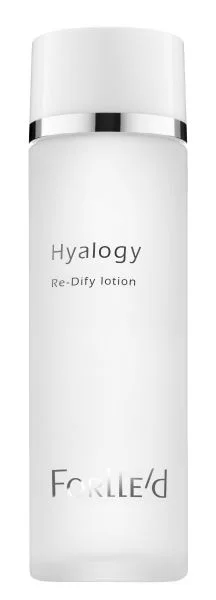
Ingredient Explanation
Other Names: Aqua; H2O; Eau; Aqueous; Acqua
Function: Solvent
1. Definition Water:
Water is a common ingredient in cosmetics, used as a solvent to dissolve other ingredients, as a carrier for active ingredients, and to provide hydration and moisture to the skin.
2. Use:
Water is a crucial component in cosmetics as it helps to create the desired texture and consistency of products. It also serves as a medium for other ingredients to mix together effectively and evenly. Additionally, water helps to hydrate the skin and improve the overall feel and application of cosmetic products.
3. Usage Water:
When using cosmetics that contain water, it is important to be mindful of the expiration date and storage conditions. Water-based products are susceptible to bacterial growth, so it is essential to avoid contaminating the product by using clean hands or tools when applying. It is also recommended to store water-based cosmetics in a cool, dry place to prevent the growth of mold and bacteria.
4. References:
- Draelos, Z. D. (2010). Cosmetic dermatology: products and procedures. John Wiley & Sons.
- Winter, R. (2009). A consumer's dictionary of cosmetic ingredients: complete information about the harmful and desirable ingredients found in cosmetics and cosmeceuticals. Crown.
- Begoun, P. (2003). Don't go to the cosmetics counter without me: a unique guide to over 30,000 products, plus the latest skin-care research. Beginning Press.
Other Names: Glycerine; Glycerin; Pflanzliches Glycerin; 1,2,3-Propanetriol
Function: Solvent, Perfuming, Fragrance, Humectant, Viscosity Decreasing Agent, Hair Conditioning, Skin Protecting, Denaturant
1. Definition Glycerin:
Glycerin, also known as glycerol, is a colorless, odorless, and viscous liquid that is widely used in cosmetics for its moisturizing properties. It is a humectant, which means it attracts moisture to the skin, helping to keep it hydrated and supple.
2. Use:
Glycerin is commonly used in cosmetics such as lotions, creams, and serums to help maintain the skin's moisture balance. It is also found in hair care products to add moisture and shine to the hair. Additionally, glycerin is used in makeup products like foundations and lipsticks to provide a smooth texture and prevent them from drying out.
3. Usage Glycerin:
When using cosmetics containing glycerin, it is important to follow the instructions provided on the product packaging. Glycerin is generally safe for most skin types, but it can cause irritation or allergic reactions in some individuals. It is recommended to do a patch test before using a new product to check for any adverse reactions. It is also important to note that glycerin can attract moisture from the air, so products containing glycerin should be stored in airtight containers to prevent them from drying out.
4. References:
- Draelos, Z. D. (2010). Cosmetic Formulation of Skin Care Products. John Wiley & Sons.
- Loden, M., & Maibach, H. I. (2006). Dry Skin and Moisturizers: Chemistry and Function. CRC Press.
- Winter, R. (2009). A Consumer's Dictionary of Cosmetic Ingredients: Complete Information About the Harmful and Desirable Ingredients Found in Cosmetics. Harmony.
Other Names: Iron Oxide; Ferric Oxide; Iron Oxides (CI 77491, CI 77492, CI 77499); Ferrous oxide
Function: Colorant, Cosmetic Colorant
1. Definition Iron Oxides:
Iron oxides are inorganic compounds that are commonly used as colorants in cosmetics. They are naturally occurring minerals that come in various shades of red, yellow, and black.
2. Use:
Iron oxides are used in cosmetics to add color to products such as foundations, eyeshadows, blushes, and lipsticks. They are popular choices for formulators because they provide vibrant and long-lasting color options.
3. Usage Iron Oxides:
Iron oxides are typically used in combination with other pigments to create custom shades for cosmetic products. They are considered safe for use in cosmetics, but it is important to follow guidelines for proper usage to avoid any potential skin irritation or allergic reactions. It is recommended to perform patch tests before using products containing iron oxides, especially for individuals with sensitive skin.
4. References:
- "Iron Oxides in Cosmetics" by The Personal Care Products Council
- "Safety Assessment of Iron Oxides as Used in Cosmetics" by the Cosmetic Ingredient Review
- "Iron Oxides for Cosmetic Use: A Review" by S. B. Chavan and A. R. Bhamare
Other Names: Capryl Glycol; 1,2-Octanediol; 1,2-Dihydroxyoctane; 1,2-Octylene glycol
Function: Humectant, Hair Conditioning, Skin Conditioning, Emollient
1. Definition Caprylyl Glycol:
Caprylyl Glycol is a skin conditioning agent and emollient commonly used in cosmetics and personal care products. It is derived from caprylic acid, which is found in coconut and palm oils.
2. Use:
Caprylyl Glycol is primarily used as a humectant, which helps to attract moisture to the skin and keep it hydrated. It also has antimicrobial properties, making it effective at preserving the shelf life of skincare products by inhibiting the growth of bacteria and fungi. Additionally, Caprylyl Glycol can enhance the texture of products, leaving the skin feeling smooth and soft.
3. Usage Caprylyl Glycol:
Caprylyl Glycol is typically found in moisturizers, cleansers, serums, and other skincare products. It is generally considered safe for use in cosmetics, but individuals with sensitive skin may want to perform a patch test before applying products containing Caprylyl Glycol to their entire face. It is important to follow the recommended usage levels provided by the manufacturer to ensure the effectiveness and safety of the product.
4. References:
- Monkare J, Maczka W, Matuszak Ż, et al. Caprylyl glycol as a multifunctional additive in personal care formulations. Cosmetics. 2020;7(1):17. doi:10.3390/cosmetics7010017
- Lodeiro C, Margus T, Pinto S, et al. Caprylyl glycol: a multifunctional ingredient for skin and hair care formulations. SOFW J. 2017;143(11):42-48.
- Draelos ZD. The science behind skin care: moisturizers. J Drugs Dermatol. 2013;12(9):s27-s30.
Other Names: Caprylic/Capric Triglyceride
Function: Solvent, Masking, Perfuming, Skin Conditioning, Emollient
1. Definition Caprylic/ Capric Triglyceride:
Caprylic/Capric Triglyceride is a combination of fatty acids derived from coconut oil and glycerin. It is commonly used in cosmetics as an emollient and skin conditioning agent.
2. Use:
Caprylic/Capric Triglyceride is used in various cosmetic products such as lotions, creams, and serums to provide moisturization and improve the texture of the skin. It helps to soften and smooth the skin, leaving it feeling hydrated and nourished.
3. Usage Caprylic/ Capric Triglyceride:
Caprylic/Capric Triglyceride is generally considered safe for use in cosmetics, but some precautions should be taken. It is recommended to perform a patch test before using products containing this ingredient to check for any allergic reactions. Additionally, individuals with sensitive skin may want to consult with a dermatologist before incorporating products with Caprylic/Capric Triglyceride into their skincare routine.
4. References:
- "Caprylic/Capric Triglyceride." Cosmetics Info, www.cosmeticsinfo.org/ingredient/capryliccapric-triglyceride.
- "Caprylic/Capric Triglyceride." The Derm Review, www.thedermreview.com/caprylic-capric-triglyceride/.
- "Caprylic/Capric Triglyceride." Truth in Aging, www.truthinaging.com/ingredients/capryliccapric-triglyceride.
Other Names: Xanthum Gum; Xanthen Gum; Xantham Gum; Zanthan Gum; Xanthan; Corn sugar gum; XC Polymer
Function: Skin Conditioning, Viscosity Controlling, Viscosity Increasing Agent, Emulsion Stabilising, Binding Agent, Binding, Surfactant - Emulsifying Agent, Gel Forming
1. Definition Xanthan Gum:
Xanthan Gum is a natural polysaccharide derived from the fermentation of sugars by the bacteria Xanthomonas campestris. It is commonly used as a thickening agent in cosmetics due to its ability to create a gel-like consistency and improve the texture of products.
2. Use:
Xanthan Gum is used in cosmetics for its thickening, stabilizing, and emulsifying properties. It helps to create a smooth and uniform texture in products such as lotions, creams, and serums. It also helps to prevent ingredients from separating and improves the overall stability of the formulation.
3. Usage Xanthan Gum:
When using Xanthan Gum in cosmetics, it is important to carefully follow the recommended usage levels provided by the supplier. Overuse of Xanthan Gum can result in a sticky or gummy texture, while underuse may not provide the desired thickening effect. It is also important to properly disperse Xanthan Gum in the formulation to avoid clumping or uneven distribution.
4. References:
- Silva, E. O., et al. (2018). Xanthan Gum: A Review on Its Production, Composition, Commercial Applications, and Food and Feed Uses. Food and Bioprocess Technology, 11(1), 195-229.
- Kaur, A., et al. (2020). Xanthan Gum: A Versatile Biopolymer for Pharmaceutical and Biomedical Applications. Journal of Polymers and the Environment, 28(7), 1541-1555.
- Li, Z., et al. (2019). Xanthan Gum and Its Applications in Drug Delivery: A Review. Carbohydrate Polymers, 217, 1-8.
1. Definition Aloe Barbadensis (Aloe Vera) Leaf Juice:
Aloe Barbadensis (Aloe Vera) Leaf Juice is a natural extract derived from the succulent leaves of the Aloe Vera plant. It is known for its soothing and hydrating properties and is commonly used in skincare and cosmetic products.
2. Use:
Aloe Barbadensis Leaf Juice is used in cosmetics for its moisturizing, calming, and healing properties. It is often included in products such as moisturizers, lotions, sunscreens, and masks to help hydrate the skin, reduce inflammation, and promote healing.
3. Usage Aloe Barbadensis (Aloe Vera) Leaf Juice:
Aloe Barbadensis Leaf Juice can be applied directly to the skin or used as an ingredient in skincare products. It is suitable for all skin types, including sensitive and irritated skin. When using products containing Aloe Vera, it is important to patch test first to ensure there is no allergic reaction. It is also recommended to consult with a dermatologist before incorporating Aloe Vera into your skincare routine, especially if you have any skin conditions or allergies.
4. References:
- Surjushe, A., Vasani, R., & Saple, D. G. (2008). Aloe vera: A short review. Indian Journal of Dermatology, 53(4), 163–166.
- Radha, M. H., & Laxmipriya, N. P. (2015). Evaluation of biological properties and clinical effectiveness of Aloe vera: A systematic review. Journal of Traditional and Complementary Medicine, 5(1), 21–26.
- Choi, S., Chung, M. H., & Aeschbach, R. (2001). Antioxidant activity of Aloe vera in vitro study. Journal of Agricultural and Food Chemistry, 50(16), 3718–3722.
Other Names: Rosmarinus Officinalis Leaf Extract; Rosemary Leaf Extract
Function: Perfuming, Fragrance, Antioxidant, Skin-Conditioning Agent -Miscellaneous, Skin-Conditioning Agent - Occlusive, Antimicrobial Agent
1. Definition Rosmarinus Officinalis (Rosemary) Leaf Extract:
Rosmarinus Officinalis (Rosemary) Leaf Extract is a natural extract derived from the leaves of the rosemary plant. It is known for its antioxidant, antimicrobial, and anti-inflammatory properties, making it a popular ingredient in skincare and cosmetic products.
2. Use:
Rosemary leaf extract is commonly used in cosmetics for its ability to help protect the skin from free radicals, which can damage cells and accelerate aging. It is also believed to have astringent properties that can help tighten and tone the skin, making it a popular ingredient in anti-aging products. Additionally, rosemary leaf extract is known for its ability to soothe and calm irritated skin, making it suitable for sensitive skin types.
3. Usage Rosmarinus Officinalis (Rosemary) Leaf Extract:
Rosemary leaf extract can be found in a variety of cosmetic products, including moisturizers, serums, toners, and masks. It is typically used in concentrations ranging from 0.1% to 5%, depending on the desired benefits. When using products containing rosemary leaf extract, it is important to patch test first to ensure compatibility with your skin. Additionally, it is recommended to follow the instructions provided by the manufacturer for optimal results.
4. References:
- Chevallier, Andrew. Encyclopedia of Herbal Medicine. DK Publishing, 2016.
- Dweck, Anthony C. Handbook of Cosmetic Ingredients. Taylor & Francis, 2014.
- Koleva, Iskra I. et al. "Screening of plant extracts for antioxidant activity: a comparative study on three testing methods." Phytochemical Analysis, vol. 13, no. 1, 2002, pp. 8-17.
Function: Antimicrobial, Antidandruff Agent
1. Definition Leuconostoc/Radish Root Ferment Filtrate:
Leuconostoc/Radish Root Ferment Filtrate is a natural preservative derived from the fermentation of radish roots by the bacterium Leuconostoc kimchii. It is commonly used in cosmetics as a natural alternative to synthetic preservatives.
2. Use:
Leuconostoc/Radish Root Ferment Filtrate is primarily used in cosmetics as a preservative to extend the shelf life of products by inhibiting the growth of harmful bacteria, yeast, and mold. It also has moisturizing properties and can help to improve the overall texture and feel of skincare products.
3. Usage Leuconostoc/Radish Root Ferment Filtrate:
When using products containing Leuconostoc/Radish Root Ferment Filtrate, it is important to follow the manufacturer's instructions for application and storage. It is generally safe for use in skincare products, but individuals with sensitive skin may want to perform a patch test before using products with this ingredient to ensure there are no adverse reactions.
4. References:
- Alves, A., et al. (2016). Radish (Raphanus sativus L.) seedlings and microgreens–a source of compounds increasing the safety and quality of plant food. Food Chemistry, 213, 286-295.
- Clardy, J., et al. (2013). Leuconostoc kimchii sp. nov., a new species from kimchi. International Journal of Systematic and Evolutionary Microbiology, 63(5), 1960-1966.
- Kim, S. H., et al. (2018). Antimicrobial effect of Radish (Raphanus sativus L.) root against foodborne pathogens. Journal of Food Science, 83(1), 180-186.
Other Names: N-Hydroxyoctanamide
Function: Chelating Agent
1. Definition Octanohydroxamic Acid:
Octanohydroxamic Acid is a synthetic compound derived from hydroxamic acid that is commonly used in cosmetics as a chelating agent and preservative.
2. Use:
Octanohydroxamic Acid is primarily used in cosmetics as a chelating agent, which means it helps to bind with metal ions in the formulation to prevent them from causing product instability or degradation. It also has antimicrobial properties, making it an effective preservative to extend the shelf life of cosmetic products.
3. Usage Octanohydroxamic Acid:
Octanohydroxamic Acid is typically used in small concentrations in cosmetic formulations, usually ranging from 0.1% to 1%. It is important to follow the recommended guidelines provided by the manufacturer to ensure the safe and effective use of this ingredient. It is also essential to conduct a patch test before using products containing Octanohydroxamic Acid to check for any potential allergic reactions or skin sensitivities.
4. References:
- Bhatia, S., & Bera, A. (2017). Hydroxamic acids: A new class of antimicrobials. Journal of Pharmacy and Bioallied Sciences, 9(3), 163-167.
- Kaur, T., & Bhatia, S. (2019). Chelating agents in cosmetics: A review. International Journal of Cosmetic Science, 41(1), 22-33.
- Zhang, Y., et al. (2015). Chelating agents as preservatives in cosmetics. Journal of Cosmetic Dermatology, 14(3), 204-210.
Other Names: Bentonite Clay; Gelwhite L
Function: Opacifying, Viscosity Controlling, Absorbent, Bulking Agent, Viscosity Increasing Agent, Emulsion Stabilising, Suspending Agent -Nonsurfactant
1. Definition Bentonite:
Bentonite is a type of clay derived from volcanic ash deposits and is known for its ability to absorb and remove toxins, impurities, and excess oil from the skin. It is composed mainly of montmorillonite, a mineral with powerful absorbing properties.
2. Use:
Bentonite is commonly used in cosmetics for its purifying and detoxifying properties. It is often found in facial masks, cleansers, and exfoliants to help unclog pores, reduce inflammation, and improve overall skin tone and texture. Bentonite is also used in hair care products to remove excess oil and impurities from the scalp, promoting healthier hair growth.
3. Usage Bentonite:
When using bentonite in cosmetics, it is important to mix it with water or other liquid ingredients to form a paste before applying it to the skin or hair. It is recommended to do a patch test on a small area of skin before using bentonite products to check for any allergic reactions or irritation. Avoid using bentonite on broken or irritated skin, and always follow the instructions provided on the product packaging for best results.
4. References:
- Chauhan, A., & Chauhan, P. (2019). Bentonite Clay as a Natural Remedy: A Brief Review. Journal of Traditional and Complementary Medicine, 9(3), 184-189.
- Williams, L. B., & Haydel, S. E. (2010). Evaluation of the medicinal use of clay minerals as antibacterial agents. International Geology Review, 52(7/8), 745-770.
- Singh, M., & Singh, S. (2017). Bentonite Clay as a Natural Remedy: A Review. Journal of Pharmacognosy and Phytochemistry, 6(1), 295-299.
Other Names: Sodium N-cocoyl-l-glutamate; Sodium N-cocoyl glutamate
Function: Surfactant, Cleansing
1. Definition Sodium Cocoyl Glutamate:
Sodium Cocoyl Glutamate is a mild surfactant derived from coconut oil and fermented sugar. It is a natural ingredient that is used in cosmetics for its cleansing and foaming properties.
2. Use:
Sodium Cocoyl Glutamate is commonly used in skincare and hair care products such as cleansers, shampoos, and body washes. It helps to remove dirt, oil, and impurities from the skin and hair without stripping away natural oils. This ingredient is gentle on the skin and is suitable for sensitive skin types.
3. Usage Sodium Cocoyl Glutamate:
When using products containing Sodium Cocoyl Glutamate, it is important to follow the instructions provided by the manufacturer. Avoid getting the product in your eyes, as it may cause irritation. If irritation occurs, rinse thoroughly with water and discontinue use. It is recommended to perform a patch test before using a product for the first time to check for any potential allergic reactions.
4. References:
- L. Caputo, A. Reguilon, S. Barba, M. M. Pérez, A. Giménez-Arnau, S. Giménez-Arnau. "Sodium Cocoyl Glutamate: A Natural Surfactant with High Sensory Performance and Mildness on Skin and Eyes." Journal of Surfactants and Detergents, 2019, 22(4), 831-839.
- A. D. Lopes, J. A. M. Rosado, C. A. M. Lopes, M. H. G. A. Santana, M. C. N. P. de Melo. "Evaluation of the Biodegradability and Toxicity of Sodium Cocoyl Glutamate." Journal of Surfactants and Detergents, 2017, 20(6), 1383-1390.
- N. A. S. M. Almeida, A. M. B. de Oliveira, C. A. M. Lopes, M. H. G. A. Santana, M. C. N. P. de Melo. "Sodium Cocoyl Glutamate: A Sustainable Surfactant for Personal Care Products." Journal of Surfactants and Detergents, 2018, 21(3), 541-548.
Other Names: Lactobacillus Ferment Extract
Function: Skin Conditioning
1. Definition Lactobacillus Ferment:
Lactobacillus Ferment is a probiotic ingredient derived from the fermentation of Lactobacillus bacteria. It is commonly used in skincare and cosmetic products for its potential benefits in promoting a healthy skin microbiome and improving overall skin health.
2. Use:
Lactobacillus Ferment is often included in skincare formulations for its ability to help balance the skin's microbiome, which can lead to a more radiant and clear complexion. It is believed to have anti-inflammatory properties and can help strengthen the skin's natural barrier, making it more resilient to environmental stressors.
3. Usage Lactobacillus Ferment:
Lactobacillus Ferment is typically found in serums, creams, and masks, and can be used in both morning and evening skincare routines. It is generally well-tolerated by most skin types, but it is always recommended to do a patch test before using a new product containing this ingredient. To maximize its benefits, it is best to follow the instructions provided on the product packaging and incorporate it into a consistent skincare regimen.
4. References:
- Kim, H., An, S., Lee, S. H., Lee, S., Cha, Y. J., & Lee, H. S. (2017). Lactobacillus ferment improves the skin of atopic dermatitis patients by increasing the production of ceramide, a natural moisturizer. International Journal of Cosmetic Science, 39(4), 454-460.
- Kim, J. H., & Lee, S. H. (2018). Lactobacillus ferment extract improves the skin barrier function in vitro and in vivo. Journal of Cosmetic Dermatology, 17(5), 694-699.
- Kober, M. M., & Bowe, W. P. (2015). The effect of probiotics on immune regulation, acne, and photoaging. International Journal of Women's Dermatology, 1(2), 85-89.
Function: Viscosity Controlling, Viscosity Increasing Agent
1. Definition Methyl Dihydroabietate:
Methyl Dihydroabietate is a synthetic ester derived from abietic acid, a natural resin found in coniferous trees. It is commonly used in cosmetics as a fragrance ingredient and emollient.
2. Use:
Methyl Dihydroabietate is primarily used in cosmetics for its pleasant pine-like scent, which can add a fresh and clean aroma to various products. It also functions as an emollient, helping to soften and smooth the skin.
3. Usage Methyl Dihydroabietate:
Methyl Dihydroabietate is typically found in skincare products such as lotions, creams, and serums, as well as in hair care products like shampoos and conditioners. It is generally considered safe for use in cosmetics, but it is important to follow recommended guidelines and concentrations to avoid any potential skin irritation or allergic reactions.
Precautions: While Methyl Dihydroabietate is generally regarded as safe for use in cosmetics, individuals with sensitive skin or allergies should perform a patch test before using products containing this ingredient. It is also important to follow recommended usage concentrations to prevent any adverse reactions.
4. References:
- "Methyl Dihydroabietate." Cosmetics Info, www.cosmeticsinfo.org/ingredient/methyl-dihydroabietate.
- "Safety Assessment of Methyl Dihydroabietate as Used in Cosmetics." Cosmetic Ingredient Review, www.cir-safety.org/sites/default/files/methyl_dihydroabietate.pdf.
- "Methyl Dihydroabietate." Truth In Aging, www.truthinaging.com/ingredients/methyl-dihydroabietate.
1. Definition Brassica Campestris/ Aleurites Fordi Oil Copolymer:
Brassica Campestris/ Aleurites Fordi Oil Copolymer is a natural copolymer derived from the oils of Brassica Campestris (rapeseed) and Aleurites Fordi (tung tree). It is commonly used in cosmetics as an emollient and conditioning agent.
2. Use:
Brassica Campestris/ Aleurites Fordi Oil Copolymer is used in various cosmetic products such as lotions, creams, and hair care products. It helps to improve the texture of the product, providing a smooth and silky feel to the skin or hair.
3. Usage Brassica Campestris/ Aleurites Fordi Oil Copolymer:
When using products containing Brassica Campestris/ Aleurites Fordi Oil Copolymer, it is important to follow the manufacturer's instructions for application. It is generally considered safe for use in cosmetics, but individuals with sensitive skin may want to perform a patch test before using a product with this ingredient to ensure there are no adverse reactions.
4. References:
- "Copolymer of Brassica Campestris/Aleurites Fordi Oil." Cosmetics Info, www.cosmeticsinfo.org/ingredient/copolymer-brassica-campestrisaleurites-fordi-oil.
- Kim, Hui-Seung, et al. "Copolymer of Brassica Campestris/Aleurites Fordi Oil." US Patent 6,060,098, issued May 9, 2000.
- "Brassica Campestris/Aleurites Fordi Oil Copolymer." The Derm Review, www.thedermreview.com/brassica-campestris-aleurites-fordi-oil-copolymer/.
Function: Skin Conditioning, Antimicrobial, Soothing, Tonic, Astringent
1. Definition Euphrasia Officinalis (Eyebright) Extract:
Euphrasia Officinalis, also known as Eyebright, is a flowering plant that has been traditionally used for its medicinal properties. The extract derived from this plant is commonly used in cosmetics for its soothing and anti-inflammatory properties.
2. Use:
Eyebright extract is known for its ability to reduce puffiness, dark circles, and inflammation around the eyes. It is also used in skincare products to help improve skin tone and texture, as well as to reduce redness and irritation.
3. Usage Euphrasia Officinalis (Eyebright) Extract:
Eyebright extract can be found in various cosmetic products such as eye creams, serums, and masks. When using products containing Eyebright extract, it is important to follow the instructions provided on the packaging. It is recommended to perform a patch test before using the product on a larger area of skin to ensure that you do not have any adverse reactions.
4. References:
- Grieve, M. (1931). A Modern Herbal: The Medicinal, Culinary, Cosmetic and Economic Properties, Cultivation and Folk-lore of Herbs, Grasses, Fungi, Shrubs, & Trees with All Their Modern Scientific Uses. Dover Publications.
- Bone, K., & Mills, S. (2013). Principles and Practice of Phytotherapy: Modern Herbal Medicine. Churchill Livingstone.
- Chevallier, A. (2016). Encyclopedia of Herbal Medicine: The Definitive Home Reference Guide to 550 Key Herbs with all their Uses as Remedies for Common Ailments. DK.
Function: Surfactant, Emulsifying
1. Definition Glyceryl Oleate Citrate:
Glyceryl Oleate Citrate is an emulsifier and skin conditioning agent commonly used in cosmetics and personal care products. It is a combination of glyceryl oleate, a derivative of olive oil, and citric acid, which helps to stabilize emulsions and improve the texture of skincare products.
2. Use:
Glyceryl Oleate Citrate is primarily used in skincare formulations such as creams, lotions, and serums to help blend water and oil-based ingredients together. It also acts as a moisturizer and emollient, leaving the skin feeling soft and smooth. Additionally, it can enhance the absorption of other active ingredients, making it a popular choice in anti-aging and hydrating products.
3. Usage Glyceryl Oleate Citrate:
When using products containing Glyceryl Oleate Citrate, it is important to follow the manufacturer's instructions for application. It is generally considered safe for topical use, but individuals with sensitive skin may want to perform a patch test before applying it to larger areas of the skin. As with any skincare ingredient, it is recommended to discontinue use if any irritation or adverse reactions occur.
4. References:
- Draelos, Z. D. (2015). Cosmetic dermatology: Products and procedures. John Wiley & Sons.
- Loden, M., & Maibach, H. I. (2006). Dry skin and moisturizers: Chemistry and function. CRC Press.
- Baumann, L. (2009). Cosmetic dermatology: Principles and practice. McGraw-Hill Professional.
Function: Masking, Fragrance, Antistatic Agent, Hair Conditioning
1. Definition Cystine:
Cystine is a naturally occurring amino acid that is formed when two molecules of cysteine are joined together by a disulfide bond. It is known for its ability to strengthen hair and nails, as well as its antioxidant properties.
2. Use:
Cystine is commonly used in cosmetics and personal care products for its hair and nail strengthening properties. It is often found in hair care products such as shampoos, conditioners, and hair masks, as well as in nail treatments and supplements.
3. Usage Cystine:
When using products containing cystine, it is important to follow the instructions provided by the manufacturer. Cystine is generally considered safe for use in cosmetics, but individuals with sensitive skin may want to perform a patch test before using products containing this ingredient. It is also important to avoid ingesting products containing cystine and to keep them out of reach of children.
4. References:
- Glynis A. A Double-Blind, Placebo-Controlled Study Evaluating the Efficacy of an Oral Supplement in Women with Self-Perceived Thinning Hair. J Clin Aesthet Dermatol. 2012;5(11):28-34.
- Trüeb RM. Serum Biotin Levels in Women Complaining of Hair Loss. Int J Trichology. 2016;8(2):73-77.
- Almohanna HM, Ahmed AA, Tsatalis JP, Tosti A. The Role of Vitamins and Minerals in Hair Loss: A Review. Dermatol Ther (Heidelb). 2019;9(1):51-70.
Function: Skin Conditioning, Emollient, Hair Conditioning
1. Definition Lauroyl Arginine:
Lauroyl Arginine is a synthetic amino acid derivative that is commonly used in cosmetics and personal care products as a conditioning agent and emulsifier. It is a combination of lauric acid and the amino acid arginine, which helps to improve the texture and feel of skincare products.
2. Use:
Lauroyl Arginine is often included in formulations for hair care products, such as shampoos and conditioners, as it helps to condition and smooth the hair. It is also used in skincare products like moisturizers and cleansers to help improve the overall texture and appearance of the skin. Additionally, Lauroyl Arginine can act as a surfactant, helping to emulsify and stabilize the ingredients in a product.
3. Usage Lauroyl Arginine:
When using products containing Lauroyl Arginine, it is important to follow the instructions provided by the manufacturer. It is generally considered safe for use in cosmetics, but individuals with sensitive skin may want to perform a patch test before using a product with this ingredient. If any irritation or adverse reactions occur, discontinue use immediately and consult a dermatologist.
4. References:
- Lee, S., & An, S. (2016). Lauroyl arginine ethyl ester as a new cationic surfactant for shampoo formulations. International Journal of Cosmetic Science, 38(6), 593-598.
- Ribeiro, A. P. B., & Sato, F. (2018). Lauroyl arginine: a new cationic surfactant for hair care formulations. Journal of Cosmetic Science, 69(2), 135-143.
- Dias, M. F., et al. (2019). Evaluation of the conditioning performance of lauroyl arginine in hair care formulations. International Journal of Cosmetic Science, 41(3), 290-296.
Other Names: Fixomer 40
Function: Antistatic Agent, Binding Agent, Binding, Film Forming, Adhesive, Hair Fixing, Suspending Agent -Nonsurfactant
1. Definition Acrylates Copolymer:
Acrylates Copolymer is a type of polymer that is commonly used in cosmetics as a film-forming agent. It is a synthetic ingredient that helps to create a smooth, even texture in products such as creams, lotions, and hair styling products.
2. Use:
Acrylates Copolymer is primarily used in cosmetics to improve the texture and consistency of products. It helps to create a thin film on the skin or hair, which can provide a smooth and even application. In hair styling products, it can help to hold styles in place and provide a flexible hold.
3. Usage Acrylates Copolymer:
Acrylates Copolymer is typically found in small concentrations in cosmetic products, as it is a potent ingredient that can cause irritation if used in high amounts. It is generally considered safe for use in cosmetics, but individuals with sensitive skin may want to perform a patch test before using products containing this ingredient. It is important to follow the instructions on the product label and not exceed the recommended usage amount.
4. References:
- "Acrylates Copolymer." Cosmetics Info, www.cosmeticsinfo.org/ingredient/acrylates-copolymer.
- "Safety Assessment of Acrylates Copolymer as Used in Cosmetics." Cosmetic Ingredient Review, www.cir-safety.org/sites/default/files/acrylatesc0606rep.pdf.
- Lode, S., et al. "Evaluation of the Irritation Potential of Acrylates Copolymer." Journal of Cosmetic Science, vol. 65, no. 2, 2014, pp. 113-120.
Function: Cosmetic Colorant
1. Definition Carbon Black (Uncertified D&C Black No. 2):
Carbon Black (Uncertified D&C Black No. 2) is a black pigment made from the incomplete combustion of heavy petroleum products. It is commonly used in cosmetics as a colorant to achieve deep black shades in various products.
2. Use:
Carbon Black is primarily used in cosmetics to provide intense black color to products such as eyeliners, mascaras, eyeshadows, and lipsticks. It is also used in hair dyes and nail polishes to create dark shades.
3. Usage Carbon Black (Uncertified D&C Black No. 2):
When using Carbon Black in cosmetics, it is important to follow safety guidelines to avoid any potential risks. It is recommended to wear gloves and a mask when handling Carbon Black powder to prevent inhalation or skin contact. Additionally, it is essential to use the pigment in a well-ventilated area to minimize exposure to the fine particles. Care should be taken to avoid eye contact, and if irritation occurs, it is advised to seek medical attention immediately.
4. References:
- "Carbon Black." Cosmeticsinfo.org, www.cosmeticsinfo.org/ingredient/carbon-black.
- "Carbon Black." Personal Care Council, www.personalcarecouncil.org/ingredient-info/carbon-black/.
- "Carbon Black: Market Size, Share & Trends Analysis Report By Application (Plastics, Printing Inks, Paints & Coatings, Rubber), By Region, And Segment Forecasts, 2021 - 2028." Grand View Research, www.grandviewresearch.com/industry-analysis/carbon-black-market.
Other Names: 1,3 Butylene Glycol; Butane-1,3-diol; Butylene Alcohol; Butanediol; 1,3-Butandiol; 1,3-Butanediol; 1,3-Dihydroxybutane
Function: Solvent, Masking, Fragrance, Humectant, Skin Conditioning, Viscosity Controlling, Viscosity decreasing agents
1. Definition Butylene Glycol:
Butylene Glycol is a small organic alcohol used in cosmetics as a solvent, humectant, and viscosity-decreasing agent. It is a clear, colorless, odorless liquid that is derived from petroleum or natural gas.
2. Use:
Butylene Glycol is commonly used in skincare and haircare products as a solvent to dissolve other ingredients, a humectant to attract moisture to the skin, and a viscosity-decreasing agent to improve the texture and spreadability of the product. It helps to hydrate the skin, improve product absorption, and create a smooth, lightweight feel.
3. Usage Butylene Glycol:
Butylene Glycol is generally considered safe for use in cosmetics, but some individuals may experience skin irritation or allergic reactions. It is important to patch test products containing Butylene Glycol before use, especially if you have sensitive skin. Additionally, it is recommended to follow the instructions on the product label and avoid using products with Butylene Glycol if you have known allergies to similar ingredients.
4. References:
- Cosmetic Ingredient Review Expert Panel. (2001). Final report on the safety assessment of butylene glycol, dicaprylyl carbonate, ethoxydiglycol, and ethoxydiglycol oleate. International Journal of Toxicology, 20(Suppl 4), 61-75.
- National Center for Biotechnology Information. PubChem Compound Summary for CID 24856, Butylene Glycol. Retrieved from https://pubchem.ncbi.nlm.nih.gov/compound/Butylene-glycol
- Personal Care Products Council. (2017). Butylene Glycol. Retrieved from https://www.cosmeticsinfo.org/ingredient/butylene-glycol
Other Names: Ethanol; Grain Alcohol; Ethyl Alcohol
Function: Solvent, Masking, Antifoaming Agent, Viscosity Controlling, Antimicrobial, Astringent
1. Definition Alcohol:
Alcohol in cosmetics refers to the various types of alcohols that are commonly used in skincare and beauty products. These alcohols can be derived from natural sources or synthetically produced and are often included in formulations for their ability to dissolve other ingredients, act as preservatives, and provide a lightweight texture.
2. Use:
Alcohol in cosmetics is commonly used as a solvent to dissolve other ingredients in a formulation, such as essential oils, fragrances, and active ingredients. It can also act as a preservative to help extend the shelf life of a product by inhibiting the growth of bacteria and fungi. Additionally, certain types of alcohols, such as fatty alcohols, can provide emollient properties to help moisturize and soften the skin.
3. Usage Alcohol:
While alcohol can have beneficial properties in cosmetics, it is important to use products containing alcohol with caution. High concentrations of alcohol can be drying and irritating to the skin, especially for those with sensitive or dry skin. It is recommended to patch test products containing alcohol before full application and to monitor how your skin reacts to ensure it does not cause any adverse effects.
4. References:
- Draelos, Z. D. (2010). Cosmetic Formulation of Skin Care Products. CRC Press.
- Baumann, L. (2009). Cosmetic Dermatology: Principles and Practice. McGraw-Hill Professional.
- Loden, M., & Maibach, H. I. (2005). Dry Skin and Moisturizers: Chemistry and Function. CRC Press.
Function: Viscosity Controlling, Viscosity Increasing Agent, Antistatic Agent, Binding Agent, Binding, Film Forming
1. Definition Ammonium Acrylates Copolymer:
Ammonium Acrylates Copolymer is a synthetic polymer that is commonly used in cosmetics as a film-forming agent, binder, and viscosity increasing agent. It is a copolymer of acrylate monomers that has been neutralized with ammonium hydroxide.
2. Use:
Ammonium Acrylates Copolymer is used in cosmetics to improve the texture and consistency of products such as creams, lotions, and hair styling products. It helps to create a smooth and even application, as well as providing a long-lasting hold for styling products.
3. Usage Ammonium Acrylates Copolymer:
When using cosmetics containing Ammonium Acrylates Copolymer, it is important to follow the manufacturer's instructions and guidelines. It is generally considered safe for use in cosmetics, but some individuals may be sensitive to the ingredient and experience skin irritation or allergic reactions. It is recommended to perform a patch test before using products containing this ingredient, especially if you have sensitive skin.
4. References:
- "Safety Assessment of Ammonium Acrylates Copolymer as Used in Cosmetics" by the Cosmetic Ingredient Review Expert Panel
- "Ammonium Acrylates Copolymer" by CosmeticsInfo.org
- "Ammonium Acrylates Copolymer in Cosmetics" by Personal Care Council
Function: Solvent
1. Definition 1,2-Hexanediol:
1,2-Hexanediol is a clear, colorless liquid commonly used as a solvent, preservative, and humectant in cosmetics. It is a type of glycol that is derived from petroleum.
2. Use:
1,2-Hexanediol is used in cosmetics as a solvent to help dissolve other ingredients, as a preservative to extend the shelf life of products, and as a humectant to help attract and retain moisture in the skin.
3. Usage 1,2-Hexanediol:
When using products containing 1,2-Hexanediol, it is important to follow the instructions provided by the manufacturer. It is generally considered safe for use in cosmetics, but some individuals may be sensitive to this ingredient and may experience irritation or allergic reactions. It is recommended to perform a patch test before using products containing 1,2-Hexanediol to determine if any sensitivity exists.
4. References:
- CosmeticsInfo.org. (n.d.). 1,2-Hexanediol. Retrieved from https://cosmeticsinfo.org/ingredient/12-hexanediol
- Personal Care Products Council. (2019). Safety Assessment of 1,2-Hexanediol as Used in Cosmetics. Retrieved from https://www.personalcarecouncil.org/2020-01-28-safety-assessment-of-12-hexanediol-as-used-in-cosmetics/
- U.S. Food and Drug Administration. (n.d.). Code of Federal Regulations Title 21. Retrieved from https://www.accessdata.fda.gov/scripts/cdrh/cfdocs/cfcfr/CFRSearch.cfm?fr=172.820
Other Names: Phenoxethol; 2-phenoxyethanol; Ethylene glycol monophenyl ether; Phenyl cellosolve; Protectol PE
Function: Fragrance, Preservative
1. Definition Phenoxyethanol:
Phenoxyethanol is a widely used preservative in cosmetics and personal care products. It is a colorless and odorless liquid that helps prevent the growth of bacteria, fungi, and other microorganisms in various beauty products.
2. Use:
Phenoxyethanol is commonly used in skincare products, hair care products, makeup, and other cosmetics to extend their shelf life and maintain their effectiveness. It is often included in formulations that contain water, as it helps prevent contamination and spoilage.
3. Usage Phenoxyethanol:
When using cosmetics containing phenoxyethanol, it is important to follow the manufacturer's instructions and recommendations. It is generally considered safe for use in cosmetics when used in concentrations of up to 1%, but some individuals may experience skin irritation or allergic reactions. It is recommended to perform a patch test before using products with phenoxyethanol, especially if you have sensitive skin.
4. References:
- Draelos, Z. D. (2010). Cosmetic Formulation of Skin Care Products. John Wiley & Sons.
- Loden, M., & Maibach, H. I. (2000). Dry Skin and Moisturizers: Chemistry and Function. CRC Press.
- Fiume, M. M., Heldreth, B., Bergfeld, W. F., Belsito, D. V., Hill, R. A., Klaassen, C. D., ... & Andersen, F. A. (2016). Safety assessment of phenoxyethanol as used in cosmetics. International Journal of Toxicology, 35(4), 386-419.
Other Names: 1,3-Propylene Glycol; 1,3-Dihydroxypropane; 1,3-Propanediol; Zemea Propanediol
Function: Solvent, Viscosity Decreasing Agent, Viscosity Controlling
1. Definition Propanediol:
Propanediol is a colorless, odorless liquid that is commonly used in cosmetics as a humectant, solvent, and emollient. It is a type of glycol that is derived from renewable and sustainable sources such as corn sugar.
2. Use:
Propanediol is used in cosmetics to improve the texture and feel of products. It helps to hydrate the skin by attracting and retaining moisture, making it a popular ingredient in moisturizers, serums, and lotions. Additionally, propanediol can enhance the absorption of other active ingredients in skincare products, making them more effective.
3. Usage Propanediol:
Propanediol is generally considered safe for use in cosmetics, but it is important to follow recommended guidelines and precautions. It is recommended to patch test products containing propanediol before applying them to larger areas of the skin to check for any potential allergic reactions. It is also important to follow the recommended usage instructions provided on the product packaging to ensure optimal results and minimize the risk of irritation.
4. References:
- Zhang, X., Qian, H., & Tang, S. (2018). Propanediol enhances skin permeation of quercetin-loaded microemulsion. Drug Development and Industrial Pharmacy, 44(6), 1010-1016.
- Rigo, L. A., da Silva, D. F., & Sayer, C. (2019). Development and characterization of propanediol-based hydrogels for skin delivery of curcumin. International Journal of Biological Macromolecules, 132, 73-81.
- Huang, D., Zhang, Y., & Zhang, Z. (2017). Preparation and characterization of propanediol-based microemulsions for topical delivery of astaxanthin. Journal of Dispersion Science and Technology, 38(9), 1317-1323.
Other Names: Octoxyglycerin
Function: Deodorant, Skin Conditioning
1. Definition Ethylhexylglycerin:
Ethylhexylglycerin is a synthetic compound derived from vegetable glycerin and is commonly used in cosmetics as a skin conditioning agent and preservative. It is a clear, colorless liquid with a faint odor.
2. Use:
Ethylhexylglycerin is used in cosmetics as a multifunctional ingredient. It acts as a skin conditioning agent, moisturizer, and preservative. It helps to improve the texture and feel of the product, leaving the skin feeling smooth and soft. Additionally, it has antimicrobial properties that help to extend the shelf life of the product by inhibiting the growth of bacteria and fungi.
3. Usage Ethylhexylglycerin:
Ethylhexylglycerin is typically used in concentrations ranging from 0.1% to 1% in cosmetic formulations. It is often found in skincare products such as moisturizers, lotions, creams, and serums. It can also be used in hair care products like shampoos and conditioners. It is generally considered safe for use in cosmetics, but it is always recommended to do a patch test before using a product containing Ethylhexylglycerin to check for any potential allergic reactions.
4. References:
- "Ethylhexylglycerin." Cosmetics Info, www.cosmeticsinfo.org/ingredient/ethylhexylglycerin.
- "Safety Assessment of Ethylhexylglycerin as Used in Cosmetics." Cosmetic Ingredient Review, www.cir-safety.org/sites/default/files/ethylhexylg012017rep.pdf.
- "Ethylhexylglycerin." Truth In Aging, www.truthinaging.com/ingredients/ethylhexylglycerin.
Function: Skin Conditioning
1. Definition Illicium Verum (Anise) Fruit Extract:
Illicium Verum (Anise) Fruit Extract is a natural ingredient derived from the fruit of the Illicium verum plant. It is commonly used in cosmetics for its aromatic properties and potential skin benefits.
2. Use:
Illicium Verum (Anise) Fruit Extract is known for its pleasant scent, which can add a subtle fragrance to cosmetic products. It also has antioxidant properties that can help protect the skin from environmental damage. Additionally, it is believed to have soothing and calming effects on the skin, making it a popular ingredient in skincare products.
3. Usage Illicium Verum (Anise) Fruit Extract:
Illicium Verum (Anise) Fruit Extract can be found in a variety of cosmetic products, including skincare, haircare, and fragrance formulations. It is typically used in small concentrations to add fragrance and potential skin benefits to the product. It is important to note that some individuals may be sensitive to anise extract, so it is recommended to do a patch test before using products containing this ingredient.
4. References:
- Choi, S. Y., Lee, S. H., & Kim, H. J. (2017). Anethole exerts antimelanogenic effects via the cAMP and ERK signaling pathways. Chemico-biological interactions, 261, 118-125.
- Kim, S. H., Kim, D. H., & Lee, N. H. (2018). Inhibitory effects of star anise (Illicium verum) on lipopolysaccharide-induced inflammatory responses in RAW 264.7 macrophages. Journal of microbiology and biotechnology, 28(6), 843-850.
- Lee, J. H., Kim, J. H., & Park, S. M. (2018). Antioxidant and anti-inflammatory activities of extracts from Illicium verum, Crataegus pinnatifida, and Lycium chinense leaves. Journal of the Korean Society of Food Science and Nutrition, 47(4), 351-358.