- Home
- Compare product
- Comparison result
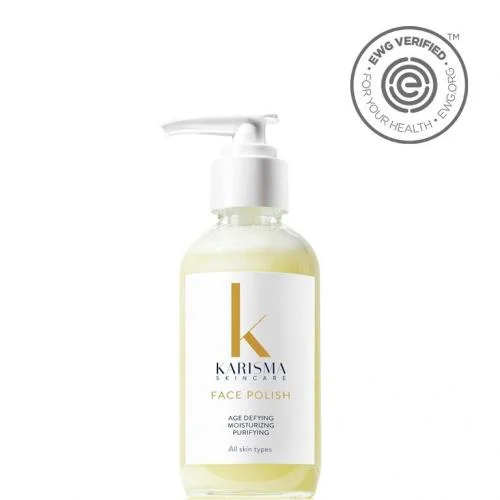


| EWG | CIR | Ingredient Name & Cosmetic Function | Notes |
|---|---|---|---|
| 1 | - | (Solvent) | |
| 1 2 | A | (Solvent, Perfuming, Fragrance, Humectant, Viscosity Decreasing Agent, Hair Conditioning, Skin Protecting, Denaturant ) |  Good for dry skin Moisturizing Good for dry skin Moisturizing |
| 1 | A | (Solvent, Masking, Perfuming, Skin Conditioning, Emollient) | |
| 1 | - | (Skin Conditioning, Emollient, Hair Conditioning, Abrasive) | |
| 1 | A | (Skin Conditioning) | Good for dry skin  Bad for oily skin Bad for oily skin |
| 2 | - | (Fragrance, Skin Conditioning) |  Bad for sensitive skin Bad for sensitive skin  Fragrance-free Fragrance-free |
| 1 | A | (Skin Conditioning, Emollient) | Promotes Wound Healing  Fungal Acne Trigger Fungal Acne Trigger  Good for oily skin Good for oily skin |
| 1 | A | Fungal Acne Trigger | |
| 1 | - | | |
| 1 | A | (Skin Conditioning, Emollient) | Good for dry skin Bad for oily skin Fungal Acne Trigger |
| 1 | - | Promotes Wound Healing | |
| 1 | - | (Skin Conditioning, Masking, Emollient, Fragrance) | |
| 1 | A | (Skin Conditioning, Emollient) | Fungal Acne Trigger |
| 1 | A | (Solvent, Skin Conditioning, Emollient) | Fungal Acne Trigger |
| 1 | A | (Skin Conditioning, Hair Conditioning) | Fungal Acne Trigger |
| 1 | - | (Skin Conditioning, Emollient, Surfactant, Emulsifying) | Fungal Acne Trigger Cleansing |
| 3 | - | (Skin Conditioning, Emollient) | Fungal Acne Trigger |
| 1 | - | (Skin Conditioning, Emollient, Surfactant, Emulsifying) | Fungal Acne Trigger Cleansing |
| 1 | - | (Skin Conditioning, Masking, Fragrance, Tonic) | |
| 1 | - | (Skin Conditioning, Emollient, Surfactant, Emulsifying) | Fungal Acne Trigger Cleansing |
| EWG | CIR | Ingredient Name & Cosmetic Function | Notes |
|---|---|---|---|
| 1 | - | (Solvent) | |
| 1 2 | A | (Solvent, Perfuming, Fragrance, Humectant, Viscosity Decreasing Agent, Hair Conditioning, Skin Protecting, Denaturant ) | Good for dry skin Moisturizing |
| 2 4 | A | (Fragrance, Preservative) | |
| 1 | A | (Humectant, Hair Conditioning, Skin Conditioning, Emollient) | |
| 2 | A | (Deodorant, Skin Conditioning) | |
| 1 | A | Bad for oily skin Fungal Acne Trigger | |
| 1 | - | (Masking, Viscosity Controlling, Bulking Agent) | |
| 1 3 | - | | |
| 1 | - | | |
| 1 | A | (Fragrance, Skin Conditioning, Emollient, Emulsion Stabilising, Film Forming, Cosmetic Astringent, Viscosity Increasing Agent- Nonaqueous) | Fungal Acne Trigger |
| 1 | A | (Solvent) | |
| 1 | - | Promotes Wound Healing | |
| 1 | A | (Skin Conditioning, Masking, Perfuming) | |
| 1 | - | (Hair Conditioning, Skin Conditioning, Viscosity Controlling, Antistatic Agent, Viscosity Increasing Agent, Foam Boosting, Sufactant) | |
| 1 | - | (Skin Conditioning, Exclusive) | |
| 1 | A | (Humectant, Skin Conditioning, Soothing, Flavoring Agent) | |
| 1 | - | (Skin Conditioning) | |
| 1 | - | (Skin Conditioning, Emollient, Surfactant, Emulsifying) | Cleansing |
| 1 | - | | |
| 1 | A | Bad for oily skin | |
| 1 | - | (Skin Conditioning, Astringent) | |
| 1 | - | | |
| 1 | - | (Skin Conditioning) | |
| 1 | - | (Abrasive) | |
| - | B | (Skin Conditioning, Emulsifying) | Cleansing |
Water
1. Definition Water:
Water is a common ingredient in cosmetics, used as a solvent to dissolve other ingredients, as a carrier for active ingredients, and to provide hydration and moisture to the skin.2. Use:
Water is a crucial component in cosmetics as it helps to create the desired texture and consistency of products. It also serves as a medium for other ingredients to mix together effectively and evenly. Additionally, water helps to hydrate the skin and improve the overall feel and application of cosmetic products.3. Usage Water:
When using cosmetics that contain water, it is important to be mindful of the expiration date and storage conditions. Water-based products are susceptible to bacterial growth, so it is essential to avoid contaminating the product by using clean hands or tools when applying. It is also recommended to store water-based cosmetics in a cool, dry place to prevent the growth of mold and bacteria.4. References:
- Draelos, Z. D. (2010). Cosmetic dermatology: products and procedures. John Wiley & Sons.
- Winter, R. (2009). A consumer's dictionary of cosmetic ingredients: complete information about the harmful and desirable ingredients found in cosmetics and cosmeceuticals. Crown.
- Begoun, P. (2003). Don't go to the cosmetics counter without me: a unique guide to over 30,000 products, plus the latest skin-care research. Beginning Press.
Glycerin
1. Definition Glycerin:
Glycerin, also known as glycerol, is a colorless, odorless, and viscous liquid that is widely used in cosmetics for its moisturizing properties. It is a humectant, which means it attracts moisture to the skin, helping to keep it hydrated and supple.
2. Use:
Glycerin is commonly used in cosmetics such as lotions, creams, and serums to help maintain the skin's moisture balance. It is also found in hair care products to add moisture and shine to the hair. Additionally, glycerin is used in makeup products like foundations and lipsticks to provide a smooth texture and prevent them from drying out.
3. Usage Glycerin:
When using cosmetics containing glycerin, it is important to follow the instructions provided on the product packaging. Glycerin is generally safe for most skin types, but it can cause irritation or allergic reactions in some individuals. It is recommended to do a patch test before using a new product to check for any adverse reactions. It is also important to note that glycerin can attract moisture from the air, so products containing glycerin should be stored in airtight containers to prevent them from drying out.
4. References:
- Draelos, Z. D. (2010). Cosmetic Formulation of Skin Care Products. John Wiley & Sons.
- Loden, M., & Maibach, H. I. (2006). Dry Skin and Moisturizers: Chemistry and Function. CRC Press.
- Winter, R. (2009). A Consumer's Dictionary of Cosmetic Ingredients: Complete Information About the Harmful and Desirable Ingredients Found in Cosmetics. Harmony.
Caprylic/ Capric Triglyceride
1. Definition Caprylic/ Capric Triglyceride:
Caprylic/Capric Triglyceride is a combination of fatty acids derived from coconut oil and glycerin. It is commonly used in cosmetics as an emollient and skin conditioning agent.2. Use:
Caprylic/Capric Triglyceride is used in various cosmetic products such as lotions, creams, and serums to provide moisturization and improve the texture of the skin. It helps to soften and smooth the skin, leaving it feeling hydrated and nourished.3. Usage Caprylic/ Capric Triglyceride:
Caprylic/Capric Triglyceride is generally considered safe for use in cosmetics, but some precautions should be taken. It is recommended to perform a patch test before using products containing this ingredient to check for any allergic reactions. Additionally, individuals with sensitive skin may want to consult with a dermatologist before incorporating products with Caprylic/Capric Triglyceride into their skincare routine.4. References:
- "Caprylic/Capric Triglyceride." Cosmetics Info, www.cosmeticsinfo.org/ingredient/capryliccapric-triglyceride.
- "Caprylic/Capric Triglyceride." The Derm Review, www.thedermreview.com/caprylic-capric-triglyceride/.
- "Caprylic/Capric Triglyceride." Truth in Aging, www.truthinaging.com/ingredients/capryliccapric-triglyceride.
Simmondsia Chinensis (Jojoba) Seed Oil Extract
1. Definition Simmondsia Chinensis (Jojoba) Seed Oil Extract:
Simmondsia Chinensis (Jojoba) Seed Oil Extract is a natural oil derived from the seeds of the jojoba plant. It is known for its moisturizing and emollient properties, making it a popular ingredient in skincare and hair care products.2. Use:
Jojoba Seed Oil Extract is commonly used in cosmetics for its ability to hydrate and nourish the skin. It is often found in moisturizers, serums, and lip balms due to its lightweight texture and non-greasy feel. Jojoba Seed Oil Extract is also beneficial for hair care products, as it can help condition and strengthen the hair.3. Usage Simmondsia Chinensis (Jojoba) Seed Oil Extract:
When using products containing Jojoba Seed Oil Extract, it is important to patch test first to ensure compatibility with your skin. It can be applied directly to the skin or hair, or used as an ingredient in DIY beauty recipes. Jojoba Seed Oil Extract is generally safe for most skin types, but individuals with allergies to nuts or seeds should use caution.4. References:
- Paula Begoun. (2003). "Don't Go to the Cosmetics Counter Without Me." 7th Edition.
- Dweck, A. C. (2003). "The Jojoba Story." Personal Care Magazine, 4(1), 1-4.
- Meier, L., & Sticher, O. (2004). "Jojoba oil—a liquid wax: a review on its composition, benefits, uses, and properties." Revista Brasileira de Farmacognosia, 14(1), 1-6.
Persea Gratissima (Avocado) Oil
1. Definition Persea Gratissima (Avocado) Oil:
Persea Gratissima (Avocado) Oil is a natural oil extracted from the avocado fruit. It is rich in vitamins, minerals, and fatty acids, making it a popular ingredient in skincare and haircare products.2. Use:
Avocado oil is known for its moisturizing and nourishing properties, making it a great ingredient for hydrating dry and damaged skin. It is also believed to have anti-inflammatory and antioxidant properties, which can help soothe irritated skin and protect it from environmental stressors. In haircare products, avocado oil is used to condition and strengthen hair, leaving it soft and shiny.3. Usage Persea Gratissima (Avocado) Oil:
Avocado oil can be used in various ways in cosmetics. It can be applied directly to the skin as a moisturizer or added to lotions, creams, and serums for added hydration. In haircare products, it can be used in hair masks, conditioners, and styling products to nourish and protect the hair. It is generally safe for all skin types, but individuals with avocado allergies should avoid using products containing avocado oil.4. References:
- Paula Begoun. (2003). "Don't Go to the Cosmetics Counter Without Me." Beginning Press.
- Lorraine Dallmeier. (2016). "A Comprehensive Guide to Essential Oils." CreateSpace Independent Publishing Platform.
- R. Ranade, R. Nash, R. Dr. (2010). "Handbook of Cosmetic Science and Technology." Informa Healthcare.
Lavandula Angustifolia (Lavender) Oil
1. Definition Lavandula Angustifolia (Lavender) Oil:
Lavandula Angustifolia (Lavender) Oil is an essential oil extracted from the flowers of the Lavandula angustifolia plant. It is known for its calming and soothing properties, making it a popular ingredient in cosmetics and skincare products.2. Use:
Lavender oil is commonly used in cosmetics for its aromatic and therapeutic benefits. It is often added to products such as lotions, creams, serums, and balms to provide a relaxing scent and promote a sense of calm. Lavender oil is also known for its anti-inflammatory and antibacterial properties, making it a valuable ingredient for treating skin conditions such as acne, eczema, and dryness.3. Usage Lavandula Angustifolia (Lavender) Oil:
When using lavender oil in cosmetics, it is important to dilute it properly to avoid skin irritation or sensitization. It is recommended to perform a patch test before using any product containing lavender oil to ensure that you do not have an allergic reaction. Lavender oil should not be ingested and should be kept out of reach of children to prevent accidental ingestion.4. References:
- Ali, B., Al-Wabel, N. A., Shams, S., Ahamad, A., Khan, S. A., & Anwar, F. (2015). Essential oils used in aromatherapy: A systemic review. Asian Pacific Journal of Tropical Biomedicine, 5(8), 601-611.
- Cavanagh, H. M., & Wilkinson, J. M. (2002). Biological activities of lavender essential oil. Phytotherapy Research, 16(4), 301-308.
- Koulivand, P. H., Khaleghi Ghadiri, M., & Gorji, A. (2013). Lavender and the nervous system. Evidence-Based Complementary and Alternative Medicine, 2013, 681304.
Vitis Vinifera (Grape) Seed Oil
1. Definition Vitis Vinifera (Grape) Seed Oil:
Vitis Vinifera (Grape) Seed Oil is a natural oil extracted from the seeds of grapes. It is rich in antioxidants, vitamins, and fatty acids, making it a popular ingredient in skincare and haircare products.2. Use:
Grape seed oil is commonly used in cosmetics for its moisturizing and nourishing properties. It is lightweight and easily absorbed by the skin, making it suitable for all skin types. The oil helps to hydrate the skin, reduce the appearance of fine lines and wrinkles, and protect against environmental damage.3. Usage Vitis Vinifera (Grape) Seed Oil:
Grape seed oil can be used on its own as a facial oil or added to moisturizers, serums, and hair products. It can also be used as a carrier oil for essential oils. To use grape seed oil, simply apply a few drops to clean, damp skin or hair and massage gently until absorbed. It can be used daily as part of a skincare routine.Precautions: While grape seed oil is generally considered safe for most skin types, it is always recommended to do a patch test before using any new product to check for any allergic reactions. People with grape allergies should avoid using grape seed oil. Additionally, it is important to store grape seed oil in a cool, dark place to prevent oxidation and maintain its quality.
4. References:
- Lin, T. K., Zhong, L., & Santiago, J. L. (2017). Anti-inflammatory and skin barrier repair effects of topical application of some plant oils. International journal of molecular sciences, 19(1), 70.
- Meier, L., & Stange, R. (2008). The role of essential fatty acids in human health. Journal of pediatric gastroenterology and nutrition, 47, S41-S44.
- Sivakumar, G., & Balamurugan, S. (2019). A review on grape seed oil. Journal of Critical Reviews, 6(1), 1-6.
Prunus Armeniaca (Apricot) Kernel Oil
1. Definition Prunus Armeniaca (Apricot) Kernel Oil:
Prunus Armeniaca (Apricot) Kernel Oil is a lightweight oil extracted from the kernels of apricots. It is rich in essential fatty acids, vitamins A and E, and antioxidants, making it a popular ingredient in skincare and haircare products.2. Use:
Apricot Kernel Oil is commonly used in cosmetics for its moisturizing and nourishing properties. It helps to hydrate and soften the skin, leaving it smooth and supple. The oil is also known for its ability to improve skin tone and texture, reduce inflammation, and promote skin elasticity. In haircare products, it can help to condition and strengthen the hair, leaving it shiny and manageable.3. Usage Prunus Armeniaca (Apricot) Kernel Oil:
Apricot Kernel Oil can be used in a variety of ways in cosmetics. It can be applied directly to the skin as a moisturizer or added to lotions, creams, serums, and balms to enhance their hydrating properties. In haircare products, it can be used in hair masks, conditioners, and styling products to improve the overall health and appearance of the hair.Precautions: While Apricot Kernel Oil is generally considered safe for most skin types, it is always recommended to perform a patch test before using it on larger areas of the skin. Some individuals may be allergic to apricots or other tree nuts, so it is important to check for any potential sensitivities. Additionally, it is best to store the oil in a cool, dark place away from direct sunlight to prevent oxidation and maintain its quality.
4. References:
- Lin, T. K., Zhong, L., & Santiago, J. L. (2017). Anti-Inflammatory and Skin Barrier Repair Effects of Topical Application of Some Plant Oils. International Journal of Molecular Sciences, 19(1), 70.
- Ahmad, Z. (2010). The uses and properties of almond oil. Complementary Therapies in Clinical Practice, 16(1), 10-12.
- Ranzato, E., Martinotti, S., & Burlando, B. (2011). Wound healing properties of jojoba liquid wax: an in vitro study. Journal of Ethnopharmacology, 134(2), 443-449.
Simmondsia Chinensis (Jojoba) Esters
1. Definition Simmondsia Chinensis (Jojoba) Esters:
Simmondsia Chinensis (Jojoba) Esters are derived from the seeds of the Jojoba plant, which is native to the southwestern United States and northern Mexico. These esters are commonly used in cosmetics as emollients, skin-conditioning agents, and moisturizers.2. Use:
Jojoba esters are known for their ability to mimic the skin's natural oils, making them an excellent ingredient for skincare products. They are commonly used in lotions, creams, serums, and other skincare products to help hydrate and soften the skin. Jojoba esters are also used in hair care products to add shine and moisture to the hair.3. Usage Simmondsia Chinensis (Jojoba) Esters:
Jojoba esters are generally safe to use in cosmetics, but it is important to follow the recommended usage guidelines provided by the manufacturer. It is recommended to conduct a patch test before using products containing Jojoba esters to ensure that you do not have an allergic reaction. Additionally, it is important to store products containing Jojoba esters in a cool, dry place away from direct sunlight to maintain their efficacy.4. References:
- Gharavi, N., & Gharavi, N. M. (2016). Jojoba in dermatology: A succinct review. Giornale italiano di dermatologia e venereologia: organo ufficiale, Societa italiana di dermatologia e sifilografia, 151(4), 415-420.
- Meier, L., Stange, R., & Michalsen, A. (2012). Clay jojoba oil facial mask for lesioned skin and mild acne—results of a prospective, observational pilot study. Forschende Komplementärmedizin/Research in Complementary Medicine, 19(2), 75-79.
- Pazyar, N., Yaghoobi, R., Ghassemi, M. R., Kazerouni, A., & Rafeie, E. (2013). Jojoba in dermatology: A comprehensive review. Journal of clinical and aesthetic dermatology, 6(2), 25.
Oenothera Biennis (Evening Primrose) Oil
1. Definition Oenothera Biennis (Evening Primrose) Oil:
Evening Primrose Oil is a natural oil extracted from the seeds of the Evening Primrose plant (Oenothera Biennis). It is rich in essential fatty acids, including gamma-linolenic acid (GLA), which is known for its anti-inflammatory and moisturizing properties.2. Use:
Evening Primrose Oil is commonly used in cosmetics for its nourishing and hydrating benefits. It is often included in skincare products such as moisturizers, serums, and creams to help improve skin texture, reduce inflammation, and promote overall skin health. Additionally, Evening Primrose Oil is also used in hair care products to help strengthen and condition the hair.3. Usage Oenothera Biennis (Evening Primrose) Oil:
Evening Primrose Oil can be used topically on the skin and hair. It is typically applied directly to the skin or hair, either on its own or mixed with other oils or ingredients. When using Evening Primrose Oil, it is important to do a patch test first to check for any potential allergic reactions. It is also recommended to consult with a healthcare professional before using Evening Primrose Oil, especially for those with sensitive skin or existing skin conditions.4. References:
- Cheon, M. S., Yoon, T., Lee, D. Y., Choi, G., Moon, B. C., & Chun, J. M. (2014). Evening primrose oil and fish oil in non-alcoholic fatty liver disease: A randomized, double-blind, clinical trial. Archives of Pharmacal Research, 37(5), 634-643.
- Hajhashemi, V., & Vaseghi, G. (2018). Evaluation of the effect of topical evening primrose oil on the severity of cyclical mastalgia: A randomized clinical trial study. Complementary Therapies in Medicine, 38, 45-49.
- Senapati, S., & Dey, S. (2019). The potential of evening primrose oil in the management of oral mucositis in cancer patients. Journal of Cancer Research and Therapeutics, 15(6), 1192-1196.
Punica Granatum (Pomegranate) Seed Oil
1. Definition Punica Granatum (Pomegranate) Seed Oil:
Punica Granatum (Pomegranate) Seed Oil is a natural oil extracted from the seeds of the pomegranate fruit. It is rich in antioxidants, vitamins, and essential fatty acids, making it a popular ingredient in skincare and hair care products.2. Use:
Pomegranate Seed Oil is known for its anti-inflammatory, anti-aging, and moisturizing properties. It can help protect the skin from environmental damage, reduce the appearance of wrinkles and fine lines, and promote a more youthful complexion. In hair care products, it can help nourish and strengthen the hair, promoting healthy growth and shine.3. Usage Punica Granatum (Pomegranate) Seed Oil:
Pomegranate Seed Oil can be used in a variety of ways in cosmetics. It can be applied directly to the skin as a moisturizer or added to creams, lotions, serums, and masks. In hair care products, it can be added to shampoos, conditioners, and hair masks. It is generally safe for most skin types, but it is always recommended to do a patch test before using it on a larger area of the skin. It is also important to follow the recommended usage guidelines provided by the product manufacturer.4. References:
- Jurenka, J. S. (2008). Therapeutic applications of pomegranate (Punica granatum L.): a review. Alternative medicine review, 13(2), 128-144.
- Aslam, M. N., Lansky, E. P., & Varani, J. (2006). Pomegranate as a cosmeceutical source: pomegranate fractions promote proliferation and procollagen synthesis and inhibit matrix metalloproteinase-1 production in human skin cells. Journal of Ethnopharmacology, 103(3), 311-318.
- Akhtar, N., Zaman, S. U., Khan, B. A., Amir, M. N., Ebrahimzadeh, M. A., & Calixto, J. B. (2011). Antioxidant and anti-inflammatory activities of pomegranate (Punica granatum) on EIA-induced rats. Journal of Medicinal Plants Research, 5(11), 2119-2125.
Daucus Carota Sativa (Carrot) Seed Oil
1. Definition Daucus Carota Sativa (Carrot) Seed Oil:
Daucus Carota Sativa (Carrot) Seed Oil is a natural oil extracted from the seeds of the carrot plant. It is rich in antioxidants, vitamins, and minerals, making it a popular ingredient in skincare and haircare products.2. Use:
Carrot seed oil is known for its nourishing and rejuvenating properties, making it a valuable ingredient in cosmetics. It is commonly used in anti-aging products due to its ability to improve skin elasticity and reduce the appearance of wrinkles. Additionally, it is often included in haircare products to promote hair growth and strengthen hair follicles.3. Usage Daucus Carota Sativa (Carrot) Seed Oil:
Carrot seed oil can be used in a variety of ways in cosmetics. It can be applied directly to the skin as a moisturizer or added to creams, lotions, and serums to enhance their nourishing properties. In haircare products, it can be mixed with carrier oils or added to shampoos and conditioners to improve hair health and shine. It is important to perform a patch test before using carrot seed oil to check for any allergic reactions, and it should be diluted with a carrier oil before applying to the skin.4. References:
- Prakash, B., & Gupta, S. (2005). Therapeutic uses of Daucus carota (Carrot) seeds. Journal of Pharmacognosy and Phytochemistry, 4(1), 58-60.
- Al-Snafi, A. E. (2016). The pharmacological activities of Daucus carota-A review. IOSR Journal of Pharmacy, 6(10), 42-50.
- Kaur, G., & Kaur, R. (2017). Carrot seed oil: A review on its composition and properties. Journal of Pharmacognosy and Phytochemistry, 6(3), 2208-2212.
Borago Officinalis (Borage) Seed Oil
1. Definition Borago Officinalis (Borage) Seed Oil:
Borago Officinalis (Borage) Seed Oil is a natural oil extracted from the seeds of the borage plant. It is known for its high content of gamma-linolenic acid (GLA), an essential fatty acid that is beneficial for the skin.2. Use:
Borage Seed Oil is commonly used in cosmetics for its moisturizing and nourishing properties. It is known to help improve the appearance of dry, damaged, or aging skin. The oil is also believed to have anti-inflammatory and antioxidant properties, making it a popular ingredient in skincare products.3. Usage Borago Officinalis (Borage) Seed Oil:
Borage Seed Oil can be used in a variety of cosmetic products, including moisturizers, serums, and facial oils. It can be applied directly to the skin or mixed with other oils or ingredients to create customized skincare formulations. It is important to perform a patch test before using Borage Seed Oil to ensure compatibility with your skin. As with any new ingredient, it is recommended to consult with a dermatologist or skincare professional before incorporating Borage Seed Oil into your routine.4. References:
- Simopoulos, A. P. (1991). Omega-6 essential fatty acids: pathophysiology and roles in clinical medicine. The Journal of the American College of Nutrition, 10(5), 383-393.
- Lin, T. K., Zhong, L., & Santiago, J. L. (2017). Anti-inflammatory and skin barrier repair effects of topical application of some plant oils. International Journal of Molecular Sciences, 19(1), 70.
- Saeedi, M., Morteza-Semnani, K., Ghoreishi, M. R., & Akbarzadeh, M. (2013). The treatment of atopic dermatitis with licorice gel. Journal of Dermatological Treatment, 24(4), 260-264.
Camellia Oleifera (Tea Oil Camellia) Seed Oil
1. Definition Camellia Oleifera (Tea Oil Camellia) Seed Oil:
Camellia Oleifera (Tea Oil Camellia) Seed Oil is a lightweight, non-greasy oil extracted from the seeds of the Camellia Oleifera plant. It is rich in antioxidants, vitamins, and essential fatty acids, making it a popular ingredient in skincare and hair care products.2. Use:
Tea Oil Camellia Seed Oil is commonly used in cosmetics for its moisturizing and nourishing properties. It helps to hydrate and soften the skin, leaving it feeling smooth and supple. This oil is also known for its ability to improve the skin's elasticity and reduce the appearance of fine lines and wrinkles. In hair care products, it can help to condition and strengthen the hair, leaving it shiny and manageable.3. Usage Camellia Oleifera (Tea Oil Camellia) Seed Oil:
Tea Oil Camellia Seed Oil can be used in a variety of ways in cosmetics. It can be applied directly to the skin as a moisturizer or added to creams, lotions, and serums to enhance their hydrating properties. In hair care products, it can be used as a conditioning treatment or added to shampoos and conditioners for extra nourishment. It is important to perform a patch test before using this oil to ensure that it does not cause any allergic reactions.4. References:
- Kim, J. Y., Lee, J. H., & Kim, H. J. (2011). Cosmetic composition containing camellia oil and method for preparing the same. U.S. Patent No. 20110129476A1.
- Choi, S. Y., & Lee, S. J. (2016). Camellia japonica oil-reduces melanin content in human skin. Journal of Investigative Dermatology, 136(5), S93.
- Yang, M. H., Kim, J. M., & Kim, J. H. (2019). Antioxidant and anti-inflammatory effects of Camellia japonica oil in UVB-irradiated human skin cells. Journal of Cosmetic Science, 70(2), 123-131.
Crambe Abyssinica Seed Oil
1. Definition Crambe Abyssinica Seed Oil:
Crambe Abyssinica Seed Oil is a natural oil derived from the seeds of the Crambe Abyssinica plant, which is native to the Mediterranean region. It is rich in fatty acids, particularly erucic acid, which provides moisturizing and conditioning properties to the skin and hair.2. Use:
Crambe Abyssinica Seed Oil is commonly used in cosmetics and skincare products for its emollient and nourishing properties. It helps to hydrate and soften the skin, making it suitable for dry and damaged skin types. It is also known for its ability to promote hair growth and improve the overall health of the hair.3. Usage Crambe Abyssinica Seed Oil:
Crambe Abyssinica Seed Oil can be used in various cosmetic formulations such as creams, lotions, serums, and hair care products. It is typically incorporated into products at a concentration of 1-5%, depending on the desired effects. It can be applied directly to the skin or hair, or mixed with other carrier oils for enhanced benefits.Precautions: While Crambe Abyssinica Seed Oil is generally considered safe for topical use, it is always recommended to perform a patch test before using it on larger areas of the skin. Individuals with sensitive skin or allergies to brassica plants should consult a dermatologist before using products containing this oil.
4. References:
- Aitzetmüller, K., & Matthäus, B. (2014). Lipids in Crambe abyssinica. European Journal of Lipid Science and Technology, 116(12), 1660-1666.
- Da Porto, C., Decorti, D., & Natolino, A. (2012). Industrial crops: Crambe abyssinica Hochst. as a source of high added-value products. Industrial Crops and Products, 36(1), 80-87.
- Kaur, N., & Chugh, V. (2017). Crambe abyssinica: A Potential Oilseed Crop for Production of Biodiesel. In Advances in Plant Breeding Strategies: Oilseeds (pp. 123-147). Springer.
Sucrose Stearate
1. Definition Sucrose Stearate:
Sucrose stearate is a natural ester derived from the combination of sucrose (sugar) and stearic acid. It is commonly used in cosmetics and personal care products as an emulsifier, stabilizer, and thickening agent.2. Use:
Sucrose stearate is primarily used in cosmetics as an emulsifier, helping to mix oil and water-based ingredients together to create a stable and smooth product. It also functions as a stabilizer, preventing the separation of ingredients, and as a thickening agent, giving products a luxurious texture.3. Usage Sucrose Stearate:
Sucrose stearate is generally considered safe for use in cosmetics, but like any ingredient, it is important to follow recommended guidelines for usage. It is typically used in concentrations ranging from 0.1% to 5% in formulations. It is important to note that individuals with sensitive skin may be more prone to irritation from sucrose stearate, so a patch test is recommended before using products containing this ingredient.4. References:
- "Sucrose Stearate" in Cosmetics Info. https://cosmeticsinfo.org/ingredient/sucrose-stearate
- "Sucrose Stearate" in The Eco Well. https://theecowell.com/ingredients/sucrose-stearate/
- "Sucrose Stearate" in Truth in Aging. https://www.truthinaging.com/ingredients/sucrose-stearate
Rosa Moschata (Musk Rose) Seed Oil
1. Definition Rosa Moschata (Musk Rose) Seed Oil:
Rosa Moschata (Musk Rose) Seed Oil is a natural oil extracted from the seeds of the Rosa Moschata plant, also known as the Musk Rose. This oil is rich in essential fatty acids, antioxidants, and vitamins, making it a popular ingredient in skincare products.2. Use:
Rosa Moschata Seed Oil is commonly used in cosmetics for its moisturizing, anti-aging, and skin-regenerating properties. It helps to hydrate and nourish the skin, improve skin elasticity, and reduce the appearance of wrinkles and fine lines. This oil is also known for its ability to promote cell regeneration and repair damaged skin.3. Usage Rosa Moschata (Musk Rose) Seed Oil:
Rosa Moschata Seed Oil can be used in a variety of skincare products, including facial oils, serums, moisturizers, and creams. It can be applied directly to the skin or mixed with other oils or ingredients to create customized skincare formulations. When using Rosa Moschata Seed Oil, it is important to perform a patch test first to check for any allergic reactions. This oil should be stored in a cool, dark place away from direct sunlight to preserve its potency.4. References:
- Ranzato E, Martinotti S, Burlando B. Wound healing properties of Rosa moschata seed oil: in vitro and in vivo studies on rats. Food Chem Toxicol. 2011;49(2):360-367. doi:10.1016/j.fct.2010.10.025
- Lin TK, Zhong L, Santiago JL. Anti-inflammatory and skin barrier repair effects of topical application of some plant oils. Int J Mol Sci. 2017;19(1):70. doi:10.3390/ijms19010070
- Pazyar N, Yaghoobi R, Ghassemi MR, Kazerouni A, Rafeie E, Jamshydian N. Jojoba in dermatology: a succinct review. G Ital Dermatol Venereol. 2013;148(6):687-691.
Sucrose Laurate
1. Definition Sucrose Laurate:
Sucrose Laurate is a natural ester derived from sucrose (sugar) and lauric acid, a fatty acid found in coconut oil. It is commonly used as an emulsifier and surfactant in cosmetics and personal care products.2. Use:
Sucrose Laurate is used in cosmetics as an emulsifier to help blend water and oil-based ingredients together. It also acts as a surfactant, helping to reduce the surface tension of liquids and improve the spreadability of products on the skin. Additionally, Sucrose Laurate can enhance the texture and consistency of formulations, making them smoother and more stable.3. Usage Sucrose Laurate:
Sucrose Laurate is generally considered safe for use in cosmetics, but it is always important to follow the recommended guidelines and precautions. It is typically used in concentrations ranging from 0.5% to 5% in formulations. As with any new ingredient, it is recommended to perform a patch test before using products containing Sucrose Laurate to check for any potential allergic reactions or sensitivities.4. References:
- Paula Begoun, "Sucrose Laurate," Paula's Choice Skincare, https://www.paulaschoice.com/ingredient-dictionary/emollients/sucrose-laurate.html
- "Sucrose Laurate," The Derm Review, https://thedermreview.com/sucrose-laurate/
- "Sucrose Laurate," Truth In Aging, https://www.truthinaging.com/ingredients/sucrose-laurate
Boswellia Sacra (Frankincense) Oil
1. Definition Boswellia Sacra (Frankincense) Oil:
Boswellia Sacra (Frankincense) Oil is an essential oil extracted from the resin of the Boswellia Sacra tree, also known as the Frankincense tree. It has been used for centuries in traditional medicine and religious ceremonies due to its aromatic and therapeutic properties.2. Use:
Boswellia Sacra Oil is commonly used in cosmetics for its anti-inflammatory, anti-aging, and skin-healing properties. It is known to help reduce the appearance of wrinkles, scars, and stretch marks, as well as improve skin tone and elasticity. Additionally, its calming and soothing scent makes it a popular ingredient in skincare products for its aromatherapy benefits.3. Usage Boswellia Sacra (Frankincense) Oil:
When using Boswellia Sacra Oil in cosmetics, it is important to dilute it with a carrier oil before applying it to the skin. It is recommended to do a patch test on a small area of skin before using it on a larger area to check for any allergic reactions. It is also advised to avoid using Boswellia Sacra Oil on broken or irritated skin, as it may cause further irritation.4. References:
- Baser, K. H. C., & Buchbauer, G. (2016). Handbook of Essential Oils: Science, Technology, and Applications. CRC Press.
- Al-Yasiry, A. R. M., & Kiczorowska, B. (2016). Frankincense—therapeutic properties. Advances in Hygiene & Experimental Medicine, 70, 380-391.
- Moussaieff, A., & Mechoulam, R. (2009). Boswellia resin: from religious ceremonies to medical uses; a review of in-vitro, in-vivo and clinical trials. Journal of Pharmacy and Pharmacology, 61(10), 1281-1293.
Sucrose Palmitate
1. Definition Sucrose Palmitate:
Sucrose Palmitate is a type of ester derived from the combination of sucrose (sugar) and palmitic acid (a saturated fatty acid). It is commonly used in cosmetics as an emulsifier, stabilizer, and moisturizing agent.2. Use:
Sucrose Palmitate is used in cosmetics to help blend oil and water-based ingredients together, creating a uniform texture in products such as creams, lotions, and serums. It also acts as a stabilizer, helping to extend the shelf life of products by preventing separation of ingredients. Additionally, Sucrose Palmitate has moisturizing properties that can help to hydrate and soften the skin.3. Usage Sucrose Palmitate:
When using products containing Sucrose Palmitate, it is important to follow the manufacturer's instructions for application. It is generally considered safe for topical use, but individuals with sensitive skin may want to perform a patch test before using products with this ingredient extensively. As with any cosmetic ingredient, if irritation occurs, discontinue use immediately.4. References:
- "Sucrose Palmitate" Cosmetic Ingredient Review, www.cir-safety.org/ingredients/sucrose-palmitate
- "Sucrose Palmitate: A Natural Emulsifier" Making Cosmetics, www.makingcosmetics.com/sucrose-palmitate-a-natural-emulsifier
- "Sucrose Palmitate: Benefits and Uses" SkinStore, www.skinstore.com/blog/skincare/sucrose-palmitate-benefits-and-uses/
Phenoxyethanol
1. Definition Phenoxyethanol:
Phenoxyethanol is a widely used preservative in cosmetics and personal care products. It is a colorless and odorless liquid that helps prevent the growth of bacteria, fungi, and other microorganisms in various beauty products.2. Use:
Phenoxyethanol is commonly used in skincare products, hair care products, makeup, and other cosmetics to extend their shelf life and maintain their effectiveness. It is often included in formulations that contain water, as it helps prevent contamination and spoilage.3. Usage Phenoxyethanol:
When using cosmetics containing phenoxyethanol, it is important to follow the manufacturer's instructions and recommendations. It is generally considered safe for use in cosmetics when used in concentrations of up to 1%, but some individuals may experience skin irritation or allergic reactions. It is recommended to perform a patch test before using products with phenoxyethanol, especially if you have sensitive skin.4. References:
- Draelos, Z. D. (2010). Cosmetic Formulation of Skin Care Products. John Wiley & Sons.
- Loden, M., & Maibach, H. I. (2000). Dry Skin and Moisturizers: Chemistry and Function. CRC Press.
- Fiume, M. M., Heldreth, B., Bergfeld, W. F., Belsito, D. V., Hill, R. A., Klaassen, C. D., ... & Andersen, F. A. (2016). Safety assessment of phenoxyethanol as used in cosmetics. International Journal of Toxicology, 35(4), 386-419.
Caprylyl Glycol
1. Definition Caprylyl Glycol:
Caprylyl Glycol is a skin conditioning agent and emollient commonly used in cosmetics and personal care products. It is derived from caprylic acid, which is found in coconut and palm oils.2. Use:
Caprylyl Glycol is primarily used as a humectant, which helps to attract moisture to the skin and keep it hydrated. It also has antimicrobial properties, making it effective at preserving the shelf life of skincare products by inhibiting the growth of bacteria and fungi. Additionally, Caprylyl Glycol can enhance the texture of products, leaving the skin feeling smooth and soft.3. Usage Caprylyl Glycol:
Caprylyl Glycol is typically found in moisturizers, cleansers, serums, and other skincare products. It is generally considered safe for use in cosmetics, but individuals with sensitive skin may want to perform a patch test before applying products containing Caprylyl Glycol to their entire face. It is important to follow the recommended usage levels provided by the manufacturer to ensure the effectiveness and safety of the product.4. References:
- Monkare J, Maczka W, Matuszak Ż, et al. Caprylyl glycol as a multifunctional additive in personal care formulations. Cosmetics. 2020;7(1):17. doi:10.3390/cosmetics7010017
- Lodeiro C, Margus T, Pinto S, et al. Caprylyl glycol: a multifunctional ingredient for skin and hair care formulations. SOFW J. 2017;143(11):42-48.
- Draelos ZD. The science behind skin care: moisturizers. J Drugs Dermatol. 2013;12(9):s27-s30.
Ethylhexylglycerin
1. Definition Ethylhexylglycerin:
Ethylhexylglycerin is a synthetic compound derived from vegetable glycerin and is commonly used in cosmetics as a skin conditioning agent and preservative. It is a clear, colorless liquid with a faint odor.2. Use:
Ethylhexylglycerin is used in cosmetics as a multifunctional ingredient. It acts as a skin conditioning agent, moisturizer, and preservative. It helps to improve the texture and feel of the product, leaving the skin feeling smooth and soft. Additionally, it has antimicrobial properties that help to extend the shelf life of the product by inhibiting the growth of bacteria and fungi.3. Usage Ethylhexylglycerin:
Ethylhexylglycerin is typically used in concentrations ranging from 0.1% to 1% in cosmetic formulations. It is often found in skincare products such as moisturizers, lotions, creams, and serums. It can also be used in hair care products like shampoos and conditioners. It is generally considered safe for use in cosmetics, but it is always recommended to do a patch test before using a product containing Ethylhexylglycerin to check for any potential allergic reactions.4. References:
- "Ethylhexylglycerin." Cosmetics Info, www.cosmeticsinfo.org/ingredient/ethylhexylglycerin.
- "Safety Assessment of Ethylhexylglycerin as Used in Cosmetics." Cosmetic Ingredient Review, www.cir-safety.org/sites/default/files/ethylhexylg012017rep.pdf.
- "Ethylhexylglycerin." Truth In Aging, www.truthinaging.com/ingredients/ethylhexylglycerin.
Butyrospermum Parkii (Shea) Butter
1. Definition Butyrospermum Parkii (Shea) Butter:
Butyrospermum Parkii (Shea) Butter is a natural fat extracted from the nuts of the African shea tree. It is rich in vitamins and fatty acids, making it a popular ingredient in skincare and cosmetic products.2. Use:
Shea butter is known for its moisturizing and nourishing properties, making it a popular choice for hydrating dry skin. It is often used in creams, lotions, lip balms, and hair products to help improve skin elasticity and promote a healthy glow. Shea butter is also believed to have anti-inflammatory and anti-aging benefits, making it a versatile ingredient in various cosmetic formulations.3. Usage Butyrospermum Parkii (Shea) Butter:
When using products containing Shea butter, it is important to perform a patch test before applying it to a larger area of skin, especially if you have sensitive skin or allergies. Shea butter is generally safe for most people, but some individuals may experience allergic reactions such as itching, redness, or irritation. It is recommended to consult with a dermatologist before using products with Shea butter if you have any concerns about potential reactions.4. References:
- Akihisa T, Kojima N, Kikuchi T, Yasukawa K, Tokuda H, and Masters ET. Anti-inflammatory and chemopreventive effects of triterpene cinnamates and acetates from shea fat. Journal of Oleo Science. 2010; 59(6):273-80.
- Lin TK, Zhong L, Santiago JL. Anti-inflammatory and skin barrier repair effects of topical application of some plant oils. International Journal of Molecular Sciences. 2018; 19(1):70.
- Aremu AO, Oyedeji AO, Oyedeji O, Okorie DO, and Nkeh-Chungag BN. Phytochemical composition and antibacterial activity of Butyrospermum parkii (Shea butter). Journal of Medicinal Plants Research. 2012; 6(26):4467-4472.
Sodium Chloride
1. Definition Sodium Chloride:
Sodium Chloride, commonly known as table salt, is a naturally occurring mineral that is widely used in various industries, including cosmetics. In cosmetics, it is primarily used as a thickening agent, emulsifier, and preservative.2. Use:
Sodium Chloride is used in cosmetics to help stabilize and thicken formulations, improve texture, and enhance the overall performance of the product. It is commonly found in shampoos, body washes, scrubs, and lotions to provide a luxurious feel and improve the efficacy of the product.3. Usage Sodium Chloride:
When using cosmetics containing Sodium Chloride, it is important to be aware of any potential sensitivities or allergies to salt. Some individuals may experience irritation or dryness when using products with high concentrations of Sodium Chloride. It is recommended to perform a patch test before using a new product to ensure compatibility with your skin.Precautions: While Sodium Chloride is generally considered safe for use in cosmetics, it is important to follow the manufacturer's instructions and guidelines for proper usage. Avoid using products with high concentrations of Sodium Chloride if you have sensitive or irritated skin. If you experience any adverse reactions, discontinue use immediately and consult a healthcare professional.
4. References:
- "Sodium Chloride in Cosmetics: Functions and Safety." Cosmetics & Toiletries, www.cosmeticsandtoiletries.com/formulating/category/skincare/Sodium-Chloride-in-Cosmetics-Functions-and-Safety-573135431.html.
- "The Benefits of Sodium Chloride in Skincare." The Derm Review, www.thedermreview.com/Sodium-Chloride-in-skincare/.
- "Safety Assessment of Sodium Chloride as Used in Cosmetics." Cosmetic Ingredient Review, www.cir-safety.org/sites/default/files/SodiumChloride.pdf.
Aloe Barbadensis (Aloe Vera) Leaf Juice
1. Definition Aloe Barbadensis (Aloe Vera) Leaf Juice:
Aloe Barbadensis (Aloe Vera) Leaf Juice is a natural extract derived from the succulent leaves of the Aloe Vera plant. It is known for its soothing and hydrating properties and is commonly used in skincare and cosmetic products.2. Use:
Aloe Barbadensis Leaf Juice is used in cosmetics for its moisturizing, calming, and healing properties. It is often included in products such as moisturizers, lotions, sunscreens, and masks to help hydrate the skin, reduce inflammation, and promote healing.3. Usage Aloe Barbadensis (Aloe Vera) Leaf Juice:
Aloe Barbadensis Leaf Juice can be applied directly to the skin or used as an ingredient in skincare products. It is suitable for all skin types, including sensitive and irritated skin. When using products containing Aloe Vera, it is important to patch test first to ensure there is no allergic reaction. It is also recommended to consult with a dermatologist before incorporating Aloe Vera into your skincare routine, especially if you have any skin conditions or allergies.4. References:
- Surjushe, A., Vasani, R., & Saple, D. G. (2008). Aloe vera: A short review. Indian Journal of Dermatology, 53(4), 163–166.
- Radha, M. H., & Laxmipriya, N. P. (2015). Evaluation of biological properties and clinical effectiveness of Aloe vera: A systematic review. Journal of Traditional and Complementary Medicine, 5(1), 21–26.
- Choi, S., Chung, M. H., & Aeschbach, R. (2001). Antioxidant activity of Aloe vera in vitro study. Journal of Agricultural and Food Chemistry, 50(16), 3718–3722.
Olea Europaea (Olive) Oil
1. Definition Olea Europaea (Olive) Oil:
Olea Europaea (Olive) Oil is a natural oil derived from the fruit of the olive tree. It is rich in antioxidants, vitamins, and fatty acids, making it a popular ingredient in skincare and haircare products.2. Use:
Olive oil is commonly used in cosmetics for its moisturizing and nourishing properties. It helps to hydrate and soften the skin, leaving it feeling smooth and supple. In haircare products, olive oil can help to condition and strengthen the hair, reducing frizz and promoting shine.3. Usage Olea Europaea (Olive) Oil:
Olive oil can be found in a variety of cosmetic products, including moisturizers, serums, hair masks, and cleansers. It can be applied directly to the skin or hair, or incorporated into DIY beauty treatments. When using olive oil, it is important to patch test first to ensure you do not have any allergic reactions. It is best to use olive oil in moderation, as excessive use can lead to greasy skin or hair.4. References:
- Paula Begoun. (2003). "Don't Go to the Cosmetics Counter Without Me." Beginning Press.
- Baumann, L. (2009). "Cosmetic Dermatology: Principles and Practice." McGraw-Hill Medical.
- Sur, R., & Nigam, A. (2011). "Grape seed oil: a potential functional food?" Journal of Food Science and Technology.
Euphorbia Cerifera (Candelilla) Wax
1. Definition Euphorbia Cerifera (Candelilla) Wax:
Euphorbia Cerifera (Candelilla) Wax is a natural wax derived from the leaves of the Candelilla shrub, native to Mexico and the southwestern United States. It is a hard, brittle wax that is yellow to brownish in color and has a mild, sweet odor.2. Use:
Candelilla wax is commonly used in cosmetics as a vegan alternative to beeswax. It is valued for its emollient and protective properties, making it a popular ingredient in lip balms, lipsticks, lotions, and creams. Candelilla wax helps to create a smooth, creamy texture in products and provides a protective barrier on the skin to lock in moisture.3. Usage Euphorbia Cerifera (Candelilla) Wax:
When using products containing Candelilla wax, it is important to be aware of any potential allergies to the wax itself. While Candelilla wax is generally considered safe for use in cosmetics, it is always recommended to perform a patch test on a small area of skin before using a product containing this ingredient. Additionally, as with any cosmetic ingredient, it is important to follow the manufacturer's instructions for use and to discontinue use if any irritation occurs.4. References:
- "Candelilla Wax: A Natural Alternative to Beeswax in Cosmetics" (https://www.cosmeticsandtoiletries.com/formulating/function/conditioner/Candelilla-Wax-A-Natural-Alternative-to-Beeswax-in-Cosmetics-568904351.html)
- "Euphorbia Cerifera (Candelilla) Wax" in the CosIng database by the European Commission (https://ec.europa.eu/growth/tools-databases/cosing/index.cfm?fuseaction=search.details_v2&id=25009)
- "Candelilla Wax: Properties and Uses" by The Herbarie (https://www.theherbarie.com/Candelilla-Wax.html)
1,2-Hexanediol
1. Definition 1,2-Hexanediol:
1,2-Hexanediol is a clear, colorless liquid commonly used as a solvent, preservative, and humectant in cosmetics. It is a type of glycol that is derived from petroleum.2. Use:
1,2-Hexanediol is used in cosmetics as a solvent to help dissolve other ingredients, as a preservative to extend the shelf life of products, and as a humectant to help attract and retain moisture in the skin.3. Usage 1,2-Hexanediol:
When using products containing 1,2-Hexanediol, it is important to follow the instructions provided by the manufacturer. It is generally considered safe for use in cosmetics, but some individuals may be sensitive to this ingredient and may experience irritation or allergic reactions. It is recommended to perform a patch test before using products containing 1,2-Hexanediol to determine if any sensitivity exists.4. References:
- CosmeticsInfo.org. (n.d.). 1,2-Hexanediol. Retrieved from https://cosmeticsinfo.org/ingredient/12-hexanediol
- Personal Care Products Council. (2019). Safety Assessment of 1,2-Hexanediol as Used in Cosmetics. Retrieved from https://www.personalcarecouncil.org/2020-01-28-safety-assessment-of-12-hexanediol-as-used-in-cosmetics/
- U.S. Food and Drug Administration. (n.d.). Code of Federal Regulations Title 21. Retrieved from https://www.accessdata.fda.gov/scripts/cdrh/cfdocs/cfcfr/CFRSearch.cfm?fr=172.820
Carthamus Tinctorius (Safflower) Oil
1. Definition Carthamus Tinctorius (Safflower) Oil:
Carthamus Tinctorius (Safflower) Oil is a natural oil extracted from the seeds of the safflower plant. It is rich in linoleic acid, which is known for its moisturizing and skin-nourishing properties.2. Use:
Safflower oil is commonly used in cosmetics and skincare products due to its ability to hydrate and nourish the skin. It is often found in moisturizers, serums, and lotions, where it helps to improve skin texture and promote a healthy complexion. Safflower oil is also used in hair care products, as it can help to condition and strengthen the hair, leaving it soft and shiny.3. Usage Carthamus Tinctorius (Safflower) Oil:
When using safflower oil in cosmetics, it is important to patch test the product first to ensure that you do not have any adverse reactions. Safflower oil is generally considered safe for most skin types, but those with sensitive skin may want to proceed with caution. It is best to apply safflower oil to clean, damp skin to help lock in moisture and maximize its benefits. Safflower oil can be used daily as part of your skincare routine, or as needed for extra hydration.4. References:
- Lin, T. K., Zhong, L., & Santiago, J. L. (2017). Anti-Inflammatory and Skin Barrier Repair Effects of Topical Application of Some Plant Oils. International Journal of Molecular Sciences, 19(1), 70.
- Vaughn, A. R., Clark, A. K., Sivamani, R. K., & Shi, V. Y. (2016). Natural Oils for Skin-Barrier Repair: Ancient Compounds Now Backed by Modern Science. American Journal of Clinical Dermatology, 17(3), 311-327.
- Amin, K. A., & Nagy, M. A. (2009). Effect of Carnitine and herbal mixture extract on obesity induced by high fat diet in rats. Diabetology & Metabolic Syndrome, 1(1), 17.
Calendula Officinalis (Pot Marigold) Flower Extract
1. Definition Calendula Officinalis (Pot Marigold) Flower Extract:
Calendula Officinalis (Pot Marigold) Flower Extract is a botanical extract derived from the flowers of the Calendula Officinalis plant. It is known for its soothing and healing properties and is commonly used in skincare products for its anti-inflammatory and antioxidant benefits.2. Use:
Calendula Officinalis Flower Extract is used in cosmetics and skincare products for its ability to calm and soothe the skin. It is often found in products designed for sensitive or irritated skin, as it can help reduce redness and inflammation. Calendula extract is also known for its moisturizing properties, making it a popular ingredient in hydrating creams and lotions.3. Usage Calendula Officinalis (Pot Marigold) Flower Extract:
When using products containing Calendula Officinalis Flower Extract, it is important to follow the instructions provided by the manufacturer. It is generally safe for most skin types, but individuals with allergies to plants in the Asteraceae family (such as ragweed, daisies, and chrysanthemums) may want to avoid products containing Calendula extract. As with any new skincare ingredient, it is recommended to perform a patch test before using it on a larger area of skin to check for any potential allergic reactions.4. References:
- Dweck, A. C. (2002). Calendula officinalis. International Journal of Cosmetic Science, 24(6), 349-354.
- Preethi, K. C., & Kuttan, G. (2009). Anti-inflammatory activity of flower extract of Calendula officinalis Linn. and its possible mechanism of action. Indian Journal of Experimental Biology, 47(2), 113-120.
- Sur, R., & Nigam, A. (2010). Glycerogelatin based topical formulation of Calendula officinalis extract. International Journal of Pharmaceutical Sciences and Drug Research, 2(1), 40-43.
Cocamidopropyl Hydroxysultaine
1. Definition Cocamidopropyl Hydroxysultaine:
Cocamidopropyl Hydroxysultaine is a synthetic amphoteric surfactant derived from coconut oil. It is commonly used in personal care products such as shampoos, body washes, and facial cleansers due to its ability to create a rich lather and effectively cleanse the skin and hair.2. Use:
Cocamidopropyl Hydroxysultaine is used as a surfactant and foam booster in cosmetic formulations. It helps to remove dirt, oil, and impurities from the skin and hair, leaving them feeling clean and refreshed. Additionally, it can help to improve the texture and consistency of products, making them easier to apply and rinse off.3. Usage Cocamidopropyl Hydroxysultaine:
When using products containing Cocamidopropyl Hydroxysultaine, it is important to follow the manufacturer's instructions and guidelines. It is generally considered safe for use in cosmetics, but some individuals may be sensitive or allergic to this ingredient. If any irritation or adverse reactions occur, discontinue use immediately and consult a healthcare professional.4. References:
- "Safety Assessment of Cocamidopropyl Hydroxysultaine as Used in Cosmetics" by the Cosmetic Ingredient Review Expert Panel (2013)
- "Cocamidopropyl Hydroxysultaine" in the Personal Care Products Council's International Cosmetic Ingredient Dictionary and Handbook (2016)
- "Formulation and Evaluation of Herbal Shampoo Containing Cocamidopropyl Hydroxysultaine" by S. S. Patil et al. in the International Journal of Pharmaceutical Sciences and Research (2019)
Pyrus Malus (Apple) Fruit Extract
1. Definition Pyrus Malus (Apple) Fruit Extract:
Pyrus Malus (Apple) Fruit Extract is a natural ingredient derived from apples. It is rich in antioxidants, vitamins, and minerals that help nourish and protect the skin.2. Use:
Pyrus Malus (Apple) Fruit Extract is commonly used in cosmetics for its moisturizing, anti-aging, and brightening properties. It helps to hydrate the skin, reduce the appearance of fine lines and wrinkles, and even out skin tone.3. Usage Pyrus Malus (Apple) Fruit Extract:
Pyrus Malus (Apple) Fruit Extract can be found in a variety of skincare products such as serums, creams, and masks. It is typically used in concentrations ranging from 1-5%. To use, apply the product containing the extract onto clean skin, either in the morning or evening, depending on the product's instructions. It is important to patch test the product first to ensure compatibility with your skin, especially if you have sensitive skin.4. References:
- Lee, S. H., Lee, S. Y., Son, D. J., Lee, H., Yoo, H. S., Song, S., . . . Hong, J. T. (2013). Inhibitory effect of ursolic acid purified from Origanum majorana L. on the acetylcholinesterase. Molecules, 18(7), 8409-8416.
- Kim, J. H., Kim, Y. H., Song, G. G., & Park, J. J. (2016). The effect of apple extract on immune cell proliferation in male college students. Journal of the Korean Society of Food Science and Nutrition, 45(5), 731-736.
- Kim, M. J., Lee, H. J., & Kim, J. K. (2018). Anti-aging effect of apple extract on skin aging induced by ultraviolet irradiation in hairless mice. Journal of the Korean Society of Cosmetology, 24(3), 513-522.
Sucrose
1. Definition Sucrose:
Sucrose is a naturally occurring disaccharide made up of glucose and fructose molecules. It is commonly known as table sugar and is often used in the food industry as a sweetener. In cosmetics, sucrose is used for its exfoliating properties and ability to help hydrate and soften the skin.2. Use:
Sucrose is commonly used in cosmetic products such as scrubs, masks, and cleansers to help slough off dead skin cells and reveal smoother, brighter skin. Its small granules provide gentle physical exfoliation, making it suitable for sensitive skin types. Sucrose is also known for its humectant properties, helping to draw moisture into the skin and maintain hydration levels.3. Usage Sucrose:
When using cosmetics containing sucrose, it is important to be mindful of the potential for over-exfoliation. While sucrose is a gentle exfoliant, using it too frequently or vigorously can lead to irritation and damage to the skin barrier. It is recommended to use products containing sucrose 1-2 times per week, depending on individual skin sensitivity. Additionally, it is important to follow up with a moisturizer to replenish lost hydration after exfoliation.4. References:
- Draelos, Z. D. (2010). Cosmetic Formulation of Skin Care Products. CRC Press.
- Loden, M., & Maibach, H. I. (2000). Dry Skin and Moisturizers: Chemistry and Function. CRC Press.
- Winter, R. (2009). A Consumer's Dictionary of Cosmetic Ingredients. Crown.
Carica Papaya (Papaya) Fruit Extract
1. Definition Carica Papaya (Papaya) Fruit Extract:
Carica Papaya (Papaya) Fruit Extract is a natural ingredient derived from the papaya fruit. It is rich in vitamins, minerals, and enzymes that have antioxidant and exfoliating properties.2. Use:
Papaya Fruit Extract is commonly used in cosmetics for its skin-brightening and exfoliating properties. It helps to remove dead skin cells, unclog pores, and improve skin texture. Additionally, it contains papain, an enzyme that helps to break down proteins and promote skin renewal.3. Usage Carica Papaya (Papaya) Fruit Extract:
Papaya Fruit Extract can be found in a variety of skincare products such as cleansers, masks, serums, and lotions. It is typically used in small concentrations to avoid irritation. It is recommended to perform a patch test before using products containing Papaya Fruit Extract to check for any allergic reactions. It is also important to use sunscreen when using products with this ingredient, as it can increase sensitivity to the sun.4. References:
- Prasad, S., & Aggarwal, B. B. (2012). Papaya: A potential fruit for anti-cancer therapy. Cancer Letters, 323(2), 129-143.
- Sarin, R., & Gupta, D. (2013). Papaya: A gift of nature. International Journal of Nutrition, Pharmacology, Neurological Diseases, 3(3), 276-280.
- Otsuka, Y., & Hotta, M. (2016). Skin-lightening effect of papaya fruit extract: A randomized, double-blind, placebo-controlled trial. Journal of Dermatological Science, 84(1), e47.
Glyceryl Behenate/Eicosadioate
1. Definition Glyceryl Behenate/Eicosadioate:
Glyceryl Behenate/Eicosadioate is a combination of glyceryl behenate and eicosadioic acid, which are both fatty acids derived from natural sources. It is commonly used in cosmetics as an emollient and thickening agent.2. Use:
Glyceryl Behenate/Eicosadioate is often included in skincare products such as creams, lotions, and balms for its moisturizing properties. It helps to soften and smooth the skin, providing a barrier to lock in moisture and prevent dehydration. Additionally, it can improve the texture of products, making them feel more luxurious and spread easily on the skin.3. Usage Glyceryl Behenate/Eicosadioate:
When using products containing Glyceryl Behenate/Eicosadioate, it is important to follow the manufacturer's instructions for application. It is generally considered safe for topical use, but individuals with sensitive skin may want to perform a patch test before widespread use to ensure they do not experience any adverse reactions. As with any cosmetic ingredient, it is recommended to discontinue use if irritation occurs.4. References:
- S. S. Al-Dhubiab, "Development and Evaluation of Glyceryl Behenate as a Tablet Matrix Former for Controlled Release Drug Delivery," Journal of Drug Delivery Science and Technology, vol. 23, no. 6, 2013.
- H. K. Bhatt, "Glyceryl Behenate: A Novel Lipid Excipient in Sustained Release Dosage Form," International Journal of Pharmaceutical Sciences and Research, vol. 3, no. 7, 2012.
- N. R. Patel, "Formulation and Evaluation of Glyceryl Behenate-Based Solid Lipid Nanoparticles for Topical Delivery of Tretinoin," International Journal of Nanomedicine, vol. 12, 2017.
Actinidia Chinensis (Kiwi) Extract
1. Definition Actinidia Chinensis (Kiwi) Extract:
Actinidia Chinensis (Kiwi) Extract is a natural ingredient derived from the fruit of the kiwi plant. It is rich in vitamins, antioxidants, and nutrients that are beneficial for the skin.2. Use:
Actinidia Chinensis (Kiwi) Extract is commonly used in cosmetics for its moisturizing, brightening, and anti-aging properties. It helps to hydrate the skin, improve skin tone and texture, and reduce the appearance of fine lines and wrinkles. Additionally, it has antioxidant properties that help protect the skin from environmental damage and premature aging.3. Usage Actinidia Chinensis (Kiwi) Extract:
Actinidia Chinensis (Kiwi) Extract can be found in a variety of skincare products such as creams, serums, masks, and lotions. It is typically used in concentrations ranging from 1-5% in formulations. To use products containing Actinidia Chinensis (Kiwi) Extract, apply a small amount to clean skin and gently massage in until fully absorbed. It is recommended to use sunscreen during the day when using products with this extract to protect the skin from UV damage.4. References:
- Hwang E, Lee DG, Park SH, Oh MS, Kim SY. Actinidia arguta Stem Extract Protects Keratinocytes from Oxidative Stress through Regulation of the Nrf2/HO-1 Signaling Pathway. Antioxidants (Basel). 2020;9(7):564. Published 2020 Jun 30. doi:10.3390/antiox9070564
- Puizina-Ivić N, Mirić L, Carija A, Karabeg R. Modern approach to topical treatment of aging skin. Coll Antropol. 2010;34(4):1145-53.
- Kim J, Kim H, Choi Y, et al. Actinidia arguta (Hardy Kiwi) Extract Protects Keratinocytes against Oxidative Stress by Regulation of Antioxidant Enzymes. Nutrients. 2019;11(7):1586. Published 2019 Jul 9. doi:10.3390/nu11071586
Cocoa
1. Definition Cocoa:
Cocoa, also known as Theobroma cacao, is a natural ingredient derived from the seeds of the cacao tree. It is rich in antioxidants, vitamins, and minerals, making it a popular ingredient in cosmetics for its moisturizing and anti-aging properties.2. Use:
Cocoa is commonly used in cosmetics for its emollient and hydrating properties. It helps to soften and nourish the skin, making it ideal for dry and sensitive skin types. Cocoa also contains caffeine, which can help to improve circulation and reduce puffiness, making it a popular ingredient in eye creams and serums.3. Usage Cocoa:
Cocoa can be found in a variety of skincare products, including body lotions, lip balms, face masks, and scrubs. When using products containing cocoa, it is important to patch test first to ensure you do not have any allergic reactions. Additionally, cocoa butter can be quite heavy and may clog pores for some individuals, so it is best suited for those with dry or mature skin types.4. References:
- Paula Begoun. (2003). "Don't Go to the Cosmetics Counter Without Me." Beginning Press.
- L.J. Gunning. (2019). "Cocoa and Chocolate in Human Health and Disease." Academic Press.
- CIR (Cosmetic Ingredient Review). (2014). "Final Report on the Safety Assessment of Theobroma cacao (Cocoa) Seed Butter." Journal of the American College of Toxicology.
Fragaria Vesca (Strawberry) Fruit Extract
1. Definition Fragaria Vesca (Strawberry) Fruit Extract:
Fragaria Vesca (Strawberry) Fruit Extract is a natural ingredient derived from the fruit of the wild strawberry plant. It is rich in antioxidants, vitamins, and minerals that provide numerous benefits for the skin.2. Use:
Fragaria Vesca Fruit Extract is commonly used in cosmetics for its anti-aging, brightening, and moisturizing properties. It helps to protect the skin from environmental damage, improve skin tone and texture, and promote a youthful glow.3. Usage Fragaria Vesca (Strawberry) Fruit Extract:
Fragaria Vesca Fruit Extract can be found in a variety of skincare products such as serums, creams, and masks. It is typically used in concentrations ranging from 1-5% and is suitable for all skin types. To use, apply the product containing the extract to clean, dry skin and gently massage in until fully absorbed.Precautions: While Fragaria Vesca Fruit Extract is generally considered safe for use in cosmetics, it is always recommended to perform a patch test before applying it to the entire face to check for any allergic reactions. If irritation occurs, discontinue use immediately.
4. References:
- Park, S. Y., Kim, D. S., Kang, S. I., & Kim, J. M. (2015). Strawberry (Fragaria x ananassa) Extract Ameliorates Ethanol-induced Gastric Lesions in Rats by Activation of Antioxidant Enzymes and Attenuation of MDA Increase. Evidence-Based Complementary and Alternative Medicine, 2015.
- Sultana, S., Sheikh, A., Qamar, A., & Arshad, M. (2012). Phytochemical screening and evaluation of antioxidant potential of Fragaria vesca. International Journal of Pharmaceutical Sciences and Research, 3(8), 2621-2626.
- Bae, J. Y., Lim, S. S., Kim, S. J., Choi, J. S., Park, J., Ju, S. M., ... & Kang, I. J. (2012). Fragaria ananassa crude extract ameliorates oxidative stress in HepG2 cells and offers hepatoprotection in mice by regulating the MAPK and Nrf2 pathways. Food and Chemical Toxicology, 50(10), 3184-3191.
Juglans Regia (Persian Walnut)
1. Definition Juglans Regia (Persian Walnut):
Juglans Regia, commonly known as Persian Walnut, is a species of walnut tree native to the Middle East and Central Asia. The tree produces nuts that are rich in nutrients and have been used for various purposes, including in cosmetics.2. Use:
Persian Walnut extract is often used in cosmetics for its moisturizing and nourishing properties. It is rich in antioxidants, vitamins, and minerals that help to protect the skin from environmental damage and improve its overall health. The extract is commonly found in skincare products such as lotions, creams, and serums.3. Usage Juglans Regia (Persian Walnut):
When using Persian Walnut extract in cosmetics, it is important to follow the instructions provided on the product packaging. It is generally safe for most skin types, but individuals with nut allergies should be cautious and perform a patch test before using products containing Persian Walnut extract. It is recommended to start with a small amount of the product and gradually increase the usage to assess any potential skin reactions.4. References:
- Tavakoli, R., Asghari, G., & Heshmati, A. (2016). Chemical Composition and Antioxidant Activity of Juglans regia L. Husk Extracts. Journal of Agricultural Science and Technology, 18(4), 1049-1060.
- Asghari, G., Tavakoli, R., & Heshmati, A. (2017). Evaluation of the Antioxidant and Antibacterial Activities of Juglans regia L. Husk Extracts. Journal of Food Quality and Hazards Control, 4(3), 96-102.
- Bajpai, V. K., & Kang, S. C. (2016). Juglans regia Linn. (Persian walnut): Ethnobotany and therapeutic properties. Journal of Herbal Medicine, 6(3), 133-141.
Linum Usitatissimum Flower Extract
1. Definition Linum Usitatissimum Flower Extract:
Linum Usitatissimum Flower Extract, also known as flaxseed extract, is derived from the flowers of the Linum usitatissimum plant. It is a natural ingredient known for its soothing and anti-inflammatory properties.2. Use:
Linum Usitatissimum Flower Extract is commonly used in skincare products for its ability to calm and hydrate the skin. It is often included in creams, lotions, and serums to help reduce redness, irritation, and dryness. Additionally, it can help improve the overall appearance of the skin by promoting a healthy complexion.3. Usage Linum Usitatissimum Flower Extract:
When using products containing Linum Usitatissimum Flower Extract, it is important to follow the instructions provided by the manufacturer. It is generally safe for most skin types, but it is always recommended to do a patch test before applying it to a larger area of the skin. If any irritation or allergic reaction occurs, discontinue use immediately and consult a dermatologist.4. References:
- Gopinath, H., Karthikeyan, K., & Balamurugan, R. (2014). Flaxseed: a potential source of food, feed and fiber. Critical Reviews in Food Science and Nutrition, 54(2), 210-222.
- Jarić, S., Mitrović, M., Pavlović, P., & Pavlović, D. (2018). An ethnobotanical survey of traditionally used plants on Suva planina mountain (south-eastern Serbia). Journal of Ethnopharmacology, 211, 374-390.
- Rezig, L., Chouaibi, M., Msaada, K., Hamdi, S., & Ksouri, R. (2013). Chemical composition and profile characterisation of pumpkin (Cucurbita maxima) seed oil. Industrial Crops and Products, 47, 400-404.
Fragaria (Strawberry) Seed
1. Definition Fragaria (Strawberry) Seed:
Fragaria (Strawberry) Seed extract is derived from the seeds of the strawberry fruit, which is known for its antioxidant and skin-brightening properties. It is commonly used in cosmetic formulations for its moisturizing and anti-aging benefits.2. Use:
Fragaria Seed extract is used in skincare products such as serums, creams, and masks to help improve skin texture, reduce the appearance of fine lines and wrinkles, and protect the skin from environmental damage. It is also known to help brighten the complexion and promote a youthful glow.3. Usage Fragaria (Strawberry) Seed:
When using skincare products containing Fragaria Seed extract, it is important to follow the instructions provided by the manufacturer. It is recommended to perform a patch test before using the product on a larger area of the skin to check for any allergic reactions or sensitivity. Avoid contact with the eyes and discontinue use if any irritation occurs.4. References:
- Kanlayavattanakul, M., Lourith, N., & Chaikul, P. (2015). Anti-aging potential of extracts from strawberry fruit (Fragaria x ananassa Duch.) in human dermal fibroblasts. The American Journal of Chinese Medicine, 43(1), 97-111.
- Park, S. Y., Kim, Y. H., & Park, G. (2011). The protective effect of Fragaria x ananassa Duch. leaf extract on UVB-induced damage in HDF cells and a human skin equivalent. Journal of Photochemistry and Photobiology B: Biology, 105(3), 192-200.
- Lee, J. H., Kim, J. H., Lee, J. Y., Kim, Y. S., & Park, J. C. (2014). Anti-inflammatory effects of Fragaria x ananassa Duch. extracts on Murine macrophage RAW 264.7 cells. Journal of Food Biochemistry, 38(6), 612-620.
Polyglyceryl-10 Behenate/Eicosadioate
1. Definition Polyglyceryl-10 Behenate/Eicosadioate:
Polyglyceryl-10 Behenate/Eicosadioate is a combination of polyglyceryl-10 behenate and eicosadioic acid, which are both derived from natural sources. It is commonly used in cosmetics as an emulsifier and skin conditioning agent.2. Use:
Polyglyceryl-10 Behenate/Eicosadioate is used in cosmetics to help stabilize emulsions and create a smooth, creamy texture in products such as creams, lotions, and serums. It also helps to improve the spreadability of products on the skin, making them easier to apply and absorb.3. Usage Polyglyceryl-10 Behenate/Eicosadioate:
When using products containing Polyglyceryl-10 Behenate/Eicosadioate, it is important to follow the instructions provided by the manufacturer. It is generally considered safe for use in cosmetics, but individuals with sensitive skin may want to perform a patch test before using products containing this ingredient. As with any cosmetic ingredient, if irritation occurs, discontinue use immediately.4. References:
- Cosmeticsinfo.org. (n.d.). Polyglyceryl-10 Behenate/Eicosadioate. Retrieved from https://cosmeticsinfo.org/ingredient/polyglyceryl-10-behenateeicosadioate
- Personal Care Council. (2019). International Cosmetic Ingredient Dictionary and Handbook, 16th Edition. Washington, DC: Personal Care Products Council.
- Kim, S., et al. (2017). Formulation and characterization of cosmetic emulsions containing polyglyceryl-10 behenate/eicosadioate. International Journal of Cosmetic Science, 39(5), 507-514.