- Home
- Compare product
- Comparison result


| EWG | CIR | Ingredient Name & Cosmetic Function | Notes |
|---|---|---|---|
| 1 | - |  | |
| 3 | - | | |
| 3 | - | |
| EWG | CIR | Ingredient Name & Cosmetic Function | Notes |
|---|---|---|---|
| 1 | A | (Skin Conditioning, Emollient) | |
| 1 | A | (Viscosity Increasing Agent, Binding Agent, Epilating Agent) | |
| 1 | A |   | |
| 1 | - | (Skin Conditioning, Emollient, Viscosity Controlling, Viscosity Increasing Agent, Hair Conditioning, Binding Agent, Binding, Skin-Conditioningagent - Occlusive) | |

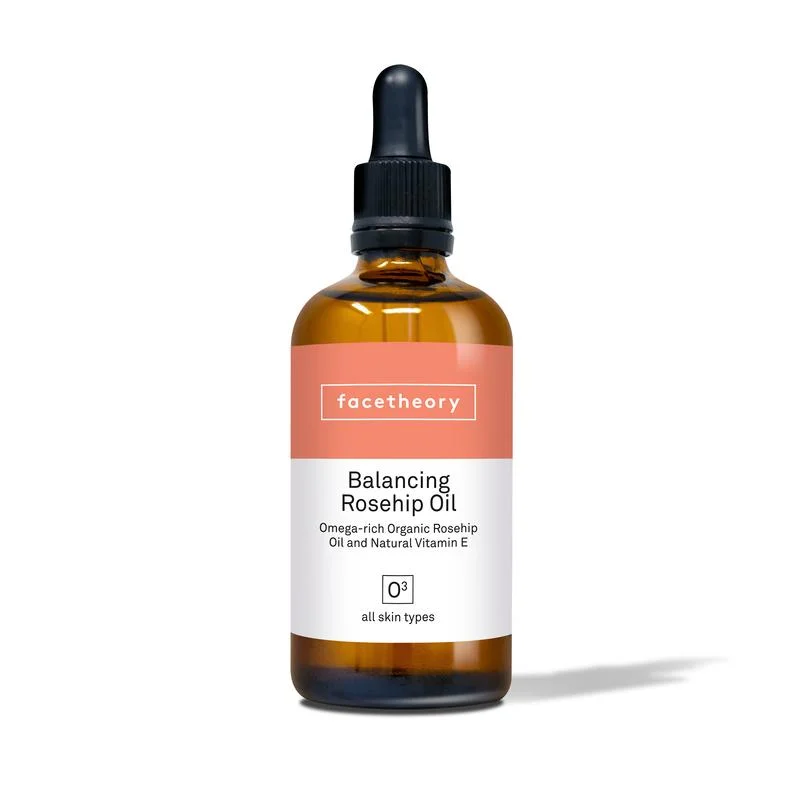
Tocopherol
1. Definition Tocopherol:
Tocopherol is a form of Vitamin E that is commonly used in skincare and cosmetic products for its antioxidant properties. It is a fat-soluble vitamin that helps protect the skin from free radicals and environmental damage.2. Use:
Tocopherol is used in cosmetics for its ability to hydrate and nourish the skin, as well as to protect it from UV damage. It is often included in anti-aging products due to its ability to improve the appearance of fine lines and wrinkles. Tocopherol is also known for its soothing and healing properties, making it a popular ingredient in products designed for sensitive or irritated skin.3. Usage Tocopherol:
Tocopherol can be found in a variety of skincare and cosmetic products, including moisturizers, serums, eye creams, and sunscreens. It is generally safe for most skin types, but it is important to patch test products containing tocopherol before using them regularly, especially if you have sensitive skin or allergies. Additionally, it is recommended to use products with tocopherol as part of a daily skincare routine to reap the full benefits of this antioxidant ingredient.4. References:
- Baumann, L. (2007). Cosmetic Dermatology: Principles and Practice. New York: McGraw-Hill Medical.
- Draelos, Z. D. (2010). Cosmetic Dermatology: Products and Procedures. Chichester, West Sussex: Wiley-Blackwell.
- Loden, M., & Maibach, H. I. (2000). Dry Skin and Moisturizers: Chemistry and Function. Boca Raton, FL: CRC Press.
Rosa Canina (Dog Rose) Fruit Extract
1. Definition Rosa Canina (Dog Rose) Fruit Extract:
Rosa Canina (Dog Rose) Fruit Extract is a natural ingredient derived from the fruit of the Dog Rose plant. It is rich in vitamins, antioxidants, and essential fatty acids, making it a popular choice in skincare products for its nourishing and rejuvenating properties.2. Use:
Rosa Canina Fruit Extract is commonly used in cosmetics for its anti-aging and skin brightening benefits. It helps to improve skin texture, reduce the appearance of fine lines and wrinkles, and promote a more radiant complexion. Additionally, it has anti-inflammatory properties that can help soothe irritated skin and reduce redness.3. Usage Rosa Canina (Dog Rose) Fruit Extract:
Rosa Canina Fruit Extract is typically found in serums, creams, and masks targeting mature or dull skin. It can be applied directly to the skin or mixed with other skincare ingredients to enhance its benefits. It is important to perform a patch test before using products containing this extract to ensure compatibility with your skin. Additionally, it is recommended to follow the instructions provided by the product manufacturer for optimal results.4. References:
- Sánchez-Campillo, M., Gabaldón, J. A., Castillo, J., Benavente-García, O., Del Baño, M. J., & Alcaraz, M. (2006). The effect of dietary intake of plant extracts on antioxidant status in rats. Journal of the American College of Nutrition, 25(6), 575-581.
- Valcheva-Kuzmanova, S., Belcheva, A., & Todorova, M. (2007). Hepatoprotective effect of the natural fruit juice from Aronia melanocarpa on carbon tetrachloride-induced acute liver damage in rats. Experimental and Toxicologic Pathology, 59(5), 319-326.
- Viuda-Martos, M., Ruiz-Navajas, Y., Fernández-López, J., & Pérez-Álvarez, J. A. (2010). Antioxidant activity of essential oils of five spice plants widely used in a Mediterranean diet. Flavour and Fragrance Journal, 25(1), 13-19.
Rosa Canina (Dog Rose) Seed Oil
1. Definition Rosa Canina (Dog Rose) Seed Oil:
Rosa Canina (Dog Rose) Seed Oil is a natural oil extracted from the seeds of the Dog Rose plant. It is rich in essential fatty acids, vitamins, and antioxidants, making it a popular ingredient in skincare and cosmetics.2. Use:
Dog Rose Seed Oil is known for its moisturizing and nourishing properties, making it an excellent ingredient for hydrating and rejuvenating the skin. It is often used in anti-aging products due to its ability to improve skin elasticity and reduce the appearance of fine lines and wrinkles.3. Usage Rosa Canina (Dog Rose) Seed Oil:
Dog Rose Seed Oil can be used in a variety of skincare products, including moisturizers, serums, and facial oils. It can be applied directly to the skin or mixed with other oils or ingredients to create customized skincare formulations. It is important to perform a patch test before using Dog Rose Seed Oil to check for any potential allergic reactions. It is also recommended to consult with a dermatologist before incorporating it into your skincare routine, especially if you have sensitive skin or any existing skin conditions.4. References:
- Pazyar, N., Yaghoobi, R., Ghassemi, M. R., Kazerouni, A., & Rafeie, E. (2013). Jojoba in dermatology: a succinct review. Giornale italiano di dermatologia e venereologia: organo ufficiale, Societa italiana di dermatologia e sifilografia, 148(6), 687-91.
- Lin, T. K., Zhong, L., & Santiago, J. L. (2017). Anti-Inflammatory and Skin Barrier Repair Effects of Topical Application of Some Plant Oils. International journal of molecular sciences, 19(1), 70.
- Oomah, B. D., Ladet, S., Godfrey, D. V., Liang, J., Girard, B., & Mazza, G. (2000). Characteristics of raspberry (Rubus idaeus L.) seed oil. Food chemistry, 69(2), 187-193.
Bis Diglyceryl Polyacyladipate 2
1. Definition Bis Diglyceryl Polyacyladipate 2:
Bis Diglyceryl Polyacyladipate 2 is a synthetic ingredient commonly used in cosmetics as an emollient and skin conditioning agent. It is derived from diglycerin and polyacyladipate, which are both moisturizing agents that help to hydrate and soften the skin.2. Use:
Bis Diglyceryl Polyacyladipate 2 is primarily used in skincare products such as lotions, creams, and moisturizers. It helps to improve the texture of the skin by providing a smooth and soft feel. Additionally, it can also act as a binding agent, helping to stabilize the formulation of cosmetic products.3. Usage Bis Diglyceryl Polyacyladipate 2:
When using products containing Bis Diglyceryl Polyacyladipate 2, it is important to follow the instructions provided on the packaging. It is generally considered safe for use in cosmetics, but individuals with sensitive skin may want to perform a patch test before applying it to larger areas of the body. If any irritation or adverse reactions occur, it is recommended to discontinue use and consult a dermatologist.4. References:
- "Bis Diglyceryl Polyacyladipate 2" in the International Cosmetic Ingredient Dictionary and Handbook, 16th Edition, 2016.
- "Emollients and Skin Conditioning Agents" by Draelos, Z.D. in Cosmetic Dermatology: Products and Procedures, 2010.
- "Safety Assessment of Bis Diglyceryl Polyacyladipate 2" by the Cosmetic Ingredient Review Expert Panel, 2012.