- Home
- Compare product
- Comparison result



| EWG | CIR | Ingredient Name & Cosmetic Function | Notes |
|---|---|---|---|
| 1 | - |  | |
| 1 | - | (Skin Conditioning, Hair Conditioning, Antimicrobial, Uv Absorber, Antioxidant) | |
| EWG | CIR | Ingredient Name & Cosmetic Function | Notes |
|---|---|---|---|
| 1 | - | (Solvent) | |
| 1 | B | (Skin Conditioning, Emollient) |  |
| 1 3 | B | (Humectant, Skin Conditioning, Emollient) |  |
| 1 | A | (Fragrance, Skin-Conditioning Agent - Occlusive) |  |

Tocopherol
1. Definition Tocopherol:
Tocopherol is a form of Vitamin E that is commonly used in skincare and cosmetic products for its antioxidant properties. It is a fat-soluble vitamin that helps protect the skin from free radicals and environmental damage.2. Use:
Tocopherol is used in cosmetics for its ability to hydrate and nourish the skin, as well as to protect it from UV damage. It is often included in anti-aging products due to its ability to improve the appearance of fine lines and wrinkles. Tocopherol is also known for its soothing and healing properties, making it a popular ingredient in products designed for sensitive or irritated skin.3. Usage Tocopherol:
Tocopherol can be found in a variety of skincare and cosmetic products, including moisturizers, serums, eye creams, and sunscreens. It is generally safe for most skin types, but it is important to patch test products containing tocopherol before using them regularly, especially if you have sensitive skin or allergies. Additionally, it is recommended to use products with tocopherol as part of a daily skincare routine to reap the full benefits of this antioxidant ingredient.4. References:
- Baumann, L. (2007). Cosmetic Dermatology: Principles and Practice. New York: McGraw-Hill Medical.
- Draelos, Z. D. (2010). Cosmetic Dermatology: Products and Procedures. Chichester, West Sussex: Wiley-Blackwell.
- Loden, M., & Maibach, H. I. (2000). Dry Skin and Moisturizers: Chemistry and Function. Boca Raton, FL: CRC Press.
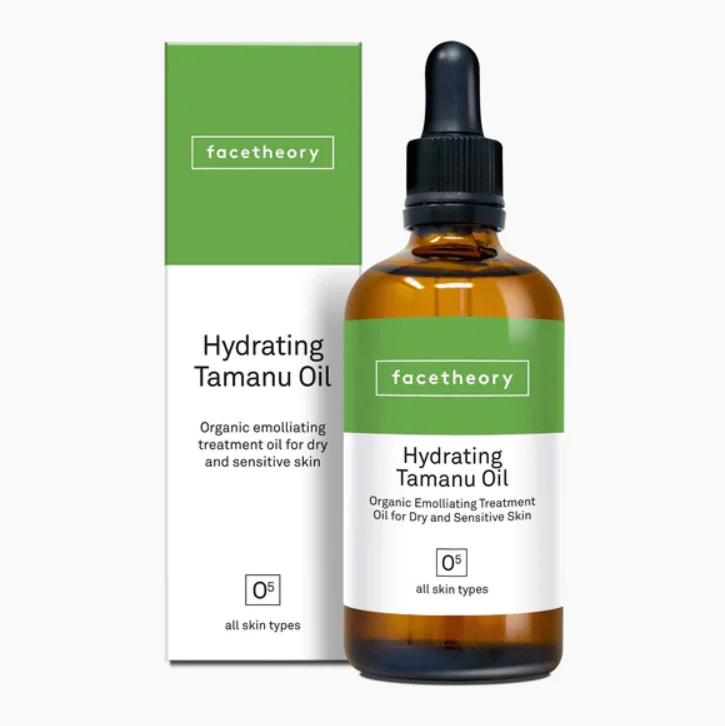
Calophyllum Inophyllum (Alexandrian Laurel) Seed Oil
1. Definition Calophyllum Inophyllum (Alexandrian Laurel) Seed Oil:
Calophyllum Inophyllum (Alexandrian Laurel) Seed Oil is a botanical oil extracted from the seeds of the Calophyllum inophyllum tree, also known as Tamanu tree. It is rich in fatty acids, particularly oleic acid, linoleic acid, and palmitic acid, as well as calophyllic acid, a unique compound known for its anti-inflammatory and healing properties.2. Use:
Calophyllum Inophyllum Seed Oil is commonly used in cosmetics for its moisturizing, anti-inflammatory, and healing properties. It is known to promote skin regeneration, reduce inflammation, and help with various skin conditions such as acne, eczema, and psoriasis. It is also used in hair care products to nourish and condition the hair and scalp.3. Usage Calophyllum Inophyllum (Alexandrian Laurel) Seed Oil:
Calophyllum Inophyllum Seed Oil can be used directly on the skin or hair, either alone or mixed with other carrier oils or essential oils. It is suitable for all skin types, including sensitive and acne-prone skin. When using on the skin, it is recommended to apply a few drops and massage gently until absorbed. For hair care, it can be applied to the scalp and hair, left on for a few hours or overnight, and then washed out with shampoo.4. References:
- Rodrigues Barreto, R., et al. (2019). Calophyllum inophyllum L. (Tamanu) oil: a review of the ethnobotany, phytochemistry, and pharmacology. Phytomedicine, 59, 152907.
- Lai, J., et al. (2016). Tamanu oil: a comprehensive review on its ethnobotany, phytochemical composition, and pharmacological properties. Evidence-Based Complementary and Alternative Medicine, 2016, 1-16.
- Prasad, A., et al. (2019). Calophyllum inophyllum L. (Tamanu) oil: an overview of its chemical composition, biological activities, and potential applications in cosmetics. Journal of Cosmetic Science, 70(2), 107-118.
Aqua
1. Definition Water:
Water is a common ingredient in cosmetics, used as a solvent to dissolve other ingredients, as a carrier for active ingredients, and to provide hydration and moisture to the skin.2. Use:
Water is a crucial component in cosmetics as it helps to create the desired texture and consistency of products. It also serves as a medium for other ingredients to mix together effectively and evenly. Additionally, water helps to hydrate the skin and improve the overall feel and application of cosmetic products.3. Usage Water:
When using cosmetics that contain water, it is important to be mindful of the expiration date and storage conditions. Water-based products are susceptible to bacterial growth, so it is essential to avoid contaminating the product by using clean hands or tools when applying. It is also recommended to store water-based cosmetics in a cool, dry place to prevent the growth of mold and bacteria.4. References:
- Draelos, Z. D. (2010). Cosmetic dermatology: products and procedures. John Wiley & Sons.
- Winter, R. (2009). A consumer's dictionary of cosmetic ingredients: complete information about the harmful and desirable ingredients found in cosmetics and cosmeceuticals. Crown.
- Begoun, P. (2003). Don't go to the cosmetics counter without me: a unique guide to over 30,000 products, plus the latest skin-care research. Beginning Press.
Ethylhexyl Stearate
1. Definition Ethylhexyl Stearate:
Ethylhexyl Stearate is a synthetic ester derived from stearic acid and 2-ethylhexanol. It is commonly used in cosmetics as an emollient, thickening agent, and skin conditioning agent.2. Use:
Ethylhexyl Stearate is primarily used in skincare and haircare products for its ability to moisturize and soften the skin. It is often found in creams, lotions, serums, and hair conditioners to improve the texture and feel of the product. Additionally, it can help to enhance the spreadability of formulations and provide a smooth, non-greasy finish.3. Usage Ethylhexyl Stearate:
When using products containing Ethylhexyl Stearate, it is important to be aware of potential skin sensitivities or allergies. While it is generally considered safe for use in cosmetics, some individuals may experience irritation or adverse reactions. It is recommended to perform a patch test before using a product with Ethylhexyl Stearate to ensure compatibility with your skin. Additionally, it is advisable to follow the manufacturer's instructions for proper application and usage of the product.4. References:
- "Ethylhexyl Stearate." Cosmetics Info, www.cosmeticsinfo.org/ingredient/ethylhexyl-stearate.
- "Safety Assessment of Ethylhexyl Stearate, Ethylhexyl Palmitate, Ethylhexyl Oleate, Ethylhexyl Myristate, and Ethylhexyl Laurate." International Journal of Toxicology, vol. 24, no. 5, 2005, pp. 51-79.
- "Ethylhexyl Stearate." Truth In Aging, www.truthinaging.com/ingredients/ethylhexyl-stearate.