- Home
- Compare product
- Comparison result


| EWG | CIR | Ingredient Name & Cosmetic Function | Notes |
|---|---|---|---|
| 1 | - |  | |
| 1 | - | (Skin Conditioning, Hair Conditioning, Antimicrobial, Uv Absorber, Antioxidant) | |
| EWG | CIR | Ingredient Name & Cosmetic Function | Notes |
|---|---|---|---|
| 1 | - | | |
| 1 | - | (Skin Conditioning, Emollient, Hair Conditioning, Abrasive) | |
| 1 | - | | |
| 2 | - | (Fragrance, Skin Conditioning) |   |
Tocopherol
1. Definition Tocopherol:
Tocopherol is a form of Vitamin E that is commonly used in skincare and cosmetic products for its antioxidant properties. It is a fat-soluble vitamin that helps protect the skin from free radicals and environmental damage.2. Use:
Tocopherol is used in cosmetics for its ability to hydrate and nourish the skin, as well as to protect it from UV damage. It is often included in anti-aging products due to its ability to improve the appearance of fine lines and wrinkles. Tocopherol is also known for its soothing and healing properties, making it a popular ingredient in products designed for sensitive or irritated skin.3. Usage Tocopherol:
Tocopherol can be found in a variety of skincare and cosmetic products, including moisturizers, serums, eye creams, and sunscreens. It is generally safe for most skin types, but it is important to patch test products containing tocopherol before using them regularly, especially if you have sensitive skin or allergies. Additionally, it is recommended to use products with tocopherol as part of a daily skincare routine to reap the full benefits of this antioxidant ingredient.4. References:
- Baumann, L. (2007). Cosmetic Dermatology: Principles and Practice. New York: McGraw-Hill Medical.
- Draelos, Z. D. (2010). Cosmetic Dermatology: Products and Procedures. Chichester, West Sussex: Wiley-Blackwell.
- Loden, M., & Maibach, H. I. (2000). Dry Skin and Moisturizers: Chemistry and Function. Boca Raton, FL: CRC Press.
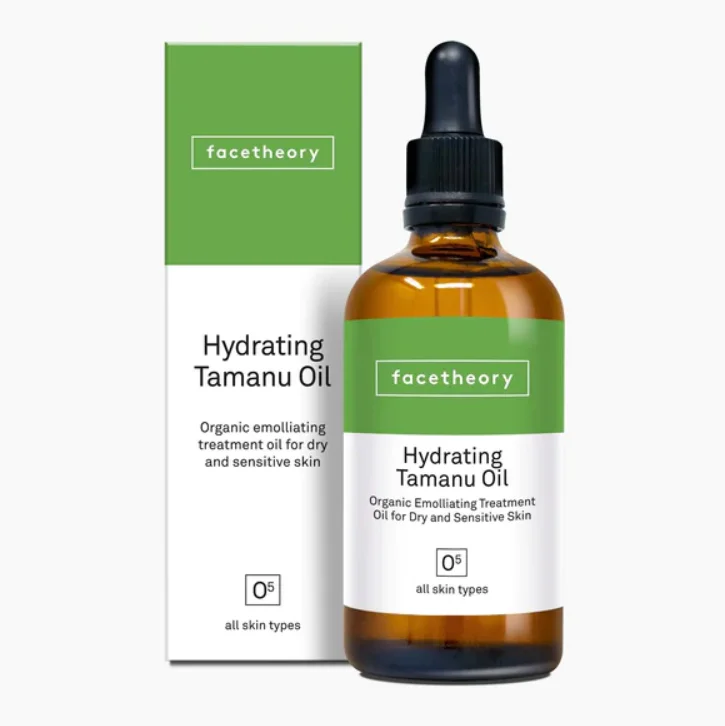
Calophyllum Inophyllum (Alexandrian Laurel) Seed Oil
1. Definition Calophyllum Inophyllum (Alexandrian Laurel) Seed Oil:
Calophyllum Inophyllum (Alexandrian Laurel) Seed Oil is a botanical oil extracted from the seeds of the Calophyllum inophyllum tree, also known as Tamanu tree. It is rich in fatty acids, particularly oleic acid, linoleic acid, and palmitic acid, as well as calophyllic acid, a unique compound known for its anti-inflammatory and healing properties.2. Use:
Calophyllum Inophyllum Seed Oil is commonly used in cosmetics for its moisturizing, anti-inflammatory, and healing properties. It is known to promote skin regeneration, reduce inflammation, and help with various skin conditions such as acne, eczema, and psoriasis. It is also used in hair care products to nourish and condition the hair and scalp.3. Usage Calophyllum Inophyllum (Alexandrian Laurel) Seed Oil:
Calophyllum Inophyllum Seed Oil can be used directly on the skin or hair, either alone or mixed with other carrier oils or essential oils. It is suitable for all skin types, including sensitive and acne-prone skin. When using on the skin, it is recommended to apply a few drops and massage gently until absorbed. For hair care, it can be applied to the scalp and hair, left on for a few hours or overnight, and then washed out with shampoo.4. References:
- Rodrigues Barreto, R., et al. (2019). Calophyllum inophyllum L. (Tamanu) oil: a review of the ethnobotany, phytochemistry, and pharmacology. Phytomedicine, 59, 152907.
- Lai, J., et al. (2016). Tamanu oil: a comprehensive review on its ethnobotany, phytochemical composition, and pharmacological properties. Evidence-Based Complementary and Alternative Medicine, 2016, 1-16.
- Prasad, A., et al. (2019). Calophyllum inophyllum L. (Tamanu) oil: an overview of its chemical composition, biological activities, and potential applications in cosmetics. Journal of Cosmetic Science, 70(2), 107-118.
Simmondsia Chinensis (Jojoba) Seed Oil Extract
1. Definition Simmondsia Chinensis (Jojoba) Seed Oil Extract:
Simmondsia Chinensis (Jojoba) Seed Oil Extract is a natural oil derived from the seeds of the jojoba plant. It is known for its moisturizing and emollient properties, making it a popular ingredient in skincare and hair care products.2. Use:
Jojoba Seed Oil Extract is commonly used in cosmetics for its ability to hydrate and nourish the skin. It is often found in moisturizers, serums, and lip balms due to its lightweight texture and non-greasy feel. Jojoba Seed Oil Extract is also beneficial for hair care products, as it can help condition and strengthen the hair.3. Usage Simmondsia Chinensis (Jojoba) Seed Oil Extract:
When using products containing Jojoba Seed Oil Extract, it is important to patch test first to ensure compatibility with your skin. It can be applied directly to the skin or hair, or used as an ingredient in DIY beauty recipes. Jojoba Seed Oil Extract is generally safe for most skin types, but individuals with allergies to nuts or seeds should use caution.4. References:
- Paula Begoun. (2003). "Don't Go to the Cosmetics Counter Without Me." 7th Edition.
- Dweck, A. C. (2003). "The Jojoba Story." Personal Care Magazine, 4(1), 1-4.
- Meier, L., & Sticher, O. (2004). "Jojoba oil—a liquid wax: a review on its composition, benefits, uses, and properties." Revista Brasileira de Farmacognosia, 14(1), 1-6.