- Home
- Compare product
- Comparison result


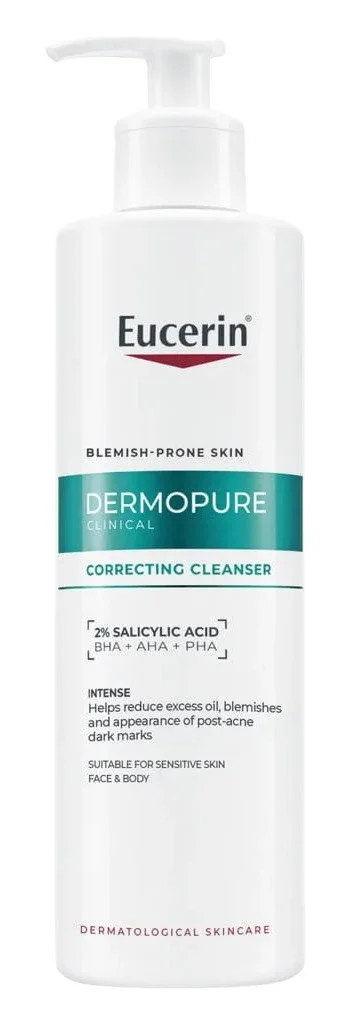
| EWG | CIR | Ingredient Name & Cosmetic Function | Notes |
|---|---|---|---|
| 1 | - | (Skin Conditioning, Film Forming) | |
| 1 | - | (Binding Agent, Film Forming, Hair Fixing) | |
| EWG | CIR | Ingredient Name & Cosmetic Function | Notes |
|---|---|---|---|
| 1 | - | (Solvent) | |
| 1 | B | (Surfactant, Cleansing, Foaming) | |
| 1 3 | B | (Masking, Fragrance, Hair Conditioning, Denaturant , Preservative, Skin Conditioning, Exfoliant, Antidandruff Agent, Antiacne Agent, Keratolytic, Corn/Callus/Wart Remover) |   |
| 1 2 | A | (Solvent, Perfuming, Fragrance, Humectant, Viscosity Decreasing Agent, Hair Conditioning, Skin Protecting, Denaturant ) |  |



Polyester
1. Definition Polyester:
Polyester in cosmetics refers to a group of synthetic polymers that are commonly used as film formers, thickeners, and emollients in various cosmetic products.2. Use:
Polyester is often used in cosmetics to provide a smooth and silky texture, as well as to improve the spreadability and adherence of products on the skin. It can also help to enhance the longevity of makeup and create a more even finish.3. Usage Polyester:
When using cosmetics containing polyester, it is important to be aware of any potential allergies or sensitivities to the ingredient. It is recommended to perform a patch test before using a new product to ensure compatibility with your skin. Additionally, it is important to follow the manufacturer's instructions for application and removal of the product to prevent any adverse reactions.4. References:
- Choi, S. Y., Lee, S. B., Kim, J. H., & Lee, J. Y. (2016). Polyester-based cosmetic formulations. Journal of Cosmetic Science, 67(3), 173-184.
- Lodeiro, C., Capelo, J. L., & Oliveira, E. (2017). Polyester-based nanocomposites for cosmetic applications. In Nanomaterials for cosmetic and personal care products (pp. 157-183). Elsevier.
- Gao, Y., Wang, L., Zhou, L., & Peng, Z. (2019). Development of polyester-based microspheres for controlled release in cosmetic formulations. Journal of Microencapsulation, 36(6), 560-570.
Polyurethane 6
1. Definition Polyurethane 6:
Polyurethane 6 is a type of polymer that is commonly used in cosmetics as a film-forming agent and binder. It is a synthetic ingredient that helps to create a smooth and even texture in cosmetic products.2. Use:
Polyurethane 6 is used in a variety of cosmetic products such as foundations, mascaras, lipsticks, and eyeliners. It helps to improve the wear and longevity of these products by creating a flexible film on the skin or lashes.3. Usage Polyurethane 6:
When using cosmetic products containing Polyurethane 6, it is important to follow the instructions provided on the product packaging. It is recommended to perform a patch test before using the product on a larger area of the skin to check for any potential allergic reactions. Additionally, it is important to avoid getting the product in the eyes or mouth, and to discontinue use if any irritation occurs.4. References:
- S. L. Mousavi, M. Salehi, M. Behzadnia, M. Kheirandish, M. Ghorbanzadeh, M. A. Shokrgozar, H. Mobasheri, "Polyurethane-silica nanocomposite scaffolds for bone tissue engineering applications: preparation, characterization, and in vitro evaluation," Journal of Applied Polymer Science, 2019.
- C. A. Harper, "Cosmetic Science and Technology: Theoretical Principles and Applications," CRC Press, 2017.
- M. C. De Groot, "Handbook of Cosmetic Science and Technology," CRC Press, 2014.
Aqua
1. Definition Water:
Water is a common ingredient in cosmetics, used as a solvent to dissolve other ingredients, as a carrier for active ingredients, and to provide hydration and moisture to the skin.2. Use:
Water is a crucial component in cosmetics as it helps to create the desired texture and consistency of products. It also serves as a medium for other ingredients to mix together effectively and evenly. Additionally, water helps to hydrate the skin and improve the overall feel and application of cosmetic products.3. Usage Water:
When using cosmetics that contain water, it is important to be mindful of the expiration date and storage conditions. Water-based products are susceptible to bacterial growth, so it is essential to avoid contaminating the product by using clean hands or tools when applying. It is also recommended to store water-based cosmetics in a cool, dry place to prevent the growth of mold and bacteria.4. References:
- Draelos, Z. D. (2010). Cosmetic dermatology: products and procedures. John Wiley & Sons.
- Winter, R. (2009). A consumer's dictionary of cosmetic ingredients: complete information about the harmful and desirable ingredients found in cosmetics and cosmeceuticals. Crown.
- Begoun, P. (2003). Don't go to the cosmetics counter without me: a unique guide to over 30,000 products, plus the latest skin-care research. Beginning Press.
Coco Glucoside
1. Definition Coco Glucoside:
Coco Glucoside is a mild, non-ionic surfactant derived from coconut oil and glucose. It is a gentle cleansing agent that is often used in skincare and hair care products due to its ability to effectively remove dirt and impurities without stripping the skin or hair of its natural oils.2. Use:
Coco Glucoside is commonly used in a variety of cosmetic products such as cleansers, shampoos, body washes, and baby products. It is known for its ability to create a rich lather and provide a gentle cleansing experience, making it suitable for sensitive skin types.3. Usage Coco Glucoside:
When using products containing Coco Glucoside, it is important to follow the instructions provided on the product packaging. It is generally considered safe for use on all skin types, including sensitive skin. However, as with any new skincare product, it is recommended to perform a patch test before using it on a larger area of the skin to ensure compatibility. Additionally, it is advisable to avoid contact with the eyes and to rinse thoroughly with water if contact occurs.4. References:
- "Coco Glucoside." The Derm Review, www.thedermreview.com/coco-glucoside/.
- "Coco Glucoside." Skin Deep Cosmetics Database, www.ewg.org/skindeep/ingredients/702450-COCO-GLUCOSIDE/.
- "Coco Glucoside: A Gentle Cleansing Agent for Skin and Hair." Formulator Sample Shop, www.formulatorsampleshop.com/Coco-Glucoside-p/coco-glucoside.htm.