


- Home
- Compare product
- Comparison result
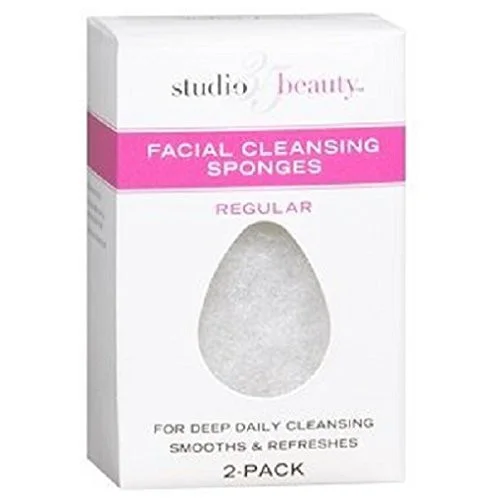
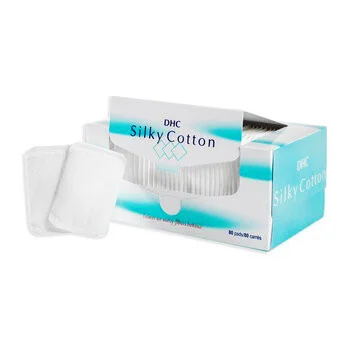


| EWG | CIR | Ingredient Name & Cosmetic Function | Notes |
|---|---|---|---|
| 1 | - | (Skin Conditioning, Film Forming) | |
| 1 | - | (Binding Agent, Film Forming, Hair Fixing) | |
| EWG | CIR | Ingredient Name & Cosmetic Function | Notes |
|---|---|---|---|
| 1 | - | |
Polyester
1. Definition Polyester:
Polyester in cosmetics refers to a group of synthetic polymers that are commonly used as film formers, thickeners, and emollients in various cosmetic products.2. Use:
Polyester is often used in cosmetics to provide a smooth and silky texture, as well as to improve the spreadability and adherence of products on the skin. It can also help to enhance the longevity of makeup and create a more even finish.3. Usage Polyester:
When using cosmetics containing polyester, it is important to be aware of any potential allergies or sensitivities to the ingredient. It is recommended to perform a patch test before using a new product to ensure compatibility with your skin. Additionally, it is important to follow the manufacturer's instructions for application and removal of the product to prevent any adverse reactions.4. References:
- Choi, S. Y., Lee, S. B., Kim, J. H., & Lee, J. Y. (2016). Polyester-based cosmetic formulations. Journal of Cosmetic Science, 67(3), 173-184.
- Lodeiro, C., Capelo, J. L., & Oliveira, E. (2017). Polyester-based nanocomposites for cosmetic applications. In Nanomaterials for cosmetic and personal care products (pp. 157-183). Elsevier.
- Gao, Y., Wang, L., Zhou, L., & Peng, Z. (2019). Development of polyester-based microspheres for controlled release in cosmetic formulations. Journal of Microencapsulation, 36(6), 560-570.
Polyurethane 6
1. Definition Polyurethane 6:
Polyurethane 6 is a type of polymer that is commonly used in cosmetics as a film-forming agent and binder. It is a synthetic ingredient that helps to create a smooth and even texture in cosmetic products.2. Use:
Polyurethane 6 is used in a variety of cosmetic products such as foundations, mascaras, lipsticks, and eyeliners. It helps to improve the wear and longevity of these products by creating a flexible film on the skin or lashes.3. Usage Polyurethane 6:
When using cosmetic products containing Polyurethane 6, it is important to follow the instructions provided on the product packaging. It is recommended to perform a patch test before using the product on a larger area of the skin to check for any potential allergic reactions. Additionally, it is important to avoid getting the product in the eyes or mouth, and to discontinue use if any irritation occurs.4. References:
- S. L. Mousavi, M. Salehi, M. Behzadnia, M. Kheirandish, M. Ghorbanzadeh, M. A. Shokrgozar, H. Mobasheri, "Polyurethane-silica nanocomposite scaffolds for bone tissue engineering applications: preparation, characterization, and in vitro evaluation," Journal of Applied Polymer Science, 2019.
- C. A. Harper, "Cosmetic Science and Technology: Theoretical Principles and Applications," CRC Press, 2017.
- M. C. De Groot, "Handbook of Cosmetic Science and Technology," CRC Press, 2014.
Gossypium Herbaceum (Cotton)
1. Definition Gossypium Herbaceum (Cotton):
Gossypium Herbaceum, commonly known as cotton, is a plant species belonging to the Malvaceae family. Cotton is primarily cultivated for its soft, fluffy fibers that are used in the production of textiles, but it also has various cosmetic benefits.2. Use:
Cotton is a versatile ingredient in cosmetics due to its gentle and non-irritating properties. It is commonly used in skincare products such as cleansers, toners, and facial masks for its ability to effectively remove impurities and excess oil from the skin without causing irritation. Cottonseed oil, extracted from the seeds of the cotton plant, is rich in antioxidants and essential fatty acids, making it a popular ingredient in moisturizers and anti-aging products.3. Usage Gossypium Herbaceum (Cotton):
When using cotton-based cosmetics, it is important to consider any potential allergies or sensitivities to the ingredient. Patch testing a small amount of the product on a small area of skin before full application is recommended to ensure compatibility. Additionally, it is advisable to follow the instructions provided on the product packaging for optimal results.4. References:
- Kaur, G., & Kataria, H. (2014). Cottonseed oil: a review on its uses and health benefits. International Journal of Current Microbiology and Applied Sciences, 3(4), 390-395.
- Wagh, V. D., & Patil, P. (2016). Evaluation of cotton seed oil as a cosmetic ingredient. International Journal of Pharmaceutical Research & Allied Sciences, 5(1), 135-142.
- Pachauri, M., & Gupta, A. (2018). Cottonseed oil: a boon for skincare. International Journal of Advanced Research, 6(2), 44-49.







