- Home
- Compare product
- Comparison result


| EWG | CIR | Ingredient Name & Cosmetic Function | Notes |
|---|---|---|---|
| - | - | (Skin Conditioning) | |
| - | - | (Antioxidant, Exfoliant) | |
| 1 | A | (Humectant, Skin Conditioning, Antistatic Agent, Viscosity Increasing Agent, Moisturising) | |
| 1 3 | A | (Skin Protecting, Skin Conditioning, Emollient, Antifoaming Agent) |  |


| EWG | CIR | Ingredient Name & Cosmetic Function | Notes |
|---|---|---|---|
| 1 | - | (Solvent) | |
| 1 2 | A | (Solvent, Perfuming, Fragrance, Humectant, Viscosity Decreasing Agent, Hair Conditioning, Skin Protecting, Denaturant ) |  |
| 1 3 | A | (Skin Protecting, Skin Conditioning, Emollient, Antifoaming Agent) | |
| 1 | A | (Viscosity Controlling) | |
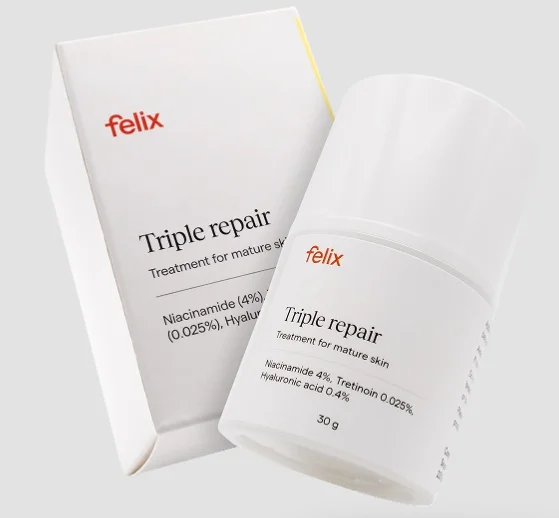
Isoniacinamide (4%)
1. Definition Isoniacinamide:
Niacinamide, also known as nicotinamide or Vitamin B3, is a water-soluble vitamin that is commonly used in skincare products for its various benefits.2. Use:
Niacinamide is known for its ability to improve the appearance of enlarged pores, uneven skin tone, fine lines, and dullness. It also helps to strengthen the skin's barrier function, reduce inflammation, and regulate oil production. Additionally, niacinamide has antioxidant properties that can help protect the skin from environmental damage.3. Usage Isoniacinamide:
Niacinamide can be found in a variety of skincare products such as serums, moisturizers, and creams. It is typically safe for all skin types, including sensitive skin, and can be used both in the morning and evening. To incorporate niacinamide into your skincare routine, simply apply a few drops of a niacinamide serum or use a moisturizer containing niacinamide after cleansing and toning the skin.Precautions when using niacinamide include potential interactions with other skincare ingredients such as Vitamin C and retinol. It is recommended to patch test niacinamide products before applying them to the entire face to ensure compatibility with your skin.
4. References:
- Schagen, S. K. (2018). Topical niacinamide provides skin aging benefits. Skin Pharmacology and Physiology, 31(3), 111-118.
- Bissett, D. L., Oblong, J. E., & Berge, C. A. (2005). Niacinamide: A B vitamin that improves aging facial skin appearance. Dermatologic Surgery, 31(7), 860-865.
- Draelos, Z. D. (2005). The ability of onion extract gel to improve the cosmetic appearance of postsurgical scars. Journal of Cosmetic Dermatology, 4(3), 183-187.
Tretinoin (0.025%)
1. Definition Tretinoin:
Tretinoin is a derivative of vitamin A that is commonly used in skincare products for its anti-aging and acne-fighting properties. It works by increasing cell turnover and promoting collagen production, resulting in smoother, clearer, and more youthful-looking skin.
2. Use:
Tretinoin is primarily used in cosmetics to treat acne, reduce the appearance of fine lines and wrinkles, and improve overall skin texture and tone. It is often found in prescription-strength products, such as tretinoin creams or gels, that are applied topically to the skin.
3. Usage Tretinoin:
When using tretinoin in cosmetics, it is important to follow the instructions provided by a healthcare professional or dermatologist. It is typically applied once daily in the evening, after cleansing the skin. It is important to start with a lower concentration and gradually increase the frequency of use to minimize irritation and side effects, such as redness, peeling, and sensitivity to sunlight. It is also recommended to use sunscreen during the day to protect the skin from sun damage.
4. References:
- Mukherjee, S., Date, A., Patravale, V., Korting, H. C., Roeder, A., & Weindl, G. (2006). Retinoids in the treatment of skin aging: an overview of clinical efficacy and safety. Clinical interventions in aging, 1(4), 327–348. https://doi.org/10.2147/ciia.2006.1.4.327
- Fisher, G. J., Talwar, H. S., Lin, J., Lin, P., McPhillips, F., Wang, Z., Li, X., Datta, S., Kang, S., & Voorhees, J. J. (1996). Retinoic acid inhibits induction of c-Jun protein in ultraviolet-irradiated human skin in vivo. Journal of the American Academy of Dermatology, 35(6), 1018–1024. https://doi.org/10.1016/S0190-9622(96)90029-5
- Kang, S., Duell, E. A., Fisher, G. J., Datta, S. C., Wang, Z. Q., Reddy, A. P., Tavakkol, A., Yi, J. Y., Griffiths, C. E., & Elder, J. T. (1995). Application of retinol to human skin in vivo induces epidermal hyperplasia and cellular retinoid binding proteins characteristic of retinoic acid but without measurable retinoic acid levels or irritation. Journal of Investigative Dermatology, 105(4), 549–556. https://doi.org/10.1111/1523-1747.ep12323560
Hyaluronic Acid (0.4%)
1. Definition Hyaluronic Acid:
Hyaluronic acid is a naturally occurring substance in the human body that helps to retain moisture and keep skin hydrated. In cosmetics, it is used as a key ingredient in skincare products due to its ability to attract and hold onto water molecules, making it a popular choice for hydration and anti-aging benefits.
2. Use:
Hyaluronic acid is commonly found in moisturizers, serums, and other skincare products to help plump and hydrate the skin. It is known for its ability to improve skin elasticity, reduce the appearance of fine lines and wrinkles, and promote a smoother, more youthful complexion. Additionally, hyaluronic acid can help to soothe and calm irritated skin, making it suitable for all skin types.
3. Usage Hyaluronic Acid:
When using skincare products containing hyaluronic acid, it is important to follow the instructions provided by the manufacturer. Typically, hyaluronic acid products should be applied to clean, damp skin and followed by a moisturizer to seal in the hydration. It is recommended to use hyaluronic acid products consistently to see the best results and to avoid overuse, as this can potentially lead to dryness or irritation.
4. References:
- Baumann, L. (2007). Cosmetic Dermatology: Principles and Practice. New York: McGraw-Hill Medical.
- Papakonstantinou, E., Roth, M., & Karakiulakis, G. (2012). Hyaluronic acid: A key molecule in skin aging. Dermato-Endocrinology, 4(3), 253-258.
- Ganceviciene, R., Liakou, A. I., Theodoridis, A., Makrantonaki, E., & Zouboulis, C. C. (2012). Skin anti-aging strategies. Dermato-Endocrinology, 4(3), 308-319.
Dimethicone
1. Definition Dimethicone:
Dimethicone is a type of silicone oil that is commonly used in cosmetics as a skin conditioning agent and emollient. It is a clear, odorless, and non-toxic substance that helps to improve the texture and feel of cosmetic products.2. Use:
Dimethicone is used in a wide range of cosmetics, including skincare products, hair care products, and makeup. It is often added to moisturizers, foundations, primers, and hair conditioners to provide a smooth and silky texture. Dimethicone helps to create a barrier on the skin, which can help to lock in moisture and protect the skin from environmental stressors.3. Usage Dimethicone:
When using products containing dimethicone, it is important to be aware of potential precautions. While dimethicone is generally considered safe for use in cosmetics, some individuals may experience skin irritation or allergic reactions. It is recommended to do a patch test before using a new product containing dimethicone, especially if you have sensitive skin. Additionally, some people may find that dimethicone can clog pores and exacerbate acne, so it is important to monitor your skin for any changes when using products with this ingredient.4. References:
- Lanigan, R. S., & Yamarik, T. A. (2002). Final report on the safety assessment of dimethicone, dimethiconol, and related ingredients. International journal of toxicology, 21(1), 7-41.
- Draelos, Z. D. (2010). Cosmetic vehicle efficacy. Dermatologic therapy, 23(4), 314-317.
- Fiume, M. M., Bergfeld, W. F., Belsito, D. V., Hill, R. A., Klaassen, C. D., Liebler, D., ... & Andersen, F. A. (2016). Safety assessment of dimethicone crosspolymers as used in cosmetics. International journal of toxicology, 35(1_suppl), 5S-24S.