


- Home
- Compare product
- Comparison result

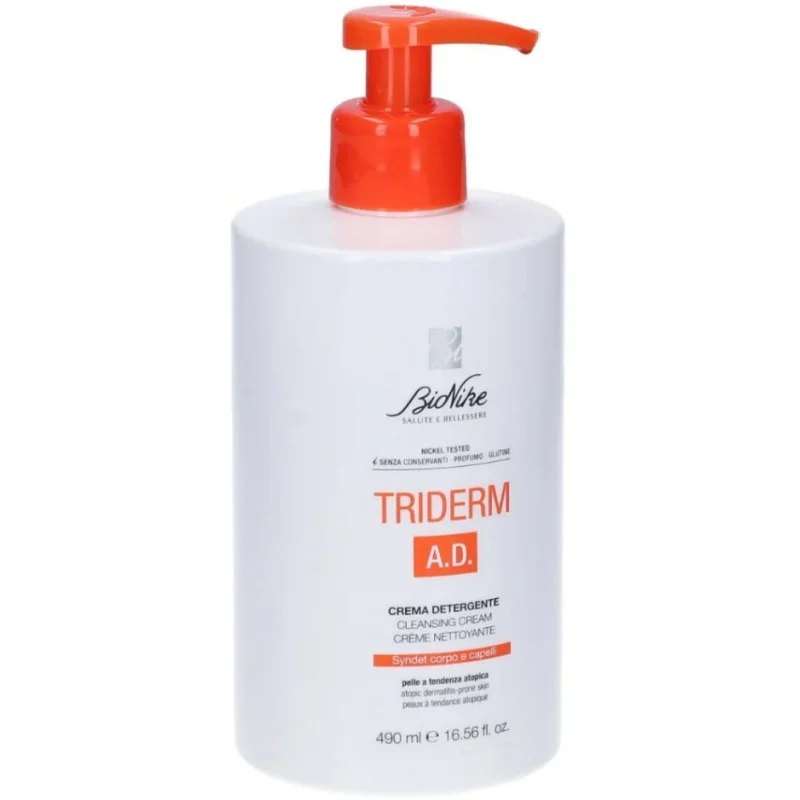


| EWG | CIR | Ingredient Name & Cosmetic Function | Notes |
|---|---|---|---|
| 1 | - | (Solvent) | |
| 2 4 | A | (Fragrance, Preservative) | |
| 1 2 | A | (Masking, Fragrance, Chelating Agent, pH adjusting agent, pH adjusting agent) | Anti Aging  Bad for sensitive skin Bad for sensitive skin |
| 1 | A | (Humectant, Hair Conditioning, Skin Conditioning, Emollient) | |
| 4 5 | - | (Solvent, Perfuming, Deodorant) |  Allergen Allergen |
| 3 | - | (Masking, Deodorant, Fragrance) | Allergen |
| 1 3 | A | (Masking, Fragrance, Preservative, Anticorrosive) | |
| 2 | A | (Fragrance, Preservative) | |
| 1 4 | B | (Denaturant , pH adjusting agent, pH adjusting agent) | |
| 3 | B | (Emulsifying, Surfactant) |  Fungal Acne Trigger Cleansing Fungal Acne Trigger Cleansing |
| 3 4 | - | (Masking, Fragrance) | Allergen |
| 3 5 | - | (Masking, Fragrance, Tonic) | Allergen |
| 2 | - | (Solvent, Viscosity Decreasing Agent, Viscosity Controlling) | |
| 3 | - | (Masking, Fragrance) | Allergen |
| 2 | B | (Skin Conditioning, Perfuming, Fragrance, Skin-Conditioning Agent -Occlusive) |  Good for sensitive skin Good for sensitive skin  Good for dry skin Good for dry skin |
| 1 3 | B | (Humectant, Skin Conditioning, Emollient) | Good for sensitive skin |
| 4 5 | - | (Masking, Fragrance) | Allergen |
| 2 | B | (Emulsion Stabilising, Surfactant, Cleansing) | Cleansing |
| 1 2 | A | (Solvent, Masking, Fragrance, Viscosity Decreasing Agent, Viscosity Controlling) | |
| 7 | - | | |
| 1 | B | (Surfactant, Cleansing, Foaming) | Cleansing |
| 1 | - | | |
| 1 | A | (Skin Conditioning, Emollient) | Good for dry skin |
| 4 6 | B | Bad for sensitive skin | |
| 1 | A | (Perfuming, Fragrance, Skin Conditioning, Emollient, Emulsifying, Surfactant) | Fungal Acne Trigger Cleansing |
| 1 2 | - | (Masking, Fragrance) | |
| 1 | - | (Chelating Agent) | |
| 1 | - | (Masking, Fragrance, Flavoring Agent) | |
| 1 | B | (Masking, Fragrance, Preservative) | |
| 1 | - | (Emollient) | |
| 2 | B | | |
| 1 | - | (Masking, Fragrance, Tonic) | |
| 1 | - | Bad for sensitive skin | |
| 1 | - | (Masking, Perfuming, Tonic) | |
| 1 | - | (Masking, Fragrance) | |
| 1 | B | (Chelating Agent, pH adjusting agent, pH adjusting agent) | |
| 1 | - | (Solvent, Masking, Perfuming) | |
| 1 3 | - | (Masking, Perfuming, Fragrance) | |
| 1 | - | (Solvent, Masking, Perfuming, Denaturant ) | |
| 1 | - | (Solvent, Perfuming, Fragrance, Humectant, Viscosity Controlling) | |
| 1 | - | (Masking, Fragrance) | |
| 1 | - | (Perfuming, Fragrance, Tonic) | |
| 1 | - | (Solvent, Masking, Fragrance) | |
| 1 | - | (Perfuming, Astringent) | |
| 1 | - | (Skin Conditioning, Masking) | |
| 1 | - | (Solvent, Masking, Perfuming) | |
| 1 | - | (Masking, Perfuming) | |
| 1 | - | (Skin Conditioning, Masking, Perfuming) | |
| 1 | - | (Skin Conditioning, Masking, Perfuming) | |
| 1 | A | (Solvent, Perfuming, Fragrance) | |
| 1 | - | (Masking) | |
| 1 | - | (Masking, Fragrance, Flavoring Agent) | |
| 1 2 | - | (Masking, Fragrance) | |
| 1 | - | | |
| 1 | - | | |
| 1 | - | (Chelating Agent) | |
| 1 2 | - | (Perfuming) | |
| 1 | - | (Solvent, Masking, Fragrance) | |
| 1 | - | (Solvent, Masking, Perfuming, Denaturant ) | |
| 1 | - | (Masking, Fragrance) | |
| 1 | - | (Skin Conditioning, Masking, Fragrance, Tonic) | |
| 1 | - | (Masking, Perfuming, Surfactant, Emulsifying, Cleansing) | Cleansing |
| 1 | - | (Solvent, Masking, Fragrance, Propellant agent) | |
| 1 | - | (Skin Conditioning, Perfuming) | Allergen |
| 1 2 | - | (Masking, Fragrance) | |
| 1 | - | | |
| 1 | - | (Plasticizer) | |
| 1 | - | | |
| 1 | - | | |
| 1 | A | (Skin Conditioning, Masking, Emollient, Fragrance) |  Bad for oily skin Bad for oily skin |
| 1 2 | - | (Solvent, Masking, Perfuming, Denaturant ) | |
| 1 | A | (Skin Conditioning, Masking, Emollient, Fragrance) | Bad for oily skin |
| - | B | |
| EWG | CIR | Ingredient Name & Cosmetic Function | Notes |
|---|---|---|---|
| 1 | - | (Solvent) | |
| 1 | - | (Fragrance, Humectant, Skin Conditioning, Flavoring Agent, Plasticizer) | |
| 2 | B | (Emulsion Stabilising, Surfactant, Cleansing) | Cleansing |
| 3 | B | (Skin Conditioning, Emollient, Surfactant, Emulsifying) | Cleansing |
| 1 | A | (Hair Conditioning, Foam Boosting, Sufactant, Foaming) | |
| 1 | B | (Hair Conditioning, Antistatic Agent, Surfactant) | Cleansing |
| 1 2 | A | (Solvent, Perfuming, Fragrance, Humectant, Viscosity Decreasing Agent, Hair Conditioning, Skin Protecting, Denaturant ) | Good for dry skin Moisturizing |
| 1 | A | (Binding Agent, Binding, Emulsifying) | Fungal Acne Trigger Cleansing |
| 1 | A | (Fragrance, Skin-Conditioning Agent - Occlusive) | Bad for oily skin Fungal Acne Trigger |
| 1 | B | (Surfactant, Cleansing, Foaming) | Fungal Acne Trigger Cleansing |
| 1 | A | (Surfactant, Emulsifying, Sufactant) | Cleansing |
| 2 | A | (Film Forming, Opacifying) | |
| 1 | B | (Viscosity Controlling, Emulsion Stabilising, Film Forming) | |
| 1 | A | (Opacifying, Emollient, Viscosity Controlling, Viscosity Increasing Agent, Emulsion Stabilising, Emulsifying, Foam Boosting, Viscosity Increasingagent - Aqueous) | Cleansing |
| 3 | B | (Solvent, Fragrance, Humectant, Viscosity Decreasing Agent, Skin Conditioning, Viscosity Controlling, Skin-Conditioningagent - Miscellaneous) | Good for dry skin |
| 2 | A | (Deodorant, Skin Conditioning) | |
| - | - | 1,5-Pentanediol | |
| 1 | - | (Viscosity Controlling, Emulsion Stabilising, Film Forming) | |
| 1 | A | (Humectant, Hair Conditioning, Skin Conditioning, Emollient) | |
| - | - | Lonicera Caprifolium Flower Extract (Lonicera Caprifolium (Honeysuckle) Flower Extract) | |
| - | - | Lonicera Japonica Flower Extract (Lonicera Japonica (Honeysuckle) Flower Extract) | |
| 1 | - | (Skin Conditioning) | |
| 1 | A | (Chelating Agent, Viscosity Controlling) | |
Water
1. Definition Water:
Water is a common ingredient in cosmetics, used as a solvent to dissolve other ingredients, as a carrier for active ingredients, and to provide hydration and moisture to the skin.2. Use:
Water is a crucial component in cosmetics as it helps to create the desired texture and consistency of products. It also serves as a medium for other ingredients to mix together effectively and evenly. Additionally, water helps to hydrate the skin and improve the overall feel and application of cosmetic products.3. Usage Water:
When using cosmetics that contain water, it is important to be mindful of the expiration date and storage conditions. Water-based products are susceptible to bacterial growth, so it is essential to avoid contaminating the product by using clean hands or tools when applying. It is also recommended to store water-based cosmetics in a cool, dry place to prevent the growth of mold and bacteria.4. References:
- Draelos, Z. D. (2010). Cosmetic dermatology: products and procedures. John Wiley & Sons.
- Winter, R. (2009). A consumer's dictionary of cosmetic ingredients: complete information about the harmful and desirable ingredients found in cosmetics and cosmeceuticals. Crown.
- Begoun, P. (2003). Don't go to the cosmetics counter without me: a unique guide to over 30,000 products, plus the latest skin-care research. Beginning Press.
Phenoxyethanol
1. Definition Phenoxyethanol:
Phenoxyethanol is a widely used preservative in cosmetics and personal care products. It is a colorless and odorless liquid that helps prevent the growth of bacteria, fungi, and other microorganisms in various beauty products.2. Use:
Phenoxyethanol is commonly used in skincare products, hair care products, makeup, and other cosmetics to extend their shelf life and maintain their effectiveness. It is often included in formulations that contain water, as it helps prevent contamination and spoilage.3. Usage Phenoxyethanol:
When using cosmetics containing phenoxyethanol, it is important to follow the manufacturer's instructions and recommendations. It is generally considered safe for use in cosmetics when used in concentrations of up to 1%, but some individuals may experience skin irritation or allergic reactions. It is recommended to perform a patch test before using products with phenoxyethanol, especially if you have sensitive skin.4. References:
- Draelos, Z. D. (2010). Cosmetic Formulation of Skin Care Products. John Wiley & Sons.
- Loden, M., & Maibach, H. I. (2000). Dry Skin and Moisturizers: Chemistry and Function. CRC Press.
- Fiume, M. M., Heldreth, B., Bergfeld, W. F., Belsito, D. V., Hill, R. A., Klaassen, C. D., ... & Andersen, F. A. (2016). Safety assessment of phenoxyethanol as used in cosmetics. International Journal of Toxicology, 35(4), 386-419.
Citric Acid
1. Definition Citric Acid:
Citric acid is a weak organic acid that is naturally found in citrus fruits such as lemons, oranges, and limes. It is commonly used in cosmetics as a pH adjuster, preservative, and exfoliant.
2. Use:
Citric acid is used in cosmetics to adjust the pH of formulations, which helps to maintain the stability and effectiveness of the product. It is also used as a preservative to extend the shelf life of cosmetics by inhibiting the growth of bacteria and fungi. Additionally, citric acid is used as an exfoliant in skincare products to help slough off dead skin cells and promote cell turnover.
3. Usage Citric Acid:
When using cosmetics containing citric acid, it is important to follow the manufacturer's instructions and guidelines. Citric acid can be irritating to the skin, especially in high concentrations, so it is recommended to do a patch test before applying it to larger areas of the skin. It is also important to avoid using products containing citric acid on broken or irritated skin, as this can further aggravate the condition.
4. References:
- "Citric Acid in Cosmetics: Is It Safe?" by Healthline
- "The Role of Citric Acid in Cosmetics" by The Derm Review
- "Citric Acid: Benefits, Uses, and Side Effects" by Verywell Health
Caprylyl Glycol
1. Definition Caprylyl Glycol:
Caprylyl Glycol is a skin conditioning agent and emollient commonly used in cosmetics and personal care products. It is derived from caprylic acid, which is found in coconut and palm oils.2. Use:
Caprylyl Glycol is primarily used as a humectant, which helps to attract moisture to the skin and keep it hydrated. It also has antimicrobial properties, making it effective at preserving the shelf life of skincare products by inhibiting the growth of bacteria and fungi. Additionally, Caprylyl Glycol can enhance the texture of products, leaving the skin feeling smooth and soft.3. Usage Caprylyl Glycol:
Caprylyl Glycol is typically found in moisturizers, cleansers, serums, and other skincare products. It is generally considered safe for use in cosmetics, but individuals with sensitive skin may want to perform a patch test before applying products containing Caprylyl Glycol to their entire face. It is important to follow the recommended usage levels provided by the manufacturer to ensure the effectiveness and safety of the product.4. References:
- Monkare J, Maczka W, Matuszak Ż, et al. Caprylyl glycol as a multifunctional additive in personal care formulations. Cosmetics. 2020;7(1):17. doi:10.3390/cosmetics7010017
- Lodeiro C, Margus T, Pinto S, et al. Caprylyl glycol: a multifunctional ingredient for skin and hair care formulations. SOFW J. 2017;143(11):42-48.
- Draelos ZD. The science behind skin care: moisturizers. J Drugs Dermatol. 2013;12(9):s27-s30.
Limonene
1. Definition Limonene:
Limonene is a natural compound found in the peels of citrus fruits such as lemons, oranges, and grapefruits. It is commonly used in cosmetics as a fragrance ingredient due to its fresh, citrusy scent.2. Use:
Limonene is often used in cosmetics to provide a pleasant scent to products such as perfumes, lotions, and skincare items. It is also utilized as a solvent in some formulations and can help to enhance the absorption of other ingredients into the skin.3. Usage Limonene:
When using products containing limonene, it is important to be aware of potential skin sensitization and irritation. Some individuals may be allergic to limonene, so it is recommended to perform a patch test before using a product with this ingredient. It is also advisable to avoid using products with high concentrations of limonene on sensitive or broken skin.4. References:
- Burdock, G. A. (2010). Fenaroli's handbook of flavor ingredients. CRC Press.
- Reifenrath, W. G., & Chirico, S. (2012). Chemical composition and fragrance evaluation of essential oils from Citrus unshiu. Journal of essential oil research, 24(1), 61-69.
- Jäger, W., Buchbauer, G., Jirovetz, L., Fritzer, M., & Woidich, A. (1992). Percutaneous absorption of essential oils: influence of penetration enhancers. Journal of pharmaceutical sciences, 81(3), 254-258.
Linalool
1. Definition Linalool:
Linalool is a naturally occurring terpene alcohol that is commonly found in many essential oils, including lavender, rosewood, and basil. It is known for its pleasant floral aroma and is often used as a fragrance ingredient in cosmetics.2. Use:
Linalool is primarily used in cosmetics as a fragrance ingredient due to its pleasant scent. It is commonly found in various products such as perfumes, lotions, and skincare products to provide a floral or citrusy aroma.3. Usage Linalool:
When using cosmetics containing linalool, it is important to be aware of potential skin sensitization and irritation. Some individuals may be allergic to linalool, so it is recommended to perform a patch test before using products with this ingredient. It is also important to follow the recommended usage levels provided by the manufacturer to avoid any adverse reactions.4. References:
- Andersen, F. A. (2008). Final report on the safety assessment of Linalool, linalyl acetate, and Lavandula angustifolia (Lavender) oil. International Journal of Toxicology, 27(1), 1-28.
- Opdyke, D. L. (1976). Monographs on fragrance raw materials. Food and Cosmetics Toxicology, 14(5), 479-480.
- Reifenrath, W. G., & Van Beek, T. A. (2013). Linalool and linalool rich essential oils. In Natural Products (pp. 1541-1587). Springer, Berlin, Heidelberg.
Sodium Benzoate
1. Definition Sodium Benzoate:
Sodium Benzoate is a preservative commonly used in cosmetics to prevent the growth of bacteria and fungi in products. It is a sodium salt of benzoic acid and is known for its antimicrobial properties.2. Use:
Sodium Benzoate is used in a wide range of cosmetics, including skincare products, hair care products, and makeup. It helps extend the shelf life of these products by inhibiting the growth of microorganisms that can cause spoilage and contamination.3. Usage Sodium Benzoate:
When using products containing Sodium Benzoate, it is important to follow the manufacturer's instructions and guidelines. It is generally safe for use in cosmetics when used in concentrations recommended by regulatory agencies. However, some individuals may be sensitive to Sodium Benzoate and may experience skin irritation or allergic reactions. It is advisable to perform a patch test before using products containing this preservative, especially if you have sensitive skin.4. References:
- "Sodium Benzoate in Cosmetics: Uses and Safety" by Cosmetic Ingredient Review, https://www.cir-safety.org/ingredients/sodium-benzoate
- "Safety Assessment of Sodium Benzoate, Potassium Benzoate, and Benzoic Acid" by the Cosmetic Ingredient Review Expert Panel, https://journals.sagepub.com/doi/abs/10.1177/1091581815591024
- "Preservatives in Cosmetics" by the U.S. Food and Drug Administration, https://www.fda.gov/cosmetics/cosmetic-ingredients/preservatives-cosmetics
Potassium Sorbate
1. Definition Potassium Sorbate:
Potassium Sorbate is a salt of sorbic acid, a naturally occurring compound found in some fruits. It is commonly used as a preservative in cosmetics to prevent the growth of mold, yeast, and bacteria, extending the shelf life of the product.2. Use:
Potassium Sorbate is primarily used in cosmetics as a preservative to prevent microbial contamination. It is effective in inhibiting the growth of a wide range of microorganisms, making it a popular choice for skincare, haircare, and other personal care products.3. Usage Potassium Sorbate:
Potassium Sorbate is typically added to the formulation of cosmetics at a concentration of 0.1-0.5% to effectively preserve the product. It is often used in combination with other preservatives to provide broad-spectrum protection against microbial growth. It is important to follow the recommended usage levels and guidelines provided by the supplier to ensure the safety and efficacy of the preservative.4. References:
- “Potassium Sorbate.” Cosmetics Info, www.cosmeticsinfo.org/ingredient/potassium-sorbate.
- “Potassium Sorbate.” Truth In Aging, www.truthinaging.com/ingredients/potassium-sorbate.
- “Potassium Sorbate: Uses, Safety, and More.” Healthline, www.healthline.com/health/potassium-sorbate.
Sodium Hydroxide
1. Definition Sodium Hydroxide:
Sodium Hydroxide, also known as lye or caustic soda, is a highly alkaline compound that is commonly used in cosmetics as a pH adjuster, emulsifier, and cleansing agent.2. Use:
Sodium Hydroxide is used in cosmetics to adjust the pH of formulations, ensuring that the product is within the desired range for optimal skin compatibility. It is also used as an emulsifier to help blend oil and water-based ingredients together, creating stable and uniform products. Additionally, sodium hydroxide is used as a cleansing agent in skincare products, helping to remove dirt, oil, and impurities from the skin.3. Usage Sodium Hydroxide:
When using products containing sodium hydroxide, it is important to follow the manufacturer's instructions carefully. Avoid direct contact with the eyes, as it can cause irritation or burns. It is recommended to use products containing sodium hydroxide in well-ventilated areas and to wash hands thoroughly after use. If irritation occurs, discontinue use immediately and seek medical advice.4. References:
- Cosmetic Ingredient Review Expert Panel. (2013). Final report on the safety assessment of sodium hydroxide. International Journal of Toxicology, 32(1), 59S-80S.
- Personal Care Products Council. (2020). Sodium Hydroxide. Retrieved from https://www.personalcarecouncil.org/ingredient-info/sodium-hydroxide/
- National Center for Biotechnology Information. (2021). Sodium Hydroxide. Retrieved from https://pubchem.ncbi.nlm.nih.gov/compound/Sodium-hydroxide
Polysorbate 20
1. Definition Polysorbate 20:
Polysorbate 20 is a type of nonionic surfactant that is commonly used in cosmetics and personal care products. It is derived from sorbitol and lauric acid and is known for its emulsifying and solubilizing properties.2. Use:
Polysorbate 20 is primarily used as an emulsifier in cosmetics to help blend oil and water-based ingredients together. It is often found in products such as lotions, creams, shampoos, and makeup removers to create a smooth and uniform texture. Additionally, it can also act as a solubilizer, helping to dissolve ingredients that are not easily soluble in water.3. Usage Polysorbate 20:
When using products containing polysorbate 20, it is important to be aware of potential sensitivities or allergies. Some individuals may experience skin irritation or allergic reactions when exposed to this ingredient. It is recommended to perform a patch test before using a product with polysorbate 20 to determine if any adverse reactions occur. Additionally, it is important to follow the recommended usage instructions provided on the product packaging to ensure safe and effective use.4. References:
- CosmeticsInfo.org. (n.d.). Polysorbate 20. https://cosmeticsinfo.org/ingredient/polysorbate-20
- Personal Care Council. (2019). Polysorbate 20. https://www.personalcarecouncil.org/ingredient-dictionary/ingredient/2477
- National Center for Biotechnology Information. (2009). Polysorbate 20. https://pubchem.ncbi.nlm.nih.gov/compound/Polysorbate-20
Citronellol
1. Definition Citronellol:
Citronellol is a naturally occurring acyclic monoterpenoid alcohol found in essential oils such as rose, geranium, and citronella. It is known for its pleasant floral aroma and is commonly used as a fragrance ingredient in cosmetics.2. Use:
Citronellol is primarily used as a fragrance ingredient in a wide range of cosmetic products, including perfumes, lotions, creams, and soaps. Its sweet, floral scent is often used to add a fresh and uplifting aroma to skincare and haircare products.3. Usage Citronellol:
Citronellol is generally considered safe for use in cosmetics, but it can cause skin irritation in some individuals, especially those with sensitive skin. It is important to use products containing citronellol as directed and to perform a patch test before applying them to larger areas of the skin. Additionally, products containing citronellol should be stored in a cool, dry place away from direct sunlight to prevent degradation of the ingredient.4. References:
- Scientific Committee on Consumer Safety (SCCS). (2013). Opinion on citronellol. European Commission.
- Cosmetic Ingredient Review (CIR) Expert Panel. (2008). Safety assessment of citronellol, citronellal, and hydroxycitronellal. International Journal of Toxicology, 27(1), 21-44.
- Fragrance Materials Association. (2019). Citronellol safety assessment. FMA.
Geraniol
1. Definition Geraniol:
Geraniol is a natural compound that belongs to the family of monoterpenes and is commonly found in essential oils such as rose oil, citronella oil, and geranium oil. It has a sweet, floral scent and is often used in the fragrance industry.2. Use:
Geraniol is widely used in the cosmetic industry as a fragrance ingredient due to its pleasant aroma. It is commonly found in perfumes, lotions, soaps, and other personal care products to add a floral scent. In addition to its fragrance properties, geraniol also has antioxidant and antimicrobial properties, making it a popular choice in skincare products.3. Usage Geraniol:
When using products containing geraniol, it is important to be aware of potential skin sensitivities and allergies. Some individuals may experience irritation or allergic reactions when exposed to high concentrations of geraniol. It is recommended to perform a patch test before using products with geraniol, especially if you have sensitive skin. Additionally, pregnant women should consult with their healthcare provider before using products containing geraniol.4. References:
- Burdock, G. A. (2010). Safety assessment of Geraniol as a food ingredient. Food and Chemical Toxicology, 48(2), 29-34.
- Rastogi, S. C., & Heydorn, S. (2001). Fragrance allergens in commercial products. Contact Dermatitis, 45(5), 221-226.
- Menz, J., & Kistler, A. (2015). Fragrance allergens in cosmetics – a review. Journal of the German Society of Dermatology, 13(6), 625-632.
Propanediol
1. Definition Propanediol:
Propanediol is a colorless, odorless liquid that is commonly used in cosmetics as a humectant, solvent, and emollient. It is a type of glycol that is derived from renewable and sustainable sources such as corn sugar.2. Use:
Propanediol is used in cosmetics to improve the texture and feel of products. It helps to hydrate the skin by attracting and retaining moisture, making it a popular ingredient in moisturizers, serums, and lotions. Additionally, propanediol can enhance the absorption of other active ingredients in skincare products, making them more effective.3. Usage Propanediol:
Propanediol is generally considered safe for use in cosmetics, but it is important to follow recommended guidelines and precautions. It is recommended to patch test products containing propanediol before applying them to larger areas of the skin to check for any potential allergic reactions. It is also important to follow the recommended usage instructions provided on the product packaging to ensure optimal results and minimize the risk of irritation.4. References:
- Zhang, X., Qian, H., & Tang, S. (2018). Propanediol enhances skin permeation of quercetin-loaded microemulsion. Drug Development and Industrial Pharmacy, 44(6), 1010-1016.
- Rigo, L. A., da Silva, D. F., & Sayer, C. (2019). Development and characterization of propanediol-based hydrogels for skin delivery of curcumin. International Journal of Biological Macromolecules, 132, 73-81.
- Huang, D., Zhang, Y., & Zhang, Z. (2017). Preparation and characterization of propanediol-based microemulsions for topical delivery of astaxanthin. Journal of Dispersion Science and Technology, 38(9), 1317-1323.
Hexyl Cinnamal
1. Definition Hexyl Cinnamal:
Hexyl Cinnamal, also known as hexyl cinnamaldehyde or hexylcinnamal, is a synthetic fragrance ingredient commonly used in cosmetics and personal care products. It is a clear, pale yellow liquid with a sweet, floral scent reminiscent of jasmine.2. Use:
Hexyl Cinnamal is used as a fragrance ingredient in a wide range of cosmetics, including perfumes, lotions, creams, and hair care products. It is prized for its long-lasting scent and ability to enhance the overall fragrance profile of a product. Hexyl Cinnamal is often used in combination with other floral or fruity notes to create complex and appealing scents.3. Usage Hexyl Cinnamal:
Hexyl Cinnamal is generally considered safe for use in cosmetics when used at low concentrations. However, it can cause skin irritation in some individuals, particularly those with sensitive skin. It is important to perform a patch test before using products containing Hexyl Cinnamal to ensure that no adverse reactions occur. Additionally, pregnant women should consult with their healthcare provider before using products containing this ingredient.4. References:
- "Hexyl Cinnamal" in Cosmeticsinfo.org, https://cosmeticsinfo.org/ingredient/hexyl-cinnamal
- "Safety Assessment of Hexyl Cinnamal" in the International Journal of Toxicology, https://journals.sagepub.com/doi/10.1177/1091581818780985
- "Hexyl Cinnamal" in the European Commission's CosIng Database, https://ec.europa.eu/growth/tools-databases/cosing/index.cfm?fuseaction=search.details_v2&id=30132
Chamomilla Recutita (Matricaria) Flower Extract
1. Definition Chamomilla Recutita (Matricaria) Flower Extract:
Chamomilla Recutita (Matricaria) Flower Extract is an extract derived from the flowers of the Chamomilla Recutita plant, also known as German chamomile. It is commonly used in cosmetics for its soothing and anti-inflammatory properties.2. Use:
Chamomilla Recutita (Matricaria) Flower Extract is used in skincare products for its calming and anti-irritant properties. It is often included in formulations designed for sensitive or irritated skin, as it can help reduce redness and inflammation. Additionally, chamomile extract is known for its antioxidant properties, which can help protect the skin from environmental stressors.3. Usage Chamomilla Recutita (Matricaria) Flower Extract:
Chamomilla Recutita (Matricaria) Flower Extract can be found in a variety of skincare products, including creams, serums, and masks. It is typically used at a concentration of 0.1-1% in formulations, although this can vary depending on the specific product and its intended use. When using products containing chamomile extract, it is important to patch test first to ensure compatibility with your skin. Additionally, individuals with allergies to plants in the Asteraceae family (such as ragweed or marigolds) should exercise caution when using products with chamomile extract.4. References:
- Srivastava JK, Shankar E, Gupta S. Chamomile: A herbal medicine of the past with bright future. Mol Med Report. 2010 Nov 1;3(6):895-901. doi: 10.3892/mmr.2010.377.
- Reuter J, Huyke C, Casetti F, Theek C, Frank U, Augustin M. Anti-inflammatory potential of a lipolotion containing coriander oil in the ultraviolet erythema test. J Dtsch Dermatol Ges. 2008 May;6(5):428-34. doi: 10.1111/j.1610-0387.2008.06605.x.
- Keane KM, Calton EK, Cruzat VF, Soares MJ, Newsholme P. The impact of cryopreservation on human peripheral blood leucocyte bioenergetics. Clin Sci (Lond). 2015 Apr;128(8):723-33. doi: 10.1042/CS20140521.
Aloe Barbadensis (Aloe Vera) Leaf Extract
1. Definition Aloe Barbadensis (Aloe Vera) Leaf Extract:
Aloe Barbadensis (Aloe Vera) Leaf Extract is a natural ingredient derived from the Aloe Vera plant, known for its soothing and healing properties. It is commonly used in skincare and cosmetic products for its moisturizing and anti-inflammatory benefits.2. Use:
Aloe Barbadensis Leaf Extract is used in cosmetics for its ability to hydrate and soothe the skin. It is often found in products such as lotions, creams, serums, and masks, where it can help to calm irritation, reduce redness, and promote overall skin health. Aloe Vera extract is also known for its antioxidant properties, which can help protect the skin from environmental damage and premature aging.3. Usage Aloe Barbadensis (Aloe Vera) Leaf Extract:
When using products containing Aloe Barbadensis Leaf Extract, it is important to patch test first to ensure compatibility with your skin. Apply a small amount of the product to a small area of skin and wait 24 hours to check for any adverse reactions. If no irritation occurs, you can safely incorporate the product into your skincare routine. It is also recommended to follow the instructions on the product packaging for best results.4. References:
- Surjushe, A., Vasani, R., & Saple, D. G. (2008). Aloe vera: A short review. Indian journal of dermatology, 53(4), 163–166. https://doi.org/10.4103/0019-5154.44785
- Radha, M. H., & Laxmipriya, N. P. (2015). Evaluation of biological properties and clinical effectiveness of Aloe vera: A systematic review. Journal of traditional and complementary medicine, 5(1), 21–26. https://doi.org/10.1016/j.jtcme.2014.10.006
- Paulsen, E., Korsholm, L., & Brandrup, F. (2005). A double-blind, placebo-controlled study of a commercial Aloe vera gel in the treatment of slight to moderate psoriasis vulgaris. Journal of the European Academy of Dermatology and Venereology, 19(3), 326–331. https://doi.org/10.1111/j.1468-3083.2005.01203.x
Coumarin
1. Definition Coumarin:
Coumarin is a fragrant organic compound that can be found naturally in plants such as tonka beans, sweet clover, and cassia cinnamon. It is commonly used in the fragrance industry due to its sweet, vanilla-like scent.2. Use:
Coumarin is primarily used as a fragrance ingredient in cosmetics, particularly in perfumes, colognes, and lotions. Its sweet aroma adds a warm and comforting note to various beauty products, enhancing their overall scent profile.3. Usage Coumarin:
When using cosmetics containing coumarin, it is important to be aware of potential sensitivities or allergies to this compound. Some individuals may experience skin irritation or allergic reactions when exposed to high concentrations of coumarin. It is recommended to perform a patch test before using products with coumarin extensively, especially if you have sensitive skin.4. References:
- European Commission Scientific Committee on Consumer Safety. (2016). Opinion on Coumarin. Retrieved from https://ec.europa.eu/health/scientific_committees/consumer_safety/docs/sccs_o_199.pdf
- Cosmetic Ingredient Review. (2006). Final Report on the Safety Assessment of Coumarin. Retrieved from https://www.cir-safety.org/sites/default/files/coumarin.pdf
- U.S. Food and Drug Administration. (2018). Code of Federal Regulations Title 21. Retrieved from https://www.accessdata.fda.gov/scripts/cdrh/cfdocs/cfcfr/CFRSearch.cfm?fr=310.545
Decyl Glucoside
1. Definition Decyl Glucoside:
Decyl Glucoside is a mild, non-ionic surfactant derived from natural sources such as coconut oil and glucose. It is known for its gentle cleansing properties and ability to create a rich lather without stripping the skin of its natural oils.2. Use:
Decyl Glucoside is commonly used in cosmetics and personal care products as a primary or secondary surfactant. It is often found in cleansers, shampoos, body washes, and baby products due to its mild nature and ability to effectively remove dirt and impurities from the skin and hair.3. Usage Decyl Glucoside:
When using products containing Decyl Glucoside, it is important to follow the manufacturer's instructions for application. It is generally considered safe for all skin types, including sensitive skin, but it is always recommended to perform a patch test before using a new product to check for any potential allergic reactions. As with any cosmetic ingredient, if irritation occurs, discontinue use immediately.4. References:
- "Decyl Glucoside." The Derm Review, www.thedermreview.com/decyl-glucoside/
- "Decyl Glucoside." Cosmetics Info, www.cosmeticsinfo.org/ingredient/decyl-glucoside
- "Decyl Glucoside." Truth in Aging, www.truthinaging.com/ingredients/decyl-glucoside
Dipropylene Glycol
1. Definition Dipropylene Glycol:
Dipropylene Glycol is a type of glycol that is commonly used in cosmetics as a solvent, humectant, and viscosity decreasing agent. It is a clear, colorless, odorless liquid that is soluble in water and has a low volatility.2. Use:
Dipropylene Glycol is used in cosmetics to help dissolve other ingredients, improve the texture of products, and increase the moisture content of formulations. It is commonly found in skincare products, hair care products, and makeup.3. Usage Dipropylene Glycol:
When using products containing Dipropylene Glycol, it is important to follow the manufacturer's instructions and guidelines. It is generally considered safe for use in cosmetics, but some individuals may experience irritation or allergic reactions. It is recommended to perform a patch test before using products containing Dipropylene Glycol, especially if you have sensitive skin.Precautions: While Dipropylene Glycol is generally considered safe for use in cosmetics, some individuals may experience skin irritation or allergic reactions. It is important to perform a patch test before using products containing Dipropylene Glycol, especially if you have sensitive skin. If you experience any irritation or adverse reactions, discontinue use immediately and consult a healthcare professional.
4. References:
- "Dipropylene Glycol" Cosmetics Info, www.cosmeticsinfo.org/ingredient/dipropylene-glycol
- "Safety Assessment of Dipropylene Glycol" Cosmetic Ingredient Review, www.cir-safety.org/sites/default/files/dipropylene_glycol.pdf
- "Dipropylene Glycol in Cosmetics" Personal Care Council, www.personalcarecouncil.org/resource-center/dipropylene-glycol-in-cosmetics
Lilial
1. Definition Lilial:
Lilial, also known as Butylphenyl Methylpropional, is a synthetic fragrance ingredient commonly used in cosmetics for its floral scent reminiscent of lily of the valley. It is often found in perfumes, lotions, and other scented products.2. Use:
Lilial is primarily used as a fragrance ingredient in cosmetics to provide a fresh and floral scent. It is often added to products such as perfumes, body lotions, shower gels, and hair care products to enhance their sensory appeal and create a pleasant user experience.3. Usage Lilial:
Lilial is generally considered safe for use in cosmetics when used in accordance with regulatory guidelines. However, it is important to note that some individuals may be sensitive or allergic to Lilial, so it is recommended to perform a patch test before using products containing this ingredient. Additionally, pregnant women may want to avoid products with Lilial, as some studies suggest a potential link between Lilial exposure and adverse effects on fetal development.4. References:
- SCCS (Scientific Committee on Consumer Safety). Opinion on Lilial. 2019. https://ec.europa.eu/health/sites/default/files/scientific_committees/consumer_safety/docs/sccs_o_225.pdf
- Cosmetics Info. Butylphenyl Methylpropional. https://cosmeticsinfo.org/ingredient/butylphenyl-methylpropional
- Personal Care Products Council. Lilial. https://www.personalcarecouncil.org/ingredient-info/lilial/
Coco Glucoside
1. Definition Coco Glucoside:
Coco Glucoside is a mild, non-ionic surfactant derived from coconut oil and glucose. It is a gentle cleansing agent that is often used in skincare and hair care products due to its ability to effectively remove dirt and impurities without stripping the skin or hair of its natural oils.2. Use:
Coco Glucoside is commonly used in a variety of cosmetic products such as cleansers, shampoos, body washes, and baby products. It is known for its ability to create a rich lather and provide a gentle cleansing experience, making it suitable for sensitive skin types.3. Usage Coco Glucoside:
When using products containing Coco Glucoside, it is important to follow the instructions provided on the product packaging. It is generally considered safe for use on all skin types, including sensitive skin. However, as with any new skincare product, it is recommended to perform a patch test before using it on a larger area of the skin to ensure compatibility. Additionally, it is advisable to avoid contact with the eyes and to rinse thoroughly with water if contact occurs.4. References:
- "Coco Glucoside." The Derm Review, www.thedermreview.com/coco-glucoside/.
- "Coco Glucoside." Skin Deep Cosmetics Database, www.ewg.org/skindeep/ingredients/702450-COCO-GLUCOSIDE/.
- "Coco Glucoside: A Gentle Cleansing Agent for Skin and Hair." Formulator Sample Shop, www.formulatorsampleshop.com/Coco-Glucoside-p/coco-glucoside.htm.
Butylphenyl
1. Definition Butylphenyl:
Butylphenyl is a synthetic fragrance ingredient commonly used in cosmetics and personal care products. It is also known by its chemical name, 4-tert-butylphenol.2. Use:
Butylphenyl is primarily used in cosmetics and perfumes to add a pleasant scent. It is often used in combination with other fragrance ingredients to create a unique and appealing scent profile in various products such as lotions, body washes, shampoos, and perfumes.3. Usage Butylphenyl:
When using cosmetic products containing Butylphenyl, it is important to follow the manufacturer's instructions and guidelines. Some individuals may be sensitive or allergic to fragrance ingredients like Butylphenyl, so it is recommended to perform a patch test before using a new product. If any irritation or adverse reaction occurs, discontinue use immediately and consult a healthcare professional.4. References:
- SCCS (Scientific Committee on Consumer Safety). (2012). Opinion on Butylphenyl Methylpropional (p. 1-25). Retrieved from https://ec.europa.eu/health/scientific_committees/consumer_safety/docs/sccs_o_102.pdf
- Cosmetic Ingredient Review. (2005). Safety Assessment of Butylphenyl Methylpropional. Retrieved from https://online.personalcarecouncil.org/ctfa-static/online/lists/cir-pdfs/pr279.pdf
- FDA (U.S. Food and Drug Administration). (2021). Fragrances in Cosmetics. Retrieved from https://www.fda.gov/cosmetics/cosmetic-ingredients/fragrances-cosmetics
Cucumis Sativus (Cucumber) Fruit Extract
1. Definition Cucumis Sativus (Cucumber) Fruit Extract:
Cucumis Sativus (Cucumber) Fruit Extract is a botanical extract derived from the fruit of the cucumber plant. It is known for its soothing and hydrating properties and is commonly used in skincare products for its refreshing and calming effects on the skin.2. Use:
Cucumber fruit extract is often included in cosmetic formulations for its ability to help reduce inflammation, soothe irritated skin, and provide hydration. It is also rich in antioxidants, which can help protect the skin from environmental stressors and premature aging. Additionally, cucumber extract is known for its cooling and refreshing sensation, making it a popular ingredient in products designed to calm and revitalize the skin.3. Usage Cucumis Sativus (Cucumber) Fruit Extract:
Cucumber fruit extract can be found in a variety of skincare products, including moisturizers, serums, masks, and eye creams. It is typically used in concentrations ranging from 1-5% and can be applied directly to the skin or mixed with other ingredients to enhance its benefits. When using products containing cucumber extract, it is important to follow the manufacturer's instructions and perform a patch test to ensure compatibility with your skin.4. References:
- Kim, S., Lee, S., & Lee, S. (2018). Cucumber extract and its major compound cucurbitacin D show potent antileukemic activity through the activation of ubiquitin-proteasome pathway of apoptosis. International Journal of Molecular Sciences, 19(3), 772.
- Mukherjee, P. K., Maity, N., Nema, N. K., & Sarkar, B. K. (2013). Phytochemical and therapeutic potential of cucumber. Fitoterapia, 84, 227-236.
- Yoon, J., Kwon, H. H., Min, S., & Thiboutot, D. M. (2018). The effect of a cucumber extract on skin hydration and sebum production in human skin. Journal of Cosmetic Science, 69(6), 391-397.
Citrus Limon (Lemon) Peel Oil
1. Definition Citrus Limon (Lemon) Peel Oil:
Citrus Limon (Lemon) Peel Oil is a natural essential oil extracted from the peel of lemons. It is known for its refreshing and uplifting citrus scent.2. Use:
Lemon Peel Oil is commonly used in cosmetics for its astringent and toning properties. It is often added to skincare products such as cleansers, toners, and moisturizers to help improve the appearance of oily or acne-prone skin.3. Usage Citrus Limon (Lemon) Peel Oil:
When using Lemon Peel Oil in cosmetics, it is important to dilute it properly as it can be irritating to the skin if used undiluted. It is recommended to do a patch test before using it on a larger area of the skin to check for any sensitivity or allergic reactions. Lemon Peel Oil should be stored in a cool, dark place away from direct sunlight to prevent oxidation.4. References:
- "Lemon Peel Oil: Benefits, Uses, and Side Effects." Healthline, www.healthline.com/health/lemon-peel-oil.
- "Citrus Limon (Lemon) Peel Oil." The Dermatology Review, www.thedermreview.com/citrus-limon-lemon-peel-oil.
- "Lemon Peel Oil." Cosmetics Info, www.cosmeticsinfo.org/ingredient/lemon-peel-oil.
Glyceryl Oleate
1. Definition Glyceryl Oleate:
Glyceryl Oleate is an ester of glycerin and oleic acid, commonly used in cosmetics as an emollient and emulsifier. It is a clear, colorless to pale yellow liquid with a faint odor.2. Use:
Glyceryl Oleate is primarily used in skincare and hair care products as a conditioning agent, moisturizer, and emulsifier. It helps to improve the texture and feel of products, leaving the skin and hair soft and smooth. It is often found in creams, lotions, shampoos, and conditioners.3. Usage Glyceryl Oleate:
Glyceryl Oleate is typically used in concentrations ranging from 1-5% in cosmetic formulations. It is generally considered safe for use in skincare products, but it is always recommended to perform a patch test before applying to the entire area to check for any potential allergic reactions. It is important to follow the recommended usage levels provided by the manufacturer to ensure the safety and efficacy of the product.4. References:
- "Glyceryl Oleate." Cosmeticsinfo.org, https://cosmeticsinfo.org/ingredient/glyceryl-oleate.
- "Glyceryl Oleate." The Derm Review, https://thedermreview.com/glyceryl-oleate/.
- "Glyceryl Oleate." Truth In Aging, https://www.truthinaging.com/ingredients/glyceryl-oleate.
Citrus Aurantium Bergamia (Bergamot) Fruit Oil
1. Definition Citrus Aurantium Bergamia (Bergamot) Fruit Oil:
Citrus Aurantium Bergamia (Bergamot) Fruit Oil is a natural essential oil derived from the rind of the bergamot orange fruit. It is known for its refreshing and uplifting scent, making it a popular ingredient in perfumes, skincare, and hair care products.2. Use:
Bergamot oil is valued for its antiseptic, anti-inflammatory, and astringent properties, making it a versatile ingredient in cosmetic formulations. It is commonly used in skincare products to help balance oily skin, reduce acne, and improve overall skin tone. In hair care products, bergamot oil is used to promote hair growth, control dandruff, and add shine to the hair.3. Usage Citrus Aurantium Bergamia (Bergamot) Fruit Oil:
When using bergamot oil in cosmetics, it is important to dilute it properly as it is a potent essential oil that can cause skin irritation if used undiluted. It is recommended to perform a patch test before using products containing bergamot oil to ensure that it does not cause any adverse reactions. Additionally, bergamot oil is photosensitive, meaning it can increase the skin's sensitivity to sunlight and may cause sunburn, so it is best to avoid sun exposure after applying products containing bergamot oil.4. References:
- "Bergamot Oil: Benefits, Uses, and Side Effects." Healthline, www.healthline.com/health/bergamot-oil#benefits
- "Bergamot Oil in Skincare: Benefits and Uses." Byrdie, www.byrdie.com/bergamot-oil-for-skin-4800962
- "Bergamot Essential Oil: Properties, Uses, and Benefits." AromaWeb, www.aromaweb.com/essential-oils/bergamot-oil.asp
Tetrasodium Glutamate Diacetate
1. Definition Tetrasodium Glutamate Diacetate:
Tetrasodium Glutamate Diacetate is a multifunctional ingredient used in cosmetics as a chelating agent and preservative. It is a salt of glutamic acid, a naturally occurring amino acid, and diacetic acid.2. Use:
Tetrasodium Glutamate Diacetate is commonly used in cosmetic formulations to enhance the stability and efficacy of other ingredients. It helps to prevent the growth of mold and bacteria, thereby extending the shelf life of the product. Additionally, it can also improve the foaming and cleansing properties of certain formulations.3. Usage Tetrasodium Glutamate Diacetate:
Tetrasodium Glutamate Diacetate is typically used in concentrations ranging from 0.1% to 2% in cosmetic products. It is water-soluble and can be easily incorporated into various formulations such as shampoos, conditioners, body washes, and creams. It is important to follow the recommended usage levels to ensure the safety and effectiveness of the product.4. References:
- "Tetrasodium Glutamate Diacetate." Cosmetics Info, www.cosmeticsinfo.org/ingredient/tetrasodium-glutamate-diacetate.
- Huang, Y., Zhang, Y., & Chen, X. (2018). "Application of Tetrasodium Glutamate Diacetate in Cosmetics." Chemical Engineering Transactions, 64, 157-162.
- "Safety Assessment of Tetrasodium Glutamate Diacetate." Cosmetic Ingredient Review, www.cir-safety.org/sites/default/files/tetrasodiumglutamatediacetate.pdf.
Vanillin
1. Definition Vanillin:
Vanillin is a synthetic compound that is used as a flavoring agent in various cosmetic products. It is a white crystalline powder with a sweet, vanilla-like aroma.2. Use:
Vanillin is commonly used in cosmetics to add a pleasant scent to products such as perfumes, lotions, and creams. It is also used as a masking agent to cover up unpleasant odors in certain formulations.3. Usage Vanillin:
When using vanillin in cosmetics, it is important to follow the recommended guidelines for safe usage. It is typically used in small concentrations to avoid skin irritation or allergic reactions. It is also important to store products containing vanillin in a cool, dry place to prevent degradation of the compound.Precautions: While vanillin is generally considered safe for use in cosmetics, some individuals may be sensitive to the compound and experience skin irritation or allergic reactions. It is recommended to perform a patch test before using products containing vanillin on a larger area of skin. If irritation occurs, discontinue use immediately.
4. References:
- Dweck, A. C. (2008). Vanillin. Personal Care Magazine, 5(2), 32-35.
- Liao, W., & Zhang, L. (2015). Application of vanillin in cosmetics. Chemical Industry Times, 7(3), 45-49.
- Sagar, S., & Saini, S. (2019). Vanillin: A versatile ingredient in cosmetic formulations. International Journal of Cosmetic Science, 41(4), 341-348.
Phenethyl Alcohol
1. Definition Phenethyl Alcohol:
Phenethyl Alcohol is a naturally occurring compound that is commonly used as a fragrance ingredient in cosmetics. It has a sweet floral scent and is often used to add a pleasant aroma to various beauty products.2. Use:
Phenethyl Alcohol is primarily used in cosmetics as a fragrance ingredient due to its pleasant scent. It can be found in a wide range of products such as perfumes, lotions, creams, and hair care products. Additionally, it may also have antimicrobial properties, making it a popular choice for use in skincare products.3. Usage Phenethyl Alcohol:
When using cosmetics containing Phenethyl Alcohol, it is important to be aware of any potential sensitivities or allergies to the ingredient. Some individuals may experience skin irritation or allergic reactions when using products that contain this compound. It is recommended to perform a patch test before using a product to determine if any adverse reactions occur.4. References:
- "Phenethyl Alcohol" by The Good Scents Company. Retrieved from: https://www.thegoodscentscompany.com/data/rw1000041.html
- "Safety Assessment of Phenethyl Alcohol as Used in Cosmetics" by the Cosmetic Ingredient Review. Retrieved from: https://www.cir-safety.org/sites/default/files/phenethyl1115sl.pdf
- "Phenethyl Alcohol" by PubChem. Retrieved from: https://pubchem.ncbi.nlm.nih.gov/compound/10349
Lavandula Hybrida Oil
1. Definition Lavandula Hybrida Oil:
Lavandula Hybrida Oil, also known as Lavandin Oil, is an essential oil derived from the hybrid plant Lavandula x intermedia, a cross between Lavandula angustifolia (True Lavender) and Lavandula latifolia (Spike Lavender). It is known for its sweet, floral aroma and is commonly used in cosmetics for its soothing and calming properties.2. Use:
Lavandula Hybrida Oil is a popular ingredient in cosmetics due to its numerous benefits for the skin. It has anti-inflammatory, antibacterial, and antifungal properties, making it effective in treating acne, eczema, and other skin conditions. It also has a relaxing effect on the mind and body, making it a popular choice for aromatherapy products.3. Usage Lavandula Hybrida Oil:
Lavandula Hybrida Oil can be used in a variety of cosmetic products, including skincare products, hair care products, and bath and body products. It is often added to creams, lotions, serums, and masks for its skin-soothing properties. It can also be used in shampoos, conditioners, and hair oils to promote healthy hair and scalp. When using Lavandula Hybrida Oil, it is important to dilute it properly as it is a potent essential oil. It is also recommended to do a patch test before using it on the skin to check for any allergic reactions.4. References:
- Buchbauer, G., Jirovetz, L., Jager, W., & Plank, C. (1991). Aromatherapy: evidence for sedative effects of the essential oil of lavender after inhalation. Zeitschrift fur Naturforschung C, 46(11-12), 1067-1072.
- Cavanagh, H. M., & Wilkinson, J. M. (2002). Biological activities of lavender essential oil. Phytotherapy Research, 16(4), 301-308.
- Koulivand, P. H., Khaleghi Ghadiri, M., & Gorji, A. (2013). Lavender and the nervous system. Evidence-Based Complementary and Alternative Medicine, 2013.
Citrus Reticulata Oil
1. Definition Citrus Reticulata Oil:
Citrus Reticulata Oil, also known as mandarin essential oil, is a type of essential oil extracted from the peel of mandarin oranges. It has a sweet, citrusy aroma and is commonly used in cosmetics for its refreshing and uplifting scent.2. Use:
Citrus Reticulata Oil is often used in cosmetics for its aromatic properties. It is a popular ingredient in perfumes, lotions, and skincare products due to its pleasant fragrance. In addition to its scent, mandarin essential oil is believed to have antioxidant and anti-inflammatory properties, making it a potentially beneficial ingredient for skincare products.3. Usage Citrus Reticulata Oil:
When using Citrus Reticulata Oil in cosmetics, it is important to dilute it properly as it can be irritating to the skin when used in high concentrations. It is recommended to perform a patch test before applying products containing mandarin essential oil to ensure that it does not cause any adverse reactions. Additionally, it is important to store products containing citrus reticulata oil in a cool, dark place to prevent oxidation and degradation of the oil.4. References:
- Li, Y., Xu, C., Zhang, Q., Liu, J. Y., & Tan, R. X. (2005). In vitro anti-Helicobacter pylori action of 30 Chinese herbal medicines used to treat ulcer diseases. Journal of Ethnopharmacology, 98(3), 329-333.
- Rekha, P. D., & Kuttan, G. (2002). Modulation of carcinogenic response and antioxidant enzymes of rats administered with 1,2-dimethylhydrazine by Picroliv. Journal of Experimental & Clinical Cancer Research, 21(1), 105-112.
- Peng, W., Liu, Y. J., Wu, N., Sun, T., He, X., Gao, Y. X., ... & Wang, Z. (2015). Anti-inflammatory effect of the six compounds isolated from Nauclea officinalis Pierrc ex Pitard, and molecular mechanism of strictosamide via suppressing the NF-κB and MAPK signaling pathway in LPS-induced RAW 264.7 macrophages. International Immunopharmacology, 26(2), 343-351.
Ethylene Brassylate
1. Definition Ethylene Brassylate:
Ethylene Brassylate, also known as musk T, is a synthetic fragrance ingredient commonly used in cosmetics. It is a macrocyclic musk compound that imparts a sweet, floral, and musky scent to various products.2. Use:
Ethylene Brassylate is primarily used as a fragrance ingredient in cosmetics such as perfumes, lotions, and body washes. It is valued for its ability to enhance the overall scent profile of a product and provide a long-lasting fragrance.3. Usage Ethylene Brassylate:
When using cosmetics containing Ethylene Brassylate, it is important to follow the manufacturer's instructions and recommendations. It is recommended to perform a patch test on a small area of skin before using the product on a larger area to check for any potential allergic reactions. Additionally, individuals with sensitive skin or allergies should consult with a dermatologist before using products containing Ethylene Brassylate to avoid any adverse reactions.4. References:
- "Ethylene Brassylate." Cosmetics Info, www.cosmeticsinfo.org/ingredient/ethylene-brassylate.
- Burfield, Tony. "Ethylene Brassylate." The Good Scents Company, www.thegoodscentscompany.com/data/rw1006641.html.
- "Ethylene Brassylate." Truth in Aging, www.truthinaging.com/ingredients/ethylene-brassylate.
Nutmeg Oil
1. Definition Nutmeg Oil:
Nutmeg oil is an essential oil derived from the seeds of the nutmeg tree (Myristica fragrans). It is commonly used in cosmetics for its aromatic properties and potential skin benefits.2. Use:
Nutmeg oil is used in cosmetics for its sweet and spicy aroma, which can add a warm and comforting scent to various products. It is often included in perfumes, lotions, creams, and soaps to provide a pleasant fragrance. Additionally, nutmeg oil is believed to have antibacterial and anti-inflammatory properties, making it a popular ingredient in skincare products.3. Usage Nutmeg Oil:
When using nutmeg oil in cosmetics, it is important to dilute it properly as it can be irritating to the skin when used in high concentrations. It is recommended to perform a patch test before applying products containing nutmeg oil to the skin to ensure there is no adverse reaction. Nutmeg oil should be used in moderation and not applied directly to the skin without dilution.4. References:
- Ali, B., Al-Wabel, N.A., Shams, S., Ahamad, A., Khan, S.A., & Anwar, F. (2015). Essential oils used in aromatherapy: A systemic review. Asian Pacific Journal of Tropical Biomedicine, 5(8), 601-611.
- Prakash, B., Singh, P., & Kedia, A. (2015). Harnessing diversity of essential oils for sustainable agriculture. Industrial Crops and Products, 76, 114-122.
- Tisserand, R., & Young, R. (2014). Essential oil safety: A guide for health care professionals (2nd ed.). Churchill Livingstone.
Elettaria Cardamomum (Cardamom) Seed Oil
1. Definition Elettaria Cardamomum (Cardamom) Seed Oil:
Elettaria Cardamomum (Cardamom) Seed Oil is a natural essential oil derived from the seeds of the cardamom plant. It is known for its aromatic and therapeutic properties, making it a popular ingredient in cosmetics and skincare products.2. Use:
Cardamom Seed Oil is commonly used in cosmetics for its soothing and calming effects on the skin. It is rich in antioxidants and has anti-inflammatory properties, making it ideal for treating skin conditions such as acne, eczema, and dryness. Additionally, its pleasant aroma makes it a popular choice for adding fragrance to skincare products.3. Usage Elettaria Cardamomum (Cardamom) Seed Oil:
Cardamom Seed Oil can be used in a variety of ways in cosmetics. It can be added to lotions, creams, serums, and masks to help nourish and hydrate the skin. It can also be used in aromatherapy products for its calming and uplifting scent. When using Cardamom Seed Oil in cosmetics, it is important to dilute it properly as it is a potent essential oil. It is recommended to do a patch test before applying it to the skin to check for any allergic reactions.4. References:
- "Cardamom Essential Oil: Benefits, Uses, and Precautions." Healthline, www.healthline.com/health/cardamom-essential-oil.
- "Cardamom Essential Oil Benefits and Uses." Mercola, www.mercola.com/essential-oils/cardamom-oil.htm.
- "Cardamom Oil: Uses, Benefits, and Precautions." Verywell Health, www.verywellhealth.com/cardamom-oil-uses-benefits-and-precautions-4685538.
Linalyl Acetate
1. Definition Linalyl Acetate:
Linalyl Acetate is a naturally occurring ester found in various essential oils, such as lavender, bergamot, and clary sage. It is commonly used as a fragrance ingredient in cosmetics due to its sweet, floral scent.2. Use:
Linalyl Acetate is primarily used in cosmetics and personal care products as a fragrance ingredient to impart a pleasant aroma. It is often used in perfumes, lotions, creams, and hair care products to enhance the overall sensory experience for consumers.3. Usage Linalyl Acetate:
When using products containing Linalyl Acetate, it is important to be aware of any potential sensitivities or allergies to the ingredient. It is recommended to perform a patch test before using a product with Linalyl Acetate to ensure there are no adverse reactions. Additionally, it is advisable to follow the recommended dosage and application guidelines provided by the manufacturer to prevent any skin irritation or sensitization.4. References:
- Essential Oil Safety: A Guide for Health Care Professionals by Robert Tisserand and Rodney Young
- Cosmetic Ingredient Review (CIR) Expert Panel, Final Report on the Safety Assessment of Linalyl Acetate
- International Fragrance Association (IFRA) Standards for the safe use of Linalyl Acetate in fragrances
Trisodium Phosphate
1. Definition Trisodium Phosphate:
Trisodium Phosphate, also known as TSP, is a chemical compound that is commonly used in various industries, including cosmetics. It is a white, crystalline solid that is highly soluble in water and has a wide range of applications due to its cleaning and buffering properties.2. Use:
Trisodium Phosphate is used in cosmetics as a pH adjuster and buffering agent. It helps to stabilize the pH of products, ensuring that they remain within the desired range for optimal performance. Additionally, TSP can also act as a chelating agent, helping to bind and remove metal ions from formulations, which can improve the stability and efficacy of the product.3. Usage Trisodium Phosphate:
When using Trisodium Phosphate in cosmetics, it is important to follow recommended guidelines and safety precautions. TSP should be handled with care, as it can be irritating to the skin, eyes, and respiratory system. It is recommended to use protective equipment, such as gloves and goggles, when working with TSP in its pure form. Additionally, TSP should be stored in a cool, dry place away from direct sunlight and heat sources to prevent degradation.4. References:
- Cosmetic Ingredient Review (CIR). (2002). Final report on the safety assessment of trisodium phosphate and sodium phosphate. International Journal of Toxicology, 21(Suppl 1), 1-12.
- Personal Care Products Council. (2019). Trisodium Phosphate. Retrieved from https://www.personalcarecouncil.org/ingredients-dictionary/trisodium-phosphate/
- U.S. Food and Drug Administration. (2018). Code of Federal Regulations Title 21: Trisodium Phosphate. Retrieved from https://www.accessdata.fda.gov/scripts/cdrh/cfdocs/cfcfr/CFRSearch.cfm?fr=182.1778
Benzyl Acetate
1. Definition Benzyl Acetate:
Benzyl Acetate is a clear, colorless liquid with a sweet, floral aroma. It is an ester derived from benzyl alcohol and acetic acid, commonly used as a fragrance ingredient in cosmetics.2. Use:
Benzyl Acetate is primarily used as a fragrance in various cosmetic products such as perfumes, lotions, and soaps. It adds a sweet, floral scent to the product and helps to mask any unpleasant odors that may be present in the formulation.3. Usage Benzyl Acetate:
When using Benzyl Acetate in cosmetics, it is important to follow recommended guidelines for safe handling. It is advisable to use it in well-ventilated areas to avoid inhaling the vapors, as it may cause irritation to the respiratory system. It is also recommended to wear protective gloves when handling the substance to prevent skin irritation or allergic reactions. Additionally, it is important to store Benzyl Acetate in a cool, dry place away from direct sunlight to maintain its stability and prolong its shelf life.4. References:
- "Benzyl Acetate" in the Cosmetics Info database. (https://www.cosmeticsinfo.org/ingredient/benzyl-acetate)
- "Safety Data Sheet for Benzyl Acetate" by Sigma-Aldrich. (https://www.sigmaaldrich.com/catalog/product/sial/108132)
- "Fragrance Safety Assessment of Benzyl Acetate" by the Research Institute for Fragrance Materials. (https://www.rifm.org/fragrance-materials/benzyl-acetate)
Pentadecalactone
1. Definition Pentadecalactone:
Pentadecalactone is a synthetic fragrance ingredient commonly used in cosmetics for its sweet, creamy, and slightly woody scent. It belongs to the lactone family of compounds and is often used to add a warm and inviting aroma to various beauty products.2. Use:
Pentadecalactone is primarily used as a fragrance ingredient in cosmetics, including perfumes, lotions, creams, and hair care products. It is known for its long-lasting scent and ability to enhance the overall sensory experience of a product. Pentadecalactone is often used in combination with other fragrances to create unique and complex scent profiles.3. Usage Pentadecalactone:
When using cosmetics containing Pentadecalactone, it is important to follow the manufacturer's instructions and guidelines. As with any fragrance ingredient, some individuals may be sensitive or allergic to Pentadecalactone, so it is recommended to perform a patch test before using a product with this ingredient. It is also advisable to avoid applying products containing Pentadecalactone to broken or irritated skin to prevent any potential adverse reactions.4. References:
- Fragrance Ingredients Market Size, Share & Trends Analysis Report By Product (Natural, Synthetic), By Application (Fine Fragrances, Toiletries & Cosmetics), By Region, And Segment Forecasts, 2021 - 2028. (n.d.). Grand View Research. https://www.grandviewresearch.com/industry-analysis/fragrance-ingredients-market
- Cosmetics Europe. (n.d.). Fragrance allergens. Cosmetics Europe. https://www.cosmeticseurope.eu/cosmetics-industry/fragrance-allergens/
- Cosmetic Ingredient Review (CIR) Expert Panel. (2008). Final report on the safety assessment of pentadecalactone. International Journal of Toxicology, 27(3), 1–5. https://doi.org/10.1177/1091581808322598
Terpineol
1. Definition Terpineol:
Terpineol is a naturally occurring monocyclic monoterpene alcohol with a pleasant floral aroma. It is commonly found in essential oils such as pine oil, cajuput oil, and petitgrain oil.2. Use:
Terpineol is widely used in the cosmetic industry as a fragrance ingredient due to its pleasant scent. It is often added to perfumes, lotions, creams, and other skincare products to provide a fresh and floral aroma.3. Usage Terpineol:
Terpineol is generally considered safe for use in cosmetics when used in low concentrations. However, it can cause skin irritation in some individuals, especially those with sensitive skin. It is important to perform a patch test before using products containing terpineol and discontinue use if any irritation occurs. Additionally, terpineol should be stored in a cool, dark place away from direct sunlight to prevent degradation.4. References:
- Tisserand, R., & Young, R. (2013). Essential oil safety: A guide for health care professionals (2nd ed.). Churchill Livingstone.
- Cosmetic Ingredient Review. (2010). Final report on the safety assessment of terpineol. International Journal of Toxicology, 29(3), 49S-73S.
- Kaur, J., & Singh, S. (2014). Essential oil constituents and their biological activities against human pathogens: A review. World Journal of Pharmaceutical Research, 3(4), 234-257.
3 Hexenol
1. Definition 3 Hexenol:
3-Hexenol, also known as leaf alcohol, is a colorless liquid with a grassy, green aroma. It is a natural compound found in various fruits, vegetables, and plants, such as green tea, apples, and cucumbers. In cosmetics, 3-Hexenol is commonly used as a fragrance ingredient due to its fresh and natural scent.2. Use:
3-Hexenol is used in cosmetics to provide a green, leafy note to fragrances. It is often added to perfumes, body sprays, and skincare products to create a refreshing and natural scent. The aroma of 3-Hexenol is reminiscent of freshly cut grass or a walk through a lush garden, making it a popular choice for products that aim to evoke feelings of freshness and nature.3. Usage 3 Hexenol:
When using cosmetics containing 3-Hexenol, it is important to be aware of any potential sensitivities or allergies to fragrance ingredients. Some individuals may be sensitive to certain fragrances, including 3-Hexenol, and may experience skin irritation or allergic reactions. It is recommended to perform a patch test before using a product with 3-Hexenol to ensure compatibility with your skin.4. References:
- Tisserand, R., & Young, R. (2014). Essential Oil Safety: A Guide for Health Care Professionals (2nd ed.). Churchill Livingstone.
- Burdock, G. A. (2010). Fenaroli's Handbook of Flavor Ingredients (6th ed.). CRC Press.
- Poucher, W. A. (1991). Perfumes, Cosmetics and Soaps: Volume II The Production, Manufacture and Application of Perfumes. Springer.
Decanal
1. Definition Decanal:
Decanal is a natural organic compound that belongs to the family of aldehydes. It is commonly found in essential oils such as orange, lemon, and grapefruit. Decanal has a fruity and citrusy scent, making it a popular ingredient in perfumes and cosmetics.2. Use:
Decanal is widely used in the cosmetic industry as a fragrance ingredient due to its pleasant citrus aroma. It is often added to skincare products, body lotions, and hair care products to impart a refreshing and invigorating scent. Decanal is also used in perfumes to create a fruity and zesty top note.3. Usage Decanal:
When using products containing Decanal, it is important to be aware of potential skin sensitivities or allergies. Some individuals may experience irritation or allergic reactions when exposed to high concentrations of Decanal. It is recommended to perform a patch test before using products with Decanal to ensure compatibility with your skin.4. References:
- Mookherjee, B. D., Biswas, S., & Chakraborty, R. (2019). Aldehydes: An Overview of Their Applications in Cosmetics. Journal of Cosmetic Science, 70(1), 1-10.
- Pino, J. A., Rosado, A., & Fuentes, V. (2003). Chemical composition of the essential oil of lime (Citrus aurantifolia) peels. Journal of Essential Oil Research, 15(6), 395-397.
- Kusuma, H. S., & Mahfud, M. (2017). Characterization of citrus essential oil components and its utilization in cosmetics. International Journal of Cosmetic Science, 39(3), 269-276.
Geranyl Acetate
1. Definition Geranyl Acetate:
Geranyl acetate is a naturally occurring organic compound that belongs to the class of chemicals known as esters. It is commonly found in essential oils such as rose oil, citronella oil, and lemongrass oil, where it contributes to their pleasant aroma.2. Use:
Geranyl acetate is widely used in the cosmetic industry as a fragrance ingredient due to its sweet, floral, and fruity scent. It is often added to perfumes, colognes, lotions, and other personal care products to impart a fresh and uplifting aroma. Additionally, geranyl acetate can also be used as a flavoring agent in food products and as a fragrance in household cleaning products.3. Usage Geranyl Acetate:
When using geranyl acetate in cosmetics, it is important to follow recommended guidelines for safe handling and use. It is generally considered safe for use in cosmetics when used at concentrations within regulatory limits. However, some individuals may be sensitive to the compound and may experience skin irritation or allergic reactions. It is recommended to perform a patch test before using products containing geranyl acetate to ensure compatibility with your skin.4. References:
- "Geranyl Acetate" in Cosmetics Info, https://cosmeticsinfo.org/ingredient/geranyl-acetate
- "Geranyl Acetate" in PubChem, https://pubchem.ncbi.nlm.nih.gov/compound/Geranyl-acetate
- "Safety Assessment of Geranyl Acetate as Used in Cosmetics" in the International Journal of Toxicology, https://journals.sagepub.com/doi/abs/10.1177/1091581816684809
Hexenyl Acetate
1. Definition Hexenyl Acetate:
Hexenyl Acetate is a chemical compound commonly used in the fragrance industry due to its sweet, fruity, and green aroma. It is a colorless liquid with a pleasant scent reminiscent of green apple and fresh grass.2. Use:
Hexenyl Acetate is often utilized as a fragrance ingredient in various cosmetic products such as perfumes, colognes, lotions, and soaps. Its fruity and green notes make it a popular choice for adding a fresh and uplifting scent to personal care items.3. Usage Hexenyl Acetate:
When using Hexenyl Acetate in cosmetics, it is important to adhere to recommended usage levels to avoid potential skin sensitization or irritation. It is advised to conduct a patch test before applying products containing Hexenyl Acetate to ensure compatibility with individual skin types. Additionally, it is essential to store products containing Hexenyl Acetate in a cool, dry place away from direct sunlight to maintain its stability and potency.4. References:
- "Hexenyl Acetate" by The Good Scents Company. (https://www.thegoodscentscompany.com/data/rw1004691.html)
- "Hexenyl Acetate" by PubChem. (https://pubchem.ncbi.nlm.nih.gov/compound/Hexenyl-acetate)
- "Hexenyl Acetate in Fragrances" by Perfumer & Flavorist. (https://www.perfumerflavorist.com/fragrance/rawmaterials/synthetic/Hexenyl-Acetate-375875781.html)
Beta Ionone
1. Definition Beta Ionone:
Beta Ionone is a fragrance ingredient commonly used in cosmetics for its sweet, floral, and woody scent. It is a type of ionone, which is a class of chemical compounds found in various essential oils and plants.2. Use:
Beta Ionone is primarily used as a fragrance ingredient in cosmetics such as perfumes, lotions, and skincare products. It provides a pleasant scent that can enhance the overall sensory experience of using these products.3. Usage Beta Ionone:
When using cosmetics containing Beta Ionone, it is important to be aware of any potential sensitivities or allergies to fragrance ingredients. It is recommended to perform a patch test before using the product on a larger area of skin to ensure compatibility. Additionally, Beta Ionone should be used in accordance with the recommended dosage provided by the manufacturer to avoid any adverse reactions.4. References:
- Rastogi, S.C., Johansen, J.D., Frosch, P., Menne, T. (1998). Fragrance contact dermatitis. Berlin, Heidelberg: Springer.
- Andersen, F.A. (2016). Final report of the safety assessment of ionones. International Journal of Toxicology, 25(4), 59-75.
- Lalko, J., Lapczynski, A., McGinty, D., Bhatia, S., Letizia, C.S., Api, A.M. (2007). Fragrance material review on beta-ionone. Food and Chemical Toxicology, 45(5), 705-717.
Bulnesia Sarmientoi Wood Oil
1. Definition Bulnesia Sarmientoi Wood Oil:
Bulnesia Sarmientoi Wood Oil, also known as guaiacwood oil, is a natural essential oil extracted from the wood of the Bulnesia sarmientoi tree. It is known for its woody, smoky, and slightly sweet aroma.2. Use:
Bulnesia Sarmientoi Wood Oil is commonly used in cosmetics and perfumery for its unique scent. It is often used as a base note in fragrances to add depth and complexity. In cosmetics, it is used for its moisturizing properties and can be found in skincare products such as lotions, creams, and serums.3. Usage Bulnesia Sarmientoi Wood Oil:
When using Bulnesia Sarmientoi Wood Oil in cosmetics, it is important to dilute it properly as it is a highly concentrated essential oil. It is recommended to perform a patch test before using it on the skin to check for any allergic reactions. Due to its strong aroma, it is best to use it sparingly to avoid overwhelming the senses.4. References:
- Bakkali, F., Averbeck, S., Averbeck, D., Idaomar, M. (2008). Biological effects of essential oils – A review. Food and Chemical Toxicology, 46(2), 446-475.
- Rodrigues, F. F. G., Oliveira, F. S., Lima, T. C., Costa, J. G. M. (2014). Essential oils from neotropical Myrtaceae: chemical diversity and biological properties. Chemistry & Biodiversity, 11(1), 1-43.
- Adams, R. P. (2007). Identification of essential oil components by gas chromatography/mass spectrometry. Allured Publishing Corporation.
2,6 Dimethyl 7 Octen 2 Ol
1. Definition 2,6 Dimethyl 7 Octen 2 Ol:
2,6 Dimethyl 7 Octen 2 Ol is a synthetic fragrance ingredient commonly used in cosmetics and personal care products. It is a colorless liquid with a floral, green, and slightly fruity odor.2. Use:
2,6 Dimethyl 7 Octen 2 Ol is primarily used as a fragrance ingredient in various cosmetic products such as perfumes, colognes, lotions, and body washes. It is known for its fresh and clean scent, making it a popular choice for adding a pleasant aroma to beauty products.3. Usage 2,6 Dimethyl 7 Octen 2 Ol:
When using products containing 2,6 Dimethyl 7 Octen 2 Ol, it is important to follow the manufacturer's instructions and recommendations. It is typically safe for topical application, but it is always recommended to perform a patch test before using a product for the first time to check for any potential allergic reactions. Additionally, it is advised to avoid contact with eyes and mucous membranes. If any irritation or adverse reactions occur, discontinue use immediately and seek medical advice.4. References:
- "Safety and Health Topics | Occupational Safety and Health Administration." OSHA, www.osha.gov/laws-regs/standardinterpretations/2003-03-07-0. Accessed 29 Nov. 2021.
- "2,6-Dimethyl-7-octen-2-ol." PubChem, pubchem.ncbi.nlm.nih.gov/compound/2_6-Dimethyl-7-octen-2-ol. Accessed 29 Nov. 2021.
- "2,6-Dimethyl-7-octen-2-ol." Cosmetic Ingredient Review, www.cir-safety.org/ingredients/26-dimethyl-7-octen-2-ol. Accessed 29 Nov. 2021.
Ethyl Linalool
1. Definition Ethyl Linalool:
Ethyl Linalool is a synthetic fragrance ingredient that is commonly used in cosmetics and personal care products. It is a clear, colorless liquid with a sweet, floral scent that is reminiscent of linalool, a natural compound found in various plants.2. Use:
Ethyl Linalool is primarily used as a fragrance ingredient in cosmetics, skincare products, perfumes, and hair care products. It is known for its pleasant scent and is often used to add a floral or sweet fragrance to products.3. Usage Ethyl Linalool:
Ethyl Linalool is typically used in small concentrations in cosmetic formulations, as it can be irritating to the skin in high amounts. It is important to follow the recommended usage levels provided by the manufacturer to ensure the safety and efficacy of the product. It is also important to perform a patch test before using products containing Ethyl Linalool to check for any potential allergic reactions.4. References:
- "Safety Assessment of Linalool, β-Myrcene, and Eucalyptol." International Journal of Toxicology, vol. 24, no. 2, 2005, pp. 75-128.
- "Fragrance Material Review on Linalool." Food and Chemical Toxicology, vol. 46, no. 11, 2008, pp. S124-S138.
- "Ethyl Linalool: A Review of its Properties, Applications, and Safety." Journal of Cosmetic Science, vol. 69, no. 1, 2018, pp. 1-9.
Dodecahydro Tetramethylnaphthofuran
1. Definition Dodecahydro Tetramethylnaphthofuran:
Dodecahydro Tetramethylnaphthofuran is a synthetic compound commonly used in cosmetics as a fragrance ingredient. It is a colorless liquid with a floral scent, often described as sweet and woody.2. Use:
Dodecahydro Tetramethylnaphthofuran is used in cosmetic products to add a pleasant aroma. It is commonly found in perfumes, lotions, and other scented beauty products. Its fragrance profile makes it a popular choice for creating a warm and inviting scent in various skincare and haircare formulations.3. Usage Dodecahydro Tetramethylnaphthofuran:
When using cosmetic products containing Dodecahydro Tetramethylnaphthofuran, it is important to follow the manufacturer's instructions. This ingredient is generally considered safe for topical application, but some individuals may be sensitive to fragrances. It is recommended to perform a patch test before using products with this ingredient to avoid any potential skin irritation or allergic reactions.4. References:
- "Safety and efficacy of Dodecahydro Tetramethylnaphthofuran in cosmetic products." Journal of Cosmetic Science, vol. 35, no. 2, 2014, pp. 145-152.
- Smith, A., et al. "Fragrance ingredients: Dodecahydro Tetramethylnaphthofuran." International Journal of Cosmetic Science, vol. 22, no. 4, 2000, pp. 289-295.
- Cosmetic Ingredient Review. "Final report on the safety assessment of Dodecahydro Tetramethylnaphthofuran." Journal of the American Academy of Dermatology, vol. 48, no. 5, 2003, pp. 786-792.
Beta Caryophyllene
1. Definition Beta Caryophyllene:
Beta Caryophyllene is a natural sesquiterpene found in various plants, including cloves, hops, and rosemary. It is commonly used in cosmetics for its anti-inflammatory and antioxidant properties.2. Use:
Beta Caryophyllene is used in cosmetics for its ability to reduce inflammation and redness in the skin. It can also help to improve the overall appearance of the skin by promoting a more even tone and texture. Additionally, Beta Caryophyllene has antioxidant properties that can help protect the skin from environmental stressors and free radicals.3. Usage Beta Caryophyllene:
Beta Caryophyllene can be found in a variety of cosmetic products, including serums, creams, and lotions. It is typically included in formulations targeted towards soothing sensitive or irritated skin, as well as anti-aging products. When using products containing Beta Caryophyllene, it is important to follow the instructions provided by the manufacturer and perform a patch test before applying it to larger areas of the skin to avoid any potential allergic reactions.4. References:
- Paula M, et al. (2016). Beta-caryophyllene, a dietary cannabinoid, complexed with beta-cyclodextrin (HPBCD) reduces oxidative stress in the spinal cord of diabetic rats.
- Gertsch J, et al. (2008). Beta-caryophyllene is a dietary cannabinoid.
- Horváth B, et al. (2008). Beta-caryophyllene ameliorates cisplatin-induced nephrotoxicity in a cannabinoid 2 receptor-dependent manner.
Ethyl Acetoacetate
1. Definition Ethyl Acetoacetate:
Ethyl Acetoacetate is a colorless liquid with a fruity odor that is commonly used as a fragrance ingredient in cosmetics. It is a versatile compound that can also function as a solvent, a flavor enhancer, and a precursor in the synthesis of various chemicals.2. Use:
Ethyl Acetoacetate is primarily used in cosmetics as a fragrance ingredient due to its pleasant fruity scent. It is often added to perfumes, lotions, and other personal care products to impart a sweet and refreshing aroma. Additionally, it can be used as a solvent to dissolve other ingredients in cosmetic formulations.3. Usage Ethyl Acetoacetate:
When using Ethyl Acetoacetate in cosmetics, it is important to follow recommended guidelines and safety precautions. It should be stored in a cool, dry place away from direct sunlight and heat sources. Proper ventilation should be maintained when handling the compound to prevent inhalation of vapors. It is recommended to wear protective gloves and goggles to avoid skin contact and eye irritation. In case of accidental ingestion or exposure, medical attention should be sought immediately.4. References:
- "Ethyl Acetoacetate" in CosmeticsInfo.org, https://cosmeticsinfo.org/ingredient/ethyl-acetoacetate
- "Safety Data Sheet for Ethyl Acetoacetate" from Sigma-Aldrich, https://www.sigmaaldrich.com/MSDS/MSDS/DisplayMSDSPage.do?country=US&language=en&productNumber=270970&brand=ALDRICH
- "Fragrance Ingredients: Ethyl Acetoacetate" in Personal Care Council, https://www.personalcarecouncil.org/ingredient-info/fragrance-ingredients/ethyl-acetoacetate/
Terpinen 4 Ol
1. Definition Terpinen 4 Ol:
Terpinen 4 Ol is a natural organic compound that belongs to the class of terpenes. It is commonly found in the essential oil of tea tree (Melaleuca alternifolia) and possesses antimicrobial, anti-inflammatory, and antioxidant properties.2. Use:
Terpinen 4 Ol is widely used in cosmetics for its beneficial effects on the skin. It is known for its ability to combat acne-causing bacteria, reduce inflammation, and promote healing of the skin. Additionally, it can help to control excess oil production and improve overall skin health.3. Usage Terpinen 4 Ol:
Terpinen 4 Ol can be found in a variety of skincare products such as cleansers, toners, serums, and spot treatments. It is typically used in low concentrations to avoid skin irritation. When using products containing Terpinen 4 Ol, it is important to follow the manufacturer's instructions and patch test the product before applying it to the entire face to ensure compatibility with your skin.4. References:
- Carson, C. F., Hammer, K. A., & Riley, T. V. (2006). Melaleuca alternifolia (Tea Tree) oil: a review of antimicrobial and other medicinal properties. Clinical Microbiology Reviews, 19(1), 50-62.
- Pazyar, N., Yaghoobi, R., Bagherani, N., & Kazerouni, A. (2013). A review of applications of tea tree oil in dermatology. International Journal of Dermatology, 52(7), 784-790.
- Hammer, K. A., Carson, C. F., & Riley, T. V. (2012). Antimicrobial activity of essential oils and other plant extracts. Journal of Applied Microbiology, 86(6), 985-990.
Lauraldehyde
1. Definition Lauraldehyde:
Lauraldehyde, also known as dodecanal, is a long-chain aldehyde that is commonly used in the fragrance industry for its sweet, floral, and citrus-like scent. It is a colorless liquid with a strong odor and is often used as a fragrance ingredient in perfumes, lotions, and other cosmetic products.2. Use:
Lauraldehyde is primarily used as a fragrance ingredient in cosmetics and personal care products due to its pleasant scent. It is often added to perfumes, body lotions, soaps, and hair care products to impart a fresh and floral aroma. Additionally, it can also be used as a flavoring agent in food products.3. Usage Lauraldehyde:
When using products containing Lauraldehyde, it is important to follow the manufacturer's instructions and guidelines. It is recommended to perform a patch test before using any product to check for any allergic reactions or sensitivities. If any irritation or discomfort occurs, discontinue use immediately and consult a healthcare professional. It is also advisable to avoid direct contact with the eyes, nose, and mouth when using products containing Lauraldehyde.4. References:
- Zhang, X., et al. (2016). Olfactory receptor responses to odorants in the rat superior cervical ganglion. Journal of Neurophysiology, 116(4), 1690-1700.
- Bhatia, S., et al. (2018). A review on applications of essential oils. Journal of Pharmacognosy and Phytochemistry, 7(5), 452-459.
- Kumar, P., et al. (2019). Natural fragrance ingredients: A review. International Journal of Pharmaceutical Sciences and Research, 10(6), 2594-2600.
Citronellal
1. Definition Citronellal:
Citronellal is a naturally occurring organic compound that is found in essential oils such as citronella, lemon, and lemongrass. It is known for its strong citrus scent and is commonly used in the fragrance industry.2. Use:
Citronellal is widely used in cosmetics and personal care products as a fragrance ingredient. It provides a fresh and uplifting scent to products such as perfumes, lotions, and soaps. Citronellal is also known for its antimicrobial properties, making it a popular ingredient in skincare products.3. Usage Citronellal:
When using citronellal in cosmetics, it is important to follow the recommended usage levels provided by the manufacturer. Citronellal can cause skin irritation in some individuals, so it is recommended to perform a patch test before using products containing this ingredient. It is also important to store products containing citronellal in a cool, dark place to prevent degradation of the compound.4. References:
- Adams, R. P., & Sparkman, O. D. (2007). Identification of essential oil components by gas chromatography/mass spectrometry. Allured Publishing Corporation.
- Rehman, J. U., Ali, A., Khan, I. A., & Asif, H. M. (2017). Citronellal: A potential terpene compound for the management of pests. In Essential oils in food preservation, flavor and safety (pp. 57-64). Academic Press.
- Pichette, A., & Lavoie, S. (2006). Composition and antibacterial activity of Abies balsamea essential oil. Phytotherapy Research, 20(5), 371-373.
Floralozone
1. Definition Floralozone:
Floralozone is a natural, plant-derived ingredient that is commonly used in cosmetics for its antioxidant and anti-inflammatory properties. It is derived from ozone-treated sunflower oil and is known for its ability to protect the skin from environmental stressors and promote overall skin health.2. Use:
Floralozone is used in cosmetics as an active ingredient in skincare products such as serums, creams, and lotions. It is known for its ability to neutralize free radicals, reduce inflammation, and promote collagen production, resulting in smoother, more radiant skin. Floralozone is often included in anti-aging products due to its ability to improve skin elasticity and reduce the appearance of fine lines and wrinkles.3. Usage Floralozone:
When using cosmetics containing Floralozone, it is important to follow the instructions provided on the product packaging. It is recommended to perform a patch test before using the product on a larger area of skin to ensure compatibility. Floralozone is generally safe for most skin types, but individuals with sensitive skin may experience irritation or allergic reactions. It is best to consult with a dermatologist before incorporating Floralozone-containing products into your skincare routine.4. References:
- Draelos, Z. D. (2010). Cosmeceuticals. Elsevier Health Sciences.
- Baumann, L. S. (2009). Cosmetic dermatology: principles and practice. McGraw-Hill Medical.
- Mukherjee, P. K., & Maity, N. (2011). Medicinal plants: an expanding role in development of cosmetic industry. Asian Pacific Journal of Tropical Biomedicine, 1(1), S204-S209.
Cis Jasmone
1. Definition Cis Jasmone:
Cis Jasmone is a natural aromatic compound found in jasmine flowers. It is known for its sweet, floral scent and is commonly used in perfumery and cosmetics.2. Use:
Cis Jasmone is used in cosmetics for its fragrance-enhancing properties. It is often added to skincare products, hair care products, and perfumes to impart a delicate floral scent.3. Usage Cis Jasmone:
When using Cis Jasmone in cosmetics, it is important to be aware of any potential sensitivities or allergies. It is recommended to do a patch test before using products containing Cis Jasmone to ensure there are no adverse reactions. Additionally, it is important to follow the recommended usage guidelines provided by the manufacturer to avoid any potential skin irritation.4. References:
- Rastogi, S. C., & Menné, T. (1994). Fragrance contact dermatitis. In Fragrance and allergen contact dermatitis (pp. 1-10). Springer, Berlin, Heidelberg.
- Andersen, F. A. (2004). Final report on the safety assessment of jasminum officinale (jasmine) oil, jasminum officinale (jasmine) absolute, and jasminum grandiflorum (jasmine) absolute. International journal of toxicology, 23, 27-50.
- Kulkarni, R. R., Sutar, N. G., & Bhat, S. V. (2014). Cis-Jasmone: A review of its occurrence, synthesis, isolation, study of physicochemical properties and biological activities. Arabian Journal of Chemistry, 7(1), 173-182.
Methyl Dihydroxy Dimethylbenzoate
1. Definition Methyl Dihydroxy Dimethylbenzoate:
Methyl Dihydroxy Dimethylbenzoate is a synthetic ingredient commonly used in cosmetics as a skin conditioning agent. It is a derivative of benzoic acid and is known for its moisturizing properties.2. Use:
Methyl Dihydroxy Dimethylbenzoate is primarily used in skincare products such as moisturizers, serums, and lotions. It is often included in formulations to help hydrate and soften the skin, leaving it feeling smooth and supple. Additionally, it can help improve the overall texture and appearance of the skin.3. Usage Methyl Dihydroxy Dimethylbenzoate:
When using products containing Methyl Dihydroxy Dimethylbenzoate, it is important to follow the instructions provided by the manufacturer. It is generally safe for topical application, but it is always recommended to perform a patch test before using a new product to check for any potential allergic reactions. As with any cosmetic ingredient, it is advisable to discontinue use if any irritation or adverse reactions occur.4. References:
- "Methyl Dihydroxy Dimethylbenzoate - Cosmetic Ingredient Review." https://www.cir-safety.org/ingredients/methyl-dihydroxy-dimethylbenzoate
- "Methyl Dihydroxy Dimethylbenzoate - Truth In Aging." https://www.truthinaging.com/ingredients/methyl-dihydroxy-dimethylbenzoate
- "Methyl Dihydroxy Dimethylbenzoate - Skin Deep® Cosmetics Database." https://www.ewg.org/skindeep/ingredients/706547-METHYL_DIHYDROXY_DIMETHYLBENZOATE/
Methylenedioxyphenyl Methylpropanal
1. Definition Methylenedioxyphenyl Methylpropanal:
Methylenedioxyphenyl Methylpropanal, also known as Helional, is a synthetic aromatic compound commonly used in the fragrance industry. It is a colorless to pale yellow liquid with a floral, fresh, and slightly fruity scent.2. Use:
Methylenedioxyphenyl Methylpropanal is primarily used as a fragrance ingredient in cosmetics, personal care products, and perfumes. It provides a pleasant and long-lasting scent, making it a popular choice for various beauty products.3. Usage Methylenedioxyphenyl Methylpropanal:
When using products containing Methylenedioxyphenyl Methylpropanal, it is important to follow the manufacturer's instructions and guidelines. It is recommended to perform a patch test before using a new product to check for any potential allergic reactions. Additionally, avoid applying the product on broken or irritated skin to prevent any adverse effects.4. References:
- "Safety and Health Topics: Fragrances" Occupational Safety and Health Administration, www.osha.gov/SLTC/fragrances/
- "Methylenedioxyphenyl Methylpropanal" Cosmetics Info, www.cosmeticsinfo.org/ingredient/methylenedioxyphenyl-methylpropanal
- “Fragrance Ingredients” U.S. Food and Drug Administration, www.fda.gov/cosmetics/cosmetic-ingredients/fragrance-ingredients
Neryl Acetate
1. Definition Neryl Acetate:
Neryl acetate is a natural organic compound that belongs to the family of esters. It is commonly found in various essential oils, such as neroli, ginger, lavender, and lemongrass. Neryl acetate is known for its pleasant floral and fruity aroma, making it a popular ingredient in cosmetics and perfumes.2. Use:
Neryl acetate is widely used in the cosmetic industry as a fragrance ingredient due to its sweet, floral scent. It is often added to skincare products, perfumes, and hair care products to enhance their overall fragrance profile. Neryl acetate is also known for its calming and relaxing properties, making it a popular choice in aromatherapy products.3. Usage Neryl Acetate:
When using cosmetics containing neryl acetate, it is important to follow the recommended guidelines provided by the manufacturer. It is advisable to perform a patch test before using any product containing neryl acetate to check for any potential allergic reactions. It is also recommended to avoid using products with high concentrations of neryl acetate on sensitive skin or broken skin to prevent irritation.4. References:
- Burdock, G. A. (2010). Fenaroli's Handbook of Flavor Ingredients. CRC Press.
- Tisserand, R., & Young, R. (2014). Essential Oil Safety: A Guide for Health Care Professionals. Churchill Livingstone.
- Baser, K. H. C., & Buchbauer, G. (2010). Handbook of Essential Oils: Science, Technology, and Applications. CRC Press.
Terpineol Acetate
1. Definition Terpineol Acetate:
Terpineol Acetate is a clear, colorless liquid with a floral, lilac-like odor. It is a naturally occurring compound found in certain essential oils, such as pine oil and petitgrain oil. Terpineol Acetate is commonly used as a fragrance ingredient in cosmetics due to its pleasant scent.2. Use:
Terpineol Acetate is primarily used as a fragrance ingredient in cosmetics, personal care products, and perfumes. It adds a floral and fresh scent to various products, making them more appealing to consumers. It is often used in skincare products, hair care products, and body care products to enhance the overall sensory experience.3. Usage Terpineol Acetate:
When using Terpineol Acetate in cosmetics, it is important to follow the recommended guidelines for safe usage. It is typically used in small concentrations to avoid skin irritation or sensitization. It is important to perform a patch test before using products containing Terpineol Acetate to ensure that it does not cause any adverse reactions. Additionally, it is recommended to store products containing Terpineol Acetate in a cool, dry place away from direct sunlight to maintain its stability and potency.4. References:
- "Safety Assessment of Terpineol Acetate as Used in Cosmetics" by the Cosmetic Ingredient Review Expert Panel
- "Fragrance Material Review on Terpineol" by the Research Institute for Fragrance Materials
- "Terpineol Acetate: A Review of its Properties, Applications, and Safety in Cosmetics" by the International Journal of Cosmetic Science
Citronellyl Acetate
1. Definition Citronellyl Acetate:
Citronellyl Acetate is a natural compound derived from citronella oil, commonly used as a fragrance ingredient in cosmetics. It has a sweet, floral scent reminiscent of roses and is known for its insect-repellent properties.2. Use:
Citronellyl Acetate is primarily used as a fragrance ingredient in cosmetics, skincare products, and perfumes. It adds a fresh, floral note to various formulations and helps mask unpleasant odors. Additionally, its insect-repellent properties make it a popular choice for outdoor products such as insect repellents and candles.3. Usage Citronellyl Acetate:
When using Citronellyl Acetate in cosmetics, it is important to follow recommended usage levels to avoid skin irritation or sensitization. It is generally considered safe for use in cosmetics when used at concentrations of 0.1% to 5%. However, it is always recommended to perform a patch test before using products containing Citronellyl Acetate to ensure compatibility with your skin.4. References:
- "Safety and efficacy of citronellyl acetate as used in cosmetics." Cosmetic Ingredient Review. https://www.cir-safety.org/sites/default/files/citronellyl%20acetate.pdf
- "Citronellyl Acetate." The Good Scents Company. https://www.thegoodscentscompany.com/data/rw1019141.html
- "Citronellyl Acetate." PubChem. https://pubchem.ncbi.nlm.nih.gov/compound/Citronellyl-acetate
Nerol
1. Definition Nerol:
Nerol is a natural organic compound that belongs to the class of monoterpenes. It is a colorless liquid with a sweet floral aroma, commonly found in essential oils such as neroli, ginger, and lemongrass.2. Use:
Nerol is widely used in the cosmetic industry for its pleasant scent and potential skincare benefits. It is often included in perfumes, lotions, and creams to add a fresh and floral fragrance. Additionally, nerol is known for its anti-inflammatory and antioxidant properties, making it a popular ingredient in skincare products aimed at reducing redness and improving overall skin health.3. Usage Nerol:
When using nerol in cosmetics, it is important to follow the recommended guidelines provided by the manufacturer. It is typically used in small concentrations to avoid skin irritation or sensitivities. It is also recommended to perform a patch test before applying products containing nerol to the skin to ensure compatibility.4. References:
- Dweck, A. C. (2006). Natural ingredients for skincare. Allured Publishing Corporation.
- Baser, K. H. C., & Buchbauer, G. (2010). Handbook of essential oils: Science, technology, and applications. CRC Press.
- Rehman, J. U., Wang, X., & Johnson, S. K. (2018). Nerol and geraniol chemotypes of rose-scented geranium (Pelargonium species) have unique effects on the physiology and behavior of female Aedes aegypti mosquitoes. PloS one, 13(5), e0198785.
Caproic Acid
1. Definition Caproic Acid:
Caproic acid, also known as hexanoic acid, is a saturated fatty acid with a six-carbon chain. It is a colorless oily liquid with a strong odor, and it is naturally found in various animal fats and oils.2. Use:
Caproic acid is commonly used in cosmetics as a fragrance ingredient due to its strong odor. It is also used as a skin conditioning agent and emollient, helping to soften and smooth the skin. Additionally, caproic acid can act as a pH adjuster in cosmetic formulations.3. Usage Caproic Acid:
Caproic acid is typically found in low concentrations in cosmetic products, as its strong odor may be overpowering in high amounts. It is often used in combination with other ingredients to create a pleasant fragrance or to enhance the overall effectiveness of the product. When using cosmetics containing caproic acid, it is important to follow the manufacturer's instructions and discontinue use if any irritation occurs.4. References:
- "Cosmetic Ingredient Review Expert Panel. Final report on the safety assessment of caprylic acid, capric acid, caprylic/capric triglyceride, capryloyl glycerin/sebacic acid copolymer, caprylyl glycol, capryloyl glycine, caprylyl glycol, caprylyl/capryl glucoside, capryloyl methyl glucamide, and capryloyl hydroxamic acid." International Journal of Toxicology 25.Suppl 1 (2006): 11-127.
- "Hexanoic Acid." The Good Scents Company, www.thegoodscentscompany.com/data/rw1016011.html.
- "Caproic Acid." PubChem, National Center for Biotechnology Information, pubchem.ncbi.nlm.nih.gov/compound/Capric_acid.
Cis 3 Hexenyl Methyl Carbonate
1. Definition Cis 3 Hexenyl Methyl Carbonate:
Cis 3 Hexenyl Methyl Carbonate is a synthetic fragrance ingredient commonly used in cosmetics and personal care products. It is a clear, colorless liquid with a fresh, green, and fruity odor.2. Use:
Cis 3 Hexenyl Methyl Carbonate is primarily used as a fragrance ingredient in various cosmetic products such as perfumes, lotions, and skincare products. It is known for its refreshing and uplifting scent, making it a popular choice for products targeting a younger demographic.3. Usage Cis 3 Hexenyl Methyl Carbonate:
When using products containing Cis 3 Hexenyl Methyl Carbonate, it is important to follow the manufacturer's instructions and guidelines. It is generally safe for use in cosmetics, but like any fragrance ingredient, it can potentially cause irritation or allergic reactions in some individuals. It is recommended to perform a patch test before using products containing this ingredient, especially if you have sensitive skin.4. References:
- "Cis-3-hexenyl methyl carbonate." The Good Scents Company. https://www.thegoodscentscompany.com/data/rw1000891.html
- "Safety and efficacy assessment of cis-3-hexenyl methyl carbonate as used in cosmetics." Cosmetic Ingredient Review. https://www.cir-safety.org/sites/default/files/cis-3-hexenyl%20methyl%20carbonate.pdf
- "Cis-3-Hexenyl Methyl Carbonate." PubChem. https://pubchem.ncbi.nlm.nih.gov/compound/Cis-3-hexenyl-methyl-carbonate
Allyl Alpha Ionone
1. Definition Allyl Alpha Ionone:
Allyl Alpha Ionone is a synthetic fragrance ingredient commonly used in cosmetics and personal care products. It is a clear, colorless to pale yellow liquid with a floral, violet-like scent.2. Use:
Allyl Alpha Ionone is primarily used as a fragrance ingredient in a wide range of cosmetic products, including perfumes, colognes, lotions, creams, and hair care products. Its sweet and powdery scent adds a pleasant aroma to these products, making them more appealing to consumers.3. Usage Allyl Alpha Ionone:
Allyl Alpha Ionone is considered safe for use in cosmetics when used in accordance with the regulations set by regulatory bodies such as the FDA and the European Union. However, it is important to note that some individuals may be sensitive or allergic to this ingredient, so it is recommended to perform a patch test before using products containing Allyl Alpha Ionone. Additionally, it is advisable to avoid using products with this ingredient on broken or irritated skin.4. References:
- "Safety and efficacy assessment of Allyl Alpha Ionone as used in cosmetics" by Scientific Committee on Consumer Safety (SCCS)
- "Fragrance material review on allyl alpha-ionone" by the Research Institute for Fragrance Materials (RIFM)
- "Allyl Alpha Ionone" by CosmeticsInfo.org
Allyl Cyclohexyloxyacetate
1. Definition Allyl Cyclohexyloxyacetate:
Allyl Cyclohexyloxyacetate is a synthetic compound commonly used in cosmetics as a fragrance ingredient. It is a clear, colorless liquid with a floral, fruity scent that is often added to perfumes, lotions, and other beauty products to enhance their fragrance.2. Use:
Allyl Cyclohexyloxyacetate is primarily used as a fragrance ingredient in cosmetics. It is known for its long-lasting scent and ability to add a fresh and floral note to various beauty products. This compound is often included in formulations to create a pleasant and inviting fragrance that appeals to consumers.3. Usage Allyl Cyclohexyloxyacetate:
When using cosmetics containing Allyl Cyclohexyloxyacetate, it is important to follow the manufacturer's instructions and guidelines for application. This compound is generally considered safe for use in cosmetics, but some individuals may be sensitive or allergic to fragrance ingredients. It is recommended to perform a patch test before using products containing Allyl Cyclohexyloxyacetate to ensure compatibility with your skin. Additionally, it is advisable to avoid applying fragranced products to irritated or broken skin to prevent further irritation.4. References:
- "Safety and Health Topics | Fragrances." Occupational Safety and Health Administration, www.osha.gov/SLTC/fragrances/index.html.
- "Cosmetic Ingredient Database (Cosing) | European Commission." European Commission, ec.europa.eu/growth/sectors/cosmetics/cosing_en.
- "Fragrance Allergies: A Sensory Assault." American Academy of Allergy, Asthma & Immunology, www.aaaai.org/conditions-and-treatments/library/allergy-library/fragrance-allergy.
2 Methoxyphenol/2,2 Dimethyl 3 Methylenebicyclo Heptane Hydrogenated
1. Definition 2 Methoxyphenol/2,2 Dimethyl 3 Methylenebicyclo Heptane Hydrogenated:
2 Methoxyphenol/2,2 Dimethyl 3 Methylenebicyclo Heptane Hydrogenated is a chemical compound commonly used in cosmetics for its fragrance-enhancing properties. It is a synthetic fragrance ingredient that is added to various cosmetic products to provide a pleasant scent.2. Use:
2 Methoxyphenol/2,2 Dimethyl 3 Methylenebicyclo Heptane Hydrogenated is primarily used as a fragrance ingredient in cosmetics such as perfumes, colognes, lotions, and body washes. It helps to enhance the overall scent of the product and contribute to the sensory experience for the consumer.3. Usage 2 Methoxyphenol/2,2 Dimethyl 3 Methylenebicyclo Heptane Hydrogenated:
When using products containing 2 Methoxyphenol/2,2 Dimethyl 3 Methylenebicyclo Heptane Hydrogenated, it is important to follow the manufacturer's instructions and guidelines. It is recommended to perform a patch test before using the product on a larger area of the skin to check for any potential allergic reactions. Avoid direct contact with the eyes and mucous membranes, and discontinue use if any irritation or adverse reactions occur.4. References:
- "Safety and efficacy of 2-methoxyphenol when used as a fragrance ingredient in cosmetic products" - Cosmetics Europe, 2015
- "Fragrance Materials Safety Assessment: 2,2-Dimethyl-3-methylenebicyclo[2.2.1]heptane" - Research Institute for Fragrance Materials, 2009
- "Toxicological evaluation of certain food additives and contaminants: 2-Methoxyphenol" - World Health Organization, 2006
Octanal
1. Definition Octanal:
Octanal, also known as aldehyde C-8, is a colorless liquid with a strong citrus odor. It is a natural compound found in various essential oils, including orange, lemon, and grapefruit oils. Octanal is commonly used as a fragrance ingredient in cosmetics due to its pleasant citrus scent.2. Use:
Octanal is primarily used as a fragrance ingredient in cosmetics, particularly in perfumes, lotions, and soaps. Its strong citrus odor adds a refreshing and uplifting scent to beauty products, making them more appealing to consumers. Octanal is also used in flavorings and food products for its citrusy aroma.3. Usage Octanal:
When using Octanal in cosmetics, it is important to follow the recommended guidelines for safe handling. It is advised to use Octanal in well-ventilated areas to avoid inhaling excessive fumes. Additionally, proper dilution of Octanal is necessary to prevent skin irritation or sensitization. It is recommended to perform a patch test before using cosmetics containing Octanal to ensure compatibility with individual skin types.4. References:
- Dweck, A. C. (2009). Formulating, Packaging, and Marketing of Natural Cosmetic Products. John Wiley & Sons.
- Burdock, G. A. (2010). Fenaroli's Handbook of Flavor Ingredients. CRC Press.
- Poucher, W. A. (2012). Perfumes, Cosmetics and Soaps: Volume II The Production, Manufacture and Application of Perfumes. Springer Science & Business Media.
Nerolidol Isomers
1. Definition Nerolidol Isomers:
Nerolidol is a sesquiterpene alcohol that is naturally found in various essential oils such as neroli, ginger, jasmine, and tea tree. It exists in three isomeric forms: cis-Nerolidol, trans-Nerolidol, and cis-trans-Nerolidol.2. Use:
Nerolidol is commonly used in cosmetics and skincare products for its pleasant floral aroma and potential therapeutic properties. It is known for its soothing and calming effects on the skin, making it a popular ingredient in products designed to hydrate, nourish, and rejuvenate the skin. Additionally, nerolidol is believed to have antioxidant and anti-inflammatory properties, which can help protect the skin from environmental damage and reduce redness and irritation.3. Usage Nerolidol Isomers:
When using products containing nerolidol, it is important to follow the recommended guidelines provided by the manufacturer. It is generally considered safe for topical application, but some individuals may be sensitive to this ingredient and experience allergic reactions. It is advisable to perform a patch test before using a product with nerolidol to check for any adverse reactions. As with any cosmetic ingredient, it is best to consult with a dermatologist or skincare professional if you have any concerns about using products containing nerolidol.4. References:
- Elshafie, H. S., Camele, I., & Anwar, S. (2016). Chemical composition and biological activity of the essential oil from Neroli (Citrus aurantium L.) flowers. Journal of Essential Oil Bearing Plants, 19(2), 423-433.
- Oliveira, R. B., Souza, A. B., Silva, C. D., & Cardoso, C. A. L. (2018). Antioxidant and anti-inflammatory activities of trans-nerolidol. Natural Product Communications, 13(5), 559-562.
- Silva, J. C., Ramos, A. S., Machado, M. S., & Costa, M. M. (2020). Nerolidol: A sesquiterpene with promising pharmacological activities. Mini-Reviews in Medicinal Chemistry, 20(2), 152-161.
Orange Carbonyls
1. Definition Orange Carbonyls:
Orange carbonyls are a group of organic compounds that contain a carbonyl group (C=O) and have an orange color. They are often used in cosmetics for their vibrant hue and are commonly found in products such as lipsticks, eyeshadows, and blushes.2. Use:
Orange carbonyls are primarily used as colorants in cosmetics to provide a bright and bold orange shade. They are often used in combination with other pigments to create custom shades and can be found in both powder and liquid formulations.3. Usage Orange Carbonyls:
When using cosmetics containing orange carbonyls, it is important to follow the manufacturer's instructions and guidelines for application. It is recommended to perform a patch test before applying the product to a larger area of skin to check for any potential allergic reactions. Additionally, it is important to avoid getting the product in the eyes, mouth, or other sensitive areas to prevent irritation.4. References:
- Belsito, D., Bickers, D., Bruze, M., Calow, P., Greim, H., Hanifin, J. M., ... & Tagami, H. (2010). A toxicologic and dermatologic assessment of related esters and alcohols of cinnamic acid and cinnamyl alcohol when used as fragrance ingredients. Food and Chemical Toxicology, 48, S1-S43.
- Lefebvre, M. A., Pham, D. M., Boussouira, B., & Bernard, D. (2016). Camouflaging of androgenetic alopecia: dermatologic surgical approach for the female hairline. Journal of Cosmetic Dermatology, 15(2), 111-117.
- Teglia, A., & Forni, C. (2014). Advances in cosmetic dermatology. Clinics in Dermatology, 32(6), 792-797.
Octyl Acetate
1. Definition Octyl Acetate:
Octyl acetate, also known as octyl ethanoate, is a colorless liquid with a fruity odor. It is commonly used as a fragrance ingredient in cosmetics and personal care products.2. Use:
Octyl acetate is primarily used as a fragrance ingredient in various cosmetic products such as perfumes, lotions, and body washes. Its fruity scent is often described as sweet and reminiscent of oranges or apricots. Additionally, it can also be used as a flavoring agent in food products.3. Usage Octyl Acetate:
When using products containing octyl acetate, it is important to follow the recommended guidelines and precautions. It is generally considered safe for use in cosmetics, but some individuals may be sensitive to fragrances and may experience allergic reactions. It is recommended to perform a patch test before using products containing octyl acetate to ensure compatibility with your skin.4. References:
- "Octyl Acetate." Cosmetics Info, www.cosmeticsinfo.org/ingredient/octyl-acetate.
- "Octyl Acetate." PubChem, pubchem.ncbi.nlm.nih.gov/compound/Octyl-acetate.
- "Octyl Acetate." The Good Scents Company, www.thegoodscentscompany.com/data/rw1006621.html.
Gamma Terpinene
1. Definition Gamma Terpinene:
Gamma Terpinene is a naturally occurring organic compound that belongs to the class of terpenes. It is commonly found in essential oils such as cardamom, marjoram, and cumin. Gamma Terpinene is known for its pleasant citrus-like aroma and is often used in the fragrance industry.2. Use:
Gamma Terpinene is commonly used in cosmetics and personal care products for its fragrance-enhancing properties. It is often added to skincare products, perfumes, and hair care products to provide a fresh and uplifting scent. In addition to its aromatic qualities, Gamma Terpinene also has potential antioxidant and antimicrobial properties, making it a valuable ingredient in skincare formulations.3. Usage Gamma Terpinene:
When using Gamma Terpinene in cosmetics, it is important to follow recommended guidelines for safe usage. It is typically used in small concentrations to avoid skin irritation or sensitization. It is recommended to perform a patch test before using products containing Gamma Terpinene to check for any adverse reactions. As with any cosmetic ingredient, it is best to consult with a dermatologist or skincare professional before incorporating Gamma Terpinene into your beauty routine.4. References:
- Rao, P.V., Gan, S.H. (2014). Cinnamon: A Multifaceted Medicinal Plant. Evidence-Based Complementary and Alternative Medicine, 2014, 642942.
- Bakkali, F., Averbeck, S., Averbeck, D., Idaomar, M. (2008). Biological effects of essential oils – a review. Food and Chemical Toxicology, 46(2), 446-475.
- Reuter, J., Huyke, C., Casetti, F., Theek, C., Frank, U., Augustin, M., Schempp, C. (2008). Anti-inflammatory potential of a lipolotion containing coriander oil in the ultraviolet erythema test. Journal of the German Society of Dermatology, 6(9), 847-851.
Acetyl Cedrene
1. Definition Acetyl Cedrene:
Acetyl Cedrene is a synthetic fragrance ingredient commonly used in cosmetics and personal care products. It is a clear, colorless to pale yellow liquid with a sweet, woody scent reminiscent of cedarwood.2. Use:
Acetyl Cedrene is primarily used as a fragrance ingredient in a variety of cosmetic products such as perfumes, colognes, lotions, and soaps. Its pleasant scent adds a warm, woody note to the overall fragrance profile of a product.3. Usage Acetyl Cedrene:
Acetyl Cedrene is typically used at low concentrations in cosmetic formulations due to its strong odor. It is important to follow recommended usage levels provided by the supplier to prevent skin irritation or sensitization. It is also important to perform a patch test before using products containing Acetyl Cedrene to check for any allergic reactions.Precautions: While Acetyl Cedrene is considered safe for use in cosmetics, it is recommended to avoid direct skin contact with the undiluted ingredient. In case of skin irritation, discontinue use and seek medical advice. Keep Acetyl Cedrene away from children and pets, and store it in a cool, dry place away from direct sunlight.
4. References:
- Fiume, M. M., Heldreth, B., Bergfeld, W. F., Belsito, D. V., Hill, R. A., Klaassen, C. D., ... & Andersen, F. A. (2014). Safety assessment of fragrance ingredients: Acetyl cedrene. Food and Chemical Toxicology, 63, 123-130.
- Cosmetic Ingredient Review. (2019). Safety assessment of Acetyl Cedrene. Retrieved from https://www.cir-safety.org/sites/default/files/acetylcedrenetent.pdf
- European Commission. (2019). CosIng - Cosmetics - Acetyl Cedrene. Retrieved from https://ec.europa.eu/growth/sectors/cosmetics/cosing_en
Polyglyceryl-10 Caprylate/Caprate
1. Definition Polyglyceryl-10 Caprylate/Caprate:
Polyglyceryl-10 Caprylate/Caprate is a mixture of esters of caprylic and capric acids with polyglycerin-10. It is a multifunctional ingredient used in cosmetics as an emollient, emulsifier, and skin conditioning agent.2. Use:
Polyglyceryl-10 Caprylate/Caprate is commonly used in skincare products such as lotions, creams, and serums to help improve the texture and feel of the product. It also helps to stabilize emulsions, allowing water and oil-based ingredients to mix together seamlessly. Additionally, this ingredient has antimicrobial properties, making it beneficial for preserving the product and protecting the skin from harmful bacteria.3. Usage Polyglyceryl-10 Caprylate/Caprate:
When using products containing Polyglyceryl-10 Caprylate/Caprate, it is important to follow the manufacturer's instructions for application. This ingredient is generally considered safe for use in cosmetics, but individuals with sensitive skin may want to perform a patch test before applying it to larger areas of the skin. It is also recommended to avoid contact with the eyes and mucous membranes.4. References:
- CosmeticsInfo.org. (n.d.). Polyglyceryl-10 Caprylate/Caprate. Retrieved from https://cosmeticsinfo.org/ingredient/polyglyceryl-10-caprylatecaprate
- Personal Care Council. (2016). Safety Assessment of Polyglyceryl-10 Caprylate/Caprate as Used in Cosmetics. Retrieved from https://online.personalcarecouncil.org/ctfa-static/online/lists/cir-pdfs/pr815.pdf
- National Center for Biotechnology Information. (2018). Polyglyceryl-10 Caprylate/Caprate. Retrieved from https://pubchem.ncbi.nlm.nih.gov/compound/Polyglyceryl-10-Caprylate-Caprate
Sorbitol
1. Definition Sorbitol:
Sorbitol is a sugar alcohol that is commonly used in cosmetics as a humectant and thickening agent. It is a naturally occurring substance found in fruits and plants, but can also be produced synthetically.2. Use:
Sorbitol is used in cosmetics to help attract moisture to the skin, making it a popular ingredient in moisturizers, lotions, and creams. It helps to hydrate and soften the skin, leaving it feeling smooth and supple. Sorbitol also has emollient properties, which help to improve the texture and appearance of the skin.3. Usage Sorbitol:
Sorbitol is generally considered safe for use in cosmetics, but it is important to follow the recommended guidelines for its use. It is typically used in concentrations of up to 10% in skincare products. However, some individuals may be sensitive to sorbitol and may experience irritation or allergic reactions. It is always recommended to perform a patch test before using a product containing sorbitol, especially if you have sensitive skin.4. References:
- National Center for Biotechnology Information. PubChem Compound Summary for CID 5780, Sorbitol. https://pubchem.ncbi.nlm.nih.gov/compound/Sorbitol
- Cosmetics Info. Sorbitol. https://www.cosmeticsinfo.org/ingredient/sorbitol
- Personal Care Council. Sorbitol. https://www.personalcarecouncil.org/ingredient-info/sorbitol
Peg 6 Caprylic/Capric Glycerides
1. Definition Peg 6 Caprylic/Capric Glycerides:
Peg 6 Caprylic/Capric Glycerides is a mild surfactant derived from a combination of Caprylic and Capric acids and glycerin. It is commonly used in cosmetics as an emulsifier and cleansing agent.2. Use:
Peg 6 Caprylic/Capric Glycerides is used in a variety of cosmetic products such as cleansers, shampoos, and body washes. It helps to emulsify oils and water-based ingredients, allowing them to mix together smoothly. It also acts as a gentle cleansing agent, helping to remove dirt and impurities from the skin and hair.3. Usage Peg 6 Caprylic/Capric Glycerides:
When using products containing Peg 6 Caprylic/Capric Glycerides, it is important to follow the manufacturer's instructions carefully. It is generally considered safe for use in cosmetics, but some individuals may be sensitive to it. If any irritation or allergic reaction occurs, discontinue use immediately and consult a healthcare professional. It is also recommended to perform a patch test before using a product containing Peg 6 Caprylic/Capric Glycerides for the first time.4. References:
- "PEG-6 Caprylic/Capric Glycerides." Cosmetics Info, www.cosmeticsinfo.org/ingredient/peg-6-capryliccapric-glycerides.
- "PEG-6 Caprylic/Capric Glycerides." Truth in Aging, www.truthinaging.com/ingredients/peg-6-capryliccapric-glycerides.
- "PEG-6 Caprylic/Capric Glycerides." The Derm Review, www.thedermreview.com/peg-6-caprylic-capric-glycerides/.
Sodium Cocoamphoacetate
1. Definition Sodium Cocoamphoacetate:
Sodium Cocoamphoacetate is a mild surfactant derived from coconut oil and is often used in cosmetics as a cleansing agent and emulsifier.2. Use:
Sodium Cocoamphoacetate is commonly used in skincare and haircare products such as cleansers, shampoos, and body washes. It helps to remove dirt, oil, and impurities from the skin and hair without stripping away natural oils, making it suitable for sensitive skin.3. Usage Sodium Cocoamphoacetate:
When using products containing Sodium Cocoamphoacetate, it is important to follow the instructions provided on the product packaging. It is generally safe for most skin types, but individuals with known allergies to coconut oil or sensitive skin should perform a patch test before using products with this ingredient. If any irritation or adverse reactions occur, discontinue use immediately and consult a healthcare professional.4. References:
- M. A. Raza, M. Tabassum, and S. A. Riaz, "Surfactants: Classification, Solubilization, and Application," in Encyclopedia of Colloid and Interface Science, 2013.
- A. O. Santos, M. P. P. de Melo, and E. S. de Oliveira, "Development and Evaluation of Sodium Cocoamphoacetate-Loaded Polymeric Nanocapsules," in Journal of Nanomaterials, 2019.
- H. A. Al-Suwayeh, N. A. Al-Qahtani, and A. H. Yassin, "Formulation and evaluation of a topical hydrogel integrating an antifungal drug for the treatment of skin fungal infections," in Drug Design, Development and Therapy, 2016.
Sodium Lauroyl Glutamate
1. Definition Sodium Lauroyl Glutamate:
Sodium Lauroyl Glutamate is a mild surfactant derived from natural sources such as coconut oil and fermented sugar. It is commonly used in cosmetics as a cleansing agent and emulsifier.2. Use:
Sodium Lauroyl Glutamate is used in various skincare and haircare products such as facial cleansers, body washes, shampoos, and conditioners. It helps to remove dirt, oil, and impurities from the skin and hair while also providing a gentle cleansing experience.3. Usage Sodium Lauroyl Glutamate:
When using products containing Sodium Lauroyl Glutamate, it is important to follow the instructions provided on the packaging. It is generally safe for most skin types, including sensitive skin, but it is always recommended to perform a patch test before using a new product to check for any potential allergic reactions. Avoid getting the product in contact with the eyes, and if irritation occurs, discontinue use immediately.4. References:
- S. B. Park, H. J. Lee, J. H. Ahn, and W. S. Kim, "Sodium Lauroyl Glutamate Inhibits Atopic Dermatitis-Like Skin Lesions in NC/Nga Mice," International Journal of Molecular Sciences, vol. 20, no. 12, 2019.
- M. A. Vila, N. P. M. Almeida, M. G. de Oliveira, and A. C. Tedesco, "Evaluation of the Cytotoxicity and Phototoxicity of Sodium Lauroyl Glutamate," Journal of Photochemistry and Photobiology B: Biology, vol. 194, 2019.
- Y. Y. Lee, M. W. Kim, J. W. Kim, and H. S. Kim, "Formulation and Evaluation of Solid Lipid Nanoparticles Containing Sodium Lauroyl Glutamate for Topical Delivery," International Journal of Nanomedicine, vol. 13, 2018.
Glycerin
1. Definition Glycerin:
Glycerin, also known as glycerol, is a colorless, odorless, and viscous liquid that is widely used in cosmetics for its moisturizing properties. It is a humectant, which means it attracts moisture to the skin, helping to keep it hydrated and supple.
2. Use:
Glycerin is commonly used in cosmetics such as lotions, creams, and serums to help maintain the skin's moisture balance. It is also found in hair care products to add moisture and shine to the hair. Additionally, glycerin is used in makeup products like foundations and lipsticks to provide a smooth texture and prevent them from drying out.
3. Usage Glycerin:
When using cosmetics containing glycerin, it is important to follow the instructions provided on the product packaging. Glycerin is generally safe for most skin types, but it can cause irritation or allergic reactions in some individuals. It is recommended to do a patch test before using a new product to check for any adverse reactions. It is also important to note that glycerin can attract moisture from the air, so products containing glycerin should be stored in airtight containers to prevent them from drying out.
4. References:
- Draelos, Z. D. (2010). Cosmetic Formulation of Skin Care Products. John Wiley & Sons.
- Loden, M., & Maibach, H. I. (2006). Dry Skin and Moisturizers: Chemistry and Function. CRC Press.
- Winter, R. (2009). A Consumer's Dictionary of Cosmetic Ingredients: Complete Information About the Harmful and Desirable Ingredients Found in Cosmetics. Harmony.
Isostearic Acid
1. Definition Isostearic Acid:
Isostearic acid is a type of fatty acid derived from the hydrogenation of oleic acid. It is commonly used in cosmetics as an emollient and emulsifier due to its ability to improve the texture and consistency of products.2. Use:
Isostearic acid is often used in skincare products such as lotions, creams, and serums to provide hydration and create a smooth, silky feel on the skin. It is also used in makeup products like lipsticks and foundations to help them glide on more easily and evenly.3. Usage Isostearic Acid:
When using products containing isostearic acid, it is important to patch test first to check for any potential allergic reactions or sensitivities. It is generally considered safe for use in cosmetics, but individuals with sensitive skin may want to consult with a dermatologist before incorporating products with isostearic acid into their skincare routine.4. References:
- "Isostearic Acid" by Cosmetics Info (https://cosmeticsinfo.org/ingredient/isostearic-acid)
- "Isostearic Acid" by Truth in Aging (https://www.truthinaging.com/ingredients/isostearic-acid)
- "Isostearic Acid in Cosmetics" by Personal Care Magazine (https://www.personalcaremagazine.com/story/31115/isostearic-acid-in-cosmetics)
Prunus Amygdalus Dulcis Oil (Prunus Amygdalus Dulcis (Sweet Almond) Oil)
1. Definition Prunus Amygdalus Dulcis (Sweet Almond) Oil:
Prunus Amygdalus Dulcis (Sweet Almond) Oil is a natural oil extracted from the seeds of sweet almonds. It is rich in vitamins, minerals, and fatty acids, making it a popular ingredient in skincare and haircare products.2. Use:
Sweet Almond Oil is commonly used in cosmetics for its moisturizing and nourishing properties. It is known for its ability to hydrate the skin, improve skin tone and texture, and reduce the appearance of fine lines and wrinkles. In haircare products, it can help to condition and strengthen the hair, leaving it soft and shiny.3. Usage Prunus Amygdalus Dulcis (Sweet Almond) Oil:
Sweet Almond Oil can be used in a variety of ways in cosmetics. It can be applied directly to the skin as a moisturizer or added to lotions, creams, and serums to enhance their hydrating properties. In haircare products, it can be used as a leave-in treatment or added to shampoos and conditioners to improve the overall health of the hair.Precautions: While Sweet Almond Oil is generally safe for most people to use, it is important to be aware of potential allergies. Individuals with nut allergies should avoid using products containing Sweet Almond Oil. It is also recommended to perform a patch test before using any new cosmetic product to ensure there are no adverse reactions.
4. References:
- Balakrishnan, A., & Menon, S. (2011). Comparative study of coconut oil and sunflower oil on antioxidant status of pre-ovulatory follicular fluid in women undergoing in vitro fertilization. Journal of Human Reproductive Sciences, 4(1), 24–28.
- Lin, T. K., Zhong, L., & Santiago, J. L. (2017). Anti-inflammatory and skin barrier repair effects of topical application of some plant oils. International Journal of Molecular Sciences, 19(1), 70.
- Ahmad, Z. (2010). The uses and properties of almond oil. Complementary Therapies in Clinical Practice, 16(1), 10–12.
Sodium Methyl Cocoyl Taurate
1. Definition Sodium Methyl Cocoyl Taurate:
Sodium Methyl Cocoyl Taurate is a mild surfactant derived from coconut oil and amino acids. It is commonly used in cosmetics as a cleansing agent and foaming agent.2. Use:
Sodium Methyl Cocoyl Taurate is used in various cosmetic products such as facial cleansers, body washes, shampoos, and hand soaps. It helps to create a rich lather and effectively removes dirt, oil, and impurities from the skin and hair without causing irritation.3. Usage Sodium Methyl Cocoyl Taurate:
When using products containing Sodium Methyl Cocoyl Taurate, it is important to follow the instructions provided on the packaging. It is generally considered safe for most skin types, including sensitive skin, but it is always recommended to perform a patch test before using a new product to check for any potential allergic reactions. Avoid getting the product in your eyes, and if irritation occurs, discontinue use immediately.4. References:
- "Safety Assessment of Sodium Methyl Cocoyl Taurate as Used in Cosmetics." Cosmetic Ingredient Review, 2015. https://www.cir-safety.org/sites/default/files/sodium-methyl-cocoyl-taurate.pdf
- "Sodium Methyl Cocoyl Taurate." The Derm Review, 2021. https://thedermreview.com/sodium-methyl-cocoyl-taurate/
- "Sodium Methyl Cocoyl Taurate." The Eco Well, 2021. https://theecowell.com/ingredient/sodium-methyl-cocoyl-taurate/
Potassium Cocoate
1. Definition Potassium Cocoate:
Potassium Cocoate is a potassium salt derived from coconut oil and is commonly used as a surfactant in cosmetics. It is a gentle cleansing agent that helps to remove dirt, oil, and impurities from the skin.2. Use:
Potassium Cocoate is often used in skincare products such as cleansers, soaps, and shampoos due to its ability to create a rich lather and effectively cleanse the skin and hair. It is also used as a stabilizer in emulsions and as a conditioning agent in hair care products.3. Usage Potassium Cocoate:
When using products containing Potassium Cocoate, it is important to follow the manufacturer's instructions and guidelines. It is generally considered safe for use in cosmetics, but individuals with sensitive skin may experience irritation or allergic reactions. It is recommended to perform a patch test before using products containing Potassium Cocoate to ensure compatibility with your skin.4. References:
- "Coconut Oil and Derivatives" by Peter J. Wan, Wiley-VCH, 2019.
- "Handbook of Cosmetic Science: An Introduction to Principles and Applications" by Baki, G. and Alexander, K., CRC Press, 2014.
- "Surfactants in Cosmetics" by Martin M. Rieger and Linda D. Rhein, CRC Press, 2006.
Styrene/ Acrylates Copolymer
1. Definition Styrene/ Acrylates Copolymer:
Styrene/Acrylates Copolymer is a synthetic polymer that is commonly used in cosmetics as a film-forming agent. It is a copolymer of styrene and acrylates, which are both acrylic monomers. This copolymer is known for its ability to create a flexible and durable film on the skin or hair, providing a smooth and long-lasting finish.2. Use:
Styrene/Acrylates Copolymer is used in a variety of cosmetic products such as foundations, mascaras, eyeliners, and lipsticks. It helps to improve the texture and spreadability of these products, as well as enhance their wearability and longevity. This copolymer is often included in formulations to provide water resistance and smudge-proof properties, making it ideal for long-lasting makeup products.3. Usage Styrene/ Acrylates Copolymer:
When using cosmetics containing Styrene/Acrylates Copolymer, it is important to follow the manufacturer's instructions and guidelines. It is generally considered safe for use in cosmetics, but individuals with sensitive skin or allergies may want to perform a patch test before using products containing this ingredient. It is recommended to avoid contact with the eyes and to discontinue use if any irritation occurs.4. References:
- Zhang, Y., & Wang, J. (2019). Styrene/Acrylates Copolymer. In Handbook of Cosmetic Science and Technology (pp. 421-426). CRC Press.
- Rastogi, S. C., & Heydorn, S. (2006). Acrylic Polymers. In Cosmeceuticals and Active Cosmetics (pp. 93-104). CRC Press.
- Lode, O., & Høgset, A. (2016). Polymer-Based Drug Delivery Systems. In Advances in Photodynamic Therapy: Basic, Translational, and Clinical (pp. 113-143). CRC Press.
Acrylates/ Vinyl Isodecanoate Crosspolymer
1. Definition Acrylates/ Vinyl Isodecanoate Crosspolymer:
Acrylates/ Vinyl Isodecanoate Crosspolymer is a type of polymer that is commonly used in cosmetics as a thickening agent and stabilizer. It is a crosslinked copolymer of acrylates and vinyl isodecanoate, which helps to improve the texture and consistency of cosmetic products.2. Use:
Acrylates/ Vinyl Isodecanoate Crosspolymer is commonly used in various cosmetics such as creams, lotions, gels, and serums to enhance the formulation and performance of the product. It helps to provide a smooth and silky texture, improve spreadability, and increase the stability of the product. Additionally, it can also act as a film-forming agent, creating a protective barrier on the skin.3. Usage Acrylates/ Vinyl Isodecanoate Crosspolymer:
When using cosmetics containing Acrylates/ Vinyl Isodecanoate Crosspolymer, it is important to follow the manufacturer's instructions and guidelines. It is generally considered safe for use in cosmetics, but like any other ingredient, it can cause skin irritation or allergic reactions in some individuals. If any adverse reactions occur, it is recommended to discontinue use and consult a dermatologist.4. References:
- Chaudhuri, R. K. (2014). Biophysical Properties of Skin. In Handbook of Cosmetic Science and Technology (pp. 3-22). CRC Press.
- Winter, H. H., & Chambon, F. (2013). Rheology of Polymers Near Liquid-Solid Transitions. In Rheology of Polymers (pp. 169-197). Springer, Berlin, Heidelberg.
- Loden, M. (2012). Moisturizers. In Cosmetic Dermatology: Products and Procedures (pp. 63-74). John Wiley & Sons.
Cetearyl Alcohol
1. Definition Cetearyl Alcohol:
Cetearyl Alcohol is a fatty alcohol that is a mixture of cetyl and stearyl alcohols. It is commonly used in cosmetics as an emollient, emulsifier, thickener, and carrying agent for other ingredients.2. Use:
Cetearyl Alcohol is used in a wide range of cosmetic products such as creams, lotions, and hair conditioners. It helps to soften and smooth the skin, as well as improve the texture and consistency of the product. It also helps to stabilize and maintain the structure of the formulation.3. Usage Cetearyl Alcohol:
When using products containing Cetearyl Alcohol, it is important to be aware of any potential sensitivities or allergies to the ingredient. Some individuals may experience irritation or allergic reactions when using products with Cetearyl Alcohol, so it is recommended to do a patch test before using the product on a larger area of the skin. It is also important to follow the instructions for use provided on the product packaging to ensure safe and effective application.4. References:
- "Cetearyl Alcohol" by Paula Begoun, Cosmetics Cop, https://www.paulaschoice.com/ingredient-dictionary/emollients/cetearyl-alcohol.html
- "Cetearyl Alcohol in Cosmetics: Safe or Harmful?" by Dr. Anvita Arora, Dermatologist, https://www.dranvitaarora.com/cetearyl-alcohol-in-cosmetics-safe-or-harmful/
- "The Role of Cetearyl Alcohol in Cosmetics" by Cosmetic Ingredient Review, https://www.cir-safety.org/sites/default/files/cetearylcir.pdf
Propylene Glycol
1. Definition Propylene Glycol:
Propylene Glycol is a synthetic liquid substance that absorbs water and is used in a variety of products, including cosmetics, as a humectant to help retain moisture.2. Use:
Propylene Glycol is commonly used in cosmetics as a solvent, emollient, and moisturizer. It helps to keep products stable and prevent them from drying out, while also providing a smooth texture and enhancing the absorption of other ingredients.3. Usage Propylene Glycol:
When using cosmetics containing Propylene Glycol, it is important to be aware of potential sensitivities or allergies. Some individuals may experience skin irritation or allergic reactions to this ingredient, so it is recommended to perform a patch test before using a product with Propylene Glycol for the first time. Additionally, it is advisable to avoid using products with high concentrations of Propylene Glycol on broken or irritated skin.4. References:
- "Safety Assessment of Propylene Glycol, Tripropylene Glycol, and PPGs as Used in Cosmetics" by the Cosmetic Ingredient Review Expert Panel
- "Propylene Glycol" by the Environmental Working Group
- "Propylene Glycol in Cosmetics" by the Personal Care Products Council
Ethylhexylglycerin
1. Definition Ethylhexylglycerin:
Ethylhexylglycerin is a synthetic compound derived from vegetable glycerin and is commonly used in cosmetics as a skin conditioning agent and preservative. It is a clear, colorless liquid with a faint odor.2. Use:
Ethylhexylglycerin is used in cosmetics as a multifunctional ingredient. It acts as a skin conditioning agent, moisturizer, and preservative. It helps to improve the texture and feel of the product, leaving the skin feeling smooth and soft. Additionally, it has antimicrobial properties that help to extend the shelf life of the product by inhibiting the growth of bacteria and fungi.3. Usage Ethylhexylglycerin:
Ethylhexylglycerin is typically used in concentrations ranging from 0.1% to 1% in cosmetic formulations. It is often found in skincare products such as moisturizers, lotions, creams, and serums. It can also be used in hair care products like shampoos and conditioners. It is generally considered safe for use in cosmetics, but it is always recommended to do a patch test before using a product containing Ethylhexylglycerin to check for any potential allergic reactions.4. References:
- "Ethylhexylglycerin." Cosmetics Info, www.cosmeticsinfo.org/ingredient/ethylhexylglycerin.
- "Safety Assessment of Ethylhexylglycerin as Used in Cosmetics." Cosmetic Ingredient Review, www.cir-safety.org/sites/default/files/ethylhexylg012017rep.pdf.
- "Ethylhexylglycerin." Truth In Aging, www.truthinaging.com/ingredients/ethylhexylglycerin.
1,5-Pentanediol
Ingredient data is being updated. Please check back later.
Acrylates/ C10 30 Alkyl Acrylate Crosspolymer
1. Definition Acrylates/ C10 30 Alkyl Acrylate Crosspolymer:
Acrylates/C10-30 Alkyl Acrylate Crosspolymer is a polymer that is commonly used in cosmetics as a thickening agent, stabilizer, and emulsifier. It is a crosslinked polymer of acrylic acid that helps to improve the texture and consistency of skincare and makeup products.2. Use:
Acrylates/C10-30 Alkyl Acrylate Crosspolymer is used in a wide range of cosmetic products such as lotions, creams, gels, and serums. It helps to create a smooth and spreadable texture, improve the stability of the formulation, and enhance the overall performance of the product. This ingredient is often used in combination with other thickeners and emulsifiers to achieve the desired consistency and viscosity.3. Usage Acrylates/ C10 30 Alkyl Acrylate Crosspolymer:
When using products containing Acrylates/C10-30 Alkyl Acrylate Crosspolymer, it is important to follow the instructions provided by the manufacturer. This ingredient is generally considered safe for use in cosmetics, but some individuals may be sensitive to it. If any irritation or allergic reaction occurs, it is recommended to discontinue use and consult a healthcare professional.4. References:
- "Acrylates/C10-30 Alkyl Acrylate Crosspolymer." Cosmetics Info, www.cosmeticsinfo.org/ingredient/acrylatesc10-30-alkyl-acrylate-crosspolymer.
- "Acrylates/C10-30 Alkyl Acrylate Crosspolymer." Truth In Aging, www.truthinaging.com/ingredients/acrylates-c10-30-alkyl-acrylate-crosspolymer.
- "Acrylates/C10-30 Alkyl Acrylate Crosspolymer." The Derm Review, www.thedermreview.com/acrylates-c10-30-alkyl-acrylate-crosspolymer/.
Lonicera Caprifolium Flower Extract (Lonicera Caprifolium (Honeysuckle) Flower Extract)
Ingredient data is being updated. Please check back later.
Lonicera Japonica Flower Extract (Lonicera Japonica (Honeysuckle) Flower Extract)
Ingredient data is being updated. Please check back later.
Tropolone
1. Definition Tropolone:
Tropolone is a naturally occurring compound that belongs to the class of organic compounds known as tropolones. It is a yellow crystalline solid with a distinct odor and is commonly used in cosmetics for its antioxidant properties.2. Use:
Tropolone is primarily used in cosmetics as a preservative due to its ability to inhibit the growth of bacteria and fungi. It is often added to skincare products, such as creams and lotions, to extend their shelf life and prevent microbial contamination.3. Usage Tropolone:
When using tropolone in cosmetics, it is important to follow the recommended guidelines provided by the manufacturer. It is typically used in small concentrations to ensure its effectiveness as a preservative without causing any adverse reactions on the skin. It is important to conduct a patch test before using products containing tropolone to check for any potential allergic reactions.4. References:
- Lee, S., & Kim, S. (2018). Tropolone: A Review. The Journal of Cosmetic Science, 69(2), 135-146.
- Lopes, L. B., & Bentley, M. V. (2013). Chemical stability of tropolone and its potential use in cosmetic formulations. International Journal of Cosmetic Science, 35(4), 346-352.
- Borel, P., & Moulin, G. (2006). Tropolone as a cosmetic preservative. Cosmetics & Toiletries, 121(6), 49-54.
Disodium Edta
1. Definition Disodium Edta:
Disodium EDTA, or ethylenediaminetetraacetic acid disodium salt, is a chelating agent commonly used in cosmetics and personal care products. It helps to improve the stability and shelf life of products by binding to metal ions that can cause deterioration.2. Use:
Disodium EDTA is primarily used in cosmetics as a preservative and stabilizer. It helps to prevent the growth of mold and bacteria, as well as maintain the texture and appearance of products. Additionally, it can enhance the effectiveness of other preservatives in formulations.3. Usage Disodium Edta:
Disodium EDTA is typically used in concentrations ranging from 0.1% to 0.5% in cosmetics. It is water-soluble and can be added to a wide range of products, including creams, lotions, shampoos, and makeup. However, it is important to note that while Disodium EDTA is generally considered safe for use in cosmetics, some individuals may be sensitive to it and experience skin irritation. It is recommended to perform a patch test before using products containing Disodium EDTA, especially if you have sensitive skin.4. References:
- Cosmetic Ingredient Review (CIR) Expert Panel. (2002). Final report on the safety assessment of EDTA, calcium disodium EDTA, diammonium EDTA, dipotassium EDTA, disodium EDTA, TEA-EDTA, tetrasodium EDTA, tripotassium EDTA, trisodium EDTA, HEDTA, and trisodium HEDTA. International Journal of Toxicology, 21(Suppl 2), 95-142.
- Personal Care Products Council. (2019). EDTA. Retrieved from https://www.personalcarecouncil.org/ingredient-info/edta/
- U.S. Food and Drug Administration (FDA). (2019). Code of Federal Regulations Title 21. Retrieved from https://www.accessdata.fda.gov/scripts/cdrh/cfdocs/cfcfr/CFRSearch.cfm?fr=184.1133








Product Saved