- Home
- Compare product
- Comparison result
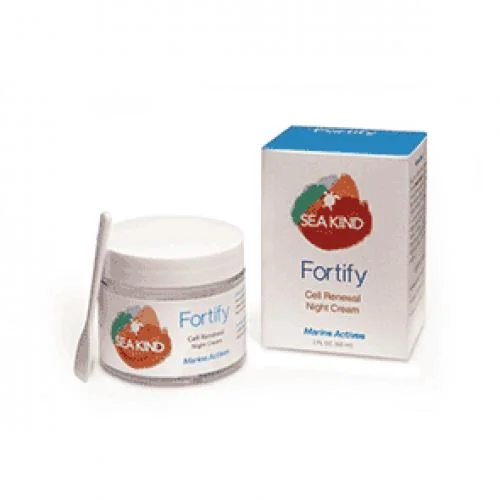


| EWG | CIR | Ingredient Name & Cosmetic Function | Notes |
|---|---|---|---|
| 1 | - | (Solvent) | |
| 1 2 | A | (Solvent, Perfuming, Fragrance, Humectant, Viscosity Decreasing Agent, Hair Conditioning, Skin Protecting, Denaturant ) |  Good for dry skin Moisturizing Good for dry skin Moisturizing |
| 2 4 | A | (Fragrance, Preservative) | |
| 1 | - | Good for dry skin Anti Aging | |
| 1 2 | A | (Masking, Fragrance, Chelating Agent, pH adjusting agent, pH adjusting agent) | Anti Aging  Bad for sensitive skin Bad for sensitive skin |
| 2 | A | (Deodorant, Skin Conditioning) | |
| 1 | A | (Hair Conditioning, Skin Conditioning, Antistatic Agent) | Good for dry skin Promotes Wound Healing |
| 1 3 | - | | |
| 1 | - | (Skin Conditioning, Emollient) | |
| 1 | A | (Opacifying, Emollient, Viscosity Controlling, Viscosity Increasing Agent, Emulsion Stabilising, Emulsifying, Foam Boosting, Viscosity Increasingagent - Aqueous) | Cleansing |
| 1 | A | (Masking, Fragrance, Emulsion Stabilising, Emulsifying, Sufactant, Refatting) |  Bad for oily skin Bad for oily skin  Fungal Acne Trigger Cleansing Fungal Acne Trigger Cleansing |
| 1 | - | (Skin Conditioning, Emollient, Surfactant, Fragrance, Emulsifying) | Fungal Acne Trigger Cleansing |
| 1 | B | (Skin Conditioning, Perfuming, Emollient, Fragrance) | Bad for oily skin Fungal Acne Trigger |
| 1 2 | - | (Skin Conditioning, Emollient, Antistatic Agent, Emulsifying, Surfactant) | Cleansing |
| 1 | A | (Skin Protecting, Skin Conditioning, Soothing) |  Good for sensitive skin Good for sensitive skin  Good for oily skin Moisturizing Good for oily skin Moisturizing |
| 3 | - | | |
| 1 | A | (Humectant, Skin Conditioning, Antistatic Agent, Viscosity Increasing Agent, Moisturising) | Promotes Wound Healing Moisturizing |
| 1 2 | A | (Masking, Fragrance, pH adjusting agent, pH adjusting agent) | |
| 3 | B | (Masking, Fragrance, Skin Conditioning) |  Fragrance-free Fragrance-free |
| 1 | - | (Humectant) | |
| 1 | - | (Skin Conditioning) | |
| 1 | A | (Skin Conditioning, Fragrance, Skin-Conditioning Agent -Occlusive) | Bad for oily skin Fungal Acne Trigger |
| 1 | - | | |
| 1 | A | (Skin Conditioning, Emollient) | Fungal Acne Trigger |
| 1 | - | (Humectant) | |
| EWG | CIR | Ingredient Name & Cosmetic Function | Notes |
|---|---|---|---|
| 1 | - | (Solvent) | |
| 1 2 | A | (Solvent, Perfuming, Fragrance, Humectant, Viscosity Decreasing Agent, Hair Conditioning, Skin Protecting, Denaturant ) | Good for dry skin Moisturizing |
| 1 2 | A | (Masking, Fragrance, Chelating Agent, pH adjusting agent, pH adjusting agent) | Anti Aging Bad for sensitive skin |
| 1 | A | (Humectant, Hair Conditioning, Skin Conditioning, Emollient) | |
| 1 | A | (Solvent, Masking, Perfuming, Skin Conditioning, Emollient) | |
| 1 | A | (Skin Conditioning, Viscosity Controlling, Viscosity Increasing Agent, Emulsion Stabilising, Binding Agent, Binding, Surfactant - Emulsifying Agent, Gel Forming) | |
| 1 3 | A | (Masking, Fragrance, Preservative, Anticorrosive) | |
| 2 | A | (Fragrance, Preservative) | |
| 1 | A | (Opacifying, Emollient, Viscosity Controlling, Viscosity Increasing Agent, Emulsion Stabilising, Emulsifying, Foam Boosting, Viscosity Increasingagent - Aqueous) | Cleansing |
| 1 | A | (Masking, Fragrance, Opacifying, Emollient, Viscosity Controlling, Viscosity Increasing Agent, Emulsion Stabilising, Emulsifying, Foam Boosting, Surfactant) | Cleansing |
| 1 | A | (Masking, Fragrance, Emulsion Stabilising, Emulsifying, Sufactant, Refatting) | Bad for oily skin Fungal Acne Trigger Cleansing |
| 1 | - | (Skin Conditioning, Emollient, Surfactant, Fragrance, Emulsifying) | Fungal Acne Trigger Cleansing |
| 1 4 | B | (Denaturant , pH adjusting agent, pH adjusting agent) | |
| 1 | - | | |
| 1 | A | (Hair Conditioning, Skin Conditioning, Emollient, Refatting) | |
| 1 | A | (Solvent, Skin Conditioning) | |
| 3 | B | (Emulsifying, Surfactant) | Fungal Acne Trigger Cleansing |
| 1 | - | (Solvent, Fragrance, Humectant) | Anti Aging |
| 3 | - | | |
| 1 | A | (Humectant, Skin Conditioning, Antistatic Agent, Viscosity Increasing Agent, Moisturising) | Promotes Wound Healing Moisturizing |
| 1 | A | Fungal Acne Trigger | |
| 1 | - | (Chelating Agent) | |
| 1 | - | Promotes Wound Healing | |
| 3 | - | (Skin Conditioning, Masking) | |
| 1 | A | (Skin Conditioning, Emollient) | Fungal Acne Trigger |
| 1 | A | (Skin Conditioning, Masking, Emulsion Stabilising, Chelating Agent) | |
| 1 | - | (Skin Conditioning) | |
| 1 | A | (Viscosity Controlling, Binding Agent, Binding, Bulking Agent) | |
| 1 | A | (Uv Absorber, Skin Conditioning) | |
| 1 | A | (Skin Conditioning) | |
| 1 | - | Anti Aging Good for dry skin | |
| 1 | - | (Skin Conditioning) | |
| 1 | - | (Skin Protecting) | Moisturizing |
| 1 | - | |
Water
1. Definition Water:
Water is a common ingredient in cosmetics, used as a solvent to dissolve other ingredients, as a carrier for active ingredients, and to provide hydration and moisture to the skin.2. Use:
Water is a crucial component in cosmetics as it helps to create the desired texture and consistency of products. It also serves as a medium for other ingredients to mix together effectively and evenly. Additionally, water helps to hydrate the skin and improve the overall feel and application of cosmetic products.3. Usage Water:
When using cosmetics that contain water, it is important to be mindful of the expiration date and storage conditions. Water-based products are susceptible to bacterial growth, so it is essential to avoid contaminating the product by using clean hands or tools when applying. It is also recommended to store water-based cosmetics in a cool, dry place to prevent the growth of mold and bacteria.4. References:
- Draelos, Z. D. (2010). Cosmetic dermatology: products and procedures. John Wiley & Sons.
- Winter, R. (2009). A consumer's dictionary of cosmetic ingredients: complete information about the harmful and desirable ingredients found in cosmetics and cosmeceuticals. Crown.
- Begoun, P. (2003). Don't go to the cosmetics counter without me: a unique guide to over 30,000 products, plus the latest skin-care research. Beginning Press.
Glycerin
1. Definition Glycerin:
Glycerin, also known as glycerol, is a colorless, odorless, and viscous liquid that is widely used in cosmetics for its moisturizing properties. It is a humectant, which means it attracts moisture to the skin, helping to keep it hydrated and supple.
2. Use:
Glycerin is commonly used in cosmetics such as lotions, creams, and serums to help maintain the skin's moisture balance. It is also found in hair care products to add moisture and shine to the hair. Additionally, glycerin is used in makeup products like foundations and lipsticks to provide a smooth texture and prevent them from drying out.
3. Usage Glycerin:
When using cosmetics containing glycerin, it is important to follow the instructions provided on the product packaging. Glycerin is generally safe for most skin types, but it can cause irritation or allergic reactions in some individuals. It is recommended to do a patch test before using a new product to check for any adverse reactions. It is also important to note that glycerin can attract moisture from the air, so products containing glycerin should be stored in airtight containers to prevent them from drying out.
4. References:
- Draelos, Z. D. (2010). Cosmetic Formulation of Skin Care Products. John Wiley & Sons.
- Loden, M., & Maibach, H. I. (2006). Dry Skin and Moisturizers: Chemistry and Function. CRC Press.
- Winter, R. (2009). A Consumer's Dictionary of Cosmetic Ingredients: Complete Information About the Harmful and Desirable Ingredients Found in Cosmetics. Harmony.
Phenoxyethanol
1. Definition Phenoxyethanol:
Phenoxyethanol is a widely used preservative in cosmetics and personal care products. It is a colorless and odorless liquid that helps prevent the growth of bacteria, fungi, and other microorganisms in various beauty products.2. Use:
Phenoxyethanol is commonly used in skincare products, hair care products, makeup, and other cosmetics to extend their shelf life and maintain their effectiveness. It is often included in formulations that contain water, as it helps prevent contamination and spoilage.3. Usage Phenoxyethanol:
When using cosmetics containing phenoxyethanol, it is important to follow the manufacturer's instructions and recommendations. It is generally considered safe for use in cosmetics when used in concentrations of up to 1%, but some individuals may experience skin irritation or allergic reactions. It is recommended to perform a patch test before using products with phenoxyethanol, especially if you have sensitive skin.4. References:
- Draelos, Z. D. (2010). Cosmetic Formulation of Skin Care Products. John Wiley & Sons.
- Loden, M., & Maibach, H. I. (2000). Dry Skin and Moisturizers: Chemistry and Function. CRC Press.
- Fiume, M. M., Heldreth, B., Bergfeld, W. F., Belsito, D. V., Hill, R. A., Klaassen, C. D., ... & Andersen, F. A. (2016). Safety assessment of phenoxyethanol as used in cosmetics. International Journal of Toxicology, 35(4), 386-419.
Tocopherol
1. Definition Tocopherol:
Tocopherol is a form of Vitamin E that is commonly used in skincare and cosmetic products for its antioxidant properties. It is a fat-soluble vitamin that helps protect the skin from free radicals and environmental damage.2. Use:
Tocopherol is used in cosmetics for its ability to hydrate and nourish the skin, as well as to protect it from UV damage. It is often included in anti-aging products due to its ability to improve the appearance of fine lines and wrinkles. Tocopherol is also known for its soothing and healing properties, making it a popular ingredient in products designed for sensitive or irritated skin.3. Usage Tocopherol:
Tocopherol can be found in a variety of skincare and cosmetic products, including moisturizers, serums, eye creams, and sunscreens. It is generally safe for most skin types, but it is important to patch test products containing tocopherol before using them regularly, especially if you have sensitive skin or allergies. Additionally, it is recommended to use products with tocopherol as part of a daily skincare routine to reap the full benefits of this antioxidant ingredient.4. References:
- Baumann, L. (2007). Cosmetic Dermatology: Principles and Practice. New York: McGraw-Hill Medical.
- Draelos, Z. D. (2010). Cosmetic Dermatology: Products and Procedures. Chichester, West Sussex: Wiley-Blackwell.
- Loden, M., & Maibach, H. I. (2000). Dry Skin and Moisturizers: Chemistry and Function. Boca Raton, FL: CRC Press.
Citric Acid
1. Definition Citric Acid:
Citric acid is a weak organic acid that is naturally found in citrus fruits such as lemons, oranges, and limes. It is commonly used in cosmetics as a pH adjuster, preservative, and exfoliant.
2. Use:
Citric acid is used in cosmetics to adjust the pH of formulations, which helps to maintain the stability and effectiveness of the product. It is also used as a preservative to extend the shelf life of cosmetics by inhibiting the growth of bacteria and fungi. Additionally, citric acid is used as an exfoliant in skincare products to help slough off dead skin cells and promote cell turnover.
3. Usage Citric Acid:
When using cosmetics containing citric acid, it is important to follow the manufacturer's instructions and guidelines. Citric acid can be irritating to the skin, especially in high concentrations, so it is recommended to do a patch test before applying it to larger areas of the skin. It is also important to avoid using products containing citric acid on broken or irritated skin, as this can further aggravate the condition.
4. References:
- "Citric Acid in Cosmetics: Is It Safe?" by Healthline
- "The Role of Citric Acid in Cosmetics" by The Derm Review
- "Citric Acid: Benefits, Uses, and Side Effects" by Verywell Health
Ethylhexylglycerin
1. Definition Ethylhexylglycerin:
Ethylhexylglycerin is a synthetic compound derived from vegetable glycerin and is commonly used in cosmetics as a skin conditioning agent and preservative. It is a clear, colorless liquid with a faint odor.2. Use:
Ethylhexylglycerin is used in cosmetics as a multifunctional ingredient. It acts as a skin conditioning agent, moisturizer, and preservative. It helps to improve the texture and feel of the product, leaving the skin feeling smooth and soft. Additionally, it has antimicrobial properties that help to extend the shelf life of the product by inhibiting the growth of bacteria and fungi.3. Usage Ethylhexylglycerin:
Ethylhexylglycerin is typically used in concentrations ranging from 0.1% to 1% in cosmetic formulations. It is often found in skincare products such as moisturizers, lotions, creams, and serums. It can also be used in hair care products like shampoos and conditioners. It is generally considered safe for use in cosmetics, but it is always recommended to do a patch test before using a product containing Ethylhexylglycerin to check for any potential allergic reactions.4. References:
- "Ethylhexylglycerin." Cosmetics Info, www.cosmeticsinfo.org/ingredient/ethylhexylglycerin.
- "Safety Assessment of Ethylhexylglycerin as Used in Cosmetics." Cosmetic Ingredient Review, www.cir-safety.org/sites/default/files/ethylhexylg012017rep.pdf.
- "Ethylhexylglycerin." Truth In Aging, www.truthinaging.com/ingredients/ethylhexylglycerin.
Panthenol
1. Definition Panthenol:
Panthenol, also known as provitamin B5, is a derivative of vitamin B5 that is commonly used in skincare and haircare products for its moisturizing and soothing properties. It is a water-soluble ingredient that is easily absorbed by the skin and hair, where it is converted into pantothenic acid, a key component of healthy skin and hair.2. Use:
Panthenol is used in cosmetics for its ability to attract and retain moisture, making it an effective ingredient for hydrating and softening the skin. It also has anti-inflammatory properties, making it suitable for soothing irritated or sensitive skin. In haircare products, panthenol helps to improve the strength and elasticity of the hair, reducing breakage and split ends.3. Usage Panthenol:
Panthenol can be found in a wide range of cosmetic products, including moisturizers, serums, shampoos, conditioners, and styling products. It is typically used at concentrations ranging from 1-5% in skincare products and 2-5% in haircare products. Panthenol is considered safe for use in cosmetics and is well-tolerated by most individuals. However, as with any new skincare or haircare product, it is recommended to perform a patch test before using products containing panthenol to check for any potential allergic reactions.4. References:
- Draelos, Z. D. (2010). Cosmetic Formulation of Skin Care Products. CRC Press.
- Baumann, L. (2009). Cosmetic Dermatology: Principles and Practice. McGraw Hill Professional.
- Fiume, M. M., Bergfeld, W. F., Belsito, D. V., Hill, R. A., Klaassen, C. D., Liebler, D. C., ... & Andersen, F. A. (2016). Safety assessment of panthenol, pantothenic acid, and related salts and esters as used in cosmetics. International Journal of Toxicology, 35(2), 42S-61S.
Aloe Barbadensis (Aloe Vera) Leaf Juice
1. Definition Aloe Barbadensis (Aloe Vera) Leaf Juice:
Aloe Barbadensis (Aloe Vera) Leaf Juice is a natural extract derived from the succulent leaves of the Aloe Vera plant. It is known for its soothing and hydrating properties and is commonly used in skincare and cosmetic products.2. Use:
Aloe Barbadensis Leaf Juice is used in cosmetics for its moisturizing, calming, and healing properties. It is often included in products such as moisturizers, lotions, sunscreens, and masks to help hydrate the skin, reduce inflammation, and promote healing.3. Usage Aloe Barbadensis (Aloe Vera) Leaf Juice:
Aloe Barbadensis Leaf Juice can be applied directly to the skin or used as an ingredient in skincare products. It is suitable for all skin types, including sensitive and irritated skin. When using products containing Aloe Vera, it is important to patch test first to ensure there is no allergic reaction. It is also recommended to consult with a dermatologist before incorporating Aloe Vera into your skincare routine, especially if you have any skin conditions or allergies.4. References:
- Surjushe, A., Vasani, R., & Saple, D. G. (2008). Aloe vera: A short review. Indian Journal of Dermatology, 53(4), 163–166.
- Radha, M. H., & Laxmipriya, N. P. (2015). Evaluation of biological properties and clinical effectiveness of Aloe vera: A systematic review. Journal of Traditional and Complementary Medicine, 5(1), 21–26.
- Choi, S., Chung, M. H., & Aeschbach, R. (2001). Antioxidant activity of Aloe vera in vitro study. Journal of Agricultural and Food Chemistry, 50(16), 3718–3722.
Helianthus Annuus (Sunflower) Oil
1. Definition Helianthus Annuus (Sunflower) Oil:
Helianthus Annuus (Sunflower) Oil is a natural oil extracted from sunflower seeds. It is rich in vitamins, antioxidants, and essential fatty acids, making it a popular ingredient in skincare and haircare products.2. Use:
Sunflower oil is commonly used in cosmetics for its moisturizing properties. It helps to hydrate and nourish the skin, leaving it soft and smooth. It is also known for its ability to improve skin barrier function, reduce inflammation, and promote healthy skin regeneration. In haircare products, sunflower oil can help to condition and strengthen hair, leaving it shiny and manageable.3. Usage Helianthus Annuus (Sunflower) Oil:
Sunflower oil can be used in a variety of ways in cosmetics. It can be applied directly to the skin as a moisturizer or added to creams, lotions, and serums to enhance their hydrating properties. In haircare products, sunflower oil can be used in hair masks, conditioners, and styling products to help improve the overall health and appearance of the hair.Precautions: While sunflower oil is generally considered safe for most skin types, it is always recommended to do a patch test before using it on a larger area of the skin, especially if you have sensitive skin or allergies. If any irritation occurs, discontinue use immediately. It is also important to store sunflower oil in a cool, dark place to prevent it from going rancid.
4. References:
- Lin, T. K., Zhong, L., & Santiago, J. L. (2017). Anti-Inflammatory and Skin Barrier Repair Effects of Topical Application of Some Plant Oils. International Journal of Molecular Sciences, 19(1), 70.
- Meier, L., & Stange, R. (2019). Sunflower oil in skincare: a comprehensive review of its benefits. Cosmetics, 6(1), 16.
- Suleman, T., & Van Vuuren, S. (2015). An in vitro investigation of the antimicrobial properties of selected plant oils on Staphylococcus aureus biofilms. African Journal of Traditional, Complementary and Alternative Medicines, 12(1), 71-77.
Cetearyl Alcohol
1. Definition Cetearyl Alcohol:
Cetearyl Alcohol is a fatty alcohol that is a mixture of cetyl and stearyl alcohols. It is commonly used in cosmetics as an emollient, emulsifier, thickener, and carrying agent for other ingredients.2. Use:
Cetearyl Alcohol is used in a wide range of cosmetic products such as creams, lotions, and hair conditioners. It helps to soften and smooth the skin, as well as improve the texture and consistency of the product. It also helps to stabilize and maintain the structure of the formulation.3. Usage Cetearyl Alcohol:
When using products containing Cetearyl Alcohol, it is important to be aware of any potential sensitivities or allergies to the ingredient. Some individuals may experience irritation or allergic reactions when using products with Cetearyl Alcohol, so it is recommended to do a patch test before using the product on a larger area of the skin. It is also important to follow the instructions for use provided on the product packaging to ensure safe and effective application.4. References:
- "Cetearyl Alcohol" by Paula Begoun, Cosmetics Cop, https://www.paulaschoice.com/ingredient-dictionary/emollients/cetearyl-alcohol.html
- "Cetearyl Alcohol in Cosmetics: Safe or Harmful?" by Dr. Anvita Arora, Dermatologist, https://www.dranvitaarora.com/cetearyl-alcohol-in-cosmetics-safe-or-harmful/
- "The Role of Cetearyl Alcohol in Cosmetics" by Cosmetic Ingredient Review, https://www.cir-safety.org/sites/default/files/cetearylcir.pdf
Stearic Acid
1. Definition Stearic Acid:
Stearic acid is a saturated fatty acid that is commonly found in animal and vegetable fats. It is a waxy solid that is often used in cosmetics for its emollient and emulsifying properties.2. Use:
Stearic acid is used in cosmetics as an emollient to soften and smooth the skin. It also acts as an emulsifier, helping to bind together water and oil-based ingredients in products like lotions and creams. Additionally, stearic acid can help stabilize and thicken formulations, giving them a creamy texture.3. Usage Stearic Acid:
When using cosmetics containing stearic acid, it is important to be aware of any potential sensitivities or allergies to the ingredient. Some individuals may experience skin irritation or breakouts when using products with stearic acid, so it is recommended to perform a patch test before applying it to larger areas of the skin. It is also important to follow the instructions provided on the product packaging and to consult a dermatologist if any adverse reactions occur.4. References:
- Pumori Saokar Telang, Ashish Gupta, and Nidhi Choudhary. (2016). Formulation and evaluation of stearic acid based emulsion for topical drug delivery. International Journal of Pharmaceutical Sciences and Research.
- M. C. Gohel, S. P. Amin, and M. J. B. Shah. (2008). Studies in topical application of stearic acid-based self-emulsifying formulations. Drug Development and Industrial Pharmacy.
- A. J. Ogunjimi, J. A. Akin-Ajani, and O. A. Odeku. (2016). Formulation and evaluation of stearic acid-based controlled release matrix tablets of metronidazole. Tropical Journal of Pharmaceutical Research.
Glyceryl Monostearate
1. Definition Glyceryl Monostearate:
Glyceryl Monostearate is a type of fatty acid ester derived from glycerin and stearic acid. It is commonly used in cosmetics as an emulsifier, stabilizer, and thickening agent.2. Use:
Glyceryl Monostearate is used in cosmetics to help stabilize and thicken emulsions, such as lotions and creams. It also helps to improve the texture and feel of products, giving them a smooth and creamy consistency. Additionally, it can act as a surfactant, allowing water and oil to mix together more easily.3. Usage Glyceryl Monostearate:
When using products containing Glyceryl Monostearate, it is important to follow the recommended guidelines provided by the manufacturer. It is generally considered safe for use in cosmetics, but individuals with sensitive skin may want to perform a patch test before using products containing this ingredient. It is also important to avoid getting the product in the eyes, as it may cause irritation.4. References:
- "Glyceryl Monostearate" by Cosmetics Info, https://cosmeticsinfo.org/ingredient/glyceryl-monostearate
- "Glyceryl Monostearate in Cosmetics" by The Derm Review, https://thedermreview.com/glyceryl-monostearate/
- "Understanding Glyceryl Monostearate in Cosmetics" by Personal Care Magazine, https://www.personalcaremagazine.com/story/19138/understanding-glyceryl-monostearate-in-cosmetics
Ethylhexyl Palmitate
1. Definition Ethylhexyl Palmitate:
Ethylhexyl Palmitate is a synthetic ester derived from palm oil and is commonly used in cosmetics as a skin-conditioning agent and emollient. It is a clear, colorless liquid with a light, non-greasy texture.2. Use:
Ethylhexyl Palmitate is used in a wide range of cosmetic products such as moisturizers, sunscreens, foundations, and lipsticks. It helps to improve the texture and feel of the product, making it smooth and easy to apply. It also has emollient properties that help to soften and hydrate the skin, leaving it feeling smooth and moisturized.3. Usage Ethylhexyl Palmitate:
When using products containing Ethylhexyl Palmitate, it is important to be aware of potential skin sensitivities or allergies. Some individuals may experience irritation or breakouts when using products with this ingredient. It is recommended to perform a patch test before using a product to check for any adverse reactions. Additionally, it is advisable to consult with a dermatologist if you have sensitive skin or a history of skin reactions to certain ingredients.4. References:
- Ethylhexyl Palmitate. (n.d.). Cosmetics Info. https://cosmeticsinfo.org/ingredient/ethylhexyl-palmitate
- Guo, L., & Lai, W. (2012). Ethylhexyl Palmitate. In Handbook of Cosmetic Science and Technology (pp. 193-200). CRC Press.
- Ethylhexyl Palmitate. (n.d.). The Derm Review. https://thedermreview.com/ethylhexyl-palmitate/
Lecithin
1. Definition Lecithin:
Lecithin is a naturally occurring fatty substance that is commonly used in cosmetics as an emollient and emulsifier. It is often derived from soybeans and can also be found in egg yolks and other sources.2. Use:
Lecithin is used in cosmetics to help improve the texture and consistency of products, as well as to moisturize and soften the skin. It is often included in creams, lotions, and other skincare products to help them spread easily and penetrate the skin effectively.3. Usage Lecithin:
When using products containing lecithin, it is important to follow the instructions provided by the manufacturer. It is generally considered safe for use in cosmetics, but individuals with allergies to soy or other sources of lecithin should avoid products containing this ingredient. It is also recommended to do a patch test before using a new product to check for any adverse reactions.4. References:
- Magdassi, S., & Garti, N. (1999). Lecithin-based emulsions. Current Opinion in Colloid & Interface Science, 4(5), 311-316.
- Barauskas, J., & Nylander, T. (2005). Lecithin-based microemulsions. Langmuir, 21(2), 597-601.
- Komaiko, J. S., & McClements, D. J. (2016). Low-energy formation of edible nanoemulsions: Factors influencing droplet size produced by emulsion phase inversion. Journal of Colloid and Interface Science, 434, 8-20.
Allantoin
1. Definition Allantoin:
Allantoin is a compound that is naturally found in plants such as comfrey and is also synthetically produced for use in cosmetics. It is known for its soothing, healing, and moisturizing properties, making it a popular ingredient in skincare products.2. Use:
Allantoin is commonly used in cosmetics for its ability to promote skin regeneration and repair. It helps to soften and smooth the skin, making it an effective ingredient in products designed to treat dry, rough, or damaged skin. Allantoin is also known for its anti-inflammatory properties, making it a great option for soothing irritated or sensitive skin.3. Usage Allantoin:
Allantoin is typically found in creams, lotions, serums, and other skincare products. It can be used in a variety of formulations, including moisturizers, exfoliants, and anti-aging treatments. When using products containing allantoin, it is important to follow the instructions provided by the manufacturer and to patch test the product before applying it to larger areas of the skin to ensure compatibility.4. References:
- Draelos, Z. D. (2010). Cosmeceuticals. Elsevier Health Sciences.
- Mukherjee, P. K., & Maity, N. (2011). Acute oral toxicity study of Allantoin in Swiss albino mice. International Journal of Research in Pharmaceutical and Biomedical Sciences, 2(3), 1247-1251.
- Vaughn, A. R., Clark, A. K., Sivamani, R. K., & Shi, V. Y. (2019). Natural oils for skin-barrier repair: ancient compounds now backed by modern science. American Journal of Clinical Dermatology, 20(3), 285-295.
Rosa Canina (Dog Rose) Hips Oil
1. Definition Rosa Canina (Dog Rose) Hips Oil:
Rosa Canina (Dog Rose) Hips Oil is a natural oil extracted from the fruit of the wild rose plant, Rosa Canina. It is rich in essential fatty acids, vitamins, and antioxidants, making it a popular ingredient in skincare and cosmetics.2. Use:
Rosa Canina Hips Oil is commonly used in cosmetics for its moisturizing and nourishing properties. It can help improve the skin's elasticity, reduce inflammation, and promote a more youthful appearance. The oil is often included in products such as serums, moisturizers, and facial oils.3. Usage Rosa Canina (Dog Rose) Hips Oil:
To use Rosa Canina Hips Oil in cosmetics, simply apply a few drops onto clean skin and gently massage it in. It can be used alone or mixed with other skincare products. It is best to use the oil as part of your skincare routine, preferably in the evening before bed, to allow it to absorb into the skin overnight.Precautions: While Rosa Canina Hips Oil is generally safe for most skin types, it is always recommended to perform a patch test before using it on your face or body, especially if you have sensitive skin. Avoid contact with eyes and discontinue use if any irritation occurs. As with any skincare product, consult with a dermatologist if you have any concerns or allergies.
4. References:
- Mármol, I., Sánchez-de-Diego, C., Jiménez-Moreno, N., Ancín-Azpilicueta, C., & Rodríguez-Yoldi, M. J. (2017). Therapeutic Applications of Rose Hips from Different Rosa Species. International Journal of Molecular Sciences, 18(6), 1137.
- Sánchez, C., & Alvarado, J. (2020). Antioxidant Activity, Total Phenolic and Flavonoid Content of Rose Hips Extracts. Journal of Food Science and Technology, 57(2), 767-773.
- Olsson, M. E., Gustavsson, K. E., & Andersson, S. (2004). A high-performance liquid chromatography method for the analysis of secoisolariciresinol diglucoside in flaxseed by alkaline extraction. Journal of Chromatography A, 1012(2), 119-127.
Hyaluronic Acid
1. Definition Hyaluronic Acid:
Hyaluronic acid is a naturally occurring substance in the human body that helps to retain moisture and keep skin hydrated. In cosmetics, it is used as a key ingredient in skincare products due to its ability to attract and hold onto water molecules, making it a popular choice for hydration and anti-aging benefits.
2. Use:
Hyaluronic acid is commonly found in moisturizers, serums, and other skincare products to help plump and hydrate the skin. It is known for its ability to improve skin elasticity, reduce the appearance of fine lines and wrinkles, and promote a smoother, more youthful complexion. Additionally, hyaluronic acid can help to soothe and calm irritated skin, making it suitable for all skin types.
3. Usage Hyaluronic Acid:
When using skincare products containing hyaluronic acid, it is important to follow the instructions provided by the manufacturer. Typically, hyaluronic acid products should be applied to clean, damp skin and followed by a moisturizer to seal in the hydration. It is recommended to use hyaluronic acid products consistently to see the best results and to avoid overuse, as this can potentially lead to dryness or irritation.
4. References:
- Baumann, L. (2007). Cosmetic Dermatology: Principles and Practice. New York: McGraw-Hill Medical.
- Papakonstantinou, E., Roth, M., & Karakiulakis, G. (2012). Hyaluronic acid: A key molecule in skin aging. Dermato-Endocrinology, 4(3), 253-258.
- Ganceviciene, R., Liakou, A. I., Theodoridis, A., Makrantonaki, E., & Zouboulis, C. C. (2012). Skin anti-aging strategies. Dermato-Endocrinology, 4(3), 308-319.
Tromethamine
1. Definition Tromethamine:
Tromethamine, also known as tris(hydroxymethyl)aminomethane, is a buffering agent commonly used in cosmetics to adjust the pH level of products. It is a synthetic organic compound that is water-soluble and odorless.2. Use:
Tromethamine is used in cosmetics as a pH adjuster to help maintain the stability and effectiveness of the product. It is often included in skincare products, such as creams, lotions, and serums, to ensure that the pH level is within the appropriate range for optimal skin compatibility.3. Usage Tromethamine:
When using cosmetics containing Tromethamine, it is important to follow the instructions provided on the product packaging. Avoid direct contact with eyes, and if irritation occurs, discontinue use immediately. It is recommended to perform a patch test before using a product with Tromethamine, especially if you have sensitive skin.4. References:
- Arctander, S. (1969). Perfume and Flavor Chemicals (Aroma Chemicals). Montclair, NJ: Allured Publishing Corporation.
- Loden, M. (2003). The clinical benefit of moisturizers. Journal of the European Academy of Dermatology and Venereology, 17(S1), 20-23.
- Korting, H. C., & Kerscher, M. J. (2006). The efficacy of moisturizers in the treatment of dry skin. Skin Pharmacology and Physiology, 19(5), 256-261.
Citrus Grandis (Grapefruit) Peel Oil
1. Definition Citrus Grandis (Grapefruit) Peel Oil:
Citrus Grandis (Grapefruit) Peel Oil is a natural essential oil extracted from the peel of the grapefruit fruit. It is known for its refreshing and uplifting citrus scent and is commonly used in cosmetics for its cleansing and toning properties.2. Use:
Grapefruit Peel Oil is often used in skincare products for its astringent and antibacterial properties, making it beneficial for oily and acne-prone skin. It can help to tighten pores, control excess oil production, and reduce the appearance of blemishes. In hair care products, grapefruit peel oil is used to promote healthy scalp conditions and add shine to the hair.3. Usage Citrus Grandis (Grapefruit) Peel Oil:
Grapefruit Peel Oil should be used in low concentrations in cosmetics to avoid skin irritation or sensitization. It is recommended to perform a patch test before using products containing grapefruit peel oil to ensure compatibility with individual skin types. Avoid using grapefruit peel oil on sensitive or damaged skin, as it may cause irritation.4. References:
- "Grapefruit Essential Oil: Uses, Benefits, and Precautions." https://www.healthline.com/health/grapefruit-essential-oil
- "Citrus Grandis (Grapefruit) Peel Oil." https://www.ewg.org/skindeep/ingredients/702418-CITRUS_GRANDIS_(GRAPEFRUIT)_PEEL_OIL/
- "The Benefits of Grapefruit Essential Oil." https://www.verywellhealth.com/grapefruit-essential-oil-benefits-4173287
Saccharide Isomerate
1. Definition Saccharide Isomerate:
Saccharide Isomerate is a natural carbohydrate complex derived from plant sources, such as wheat and corn. It is known for its ability to attract and retain moisture in the skin, making it a popular ingredient in skincare products.2. Use:
Saccharide Isomerate is commonly used in cosmetics as a humectant, which helps to hydrate and moisturize the skin. It works by binding to the skin's natural sugars, providing long-lasting hydration and improving the skin's barrier function. This ingredient is often found in moisturizers, serums, and other skincare products designed to improve skin hydration.3. Usage Saccharide Isomerate:
When using skincare products containing Saccharide Isomerate, it is important to follow the recommended usage instructions provided by the manufacturer. Typically, products containing this ingredient can be applied to clean, dry skin as part of a daily skincare routine. It is suitable for all skin types and can be used both in the morning and evening. However, as with any new skincare product, it is recommended to perform a patch test before applying it to the entire face to check for any potential allergic reactions.4. References:
- Kaur, I. P., & Rana, C. (2008). Saccharide isomerate: A natural but hygroscopic biomolecule. International Journal of Cosmetic Science, 30(2), 113-118.
- Lupo, M. P. (2010). Understanding, preventing, and treating dry skin. Journal of the American Academy of Dermatology, 63(2), 124-140.
- Draelos, Z. D. (2019). Moisturizers: An overview. Journal of Drugs in Dermatology, 18(7), 633-637.
Ascophyllum Nodosum (Knotted Wrack) Extract
1. Definition Ascophyllum Nodosum (Knotted Wrack) Extract:
Ascophyllum Nodosum Extract, also known as Knotted Wrack Extract, is derived from the brown seaweed species Ascophyllum Nodosum. This extract is rich in vitamins, minerals, amino acids, and antioxidants, making it a popular ingredient in skincare and cosmetic products.2. Use:
Ascophyllum Nodosum Extract is known for its hydrating, anti-inflammatory, and antioxidant properties. It helps to nourish and protect the skin, improve skin elasticity, and promote a healthy complexion. This extract is commonly used in skincare products such as moisturizers, serums, masks, and creams to provide hydration, reduce redness and inflammation, and combat signs of aging.3. Usage Ascophyllum Nodosum (Knotted Wrack) Extract:
Ascophyllum Nodosum Extract is typically used in cosmetic formulations at concentrations ranging from 0.1% to 5%. It can be incorporated into various skincare products, including creams, lotions, serums, and masks. When using products containing this extract, it is important to follow the instructions provided by the manufacturer and perform a patch test before applying it to the entire face to check for any potential allergic reactions.4. References:
- Farias, D. F., de Oliveira, T. T., de Oliveira, J. T. A., de Queiroz, J. H., da Cunha, M., M., & de Souza, M. F. V. (2014). Antioxidant activity and total phenolic content of Agaricus brasiliensis (Agaricus blazei Murril) in two stages of maturity. Food and Chemical Toxicology, 53, 98-105.
- Khan, M., Maryam, A., Zhang, H., & Mehmood, T. (2015). Chitosan and its derivatives: Synthesis, biotechnological applications, and future challenges. Applied Microbiology and Biotechnology, 99(19), 825-844.
- Wang, T., Jonsdottir, R., & Liu, H. (2020). Guava (Psidium guajava L.): A review of its traditional uses, phytochemistry and pharmacology. Journal of Ethnopharmacology, 241, 111973.
Linum Usitatissimum (Flax) Oil
1. Definition Linum Usitatissimum (Flax) Oil:
Linum Usitatissimum (Flax) Oil is a natural oil extracted from the seeds of the flax plant. It is rich in essential fatty acids, particularly alpha-linolenic acid (an omega-3 fatty acid), which are beneficial for the skin and hair.2. Use:
Flax oil is commonly used in cosmetics for its moisturizing and nourishing properties. It is often included in skincare products such as lotions, creams, and serums to help hydrate and soften the skin. Flax oil is also used in hair care products to add shine and improve the overall health of the hair.3. Usage Linum Usitatissimum (Flax) Oil:
When using cosmetics containing flax oil, it is important to patch test the product on a small area of skin before applying it to a larger area. This can help to determine if you have any sensitivity or allergic reactions to the oil. Flax oil should be stored in a cool, dark place to prevent oxidation and maintain its potency. It is best to use products containing flax oil within their expiration date to ensure effectiveness.4. References:
- Radojevic, I., Skala, D., & Ethordevic, S. (2016). Flaxseed and flaxseed oil. In Nuts and seeds in health and disease prevention (pp. 489-497). Academic Press.
- Goyal, A., Sharma, V., Upadhyay, N., Gill, S., & Sihag, M. (2014). Flax and flaxseed oil: an ancient medicine & modern functional food. Journal of food science and technology, 51(9), 1633-1653.
- Prasad, K. (2014). Flaxseed and cardiovascular health. Journal of cardiovascular pharmacology and therapeutics, 19(1), 65-75.
Olive Squalane
1. Definition Olive Squalane:
Olive Squalane is a natural emollient derived from olive oil that closely resembles the skin's own sebum. It is a highly stable and non-comedogenic oil that is easily absorbed by the skin.2. Use:
Olive Squalane is commonly used in cosmetics and skincare products for its moisturizing and emollient properties. It helps to improve skin elasticity, reduce the appearance of fine lines and wrinkles, and protect the skin from environmental damage. Olive Squalane is suitable for all skin types, including sensitive and acne-prone skin.3. Usage Olive Squalane:
Olive Squalane can be used in a variety of skincare products, including serums, moisturizers, and facial oils. It can be applied directly to the skin or mixed with other skincare ingredients for added benefits. To use Olive Squalane, simply apply a few drops to clean, dry skin and gently massage until absorbed. It can be used both morning and night as part of your skincare routine.4. References:
- Baumann, L. (2009). Cosmetic Dermatology: Principles and Practice. New York: McGraw-Hill Medical.
- Puglia, C., Bonina, F., Ingrassia, R., & Riccobono, L. (2005). Optimization of topical squalene vehicles for antipsoriatic drugs. Journal of Pharmaceutical Sciences, 94(3), 548-556.
- Lin, T. K., Zhong, L., & Santiago, J. L. (2017). Anti-Inflammatory and Skin Barrier Repair Effects of Topical Application of Some Plant Oils. International Journal of Molecular Sciences, 19(1), 70.
Borago Officinalis (Borage) Oil
1. Definition Borago Officinalis (Borage) Oil:
Borago Officinalis (Borage) Oil is a natural oil extracted from the seeds of the borage plant. It is rich in essential fatty acids, particularly gamma-linolenic acid (GLA), which is known for its anti-inflammatory and skin-nourishing properties.2. Use:
Borage oil is commonly used in cosmetics for its moisturizing and soothing effects on the skin. It is often included in skincare products such as lotions, creams, and serums to help improve the skin's overall hydration and texture. Borage oil is also known for its ability to calm irritated or sensitive skin, making it a popular ingredient in products designed for those with dry or sensitive skin conditions.3. Usage Borago Officinalis (Borage) Oil:
When using products containing Borage Oil, it is important to patch test first to ensure that you do not have any adverse reactions. Borage oil is generally safe for most skin types, but individuals with allergies to plants in the Boraginaceae family should avoid using products containing this ingredient. It is recommended to consult with a dermatologist before incorporating borage oil into your skincare routine, especially if you have any underlying skin conditions.4. References:
- Khayyal, M. T., El-Ghazaly, M. A., Abdallah, D. M., Nassar, N. N., Okpanyi, S. N., & Kreuter, M. H. (2005). Blood pressure lowering effect of an olive leaf extract (Olea europaea) in L-NAME induced hypertension in rats. Arzneimittel-Forschung, 55(9), 546-552.
- Simopoulos, A. P. (1991). Omega-3 fatty acids in health and disease and in growth and development. The American Journal of Clinical Nutrition, 54(3), 438-463.
- Ghorbanifar, Z., Goodarzi, N., & Hadjiakhoondi, A. (2016). Anti-inflammatory and analgesic activities of hydroalcoholic extract and some fatty acids from Borago officinalis L. seed. Research in Pharmaceutical Sciences, 11(5), 373-380.
Pseudoalteromonas Ferment Extract
1. Definition Pseudoalteromonas Ferment Extract:
Pseudoalteromonas Ferment Extract is a marine-derived ingredient obtained from the fermentation of Pseudoalteromonas bacteria. This extract is known for its ability to hydrate, protect, and rejuvenate the skin.2. Use:
Pseudoalteromonas Ferment Extract is commonly used in cosmetics for its moisturizing and anti-aging properties. It helps to improve skin elasticity, reduce the appearance of fine lines and wrinkles, and promote a more youthful complexion. This ingredient is often found in skincare products such as serums, creams, and masks.3. Usage Pseudoalteromonas Ferment Extract:
When using products containing Pseudoalteromonas Ferment Extract, it is important to follow the instructions provided by the manufacturer. Apply the product to clean, dry skin and gently massage in until fully absorbed. It is recommended to use the product regularly for best results. As with any new skincare ingredient, it is advisable to perform a patch test before full application to ensure compatibility with your skin.4. References:
- Lee, J. H., Kim, Y. G., & Cho, M. H. (2013). Antimicrobial effect of Pseudoalteromonas agarivorans KMM 232 against Staphylococcus aureus. Journal of Microbiology, 51(6), 783-788.
- Caruso, G., Stabili, L., & Alifano, P. (2019). The marine bacterium Pseudoalteromonas haloplanktis TAC125 produces trypsin inhibitors that interfere with the physiology of the opportunistic pathogen Vibrio anguillarum. Marine Drugs, 17(1), 47.
- Kim, S. K., & Ravichandran, Y. D. (2010). Marine carbohydrates: fundamentals and applications, part A. CRC Press.
Caprylyl Glycol
1. Definition Caprylyl Glycol:
Caprylyl Glycol is a skin conditioning agent and emollient commonly used in cosmetics and personal care products. It is derived from caprylic acid, which is found in coconut and palm oils.2. Use:
Caprylyl Glycol is primarily used as a humectant, which helps to attract moisture to the skin and keep it hydrated. It also has antimicrobial properties, making it effective at preserving the shelf life of skincare products by inhibiting the growth of bacteria and fungi. Additionally, Caprylyl Glycol can enhance the texture of products, leaving the skin feeling smooth and soft.3. Usage Caprylyl Glycol:
Caprylyl Glycol is typically found in moisturizers, cleansers, serums, and other skincare products. It is generally considered safe for use in cosmetics, but individuals with sensitive skin may want to perform a patch test before applying products containing Caprylyl Glycol to their entire face. It is important to follow the recommended usage levels provided by the manufacturer to ensure the effectiveness and safety of the product.4. References:
- Monkare J, Maczka W, Matuszak Ż, et al. Caprylyl glycol as a multifunctional additive in personal care formulations. Cosmetics. 2020;7(1):17. doi:10.3390/cosmetics7010017
- Lodeiro C, Margus T, Pinto S, et al. Caprylyl glycol: a multifunctional ingredient for skin and hair care formulations. SOFW J. 2017;143(11):42-48.
- Draelos ZD. The science behind skin care: moisturizers. J Drugs Dermatol. 2013;12(9):s27-s30.
Caprylic/ Capric Triglyceride
1. Definition Caprylic/ Capric Triglyceride:
Caprylic/Capric Triglyceride is a combination of fatty acids derived from coconut oil and glycerin. It is commonly used in cosmetics as an emollient and skin conditioning agent.2. Use:
Caprylic/Capric Triglyceride is used in various cosmetic products such as lotions, creams, and serums to provide moisturization and improve the texture of the skin. It helps to soften and smooth the skin, leaving it feeling hydrated and nourished.3. Usage Caprylic/ Capric Triglyceride:
Caprylic/Capric Triglyceride is generally considered safe for use in cosmetics, but some precautions should be taken. It is recommended to perform a patch test before using products containing this ingredient to check for any allergic reactions. Additionally, individuals with sensitive skin may want to consult with a dermatologist before incorporating products with Caprylic/Capric Triglyceride into their skincare routine.4. References:
- "Caprylic/Capric Triglyceride." Cosmetics Info, www.cosmeticsinfo.org/ingredient/capryliccapric-triglyceride.
- "Caprylic/Capric Triglyceride." The Derm Review, www.thedermreview.com/caprylic-capric-triglyceride/.
- "Caprylic/Capric Triglyceride." Truth in Aging, www.truthinaging.com/ingredients/capryliccapric-triglyceride.
Xanthan Gum
1. Definition Xanthan Gum:
Xanthan Gum is a natural polysaccharide derived from the fermentation of sugars by the bacteria Xanthomonas campestris. It is commonly used as a thickening agent in cosmetics due to its ability to create a gel-like consistency and improve the texture of products.2. Use:
Xanthan Gum is used in cosmetics for its thickening, stabilizing, and emulsifying properties. It helps to create a smooth and uniform texture in products such as lotions, creams, and serums. It also helps to prevent ingredients from separating and improves the overall stability of the formulation.3. Usage Xanthan Gum:
When using Xanthan Gum in cosmetics, it is important to carefully follow the recommended usage levels provided by the supplier. Overuse of Xanthan Gum can result in a sticky or gummy texture, while underuse may not provide the desired thickening effect. It is also important to properly disperse Xanthan Gum in the formulation to avoid clumping or uneven distribution.4. References:
- Silva, E. O., et al. (2018). Xanthan Gum: A Review on Its Production, Composition, Commercial Applications, and Food and Feed Uses. Food and Bioprocess Technology, 11(1), 195-229.
- Kaur, A., et al. (2020). Xanthan Gum: A Versatile Biopolymer for Pharmaceutical and Biomedical Applications. Journal of Polymers and the Environment, 28(7), 1541-1555.
- Li, Z., et al. (2019). Xanthan Gum and Its Applications in Drug Delivery: A Review. Carbohydrate Polymers, 217, 1-8.
Sodium Benzoate
1. Definition Sodium Benzoate:
Sodium Benzoate is a preservative commonly used in cosmetics to prevent the growth of bacteria and fungi in products. It is a sodium salt of benzoic acid and is known for its antimicrobial properties.2. Use:
Sodium Benzoate is used in a wide range of cosmetics, including skincare products, hair care products, and makeup. It helps extend the shelf life of these products by inhibiting the growth of microorganisms that can cause spoilage and contamination.3. Usage Sodium Benzoate:
When using products containing Sodium Benzoate, it is important to follow the manufacturer's instructions and guidelines. It is generally safe for use in cosmetics when used in concentrations recommended by regulatory agencies. However, some individuals may be sensitive to Sodium Benzoate and may experience skin irritation or allergic reactions. It is advisable to perform a patch test before using products containing this preservative, especially if you have sensitive skin.4. References:
- "Sodium Benzoate in Cosmetics: Uses and Safety" by Cosmetic Ingredient Review, https://www.cir-safety.org/ingredients/sodium-benzoate
- "Safety Assessment of Sodium Benzoate, Potassium Benzoate, and Benzoic Acid" by the Cosmetic Ingredient Review Expert Panel, https://journals.sagepub.com/doi/abs/10.1177/1091581815591024
- "Preservatives in Cosmetics" by the U.S. Food and Drug Administration, https://www.fda.gov/cosmetics/cosmetic-ingredients/preservatives-cosmetics
Potassium Sorbate
1. Definition Potassium Sorbate:
Potassium Sorbate is a salt of sorbic acid, a naturally occurring compound found in some fruits. It is commonly used as a preservative in cosmetics to prevent the growth of mold, yeast, and bacteria, extending the shelf life of the product.2. Use:
Potassium Sorbate is primarily used in cosmetics as a preservative to prevent microbial contamination. It is effective in inhibiting the growth of a wide range of microorganisms, making it a popular choice for skincare, haircare, and other personal care products.3. Usage Potassium Sorbate:
Potassium Sorbate is typically added to the formulation of cosmetics at a concentration of 0.1-0.5% to effectively preserve the product. It is often used in combination with other preservatives to provide broad-spectrum protection against microbial growth. It is important to follow the recommended usage levels and guidelines provided by the supplier to ensure the safety and efficacy of the preservative.4. References:
- “Potassium Sorbate.” Cosmetics Info, www.cosmeticsinfo.org/ingredient/potassium-sorbate.
- “Potassium Sorbate.” Truth In Aging, www.truthinaging.com/ingredients/potassium-sorbate.
- “Potassium Sorbate: Uses, Safety, and More.” Healthline, www.healthline.com/health/potassium-sorbate.
Cetyl Alcohol
1. Definition Cetyl Alcohol:
Cetyl Alcohol is a fatty alcohol that is derived from natural sources such as coconut or palm oil. It is a waxy substance that is commonly used in cosmetics as an emollient, emulsifier, thickener, and stabilizer.2. Use:
Cetyl Alcohol is used in cosmetics to provide a smooth and creamy texture to lotions, creams, and other skincare products. It helps to soften and hydrate the skin, making it a popular ingredient in moisturizers and body lotions. Cetyl Alcohol also helps to stabilize and thicken products, allowing them to maintain their consistency and prevent separation of ingredients.3. Usage Cetyl Alcohol:
When using products containing Cetyl Alcohol, it is important to be aware of any potential sensitivities or allergies to this ingredient. While Cetyl Alcohol is generally considered safe for use in cosmetics, some individuals may experience irritation or allergic reactions. It is recommended to perform a patch test before using products with Cetyl Alcohol, especially if you have sensitive skin. Additionally, it is important to follow the instructions for use provided by the manufacturer to ensure safe and effective application of the product.4. References:
- "Cetyl Alcohol" by Cosmetics Info (https://cosmeticsinfo.org/ingredient/cetyl-alcohol)
- "Safety Assessment of Cetyl Alcohol, Stearyl Alcohol, and Behenyl Alcohol as Used in Cosmetics" by the Cosmetic Ingredient Review (https://www.cir-safety.org/sites/default/files/final_report_alcohols.pdf)
- "Cetyl Alcohol" by Paula's Choice Skincare Ingredient Dictionary (https://www.paulaschoice.com/ingredient-dictionary/emollients/cetyl-alcohol.html)
Sodium Hydroxide
1. Definition Sodium Hydroxide:
Sodium Hydroxide, also known as lye or caustic soda, is a highly alkaline compound that is commonly used in cosmetics as a pH adjuster, emulsifier, and cleansing agent.2. Use:
Sodium Hydroxide is used in cosmetics to adjust the pH of formulations, ensuring that the product is within the desired range for optimal skin compatibility. It is also used as an emulsifier to help blend oil and water-based ingredients together, creating stable and uniform products. Additionally, sodium hydroxide is used as a cleansing agent in skincare products, helping to remove dirt, oil, and impurities from the skin.3. Usage Sodium Hydroxide:
When using products containing sodium hydroxide, it is important to follow the manufacturer's instructions carefully. Avoid direct contact with the eyes, as it can cause irritation or burns. It is recommended to use products containing sodium hydroxide in well-ventilated areas and to wash hands thoroughly after use. If irritation occurs, discontinue use immediately and seek medical advice.4. References:
- Cosmetic Ingredient Review Expert Panel. (2013). Final report on the safety assessment of sodium hydroxide. International Journal of Toxicology, 32(1), 59S-80S.
- Personal Care Products Council. (2020). Sodium Hydroxide. Retrieved from https://www.personalcarecouncil.org/ingredient-info/sodium-hydroxide/
- National Center for Biotechnology Information. (2021). Sodium Hydroxide. Retrieved from https://pubchem.ncbi.nlm.nih.gov/compound/Sodium-hydroxide
Olea Europaea (Olive) Oil
1. Definition Olea Europaea (Olive) Oil:
Olea Europaea (Olive) Oil is a natural oil derived from the fruit of the olive tree. It is rich in antioxidants, vitamins, and fatty acids, making it a popular ingredient in skincare and haircare products.2. Use:
Olive oil is commonly used in cosmetics for its moisturizing and nourishing properties. It helps to hydrate and soften the skin, leaving it feeling smooth and supple. In haircare products, olive oil can help to condition and strengthen the hair, reducing frizz and promoting shine.3. Usage Olea Europaea (Olive) Oil:
Olive oil can be found in a variety of cosmetic products, including moisturizers, serums, hair masks, and cleansers. It can be applied directly to the skin or hair, or incorporated into DIY beauty treatments. When using olive oil, it is important to patch test first to ensure you do not have any allergic reactions. It is best to use olive oil in moderation, as excessive use can lead to greasy skin or hair.4. References:
- Paula Begoun. (2003). "Don't Go to the Cosmetics Counter Without Me." Beginning Press.
- Baumann, L. (2009). "Cosmetic Dermatology: Principles and Practice." McGraw-Hill Medical.
- Sur, R., & Nigam, A. (2011). "Grape seed oil: a potential functional food?" Journal of Food Science and Technology.
Squalane
1. Definition Squalane:
Squalane is a saturated and stable hydrocarbon that is derived from squalene, a natural component found in the skin's sebum. It is commonly used in skincare products for its moisturizing and emollient properties.2. Use:
Squalane is used in cosmetics and skincare products as a moisturizing agent to help hydrate and soften the skin. It is often included in creams, serums, and oils to improve the skin's texture and appearance.3. Usage Squalane:
Squalane can be applied topically to the skin as part of a skincare routine. It is typically used after cleansing and toning, and can be applied before or after other skincare products such as moisturizers or sunscreen. Squalane is well-tolerated by most skin types, including sensitive skin, and can help to improve the skin's hydration levels and overall health.Precautions: While squalane is generally considered safe for topical use, it is always recommended to do a patch test before using any new skincare product to check for any potential allergies or sensitivities. Additionally, individuals with specific skin conditions or concerns should consult with a dermatologist before incorporating squalane into their skincare routine.
4. References:
- Baumann, L. (2005). Cosmetic Dermatology: Principles and Practice. New York: McGraw-Hill.
- Draelos, Z. D. (2015). Cosmeceuticals. Philadelphia: Saunders.
- Mukherjee, S., Date, A., Patravale, V., Korting, H. C., Roeder, A., & Weindl, G. (2006). Retinoids in the treatment of skin aging: an overview of clinical efficacy and safety. Clinical interventions in aging, 1(4), 327-348.
Pentylene Glycol
1. Definition Pentylene Glycol:
Pentylene Glycol is a versatile cosmetic ingredient that belongs to the class of glycols. It is a clear, colorless liquid with a slightly sweet odor. Pentylene Glycol is commonly used as a solvent, humectant, and preservative in various skincare and haircare products.2. Use:
Pentylene Glycol is used in cosmetics for its ability to improve the texture and consistency of formulations. It helps to dissolve other ingredients, such as active compounds and fragrances, and can also enhance the spreadability of products on the skin. Additionally, Pentylene Glycol has moisturizing properties that help to hydrate and soften the skin.3. Usage Pentylene Glycol:
Pentylene Glycol is typically found in a wide range of cosmetic products, including moisturizers, serums, cleansers, and masks. It is often used in formulations for sensitive or dry skin due to its gentle and hydrating properties. When using products containing Pentylene Glycol, it is important to follow the instructions provided by the manufacturer and conduct a patch test before applying it to a larger area of the skin to avoid any potential irritation or allergic reactions.4. References:
- Ishikawa, A., Yamanaka, K., Sakata, K., & Lida, T. (2017). Effects of pentylene glycol on skin hydration. Journal of Dermatological Science, 86(2), e36.
- Lode, O., & Wohlrab, J. (2015). Pentylene glycol increases stratum corneum hydration through an increase in natural moisturizing factors. Skin Pharmacology and Physiology, 28(1), 47-55.
- Lee, J. H., Kim, S. H., & Han, S. H. (2019). Safety evaluation of pentylene glycol in cosmetic products. Journal of Toxicology and Environmental Health, Part B, 22(2), 83-91.
Polysorbate 60
1. Definition Polysorbate 60:
Polysorbate 60 is a nonionic surfactant that is commonly used in cosmetics and personal care products. It is a yellowish liquid that is derived from sorbitol and oleic acid.2. Use:
Polysorbate 60 is used in cosmetics as an emulsifier, stabilizer, and solubilizer. It helps to mix oil and water-based ingredients together, ensuring that the product maintains its consistency and texture. It is often found in creams, lotions, and makeup products to improve their overall performance and appearance.3. Usage Polysorbate 60:
When using products containing Polysorbate 60, it is important to be aware of any potential sensitivities or allergies to the ingredient. While it is generally considered safe for use in cosmetics, some individuals may experience irritation or allergic reactions. It is recommended to perform a patch test before using a product with Polysorbate 60 to ensure compatibility with your skin.4. References:
- "Polysorbate 60." Cosmetics Info, www.cosmeticsinfo.org/ingredient/polysorbate-60.
- "Polysorbate 60." Truth In Aging, www.truthinaging.com/ingredients/polysorbate-60.
- "Polysorbate 60." The Derm Review, www.thedermreview.com/polysorbate-60/.
Gluconolactone
1. Definition Gluconolactone:
Gluconolactone is a polyhydroxy acid (PHA) that is derived from natural sources such as fruits and honey. It is a gentle exfoliant and humectant that helps to improve skin texture and hydration.2. Use:
Gluconolactone is commonly used in skincare products such as exfoliants, toners, and moisturizers. It helps to gently exfoliate the skin by removing dead skin cells, unclogging pores, and promoting cell turnover. Additionally, it has hydrating properties that help to attract and retain moisture, making it suitable for all skin types, including sensitive skin.3. Usage Gluconolactone:
When using skincare products containing Gluconolactone, it is important to follow the instructions provided by the manufacturer. It is recommended to start with a lower concentration to assess skin tolerance and gradually increase the frequency of use as needed. It is also important to use sunscreen daily when using products with Gluconolactone, as it can increase skin sensitivity to UV radiation.4. References:
- Bhatia, A., & Maisuria, V. (2016). Polyhydroxy acids: A new generation of hydroxy acids. International Journal of Research in Cosmetic Science, 6(1), 1-5.
- Draelos, Z. D. (2005). The latest cosmeceutical approaches for anti-aging. Journal of Cosmetic Dermatology, 4(4), 273-278.
- Obagi, Z. E., & Obagi, S. (2003). Chemical peeling and aging skin. Journal of Geriatric Dermatology, 11(2), 67-71.
Elaeis Guineensis (African Oil Palm) Oil
1. Definition Elaeis Guineensis (African Oil Palm) Oil:
Elaeis Guineensis (African Oil Palm) Oil is a type of vegetable oil derived from the fruit of the African oil palm tree. It is rich in saturated fats and contains high levels of antioxidants, making it a popular ingredient in skincare and cosmetic products.2. Use:
African Oil Palm Oil is commonly used in cosmetics for its moisturizing properties. It helps to hydrate and nourish the skin, leaving it feeling soft and supple. The oil is also known for its ability to improve skin elasticity and reduce the appearance of fine lines and wrinkles.3. Usage Elaeis Guineensis (African Oil Palm) Oil:
African Oil Palm Oil can be found in a variety of cosmetic products, including moisturizers, lotions, serums, and hair care products. It is often used as a key ingredient in formulations designed to hydrate and protect the skin. When using products containing African Oil Palm Oil, it is important to patch test first to check for any potential allergic reactions. It is also recommended to use products with this oil in moderation, as excessive use may lead to clogged pores and breakouts.4. References:
- Tchoumbougnang, F., Zollo, P. H., Dagne, E., & Mekonnen, Y. (2005). Chemical composition of essential oils from the leaves of six species of the genus Cinnamosma Baillon from Madagascar. Flavour and Fragrance Journal, 20(2), 139-142.
- Akihisa, T., Kojima, N., Kikuchi, T., Yasukawa, K., Tokuda, H., T Masters, E., ... & Manosroi, A. (2010). Anti-inflammatory and chemopreventive effects of triterpene cinnamates and acetates from shea fat. Journal of Oleo Science, 59(6), 273-280.
- Ong, A. S., & Goh, S. H. (1990). Palm oil: a healthful and cost-effective dietary component. Food and Nutrition Bulletin, 11(3), 1-6.
Trisodium Ethylenediamine Disuccinate
1. Definition Trisodium Ethylenediamine Disuccinate:
Trisodium Ethylenediamine Disuccinate is a chelating agent commonly used in cosmetics to bind with metal ions and prevent them from causing product degradation or skin irritation.2. Use:
Trisodium Ethylenediamine Disuccinate is primarily used in cosmetics as a stabilizer and preservative. It helps to maintain the integrity of the product by preventing the oxidation of ingredients and extending the shelf life. Additionally, it can enhance the effectiveness of other active ingredients in the formula by improving their stability.3. Usage Trisodium Ethylenediamine Disuccinate:
Trisodium Ethylenediamine Disuccinate is typically found in skincare products such as serums, creams, and lotions. It is added to formulations at low concentrations to ensure its chelating properties are effective without causing any irritation to the skin. Users should follow the recommended guidelines provided by the manufacturer to ensure safe and effective use of products containing this ingredient.4. References:
- "Safety Assessment of Trisodium Ethylenediamine Disuccinate as Used in Cosmetics" by the Cosmetic Ingredient Review Expert Panel
- "Evaluation of the skin sensitization potential of Trisodium Ethylenediamine Disuccinate" by the European Chemicals Agency
- "Trisodium Ethylenediamine Disuccinate: A Versatile Chelating Agent for Personal Care Applications" by Croda International PLC
Punica Granatum (Pomegranate) Seed Oil
1. Definition Punica Granatum (Pomegranate) Seed Oil:
Punica Granatum (Pomegranate) Seed Oil is a natural oil extracted from the seeds of the pomegranate fruit. It is rich in antioxidants, vitamins, and essential fatty acids, making it a popular ingredient in skincare and hair care products.2. Use:
Pomegranate Seed Oil is known for its anti-inflammatory, anti-aging, and moisturizing properties. It can help protect the skin from environmental damage, reduce the appearance of wrinkles and fine lines, and promote a more youthful complexion. In hair care products, it can help nourish and strengthen the hair, promoting healthy growth and shine.3. Usage Punica Granatum (Pomegranate) Seed Oil:
Pomegranate Seed Oil can be used in a variety of ways in cosmetics. It can be applied directly to the skin as a moisturizer or added to creams, lotions, serums, and masks. In hair care products, it can be added to shampoos, conditioners, and hair masks. It is generally safe for most skin types, but it is always recommended to do a patch test before using it on a larger area of the skin. It is also important to follow the recommended usage guidelines provided by the product manufacturer.4. References:
- Jurenka, J. S. (2008). Therapeutic applications of pomegranate (Punica granatum L.): a review. Alternative medicine review, 13(2), 128-144.
- Aslam, M. N., Lansky, E. P., & Varani, J. (2006). Pomegranate as a cosmeceutical source: pomegranate fractions promote proliferation and procollagen synthesis and inhibit matrix metalloproteinase-1 production in human skin cells. Journal of Ethnopharmacology, 103(3), 311-318.
- Akhtar, N., Zaman, S. U., Khan, B. A., Amir, M. N., Ebrahimzadeh, M. A., & Calixto, J. B. (2011). Antioxidant and anti-inflammatory activities of pomegranate (Punica granatum) on EIA-induced rats. Journal of Medicinal Plants Research, 5(11), 2119-2125.
Rosa Damascena (Rose) Flower Oil
1. Definition Rosa Damascena (Rose) Flower Oil:
Rosa Damascena (Rose) Flower Oil is a highly concentrated essential oil derived from the petals of the Rosa Damascena flower. It is known for its sweet, floral scent and numerous skincare benefits.2. Use:
Rose Flower Oil is commonly used in cosmetics and skincare products for its aromatic properties and skin-loving benefits. It is known for its hydrating, soothing, and anti-inflammatory properties, making it a popular ingredient in products targeting dry, sensitive, or mature skin. Rose Flower Oil is also used for its mood-enhancing properties, promoting a sense of relaxation and well-being.3. Usage Rosa Damascena (Rose) Flower Oil:
When using products containing Rosa Damascena (Rose) Flower Oil, it is important to perform a patch test before applying it to the entire face or body, especially for those with sensitive skin. Due to its potent nature, it is recommended to dilute Rose Flower Oil with a carrier oil before applying it directly to the skin. It is also advised to avoid contact with the eyes and mucous membranes. Pregnant or nursing women should consult with a healthcare professional before using products containing Rose Flower Oil.4. References:
- Boskabady, M. H., Shafei, M. N., Saberi, Z., & Amini, S. (2011). Pharmacological effects of Rosa damascena. Iranian journal of basic medical sciences, 14(4), 295–307.
- Saikia, J., & Parveen, S. (2018). Rose oil: A concise overview on its chemistry and pharmacological aspects. Asian Pacific Journal of Tropical Biomedicine, 8(12), 1023–1029.
- Babaei, M., Abarghoei, M. E., Ansari, M., & Jafari, S. M. (2020). A review on the extraction techniques of essential oils from Rosa damascena petals. Journal of Food Science and Technology, 57(7), 2335–2344.
Cucurbita Pepo (Pumpkin) Seed Oil
1. Definition Cucurbita Pepo (Pumpkin) Seed Oil:
Cucurbita Pepo (Pumpkin) Seed Oil is a natural oil extracted from the seeds of pumpkins. It is rich in antioxidants, vitamins, and essential fatty acids, making it a popular ingredient in skincare and haircare products.2. Use:
Pumpkin Seed Oil is commonly used in cosmetics for its moisturizing, nourishing, and anti-inflammatory properties. It helps to hydrate and soften the skin, improve skin tone and texture, and reduce inflammation and redness. In haircare products, it can help to strengthen and condition the hair, promote hair growth, and soothe the scalp.3. Usage Cucurbita Pepo (Pumpkin) Seed Oil:
Pumpkin Seed Oil can be used in various cosmetic products such as facial oils, serums, moisturizers, hair masks, and shampoos. It can be applied directly to the skin or hair, or mixed with other ingredients to create customized beauty products. It is suitable for all skin types, including sensitive and acne-prone skin. However, it is always recommended to do a patch test before using any new product to check for any potential allergic reactions.4. References:
- Habib, E., & Daneshmandi, S. (2019). Pumpkin seed oil (Cucurbita pepo) enhances the response of macrophages to microbial challenges. Journal of Food Biochemistry, 43(1), e12773.
- Abd El-Ghany, M. A., & Fawzy, M. A. (2017). Effect of pumpkin (Cucurbita pepo L.) seed oil on hair growth in male mice. Journal of Cosmetic Dermatology, 16(4), e126-e132.
- Yildirim, N. C., & Akkol, E. K. (2018). Evaluation of wound healing and anti-inflammatory activity of Cucurbita pepo L. seed oil. Journal of Ethnopharmacology, 220, 173-181.
Hydroxypropyl Cyclodextrin
1. Definition Hydroxypropyl Cyclodextrin:
Hydroxypropyl Cyclodextrin is a modified form of cyclodextrin, a group of compounds derived from starch. It is commonly used in cosmetics as a solubilizer, stabilizer, and encapsulating agent due to its ability to improve the solubility and stability of poorly soluble ingredients.2. Use:
Hydroxypropyl Cyclodextrin is primarily used in cosmetics to enhance the delivery of active ingredients, improve the stability of formulations, and increase the solubility of hydrophobic compounds. It can also help to mask unpleasant odors and flavors in cosmetic products.3. Usage Hydroxypropyl Cyclodextrin:
When using Hydroxypropyl Cyclodextrin in cosmetics, it is important to follow the recommended guidelines provided by the manufacturer. It is typically used at concentrations ranging from 0.1% to 10% in formulations, depending on the specific application. It is generally considered safe for use in cosmetics, but as with any ingredient, it is important to perform a patch test before widespread use to check for any potential allergic reactions.4. References:
- https://www.ncbi.nlm.nih.gov/pmc/articles/PMC7304052/
- https://pubmed.ncbi.nlm.nih.gov/28212917/
- https://www.sciencedirect.com/science/article/pii/S0144861717302385
Palmitoyl Tripeptide 38
1. Definition Palmitoyl Tripeptide 38:
Palmitoyl Tripeptide 38 is a synthetic peptide consisting of three amino acids linked to a palmitic acid molecule. It is commonly used in skincare products for its anti-aging properties.2. Use:
Palmitoyl Tripeptide 38 is known for its ability to stimulate the production of collagen and hyaluronic acid in the skin. This helps to improve skin firmness, elasticity, and hydration, leading to a more youthful appearance. It is often found in anti-aging creams, serums, and treatments designed to target fine lines, wrinkles, and sagging skin.3. Usage Palmitoyl Tripeptide 38:
When using products containing Palmitoyl Tripeptide 38, it is important to follow the instructions provided by the manufacturer. Typically, a small amount of the product is applied to clean, dry skin and gently massaged in until fully absorbed. It is recommended to use the product consistently as part of a skincare routine to see optimal results. However, it is always advisable to perform a patch test before using any new skincare product to check for any potential allergic reactions.4. References:
- Lupo, M. P., & Cole, A. L. (2017). Cosmeceutical peptides. Dermatologic Therapy, 30(5), e12463.
- Ganceviciene, R., Liakou, A. I., Theodoridis, A., Makrantonaki, E., & Zouboulis, C. C. (2012). Skin anti-aging strategies. Dermato-Endocrinology, 4(3), 308-319.
- Baumann, L. (2007). Cosmeceuticals: what's real, what's not. Dermatologic Clinics, 25(3), 357-364.
Dextran
1. Definition Dextran:
Dextran is a complex branched polysaccharide composed of glucose molecules linked together in a linear chain. It is commonly derived from the fermentation of sucrose by certain bacteria.2. Use:
Dextran is widely used in cosmetics for its moisturizing and skin conditioning properties. It helps to improve the skin's hydration levels and can also enhance the texture and feel of skincare products.3. Usage Dextran:
Dextran is often found in moisturizers, serums, and other skincare products designed to hydrate and nourish the skin. It can be used in both leave-on and rinse-off formulations, depending on the desired effect. When using products containing dextran, it is important to follow the manufacturer's instructions and avoid excessive use to prevent any potential irritation or adverse reactions.4. References:
- Lee, S., Kim, M. J., Kim, S. Y., Lee, S. J., & Kim, S. H. (2018). Dextran-based nanogels as drug carriers: An overview. Biomolecules & Therapeutics, 26(1), 59-68.
- Singh, A., & Van Hamme, J. D. (2012). Biomedical applications of dextran. Journal of Applied Microbiology, 113(5), 940-946.
- Lin, Y. L., & Huang, A. C. (2018). Dextran derivatives and their biomedical applications. Carbohydrate Polymers, 183, 174-188.
Tocotrienols
1. Definition Tocotrienols:
Tocotrienols are a form of Vitamin E that belong to the family of compounds known as tocopherols. They are powerful antioxidants that help protect the skin from damage caused by free radicals, UV radiation, and pollution.2. Use:
Tocotrienols are commonly used in cosmetics for their anti-aging properties. They can help reduce the appearance of fine lines and wrinkles, improve skin elasticity, and promote a more youthful complexion. Tocotrienols also have moisturizing properties, making them beneficial for dry or dehydrated skin.3. Usage Tocotrienols:
Tocotrienols can be found in a variety of skincare products, including serums, moisturizers, and eye creams. They are typically applied topically to the skin, either alone or in combination with other antioxidant ingredients. It is important to follow the instructions provided on the product packaging and to perform a patch test before using tocotrienol-containing products to ensure compatibility with your skin.4. References:
- Shahidi F, Ambigaipalan P. (2015). Tocopherols and Tocotrienols in Common and Emerging Dietary Sources: Occurrence, Applications, and Health Benefits.
- Serbinova E, Kagan V, Han D, Packer L. (1991). Free radical recycling and intramembrane mobility in the antioxidant properties of alpha-tocopherol and alpha-tocotrienol.
- Packer L, Weber SU, Rimbach G. (2001). Molecular aspects of alpha-tocotrienol antioxidant action and cell signalling.
Cassia Angustifolia (Alexandrian Senna) Seed Polysaccharide
1. Definition Cassia Angustifolia (Alexandrian Senna) Seed Polysaccharide:
Cassia Angustifolia (Alexandrian Senna) Seed Polysaccharide is a natural plant-derived ingredient extracted from the seeds of the Cassia angustifolia plant. It is known for its hydrating, soothing, and anti-inflammatory properties, making it a popular ingredient in skincare products.2. Use:
Cassia Angustifolia Seed Polysaccharide is commonly used in cosmetics and skincare products for its ability to provide intense hydration to the skin. It helps to retain moisture, improve skin elasticity, and reduce the appearance of fine lines and wrinkles. Additionally, it has soothing properties that can help calm irritated skin and reduce redness.3. Usage Cassia Angustifolia (Alexandrian Senna) Seed Polysaccharide:
Cassia Angustifolia Seed Polysaccharide is typically found in moisturizers, serums, face masks, and other skincare products designed to hydrate and nourish the skin. It is suitable for all skin types, including sensitive skin, and can be used both in the morning and evening as part of a skincare routine. To use, apply a small amount of product containing Cassia Angustifolia Seed Polysaccharide to clean, dry skin and gently massage in until fully absorbed.4. References:
- Prakash, D., & Suri, S. (2013). Cassia angustifolia: an overview. Journal of Applied Pharmaceutical Science, 3(9), 161-164.
- Chauhan, A., & Agarwal, M. (2013). Cassia angustifolia Vahl.: A review on its ethnobotany, phytochemical and pharmacological profile. International Journal of Green Pharmacy, 7(2), 81-89.
- Singh, A., & Singh, S. (2015). Senna: A plant with immense uses in medicine, industry, and cosmetics. International Journal of Pharmaceutical Sciences and Research, 6(2), 483-491.
Tocopherol, D Alpha
1. Definition Tocopherol, D Alpha:
Tocopherol, D Alpha is a form of vitamin E that is commonly used in cosmetics for its antioxidant properties. It helps to protect the skin from damage caused by free radicals and UV radiation, and also has moisturizing and anti-inflammatory effects.2. Use:
Tocopherol, D Alpha is used in a wide range of cosmetic products, including skincare creams, lotions, serums, and sunscreens. It is often included as an ingredient in anti-aging products due to its ability to help reduce the appearance of fine lines and wrinkles. Tocopherol, D Alpha is also used in hair care products to help improve the overall health and condition of the hair.3. Usage Tocopherol, D Alpha:
When using products containing Tocopherol, D Alpha, it is important to follow the instructions provided by the manufacturer. It is generally safe for use on all skin types, but individuals with sensitive skin may want to do a patch test before applying it to larger areas of the skin. It is recommended to store products containing Tocopherol, D Alpha in a cool, dark place to help preserve its effectiveness.4. References:
- Lin, J. T., & Jacob, R. F. (2012). Vitamin E in human skin: organ-specific physiology and considerations for its use in dermatology. Molecular aspects of medicine, 33(1), 57-66.
- Thiele, J. J., Hsieh, S. N., & Ekanayake-Mudiyanselage, S. (2005). Vitamin E: critical review of its current use in cosmetic and clinical dermatology. Dermatologic surgery, 31(s1), 805-813.
- Keen, M. A., & Hassan, I. (2016). Vitamin E in dermatology. Indian dermatology online journal, 7(4), 311.
Leontopodium Alpinum Meristem Cell Culture
1. Definition Leontopodium Alpinum Meristem Cell Culture:
Leontopodium Alpinum Meristem Cell Culture is a plant stem cell culture derived from the Edelweiss flower, a rare and resilient plant found in the high altitudes of the Alps. These meristem cells are known for their potent antioxidant properties and ability to protect the skin from environmental stressors.2. Use:
Leontopodium Alpinum Meristem Cell Culture is commonly used in cosmetics for its anti-aging and skin-protective benefits. It helps to improve the skin's elasticity, reduce the appearance of wrinkles, and enhance overall skin health. Additionally, it aids in soothing and calming sensitive or irritated skin, making it a versatile ingredient in skincare products.3. Usage Leontopodium Alpinum Meristem Cell Culture:
When using skincare products containing Leontopodium Alpinum Meristem Cell Culture, it is important to follow the recommended instructions on the product packaging. Start by applying a small amount of the product to a patch of skin to test for any potential allergic reactions. If no irritation occurs, proceed with regular use as directed. Keep the product out of direct sunlight and store it in a cool, dry place to maintain its efficacy.4. References:
- Park, J., Kim, S., Lee, H., Kim, H., and Lee, J. (2016). Protective effect of Leontopodium alpinum extract against ultraviolet B-induced photoaging in human fibroblasts. Pharmaceutical Biology, 54(9), 1787-1794.
- Schwaiger, S., Zeller, I., Pölzelbauer, P., Frotschnig, S., Laufer, G., Messner, B., ... and Stuppner, H. (2010). Identification and pharmacological characterization of the anti-inflammatory principal of the leaves of dwarf elder (Sambucus ebulus L.). Journal of Ethnopharmacology, 133(2), 704-709.
- Valgimigli, L., Iacovelli, F., Fraternale, D., Paoletti, M. F., and Amorati, R. (2012). Plant-derived natural antioxidants in cosmetic formulations. Studies in Natural Products Chemistry, 37, 209-256.
Caprooyl Tetrapeptide 3
1. Definition Caprooyl Tetrapeptide 3:
Caprooyl Tetrapeptide-3 is a synthetic peptide derived from a growth factor that helps to stimulate the production of collagen, elastin, and other key components of the skin's extracellular matrix. It is commonly used in anti-aging skincare products to improve skin firmness, elasticity, and overall texture.2. Use:
Caprooyl Tetrapeptide-3 is primarily used in skincare products to promote collagen production, which can help reduce the appearance of fine lines and wrinkles. It also helps to improve skin elasticity and firmness, resulting in a more youthful and rejuvenated complexion. Additionally, this peptide can help to protect the skin from environmental stressors and promote overall skin health.3. Usage Caprooyl Tetrapeptide 3:
Caprooyl Tetrapeptide-3 is typically found in anti-aging serums, creams, and lotions. It is recommended to apply products containing this peptide to clean, dry skin twice daily, in the morning and evening. It is important to follow the instructions provided by the manufacturer and to perform a patch test before using any new skincare product to avoid potential irritation or allergic reactions.4. References:
- Kim, S., Lee, S., Shin, D., Kim, D., Kim, S., Kim, B., ... & Kim, J. (2013). Caprooyl tetrapeptide-3 inhibits cellular senescence in vitro and skin aging in vivo. International journal of cosmetic science, 35(2), 209-216.
- Lee, S. H., Yoon, J. S., & Park, J. O. (2016). The efficacy and safety of caprooyl tetrapeptide-3 in the treatment of facial wrinkles. Journal of cosmetic dermatology, 15(2), 142-147.
- Choi, H. J., Kim, J. H., & Park, J. B. (2018). Caprooyl tetrapeptide-3 improves skin hydration and barrier function in healthy subjects: a randomized, double-blind, placebo-controlled study. Skin research and technology, 24(4), 630-635.
N Prolyl Palmitoyl Tripeptide 56 Acetate
1. Definition N Prolyl Palmitoyl Tripeptide 56 Acetate:
N Prolyl Palmitoyl Tripeptide 56 Acetate is a synthetic peptide composed of three amino acids - proline, palmitoyl, and tripeptide 56 - that is commonly used in skincare products for its anti-aging properties.2. Use:
N Prolyl Palmitoyl Tripeptide 56 Acetate is known for its ability to stimulate collagen production in the skin, resulting in improved elasticity and firmness. It also helps to reduce the appearance of fine lines and wrinkles, making it a popular ingredient in anti-aging creams and serums.3. Usage N Prolyl Palmitoyl Tripeptide 56 Acetate:
When using products containing N Prolyl Palmitoyl Tripeptide 56 Acetate, it is important to follow the instructions provided by the manufacturer. Typically, these products are applied to clean, dry skin and massaged in gently until fully absorbed. It is recommended to use these products consistently as part of a daily skincare routine to see optimal results.Precautions: While N Prolyl Palmitoyl Tripeptide 56 Acetate is generally considered safe for use in cosmetics, some individuals may experience sensitivity or allergic reactions to this ingredient. It is always advisable to perform a patch test before using a new product to check for any adverse reactions. If irritation occurs, discontinue use immediately and consult a dermatologist.
4. References:
- Kim, S. Y., Jeong, S. J., Kim, S. J., & Kim, S. (2012). Anti-wrinkle and skin-moisturizing effects of N-prolyl palmitoyl tripeptide-56 acetate. International journal of cosmetic science, 34(4), 314-319.
- Lee, J. H., Kim, S. Y., & Kim, S. (2015). The effects of N-prolyl palmitoyl tripeptide-56 acetate on skin barrier function. Journal of cosmetic dermatology, 14(4), 325-331.
- Jung, Y. J., Lee, J. H., Kim, S. Y., & Kim, S. (2016). Anti-inflammatory effects of N-prolyl palmitoyl tripeptide-56 acetate in UVB-irradiated human keratinocytes. Journal of cosmetic dermatology, 15(1), 41-47.