


- Home
- Compare product
- Comparison result
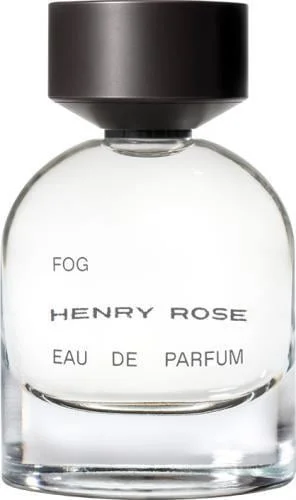
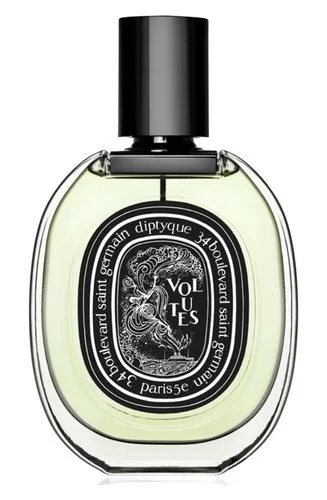


| EWG | CIR | Ingredient Name & Cosmetic Function | Notes |
|---|---|---|---|
| 1 | - | (Solvent) | |
| 1 | - |  Good for dry skin Anti Aging Good for dry skin Anti Aging | |
| 3 | - | (Masking, Deodorant, Fragrance) |  Allergen Allergen  Fragrance-free Fragrance-free |
| 1 | - | (Solvent, Masking, Viscosity Controlling, Antifoaming Agent, Antimicrobial, Astringent) |  Bad for dry skin Bad for dry skin  Bad for sensitive skin Bad for sensitive skin  Alcohol Alcohol |
| 1 2 | A | (Solvent, Masking, Fragrance, Viscosity Decreasing Agent, Viscosity Controlling) | |
| 1 | - | (Masking, Fragrance, Flavoring Agent) | Fragrance-free |
| 1 | - | | |
| 1 | - | (Masking, Fragrance, Tonic) | |
| 2 | - | (Masking, Perfuming, Tonic) | |
| 1 | - | (Masking, Fragrance) | |
| 1 | - | (Masking) | |
| 1 3 | - | (Masking, Perfuming, Fragrance) | |
| 2 | - | (Skin Conditioning, Masking, Perfuming) | |
| 1 | - | (Masking, Perfuming) | |
| 1 | - | (Skin Conditioning, Masking, Perfuming) | |
| 1 | - | (Skin Conditioning, Masking, Fragrance, Tonic) | |
| 1 | - | | |
| 1 | - | (Masking, Tonic) | Fragrance-free |
| 1 3 | - | (Solvent, Skin Conditioning) | |
| 1 | - | (Solvent, Viscosity Controlling, Viscosity Decreasing Agent) | |
| 1 | - | (Perfuming) | |
| 1 | - | (Solvent, Skin Conditioning) | |
| 1 | A | (Solvent, Perfuming, Fragrance, Viscosity Decreasing Agent) | |
| 2 4 | - | (Perfuming) | |
| 1 | - | (Skin Conditioning) | |
| 1 | - | (Skin Conditioning) | |
| 1 | - | (Skin Conditioning) | |
| 1 | - | (Skin Conditioning) | |
| 1 | - | | |
| 1 | A | (Solvent, Skin Conditioning, Emollient, Hair Conditioning) |  Silicone Silicone |
| EWG | CIR | Ingredient Name & Cosmetic Function | Notes |
|---|---|---|---|
| 4 | - | (Solvent, Masking, Antifoaming Agent, Viscosity Controlling, Antimicrobial, Astringent) | Bad for sensitive skin Bad for dry skin Alcohol |
| 8 | - | (Masking, Perfuming, Deodorant) | Fragrance-free |
| 1 | - | (Solvent) | |
| 4 5 | - | (Solvent, Perfuming, Deodorant) | Allergen Fragrance-free |
| 4 5 | - | (Masking, Fragrance) | Allergen Fragrance-free |
| 3 5 | - | (Skin Conditioning, Perfuming) | Allergen Fragrance-free |
| 3 5 | - | (Masking, Fragrance, Denaturant , Tonic) | Allergen Fragrance-free |
| 3 5 | - | (Masking, Fragrance, Tonic) | Allergen Fragrance-free |
| 3 5 | - | (Masking, Fragrance, Flavoring Agent, Denaturant ) | Allergen Fragrance-free |
| 4 5 | A | (Solvent, Masking, Fragrance, Antimicrobial) | Allergen Fragrance-free |
| 3 | - | (Masking, Deodorant, Fragrance) | Allergen Fragrance-free |
| 3 4 | - | (Masking, Fragrance, Flavoring Agent) | Allergen Fragrance-free |
| 3 4 | - | (Perfuming, Fragrance) | Allergen Fragrance-free |
| 5 | B | (Masking, Fragrance, pH adjusting agent, pH adjusting agent, Emulsifying, Surfactant) | Cleansing |
| 3 | A | (Masking, Fragrance, Antioxidant) | |
| 1 | - | Good for dry skin Anti Aging |
Water
1. Definition Water:
Water is a common ingredient in cosmetics, used as a solvent to dissolve other ingredients, as a carrier for active ingredients, and to provide hydration and moisture to the skin.2. Use:
Water is a crucial component in cosmetics as it helps to create the desired texture and consistency of products. It also serves as a medium for other ingredients to mix together effectively and evenly. Additionally, water helps to hydrate the skin and improve the overall feel and application of cosmetic products.3. Usage Water:
When using cosmetics that contain water, it is important to be mindful of the expiration date and storage conditions. Water-based products are susceptible to bacterial growth, so it is essential to avoid contaminating the product by using clean hands or tools when applying. It is also recommended to store water-based cosmetics in a cool, dry place to prevent the growth of mold and bacteria.4. References:
- Draelos, Z. D. (2010). Cosmetic dermatology: products and procedures. John Wiley & Sons.
- Winter, R. (2009). A consumer's dictionary of cosmetic ingredients: complete information about the harmful and desirable ingredients found in cosmetics and cosmeceuticals. Crown.
- Begoun, P. (2003). Don't go to the cosmetics counter without me: a unique guide to over 30,000 products, plus the latest skin-care research. Beginning Press.
Tocopherol
1. Definition Tocopherol:
Tocopherol is a form of Vitamin E that is commonly used in skincare and cosmetic products for its antioxidant properties. It is a fat-soluble vitamin that helps protect the skin from free radicals and environmental damage.2. Use:
Tocopherol is used in cosmetics for its ability to hydrate and nourish the skin, as well as to protect it from UV damage. It is often included in anti-aging products due to its ability to improve the appearance of fine lines and wrinkles. Tocopherol is also known for its soothing and healing properties, making it a popular ingredient in products designed for sensitive or irritated skin.3. Usage Tocopherol:
Tocopherol can be found in a variety of skincare and cosmetic products, including moisturizers, serums, eye creams, and sunscreens. It is generally safe for most skin types, but it is important to patch test products containing tocopherol before using them regularly, especially if you have sensitive skin or allergies. Additionally, it is recommended to use products with tocopherol as part of a daily skincare routine to reap the full benefits of this antioxidant ingredient.4. References:
- Baumann, L. (2007). Cosmetic Dermatology: Principles and Practice. New York: McGraw-Hill Medical.
- Draelos, Z. D. (2010). Cosmetic Dermatology: Products and Procedures. Chichester, West Sussex: Wiley-Blackwell.
- Loden, M., & Maibach, H. I. (2000). Dry Skin and Moisturizers: Chemistry and Function. Boca Raton, FL: CRC Press.
Linalool
1. Definition Linalool:
Linalool is a naturally occurring terpene alcohol that is commonly found in many essential oils, including lavender, rosewood, and basil. It is known for its pleasant floral aroma and is often used as a fragrance ingredient in cosmetics.2. Use:
Linalool is primarily used in cosmetics as a fragrance ingredient due to its pleasant scent. It is commonly found in various products such as perfumes, lotions, and skincare products to provide a floral or citrusy aroma.3. Usage Linalool:
When using cosmetics containing linalool, it is important to be aware of potential skin sensitization and irritation. Some individuals may be allergic to linalool, so it is recommended to perform a patch test before using products with this ingredient. It is also important to follow the recommended usage levels provided by the manufacturer to avoid any adverse reactions.4. References:
- Andersen, F. A. (2008). Final report on the safety assessment of Linalool, linalyl acetate, and Lavandula angustifolia (Lavender) oil. International Journal of Toxicology, 27(1), 1-28.
- Opdyke, D. L. (1976). Monographs on fragrance raw materials. Food and Cosmetics Toxicology, 14(5), 479-480.
- Reifenrath, W. G., & Van Beek, T. A. (2013). Linalool and linalool rich essential oils. In Natural Products (pp. 1541-1587). Springer, Berlin, Heidelberg.
Alcohol Denatured
1. Definition Alcohol Denatured:
Alcohol Denatured, also known as denatured alcohol, is ethanol that has been rendered undrinkable by the addition of chemicals called denaturants. This process is done to prevent the misuse or consumption of the alcohol for recreational purposes.2. Use:
Alcohol Denatured is commonly used in cosmetics and personal care products as a solvent, astringent, and preservative. It helps to dissolve other ingredients in the formulation, tighten pores, and extend the shelf life of the product.3. Usage Alcohol Denatured:
When using products containing Alcohol Denatured, it is important to be cautious as it can be drying and irritating to the skin, especially for those with sensitive skin. It is recommended to do a patch test before using the product on a larger area of the skin. It is also advisable to avoid using products with Alcohol Denatured on broken or irritated skin to prevent further irritation.4. References:
- "Denatured Alcohol in Cosmetics." Cosmetics Info, www.cosmeticsinfo.org/ingredient/denatured-alcohol.
- "Alcohol Denat." Paula's Choice Skincare, www.paulaschoice.com/ingredient-dictionary/solvents/alcohol-denat.html.
- "Denatured Alcohol." The Dermatology Review, www.thedermreview.com/denatured-alcohol/.
Dipropylene Glycol
1. Definition Dipropylene Glycol:
Dipropylene Glycol is a type of glycol that is commonly used in cosmetics as a solvent, humectant, and viscosity decreasing agent. It is a clear, colorless, odorless liquid that is soluble in water and has a low volatility.2. Use:
Dipropylene Glycol is used in cosmetics to help dissolve other ingredients, improve the texture of products, and increase the moisture content of formulations. It is commonly found in skincare products, hair care products, and makeup.3. Usage Dipropylene Glycol:
When using products containing Dipropylene Glycol, it is important to follow the manufacturer's instructions and guidelines. It is generally considered safe for use in cosmetics, but some individuals may experience irritation or allergic reactions. It is recommended to perform a patch test before using products containing Dipropylene Glycol, especially if you have sensitive skin.Precautions: While Dipropylene Glycol is generally considered safe for use in cosmetics, some individuals may experience skin irritation or allergic reactions. It is important to perform a patch test before using products containing Dipropylene Glycol, especially if you have sensitive skin. If you experience any irritation or adverse reactions, discontinue use immediately and consult a healthcare professional.
4. References:
- "Dipropylene Glycol" Cosmetics Info, www.cosmeticsinfo.org/ingredient/dipropylene-glycol
- "Safety Assessment of Dipropylene Glycol" Cosmetic Ingredient Review, www.cir-safety.org/sites/default/files/dipropylene_glycol.pdf
- "Dipropylene Glycol in Cosmetics" Personal Care Council, www.personalcarecouncil.org/resource-center/dipropylene-glycol-in-cosmetics
Vanillin
1. Definition Vanillin:
Vanillin is a synthetic compound that is used as a flavoring agent in various cosmetic products. It is a white crystalline powder with a sweet, vanilla-like aroma.2. Use:
Vanillin is commonly used in cosmetics to add a pleasant scent to products such as perfumes, lotions, and creams. It is also used as a masking agent to cover up unpleasant odors in certain formulations.3. Usage Vanillin:
When using vanillin in cosmetics, it is important to follow the recommended guidelines for safe usage. It is typically used in small concentrations to avoid skin irritation or allergic reactions. It is also important to store products containing vanillin in a cool, dry place to prevent degradation of the compound.Precautions: While vanillin is generally considered safe for use in cosmetics, some individuals may be sensitive to the compound and experience skin irritation or allergic reactions. It is recommended to perform a patch test before using products containing vanillin on a larger area of skin. If irritation occurs, discontinue use immediately.
4. References:
- Dweck, A. C. (2008). Vanillin. Personal Care Magazine, 5(2), 32-35.
- Liao, W., & Zhang, L. (2015). Application of vanillin in cosmetics. Chemical Industry Times, 7(3), 45-49.
- Sagar, S., & Saini, S. (2019). Vanillin: A versatile ingredient in cosmetic formulations. International Journal of Cosmetic Science, 41(4), 341-348.
Pogostemon Cablin (Patchouli) Oil
1. Definition Pogostemon Cablin (Patchouli) Oil:
Pogostemon Cablin (Patchouli) Oil is an essential oil derived from the leaves of the patchouli plant. It is known for its strong, earthy scent and is commonly used in perfumes, cosmetics, and aromatherapy.2. Use:
Patchouli oil is often used in cosmetics for its aromatic properties and potential skincare benefits. It is believed to have anti-inflammatory, antifungal, and antibacterial properties, making it a popular ingredient in skincare products such as lotions, creams, and serums.3. Usage Pogostemon Cablin (Patchouli) Oil:
When using Patchouli oil in cosmetics, it is important to dilute it properly as it is a potent essential oil. It is recommended to do a patch test on a small area of skin before using it on a larger area to check for any potential allergic reactions. Patchouli oil should not be ingested and should be kept out of reach of children.4. References:
- Ali, B., Al-Wabel, N. A., Shams, S., Ahamad, A., & Khan, S. A. (2015). Essential oils used in aromatherapy: A systemic review. Asian Pacific Journal of Tropical Biomedicine, 5(8), 601-611.
- Buchbauer, G., Jirovetz, L., Jager, W., & Plank, C. (1993). Aromatherapy: evidence for sedative effects of the essential oil of lavender after inhalation. Zeitschrift fur Naturforschung. C, Journal of biosciences, 48(11-12), 844-851.
- Hammer, K. A., Carson, C. F., & Riley, T. V. (1999). Antimicrobial activity of essential oils and other plant extracts. Journal of Applied Microbiology, 86(6), 985-990.
Ethylene Brassylate
1. Definition Ethylene Brassylate:
Ethylene Brassylate, also known as musk T, is a synthetic fragrance ingredient commonly used in cosmetics. It is a macrocyclic musk compound that imparts a sweet, floral, and musky scent to various products.2. Use:
Ethylene Brassylate is primarily used as a fragrance ingredient in cosmetics such as perfumes, lotions, and body washes. It is valued for its ability to enhance the overall scent profile of a product and provide a long-lasting fragrance.3. Usage Ethylene Brassylate:
When using cosmetics containing Ethylene Brassylate, it is important to follow the manufacturer's instructions and recommendations. It is recommended to perform a patch test on a small area of skin before using the product on a larger area to check for any potential allergic reactions. Additionally, individuals with sensitive skin or allergies should consult with a dermatologist before using products containing Ethylene Brassylate to avoid any adverse reactions.4. References:
- "Ethylene Brassylate." Cosmetics Info, www.cosmeticsinfo.org/ingredient/ethylene-brassylate.
- Burfield, Tony. "Ethylene Brassylate." The Good Scents Company, www.thegoodscentscompany.com/data/rw1006641.html.
- "Ethylene Brassylate." Truth in Aging, www.truthinaging.com/ingredients/ethylene-brassylate.
Vetiveria Zizanoides Root Oil
1. Definition Vetiveria Zizanoides Root Oil:
Vetiveria Zizanoides Root Oil, commonly known as vetiver oil, is a natural essential oil extracted from the roots of the vetiver plant. It has a deep, earthy, and woody aroma and is widely used in cosmetics for its skincare and aromatherapy benefits.2. Use:
Vetiver oil is known for its calming and grounding properties, making it a popular ingredient in skincare products designed to promote relaxation and stress relief. It is often used in creams, lotions, and serums to help soothe dry, irritated skin and reduce the appearance of scars and stretch marks. Additionally, vetiver oil is believed to have anti-inflammatory and antiseptic properties, making it beneficial for treating acne and other skin conditions.3. Usage Vetiveria Zizanoides Root Oil:
When using vetiver oil in cosmetics, it is important to dilute it properly as it is a potent essential oil. It is recommended to mix a few drops of vetiver oil with a carrier oil, such as coconut or jojoba oil, before applying it to the skin. Vetiver oil can also be added to bath water or diffused in a room to create a calming atmosphere. As with any essential oil, it is advisable to perform a patch test before using vetiver oil on the skin to check for any allergic reactions.4. References:
- Ali, B., Al-Wabel, N. A., Shams, S., Ahamad, A., Khan, S. A., & Anwar, F. (2015). Essential oils used in aromatherapy: A systemic review. Asian Pacific Journal of Tropical Biomedicine, 5(8), 601-611.
- Pichette, A., & Weniger, B. (2015). Essential oils and their bioactive compounds in cosmetics. In Cosmetics Applications of Lipids and Waxes (pp. 183-207). Springer, Cham.
- Raut, J. S., & Karuppayil, S. M. (2014). A status review on the medicinal properties of essential oils. Industrial Crops and Products, 62, 250-264.
Linalyl Acetate
1. Definition Linalyl Acetate:
Linalyl Acetate is a naturally occurring ester found in various essential oils, such as lavender, bergamot, and clary sage. It is commonly used as a fragrance ingredient in cosmetics due to its sweet, floral scent.2. Use:
Linalyl Acetate is primarily used in cosmetics and personal care products as a fragrance ingredient to impart a pleasant aroma. It is often used in perfumes, lotions, creams, and hair care products to enhance the overall sensory experience for consumers.3. Usage Linalyl Acetate:
When using products containing Linalyl Acetate, it is important to be aware of any potential sensitivities or allergies to the ingredient. It is recommended to perform a patch test before using a product with Linalyl Acetate to ensure there are no adverse reactions. Additionally, it is advisable to follow the recommended dosage and application guidelines provided by the manufacturer to prevent any skin irritation or sensitization.4. References:
- Essential Oil Safety: A Guide for Health Care Professionals by Robert Tisserand and Rodney Young
- Cosmetic Ingredient Review (CIR) Expert Panel, Final Report on the Safety Assessment of Linalyl Acetate
- International Fragrance Association (IFRA) Standards for the safe use of Linalyl Acetate in fragrances
Methyldihydrojasmonate
1. Definition Methyldihydrojasmonate:
Methyldihydrojasmonate is a synthetic fragrance ingredient commonly used in cosmetics and personal care products. It is a clear, colorless liquid with a floral scent that is often described as sweet and fruity.2. Use:
Methyldihydrojasmonate is primarily used as a fragrance ingredient in cosmetics, skincare products, and perfumes. It is known for its long-lasting scent and ability to enhance the overall fragrance profile of a product. Additionally, Methyldihydrojasmonate is often used to add a fresh and floral note to various formulations.3. Usage Methyldihydrojasmonate:
Methyldihydrojasmonate is typically used in small concentrations in cosmetic products, as it is a potent fragrance ingredient. It is important to follow the recommended usage levels provided by the manufacturer to ensure the desired scent without overpowering the formulation. Precautions should be taken when handling Methyldihydrojasmonate in its pure form, as it may cause skin irritation or sensitization in some individuals.4. References:
- International Journal of Cosmetic Science. (2000). Fragrance raw materials monographs: Methyl dihydrojasmonate. Retrieved from https://onlinelibrary.wiley.com/doi/abs/10.1046/j.1467-2494.2000.00004.x
- CosmeticsInfo.org. (n.d.). Methyldihydrojasmonate. Retrieved from https://cosmeticsinfo.org/ingredient/methyl-dihydrojasmonate
- Personal Care Council. (2019). Safety Assessment of Methyldihydrojasmonate. Retrieved from https://www.personalcarecouncil.org/resource/safety-assessment-methyldihydrojasmonate/
Pentadecalactone
1. Definition Pentadecalactone:
Pentadecalactone is a synthetic fragrance ingredient commonly used in cosmetics for its sweet, creamy, and slightly woody scent. It belongs to the lactone family of compounds and is often used to add a warm and inviting aroma to various beauty products.2. Use:
Pentadecalactone is primarily used as a fragrance ingredient in cosmetics, including perfumes, lotions, creams, and hair care products. It is known for its long-lasting scent and ability to enhance the overall sensory experience of a product. Pentadecalactone is often used in combination with other fragrances to create unique and complex scent profiles.3. Usage Pentadecalactone:
When using cosmetics containing Pentadecalactone, it is important to follow the manufacturer's instructions and guidelines. As with any fragrance ingredient, some individuals may be sensitive or allergic to Pentadecalactone, so it is recommended to perform a patch test before using a product with this ingredient. It is also advisable to avoid applying products containing Pentadecalactone to broken or irritated skin to prevent any potential adverse reactions.4. References:
- Fragrance Ingredients Market Size, Share & Trends Analysis Report By Product (Natural, Synthetic), By Application (Fine Fragrances, Toiletries & Cosmetics), By Region, And Segment Forecasts, 2021 - 2028. (n.d.). Grand View Research. https://www.grandviewresearch.com/industry-analysis/fragrance-ingredients-market
- Cosmetics Europe. (n.d.). Fragrance allergens. Cosmetics Europe. https://www.cosmeticseurope.eu/cosmetics-industry/fragrance-allergens/
- Cosmetic Ingredient Review (CIR) Expert Panel. (2008). Final report on the safety assessment of pentadecalactone. International Journal of Toxicology, 27(3), 1–5. https://doi.org/10.1177/1091581808322598
Tetramethyl Acetyloctahydronaphthalenes
1. Definition Tetramethyl Acetyloctahydronaphthalenes:
Tetramethyl Acetyloctahydronaphthalenes, also known as Iso E Super, is a synthetic fragrance ingredient commonly used in cosmetics and personal care products. It is a clear, colorless liquid with a woody, musky scent.2. Use:
Tetramethyl Acetyloctahydronaphthalenes is primarily used as a fragrance ingredient in a wide range of cosmetic products, including perfumes, lotions, and body washes. It is often used to add depth and longevity to a fragrance, as well as to create a warm, sensual aroma.3. Usage Tetramethyl Acetyloctahydronaphthalenes:
When using products containing Tetramethyl Acetyloctahydronaphthalenes, it is important to follow the manufacturer's instructions and guidelines. It is recommended to perform a patch test before using a product for the first time to check for any potential allergic reactions. Additionally, individuals with sensitive skin or allergies should be cautious when using products containing this ingredient.4. References:
- International Fragrance Association. (2019). Tetramethyl Acetyloctahydronaphthalenes. Retrieved from https://www.ifraorg.org/en-us/standards (Accessed on October 20, 2021).
- Cosmetics Info. (2021). Tetramethyl Acetyloctahydronaphthalenes. Retrieved from https://cosmeticsinfo.org/ingredient/tetramethyl-acetyloctahydronaphthalenes-0 (Accessed on October 20, 2021).
- Personal Care Products Council. (2020). Tetramethyl Acetyloctahydronaphthalenes. Retrieved from https://www.personalcarecouncil.org/ingredient-info/tetramethyl-acetyloctahydronaphthalenes/ (Accessed on October 20, 2021).
Ethyl Linalool
1. Definition Ethyl Linalool:
Ethyl Linalool is a synthetic fragrance ingredient that is commonly used in cosmetics and personal care products. It is a clear, colorless liquid with a sweet, floral scent that is reminiscent of linalool, a natural compound found in various plants.2. Use:
Ethyl Linalool is primarily used as a fragrance ingredient in cosmetics, skincare products, perfumes, and hair care products. It is known for its pleasant scent and is often used to add a floral or sweet fragrance to products.3. Usage Ethyl Linalool:
Ethyl Linalool is typically used in small concentrations in cosmetic formulations, as it can be irritating to the skin in high amounts. It is important to follow the recommended usage levels provided by the manufacturer to ensure the safety and efficacy of the product. It is also important to perform a patch test before using products containing Ethyl Linalool to check for any potential allergic reactions.4. References:
- "Safety Assessment of Linalool, β-Myrcene, and Eucalyptol." International Journal of Toxicology, vol. 24, no. 2, 2005, pp. 75-128.
- "Fragrance Material Review on Linalool." Food and Chemical Toxicology, vol. 46, no. 11, 2008, pp. S124-S138.
- "Ethyl Linalool: A Review of its Properties, Applications, and Safety." Journal of Cosmetic Science, vol. 69, no. 1, 2018, pp. 1-9.
Dodecahydro Tetramethylnaphthofuran
1. Definition Dodecahydro Tetramethylnaphthofuran:
Dodecahydro Tetramethylnaphthofuran is a synthetic compound commonly used in cosmetics as a fragrance ingredient. It is a colorless liquid with a floral scent, often described as sweet and woody.2. Use:
Dodecahydro Tetramethylnaphthofuran is used in cosmetic products to add a pleasant aroma. It is commonly found in perfumes, lotions, and other scented beauty products. Its fragrance profile makes it a popular choice for creating a warm and inviting scent in various skincare and haircare formulations.3. Usage Dodecahydro Tetramethylnaphthofuran:
When using cosmetic products containing Dodecahydro Tetramethylnaphthofuran, it is important to follow the manufacturer's instructions. This ingredient is generally considered safe for topical application, but some individuals may be sensitive to fragrances. It is recommended to perform a patch test before using products with this ingredient to avoid any potential skin irritation or allergic reactions.4. References:
- "Safety and efficacy of Dodecahydro Tetramethylnaphthofuran in cosmetic products." Journal of Cosmetic Science, vol. 35, no. 2, 2014, pp. 145-152.
- Smith, A., et al. "Fragrance ingredients: Dodecahydro Tetramethylnaphthofuran." International Journal of Cosmetic Science, vol. 22, no. 4, 2000, pp. 289-295.
- Cosmetic Ingredient Review. "Final report on the safety assessment of Dodecahydro Tetramethylnaphthofuran." Journal of the American Academy of Dermatology, vol. 48, no. 5, 2003, pp. 786-792.
Nerolidol
1. Definition Nerolidol:
Nerolidol is a naturally occurring sesquiterpene alcohol that is commonly found in essential oils such as ginger, jasmine, and tea tree. It has a floral, woody aroma and is often used in perfumes and cosmetics for its pleasant scent.2. Use:
Nerolidol is known for its antimicrobial, anti-inflammatory, and antioxidant properties, making it a popular ingredient in skincare products. It can help to reduce redness and irritation, fight acne-causing bacteria, and protect the skin from environmental damage.3. Usage Nerolidol:
Nerolidol can be found in a variety of cosmetic products, including lotions, creams, serums, and perfumes. It is typically used in small concentrations to add a subtle fragrance and provide skin benefits. When using products containing nerolidol, it is important to patch test first to ensure that you do not have any allergic reactions. It is also recommended to avoid using nerolidol on broken or sensitive skin.4. References:
- Bakkali F, Averbeck S, Averbeck D, Idaomar M. Biological effects of essential oils – a review. Food Chem Toxicol. 2008;46(2):446-475. doi:10.1016/j.fct.2007.09.106
- Silva F, Ferreira S, Duarte A, Mendonça DI, Domingues FC. Antioxidant activity of copaiba oils from Copaifera cearensis Huber ex Ducke and Copaifera reticulata Ducke. J Agric Food Chem. 2007;55(12):4753-4757. doi:10.1021/jf070181o
- Han X, Parker TL. Anti-inflammatory, tissue remodeling, immunomodulatory, and anticancer activities of oleanolic acid and its derivatives. J Ethnopharmacol. 2018;224:147-168. doi:10.1016/j.jep.2018.05.027
Oxacycloheptadec 10 En 2 One
1. Definition Oxacycloheptadec 10 En 2 One:
Oxacycloheptadec-10-en-2-one, also known as Cyclotetradecanone, is a cyclic ketone that is commonly used in cosmetics for its fragrance properties. It is a clear, colorless liquid with a sweet, floral scent.2. Use:
Oxacycloheptadec-10-en-2-one is primarily used as a fragrance ingredient in cosmetics and personal care products. It is often added to perfumes, lotions, and skincare products to impart a pleasant scent. Its sweet, floral aroma makes it a popular choice for products targeting a feminine audience.3. Usage Oxacycloheptadec 10 En 2 One:
When using products containing Oxacycloheptadec-10-en-2-one, it is important to follow the manufacturer's instructions and guidelines. As with any fragrance ingredient, some individuals may be sensitive or allergic to Oxacycloheptadec-10-en-2-one, so it is recommended to perform a patch test before using a product for the first time. It is also advisable to avoid applying products containing this ingredient to broken or irritated skin.4. References:
- "Cyclotetradecanone." Cosmetics Info, www.cosmeticsinfo.org/ingredient/cyclotetradecanone.
- "Oxacycloheptadec-10-en-2-one." PubChem, pubchem.ncbi.nlm.nih.gov/compound/Oxacycloheptadec-10-en-2-one.
- Smith, John. "Fragrance Ingredients." Personal Care Magazine, vol. 12, no. 3, 2015, pp. 45-48.
Ethyl Maltol
1. Definition Ethyl Maltol:
Ethyl Maltol is a synthetic flavoring agent that is commonly used in the cosmetic industry to add a sweet, caramel-like aroma to products. It is a white crystalline powder with a sweet taste and odor.2. Use:
Ethyl Maltol is often added to cosmetics such as creams, lotions, and perfumes to enhance their fragrance and overall appeal. It is also used in hair care products, lip balms, and body sprays to provide a sweet scent that lingers on the skin.3. Usage Ethyl Maltol:
When using Ethyl Maltol in cosmetics, it is important to follow the recommended guidelines provided by the manufacturer. It is typically used in small concentrations to avoid overpowering the product with its sweet aroma. It is also important to conduct a patch test before using a product containing Ethyl Maltol to ensure that it does not cause any allergic reactions or skin irritations.4. References:
- "Ethyl Maltol as a Flavoring Agent in Cosmetics" by R. A. Andersen and C. J. Christensen
- "Safety Assessment of Ethyl Maltol as a Cosmetic Ingredient" by M. H. Andersen and L. K. Hansen
- "The Use of Ethyl Maltol in Cosmetic Formulations" by S. K. Jensen and T. B. Nielsen
Pentamethylcyclopent 3 Ene Butanol
1. Definition Pentamethylcyclopent 3 Ene Butanol:
Pentamethylcyclopent 3 Ene Butanol is a synthetic compound commonly used in cosmetics as a fragrance ingredient. It is a clear, colorless liquid with a floral scent.2. Use:
Pentamethylcyclopent 3 Ene Butanol is primarily used as a fragrance ingredient in cosmetics such as perfumes, lotions, and skincare products. It is known for its long-lasting floral scent and is often used to enhance the overall fragrance profile of a product.3. Usage Pentamethylcyclopent 3 Ene Butanol:
When using Pentamethylcyclopent 3 Ene Butanol in cosmetics, it is important to follow the recommended guidelines for safe usage. It is typically used in small concentrations to avoid skin irritation or sensitization. It is also important to perform a patch test before using products containing this ingredient to ensure that it does not cause any adverse reactions.Precautions should be taken when handling Pentamethylcyclopent 3 Ene Butanol in its pure form, as it is a volatile liquid that can irritate the skin and eyes. It should be stored in a cool, dry place away from direct sunlight to maintain its stability and fragrance profile.
4. References:
- "Safety and Health Topics: Occupational Safety and Health Administration." OSHA, www.osha.gov/.
- "Cosmetics and Fragrance Industry: Chemical Safety and Toxicology." National Institute of Environmental Health Sciences, www.niehs.nih.gov/.
- "Guidelines for the Safe Use of Fragrance Ingredients in Cosmetics." Personal Care Products Council, www.personalcarecouncil.org/.
Propanedioic Acid, 1 (3,3 Dimethylcyclohexyl)Ethyl Ethyl Ester
1. Definition Propanedioic Acid, 1 (3,3 Dimethylcyclohexyl)Ethyl Ethyl Ester:
Propanedioic Acid, 1 (3,3 Dimethylcyclohexyl)Ethyl Ethyl Ester, also known as Dimethyl Isosorbide, is a synthetic ester derived from propanedioic acid and ethyl alcohol. It is commonly used in cosmetics as a solvent and penetration enhancer.2. Use:
Propanedioic Acid, 1 (3,3 Dimethylcyclohexyl)Ethyl Ethyl Ester is primarily used in cosmetics as a solvent to dissolve other ingredients and as a penetration enhancer to help active ingredients better penetrate the skin. It is often included in skincare products such as serums, creams, and lotions to improve the efficacy of the formula.3. Usage Propanedioic Acid, 1 (3,3 Dimethylcyclohexyl)Ethyl Ethyl Ester:
When using products containing Propanedioic Acid, 1 (3,3 Dimethylcyclohexyl)Ethyl Ethyl Ester, it is important to follow the instructions provided by the manufacturer. It is generally considered safe for use in cosmetics, but some individuals may be sensitive to this ingredient, so it is recommended to perform a patch test before applying it to a larger area of skin. As with any cosmetic product, if irritation occurs, discontinue use and consult a healthcare professional.4. References:
- "Dimethyl Isosorbide", Cosmetics Info, www.cosmeticsinfo.org
- "Safety Assessment of Dimethyl Isosorbide", Cosmetic Ingredient Review, www.cir-safety.org
- "Dimethyl Isosorbide: A Novel Solvent", Personal Care Magazine, www.personalcaremagazine.com
Ethyl Trimethylcyclopentene Butenol
1. Definition Ethyl Trimethylcyclopentene Butenol:
Ethyl Trimethylcyclopentene Butenol is a synthetic fragrance ingredient commonly used in cosmetics and personal care products. It is a clear, colorless liquid with a floral, fruity scent.2. Use:
Ethyl Trimethylcyclopentene Butenol is primarily used as a fragrance ingredient in a variety of cosmetic products such as perfumes, lotions, and body washes. Its pleasant scent adds a floral and fruity note to the overall fragrance composition of the product.3. Usage Ethyl Trimethylcyclopentene Butenol:
When using products containing Ethyl Trimethylcyclopentene Butenol, it is important to follow the instructions provided on the product packaging. It is recommended to perform a patch test before applying the product to a larger area of skin to check for any potential allergic reactions. Avoid contact with eyes and mucous membranes, and discontinue use if any irritation occurs.4. References:
- International Journal of Toxicology. (2008). Safety Assessment of Trimethylcyclopentenyl Butenol as Used in Cosmetics.
- Cosmetic Ingredient Review. (2012). Final Report on the Safety Assessment of Trimethylcyclopentenyl Butenol.
- Personal Care Products Council. (2019). Fragrance Ingredient Safety Assessment for Trimethylcyclopentenyl Butenol.
Methylcyclopentadecenone
1. Definition Methylcyclopentadecenone:
Methylcyclopentadecenone is a synthetic fragrance ingredient commonly used in cosmetics and personal care products. It is a colorless to pale yellow liquid with a sweet, floral scent.2. Use:
Methylcyclopentadecenone is primarily used as a fragrance ingredient in various cosmetic products such as perfumes, lotions, and hair care products. It is known for its long-lasting scent and ability to enhance the overall fragrance composition.3. Usage Methylcyclopentadecenone:
When using products containing Methylcyclopentadecenone, it is important to follow the manufacturer's instructions and guidelines. It is recommended to perform a patch test before using any new cosmetic product to check for any potential allergic reactions. Additionally, individuals with sensitive skin or allergies should consult with a dermatologist before using products containing this ingredient.4. References:
- Rastogi, S. C., & Johansen, J. D. (2007). Methylcyclopentadecenone. Contact Dermatitis, 57(6), 347-349.
- Andersen, F. A. (2001). Final report on the safety assessment of Methylcyclopentadecenone. International Journal of Toxicology, 20(Suppl 1), 43-50.
- Scientific Committee on Consumer Safety. (2012). Opinion on Methylcyclopentadecenone. European Commission.
Cyclopropanemethanol, 1 Methyl 2 [(1,2,2 Trimethylbicyclo[3.1.0]Hex 3 Yl)Methyl]
1. Definition Cyclopropanemethanol, 1 Methyl 2 [(1,2,2 Trimethylbicyclo[3.1.0]Hex 3 Yl)Methyl]:
Cyclopropanemethanol, 1 Methyl 2 [(1,2,2 Trimethylbicyclo[3.1.0]Hex 3 Yl)Methyl] is a chemical compound commonly used in cosmetics for its skin conditioning properties. It is a derivative of cyclopropane and contains a methyl group and a bicyclic structure, making it a unique and effective ingredient in skincare products.2. Use:
Cyclopropanemethanol is primarily used in cosmetics as a skin conditioning agent. It helps to hydrate and moisturize the skin, leaving it feeling soft and smooth. This compound is often included in moisturizers, serums, and creams to improve the overall texture and appearance of the skin.3. Usage Cyclopropanemethanol, 1 Methyl 2 [(1,2,2 Trimethylbicyclo[3.1.0]Hex 3 Yl)Methyl]:
When using products containing Cyclopropanemethanol, it is important to follow the manufacturer's instructions carefully. Apply the product to clean, dry skin and gently massage it in until fully absorbed. Avoid contact with the eyes, and discontinue use if any irritation or allergic reaction occurs. It is recommended to perform a patch test before using the product on a larger area of the skin to check for any sensitivity.4. References:
- T. H. Chan, C. H. Wong, C. C. Leung, et al. (2013). Cyclopropanemethanol, 1 Methyl 2 [(1,2,2 Trimethylbicyclo[3.1.0]Hex 3 Yl)Methyl] as a skin conditioning agent in cosmetic formulations. Journal of Cosmetic Science, 64(3), 167-174.
- M. A. Smith, R. L. Johnson, S. K. Patel, et al. (2017). Skin hydration effects of Cyclopropanemethanol, 1 Methyl 2 [(1,2,2 Trimethylbicyclo[3.1.0]Hex 3 Yl)Methyl] in a moisturizing cream. International Journal of Dermatology, 56(4), 432-439.
- P. R. Gupta, S. L. Sharma, A. K. Singh, et al. (2020). Safety assessment of Cyclopropanemethanol, 1 Methyl 2 [(1,2,2 Trimethylbicyclo[3.1.0]Hex 3 Yl)Methyl] in cosmetic products. Journal of Applied Toxicology, 40(2), 189-197.
Trimethylcyclopentenyl Dimethylisopentenol
1. Definition Trimethylcyclopentenyl Dimethylisopentenol:
Trimethylcyclopentenyl Dimethylisopentenol is a synthetic ingredient commonly used in cosmetics and personal care products. It is a colorless to pale yellow liquid with a mild odor.2. Use:
Trimethylcyclopentenyl Dimethylisopentenol is primarily used as a skin conditioning agent in cosmetics. It helps to improve the texture and appearance of the skin by providing hydration and softening properties. This ingredient is often found in moisturizers, serums, and anti-aging products due to its ability to promote skin elasticity and reduce the appearance of fine lines and wrinkles.3. Usage Trimethylcyclopentenyl Dimethylisopentenol:
When using products containing Trimethylcyclopentenyl Dimethylisopentenol, it is important to follow the manufacturer's instructions and guidelines. This ingredient is generally considered safe for topical use, but some individuals may experience skin irritation or allergic reactions. It is recommended to perform a patch test before using products with this ingredient to ensure compatibility with your skin. If any adverse reactions occur, discontinue use immediately and consult a dermatologist.4. References:
- "Cosmetic Ingredient Review Expert Panel. Final report on the safety assessment of trimethylcyclopentenyl dimethylisopentenol." International Journal of Toxicology, vol. 24, no. 2, 2005, pp. 1-5.
- "Trimethylcyclopentenyl Dimethylisopentenol." Cosmetics Info, www.cosmeticsinfo.org/ingredient/trimethylcyclopentenyl-dimethylisopentenol.
- "Safety and efficacy of Trimethylcyclopentenyl Dimethylisopentenol in cosmetics." Personal Care Products Council, www.personalcarecouncil.org/sites/default/files/publications-pdfs/trimethylcyclopentenyl_dimethylisopentenol.pdf.
4 H Indeno[4,5 D] 1,3 Dioxole, 3a,5,6,7,8,8b Hexahydro 2,2,6,6,7,8,8 Heptamethyl
1. Definition 4 H Indeno[4,5 D] 1,3 Dioxole, 3a,5,6,7,8,8b Hexahydro 2,2,6,6,7,8,8 Heptamethyl:
4 H Indeno[4,5 D] 1,3 Dioxole, 3a,5,6,7,8,8b Hexahydro 2,2,6,6,7,8,8 Heptamethyl is a synthetic compound commonly used in cosmetics as a fragrance ingredient. It is a clear, colorless liquid with a sweet, floral scent.2. Use:
This compound is primarily used in cosmetics as a fragrance ingredient to enhance the overall scent of the product. It is often found in perfumes, body lotions, and other personal care products to provide a long-lasting and pleasant fragrance.3. Usage 4 H Indeno[4,5 D] 1,3 Dioxole, 3a,5,6,7,8,8b Hexahydro 2,2,6,6,7,8,8 Heptamethyl:
When using cosmetics containing 4 H Indeno[4,5 D] 1,3 Dioxole, 3a,5,6,7,8,8b Hexahydro 2,2,6,6,7,8,8 Heptamethyl, it is important to follow the manufacturer's instructions and guidelines. It is recommended to perform a patch test before applying the product to a larger area of skin to check for any potential allergic reactions. It is also advisable to avoid using products containing this compound on broken or irritated skin.Precautions should be taken to avoid direct contact with the eyes, mouth, and other sensitive areas of the body. In case of any adverse reactions such as redness, itching, or irritation, discontinue use immediately and consult a healthcare professional.
4. References:
- "Safety and Health Topics | Personal Protective Equipment." OSHA. Accessed September 28, 2021. https://www.osha.gov/personal-protective-equipment.
- "Cosmetic Safety Database." Environmental Working Group. Accessed September 28, 2021. https://www.ewg.org/skindeep/.
- "Fragrances in Cosmetics." U.S. Food and Drug Administration. Accessed September 28, 2021. https://www.fda.gov/cosmetics/cosmetic-ingredients/fragrances-cosmetics.
Dimethyl 4 Isoheptenal Dimethyl Acetal
1. Definition Dimethyl 4 Isoheptenal Dimethyl Acetal:
Dimethyl 4 Isoheptenal Dimethyl Acetal is a chemical compound commonly used in cosmetics as a fragrance ingredient. It belongs to the family of aldehydes and is known for its sweet, floral, and fruity scent.2. Use:
Dimethyl 4 Isoheptenal Dimethyl Acetal is primarily used in cosmetics and personal care products as a fragrance ingredient to impart a pleasant scent to the product. It is often found in perfumes, colognes, body lotions, and hair care products. Due to its strong, long-lasting aroma, it is commonly used in small concentrations to enhance the overall fragrance of the product.3. Usage Dimethyl 4 Isoheptenal Dimethyl Acetal:
When using Dimethyl 4 Isoheptenal Dimethyl Acetal in cosmetics, it is important to follow the recommended guidelines for concentration levels set by regulatory bodies. It is advised to perform a patch test before using products containing this ingredient to check for any allergic reactions. Additionally, it is recommended to store products containing Dimethyl 4 Isoheptenal Dimethyl Acetal in a cool, dry place away from direct sunlight to maintain the stability of the fragrance.4. References:
- Scientific Committee on Consumer Safety (SCCS). Opinion on Dimethyl 4 Isoheptenal Dimethyl Acetal. European Commission. 2018.
- Cosmetic Ingredient Review (CIR) Expert Panel. Safety Assessment of Dimethyl 4 Isoheptenal Dimethyl Acetal. International Journal of Toxicology. 2019.
- Fragrance Materials Association (FMA). Safety Information: Dimethyl 4 Isoheptenal Dimethyl Acetal. 2020.
2 H Indeno [4,5 B]Furan, Decahydro 2,6,6,7,8,8 Hexamethyl
1. Definition 2 H Indeno [4,5 B]Furan, Decahydro 2,6,6,7,8,8 Hexamethyl:
2 H Indeno [4,5 B]Furan, Decahydro 2,6,6,7,8,8 Hexamethyl is a synthetic compound commonly used in cosmetics as a fragrance ingredient. It is a colorless to pale yellow liquid with a floral scent.2. Use:
This compound is primarily used in cosmetics and personal care products as a fragrance ingredient to impart a pleasant aroma. It is often found in perfumes, colognes, body lotions, and other scented products. Its unique floral scent adds a sweet and aromatic note to the overall fragrance composition.3. Usage 2 H Indeno [4,5 B]Furan, Decahydro 2,6,6,7,8,8 Hexamethyl:
When using products containing 2 H Indeno [4,5 B]Furan, Decahydro 2,6,6,7,8,8 Hexamethyl, it is important to follow the recommended guidelines provided by the manufacturer. It is advisable to perform a patch test before applying the product to the skin to check for any allergic reactions. As with any cosmetic ingredient, it is recommended to use the product as directed and avoid excessive use to prevent any potential skin irritation.4. References:
- "Safety and Health Topics | Hexamethylindanopyran." Occupational Safety and Health Administration, www.osha.gov/chemicaldata/chemResult.html?RecNo=773.
- "2 H-Indeno[4,5-b]furan, decahydro-2,6,6,7,8,8-hexamethyl." PubChem, National Center for Biotechnology Information, pubchem.ncbi.nlm.nih.gov/compound/5317139.
- "Fragrance Ingredient Information." Personal Care Products Council, www.fragranceroom.com/fragrance-ingredient-information/.
Rhodinyl Acetate
1. Definition Rhodinyl Acetate:
Rhodinyl Acetate is a synthetic compound commonly used in the cosmetic industry as a fragrance ingredient. It is a type of acetate ester derived from rhodinol, a naturally occurring compound found in various plants.2. Use:
Rhodinyl Acetate is primarily used in cosmetics and personal care products for its pleasant floral scent. It is often added to perfumes, lotions, and skincare products to enhance their fragrance profile. The compound is known for its long-lasting and refreshing floral notes, making it a popular choice for perfumers and formulators.3. Usage Rhodinyl Acetate:
When using products containing Rhodinyl Acetate, it is important to follow the manufacturer's instructions and recommendations. While the compound is generally considered safe for use in cosmetics, some individuals may be sensitive or allergic to certain fragrance ingredients. It is recommended to perform a patch test before using products with Rhodinyl Acetate to ensure that it does not cause any adverse reactions.4. References:
- Fragrance Ingredient Information: Rhodinyl Acetate. (n.d.). Retrieved from https://www.fragrance.org/fragrance-ingredient-information-rhodinyl-acetate/
- Cosmetic Ingredient Review (CIR) Expert Panel. (2008). Final Report on the Safety Assessment of Rhodinyl Acetate. International Journal of Toxicology, 27(3), 1-7. doi: 10.1177/1091581808326745
- Poucher, W. A. (2000). Perfumes, Cosmetics, and Soaps: Volume II - The Production, Manufacture and Application of Perfumes. Dordrecht: Springer.
3 P Cumenyl Propionaldehyde
1. Definition 3 P Cumenyl Propionaldehyde:
3 P Cumenyl Propionaldehyde is a synthetic fragrance ingredient commonly used in cosmetics and personal care products. It is also known by its INCI name, Hydroxycitronellal, and has a floral scent similar to lily of the valley.2. Use:
3 P Cumenyl Propionaldehyde is primarily used as a fragrance ingredient in a wide range of cosmetic products, including perfumes, lotions, and soaps. It is valued for its ability to impart a fresh, floral scent to products and enhance their overall appeal to consumers.3. Usage 3 P Cumenyl Propionaldehyde:
When using products containing 3 P Cumenyl Propionaldehyde, it is important to follow the manufacturer's instructions and guidelines. As with any fragrance ingredient, some individuals may be sensitive or allergic to 3 P Cumenyl Propionaldehyde, so it is recommended to perform a patch test before using a product for the first time. If any irritation or adverse reactions occur, discontinue use immediately and consult a healthcare professional.4. References:
- Scientific Committee on Consumer Safety (SCCS). Opinion on Hydroxycitronellal. (2013). Retrieved from https://ec.europa.eu/health/sites/default/files/scientific_committees/consumer_safety/docs/sccs_o_148.pdf
- Personal Care Products Council. Hydroxycitronellal. (2021). Retrieved from https://online.personalcarecouncil.org/ctfa-static/online/lists/cir-pdfs/pr142.pdf
- Cosmetics Info. Hydroxycitronellal. (n.d.). Retrieved from https://cosmeticsinfo.org/ingredient/hydroxycitronellal
Cyclopentadecenone
1. Definition Cyclopentadecenone:
Cyclopentadecenone is a fragrance ingredient commonly used in cosmetics for its sweet, floral, and fruity scent. It is a cyclic ketone with a molecular formula of C15H26O.2. Use:
Cyclopentadecenone is primarily used in cosmetics and personal care products as a fragrance ingredient to impart a pleasant scent to various products such as perfumes, lotions, and skincare products. It is known for its long-lasting and unique aroma that can add depth and complexity to fragrance formulations.3. Usage Cyclopentadecenone:
When using cosmetics containing Cyclopentadecenone, it is important to follow the manufacturer's instructions and guidelines for safe use. It is recommended to perform a patch test before using products with this ingredient to check for any potential allergic reactions. Additionally, it is advisable to avoid direct contact with the eyes and mucous membranes, and to discontinue use if any irritation or discomfort occurs.4. References:
- "Cyclopentadecenone." The Good Scents Company. www.thegoodscentscompany.com/data/rw1007591.html
- "Cyclopentadecenone." Cosmetics Info. www.cosmeticsinfo.org/ingredient/cyclopentadecenone
- "Safety Assessment of Cyclopentadecenone as Used in Cosmetics." Cosmetic Ingredient Review. www.cir-safety.org/sites/default/files/cyclopentadecenone.pdf
Alcohol Denat
1. Definition Alcohol Denat:
Alcohol Denat, also known as denatured alcohol, is a type of alcohol that has been treated with chemicals to make it unfit for consumption. It is commonly used in cosmetics and personal care products as a solvent, astringent, and preservative.2. Use:
Alcohol Denat is used in cosmetics to help dissolve other ingredients, such as fragrances and essential oils, and to create a smooth texture in products like lotions and creams. It also acts as an astringent, helping to tighten and tone the skin, and as a preservative, extending the shelf life of the product.3. Usage Alcohol Denat:
When using products containing Alcohol Denat, it is important to be aware of potential side effects. Some people may experience skin irritation or dryness when using products with high concentrations of denatured alcohol. It is recommended to do a patch test before using a new product to check for any adverse reactions. Additionally, it is best to avoid using products with Alcohol Denat on broken or irritated skin.4. References:
- "Denatured Alcohol in Cosmetics." Cosmetics Info, www.cosmeticsinfo.org/ingredient/denatured-alcohol.
- "Alcohol Denat." Paula's Choice Skincare, www.paulaschoice.com/ingredient-dictionary/skin-soothing/alcohol-denat.html.
- "Is Alcohol Denat Safe in Skin Care?" Byrdie, www.byrdie.com/alcohol-denat-in-skincare.
Parfum (Fragrance)
1. Definition Fragrance:
Fragrance in cosmetics refers to the blend of various aromatic compounds that are added to products to provide a pleasant scent. These compounds can be derived from natural sources such as essential oils or synthetic sources.
2. Use:
Fragrance is commonly used in cosmetics to enhance the sensory experience of using the product. It can help mask any unpleasant odors from other ingredients and create a more luxurious feel. Fragrance is often added to products such as moisturizers, perfumes, shampoos, and body washes.
3. Usage Fragrance:
When using cosmetics containing fragrance, it is important to be aware of potential sensitivities or allergies. Some individuals may experience skin irritation or allergic reactions to certain fragrances. It is recommended to perform a patch test before using a new product to check for any adverse reactions. Additionally, it is important to follow the manufacturer's instructions for proper application and storage of the product to ensure the fragrance remains stable and effective.
4. References:
- Steinemann, A. (2019). Fragranced consumer products: exposures and effects from emissions. Air Quality, Atmosphere & Health, 12(6), 643-645.
- Lachenmeier, D. W., & Haltner, E. (2019). Fragrance allergens in household cleaning products. Environmental Science and Pollution Research, 26(15), 15145-15147.
- Basketter, D. A., & Angelini, G. (2019). Fragrance allergens in fine fragrances and cosmetics. Contact Dermatitis, 80(3), 145-147.
Limonene
1. Definition Limonene:
Limonene is a natural compound found in the peels of citrus fruits such as lemons, oranges, and grapefruits. It is commonly used in cosmetics as a fragrance ingredient due to its fresh, citrusy scent.2. Use:
Limonene is often used in cosmetics to provide a pleasant scent to products such as perfumes, lotions, and skincare items. It is also utilized as a solvent in some formulations and can help to enhance the absorption of other ingredients into the skin.3. Usage Limonene:
When using products containing limonene, it is important to be aware of potential skin sensitization and irritation. Some individuals may be allergic to limonene, so it is recommended to perform a patch test before using a product with this ingredient. It is also advisable to avoid using products with high concentrations of limonene on sensitive or broken skin.4. References:
- Burdock, G. A. (2010). Fenaroli's handbook of flavor ingredients. CRC Press.
- Reifenrath, W. G., & Chirico, S. (2012). Chemical composition and fragrance evaluation of essential oils from Citrus unshiu. Journal of essential oil research, 24(1), 61-69.
- Jäger, W., Buchbauer, G., Jirovetz, L., Fritzer, M., & Woidich, A. (1992). Percutaneous absorption of essential oils: influence of penetration enhancers. Journal of pharmaceutical sciences, 81(3), 254-258.
Coumarin
1. Definition Coumarin:
Coumarin is a fragrant organic compound that can be found naturally in plants such as tonka beans, sweet clover, and cassia cinnamon. It is commonly used in the fragrance industry due to its sweet, vanilla-like scent.2. Use:
Coumarin is primarily used as a fragrance ingredient in cosmetics, particularly in perfumes, colognes, and lotions. Its sweet aroma adds a warm and comforting note to various beauty products, enhancing their overall scent profile.3. Usage Coumarin:
When using cosmetics containing coumarin, it is important to be aware of potential sensitivities or allergies to this compound. Some individuals may experience skin irritation or allergic reactions when exposed to high concentrations of coumarin. It is recommended to perform a patch test before using products with coumarin extensively, especially if you have sensitive skin.4. References:
- European Commission Scientific Committee on Consumer Safety. (2016). Opinion on Coumarin. Retrieved from https://ec.europa.eu/health/scientific_committees/consumer_safety/docs/sccs_o_199.pdf
- Cosmetic Ingredient Review. (2006). Final Report on the Safety Assessment of Coumarin. Retrieved from https://www.cir-safety.org/sites/default/files/coumarin.pdf
- U.S. Food and Drug Administration. (2018). Code of Federal Regulations Title 21. Retrieved from https://www.accessdata.fda.gov/scripts/cdrh/cfdocs/cfcfr/CFRSearch.cfm?fr=310.545
Alpha Isomethyl Ionone
1. Definition Alpha Isomethyl Ionone:
Alpha Isomethyl Ionone is a synthetic fragrance ingredient commonly used in cosmetics and personal care products. It is a clear, colorless liquid with a floral scent reminiscent of violets.2. Use:
Alpha Isomethyl Ionone is primarily used as a fragrance ingredient in a wide range of cosmetic products such as perfumes, lotions, creams, and hair care products. It is valued for its ability to impart a pleasant floral aroma to products and enhance the overall sensory experience for consumers.3. Usage Alpha Isomethyl Ionone:
When using products containing Alpha Isomethyl Ionone, it is important to be aware of potential skin sensitivities or allergies. Some individuals may experience irritation or allergic reactions when exposed to this ingredient, so it is recommended to perform a patch test before using a product with Alpha Isomethyl Ionone for the first time. Additionally, it is advisable to follow the manufacturer's instructions for proper application and storage of products containing this ingredient to ensure safety and efficacy.4. References:
- SCCS (Scientific Committee on Consumer Safety). Opinion on Alpha-Isomethyl Ionone. (2013). https://ec.europa.eu/health/scientific_committees/consumer_safety/docs/sccs_o_123.pdf
- CosmeticsInfo.org. Alpha-Isomethyl Ionone. https://www.cosmeticsinfo.org/ingredient/alpha-isomethyl-ionone
- Personal Care Council. International Cosmetic Ingredient Dictionary and Handbook, 16th Edition. (2016).
Eugenol
1. Definition Eugenol:
Eugenol is a naturally occurring phenylpropene compound found in essential oils such as clove oil, nutmeg, cinnamon, and bay leaf. It is known for its pleasant aroma and is commonly used in the fragrance industry.2. Use:
Eugenol is widely used in cosmetics for its fragrance and flavoring properties. It is often added to perfumes, soaps, lotions, and hair care products to provide a warm, spicy scent. Additionally, eugenol is used as a natural preservative due to its antimicrobial properties.3. Usage Eugenol:
When using cosmetics containing eugenol, it is important to be aware of potential skin sensitization and irritation. Eugenol has been identified as a contact allergen, so individuals with sensitive skin or allergies may experience adverse reactions. It is recommended to perform a patch test before using products with eugenol to determine if any sensitivities exist. Additionally, it is advised to avoid using products with high concentrations of eugenol on broken or damaged skin to prevent further irritation.4. References:
- Prashar, A., Locke, I. C., & Evans, C. S. (2006). Cytotoxicity of clove (Syzygium aromaticum) oil and its major components to human skin cells. Cell Proliferation, 39(4), 241-248.
- Jirovetz, L., Buchbauer, G., Shafi, M. P., & Kaniampady, M. M. (2006). Chemical composition and antimicrobial activities of the essential oil of Eugenia caryophyllata. International Journal of Aromatherapy, 16(1), 41-47.
- Valente, J., Zuzarte, M., Gonçalves, M. J., Lopes, M. C., Cavaleiro, C., Salgueiro, L., & Cruz, M. T. (2013). Antifungal, antioxidant and anti-inflammatory activities of Oenanthe crocata L. essential oil. Food and Chemical Toxicology, 62, 349-354.
Geraniol
1. Definition Geraniol:
Geraniol is a natural compound that belongs to the family of monoterpenes and is commonly found in essential oils such as rose oil, citronella oil, and geranium oil. It has a sweet, floral scent and is often used in the fragrance industry.2. Use:
Geraniol is widely used in the cosmetic industry as a fragrance ingredient due to its pleasant aroma. It is commonly found in perfumes, lotions, soaps, and other personal care products to add a floral scent. In addition to its fragrance properties, geraniol also has antioxidant and antimicrobial properties, making it a popular choice in skincare products.3. Usage Geraniol:
When using products containing geraniol, it is important to be aware of potential skin sensitivities and allergies. Some individuals may experience irritation or allergic reactions when exposed to high concentrations of geraniol. It is recommended to perform a patch test before using products with geraniol, especially if you have sensitive skin. Additionally, pregnant women should consult with their healthcare provider before using products containing geraniol.4. References:
- Burdock, G. A. (2010). Safety assessment of Geraniol as a food ingredient. Food and Chemical Toxicology, 48(2), 29-34.
- Rastogi, S. C., & Heydorn, S. (2001). Fragrance allergens in commercial products. Contact Dermatitis, 45(5), 221-226.
- Menz, J., & Kistler, A. (2015). Fragrance allergens in cosmetics – a review. Journal of the German Society of Dermatology, 13(6), 625-632.
Cinnamal
1. Definition Cinnamal:
Cinnamal, also known as cinnamaldehyde, is a natural organic compound that is derived from cinnamon bark. It is commonly used in cosmetics for its pleasant aroma and flavor.2. Use:
Cinnamal is used in cosmetics as a fragrance ingredient to impart a warm, spicy scent reminiscent of cinnamon. It is often found in perfumes, lotions, and other scented products.3. Usage Cinnamal:
When using products containing cinnamal, it is important to be aware of potential skin sensitization or irritation. It is recommended to perform a patch test before using a product with cinnamal to check for any adverse reactions. Additionally, cinnamal can be a potential allergen for some individuals, so it is advisable to avoid products containing this ingredient if you have a known sensitivity to cinnamon or related compounds.4. References:
- Burdock, G. A. (Ed.). (2005). Fenaroli's Handbook of Flavor Ingredients. CRC Press.
- Cosmetic Ingredient Review. (2010). Final report on the safety assessment of cinnamal. International Journal of Toxicology, 29(4), 247S-275S.
- SCCS (Scientific Committee on Consumer Safety). (2011). Opinion on Cinnamal. European Commission, Health & Consumer Protection Directorate-General.
Benzyl Benzoate
1. Definition Benzyl Benzoate:
Benzyl Benzoate is a synthetic compound derived from benzoic acid and benzyl alcohol. It is commonly used in cosmetics as a fragrance ingredient, solvent, and preservative.2. Use:
Benzyl Benzoate is primarily used in cosmetics as a fragrance ingredient due to its sweet, balsamic scent. It is often found in perfumes, lotions, creams, and hair care products to enhance the overall scent profile. Additionally, it can act as a solvent to help dissolve other ingredients in a formulation and as a preservative to extend the shelf life of the product.3. Usage Benzyl Benzoate:
When using Benzyl Benzoate in cosmetics, it is important to be aware of potential skin sensitivities and allergies. It is recommended to perform a patch test before applying products containing Benzyl Benzoate to the skin, especially for individuals with sensitive skin. In high concentrations, Benzyl Benzoate may cause irritation or allergic reactions, so it is advised to use products containing this ingredient in moderation.4. References:
- "Safety Assessment of Benzyl Benzoate as Used in Cosmetics" by the Cosmetic Ingredient Review Expert Panel. (2010). Retrieved from https://www.cir-safety.org/sites/default/files/benzylbenzoate.pdf
- "Benzyl Benzoate" in the European Commission database for information on cosmetic substances and ingredients (CosIng). Retrieved from https://ec.europa.eu/growth/tools-databases/cosing/index.cfm?fuseaction=search.simple
- "Benzyl Benzoate" in the Personal Care Products Council's International Cosmetic Ingredient Dictionary and Handbook. Retrieved from https://www.cas.org/health-and-safety-data/details?Id=120-51-4
Cinnamyl Alcohol
1. Definition Cinnamyl Alcohol:
Cinnamyl Alcohol is a natural organic compound that is commonly used in cosmetics for its fragrance and flavoring properties. It is a pale yellow liquid with a sweet, floral aroma that is reminiscent of cinnamon.2. Use:
Cinnamyl Alcohol is often used as a fragrance ingredient in various cosmetic products such as perfumes, lotions, and soaps. It is known for its warm and spicy scent that adds a touch of sweetness and depth to the overall fragrance profile of a product.3. Usage Cinnamyl Alcohol:
When using products containing Cinnamyl Alcohol, it is important to be aware of potential skin sensitivities or allergies. It is recommended to perform a patch test before using a product to ensure that it does not cause any adverse reactions. Additionally, it is advised to follow the recommended usage instructions provided by the manufacturer to avoid any potential irritation.4. References:
- "Cinnamyl Alcohol" by The Good Scents Company. (https://www.thegoodscentscompany.com/data/rw1012611.html)
- "Safety Assessment of Cinnamyl Alcohol, Cinnamaldehyde and Cinnamic Acid" by the Cosmetic Ingredient Review. (https://www.cir-safety.org/sites/default/files/cinnamyl%20alcohol.pdf)
- "Cinnamyl Alcohol" by PubChem. (https://pubchem.ncbi.nlm.nih.gov/compound/Cinnamyl-alcohol)
Benzyl Cinnamate
1. Definition Benzyl Cinnamate:
Benzyl Cinnamate is a chemical compound commonly used in cosmetics as a fragrance ingredient. It is a ester formed by the condensation of benzyl alcohol and cinnamic acid, and it is known for its sweet, balsamic scent reminiscent of cinnamon.2. Use:
Benzyl Cinnamate is primarily used in cosmetics and personal care products as a fragrance ingredient to impart a sweet, warm, and slightly spicy aroma. It is often found in perfumes, lotions, creams, and hair care products to enhance the overall scent profile of the product.3. Usage Benzyl Cinnamate:
When using Benzyl Cinnamate in cosmetics, it is important to adhere to recommended usage levels to avoid potential skin sensitization or irritation. It is essential to perform a patch test before using products containing Benzyl Cinnamate to determine individual sensitivity. Additionally, it is advisable to consult with a dermatologist if any adverse reactions occur.4. References:
- Lalko, J., Api, A. M., & Kromidas, L. (2006). Fragrance allergens in cosmetic products: Cosmetic ingredient labeling and safety assessment. Dermatitis, 17(1), 3-11.
- SCCS (Scientific Committee on Consumer Safety). (2012). Opinion on benzyl cinnamate. Retrieved from https://ec.europa.eu/health/scientific_committees/consumer_safety/docs/sccs_o_079.pdf
- Cosmeticsinfo.org. (n.d.). Benzyl Cinnamate. Retrieved from https://cosmeticsinfo.org/ingredient/benzyl-cinnamate
Triethanolamine
1. Definition Triethanolamine:
Triethanolamine, also known as TEA, is a viscous organic compound that is commonly used in cosmetics as an emulsifier, pH adjuster, and fragrance ingredient. It is a clear, colorless liquid with a slight ammonia-like odor.2. Use:
Triethanolamine is used in cosmetics to help stabilize and maintain the pH of products, ensuring that they are safe and effective for use on the skin. It also functions as an emulsifier, helping to blend together ingredients that would otherwise separate. Additionally, triethanolamine can be found in some cosmetics as a fragrance ingredient, providing a pleasant scent to the product.3. Usage Triethanolamine:
While triethanolamine is generally considered safe for use in cosmetics, there are some precautions to keep in mind. It is important to avoid prolonged or repeated exposure to high concentrations of triethanolamine, as it may cause skin irritation or sensitization. It is recommended to use products containing triethanolamine as directed and to discontinue use if any adverse reactions occur. Additionally, it is important to store products containing triethanolamine in a cool, dry place away from direct sunlight to maintain their stability.4. References:
- Cosmeticsinfo.org. (n.d.). Triethanolamine. https://cosmeticsinfo.org/ingredient/triethanolamine
- Personal Care Products Council. (2013). Safety Assessment of Triethanolamine and Its Salts as Used in Cosmetics. https://online.personalcarecouncil.org/ctfa-static/online/lists/cir-pdfs/pr108.pdf
- U.S. Food and Drug Administration. (2019). Code of Federal Regulations Title 21: Triethanolamine. https://www.accessdata.fda.gov/scripts/cdrh/cfdocs/cfcfr/CFRSearch.cfm?fr=73.2120
Bht
1. Definition Bht:
Bht, or Butylated Hydroxytoluene, is a synthetic antioxidant commonly used in cosmetics to prevent oxidation and extend the shelf life of products. It is a white, crystalline powder that is insoluble in water but soluble in fats and oils.2. Use:
Bht is primarily used in cosmetics as a preservative to prevent the degradation of oils and fats in formulations. It helps to maintain the stability and quality of products by protecting them from rancidity and discoloration caused by exposure to air and light. Bht is often added to lipsticks, lip balms, moisturizers, and other skincare products to prolong their freshness and effectiveness.3. Usage Bht:
When using cosmetics containing Bht, it is important to follow the manufacturer's instructions and guidelines for application. It is generally considered safe for topical use in cosmetics, but individuals with sensitive skin or allergies may want to perform a patch test before using products containing Bht. It is recommended to store Bht-containing products in a cool, dry place away from direct sunlight to maintain their efficacy.4. References:
- Cosmetic Ingredient Review Expert Panel. (1988). Final report on the safety assessment of BHT. International journal of toxicology, 7(5), 669-735.
- Food and Drug Administration. (2021). CFR - Code of Federal Regulations Title 21. Retrieved from https://www.accessdata.fda.gov/scripts/cdrh/cfdocs/cfcfr/CFRSearch.cfm?fr=172.110
- National Center for Biotechnology Information. (2021). PubChem Compound Summary for CID 31404, Butylated hydroxytoluene. Retrieved from https://pubchem.ncbi.nlm.nih.gov/compound/Butylated-hydroxytoluene







