


- Home
- Compare product
- Comparison result
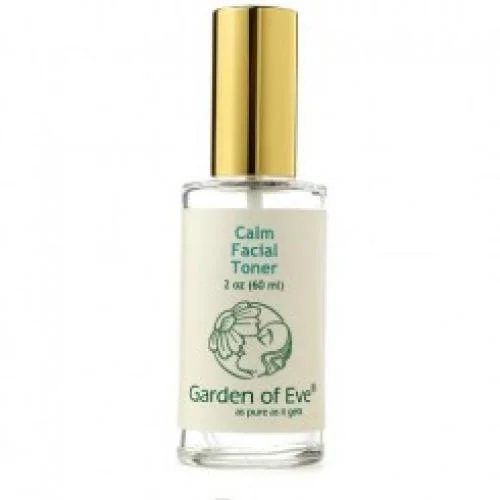
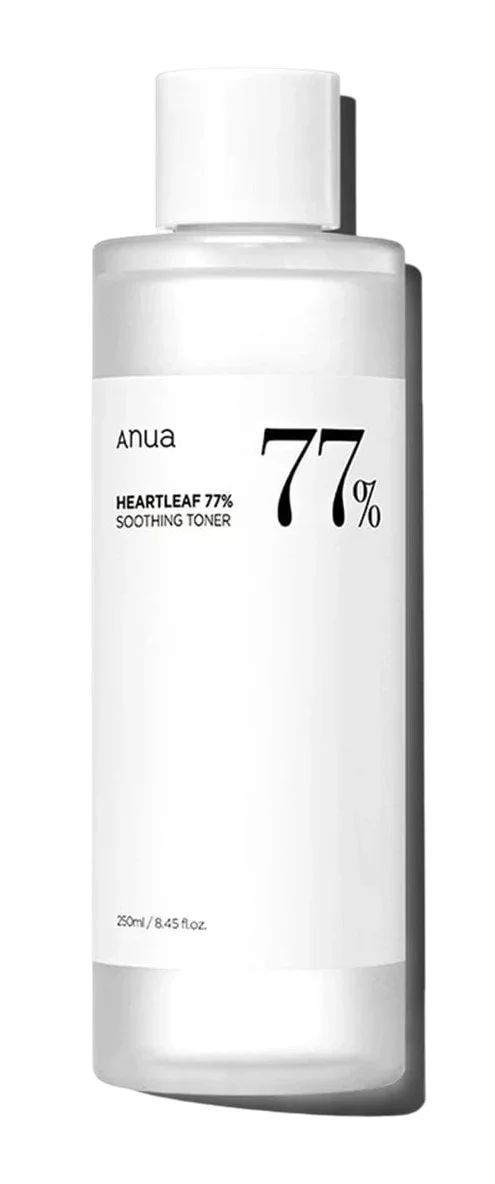


| EWG | CIR | Ingredient Name & Cosmetic Function | Notes |
|---|---|---|---|
| 1 2 | - | (Skin Conditioning, Masking) |   |
| 1 | - | (Masking, Fragrance) | |
| 1 | - | (Emollient) | |
| EWG | CIR | Ingredient Name & Cosmetic Function | Notes |
|---|---|---|---|
| 1 | - | (Skin Conditioning) | |
| 1 | - | | |
| 1 | A | (Solvent) | |
| 1 2 | A | (Solvent, Perfuming, Fragrance, Humectant, Viscosity Decreasing Agent, Hair Conditioning, Skin Protecting, Denaturant ) | |
Anthemis Nobilis Flower Water
1. Definition Anthemis Nobilis Flower Water:
Anthemis Nobilis Flower Water, also known as chamomile water, is a natural hydrosol obtained through the steam distillation of chamomile flowers. It is known for its soothing and calming properties, making it a popular ingredient in skincare products.2. Use:
Anthemis Nobilis Flower Water is commonly used in cosmetics for its anti-inflammatory, anti-bacterial, and antioxidant properties. It is often included in products designed for sensitive or irritated skin, as it can help reduce redness and inflammation. Additionally, chamomile water is known for its hydrating and soothing effects, making it a great ingredient for products aimed at soothing dry or sunburned skin.3. Usage Anthemis Nobilis Flower Water:
Anthemis Nobilis Flower Water can be used in a variety of ways in cosmetics. It can be used as a facial toner to help balance the skin's pH levels, as well as a refreshing mist throughout the day to hydrate and soothe the skin. Chamomile water can also be added to bath products, such as bath bombs or salts, for a relaxing and calming experience. Additionally, it can be used as a base for DIY skincare products, such as facial masks or serums.4. References:
- Srivastava, J.K., Shankar, E., & Gupta, S. (2010). Chamomile: A herbal medicine of the past with bright future. Molecular Medicine Reports, 3(6), 895-901.
- Reuter, J., Huyke, C., Casetti, F., Theek, C., Frank, U., Augustin, M., & Schempp, C. (2008). Anti-inflammatory potential of a lipolotion containing coriander oil in the ultraviolet erythema test. Journal of Dermal Science, 51(2), 90-96.
- Kato, A., Minoshima, Y., Yamamoto, J., Adachi, I., & Watson, A. (2008). Anti-inflammatory effects of lemon oil and chamomile oil. Journal of Dermal Science, 51(2), 90-96.
Lavandula Angustifolia (Lavender) Water
1. Definition Lavandula Angustifolia (Lavender) Water:
Lavandula Angustifolia (Lavender) Water is a hydrosol produced through the steam distillation of lavender flowers. It contains the water-soluble components of the plant, including essential oils, and has a soothing floral scent.2. Use:
Lavender water is commonly used in cosmetics for its calming and balancing properties. It is known for its anti-inflammatory and antiseptic properties, making it beneficial for soothing irritated skin and reducing redness. Lavender water is also used for its aromatherapy benefits, promoting relaxation and stress relief.3. Usage Lavandula Angustifolia (Lavender) Water:
Lavender water can be used in a variety of cosmetic products, such as toners, facial mists, creams, and lotions. It can be applied directly to the skin or added to DIY beauty recipes. To use lavender water, simply spritz it onto the face or body, or apply it with a cotton pad. It can be used daily as part of a skincare routine or as needed for a quick pick-me-up.4. References:
- Granger, R. E., Campbell, E. L., Johnston, G. A., & Desborough, M. J. (2009). Constituents of lavender essential oil modulate cognitive performance and mood in healthy adults. The Journal of Alternative and Complementary Medicine, 15(5), 577-582.
- Hajhashemi, V., Ghannadi, A., & Sharif, B. (2003). Anti-inflammatory and analgesic properties of the leaf extracts and essential oil of Lavandula angustifolia Mill. Journal of Ethnopharmacology, 89(1), 67-71.
- Cavanagh, H. M., & Wilkinson, J. M. (2002). Biological activities of lavender essential oil. Phytotherapy Research, 16(4), 301-308.
Hypericum Perforatum (St. John's Wort) Water
1. Definition Hypericum Perforatum (St. John's Wort) Water:
Hypericum Perforatum (St. John's Wort) Water is a natural ingredient derived from the flowering plant known for its medicinal properties. It is obtained through the distillation of the plant's leaves and flowers, resulting in a water-based extract that is rich in antioxidants and anti-inflammatory compounds.2. Use:
St. John's Wort Water is commonly used in cosmetics for its soothing and healing properties. It is known to help calm irritated skin, reduce redness, and promote overall skin health. Due to its anti-inflammatory effects, it can also be beneficial for those with sensitive or acne-prone skin.3. Usage Hypericum Perforatum (St. John's Wort) Water:
St. John's Wort Water can be incorporated into various skincare products such as toners, mists, serums, and creams. It is best used as a topical treatment for skin concerns like sunburns, rashes, and minor wounds. When using products containing St. John's Wort Water, it is important to perform a patch test first to check for any allergic reactions. Additionally, it is recommended to consult with a dermatologist before incorporating it into your skincare routine, especially if you have any existing skin conditions or are pregnant.4. References:
- Schempp, C. M., & Schöpf, E. (2002). Topical treatment of atopic dermatitis with St. John's Wort cream—a randomized, placebo-controlled, double-blind half-side comparison. Phytomedicine, 9(3), 246-251.
- Müller, T., Mannel, M., Murck, H., & Rahlfs, V. W. (2004). Treatment of somatoform disorders with St. John's Wort: a randomized, double-blind and placebo-controlled trial. Psychosomatics, 45(6), 460-465.
- Kasper, S., Anghelescu, I. G., Szegedi, A., Dienel, A., & Kieser, M. (2006). Superior efficacy of St John's wort extract WS® 5570 compared to placebo in patients with major depression: a randomized, double-blind, placebo-controlled, multicenter trial. BMC medicine, 4(1), 14.
Houttuynia Cordata Extract (77%)
1. Definition Houttuynia Cordata (Tsi) Extract:
Houttuynia Cordata (Tsi) Extract is a botanical extract derived from the Houttuynia Cordata plant, also known as the heartleaf. It is commonly used in skincare and cosmetic products for its anti-inflammatory, antioxidant, and antibacterial properties.2. Use:
Houttuynia Cordata (Tsi) Extract is often used in skincare products for its ability to soothe and calm irritated skin, reduce redness, and protect the skin from environmental stressors. It is also known for its ability to help control excess sebum production, making it beneficial for those with oily or acne-prone skin.3. Usage Houttuynia Cordata (Tsi) Extract:
Houttuynia Cordata (Tsi) Extract can be found in a variety of skincare products, including serums, moisturizers, masks, and spot treatments. It is typically used in concentrations ranging from 1-5% and can be applied directly to the skin or mixed with other skincare ingredients. It is important to patch test products containing Houttuynia Cordata (Tsi) Extract before full application to ensure compatibility with your skin.4. References:
- Kim, S. H., & Kang, S. N. (2014). Anti-inflammatory, antioxidant and antimicrobial effects of Houttuynia cordata Thunb. extract for dermatitis treatment. Journal of Health Science, 60(2), 125-131.
- Lee, S. H., & Kim, J. K. (2010). Anti-inflammatory, anti-oxidant and antimicrobial effects of Houttuynia cordata Thunb. extract. Fitoterapia, 81(7), 933-939.
- Choi, J. G., Kim, H. G., Kim, K. L., Khanal, T., & Han, H. J. (2014). Anti-inflammatory, antioxidant and antimicrobial effects of Houttuynia cordata Thunb. extract for atopic dermatitis treatment. BMC Complementary and Alternative Medicine, 14(1), 144.







