


- Home
- Compare product
- Comparison result

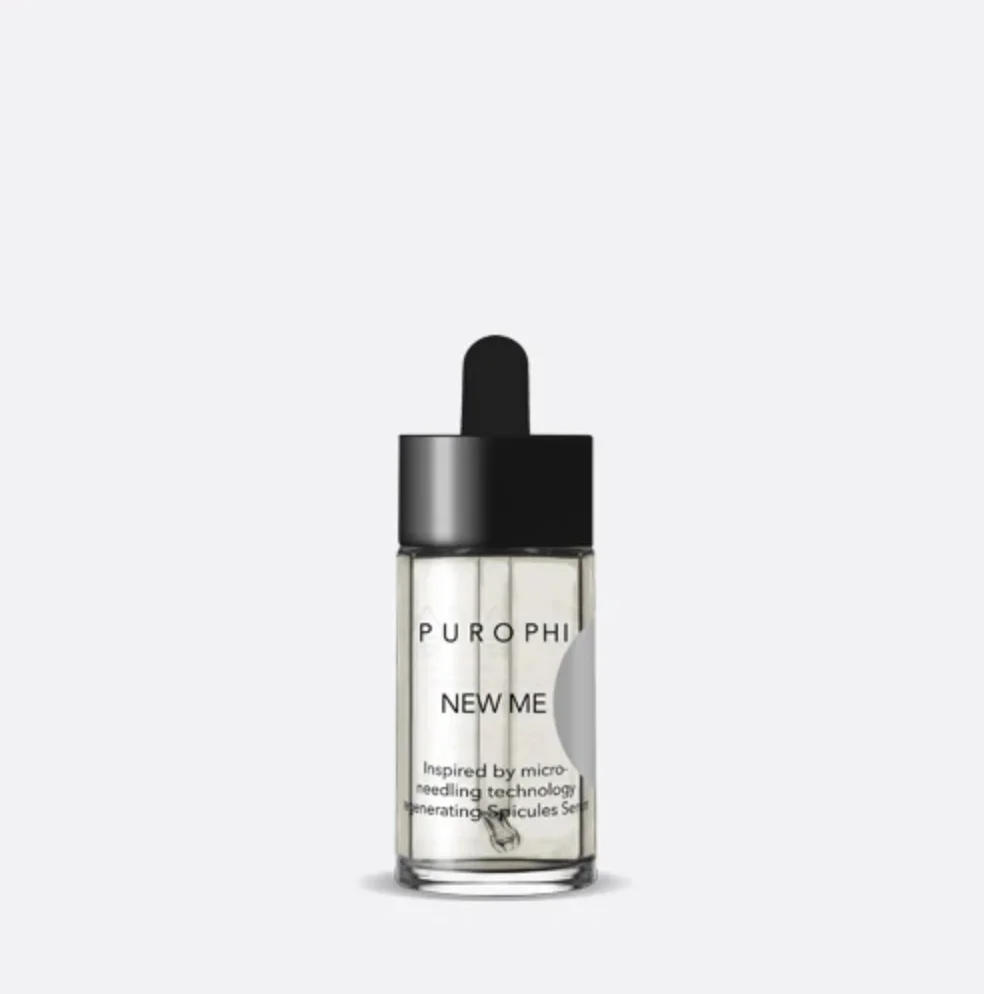


| EWG | CIR | Ingredient Name & Cosmetic Function | Notes |
|---|---|---|---|
| - | - | | |
| - | - | Acai Berry Oil | |
| 1 | A | (Emulsifying, Surfactant) |  |
| 1 | B | (Skin Conditioning, Emollient, Surfactant, Emulsifying) | |
| EWG | CIR | Ingredient Name & Cosmetic Function | Notes |
|---|---|---|---|
| 1 | - | (Solvent) | |
| 1 2 | A | (Solvent, Perfuming, Fragrance, Humectant, Viscosity Decreasing Agent, Hair Conditioning, Skin Protecting, Denaturant ) |  |
| 1 | A | (Humectant, Skin Conditioning) | |
| - | - | (Skin Conditioning) | |

Onsen-Sui
1. Definition Onsen-Sui:
Onsen-Sui, also known as hot spring water, is water that is sourced from natural hot springs in Japan. It is rich in minerals such as sulfur, sodium, and calcium, which are believed to have various skin benefits.2. Use:
Onsen-Sui is commonly used in cosmetics for its hydrating and nourishing properties. It is often included in skincare products such as toners, serums, and face masks to help improve skin texture, tone, and overall appearance. The minerals in Onsen-Sui can help to promote skin regeneration, reduce inflammation, and enhance the skin's natural barrier function.3. Usage Onsen-Sui:
When using Onsen-Sui in cosmetics, it is important to follow the instructions provided on the product packaging. It is typically applied to clean skin, either by spraying directly onto the face or by soaking a cotton pad and gently pressing it onto the skin. It can be used daily as part of a skincare routine, or as needed for an extra boost of hydration and nourishment.4. References:
- H. Ito, N. Hatayama, T. Suzuki, Y. Kobayashi, and T. Hayashi. (2009). Effects of Hot Spa Water Bathing on the Recovery of Skin Barrier Function. Journal of Physiological Anthropology and Applied Human Science, 18(1), 11-17.
- Y. Kusaka, Y. Ide, K. Tokuda, K. Nakajima, and T. Ishikawa. (2012). Effects of Hot Spring Water on Skin Function. Journal of Dermatological Science, 66(3), 214-217.
- M. Matsunaga, H. Yoshikawa, and H. Kiyosawa. (2015). Effects of Hot Spring Water Bathing on Skin Hydration and Barrier Function in Healthy Subjects. Journal of Dermatology, 42(8), 765-771.
Acai Berry Oil
Ingredient data is being updated. Please check back later.
Sorbitan Laurate
1. Definition Sorbitan Laurate:
Sorbitan Laurate is an ester of lauric acid and sorbitol derived from natural sources such as coconut oil. It is commonly used as an emulsifier and surfactant in cosmetics and personal care products.2. Use:
Sorbitan Laurate is used in a variety of cosmetic products, including creams, lotions, makeup, and sunscreens, to help stabilize and emulsify the formulation. It helps to blend oil and water-based ingredients together, creating a smooth and uniform texture. Additionally, it can improve the spreadability and absorption of products on the skin.3. Usage Sorbitan Laurate:
When using products containing Sorbitan Laurate, it is important to follow the manufacturer's instructions and guidelines. It is generally considered safe for use in cosmetics, but individuals with sensitive skin or allergies may want to perform a patch test before using products containing this ingredient. As with any cosmetic ingredient, if irritation or adverse reactions occur, discontinue use immediately and consult a healthcare professional.4. References:
- "Sorbitan Laurate" in Cosmeticsinfo.org, https://cosmeticsinfo.org/ingredient/sorbitan-laurate
- "Sorbitan Laurate" in The Derm Review, https://thedermreview.com/sorbitan-laurate/
- "Sorbitan Laurate" in Truth In Aging, https://www.truthinaging.com/ingredients/sorbitan-laurate
Polyglyceryl 4 Laurate
1. Definition Polyglyceryl 4 Laurate:
Polyglyceryl 4 Laurate is an emulsifier derived from glycerin and lauric acid. It is commonly used in cosmetics to stabilize and blend oil and water-based ingredients.2. Use:
Polyglyceryl 4 Laurate is primarily used as an emulsifier in skincare and hair care products. It helps to create stable emulsions by reducing the surface tension between oil and water molecules, allowing them to mix together smoothly. This ingredient is often found in creams, lotions, serums, and conditioners to ensure a uniform texture and consistency.3. Usage Polyglyceryl 4 Laurate:
When using products containing Polyglyceryl 4 Laurate, it is important to follow the recommended usage instructions provided by the manufacturer. This ingredient is generally considered safe for topical application, but individuals with sensitive skin may want to perform a patch test before using products containing Polyglyceryl 4 Laurate extensively. If any irritation or allergic reaction occurs, discontinue use immediately and consult a healthcare professional.4. References:
- "Polyglyceryl-4 Laurate" by Cosmetics Info (https://cosmeticsinfo.org/ingredient/polyglyceryl-4-laurate)
- "Polyglyceryl-4 Laurate" by Truth in Aging (https://www.truthinaging.com/ingredients/polyglyceryl-4-laurate)
- "Polyglyceryl-4 Laurate" by The Derm Review (https://thedermreview.com/polyglyceryl-4-laurate/)







