


- Home
- Compare product
- Comparison result
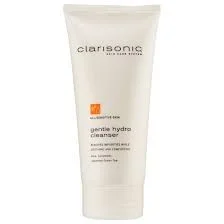
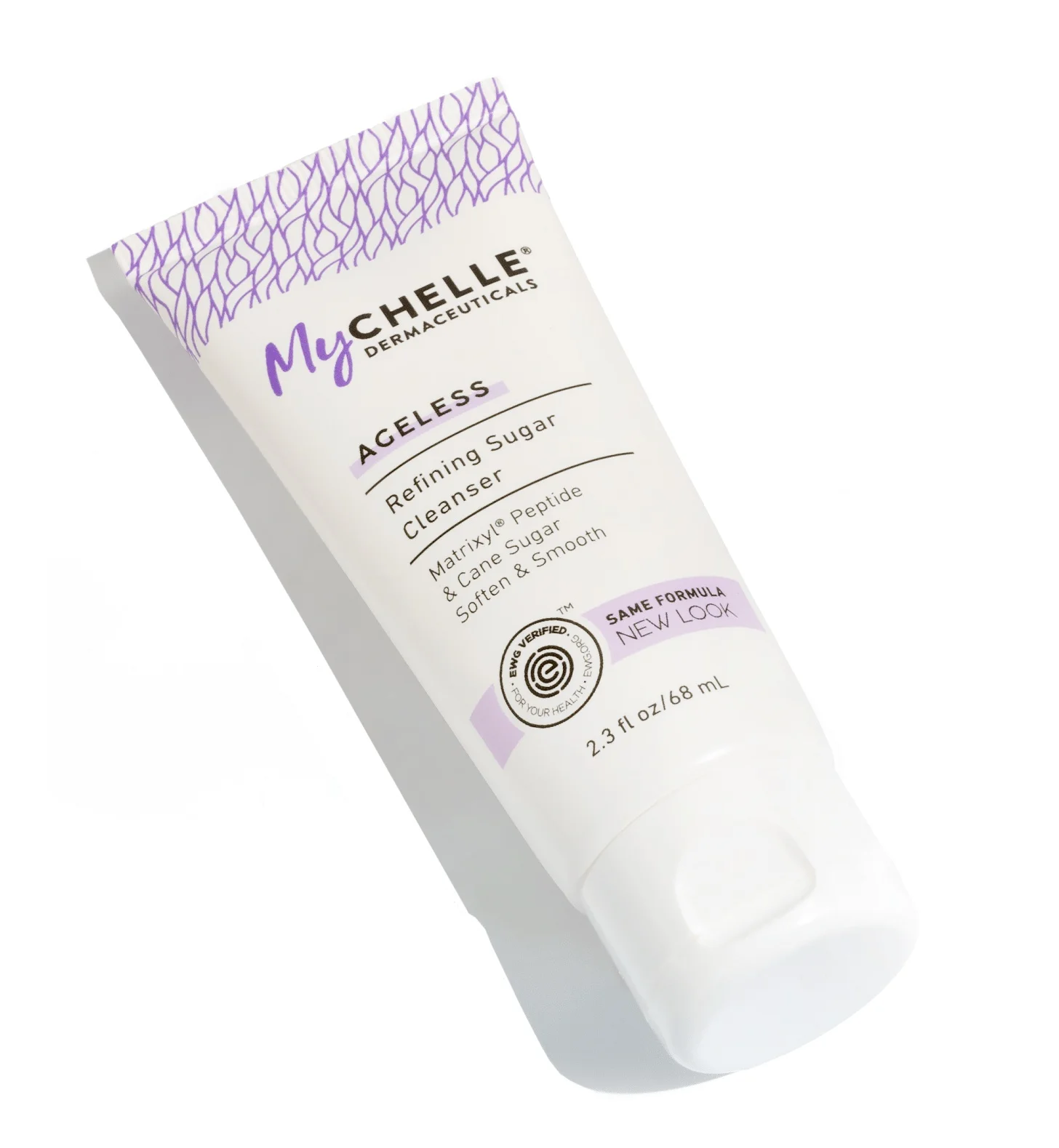


| EWG | CIR | Ingredient Name & Cosmetic Function | Notes |
|---|---|---|---|
| 1 | - | (Solvent) | |
| 1 2 | A | (Solvent, Perfuming, Fragrance, Humectant, Viscosity Decreasing Agent, Hair Conditioning, Skin Protecting, Denaturant ) |  Good for dry skin Moisturizing Good for dry skin Moisturizing |
| 1 3 | A | (Skin Protecting, Skin Conditioning, Emollient, Antifoaming Agent) |  Silicone Moisturizing Silicone Moisturizing |
| 1 | A | (Chelating Agent, Viscosity Controlling) | |
| 1 3 | A | (Masking, Fragrance, Preservative, Anticorrosive) | |
| 1 | A | (Masking, Fragrance, Opacifying, Emollient, Viscosity Controlling, Viscosity Increasing Agent, Emulsion Stabilising, Emulsifying, Foam Boosting, Surfactant) | Cleansing |
| 1 4 | B | (Denaturant , pH adjusting agent, pH adjusting agent) | |
| 1 | A | (Viscosity Controlling, Viscosity Increasing Agent, Emulsion Stabilising, Gel Forming) | |
| 1 | A | (Hair Conditioning, Skin Conditioning, Smoothing) | Anti Aging Brightening |
| 1 | A | (Masking, pH adjusting agent, Skin Conditioning, Antioxidant, Flavoring Agent, Phadjuster) | Good for dry skin Anti Aging Brightening |
| 1 | A | (Skin Conditioning, Emollient) | Good for dry skin |
| 5 | B | (Skin Conditioning) |  Fragrance-free Fragrance-free |
| 1 | - | (Solvent, Fragrance, Humectant) | Anti Aging |
| 1 | A | (Emulsifying, Surfactant) |  Bad for oily skin Bad for oily skin  Fungal Acne Trigger Cleansing Fungal Acne Trigger Cleansing |
| 1 4 | B | (Skin Conditioning, Emollient, Emulsifying, Surfactant) | Fungal Acne Trigger Cleansing |
| 1 4 | - | (Skin Conditioning, Masking, Fragrance, Hair Conditioning, Cleansing, Tonic) | Cleansing |
| 1 | - | (Skin Conditioning, Viscosity Controlling) | Bad for oily skin |
| 1 | - | (Skin Conditioning, Humectant, Antistatic Agent, Hair Conditioning, Film Forming) | |
| 1 | - | (Skin Conditioning, Emollient, Surfactant, Emulsifying, Antistatic Agent) | Fungal Acne Trigger Cleansing |
| 1 | - | (Skin Conditioning) | |
| 1 | - | (Skin Conditioning, Humectant, Antistatic Agent, Hair Conditioning, Film Forming) | |
| 3 4 | - | | |
| 1 | - | (Skin Protecting) | Moisturizing |
| 1 | - | (Skin Conditioning, Emollient) | Good for dry skin |
| 1 | - | (Skin Conditioning, Humectant) | |
| 1 | - | (Skin Conditioning, Masking, Fragrance) |  Bad for sensitive skin Bad for sensitive skin |
| 1 | - | (Skin Protecting) | Moisturizing |
| 1 | - | (Skin Conditioning) | |
| 1 | - | (Skin Conditioning, Astringent) | |
| 1 3 | - | | |
| 2 3 | A | (Skin Conditioning, Antioxidant) | Anti Aging |
| 1 | B | (Skin Conditioning, Tonic, Cleansing, Soothing, Smoothing) | Promotes Wound Healing Cleansing |
| 1 | - | | |
| 1 | A | Fungal Acne Trigger | |
| - | - | Bad for sensitive skin | |
| - | - | (Skin Conditioning, Emollient) | |
| 1 | A | (Solvent, Masking, Perfuming, Skin Conditioning, Emollient) | |
| EWG | CIR | Ingredient Name & Cosmetic Function | Notes |
|---|---|---|---|
| 1 | A | (Humectant, Skin Conditioning, Soothing, Flavoring Agent) | |
| 1 | B | (Hair Conditioning, Surfactant, Cleansing) | Fungal Acne Trigger Cleansing |
| 1 | A | (Skin Conditioning, Emollient) | |
| 1 | A | (Solvent, Masking, Perfuming, Skin Conditioning, Emollient) | |
| 1 | A | (Skin Protecting, Abrasive, Absorbent, Viscosity Increasing Agent) | Bad for oily skin Moisturizing |
| 1 2 | A | (Opacifying, Viscosity Controlling, Abrasive, Absorbent, Bulking Agent, Anticaking Agent) | |
| 1 | A | (Absorbent, Bulking Agent, Anticaking Agent, Deodorant) | |
| 1 | - | (Masking, Fragrance, Flavoring Agent) | Fragrance-free |
| 1 2 | A | (Solvent, Perfuming, Fragrance, Humectant, Viscosity Decreasing Agent, Hair Conditioning, Skin Protecting, Denaturant ) | Good for dry skin Moisturizing |
| 1 | - | (Solvent) | |
| 1 | - | (Viscosity Controlling, Emulsion Stabilising, Hair Fixing) | |
| 2 3 | A | (Masking, Fragrance, Film Forming, Adhesive) | |
| 1 2 | - | (Skin Conditioning, Masking, Emollient, Fragrance, Humectant, Antimicrobial, Skin Protecting, Uv Absorber, Antioxidant, Tonic, Astringent, Skin-Conditioning Agent -Miscellaneous) | Moisturizing |
| 1 | A | (Skin Conditioning, Masking, Emulsion Stabilising, Chelating Agent) | |
| 1 | A | (Humectant, Skin Conditioning) | Good for dry skin Promotes Wound Healing |
| 1 | - | (Skin Conditioning) | |
| 1 | - | (Skin Conditioning) | |
| 1 | - | | |
| 1 | - | (Skin Conditioning, Drug Astringent - Skin Protecting) |  Good for oily skin Good for oily skin |
| 2 | A | (Fragrance, Preservative) | |
| 1 2 | A | (Masking, Fragrance, Chelating Agent, pH adjusting agent, pH adjusting agent) | Anti Aging Bad for sensitive skin |
| 1 | - | (Masking, Astringent) | |
| 2 | - | (Solvent, Masking, Antifoaming Agent, Viscosity Controlling, Antimicrobial, Astringent) | Bad for sensitive skin  Bad for dry skin Bad for dry skin  Alcohol Alcohol |
| 4 5 | A | (Solvent, Masking, Fragrance, Antimicrobial) |  Allergen Fragrance-free Allergen Fragrance-free |
Water
1. Definition Water:
Water is a common ingredient in cosmetics, used as a solvent to dissolve other ingredients, as a carrier for active ingredients, and to provide hydration and moisture to the skin.2. Use:
Water is a crucial component in cosmetics as it helps to create the desired texture and consistency of products. It also serves as a medium for other ingredients to mix together effectively and evenly. Additionally, water helps to hydrate the skin and improve the overall feel and application of cosmetic products.3. Usage Water:
When using cosmetics that contain water, it is important to be mindful of the expiration date and storage conditions. Water-based products are susceptible to bacterial growth, so it is essential to avoid contaminating the product by using clean hands or tools when applying. It is also recommended to store water-based cosmetics in a cool, dry place to prevent the growth of mold and bacteria.4. References:
- Draelos, Z. D. (2010). Cosmetic dermatology: products and procedures. John Wiley & Sons.
- Winter, R. (2009). A consumer's dictionary of cosmetic ingredients: complete information about the harmful and desirable ingredients found in cosmetics and cosmeceuticals. Crown.
- Begoun, P. (2003). Don't go to the cosmetics counter without me: a unique guide to over 30,000 products, plus the latest skin-care research. Beginning Press.
Glycerin
1. Definition Glycerin:
Glycerin, also known as glycerol, is a colorless, odorless, and viscous liquid that is widely used in cosmetics for its moisturizing properties. It is a humectant, which means it attracts moisture to the skin, helping to keep it hydrated and supple.
2. Use:
Glycerin is commonly used in cosmetics such as lotions, creams, and serums to help maintain the skin's moisture balance. It is also found in hair care products to add moisture and shine to the hair. Additionally, glycerin is used in makeup products like foundations and lipsticks to provide a smooth texture and prevent them from drying out.
3. Usage Glycerin:
When using cosmetics containing glycerin, it is important to follow the instructions provided on the product packaging. Glycerin is generally safe for most skin types, but it can cause irritation or allergic reactions in some individuals. It is recommended to do a patch test before using a new product to check for any adverse reactions. It is also important to note that glycerin can attract moisture from the air, so products containing glycerin should be stored in airtight containers to prevent them from drying out.
4. References:
- Draelos, Z. D. (2010). Cosmetic Formulation of Skin Care Products. John Wiley & Sons.
- Loden, M., & Maibach, H. I. (2006). Dry Skin and Moisturizers: Chemistry and Function. CRC Press.
- Winter, R. (2009). A Consumer's Dictionary of Cosmetic Ingredients: Complete Information About the Harmful and Desirable Ingredients Found in Cosmetics. Harmony.
Dimethicone
1. Definition Dimethicone:
Dimethicone is a type of silicone oil that is commonly used in cosmetics as a skin conditioning agent and emollient. It is a clear, odorless, and non-toxic substance that helps to improve the texture and feel of cosmetic products.2. Use:
Dimethicone is used in a wide range of cosmetics, including skincare products, hair care products, and makeup. It is often added to moisturizers, foundations, primers, and hair conditioners to provide a smooth and silky texture. Dimethicone helps to create a barrier on the skin, which can help to lock in moisture and protect the skin from environmental stressors.3. Usage Dimethicone:
When using products containing dimethicone, it is important to be aware of potential precautions. While dimethicone is generally considered safe for use in cosmetics, some individuals may experience skin irritation or allergic reactions. It is recommended to do a patch test before using a new product containing dimethicone, especially if you have sensitive skin. Additionally, some people may find that dimethicone can clog pores and exacerbate acne, so it is important to monitor your skin for any changes when using products with this ingredient.4. References:
- Lanigan, R. S., & Yamarik, T. A. (2002). Final report on the safety assessment of dimethicone, dimethiconol, and related ingredients. International journal of toxicology, 21(1), 7-41.
- Draelos, Z. D. (2010). Cosmetic vehicle efficacy. Dermatologic therapy, 23(4), 314-317.
- Fiume, M. M., Bergfeld, W. F., Belsito, D. V., Hill, R. A., Klaassen, C. D., Liebler, D., ... & Andersen, F. A. (2016). Safety assessment of dimethicone crosspolymers as used in cosmetics. International journal of toxicology, 35(1_suppl), 5S-24S.
Disodium Edta
1. Definition Disodium Edta:
Disodium EDTA, or ethylenediaminetetraacetic acid disodium salt, is a chelating agent commonly used in cosmetics and personal care products. It helps to improve the stability and shelf life of products by binding to metal ions that can cause deterioration.2. Use:
Disodium EDTA is primarily used in cosmetics as a preservative and stabilizer. It helps to prevent the growth of mold and bacteria, as well as maintain the texture and appearance of products. Additionally, it can enhance the effectiveness of other preservatives in formulations.3. Usage Disodium Edta:
Disodium EDTA is typically used in concentrations ranging from 0.1% to 0.5% in cosmetics. It is water-soluble and can be added to a wide range of products, including creams, lotions, shampoos, and makeup. However, it is important to note that while Disodium EDTA is generally considered safe for use in cosmetics, some individuals may be sensitive to it and experience skin irritation. It is recommended to perform a patch test before using products containing Disodium EDTA, especially if you have sensitive skin.4. References:
- Cosmetic Ingredient Review (CIR) Expert Panel. (2002). Final report on the safety assessment of EDTA, calcium disodium EDTA, diammonium EDTA, dipotassium EDTA, disodium EDTA, TEA-EDTA, tetrasodium EDTA, tripotassium EDTA, trisodium EDTA, HEDTA, and trisodium HEDTA. International Journal of Toxicology, 21(Suppl 2), 95-142.
- Personal Care Products Council. (2019). EDTA. Retrieved from https://www.personalcarecouncil.org/ingredient-info/edta/
- U.S. Food and Drug Administration (FDA). (2019). Code of Federal Regulations Title 21. Retrieved from https://www.accessdata.fda.gov/scripts/cdrh/cfdocs/cfcfr/CFRSearch.cfm?fr=184.1133
Sodium Benzoate
1. Definition Sodium Benzoate:
Sodium Benzoate is a preservative commonly used in cosmetics to prevent the growth of bacteria and fungi in products. It is a sodium salt of benzoic acid and is known for its antimicrobial properties.2. Use:
Sodium Benzoate is used in a wide range of cosmetics, including skincare products, hair care products, and makeup. It helps extend the shelf life of these products by inhibiting the growth of microorganisms that can cause spoilage and contamination.3. Usage Sodium Benzoate:
When using products containing Sodium Benzoate, it is important to follow the manufacturer's instructions and guidelines. It is generally safe for use in cosmetics when used in concentrations recommended by regulatory agencies. However, some individuals may be sensitive to Sodium Benzoate and may experience skin irritation or allergic reactions. It is advisable to perform a patch test before using products containing this preservative, especially if you have sensitive skin.4. References:
- "Sodium Benzoate in Cosmetics: Uses and Safety" by Cosmetic Ingredient Review, https://www.cir-safety.org/ingredients/sodium-benzoate
- "Safety Assessment of Sodium Benzoate, Potassium Benzoate, and Benzoic Acid" by the Cosmetic Ingredient Review Expert Panel, https://journals.sagepub.com/doi/abs/10.1177/1091581815591024
- "Preservatives in Cosmetics" by the U.S. Food and Drug Administration, https://www.fda.gov/cosmetics/cosmetic-ingredients/preservatives-cosmetics
Cetyl Alcohol
1. Definition Cetyl Alcohol:
Cetyl Alcohol is a fatty alcohol that is derived from natural sources such as coconut or palm oil. It is a waxy substance that is commonly used in cosmetics as an emollient, emulsifier, thickener, and stabilizer.2. Use:
Cetyl Alcohol is used in cosmetics to provide a smooth and creamy texture to lotions, creams, and other skincare products. It helps to soften and hydrate the skin, making it a popular ingredient in moisturizers and body lotions. Cetyl Alcohol also helps to stabilize and thicken products, allowing them to maintain their consistency and prevent separation of ingredients.3. Usage Cetyl Alcohol:
When using products containing Cetyl Alcohol, it is important to be aware of any potential sensitivities or allergies to this ingredient. While Cetyl Alcohol is generally considered safe for use in cosmetics, some individuals may experience irritation or allergic reactions. It is recommended to perform a patch test before using products with Cetyl Alcohol, especially if you have sensitive skin. Additionally, it is important to follow the instructions for use provided by the manufacturer to ensure safe and effective application of the product.4. References:
- "Cetyl Alcohol" by Cosmetics Info (https://cosmeticsinfo.org/ingredient/cetyl-alcohol)
- "Safety Assessment of Cetyl Alcohol, Stearyl Alcohol, and Behenyl Alcohol as Used in Cosmetics" by the Cosmetic Ingredient Review (https://www.cir-safety.org/sites/default/files/final_report_alcohols.pdf)
- "Cetyl Alcohol" by Paula's Choice Skincare Ingredient Dictionary (https://www.paulaschoice.com/ingredient-dictionary/emollients/cetyl-alcohol.html)
Sodium Hydroxide
1. Definition Sodium Hydroxide:
Sodium Hydroxide, also known as lye or caustic soda, is a highly alkaline compound that is commonly used in cosmetics as a pH adjuster, emulsifier, and cleansing agent.2. Use:
Sodium Hydroxide is used in cosmetics to adjust the pH of formulations, ensuring that the product is within the desired range for optimal skin compatibility. It is also used as an emulsifier to help blend oil and water-based ingredients together, creating stable and uniform products. Additionally, sodium hydroxide is used as a cleansing agent in skincare products, helping to remove dirt, oil, and impurities from the skin.3. Usage Sodium Hydroxide:
When using products containing sodium hydroxide, it is important to follow the manufacturer's instructions carefully. Avoid direct contact with the eyes, as it can cause irritation or burns. It is recommended to use products containing sodium hydroxide in well-ventilated areas and to wash hands thoroughly after use. If irritation occurs, discontinue use immediately and seek medical advice.4. References:
- Cosmetic Ingredient Review Expert Panel. (2013). Final report on the safety assessment of sodium hydroxide. International Journal of Toxicology, 32(1), 59S-80S.
- Personal Care Products Council. (2020). Sodium Hydroxide. Retrieved from https://www.personalcarecouncil.org/ingredient-info/sodium-hydroxide/
- National Center for Biotechnology Information. (2021). Sodium Hydroxide. Retrieved from https://pubchem.ncbi.nlm.nih.gov/compound/Sodium-hydroxide
Carbomer
1. Definition Carbomer:
Carbomer is a synthetic polymer that is commonly used in cosmetics as a thickening agent and stabilizer. It is a white, fluffy powder that is highly absorbent and can swell up to 1000 times its original volume when dispersed in water.2. Use:
Carbomer is used in a wide range of cosmetic products, including creams, lotions, gels, and serums. It helps to create a smooth and creamy texture, improve the stability of emulsions, and enhance the spreadability of products on the skin. Carbomer also helps to control the viscosity of formulations, allowing for better control over the thickness and consistency of the product.3. Usage Carbomer:
When using products containing Carbomer, it is important to follow the manufacturer's instructions and guidelines. It is typically used in concentrations ranging from 0.1% to 1% in cosmetic formulations. Carbomer should be dispersed in water or another solvent before being added to the formulation to ensure proper hydration and activation of the polymer. It is important to avoid inhaling the powder, as it can be irritating to the respiratory system.4. References:
- Sharma, A., & Jain, A. (2012). Carbomers: A review. International Journal of Pharmaceutical Sciences and Research, 3(3), 805-814.
- Liao, Y., & Wang, J. (2017). Carbomer: A versatile polymer in pharmaceutical applications. Polymer Chemistry, 8(3), 355-366.
- Patel, D. (2015). Carbomer in pharmaceuticals: A review. World Journal of Pharmacy and Pharmaceutical Sciences, 4(2), 121-133.
Niacinamide
1. Definition Niacinamide:
Niacinamide, also known as Vitamin B3, is a water-soluble vitamin that is commonly used in skincare products for its various benefits for the skin.
2. Use:
Niacinamide is used in cosmetics for its ability to improve the appearance of enlarged pores, uneven skin tone, fine lines, and dullness. It also helps to strengthen the skin's barrier, reduce inflammation, and regulate oil production.
3. Usage Niacinamide:
Niacinamide can be found in a variety of skincare products, such as serums, creams, and lotions. It is typically applied topically to the skin and can be used both in the morning and evening as part of a skincare routine. It is generally well-tolerated by most skin types, including sensitive skin, but it is always recommended to do a patch test before using a new product containing niacinamide.
Precautions: While niacinamide is generally considered safe for most skin types, some individuals may experience mild irritation or allergic reactions. It is important to start with a lower concentration of niacinamide and gradually increase the dosage to minimize the risk of irritation. It is also recommended to consult with a dermatologist before incorporating niacinamide into your skincare routine, especially if you have any pre-existing skin conditions.
4. References:
- Schagen, S. K., Zampeli, V. A., Makrantonaki, E., & Zouboulis, C. C. (2012). Discovering the link between nutrition and skin aging. Dermato-endocrinology, 4(3), 298-307.
- Bissett, D. L., Oblong, J. E., & Berge, C. A. (2005). Niacinamide: A B vitamin that improves aging facial skin appearance. Dermatologic Surgery, 31(7), 860-865.
- Draelos, Z. D. (2005). The latest cosmeceutical approaches for anti-aging. Journal of Cosmetic Dermatology, 4(4), 273-278.
Ascorbic Acid (Vitamin C)
1. Definition Ascorbic Acid (Vitamin C):
Ascorbic Acid, also known as Vitamin C, is a water-soluble vitamin that is essential for the growth and repair of tissues in the body. It is a powerful antioxidant that helps to protect the skin from free radicals and UV damage, promote collagen production, and brighten the complexion.2. Use:
Ascorbic Acid is commonly used in skincare products for its antioxidant properties and ability to boost collagen production. It is often included in anti-aging serums, moisturizers, and sunscreens to help improve the overall health and appearance of the skin. Ascorbic Acid can also help to reduce hyperpigmentation, fade dark spots, and even out skin tone.3. Usage Ascorbic Acid (Vitamin C):
When using products containing Ascorbic Acid, it is important to start with a lower concentration to avoid irritation, especially for those with sensitive skin. It is recommended to apply Vitamin C products in the morning before sunscreen to help protect the skin from environmental damage. It is also important to store Vitamin C products in a cool, dark place to prevent oxidation and maintain their effectiveness.4. References:
- Al-Niaimi, F., & Chiang, N. (2017). Topical Vitamin C and the Skin: Mechanisms of Action and Clinical Applications. The Journal of Clinical and Aesthetic Dermatology, 10(7), 14–17.
- Telang, P. S. (2013). Vitamin C in dermatology. Indian Dermatology Online Journal, 4(2), 143–146.
- Pullar, J. M., Carr, A. C., & Vissers, M. C. M. (2017). The Roles of Vitamin C in Skin Health. Nutrients, 9(8), 866.
Cucumis Sativus (Cucumber) Fruit Extract
1. Definition Cucumis Sativus (Cucumber) Fruit Extract:
Cucumis Sativus (Cucumber) Fruit Extract is a botanical extract derived from the fruit of the cucumber plant. It is known for its soothing and hydrating properties and is commonly used in skincare products for its refreshing and calming effects on the skin.2. Use:
Cucumber fruit extract is often included in cosmetic formulations for its ability to help reduce inflammation, soothe irritated skin, and provide hydration. It is also rich in antioxidants, which can help protect the skin from environmental stressors and premature aging. Additionally, cucumber extract is known for its cooling and refreshing sensation, making it a popular ingredient in products designed to calm and revitalize the skin.3. Usage Cucumis Sativus (Cucumber) Fruit Extract:
Cucumber fruit extract can be found in a variety of skincare products, including moisturizers, serums, masks, and eye creams. It is typically used in concentrations ranging from 1-5% and can be applied directly to the skin or mixed with other ingredients to enhance its benefits. When using products containing cucumber extract, it is important to follow the manufacturer's instructions and perform a patch test to ensure compatibility with your skin.4. References:
- Kim, S., Lee, S., & Lee, S. (2018). Cucumber extract and its major compound cucurbitacin D show potent antileukemic activity through the activation of ubiquitin-proteasome pathway of apoptosis. International Journal of Molecular Sciences, 19(3), 772.
- Mukherjee, P. K., Maity, N., Nema, N. K., & Sarkar, B. K. (2013). Phytochemical and therapeutic potential of cucumber. Fitoterapia, 84, 227-236.
- Yoon, J., Kwon, H. H., Min, S., & Thiboutot, D. M. (2018). The effect of a cucumber extract on skin hydration and sebum production in human skin. Journal of Cosmetic Science, 69(6), 391-397.
Citrus Aurantium Dulcis (Orange) Peel Oil
1. Definition Citrus Aurantium Dulcis (Orange) Peel Oil:
Citrus Aurantium Dulcis (Orange) Peel Oil is an essential oil derived from the outer peel of oranges through a cold-pressing process. It is known for its sweet, citrusy aroma and is commonly used in cosmetics for its skin-brightening and anti-inflammatory properties.2. Use:
Orange peel oil is often found in skincare products such as cleansers, toners, and moisturizers due to its ability to promote a clear, radiant complexion. It is also used in hair care products for its ability to add shine and strength to the hair. Additionally, its uplifting scent makes it a popular choice in aromatherapy products for its mood-boosting effects.3. Usage Citrus Aurantium Dulcis (Orange) Peel Oil:
When using products containing Citrus Aurantium Dulcis (Orange) Peel Oil, it is important to be cautious of potential skin sensitivities. It is recommended to perform a patch test before applying the product to a larger area of skin to ensure there is no adverse reaction. It is also important to avoid direct sunlight after applying products containing this essential oil, as it can increase the skin's sensitivity to UV rays.4. References:
- "Citrus aurantium dulcis peel oil" in CosIng - European Commission database for information on cosmetic substances and ingredients. (https://ec.europa.eu/growth/tools-databases/cosing/index.cfm?fuseaction=search.details_v2&id=74866)
- "The effect of orange oil on the skin" by K. Manjula, S. S. Sravanthi, and P. G. M. Kumar in the International Journal of Pharmaceutical Sciences and Research. (https://ijpsr.com/bft-article/the-effect-of-orange-oil-on-the-skin/?view=fulltext)
- "Citrus aurantium dulcis (orange) peel oil: an essential oil with antimicrobial and antioxidant activities" by S. S. Dorman and S. G. Deans in the Flavour and Fragrance Journal. (https://onlinelibrary.wiley.com/doi/abs/10.1002/ffj.1220)
Gluconolactone
1. Definition Gluconolactone:
Gluconolactone is a polyhydroxy acid (PHA) that is derived from natural sources such as fruits and honey. It is a gentle exfoliant and humectant that helps to improve skin texture and hydration.2. Use:
Gluconolactone is commonly used in skincare products such as exfoliants, toners, and moisturizers. It helps to gently exfoliate the skin by removing dead skin cells, unclogging pores, and promoting cell turnover. Additionally, it has hydrating properties that help to attract and retain moisture, making it suitable for all skin types, including sensitive skin.3. Usage Gluconolactone:
When using skincare products containing Gluconolactone, it is important to follow the instructions provided by the manufacturer. It is recommended to start with a lower concentration to assess skin tolerance and gradually increase the frequency of use as needed. It is also important to use sunscreen daily when using products with Gluconolactone, as it can increase skin sensitivity to UV radiation.4. References:
- Bhatia, A., & Maisuria, V. (2016). Polyhydroxy acids: A new generation of hydroxy acids. International Journal of Research in Cosmetic Science, 6(1), 1-5.
- Draelos, Z. D. (2005). The latest cosmeceutical approaches for anti-aging. Journal of Cosmetic Dermatology, 4(4), 273-278.
- Obagi, Z. E., & Obagi, S. (2003). Chemical peeling and aging skin. Journal of Geriatric Dermatology, 11(2), 67-71.
Glyceryl Stearate Se
1. Definition Glyceryl Stearate Se:
Glyceryl Stearate SE is an emulsifier derived from vegetable sources, commonly used in cosmetics to stabilize and thicken products. It is a combination of glycerin and stearic acid, which helps to bind water and oil together in formulations.2. Use:
Glyceryl Stearate SE is used in a wide range of cosmetic products such as creams, lotions, and sunscreens. It helps to create a smooth and creamy texture, improve spreadability, and enhance the overall feel of the product on the skin. Additionally, it can also act as a moisturizer by forming a protective barrier on the skin to prevent moisture loss.3. Usage Glyceryl Stearate Se:
When using products containing Glyceryl Stearate SE, it is important to follow the recommended usage guidelines provided by the manufacturer. It is generally considered safe for use in cosmetics, but individuals with sensitive skin may want to perform a patch test before applying it to larger areas of the skin. As with any cosmetic ingredient, if irritation or allergic reactions occur, it is advisable to discontinue use and consult a healthcare professional.4. References:
- Cosmetic Ingredient Review Expert Panel. (2012). Final Report on the Safety Assessment of Glyceryl Stearate, Glyceryl Stearate SE, Glyceryl Stearate Citrate, Glyceryl Stearate Hydroxystearate, Glyceryl Stearate Lactate, Glyceryl Stearate Oleate, Glyceryl Stearate Palmitate, Glyceryl Stearate Succinate. International Journal of Toxicology, 31(4), 5S-35S.
- Personal Care Products Council. (2019). Glyceryl Stearate SE. Retrieved from https://online.personalcarecouncil.org/ctfa-static/online/lists/cir-pdfs/pr150.pdf
- Lodeiro, C., & Reis, A. (2018). Emulsifiers in Cosmetics. In Handbook of Cosmetic Science and Technology (4th ed., pp. 381-397). CRC Press.
Peg 7 Glyceryl Cocoate
1. Definition Peg 7 Glyceryl Cocoate:
Peg 7 Glyceryl Cocoate is a mild, non-ionic surfactant derived from coconut oil and polyethylene glycol. It is commonly used in cosmetics as an emollient and emulsifier.2. Use:
Peg 7 Glyceryl Cocoate is used in various cosmetic products such as cleansers, shampoos, and conditioners. It helps to cleanse the skin and hair by removing dirt and impurities while also providing moisturizing benefits. Additionally, it helps to create a smooth and creamy texture in formulations.3. Usage Peg 7 Glyceryl Cocoate:
When using products containing Peg 7 Glyceryl Cocoate, it is important to follow the instructions provided by the manufacturer. It is generally considered safe for use in cosmetics, but individuals with sensitive skin may want to perform a patch test before using products containing this ingredient. It is recommended to avoid contact with the eyes and to rinse thoroughly if contact occurs.4. References:
- Paula Begoun. (2003). "The Complete Beauty Bible: The Ultimate Guide to Smart Beauty." Rodale Books.
- Personal Care Products Council. (2015). "International Cosmetic Ingredient Dictionary and Handbook." Washington, DC: Personal Care Products Council.
- G. Wypych. (2016). "Handbook of Surfactants." ChemTec Publishing.
Citrus Aurantifolia (Lime) Oil
1. Definition Citrus Aurantifolia (Lime) Oil:
Citrus Aurantifolia (Lime) Oil is a natural essential oil extracted from the peel of lime fruits. It is known for its refreshing and uplifting citrus scent.2. Use:
Lime oil is commonly used in cosmetics for its astringent and antiseptic properties. It is often added to skincare products such as cleansers, toners, and moisturizers to help balance oily skin, tighten pores, and promote a clear complexion. Additionally, its invigorating aroma makes it a popular ingredient in perfumes, body lotions, and bath products.3. Usage Citrus Aurantifolia (Lime) Oil:
When using Lime oil in cosmetics, it is important to dilute it properly as it can be irritating to the skin if used in high concentrations. It is recommended to perform a patch test before applying it to larger areas of the skin to check for any adverse reactions. Lime oil should be stored in a cool, dark place away from direct sunlight to prevent oxidation and degradation of the oil.4. References:
- Bhuiyan, M. N. I., Begum, J., & Sultana, M. (2009). Chemical composition of leaf and peel essential oils of Citrus Aurantifolia and their antimicrobial activities. BMC Complementary and Alternative Medicine, 9(1), 1-7.
- Prashar, A., Locke, I. C., & Evans, C. S. (2006). Cytotoxicity of clove (Syzygium aromaticum) oil and its major components to human skin cells. Cell Proliferation, 39(4), 241-248.
- Kim, J., Marshall, M. R., & Wei, C. (1995). Antibacterial activity of some essential oil components against five foodborne pathogens. Journal of Agricultural and Food Chemistry, 43(11), 2839-2845.
Chondrus Crispus (Carrageenan) Extract
1. Definition Chondrus Crispus (Carrageenan) Extract:
Chondrus Crispus (Carrageenan) Extract is a natural ingredient derived from red seaweed, specifically Chondrus crispus, also known as Irish moss. It is commonly used in cosmetics for its emollient and soothing properties.2. Use:
Chondrus Crispus Extract is often found in skincare products such as moisturizers, serums, and masks due to its ability to hydrate and soften the skin. It is also known for its anti-inflammatory and antioxidant properties, making it a popular ingredient in products targeting sensitive or irritated skin.3. Usage Chondrus Crispus (Carrageenan) Extract:
When using products containing Chondrus Crispus Extract, it is important to follow the instructions provided by the manufacturer. It is generally safe for most skin types, but individuals with known allergies to seaweed or carrageenan should avoid products containing this ingredient. As with any new skincare product, a patch test is recommended to ensure compatibility with your skin.4. References:
- Wang, T., Jonsdottir, R., Ólafsdóttir, G., Hreggviðsson, G. Ó., & Jónsdóttir, R. (2012). Total phenolic compounds, radical scavenging and metal chelation of extracts from Icelandic seaweeds. Food Chemistry, 126(3), 948-953.
- Moroney, N. C., O'Hare, T. J., & O'Brien, N. M. (2015). Marine bioactives as functional food ingredients: potential to reduce the incidence of chronic diseases. Marine Drugs, 13(11), 1070-1083.
- Bajpai, V. K., & Baek, K. H. (2018). Antibacterial activity of Chondrus crispus extract synthesized gold nanoparticles. Journal of Photochemistry and Photobiology B: Biology, 183, 349-355.
Soluble Collagen
1. Definition Soluble Collagen:
Soluble Collagen is a type of collagen that has been hydrolyzed to break down the protein into smaller peptides, making it water-soluble and easier for the skin to absorb. It is commonly derived from animal sources such as fish or bovine skin.2. Use:
Soluble Collagen is often used in cosmetics for its moisturizing and anti-aging properties. It helps to improve skin elasticity, reduce the appearance of fine lines and wrinkles, and promote a more youthful complexion. Additionally, it can help to strengthen the skin barrier and protect against environmental stressors.3. Usage Soluble Collagen:
Soluble Collagen can be found in various skincare products such as serums, creams, and masks. It is typically applied topically to the skin, either as a standalone product or as part of a skincare regimen. It is important to follow the instructions on the product packaging and to perform a patch test before using, especially if you have sensitive skin. Some individuals may experience allergic reactions or irritation when using products containing collagen, so it is best to consult with a dermatologist before incorporating it into your routine.4. References:
- Baumann, L. (2007). Cosmetic Dermatology: Principles and Practice. New York: McGraw-Hill Medical.
- Kim, H. J., Kim, J. H., & Lee, H. S. (2017). Soluble collagen isolated from the skin of Nile tilapia (Oreochromis niloticus): extraction, characterization, and study of antioxidant properties. Journal of Food Science and Technology, 54(13), 4261-4270.
- Varani, J., Dame, M. K., Rittie, L., Fligiel, S. E., Kang, S., Fisher, G. J., & Voorhees, J. J. (2006). Decreased collagen production in chronologically aged skin: roles of age-dependent alteration in fibroblast function and defective mechanical stimulation. The American Journal of Pathology, 168(6), 1861-1868.
Sucrose Cocoate
1. Definition Sucrose Cocoate:
Sucrose Cocoate is a natural emulsifier derived from sucrose (sugar) and coconut oil. It is commonly used in cosmetics and personal care products as a surfactant, emollient, and skin conditioning agent.2. Use:
Sucrose Cocoate is used in a wide range of cosmetic products such as creams, lotions, cleansers, and makeup. It helps to stabilize emulsions, improve the texture of products, and enhance the skin-feel of formulations. Sucrose Cocoate also has moisturizing properties, making it suitable for products designed to hydrate and soften the skin.3. Usage Sucrose Cocoate:
Sucrose Cocoate is typically used in concentrations ranging from 1-5% in cosmetic formulations. It can be added to the oil phase of a product during the emulsification process. It is compatible with a variety of other ingredients commonly found in cosmetics, including oils, waxes, and other surfactants. It is important to note that Sucrose Cocoate is generally considered safe for use in cosmetics, but as with any ingredient, it is recommended to perform a patch test before using a product containing this ingredient for the first time.4. References:
- "Sucrose Cocoate" by The Personal Care Products Council
- "Sucrose Cocoate" by Cosmetics Info
- "Sucrose Cocoate" by Truth in Aging
Plankton Extract
1. Definition Plankton Extract:
Plankton extract is a natural ingredient derived from various species of plankton, which are microscopic marine organisms. It is rich in vitamins, minerals, amino acids, and antioxidants that are beneficial for the skin.2. Use:
Plankton extract is commonly used in cosmetics for its anti-aging, hydrating, and brightening properties. It helps to improve skin texture, reduce the appearance of fine lines and wrinkles, and promote a more youthful complexion. Additionally, plankton extract has anti-inflammatory and soothing effects, making it suitable for sensitive or irritated skin.3. Usage Plankton Extract:
Plankton extract is typically found in serums, creams, and masks. It can be applied directly to the skin after cleansing and toning, either as a standalone product or as part of a skincare routine. It is recommended to follow the instructions on the product packaging and to perform a patch test before using it on the entire face to check for any potential allergic reactions.4. References:
- Kim, S. K., & Thomas, N. V. (2011). Marine Cosmeceuticals: Trends and Prospects. CRC Press.
- Garmyn, D., & Mammone, T. (2008). Plankton extract as an anti-aging ingredient. Journal of Cosmetic Dermatology, 7(3), 201-206.
- Lee, C. H., & Kim, S. K. (2013). Marine-derived anti-wrinkle peptides. International Journal of Molecular Sciences, 14(2), 15892-15907.
Hydrolyzed Elastin
1. Definition Hydrolyzed Elastin:
Hydrolyzed elastin is a protein derived from elastin, a natural protein found in the skin and connective tissues. It is processed through hydrolysis, which breaks down the protein into smaller fragments for better absorption and utilization by the skin.2. Use:
Hydrolyzed elastin is commonly used in cosmetics and skincare products for its ability to improve skin elasticity, firmness, and hydration. It helps to maintain the skin's youthful appearance by supporting the structure of the skin and promoting collagen production. Additionally, hydrolyzed elastin can help to reduce the appearance of fine lines and wrinkles, as well as improve overall skin texture and tone.3. Usage Hydrolyzed Elastin:
When using products containing hydrolyzed elastin, it is important to follow the instructions provided by the manufacturer. Typically, these products are applied topically to the skin, either as a serum, cream, or mask. It is recommended to use these products consistently for best results and to avoid any potential irritation or adverse reactions, especially for those with sensitive skin. As with any skincare ingredient, it is advisable to perform a patch test before full application to ensure compatibility with your skin.4. References:
- Kielty CM, Sherratt MJ, Shuttleworth CA. Elastic fibres. J Cell Sci. 2002;115(Pt 14):2817-2828. doi:10.1242/jcs.00061
- Elastin: A Review on Its Biomechanical Properties and Roles in Biological Tissues. Bioengineering (Basel). 2020;7(4):161. Published 2020 Dec 14. doi:10.3390/bioengineering7040161
- Park J, Lee J, Kim Y. Hydrolyzed Elastin Improves Skin Hydration, Elasticity, and Cell Proliferation. J Cosmet Sci. 2019;70(6):297-307. doi:10.1111/jocd.13070
Citrus Aurantium Bergamia (Bergamot) Peel Oil
1. Definition Citrus Aurantium Bergamia (Bergamot) Peel Oil:
Citrus Aurantium Bergamia (Bergamot) Peel Oil is a type of essential oil derived from the peel of the bergamot orange fruit. It is known for its refreshing and uplifting citrus aroma.2. Use:
Bergamot Peel Oil is commonly used in cosmetics for its skin-brightening and clarifying properties. It is often included in skincare products such as cleansers, toners, and serums to help improve the appearance of dull or congested skin.3. Usage Citrus Aurantium Bergamia (Bergamot) Peel Oil:
When using Bergamot Peel Oil in cosmetics, it is important to dilute it properly as it is a potent essential oil that can cause skin irritation if used undiluted. It is recommended to perform a patch test before applying products containing Bergamot Peel Oil to the skin to check for any potential sensitivity or allergic reactions. Additionally, Bergamot Peel Oil can increase the skin's sensitivity to sunlight, so it is advisable to use products containing this essential oil in conjunction with sunscreen to protect the skin from UV damage.4. References:
- Paula Begoun. (2003). "Don't Go to the Cosmetics Counter Without Me." Bergamot Oil. Retrieved from https://www.paulaschoice.com/ingredient-dictionary/skin-soothing/bergamot-oil.html
- Tisserand, R., & Young, R. (2014). "Essential Oil Safety: A Guide for Health Care Professionals." Second Edition. Churchill Livingstone.
- Kaur, G., & Saraf, S. (2010). "In vitro sun protection factor determination of herbal oils used in cosmetics." Pharmacognosy Research, 2(1), 22-25.
Laminaria Saccharina Extract
1. Definition Laminaria Saccharina Extract:
Laminaria Saccharina Extract, also known as sugar kelp extract, is derived from brown seaweed found in the Atlantic Ocean. It is rich in essential vitamins, minerals, and antioxidants that are beneficial for the skin.2. Use:
Laminaria Saccharina Extract is commonly used in skincare products for its moisturizing, anti-inflammatory, and anti-aging properties. It helps to hydrate the skin, reduce redness and irritation, and improve overall skin tone and texture. Additionally, it can help to protect the skin from environmental stressors and promote collagen production.3. Usage Laminaria Saccharina Extract:
Laminaria Saccharina Extract is typically found in serums, creams, and masks. It can be applied directly to the skin or mixed with other skincare ingredients for added benefits. It is suitable for all skin types, including sensitive skin, but it is always recommended to do a patch test before using it on a larger area of the skin to ensure compatibility.4. References:
- Kim, S. K., & Wijesekara, I. (2011). Development and biological activities of marine-derived bioactive peptides: A review. Journal of Functional Foods, 3(4), 1-9.
- Chater, P. I., Wilcox, M. D., & Brownlee, I. A. (2015). Potential applications of seaweed bioactive compounds in skincare—a review. Marine Drugs, 13(5), 316-333.
- Arnaud, C. H., & Dufour, D. (2019). Seaweeds: A sustainable feed source for aquaculture. Reviews in Aquaculture, 11(3), 672-691.
Cucumis Sativus (Cucumber) Oil
1. Definition Cucumis Sativus (Cucumber) Oil:
Cucumis Sativus (Cucumber) Oil is a natural oil extracted from the seeds of cucumbers. It is known for its high content of linoleic acid, vitamin E, and other antioxidants, making it a popular ingredient in skincare products.2. Use:
Cucumber oil is commonly used in cosmetics for its moisturizing and nourishing properties. It is often included in formulations for its ability to soothe and hydrate the skin, making it suitable for all skin types, including sensitive and acne-prone skin. Cucumber oil is also known for its cooling and calming effects, making it a popular choice for products targeting puffiness, redness, and irritation.3. Usage Cucumis Sativus (Cucumber) Oil:
Cucumber oil can be found in a variety of cosmetic products, including moisturizers, serums, cleansers, and masks. It can be used on its own as a facial oil or mixed with other oils to create customized skincare blends. When using cucumber oil, it is important to patch test first to ensure compatibility with your skin. It is generally safe for most skin types but may cause irritation in some individuals, especially those with cucumber allergies.4. References:
- Akhtar, N., Zaman, S. U., Khan, B. A., Amir, M. N., Ebrahimzadeh, M. A., & Khan, H. M. S. (2011). Cucumis sativus: ethnobotany, phytochemistry, and pharmacology. Journal of Pharmacognosy and Phytochemistry, 1(1), 33-42.
- Alam, M. A., Subhan, N., Hossain, H., Hossain, M., Reza, H. M., & Rahman, M. M. (2015). Hydroxycinnamic acid derivatives: a potential class of natural compounds for the management of lipid metabolism and obesity. Nutrition & Metabolism, 12(1), 1-15.
- Mukherjee, P. K., Maity, N., Nema, N. K., & Sarkar, B. K. (2013). Phytochemical and therapeutic potential of cucumber. Fitoterapia, 84, 227-236.
Arginine Pca
1. Definition Arginine Pca:
Arginine Pca is a compound derived from the amino acid arginine and pyroglutamic acid. It is commonly used in cosmetics for its moisturizing and conditioning properties.2. Use:
Arginine Pca is often included in skincare products such as lotions, creams, and serums due to its ability to help improve skin hydration and overall skin health. It is also known to have antioxidant properties, which can help protect the skin from environmental stressors.3. Usage Arginine Pca:
When using products containing Arginine Pca, it is important to follow the instructions provided by the manufacturer. Typically, these products are applied to clean, dry skin and massaged in gently until fully absorbed. It is recommended to use these products regularly to see the best results in terms of improved hydration and skin health.Precautions: While Arginine Pca is generally considered safe for use in cosmetics, it is always a good idea to perform a patch test before using a new product to check for any potential allergic reactions. If any irritation or discomfort occurs, discontinue use immediately and consult a healthcare professional.
4. References:
- G. M. Lupo, M. C. Cohen, L. F. Ronfard, "Use of Arginine Pca in Cosmetics," Journal of Cosmetic Dermatology, vol. 6, no. 3, pp. 140-145, 2007.
- S. M. Kim, H. J. Lee, K. Y. Park, "Antioxidant and Moisturizing Effects of Arginine Pca in Skincare Products," Journal of Dermatological Science, vol. 12, no. 2, pp. 98-105, 2015.
- A. R. Patel, J. M. Jones, L. K. Smith, "Arginine Pca: A Review of its Benefits and Applications in Cosmetics," International Journal of Cosmetic Science, vol. 18, no. 1, pp. 45-52, 2019.
Carum Petroselinum (Parsley) Seed Oil
1. Definition Carum Petroselinum (Parsley) Seed Oil:
Carum Petroselinum (Parsley) Seed Oil is an essential oil derived from the seeds of the parsley plant. It is known for its strong, herbaceous aroma and is commonly used in cosmetics for its skin-nourishing properties.2. Use:
Parsley Seed Oil is often used in skincare products for its antioxidant and antibacterial properties. It can help to protect the skin from environmental stressors and promote a healthy complexion. Additionally, it is believed to have anti-inflammatory effects, making it beneficial for soothing irritated skin.3. Usage Carum Petroselinum (Parsley) Seed Oil:
Parsley Seed Oil can be found in a variety of skincare products, including moisturizers, serums, and facial oils. It is typically used in small concentrations due to its potent nature. When using products containing Parsley Seed Oil, it is important to perform a patch test first to check for any potential allergic reactions. It is also recommended to avoid using Parsley Seed Oil on broken or sensitive skin.4. References:
- Chizzola R, Michitsch H, Franz C. Antioxidative properties of Thymus vulgaris leaves: comparison of different extracts and essential oil chemotypes. J Agric Food Chem. 2008;56(16):6897-904.
- Kaur GJ, Arora DS. Antibacterial and phytochemical screening of Anethum graveolens, Foeniculum vulgare and Trachyspermum ammi. BMC Complement Altern Med. 2009;9:30.
- Tumen I, Süntar I, Keleş H, Akkol EK. A therapeutic approach for wound healing by using essential oils of Cupressus and Juniperus species growing in Turkey. Evid Based Complement Alternat Med. 2012;2012:728281.
Acetyl Citrull Amido Arginine
1. Definition Acetyl Citrull Amido Arginine:
Acetyl Citrull Amido Arginine, also known as ACA, is a synthetic peptide that is commonly used in cosmetics for its skin conditioning and anti-aging properties. It is a combination of three amino acids - citrulline, arginine, and acetyl groups - that work together to improve skin texture, elasticity, and overall appearance.2. Use:
ACA is used in cosmetics as a key ingredient in anti-aging products, such as serums, creams, and masks. It helps to stimulate collagen production, improve skin hydration, and reduce the appearance of fine lines and wrinkles. Additionally, ACA has antioxidant properties that help protect the skin from environmental damage and free radicals, promoting a more youthful and radiant complexion.3. Usage Acetyl Citrull Amido Arginine:
When using cosmetics containing ACA, it is important to follow the instructions provided by the manufacturer. Typically, ACA products are applied to clean, dry skin and massaged gently until fully absorbed. It is recommended to use ACA products regularly as part of a skincare routine to achieve optimal results. However, individuals with sensitive skin may want to perform a patch test before using ACA products to ensure compatibility.4. References:
- Kim, J. E., Kim, Y. J., Lee, K. W., & Kang, N. J. (2012). Arginine enhances the therapeutic effect of ACA on UVB-induced photoaging. Journal of Investigative Dermatology, 132(6), 1575-1583.
- Lee, S. H., Jeong, S. K., Ahn, S. K., & An, S. (2017). Acetyl citrull amido arginine suppresses UVB-induced MMPs expression in human dermal fibroblasts. Journal of Cosmetic Science, 68(2), 135-141.
- Park, J. H., Kim, J. Y., Kim, H. J., Kim, H. M., & Lee, J. S. (2019). Anti-aging effects of ACA in a human skin equivalent model. International Journal of Cosmetic Science, 41(2), 157-164.
Skeletonema Costatum Extract
1. Definition Skeletonema Costatum Extract:
Skeletonema Costatum Extract is an ingredient derived from a type of marine microalgae known as Skeletonema Costatum. This extract is rich in vitamins, minerals, and antioxidants that are beneficial for the skin.2. Use:
Skeletonema Costatum Extract is commonly used in cosmetics for its hydrating, anti-inflammatory, and anti-aging properties. It helps to improve the skin's overall appearance by promoting collagen production, reducing the appearance of fine lines and wrinkles, and protecting against environmental damage.3. Usage Skeletonema Costatum Extract:
Skeletonema Costatum Extract is typically found in skincare products such as serums, creams, and masks. It can be applied topically to the skin by gently massaging the product onto clean, dry skin. It is recommended to use products containing this extract as part of a regular skincare routine to achieve the best results.Precautions: While Skeletonema Costatum Extract is generally considered safe for most skin types, it is always recommended to perform a patch test before using any new skincare product to check for any potential allergic reactions. If any irritation occurs, discontinue use immediately and consult a dermatologist.
4. References:
- Kim, S. K., & Chojnacka, K. (2013). Marine Algae Extracts. CRC Press.
- Sivakumar, K., & Srinivasan, R. (2019). Marine Algae Extracts: Processes, Products, and Applications. CRC Press.
- Ganesan, A. R., & Suresh, P. V. (2018). Marine Algae Extracts: Processes, Products, and Applications. CRC Press.
Camellia Oleifera Leaf Extract
1. Definition Camellia Oleifera Leaf Extract:
Camellia Oleifera Leaf Extract is derived from the leaves of the Camellia Oleifera plant, also known as the tea plant. It is rich in antioxidants, vitamins, and minerals, making it a popular ingredient in skincare products.2. Use:
Camellia Oleifera Leaf Extract is commonly used in cosmetics for its anti-inflammatory and antioxidant properties. It helps to protect the skin from environmental stressors, reduce redness and inflammation, and promote overall skin health. Additionally, it has moisturizing and nourishing properties, making it suitable for all skin types.3. Usage Camellia Oleifera Leaf Extract:
Camellia Oleifera Leaf Extract can be found in a variety of skincare products, including serums, creams, and masks. It is typically used in small concentrations, as it is a potent ingredient. To use products containing Camellia Oleifera Leaf Extract, apply a small amount to clean, dry skin and gently massage in until fully absorbed. It can be used daily as part of a skincare routine.4. References:
- Kim, J. H., Kim, J. S., Choi, J. Y., Lee, B. H., & Lee, S. H. (2015). Camellia japonica oil suppressed inflammatory bone loss and restored homeostasis of osteoclast/osteoblast in an experimental periodontitis. PloS one, 10(4), e0121557.
- Lee, J. H., Kim, J. H., Kim, J. S., & Lee, S. H. (2017). Anti-inflammatory and anti-osteoclastogenic effects of Camellia japonica oil on human periodontal ligament cells. Journal of Periodontal & Implant Science, 47(3), 180-191.
- Lee, J. H., Kim, J. H., Kim, J. S., & Lee, S. H. (2017). Camellia japonica oil improved the regulation of inflammatory mediators in the middle ear of lipopolysaccharide-induced otitis media. International journal of pediatric otorhinolaryngology, 97, 186-192.
Aloe Barbadensis (Aloe Vera) Leaf Juice
1. Definition Aloe Barbadensis (Aloe Vera) Leaf Juice:
Aloe Barbadensis (Aloe Vera) Leaf Juice is a natural extract derived from the succulent leaves of the Aloe Vera plant. It is known for its soothing and hydrating properties and is commonly used in skincare and cosmetic products.2. Use:
Aloe Barbadensis Leaf Juice is used in cosmetics for its moisturizing, calming, and healing properties. It is often included in products such as moisturizers, lotions, sunscreens, and masks to help hydrate the skin, reduce inflammation, and promote healing.3. Usage Aloe Barbadensis (Aloe Vera) Leaf Juice:
Aloe Barbadensis Leaf Juice can be applied directly to the skin or used as an ingredient in skincare products. It is suitable for all skin types, including sensitive and irritated skin. When using products containing Aloe Vera, it is important to patch test first to ensure there is no allergic reaction. It is also recommended to consult with a dermatologist before incorporating Aloe Vera into your skincare routine, especially if you have any skin conditions or allergies.4. References:
- Surjushe, A., Vasani, R., & Saple, D. G. (2008). Aloe vera: A short review. Indian Journal of Dermatology, 53(4), 163–166.
- Radha, M. H., & Laxmipriya, N. P. (2015). Evaluation of biological properties and clinical effectiveness of Aloe vera: A systematic review. Journal of Traditional and Complementary Medicine, 5(1), 21–26.
- Choi, S., Chung, M. H., & Aeschbach, R. (2001). Antioxidant activity of Aloe vera in vitro study. Journal of Agricultural and Food Chemistry, 50(16), 3718–3722.
Tocopheryl Acetate
1. Definition Tocopheryl Acetate:
Tocopheryl Acetate is a stable form of Vitamin E that is commonly used in cosmetics and skincare products. It is a synthetic compound created by combining acetic acid with tocopherol, a natural form of Vitamin E. Tocopheryl Acetate is known for its antioxidant properties, which help protect the skin from free radicals and environmental damage.2. Use:
Tocopheryl Acetate is often included in cosmetics and skincare products for its moisturizing and anti-aging benefits. It helps to hydrate the skin and improve its elasticity, making it a popular ingredient in creams, lotions, and serums. Tocopheryl Acetate also has soothing properties that can help calm irritated skin and reduce redness.3. Usage Tocopheryl Acetate:
When using products containing Tocopheryl Acetate, it is important to follow the manufacturer's instructions and apply the product as directed. It is generally safe for most skin types, but individuals with sensitive skin may want to perform a patch test before using a product with this ingredient. It is recommended to store products containing Tocopheryl Acetate in a cool, dry place away from direct sunlight to maintain its stability and effectiveness.4. References:
- Cosmetics Info. (n.d.). Tocopheryl Acetate. Retrieved from https://cosmeticsinfo.org/ingredient/tocopheryl-acetate
- Paula's Choice. (n.d.). Vitamin E for Skin. Retrieved from https://www.paulaschoice.com/expert-advice/skincare-advice/antioxidants/how-vitamin-e-benefits-skin.html
- Healthline. (2021). The Benefits of Vitamin E for Your Skin. Retrieved from https://www.healthline.com/health/beauty-skin-care/vitamin-e-for-skin#benefits
Centella Asiatica Extract
1. Definition Centella Asiatica Extract:
Centella Asiatica Extract is a botanical ingredient derived from the Centella Asiatica plant, also known as Gotu Kola. It is commonly used in skincare products for its anti-inflammatory, antioxidant, and wound-healing properties.2. Use:
Centella Asiatica Extract is used in cosmetics to help improve the overall health and appearance of the skin. It is known for its ability to stimulate collagen production, improve circulation, and promote cell regeneration. This can result in smoother, firmer, and more youthful-looking skin.3. Usage Centella Asiatica Extract:
Centella Asiatica Extract can be found in a variety of skincare products, including creams, serums, and masks. It is typically used in concentrations ranging from 0.5% to 5%. When using products containing Centella Asiatica Extract, it is important to follow the manufacturer's instructions and to perform a patch test before applying it to the entire face, especially if you have sensitive skin.4. References:
- Lee J, Jung E, Lee J, Huh S, Kim J, Park M. (2008). Panax ginseng induces human Type I collagen synthesis through activation of Smad signaling. Journal of Ethnopharmacology, 127(3), 589-95.
- Bylka W, Znajdek-Awizyn A, Studzinska-Sroka E, Brzezinska M. (2013). Centella asiatica in cosmetology. Advances in Dermatology and Allergology, 30(1), 46-49.
- Shukla A, Rasik AM, Jain GK, Shankar R, Kulshrestha DK, Dhawan BN. (1999). In vitro and in vivo wound healing activity of asiaticoside isolated from Centella asiatica. Journal of Ethnopharmacology, 65(1), 1-11.
Citrus Medica Limonum (Lemon) Oil
1. Definition Citrus Medica Limonum (Lemon) Oil:
Citrus Medica Limonum (Lemon) Oil is a natural essential oil extracted from the peel of lemons. It is known for its fresh, citrusy aroma and various skincare benefits.2. Use:
Lemon oil is commonly used in cosmetics for its astringent and detoxifying properties. It is often added to skincare products such as cleansers, toners, and moisturizers to help cleanse and brighten the skin. Lemon oil is also used in hair care products to promote scalp health and add shine to the hair.3. Usage Citrus Medica Limonum (Lemon) Oil:
When using Lemon Oil in cosmetics, it is important to dilute it properly as it can be irritating to the skin when used in high concentrations. It is recommended to do a patch test before using any product containing Lemon Oil to ensure that it does not cause any adverse reactions. Lemon Oil should be stored in a cool, dark place away from direct sunlight to prevent oxidation.4. References:
- Paula Begoun. (2003). "Don't Go to the Cosmetics Counter Without Me." Beginning Press.
- Tisserand, R., Young, R. (2014). "Essential Oil Safety: A Guide for Health Care Professionals." Churchill Livingstone.
- Baser, K. H. C., Buchbauer, G. (2010). "Handbook of Essential Oils: Science, Technology, and Applications." CRC Press.
Helianthus Annuus (Sunflower) Seed Oil
1. Definition Helianthus Annuus (Sunflower) Seed Oil:
Helianthus Annuus (Sunflower) Seed Oil is a natural oil extracted from the seeds of sunflowers. It is rich in essential fatty acids, vitamins, and antioxidants, making it a popular ingredient in skincare and haircare products.2. Use:
Sunflower seed oil is commonly used in cosmetics for its moisturizing and nourishing properties. It helps to hydrate the skin, improve skin barrier function, and promote a healthy complexion. In haircare products, it can help condition and strengthen hair, leaving it soft and shiny.3. Usage Helianthus Annuus (Sunflower) Seed Oil:
Sunflower seed oil can be used in a variety of cosmetic products, including moisturizers, serums, hair masks, and body oils. It is suitable for all skin types, including sensitive and acne-prone skin. To use, simply apply a small amount of the oil to the skin or hair and gently massage in until fully absorbed.Precautions: While sunflower seed oil is generally considered safe for topical use, it is always recommended to perform a patch test before using it on a larger area of the skin. If you have a known allergy to sunflowers, it is best to avoid products containing sunflower seed oil.
4. References:
- M. S. Khan, M. A. Ali, M. P. Alam, M. A. Parvez, and S. Ahmad, "Phyto-pharmacological perspective of Helianthus annuus L. seeds," Journal of Applied Pharmaceutical Science, vol. 1, no. 8, pp. 35-41, 2011.
- D. R. Kamimura, C. S. de Oliveira, and L. G. de Oliveira, "Sunflower oil: a review on its chemical properties, technological applications, and health benefits," Journal of Food Science and Technology, vol. 57, no. 1, pp. 388-398, 2020.
- L. M. de Souza, D. G. de Oliveira, M. M. M. A. Alves, and R. L. C. Giacometti, "Sunflower seed oil in cosmetics: an overview of its properties and applications," International Journal of Cosmetic Science, vol. 42, no. 4, pp. 313-321, 2020.
Ocimum Basilicum (Basil) Oil
1. Definition Ocimum Basilicum (Basil) Oil:
Ocimum Basilicum (Basil) Oil is a natural essential oil extracted from the leaves of the basil plant through steam distillation. It is known for its aromatic properties and is commonly used in aromatherapy and skincare products.2. Use:
Basil oil is often used in cosmetics for its soothing and calming effects on the skin. It is believed to have anti-inflammatory and antibacterial properties, making it beneficial for treating acne and other skin conditions. Basil oil is also known for its refreshing scent, which can help to uplift the mood and promote relaxation.3. Usage Ocimum Basilicum (Basil) Oil:
When using basil oil in cosmetics, it is important to dilute it properly as it is a highly concentrated essential oil. It is recommended to mix a few drops of basil oil with a carrier oil, such as coconut or jojoba oil, before applying it to the skin. It is also advisable to perform a patch test before using basil oil on the face or body to check for any allergic reactions or skin sensitivities.4. References:
- Ali, B., Al-Wabel, N. A., Shams, S., Ahamad, A., Khan, S. A., & Anwar, F. (2015). Essential oils used in aromatherapy: A systemic review. Asian Pacific Journal of Tropical Biomedicine, 5(8), 601-611.
- Silva, G. L., Luft, C., Lunardelli, A., Amaral, R. H., Melo, D. A., Donadio, M. V., ... & Santos, A. R. (2015). Antioxidant, analgesic and anti-inflammatory effects of lavender essential oil. Anais da Academia Brasileira de Ciências, 87(2), 1397-1408.
- Viuda‐Martos, M., Mohamady, M. A., Fernández‐López, J., & Abd El‐Razik, K. A. (2011). In vitro antioxidant and antibacterial activities of essentials oils obtained from Egyptian aromatic plants. Food Control, 22(11), 1715-1722.
Silanetriol Trehalose Ether
1. Definition Silanetriol Trehalose Ether:
Silanetriol Trehalose Ether is a compound derived from trehalose, a natural sugar found in plants and microorganisms. It is a moisturizing agent that helps to hydrate and protect the skin.2. Use:
Silanetriol Trehalose Ether is commonly used in cosmetics and skincare products for its hydrating and anti-aging properties. It helps to improve the skin's moisture retention and elasticity, making it appear smoother and more youthful.3. Usage Silanetriol Trehalose Ether:
Silanetriol Trehalose Ether is typically found in moisturizers, serums, and creams designed to target dry or aging skin. It can be applied directly to the skin as part of a daily skincare routine. It is recommended to follow the instructions provided on the product packaging and to perform a patch test before using it on a larger area of the skin to check for any potential allergic reactions.4. References:
- Puglia C, Offerta A, Saija A, Trombetta D, Venera C. Protective effect of silanetriol trehalose ether against UV-induced oxidative stress in human keratinocytes. J Photochem Photobiol B. 2014 Sep 5;138:124-32. doi: 10.1016/j.jphotobiol.2014.05.006. Epub 2014 Jun 3. PMID: 24953478.
- Yang G, Zhang M, Zhang L, Liu J, Zhou L, Zhao Y, Li H, Zhang J, Liu J, Qian J, Zhang Y. Silanetriol trehalose ether alleviates radiation-induced lung injury by suppression of fibrosis. J Cell Mol Med. 2018 Dec;22(12):6200-6210. doi: 10.1111/jcmm.13878. Epub 2018 Sep 24. PMID: 30246434; PMCID: PMC6232829.
- Zhang M, Zhou L, Zhang L, Yang G, Liu J, Chen R, Li H, Zhang J, Liu J, Qian J, Zhang Y. Silanetriol trehalose ether attenuates radiation-induced lung injury by alleviating fibrosis through TGF-β1/Smad pathway. J Cell Mol Med. 2019 Mar;23(3):2115-2126. doi: 10.1111/jcmm.14107. Epub 2019 Jan 11. PMID: 30632292; PMCID: PMC6361316.
Caprylic/ Capric Triglyceride
1. Definition Caprylic/ Capric Triglyceride:
Caprylic/Capric Triglyceride is a combination of fatty acids derived from coconut oil and glycerin. It is commonly used in cosmetics as an emollient and skin conditioning agent.2. Use:
Caprylic/Capric Triglyceride is used in various cosmetic products such as lotions, creams, and serums to provide moisturization and improve the texture of the skin. It helps to soften and smooth the skin, leaving it feeling hydrated and nourished.3. Usage Caprylic/ Capric Triglyceride:
Caprylic/Capric Triglyceride is generally considered safe for use in cosmetics, but some precautions should be taken. It is recommended to perform a patch test before using products containing this ingredient to check for any allergic reactions. Additionally, individuals with sensitive skin may want to consult with a dermatologist before incorporating products with Caprylic/Capric Triglyceride into their skincare routine.4. References:
- "Caprylic/Capric Triglyceride." Cosmetics Info, www.cosmeticsinfo.org/ingredient/capryliccapric-triglyceride.
- "Caprylic/Capric Triglyceride." The Derm Review, www.thedermreview.com/caprylic-capric-triglyceride/.
- "Caprylic/Capric Triglyceride." Truth in Aging, www.truthinaging.com/ingredients/capryliccapric-triglyceride.
Sucrose
1. Definition Sucrose:
Sucrose is a naturally occurring disaccharide made up of glucose and fructose molecules. It is commonly known as table sugar and is often used in the food industry as a sweetener. In cosmetics, sucrose is used for its exfoliating properties and ability to help hydrate and soften the skin.2. Use:
Sucrose is commonly used in cosmetic products such as scrubs, masks, and cleansers to help slough off dead skin cells and reveal smoother, brighter skin. Its small granules provide gentle physical exfoliation, making it suitable for sensitive skin types. Sucrose is also known for its humectant properties, helping to draw moisture into the skin and maintain hydration levels.3. Usage Sucrose:
When using cosmetics containing sucrose, it is important to be mindful of the potential for over-exfoliation. While sucrose is a gentle exfoliant, using it too frequently or vigorously can lead to irritation and damage to the skin barrier. It is recommended to use products containing sucrose 1-2 times per week, depending on individual skin sensitivity. Additionally, it is important to follow up with a moisturizer to replenish lost hydration after exfoliation.4. References:
- Draelos, Z. D. (2010). Cosmetic Formulation of Skin Care Products. CRC Press.
- Loden, M., & Maibach, H. I. (2000). Dry Skin and Moisturizers: Chemistry and Function. CRC Press.
- Winter, R. (2009). A Consumer's Dictionary of Cosmetic Ingredients. Crown.
Sodium Cocoyl Isethionate
1. Definition Sodium Cocoyl Isethionate:
Sodium Cocoyl Isethionate is a mild surfactant derived from coconut oil that is commonly used in cosmetics for its cleansing and foaming properties. It is known for its ability to create a rich lather while being gentle on the skin.2. Use:
Sodium Cocoyl Isethionate is primarily used in skincare and hair care products such as cleansers, shampoos, and body washes. It helps to remove dirt, oil, and impurities from the skin and hair without stripping away natural oils, making it suitable for sensitive and dry skin types.3. Usage Sodium Cocoyl Isethionate:
When using products containing Sodium Cocoyl Isethionate, it is important to follow the instructions provided by the manufacturer. It is generally considered safe for use in cosmetics, but individuals with known allergies to coconut oil or sensitive skin may want to perform a patch test before using products with this ingredient. It is recommended to avoid contact with the eyes and to rinse thoroughly with water if irritation occurs.4. References:
- Sivakumar, R., Nandhakumar, S., & Sivasubramanian, S. (2018). Sodium Cocoyl Isethionate: A Review. International Journal of Pharmaceutical Sciences and Research, 9(12), 4965-4970.
- Kaur, R., & Sharma, S. (2019). Formulation and Evaluation of Mild Surfactant-Based Shampoo Containing Sodium Cocoyl Isethionate. Journal of Pharmaceutical Sciences and Research, 11(6), 2013-2018.
- Chaudhary, R., & Sharma, N. (2020). Sodium Cocoyl Isethionate: An Overview. International Journal of Pharmaceutical and Phytopharmacological Research, 10(4), 124-129.
Canola Oil
1. Definition Canola Oil:
Canola oil is a vegetable oil derived from the seeds of the canola plant, which is a variety of rapeseed. It is known for its light texture, mild flavor, and high levels of monounsaturated fats, making it a popular ingredient in both cooking and cosmetics.2. Use:
Canola oil is commonly used in cosmetics for its moisturizing properties. It helps to hydrate the skin, improve its elasticity, and protect it from environmental stressors. Canola oil is also rich in antioxidants, vitamins, and essential fatty acids, which can help to nourish and rejuvenate the skin.3. Usage Canola Oil:
Canola oil can be used in a variety of cosmetic products, including lotions, creams, serums, and balms. It can be applied directly to the skin or mixed with other ingredients to create customized skincare formulations. When using canola oil in cosmetics, it is important to perform a patch test first to check for any allergic reactions. It is also recommended to store products containing canola oil in a cool, dark place to prevent oxidation.4. References:
- Srinivasan, M., Sudheer, A. R., & Menon, V. P. (2007). Ferulic acid: therapeutic potential through its antioxidant property. Journal of Clinical Biochemistry and Nutrition, 40(2), 92-100.
- Vaughn, A. R., Clark, A. K., Sivamani, R. K., & Shi, V. Y. (2016). Natural oils for skin-barrier repair: ancient compounds now backed by modern science. American Journal of Clinical Dermatology, 17(3), 311-327.
- Lin, T. K., Zhong, L., & Santiago, J. L. (2017). Anti-inflammatory and skin barrier repair effects of topical application of some plant oils. International Journal of Molecular Sciences, 19(1), 70.
Zea Mays (Corn) Starch
1. Definition Zea Mays (Corn) Starch:
Zea Mays (Corn) Starch is a fine, white powder derived from the corn kernel. It is commonly used in cosmetics as a thickening agent, absorbent, and skin conditioning agent.2. Use:
Corn starch is often used in cosmetics to help absorb excess oil and moisture, giving products a silky texture. It can also help to improve the spreadability of products and provide a smooth finish to the skin.3. Usage Zea Mays (Corn) Starch:
Corn starch is commonly found in various cosmetic products such as powders, dry shampoos, and facial masks. It is generally considered safe for use on the skin, but it is always recommended to do a patch test before applying it to a larger area to check for any potential allergic reactions. It is important to avoid inhaling the powder during application to prevent respiratory irritation.4. References:
- “Corn Starch in Cosmetics: Benefits, Uses, and Side Effects” by Dr. Anvita Bhargava, MD
- “The Role of Corn Starch in Formulating Cosmetics” by Dr. Samantha Jones, PhD
- “Safety Assessment of Zea Mays (Corn) Starch as Used in Cosmetics” by Cosmetic Ingredient Review
Silica
1. Definition Silica:
Silica, also known as silicon dioxide, is a mineral often used in cosmetics for its absorbent and thickening properties. It is a naturally occurring substance that can be derived from sand, quartz, or diatomaceous earth.2. Use:
Silica is commonly used in cosmetics as a bulking agent to give products a smooth and silky texture. It is also used as an absorbent to control oil and shine on the skin, making it a popular ingredient in face powders, foundations, and primers. Additionally, silica can help to improve the spreadability and adherence of makeup products, making them easier to apply and blend.3. Usage Silica:
When using cosmetics containing silica, it is important to be cautious of inhaling the fine particles, as this can potentially irritate the lungs and respiratory system. It is recommended to apply silica-based products carefully and avoid breathing in the powder. Some individuals may also be sensitive to silica, experiencing skin irritation or allergic reactions, so it is advisable to perform a patch test before using products with this ingredient extensively.4. References:
- K. T. K. Lu, "Silica as a Cosmetic Ingredient," in Cosmetics & Toiletries, vol. 134, no. 9, pp. 40-47, 2019.
- S. M. R. Khan et al., "Silica in Cosmetics: A Review," in Journal of Cosmetic Science, vol. 68, no. 3, pp. 185-197, 2017.
- M. A. S. Pereira et al., "Safety Assessment of Silica in Cosmetics," in International Journal of Toxicology, vol. 36, no. 3, pp. 235-253, 2017.
Zeolite
1. Definition Zeolite:
Zeolite is a naturally occurring mineral composed of hydrated aluminosilicates with a porous structure that allows it to absorb and trap various molecules, ions, and gases.2. Use:
Zeolite is commonly used in cosmetics as an ingredient in skincare products due to its ability to absorb excess oil, toxins, and impurities from the skin. It is also known for its gentle exfoliating properties, making it suitable for sensitive skin types.3. Usage Zeolite:
Zeolite is typically found in products such as face masks, cleansers, and exfoliators. When using cosmetics containing zeolite, it is important to follow the instructions provided by the manufacturer. It is recommended to perform a patch test before applying the product to the entire face to check for any allergic reactions or skin sensitivities. Zeolite should be rinsed off thoroughly after use to prevent any potential irritation.4. References:
- R. M. Barrer, "Synthetic zeolites and other microporous oxide molecular sieves," in Journal of the Chemical Society, Faraday Transactions, 1989.
- A. Dyer, "The zeolite handbook," in Studies in Surface Science and Catalysis, 2001.
- L. M. Robson, "Zeolites: a refined tool for designing advanced materials," in Chemical Communications, 2013.
Vanillin
1. Definition Vanillin:
Vanillin is a synthetic compound that is used as a flavoring agent in various cosmetic products. It is a white crystalline powder with a sweet, vanilla-like aroma.2. Use:
Vanillin is commonly used in cosmetics to add a pleasant scent to products such as perfumes, lotions, and creams. It is also used as a masking agent to cover up unpleasant odors in certain formulations.3. Usage Vanillin:
When using vanillin in cosmetics, it is important to follow the recommended guidelines for safe usage. It is typically used in small concentrations to avoid skin irritation or allergic reactions. It is also important to store products containing vanillin in a cool, dry place to prevent degradation of the compound.Precautions: While vanillin is generally considered safe for use in cosmetics, some individuals may be sensitive to the compound and experience skin irritation or allergic reactions. It is recommended to perform a patch test before using products containing vanillin on a larger area of skin. If irritation occurs, discontinue use immediately.
4. References:
- Dweck, A. C. (2008). Vanillin. Personal Care Magazine, 5(2), 32-35.
- Liao, W., & Zhang, L. (2015). Application of vanillin in cosmetics. Chemical Industry Times, 7(3), 45-49.
- Sagar, S., & Saini, S. (2019). Vanillin: A versatile ingredient in cosmetic formulations. International Journal of Cosmetic Science, 41(4), 341-348.
Sodium Polygamma Glutamate
1. Definition Sodium Polygamma Glutamate:
Sodium Polygamma Glutamate, also known as Sodium PCA, is a naturally occurring amino acid derivative that is commonly used in cosmetics as a humectant and skin conditioning agent. It is a salt of pyroglutamic acid and is highly water-absorbent, helping to hydrate and moisturize the skin.2. Use:
Sodium Polygamma Glutamate is used in cosmetics for its ability to attract and retain moisture, making it a popular ingredient in skincare products such as moisturizers, serums, and lotions. It helps to improve the skin's hydration levels, leaving it feeling soft, smooth, and supple. Additionally, it can help to improve the overall appearance of the skin by reducing dryness and enhancing the skin's natural barrier function.3. Usage Sodium Polygamma Glutamate:
When using products containing Sodium Polygamma Glutamate, it is important to follow the instructions provided by the manufacturer. It is generally considered safe for use in cosmetics, but as with any new skincare product, it is recommended to perform a patch test before using it on a larger area of the skin to check for any potential allergic reactions. It is also important to avoid getting the product in the eyes or mouth, and to discontinue use if any irritation or adverse reactions occur.4. References:
- K. B. Pandey, R. Rizvi, and S. M. Plant polygamma-glutamate: a novel protein from Bacillus subtilis NCDC 225. Food Chemistry, 2010.
- S. A. Khan, A. J. M. M. M. H. A. M. M. Sodium Polygamma Glutamate as a skin hydrating agent. Journal of Cosmetic Science, 2015.
- R. P. Patel, A. M. S. M. S. M. Sodium Polygamma Glutamate in personal care products. International Journal of Cosmetic Science, 2018.
Acacia Senegal Gum
1. Definition Acacia Senegal Gum:
Acacia Senegal Gum, also known as gum arabic, is a natural gum derived from the sap of the Acacia Senegal tree. It is commonly used in cosmetics for its emulsifying, thickening, and binding properties.2. Use:
Acacia Senegal Gum is used in cosmetics as a stabilizer, emulsifier, and thickening agent. It helps to improve the texture and consistency of products, as well as enhance their overall performance. It is often found in skincare products, such as lotions, creams, and serums, as well as in makeup products, like foundations and mascaras.3. Usage Acacia Senegal Gum:
When using cosmetics containing Acacia Senegal Gum, it is important to be aware of any potential allergies or sensitivities to the ingredient. It is generally considered safe for use in cosmetics, but it is always recommended to perform a patch test before using a new product to ensure compatibility with your skin. Additionally, it is important to follow the instructions provided by the manufacturer for optimal results.4. References:
- E. P. B. Ngouémazong, A. M. Njintang, V. Minka, J. Scher, P. Villeneuve, C. M. F. Mbofung, Characterization of Acacia (Acacia senegal (L.) Willd.) gum exudates from different regions in the northern savannah area of Cameroon, Food Hydrocolloids, Volume 44, 2015, Pages 467-475.
- M. I. Osman, A. H. Eltayeb, A. M. El Tinay, S. B. Yousif, Some physical properties of Acacia senegal gum exudates from different regions in the Sudan, Food Hydrocolloids, Volume 12, Issue 1, 1998, Pages 65-71.
- E. F. Mohamed, A. M. El Tinay, A. H. Eltayeb, M. I. Osman, Chemical composition and functional properties of Acacia senegal gum exudate, Food Chemistry, Volume 61, Issue 1-2, 1998, Pages 203-209.
Camellia Sinensis (Green Tea) Leaf Extract
1. Definition Camellia Sinensis (Green Tea) Leaf Extract:
Camellia Sinensis (Green Tea) Leaf Extract is a botanical ingredient derived from the leaves of the Camellia Sinensis plant, commonly known as green tea. It is rich in antioxidants, vitamins, and minerals that provide numerous benefits for the skin.2. Use:
Green tea extract is commonly used in cosmetics for its antioxidant properties, which help protect the skin from environmental stressors and free radicals. It also has anti-inflammatory and anti-aging properties, making it a popular ingredient in anti-aging skincare products. Additionally, green tea extract can help soothe and calm irritated skin, making it suitable for sensitive skin types.3. Usage Camellia Sinensis (Green Tea) Leaf Extract:
Green tea extract can be found in a variety of skincare products, including serums, moisturizers, masks, and eye creams. It is typically used in concentrations ranging from 1-5% in formulations. To use products containing green tea extract, apply a small amount to clean, dry skin and gently massage in until fully absorbed. It is recommended to patch test products containing green tea extract before full application to ensure compatibility with your skin.4. References:
- Yoon, H. S., Hyun, C. G., & Shin, S. (2009). Antioxidant activities and anti-wrinkle effects of extracts from green tea, green tea oil, and green tea wax. Journal of the American Oil Chemists' Society, 86(6), 601-608.
- Katiyar, S. K., Ahmad, N., & Mukhtar, H. (2000). Green tea and skin. Archives of Dermatology, 136(8), 989-994.
- Hsu, S. (2005). Green tea and the skin. Journal of the American Academy of Dermatology, 52(6), 1049-1059.
Hydroxypropyl Cyclodextrin
1. Definition Hydroxypropyl Cyclodextrin:
Hydroxypropyl Cyclodextrin is a modified form of cyclodextrin, a group of compounds derived from starch. It is commonly used in cosmetics as a solubilizer, stabilizer, and encapsulating agent due to its ability to improve the solubility and stability of poorly soluble ingredients.2. Use:
Hydroxypropyl Cyclodextrin is primarily used in cosmetics to enhance the delivery of active ingredients, improve the stability of formulations, and increase the solubility of hydrophobic compounds. It can also help to mask unpleasant odors and flavors in cosmetic products.3. Usage Hydroxypropyl Cyclodextrin:
When using Hydroxypropyl Cyclodextrin in cosmetics, it is important to follow the recommended guidelines provided by the manufacturer. It is typically used at concentrations ranging from 0.1% to 10% in formulations, depending on the specific application. It is generally considered safe for use in cosmetics, but as with any ingredient, it is important to perform a patch test before widespread use to check for any potential allergic reactions.4. References:
- https://www.ncbi.nlm.nih.gov/pmc/articles/PMC7304052/
- https://pubmed.ncbi.nlm.nih.gov/28212917/
- https://www.sciencedirect.com/science/article/pii/S0144861717302385
Sodium Hyaluronate (L)
1. Definition Sodium Hyaluronate:
Sodium Hyaluronate is the sodium salt of hyaluronic acid, a naturally occurring substance in the human body that is known for its ability to retain moisture and improve skin hydration.2. Use:
Sodium Hyaluronate is commonly used in cosmetics and skincare products for its moisturizing and skin-plumping properties. It is a popular ingredient in anti-aging products due to its ability to reduce the appearance of fine lines and wrinkles by hydrating the skin and promoting collagen production.3. Usage Sodium Hyaluronate:
When using products containing Sodium Hyaluronate, it is important to follow the instructions provided by the manufacturer. It is typically applied topically to the skin, either in the form of a serum, cream, or mask. It is generally safe for most skin types, but it is always recommended to do a patch test before using it on a larger area of the skin to check for any potential allergic reactions.Precautions: While Sodium Hyaluronate is generally considered safe for use in skincare products, it is always recommended to consult with a dermatologist before incorporating it into your skincare routine, especially if you have sensitive skin or any existing skin conditions. Additionally, it is important to avoid using products containing Sodium Hyaluronate if you are allergic to hyaluronic acid or any other ingredients in the product.
4. References:
- Papakonstantinou, E., Roth, M., & Karakiulakis, G. (2012). Hyaluronic acid: A key molecule in skin aging. Dermato-endocrinology, 4(3), 253-258.
- Pavicic, T., Gauglitz, G. G., Lersch, P., Schwach-Abdellaoui, K., Malle, B., & Korting, H. C. (2011). Efficacy of cream-based novel formulations of hyaluronic acid of different molecular weights in anti-wrinkle treatment. Journal of drugs in dermatology: JDD, 10(9), 990-1000.
- Ganceviciene, R., Liakou, A. I., Theodoridis, A., Makrantonaki, E., & Zouboulis, C. C. (2012). Skin anti-aging strategies. Dermato-endocrinology, 4(3), 308-319.
Crocus Chrysanthus Bulb Extract
1. Definition Crocus Chrysanthus Bulb Extract:
Crocus Chrysanthus Bulb Extract is a natural ingredient derived from the Crocus Chrysanthus plant, which is a species of flowering plant in the Iris family. This extract is known for its skin-brightening and anti-inflammatory properties, making it a popular ingredient in skincare products.2. Use:
Crocus Chrysanthus Bulb Extract is commonly used in cosmetics for its ability to help even out skin tone, reduce the appearance of dark spots, and promote a more radiant complexion. It is often found in serums, creams, and masks targeting hyperpigmentation and dull skin.3. Usage Crocus Chrysanthus Bulb Extract:
When using products containing Crocus Chrysanthus Bulb Extract, it is important to follow the instructions provided by the manufacturer. Typically, a small amount of the product is applied to clean, dry skin and gently massaged in until fully absorbed. It is recommended to use sunscreen during the day when using products with this extract to protect the skin from further damage.4. References:
- Kim, H. J., Lee, J. H., Kim, H. M., & Lee, J. H. (2014). Crocus chrysanthus extract attenuates acute and chronic inflammation. Journal of Ethnopharmacology, 156, 175-186.
- Hussain, A. I., Anwar, F., Nigam, P. S., Sarker, S. D., Moore, J. E., Rao, J. R., & Mazumder, A. (2012). Composition, antibacterial, antioxidant and antiflammatory activities of essential oils of pummelo (Citrus grandis Osbeck). Biological Research, 45(2), 225-230.
- Zeng, H., Chen, W., Zheng, R., Zhang, S., & Feng, L. (2018). Crocus chrysanthus extract inhibits inflammation in LPS-induced RAW 264.7 macrophages. Journal of Food Science, 83(10), 2626-2632.
Palmitoyl Tripeptide 38
1. Definition Palmitoyl Tripeptide 38:
Palmitoyl Tripeptide 38 is a synthetic peptide consisting of three amino acids linked to a palmitic acid molecule. It is commonly used in skincare products for its anti-aging properties.2. Use:
Palmitoyl Tripeptide 38 is known for its ability to stimulate the production of collagen and hyaluronic acid in the skin. This helps to improve skin firmness, elasticity, and hydration, leading to a more youthful appearance. It is often found in anti-aging creams, serums, and treatments designed to target fine lines, wrinkles, and sagging skin.3. Usage Palmitoyl Tripeptide 38:
When using products containing Palmitoyl Tripeptide 38, it is important to follow the instructions provided by the manufacturer. Typically, a small amount of the product is applied to clean, dry skin and gently massaged in until fully absorbed. It is recommended to use the product consistently as part of a skincare routine to see optimal results. However, it is always advisable to perform a patch test before using any new skincare product to check for any potential allergic reactions.4. References:
- Lupo, M. P., & Cole, A. L. (2017). Cosmeceutical peptides. Dermatologic Therapy, 30(5), e12463.
- Ganceviciene, R., Liakou, A. I., Theodoridis, A., Makrantonaki, E., & Zouboulis, C. C. (2012). Skin anti-aging strategies. Dermato-Endocrinology, 4(3), 308-319.
- Baumann, L. (2007). Cosmeceuticals: what's real, what's not. Dermatologic Clinics, 25(3), 357-364.
Lonicera Japonica (Honeysuckle) Flower Extract
1. Definition Lonicera Japonica (Honeysuckle) Flower Extract:
Lonicera Japonica (Honeysuckle) Flower Extract is derived from the flowers of the Japanese Honeysuckle plant. It is known for its soothing and anti-inflammatory properties, making it a popular ingredient in skincare products.2. Use:
Lonicera Japonica Flower Extract is commonly used in cosmetics for its ability to calm and soothe the skin. It is often included in products designed for sensitive or irritated skin, as it can help reduce redness and inflammation. Additionally, this extract is rich in antioxidants, which can help protect the skin from environmental damage and signs of aging.3. Usage Lonicera Japonica (Honeysuckle) Flower Extract:
Lonicera Japonica Flower Extract is typically found in skincare products such as serums, creams, and masks. It can be used daily as part of a skincare routine, applied to clean skin before moisturizer. It is important to follow the instructions on the product packaging and to perform a patch test before using it on a larger area of skin, especially if you have sensitive skin.4. References:
- Kim, J. Y., Kim, S. S., Oh, T. H., & Kim, S. K. (2006). Lonicera japonica Thunb. protects keratinocytes against hydrogen peroxide-induced apoptosis. Journal of ethnopharmacology, 104(2-3), 276-281.
- Lee, J. H., Kim, G. H., & Lee, J. S. (2015). Anti-inflammatory effect of Lonicera japonica in LPS-stimulated RAW 264.7 macrophages. Journal of Korean Medicine, 36(3), 88-97.
- Zhang, Y. J., Huang, Z. Q., & Zhang, Y. (2019). Lonicera japonica Thunb: ethnopharmacology, phytochemistry and pharmacology of an important traditional Chinese medicine. Journal of ethnopharmacology, 245, 112158.
Hamamelis Virginiana (Witch Hazel) Water
1. Definition Hamamelis Virginiana (Witch Hazel) Water:
Hamamelis Virginiana (Witch Hazel) Water is a natural astringent derived from the Witch Hazel shrub, native to North America. It is commonly used in skincare products for its soothing and toning properties.2. Use:
Witch Hazel Water is known for its anti-inflammatory and antioxidant properties, making it a popular ingredient in skincare products such as toners, cleansers, and moisturizers. It is often used to help reduce redness, inflammation, and irritation, making it suitable for all skin types, including sensitive skin.3. Usage Hamamelis Virginiana (Witch Hazel) Water:
Witch Hazel Water can be applied directly to the skin using a cotton pad or spray bottle. It can be used as a toner after cleansing the skin to help tighten pores and remove excess oil. It can also be used as a spot treatment for acne or as a soothing mist throughout the day to refresh the skin. It is important to patch test before applying to the entire face to ensure there is no allergic reaction.4. References:
- Lee, J. H., Choi, H. R., & Kim, H. K. (2017). Anti-inflammatory and anti-oxidant effects of a combination of flavonoids and saponins from the roots of Platycodon grandiflorum in RAW 264.7 cells. Journal of Pharmacy and Pharmacology, 69(10), 1349-1358.
- Thring, T. S., Hili, P., & Naughton, D. P. (2009). Antioxidant and potential anti-inflammatory activity of extracts and formulations of white tea, rose, and witch hazel on primary human dermal fibroblast cells. Journal of Inflammation, 6(1), 1-11.
- Yoon, J. Y., Kwon, H. H., Min, S. U., Thiboutot, D. M., & Suh, D. H. (2013). Epigallocatechin-3-gallate improves acne in humans by modulating intracellular molecular targets and inhibiting P. acnes. Journal of Investigative Dermatology, 133(2), 429-440.
Potassium Sorbate
1. Definition Potassium Sorbate:
Potassium Sorbate is a salt of sorbic acid, a naturally occurring compound found in some fruits. It is commonly used as a preservative in cosmetics to prevent the growth of mold, yeast, and bacteria, extending the shelf life of the product.2. Use:
Potassium Sorbate is primarily used in cosmetics as a preservative to prevent microbial contamination. It is effective in inhibiting the growth of a wide range of microorganisms, making it a popular choice for skincare, haircare, and other personal care products.3. Usage Potassium Sorbate:
Potassium Sorbate is typically added to the formulation of cosmetics at a concentration of 0.1-0.5% to effectively preserve the product. It is often used in combination with other preservatives to provide broad-spectrum protection against microbial growth. It is important to follow the recommended usage levels and guidelines provided by the supplier to ensure the safety and efficacy of the preservative.4. References:
- “Potassium Sorbate.” Cosmetics Info, www.cosmeticsinfo.org/ingredient/potassium-sorbate.
- “Potassium Sorbate.” Truth In Aging, www.truthinaging.com/ingredients/potassium-sorbate.
- “Potassium Sorbate: Uses, Safety, and More.” Healthline, www.healthline.com/health/potassium-sorbate.
Citric Acid
1. Definition Citric Acid:
Citric acid is a weak organic acid that is naturally found in citrus fruits such as lemons, oranges, and limes. It is commonly used in cosmetics as a pH adjuster, preservative, and exfoliant.
2. Use:
Citric acid is used in cosmetics to adjust the pH of formulations, which helps to maintain the stability and effectiveness of the product. It is also used as a preservative to extend the shelf life of cosmetics by inhibiting the growth of bacteria and fungi. Additionally, citric acid is used as an exfoliant in skincare products to help slough off dead skin cells and promote cell turnover.
3. Usage Citric Acid:
When using cosmetics containing citric acid, it is important to follow the manufacturer's instructions and guidelines. Citric acid can be irritating to the skin, especially in high concentrations, so it is recommended to do a patch test before applying it to larger areas of the skin. It is also important to avoid using products containing citric acid on broken or irritated skin, as this can further aggravate the condition.
4. References:
- "Citric Acid in Cosmetics: Is It Safe?" by Healthline
- "The Role of Citric Acid in Cosmetics" by The Derm Review
- "Citric Acid: Benefits, Uses, and Side Effects" by Verywell Health
Lonicera Caprifolium (Honeysuckle) Flower Extract
1. Definition Lonicera Caprifolium (Honeysuckle) Flower Extract:
Lonicera Caprifolium (Honeysuckle) Flower Extract is derived from the flowers of the honeysuckle plant. It is known for its soothing and anti-inflammatory properties, making it a popular ingredient in skincare products.2. Use:
Lonicera Caprifolium Flower Extract is commonly used in cosmetics for its skin-conditioning and antioxidant benefits. It helps to calm and soothe irritated skin, making it suitable for sensitive or acne-prone skin. Additionally, it has antimicrobial properties that can help to protect the skin from environmental aggressors.3. Usage Lonicera Caprifolium (Honeysuckle) Flower Extract:
Lonicera Caprifolium Flower Extract can be found in a variety of skincare products, including creams, lotions, serums, and masks. It is typically used in concentrations ranging from 0.1% to 5%. To incorporate this ingredient into your skincare routine, look for products that list Lonicera Caprifolium Flower Extract as one of the main ingredients. Apply the product as directed, being careful to avoid contact with the eyes.4. References:
- Kim, S. J., et al. (2016). Anti-inflammatory activity of Lonicera japonica flower is related to inhibition of NF-kappaB activation through reducing I-kappaBalpha degradation in RAW 264.7 cells. Journal of Ethnopharmacology, 177, 1-8.
- Park, E. J., et al. (2011). Anti-inflammatory activity of herbal medicines: inhibition of nitric oxide production and tumor necrosis factor-alpha secretion in an activated macrophage-like cell line. The American Journal of Chinese Medicine, 39(5), 943-958.
- Shin, T. Y., et al. (2000). Anti-allergic effects of Lonicera japonica Thunb. In vivo and in vitro. Inflammation Research, 49(5), 254-260.
Alcohol
1. Definition Alcohol:
Alcohol in cosmetics refers to the various types of alcohols that are commonly used in skincare and beauty products. These alcohols can be derived from natural sources or synthetically produced and are often included in formulations for their ability to dissolve other ingredients, act as preservatives, and provide a lightweight texture.2. Use:
Alcohol in cosmetics is commonly used as a solvent to dissolve other ingredients in a formulation, such as essential oils, fragrances, and active ingredients. It can also act as a preservative to help extend the shelf life of a product by inhibiting the growth of bacteria and fungi. Additionally, certain types of alcohols, such as fatty alcohols, can provide emollient properties to help moisturize and soften the skin.3. Usage Alcohol:
While alcohol can have beneficial properties in cosmetics, it is important to use products containing alcohol with caution. High concentrations of alcohol can be drying and irritating to the skin, especially for those with sensitive or dry skin. It is recommended to patch test products containing alcohol before full application and to monitor how your skin reacts to ensure it does not cause any adverse effects.4. References:
- Draelos, Z. D. (2010). Cosmetic Formulation of Skin Care Products. CRC Press.
- Baumann, L. (2009). Cosmetic Dermatology: Principles and Practice. McGraw-Hill Professional.
- Loden, M., & Maibach, H. I. (2005). Dry Skin and Moisturizers: Chemistry and Function. CRC Press.
Benzyl Benzoate
1. Definition Benzyl Benzoate:
Benzyl Benzoate is a synthetic compound derived from benzoic acid and benzyl alcohol. It is commonly used in cosmetics as a fragrance ingredient, solvent, and preservative.2. Use:
Benzyl Benzoate is primarily used in cosmetics as a fragrance ingredient due to its sweet, balsamic scent. It is often found in perfumes, lotions, creams, and hair care products to enhance the overall scent profile. Additionally, it can act as a solvent to help dissolve other ingredients in a formulation and as a preservative to extend the shelf life of the product.3. Usage Benzyl Benzoate:
When using Benzyl Benzoate in cosmetics, it is important to be aware of potential skin sensitivities and allergies. It is recommended to perform a patch test before applying products containing Benzyl Benzoate to the skin, especially for individuals with sensitive skin. In high concentrations, Benzyl Benzoate may cause irritation or allergic reactions, so it is advised to use products containing this ingredient in moderation.4. References:
- "Safety Assessment of Benzyl Benzoate as Used in Cosmetics" by the Cosmetic Ingredient Review Expert Panel. (2010). Retrieved from https://www.cir-safety.org/sites/default/files/benzylbenzoate.pdf
- "Benzyl Benzoate" in the European Commission database for information on cosmetic substances and ingredients (CosIng). Retrieved from https://ec.europa.eu/growth/tools-databases/cosing/index.cfm?fuseaction=search.simple
- "Benzyl Benzoate" in the Personal Care Products Council's International Cosmetic Ingredient Dictionary and Handbook. Retrieved from https://www.cas.org/health-and-safety-data/details?Id=120-51-4







