- Home
- Compare product
- Comparison result


| EWG | CIR | Ingredient Name & Cosmetic Function | Notes |
|---|---|---|---|
| 2 | - | (Colorant, Cosmetic Colorant) | |
| 1 | A | (Skin Protecting, Opacifying, Abrasive, Absorbent, Bulking Agent, Anticaking Agent, Slip Modifier) |  |
| 2 | - | (Masking, Perfuming, Skin Conditioning) |   |
| 1 | - | (Abrasive) | |
| EWG | CIR | Ingredient Name & Cosmetic Function | Notes |
|---|---|---|---|
| 1 | - | (Solvent) | |
| 2 | - | (Solvent, Viscosity Decreasing Agent, Viscosity Controlling) | |
| 1 4 | B | (Fragrance, Humectant, pH adjusting agent, pH adjusting agent, Skin Conditioning, Exfoliant, Skin-Conditioning Agent - Humectant) |  |
| 1 | - | (Solvent, Fragrance, Humectant) | |



Iron Oxides
1. Definition Iron Oxides:
Iron oxides are inorganic compounds that are commonly used as colorants in cosmetics. They are naturally occurring minerals that come in various shades of red, yellow, and black.2. Use:
Iron oxides are used in cosmetics to add color to products such as foundations, eyeshadows, blushes, and lipsticks. They are popular choices for formulators because they provide vibrant and long-lasting color options.3. Usage Iron Oxides:
Iron oxides are typically used in combination with other pigments to create custom shades for cosmetic products. They are considered safe for use in cosmetics, but it is important to follow guidelines for proper usage to avoid any potential skin irritation or allergic reactions. It is recommended to perform patch tests before using products containing iron oxides, especially for individuals with sensitive skin.4. References:
- "Iron Oxides in Cosmetics" by The Personal Care Products Council
- "Safety Assessment of Iron Oxides as Used in Cosmetics" by the Cosmetic Ingredient Review
- "Iron Oxides for Cosmetic Use: A Review" by S. B. Chavan and A. R. Bhamare
Kaolin
1. Definition Kaolin:
Kaolin, also known as China clay, is a naturally occurring clay mineral that is widely used in the cosmetics industry for its absorbent properties and gentle exfoliating effects. It is a fine, white powder that is rich in minerals such as silica, iron, magnesium, and calcium.2. Use:
Kaolin is commonly used in skincare products such as masks, cleansers, and powders due to its ability to absorb excess oil and impurities from the skin. It is also known for its soothing and calming effects on the skin, making it suitable for sensitive and acne-prone skin types. Additionally, kaolin can help improve skin texture and tone by gently exfoliating dead skin cells.3. Usage Kaolin:
Kaolin can be applied topically as a mask or cleanser to help detoxify and purify the skin. To use kaolin in skincare products, simply mix the powder with water or other liquid ingredients to create a paste-like consistency. Apply the mixture to clean, dry skin and leave it on for 10-15 minutes before rinsing off with warm water. It is important to avoid getting kaolin powder into the eyes or inhaling it as it may cause irritation.4. References:
- Dweck, A. C. (2012). Formulating with kaolin. Personal Care Magazine, 9(3), 25-28.
- Williams, L. B., & Haydel, S. E. (2010). Evaluation of the medicinal use of clay minerals as antibacterial agents. International Geology Review, 52(7/8), 745-770.
- Lin, Y. C., & Lin, J. H. (2008). Kaolin and its industrial uses. Journal of the Chinese Ceramic Society, 36(6), 805-811.
Anthemis Nobilis (Chamomile) Flower Extract
1. Definition Anthemis Nobilis (Chamomile) Flower Extract:
Anthemis Nobilis (Chamomile) Flower Extract is a natural ingredient derived from the flowers of the chamomile plant. It is known for its soothing and calming properties and is commonly used in skincare products for its anti-inflammatory and antioxidant benefits.2. Use:
Chamomile Flower Extract is used in cosmetics for its ability to soothe and calm the skin. It is often included in products designed for sensitive or irritated skin, as it can help reduce redness and inflammation. Chamomile is also known for its moisturizing properties, making it a popular ingredient in hydrating products.3. Usage Anthemis Nobilis (Chamomile) Flower Extract:
Chamomile Flower Extract can be found in a variety of skincare products, including creams, lotions, serums, and masks. It is typically used in concentrations ranging from 0.1% to 5%, depending on the desired effect. When using products containing Chamomile Flower Extract, it is important to patch test first to ensure compatibility with your skin. It is generally considered safe for most skin types, but those with allergies to plants in the Asteraceae family (such as ragweed, marigolds, or daisies) may want to avoid products containing chamomile.4. References:
- Srivastava, J.K., Shankar, E., & Gupta, S. (2010). Chamomile: A herbal medicine of the past with bright future. Molecular Medicine Reports, 3(6), 895-901.
- Reuter, J., Huyke, C., Casetti, F., Theek, C., Frank, U., Augustin, M., & Schempp, C. (2008). Anti-inflammatory potential of a lipolotion containing coriander oil in the ultraviolet erythema test. Journal of Dermal Science, 54(2), 99-107.
- Keefe, J. R., Mao, J. J., Soeller, I., Li, Q. S., & Amsterdam, J. D. (2016). Short-term open-label chamomile (Matricaria chamomilla L.) therapy of moderate to severe generalized anxiety disorder. Phytomedicine, 23(14), 1699-1705.
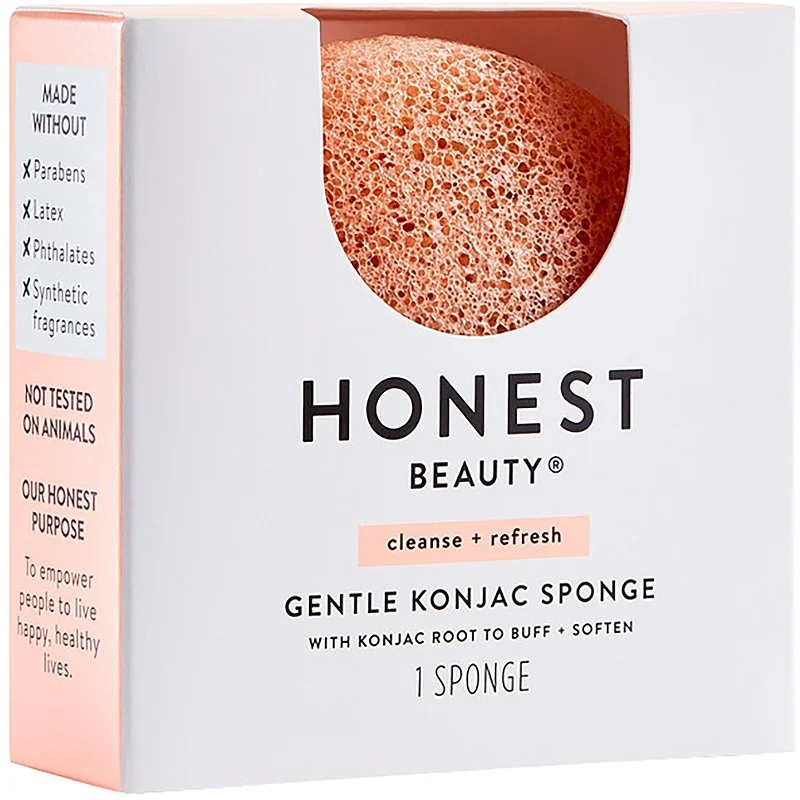
Amorphophallus Konjac Root Powder
1. Definition Amorphophallus Konjac Root Powder:
Amorphophallus Konjac Root Powder is a natural ingredient derived from the konjac plant, native to Southeast Asia. It is rich in glucomannan, a water-soluble dietary fiber known for its hydrating and soothing properties.2. Use:
Amorphophallus Konjac Root Powder is commonly used in cosmetics for its ability to hydrate and moisturize the skin. It is often found in skincare products such as masks, serums, and creams due to its ability to improve skin texture and appearance.3. Usage Amorphophallus Konjac Root Powder:
When using products containing Amorphophallus Konjac Root Powder, it is important to follow the instructions provided by the manufacturer. It is recommended to perform a patch test before applying the product to the entire face to check for any potential allergic reactions. Additionally, it is best to avoid using products containing this ingredient on broken or irritated skin.4. References:
- Shin, J. W., & Kim, S. N. (2018). Anti-inflammatory effect of Amorphophallus konjac tuber powder in a dextran sulfate sodium-induced colitis model. Journal of the Korean Society of Food Science and Nutrition, 47(12), 1132-1139.
- Yoon, S. J., Kim, S. N., & Kim, H. G. (2016). Anti-aging effect of Amorphophallus konjac tuber powder in UVB-irradiated hairless mice. Journal of the Korean Society of Cosmetology, 22(4), 623-631.
- Lee, S. J., & Kim, H. G. (2015). Moisturizing effect of Amorphophallus konjac tuber powder in human skin. Journal of the Korean Society of Aesthetic Cosmetology, 13(2), 231-237.