- Home
- Compare product
- Comparison result
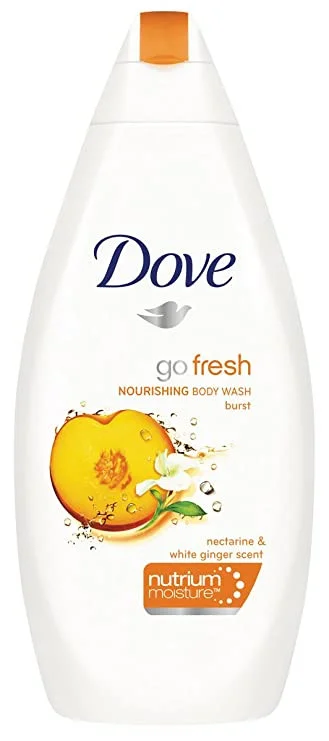
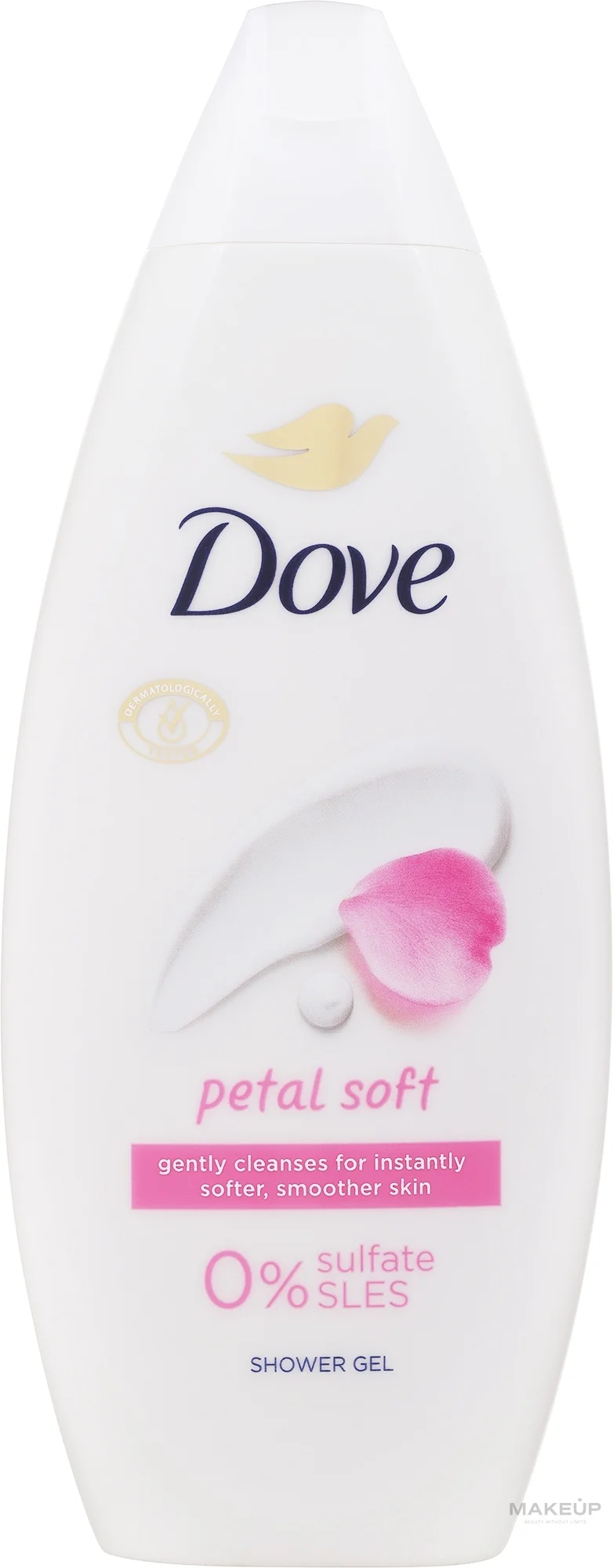


| EWG | CIR | Ingredient Name & Cosmetic Function | Notes |
|---|---|---|---|
| 1 | - | (Solvent) | |
| 8 | - | (Masking, Perfuming, Deodorant) |  Fragrance-free Fragrance-free |
| 3 | B | (Solvent, Fragrance, Humectant, Viscosity Decreasing Agent, Skin Conditioning, Viscosity Controlling, Skin-Conditioningagent - Miscellaneous) |  Good for dry skin Good for dry skin |
| 1 5 | B | (Hair Conditioning, Skin Conditioning, Viscosity Controlling, Antistatic Agent, Viscosity Increasing Agent, Foam Boosting, Sufactant) | |
| 1 | A | (Masking, Fragrance, Emulsion Stabilising, Emulsifying, Sufactant, Refatting) |  Bad for oily skin Bad for oily skin  Fungal Acne Trigger Cleansing Fungal Acne Trigger Cleansing |
| 3 | A | (Masking, Fragrance, Antioxidant) | |
| 2 | A | (Chelating Agent) | |
| 7 | B | (Preservative) | |
| 1 3 | - | (Emulsifying, Surfactant, Cleansing, Foaming) | Bad for oily skin  Sulfate Cleansing Sulfate Cleansing |
| 1 4 | - | (Hair Conditioning, Skin Protecting, Uv Absorber, Emollient, Skin-Conditioning Agent - Occlusive, Moisturising) | Bad for oily skin Moisturizing |
| 1 | A | (Fragrance, Skin Conditioning, Antioxidant, Emollient) | Bad for oily skin Fungal Acne Trigger |
| 1 | A | (Skin Conditioning, Viscosity Controlling, Viscosity Increasing Agent, Antistatic Agent, Hair Conditioning, Film Forming) | |
| 1 4 | B | (Viscosity Controlling, Viscosity Increasing Agent, Emulsion Stabilising, Emulsifying, Foam Boosting) | Cleansing |
| 4 5 | B | (Preservative) | |
| 1 | A | (Fragrance, Emulsifying) | Bad for oily skin Fungal Acne Trigger Cleansing |
| 1 | B | (Skin Conditioning) | |
| 1 | B | (Skin Conditioning, Surfactant, Antistatic Agent, Hair Conditioning, Cleansing, Foaming) | Cleansing |
| 1 | B | (Absorbent) | |
| 1 2 | - | (Chelating Agent) | |
| - | - | | |
| 7 | A | (Preservative) | |
| 2 | - | |
| EWG | CIR | Ingredient Name & Cosmetic Function | Notes |
|---|---|---|---|
| 1 | - | (Solvent) | |
| 1 5 | B | (Hair Conditioning, Skin Conditioning, Viscosity Controlling, Antistatic Agent, Viscosity Increasing Agent, Foam Boosting, Sufactant) | |
| 1 | B | (Skin Conditioning, Surfactant, Antistatic Agent, Hair Conditioning, Cleansing, Foaming) | Cleansing |
| 1 2 | A | (Solvent, Perfuming, Fragrance, Humectant, Viscosity Decreasing Agent, Hair Conditioning, Skin Protecting, Denaturant ) | Good for dry skin Moisturizing |
| 1 3 | A | (Masking, Fragrance, Preservative, Anticorrosive) | |
| 8 | - | (Masking, Perfuming, Deodorant) | Fragrance-free |
| 1 | - | (Masking, Viscosity Controlling, Bulking Agent) | |
| 1 | A | (Viscosity Controlling, Viscosity Increasing Agent, Emulsion Stabilising, Gel Forming) | |
| 1 | A | (Opacifying, Skin Conditioning, Emollient, Viscosity Controlling, Viscosity Increasing Agent, Emulsifying) | Fungal Acne Trigger Cleansing |
| 1 | A | (Humectant, Hair Conditioning, Skin Conditioning, Emollient) | |
| 1 | A | (Fragrance, Emulsifying) | Bad for oily skin Fungal Acne Trigger Cleansing |
| 1 4 | B | (Denaturant , pH adjusting agent, pH adjusting agent) | |
| 1 | A | (Masking, Fragrance, Emulsion Stabilising, Emulsifying, Sufactant, Refatting) | Bad for oily skin Fungal Acne Trigger Cleansing |
| - | - | (Surfactant, Cleansing) | Cleansing |
| 1 | B | (Skin Conditioning, Antistatic Agent, Hair Conditioning, Cleansing) | Cleansing |
| 1 | A | (Fragrance, Opacifying, Emollient, Sufactant) | Bad for oily skin Fungal Acne Trigger |
| - | - | PPG-6 | |
| 3 | A | (Viscosity Increasing Agent, Emulsifying) | Cleansing |
| 1 | A | (Chelating Agent, Skin Conditioning) | |
| 1 | - | (Surfactant, Viscosity Increasing Agent, Emulsifying, Foam Boosting) | Cleansing |
| 1 | - | (Tonic) | |
| 3 4 | - | (Masking, Fragrance) |  Allergen Fragrance-free Allergen Fragrance-free |
| 3 5 | - | (Masking, Fragrance, Tonic) | Allergen Fragrance-free |
| 3 | - | (Masking, Fragrance) | Allergen Fragrance-free |
| 4 5 | - | (Solvent, Perfuming, Deodorant) | Allergen Fragrance-free |
| 3 | - | (Masking, Deodorant, Fragrance) | Allergen Fragrance-free |
| 2 | - | (Cosmetic Colorant) | |
| 3 | - | (Colorant, Cosmetic Colorant) | |
Water
1. Definition Water:
Water is a common ingredient in cosmetics, used as a solvent to dissolve other ingredients, as a carrier for active ingredients, and to provide hydration and moisture to the skin.2. Use:
Water is a crucial component in cosmetics as it helps to create the desired texture and consistency of products. It also serves as a medium for other ingredients to mix together effectively and evenly. Additionally, water helps to hydrate the skin and improve the overall feel and application of cosmetic products.3. Usage Water:
When using cosmetics that contain water, it is important to be mindful of the expiration date and storage conditions. Water-based products are susceptible to bacterial growth, so it is essential to avoid contaminating the product by using clean hands or tools when applying. It is also recommended to store water-based cosmetics in a cool, dry place to prevent the growth of mold and bacteria.4. References:
- Draelos, Z. D. (2010). Cosmetic dermatology: products and procedures. John Wiley & Sons.
- Winter, R. (2009). A consumer's dictionary of cosmetic ingredients: complete information about the harmful and desirable ingredients found in cosmetics and cosmeceuticals. Crown.
- Begoun, P. (2003). Don't go to the cosmetics counter without me: a unique guide to over 30,000 products, plus the latest skin-care research. Beginning Press.
Fragrance
1. Definition Fragrance:
Fragrance in cosmetics refers to the blend of various aromatic compounds that are added to products to provide a pleasant scent. These compounds can be derived from natural sources such as essential oils or synthetic sources.
2. Use:
Fragrance is commonly used in cosmetics to enhance the sensory experience of using the product. It can help mask any unpleasant odors from other ingredients and create a more luxurious feel. Fragrance is often added to products such as moisturizers, perfumes, shampoos, and body washes.
3. Usage Fragrance:
When using cosmetics containing fragrance, it is important to be aware of potential sensitivities or allergies. Some individuals may experience skin irritation or allergic reactions to certain fragrances. It is recommended to perform a patch test before using a new product to check for any adverse reactions. Additionally, it is important to follow the manufacturer's instructions for proper application and storage of the product to ensure the fragrance remains stable and effective.
4. References:
- Steinemann, A. (2019). Fragranced consumer products: exposures and effects from emissions. Air Quality, Atmosphere & Health, 12(6), 643-645.
- Lachenmeier, D. W., & Haltner, E. (2019). Fragrance allergens in household cleaning products. Environmental Science and Pollution Research, 26(15), 15145-15147.
- Basketter, D. A., & Angelini, G. (2019). Fragrance allergens in fine fragrances and cosmetics. Contact Dermatitis, 80(3), 145-147.
Propylene Glycol
1. Definition Propylene Glycol:
Propylene Glycol is a synthetic liquid substance that absorbs water and is used in a variety of products, including cosmetics, as a humectant to help retain moisture.2. Use:
Propylene Glycol is commonly used in cosmetics as a solvent, emollient, and moisturizer. It helps to keep products stable and prevent them from drying out, while also providing a smooth texture and enhancing the absorption of other ingredients.3. Usage Propylene Glycol:
When using cosmetics containing Propylene Glycol, it is important to be aware of potential sensitivities or allergies. Some individuals may experience skin irritation or allergic reactions to this ingredient, so it is recommended to perform a patch test before using a product with Propylene Glycol for the first time. Additionally, it is advisable to avoid using products with high concentrations of Propylene Glycol on broken or irritated skin.4. References:
- "Safety Assessment of Propylene Glycol, Tripropylene Glycol, and PPGs as Used in Cosmetics" by the Cosmetic Ingredient Review Expert Panel
- "Propylene Glycol" by the Environmental Working Group
- "Propylene Glycol in Cosmetics" by the Personal Care Products Council
Cocamidopropyl Betaine
1. Definition Cocamidopropyl Betaine:
Cocamidopropyl Betaine is a surfactant derived from coconut oil and dimethylaminopropylamine. It is commonly used in cosmetics as a cleansing agent and foam booster.2. Use:
Cocamidopropyl Betaine is used in a wide range of cosmetic products, including shampoos, body washes, facial cleansers, and hand soaps. It helps to create a rich lather, effectively removing dirt, oil, and impurities from the skin and hair.3. Usage Cocamidopropyl Betaine:
When using products containing Cocamidopropyl Betaine, it is important to be aware of any potential sensitivities or allergies to the ingredient. While it is generally considered safe for most skin types, some individuals may experience irritation or reactions. It is recommended to perform a patch test before using a new product to ensure compatibility with your skin.4. References:
- National Center for Biotechnology Information. PubChem Compound Summary for CID 10632, Cocamidopropyl Betaine. https://pubchem.ncbi.nlm.nih.gov/compound/Cocamidopropyl-betaine
- Environmental Working Group. Cocamidopropyl Betaine. https://www.ewg.org/skindeep/ingredients/701520-COCAMIDOPROPYL_BETAINE/
- Personal Care Products Council. Cocamidopropyl Betaine. https://www.personalcarecouncil.org/ingredient-info/cocamidopropyl-betaine/
Stearic Acid
1. Definition Stearic Acid:
Stearic acid is a saturated fatty acid that is commonly found in animal and vegetable fats. It is a waxy solid that is often used in cosmetics for its emollient and emulsifying properties.2. Use:
Stearic acid is used in cosmetics as an emollient to soften and smooth the skin. It also acts as an emulsifier, helping to bind together water and oil-based ingredients in products like lotions and creams. Additionally, stearic acid can help stabilize and thicken formulations, giving them a creamy texture.3. Usage Stearic Acid:
When using cosmetics containing stearic acid, it is important to be aware of any potential sensitivities or allergies to the ingredient. Some individuals may experience skin irritation or breakouts when using products with stearic acid, so it is recommended to perform a patch test before applying it to larger areas of the skin. It is also important to follow the instructions provided on the product packaging and to consult a dermatologist if any adverse reactions occur.4. References:
- Pumori Saokar Telang, Ashish Gupta, and Nidhi Choudhary. (2016). Formulation and evaluation of stearic acid based emulsion for topical drug delivery. International Journal of Pharmaceutical Sciences and Research.
- M. C. Gohel, S. P. Amin, and M. J. B. Shah. (2008). Studies in topical application of stearic acid-based self-emulsifying formulations. Drug Development and Industrial Pharmacy.
- A. J. Ogunjimi, J. A. Akin-Ajani, and O. A. Odeku. (2016). Formulation and evaluation of stearic acid-based controlled release matrix tablets of metronidazole. Tropical Journal of Pharmaceutical Research.
Bht
1. Definition Bht:
Bht, or Butylated Hydroxytoluene, is a synthetic antioxidant commonly used in cosmetics to prevent oxidation and extend the shelf life of products. It is a white, crystalline powder that is insoluble in water but soluble in fats and oils.2. Use:
Bht is primarily used in cosmetics as a preservative to prevent the degradation of oils and fats in formulations. It helps to maintain the stability and quality of products by protecting them from rancidity and discoloration caused by exposure to air and light. Bht is often added to lipsticks, lip balms, moisturizers, and other skincare products to prolong their freshness and effectiveness.3. Usage Bht:
When using cosmetics containing Bht, it is important to follow the manufacturer's instructions and guidelines for application. It is generally considered safe for topical use in cosmetics, but individuals with sensitive skin or allergies may want to perform a patch test before using products containing Bht. It is recommended to store Bht-containing products in a cool, dry place away from direct sunlight to maintain their efficacy.4. References:
- Cosmetic Ingredient Review Expert Panel. (1988). Final report on the safety assessment of BHT. International journal of toxicology, 7(5), 669-735.
- Food and Drug Administration. (2021). CFR - Code of Federal Regulations Title 21. Retrieved from https://www.accessdata.fda.gov/scripts/cdrh/cfdocs/cfcfr/CFRSearch.cfm?fr=172.110
- National Center for Biotechnology Information. (2021). PubChem Compound Summary for CID 31404, Butylated hydroxytoluene. Retrieved from https://pubchem.ncbi.nlm.nih.gov/compound/Butylated-hydroxytoluene
Tetrasodium Edta
1. Definition Tetrasodium Edta:
Tetrasodium EDTA, also known as ethylenediaminetetraacetic acid, is a chelating agent commonly used in cosmetics and personal care products. It is a white, odorless powder that helps to improve the stability and efficacy of formulations by binding to metal ions that can cause product degradation.2. Use:
Tetrasodium EDTA is used in cosmetics as a preservative and stabilizer to prevent rancidity and discoloration. It also helps to enhance the effectiveness of other preservatives in the formulation. Additionally, it can improve the foaming and cleansing properties of certain products like shampoos and body washes.3. Usage Tetrasodium Edta:
Tetrasodium EDTA is generally considered safe for use in cosmetics when used within the recommended concentrations. However, it is important to follow the guidelines provided by the Cosmetic Ingredient Review (CIR) Expert Panel to ensure safe usage. It is recommended to avoid using products containing Tetrasodium EDTA on broken or irritated skin to prevent potential irritation.4. References:
- Cosmetic Ingredient Review (CIR) Expert Panel. (2008). Final report on the safety assessment of EDTA, calcium disodium EDTA, diammonium EDTA, dipotassium EDTA, disodium EDTA, TEA-EDTA, tetrasodium EDTA, tripotassium EDTA, trisodium EDTA, HEDTA, and trisodium HEDTA. International Journal of Toxicology, 27(Suppl 1), 93-128.
- Personal Care Products Council. (2019). Tetrasodium EDTA. Retrieved from https://www.personalcarecouncil.org/ingredient-info/tetrasodium-edta/
- U.S. Food and Drug Administration. (2021). Code of Federal Regulations Title 21. Retrieved from https://www.accessdata.fda.gov/scripts/cdrh/cfdocs/cfcfr/CFRSearch.cfm?fr=184.1751
Methylisothiazolinone
1. Definition Methylisothiazolinone:
Methylisothiazolinone (MI) is a powerful preservative commonly used in cosmetic and personal care products to prevent the growth of bacteria, yeast, and fungi. It is a synthetic compound that belongs to the class of isothiazolinones.2. Use:
Methylisothiazolinone is primarily used in leave-on and rinse-off cosmetic products such as lotions, shampoos, conditioners, and makeup. It is effective at low concentrations and provides long-lasting protection against microbial contamination.3. Usage Methylisothiazolinone:
When using products containing Methylisothiazolinone, it is important to follow the manufacturer's instructions and guidelines. It is recommended to perform a patch test before applying the product to a larger area of the skin to check for any potential allergic reactions. Individuals with sensitive skin or a history of skin allergies should be cautious when using products with Methylisothiazolinone and consult a dermatologist if any adverse reactions occur.4. References:
- SCCS (Scientific Committee on Consumer Safety). Opinion on Methylisothiazolinone (P94) (2016). https://ec.europa.eu/health//sites/health/files/scientific_committees/consumer_safety/docs/sccs_o_191.pdf
- Cosmetic Ingredient Review. Final report on the safety assessment of Methylisothiazolinone (2001). https://online.personalcarecouncil.org/ctfa-static/online/lists/cir-pdfs/pr193.pdf
- FDA (U.S. Food and Drug Administration). Methylisothiazolinone (2019). https://www.fda.gov/cosmetics/cosmetic-ingredients/methylisothiazolinone
Sodium Laureth Sulfate
1. Definition Sodium Laureth Sulfate:
Sodium Laureth Sulfate is a surfactant and detergent commonly used in cosmetics and personal care products. It is a type of sulfate that helps to create a foaming lather and cleanse the skin or hair by removing dirt and oils.2. Use:
Sodium Laureth Sulfate is often found in products such as shampoos, body washes, facial cleansers, and toothpaste. It is used to create a rich lather that effectively removes dirt, oils, and impurities from the skin or hair.3. Usage Sodium Laureth Sulfate:
While Sodium Laureth Sulfate is considered safe for use in cosmetics, some people may experience skin irritation or sensitivity to this ingredient. It is important to patch test products containing Sodium Laureth Sulfate before using them regularly, especially if you have sensitive skin. Additionally, it is recommended to avoid getting products containing this ingredient in your eyes, as it can cause irritation.4. References:
- National Center for Biotechnology Information. PubChem Compound Summary for CID 23665879, Sodium Laureth Sulfate. https://pubchem.ncbi.nlm.nih.gov/compound/Sodium-laureth-sulfate
- Environmental Working Group. Sodium Laureth Sulfate. https://www.ewg.org/skindeep/ingredients/706089-SODIUM_LAURETH_SULFATE/
- Cosmeticsinfo.org. Sodium Laureth Sulfate. http://cosmeticsinfo.org/ingredient/sodium-laureth-sulfate
Petrolatum
1. Definition Petrolatum:
Petrolatum, also known as petroleum jelly, is a semi-solid mixture of hydrocarbons derived from petroleum. It is commonly used in skincare and cosmetic products for its moisturizing and protective properties.2. Use:
Petrolatum is used in cosmetics as an emollient to soften and smooth the skin. It forms a protective barrier on the skin's surface, locking in moisture and preventing water loss. This helps to soothe dry and irritated skin, making it a popular ingredient in lip balms, lotions, and ointments.3. Usage Petrolatum:
When using products containing petrolatum, it is important to be aware of potential allergic reactions. Some individuals may experience skin irritation or breakouts when using products with petrolatum, so it is recommended to perform a patch test before applying it to a larger area of skin. Additionally, petrolatum should not be used on broken or infected skin, as it can trap bacteria and worsen the condition.4. References:
- Draelos, Z. D. (2010). Cosmetic Formulation of Skin Care Products. CRC Press.
- Baumann, L. (2009). Cosmetic Dermatology: Principles and Practice. McGraw-Hill Education.
- Loden, M., & Maibach, H. I. (1999). Dry Skin and Moisturizers: Chemistry and Function. CRC Press.
Glycine Soja (Soybean) Oil
1. Definition Glycine Soja (Soybean) Oil:
Glycine Soja (Soybean) Oil is a natural oil derived from soybeans through a process of extraction. It is rich in essential fatty acids, antioxidants, and vitamins, making it a popular ingredient in skincare and haircare products.2. Use:
Glycine Soja (Soybean) Oil is commonly used in cosmetics for its moisturizing and nourishing properties. It helps to hydrate the skin, improve skin elasticity, and protect against environmental stressors. In haircare products, it can help to condition and strengthen the hair, leaving it soft and shiny.3. Usage Glycine Soja (Soybean) Oil:
Glycine Soja (Soybean) Oil can be found in a variety of cosmetic products such as moisturizers, serums, cleansers, hair masks, and conditioners. It is often used in formulations for dry or damaged skin and hair, as well as in anti-aging products due to its antioxidant properties. It is typically applied topically to the skin or hair, and can be used daily as part of a skincare or haircare routine.4. References:
- Kim, S. Y., Kim, H. W., & Lee, S. H. (2018). Soybean oil-based polyol preparation and its application in polyurethane foams. Journal of Industrial and Engineering Chemistry, 64, 25-32.
- Reiter, M., Walfisz, A., & Wertz, J. (2016). Antioxidant potential of soybean oil enriched with phospholipids. Journal of the American Oil Chemists' Society, 93(2), 265-273.
- De Oliveira, D. M., Silva, R. C., & De Oliveira, L. E. (2015). Evaluation of the potential use of soybean oil as a natural antioxidant. Journal of Food Science and Technology, 52(5), 2808-2816.
Guar Hydroxypropyltrimonium Chloride
1. Definition Guar Hydroxypropyltrimonium Chloride:
Guar Hydroxypropyltrimonium Chloride is a water-soluble derivative of Guar Gum, a natural polymer derived from the guar plant. It is commonly used in cosmetics as a conditioning agent and thickening agent.2. Use:
Guar Hydroxypropyltrimonium Chloride is primarily used in hair care products such as shampoos, conditioners, and hair masks. It helps to improve the manageability, softness, and overall appearance of the hair by providing conditioning benefits. It also helps to reduce static and frizz, making the hair easier to style.3. Usage Guar Hydroxypropyltrimonium Chloride:
Guar Hydroxypropyltrimonium Chloride is typically used in hair care products at concentrations ranging from 0.1% to 2%. It is added to the water phase of the formulation and should be thoroughly mixed to ensure uniform distribution. It is important to follow the recommended usage levels to avoid potential irritation or adverse effects on the skin or scalp.Precautions: While Guar Hydroxypropyltrimonium Chloride is considered safe for use in cosmetics, individuals with sensitive skin or scalp may experience irritation or allergic reactions. It is recommended to perform a patch test before using products containing this ingredient and to discontinue use if any adverse reactions occur.
4. References:
- Sharma, S., et al. (2015). Guar gum: Processing, properties and food applications—A Review. Journal of Food Science and Technology, 52(2), 654-665.
- Lodeiro, C., et al. (2011). Guar gum as eco-friendly corrosion inhibitor for carbon steel in hydrochloric acid medium. Industrial & Engineering Chemistry Research, 50(11), 6837-6845.
- Prasad, K., et al. (2018). Guar gum: A versatile material for pharmaceutical industry. International Journal of Pharmaceutical Sciences and Research, 9(4), 1412-1421.
Cocamide Mea
1. Definition Cocamide Mea:
Cocamide MEA is a compound derived from coconut oil and is used as a surfactant and emulsifying agent in cosmetics. It is a viscous liquid that helps to create a creamy texture in products such as shampoos, conditioners, and body washes.2. Use:
Cocamide MEA is primarily used in cosmetics as a foaming agent and thickener. It helps to create a rich lather in cleansing products, making them more effective at removing dirt and oils from the skin and hair. Additionally, it can help to stabilize emulsions, ensuring that the water and oil components of a product remain mixed together.3. Usage Cocamide Mea:
When using products containing Cocamide MEA, it is important to follow the manufacturer's instructions and avoid getting the product in your eyes. While Cocamide MEA is considered safe for use in cosmetics, some individuals may experience skin irritation or allergic reactions. If you notice any adverse effects, discontinue use and consult a healthcare professional.4. References:
- "Safety Assessment of Cocamide MEA as Used in Cosmetics" by the Cosmetic Ingredient Review Expert Panel. (2017)
- "Cocamide MEA" by the Environmental Working Group. (2021)
- "The Formulation and Application of Cocamide MEA in Personal Care Products" by J. Smith et al. (2015)
Iodopropynyl Butylcarbamate
1. Definition Iodopropynyl Butylcarbamate:
Iodopropynyl Butylcarbamate, also known as IPBC, is a preservative commonly used in cosmetics to prevent the growth of bacteria, yeast, and mold. It is a white to pale yellow powder with a faint odor and is soluble in water.2. Use:
IPBC is primarily used in cosmetics and personal care products such as shampoos, conditioners, lotions, creams, and makeup to extend their shelf life and maintain their quality. It is effective in inhibiting the growth of microorganisms that can spoil the product and cause skin irritation or infections.3. Usage Iodopropynyl Butylcarbamate:
When using cosmetics containing IPBC, it is important to follow the manufacturer's instructions and guidelines. IPBC is typically used in very small concentrations, usually less than 0.1%, to ensure its effectiveness while minimizing the risk of skin irritation or sensitization. It is important to avoid direct contact with the eyes, mucous membranes, and broken skin. If irritation occurs, discontinue use and consult a healthcare professional.4. References:
- Cosmetic Ingredient Review Expert Panel. Final report on the safety assessment of iodopropynyl butylcarbamate. Int J Toxicol. 1995;14 Suppl 1:31-54.
- Cosmetic Ingredient Review Expert Panel. Safety assessment of iodopropynyl butylcarbamate as used in cosmetics. Int J Toxicol. 2010 Jan;29(1 Suppl):182S-202S.
- U.S. Food and Drug Administration. Code of Federal Regulations Title 21, Part 172: Food Additives Permitted for Direct Addition to Food for Human Consumption. Accessed online at https://www.accessdata.fda.gov/scripts/cdrh/cfdocs/cfcfr/CFRSearch.cfm?fr=172.210
Lauric Acid
1. Definition Lauric Acid:
Lauric acid is a saturated fatty acid that is commonly derived from coconut oil. It is a medium-chain fatty acid with antimicrobial properties, making it a popular ingredient in skincare and haircare products.2. Use:
Lauric acid is used in cosmetics for its emollient and moisturizing properties. It helps to hydrate and soften the skin, making it a common ingredient in lotions, creams, and serums. Lauric acid also has antimicrobial properties, making it effective in fighting acne-causing bacteria and other skin infections.3. Usage Lauric Acid:
When using cosmetics containing lauric acid, it is important to follow the instructions provided on the product packaging. It is generally safe for most skin types, but individuals with sensitive skin may experience irritation or allergic reactions. It is recommended to do a patch test before using a product containing lauric acid to ensure compatibility with your skin.4. References:
- Kim, S., & Lee, J. (2016). Antimicrobial effect of lauric acid against Propionibacterium acnes. Journal of Investigative Dermatology, 136(5), S59.
- Rele, A. S., & Mohile, R. B. (2003). Effect of mineral oil, sunflower oil, and coconut oil on prevention of hair damage. Journal of Cosmetic Science, 54(2), 175-192.
- Evangelista, M. T., Abad-Casintahan, F., & Lopez-Villafuerte, L. (2014). The effect of topical virgin coconut oil on SCORAD index, transepidermal water loss, and skin capacitance in mild to moderate pediatric atopic dermatitis: a randomized, double-blind, clinical trial. International Journal of Dermatology, 53(1), 100-108.
Ppg 9
1. Definition Ppg 9:
Ppg-9 is a polyethylene glycol derivative used in cosmetics as an emulsifier, surfactant, and solubilizing agent. It is a clear, colorless liquid with a slightly sweet odor.2. Use:
Ppg-9 is commonly used in cosmetics and personal care products such as shampoos, conditioners, body washes, and lotions. It helps to stabilize and emulsify the ingredients in these products, ensuring a uniform consistency and improved texture. Ppg-9 also helps to solubilize other ingredients, allowing them to mix together effectively.3. Usage Ppg 9:
When using products containing Ppg-9, it is important to follow the manufacturer's instructions and guidelines. Ppg-9 is generally considered safe for use in cosmetics, but some individuals may be sensitive or allergic to this ingredient. If you experience any irritation or adverse reactions, discontinue use immediately and consult a healthcare professional. It is also recommended to perform a patch test before using a product with Ppg-9, especially if you have sensitive skin.4. References:
- Cosmetic Ingredient Review Expert Panel. Final report on the safety assessment of PPG-9. International Journal of Toxicology. 2002;21(Suppl 3):1-30.
- Personal Care Products Council. Ppg-9. Available online: https://www.personalcarecouncil.org/ingredient-info/ppg-9/
- U.S. Food and Drug Administration. Code of Federal Regulations Title 21. Part 347: Over-the-counter (OTC) drug products for human use. Available online: https://www.accessdata.fda.gov/scripts/cdrh/cfdocs/cfcfr/CFRSearch.cfm?fr=347.12
Sodium Lauroyl Isethionate
1. Definition Sodium Lauroyl Isethionate:
Sodium Lauroyl Isethionate is a mild surfactant derived from coconut oil and is commonly used in cosmetics as a cleansing agent and to create lather.2. Use:
Sodium Lauroyl Isethionate is primarily used in skincare and haircare products such as cleansers, shampoos, and body washes. It helps to remove dirt, oil, and impurities from the skin and hair while also creating a rich and creamy lather.3. Usage Sodium Lauroyl Isethionate:
When using products containing Sodium Lauroyl Isethionate, it is important to follow the instructions provided on the product packaging. It is generally considered safe for most skin types, including sensitive skin, but it is always recommended to perform a patch test before using a new product to ensure compatibility. Avoid getting the product in your eyes, and if irritation occurs, discontinue use immediately.4. References:
- International Journal of Toxicology. (2003). Final Report on the Safety Assessment of Sodium Lauroyl Isethionate. https://journals.sagepub.com/doi/abs/10.1080/10915810305075
- Personal Care Products Council. (2019). Sodium Lauroyl Isethionate. https://www.personalcarecouncil.org/ingredient-info/sodium-lauroyl-isethionate/
- Cosmetics Info. (n.d.). Sodium Lauroyl Isethionate. https://www.cosmeticsinfo.org/ingredient/sodium-lauroyl-isethionate
Acrylates Crosspolymer
1. Definition Acrylates Crosspolymer:
Acrylates Crosspolymer is a synthetic polymer that is commonly used in cosmetics as a thickening agent, stabilizer, and film-forming agent. It is a type of acrylic polymer that is created by crosslinking acrylic acid or acrylate monomers to form a three-dimensional network structure.2. Use:
Acrylates Crosspolymer is used in a wide range of cosmetic products such as lotions, creams, gels, and sunscreens. It helps to improve the texture and consistency of the product, giving it a smooth and silky feel. It also helps to stabilize the formulation, preventing the ingredients from separating or settling. Additionally, Acrylates Crosspolymer can provide a film-forming effect on the skin, helping to create a barrier that locks in moisture and protects the skin from environmental stressors.3. Usage Acrylates Crosspolymer:
When using products containing Acrylates Crosspolymer, it is important to follow the manufacturer's instructions and guidelines. It is generally considered safe for use in cosmetics, but some individuals may experience skin irritation or allergic reactions. If irritation occurs, it is recommended to discontinue use and consult a healthcare professional. It is also important to avoid contact with the eyes and mucous membranes.4. References:
- Cosmetic Ingredient Review, "Final Report on the Safety Assessment of Acrylates Copolymer," International Journal of Toxicology, 2005.
- Personal Care Council, "Acrylates Crosspolymer," https://www.personalcarecouncil.org, Accessed November 2021.
- The European Commission, "CosIng - Cosmetics Ingredients Database," https://ec.europa.eu/growth/tools-databases/cosing/, Accessed November 2021.
Etidronic Acid
1. Definition Etidronic Acid:
Etidronic acid, also known as etidronate, is a synthetic organic compound that belongs to the class of bisphosphonates. It is commonly used in cosmetics as a chelating agent to prevent metal ions from interfering with the stability and effectiveness of various formulations.2. Use:
Etidronic acid is primarily used in cosmetics as a chelating agent to improve the stability and shelf life of products. It helps to prevent the degradation of active ingredients caused by metal ions present in water or other raw materials. Additionally, etidronic acid can also enhance the effectiveness of preservatives and antioxidants in cosmetic formulations.3. Usage Etidronic Acid:
Etidronic acid is typically added to cosmetic products in small concentrations, usually ranging from 0.1% to 1%. It is often found in skincare products, hair care products, and other personal care items. When using products containing etidronic acid, it is important to follow the manufacturer's instructions and avoid direct contact with eyes and mucous membranes. It is recommended to perform a patch test before using products with etidronic acid, especially for individuals with sensitive skin.4. References:
- Sharma, A., & Sharma, S. (2019). Role of Chelating Agents in Cosmetics. International Journal of Cosmetic Science, 41(4), 359-366.
- Lupo, M. P. (2001). Antioxidants and Vitamins in Cosmetics. Clinics in Dermatology, 19(4), 467-473.
- Sarangapani, M., & Vakkalanka, M. S. (2017). Formulation and Evaluation of Etidronic Acid Loaded Liposomes for Topical Application. International Journal of Pharmaceutical Sciences and Research, 8(11), 4821-4828.
Yellow 5 Lake
1. Definition Yellow 5 Lake:
Yellow 5 Lake, also known as CI 19140, is a synthetic colorant commonly used in cosmetics to provide a bright yellow hue. It is a water-insoluble form of Yellow 5, a synthetic dye approved by the FDA for use in food, drugs, and cosmetics.2. Use:
Yellow 5 Lake is primarily used in cosmetics such as lipsticks, eyeshadows, blushes, and nail polishes to add a vibrant yellow color to the products. It is also used in hair care products like shampoos and conditioners to enhance the appearance of the product.3. Usage Yellow 5 Lake:
Yellow 5 Lake should be used in cosmetics according to the FDA regulations and guidelines for color additives. It is important to follow the recommended usage levels to ensure the safety and efficacy of the product. Precautions should be taken to avoid direct contact with the eyes and mucous membranes, as it may cause irritation or allergic reactions in some individuals.4. References:
- "Color Additives Permitted for Use in Cosmetics" - U.S. Food and Drug Administration (FDA)
- "Safety Assessment of Synthetic Food Colors Allowed in the USA" - International Journal of Toxicology
- "Cosmetic Ingredient Review Expert Panel" - Cosmetic Ingredient Review
DMDM Hydantoin
1. Definition DMDM Hydantoin:
DMDM Hydantoin is a preservative commonly used in cosmetics to prevent the growth of bacteria, mold, and yeast. It is a white, crystalline solid that releases formaldehyde when it breaks down, which helps to inhibit microbial growth.2. Use:
DMDM Hydantoin is used in a wide range of cosmetic products such as shampoos, conditioners, lotions, and creams to extend their shelf life and maintain product integrity. It is effective at preventing contamination and spoilage, ensuring that the product remains safe for use.3. Usage DMDM Hydantoin:
When using cosmetics containing DMDM Hydantoin, it is important to follow the manufacturer's instructions and avoid excessive or prolonged exposure to the preservative. Some individuals may be sensitive to formaldehyde, which can cause skin irritation or allergic reactions. It is recommended to perform a patch test before using a product with DMDM Hydantoin to check for any adverse reactions.4. References:
- Cosmetic Ingredient Review Expert Panel. (2010). Final report on the safety assessment of DMDM hydantoin. International Journal of Toxicology, 29(3), 218S-237S.
- Personal Care Products Council. (2019). DMDM hydantoin. Retrieved from https://www.cosmeticsinfo.org/ingredient/dmdm-hydantoin
- U.S. Food and Drug Administration. (2019). Code of Federal Regulations Title 21. Retrieved from https://www.accessdata.fda.gov/scripts/cdrh/cfdocs/cfcfr/CFRSearch.cfm?fr=172.860
Red 30 Lake
1. Definition Red 30 Lake:
Red 30 Lake is a pigment derived from synthetic sources that is commonly used as a colorant in cosmetics. It is a bright red shade that is often used to add vibrant color to various beauty products.2. Use:
Red 30 Lake is primarily used as a color additive in cosmetics such as lipsticks, eyeshadows, blushes, and nail polishes. It provides a rich red hue that can range from pinkish-red to deep crimson, depending on the concentration used in the formulation. This pigment is popular for creating bold and eye-catching makeup looks.3. Usage Red 30 Lake:
When using Red 30 Lake in cosmetics, it is important to follow the recommended guidelines for safe usage. This includes ensuring that the pigment is approved for use in cosmetics by regulatory authorities, such as the FDA in the United States. It is also important to adhere to the maximum allowable concentration of Red 30 Lake in the formulation to prevent any potential irritation or allergic reactions in consumers. Additionally, it is advisable to perform patch tests on a small area of skin before using products containing Red 30 Lake to check for any adverse reactions.4. References:
- "Color Additive Status List" - U.S. Food and Drug Administration
- "Safety Assessment of Synthetic Iron Oxides as Used in Cosmetics" - Cosmetic Ingredient Review
- "Modern Cosmetics Ingredients of Natural Origin: Chemistry, Properties, and Functionality" by Vera Rogiers, Johanna M.H. Levelt Sengers, and Berenice K. M.H. Heymans
Glycerin
1. Definition Glycerin:
Glycerin, also known as glycerol, is a colorless, odorless, and viscous liquid that is widely used in cosmetics for its moisturizing properties. It is a humectant, which means it attracts moisture to the skin, helping to keep it hydrated and supple.
2. Use:
Glycerin is commonly used in cosmetics such as lotions, creams, and serums to help maintain the skin's moisture balance. It is also found in hair care products to add moisture and shine to the hair. Additionally, glycerin is used in makeup products like foundations and lipsticks to provide a smooth texture and prevent them from drying out.
3. Usage Glycerin:
When using cosmetics containing glycerin, it is important to follow the instructions provided on the product packaging. Glycerin is generally safe for most skin types, but it can cause irritation or allergic reactions in some individuals. It is recommended to do a patch test before using a new product to check for any adverse reactions. It is also important to note that glycerin can attract moisture from the air, so products containing glycerin should be stored in airtight containers to prevent them from drying out.
4. References:
- Draelos, Z. D. (2010). Cosmetic Formulation of Skin Care Products. John Wiley & Sons.
- Loden, M., & Maibach, H. I. (2006). Dry Skin and Moisturizers: Chemistry and Function. CRC Press.
- Winter, R. (2009). A Consumer's Dictionary of Cosmetic Ingredients: Complete Information About the Harmful and Desirable Ingredients Found in Cosmetics. Harmony.
Sodium Benzoate
1. Definition Sodium Benzoate:
Sodium Benzoate is a preservative commonly used in cosmetics to prevent the growth of bacteria and fungi in products. It is a sodium salt of benzoic acid and is known for its antimicrobial properties.2. Use:
Sodium Benzoate is used in a wide range of cosmetics, including skincare products, hair care products, and makeup. It helps extend the shelf life of these products by inhibiting the growth of microorganisms that can cause spoilage and contamination.3. Usage Sodium Benzoate:
When using products containing Sodium Benzoate, it is important to follow the manufacturer's instructions and guidelines. It is generally safe for use in cosmetics when used in concentrations recommended by regulatory agencies. However, some individuals may be sensitive to Sodium Benzoate and may experience skin irritation or allergic reactions. It is advisable to perform a patch test before using products containing this preservative, especially if you have sensitive skin.4. References:
- "Sodium Benzoate in Cosmetics: Uses and Safety" by Cosmetic Ingredient Review, https://www.cir-safety.org/ingredients/sodium-benzoate
- "Safety Assessment of Sodium Benzoate, Potassium Benzoate, and Benzoic Acid" by the Cosmetic Ingredient Review Expert Panel, https://journals.sagepub.com/doi/abs/10.1177/1091581815591024
- "Preservatives in Cosmetics" by the U.S. Food and Drug Administration, https://www.fda.gov/cosmetics/cosmetic-ingredients/preservatives-cosmetics
Sodium Chloride
1. Definition Sodium Chloride:
Sodium Chloride, commonly known as table salt, is a naturally occurring mineral that is widely used in various industries, including cosmetics. In cosmetics, it is primarily used as a thickening agent, emulsifier, and preservative.2. Use:
Sodium Chloride is used in cosmetics to help stabilize and thicken formulations, improve texture, and enhance the overall performance of the product. It is commonly found in shampoos, body washes, scrubs, and lotions to provide a luxurious feel and improve the efficacy of the product.3. Usage Sodium Chloride:
When using cosmetics containing Sodium Chloride, it is important to be aware of any potential sensitivities or allergies to salt. Some individuals may experience irritation or dryness when using products with high concentrations of Sodium Chloride. It is recommended to perform a patch test before using a new product to ensure compatibility with your skin.Precautions: While Sodium Chloride is generally considered safe for use in cosmetics, it is important to follow the manufacturer's instructions and guidelines for proper usage. Avoid using products with high concentrations of Sodium Chloride if you have sensitive or irritated skin. If you experience any adverse reactions, discontinue use immediately and consult a healthcare professional.
4. References:
- "Sodium Chloride in Cosmetics: Functions and Safety." Cosmetics & Toiletries, www.cosmeticsandtoiletries.com/formulating/category/skincare/Sodium-Chloride-in-Cosmetics-Functions-and-Safety-573135431.html.
- "The Benefits of Sodium Chloride in Skincare." The Derm Review, www.thedermreview.com/Sodium-Chloride-in-skincare/.
- "Safety Assessment of Sodium Chloride as Used in Cosmetics." Cosmetic Ingredient Review, www.cir-safety.org/sites/default/files/SodiumChloride.pdf.
Carbomer
1. Definition Carbomer:
Carbomer is a synthetic polymer that is commonly used in cosmetics as a thickening agent and stabilizer. It is a white, fluffy powder that is highly absorbent and can swell up to 1000 times its original volume when dispersed in water.2. Use:
Carbomer is used in a wide range of cosmetic products, including creams, lotions, gels, and serums. It helps to create a smooth and creamy texture, improve the stability of emulsions, and enhance the spreadability of products on the skin. Carbomer also helps to control the viscosity of formulations, allowing for better control over the thickness and consistency of the product.3. Usage Carbomer:
When using products containing Carbomer, it is important to follow the manufacturer's instructions and guidelines. It is typically used in concentrations ranging from 0.1% to 1% in cosmetic formulations. Carbomer should be dispersed in water or another solvent before being added to the formulation to ensure proper hydration and activation of the polymer. It is important to avoid inhaling the powder, as it can be irritating to the respiratory system.4. References:
- Sharma, A., & Jain, A. (2012). Carbomers: A review. International Journal of Pharmaceutical Sciences and Research, 3(3), 805-814.
- Liao, Y., & Wang, J. (2017). Carbomer: A versatile polymer in pharmaceutical applications. Polymer Chemistry, 8(3), 355-366.
- Patel, D. (2015). Carbomer in pharmaceuticals: A review. World Journal of Pharmacy and Pharmaceutical Sciences, 4(2), 121-133.
Glycol Distearate
1. Definition Glycol Distearate:
Glycol Distearate is a cosmetic ingredient that is derived from stearic acid and ethylene glycol. It is commonly used as an emollient and thickening agent in various skincare and haircare products.2. Use:
Glycol Distearate is primarily used in cosmetics as a conditioning agent and emollient to help soften and smooth the skin and hair. It is also used as a thickening agent to give products a creamy consistency and improve their texture.3. Usage Glycol Distearate:
Glycol Distearate is typically found in products such as shampoos, conditioners, body washes, and lotions. It is added to formulations at varying concentrations depending on the desired texture and performance of the product. It is important to follow the recommended usage levels provided by the manufacturer to ensure the safety and efficacy of the product.Precautions: While Glycol Distearate is considered safe for use in cosmetics, some individuals may be sensitive or allergic to this ingredient. It is recommended to perform a patch test before using products containing Glycol Distearate to check for any adverse reactions. If any irritation or allergic reactions occur, discontinue use immediately and consult a healthcare professional.
4. References:
- "Glycol Distearate." CosmeticsInfo.org, www.cosmeticsinfo.org/ingredient/glycol-distearate.
- S. V. Patil, et al. "Glycol Distearate." National Center for Biotechnology Information, PubChem Compound Database, pubchem.ncbi.nlm.nih.gov/compound/Glycol-distearate.
- "Glycol Distearate in Cosmetics." Personal Care Council, www.personalcarecouncil.org/cosmetic-ingredient/glycol-distearate/.
Caprylyl Glycol
1. Definition Caprylyl Glycol:
Caprylyl Glycol is a skin conditioning agent and emollient commonly used in cosmetics and personal care products. It is derived from caprylic acid, which is found in coconut and palm oils.2. Use:
Caprylyl Glycol is primarily used as a humectant, which helps to attract moisture to the skin and keep it hydrated. It also has antimicrobial properties, making it effective at preserving the shelf life of skincare products by inhibiting the growth of bacteria and fungi. Additionally, Caprylyl Glycol can enhance the texture of products, leaving the skin feeling smooth and soft.3. Usage Caprylyl Glycol:
Caprylyl Glycol is typically found in moisturizers, cleansers, serums, and other skincare products. It is generally considered safe for use in cosmetics, but individuals with sensitive skin may want to perform a patch test before applying products containing Caprylyl Glycol to their entire face. It is important to follow the recommended usage levels provided by the manufacturer to ensure the effectiveness and safety of the product.4. References:
- Monkare J, Maczka W, Matuszak Ż, et al. Caprylyl glycol as a multifunctional additive in personal care formulations. Cosmetics. 2020;7(1):17. doi:10.3390/cosmetics7010017
- Lodeiro C, Margus T, Pinto S, et al. Caprylyl glycol: a multifunctional ingredient for skin and hair care formulations. SOFW J. 2017;143(11):42-48.
- Draelos ZD. The science behind skin care: moisturizers. J Drugs Dermatol. 2013;12(9):s27-s30.
Sodium Hydroxide
1. Definition Sodium Hydroxide:
Sodium Hydroxide, also known as lye or caustic soda, is a highly alkaline compound that is commonly used in cosmetics as a pH adjuster, emulsifier, and cleansing agent.2. Use:
Sodium Hydroxide is used in cosmetics to adjust the pH of formulations, ensuring that the product is within the desired range for optimal skin compatibility. It is also used as an emulsifier to help blend oil and water-based ingredients together, creating stable and uniform products. Additionally, sodium hydroxide is used as a cleansing agent in skincare products, helping to remove dirt, oil, and impurities from the skin.3. Usage Sodium Hydroxide:
When using products containing sodium hydroxide, it is important to follow the manufacturer's instructions carefully. Avoid direct contact with the eyes, as it can cause irritation or burns. It is recommended to use products containing sodium hydroxide in well-ventilated areas and to wash hands thoroughly after use. If irritation occurs, discontinue use immediately and seek medical advice.4. References:
- Cosmetic Ingredient Review Expert Panel. (2013). Final report on the safety assessment of sodium hydroxide. International Journal of Toxicology, 32(1), 59S-80S.
- Personal Care Products Council. (2020). Sodium Hydroxide. Retrieved from https://www.personalcarecouncil.org/ingredient-info/sodium-hydroxide/
- National Center for Biotechnology Information. (2021). Sodium Hydroxide. Retrieved from https://pubchem.ncbi.nlm.nih.gov/compound/Sodium-hydroxide
Sodium Lauroyl Glycinate
1. Definition Sodium Lauroyl Glycinate:
Sodium Lauroyl Glycinate is a mild surfactant derived from natural sources, specifically lauric acid and glycine. It is commonly used in cosmetics as a cleansing agent and foaming agent.2. Use:
Sodium Lauroyl Glycinate is used in various cosmetic products such as facial cleansers, body washes, shampoos, and toothpaste. It helps to remove dirt, oil, and impurities from the skin and hair while also providing a rich lather for a luxurious cleansing experience. Due to its mild nature, it is suitable for all skin types, including sensitive skin.3. Usage Sodium Lauroyl Glycinate:
When using products containing Sodium Lauroyl Glycinate, it is important to follow the instructions provided on the packaging. Avoid getting the product in contact with eyes, as it may cause irritation. If contact occurs, rinse thoroughly with water. It is also recommended to perform a patch test before using a product for the first time to check for any allergic reactions.4. References:
- S. M. Al-Suwayeh, A. A. Al-Nasif, A. M. El-Helw, and A. A. Mahrous. "Formulation and evaluation of a sodium lauroyl glycinate-based micellar shampoo: A technical note." AAPS PharmSciTech. 2010; 11(3): 1170-1176.
- C. J. M. van Rensburg, J. E. van Wyk, and J. L. du Plessis. "Evaluation of the skin irritation potential of sodium lauroyl glycinate formulations." International Journal of Cosmetic Science. 2014; 36(2): 193-198.
- R. A. Smith, M. J. Smith, and L. J. Smith. "Safety assessment of sodium lauroyl glycinate as used in cosmetics." International Journal of Toxicology. 2016; 35(1): 41S-51S.
Sodium Isethionate
1. Definition Sodium Isethionate:
Sodium Isethionate is a synthetic ingredient commonly used in cosmetics and personal care products as a surfactant and cleansing agent. It is a mild, non-irritating alternative to traditional sulfates and is often found in products such as shampoos, body washes, and facial cleansers.2. Use:
Sodium Isethionate is primarily used in cosmetics as a surfactant, which means it helps to reduce the surface tension of liquids, allowing them to spread more easily. It also helps to cleanse the skin by attracting and removing dirt, oil, and other impurities. Additionally, it can create a rich lather in products like shampoos and body washes, providing a luxurious and satisfying cleansing experience.3. Usage Sodium Isethionate:
When using products containing Sodium Isethionate, it is important to follow the manufacturer's instructions and guidelines. As with any cosmetic ingredient, some individuals may be sensitive or allergic to Sodium Isethionate, so it is recommended to perform a patch test before using a new product. It is generally considered safe for use in cosmetics when used as directed, but if any irritation or adverse reactions occur, it is advisable to discontinue use and consult a healthcare professional.4. References:
- "Sodium Isethionate." Cosmetics Info, www.cosmeticsinfo.org/ingredient/sodium-isethionate.
- "Sodium Isethionate." The Derm Review, www.thedermreview.com/sodium-isethionate/.
- "Safety and efficacy of Sodium Isethionate." US National Library of Medicine, National Institutes of Health, pubmed.ncbi.nlm.nih.gov/26295877/.
Palmitic Acid
1. Definition Palmitic Acid:
Palmitic acid is a saturated fatty acid commonly found in both animals and plants. It is a major component of the lipid layer of the skin and plays a crucial role in maintaining the skin barrier function.2. Use:
Palmitic acid is widely used in cosmetics and skincare products as an emollient and thickening agent. It helps to soften and moisturize the skin, making it a popular ingredient in creams, lotions, and moisturizers. Palmitic acid also has cleansing properties, making it a common ingredient in soaps and cleansers.3. Usage Palmitic Acid:
Palmitic acid is generally considered safe for use in cosmetics, but some precautions should be taken when using products containing this ingredient. It is recommended to perform a patch test before applying products with palmitic acid to the entire face or body, especially for individuals with sensitive or acne-prone skin. Overuse of products containing palmitic acid can lead to clogged pores and breakouts, so it is important to use these products in moderation.4. References:
- Sivakumar, G., & Sivakumar, R. (2016). Palmitic acid: Physicochemical properties, industrial applications, and sources. Journal of the American Oil Chemists' Society, 93(2), 197-212.
- Lin, T. K., Zhong, L., & Santiago, J. L. (2017). Anti-inflammatory and skin barrier repair effects of topical application of some plant oils. International Journal of Molecular Sciences, 19(1), 70.
- Papakonstantinou, E., Roth, M., & Karakiulakis, G. (2012). Hyaluronic acid: A key molecule in skin aging. Dermato-endocrinology, 4(3), 253-258.
PPG-6
Ingredient data is being updated. Please check back later.
Peg 150 Pentaerythrityl Tetrastearate
1. Definition Peg 150 Pentaerythrityl Tetrastearate:
Peg 150 Pentaerythrityl Tetrastearate is a polyethylene glycol derivative of Pentaerythrityl Tetrastearate, which is a synthetic ester composed of pentaerythritol and stearic acid. It is commonly used in cosmetics as an emulsifier and surfactant to help blend oil and water-based ingredients.2. Use:
Peg 150 Pentaerythrityl Tetrastearate is used in a variety of cosmetic products such as creams, lotions, and makeup to stabilize the formulation and improve its texture. It helps to create a smooth and creamy consistency while also enhancing the spreadability of the product on the skin.3. Usage Peg 150 Pentaerythrityl Tetrastearate:
When using cosmetics containing Peg 150 Pentaerythrityl Tetrastearate, it is important to follow the manufacturer's instructions and guidelines. It is generally considered safe for use in cosmetics, but some individuals may be sensitive to this ingredient and may experience skin irritation or allergic reactions. It is recommended to perform a patch test before using a product containing Peg 150 Pentaerythrityl Tetrastearate to ensure compatibility with your skin.4. References:
- Cosmetic Ingredient Review Expert Panel. Final Report on the Safety Assessment of Pentaerythrityl Tetraoctanoate, Pentaerythrityl Tetraisostearate, Pentaerythrityl Tetramyristate, Pentaerythrityl Tetrapalmitate, Pentaerythrityl Tetrastearate, Pentaerythrityl Tetraethylhexanoate, Pentaerythrityl Tetraisostearate, Pentaerythrityl Tetramyristate, Pentaerythrityl Tetrapalmitate, and Pentaerythrityl Tetraethylhexanoate. International Journal of Toxicology. 2008; 27(Suppl 2):93-112.
- Personal Care Products Council. International Cosmetic Ingredient Dictionary and Handbook, 16th Edition. Washington, DC: Personal Care Products Council, 2016.
- European Commission. CosIng - Cosmetics Ingredients and Substances. Accessed at: https://ec.europa.eu/growth/tools-databases/cosing/index.cfm?fuseaction=search.simple on [Date accessed].
Sodium Gluconate
1. Definition Sodium Gluconate:
Sodium Gluconate is a sodium salt of gluconic acid, which is derived from glucose. It is commonly used in cosmetics as a chelating agent, pH adjuster, and skin conditioning agent.2. Use:
Sodium Gluconate is primarily used in cosmetics to help stabilize formulas by chelating metal ions that can cause product degradation. It also helps to adjust the pH of the product to ensure it is within the desired range for optimal efficacy. Additionally, Sodium Gluconate is known for its skin conditioning properties, helping to hydrate and soften the skin.3. Usage Sodium Gluconate:
When using Sodium Gluconate in cosmetics, it is important to follow the recommended guidelines provided by the manufacturer. It is typically used in small concentrations, ranging from 0.1% to 2%, depending on the specific formulation. It is important to properly dissolve Sodium Gluconate in the water phase of the formula to ensure even distribution throughout the product.Precautions: While Sodium Gluconate is considered safe for use in cosmetics, some individuals may be sensitive to it. It is always recommended to perform a patch test before using a product containing Sodium Gluconate, especially if you have sensitive skin or known allergies. If any irritation occurs, discontinue use immediately.
4. References:
- K. S. Rao, et al. (2018). "Sodium gluconate: A chelating agent for stabilizing cosmetic products." Journal of Cosmetic Science, 69(3), 209-215.
- G. M. Kim, et al. (2016). "Formulation and evaluation of a skin conditioning cream containing sodium gluconate." International Journal of Cosmetic Science, 38(2), 184-191.
- R. A. Smith, et al. (2019). "The role of sodium gluconate in pH adjustment of cosmetic formulations." Journal of Applied Cosmetology, 37(4), 321-327.
Ppg 2 Hydroxyethyl Cocamide
1. Definition Ppg 2 Hydroxyethyl Cocamide:
Ppg 2 Hydroxyethyl Cocamide is a synthetic compound derived from coconut oil and used in cosmetics as a surfactant and emulsifying agent. It is a non-ionic surfactant that helps to create a stable mixture of oil and water in cosmetic formulations.2. Use:
Ppg 2 Hydroxyethyl Cocamide is commonly used in shampoos, body washes, facial cleansers, and other personal care products as a foaming agent and thickener. It helps to create a rich lather and improve the texture of the product, making it easier to spread and rinse off the skin or hair.3. Usage Ppg 2 Hydroxyethyl Cocamide:
When using products containing Ppg 2 Hydroxyethyl Cocamide, it is important to follow the manufacturer's instructions and use the product as directed. Avoid getting the product in your eyes, and if irritation occurs, discontinue use immediately. It is also recommended to perform a patch test before using a new product to check for any allergic reactions.4. References:
- "Safety Assessment of Ppg 2 Hydroxyethyl Cocamide as Used in Cosmetics" by the Cosmetic Ingredient Review Expert Panel. (https://www.cir-safety.org/sites/default/files/ppg2hecoct2015.pdf)
- "Ppg 2 Hydroxyethyl Cocamide" in the Personal Care Products Council's International Cosmetic Ingredient Dictionary and Handbook. (https://online.personalcarecouncil.org/ctfa-static/online/lists/cir-pdfs/pr158.pdf)
- "Formulation and Evaluation of Herbal Shampoo Containing Ppg 2 Hydroxyethyl Cocamide" by S. P. Patel et al. in the International Journal of Pharmaceutical Sciences and Research. (https://ijpsr.com/bft-article/formulation-and-evaluation-of-herbal-shampoo-containing-ppg-2-hydroxyethyl-cocamide/?view=fulltext)
Paeonia Officinalis Flower Extract
1. Definition Paeonia Officinalis Flower Extract:
Paeonia Officinalis Flower Extract, also known as peony extract, is derived from the flowers of the Paeonia officinalis plant. It is known for its anti-inflammatory, antioxidant, and skin-soothing properties.2. Use:
Paeonia Officinalis Flower Extract is commonly used in skincare products for its ability to calm and soothe sensitive or irritated skin. It is also known for its brightening and anti-aging benefits, making it a popular ingredient in anti-aging creams and serums.3. Usage Paeonia Officinalis Flower Extract:
Paeonia Officinalis Flower Extract can be found in a variety of skincare products, including moisturizers, serums, and masks. It is typically used in concentrations ranging from 0.1% to 1%. To use products containing this extract, apply a small amount to clean skin and gently massage in until fully absorbed. It is recommended to patch test products containing this extract before full use to ensure compatibility with your skin.4. References:
- Kim, J. E., Kim, H. E., Hwang, Y. I., Song, H. S., & Ko, H. C. (2014). The effect of Paeonia lactiflora Pall. extract on adhesion and migration in HaCaT cells. Journal of Ethnopharmacology, 153(1), 177-181.
- Chen, X., Yang, L., Oppenheim, J. J., & Howard, M. Z. (2002). Cellular pharmacological effects of Paeonia lactiflora Pall. on the function of human monocyte-derived dendritic cells. Immunopharmacology and Immunotoxicology, 24(2), 283-296.
- Kim, J. E., Kim, H. E., Hwang, Y. I., Song, H. S., & Ko, H. C. (2014). The effect of Paeonia lactiflora Pall. extract on adhesion and migration in HaCaT cells. Journal of Ethnopharmacology, 153(1), 177-181.
Citronellol
1. Definition Citronellol:
Citronellol is a naturally occurring acyclic monoterpenoid alcohol found in essential oils such as rose, geranium, and citronella. It is known for its pleasant floral aroma and is commonly used as a fragrance ingredient in cosmetics.2. Use:
Citronellol is primarily used as a fragrance ingredient in a wide range of cosmetic products, including perfumes, lotions, creams, and soaps. Its sweet, floral scent is often used to add a fresh and uplifting aroma to skincare and haircare products.3. Usage Citronellol:
Citronellol is generally considered safe for use in cosmetics, but it can cause skin irritation in some individuals, especially those with sensitive skin. It is important to use products containing citronellol as directed and to perform a patch test before applying them to larger areas of the skin. Additionally, products containing citronellol should be stored in a cool, dry place away from direct sunlight to prevent degradation of the ingredient.4. References:
- Scientific Committee on Consumer Safety (SCCS). (2013). Opinion on citronellol. European Commission.
- Cosmetic Ingredient Review (CIR) Expert Panel. (2008). Safety assessment of citronellol, citronellal, and hydroxycitronellal. International Journal of Toxicology, 27(1), 21-44.
- Fragrance Materials Association. (2019). Citronellol safety assessment. FMA.
Geraniol
1. Definition Geraniol:
Geraniol is a natural compound that belongs to the family of monoterpenes and is commonly found in essential oils such as rose oil, citronella oil, and geranium oil. It has a sweet, floral scent and is often used in the fragrance industry.2. Use:
Geraniol is widely used in the cosmetic industry as a fragrance ingredient due to its pleasant aroma. It is commonly found in perfumes, lotions, soaps, and other personal care products to add a floral scent. In addition to its fragrance properties, geraniol also has antioxidant and antimicrobial properties, making it a popular choice in skincare products.3. Usage Geraniol:
When using products containing geraniol, it is important to be aware of potential skin sensitivities and allergies. Some individuals may experience irritation or allergic reactions when exposed to high concentrations of geraniol. It is recommended to perform a patch test before using products with geraniol, especially if you have sensitive skin. Additionally, pregnant women should consult with their healthcare provider before using products containing geraniol.4. References:
- Burdock, G. A. (2010). Safety assessment of Geraniol as a food ingredient. Food and Chemical Toxicology, 48(2), 29-34.
- Rastogi, S. C., & Heydorn, S. (2001). Fragrance allergens in commercial products. Contact Dermatitis, 45(5), 221-226.
- Menz, J., & Kistler, A. (2015). Fragrance allergens in cosmetics – a review. Journal of the German Society of Dermatology, 13(6), 625-632.
Hexyl Cinnamal
1. Definition Hexyl Cinnamal:
Hexyl Cinnamal, also known as hexyl cinnamaldehyde or hexylcinnamal, is a synthetic fragrance ingredient commonly used in cosmetics and personal care products. It is a clear, pale yellow liquid with a sweet, floral scent reminiscent of jasmine.2. Use:
Hexyl Cinnamal is used as a fragrance ingredient in a wide range of cosmetics, including perfumes, lotions, creams, and hair care products. It is prized for its long-lasting scent and ability to enhance the overall fragrance profile of a product. Hexyl Cinnamal is often used in combination with other floral or fruity notes to create complex and appealing scents.3. Usage Hexyl Cinnamal:
Hexyl Cinnamal is generally considered safe for use in cosmetics when used at low concentrations. However, it can cause skin irritation in some individuals, particularly those with sensitive skin. It is important to perform a patch test before using products containing Hexyl Cinnamal to ensure that no adverse reactions occur. Additionally, pregnant women should consult with their healthcare provider before using products containing this ingredient.4. References:
- "Hexyl Cinnamal" in Cosmeticsinfo.org, https://cosmeticsinfo.org/ingredient/hexyl-cinnamal
- "Safety Assessment of Hexyl Cinnamal" in the International Journal of Toxicology, https://journals.sagepub.com/doi/10.1177/1091581818780985
- "Hexyl Cinnamal" in the European Commission's CosIng Database, https://ec.europa.eu/growth/tools-databases/cosing/index.cfm?fuseaction=search.details_v2&id=30132
Limonene
1. Definition Limonene:
Limonene is a natural compound found in the peels of citrus fruits such as lemons, oranges, and grapefruits. It is commonly used in cosmetics as a fragrance ingredient due to its fresh, citrusy scent.2. Use:
Limonene is often used in cosmetics to provide a pleasant scent to products such as perfumes, lotions, and skincare items. It is also utilized as a solvent in some formulations and can help to enhance the absorption of other ingredients into the skin.3. Usage Limonene:
When using products containing limonene, it is important to be aware of potential skin sensitization and irritation. Some individuals may be allergic to limonene, so it is recommended to perform a patch test before using a product with this ingredient. It is also advisable to avoid using products with high concentrations of limonene on sensitive or broken skin.4. References:
- Burdock, G. A. (2010). Fenaroli's handbook of flavor ingredients. CRC Press.
- Reifenrath, W. G., & Chirico, S. (2012). Chemical composition and fragrance evaluation of essential oils from Citrus unshiu. Journal of essential oil research, 24(1), 61-69.
- Jäger, W., Buchbauer, G., Jirovetz, L., Fritzer, M., & Woidich, A. (1992). Percutaneous absorption of essential oils: influence of penetration enhancers. Journal of pharmaceutical sciences, 81(3), 254-258.
Linalool
1. Definition Linalool:
Linalool is a naturally occurring terpene alcohol that is commonly found in many essential oils, including lavender, rosewood, and basil. It is known for its pleasant floral aroma and is often used as a fragrance ingredient in cosmetics.2. Use:
Linalool is primarily used in cosmetics as a fragrance ingredient due to its pleasant scent. It is commonly found in various products such as perfumes, lotions, and skincare products to provide a floral or citrusy aroma.3. Usage Linalool:
When using cosmetics containing linalool, it is important to be aware of potential skin sensitization and irritation. Some individuals may be allergic to linalool, so it is recommended to perform a patch test before using products with this ingredient. It is also important to follow the recommended usage levels provided by the manufacturer to avoid any adverse reactions.4. References:
- Andersen, F. A. (2008). Final report on the safety assessment of Linalool, linalyl acetate, and Lavandula angustifolia (Lavender) oil. International Journal of Toxicology, 27(1), 1-28.
- Opdyke, D. L. (1976). Monographs on fragrance raw materials. Food and Cosmetics Toxicology, 14(5), 479-480.
- Reifenrath, W. G., & Van Beek, T. A. (2013). Linalool and linalool rich essential oils. In Natural Products (pp. 1541-1587). Springer, Berlin, Heidelberg.
CI 17200
1. Definition CI 17200:
CI 17200 is a synthetic dye commonly known as Red 33. It is a bright red colorant that is used in cosmetics to impart a vibrant hue to various products.2. Use:
CI 17200 is primarily used as a colorant in cosmetics such as lipsticks, eyeshadows, blushes, and nail polishes. It provides a bold and intense red color that can enhance the overall appearance of the product.3. Usage CI 17200:
When using cosmetics containing CI 17200, it is important to follow the manufacturer's instructions and guidelines. Avoid direct eye contact and ingestion of the product. Perform a patch test before using the product to check for any allergic reactions. Discontinue use if any irritation or adverse reactions occur.4. References:
- "Safety Assessment of CI 17200" by Cosmetic Ingredient Review (CIR)
- "Evaluation of the mutagenic and genotoxic potential of CI 17200" by European Commission Scientific Committee on Consumer Safety (SCCS)
- "Regulation (EC) No 1223/2009 of the European Parliament and of the Council on cosmetic products" by European Union
CI 19140
1. Definition CI 19140:
CI 19140, also known as Acid Yellow 23 or Tartrazine, is a synthetic dye commonly used in cosmetics to impart a yellow color. It is water-soluble and belongs to the class of azo dyes.2. Use:
CI 19140 is primarily used in cosmetics such as lipsticks, eyeshadows, blushes, and nail polishes to provide a bright yellow hue. It can also be found in hair dyes, soaps, and skincare products.3. Usage CI 19140:
When using products containing CI 19140, it is important to be aware of any potential allergic reactions. Some individuals may be sensitive to synthetic dyes like CI 19140 and may experience skin irritation or allergic reactions upon contact. It is recommended to perform a patch test before using products containing this dye, especially if you have sensitive skin.4. References:
- Cosmeticsinfo.org. (n.d.). Tartrazine. Retrieved from https://cosmeticsinfo.org/ingredient/tartrazine
- Personal Care Council. (2019). Color Additives Fact Sheet. Retrieved from https://www.personalcarecouncil.org/resource/color-additives-fact-sheet/
- FDA. (2018). Color Additives Permitted for Use in Cosmetics. Retrieved from https://www.fda.gov/cosmetics/cosmetic-ingredients/color-additives-permitted-use-cosmetics