


- Home
- Compare product
- Comparison result
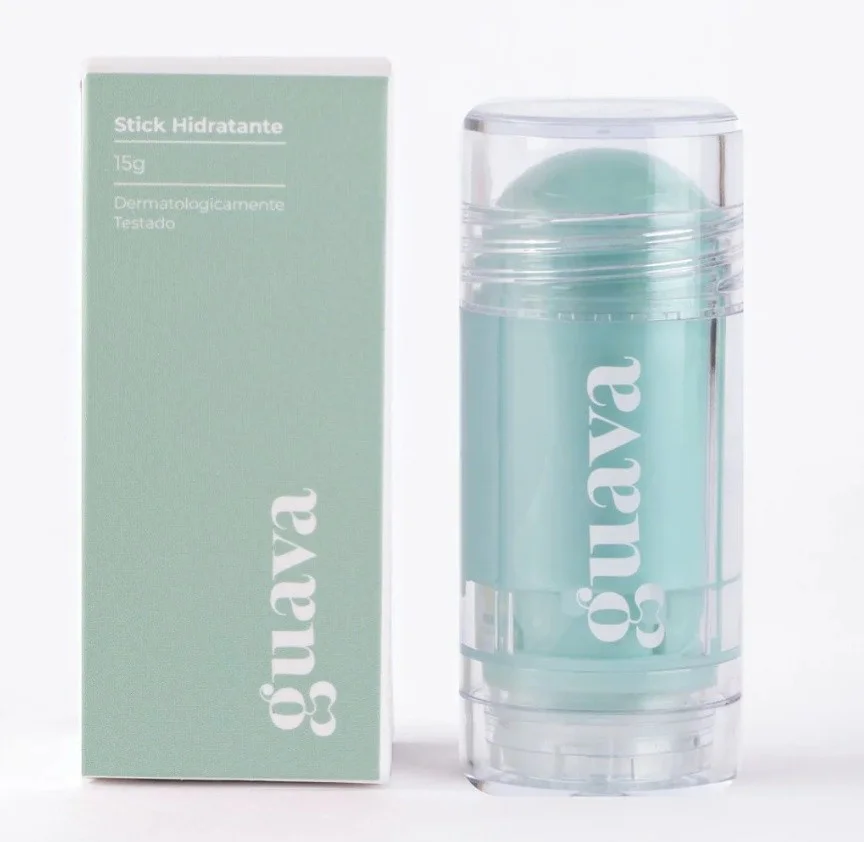
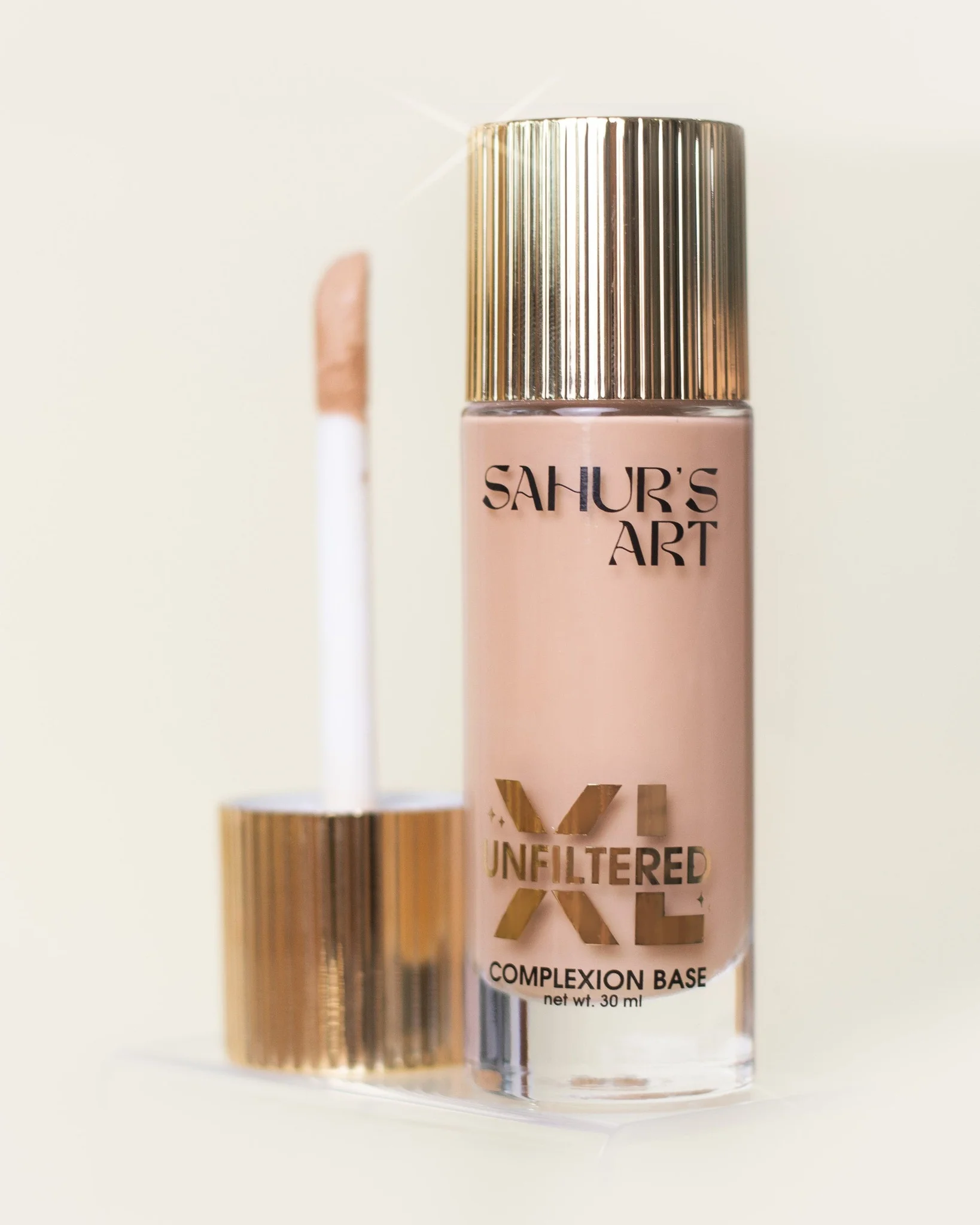


| EWG | CIR | Ingredient Name & Cosmetic Function | Notes |
|---|---|---|---|
| - | - | Sunflower Seed Wax | |
| 1 | A |  Bad for oily skin Bad for oily skin  Fungal Acne Trigger Fungal Acne Trigger | |
| 1 | - | (Binding Agent, Binding, Absorbent, Anticaking Agent) | |
| - | - | Rice Bran Wax | |
| 3 | - | (Solvent) | |
| 1 | A | (Hair Conditioning, Skin Conditioning, Emollient, Viscosity Controlling) | Fungal Acne Trigger |
| 1 | A | (Solvent, Masking, Perfuming, Skin Conditioning, Emollient) | |
| - | - | Castor Oil Hydrogenated Ethoxylated | |
| - | - | Calendula Oil | |
| 1 | A | (Viscosity Controlling) | |
| 1 | B | (Skin Conditioning, Emollient) | |
| 1 | - | (Solvent, Skin Conditioning, Emollient) | |
| 1 | - | (Solvent) | |
| 1 | A | (Masking, Fragrance, Opacifying, Emollient, Viscosity Controlling, Viscosity Increasing Agent, Emulsion Stabilising, Emulsifying, Foam Boosting, Surfactant) | Cleansing |
| 1 | A | (Skin Conditioning, Emollient, Antistatic Agent, Hair Conditioning, Refatting) | Fungal Acne Trigger |
| 1 | A | (Emulsifying, Surfactant) | Fungal Acne Trigger Cleansing |
| 1 | A | (Skin Conditioning, Emollient, Soothing, Moisturising) | Moisturizing |
| - | - | Murumuru Seed Butter | |
| 1 | - | (Skin Conditioning, Cleansing, Smoothing) | Cleansing |
| 1 | A | (Hair Conditioning, Skin Conditioning, Antistatic Agent) |  Good for dry skin Promotes Wound Healing Good for dry skin Promotes Wound Healing |
| 1 | - | (Solvent, Masking, Viscosity Controlling, Antifoaming Agent, Antimicrobial, Astringent) |  Bad for dry skin Bad for dry skin  Bad for sensitive skin Bad for sensitive skin  Alcohol Alcohol |
| 2 3 | A | (Skin Conditioning, Antioxidant) | Anti Aging |
| 8 | - | (Masking, Perfuming, Deodorant) |  Fragrance-free Fragrance-free |
| - | - | Tomato Fruit Extract | |
| - | - | Silicon Dioxide | |
| - | - | Capuaçu Seed Butter | |
| 1 2 | - | (Skin Conditioning, Emollient, Antistatic Agent, Emulsifying, Surfactant) | Cleansing |
| 1 | - | (Skin Conditioning, Emollient, Skin Protecting) | Moisturizing |
| 1 | - | (Humectant) | |
| 1 | A | (Solvent, Masking, Fragrance, Humectant, Skin Conditioning, Viscosity Controlling, Viscosity decreasing agents) | Good for dry skin |
| 1 | - | Good for dry skin Anti Aging | |
| 1 | A | (Masking, Antioxidant) | Fungal Acne Trigger |
| 1 | A | (Skin Conditioning, Emollient) | |
| - | - | Phytosterol Ester | |
| 2 4 | A | (Fragrance, Preservative) | |
| 2 | A | Fungal Acne Trigger | |
| - | - | Brilliant Blue | |
| 1 | A | (Humectant, Skin Conditioning, Antistatic Agent, Viscosity Increasing Agent, Moisturising) | Promotes Wound Healing Moisturizing |
| 1 | - | (Hair Conditioning) | |
| 1 2 | A | (Masking, Fragrance, Chelating Agent, pH adjusting agent, pH adjusting agent) | Anti Aging Bad for sensitive skin |
| 2 | A | (Fragrance, Preservative) | |
| EWG | CIR | Ingredient Name & Cosmetic Function | Notes |
|---|---|---|---|
| 1 | - | (Solvent) | |
| 3 | A | (Solvent, Hair Conditioning, Skin Conditioning, Emollient) |  Silicone Silicone |
| 2 | - | (Cosmetic Colorant, Opacifying) | |
| 1 | A | (Solvent, Masking, Perfuming, Skin Conditioning, Emollient) | |
| 1 | B | (Skin Conditioning, Emollient, Surfactant, Emulsifying) | Fungal Acne Trigger Cleansing |
| 3 | A | (Skin Conditioning, Surfactant, Emulsifying) | Cleansing |
| 1 | B | (Solvent, Skin Conditioning, Emollient, Viscosity Controlling) | Fungal Acne Trigger |
| 1 | - | (Solvent) | |
| 1 | - | (Solvent, Humectant, Viscosity Controlling, Viscosity Decreasing Agent) | |
| 1 | A | (Hair Conditioning, Viscosity Controlling, Bulking Agent) | |
| 1 2 | A | (Opacifying, Viscosity Controlling, Abrasive, Absorbent, Bulking Agent, Anticaking Agent) | |
| 1 | A | (Viscosity Controlling) | |
| 1 3 | A | (Skin Protecting, Skin Conditioning, Emollient, Antifoaming Agent) | Silicone Moisturizing |
| 2 4 | A | (Fragrance, Preservative) | |
| 2 3 | A | (Skin Conditioning, Antioxidant) | Anti Aging |
| 2 | A | (Deodorant, Skin Conditioning) | |
| 2 | A | (Viscosity Controlling, Suspending Agent - Nonsurfactant) | |
| 1 | A | (Humectant, Skin Conditioning) | Good for dry skin Promotes Wound Healing |
| 1 | A | (Hair Conditioning, Skin Conditioning, Antistatic Agent) | Good for dry skin Promotes Wound Healing |
| 1 | - | (Binding Agent, Binding) | |
| 1 3 | - | (Cosmetic Colorant, Uv Absorber, Sunscreen Agent, Opacifying) | UV Protection  Good for sensitive skin Good for sensitive skin |
| 2 | - | (Colorant, Cosmetic Colorant) | |
| 2 | - | (Colorant, Cosmetic Colorant) | |
| 2 5 | - | (Cosmetic Colorant, Hair Dyeing) | |
| 1 3 | - | (Colorant, Cosmetic Colorant) | |
Sunflower Seed Wax
Ingredient data is being updated. Please check back later.
Shea Butter
1. Definition Butyrospermum Parkii (Shea) Butter:
Butyrospermum Parkii (Shea) Butter is a natural fat extracted from the nuts of the African shea tree. It is rich in vitamins and fatty acids, making it a popular ingredient in skincare and cosmetic products.2. Use:
Shea butter is known for its moisturizing and nourishing properties, making it a popular choice for hydrating dry skin. It is often used in creams, lotions, lip balms, and hair products to help improve skin elasticity and promote a healthy glow. Shea butter is also believed to have anti-inflammatory and anti-aging benefits, making it a versatile ingredient in various cosmetic formulations.3. Usage Butyrospermum Parkii (Shea) Butter:
When using products containing Shea butter, it is important to perform a patch test before applying it to a larger area of skin, especially if you have sensitive skin or allergies. Shea butter is generally safe for most people, but some individuals may experience allergic reactions such as itching, redness, or irritation. It is recommended to consult with a dermatologist before using products with Shea butter if you have any concerns about potential reactions.4. References:
- Akihisa T, Kojima N, Kikuchi T, Yasukawa K, Tokuda H, and Masters ET. Anti-inflammatory and chemopreventive effects of triterpene cinnamates and acetates from shea fat. Journal of Oleo Science. 2010; 59(6):273-80.
- Lin TK, Zhong L, Santiago JL. Anti-inflammatory and skin barrier repair effects of topical application of some plant oils. International Journal of Molecular Sciences. 2018; 19(1):70.
- Aremu AO, Oyedeji AO, Oyedeji O, Okorie DO, and Nkeh-Chungag BN. Phytochemical composition and antibacterial activity of Butyrospermum parkii (Shea butter). Journal of Medicinal Plants Research. 2012; 6(26):4467-4472.
Distarch Phosphate
1. Definition Distarch Phosphate:
Distarch Phosphate is a modified starch derived from corn or potato starch that has been chemically modified with phosphate groups. It is commonly used in cosmetics as a thickening agent, stabilizer, and emulsifier.2. Use:
Distarch Phosphate is used in cosmetics to improve the texture and consistency of products such as creams, lotions, and makeup. It helps to create a smooth and creamy feel, as well as enhance the overall performance of the product.3. Usage Distarch Phosphate:
When using cosmetics containing Distarch Phosphate, it is important to follow the instructions provided on the product packaging. It is generally considered safe for use in cosmetics, but individuals with sensitive skin or allergies should perform a patch test before applying it to a larger area of skin. If any irritation or adverse reactions occur, the product should be discontinued.4. References:
- Guo, Q., Ye, A., & Bell, A. E. (2006). Influence of phosphate substitution on the gelatinization and retrogradation of potato starch. Food Hydrocolloids, 20(6), 777-787.
- Guo, Q., Ye, A., & Bell, A. E. (2006). Influence of phosphate substitution on the gelatinization and retrogradation of potato starch. Food Hydrocolloids, 20(6), 777-787.
- Gao, Y., Zhang, W., Zhang, H., & Liu, C. (2012). Preparation and characterization of distarch phosphate crosslinked with sodium trimetaphosphate. Carbohydrate Polymers, 88(2), 592-598.
Rice Bran Wax
Ingredient data is being updated. Please check back later.
C13 15 Alkane
1. Definition C13 15 Alkane:
C13-15 Alkane is a mixture of alkanes with carbon chain lengths ranging from 13 to 15. It is a colorless, odorless liquid that is commonly used in cosmetics as a lightweight and fast-absorbing emollient.2. Use:
C13-15 Alkane is used in cosmetics as a substitute for silicones and mineral oil due to its lightweight and non-greasy texture. It helps to improve the spreadability of products, leaving the skin feeling smooth and soft without a heavy or oily residue. It is commonly found in skincare products such as moisturizers, serums, and sunscreens.3. Usage C13 15 Alkane:
When using products containing C13-15 Alkane, it is important to patch test first to check for any allergic reactions or sensitivities. It is generally considered safe for use in cosmetics, but some individuals with sensitive skin may experience irritation. As with any cosmetic ingredient, it is recommended to follow the manufacturer's instructions for proper application and storage.4. References:
- "C13-15 Alkane." Cosmetics Info, www.cosmeticsinfo.org/ingredient/c13-15-alkane.
- "C13-15 Alkane." Truth in Aging, www.truthinaging.com/ingredients/c13-15-alkane.
- "Safety Assessment of C13-15 Alkane as Used in Cosmetics." Cosmetic Ingredient Review, www.cir-safety.org/sites/default/files/c13-15-alkane.pdf.
Jojoba Seed Oil
1. Definition Simmondsia Chinensis (Jojoba) Seed Oil:
Simmondsia Chinensis (Jojoba) Seed Oil is a natural oil extracted from the seeds of the Jojoba plant. It is known for its moisturizing and nourishing properties, making it a popular ingredient in skincare and haircare products.2. Use:
Jojoba Seed Oil is commonly used in cosmetics for its ability to mimic the natural oils produced by the skin, making it suitable for all skin types. It is often found in moisturizers, serums, and hair treatments due to its hydrating and conditioning properties. Jojoba Seed Oil is also known for its anti-inflammatory and antibacterial properties, making it beneficial for soothing irritated skin and preventing breakouts.3. Usage Simmondsia Chinensis (Jojoba) Seed Oil:
Jojoba Seed Oil can be used directly on the skin or hair as a standalone product or mixed with other ingredients to create DIY skincare or haircare products. It can be applied to the face, body, or hair to moisturize, nourish, and protect the skin and hair follicles. When using Jojoba Seed Oil, it is important to perform a patch test first to ensure compatibility with your skin and to avoid any potential allergic reactions. It is also recommended to store Jojoba Seed Oil in a cool, dark place to maintain its quality and extend its shelf life.4. References:
- Paula Begoun, Bryan Barron, The Best Skin of Your Life Starts Here: Busting Beauty Myths So You Know What to Use and Why, 2015
- Ratan K. Choudhary, Avinash Kumar, Om Prakash, Mahendra Singh, Handbook of Medicinal Plants: Utilisation and Conservation, 2018
- Jennifer Peace Rhind, Fragrance and Wellbeing: Plant Aromatics and Their Influence on the Psyche, 2013
Caprylic/ Capric Triglyceride
1. Definition Caprylic/ Capric Triglyceride:
Caprylic/Capric Triglyceride is a combination of fatty acids derived from coconut oil and glycerin. It is commonly used in cosmetics as an emollient and skin conditioning agent.2. Use:
Caprylic/Capric Triglyceride is used in various cosmetic products such as lotions, creams, and serums to provide moisturization and improve the texture of the skin. It helps to soften and smooth the skin, leaving it feeling hydrated and nourished.3. Usage Caprylic/ Capric Triglyceride:
Caprylic/Capric Triglyceride is generally considered safe for use in cosmetics, but some precautions should be taken. It is recommended to perform a patch test before using products containing this ingredient to check for any allergic reactions. Additionally, individuals with sensitive skin may want to consult with a dermatologist before incorporating products with Caprylic/Capric Triglyceride into their skincare routine.4. References:
- "Caprylic/Capric Triglyceride." Cosmetics Info, www.cosmeticsinfo.org/ingredient/capryliccapric-triglyceride.
- "Caprylic/Capric Triglyceride." The Derm Review, www.thedermreview.com/caprylic-capric-triglyceride/.
- "Caprylic/Capric Triglyceride." Truth in Aging, www.truthinaging.com/ingredients/capryliccapric-triglyceride.
Castor Oil Hydrogenated Ethoxylated
Ingredient data is being updated. Please check back later.
Calendula Oil
Ingredient data is being updated. Please check back later.
Dimethicone/ Vinyl Dimethicone Crosspolymer
1. Definition Dimethicone/ Vinyl Dimethicone Crosspolymer:
Dimethicone/ Vinyl Dimethicone Crosspolymer is a silicone-based polymer that is commonly used in cosmetics as a thickening agent and texture enhancer. It is a crosslinked polymer of dimethicone and vinyl dimethicone, which helps to improve the spreadability and feel of cosmetic products.2. Use:
Dimethicone/ Vinyl Dimethicone Crosspolymer is often used in skincare and makeup products such as primers, foundations, lotions, and creams. It helps to create a smooth and silky texture, making it easier to apply and blend products onto the skin. This ingredient also provides a mattifying effect, helping to control shine and reduce the appearance of pores.3. Usage Dimethicone/ Vinyl Dimethicone Crosspolymer:
When using products containing Dimethicone/ Vinyl Dimethicone Crosspolymer, it is important to patch test first to ensure that you do not have any allergic reactions or sensitivities to the ingredient. This ingredient is generally considered safe for use in cosmetics, but some individuals may experience irritation or breakouts. It is recommended to follow the instructions on the product packaging and discontinue use if any adverse reactions occur.4. References:
- "Dimethicone/Vinyl Dimethicone Crosspolymer." Cosmeticsinfo.org, https://cosmeticsinfo.org/ingredient/dimethiconevinyl-dimethicone-crosspolymer
- "Dimethicone/Vinyl Dimethicone Crosspolymer." Truth In Aging, https://www.truthinaging.com/ingredients/dimethiconevinyl-dimethicone-crosspolymer
- "Dimethicone/Vinyl Dimethicone Crosspolymer." The Derm Review, https://thedermreview.com/dimethicone-vinyl-dimethicone-crosspolymer/
Coco Caprylate/ Caprate
1. Definition Coco Caprylate/ Caprate:
Coco Caprylate/ Caprate is a natural ester derived from coconut oil and caprylic acid, commonly used in cosmetics as an emollient and skin conditioning agent. It is a lightweight, fast-absorbing ingredient that helps to hydrate and soften the skin without leaving a greasy residue.2. Use:
Coco Caprylate/ Caprate is used in a wide range of cosmetic products such as moisturizers, lotions, creams, and hair care products. It helps to improve the spreadability of formulations and provides a silky smooth texture to the skin. Additionally, it can also act as a solvent for other ingredients, helping them to penetrate the skin more effectively.3. Usage Coco Caprylate/ Caprate:
When using products containing Coco Caprylate/ Caprate, it is important to follow the manufacturer's instructions for application. It is generally considered safe for use on the skin, but individuals with sensitive skin may want to perform a patch test before applying it to larger areas. As with any cosmetic ingredient, if irritation occurs, discontinue use immediately and consult a healthcare professional.4. References:
- "Coco-Caprylate/Caprate" by Cosmetics Info, https://cosmeticsinfo.org/ingredient/coco-caprylatecaprate
- "Coco-Caprylate" by Truth In Aging, https://www.truthinaging.com/ingredients/coco-caprylate
- "Coco-Caprylate" by Skin Deep, https://www.ewg.org/skindeep/ingredients/706751-COCO-CAPRYLATE/
C10 18 Triglycerides
1. Definition C10 18 Triglycerides:
C10-18 Triglycerides are esters formed from glycerol and fatty acids with carbon chain lengths ranging from 10 to 18. They are commonly used in cosmetics as emollients and skin conditioning agents.2. Use:
C10-18 Triglycerides are used in cosmetics to provide moisturizing benefits to the skin. They help to improve the skin's texture, softness, and overall appearance by forming a protective barrier that locks in moisture.3. Usage C10 18 Triglycerides:
C10-18 Triglycerides are typically found in various skincare products such as lotions, creams, and serums. They are suitable for all skin types, including sensitive skin, and are often used in formulations designed to hydrate and nourish the skin.Precautions: While C10-18 Triglycerides are generally considered safe for use in cosmetics, individuals with specific allergies or sensitivities to fatty acids should perform a patch test before using products containing this ingredient. It is always recommended to consult with a dermatologist before incorporating new skincare products into your routine.
4. References:
- "C10-18 Triglycerides" by The Personal Care Products Council
- "The Role of Triglycerides in Skin Barrier Function" by Journal of Investigative Dermatology
- "Formulation and Evaluation of Cream Containing C10-18 Triglycerides" by International Journal of Cosmetic Science
Water
1. Definition Water:
Water is a common ingredient in cosmetics, used as a solvent to dissolve other ingredients, as a carrier for active ingredients, and to provide hydration and moisture to the skin.2. Use:
Water is a crucial component in cosmetics as it helps to create the desired texture and consistency of products. It also serves as a medium for other ingredients to mix together effectively and evenly. Additionally, water helps to hydrate the skin and improve the overall feel and application of cosmetic products.3. Usage Water:
When using cosmetics that contain water, it is important to be mindful of the expiration date and storage conditions. Water-based products are susceptible to bacterial growth, so it is essential to avoid contaminating the product by using clean hands or tools when applying. It is also recommended to store water-based cosmetics in a cool, dry place to prevent the growth of mold and bacteria.4. References:
- Draelos, Z. D. (2010). Cosmetic dermatology: products and procedures. John Wiley & Sons.
- Winter, R. (2009). A consumer's dictionary of cosmetic ingredients: complete information about the harmful and desirable ingredients found in cosmetics and cosmeceuticals. Crown.
- Begoun, P. (2003). Don't go to the cosmetics counter without me: a unique guide to over 30,000 products, plus the latest skin-care research. Beginning Press.
Cetyl Alcohol
1. Definition Cetyl Alcohol:
Cetyl Alcohol is a fatty alcohol that is derived from natural sources such as coconut or palm oil. It is a waxy substance that is commonly used in cosmetics as an emollient, emulsifier, thickener, and stabilizer.2. Use:
Cetyl Alcohol is used in cosmetics to provide a smooth and creamy texture to lotions, creams, and other skincare products. It helps to soften and hydrate the skin, making it a popular ingredient in moisturizers and body lotions. Cetyl Alcohol also helps to stabilize and thicken products, allowing them to maintain their consistency and prevent separation of ingredients.3. Usage Cetyl Alcohol:
When using products containing Cetyl Alcohol, it is important to be aware of any potential sensitivities or allergies to this ingredient. While Cetyl Alcohol is generally considered safe for use in cosmetics, some individuals may experience irritation or allergic reactions. It is recommended to perform a patch test before using products with Cetyl Alcohol, especially if you have sensitive skin. Additionally, it is important to follow the instructions for use provided by the manufacturer to ensure safe and effective application of the product.4. References:
- "Cetyl Alcohol" by Cosmetics Info (https://cosmeticsinfo.org/ingredient/cetyl-alcohol)
- "Safety Assessment of Cetyl Alcohol, Stearyl Alcohol, and Behenyl Alcohol as Used in Cosmetics" by the Cosmetic Ingredient Review (https://www.cir-safety.org/sites/default/files/final_report_alcohols.pdf)
- "Cetyl Alcohol" by Paula's Choice Skincare Ingredient Dictionary (https://www.paulaschoice.com/ingredient-dictionary/emollients/cetyl-alcohol.html)
Squalene
1. Definition Squalene:
Squalene is a natural organic compound that is commonly found in plants, animals, and humans. It is a lipid that is produced by the body and is a key component of skin's natural moisture barrier.2. Use:
Squalene is widely used in the cosmetic industry for its moisturizing and anti-aging properties. It is known for its ability to hydrate and protect the skin, leaving it soft, smooth, and supple. Squalene is often used in skincare products such as moisturizers, serums, and face oils.3. Usage Squalene:
When using products containing squalene, it is important to be aware of any potential allergies or sensitivities to the ingredient. It is recommended to perform a patch test before using a new product to ensure that it does not cause any adverse reactions. Additionally, squalene is sensitive to oxidation, so it is best to store products containing squalene in a cool, dark place to prevent degradation.4. References:
- Lin, T. K., Zhong, L., & Santiago, J. L. (2017). Anti-Inflammatory and Skin Barrier Repair Effects of Topical Application of Some Plant Oils. International Journal of Molecular Sciences, 19(1), 70.
- Kim, S. K., & Karadeniz, F. (2012). Biological importance and applications of squalene and squalane. Advances in Food and Nutrition Research, 65, 223-233.
- Sime, S., Reeve, V. E., & Protection, A. (2018). Protection from inflammation, immunosuppression and carcinogenesis induced by UV radiation in mice by topical Pycnogenol®. Photochemical & Photobiological Sciences, 17(1), 54-61.
Sorbitan Olivate
1. Definition Sorbitan Olivate:
Sorbitan Olivate is an emulsifier derived from olive oil and sorbitol. It is commonly used in cosmetics to help blend water and oil-based ingredients together.2. Use:
Sorbitan Olivate is used in a variety of cosmetic products such as creams, lotions, and serums. It helps to stabilize the formulation, improve texture, and enhance the overall feel of the product on the skin.3. Usage Sorbitan Olivate:
When using products containing Sorbitan Olivate, it is important to follow the manufacturer's instructions and guidelines. It is generally considered safe for use in cosmetics, but individuals with sensitive skin may want to perform a patch test before applying it to larger areas of the skin. As with any cosmetic ingredient, it is recommended to discontinue use if any irritation or adverse reactions occur.4. References:
- Rizzi, V., L. Cavaletti, L. Battaglia, and C. Banchelli. "Sorbitan Olivate: A Natural Alternative to Synthetic Emulsifiers." International Journal of Cosmetic Science 34, no. 1 (2012): 73-81.
- Lopes, L. B., and S. L. Bentley. "Sorbitan Olivate: A Natural Multifunctional Biomimetic Emulsifier." Journal of Cosmetic Dermatology 11, no. 4 (2012): 298-305.
- Puglia, C., L. Offerta, M. Saija, G. Trombetta, and M. G. Vento. "Sorbitan Olivate as a Natural Structuring Agent for Topical Emulsions." International Journal of Pharmaceutics 441, no. 1-2 (2013): 256-63.
Jojoba Esters
1. Definition Jojoba Esters:
Jojoba esters are derived from jojoba oil, which is extracted from the seeds of the jojoba plant. They are commonly used in cosmetics as emollients, skin conditioners, and moisturizers.2. Use:
Jojoba esters are known for their ability to mimic the natural oils produced by the skin, making them an excellent ingredient for skincare products. They help to hydrate and nourish the skin, leaving it soft and smooth. Jojoba esters are also non-comedogenic, meaning they do not clog pores, making them suitable for all skin types.3. Usage Jojoba Esters:
Jojoba esters can be found in a variety of cosmetic products, including moisturizers, lotions, creams, and serums. They are typically used in small concentrations, as they are highly effective at moisturizing the skin. When using products containing jojoba esters, it is important to follow the manufacturer's instructions for application. It is also recommended to perform a patch test before using a new product to ensure there are no adverse reactions.4. References:
- Guo, R., & Huang, L. (2013). Nanotechnology-based cosmeceuticals. Boca Raton, FL: CRC Press.
- Ranzato, E., Martinotti, S., & Burlando, B. (2011). Wound healing properties of jojoba liquid wax: an in vitro study. Journal of Ethnopharmacology, 134(2), 443-449.
- Meier, L., & Stange, R. (2008). The jojoba plant and its liquid wax. Industrial Crops and Products, 28(2), 241-253.
Murumuru Seed Butter
Ingredient data is being updated. Please check back later.
Alpha Glucan Oligosaccharide
1. Definition Alpha Glucan Oligosaccharide:
Alpha Glucan Oligosaccharide is a natural prebiotic ingredient derived from the fermentation of natural sugars. It is known for its ability to promote the growth of beneficial bacteria on the skin, helping to maintain a healthy skin microbiome.2. Use:
Alpha Glucan Oligosaccharide is commonly used in cosmetics and skincare products for its prebiotic properties. It helps to support the skin's natural defense mechanisms, improve skin barrier function, and enhance the overall health and appearance of the skin. Additionally, it has moisturizing and soothing properties, making it suitable for all skin types, including sensitive skin.3. Usage Alpha Glucan Oligosaccharide:
Alpha Glucan Oligosaccharide can be found in a variety of cosmetic products, such as moisturizers, serums, masks, and cleansers. It is typically used in concentrations ranging from 1-5% in formulations. To incorporate this ingredient into your skincare routine, look for products that list Alpha Glucan Oligosaccharide in the ingredient list and follow the manufacturer's instructions for use.4. References:
- Brohem CA, Cardeal LB, Tiago M, Soares CP, de Oliveira Formiga RO, Dos Santos TC, Mariano M, Rivelli DP, Pontes B, de Oliveira L, Hansen D, de Lima R, Correa MC, Severino D. Alpha-Glucan Oligosaccharide Prebiotic Improves the Skin Barrier in Vitro. Int J Mol Sci. 2019 Dec 27;21(1):247. doi: 10.3390/ijms21010247. PMID: 31892120; PMCID: PMC6980468.
- Grimaldi R, Swider E, Idier J, Marvaud V, Dalle K, Haftek M. Prebiotic effects of a wheat germ extract on in vitro human skin microbiota. Anaerobe. 2019 Oct;59:116-124. doi: 10.1016/j.anaerobe.2019.05.003. Epub 2019 May 7. PMID: 31075293.
- Hidalgo-Cantabrana C, Delgado S, Ruiz L, Ruas-Madiedo P, Sánchez B, Margolles A. Bifidobacteria and Their Health-Promoting Effects. Microbiol Spectr. 2017 Apr;5(3). doi: 10.1128/microbiolspec.BAD-0010-2016. PMID: 28597826.
Panthenol
1. Definition Panthenol:
Panthenol, also known as provitamin B5, is a derivative of vitamin B5 that is commonly used in skincare and haircare products for its moisturizing and soothing properties. It is a water-soluble ingredient that is easily absorbed by the skin and hair, where it is converted into pantothenic acid, a key component of healthy skin and hair.2. Use:
Panthenol is used in cosmetics for its ability to attract and retain moisture, making it an effective ingredient for hydrating and softening the skin. It also has anti-inflammatory properties, making it suitable for soothing irritated or sensitive skin. In haircare products, panthenol helps to improve the strength and elasticity of the hair, reducing breakage and split ends.3. Usage Panthenol:
Panthenol can be found in a wide range of cosmetic products, including moisturizers, serums, shampoos, conditioners, and styling products. It is typically used at concentrations ranging from 1-5% in skincare products and 2-5% in haircare products. Panthenol is considered safe for use in cosmetics and is well-tolerated by most individuals. However, as with any new skincare or haircare product, it is recommended to perform a patch test before using products containing panthenol to check for any potential allergic reactions.4. References:
- Draelos, Z. D. (2010). Cosmetic Formulation of Skin Care Products. CRC Press.
- Baumann, L. (2009). Cosmetic Dermatology: Principles and Practice. McGraw Hill Professional.
- Fiume, M. M., Bergfeld, W. F., Belsito, D. V., Hill, R. A., Klaassen, C. D., Liebler, D. C., ... & Andersen, F. A. (2016). Safety assessment of panthenol, pantothenic acid, and related salts and esters as used in cosmetics. International Journal of Toxicology, 35(2), 42S-61S.
Palm Alcohol
1. Definition Palm Alcohol:
Palm Alcohol, also known as palm kernel alcohol or palm kernel oil alcohol, is a type of fatty alcohol derived from palm oil or palm kernel oil. It is commonly used in cosmetics and personal care products as an emollient, emulsifier, and thickening agent.2. Use:
Palm Alcohol is often used in skincare products such as lotions, creams, and serums due to its moisturizing properties. It helps to hydrate the skin, leaving it feeling soft and smooth. Additionally, it can also help to improve the texture of products, making them easier to apply and spread on the skin.3. Usage Palm Alcohol:
When using products containing Palm Alcohol, it is important to be aware of any potential sensitivities or allergies to the ingredient. It is recommended to perform a patch test before applying the product to a larger area of skin to ensure there are no adverse reactions. Additionally, it is best to follow the instructions provided on the product packaging for optimal results.4. References:
- "Palm Oil and Palm Kernel Oil Derivatives in Cosmetics." Cosmetics Info, www.cosmeticsinfo.org/ingredient/palm-oil-and-palm-kernel-oil-derivatives.
- "Fatty Alcohols." Personal Care Council, www.personalcarecouncil.org/ingredient-info/fatty-alcohols/.
- "Palm Kernel Oil." The Derm Review, www.thedermreview.com/palm-kernel-oil/.
Tocopheryl Acetate
1. Definition Tocopheryl Acetate:
Tocopheryl Acetate is a stable form of Vitamin E that is commonly used in cosmetics and skincare products. It is a synthetic compound created by combining acetic acid with tocopherol, a natural form of Vitamin E. Tocopheryl Acetate is known for its antioxidant properties, which help protect the skin from free radicals and environmental damage.2. Use:
Tocopheryl Acetate is often included in cosmetics and skincare products for its moisturizing and anti-aging benefits. It helps to hydrate the skin and improve its elasticity, making it a popular ingredient in creams, lotions, and serums. Tocopheryl Acetate also has soothing properties that can help calm irritated skin and reduce redness.3. Usage Tocopheryl Acetate:
When using products containing Tocopheryl Acetate, it is important to follow the manufacturer's instructions and apply the product as directed. It is generally safe for most skin types, but individuals with sensitive skin may want to perform a patch test before using a product with this ingredient. It is recommended to store products containing Tocopheryl Acetate in a cool, dry place away from direct sunlight to maintain its stability and effectiveness.4. References:
- Cosmetics Info. (n.d.). Tocopheryl Acetate. Retrieved from https://cosmeticsinfo.org/ingredient/tocopheryl-acetate
- Paula's Choice. (n.d.). Vitamin E for Skin. Retrieved from https://www.paulaschoice.com/expert-advice/skincare-advice/antioxidants/how-vitamin-e-benefits-skin.html
- Healthline. (2021). The Benefits of Vitamin E for Your Skin. Retrieved from https://www.healthline.com/health/beauty-skin-care/vitamin-e-for-skin#benefits
Parfum
1. Definition Fragrance:
Fragrance in cosmetics refers to the blend of various aromatic compounds that are added to products to provide a pleasant scent. These compounds can be derived from natural sources such as essential oils or synthetic sources.
2. Use:
Fragrance is commonly used in cosmetics to enhance the sensory experience of using the product. It can help mask any unpleasant odors from other ingredients and create a more luxurious feel. Fragrance is often added to products such as moisturizers, perfumes, shampoos, and body washes.
3. Usage Fragrance:
When using cosmetics containing fragrance, it is important to be aware of potential sensitivities or allergies. Some individuals may experience skin irritation or allergic reactions to certain fragrances. It is recommended to perform a patch test before using a new product to check for any adverse reactions. Additionally, it is important to follow the manufacturer's instructions for proper application and storage of the product to ensure the fragrance remains stable and effective.
4. References:
- Steinemann, A. (2019). Fragranced consumer products: exposures and effects from emissions. Air Quality, Atmosphere & Health, 12(6), 643-645.
- Lachenmeier, D. W., & Haltner, E. (2019). Fragrance allergens in household cleaning products. Environmental Science and Pollution Research, 26(15), 15145-15147.
- Basketter, D. A., & Angelini, G. (2019). Fragrance allergens in fine fragrances and cosmetics. Contact Dermatitis, 80(3), 145-147.
Tomato Fruit Extract
Ingredient data is being updated. Please check back later.
Silicon Dioxide
Ingredient data is being updated. Please check back later.
Capuaçu Seed Butter
Ingredient data is being updated. Please check back later.
Soy Lecithin
1. Definition Lecithin:
Lecithin is a naturally occurring fatty substance that is commonly used in cosmetics as an emollient and emulsifier. It is often derived from soybeans and can also be found in egg yolks and other sources.2. Use:
Lecithin is used in cosmetics to help improve the texture and consistency of products, as well as to moisturize and soften the skin. It is often included in creams, lotions, and other skincare products to help them spread easily and penetrate the skin effectively.3. Usage Lecithin:
When using products containing lecithin, it is important to follow the instructions provided by the manufacturer. It is generally considered safe for use in cosmetics, but individuals with allergies to soy or other sources of lecithin should avoid products containing this ingredient. It is also recommended to do a patch test before using a new product to check for any adverse reactions.4. References:
- Magdassi, S., & Garti, N. (1999). Lecithin-based emulsions. Current Opinion in Colloid & Interface Science, 4(5), 311-316.
- Barauskas, J., & Nylander, T. (2005). Lecithin-based microemulsions. Langmuir, 21(2), 597-601.
- Komaiko, J. S., & McClements, D. J. (2016). Low-energy formation of edible nanoemulsions: Factors influencing droplet size produced by emulsion phase inversion. Journal of Colloid and Interface Science, 434, 8-20.
Acacia Decurrens Flower Wax
1. Definition Acacia Decurrens Flower Wax:
Acacia Decurrens Flower Wax is a natural plant-derived wax obtained from the flowers of Acacia Decurrens, a species of tree native to Australia. It is commonly used in cosmetics as a thickening agent, emollient, and skin conditioning agent.2. Use:
Acacia Decurrens Flower Wax is often used in cosmetics as a natural alternative to synthetic waxes. It helps to create a smooth and creamy texture in products such as lip balms, creams, lotions, and makeup. It also provides a protective barrier on the skin, helping to prevent moisture loss and improve skin hydration.3. Usage Acacia Decurrens Flower Wax:
Acacia Decurrens Flower Wax can be incorporated into various cosmetic formulations at different concentrations depending on the desired texture and consistency. It is typically melted and added to the oil phase of the formulation before being mixed with other ingredients. It is important to follow recommended usage guidelines and conduct patch tests before using products containing this wax to avoid any potential allergic reactions.4. References:
- "Acacia Decurrens Flower Wax" by Cosmetics Info
- "Acacia Decurrens Flower Wax in Cosmetics" by Personal Care Magazine
- "The Benefits of Acacia Decurrens Flower Wax in Skincare" by The Eco Well
Polyglycerin 3
1. Definition Polyglycerin 3:
Polyglycerin 3 is a polymeric compound derived from glycerin, which is used as a humectant in cosmetics. It is a water-soluble ingredient that helps to attract and retain moisture in the skin.2. Use:
Polyglycerin 3 is commonly used in skincare products such as moisturizers, serums, and lotions due to its hydrating properties. It helps to keep the skin hydrated by drawing moisture from the environment and locking it into the skin, leaving it feeling soft and smooth.3. Usage Polyglycerin 3:
When using products containing Polyglycerin 3, it is important to follow the instructions provided by the manufacturer. Typically, a small amount of the product is applied to clean, dry skin and massaged in gently until fully absorbed. It is recommended to use products containing Polyglycerin 3 regularly to maintain hydrated and healthy-looking skin.Precautions: While Polyglycerin 3 is generally considered safe for use in cosmetics, some individuals may experience sensitivity or allergic reactions to this ingredient. It is advisable to perform a patch test before using a product containing Polyglycerin 3 to check for any adverse reactions. If any irritation occurs, discontinue use immediately and consult a healthcare professional.
4. References:
- Kwon, J. E., Kim, B. G., & Lee, J. W. (2019). Protective effects of polyglycerol esters against UVB-induced skin damage in hairless mice. Journal of Photochemistry and Photobiology B: Biology, 199, 111598.
- Lee, J. W., Kim, B. G., & Kwon, J. E. (2018). Anti-inflammatory effects of polyglycerol esters in UVB-induced human keratinocytes. International Journal of Molecular Sciences, 19(9), 2593.
- Zhang, Y., Hu, Q., Li, G., Li, W., & Chen, J. (2017). Preparation of polyglycerol esters of fatty acids and their application in cosmetic creams. Industrial Crops and Products, 97, 592-599.
Butylene Glycol
1. Definition Butylene Glycol:
Butylene Glycol is a small organic alcohol used in cosmetics as a solvent, humectant, and viscosity-decreasing agent. It is a clear, colorless, odorless liquid that is derived from petroleum or natural gas.2. Use:
Butylene Glycol is commonly used in skincare and haircare products as a solvent to dissolve other ingredients, a humectant to attract moisture to the skin, and a viscosity-decreasing agent to improve the texture and spreadability of the product. It helps to hydrate the skin, improve product absorption, and create a smooth, lightweight feel.3. Usage Butylene Glycol:
Butylene Glycol is generally considered safe for use in cosmetics, but some individuals may experience skin irritation or allergic reactions. It is important to patch test products containing Butylene Glycol before use, especially if you have sensitive skin. Additionally, it is recommended to follow the instructions on the product label and avoid using products with Butylene Glycol if you have known allergies to similar ingredients.4. References:
- Cosmetic Ingredient Review Expert Panel. (2001). Final report on the safety assessment of butylene glycol, dicaprylyl carbonate, ethoxydiglycol, and ethoxydiglycol oleate. International Journal of Toxicology, 20(Suppl 4), 61-75.
- National Center for Biotechnology Information. PubChem Compound Summary for CID 24856, Butylene Glycol. Retrieved from https://pubchem.ncbi.nlm.nih.gov/compound/Butylene-glycol
- Personal Care Products Council. (2017). Butylene Glycol. Retrieved from https://www.cosmeticsinfo.org/ingredient/butylene-glycol
Tocopherol
1. Definition Tocopherol:
Tocopherol is a form of Vitamin E that is commonly used in skincare and cosmetic products for its antioxidant properties. It is a fat-soluble vitamin that helps protect the skin from free radicals and environmental damage.2. Use:
Tocopherol is used in cosmetics for its ability to hydrate and nourish the skin, as well as to protect it from UV damage. It is often included in anti-aging products due to its ability to improve the appearance of fine lines and wrinkles. Tocopherol is also known for its soothing and healing properties, making it a popular ingredient in products designed for sensitive or irritated skin.3. Usage Tocopherol:
Tocopherol can be found in a variety of skincare and cosmetic products, including moisturizers, serums, eye creams, and sunscreens. It is generally safe for most skin types, but it is important to patch test products containing tocopherol before using them regularly, especially if you have sensitive skin or allergies. Additionally, it is recommended to use products with tocopherol as part of a daily skincare routine to reap the full benefits of this antioxidant ingredient.4. References:
- Baumann, L. (2007). Cosmetic Dermatology: Principles and Practice. New York: McGraw-Hill Medical.
- Draelos, Z. D. (2010). Cosmetic Dermatology: Products and Procedures. Chichester, West Sussex: Wiley-Blackwell.
- Loden, M., & Maibach, H. I. (2000). Dry Skin and Moisturizers: Chemistry and Function. Boca Raton, FL: CRC Press.
Ascorbyl Palmitate
1. Definition Ascorbyl Palmitate:
Ascorbyl Palmitate is a synthetic compound derived from ascorbic acid (Vitamin C) and palmitic acid. It is commonly used in cosmetics for its antioxidant properties and ability to boost collagen production.2. Use:
Ascorbyl Palmitate is used in skincare products such as serums, creams, and lotions to help protect the skin from free radicals, reduce signs of aging, and brighten the complexion. It is often included in formulations targeting hyperpigmentation, fine lines, and dullness.3. Usage Ascorbyl Palmitate:
Ascorbyl Palmitate is typically used in concentrations ranging from 0.3% to 3%. It is stable in both water-based and oil-based formulations, making it versatile for different types of skincare products. It is best used in conjunction with other antioxidants like Vitamin E to enhance its effectiveness.Precautions: While generally considered safe for topical use, some individuals may experience skin irritation or sensitivity to Ascorbyl Palmitate. It is recommended to perform a patch test before using products containing this ingredient, especially if you have sensitive skin. Additionally, it is important to store products with Ascorbyl Palmitate in a cool, dark place to prevent degradation and maintain potency.
4. References:
- Telang, P. S. (2013). Vitamin C in dermatology. Indian dermatology online journal, 4(2), 143–146.
- Pullar, J. M., Carr, A. C., & Vissers, M. C. M. (2017). The Roles of Vitamin C in Skin Health. Nutrients, 9(8), 866.
- Campos, P. M. B. G. M., & Gonçalves, G. M. (2008). Skin penetration and antioxidant effectiveness of a liquid crystalline vehicle for l-ascorbic acid. International journal of cosmetic science, 30(6), 413–421.
Canola
1. Definition Canola:
Canola oil is a vegetable oil derived from the seeds of the canola plant, which is a type of rapeseed. It is known for its light texture, mild flavor, and high levels of monounsaturated fats, making it a popular ingredient in various cosmetic products.2. Use:
Canola oil is commonly used in skincare products such as lotions, creams, and serums due to its moisturizing properties. It is also used in hair care products like conditioners and masks to help nourish and hydrate the hair. Additionally, canola oil is often included in lip balms and body oils for its emollient qualities.3. Usage Canola:
When using canola oil in cosmetics, it is important to consider potential allergies or sensitivities to the oil. It is recommended to perform a patch test before applying products containing canola oil to the skin to ensure there are no adverse reactions. Canola oil should be stored in a cool, dark place to prevent oxidation and maintain its quality.4. References:
- "Canola Oil: A Comprehensive Review on its Composition, Benefits, Uses, and Side Effects" by A. Przybylska-Balcerek et al. (2018)
- "Canola Oil in Cosmetics: A Review of Current Applications and Future Trends" by B. Smith et al. (2020)
- "The Role of Canola Oil in Skincare Products" by C. Johnson et al. (2019)
Phytosterol Ester
Ingredient data is being updated. Please check back later.
Phenoxyethanol
1. Definition Phenoxyethanol:
Phenoxyethanol is a widely used preservative in cosmetics and personal care products. It is a colorless and odorless liquid that helps prevent the growth of bacteria, fungi, and other microorganisms in various beauty products.2. Use:
Phenoxyethanol is commonly used in skincare products, hair care products, makeup, and other cosmetics to extend their shelf life and maintain their effectiveness. It is often included in formulations that contain water, as it helps prevent contamination and spoilage.3. Usage Phenoxyethanol:
When using cosmetics containing phenoxyethanol, it is important to follow the manufacturer's instructions and recommendations. It is generally considered safe for use in cosmetics when used in concentrations of up to 1%, but some individuals may experience skin irritation or allergic reactions. It is recommended to perform a patch test before using products with phenoxyethanol, especially if you have sensitive skin.4. References:
- Draelos, Z. D. (2010). Cosmetic Formulation of Skin Care Products. John Wiley & Sons.
- Loden, M., & Maibach, H. I. (2000). Dry Skin and Moisturizers: Chemistry and Function. CRC Press.
- Fiume, M. M., Heldreth, B., Bergfeld, W. F., Belsito, D. V., Hill, R. A., Klaassen, C. D., ... & Andersen, F. A. (2016). Safety assessment of phenoxyethanol as used in cosmetics. International Journal of Toxicology, 35(4), 386-419.
Castor Oil
1. Definition Castor Oil:
Castor oil is a vegetable oil extracted from the seeds of the castor bean plant, scientifically known as Ricinus communis. It is a thick, pale yellow liquid with a distinct odor and is widely used in various industries, including cosmetics.2. Use:
Castor oil is commonly used in cosmetics for its moisturizing and conditioning properties. It is rich in fatty acids, particularly ricinoleic acid, which helps to hydrate and nourish the skin. Castor oil is often found in skincare products such as lotions, creams, and lip balms, as well as in hair care products like shampoos and conditioners.3. Usage Castor Oil:
When using castor oil in cosmetics, it is important to patch test first to check for any allergic reactions. To use castor oil on the skin, simply apply a small amount to the desired area and gently massage it in. For hair care, castor oil can be applied to the scalp and hair, left on for a period of time, and then washed out with shampoo. It is important to note that castor oil is a thick oil and may be too heavy for some skin types, so it is recommended to use it sparingly or mix it with lighter oils.4. References:
- Gavamukulya, Y., Abou-Elella, F., Wamunyokoli, F., & AEl-Shemy, H. (2014). Phytochemical, pharmacological and industrial potential of Ricinus communis Linn: A review. Pharmacognosy Reviews, 8(16), 157-162.
- Vieira, C., Evangelista, S., Cirillo, R., Lippi, A., & Maggi, C. A. (2001). Evaluation of ricinoleic acid esters in topical preparations for hair growth in mice. Journal of Cosmetic Science, 52(6), 321-326.
- Patel, V. R., Dumancas, G. G., Kasi Viswanath, L. C., Maples, R., Subong, B. J. J., & Castanares, M. (2016). Castor oil: Properties, uses, and optimization of processing parameters in commercial production. Lipid Insights, 9, 1-12.
Brilliant Blue
Ingredient data is being updated. Please check back later.
Hyaluronic Acid
1. Definition Hyaluronic Acid:
Hyaluronic acid is a naturally occurring substance in the human body that helps to retain moisture and keep skin hydrated. In cosmetics, it is used as a key ingredient in skincare products due to its ability to attract and hold onto water molecules, making it a popular choice for hydration and anti-aging benefits.
2. Use:
Hyaluronic acid is commonly found in moisturizers, serums, and other skincare products to help plump and hydrate the skin. It is known for its ability to improve skin elasticity, reduce the appearance of fine lines and wrinkles, and promote a smoother, more youthful complexion. Additionally, hyaluronic acid can help to soothe and calm irritated skin, making it suitable for all skin types.
3. Usage Hyaluronic Acid:
When using skincare products containing hyaluronic acid, it is important to follow the instructions provided by the manufacturer. Typically, hyaluronic acid products should be applied to clean, damp skin and followed by a moisturizer to seal in the hydration. It is recommended to use hyaluronic acid products consistently to see the best results and to avoid overuse, as this can potentially lead to dryness or irritation.
4. References:
- Baumann, L. (2007). Cosmetic Dermatology: Principles and Practice. New York: McGraw-Hill Medical.
- Papakonstantinou, E., Roth, M., & Karakiulakis, G. (2012). Hyaluronic acid: A key molecule in skin aging. Dermato-Endocrinology, 4(3), 253-258.
- Ganceviciene, R., Liakou, A. I., Theodoridis, A., Makrantonaki, E., & Zouboulis, C. C. (2012). Skin anti-aging strategies. Dermato-Endocrinology, 4(3), 308-319.
Silanetriol
1. Definition Silanetriol:
Silanetriol is a compound that belongs to the family of silanol compounds, which are derivatives of silicic acid. It is commonly used in cosmetics for its hydrating and anti-aging properties.2. Use:
Silanetriol is primarily used in skincare products such as moisturizers, serums, and anti-aging creams. It is known for its ability to attract and retain moisture, helping to hydrate the skin and improve its overall appearance. Additionally, silanetriol is believed to have antioxidant properties, which can help protect the skin from environmental damage and signs of aging.3. Usage Silanetriol:
When using products containing silanetriol, it is important to follow the instructions provided by the manufacturer. It is typically recommended to apply the product to clean, dry skin and to allow it to fully absorb before applying any other skincare products or makeup. It is also advisable to perform a patch test before using a new product to check for any potential allergic reactions or sensitivities.4. References:
- S. L. Kandel, J. S. Parikh, S. K. Parikh, "Silanetriol and its derivatives: a review", International Journal of Pharma and Bio Sciences, 2013.
- K. R. Patel, A. B. Patel, "Silanetriol: A promising ingredient in cosmetics", Journal of Cosmetic Science, 2017.
- M. H. Shah, R. A. Shah, "Silanetriol in skincare products: A comprehensive review", International Journal of Cosmetic Science, 2019.
Citric Acid
1. Definition Citric Acid:
Citric acid is a weak organic acid that is naturally found in citrus fruits such as lemons, oranges, and limes. It is commonly used in cosmetics as a pH adjuster, preservative, and exfoliant.
2. Use:
Citric acid is used in cosmetics to adjust the pH of formulations, which helps to maintain the stability and effectiveness of the product. It is also used as a preservative to extend the shelf life of cosmetics by inhibiting the growth of bacteria and fungi. Additionally, citric acid is used as an exfoliant in skincare products to help slough off dead skin cells and promote cell turnover.
3. Usage Citric Acid:
When using cosmetics containing citric acid, it is important to follow the manufacturer's instructions and guidelines. Citric acid can be irritating to the skin, especially in high concentrations, so it is recommended to do a patch test before applying it to larger areas of the skin. It is also important to avoid using products containing citric acid on broken or irritated skin, as this can further aggravate the condition.
4. References:
- "Citric Acid in Cosmetics: Is It Safe?" by Healthline
- "The Role of Citric Acid in Cosmetics" by The Derm Review
- "Citric Acid: Benefits, Uses, and Side Effects" by Verywell Health
Sorbic Acid
1. Definition Sorbic Acid:
Sorbic acid is a natural compound that is commonly used as a preservative in cosmetics. It is a white, crystalline powder that is soluble in water and has a slightly acidic taste.2. Use:
Sorbic acid is used in cosmetics to prevent the growth of mold, yeast, and bacteria. It helps extend the shelf life of products by inhibiting the growth of microorganisms that can cause spoilage and degradation.3. Usage Sorbic Acid:
Sorbic acid is typically used in concentrations of 0.2% to 1% in cosmetic formulations. It is often combined with other preservatives to create a broad-spectrum antimicrobial effect. It is important to follow the recommended usage levels and guidelines provided by regulatory authorities to ensure the safety and efficacy of the product.Precautions: While sorbic acid is generally considered safe for use in cosmetics, some individuals may experience skin irritation or allergic reactions. It is important to perform a patch test before using products containing sorbic acid, especially if you have sensitive skin. Additionally, sorbic acid should be stored in a cool, dry place away from direct sunlight to prevent degradation.
4. References:
- Cosmetics Info. (n.d.). Sorbic Acid. https://cosmeticsinfo.org/ingredient/sorbic-acid
- Personal Care Council. (2019). Sorbic Acid. https://www.personalcarecouncil.org/ingredient/sorbic-acid/
- U.S. Food and Drug Administration. (2021). CFR - Code of Federal Regulations Title 21. https://www.accessdata.fda.gov/scripts/cdrh/cfdocs/cfcfr/CFRSearch.cfm?fr=172.185
Cyclopentasiloxane
1. Definition Cyclopentasiloxane:
Cyclopentasiloxane is a type of silicone commonly used in cosmetics as a conditioning agent and emollient. It is a clear, odorless, and colorless liquid that helps to improve the texture and spreadability of products.2. Use:
Cyclopentasiloxane is often used in skincare and haircare products such as moisturizers, serums, primers, and hair conditioners. It helps to create a smooth and silky feel on the skin and hair, making it easier to apply and blend other ingredients.3. Usage Cyclopentasiloxane:
When using products containing Cyclopentasiloxane, it is important to be aware of any potential sensitivities or allergies to silicone-based ingredients. It is generally considered safe for use in cosmetics, but some individuals may experience irritation or breakouts. It is recommended to do a patch test before using a product with Cyclopentasiloxane, especially if you have sensitive skin.4. References:
- Ulery, B. D., Nair, L. S., & Laurencin, C. T. (2011). Biomedical applications of biodegradable polymers. Journal of Polymer Science Part B: Polymer Physics, 49(12), 832-864.
- Lefebvre, M. A., Pham, D. M., Boussouira, B., & Bernard, D. (2015). Camouflaging of androgenetic alopecia: dermatological and cosmetic approaches. Skin Research and Technology, 21(4), 219-227.
- Mavon, A., Miquel, C., Lejeune, O., Payre, B., & Moret, N. (2015). In vitro percutaneous absorption and in vivo stratum corneum distribution of an organic and a mineral sunscreen. Skin Pharmacology and Physiology, 28(5), 266-275.
Mica
1. Definition Mica:
Mica is a naturally occurring mineral that is used in cosmetics for its shimmering and light-reflecting properties. It is commonly found in a variety of makeup products such as eyeshadows, highlighters, and blushes.2. Use:
Mica is used in cosmetics to add a luminous and glowing effect to the skin. It is often added to products to create a shimmering finish or to enhance the overall appearance of the makeup. Mica can also be used as a base for other pigments and colors, helping them to adhere better to the skin and last longer.3. Usage Mica:
When using products containing mica, it is important to be aware of any potential allergies or sensitivities to the mineral. Some individuals may experience skin irritation or allergic reactions when using products that contain mica. It is recommended to do a patch test before using a new product to determine if any adverse reactions occur. Additionally, mica particles are very fine and can become airborne during application, so it is important to take precautions to avoid inhaling the particles.4. References:
- "Mica in Cosmetics" by FDA: https://www.fda.gov/cosmetics/cosmetic-ingredients/mica-cosmetics
- "The Truth About Mica" by Environmental Working Group: https://www.ewg.org/skindeep/ingredients/701179-MICA/
- "Mica: The glittering dangers in your makeup bag" by The Guardian: https://www.theguardian.com/sustainable-business/2014/jul/24/mica-electronics-cosmetics-india-child-labour-minerals
Polyglyceryl 4 Isostearate
1. Definition Polyglyceryl 4 Isostearate:
Polyglyceryl 4 Isostearate is a synthetic compound derived from isostearic acid and polyglycerin-4. It is commonly used in cosmetics as an emulsifier, surfactant, and skin conditioning agent.2. Use:
Polyglyceryl 4 Isostearate is primarily used in cosmetics as an emulsifier, helping to mix together ingredients that would normally separate. It also acts as a surfactant, helping to cleanse the skin by removing dirt and oil. Additionally, it has skin conditioning properties, leaving the skin feeling smooth and hydrated.3. Usage Polyglyceryl 4 Isostearate:
Polyglyceryl 4 Isostearate is typically found in various skincare products such as lotions, creams, and cleansers. It is safe to use in concentrations of up to 10% in cosmetic formulations. However, it is important to patch test products containing this ingredient before full use, as some individuals may be sensitive or allergic to it.4. References:
- CosmeticsInfo.org. (n.d.). Polyglyceryl-4 Isostearate. https://cosmeticsinfo.org/ingredient/polyglyceryl-4-isostearate
- Personal Care Council. (2019). Polyglyceryl-4 Isostearate. https://www.personalcarecouncil.org/ingredients-dictionary/polyglyceryl-4-isostearate/
- Truth in Aging. (2018). Polyglyceryl-4 Isostearate. https://www.truthinaging.com/ingredients/polyglyceryl-4-isostearate
Cetyl Peg/ Ppg 10/ 1 Dimethicone
1. Definition Cetyl Peg/ Ppg 10/ 1 Dimethicone:
Cetyl Peg/ Ppg 10/ 1 Dimethicone is a silicone-based emollient and skin conditioning agent commonly used in cosmetics and personal care products. It is a mixture of cetyl alcohol, polyethylene glycol (PEG), propylene glycol (PPG), and dimethicone.2. Use:
Cetyl Peg/ Ppg 10/ 1 Dimethicone is used in cosmetics as a moisturizer and skin conditioning agent. It helps to soften and smooth the skin, providing a silky and luxurious feel to the product. It is often found in lotions, creams, serums, and other skincare products.3. Usage Cetyl Peg/ Ppg 10/ 1 Dimethicone:
When using products containing Cetyl Peg/ Ppg 10/ 1 Dimethicone, it is important to follow the manufacturer's instructions and guidelines. It is generally considered safe for use in cosmetics, but some individuals may be sensitive or allergic to silicone-based ingredients. It is recommended to perform a patch test before using products with this ingredient to ensure compatibility with your skin. Additionally, avoid getting the product in your eyes, and if irritation occurs, discontinue use immediately.4. References:
- "Cetyl Peg/ Ppg 10/ 1 Dimethicone." CosmeticsInfo.org, www.cosmeticsinfo.org/ingredient/cetyl-pegppg-101-dimethicone.
- "Dimethicone." Paula's Choice Skincare, www.paulaschoice.com/ingredient-dictionary/silicones/dimethicone.html.
- "Polyethylene Glycol (PEG) and Ingredients that Contain PEGs." Environmental Working Group, www.ewg.org/skindeep/ingredients/706561-POLYETHYLENE_GLYCOL_10_DIMETHICONE/.
Hexyl Laurate
1. Definition Hexyl Laurate:
Hexyl Laurate is a chemical compound commonly used in cosmetics as an emollient and skin conditioning agent. It is a clear, colorless liquid with a mild, pleasant odor.2. Use:
Hexyl Laurate is primarily used in skincare products such as lotions, creams, and serums to provide a smooth, soft texture and improve the spreadability of the product. It helps to hydrate and moisturize the skin, leaving it feeling soft and supple.3. Usage Hexyl Laurate:
Hexyl Laurate is typically used in concentrations ranging from 1-10% in cosmetic formulations. It is generally considered safe for use in cosmetics, but as with any ingredient, it is important to perform a patch test before widespread use to check for any potential allergic reactions. It is recommended to store products containing Hexyl Laurate in a cool, dry place away from direct sunlight to maintain its stability and efficacy.4. References:
- "Hexyl Laurate." The Derm Review, www.thedermreview.com/hexyl-laurate/.
- Cosmetic Ingredient Review Expert Panel. "Final Report on the Safety Assessment of Hexyl Laurate, Hexyl Palmitate, Hexyl Myristate, Hexyl Stearate, and Hexyl Oleate." International Journal of Toxicology, vol. 27, no. 3, 2008, pp. 1-19.
- "Hexyl Laurate." Cosmetics Info, www.cosmeticsinfo.org/ingredient/hexyl-laurate.
Methylpropanediol
1. Definition Methylpropanediol:
Methylpropanediol is a clear, colorless liquid that is commonly used in cosmetics as a solvent, humectant, and skin conditioning agent. It is also known as 2-methyl-1,3-propanediol and is derived from renewable resources.2. Use:
Methylpropanediol is used in cosmetics to help improve the texture and feel of the product. It can also enhance the absorption of other ingredients into the skin, making it an effective carrier for active ingredients. Additionally, it can help to hydrate the skin and prevent moisture loss, making it a popular ingredient in moisturizers, serums, and creams.3. Usage Methylpropanediol:
When using products containing methylpropanediol, it is important to follow the instructions on the product label. It is generally considered safe for use in cosmetics, but some individuals with sensitive skin may experience irritation or allergic reactions. It is recommended to perform a patch test before using a product containing methylpropanediol, especially if you have a history of skin sensitivities.4. References:
- Lee, J. H., Kim, M. H., & Lee, J. B. (2018). Safety assessment of 2-methyl-1,3-propanediol. International journal of toxicology, 37(3), 219-229.
- Cosmetic Ingredient Review Expert Panel. (2010). Safety assessment of 2-methyl-1,3-propanediol as used in cosmetics. International journal of toxicology, 29(2), 120S-129S.
- European Commission. (2002). Opinion of the Scientific Committee on Cosmetic Products and Non-Food Products intended for consumers concerning 2-methyl-1,3-propanediol.
Glycereth 26
1. Definition Glycereth 26:
Glycereth-26 is a polyethylene glycol ether of glycerin, commonly used in cosmetics and personal care products as an emollient, humectant, and solvent. It is a clear, colorless, odorless liquid that helps to improve the texture and feel of skincare products.2. Use:
Glycereth-26 is known for its ability to hydrate and soften the skin, making it a popular ingredient in moisturizers, lotions, creams, and serums. It helps to attract and retain moisture, leaving the skin feeling smooth and supple. Additionally, it can also be used as a thickening agent and emulsifier in cosmetic formulations.3. Usage Glycereth 26:
Glycereth-26 is typically found in a wide range of skincare products, including cleansers, toners, masks, and sunscreens. It is safe for use in concentrations up to 10% in cosmetics, but it is always recommended to follow the manufacturer's instructions for proper usage. Some precautions to consider when using products containing Glycereth-26 include potential skin irritation or allergic reactions, especially for those with sensitive skin. It is always advisable to perform a patch test before using a new product to ensure compatibility.4. References:
- International Journal of Toxicology. (2008). Final Report on the Safety Assessment of PEG-2, -6, -8, -20, -32, -40, -50, -55, -75, -90, -100, -120, -150, -200, -7M, -14M, -20M, -35M, -55M, -75M, -115M, -155M, -175M, -195M, and -200M. 27(S2), 1-82.
- Cosmetics Info. (n.d.). Glycereth-26. Retrieved from https://www.cosmeticsinfo.org/ingredient/glycereth-26
- Personal Care Council. (2019). Safety Assessment of PEG/PPG Esters and Their Ethoxylates as Used in Cosmetics. Retrieved from https://www.personalcarecouncil.org/resource-center/safety-assessments/
Magnesium Sulfate
1. Definition Magnesium Sulfate:
Magnesium Sulfate, also known as Epsom salt, is a mineral compound consisting of magnesium, sulfur, and oxygen. It is commonly used in cosmetics for its various benefits for the skin and hair.2. Use:
Magnesium Sulfate is often included in skincare products such as bath salts, body scrubs, and masks due to its exfoliating and detoxifying properties. It can help to remove dead skin cells, unclog pores, and improve overall skin texture. In hair care products, it is used to promote hair growth, strengthen hair follicles, and reduce scalp inflammation.3. Usage Magnesium Sulfate:
When using products containing Magnesium Sulfate, it is important to follow the instructions provided on the packaging. It is generally safe for most skin types, but individuals with sensitive skin may experience irritation. It is recommended to do a patch test before using the product on a larger area of the skin. Avoid contact with the eyes and rinse thoroughly if contact occurs. Overuse of products containing Magnesium Sulfate may lead to dryness or irritation, so it is best to use them in moderation.4. References:
- Fiume, M. M., Bergfeld, W. F., Belsito, D. V., Hill, R. A., Klaassen, C. D., Liebler, D. C., ... & Andersen, F. A. (2013). Safety assessment of magnesium sulfate as used in cosmetics. International journal of toxicology, 32(6_suppl), 5S-22S.
- Ganceviciene, R., Liakou, A. I., Theodoridis, A., Makrantonaki, E., & Zouboulis, C. C. (2012). Skin anti-aging strategies. Dermato-endocrinology, 4(3), 308-319.
- Schreml, S., Szeimies, R. M., Prantl, L., Karrer, S., & Landthaler, M. (2008). A new concept of skin aging: In vivo aging of dermal collagen in skin. Experimental dermatology, 17(7), 549-557.
Silica
1. Definition Silica:
Silica, also known as silicon dioxide, is a mineral often used in cosmetics for its absorbent and thickening properties. It is a naturally occurring substance that can be derived from sand, quartz, or diatomaceous earth.2. Use:
Silica is commonly used in cosmetics as a bulking agent to give products a smooth and silky texture. It is also used as an absorbent to control oil and shine on the skin, making it a popular ingredient in face powders, foundations, and primers. Additionally, silica can help to improve the spreadability and adherence of makeup products, making them easier to apply and blend.3. Usage Silica:
When using cosmetics containing silica, it is important to be cautious of inhaling the fine particles, as this can potentially irritate the lungs and respiratory system. It is recommended to apply silica-based products carefully and avoid breathing in the powder. Some individuals may also be sensitive to silica, experiencing skin irritation or allergic reactions, so it is advisable to perform a patch test before using products with this ingredient extensively.4. References:
- K. T. K. Lu, "Silica as a Cosmetic Ingredient," in Cosmetics & Toiletries, vol. 134, no. 9, pp. 40-47, 2019.
- S. M. R. Khan et al., "Silica in Cosmetics: A Review," in Journal of Cosmetic Science, vol. 68, no. 3, pp. 185-197, 2017.
- M. A. S. Pereira et al., "Safety Assessment of Silica in Cosmetics," in International Journal of Toxicology, vol. 36, no. 3, pp. 235-253, 2017.
Dimethicone
1. Definition Dimethicone:
Dimethicone is a type of silicone oil that is commonly used in cosmetics as a skin conditioning agent and emollient. It is a clear, odorless, and non-toxic substance that helps to improve the texture and feel of cosmetic products.2. Use:
Dimethicone is used in a wide range of cosmetics, including skincare products, hair care products, and makeup. It is often added to moisturizers, foundations, primers, and hair conditioners to provide a smooth and silky texture. Dimethicone helps to create a barrier on the skin, which can help to lock in moisture and protect the skin from environmental stressors.3. Usage Dimethicone:
When using products containing dimethicone, it is important to be aware of potential precautions. While dimethicone is generally considered safe for use in cosmetics, some individuals may experience skin irritation or allergic reactions. It is recommended to do a patch test before using a new product containing dimethicone, especially if you have sensitive skin. Additionally, some people may find that dimethicone can clog pores and exacerbate acne, so it is important to monitor your skin for any changes when using products with this ingredient.4. References:
- Lanigan, R. S., & Yamarik, T. A. (2002). Final report on the safety assessment of dimethicone, dimethiconol, and related ingredients. International journal of toxicology, 21(1), 7-41.
- Draelos, Z. D. (2010). Cosmetic vehicle efficacy. Dermatologic therapy, 23(4), 314-317.
- Fiume, M. M., Bergfeld, W. F., Belsito, D. V., Hill, R. A., Klaassen, C. D., Liebler, D., ... & Andersen, F. A. (2016). Safety assessment of dimethicone crosspolymers as used in cosmetics. International journal of toxicology, 35(1_suppl), 5S-24S.
Ethylhexylglycerin
1. Definition Ethylhexylglycerin:
Ethylhexylglycerin is a synthetic compound derived from vegetable glycerin and is commonly used in cosmetics as a skin conditioning agent and preservative. It is a clear, colorless liquid with a faint odor.2. Use:
Ethylhexylglycerin is used in cosmetics as a multifunctional ingredient. It acts as a skin conditioning agent, moisturizer, and preservative. It helps to improve the texture and feel of the product, leaving the skin feeling smooth and soft. Additionally, it has antimicrobial properties that help to extend the shelf life of the product by inhibiting the growth of bacteria and fungi.3. Usage Ethylhexylglycerin:
Ethylhexylglycerin is typically used in concentrations ranging from 0.1% to 1% in cosmetic formulations. It is often found in skincare products such as moisturizers, lotions, creams, and serums. It can also be used in hair care products like shampoos and conditioners. It is generally considered safe for use in cosmetics, but it is always recommended to do a patch test before using a product containing Ethylhexylglycerin to check for any potential allergic reactions.4. References:
- "Ethylhexylglycerin." Cosmetics Info, www.cosmeticsinfo.org/ingredient/ethylhexylglycerin.
- "Safety Assessment of Ethylhexylglycerin as Used in Cosmetics." Cosmetic Ingredient Review, www.cir-safety.org/sites/default/files/ethylhexylg012017rep.pdf.
- "Ethylhexylglycerin." Truth In Aging, www.truthinaging.com/ingredients/ethylhexylglycerin.
Quaternium 18 Bentonite
1. Definition Quaternium 18 Bentonite:
Quaternium 18 Bentonite is a type of clay mineral that is modified with a quaternary ammonium compound, specifically Quaternium-18. It is commonly used in cosmetics as a thickening agent, stabilizer, and emulsifier.2. Use:
Quaternium 18 Bentonite is used in a variety of cosmetic products such as creams, lotions, and masks to provide texture and consistency. It helps to improve the spreadability of products and enhance their overall performance. Additionally, it can also act as a suspending agent, preventing the separation of ingredients in formulations.3. Usage Quaternium 18 Bentonite:
When using Quaternium 18 Bentonite in cosmetics, it is important to follow the recommended guidelines provided by the manufacturer. It is typically added to the oil phase of formulations and should be dispersed evenly to ensure uniform distribution. It is important to note that excessive use of Quaternium 18 Bentonite may lead to a thickening of the product beyond the desired consistency, so it is essential to carefully measure and incorporate the ingredient.4. References:
- "Cosmetic Ingredient Review Expert Panel. Final report on the safety assessment of Quaternium-18 Bentonite and Quaternium-18 Hectorite. Int J Toxicol. 2011;30(4 Suppl):108S-118S. doi: 10.1177/1091581811428108."
- "Personal Care Products Council. International Cosmetic Ingredient Dictionary and Handbook, 14th ed. Washington, DC: Personal Care Products Council; 2019."
- "CIR (Cosmetic Ingredient Review) Expert Panel. Final report on the safety assessment of Quaternium-18. Int J Toxicol. 2003;22(Suppl 2):1-10. doi: 10.1080/10915810305125."
Sodium Hyaluronate
1. Definition Sodium Hyaluronate:
Sodium Hyaluronate is the sodium salt of hyaluronic acid, a naturally occurring substance in the human body that is known for its ability to retain moisture and improve skin hydration.2. Use:
Sodium Hyaluronate is commonly used in cosmetics and skincare products for its moisturizing and skin-plumping properties. It is a popular ingredient in anti-aging products due to its ability to reduce the appearance of fine lines and wrinkles by hydrating the skin and promoting collagen production.3. Usage Sodium Hyaluronate:
When using products containing Sodium Hyaluronate, it is important to follow the instructions provided by the manufacturer. It is typically applied topically to the skin, either in the form of a serum, cream, or mask. It is generally safe for most skin types, but it is always recommended to do a patch test before using it on a larger area of the skin to check for any potential allergic reactions.Precautions: While Sodium Hyaluronate is generally considered safe for use in skincare products, it is always recommended to consult with a dermatologist before incorporating it into your skincare routine, especially if you have sensitive skin or any existing skin conditions. Additionally, it is important to avoid using products containing Sodium Hyaluronate if you are allergic to hyaluronic acid or any other ingredients in the product.
4. References:
- Papakonstantinou, E., Roth, M., & Karakiulakis, G. (2012). Hyaluronic acid: A key molecule in skin aging. Dermato-endocrinology, 4(3), 253-258.
- Pavicic, T., Gauglitz, G. G., Lersch, P., Schwach-Abdellaoui, K., Malle, B., & Korting, H. C. (2011). Efficacy of cream-based novel formulations of hyaluronic acid of different molecular weights in anti-wrinkle treatment. Journal of drugs in dermatology: JDD, 10(9), 990-1000.
- Ganceviciene, R., Liakou, A. I., Theodoridis, A., Makrantonaki, E., & Zouboulis, C. C. (2012). Skin anti-aging strategies. Dermato-endocrinology, 4(3), 308-319.
Triethoxycaprylylsilane
1. Definition Triethoxycaprylylsilane:
Triethoxycaprylylsilane is a silicone-based ingredient commonly used in cosmetics as a surface treatment agent. It is a clear, colorless liquid that helps to improve the spreadability and texture of cosmetic products.2. Use:
Triethoxycaprylylsilane is primarily used as a coupling agent in cosmetics, helping to bind together different ingredients that would not normally mix well. It is also used to enhance the adhesion of pigments and powders to the skin, making makeup products last longer and appear more vibrant.3. Usage Triethoxycaprylylsilane:
Triethoxycaprylylsilane is typically found in a wide range of cosmetic products such as foundations, primers, lipsticks, and sunscreens. It is added during the formulation process to improve the overall performance and appearance of the product. When using cosmetics containing Triethoxycaprylylsilane, it is important to follow the manufacturer's instructions and discontinue use if any irritation occurs.4. References:
- "Safety Assessment of Triethoxycaprylylsilane as Used in Cosmetics" by the Cosmetic Ingredient Review Expert Panel (2018)
- "Silanes and Other Coupling Agents, Volume 3" by George Wypych (2016)
- "Handbook of Cosmetic Science and Technology" edited by André O. Barel, Marc Paye, and Howard I. Maibach (2001)
Titanium Dioxide/Ci 77891
1. Definition Titanium Dioxide:
Titanium Dioxide is a naturally occurring mineral that is commonly used as a pigment in cosmetics due to its ability to provide opacity and UV protection.2. Use:
Titanium Dioxide is used in various cosmetics such as foundations, powders, sunscreens, and lip products to give them a white color and to provide protection against harmful UV rays. It is also used as a thickening agent in some formulations.3. Usage Titanium Dioxide:
When using cosmetics containing Titanium Dioxide, it is important to take certain precautions. Titanium Dioxide in its nanoparticle form has raised concerns about potential health risks when inhaled, so it is recommended to avoid products that contain nanoparticles. Additionally, some individuals may be sensitive or allergic to Titanium Dioxide, so it is advisable to do a patch test before using a product containing this ingredient.4. References:
- Lademann, J., Weigmann, H. J., Rickmeyer, C., Barthelmes, H., Schaefer, H., & Mueller, G. (1999). Penetration of titanium dioxide microparticles in a sunscreen formulation into the horny layer and the follicular orifice. Skin Pharmacology and Physiology, 12(5), 247-256.
- Tinkle, S. S., Antonini, J. M., Rich, B. A., Roberts, J. R., Salmen, R., DePree, K., ... & Adkins, E. J. (2003). Skin as a route of exposure and sensitization in chronic beryllium disease. Environmental Health Perspectives, 111(9), 1202-1208.
- Sadrieh, N., Wokovich, A. M., Gopee, N. V., Zheng, J., Haines, D., Parmiter, D., ... & Howard, P. C. (2010). Lack of significant dermal penetration of titanium dioxide from sunscreen formulations containing nano-and submicron-size TiO2 particles. Toxicological Sciences, 115(1), 156-166.
Iron Oxides (Ci 77492)
1. Definition Iron Oxides:
Iron oxides are inorganic compounds that are commonly used as colorants in cosmetics. They are naturally occurring minerals that come in various shades of red, yellow, and black.2. Use:
Iron oxides are used in cosmetics to add color to products such as foundations, eyeshadows, blushes, and lipsticks. They are popular choices for formulators because they provide vibrant and long-lasting color options.3. Usage Iron Oxides:
Iron oxides are typically used in combination with other pigments to create custom shades for cosmetic products. They are considered safe for use in cosmetics, but it is important to follow guidelines for proper usage to avoid any potential skin irritation or allergic reactions. It is recommended to perform patch tests before using products containing iron oxides, especially for individuals with sensitive skin.4. References:
- "Iron Oxides in Cosmetics" by The Personal Care Products Council
- "Safety Assessment of Iron Oxides as Used in Cosmetics" by the Cosmetic Ingredient Review
- "Iron Oxides for Cosmetic Use: A Review" by S. B. Chavan and A. R. Bhamare
Iron Oxides (Ci 77499)
1. Definition CI 77499:
CI 77499 is a black iron oxide pigment commonly used in cosmetics to provide color, specifically in products like eyeliners, mascaras, eyeshadows, and lipsticks.2. Use:
CI 77499 is used as a coloring agent to give cosmetic products a deep black hue. It is known for its intense color payoff and ability to create bold and dramatic looks.3. Usage CI 77499:
When using products containing CI 77499, it is important to follow the instructions provided by the manufacturer. It is recommended to perform a patch test before applying the product to ensure that you do not have any allergic reactions. Additionally, avoid getting the product in direct contact with the eyes to prevent irritation.4. References:
- "Iron Oxides in Cosmetics" by Paula Begoun, https://www.paulaschoice.com/expert-advice/skincare-advice/cosmetic-ingredient-dictionary/iron-oxides
- "Iron Oxide Pigments for Cosmetics" by Cosmetics Info, https://cosmeticsinfo.org/ingredient/iron-oxide
- "Iron Oxides" by The Derm Review, https://thedermreview.com/iron-oxides/
Chromium Oxide Greens (Ci 77288)
1. Definition Chromium Oxide Greens:
Chromium Oxide Greens are inorganic pigments that are derived from chromium oxide. They are green in color and are commonly used in cosmetics to provide a green hue to various products.2. Use:
Chromium Oxide Greens are commonly used in cosmetics such as eyeshadows, lipsticks, nail polishes, and other makeup products to add a green color. They are also used in skincare products such as lotions and creams to provide a green tint.3. Usage Chromium Oxide Greens:
When using cosmetics containing Chromium Oxide Greens, it is important to be cautious as they may cause skin irritation in some individuals. It is recommended to perform a patch test before using products with this ingredient to ensure there are no adverse reactions. Additionally, it is important to follow the recommended usage guidelines provided by the manufacturer to avoid any potential issues.4. References:
- "Chromium Oxide Green." CosmeticsInfo.org, www.cosmeticsinfo.org/ingredient/chromium-oxide-green.
- "Chromium Oxide Greens." Personal Care Council, www.personalcarecouncil.org/ingredient-chromium-oxide-greens/.
- "Safety Assessment of Chromium Oxide Greens as Used in Cosmetics." Cosmetic Ingredient Review, 2012, www.cir-safety.org/sites/default/files/chromiumoxides2012.pdf.
Ultramarines (Ci 77007)
1. Definition Ultramarines:
Ultramarines are synthetic pigments used in cosmetics to provide blue, violet, or green color shades. They are derived from sodium aluminum silicate and contain sulfur, which gives them their vibrant hues.2. Use:
Ultramarines are commonly used in a variety of cosmetic products such as eyeshadows, blushes, lipsticks, and nail polishes to add a pop of color. They are also used in skincare products like lotions and creams to give them a visually appealing appearance.3. Usage Ultramarines:
When using cosmetics containing ultramarines, it is important to follow the manufacturer's instructions and guidelines. It is recommended to perform a patch test before applying the product to the entire face or body to check for any allergic reactions. Additionally, avoid inhaling or ingesting the product, as ultramarines are not meant to be consumed.4. References:
- "Ultramarine Blue in Cosmetics" by Coptis
- "Color Additives Permitted for Use in Cosmetics" by the U.S. Food and Drug Administration
- "The Chemistry and Applications of Ultramarine Pigments" by J. D. Birch, G. J. Exner, and J. H. Holloway







