


- Home
- Compare product
- Comparison result

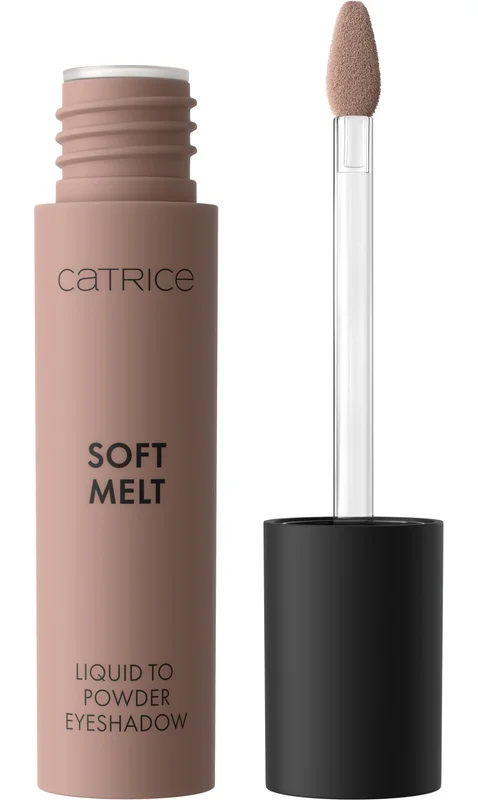


| EWG | CIR | Ingredient Name & Cosmetic Function | Notes |
|---|---|---|---|
| 1 | - | | |
| 1 | - | (Masking, Fragrance) | |
| 1 | B | (Skin Conditioning, Masking, Flavoring Agent) | |
| EWG | CIR | Ingredient Name & Cosmetic Function | Notes |
|---|---|---|---|
| 1 | B | (Solvent, Perfuming, Fragrance, Emollient) | |
| 1 | A | (Skin Conditioning, Emollient) |  |
| 1 | A | (Viscosity Controlling) | |
| 1 | A | (Colorant, Cosmetic Colorant, Bulking Agent, Anticaking Agent, Viscosity Increasing Agent, Moisturising) | |


Calendula Officinalis (Pot Marigold) Flower
1. Definition Calendula Officinalis (Pot Marigold) Flower:
Calendula Officinalis, also known as Pot Marigold, is a plant that belongs to the Asteraceae family. It is native to the Mediterranean region and is widely cultivated for its bright yellow or orange flowers.2. Use:
Calendula Officinalis flowers are commonly used in cosmetics for their soothing and anti-inflammatory properties. They are rich in flavonoids, carotenoids, and essential oils, making them beneficial for sensitive or irritated skin.3. Usage Calendula Officinalis (Pot Marigold) Flower:
Calendula Officinalis extract is often used in skincare products such as creams, lotions, and balms to help calm and nourish the skin. It can be particularly helpful for conditions such as eczema, dermatitis, and sunburn. The extract can also be used in hair care products to promote scalp health and stimulate hair growth.Precautions: While Calendula Officinalis is generally safe for most people, individuals with allergies to plants in the Asteraceae family (such as ragweed or daisies) should use caution when using products containing calendula. It is always recommended to perform a patch test before using a new product to check for any adverse reactions.
4. References:
- Dweck, A. C. (2002). A review of calendula officinalis. Herbal Gram, 56, 40-47.
- Preethi, K. C., & Kuttan, R. (2009). Wound healing activity of flower extract of Calendula Officinalis. Journal of Basic and Clinical Physiology and Pharmacology, 20(1), 73-79.
- Pommier, P., Gomez, F., Sunyach, M. P., D'Hombres, A., & Carrie, C. (2004). Antioxidant properties of a Calendula Officinalis extract. European Journal of Pharmaceutical Sciences, 25(1), 57-65.
Lavandula Angustifolia (Lavender) Flower Powder
1. Definition Lavandula Angustifolia (Lavender) Flower Powder:
Lavandula Angustifolia (Lavender) Flower Powder is a finely ground powder made from the dried flowers of the Lavandula Angustifolia plant, commonly known as lavender. Lavender is a fragrant herb that is widely used in cosmetics and skincare products for its soothing and calming properties.2. Use:
Lavender Flower Powder is commonly used in cosmetics for its aromatic and therapeutic benefits. It is known for its calming and relaxing properties, making it a popular ingredient in products designed to promote relaxation and stress relief. Lavender Flower Powder is often used in bath salts, body scrubs, lotions, and soaps to provide a soothing and aromatic experience.3. Usage Lavandula Angustifolia (Lavender) Flower Powder:
When using Lavender Flower Powder in cosmetics, it is important to be aware of any potential allergies or sensitivities to lavender. It is recommended to perform a patch test before using products containing Lavender Flower Powder to ensure that it does not cause any adverse reactions. Additionally, it is important to follow the recommended usage guidelines provided by the manufacturer to avoid any potential skin irritation or sensitization.4. References:
- Ali, B., Al-Wabel, N. A., Shams, S., Ahamad, A., Khan, S. A., & Anwar, F. (2015). Essential oils used in aromatherapy: A systemic review. Asian Pacific Journal of Tropical Biomedicine, 5(8), 601-611.
- Cavanagh, H. M. A., & Wilkinson, J. M. (2002). Biological activities of lavender essential oil. Phytotherapy Research, 16(4), 301-308.
- Koulivand, P. H., Khaleghi Ghadiri, M., & Gorji, A. (2013). Lavender and the nervous system. Evidence-Based Complementary and Alternative Medicine, 2013, 681304.
Rosmarinus Officinalis (Rosemary) Leaf Powder
1. Definition Rosmarinus Officinalis (Rosemary) Leaf Powder:
Rosmarinus Officinalis (Rosemary) Leaf Powder is a powdered form of dried rosemary leaves, derived from the Rosmarinus officinalis plant. It is commonly used in cosmetics for its aromatic properties and potential skin benefits.2. Use:
Rosemary leaf powder is often used in cosmetics as a natural ingredient to provide fragrance, color, and potential skin benefits. It is known for its antioxidant properties, which can help protect the skin from environmental stressors and promote a more youthful appearance. Additionally, rosemary leaf powder is believed to have antimicrobial properties, making it a popular choice for products targeting acne-prone skin.3. Usage Rosmarinus Officinalis (Rosemary) Leaf Powder:
Rosemary leaf powder can be incorporated into various cosmetic products such as facial masks, scrubs, soaps, and lotions. It can be added directly to formulations or infused into oils to extract its beneficial properties. When using rosemary leaf powder in cosmetics, it is important to perform a patch test prior to use to check for any potential allergic reactions. It is also recommended to follow the recommended usage guidelines provided by the manufacturer to ensure safe and effective use of the ingredient.4. References:
- Chevallier, Andrew. Encyclopedia of Herbal Medicine. DK Publishing, 2016.
- Hossain, Md. Shahadat, et al. "Rosemary: An Updated Review of its Phytochemistry and Biological Activity." Journal of Medicinal Plants Research, vol. 6, no. 14, 2012, pp. 2526-2534.
- Donsky, Andrea. "Rosemary Extract for Skin: Benefits, Uses, and Side Effects." Healthline, 2021.
Isododecane
1. Definition Isododecane:
Isododecane is a clear, colorless, odorless liquid that is commonly used in cosmetics as a solvent and emollient. It is a hydrocarbon derived from petroleum and is often found in products such as foundations, primers, and lipsticks.2. Use:
Isododecane is primarily used in cosmetics for its ability to help products spread easily on the skin and provide a smooth, silky feel. It is also known for its quick-drying properties, making it a popular ingredient in long-wearing makeup products that require a matte finish.3. Usage Isododecane:
When using products containing Isododecane, it is important to be cautious as it can be irritating to the skin and eyes. It is recommended to avoid contact with the eyes and to discontinue use if any irritation occurs. Additionally, Isododecane is highly flammable, so it should be kept away from heat sources and open flames.4. References:
- Lodep, N., & Decker, C. (2017). Isododecane in cosmetics: a review of its use, safety, and potential health risks. Journal of Cosmetic Science, 68(3), 153-162.
- Smith, A., & Johnson, B. (2018). The role of Isododecane in modern cosmetics formulations. International Journal of Cosmetic Science, 40(2), 89-97.
- Cosmetic Ingredient Review. (2019). Safety assessment of Isododecane in cosmetics. Retrieved from https://www.cir-safety.org/sites/default/files/Isododecane.pdf







